Museum, Park, Museum
Comment via blog

Prev

Next


|
Day 2: October 21, 2026 Museum, Park, Museum Comment via blog |
Prev Next |
|
|
|
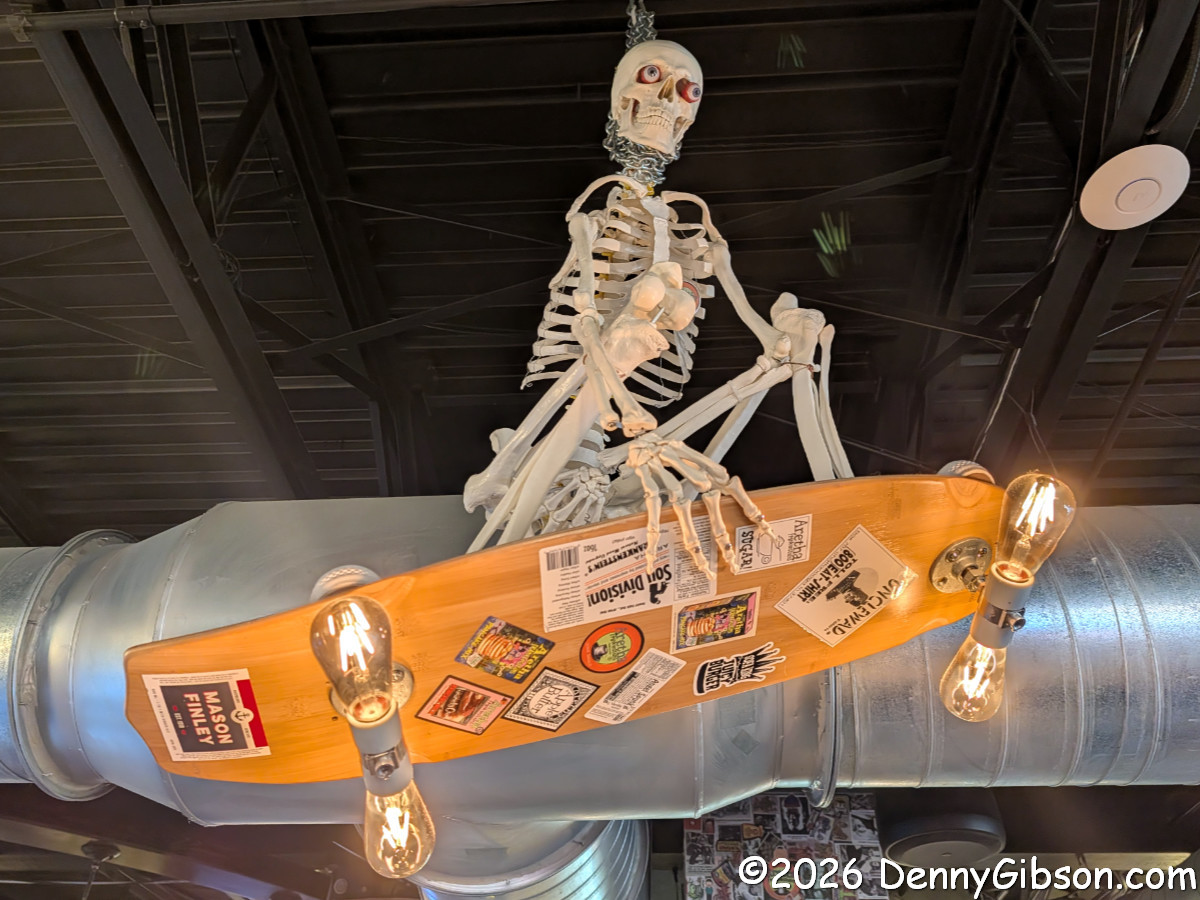
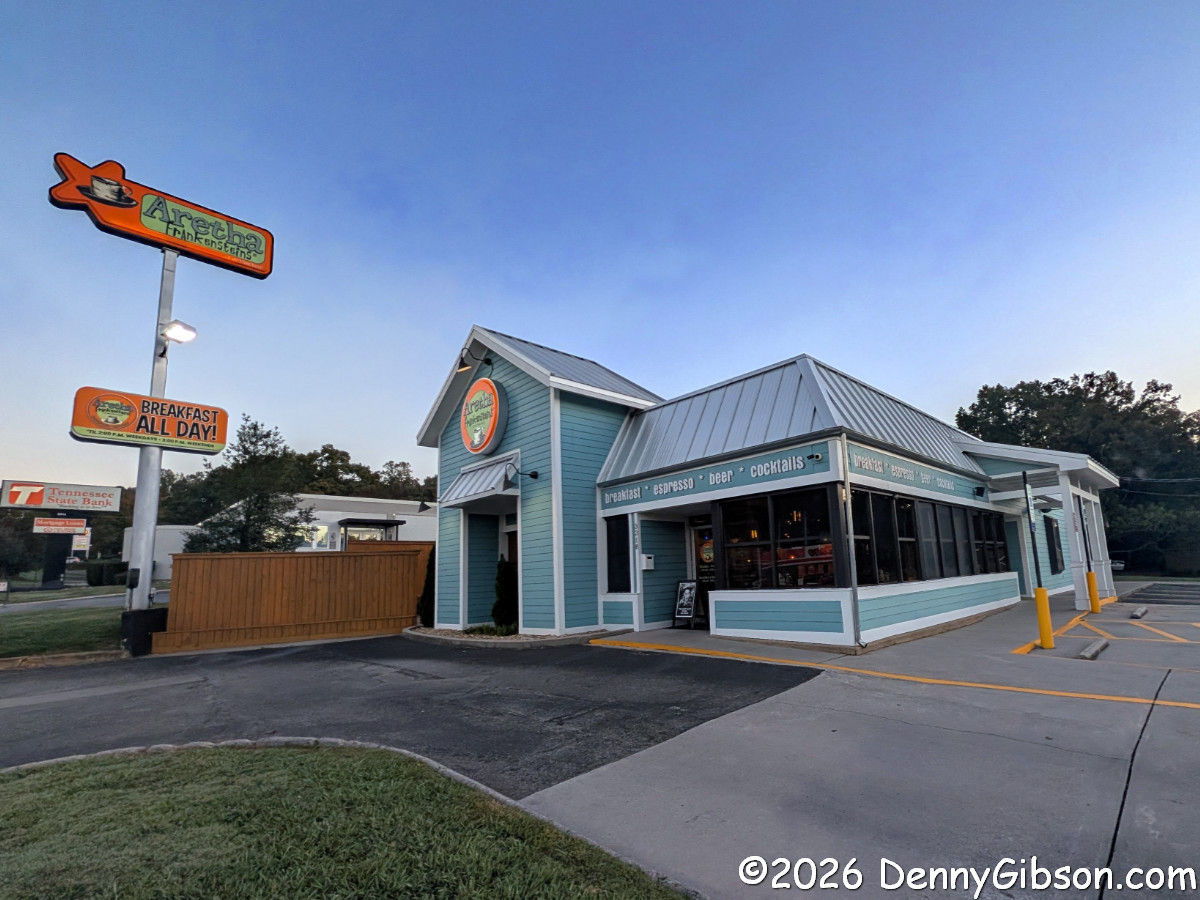
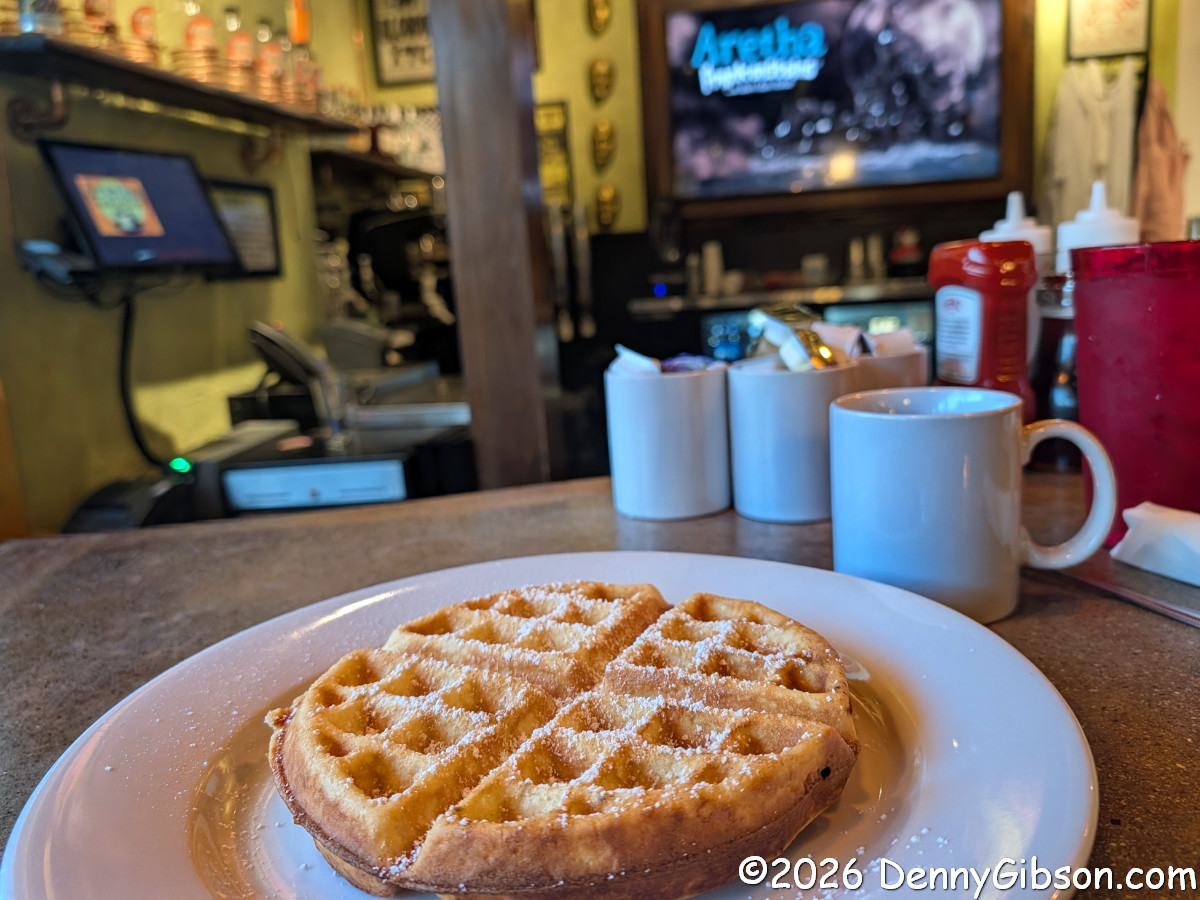 Yea, that is a waffle of insane greatness. You've seen them here before,
but until now they were all from Aretha Frankensteins in Chattanooga. This one is on
the counter of the Knoxville outpost, which was opened just ahead of
Thanksgiving in 2023. There's a good chance that, even if you didn't
recognize the insanely great waffle or bother to read the signs out front,
you might have known this was an Aretha's by the ceiling decor. |
|
|
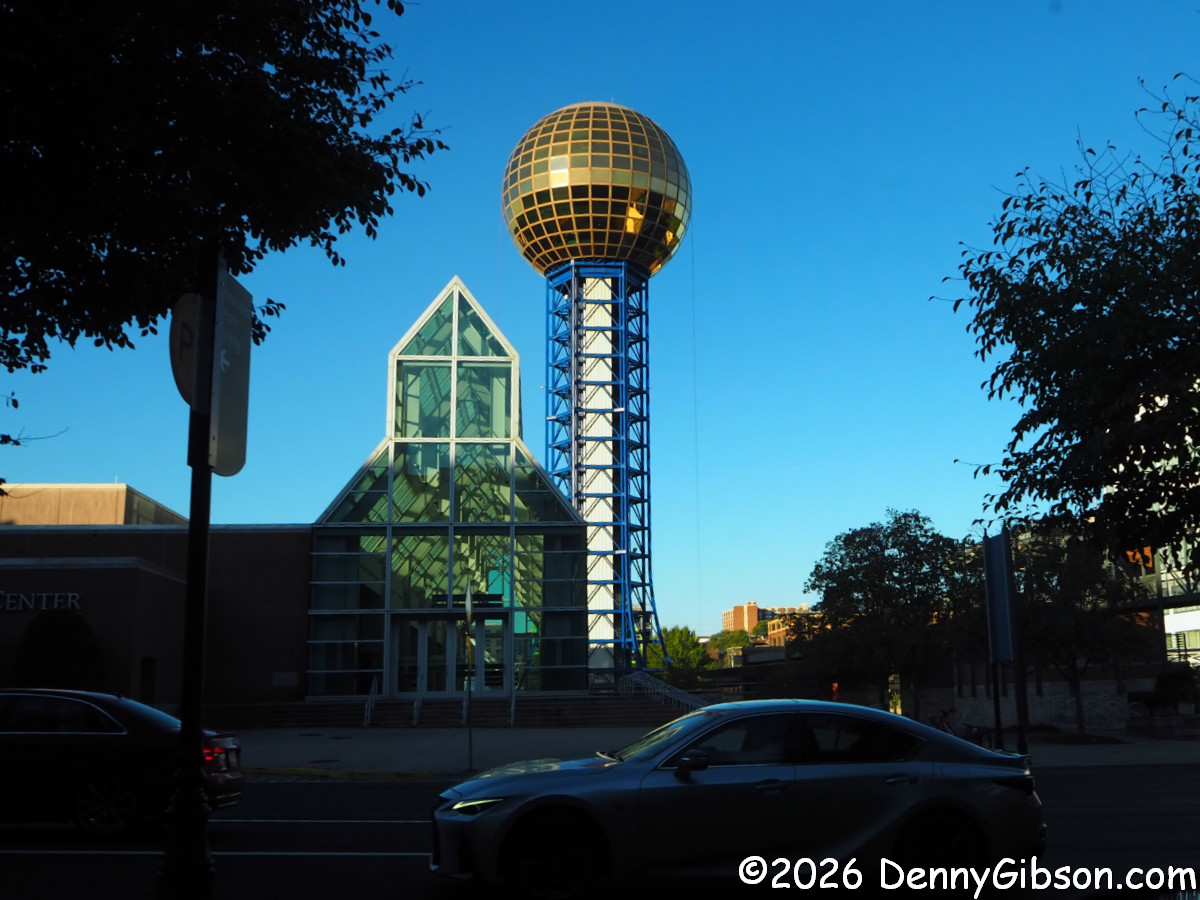 An here is something by which you might recognize the city of Knoxville.
It's the Sunsphere from the 1982 World's Fair caught in a drive-by photo. |
|
|
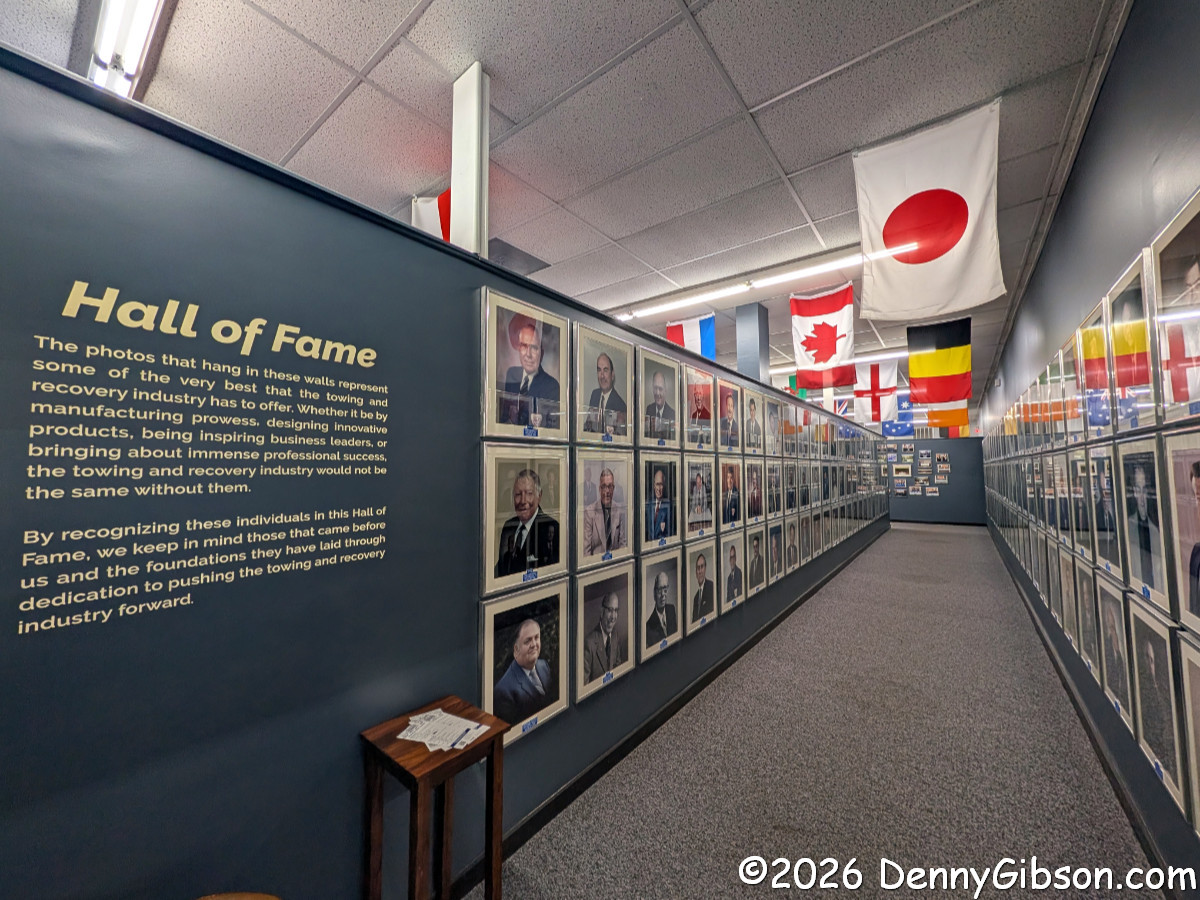
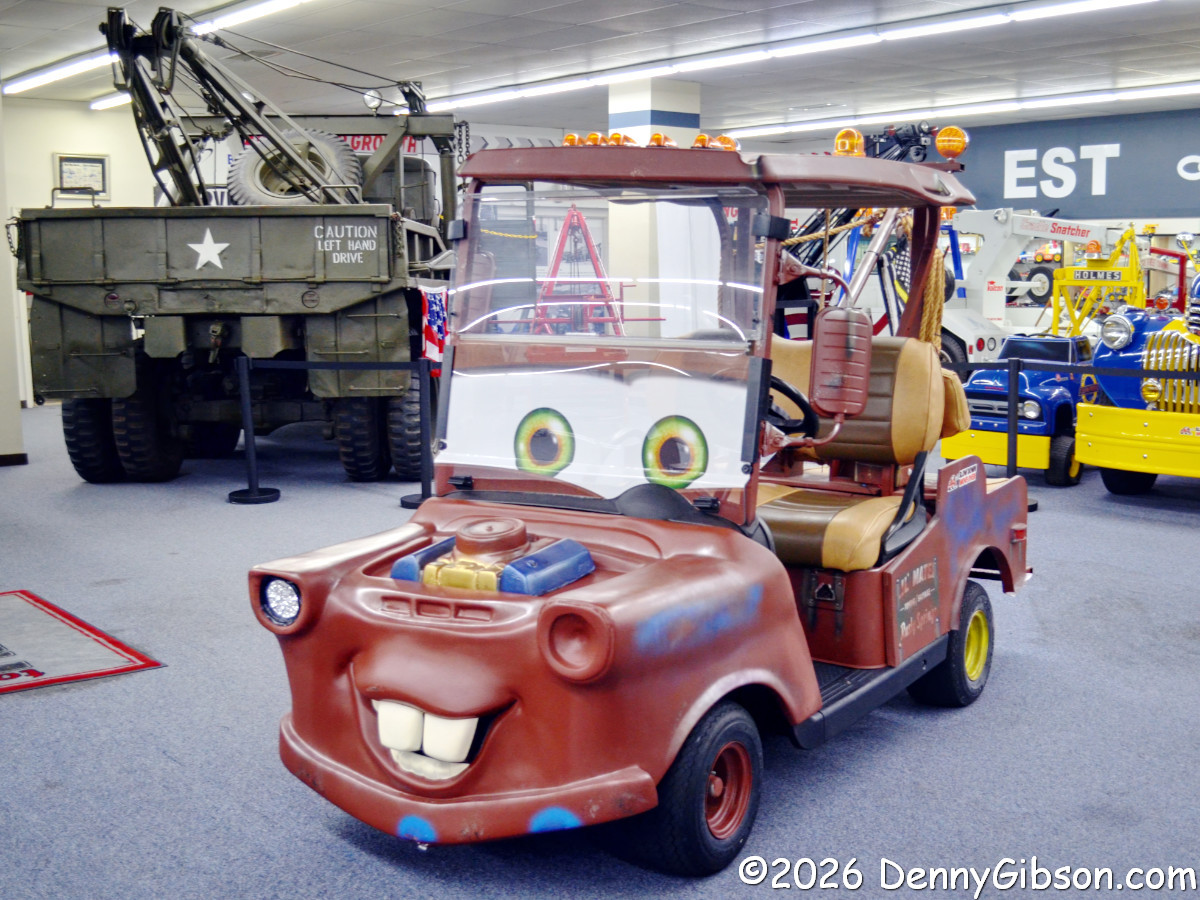
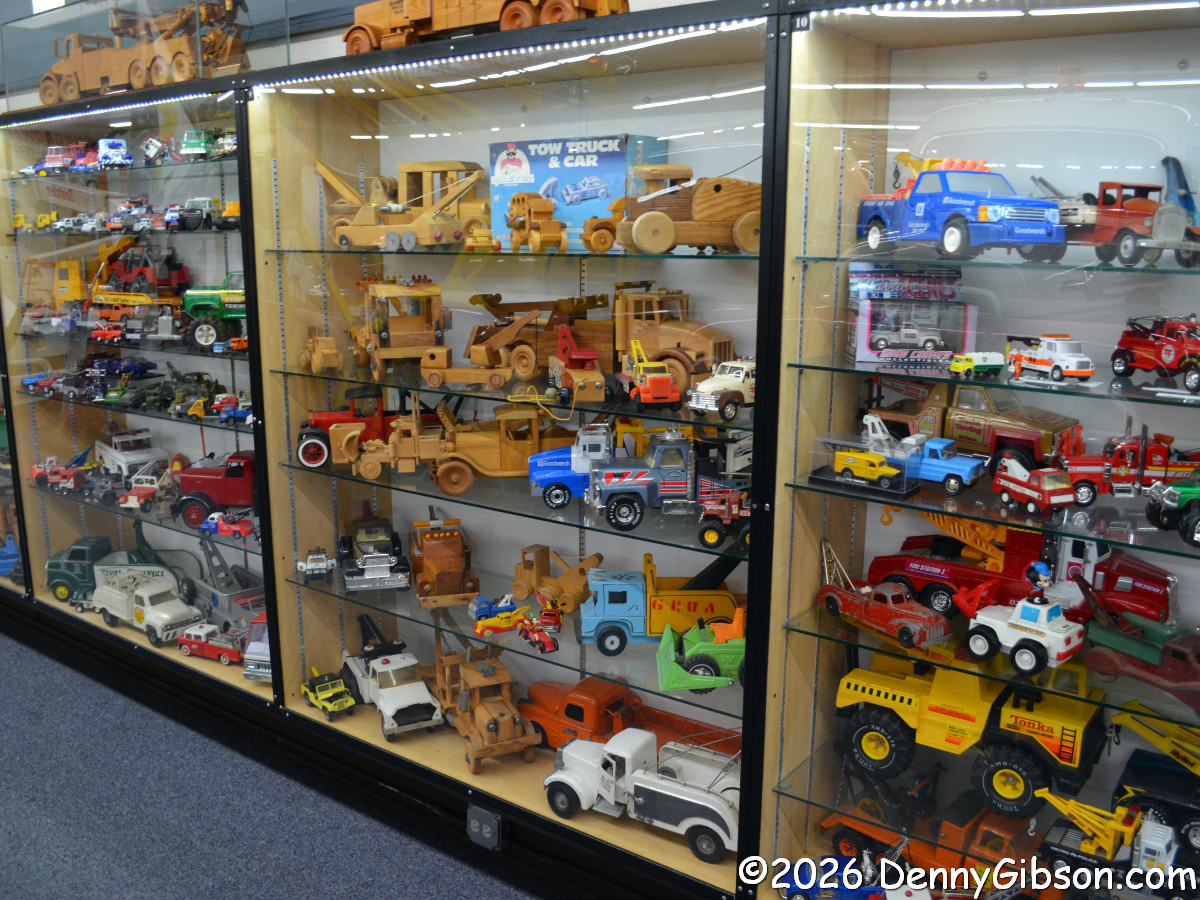
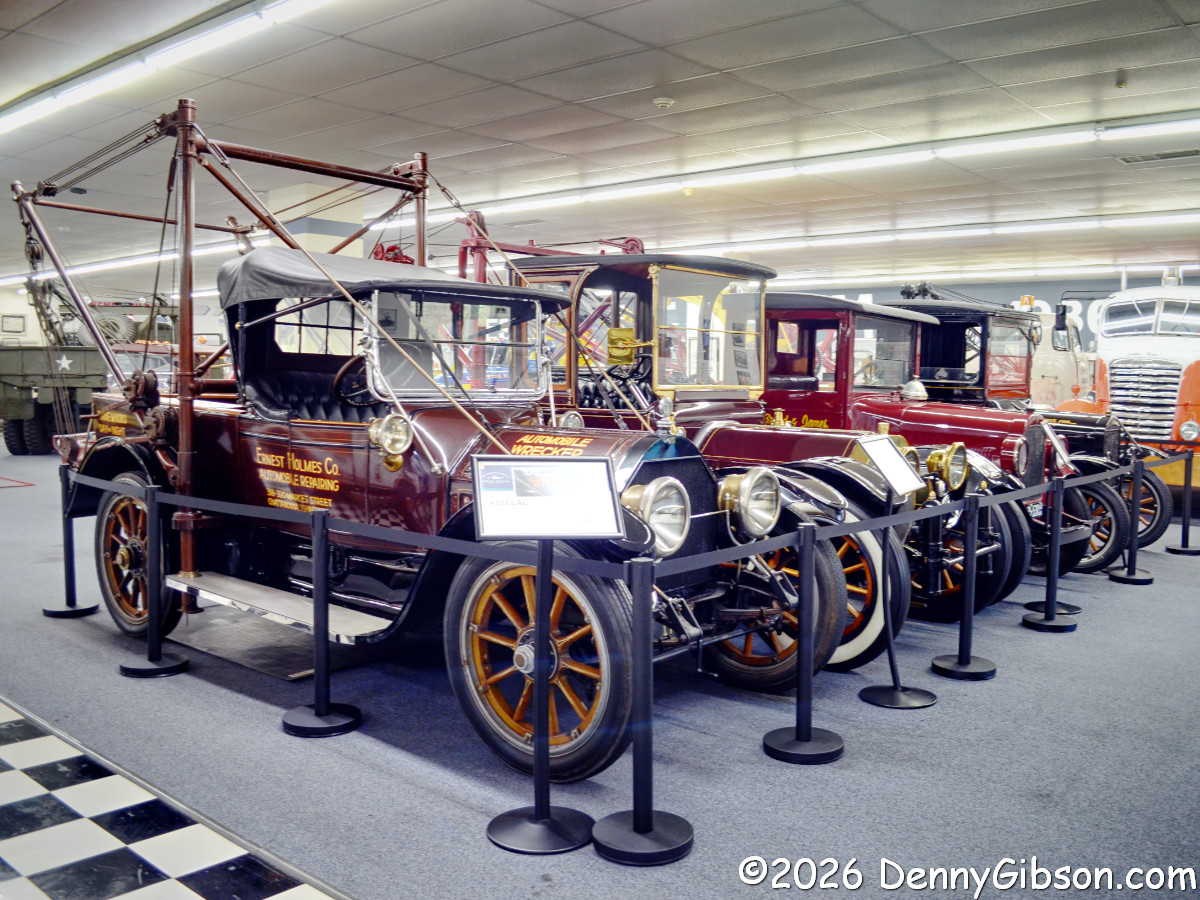
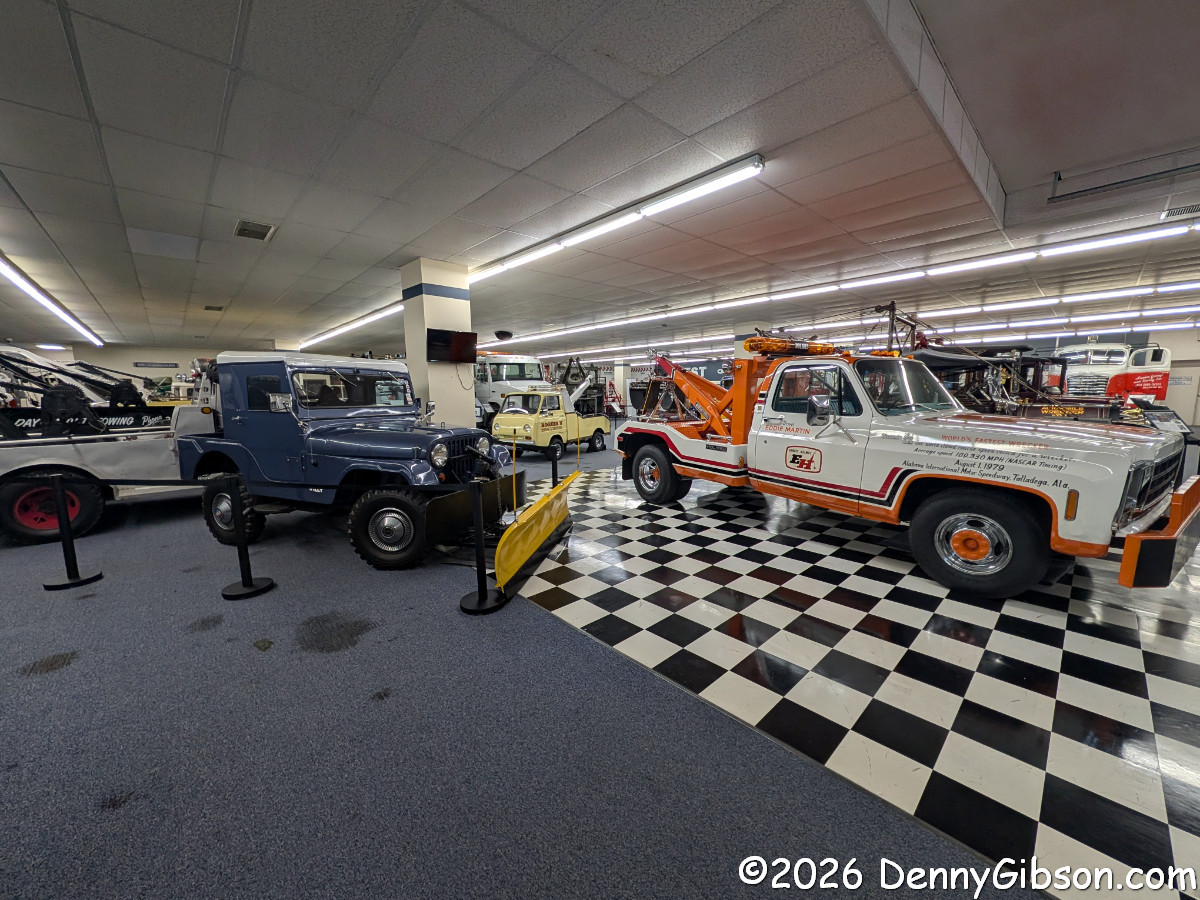
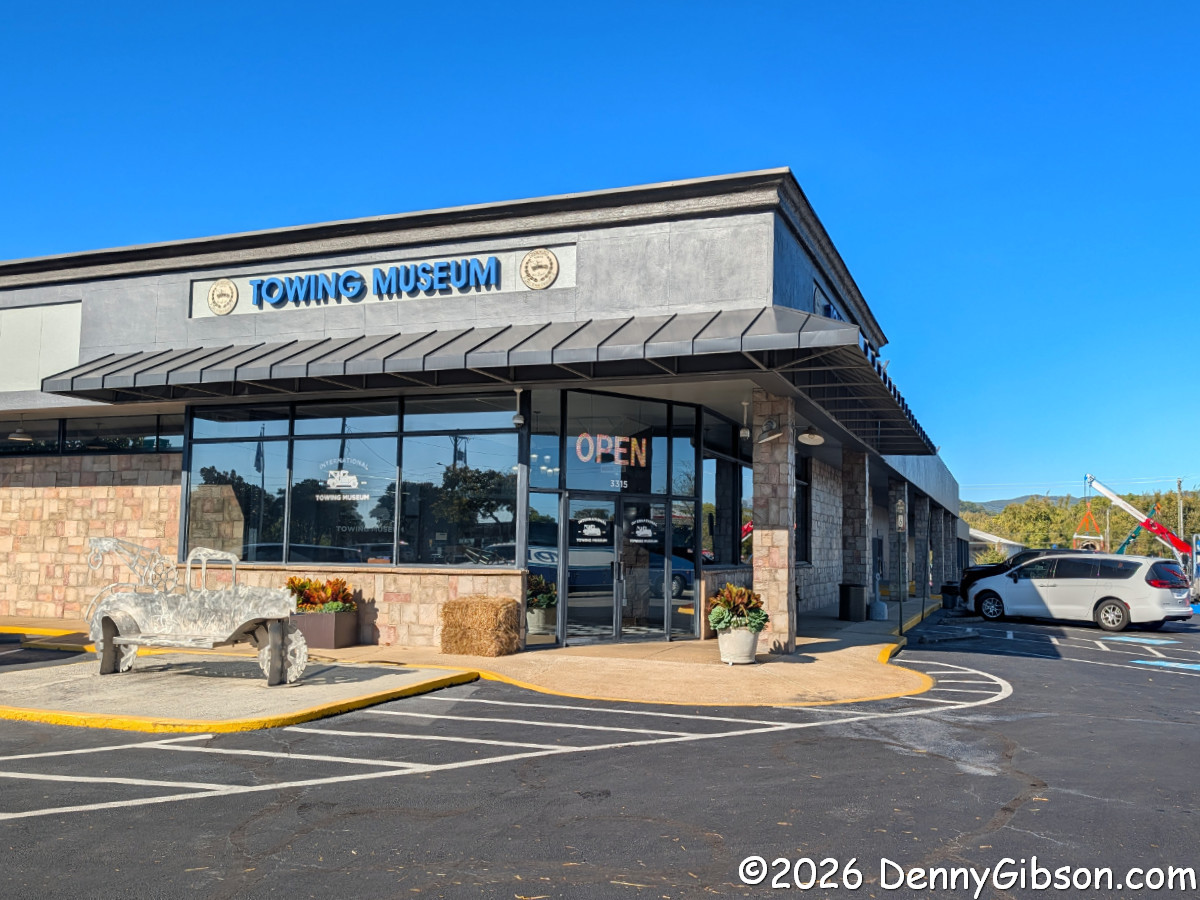 Possibly because I'd known about it but had not yet visited, I headed to
the International
Towing & Recovery Museum first when I reached Chattanooga. The
history of towing is definitely an interesting one, and the museum
displays items of all ages for visitors of all ages. The seeds of the
industry were planted by Ernest Holmes with his development of truck
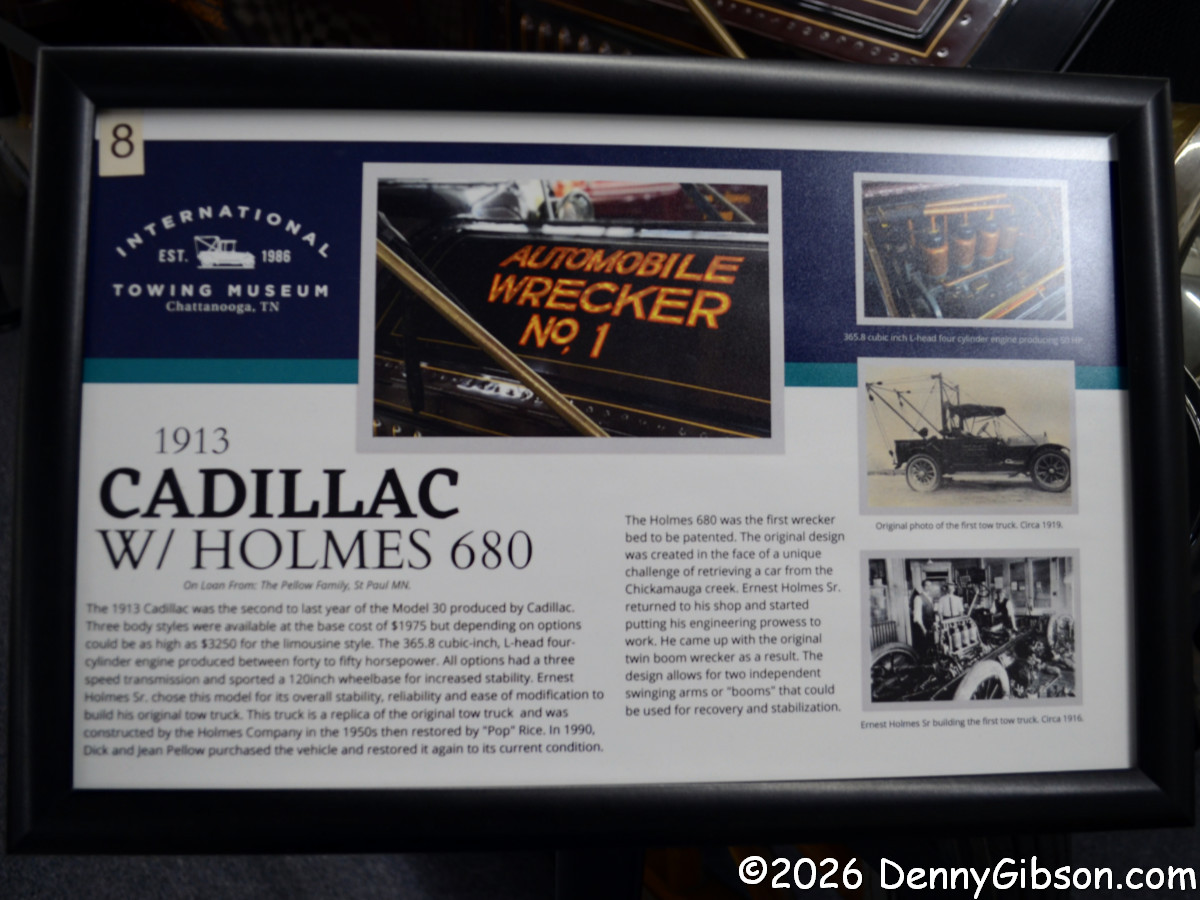
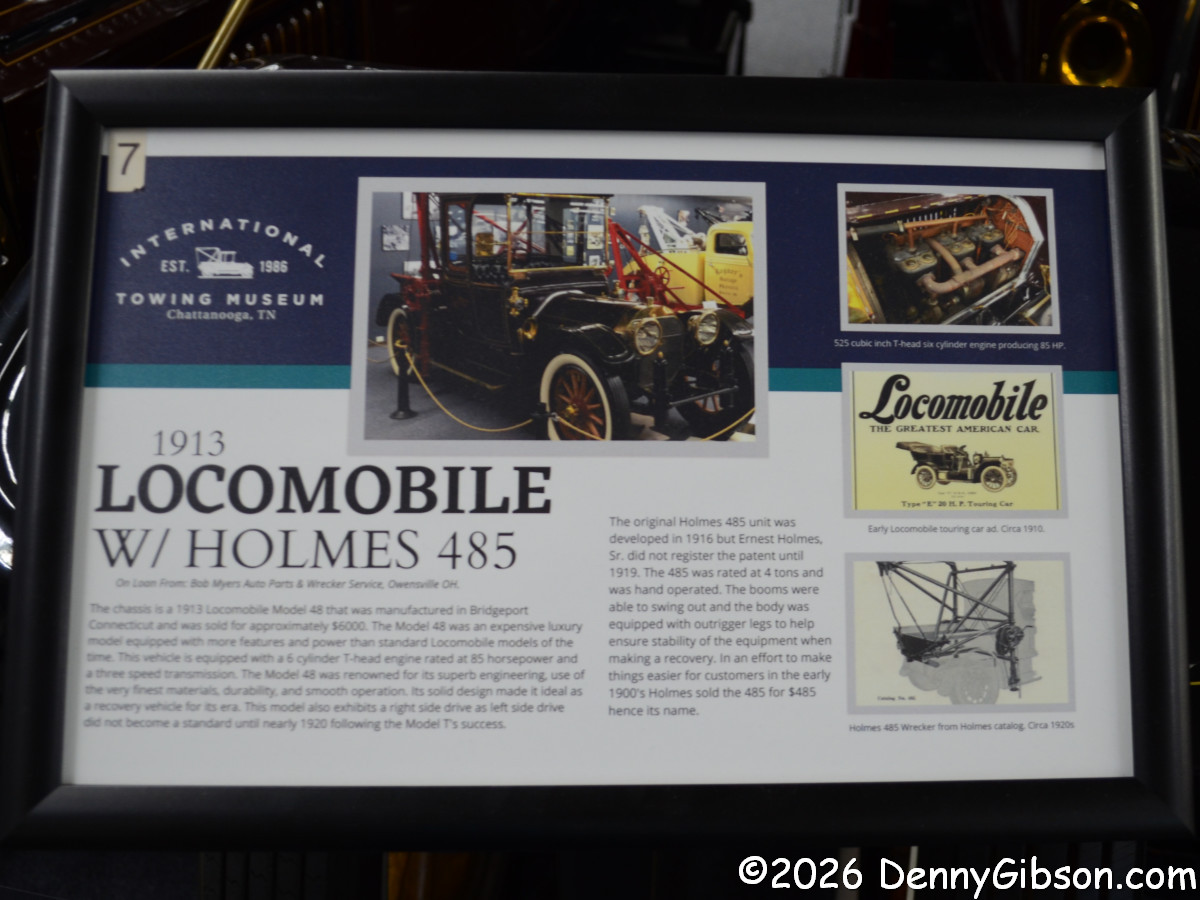
mounted towing rigs. The first two vehicles in the third picture are
examples of his earliest products. Up front is a
1913 Cadillac with an example of the first
towing bed Holmes patented. Behind it is a 1913
Locomobile with an example of an earlier towing bed. This model was
never patented but is essentially the setup Holmes developed initially. |
|
|
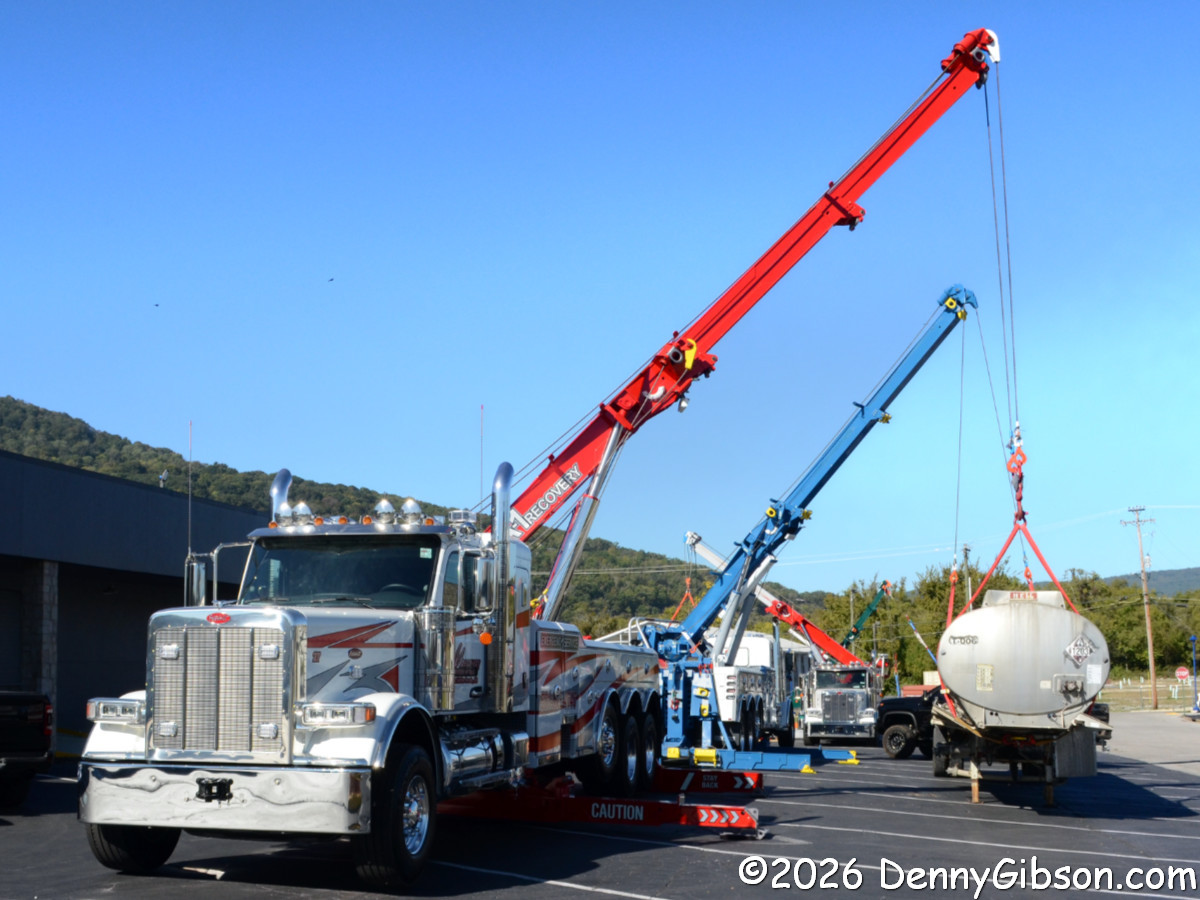
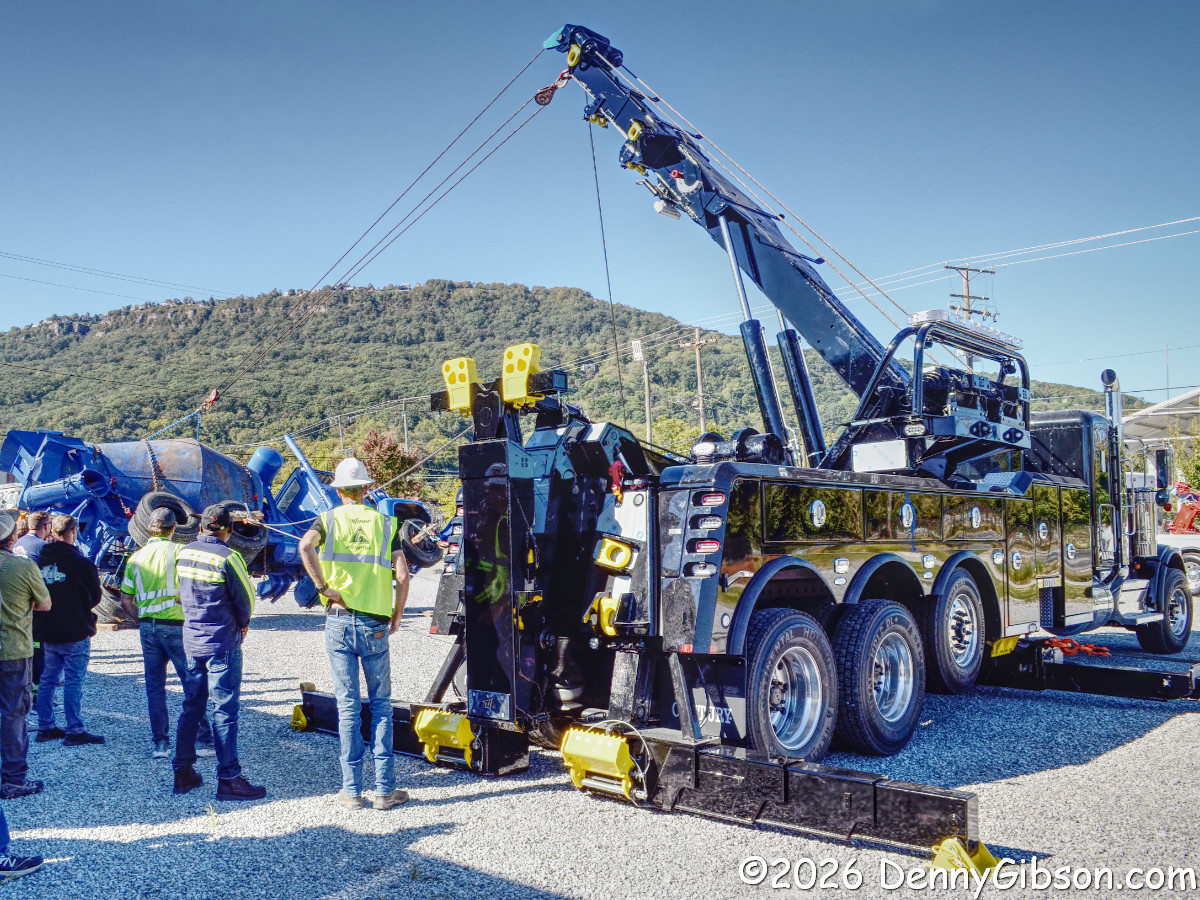
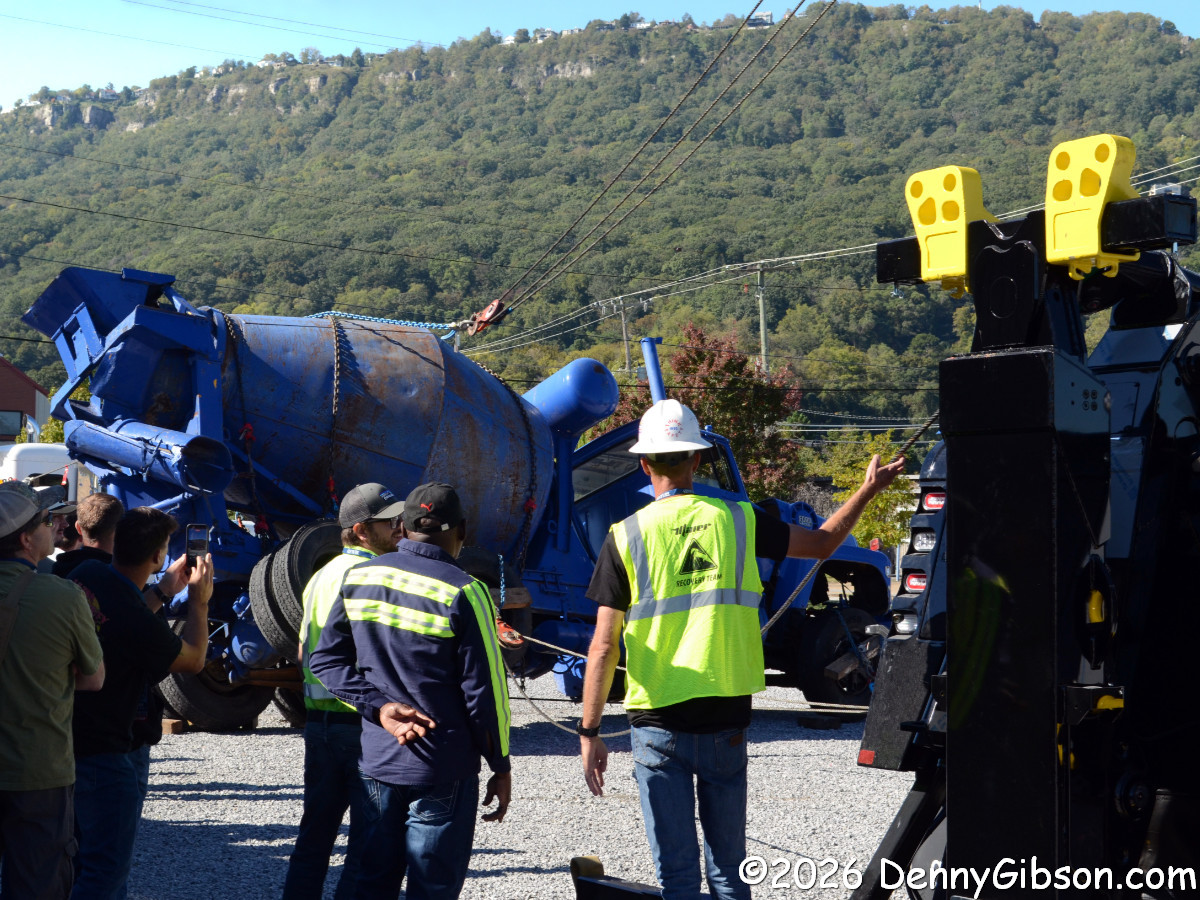
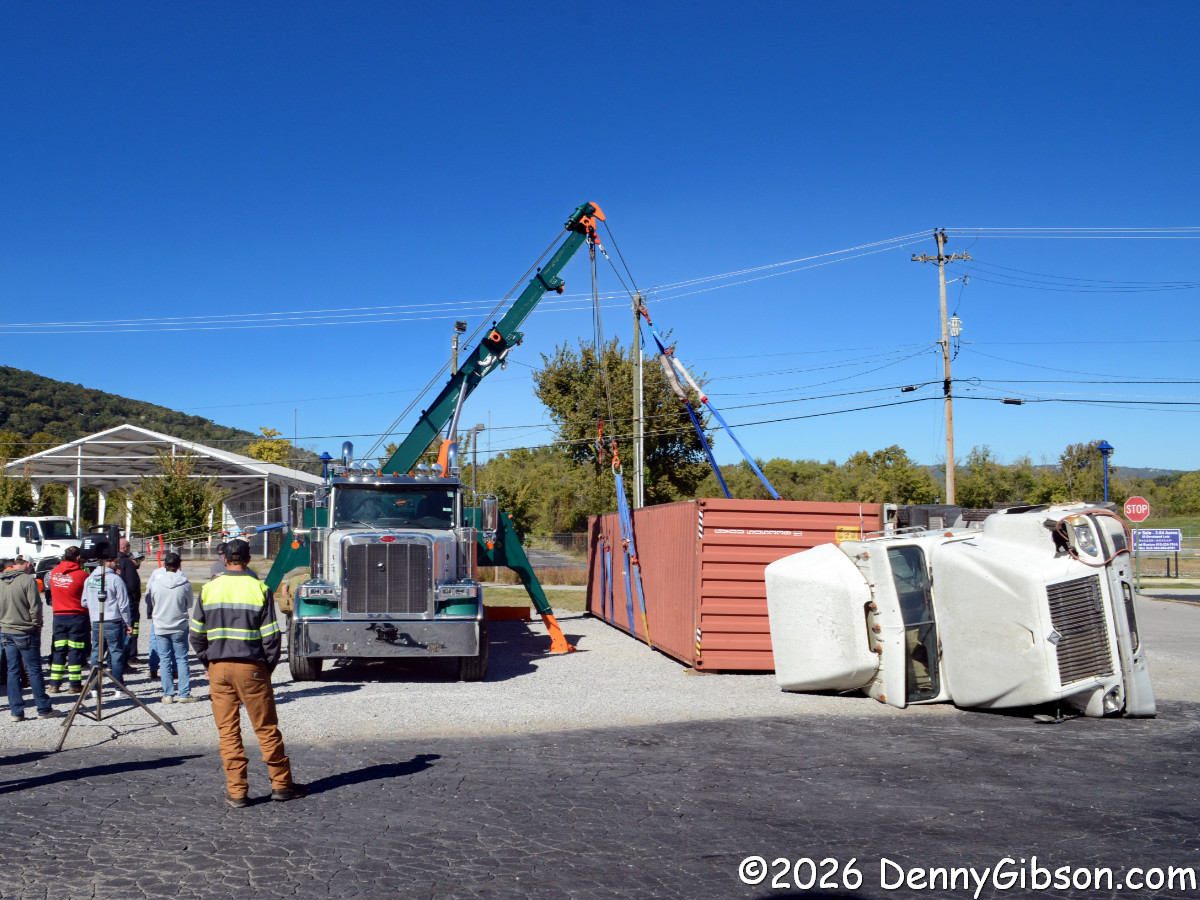
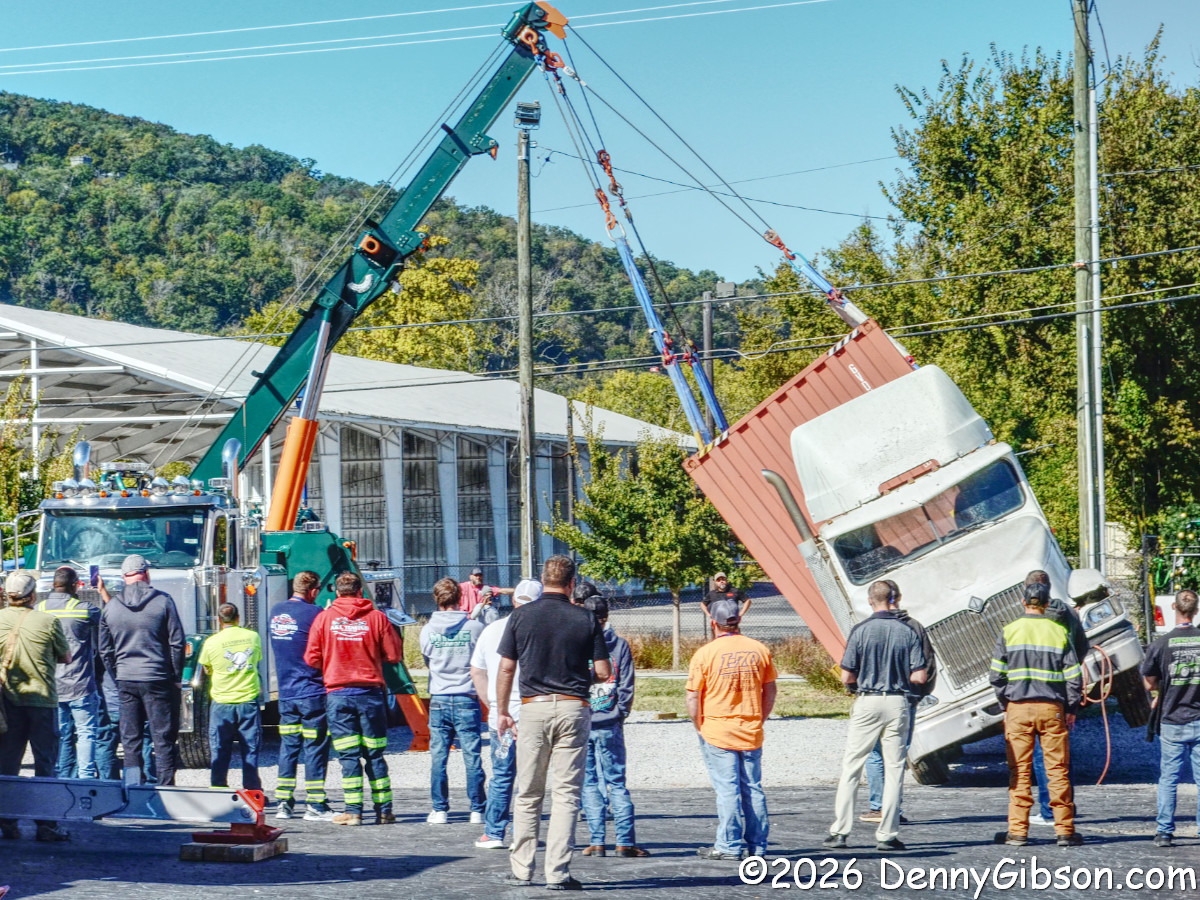 I noticed a lot of big gear in the parking lot when I arrived, and
wondered if it was part of the normal exhibits. It was not. Demonstrations
and training for heavy duty recovery were happening. Spectators were
permitted as long as they kept their distance, and I certainly did that.
Recovering cement trucks and semis is not as simple as tying on and
yanking. A lot of pretty technical talk preceded any action. Although I
didn't understand much of it, I was impressed with it, and even more
impressed by the action. |
|
|
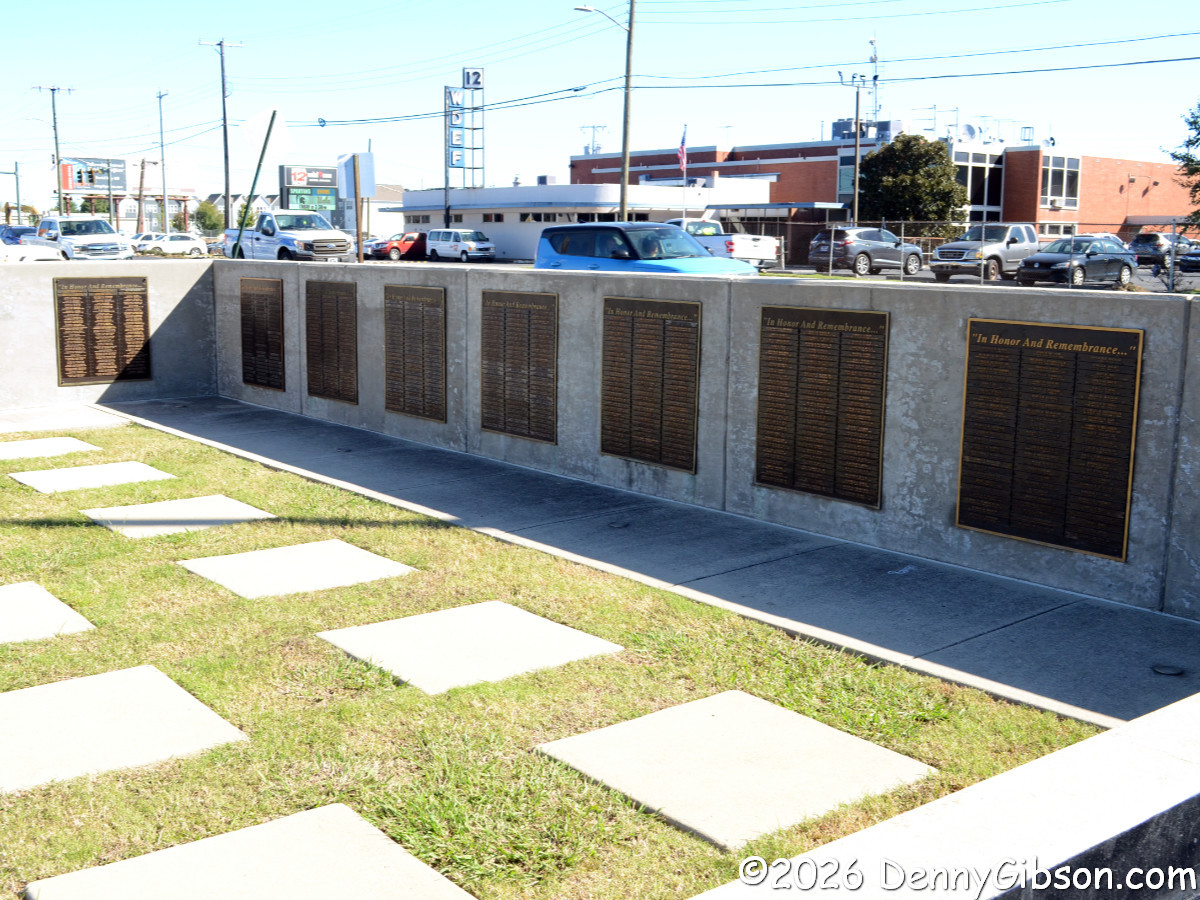
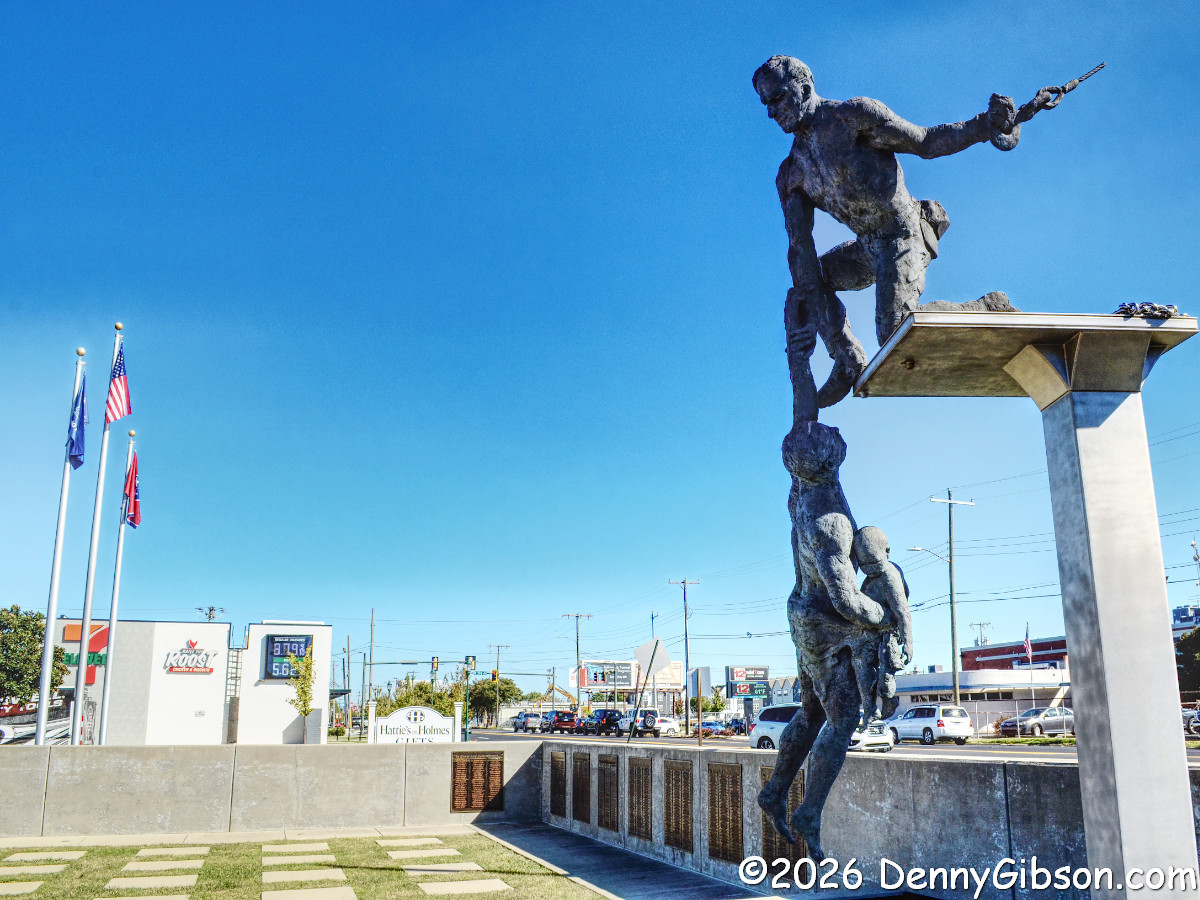
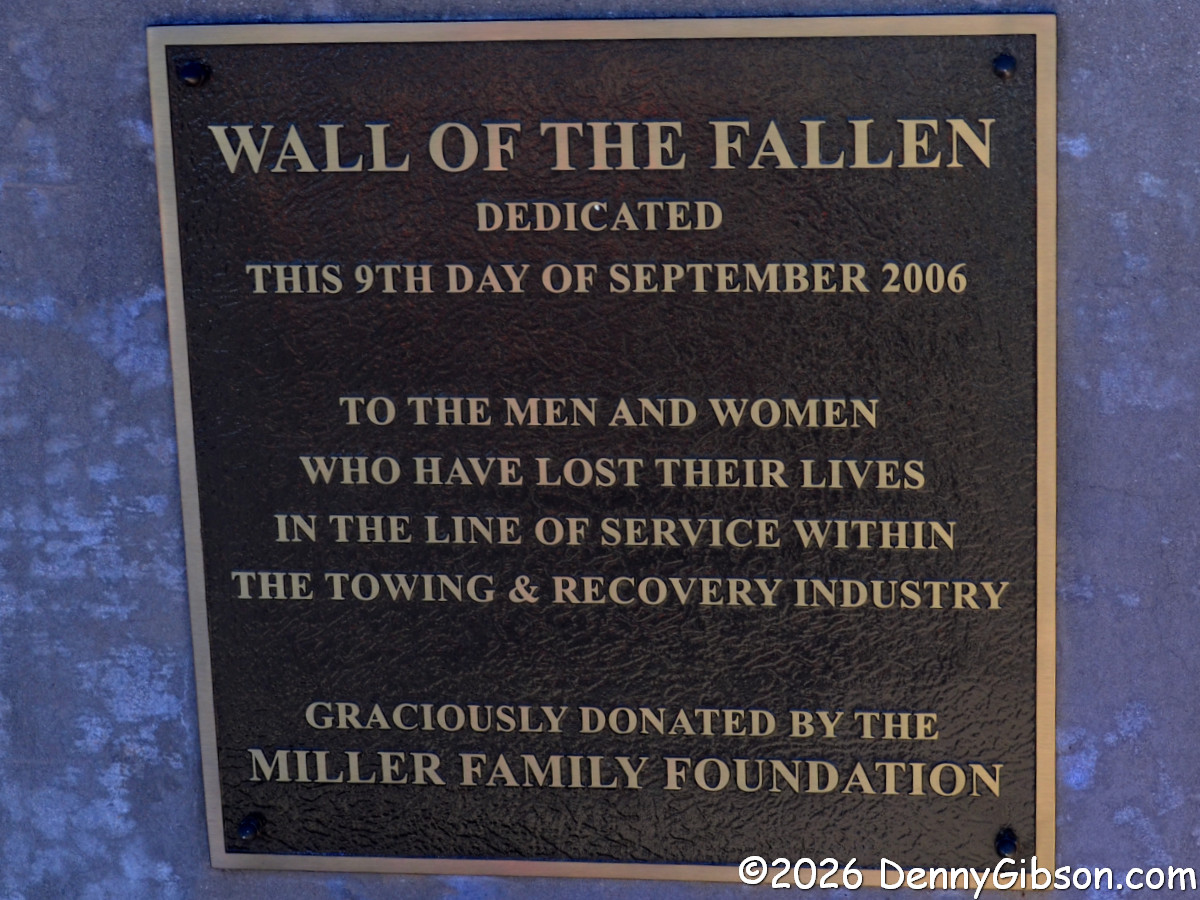
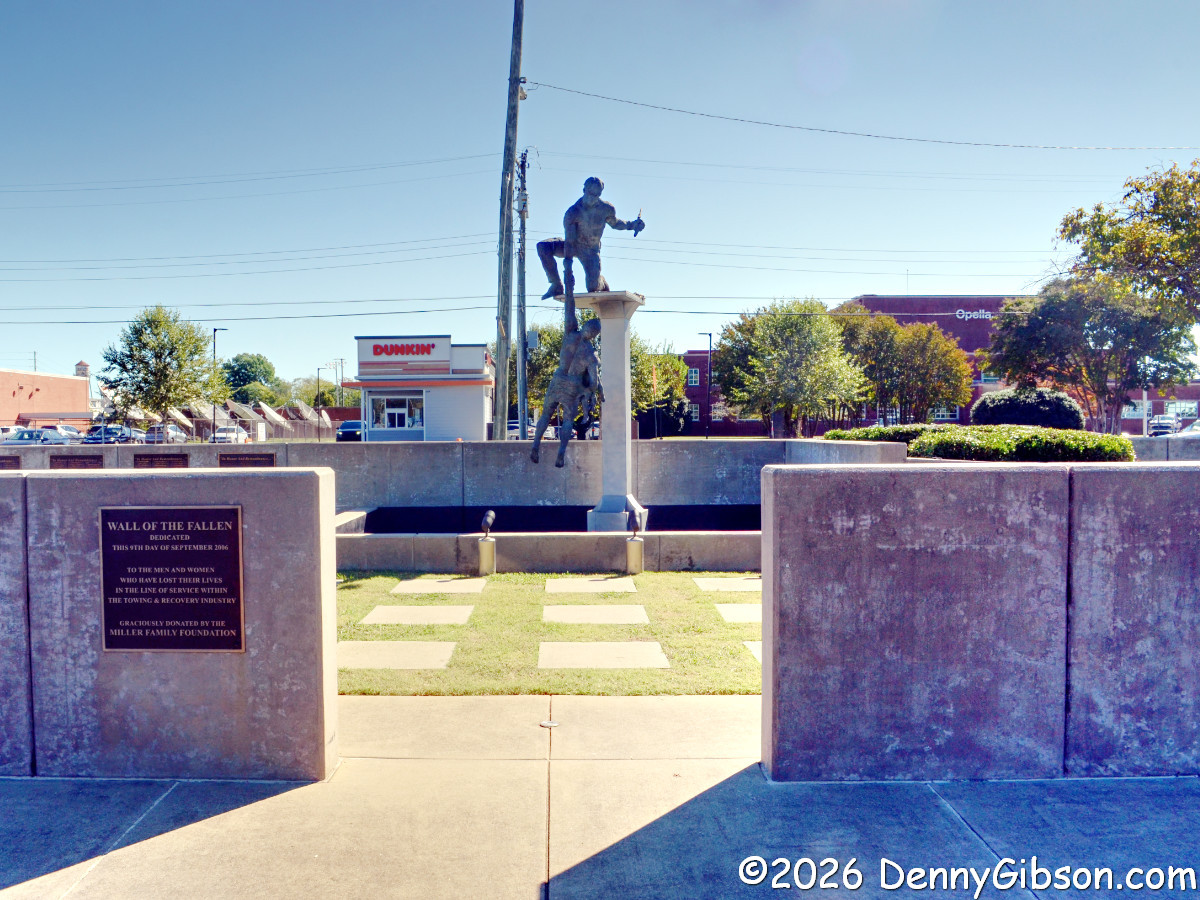 I watched an introductory video when I entered the museum and picked up a
statistic I had to verify with a docent. Tow truck crews suffer three
times as many fatalities as all other first responders combined. The
Wall of the Fallen in front of the museum honors
some of those lost. |
|
|
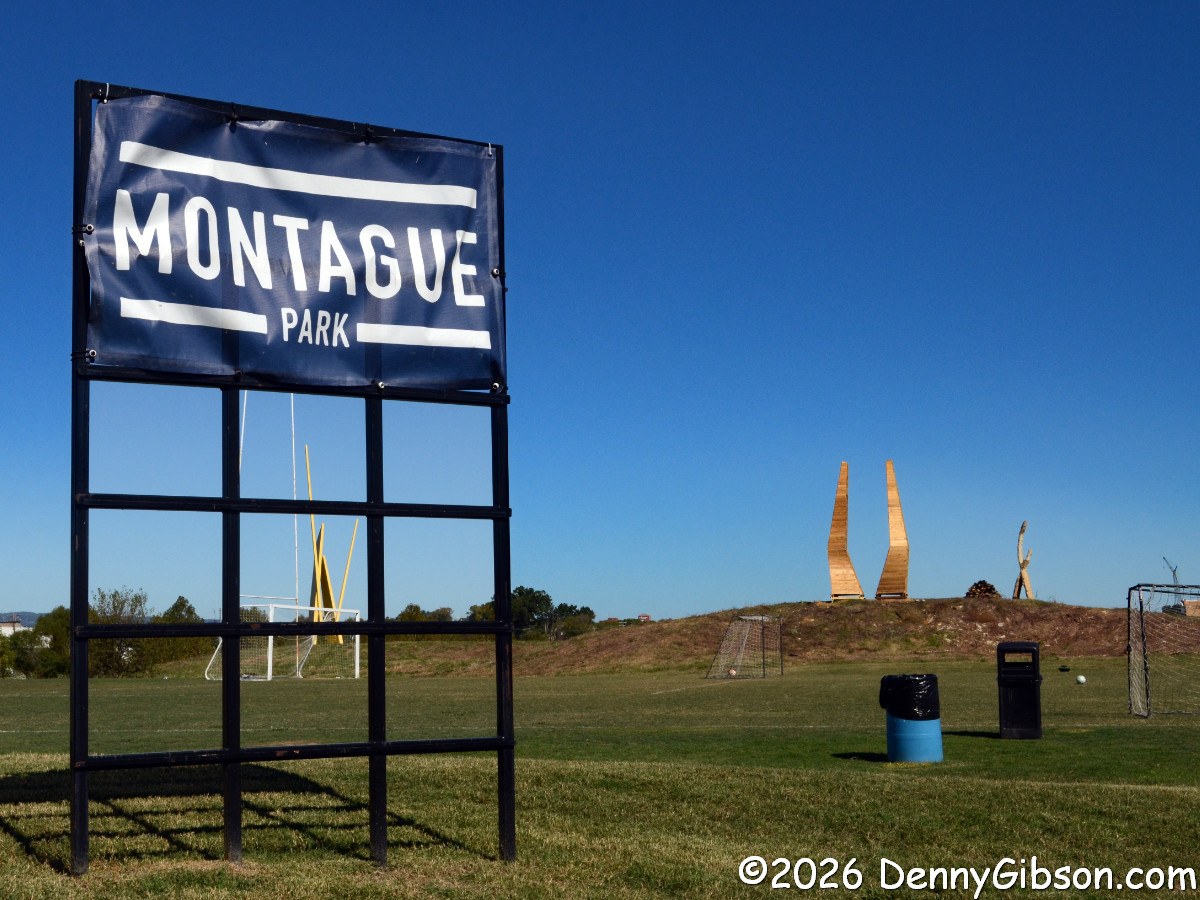
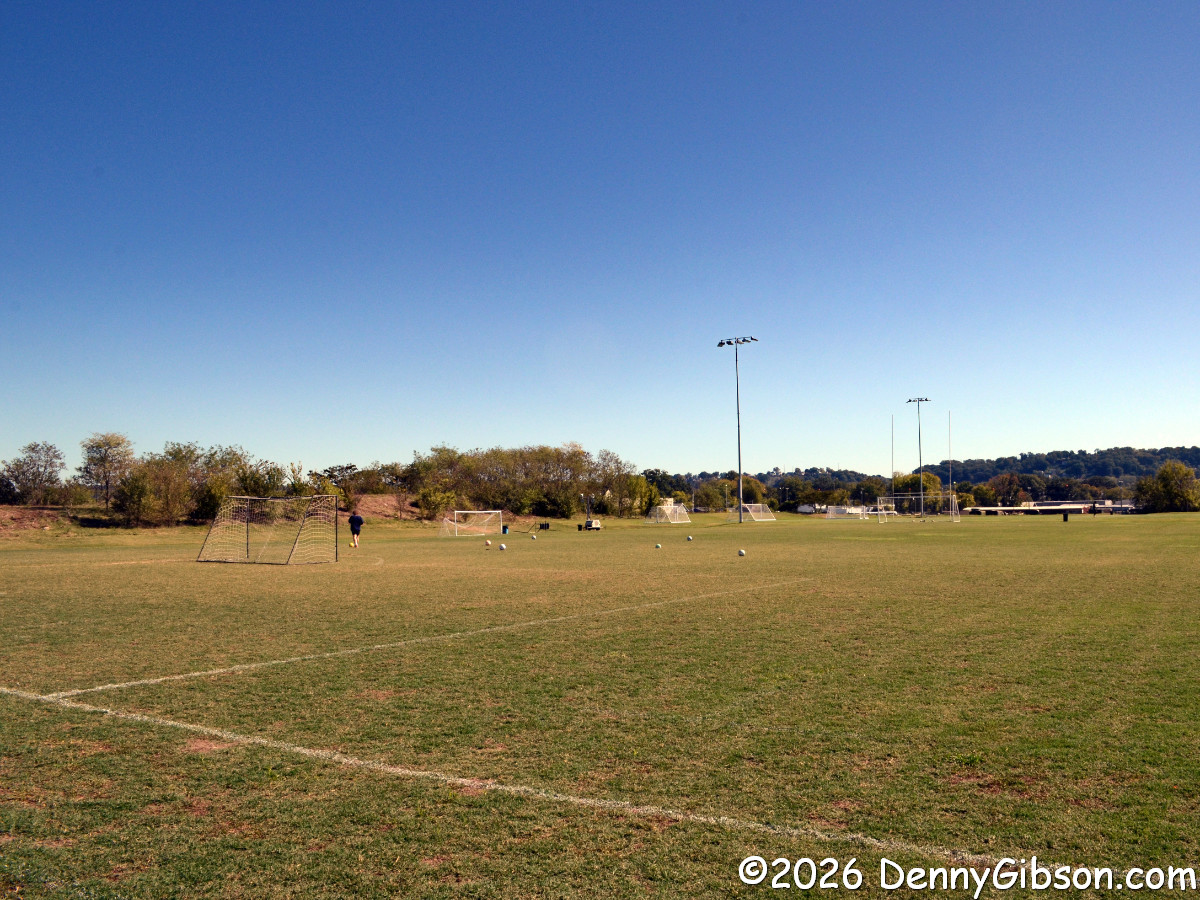
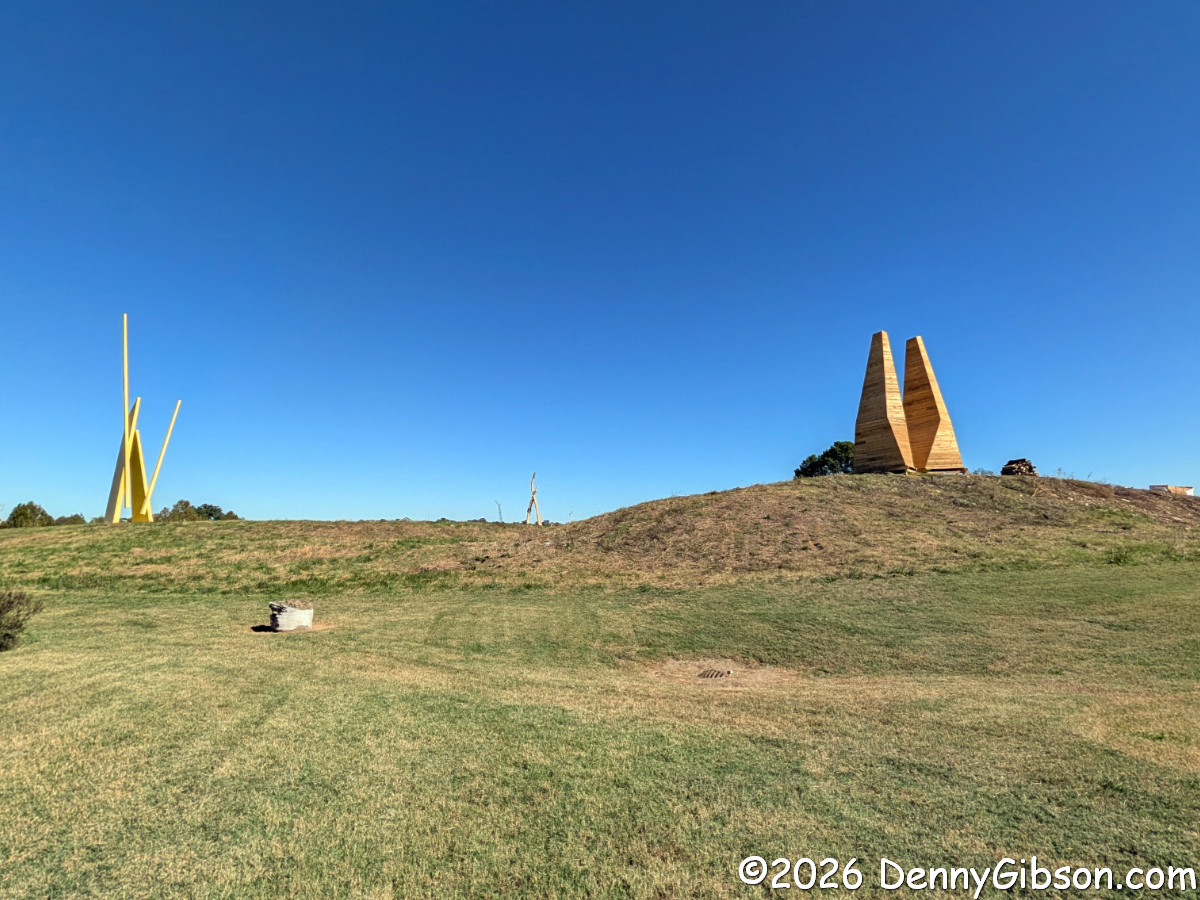
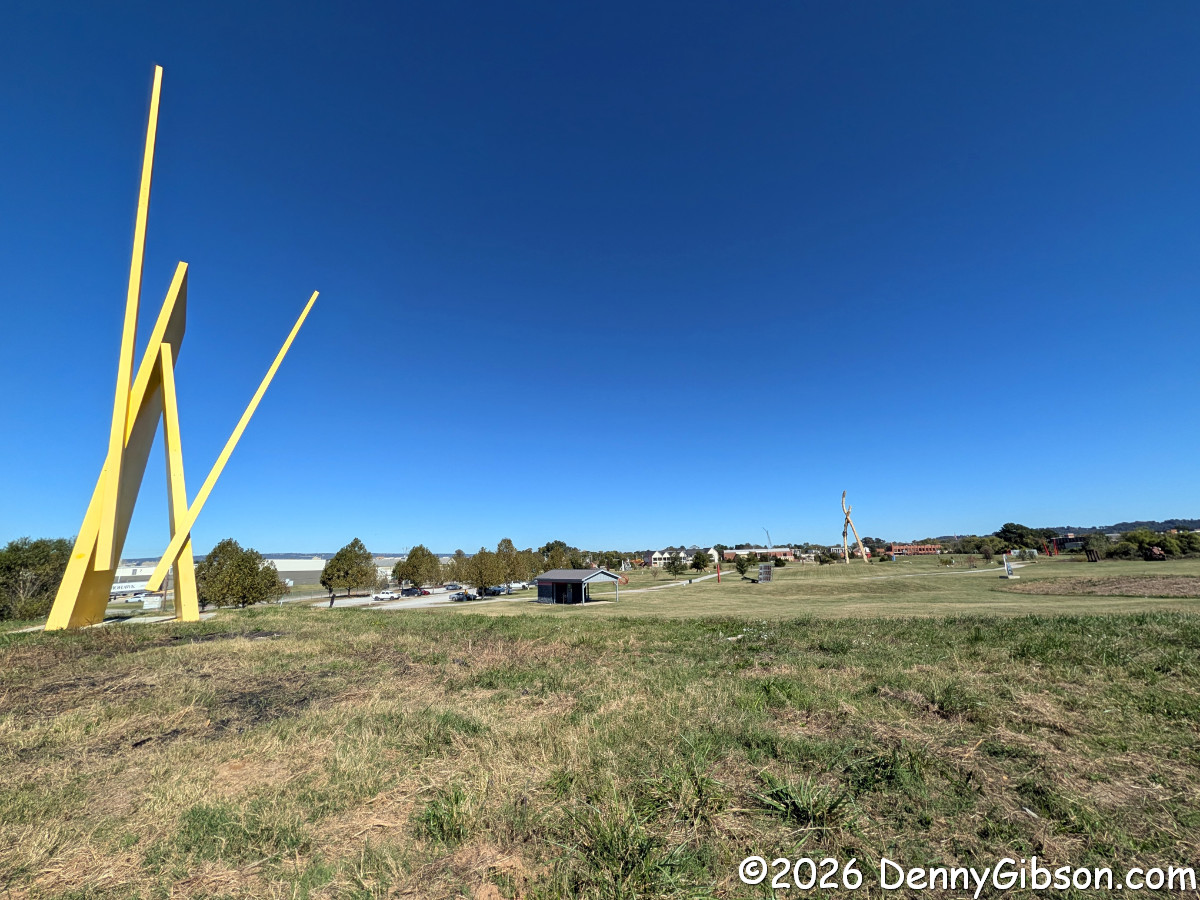
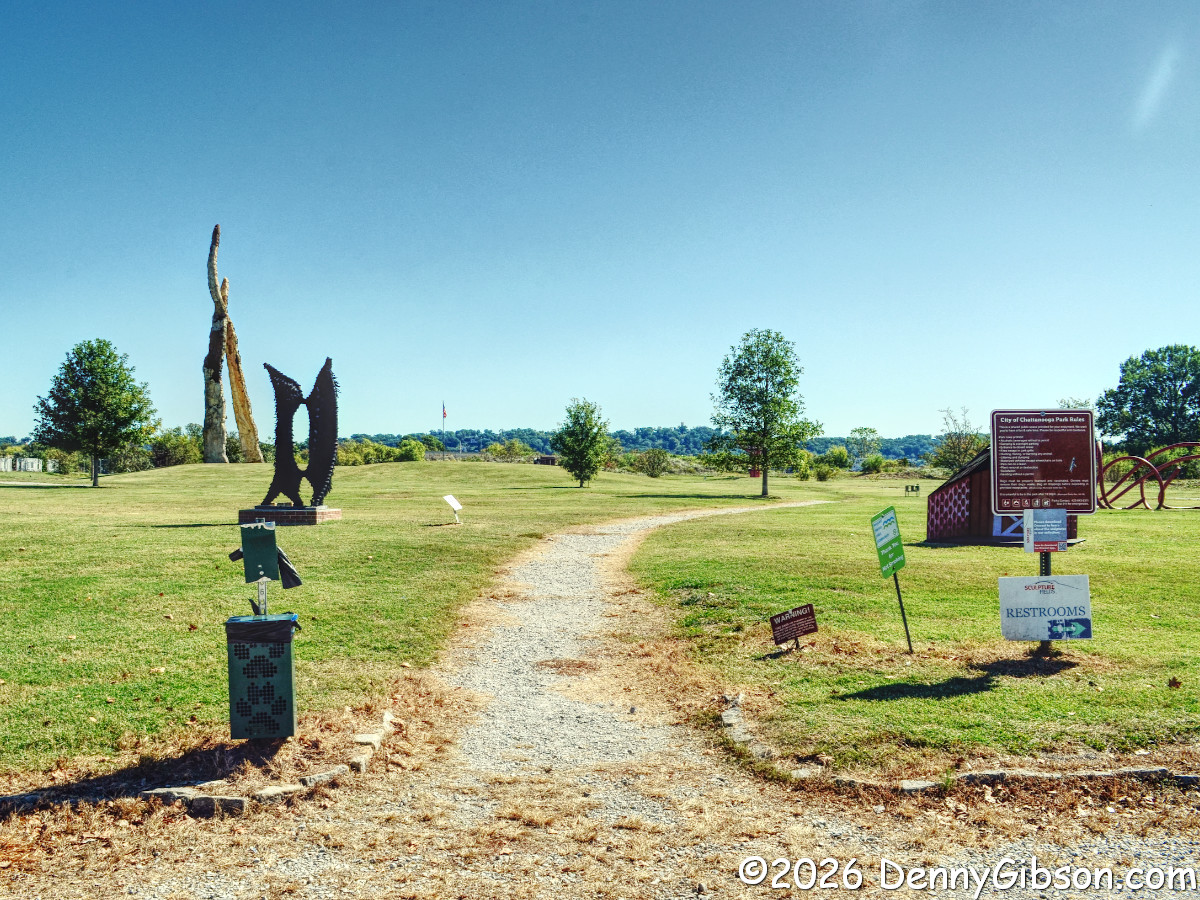
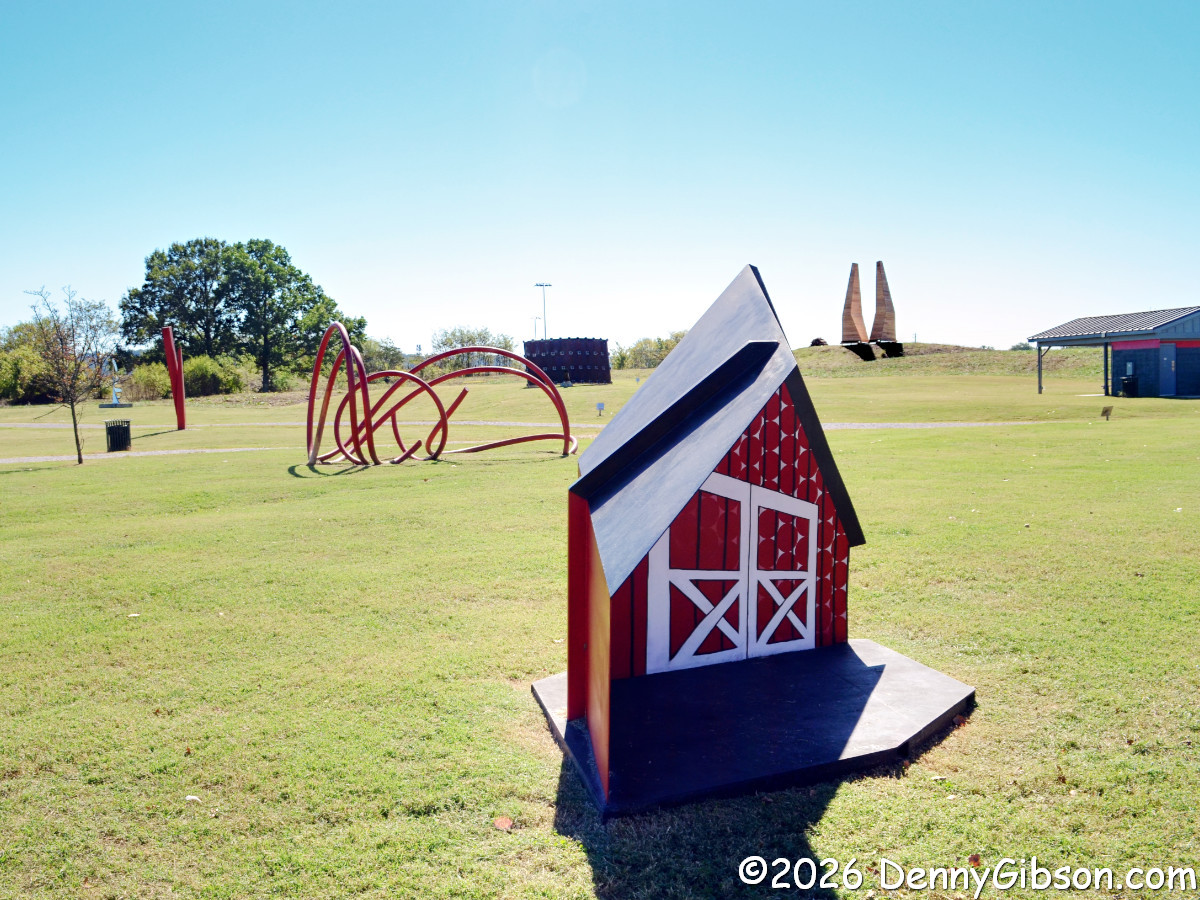 Herein lies a cautionary tale about doing your research. I had the name of
the sculpture and punched it into my Garmin. It led me to what was
obviously the right place because I could see large sculptures beyond
several soccer fields. Not knowing any better, I trudged across the fields
and even forced myself to climb the small hill because I knew I was
missing something. There my error became obvious. Not only could I see
all of the sculptures but I could see the conveniently located parking
lot I should have been in. After a reverse trudge, I did reach that lot,
but I had used up most of my walking capacity for the day, and didn't make
it to many of the sculptures. |
|
|
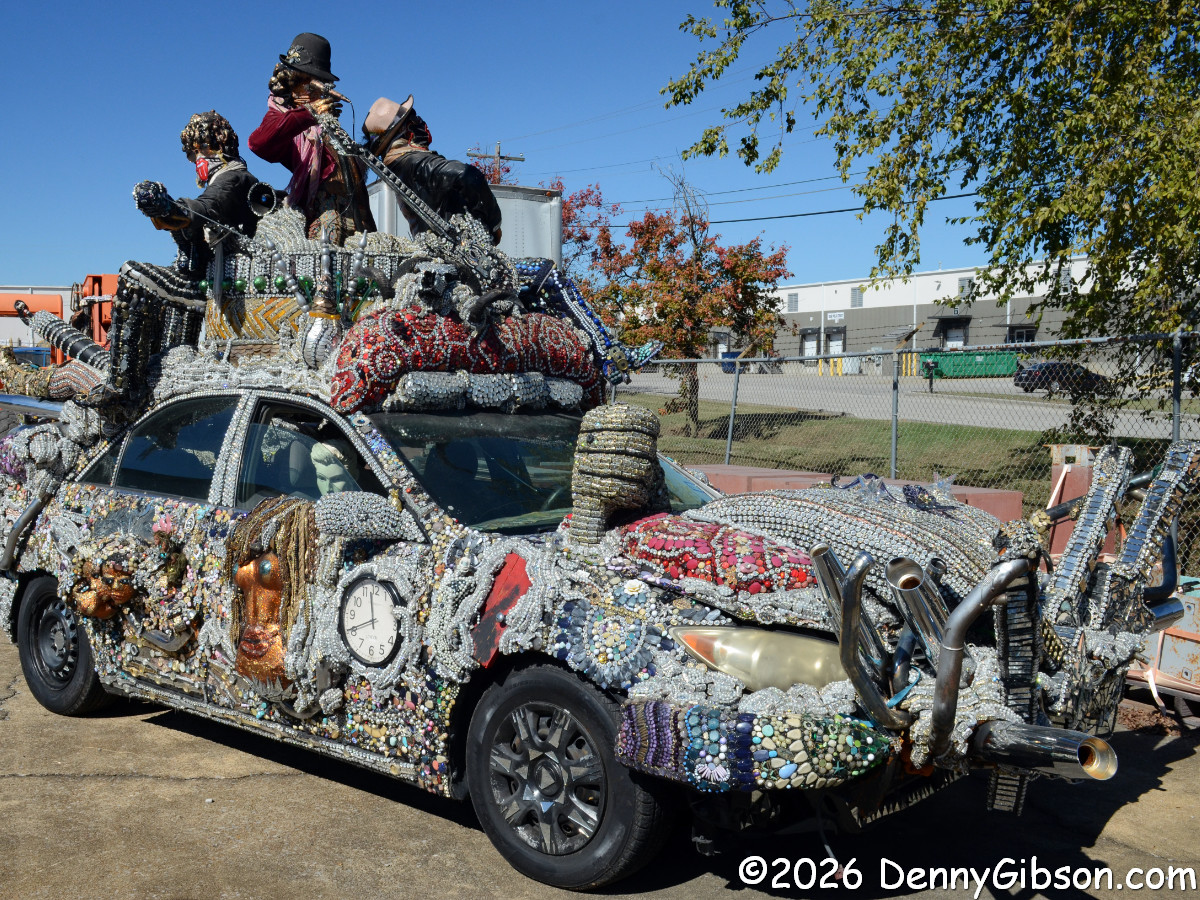
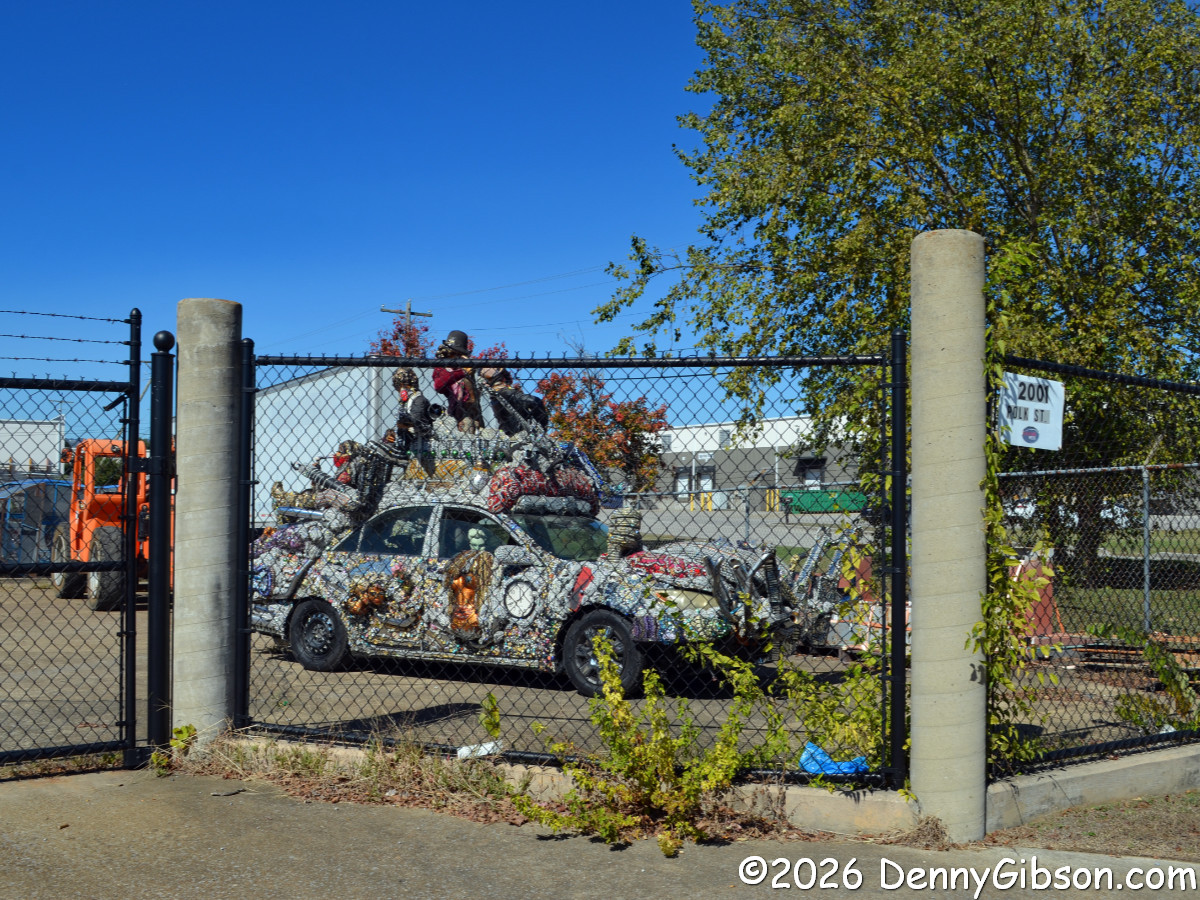 This really cool art car was a bonus behind chain link fence across the
street from the sculpture park. |
|
|
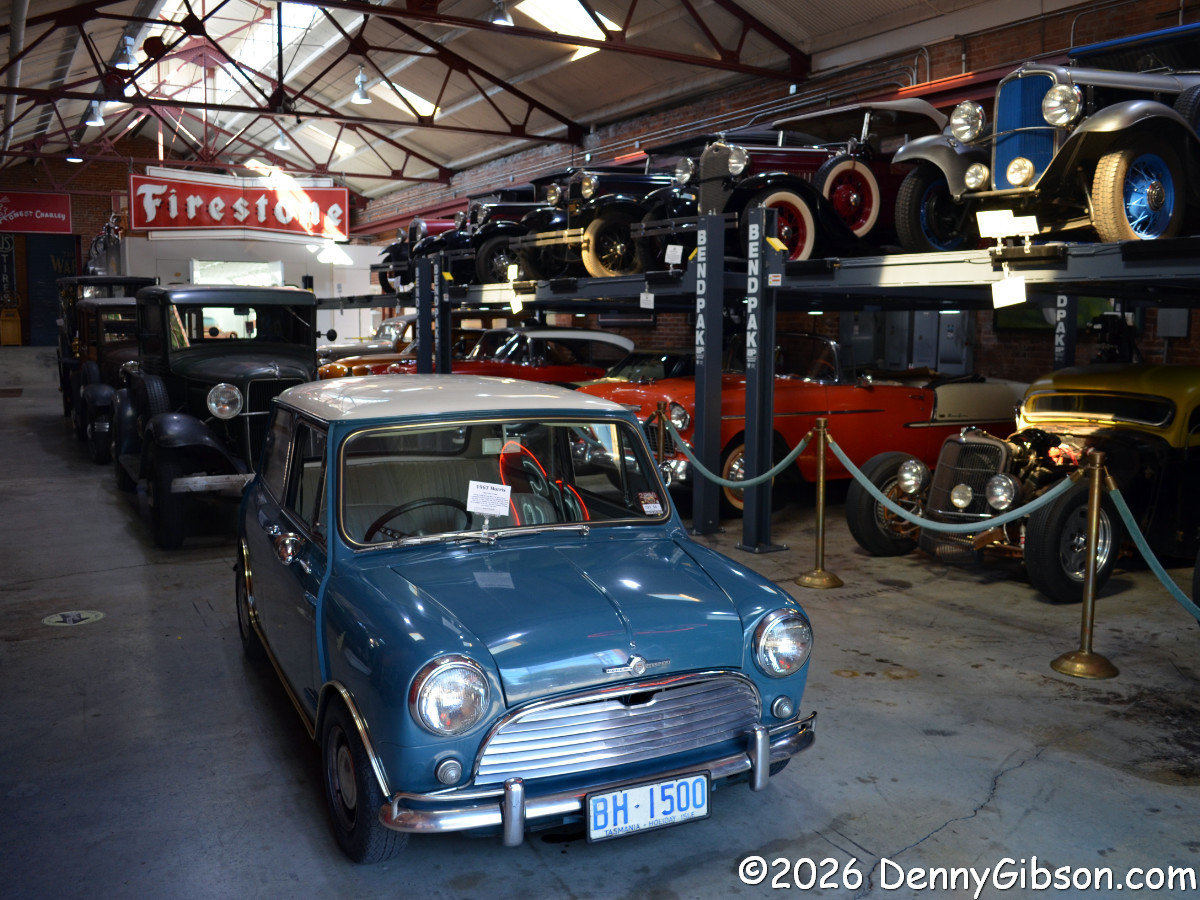
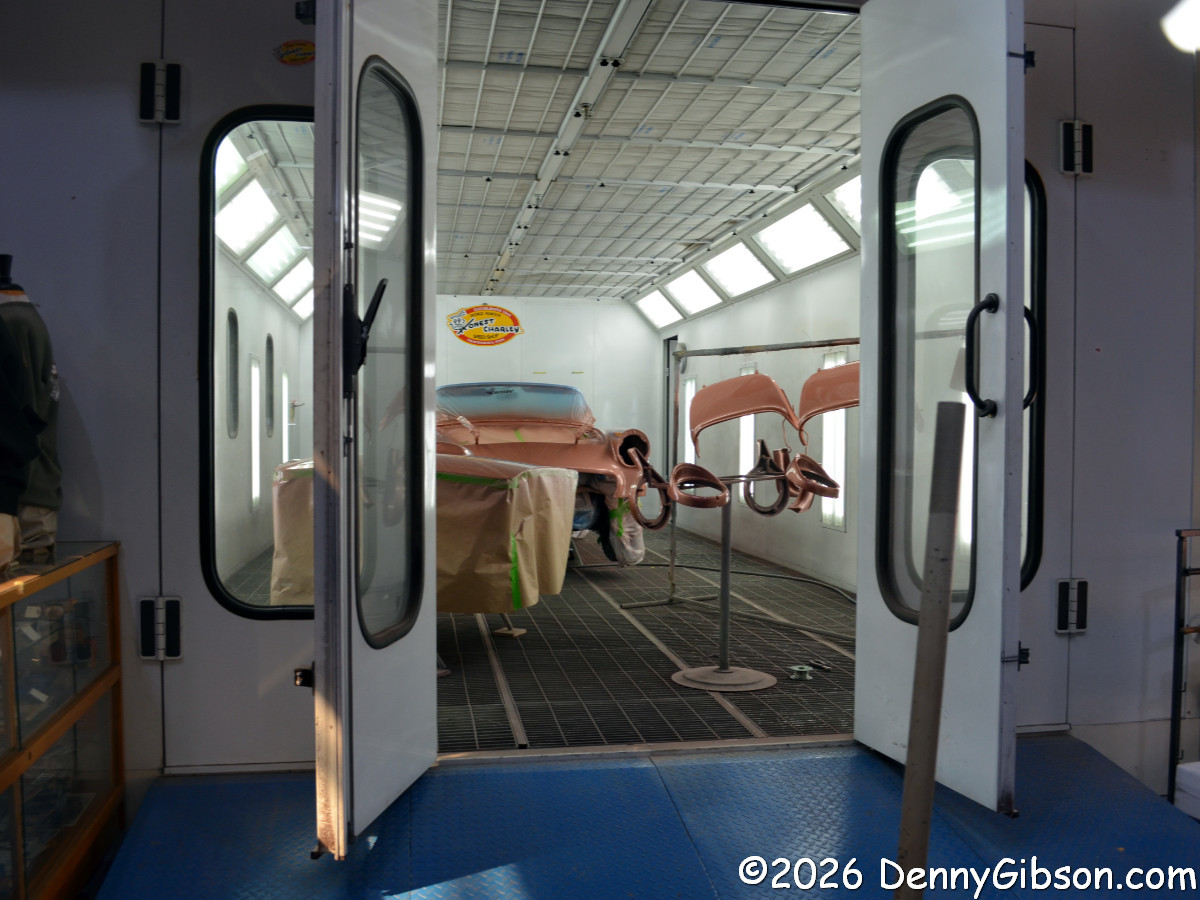
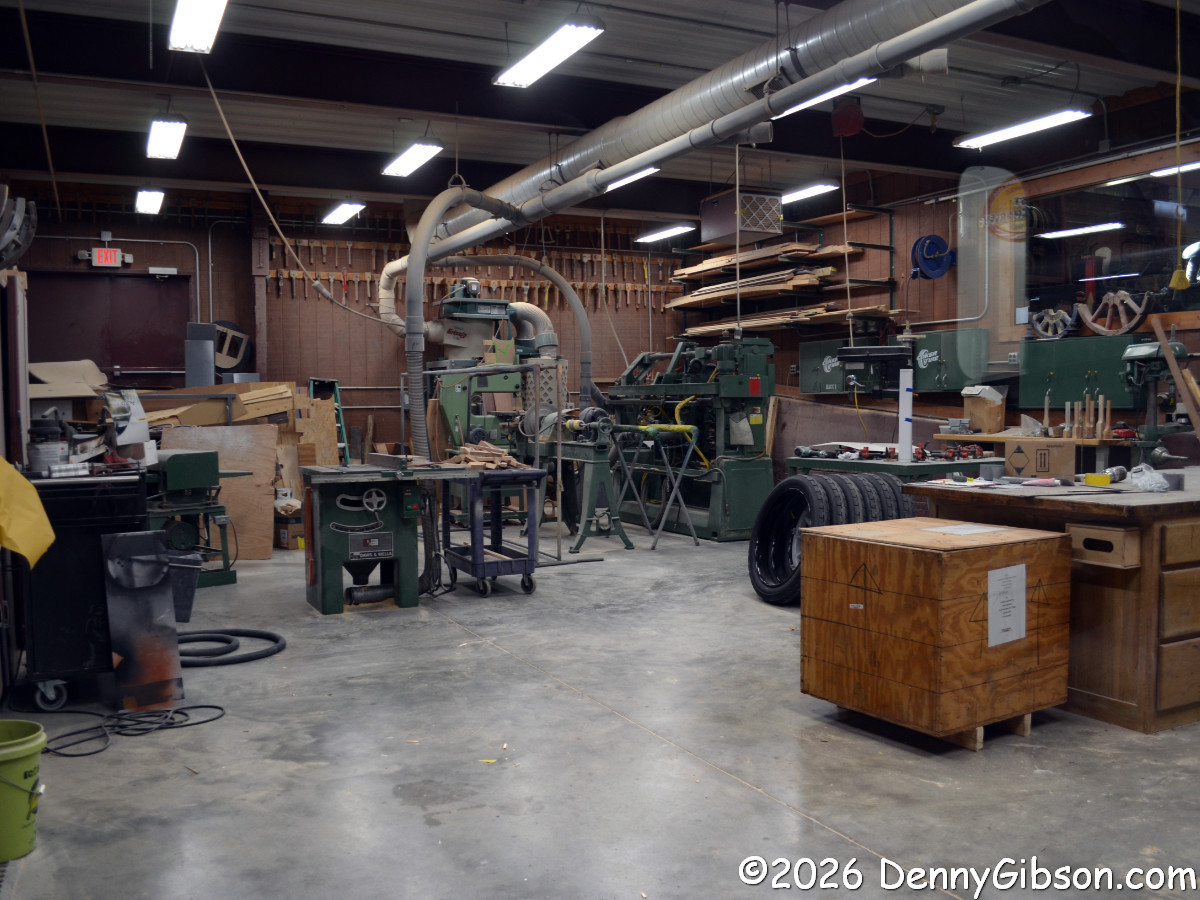
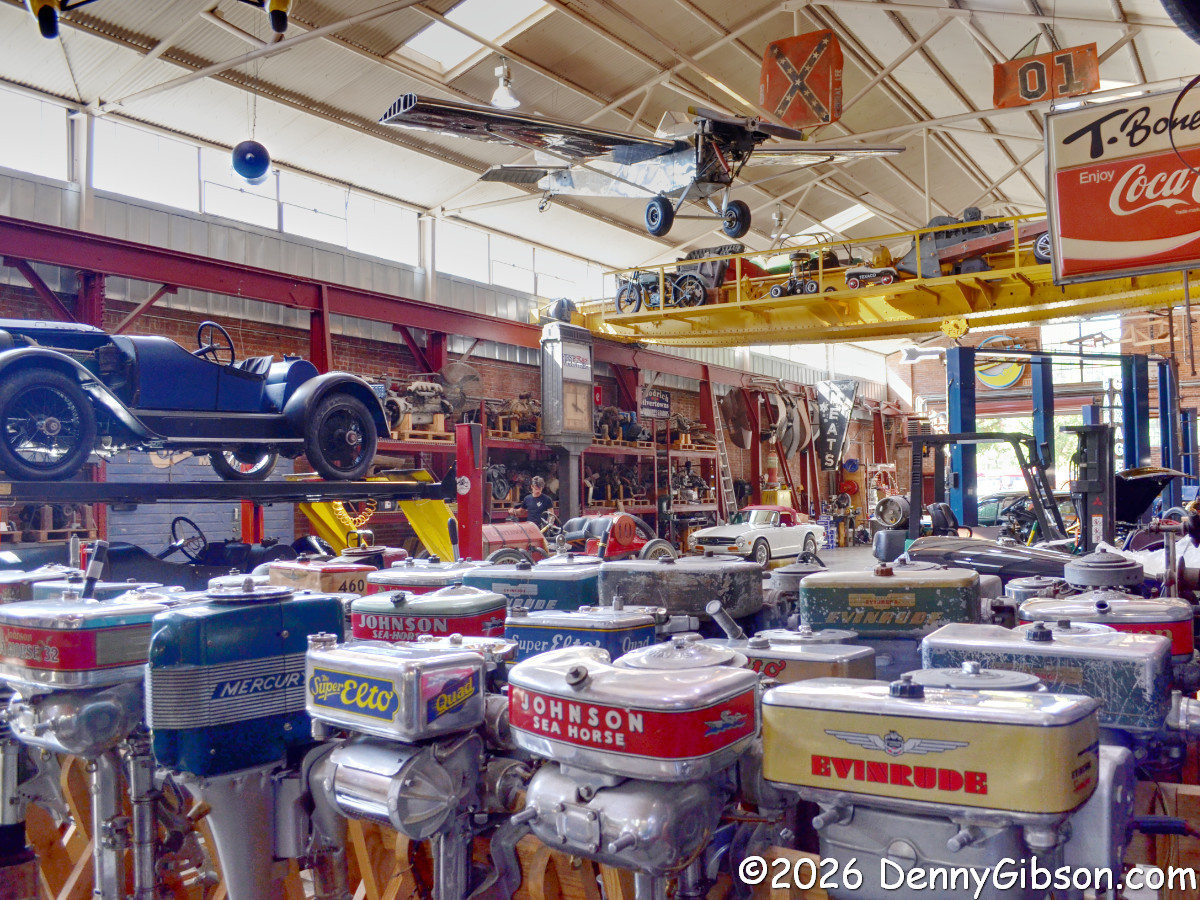 Just inside the entrance to the Coker Museum is the Mini I included in the journal of
my 2010 visit. There
are other cars nearby along with a paint booth and woodworking shop where
spoked wheels for antique vehicles are made. This is a working custom and
restoration shop with museum displays tucked into various spaces in the
work areas. |
|
|
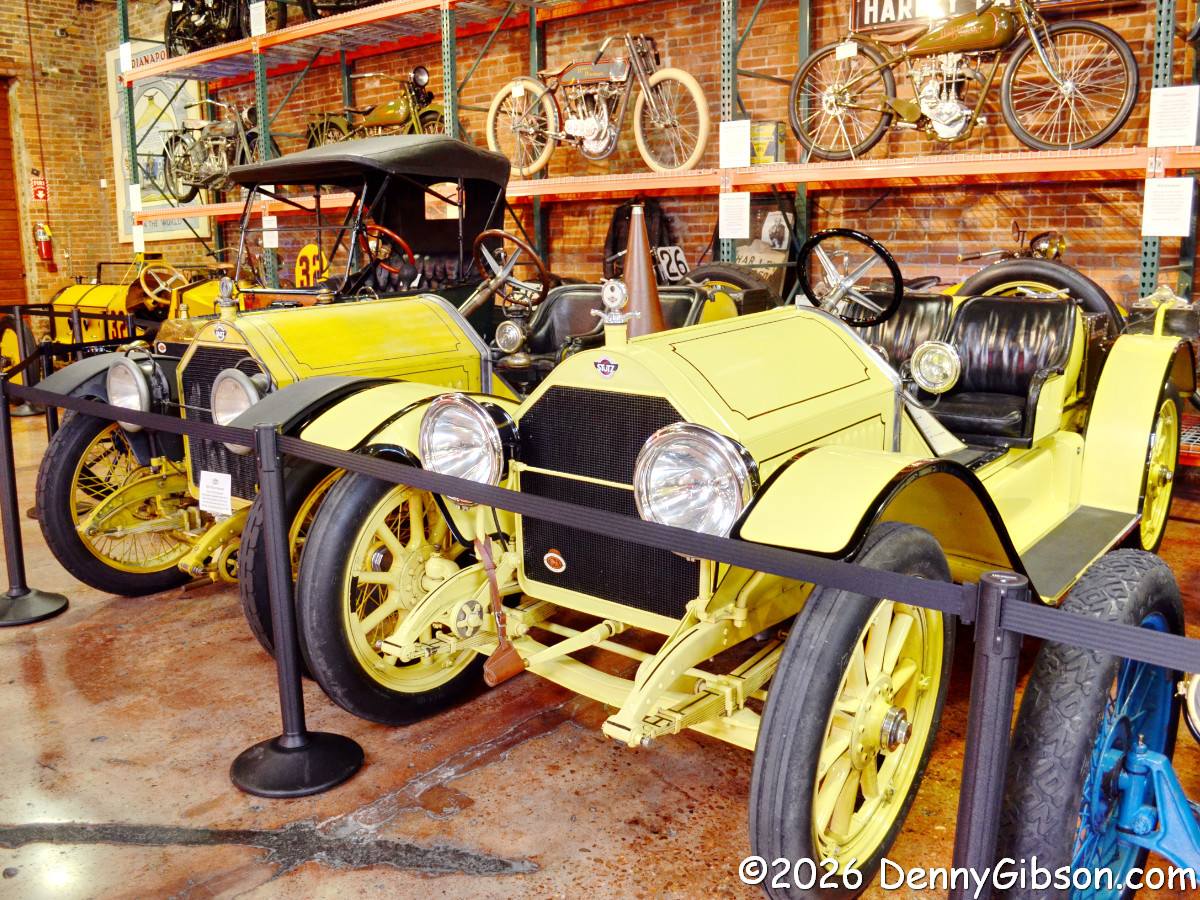
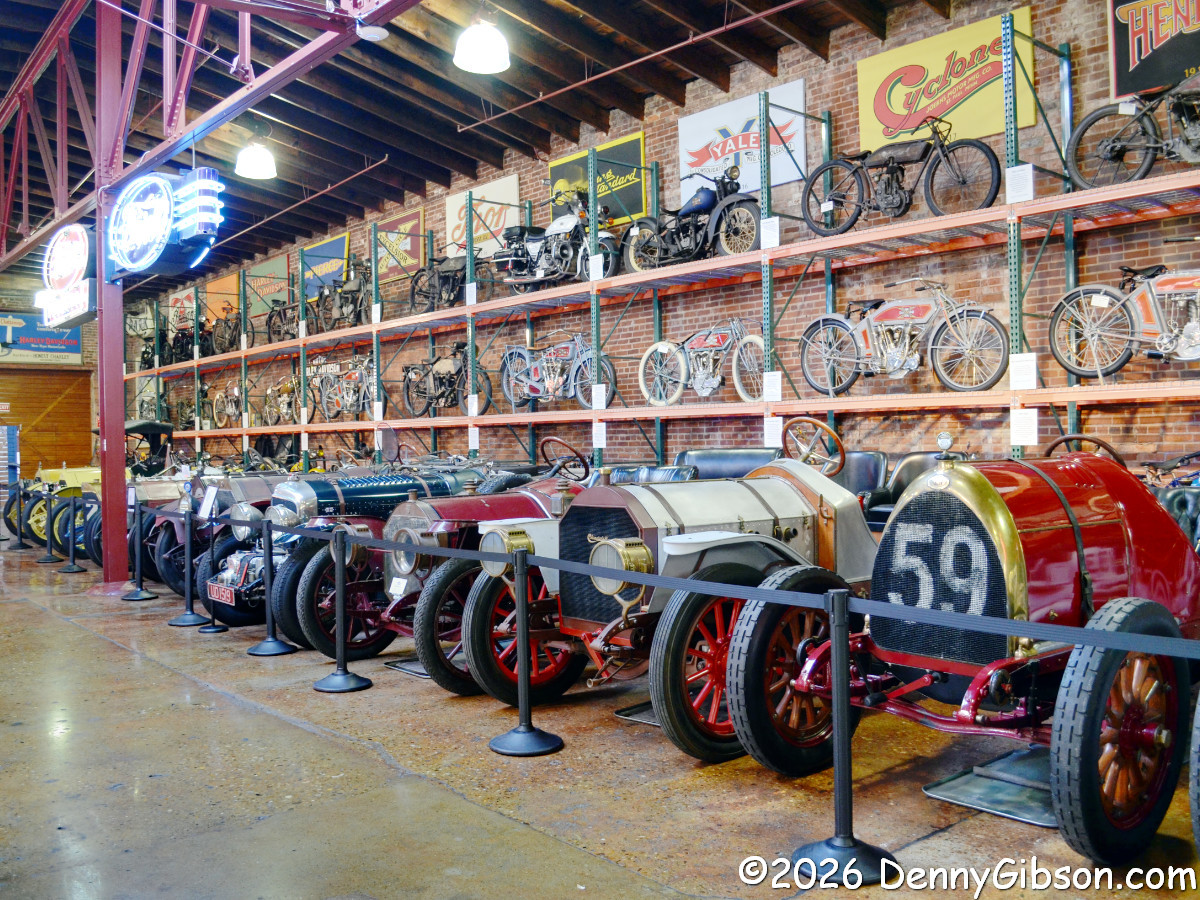
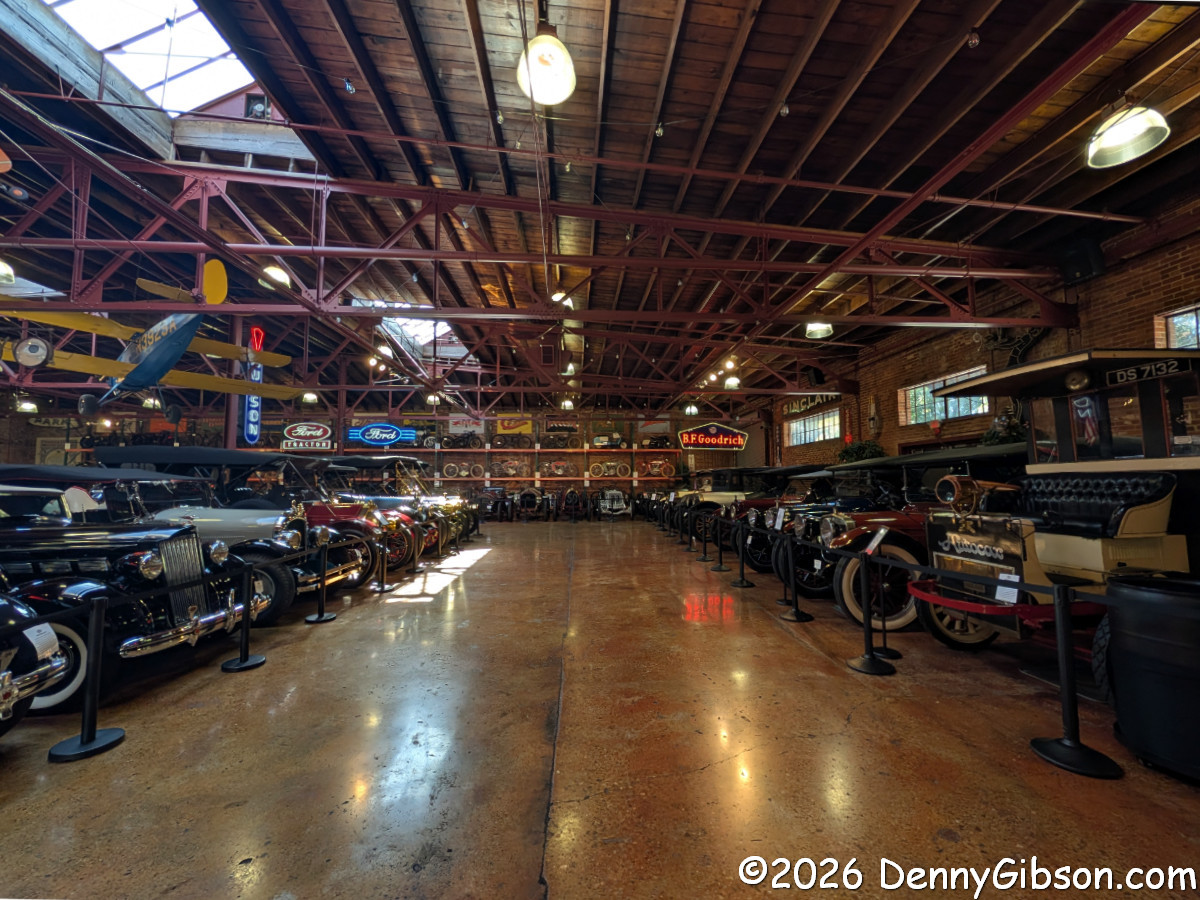
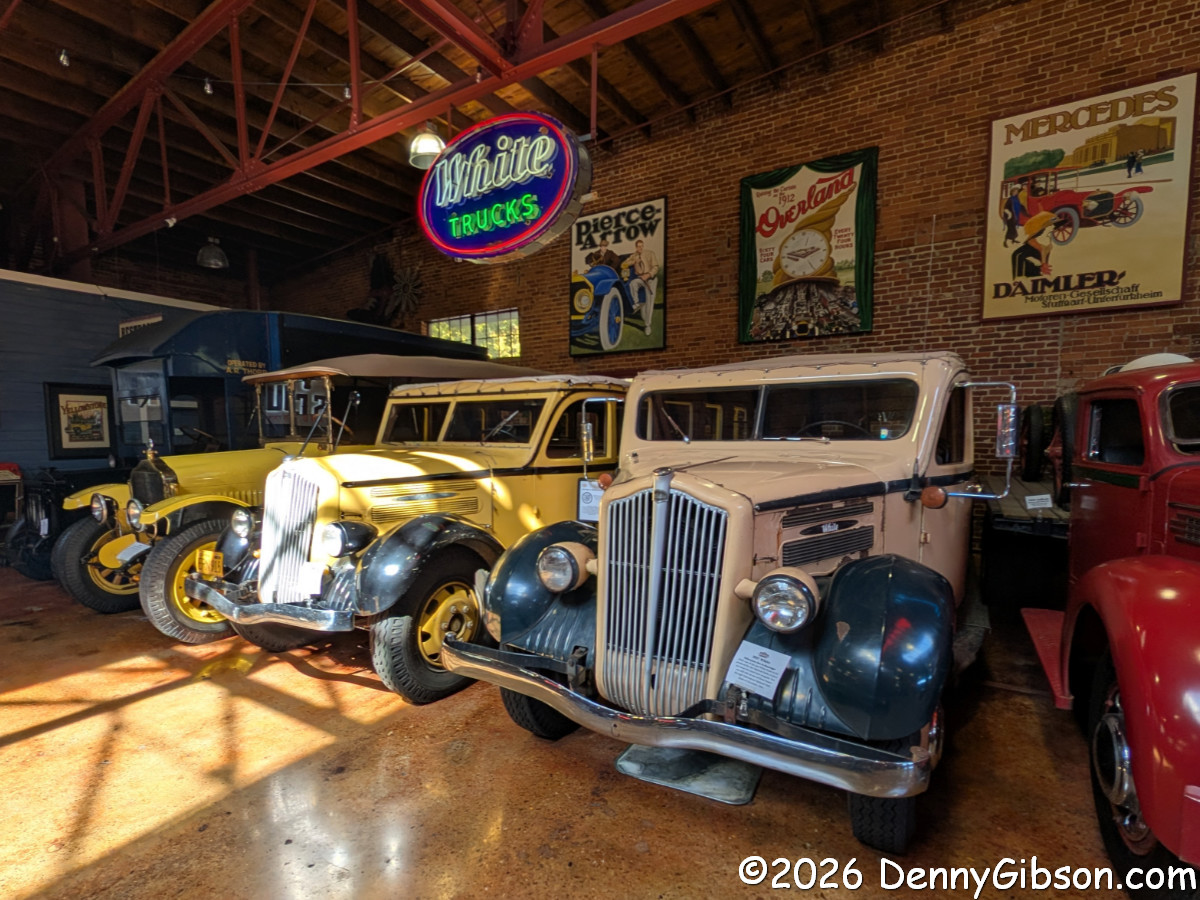
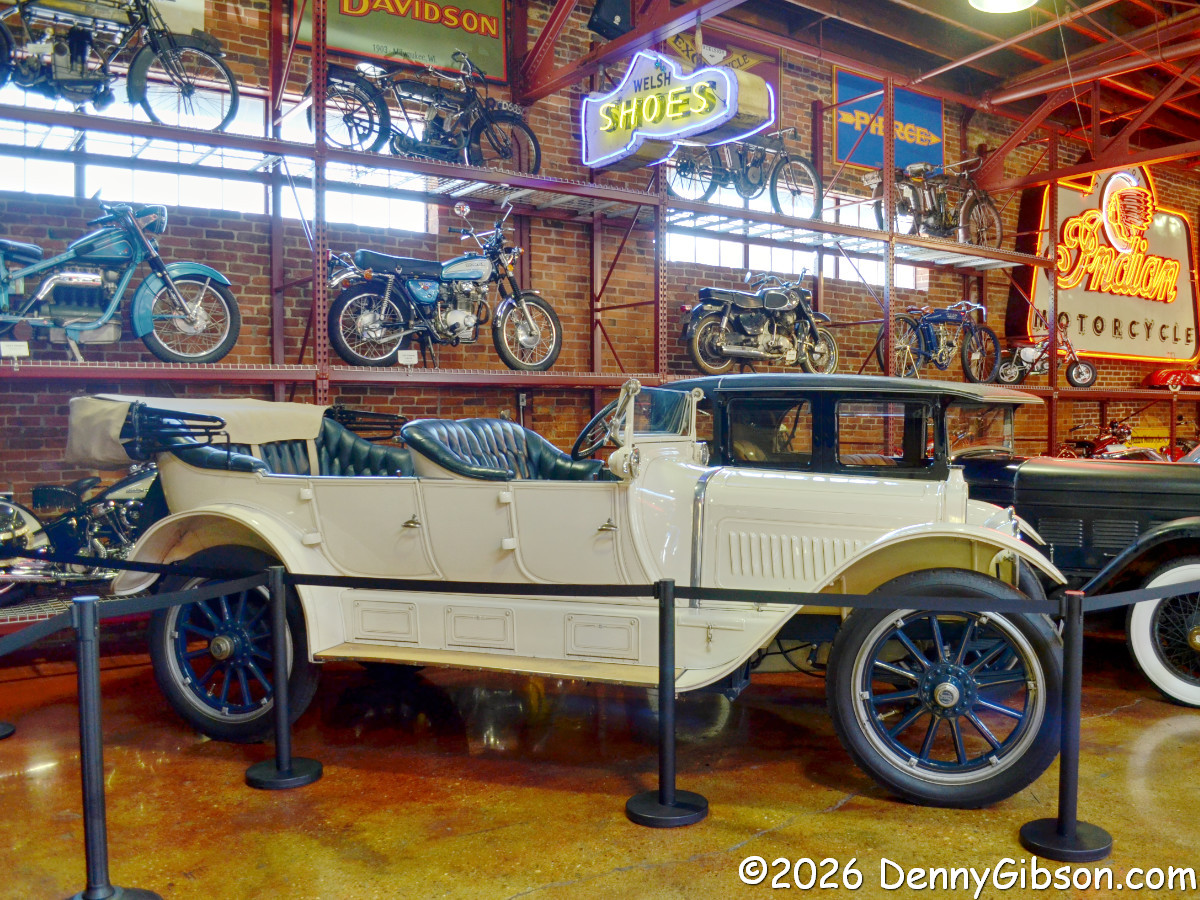
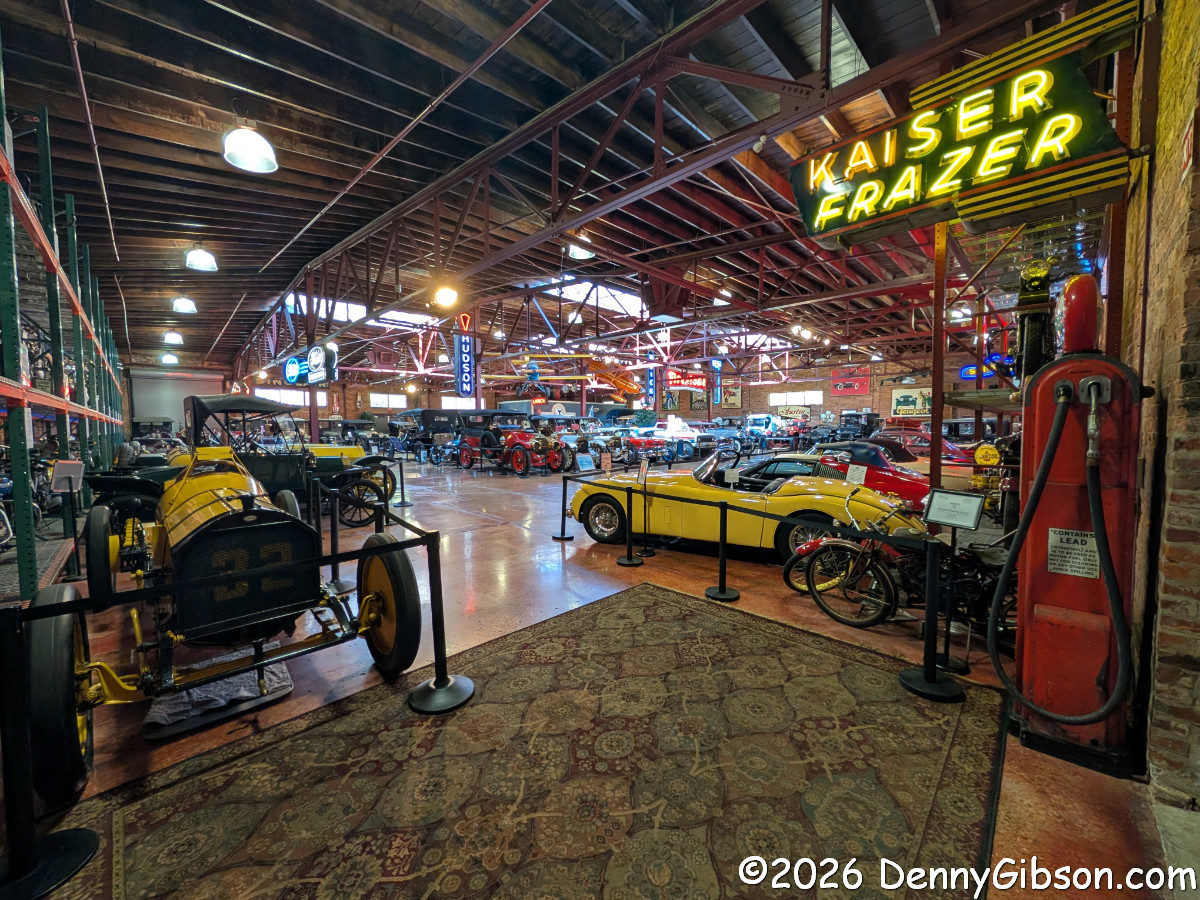 This is the museum proper with lots of yellow cars. The pale yellow car in
the second photo is a 1914 Lozier. The three in the next picture are all
White Yellowstone tour buses. From left to right they are a 1925, 1936,
and 1937. The last photo is of a pair of Stutz Bearcats. The one on the
left is a 1914 model but I could not find a model year for the one on the
right. |
|
|
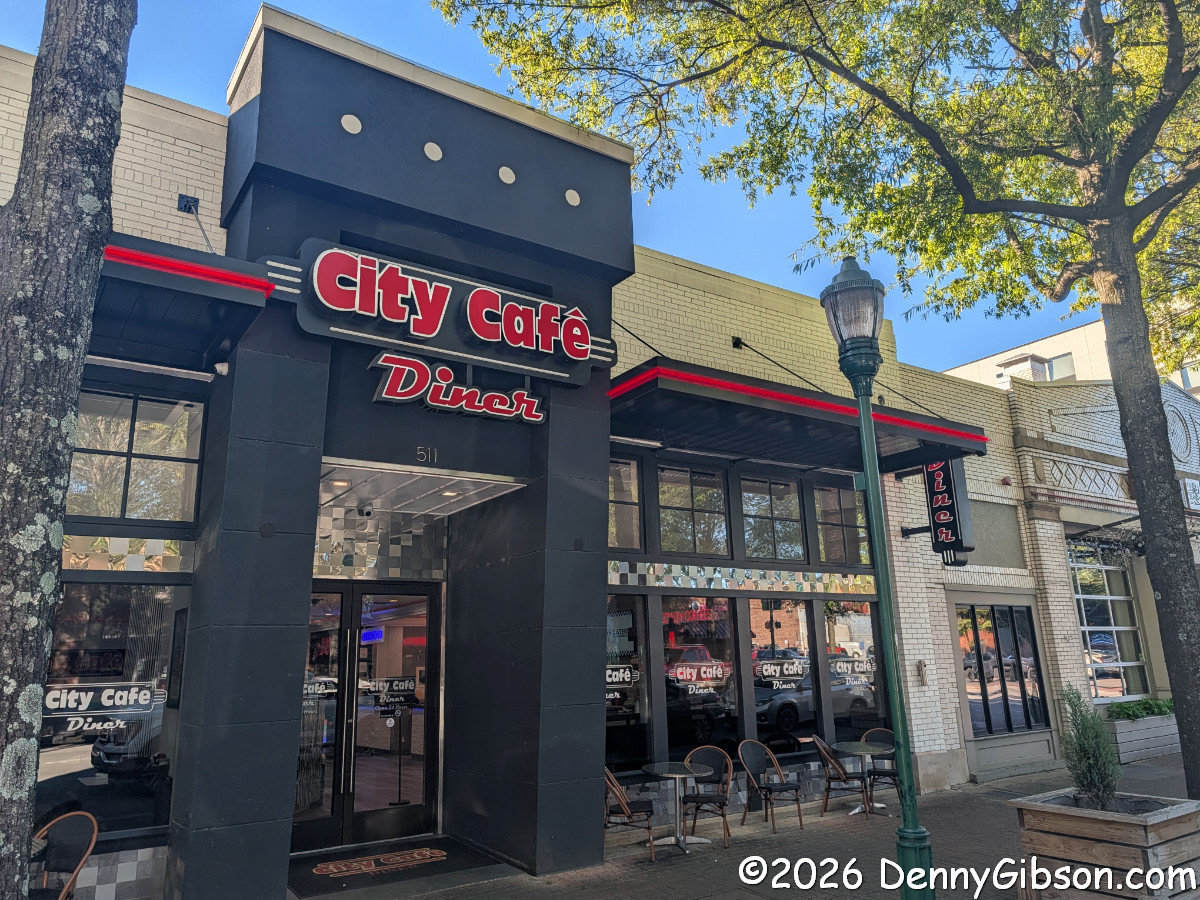
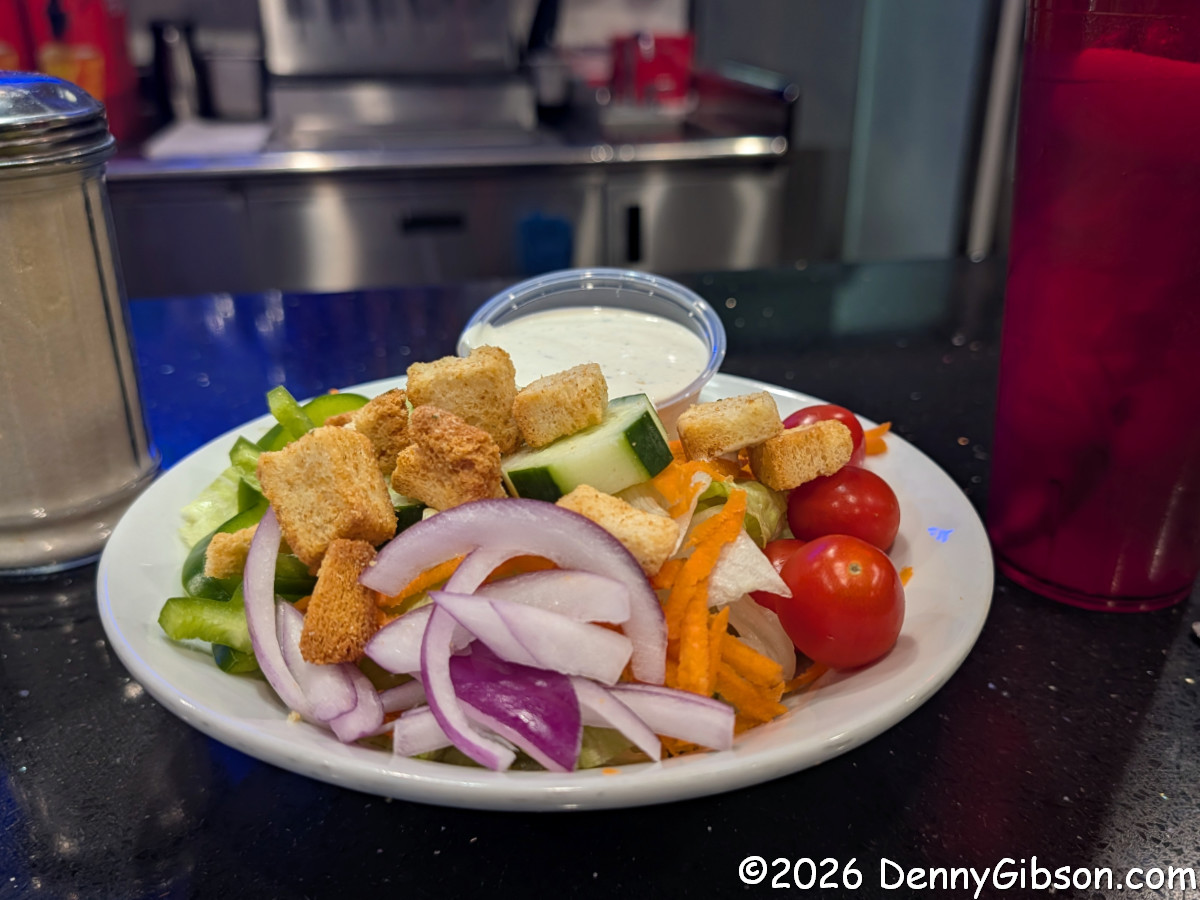
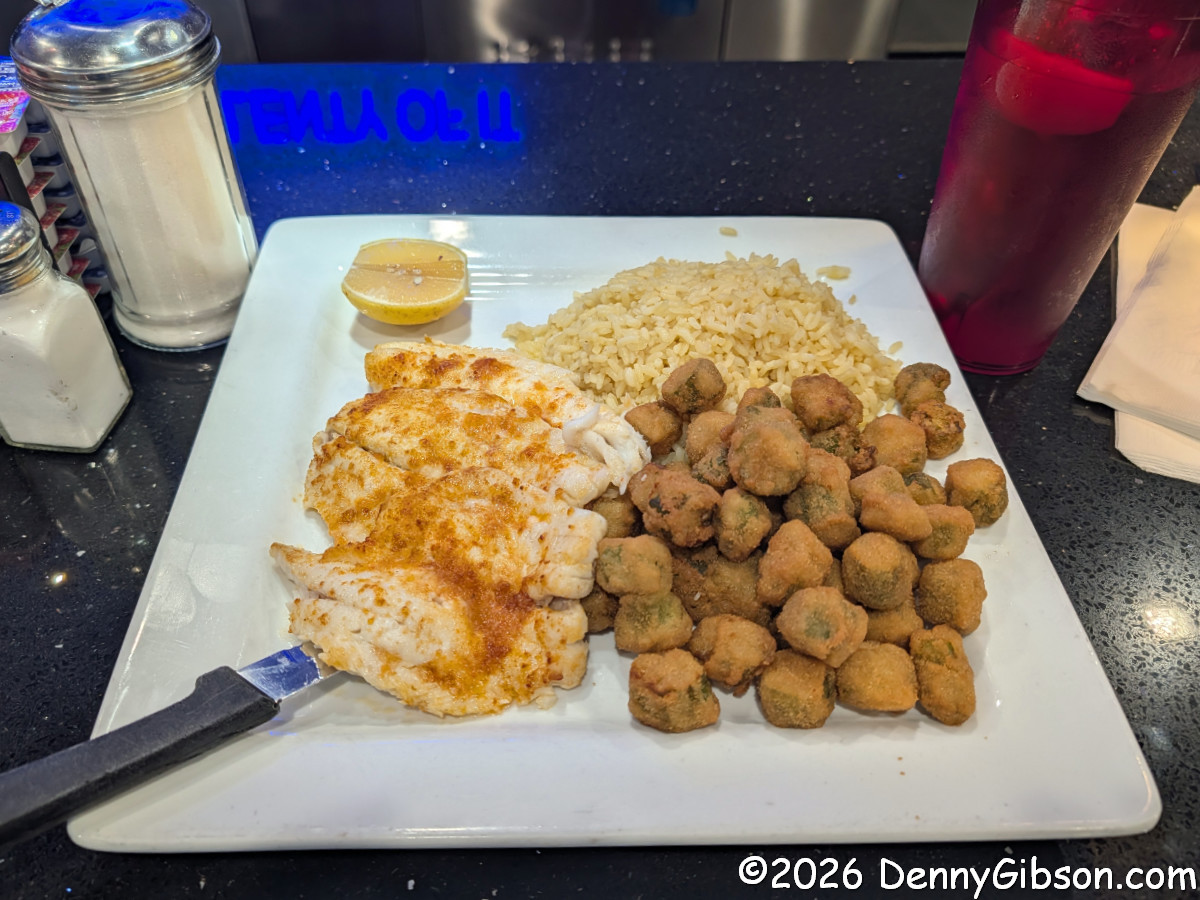
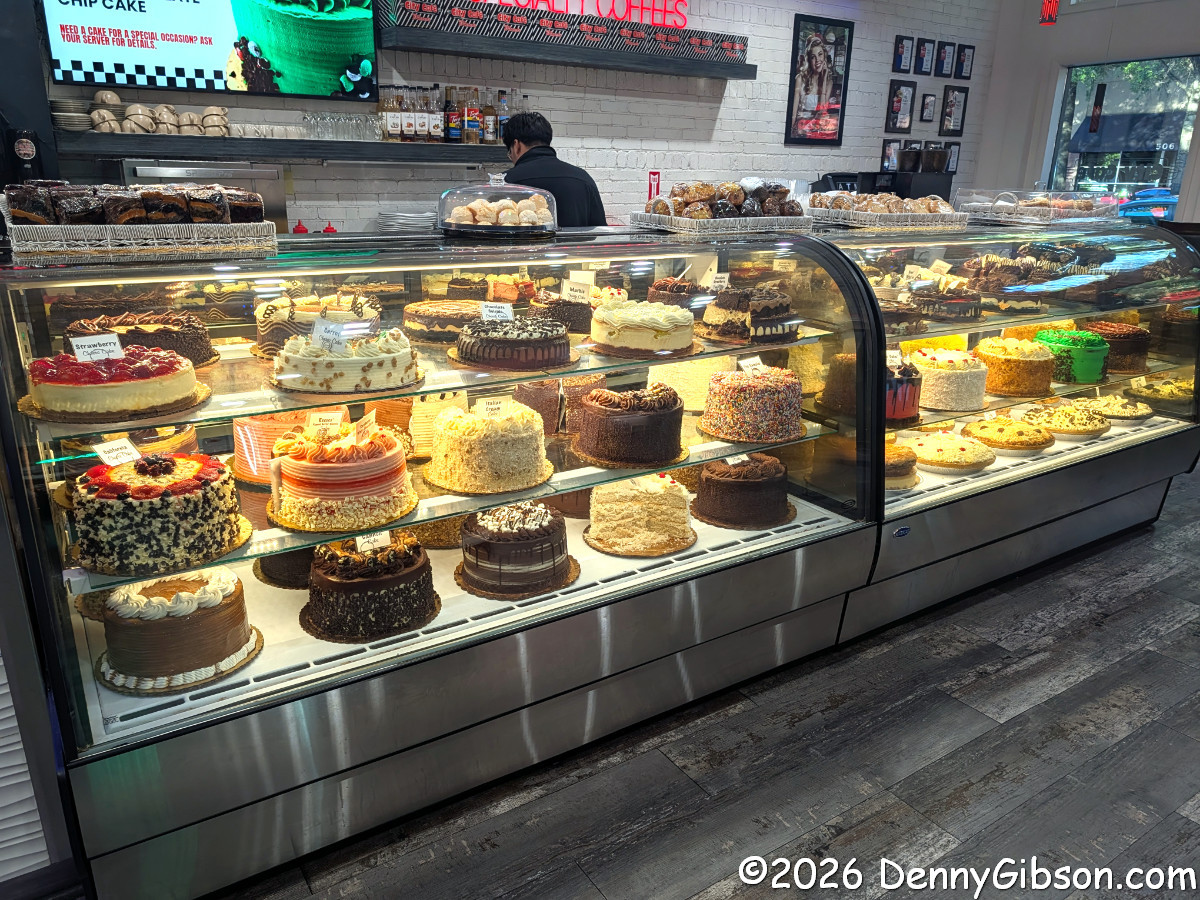 Dinner was at the City Cafe Diner in downtown Chattanooga, where even
the salad is above average. Same with the broiled flounder, and I'm sure
that's true of the desserts, but all I did was look. |
|
|
| [Prev] [Site Home] [Trip Home] [Next] |