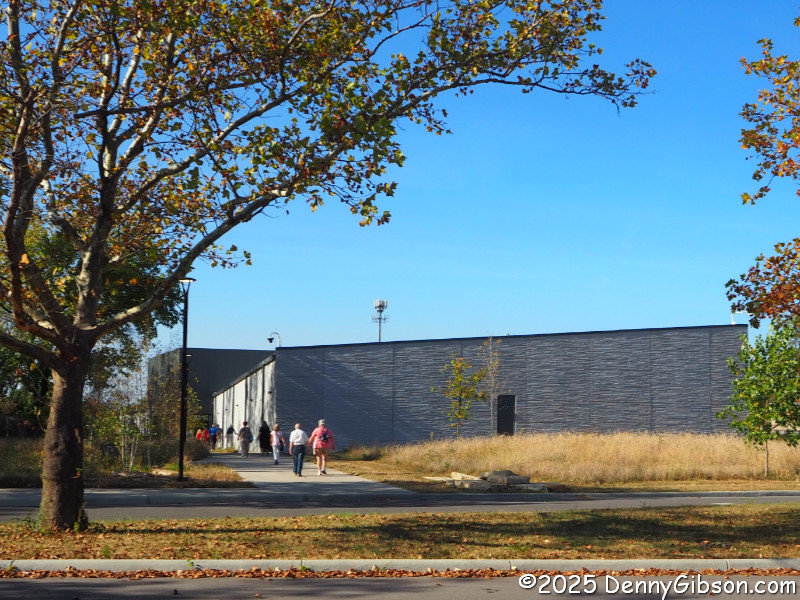
 Museums in small towns are sometimes referred to as the village attic. Some of them really do resemble an old farmhouse attic with little filtering or organization of objects displayed. Most, however, display items in an organized manner that avoids looking overcrowded. Part of how this is accomplished is by being selective in what items are displayed and having only a portion — often a very small portion — of the museum’s collection on display at any one time. As the state’s attic, the Ohio History Connection is very organized, with a rather tiny fraction of its collection on display and the bulk stored elsewhere. Last year, it got a brand new “attic”, and on Thursday, I got to see it.
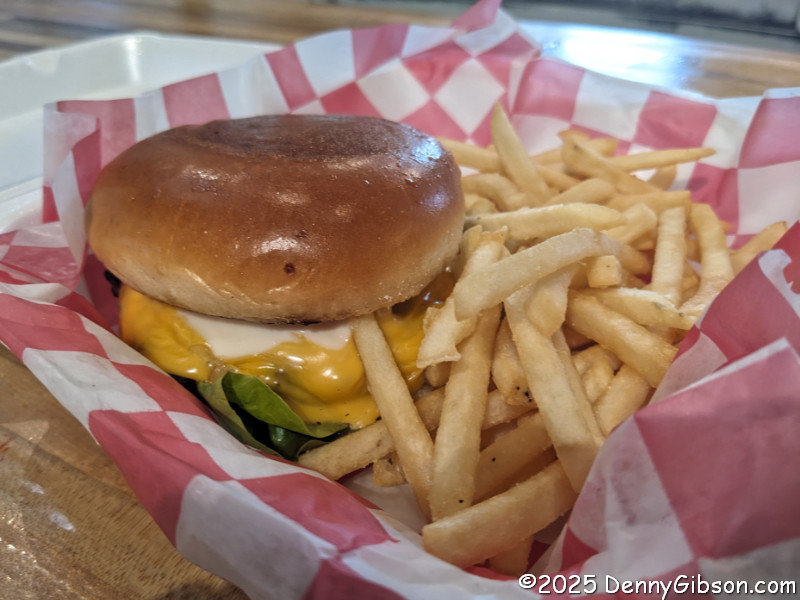
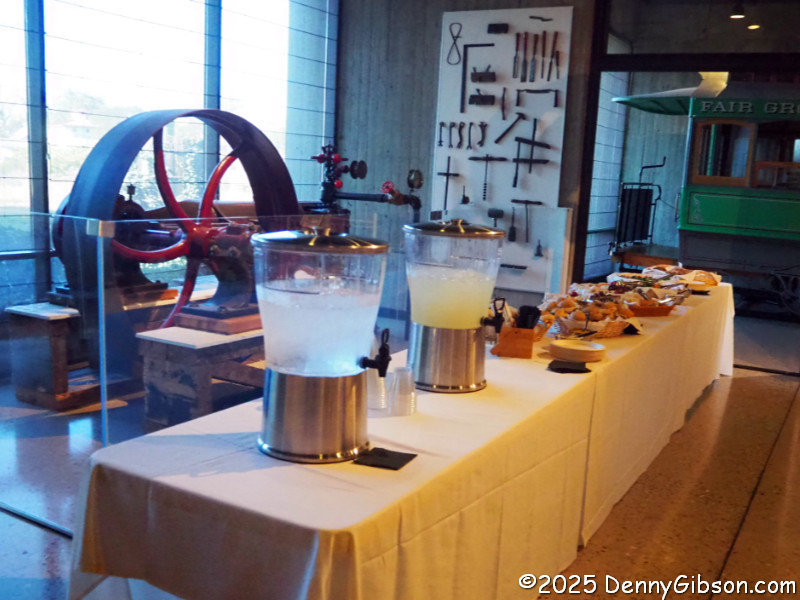 The occasion was an architectural tour preceded by a reception and presentation. I didn’t realize that food would be available, but I did realize that it was National Cheeseburger Day. I enjoyed the lemonade, but I skipped the food because I had just left Urban Gourmet, where I had celebrated the holiday.
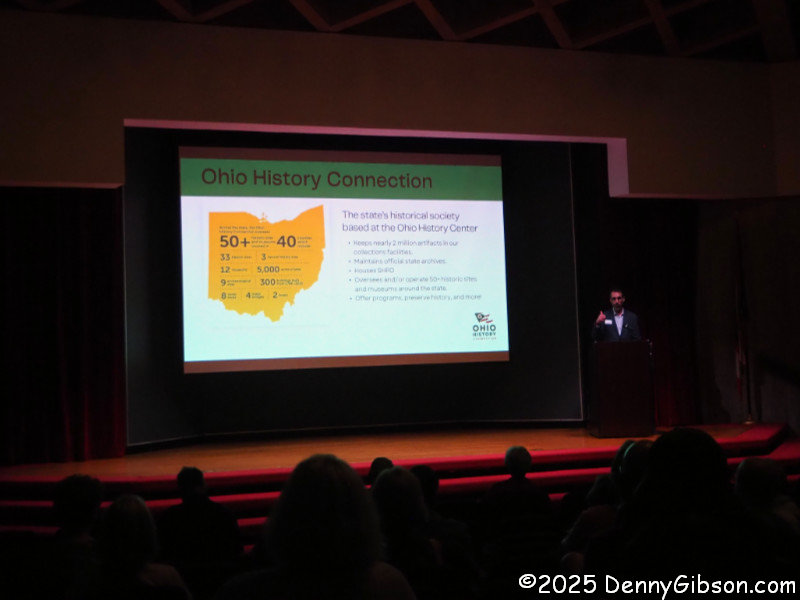 The tour began with a presentation in the auditorium. Several people gave short presentations about different aspects of the project, which began several years ago with the Collection Care Center opening in June 2024. I happened to catch architect Carlos Lugo at the podium.
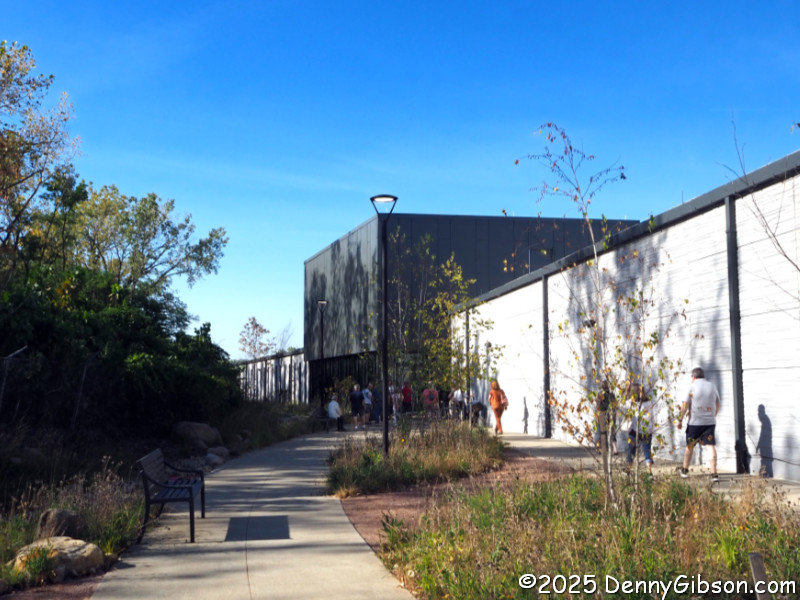 Following the presentation, we all went out to our cars and drove from the museum, past Ohio Village, to the Collection Care Center on the north side of the campus. At the door, the fifty or so attendees were split into smaller groups to tour the building.
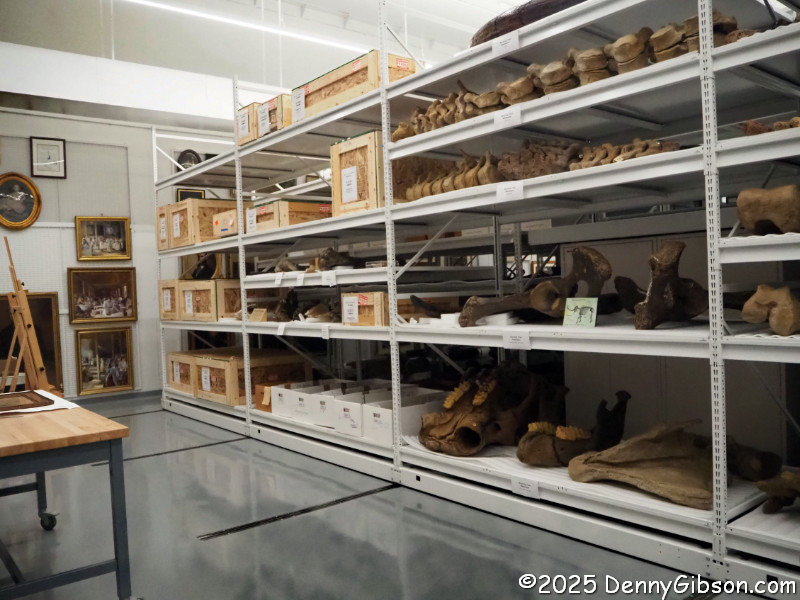
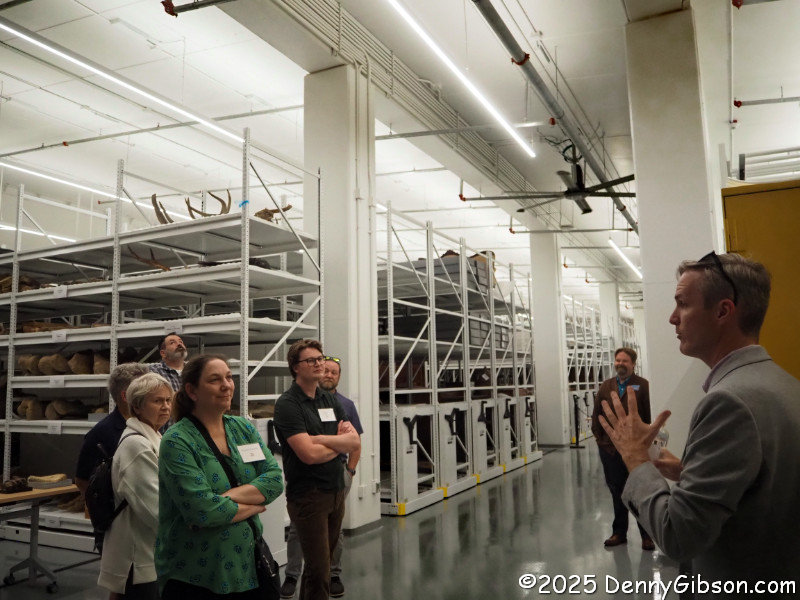
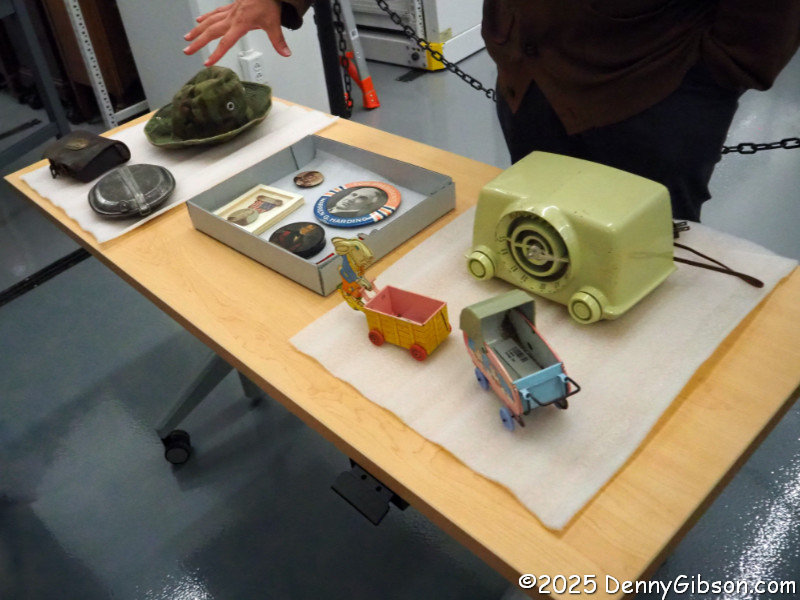
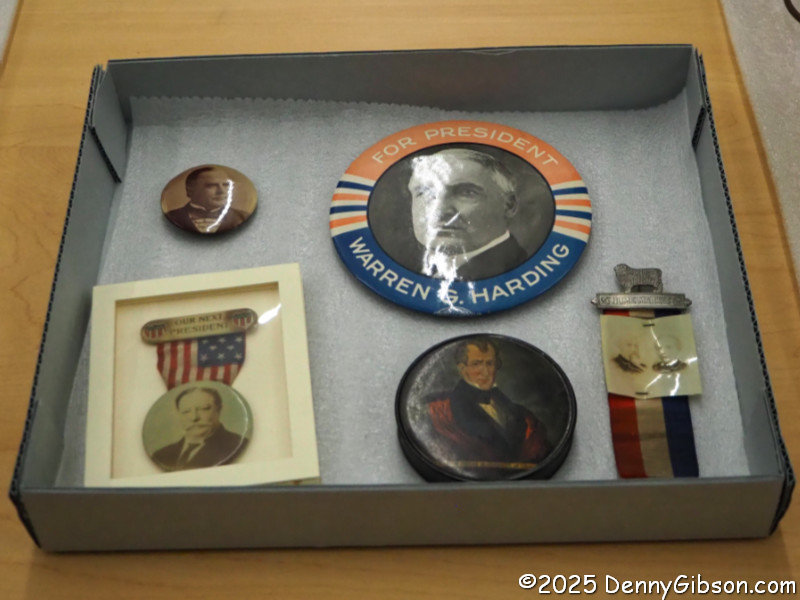
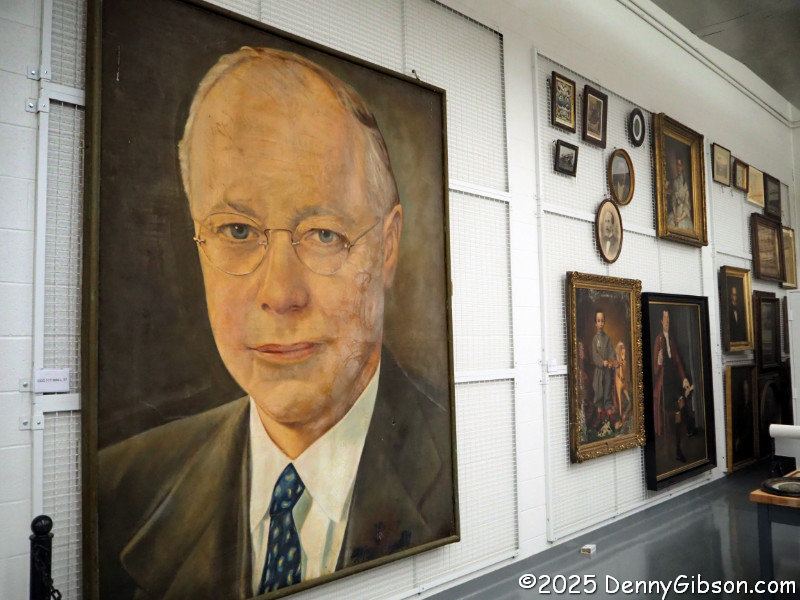 The group I was in began our tour in the actual storage section. Among the wide range of things stored here are lots of fossils. Some are authentic, while others are cast copies.
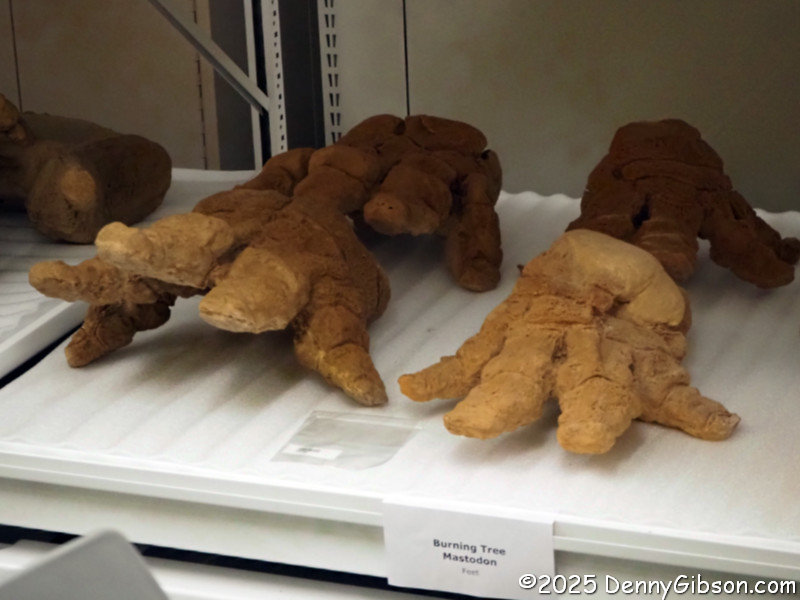
 The bones of mastodon feet aren’t typically found intact in the wild. These are castings from assembled fragments. I thought a shelf filled with mastodon feet was pretty unusual, regardless of whether they were bone or plaster.
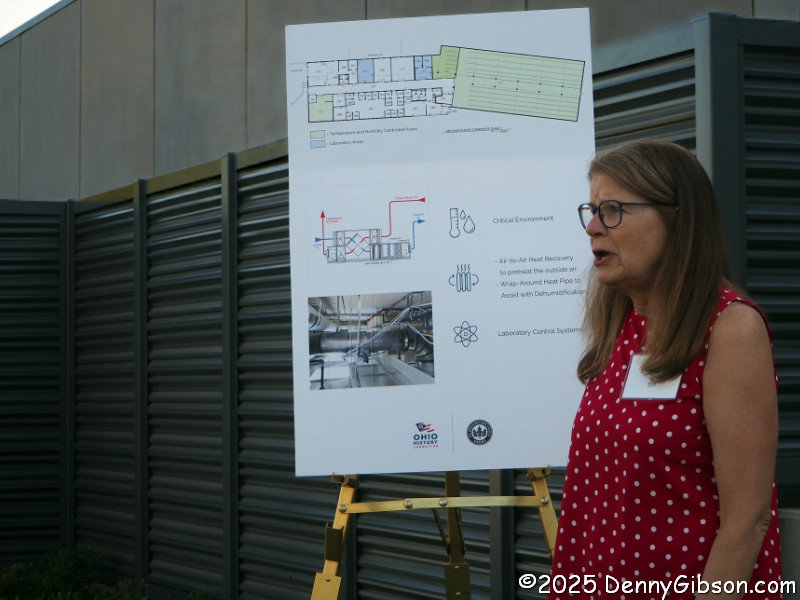 There is an enclosed loading dock at the other end of the building with offices, lab areas, and an extra-wide corridor in between.We paused in that corridor to learn about the building’s use of pre-formed concrete to speed construction and about other efficiency-focused aspects of the building. We then went outside to learn more about the climate control systems. I have the impression that the majority of attendees were architects. For many, hearing these details was as practical as it was entertaining. I was very impressed by the thoughtful answers to the building’s many unique requirements, but that was probably fueled as much by things I didn’t understand as by those I did.
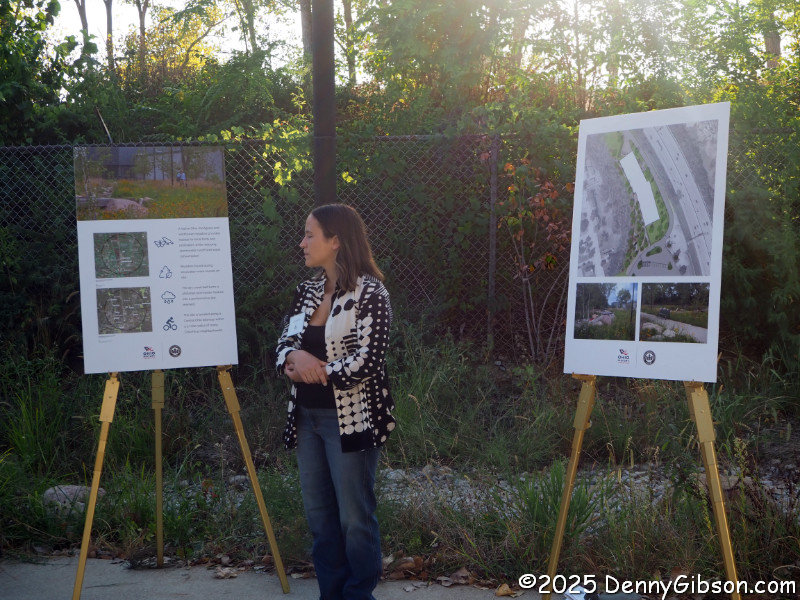 Our last stop was just outside the front door after we passed back through the building. Here we learned about the landscaping. Native plants are used, and there is no mown lawn. There are some paved as well as gravel paths with a few benches along the way. Several glacial erratics encountered during excavation have been incorporated. The place has been incredibly well thought through, both inside and out.
For a much better overview of the project than I’ve provided, I suggest an article and video published by The Columbus Dispatch when the center opened. It is here.