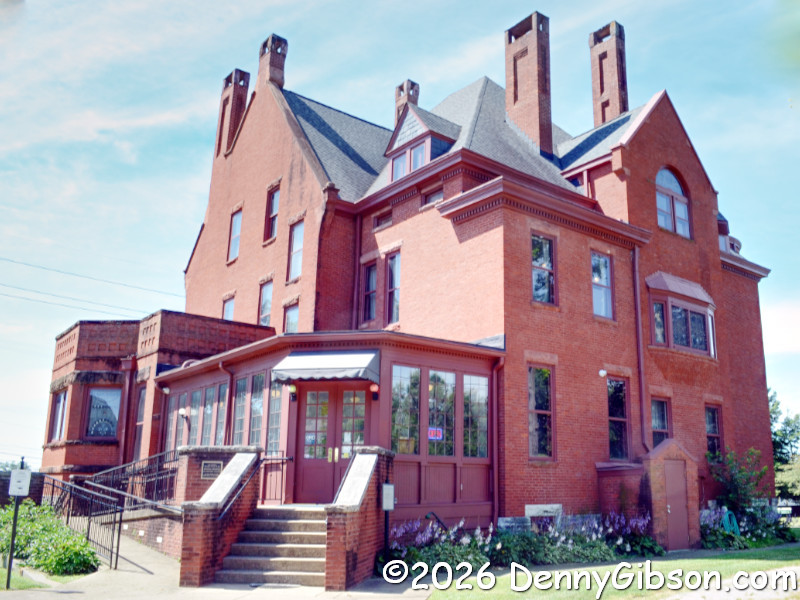
 I was vaguely aware of the Howard Steamboat Museum in Jeffersonville, IN, but it wasn’t until it kept popping up as I poked around the internet in preparation for my March visit to the Arabia Steamboat Museum in Kansas City, MO, that I thought seriously about visiting. Within moments of entering, I regretted not visiting the museum years ago. I expected a collection of steamboat artifacts, and there are indeed plenty of those, but the museum is so much more. The setting for those artifacts is a Gilded/Victorian Age time capsule unlike any I’ve seen before.
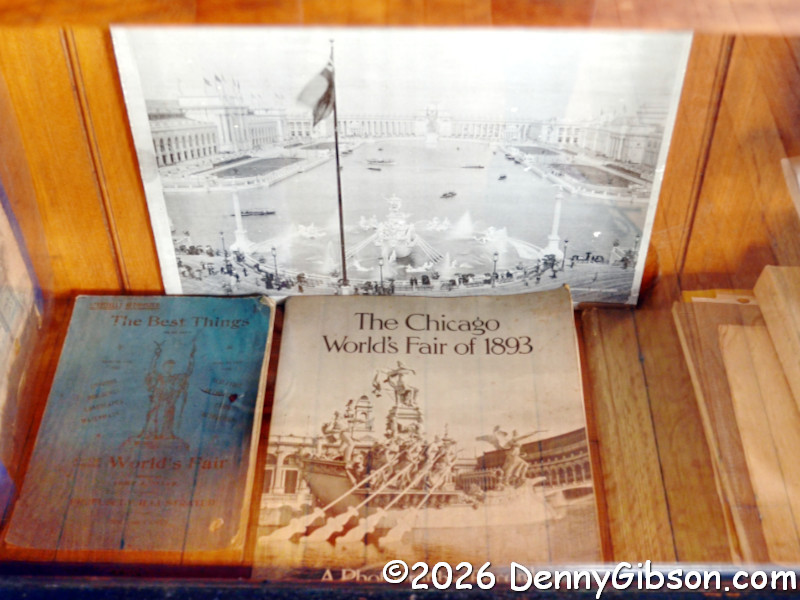 James Howard started building steamboats in 1840. His son, Edmonds, began construction of this 22-room mansion in 1890. Edmond and his wife Laura moved into the mansion, furnished for the most part with items purchased at the previous year’s Chicago World’s Fair, in December, 1894.
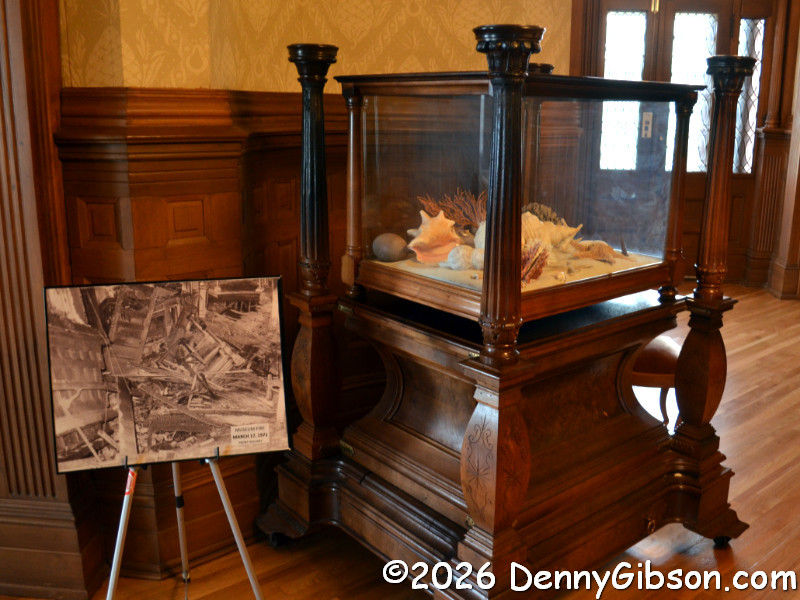
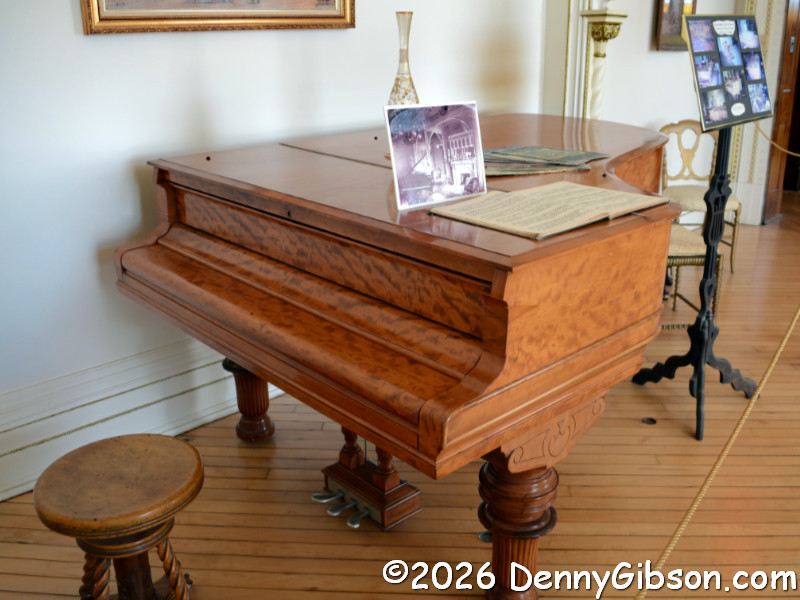
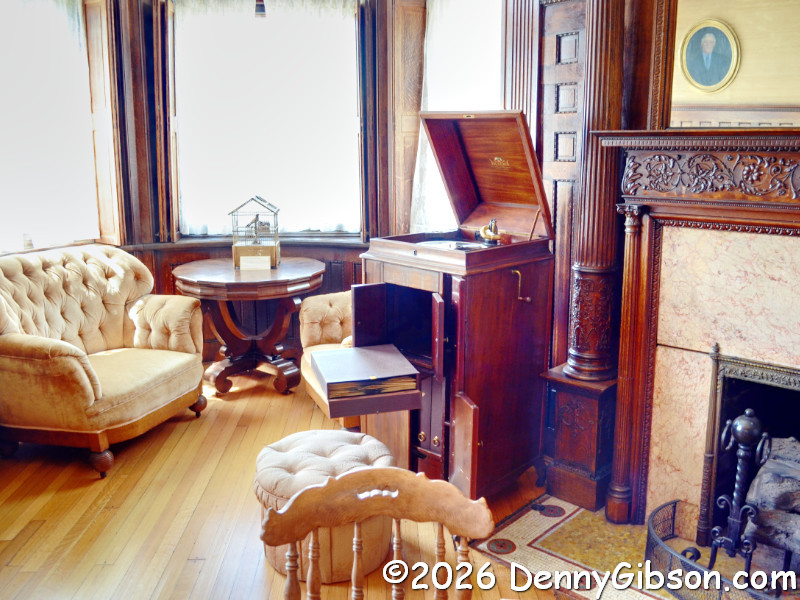 Their son James and his wife Loretta were the mansion’s last residents. James expressed his desire to convert the family home into a museum, and after his death in 1956, Loretta made that happen, with nearly all of the original furnishings remaining. When several feet of water flooded the house in 1937, most of the contents were saved by moving them to the upper floors. The Steinway piano was too heavy and suffered greatly from the floodwaters, as shown in displayed photos. The cabinet has been wonderfully restored, but not so the internals. It is beautiful to look at, but will never be played again. The house was constructed by workers and with materials from the boat building operation, and the floors were made exactly like a boat deck. Almost unbelievably, they survived the flood. The beautiful terrarium is a boat builder story in reverse. Intended as an aquarium, my guide Aaron explained that its builders could keep water out but not in. It leaked from the beginning, so the water was replaced by sand, and even that leaks a bit.
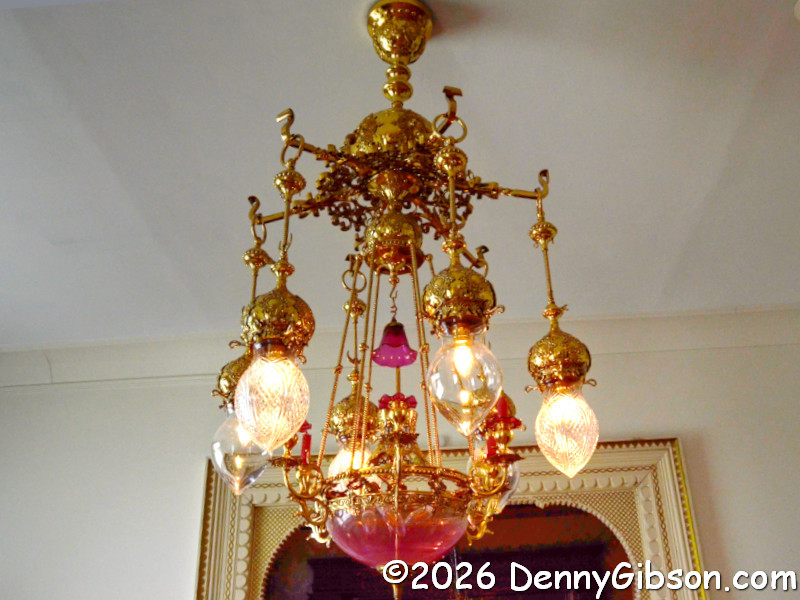
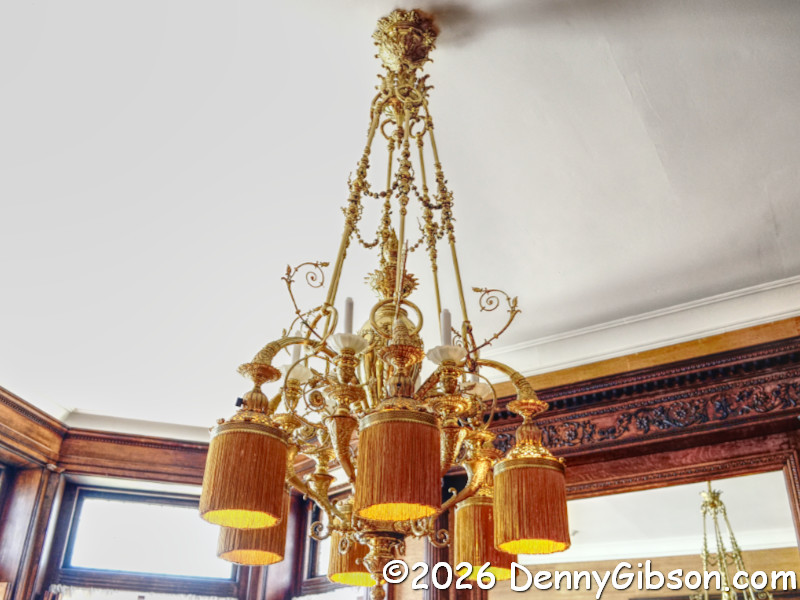
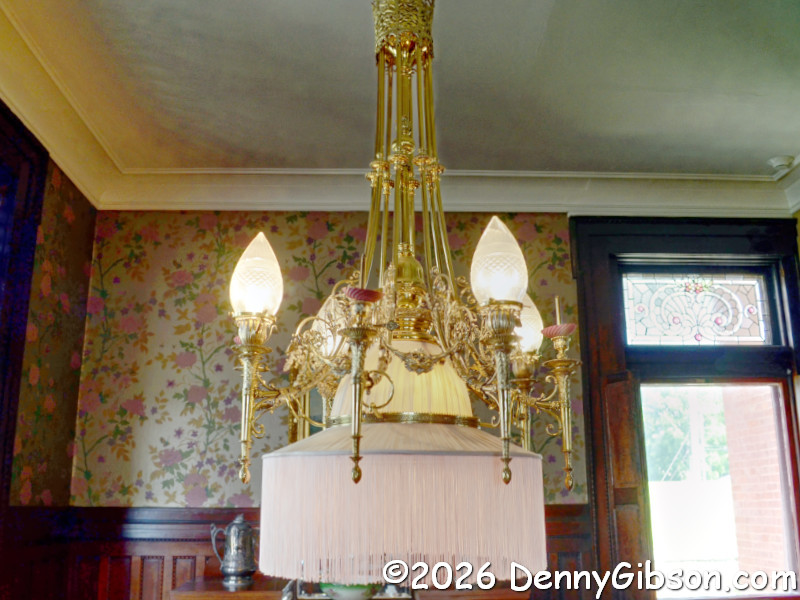 Because the home’s construction was treated as a side project to boat building, its cost was never known. The cost of the fabulous chandeliers is known, and Aaron shared it, but I’ve forgotten the exact amount. I do recall it was over $600,000 in today’s dollars.
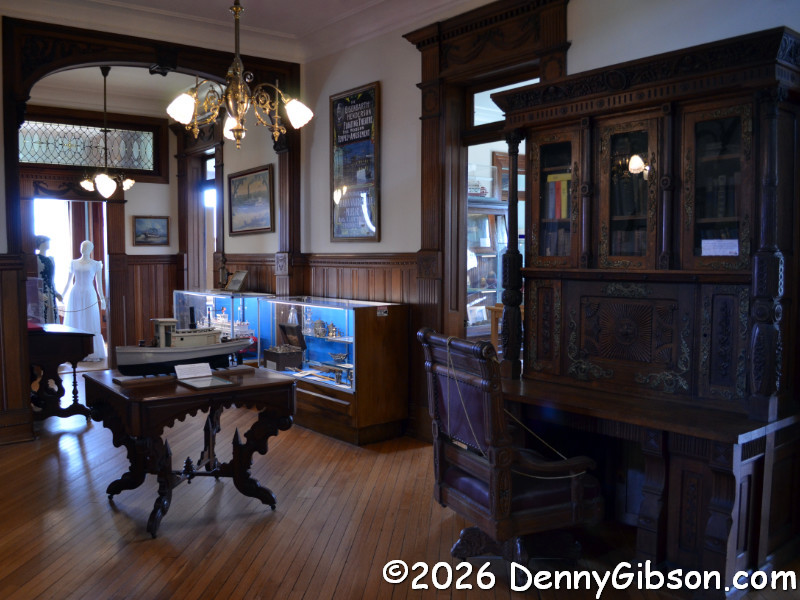
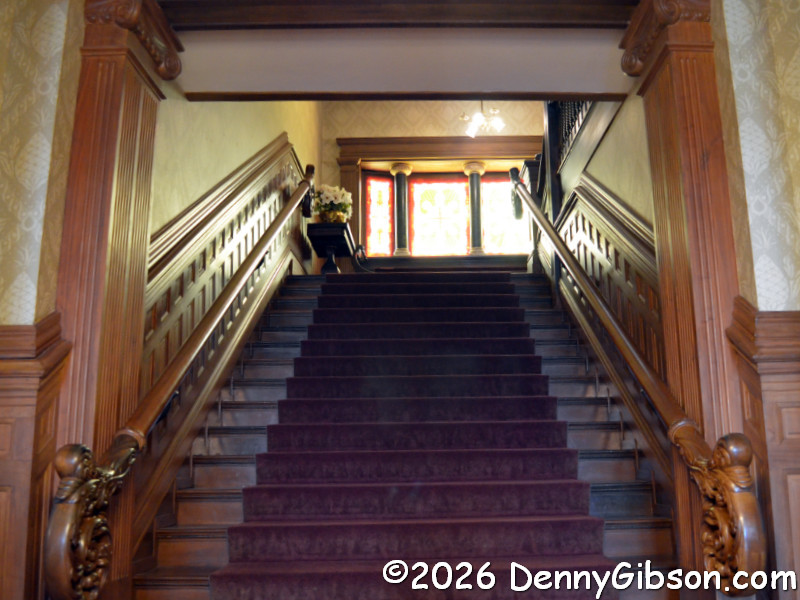 After a guided tour of the first floor, Aaron turned me loose, and I headed upstairs with a tour guide book in my hand. This is where more of those steamboat artifacts are displayed, but there is also quite a bit of original home and office furnishings.
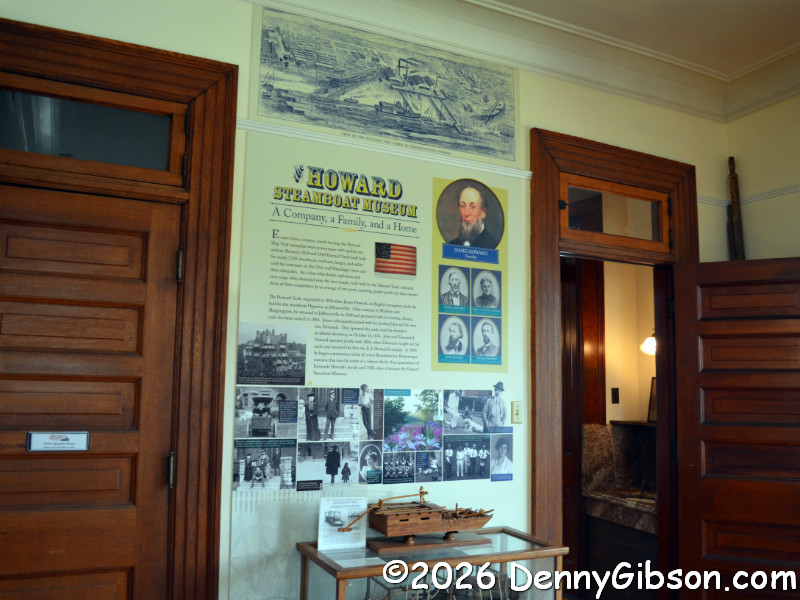
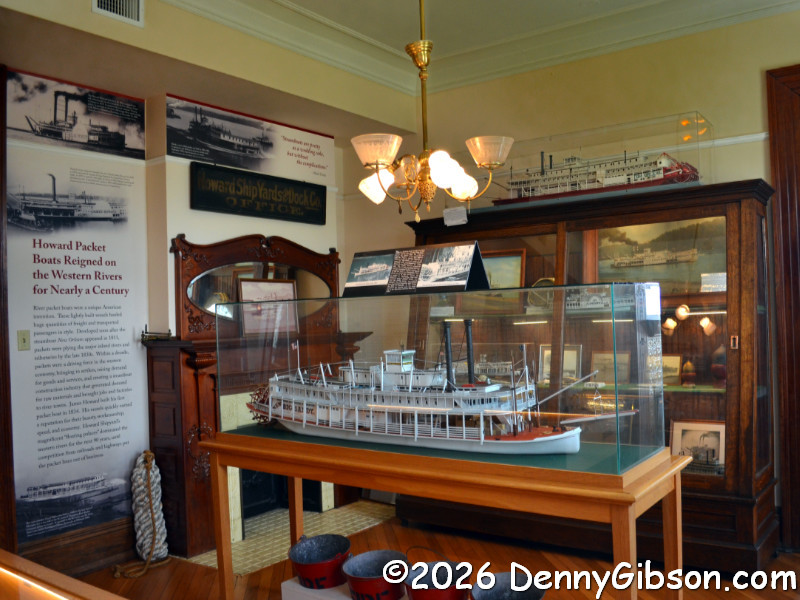
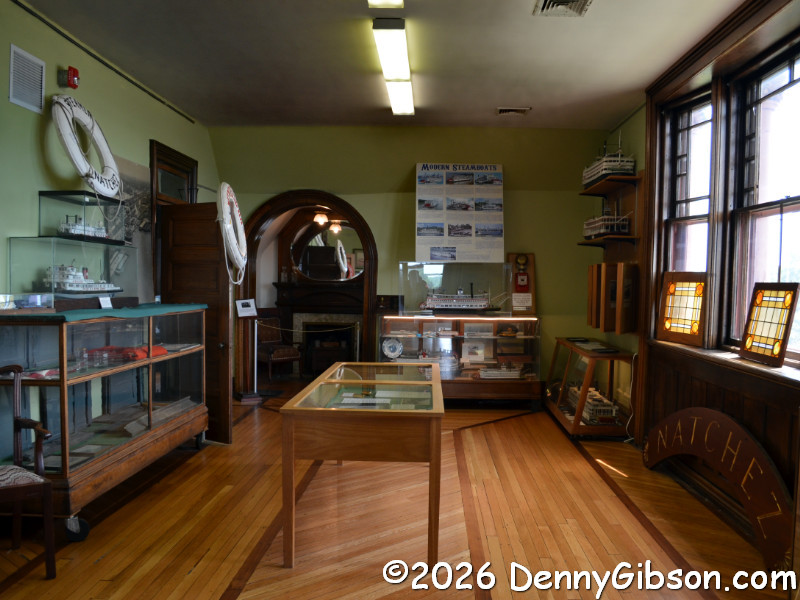 Exhibits tell the Howard Steamboat story along with the general story of the steamboat era.
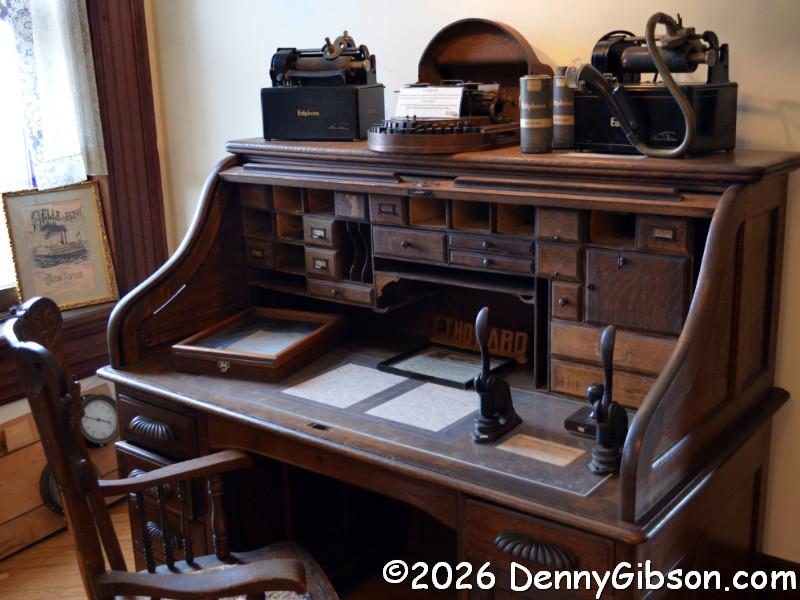
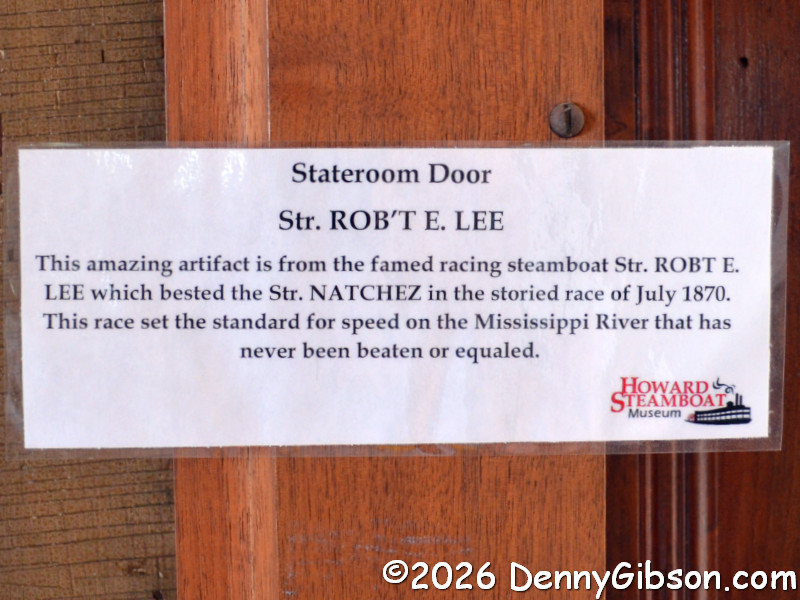
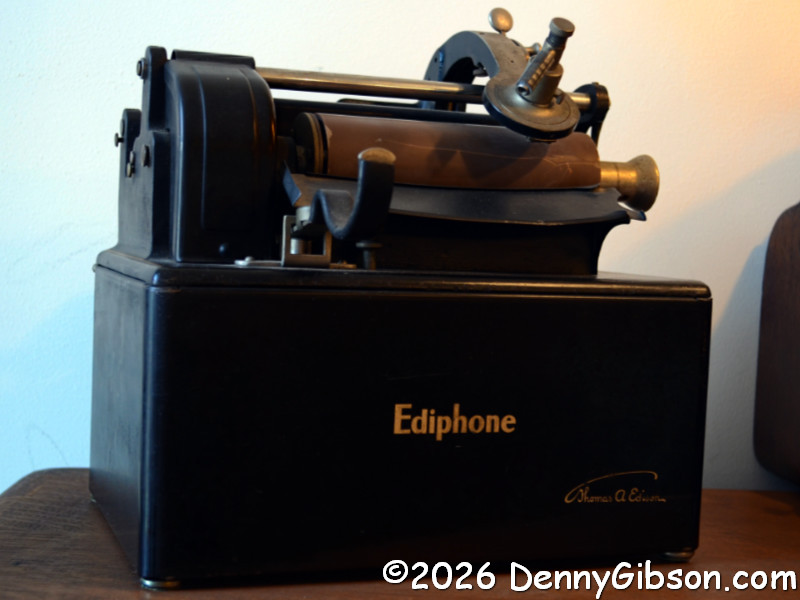
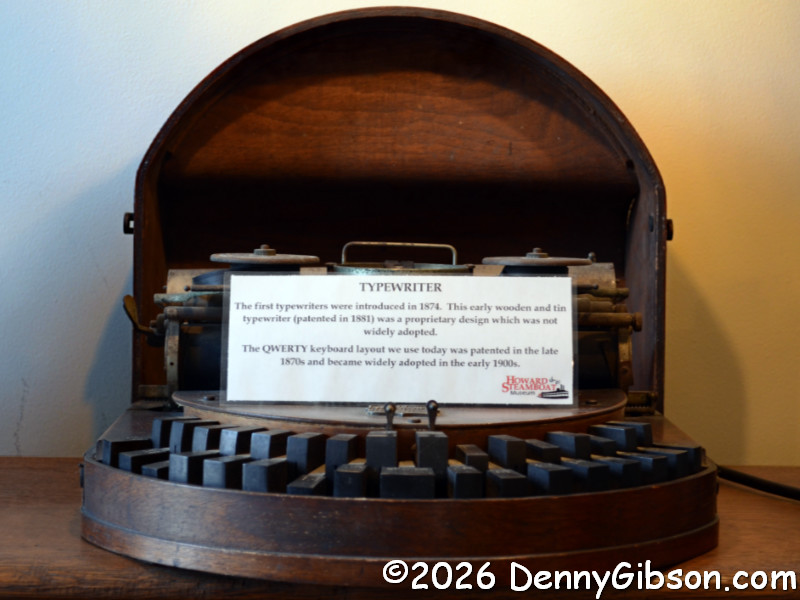
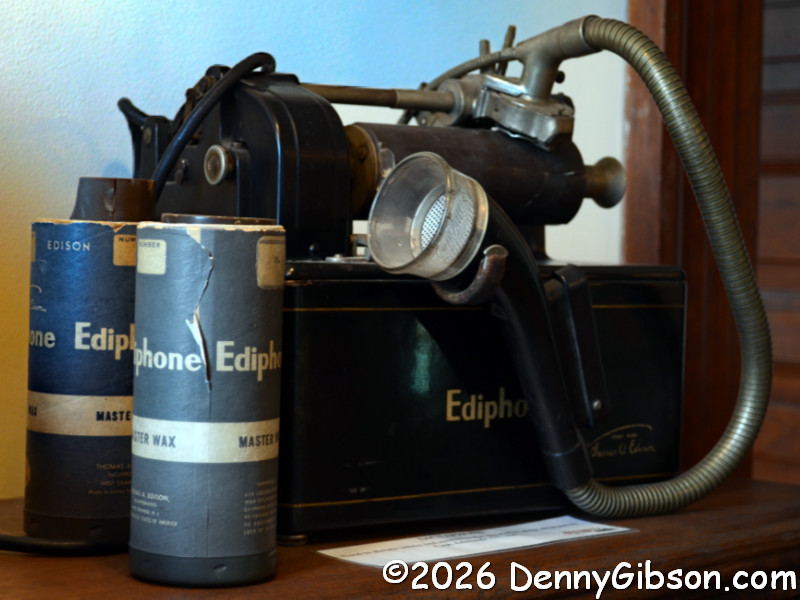
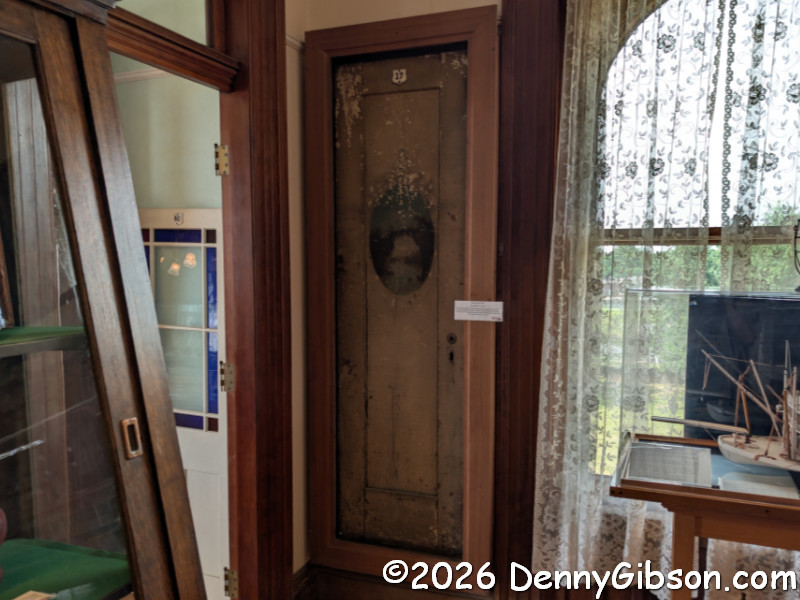 A remarkable piece of history from the steamboat era is this stateroom door from the famed Robert E. Lee. I imagine this desk was moved here from the boat works across the street. Sitting atop it are an Ediphone, a typewriter, and another Ediphone with some wax cylinders.
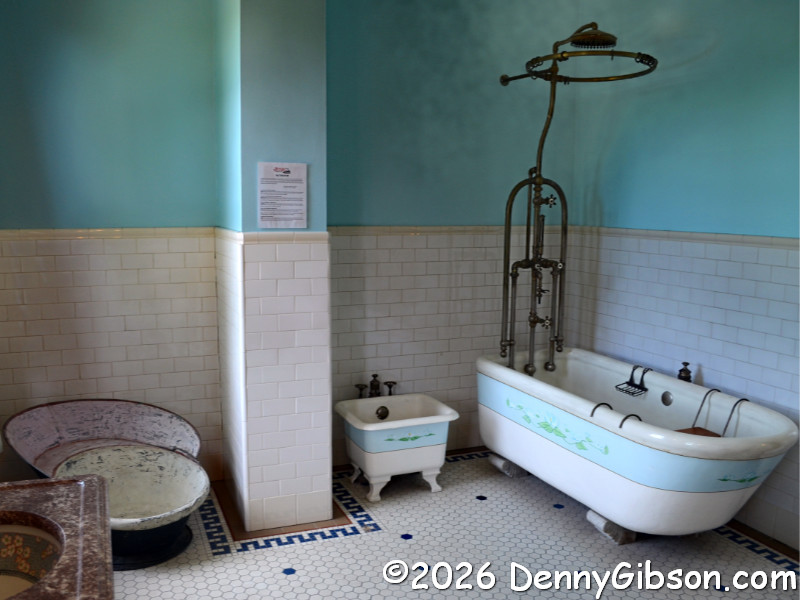
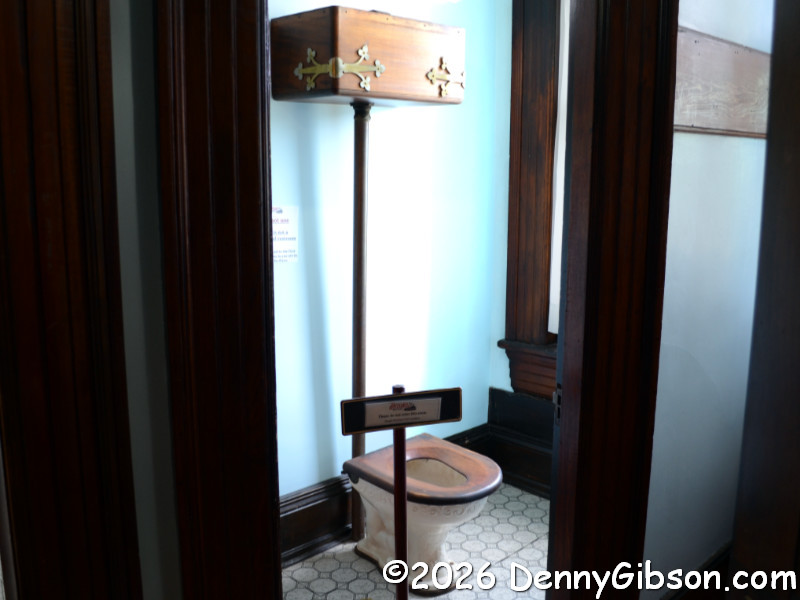
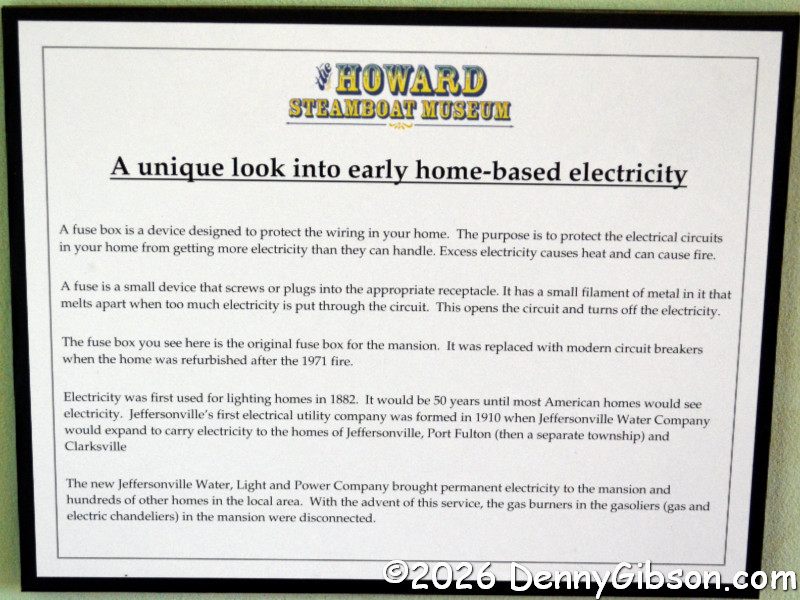
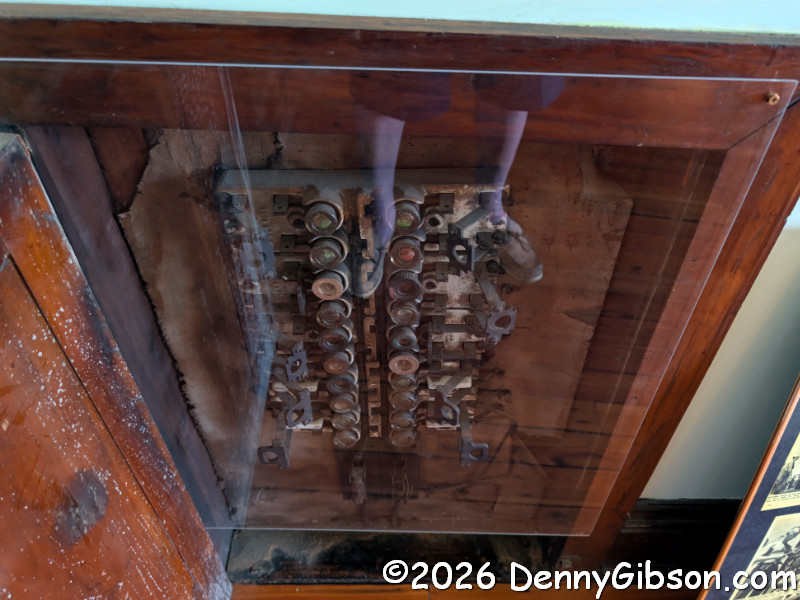 The Howard home was naturally one of the first with both indoor plumbing and electricity. The electricity originally came from a generator at the boat works. Because the generator did not operate full time, lighting fixtures could use either electricity or gas.
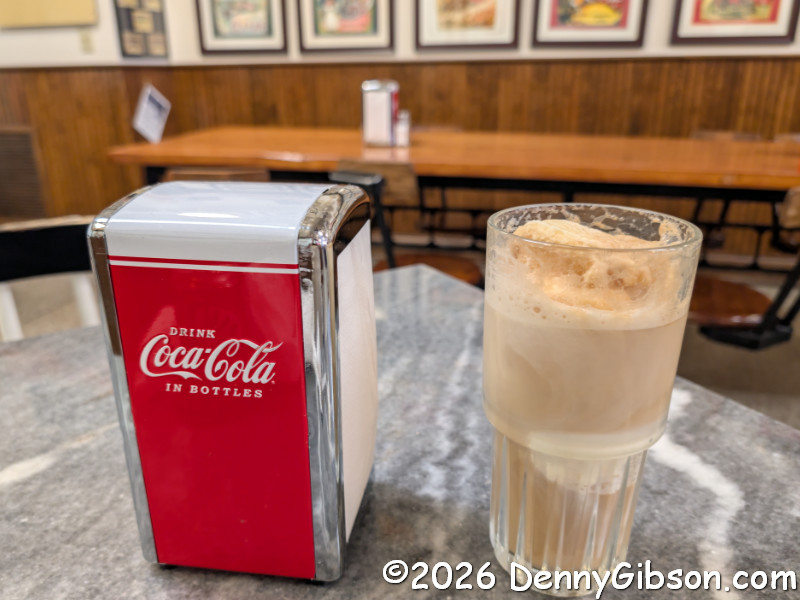
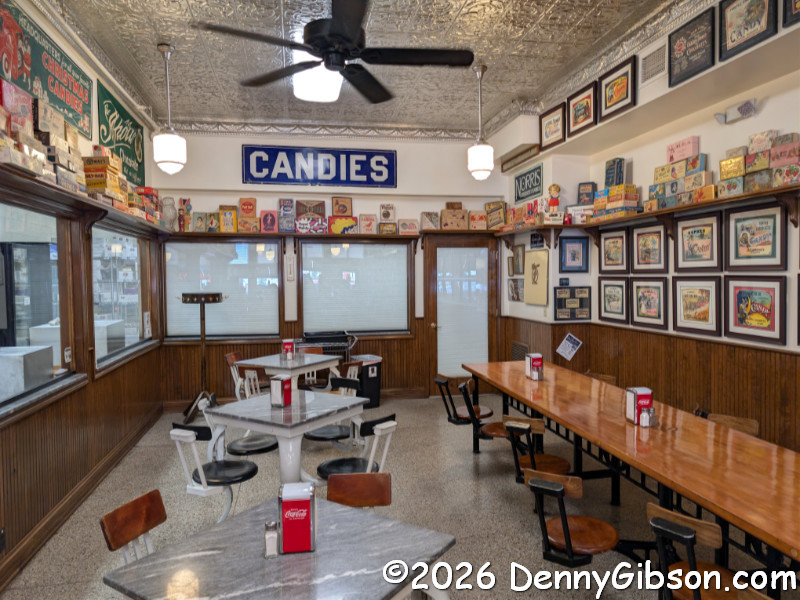
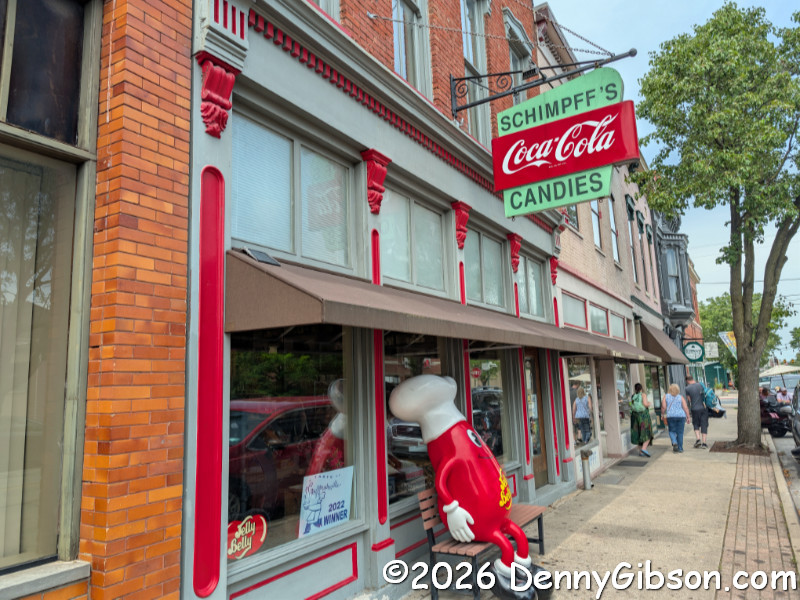 When I learned about a nearby candy company that is more than a hundred years old, I had to stop. I bought a bag of Red Hots, which Schimpff’s has been making making since they opened in 1891, and downed a root beer float at one of those cool tables. Those may be Coca-Cola napkins, but it’s root beer in the glass.
That really looka like a cool museum
It certainly is. The steamboat theme could be considered a cover for a look at late nineteenth-century America.