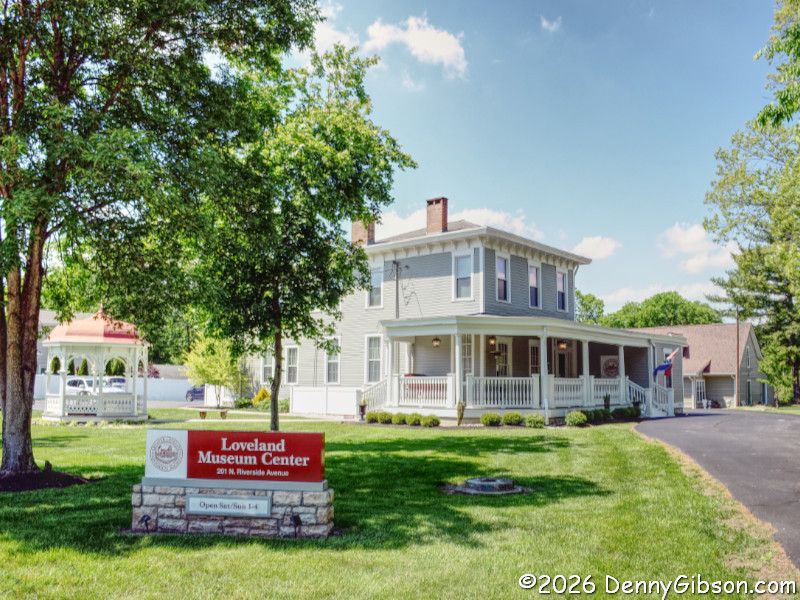
 Saturday was not the first time I’ve visited the Loveland Museum Center, but earlier visits happened long enough ago that this website did not exist. They were, in fact, long enough ago that I remember almost nothing about them. To be entirely honest, I don’t remember half as much as I should from Saturday’s visit. To illustrate, I met three extremely friendly and helpful staff members while I was there, but the only one whose name I remember is the lady who guided me through the exhibits and supplied tons of information: Nancy. The main museum building is known as the Bonaventure Hoise. It was built in 1862 by Dr. John S. Law. It was the home and office of Dr. Frank S. Lever into the 1950s. Apparently, Bonaventure was the name of an owner between the two doctors.
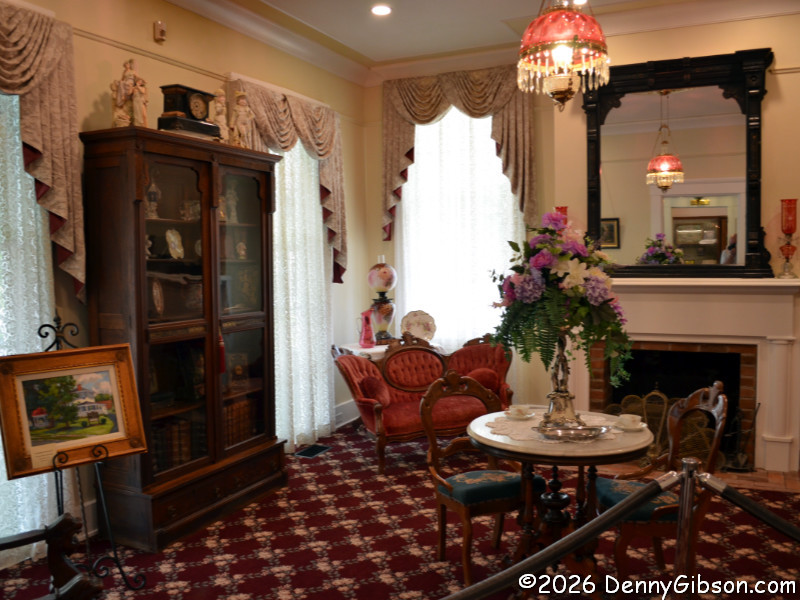
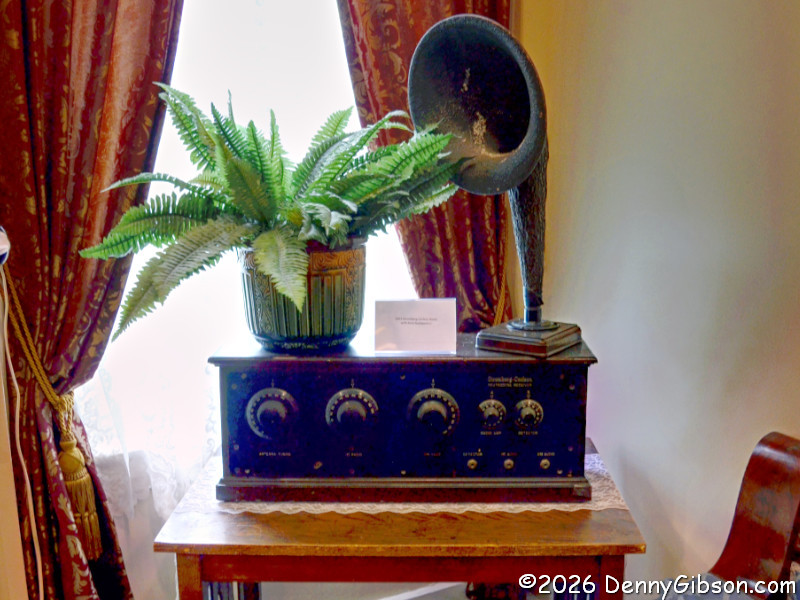
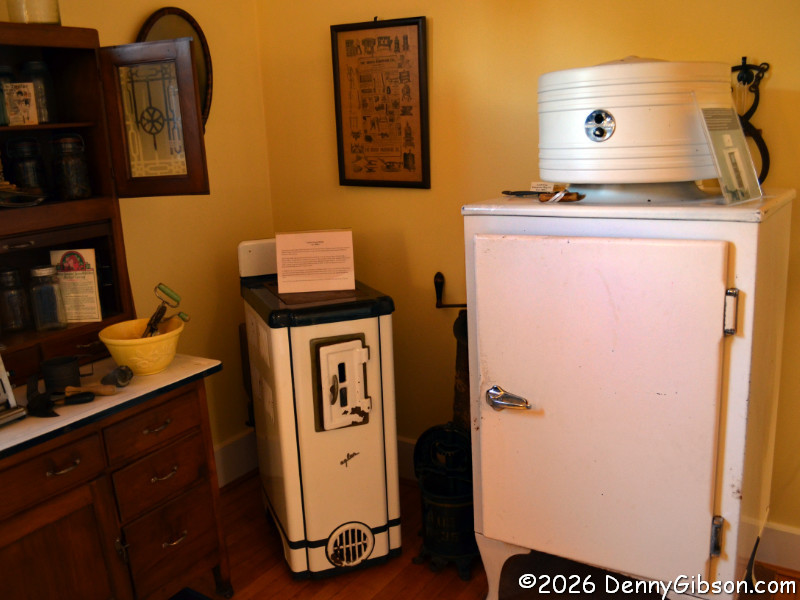 I don’t believe any of the building’s current content is original, but what is there is appropriate and interesting. A placard identifies the refrigerator as a General Electric “Monitor Top”, and says the name came from its resemblance to the gun turret of the Civil War ironclad, USS Monitor. I’d heard the name before, though not the explanation. I had my doubts, but it does make sense, and the internet seems to support it.
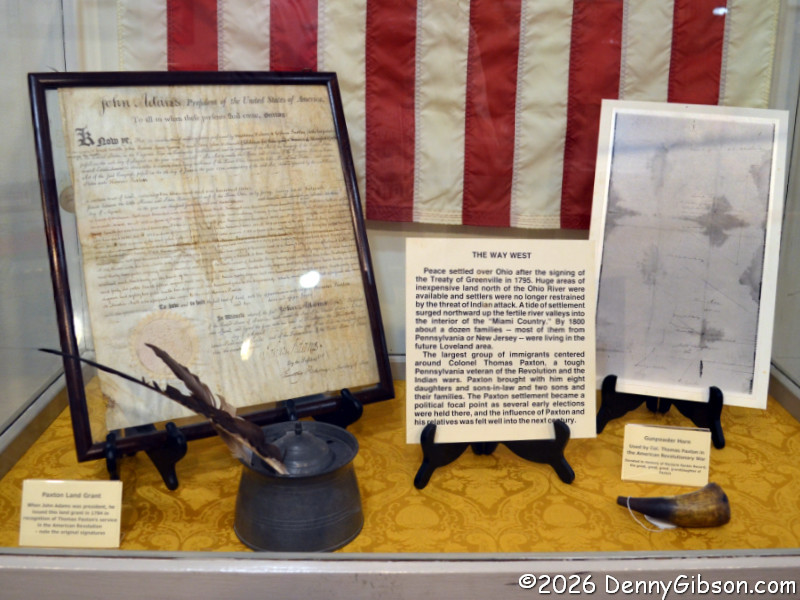
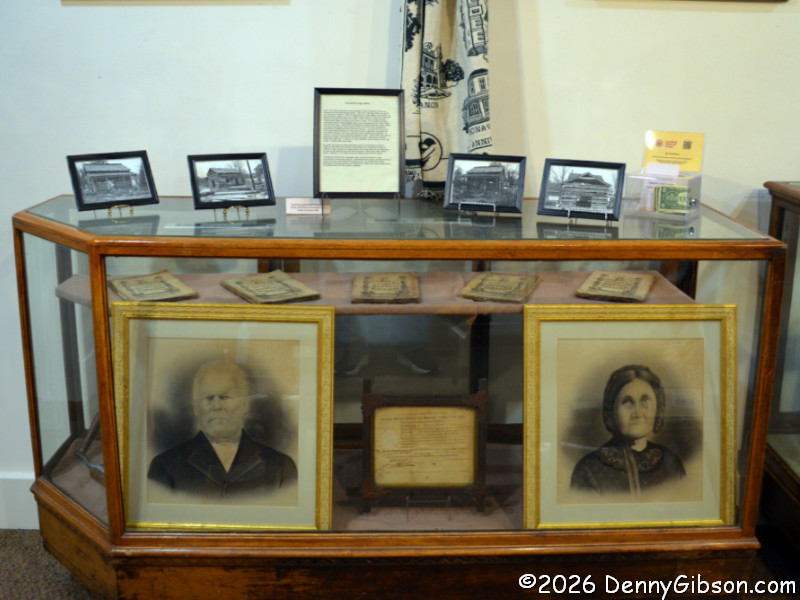
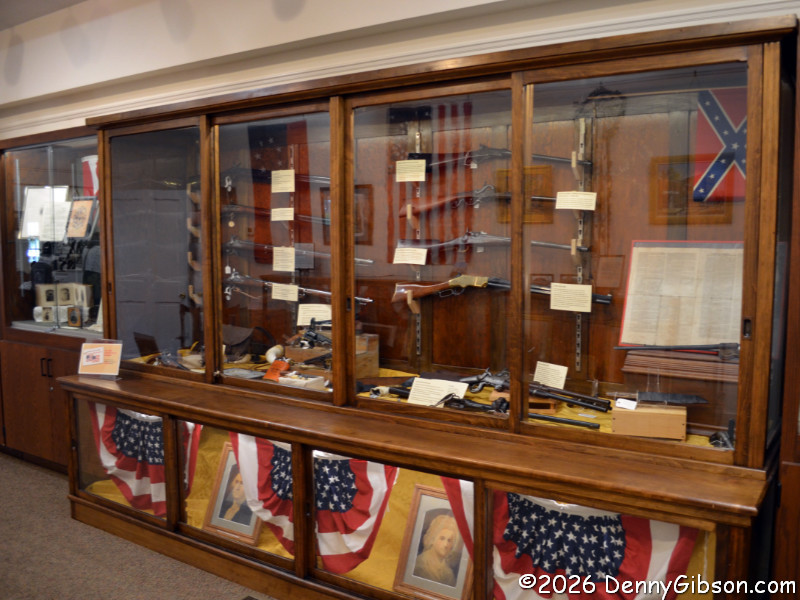 There is an impressive collection of guns and a display about a log cabin that I’ll have more on later. The large document on the left side of the third picture grants eleven hundred acres of land on the Little Miami River to Colonel Thomas Paxton. It is signed by President John Adams. This led to the founding of the village of Paxton, which eventually became Loveland.
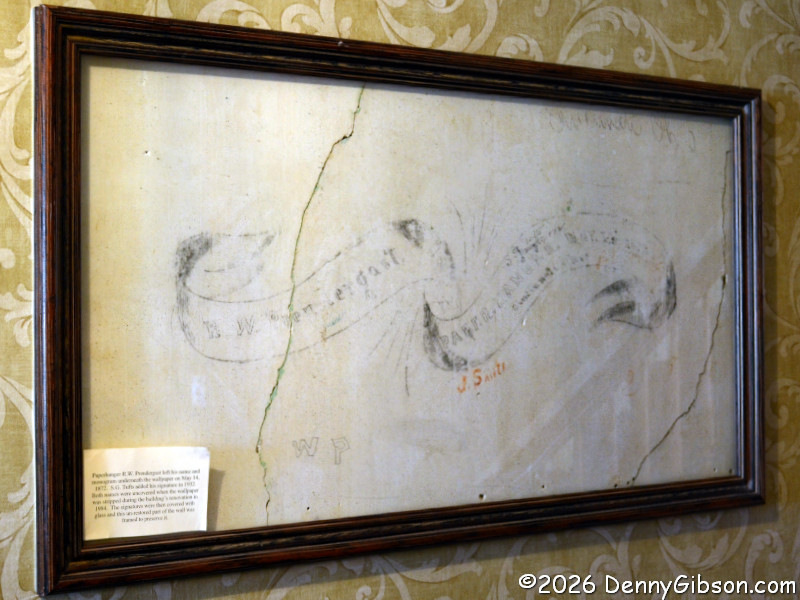
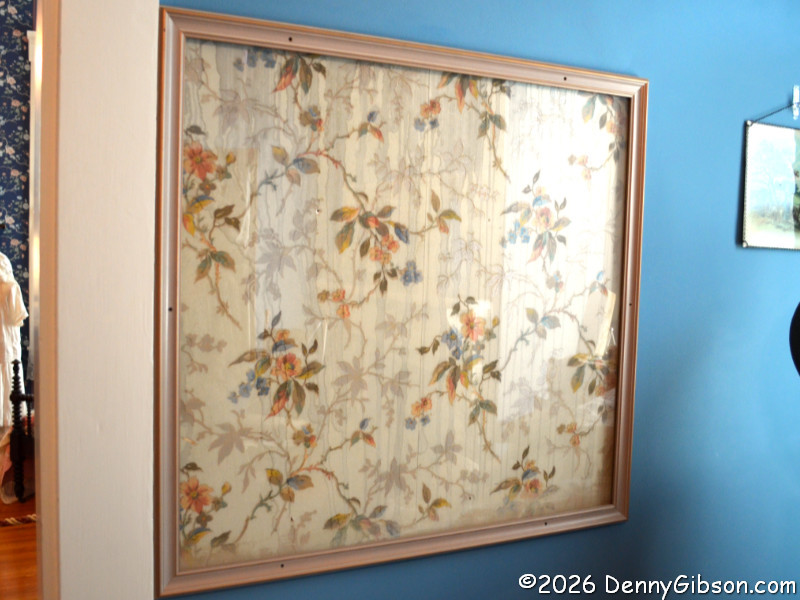 During restoration, the name of paperhanger R.W. Prendergast was uncovered and preserved. It was placed there in 1872. It was apparently uncovered and again papered over in 1932 when S.G. Tufts added his name. Upstairs, a bit of wallpaper, thought to possibly be original, is similarly preserved.
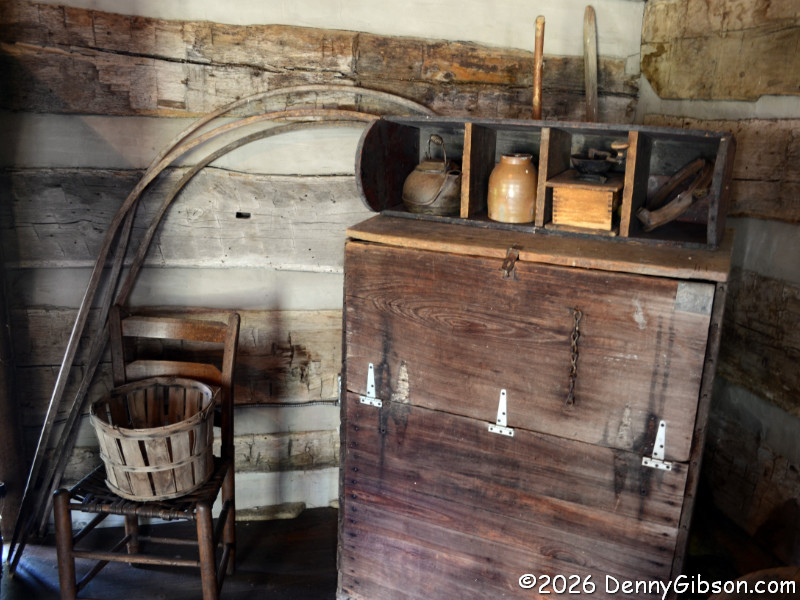
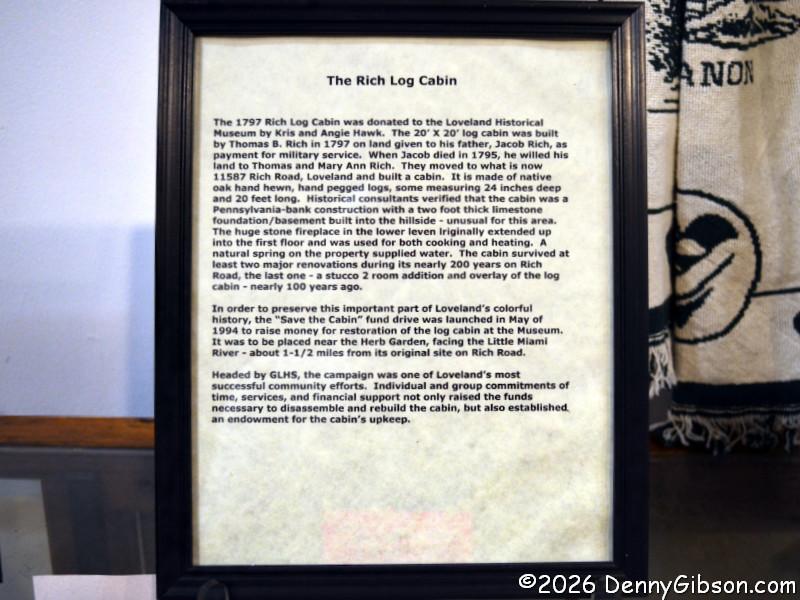
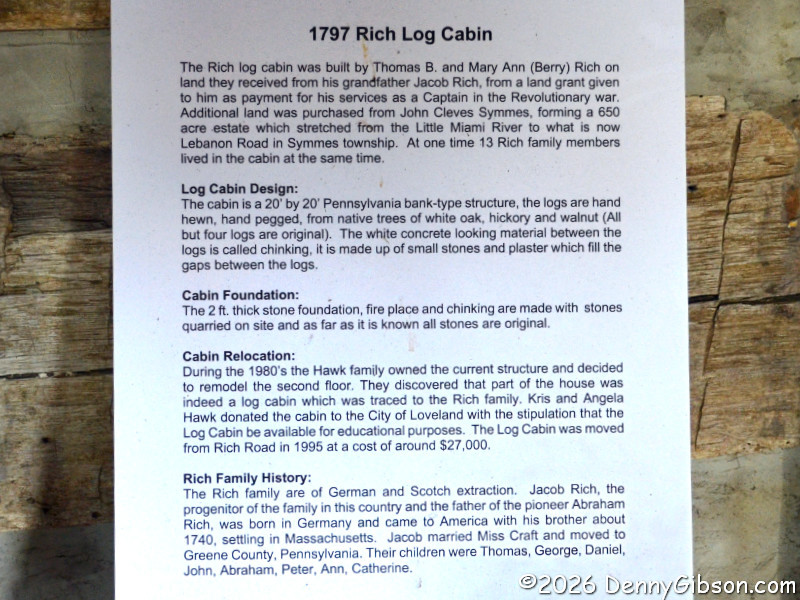
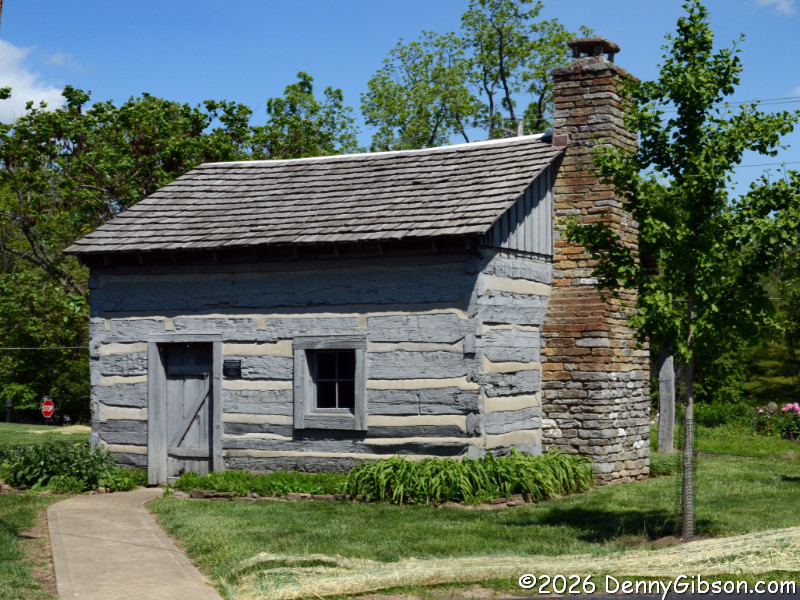 That previously mentioned cabin is now on the museum grounds. It was built in 1797, covered over the years with numerous additions, then rediscovered in the 1980s when some remodeling was planned. A placard from that previously pictured display is here, and one from inside the cabin is here. Although they are not directly connected to the cabin, quite a few historic items are displayed inside it. The covered wagon bows against the wall caught my eye, and I snapped a picture, partially so I could mention that I once read that wagon bows were the first commercial product exported from Darke County, OH, my home.
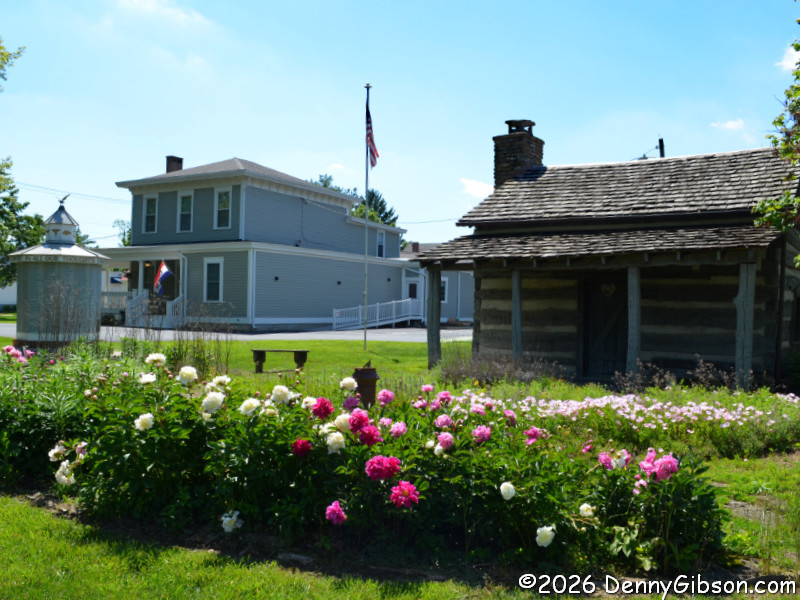
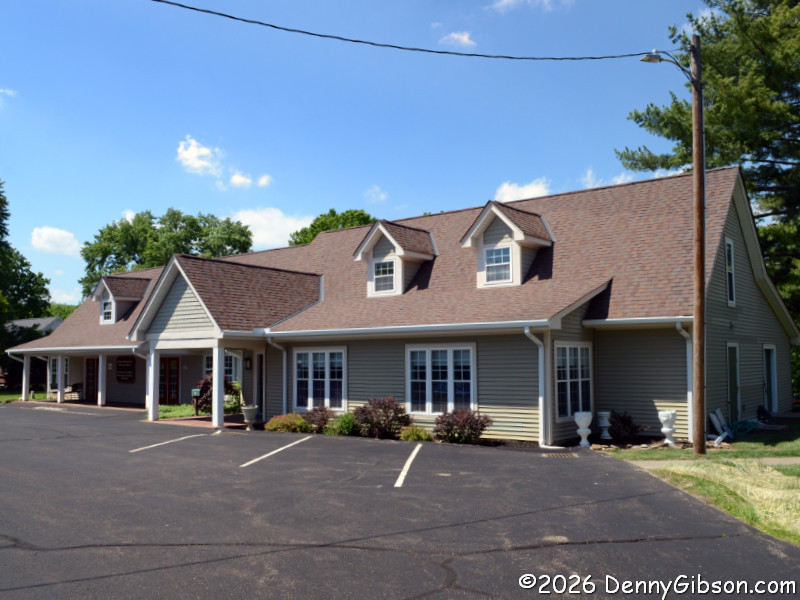 Here is a different view of the cabin and the museum, along with a shot of the modern building containing museum offices and an event space.