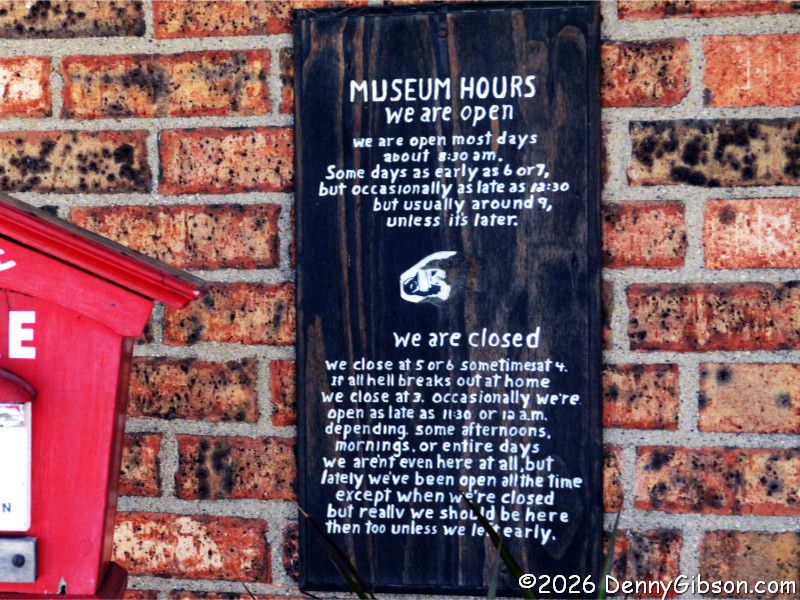
 I have known of the Salty Dog Museum for several years, but had it in my mind that it was open by appointment only. I think it may very well have started out that way. But I recently learned that it is pretty reliably open on Thursdays and Saturdays. On those days, the crew is very likely on site, busy restoring something, with the doors to the two museum buildings unlocked. There’s a decent chance of it being open at other times, and a slight possibility does exist that it won’t be open on a particular Thursday or Saturday. In other words, even though the museum has settled into a fairly consistent two days or more a week schedule, everything on the sign out front remains true.
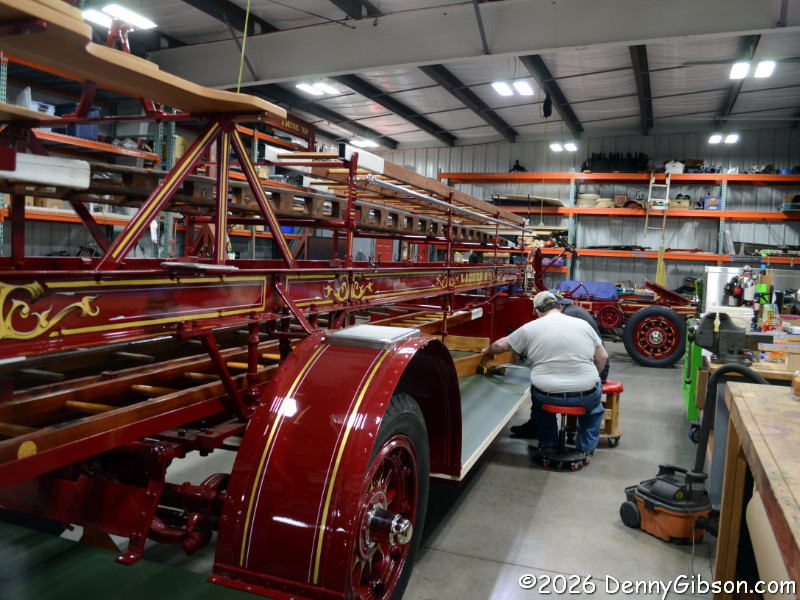
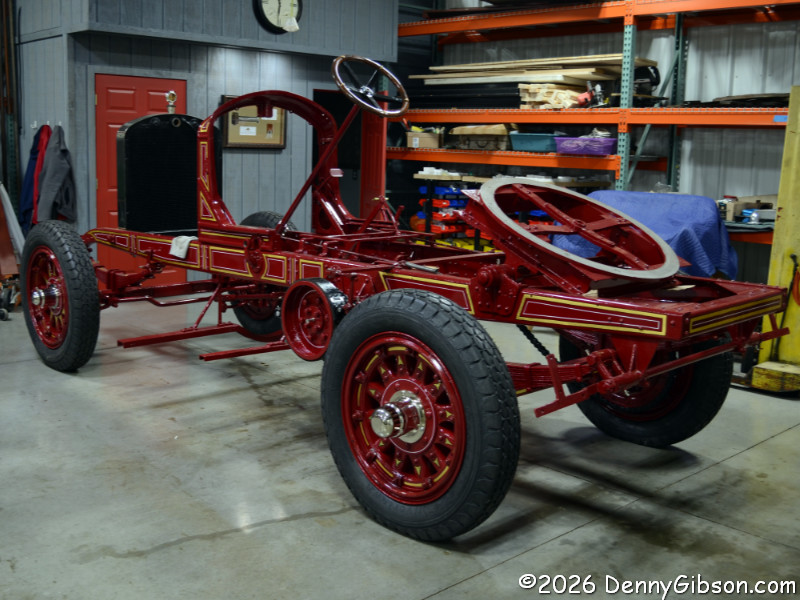 Had I tried one more door beyond the two I found locked, I’d have been able to step into the museum building filled with cars. As I contemplated my next move, Dan stepped into the sunlight to get a better view of something in his hands. I approached and asked about the museum, and he invited me into the workshop. After casually noting that I was starting at what was the normal end of a museum tour, he told me about the 1917 Cincinnati Fire Department ladder wagon currently being restored along with the “tractor” that eventually replaced the horses that pulled it originally.
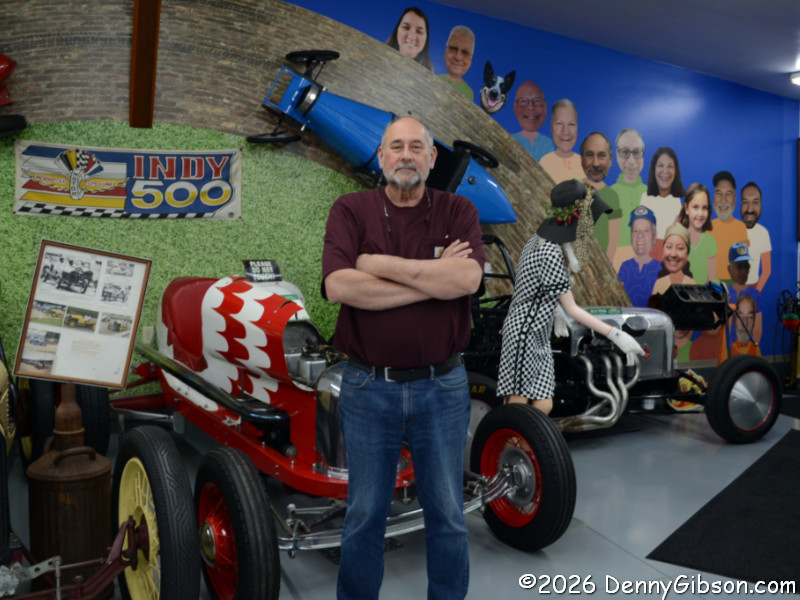 Then Dan introduced me to museum co-founder Mark Radtke, who gave me a tour of highlights before letting me loose to wander at will. I’ve seen Mark in a video or two with Ron Miller, the museum’s other founder and the founder of Ron’s Machine Shop. Ron died in 2023, and I really regret not getting here while he was still around. As you can see, Mark graciously agreed to a photo after leading me through the proper door into the auto section. Before we stepped out of the workshop, I got to watch Mark and some of the others dig through a foot-thick catalog, then do some back-of-the-envelope calculations involving IDs, ODs, and probably some other Ds, too, to determine exactly which fitting to order for some piece being restored. Seeing how much that group enjoyed what they were doing, then seeing Ron’s enthusiasm for the collection of vehicles and paraphernalia he and Ron have put together, sure put me in the right mood for looking it over.
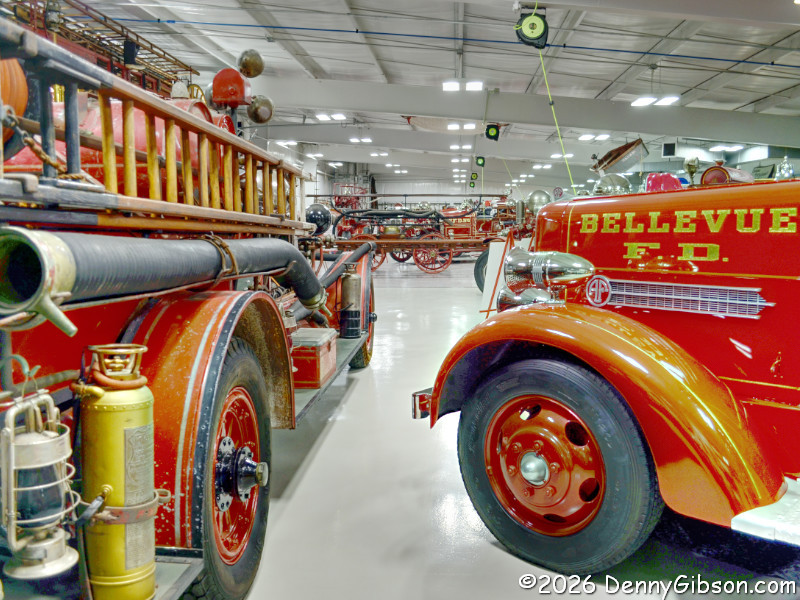
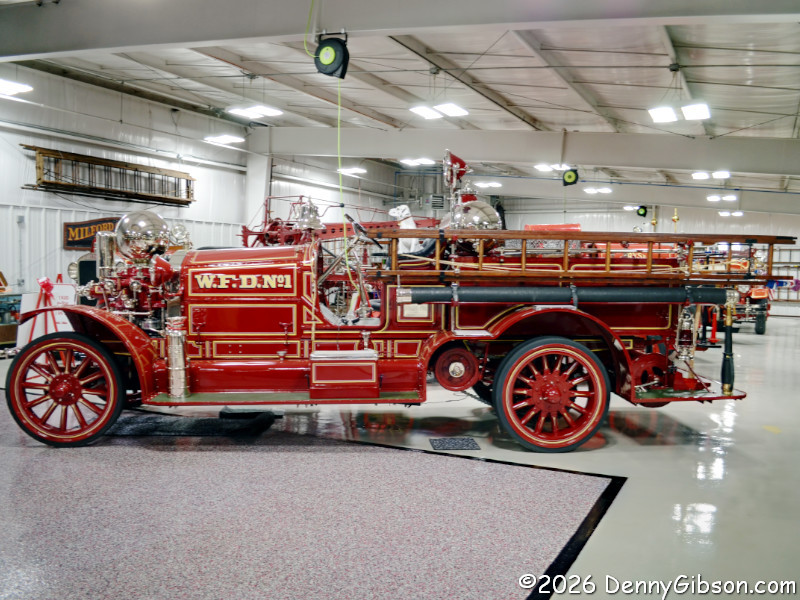
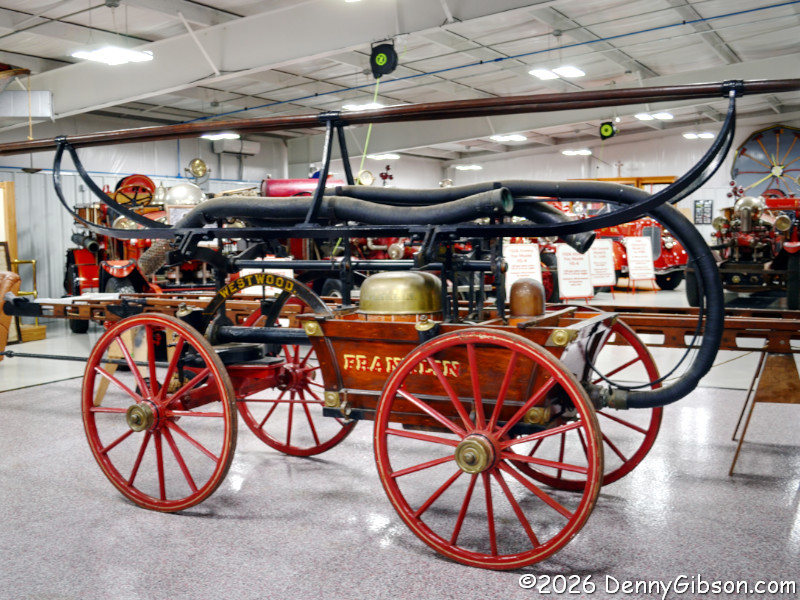 We returned to the other building, where Mark went back to work, and I went off exploring. The museum started with cars, with the fire engines coming along later. Apparently, however, once they started coming along, they really came along. The number and quality of the firefighting vehicles here is phenomenal.
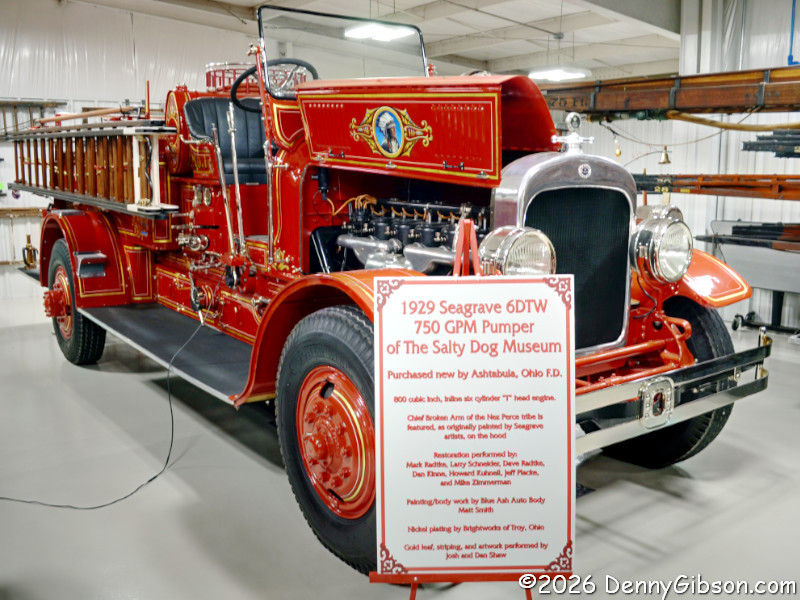
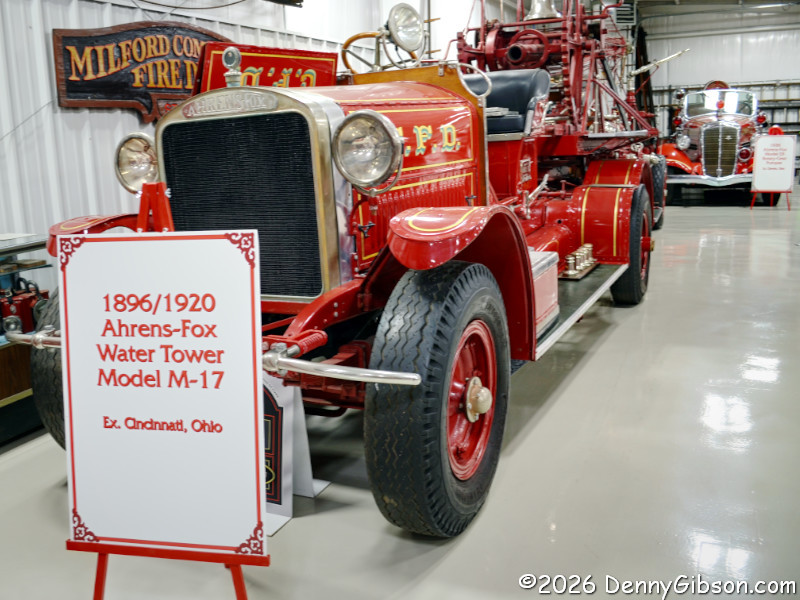
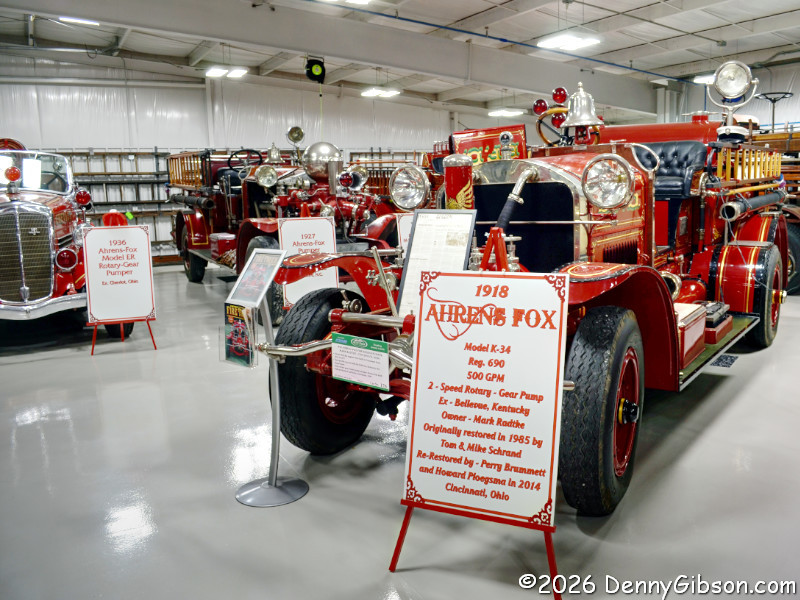 Ahrens-Fox was a Cincinnati-based builder of fire engines. That no doubt accounts for many of their vehicles being displayed in the museum.
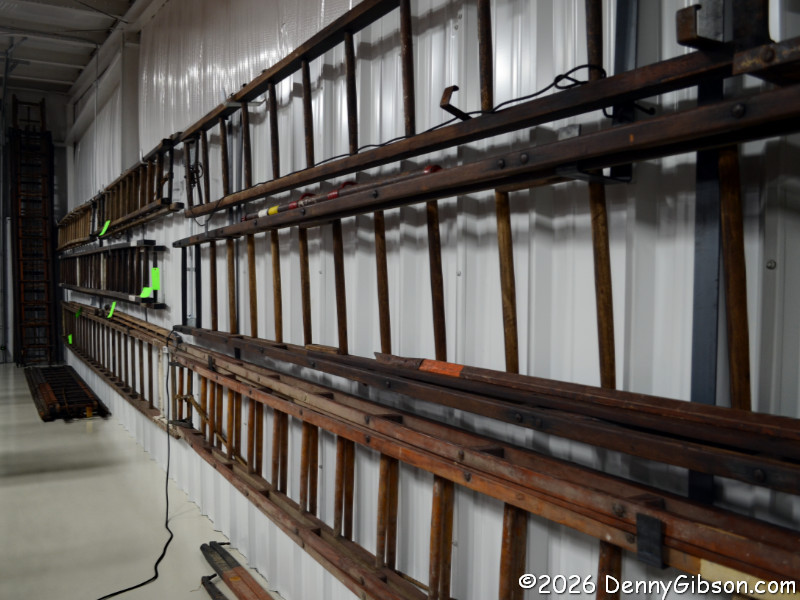
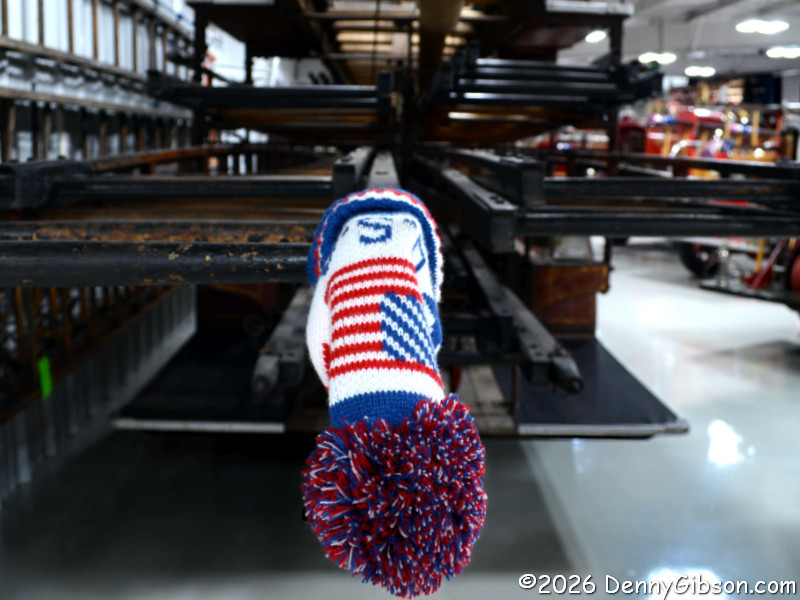 When there’s that much firefighting equipment around, there’s bound to be more than a few ladders. Many are displayed on engines and trailers, and there is also a wall filled with them. Those not lying flat against that wall could present something of a hazard, but Salty Dog does a good job of making them visible.
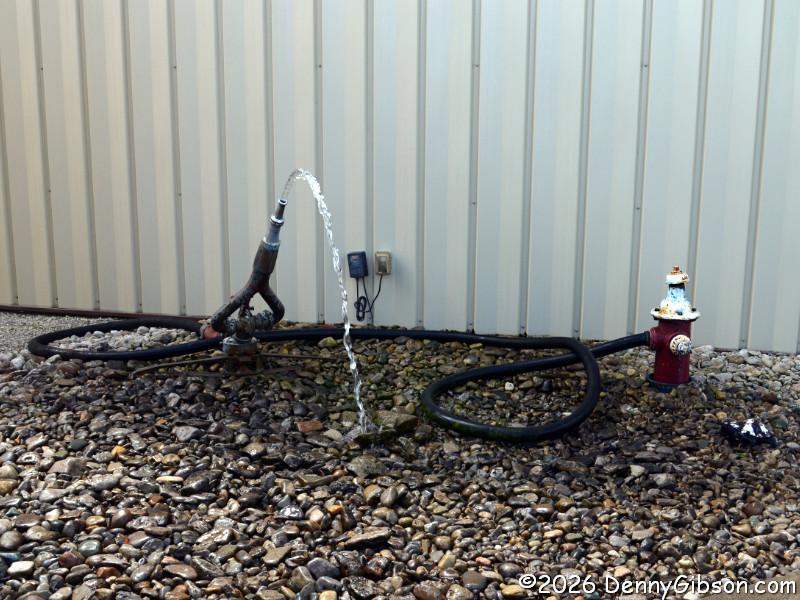 I noticed this rock waterer and asked about it when Mark and I were walking between the two display areas. It was their answer to the Genius of Water on Cincinnati’s Fountain Square, he explained. Then he demonstrated its remote control. I snapped this picture as I headed back to the car display building. Ain’t it wonderful what a group of engineers and mechanics can accomplish with just a few spare parts?
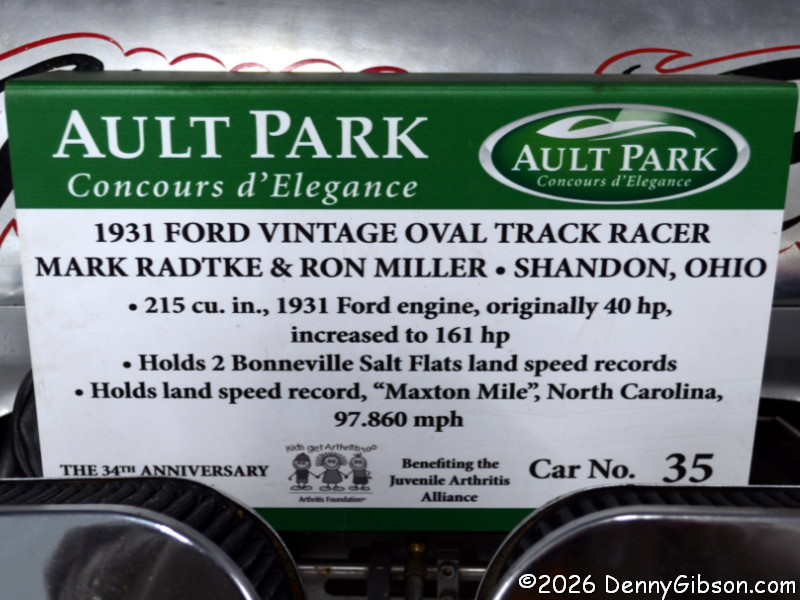
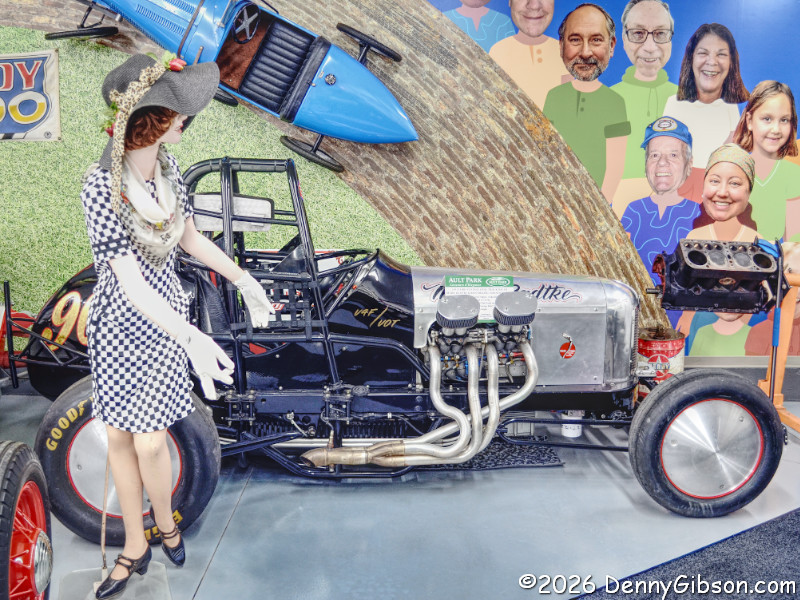 You may have spotted this car in the background of the earlier photo of Mark. Although it was not the start of building or collecting cars for either of them, this car might mark the beginning of the Miller-Radtke collaboration that led to the museum. In 2008, the pair went to Bonneville as spectators, but ended up as an impromptu crew. They also ended up hooked. They built this car and captured two Bonneville Salt Flats land speed records with it. There are some details on its Ault Park Concours placard.
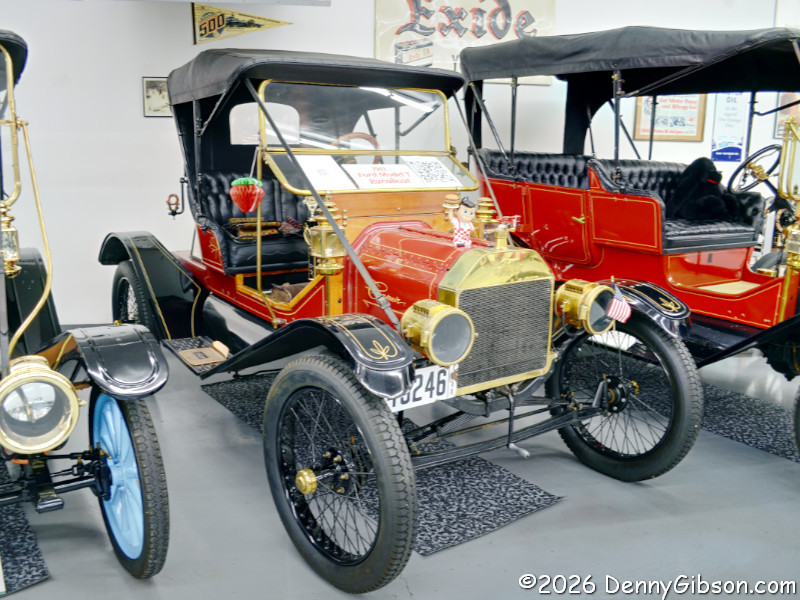
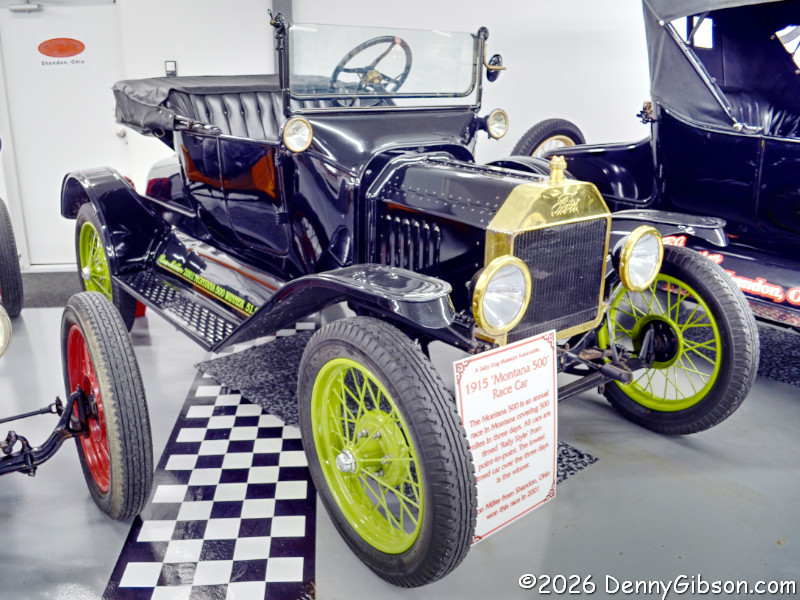
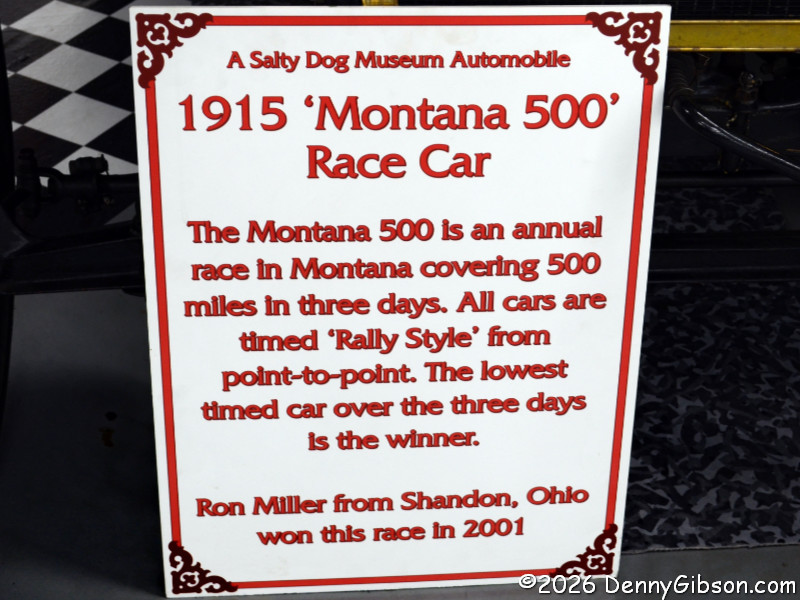
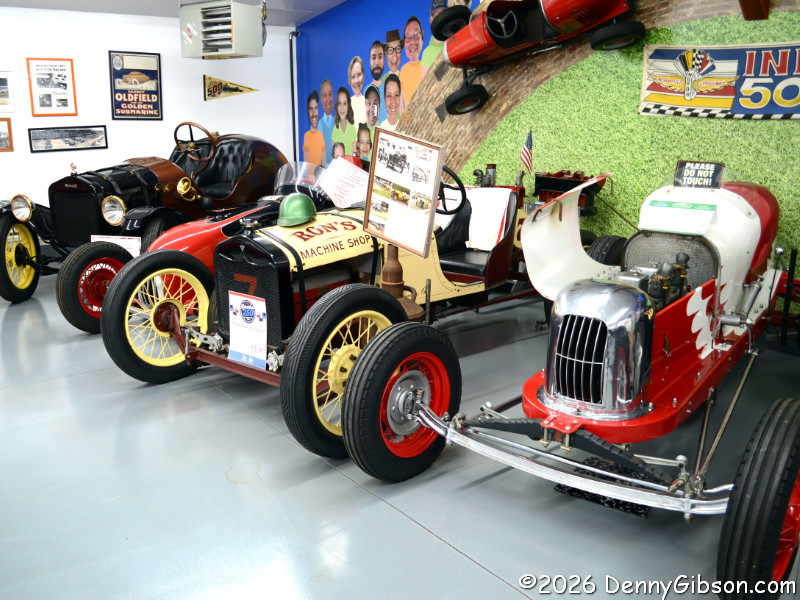 There are several more race cars next to the Bonneville car, and a slightly different sort of race car sits a short distance away. It’s the 1915 Ford Model T that Ron Miller drove to victory in the 2001 Montana 500. The 1911 T in the third picture isn’t a race car, but it does look rather racy, and I’m rather fond of the after-market hood ornament.
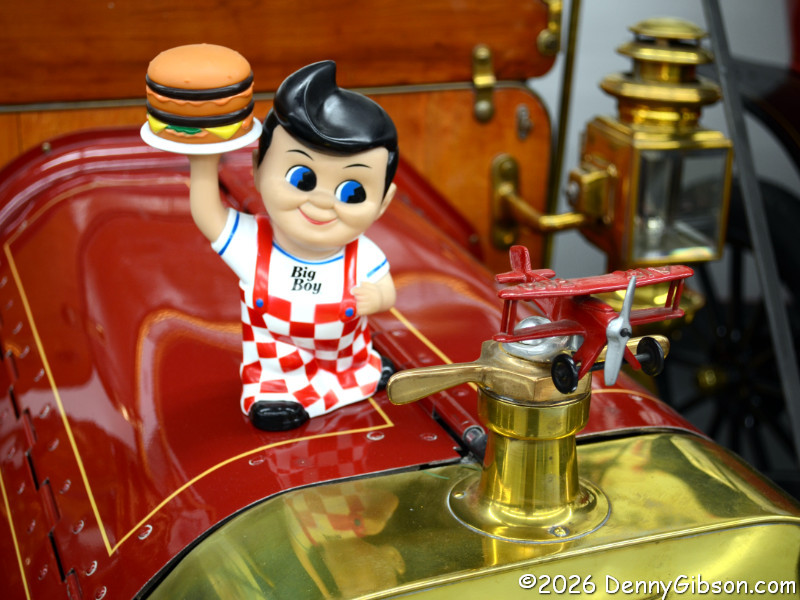
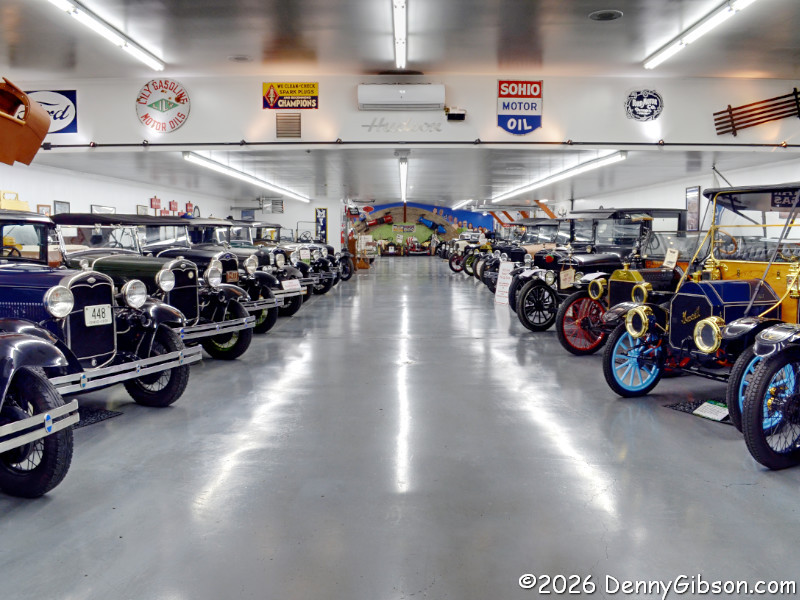
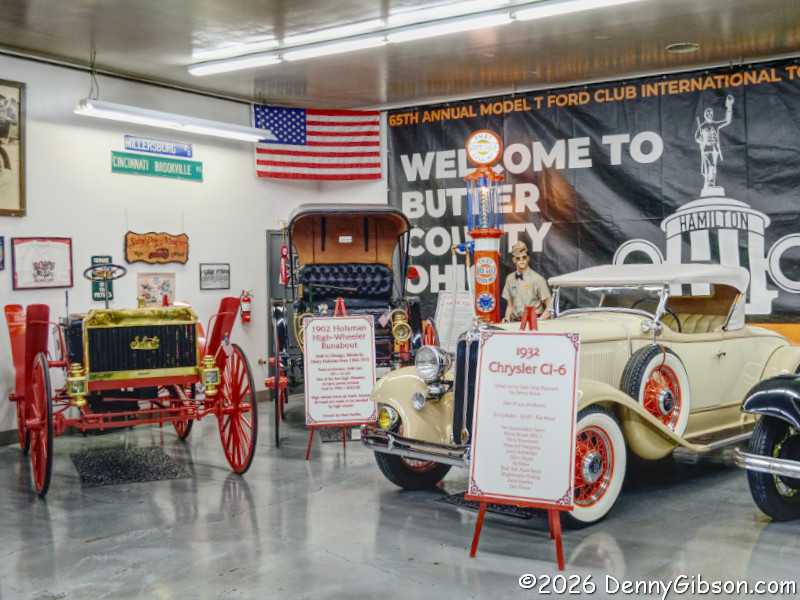
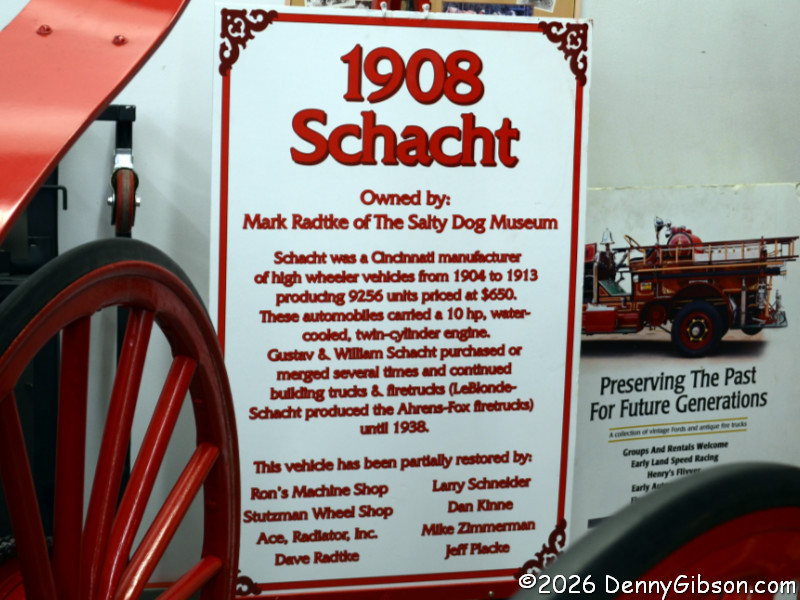
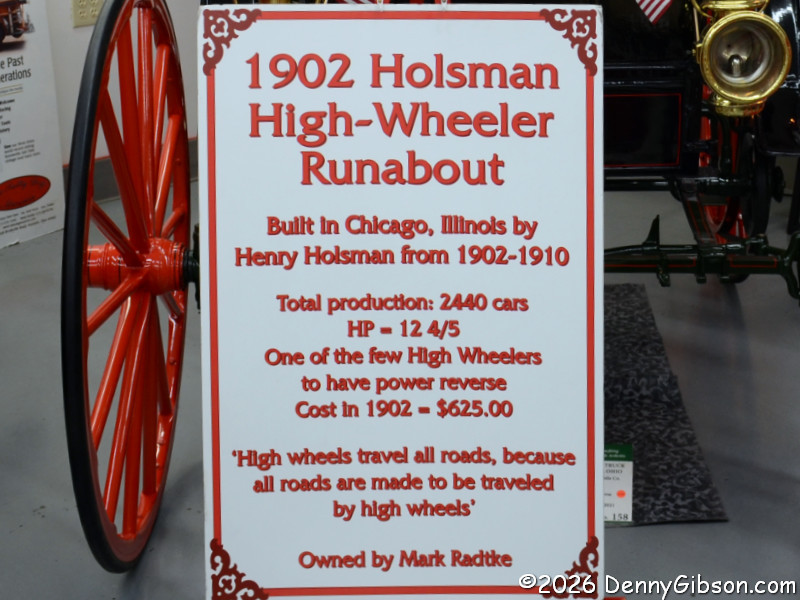
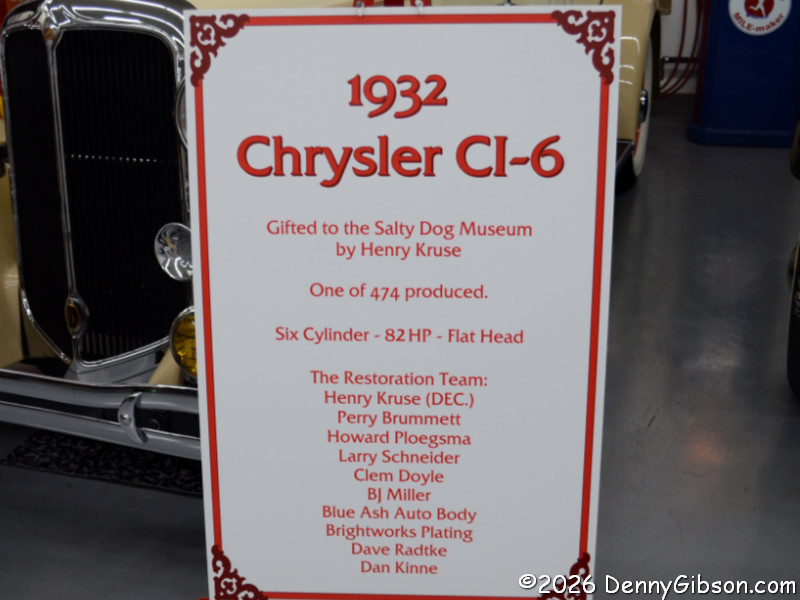
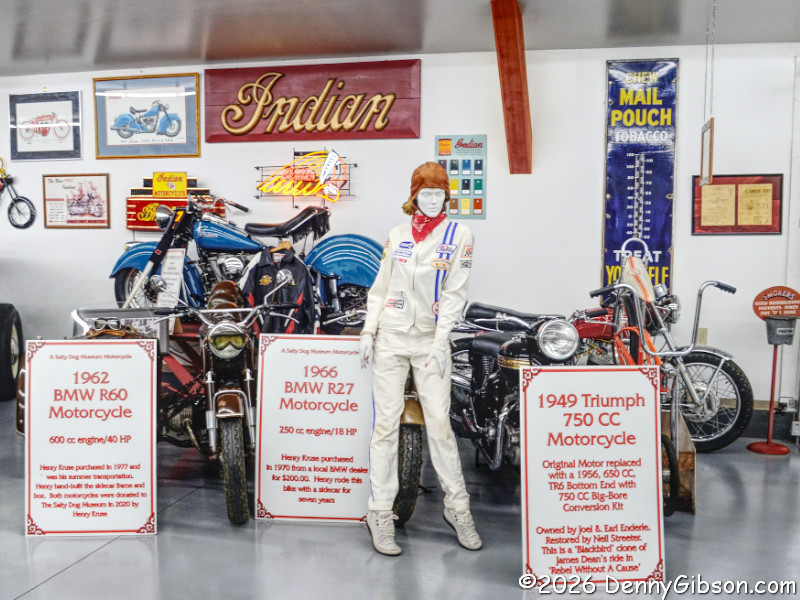 Looking back from the other end of the building will give you an idea of just how many cars it contains, and it might give you an idea of just how much these guys like Fords. It’s not all Fords, though. Among the “off brands” on display are a 1908 Schacht, a 1902 Holsman, and a 1932 Chrysler. There are even a few motorcycles available for viewing.
 Crosby, Stills, and Nash said it first:
Will you come see me Thursdays and Saturdays?
What have you got to lose?
Suite: Judy Blue Eyes, 1969