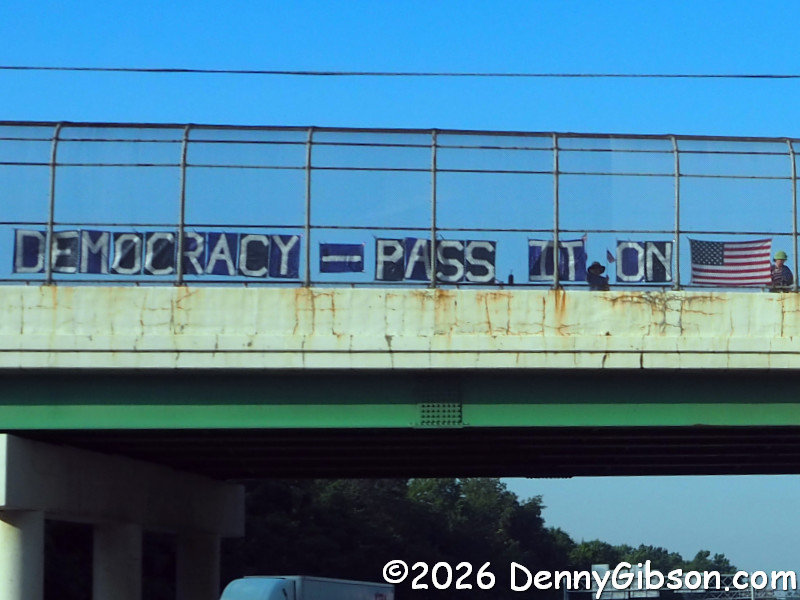
 Yesterday was the 250th anniversary of the adoption of the Declaration of Independence of the United States of America. Around 2010, the Cincinnati History Museum rediscovered a copy of the second printing of the Declaration and put it on display for the Fourth of July in 2015. Like this year, the Fourth of July fell on Saturday. Part of my blog post for Sunday, July 5, 2015, concerned the opening of the display on July 2. The 1776 document is again on display this year in an exhibit that opened on July 3. I took the opening picture from I-71 as I headed toward the museum for the opening of that exhibit.
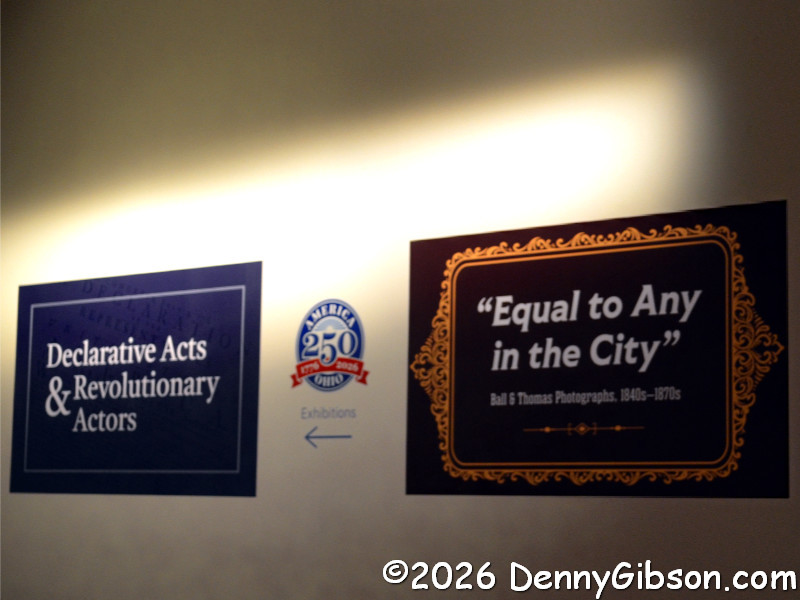 Declarative Acts and Revolutionary Actors is paired with another temporary exhibit “Equal to Any in the City:” Ball & Thomas Photographs 1840s – 1870s. Both opened on the 3rd and are included with museum admission. Declarative Acts and Revolutionary Actors runs through August 23. “Equal to Any in the City:” Ball & Thomas Photographs 1840s – 1870s runs through October 14.
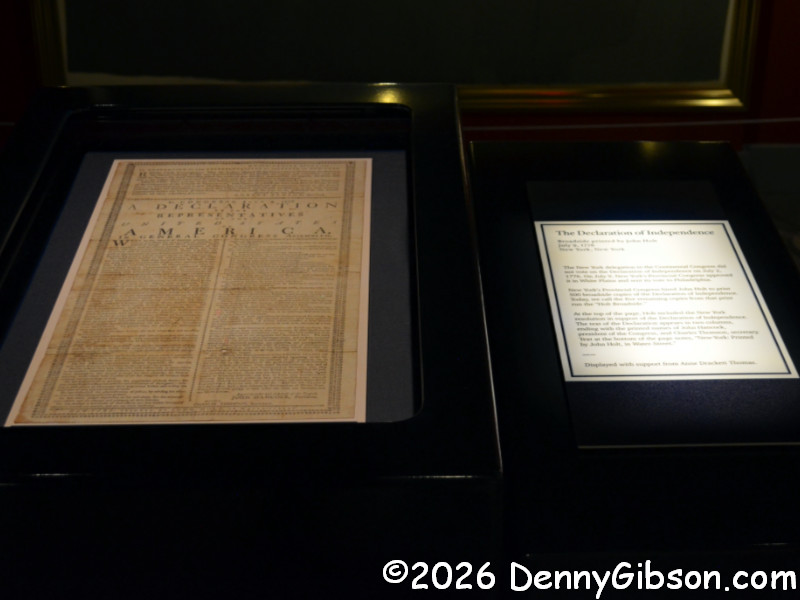
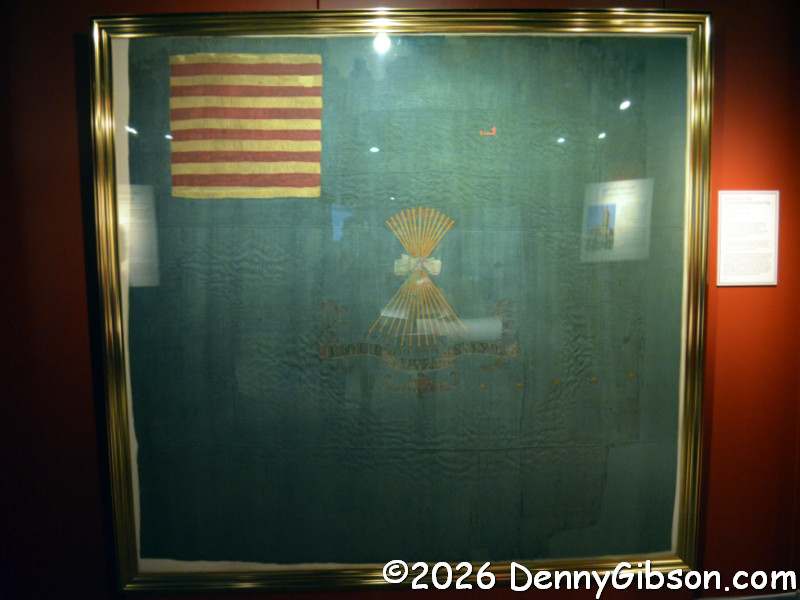
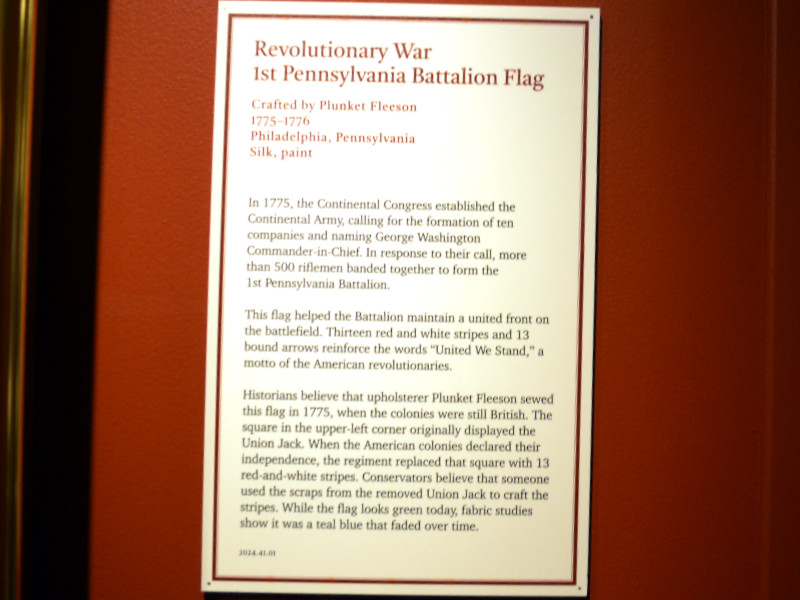
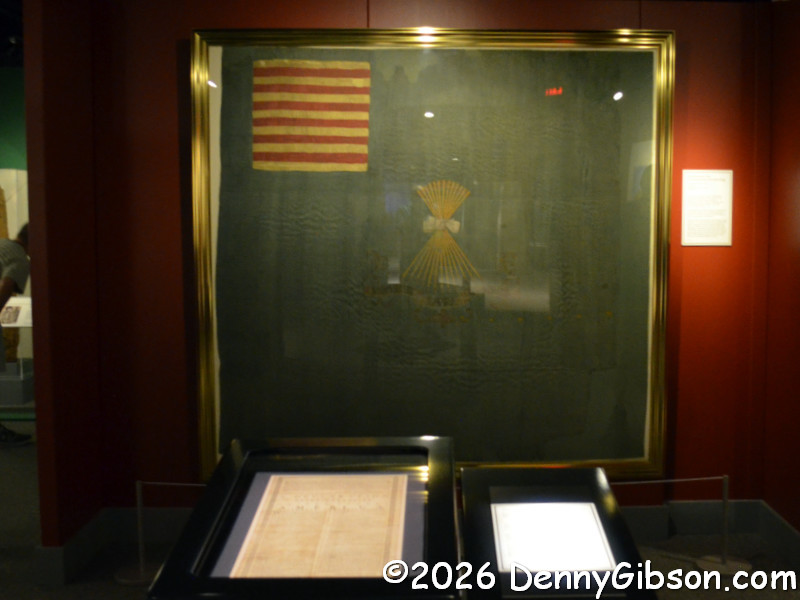 This year the museum’s copy of the Declaration of Independence is displayed in front of the 1st Pennsylvania Battalion flag. Josiah Harmar was a member of the 1st Pennsylvania Battalion and probably brought the flag with him to Ohio. His great-grandson donated the flag to the City of Cincinnati in 1926.
The Declaration of Independence was not signed on July 4, but was approved by representative from twelve colonies. Approximately 200 copies were printed that night in Philadelphia. Without instructions from their legislature, delegates from the thirteenth colony, New York, did not approve of the declaration on the fourth but did so on the ninth after which about 500 copies with the New York resolution were printed. The copy on display is one of four known survivors from the second printing. Twenty-six copies of the first printing are known to exist.
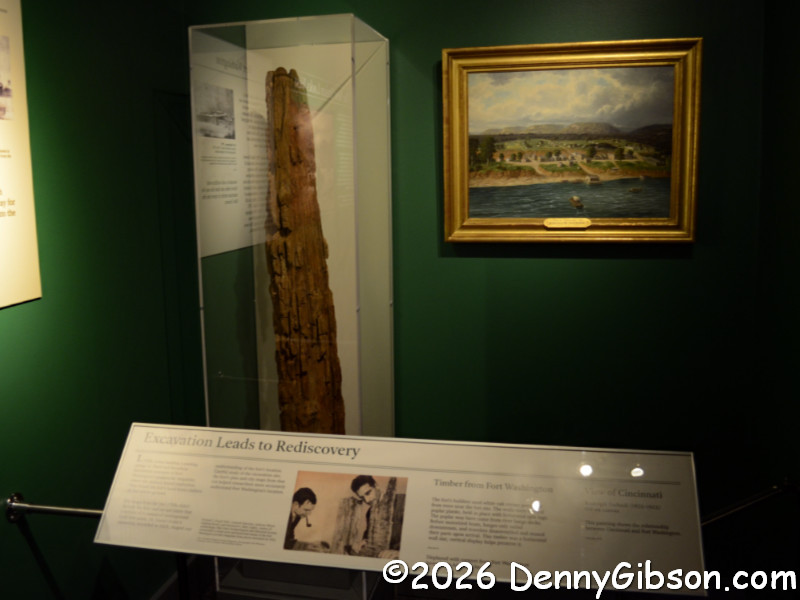 Additional informative displays and artifacts from Cincinnati’s earliest history, such as wood from the original Fort Washington, fill out the Declarative Acts and Revolutionary Actors exhibit.
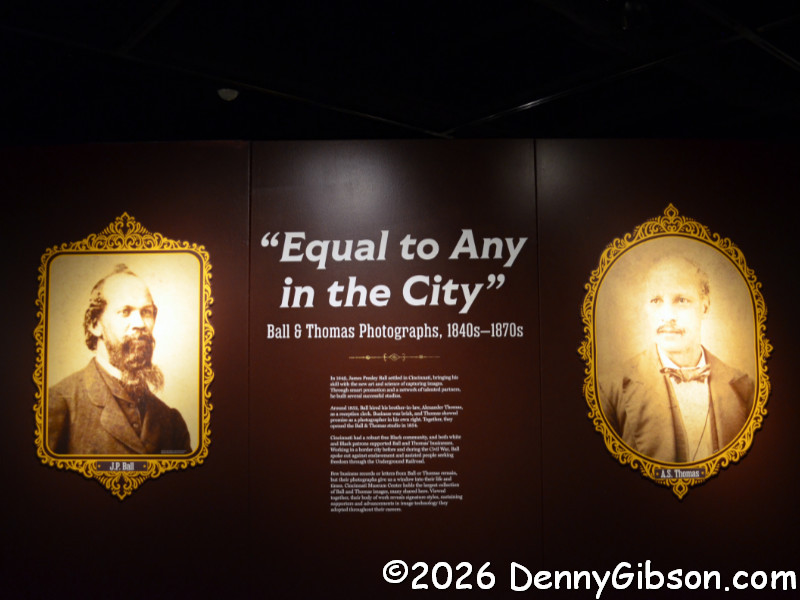 James Presley Ball was a free Black man who, along with his brother-in-law Alexander Thomas, operated a very successful photography studio in Cincinnati from the late 1840s into the 1870s. The museum’s exhibit contains many of their original photos.
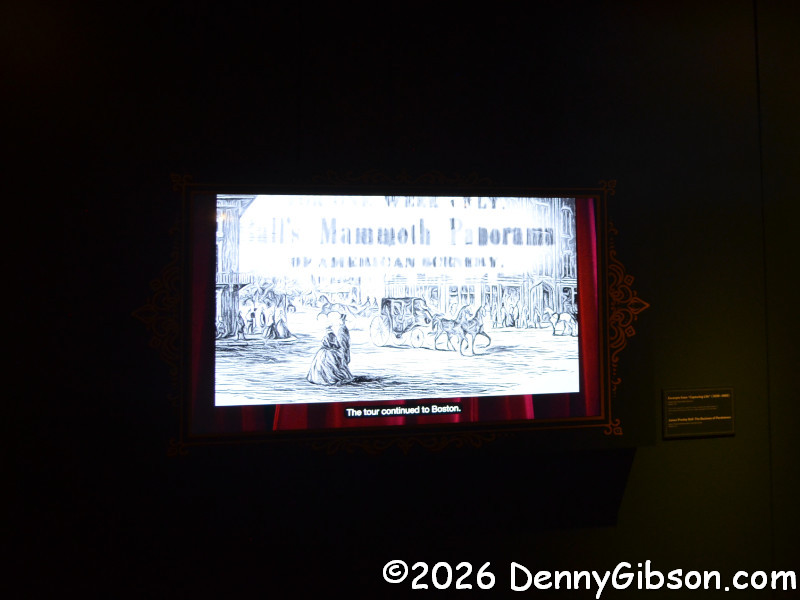 It’s perhaps not surprising that Ball was an active abolitionist. He frequently worked with the Underground Railroad, but his biggest contribution to the ant-slavery movement was probably a 600 yard long panorama he created in collaboration with other artists in 1855. It toured part of the country providing a visual depiction of the horrors of slavery. The panorama has been lost, but an accompanying pamphlet survives. A short video describes it in the exhibit.
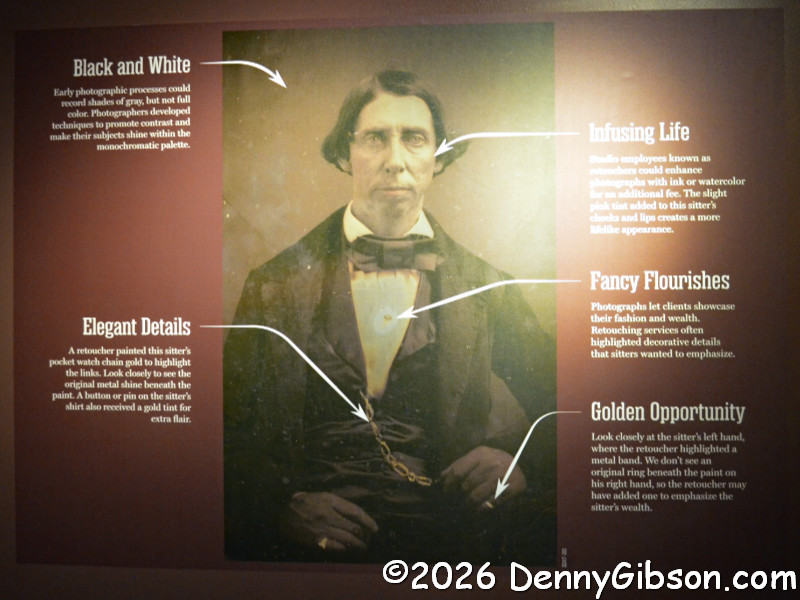
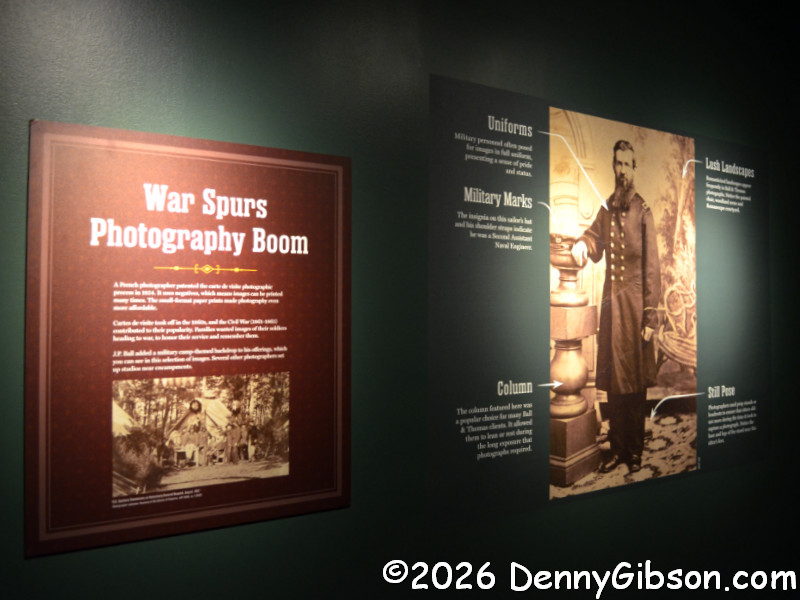 The exhibit uses the Ball and Thomas story to share some details of early photography aside from the specifics of their activities. The film camera had just been invented and Photoshop was more than a century away but people were already busy improving on what the lens saw. Studio employees called retouchers might enhance black and white images with a little color or maybe even add something entirely new to the scene. Examples are turning a gray watchchain gold and placing a shiny gold ring on what was actually an empty finger.
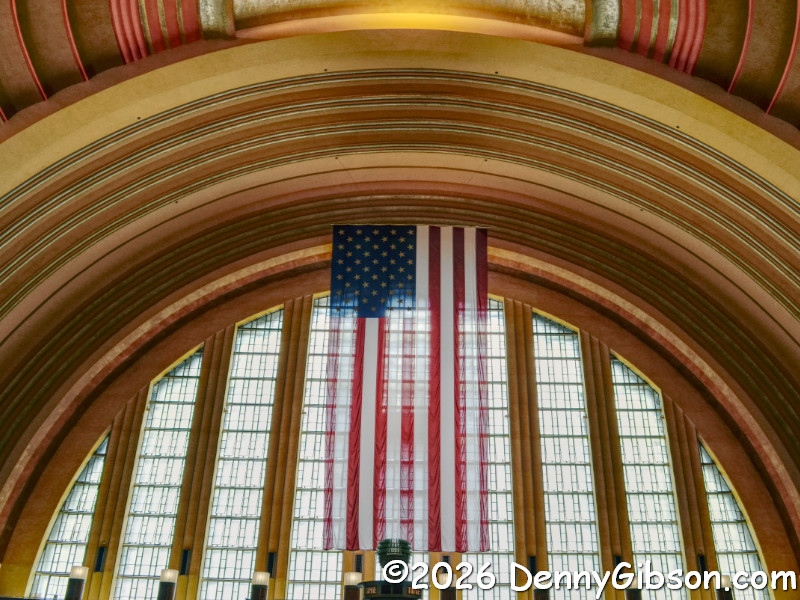 It was still morning when I finished viewing the exhibits. It had already been uncomfortably hot when I arrived, and I knew the temperature was still rising. I opted to pause on a bench in the lobby for a bit before venturing out. What you see at left is the natural result of anyone spending more than a second or two in that wonderful half-dome with a camera in hand.
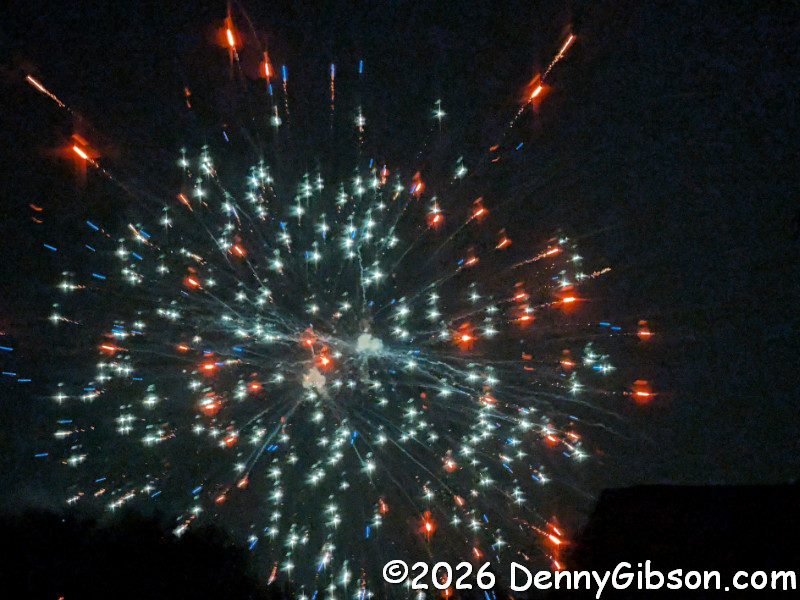
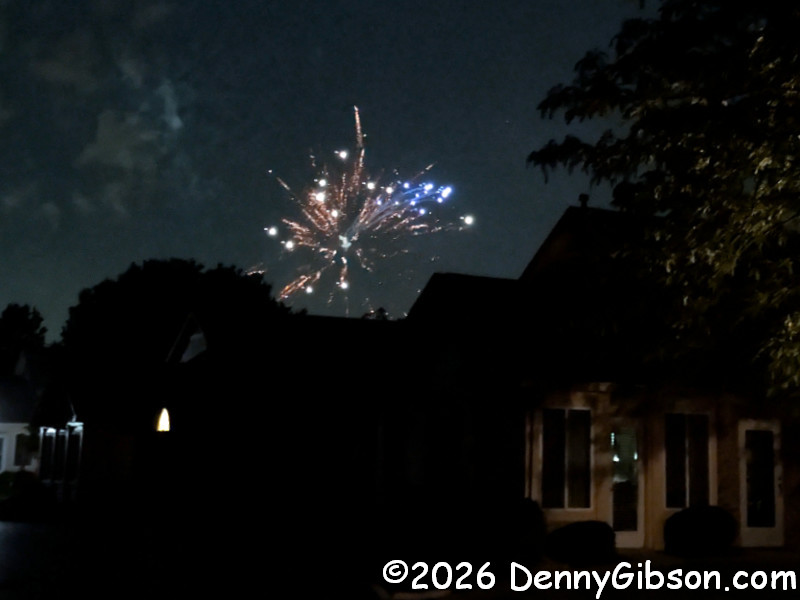 Because all of my previous 4th of July blog posts have included fireworks, I’m including this pair of worse than usual shots. In the past, I’ve photographed the shows at Kings Island, Loveland, and maybe a couple of other places. I can always hear, but not see, the Kings Island show, and that might be true of some other nearby events as well. However, I am surrounded by multiple neighbors who really like to celebrate on the 4th (and the 3rd, and the 5th, and more), so this year I just stepped outside my front door and grabbed a few snapshots with my phone. Then I stepped back inside and went to bed.
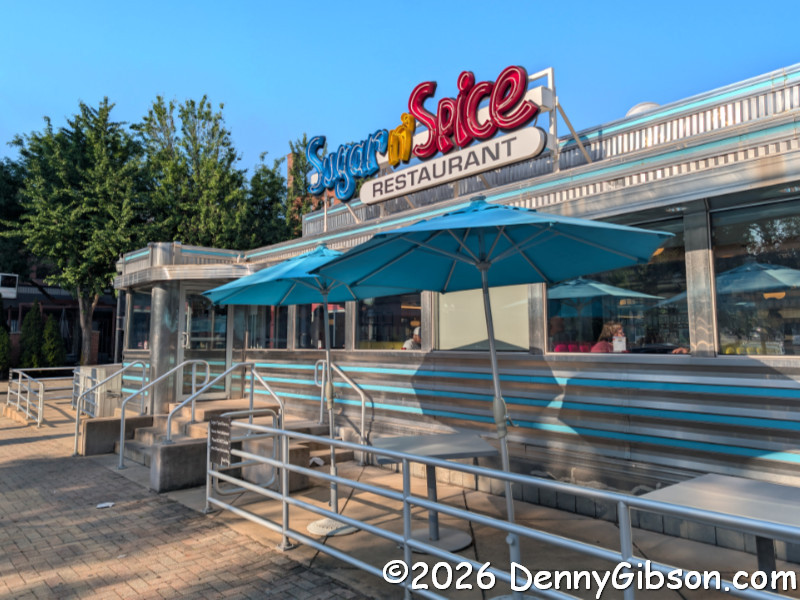
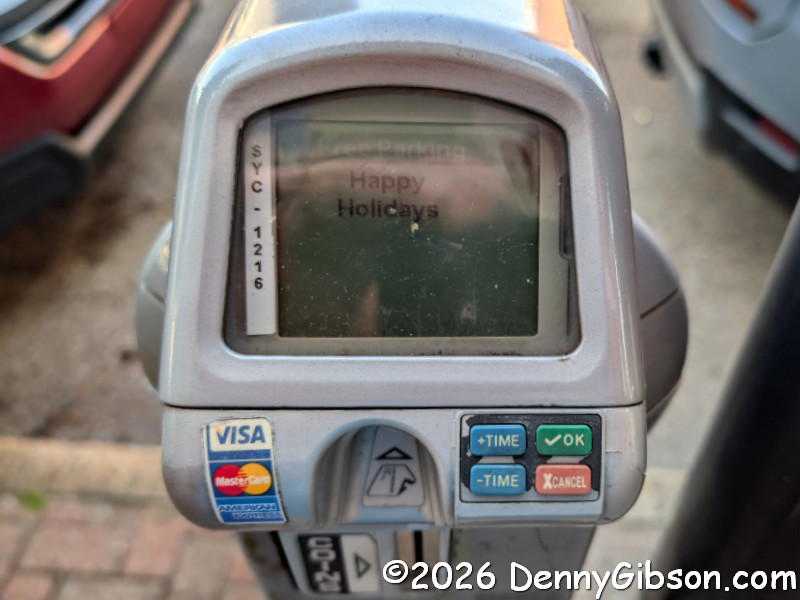
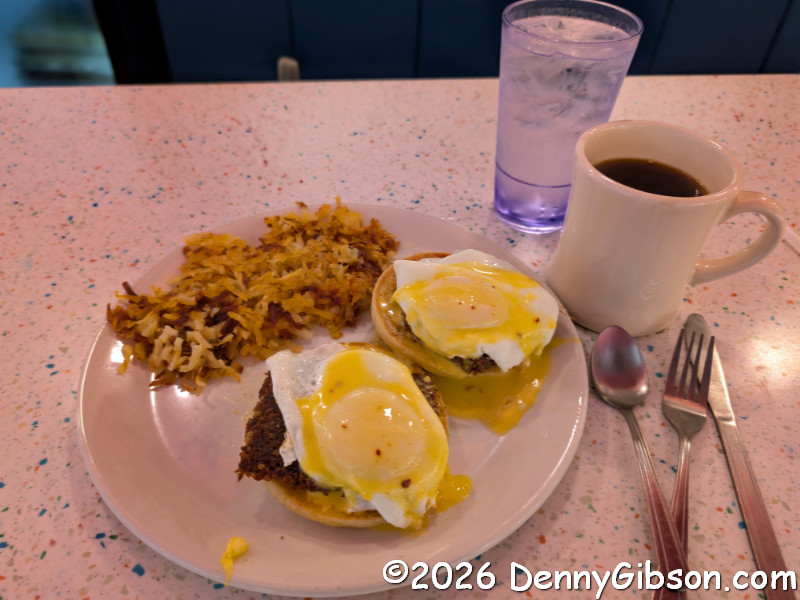 The 1955 Mountain View diner occupied by Sugar n’ Spice is a good place for breakfast when heading to the Museum Center. However, since it is in the downtown area, parking is a consideration, and for me, it often loses out to other places also within range of the museum with free parking. I’d already decided I was just going to deal with the parking, then learned that I didn’t have to. I had also more or less decided that I would have a very Cincinnati goetta-and-cheese omelet when I spotted something else on the menu. I believe this was my first-ever goetta Benedict. It is also very Cincinnati and also very good. Happy hollandaise.