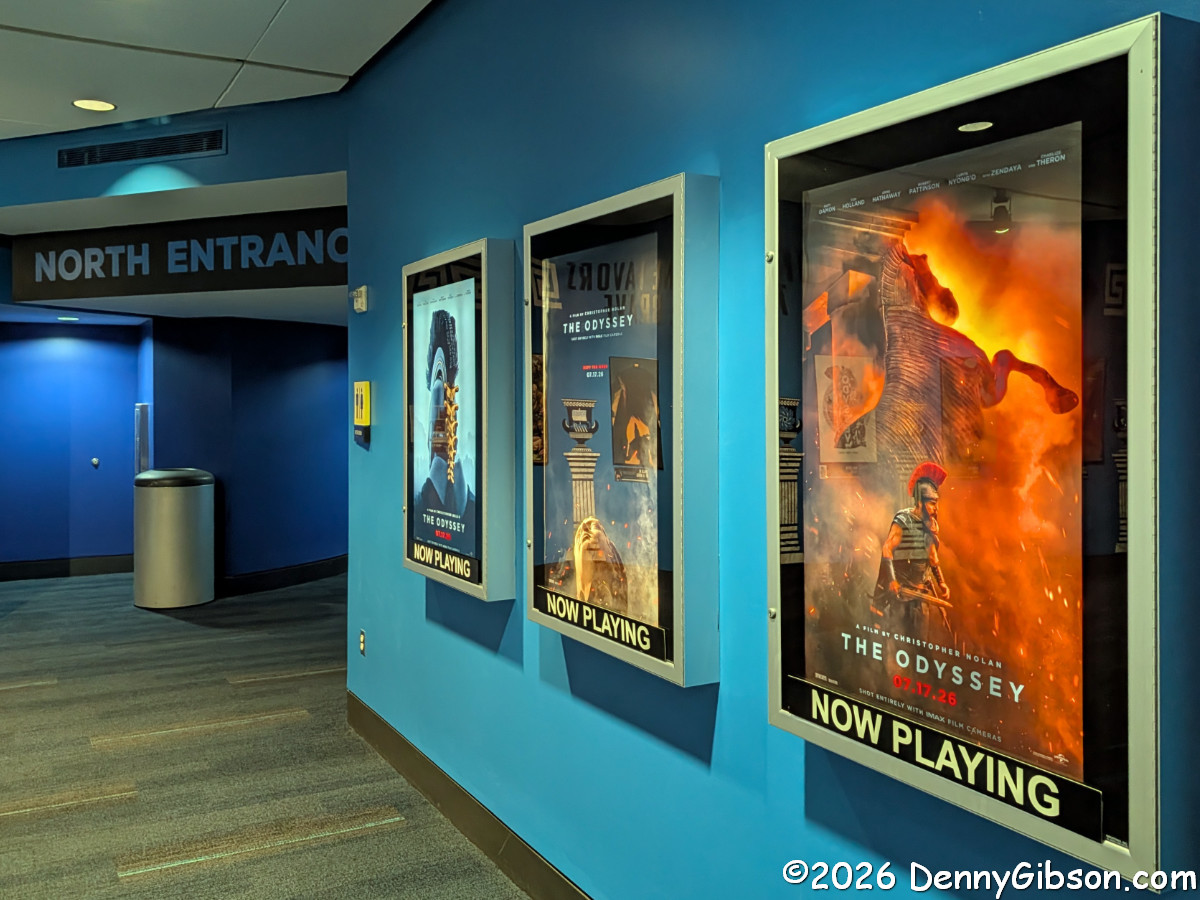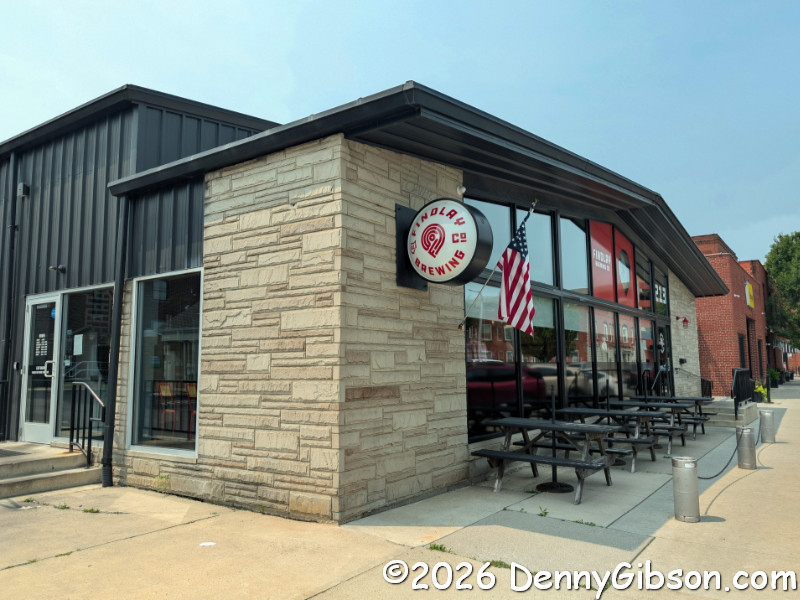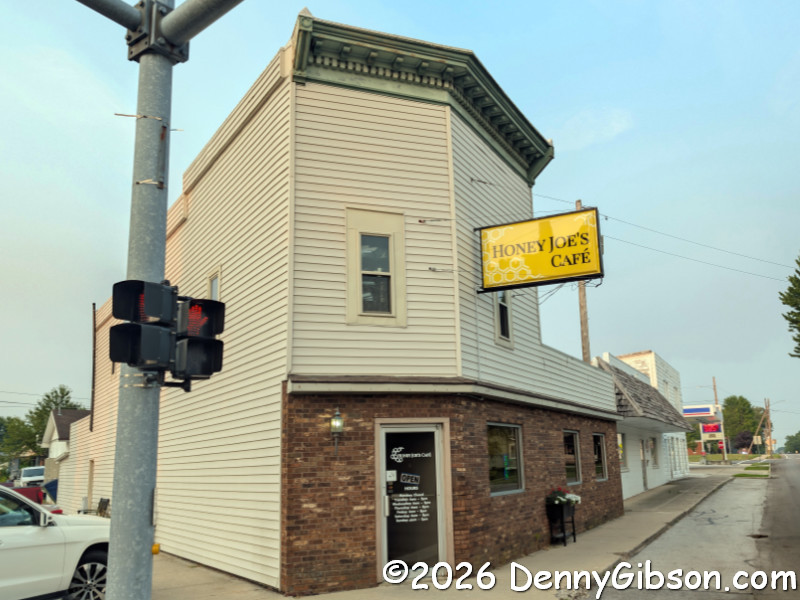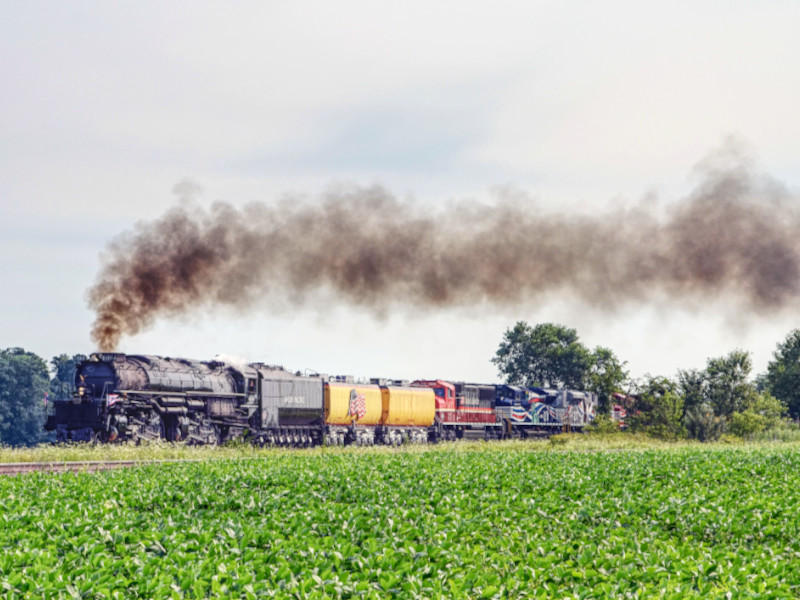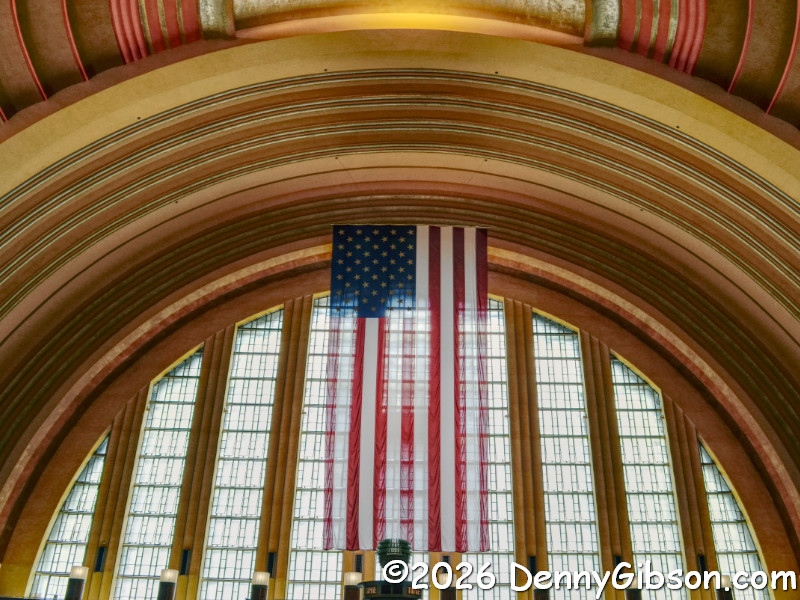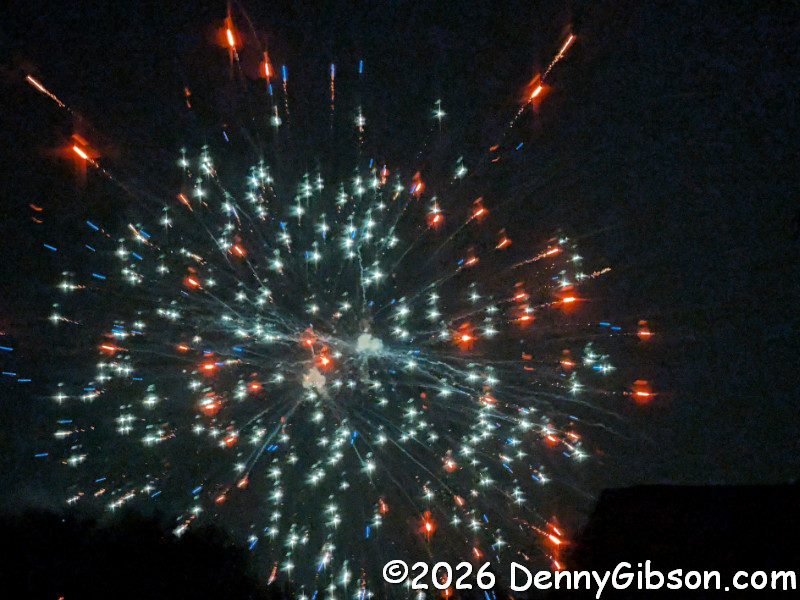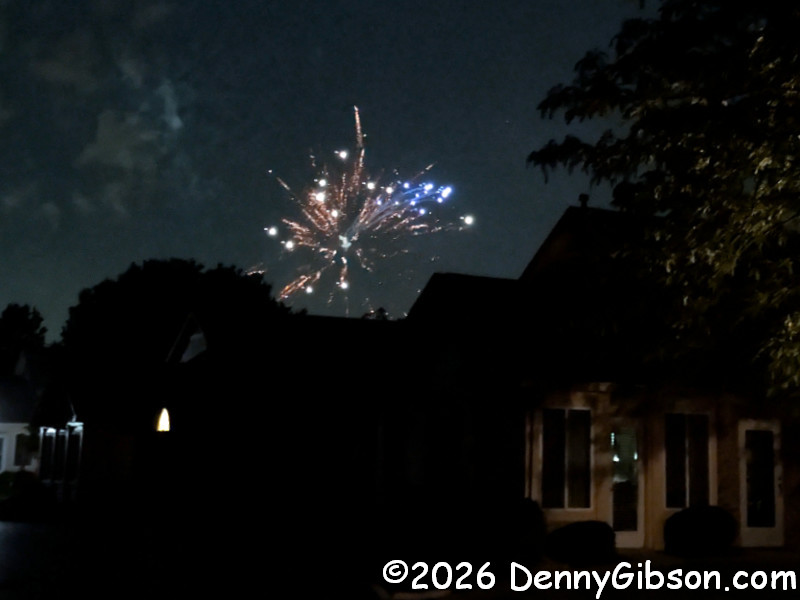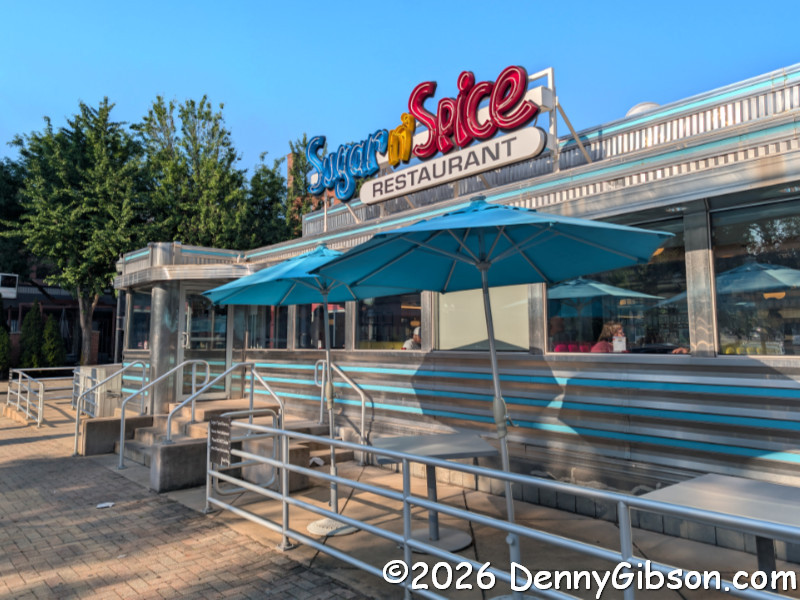
A Capitol Encampment

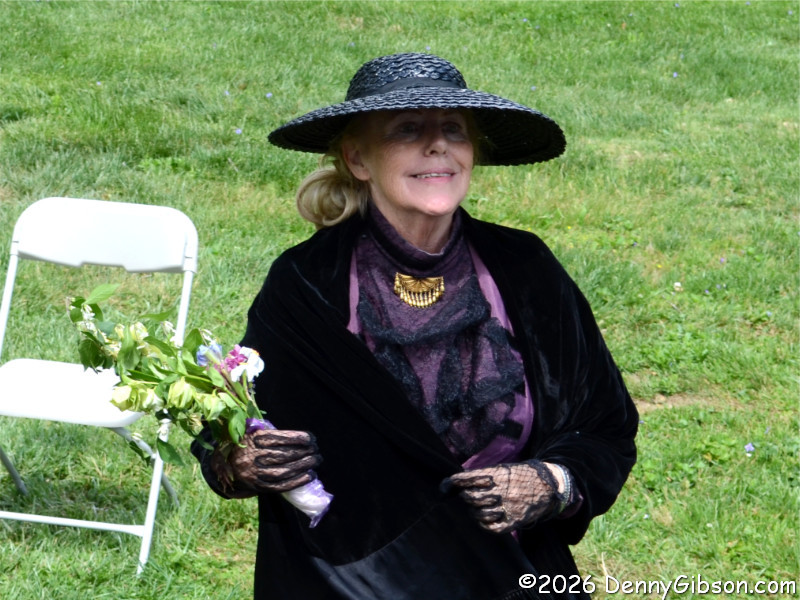
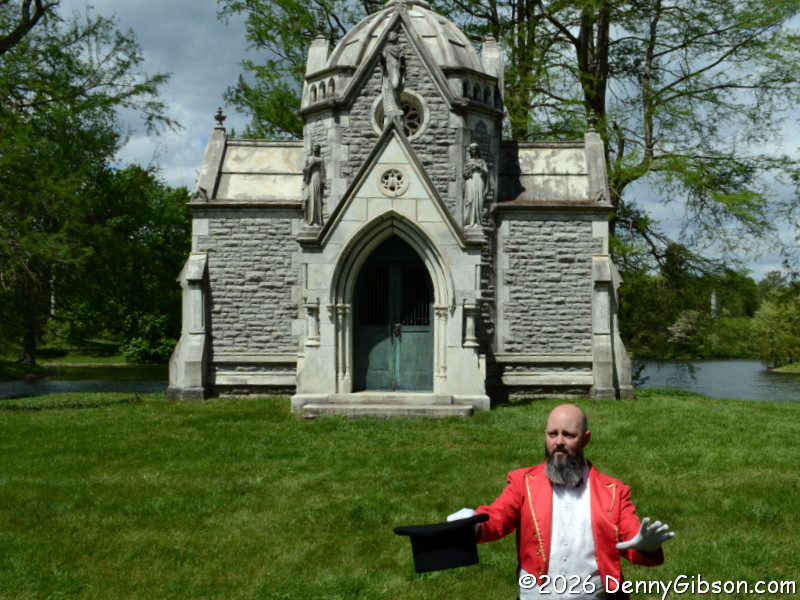
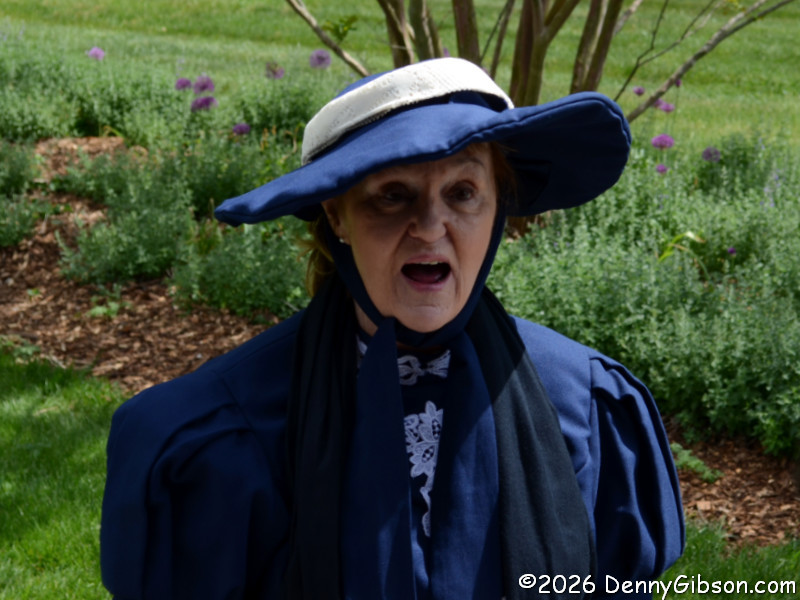
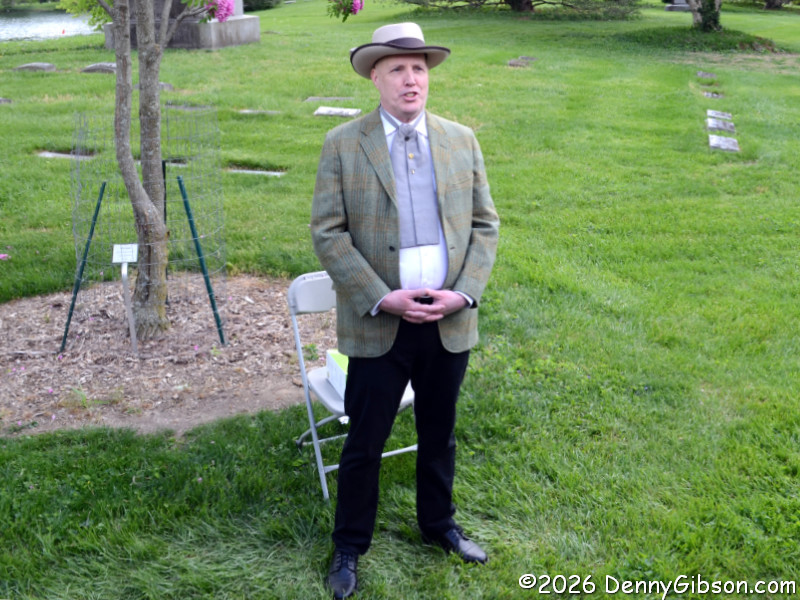
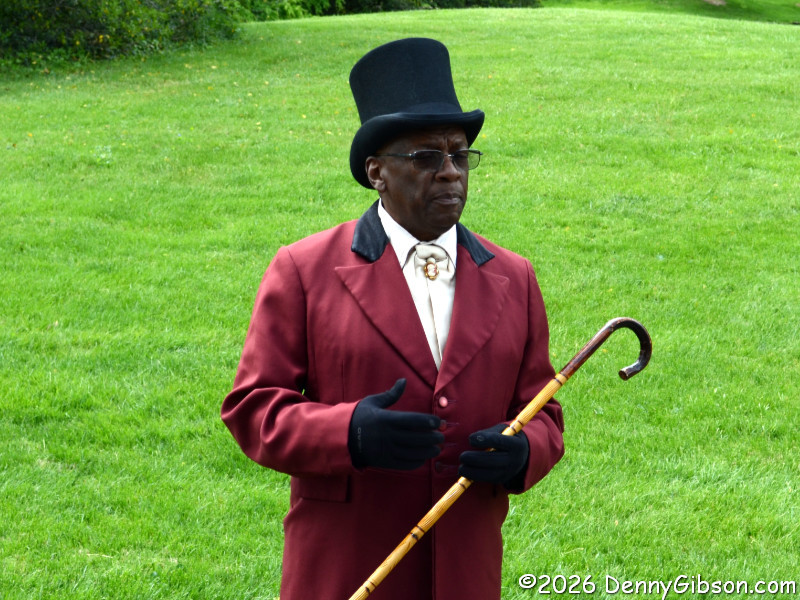
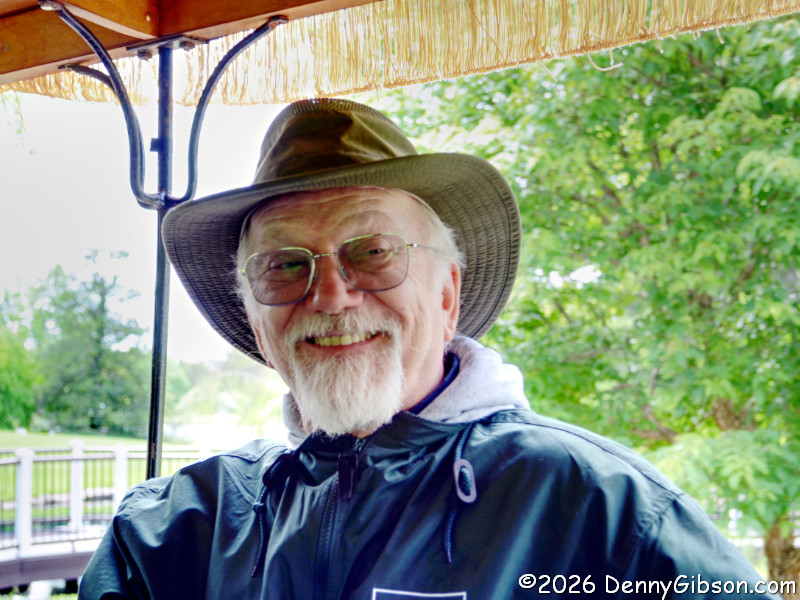
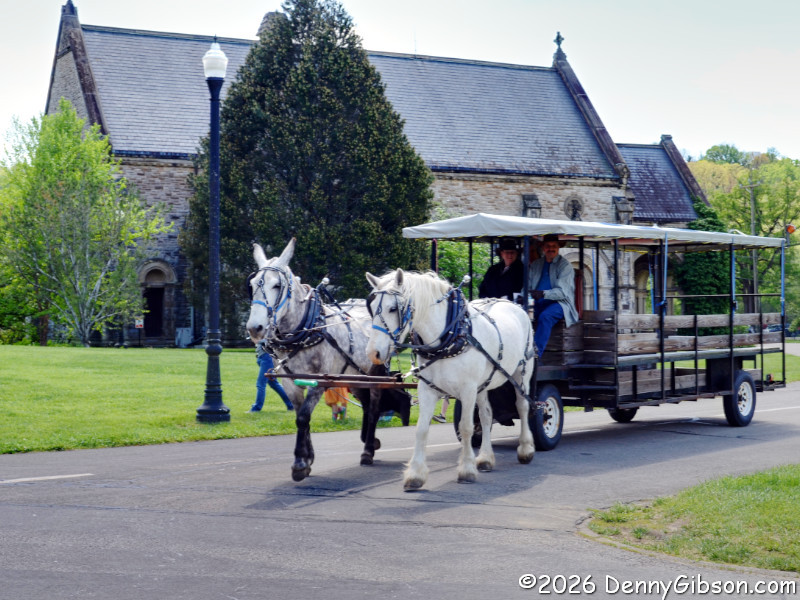
I have already taken advantage of two Ohio Goes to the Movies events, and I doubt those will be the last. But Ohio is doing a lot more than showing movies to mark the semiquincentennial of the signing of the United States Declaration of Independence. One of the many events organized by America 250 – Ohio was something called American Revolution in the Ohio Country, which took place Wednesday on the grounds of the state capitol in Columbus. Ohio was not a charter member of the USA, but we did join up fairly early on. Plus Fort Laurens near Bolivar, OH, was built and occupied during the American Revolution, and the Battle of Picawey, near Springfield, OH, is considered part of that war. Wednesday’s encampment did not attempt to recreate any specific event, but to offer a glimpse at life in the 1770s.

It was a few minutes past the 10:00 start time when I reached the plaza on the west side of the Capitol. I’d parked a couple of blocks to the east, and this was what I saw when the gathering first came into view. I sensed at once that I was late. I heard but did not see cannons or muskets firing, and may have missed some sort of opening ceremony.

Shortly after I reached the open space beyond the tents, the men who, I assume, had been making the booms I heard closed ranks and marched away. I would get to hear and see these fellows and others do a lot more booming before the day was over, but for now, a shot of them passing by was all I got.

But I did get to see the day’s first performance from Heritage Fife and Drums in its entirety. They started at the far side of the plaza lawn, then marched up to the crowd, where their leader enthusiastically introduced each song.

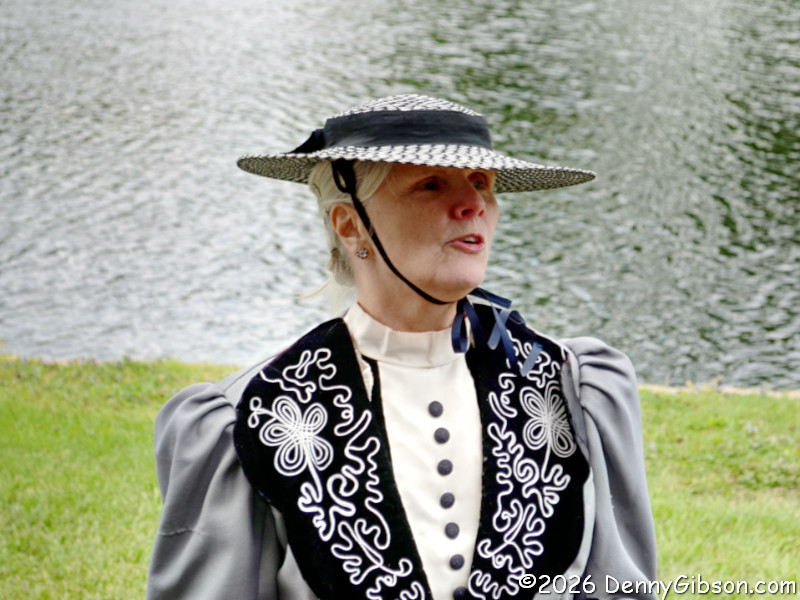
More music followed. This music was recorded and played through speakers so these energetic folks could dance to it. The second picture is of a quadrille (4 couples, 8 people), which Americans in the next century turned into square dancing with cowboy boots and no French accent.

Having read that there would be “samples of food from the revolutionary time”, I anticipated things unfamiliar and bizarre, but the most bizarre thing about the offerings was that stuff that I thought quite modern was being served in the 18th century. When I mentioned my surprise, the lady tending to the “Mini Beef in Crust”, which I picked as one of my two samples, told me that “Swedish Ham Meatballs” had been served at Mount Vernon, and that “Shrimp & Grits”, my other sample, had been popular in the Carolinas back in the day.

Inside one of the tents, a fellow explained 18th-century maps and mapmaking. There were also displays of more common items of the period.

While I was listening to the fifers & drummers, watching the dancers, and sampling the samples, the soldiers had been relaxing and answering questions from the curious. Now they lined up and began marching back to the open lawn. It was about to get noisy.

After marching to the far side of the lawn, both the militia and the uniformed regulars fired several volleys. (Note that the day this is being posted, April 19, 2026, is the 251st anniversary of men dressed and armed much like those in the first photo confronting British troops at Lexington and Concord.) Then the regulars begin moving toward the crowd. Half the group marched several paces ahead of the others and fired. They would then reload while the other half advanced and fired. Then, after crossing much of the lawn in this fashion, they all lowered their bayonets and charged,

Following that bayonet charge, the reenactors marched back to the tents for a bit of a break, but eventually returned to roll out the big guns. Here‘s a better look at the thin white object tucked into the hat of the fellow standing in the center of the third photo. I spotted him smoking the pipe just moments after watching another reenactor semi-stealthily puffing on a cigarette. I approached and commented about how much better the pipe looked. Yes, he agreed, he tried to appear accurate, and, yes, it was clay, and yes, he had made it himself.

Of course, any smoke produced by hand-made clay pipes or machine-rolled cigarettes was nothing to that produced by the battery of 3-pound cannons. Perhaps this, too, is part of trying to appear accurate.


Those samples of delicacies from 250 years ago were not the first things I had to eat on Wednesday. In the not-too-distant past, from a source I can’t remember, I’d heard of a great-sounding breakfast spot in Columbus named Katalina’s. I may or may not have known that Katalina’s had appeared on Diners, Drive-Ins and Dives. In any case, I had not seen the episode. If I had, I would have known that it was recorded at Katarina’s Too. I went to the original on Pennsylvania Ave. There is now a Katarina’s Tres also. I’ll try to keep an open mind, but I can’t imagine that either of the others is anywhere near as cool as the original.
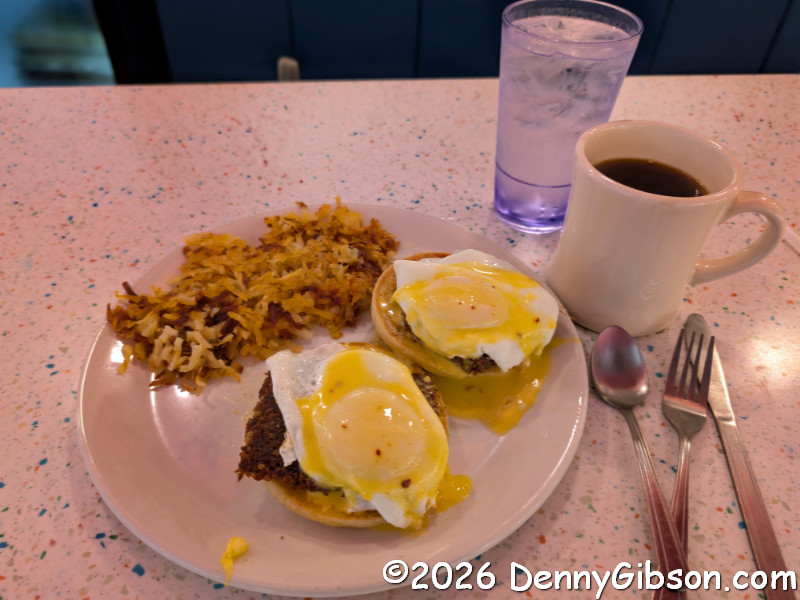
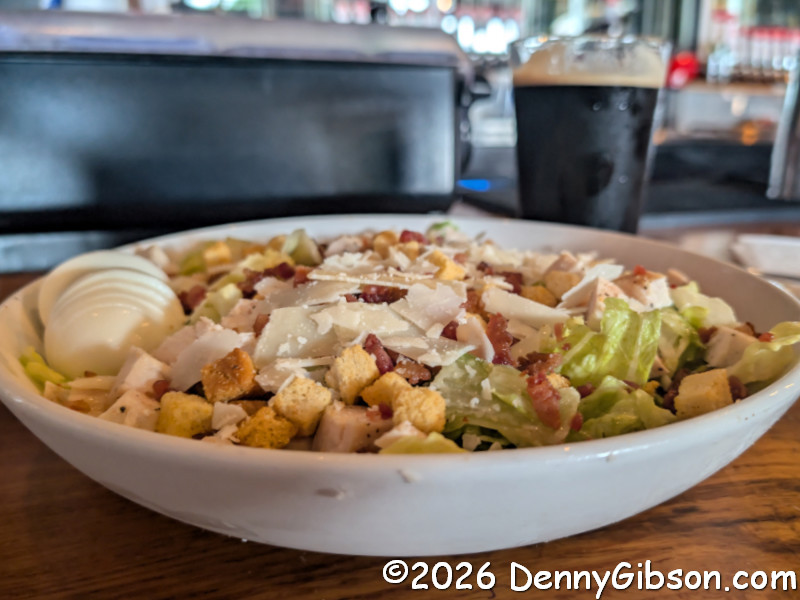
Another thing I could have learned from the D, D and D episode was how to eat the signature and absolutely delicious Pancake Balls. I briefly considered pouring the real Maple syrup on the Nutella-filled balls like I would on a flat pancake, but decided that probably wouldn’t work. I proceeded to tear pieces from the balls with fingers and fork, and dip the impaled pieces into the syrup. I’ve now seen the video and know that holding a ball in your fingers, dipping it into the syrup, then taking a bite, is what the cool kids do. Next time, I’ll be cool, too. I was already cool enough to use my fingers to eat the best bacon I’ve ever met.

Not My Father’s Library

Nor is it my son’s library. The following generation will certainly benefit from Hamilton County’s Building the Next Generation Library project, but it is the one after that which seems poised to take advantage of the full range of library advances being made by the project. For a guy who once saw weekly bookmobile visits and encyclopedia yearbooks as state-of-the-art information access, what I saw Saturday at Symmes Township Branch Reopening was pretty mind-boggling.

The Symmes Township Branch is the one closest to where I live. It was closed and demolished about a year and a half ago so that a new building could be constructed on the site. During that period, this storefront was rented to provide physical access to the branch. Even though the temporary location was even closer to me than the permanent one, I was never inside. To be honest, I haven’t visited the library all that often, but I sure do appreciate it being there.

This is the new library building. I believe it is bigger than the old one, and they seem to have added quite a bit of parking, too. Maybe they bought more land. I’m not at all up on the details. When I arrived around noon, the parking lot was nearly full, but there were a few open spots, and people were coming and going regularly, which kept it in a steady state. Apparently, that had not always been the case because quite a few cars were parked at the nearby school with people walking over the grassy area between the school and library.

Here are some indicators that this is not a normal day at the library. Although it was not all that loud, Richard Goering was playing live. Additional entertainment was scheduled throughout the day. And refreshments were available in one of the side rooms. There was also a table filled with snacks, but the room was filled with people, so I skipped more photos. As I sipped some lemonade, I commented to a staff member that this blew a big hole in the “no food or drink” rule, and she replied, “Oh, we dropped that a long time ago. We trust people.”

I was familiar with the MakerSpace concept from the main library in downtown Cincinnati and knew that MakerSpaces had been established at a few of the branches. Now my branch has one. A MakerSpace contains various creative tools that patrons can use for just the cost of materials. These pictures show a photo printer, 3-D printer, flatbed scanner, and vinyl printer.

The place was really crowded, which made me reluctant to take many pictures inside, especially since children made up a major portion of the crowd. But I did grab one picture to show that lots of digital media is available in addition to rows of old-fashioned books with paper pages. And how about the cool outdoor reading room? The other exterior photo is an attempt to offer a glimpse of the children’s play area without actually showing the children

I think this Next Generation Library is going to be a hit — even for some whose generation is decidedly previous.

A Sudsy Season of the Fish

I suspect that Lenten fish fries are perceived as having a bigger presence on this blog than is actually the case. And the perceived presence of church fish fries may be off even more. The first “season of the fish” post was in 2014, and it was nine years before the second one came along. I ate fish at quite a few churches between the two, and before the first one, but that 2014 Must Be the Season of the Fish post was the only one completely focused on religious organization fundraisers. It was in the middle of 2023’s Another Season of the Fish that I decided to focus on anything but.

The “season of” posts have appeared in years when I managed a Lenten-related meal on all seven qualifying Fridays. Apparently, that is something I’ve targeted more in recent years, as this is the fourth consecutive such post. In 2014, I indicated I’d started getting serious about fish fries three years prior, and mentioned that it was “a nice break from eating at establishments practicing commercialism full time.” That is something I’ve kept in mind even after moving away from churches. Since then, I’ve targeted American Legion posts, VFWs, and similar organizations. But not this year.

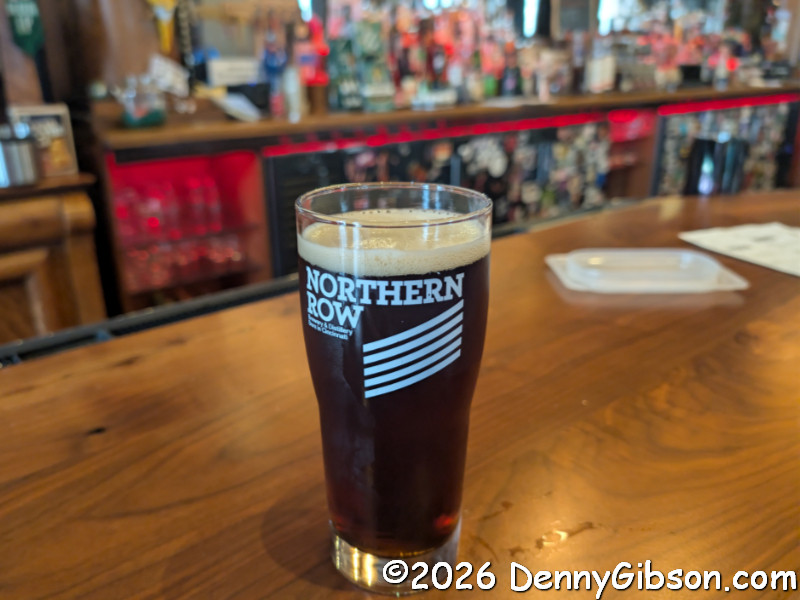
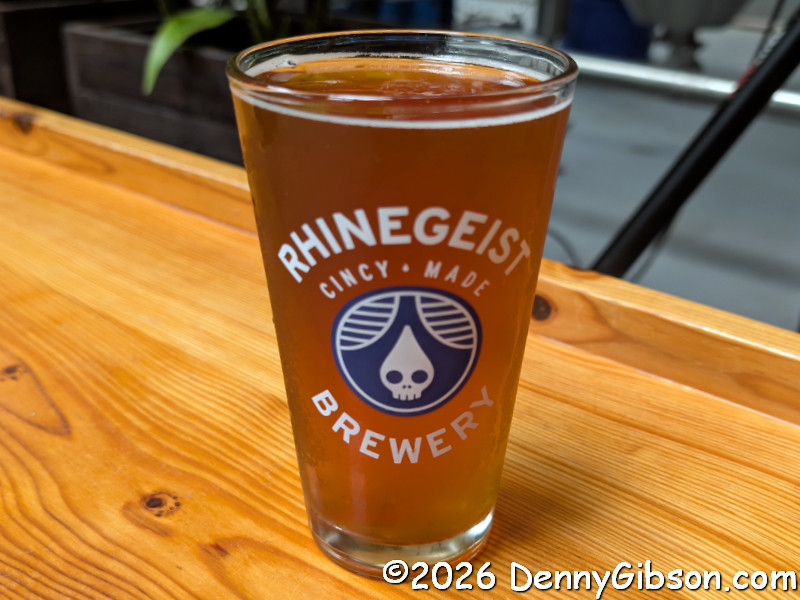
On Ash Wednesday, the first day of Lent, local beer aficionado, The Gnarly Gnome, published a blog post that really caught my attention. That post, Cincinnati Brewery Lent Specials, 2026, listed local breweries with Lenten specials, and that made sense to this old brewery hunter. So this year, I embraced rather than avoided “establishments practicing commercialism full time” — as long as they are makers of beer.

On the first Friday of Lent, I was in Kentucky for something totally unrelated and decided to hit a brewery on that side of the river. Alexandria Brewing Company‘s offering was fried cod on a Cubano roll. The $19.95 price was a rather sobering indicator of what inflation hath wrought. It was quite good, but I eventually decided that there was just too much bread and stripped off the Cabano and downed the last half with a fork. Live Fast, On High oatmeal stout washed it all down nicely.

Week two found me in Greenville, OH, so I stopped at the northernmost candidate on the way home. The $12.00 fish and fries at Lebanon Brewing Company was good, but the Most Best Barrel Aged Coconut Stout was great.

Seventy degrees and sunny was a perfect setting for a drive to the west side of town and the $15 fish basket at 13 Below Brewery. Bock season and Lent always overlap, and I’m sure that the evening’s Bockfest Parade benefited from the glorious weather. Sadly, I missed the parade, but I did not miss out on 13 Below’s Fluss Bock.

Despite it being sunny and not terribly below seventy degrees, plans for the evening ruled out a drive across town, so I chose nearby Cartridge Brewing for this week’s fishy meal. As it turns out, Cartridge has no menu items specifically for Lent, but the always available $22 fish & chips met my requirements. As you can see, it arrived while plenty of my Covert Schwarzbier remained.

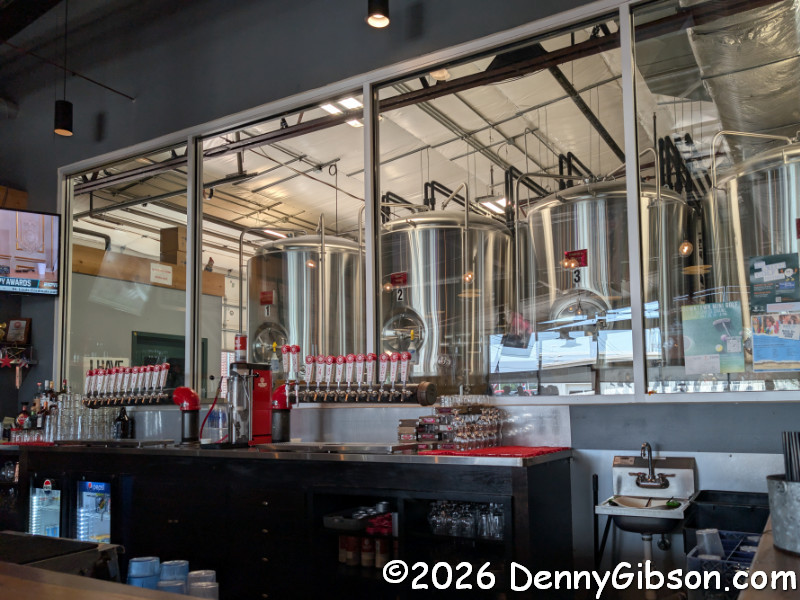
Bocce Brewing Company is a nano brewery operating inside an Italian restaurant. I imagine that what is now called the brewery’s taproom was once the restaurant’s bar. Nano brewery offerings are often limited to just one or two varieties, but Bocce seems to always have a half-dozen or so beers available on tap, and I have been impressed with the ones I’ve tried. This time it was 120 Golden Lager, barely visible in the corner of the meal photo. In the center of that photo is the first seafood lasagna I have ever consumed, and it (Four-cheese lasagna with shrimp, cod and crab in a lobster sauce topped with shrimp $21) was delicious.

I went off the Gnome’s list this week. Although there is a brewery slightly closer to my home, I think of The Common Beer Company as my neighborhood beer maker. It’s a true mom & pop operation and a hotbed of friendliness. There is no kitchen or full-time food partner, but they do frequently host food trucks, and when I found out that Cousins Maine Lobster would be there on the final official Friday of Lent, I knew that would work. On one hand, $25.95 makes that a pretty pricey sandwich, but on the other, there is an awful lot of lobster stuffed into that roll. A glass of Dunkellfagus completed the meal.

Lent technically ends on Good Friday, but many of the non-commercial fundraising fish-frying folk keep their operations going, and I have always included it in my “Season of…” posts, and I wasn’t going to let a little roadtripping interfere with that. This week, I had no choice but to go off list since I was not even in the Cincinnati area. It took some online searching and some off-route driving, but I did find a brewery with fish in Cedar Rapids, Iowa. At the Third Base Brewery, I washed down the $13.99 fish and chips with Tilted Kilt Red Ale.


Not only is today Easter, but it is also the end of my 79th year of existence. Easter and my birthday last coincided in 2015, and I noted, after the fact, that it would happen again in 2026. I then forgot it until late February, when my daughter pointed it out and spared me another last-minute surprise. I also celebrated my 6th birthday on Easter and might celebrate my 90th and 101st on the big holiday as well. Of course, any celebration of those two future events will likely be fairly subdued.

Drawing Board at ASM

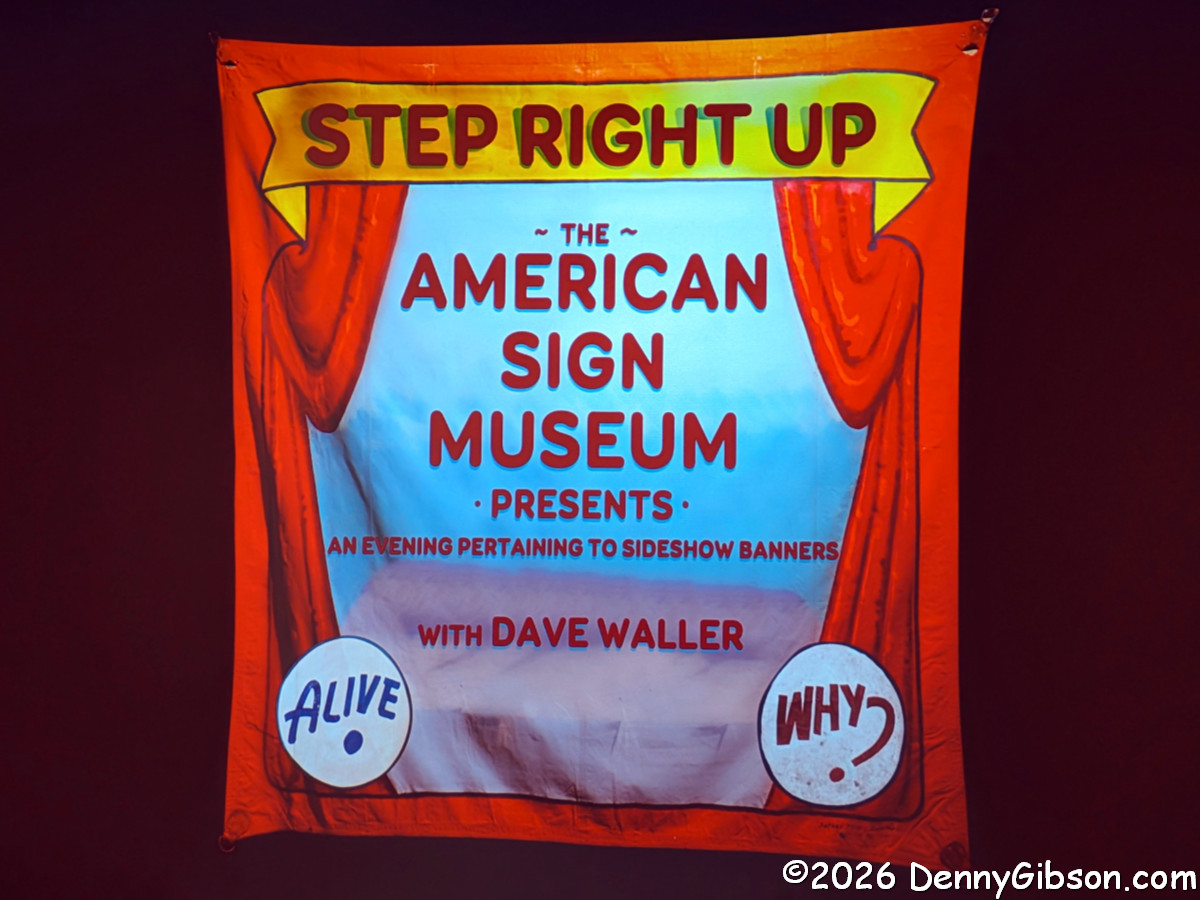
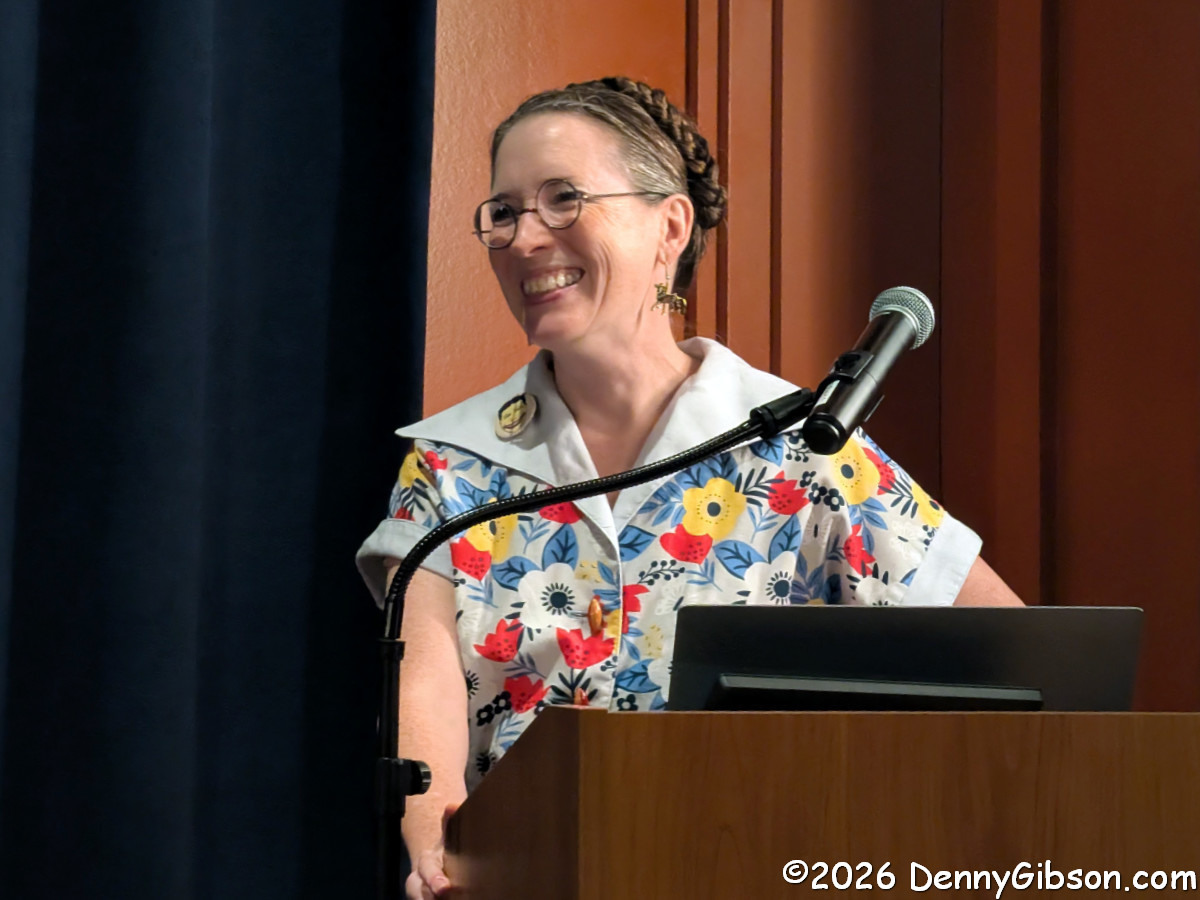
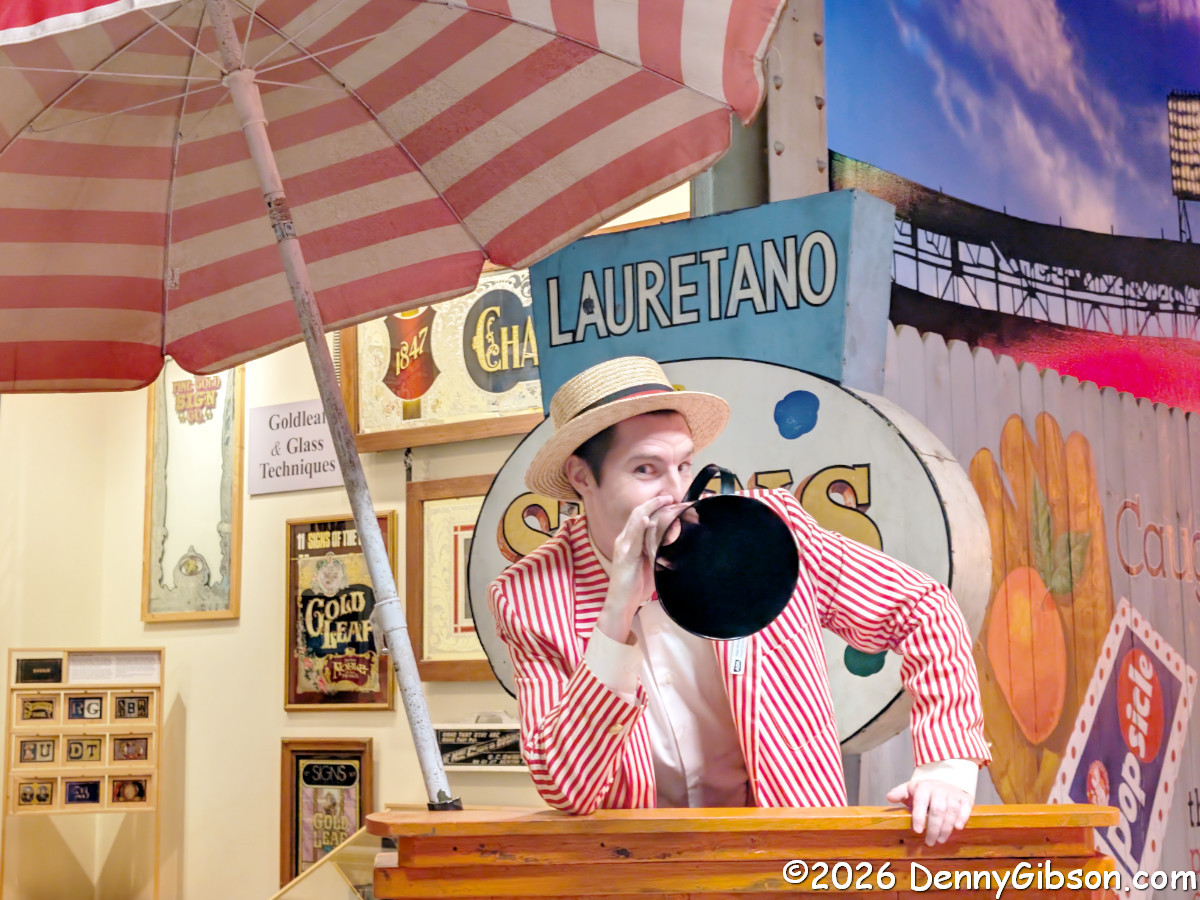
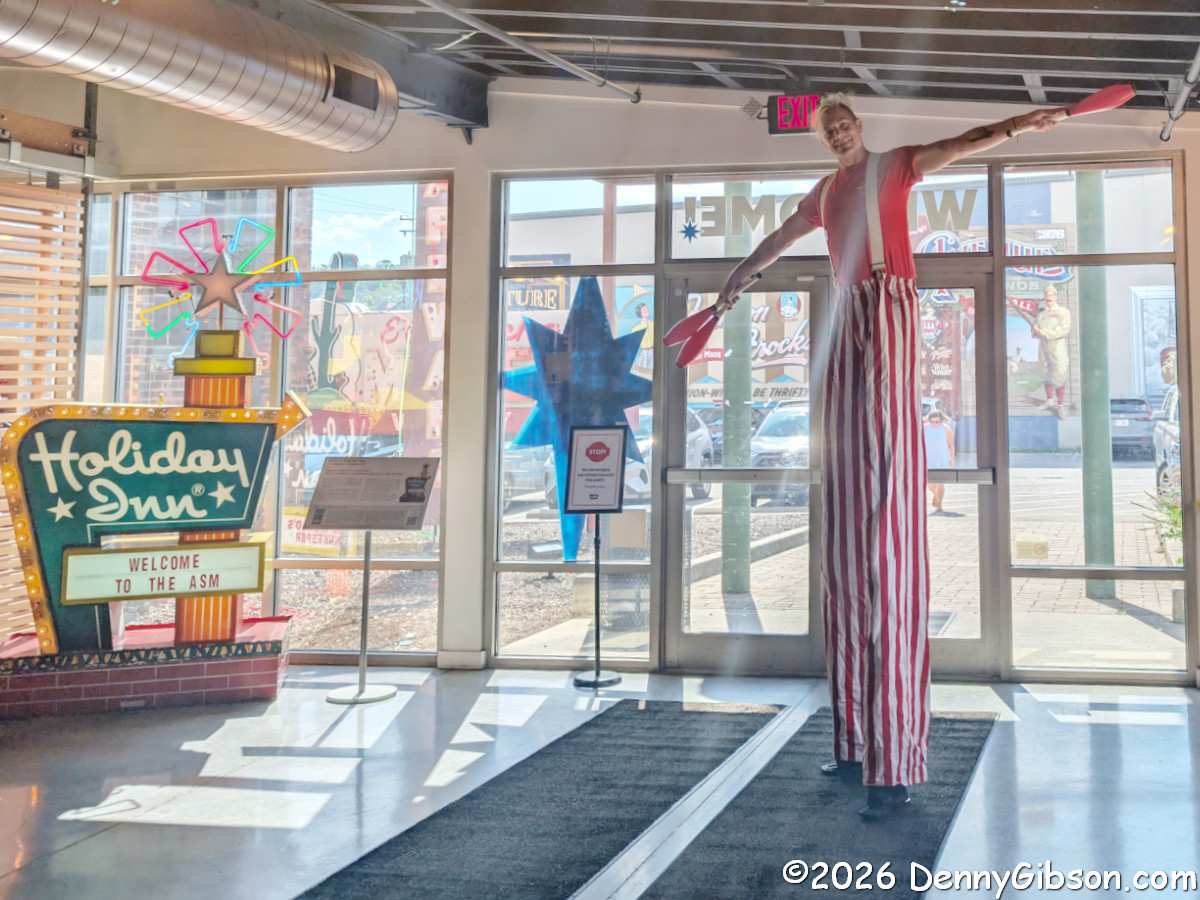
Sketches are big in Cincinnati right now. Last month, I looked over some sketches by Rembrandt at the Taft. Yesterday, I looked over some sketches by various sign designers at the American Sign Museum. I missed Thursday’s opening reception for the ASM’s Back to the Drawing Board: The Art of the Sign Sketch 1925-1975 exhibit, but made it to Saturday’s tour by ASM founder Tod Swormstedt. The introduction placard speaks of the difference in how commercial art and fine art are perceived and invites folks to “consider what counts as art”. Early in the tour, Tod shared his oft-repeated observation that “The difference between fine art and commercial art is the number of zeros in the price.”

The exhibit is placed in what I believe is the museum’s largest event space. It marks the first use of the large movable panels made for just this purpose. The area’s walls have been used for previous exhibits, but the wheeled panels provide significantly more wall space while allowing the area to be easily cleared for dining, and dancing, and such.

Most of the sketches are placed in chronological sequence on the movable panels. A fixed wall displays a timeline of significant world events, along with examples of sign designs from the identified periods. marked times. Some of the noted events, such as the 1965 Highway Beautification Act, had a sizable direct effect on advertising and signs.

Among the things Tod pointed out as he led us through the exhibit was the start of using black backgrounds to better illustrate the impact of lighted signs and the increasing use of backgrounds and buildings rather than just the sign by itself.

Items on the exhibit’s last panel, as well as many of the previous items, can hardly be described as sketches. Some of the older sketches had truly been salvaged from trash cans and dumpsters. Some items in this photo were borrowed from collections displayed in homes and on office walls. The exhibit provides some real insight into the design and marketing of signs, but doesn’t help at all — Tod’s “zeros” comment notwithstanding — in distinguishing fine art and commercial art.


This picture has nothing at all to do with the Back to the Drawing Board exhibit. It is a detail from the billboard reproduction advertising the Lincoln automobile in the background of the last exhibit-related photo that might interest my named-auto-trail-loving friends. 

Rembrandt at the Taft

There is currently an exhibit at the Taft Museum of Art called “Rembrandt: Masterpieces in Black and White“. I’m not very knowledgeable about art, but I thought the black and white part of that might not really be necessary. I would not call any of the few pieces of art I connect with the Dutch Master overly colorful. Yes, the fellow at the center of his most famous painting, The Night Watch, has a reddish sash and another fellow is wearing a reddish hat and uniform, but neither is particularly bright, and they are essentially the only splashes of color in the entire scene.

There is, as advertised, even less color in the works in this exhibit. It is made up of monochrome prints from etchings. The etchings are often rather small, and they can be quite detailed. Loaner magnifying glasses are available near the entrance to help make that detail visible. Also near the entrance is a timeline that places Rembrandt’s life (1606-1669) within the context of world events and other artists. The man had quite the impact. Bright colors, it seems, aren’t really necessary.

There are 49 prints from Rembrandt etchings on display, and, as noted and as can be seen, most are just a few inches in size. The cost of materials and a desire for portability were both reasons for this. Rembrandt made several self-portraits during his career, but this one from 1633 is said to be the first he signed and dated.

Since I know even less about etching than I do about almost every other art form, I found this display quite helpful. It seems the artist etches into a waxy layer applied to a copper plate, then acid does the etching into the metal.

In addition to the 49 Rembrandt etchings, the exhibit includes nine etchings he inspired others to create. One of those inspired was James Whistler, who, as we see here, used his niece as a model in addition to his more famous mother.

Admission to the Taft Museum of Art includes access to all permanent galleries, as well as this traveling exhibit of etchings from the Rembrandt House Museum in Amsterdam. Here is one of several connections between the two. This 1651 etching of Clement de Jonghe is cited as an example of Rembrant’s mastery of light and shadow and of his use of people’s expressions and gestures. The 1633 Portrait of a Man Rising from His Chair is an even better example of Rembrandt’s use of these.

“Rembrandt: Masterpieces in Black and White” is here through May 17, 2026.

Happy (Actual) Imbolc

Ten years ago, I wished everyone a Happy Imbolc for the first time. In 2023, I reused that post to wish you all Happy Imbolc Again. I’m doing it once more, and this time, it’s for real.

In 2024’s Happy Imbolc (Again/Exact/Maybe) post, I wrote about Imbolc being the instant that marks the halfway point between the winter solstice and the spring equinox, but in the end admitted that it was almost certainly originally seen as a day, and that that is pretty much how it is seen today. Furthermore, almost all Imbolc celebrants have surrendered to the arbitrariness of man-made calendars and tied the holiday to February 1, regardless of the sun’s position. Ask the internet when Imbolc 2026 is, and the most common answer you get will be February 1, although the actual solstice-equinox midpoint occurs on the third. Defining the holiday as sundown on the first until sundown on the second seems quite popular.

The last time February 1 fell on a Sunday was 2015, which was a year before I knew Imbolc existed. With that one year of ignorance as an excuse, I can say with sincerity that this is the first time in my personally recorded history that the widely recognized day of Imbolc coincides with the weekly publication of this blog. Happy Imbolc and Groundhog Day Eve to all.

ADDENDUM Feb 1, 2016: Almost as soon as this was posted, I realized that “actual” was the wrong word to use in the title. February 1 is more accurately called official Imbolc. Actual Imbolc is February 3.

Merry Solstice to All

Today is the day of the Winter Solstice. Four hours and three minutes from now, at 10:03 AM EST, the sun will be as far from Earth as it ever gets, and the sunlit portion of our days will start becoming longer. I believe that the first time the mention of Winter Solstice appeared on this website was in 2014, when I attended an event at Serpent Mound one day before departing on my Christmas Escape Run and included it in the journal for the trip.

It next appeared in 2019 in a blog post on the day following the Solstice. 2019 was the first year I attended the sunrise gathering at Fort Ancient. The image at right is of a poster I bought that day. It is from a painting by Mary Louise Holt depicting what a Solstice sunrise might have been like back when the Hopewell ran the place we call Fort Ancient.

This blog is published every week on Sunday. That 2014 Serpent Mound Solstice event was on a Sunday, but Solstice wasn’t even mentioned in the day’s blog post. Instead, the post described a quartet of museum visits I had made the preceding week. It is here.

Today is the first time the Winter Solstice has fallen on a Sunday since 2014. I obviously can’t actually report on it since it hasn’t happened yet, and I really don’t have any new thoughts on the event in general since that 2019 blog post: A Cosmic Reason for the Season. I have copied and reused that post twice (2020 and 2021) with new introductions added. This post’s opening image shows what things might have looked like 2000 years ago. The pictures at left show what things actually did look like six years ago.

I hope to post photos of a gathering today at a different mound in the journal of the trip just begun.

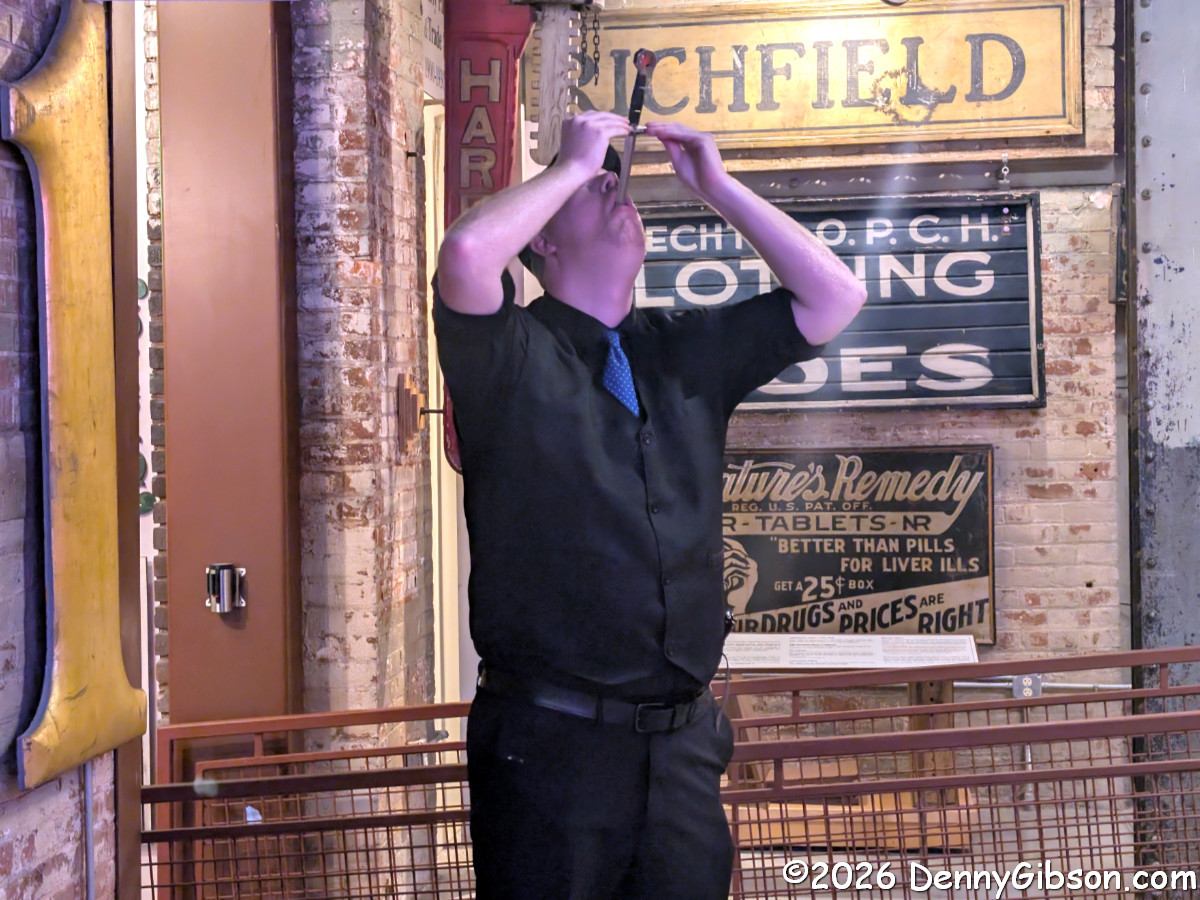
A Night at the Museum

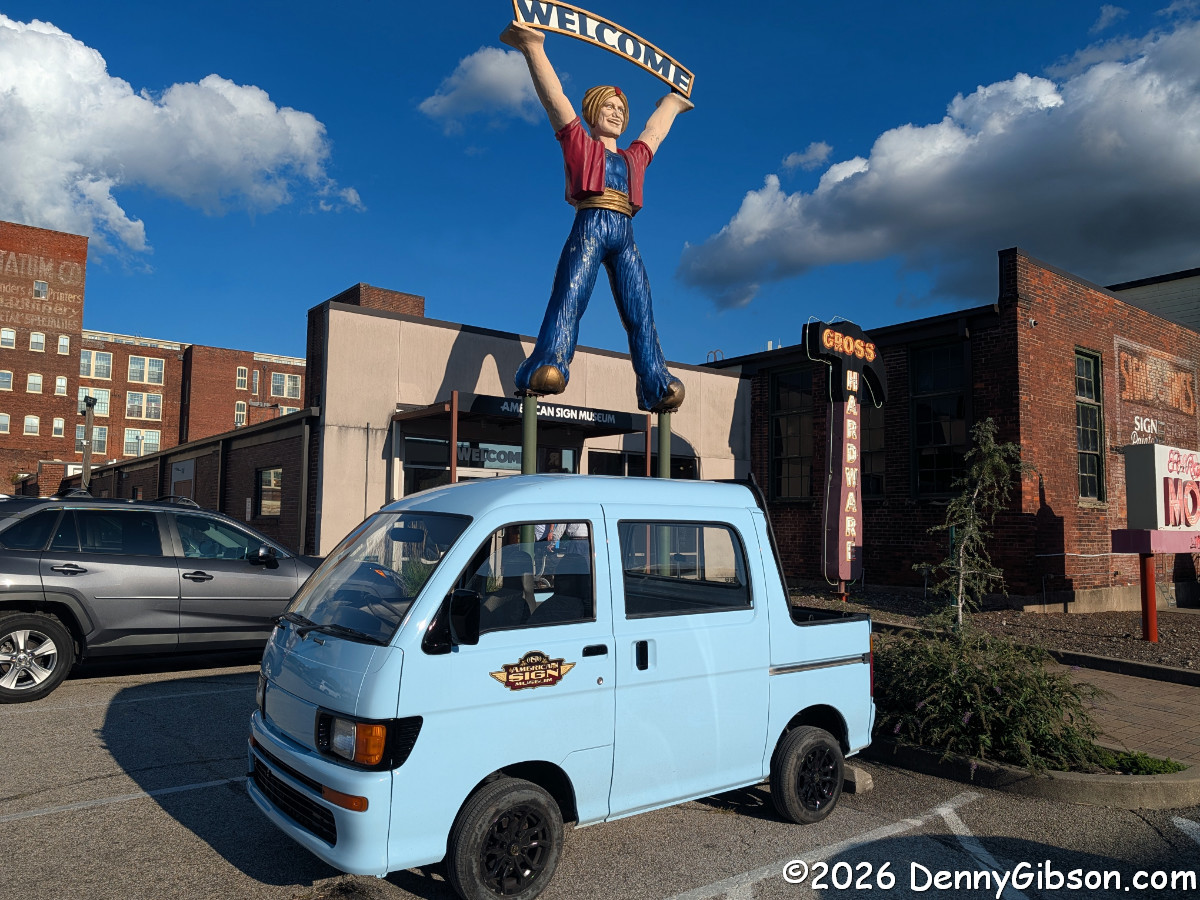
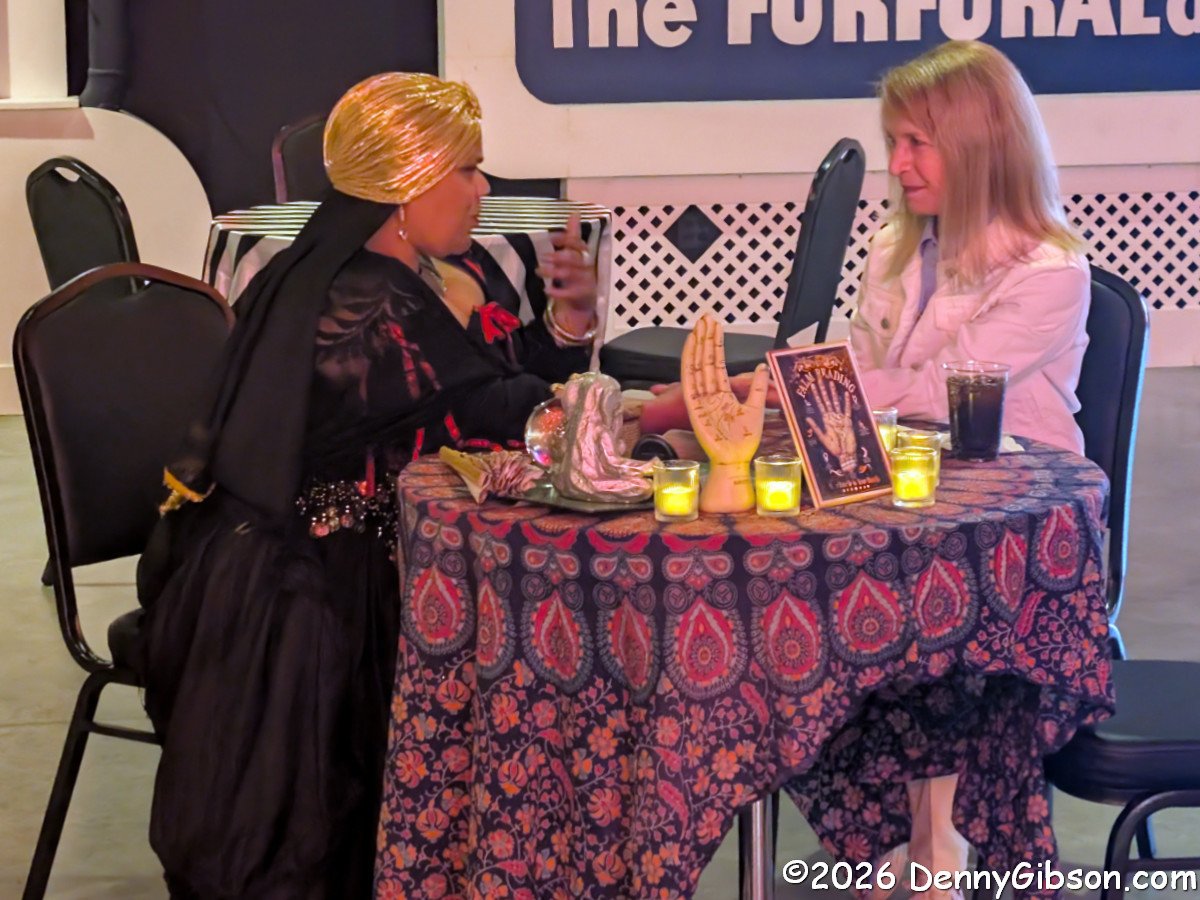
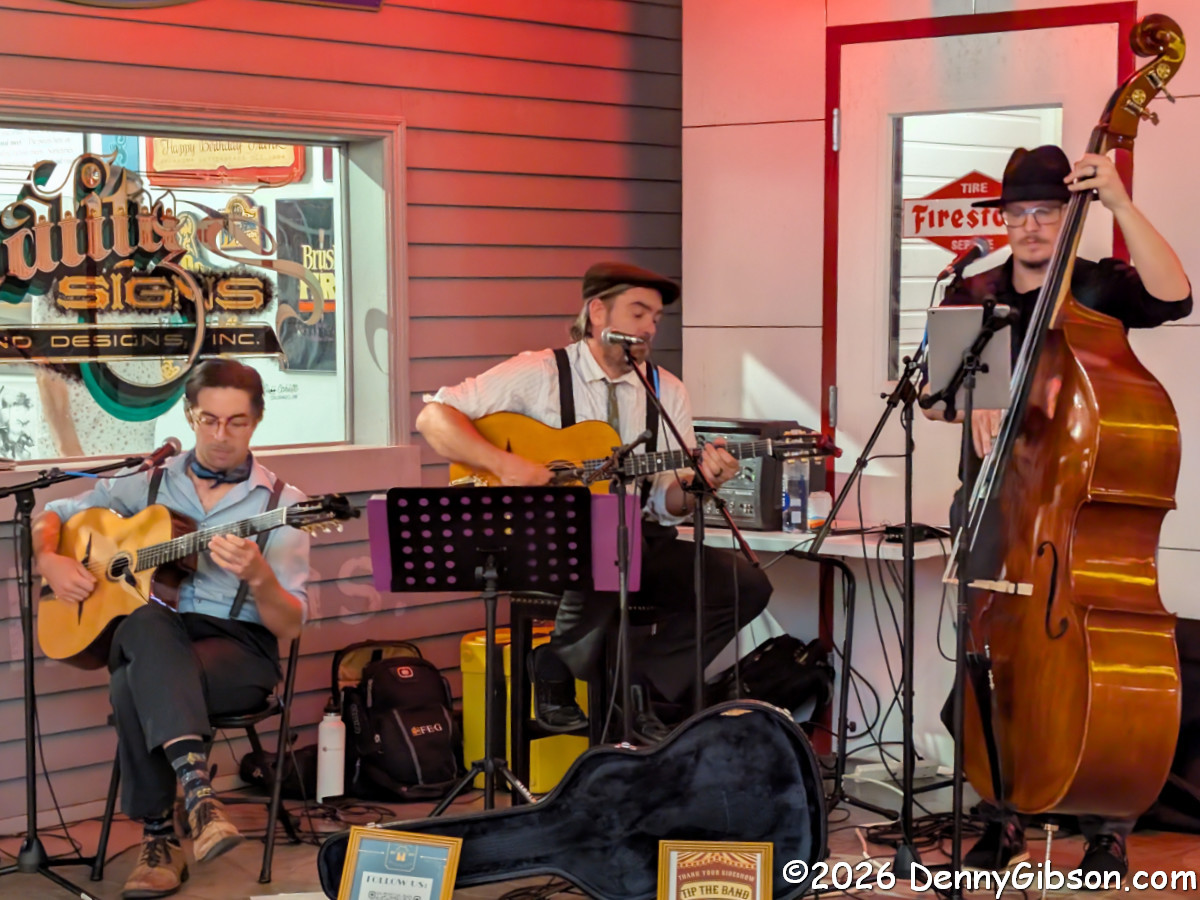
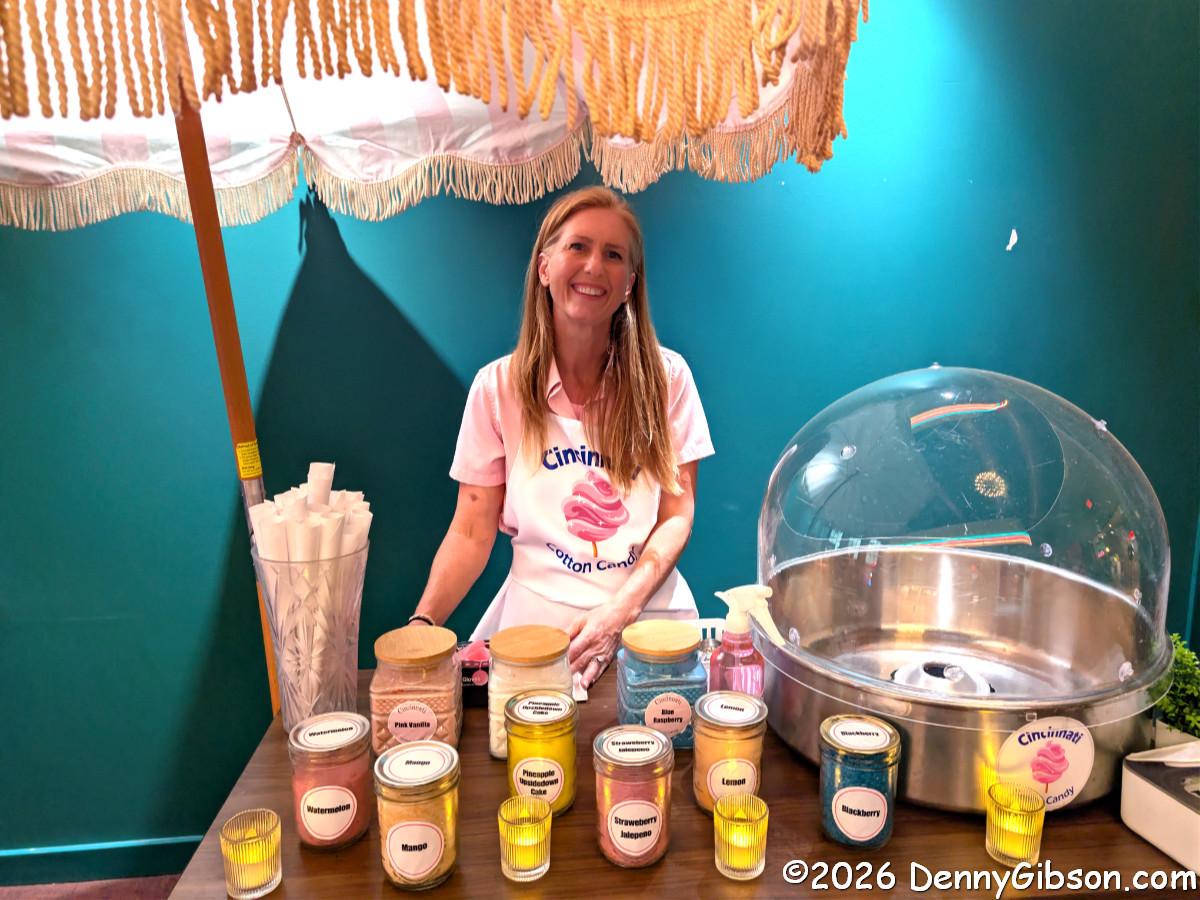
The American Sign Museum held a little party on Thursday to celebrate its quarter-century of existence. Things got underway at 5:00, which was a bit before sunset, but by the time I exited the museum and took this photo, it was full-on nighttime. I’m sure it was no accident that the members-only party coincided with an open-to-the-public Glow in the Dark event, with the external signs powered on and looking glorious in the darkness.

But first things first. After picking up a beverage in the party area, I stepped back into the museum’s Main Street to check out progress on the Frisch’s Mainliner sign. While there, museum founder Tod Swormstedt stopped to say hi, and our chat included pointing out some sign updates. Holes in the airplane body that originally held lights but were epoxied over when the lights were removed have once again been cleared, and stainless steel panels that had been more or less destroyed over the years by alterations have been remade and reinstalled. It is going to be very interesting to watch this restoration unfold.

Anyone who has visited an old school service station or workshop is familiar with collections of cups and jars holding assorted nuts, bolts, and screws gruelingly assembled from past projects and other sources. Although not officially on display, here is the American Sign Museum’s version of that seen through the currently clear windows of Loomis Camera.
The Society for Commercial Archeology offers a monthly Zoom presentation on a variety of interesting subjects. It started during the stay-at-home days of the COVID pandemic and has continued. The most recent presentation was from Andrew and Kelsey McClellan on their book The Golden Era of Sign Design. The McClellans were part of the team that saved this Ward’s Bakery sign, and its discovery and preservation were part of their presentation. I naturally sought it out on this, my first museum visit after the Zoom event. A recording of the presentation can be viewed here.

I probably should have mentioned earlier that the museum’s name for this event was Clink! and the invitation was to “Join us for cocktails and light bites as we celebrate 25 years of preserving the art and history of American signage.” Formal activities were pretty much confined to truly brief comments from Museum Director David Dupee and Tod, and those comments were pretty much confined to thanking people who made the museum and those 25 years possible.

Clink! had been scheduled around the publication and availability of a book documenting the museum’s history, and that worked out, although the timing was quite close. Those who had preordered could pick up our copies, and copies were also available for purchase. The book looks fantastic (I’ll review it soon), and getting my copy signed by Tod and photographer Natalie Grilli makes it even better.
Glow in the Dark activities included a neon bending demonstration and at least one guided tour of the big sign garden mounted on the south side of the museum building. Touring the garden at night with a guide looked very interesting, and I immediately put it on my list. But right now I have a book to read.
ADDENDUM 8-Dec-2025: The book has been read, reviewed, and recommended: 
Book Review American Sign Museum: Celebrating 25 Years Roberts, Grilli, Kikkert

Subdued Hues

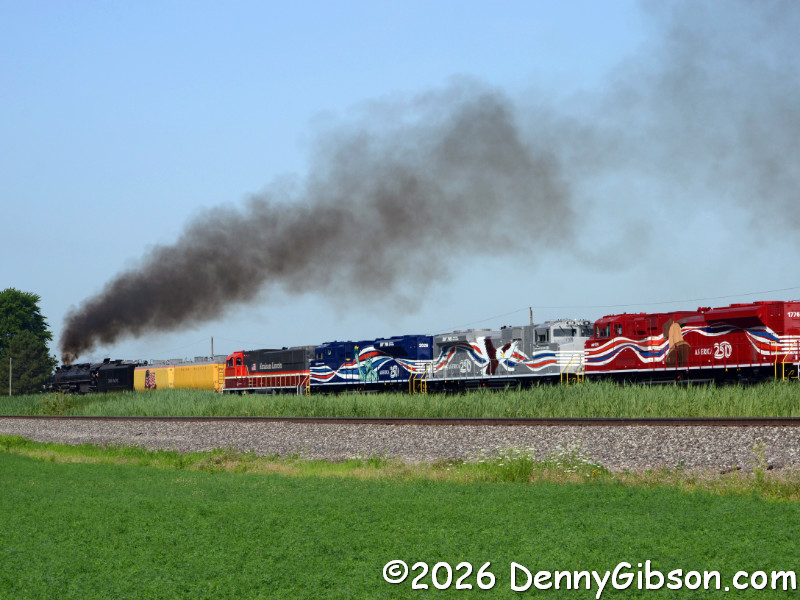
An advertisement for a steam train in Virginia caught my attention, and the autumn foliage outing it promoted sure looked inviting. However, I couldn’t make any of the train’s scheduled dates work for me. It did get me thinking about autumn rail excursions, though, and I found another steam-powered one that I could fit into my schedule. It was even closer in Ohio. However, it only ran on weekends, and weekend lodging in the area was either unavailable or unaffordable. When I saw that very affordable lodging could be had on Thursdays and that the same route followed by the steam locomotive on weekends was followed by a diesel on Fridays, I decided I could make do with a slightly shallower dive into history. I booked the B&B and the Friday afternoon train.
Rain entered the picture as the outing neared. It started on Wednesday and continued as I headed east on US-50 Thursday morning. I stopped for an excellent breakfast at Sassafras Kitchen & Coffee Bar in Hillsboro, and had a really good burger and some fantastic fries at The Mine Tavern in Nelsonville.

Nelsonville was my destination. I checked into the Tulip Room in the Hyde House, just a couple of blocks from the tavern and not much more than that from the train station. Recent weather predictions had shown the rain ending Thursday night, with Friday being completely dry. I checked one more time before falling asleep and noticed a slight change. My little train ride was scheduled to depart at 1:00 and last for two hours.

The Hocking Valley Scenic Railway station is right next to Rocky Boots headquarters and outlet. I arrived well before departure time and walked over to Rocky Boots to get the picture of the Headless Sheepman that opens this article. It was, after all, Halloween. Note that, although the sky is hardly cloudless, the sun is shining.

All four cars of the train would essentially be full by the time we pulled out, but I was on board early enough to grab photos of them nearly empty. The car with blue seats was built in 1939 for long-distance travel. It was once used on the Cincinnatian, which ran between Cincinnati and Detroit. The other three cars (I rode the middle one) were built in the 1920s and used by commuters in the Chicago area.

Early in the trip, we passed the remaining kilns of the Nelsonville Brick Company. In addition to plain paving bricks, the company made those very popular decorative star bricks. We were also treated to some nice views of the Hocking River. There was no shortage of front and back yards filled with cars in need of attention, but this was the only yard I saw filled with steam engines. Much classier, in my opinion.

The excursion ran almost to Logan, with much of the route actually inside the Wayne National Forest. There were plenty of trees, and some rather scenic views here and there. Red and orange leaves, however, were few and far between.

Railroad employees passed through the cars frequently, helping with windows, seats, and any other issues passengers might have. At the route’s end point, the locomotive moved from one end of the train to the other via a siding. The seats in the commuter cars had reversible backs, and quite a few riders flipped theirs, so they were facing forward as the cars were pulled “backward”. I was not among them.

You may have noticed clouds gathering in some of the previous photographs. No rain fell during the ride or during the short time I was in Nelsonville after it ended. However, by the time we returned to the station, the sky looked like this. As we exited the train, I commented to a lady in line that there had not been much color in the trees along the way. “No,” she said, “not this year. It’s been too dry.” Maybe that’s the reason. I don’t know. If so, the dry spell appears to be over, but any rain now will just knock the leaves from the trees. It won’t make them colorful. 

An Ohio Meeting

It has been a long time since I attended an Ohio Lincoln Highway League annual meeting. Longer, perhaps, than I realize, as I can find no evidence of attendance since 2014. There seems to almost always be a conflict in my schedule, but not this year. Canton, the meeting’s location, is a little too far away to make the round trip in a day. When I planned an overnight in a nearby town, I discovered that the path there passed quite close to a favorite brewery. With that, I thought my itinerary was set.

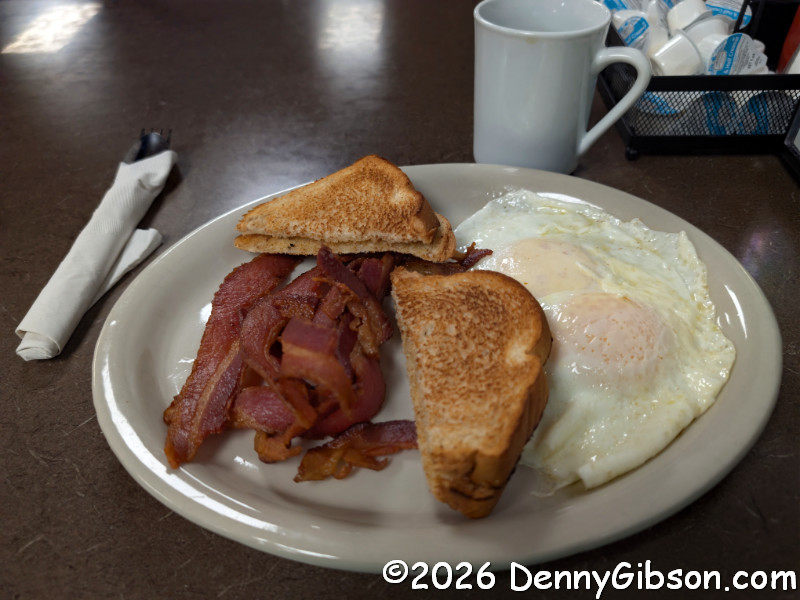
However, when I was ready to head out on Friday morning, I realized that there was no need to hurry on expressways, so I swapped I-71 for US-22. That allowed me to stop for breakfast at Kim’s Classic Diner in Sabina. I typically sit at the counter, but was in a booth today and was able to get a shot of an empty counter when the area was briefly empty. I stayed with US-22 to Zanesville, and that let me stop by Tom’s Ice Cream Bowl for some French Vanilla Cherry Chocolate Chunk, which disappeared before I could get a picture. I then headed to that favorite brewery, Wooly Pig Farm, on OH-93. OH-93 is quickly becoming one of my favorite wiggly roads.

President Scott Little presided over the meeting. The league is comprised of three chapters, each of which has more or less monthly meetings throughout the year. This yearly meeting is the only one involving the entire state. Scott is also president of the Western Ohio Chapter and delivered the report of that chapter’s activities for the year.

Mike McNaull, of the Mid-Ohio chapter, and Ed Cannane, of the Eastern Ohio Chapter, delivered reports of their chapter’s activities. All three chapters do some things for their members’ enjoyment and an awful lot to promote and maintain the Lincoln Highway in their areas.

A presentation by someone from the National First Ladies Library and Museum, followed by a visit to the museum, had been planned, but the government shutdown scuttled that. Jim Cassler’s presentation on this summer’s tour of the Lincoln Highway’s middle third was a fine substitution. A tour of the eastern third happened in 2022, and the trilogy will be completed in 2028 during the centennial of the final 1928 realignment and the setting of the concrete markers.

The Saxton McKinley House, home to the library portion of the not-to-be-visited-today National First Ladies Library and Museum, is directly across the street from the meeting site. A visit to the Canton Classic Car Museum, about a block away, would proceed as planned.

One of the museum’s prized possessions is a 1937 armored Studebaker. There are definitely plenty of really cool cars here, but there is more. If a fragile lamp with a single leg is a “major award”, what might this four-limbed illuminator be? 

Possibly one reason I failed to photograph my ice cream at Tom’s was the conversation I had with a couple beside me. They were headed home to Kentucky after a vacation that included a stop for ice cream in Canton, which is where they learned of Tom’s. I reversed the story and stopped in Canton for ice cream at a place I’d learned of at Tom’s. The wooden booths at Taggart’s Ice Cream looked inviting, but I enjoyed my Black Walnut outside.

I was a little disappointed when I realized that the meeting date was the same as the planned nationwide No Kings protests. I would not be able to attend one in my home territory, but was pleasantly surprised to learn that the one in Canton would be taking place later than most, and I could possibly make it. A sizable crowd was already in place when I arrived about half an hour ahead of the scheduled 5:00 start, and it was still growing when I left for home about 5:30. A fellow I spoke with said this was already a bigger turnout than last time.

I’ll close with a reminder of why I was in Canton. I’m pretty sure Mr. Lincoln would be proud of the nation crossing highway with his name on it. I also think he would approve of the sentiments expressed in signs being held in demonstrations all across that same nation, though not necessarily of all of the language.