 They’re back. My first exposure to David Waller’s collection of circus sideshow banners was when they appeared as set dressing at The Signmaker’s Circus held to celebrate the American Sign Museum‘s tenth year at its Camp Washington location. That was in 2022. The circus occupied the unfinished half of the building and might be considered a step toward the expansion of the museum into that space, which would be revealed just about two years later (New Stuff to Look At). The banners and the multiple tons of signs hung for the circus were always intended to be temporary. However, some of the signs and all of the banners were still there a few months later when the banners’ owner delivered a presentation on them, which I covered as Sideshow Signage.
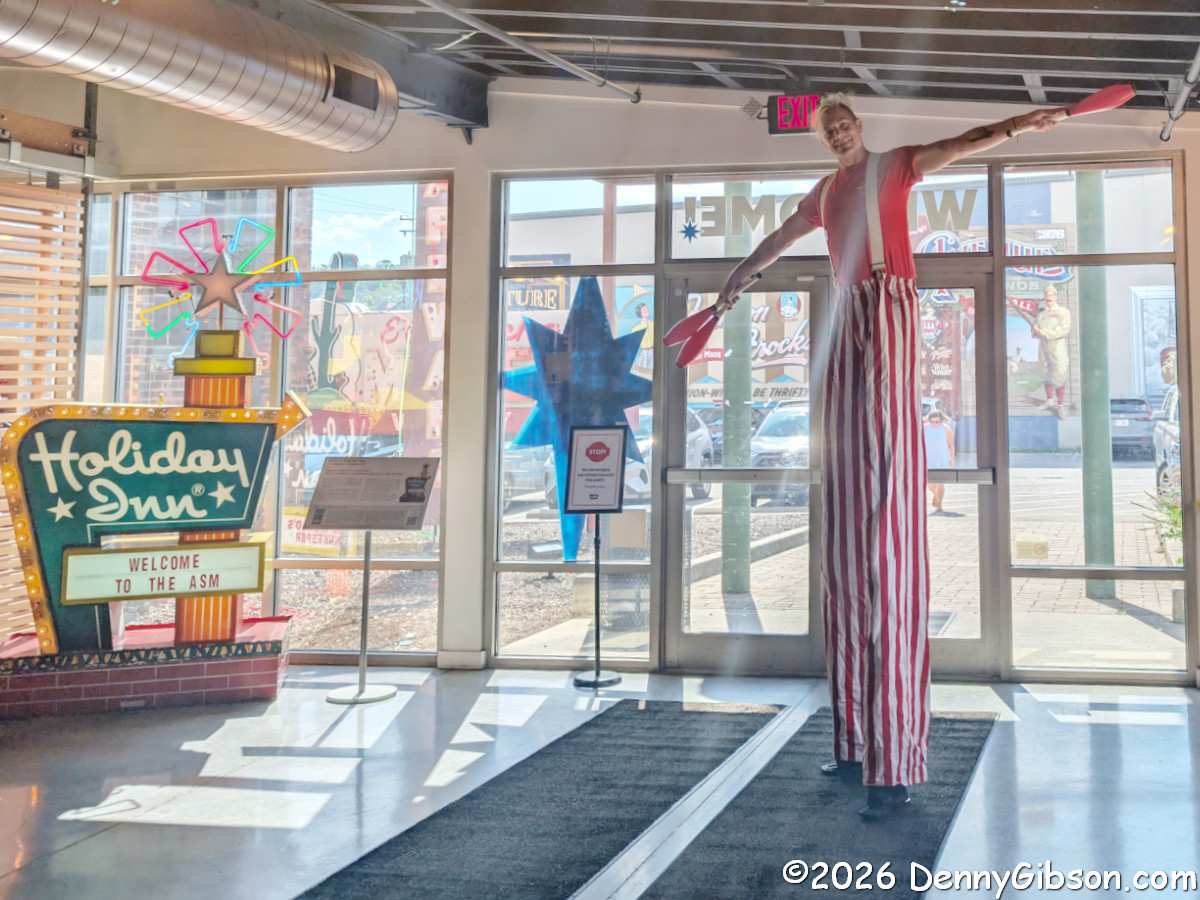
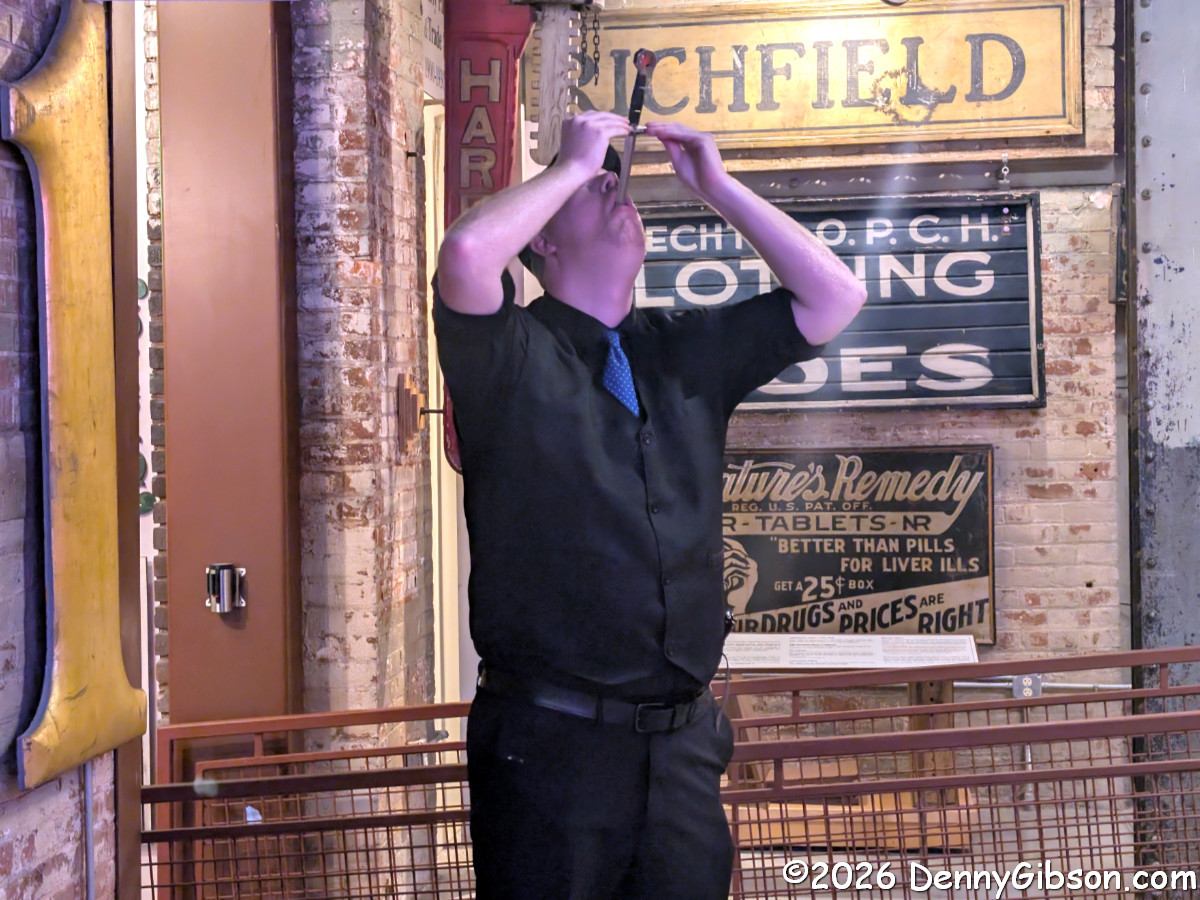
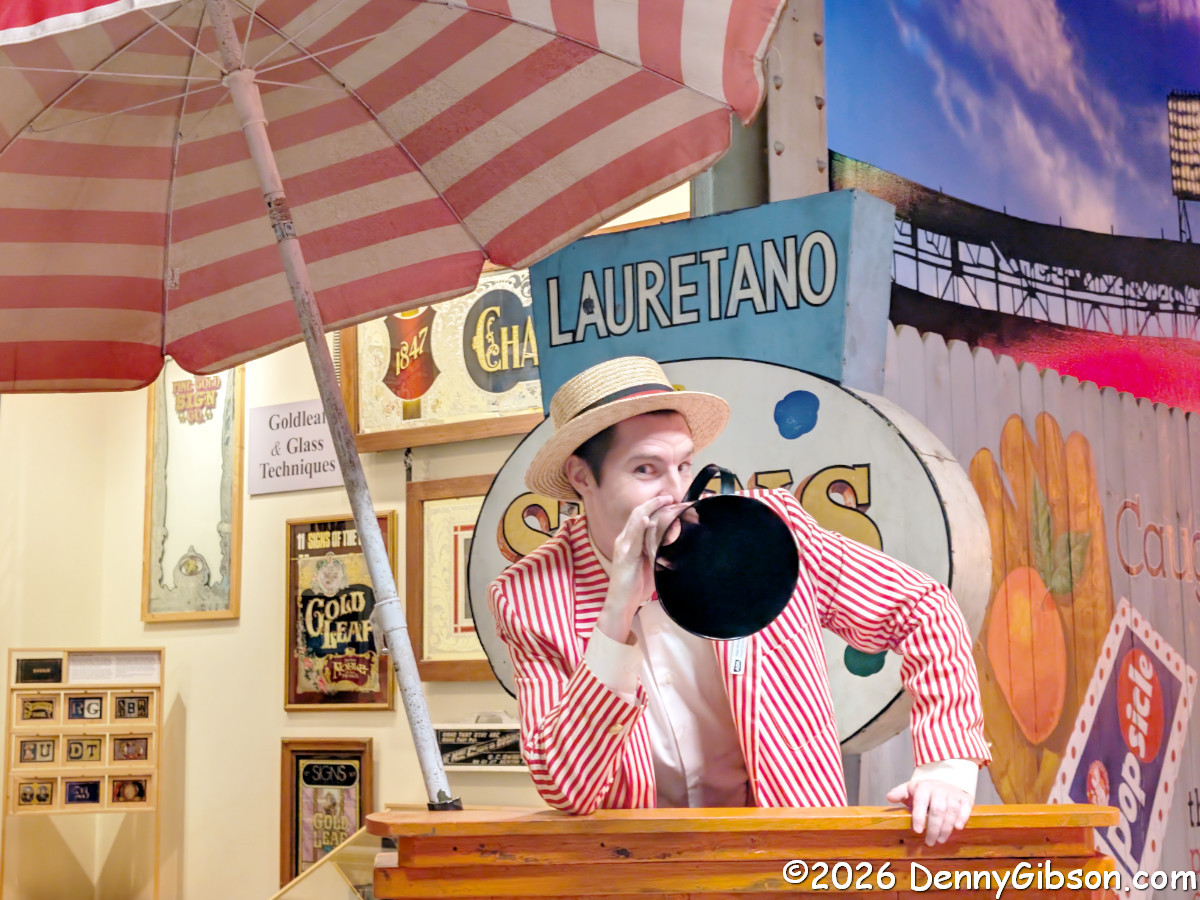
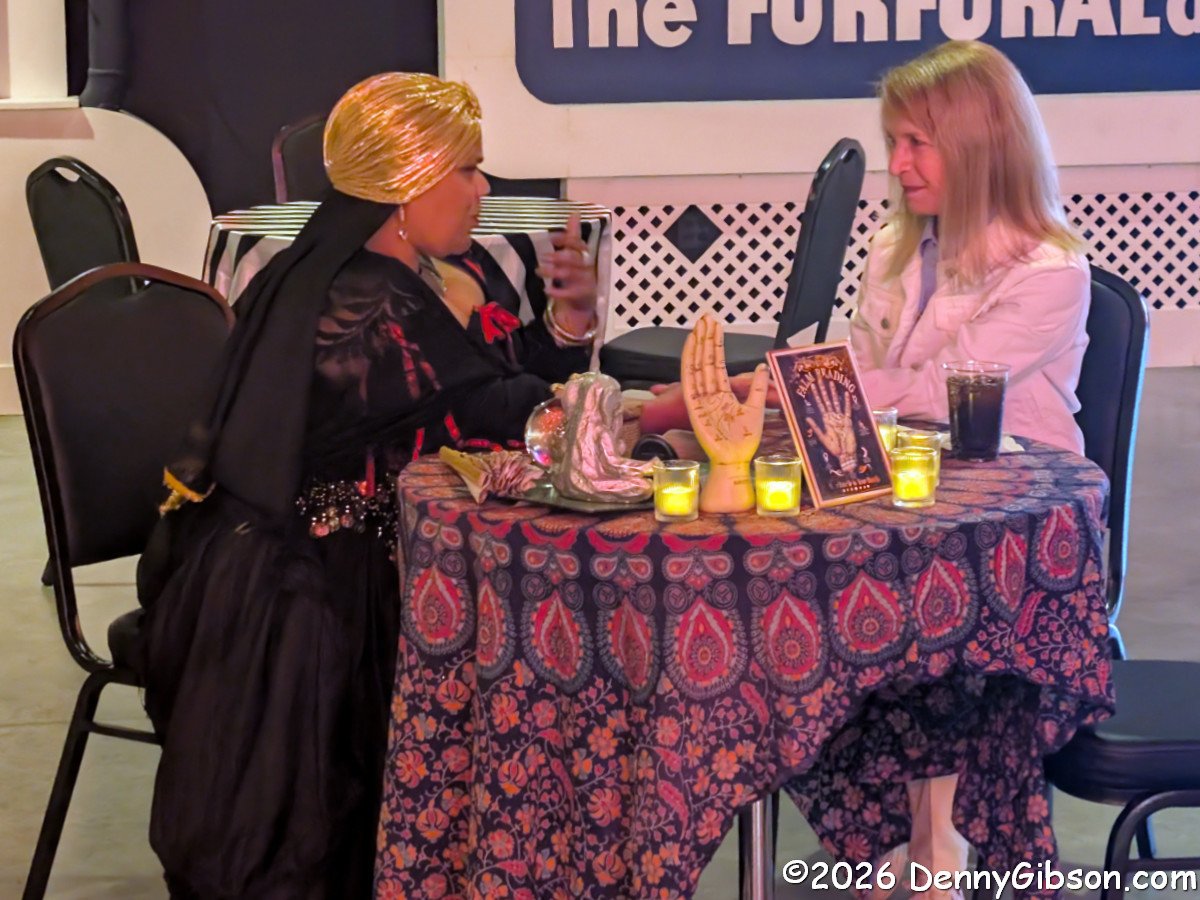 Although the number of circus acts at Thursday’s opening of the Freaks & Sideshows exhibit was considerably reduced from the over-the-top extravaganza that was The Signmaker’s Circus, their presence was still felt. They definitely enhanced the circusy feel of the event.
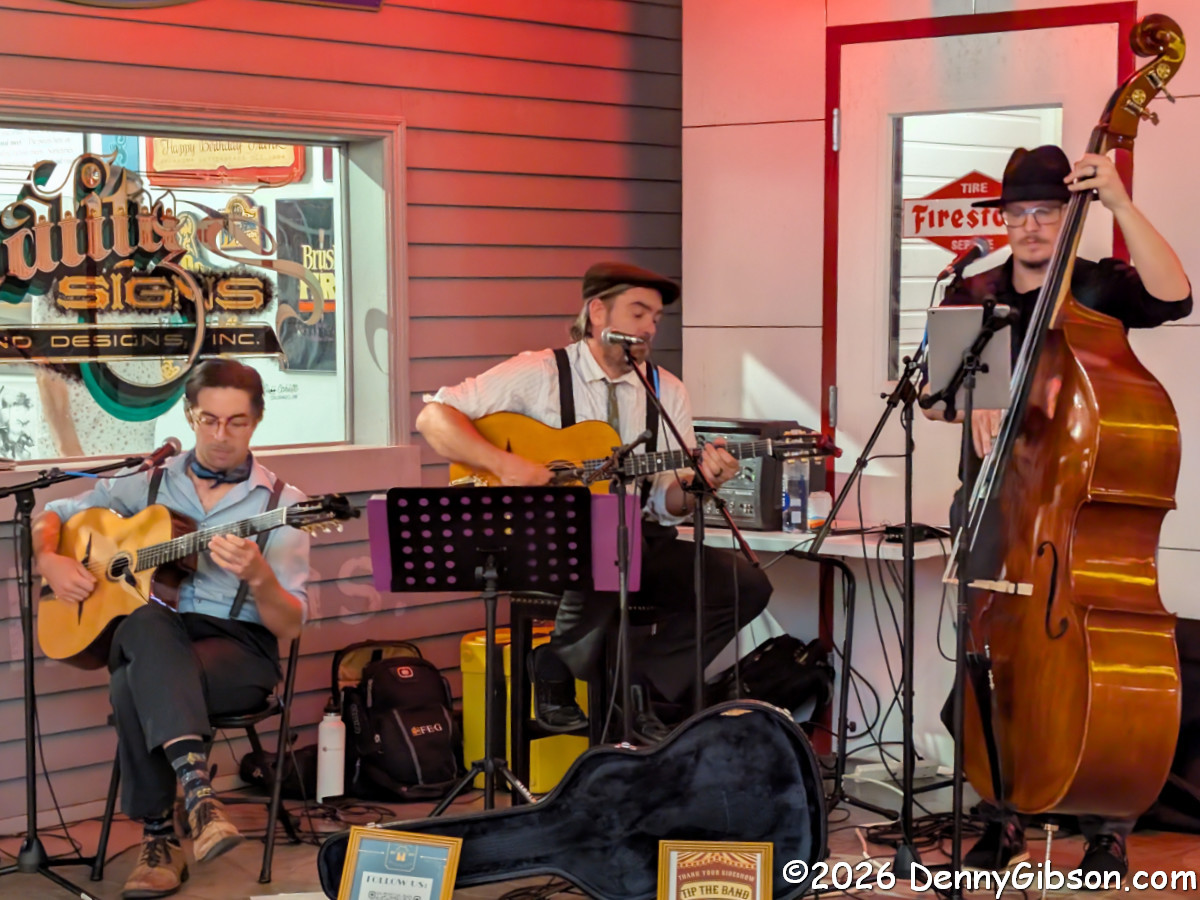
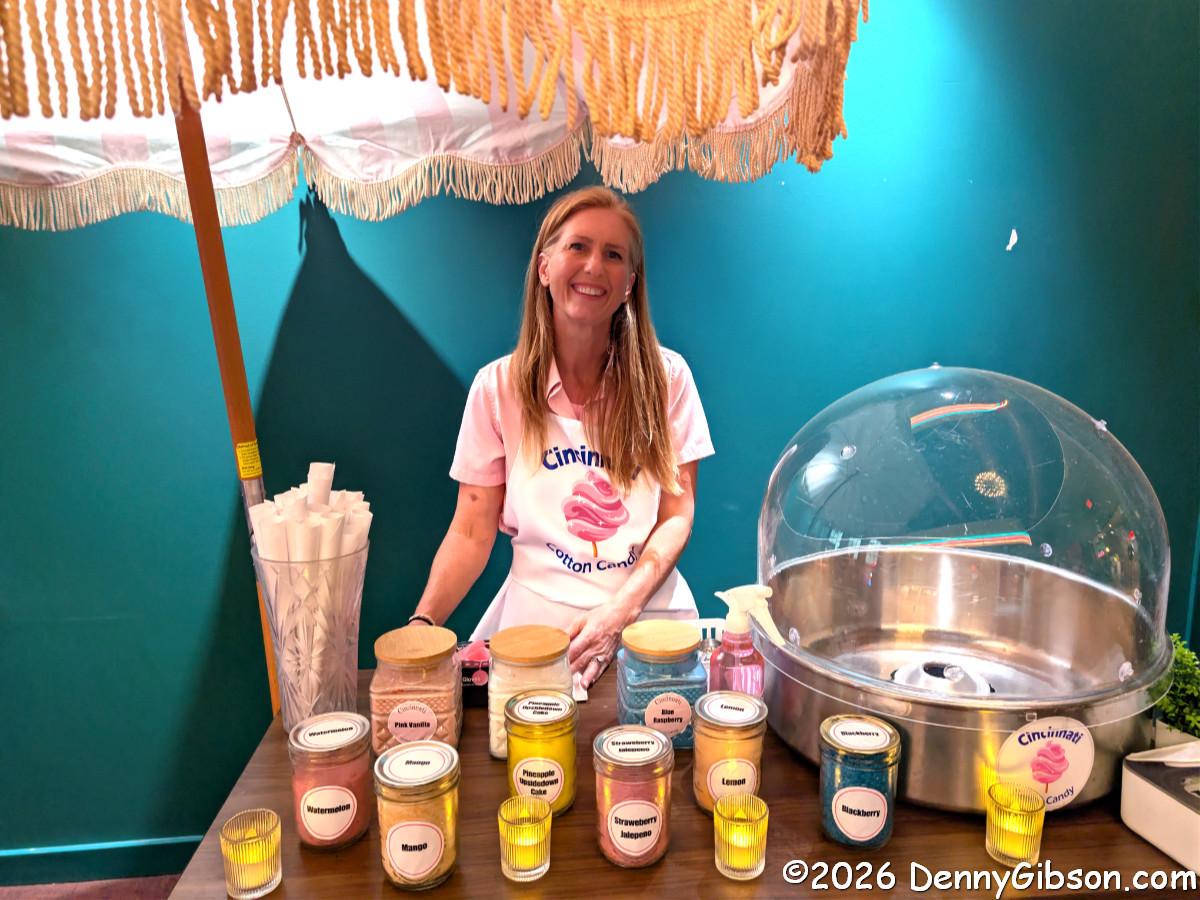 That circus tone was also present in the refreshments. I had a nice chat with the Cincinnati Cotton Candy lady and made her aware of my teenage experience making snow cones at the county fair, in case she ever wants to branch out. I don’t know that The 1936 North American Heat Wave’s music was all that circusy, but it certainly matched the time period of the early banners on display. I’d never heard of the band or the weather event it is named after, so I was simultaneously handed two tangents to head off on.
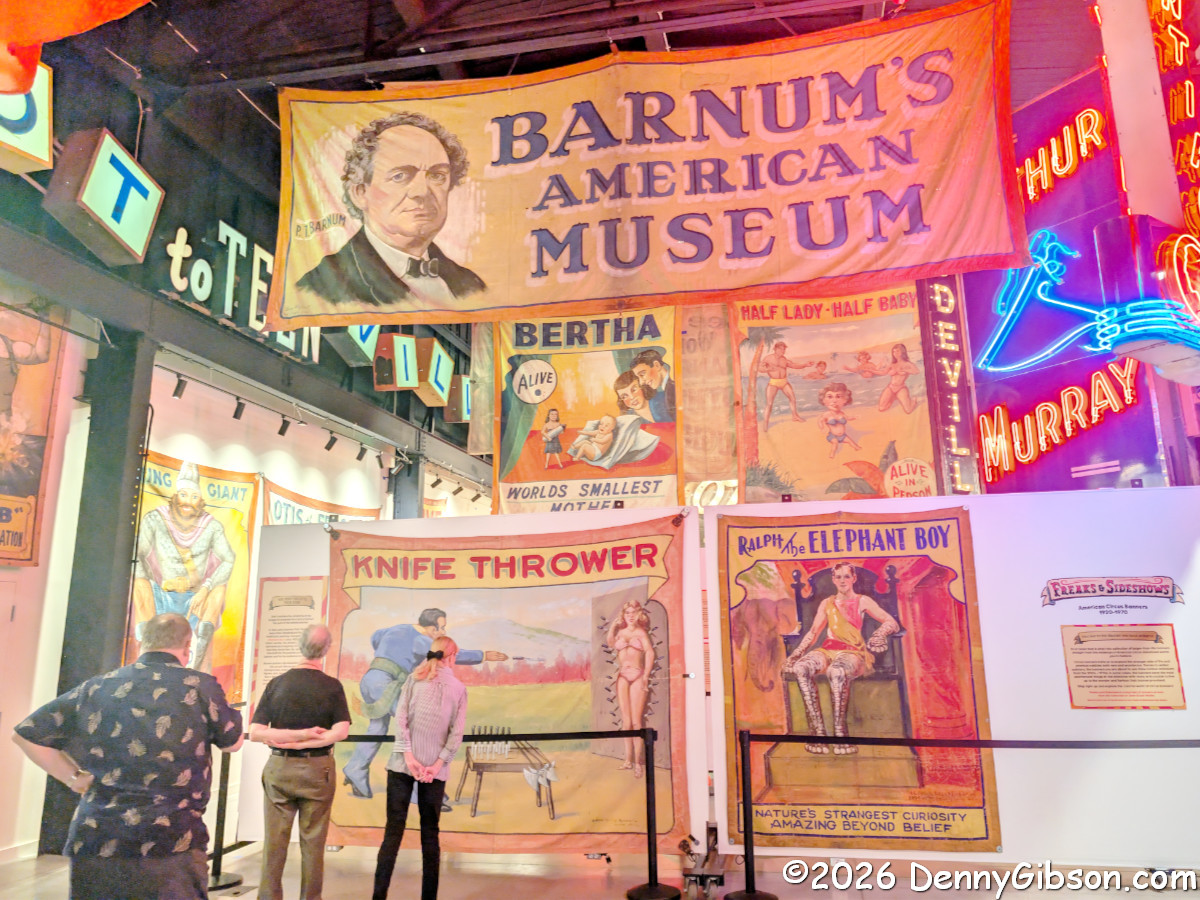
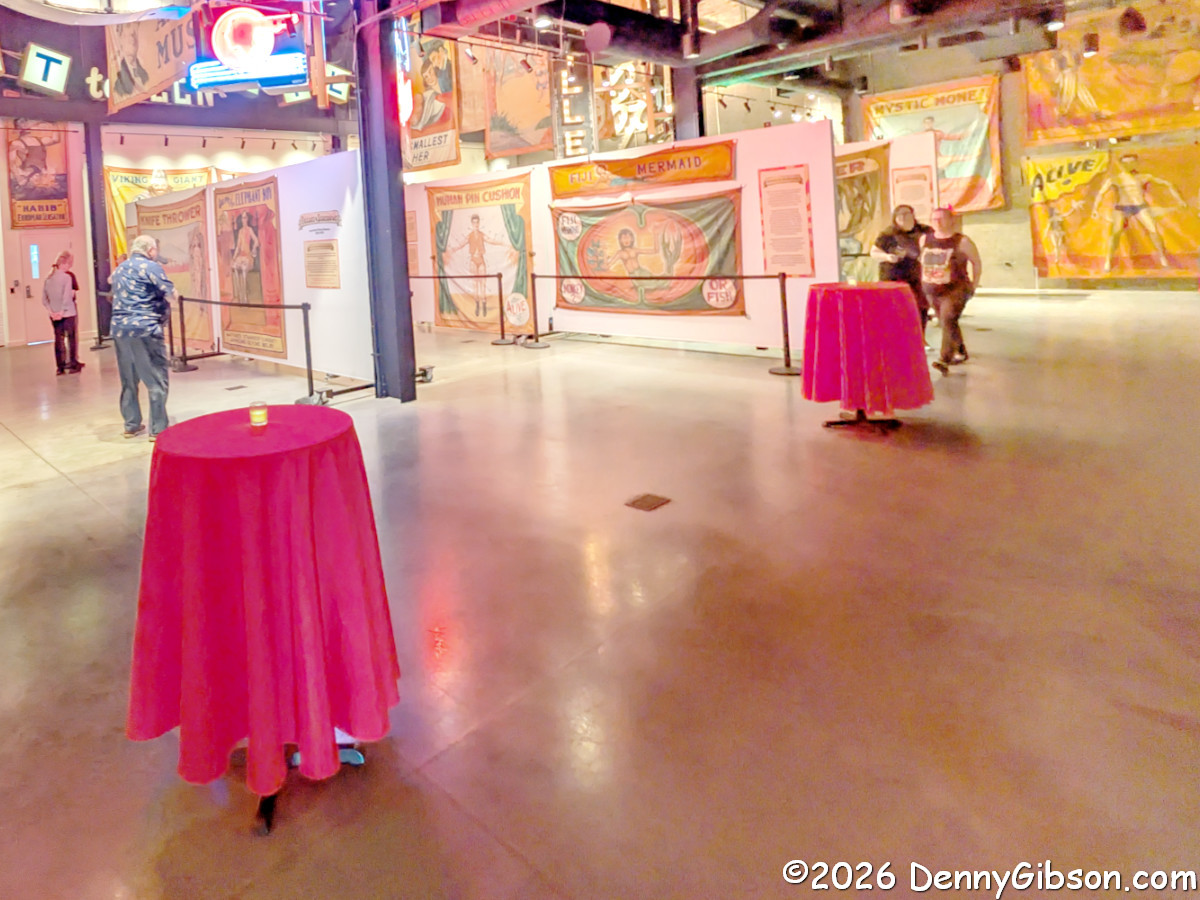
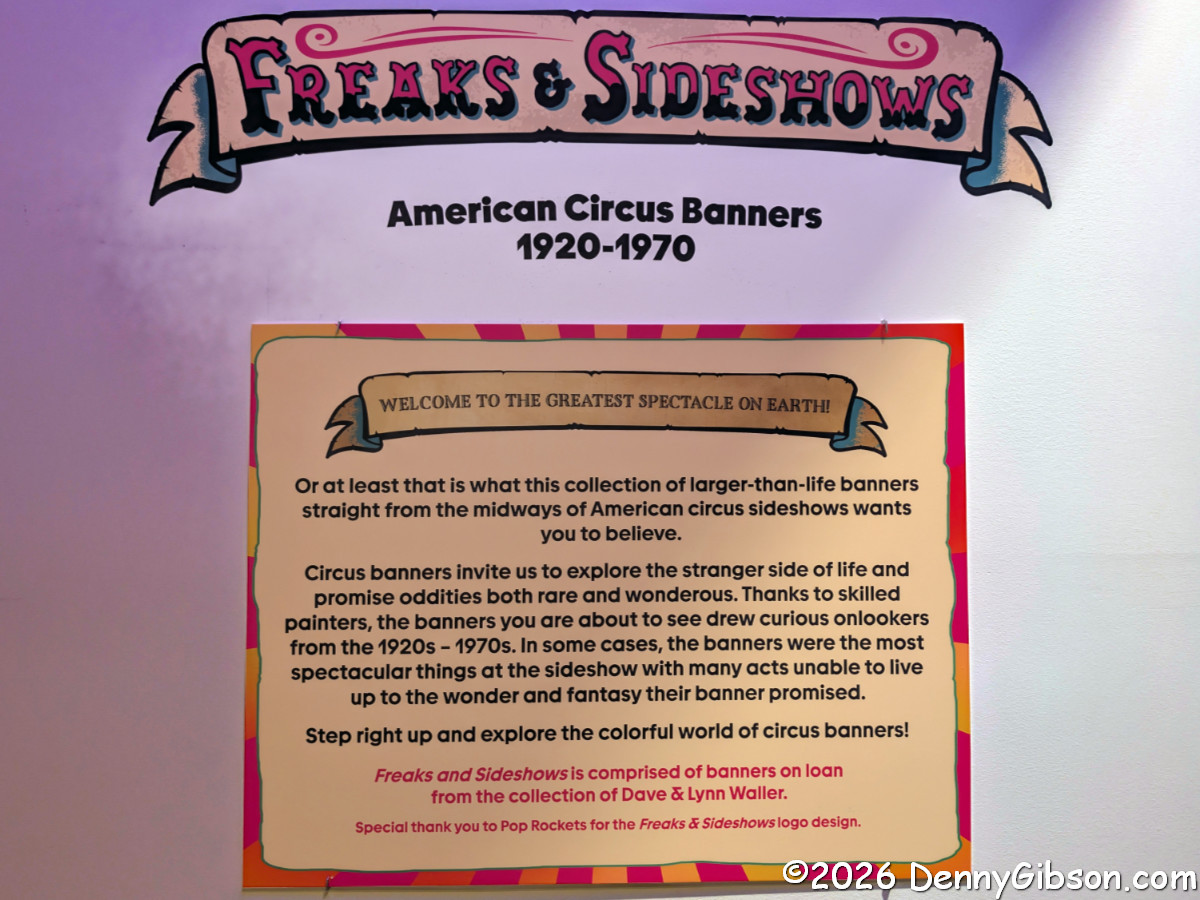 Of course, for the banners, the biggest difference between this exhibit and The Signmaker’s Circus is that they are no longer just decorations hanging in the background. Here they are the stars, with good lighting and informative panels. The Elephant Boy banner in the first picture is the oldest in the exhibit. It is from the 1920s.
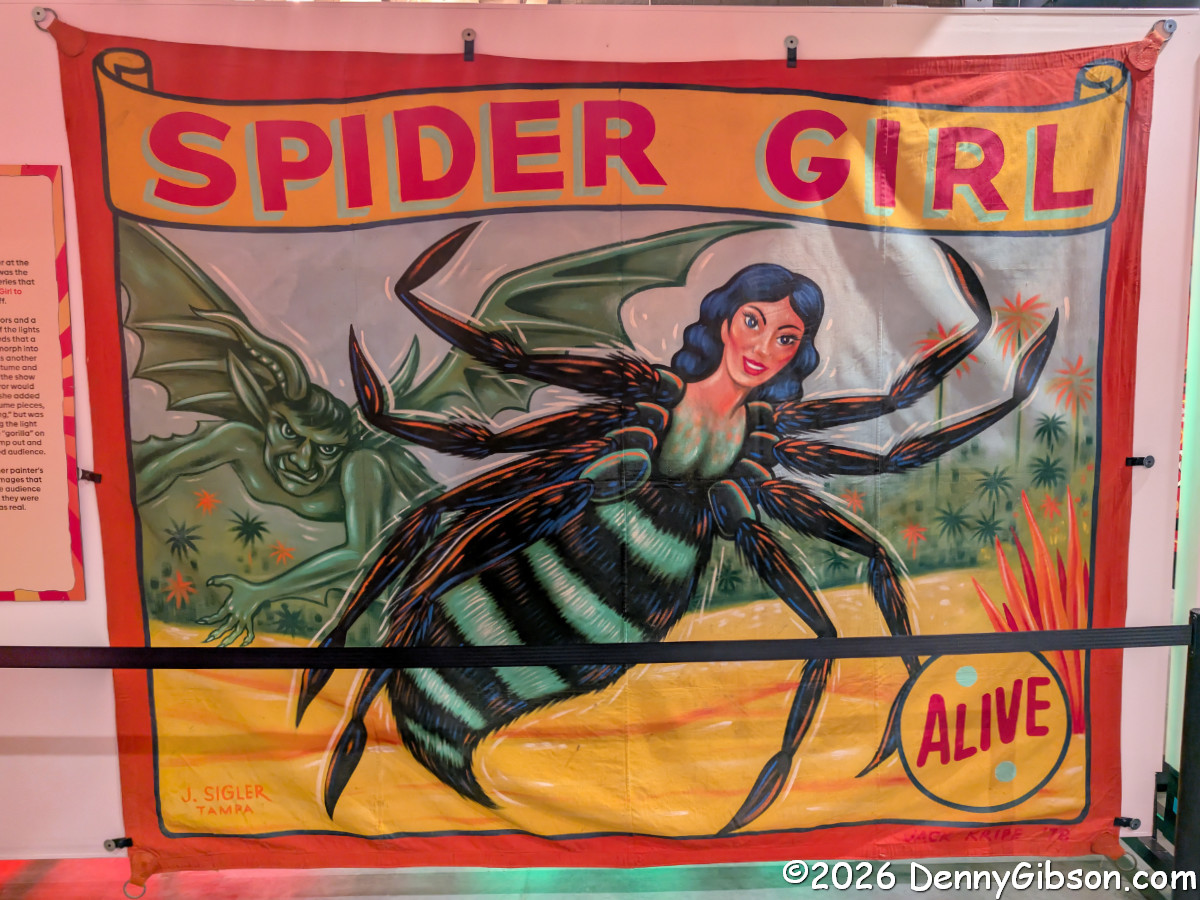
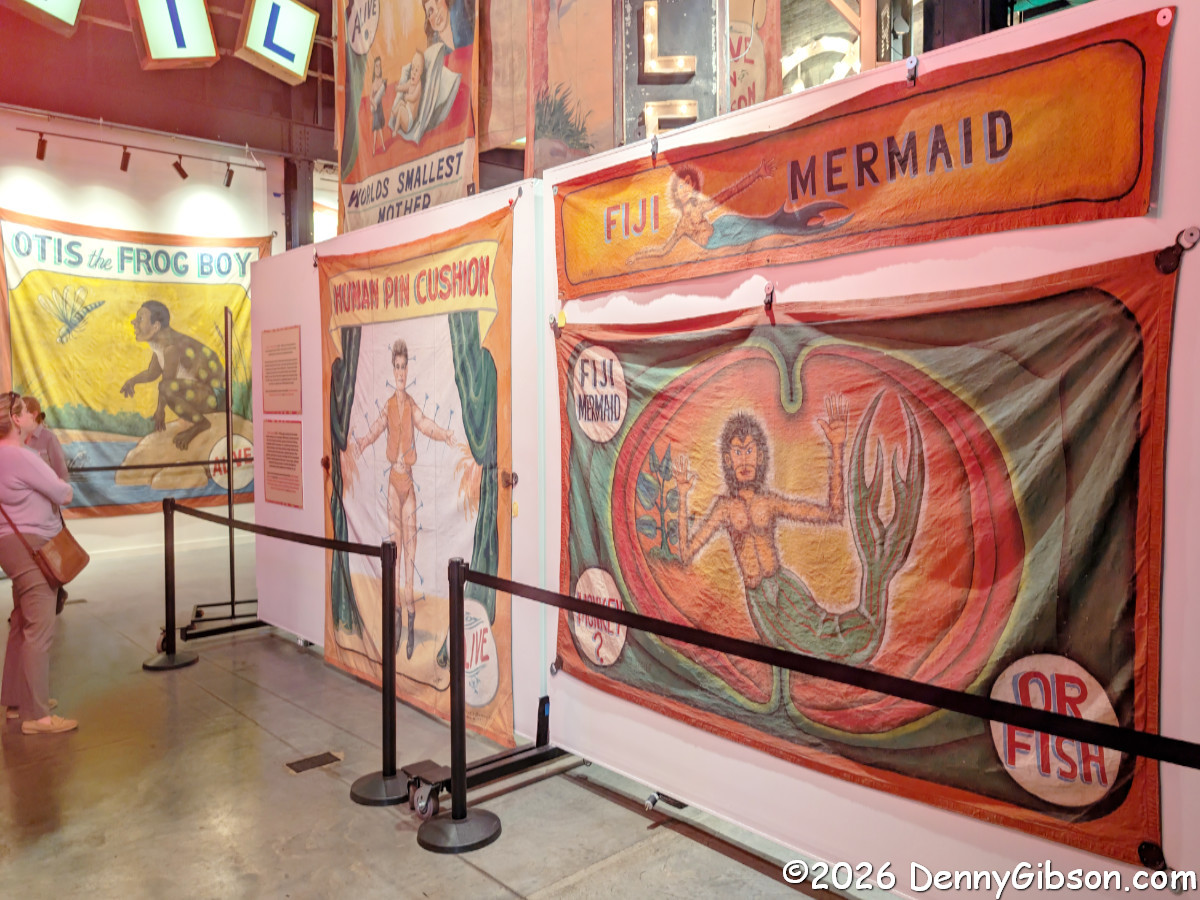
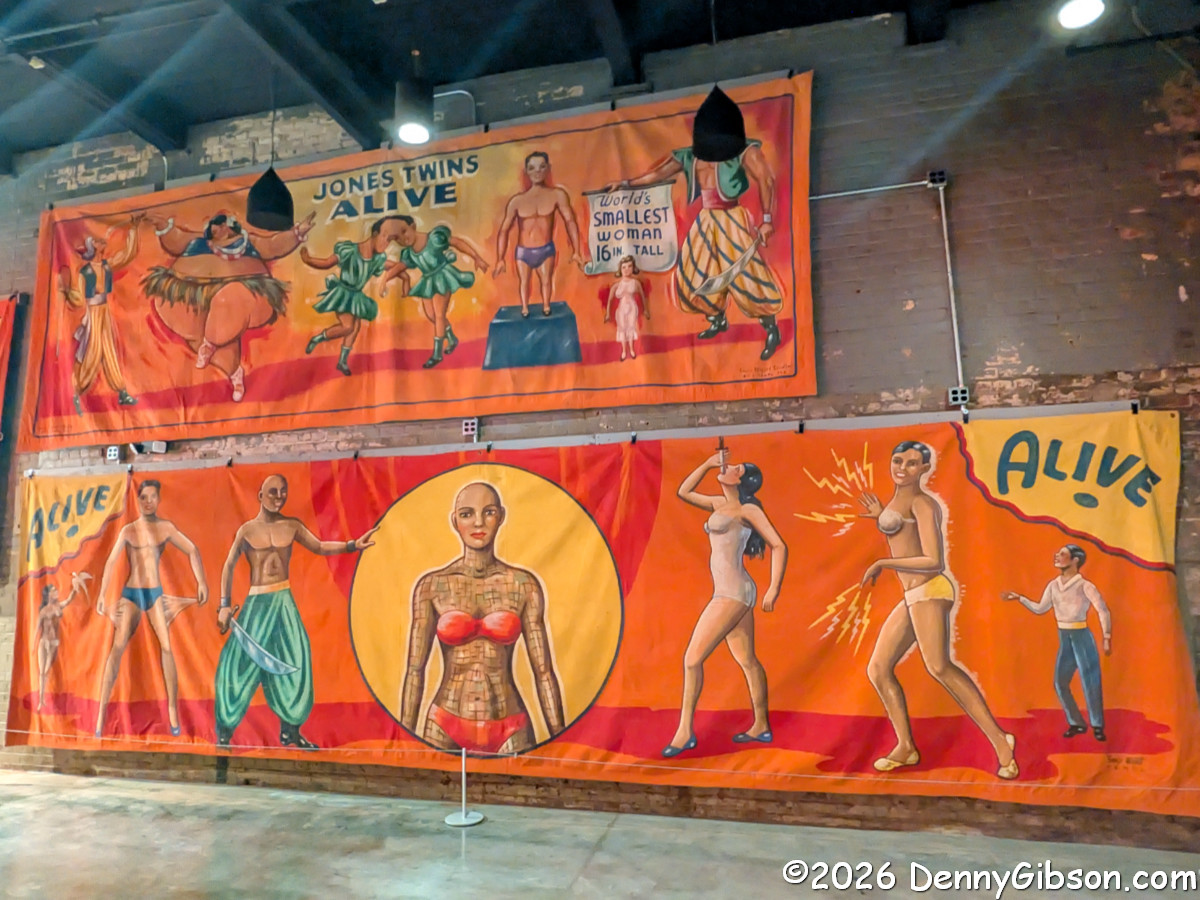 Most of the banners on display were also on display in 2022. That includes what might be my favorite single banner, Spider Girl. A nearby panel explains that a woman whose face was the only thing visible operated the not-exactly-alive arachnid body with hidden strings. I think I like the winged creature in the background nearly as much as I like Spider Girl herself.
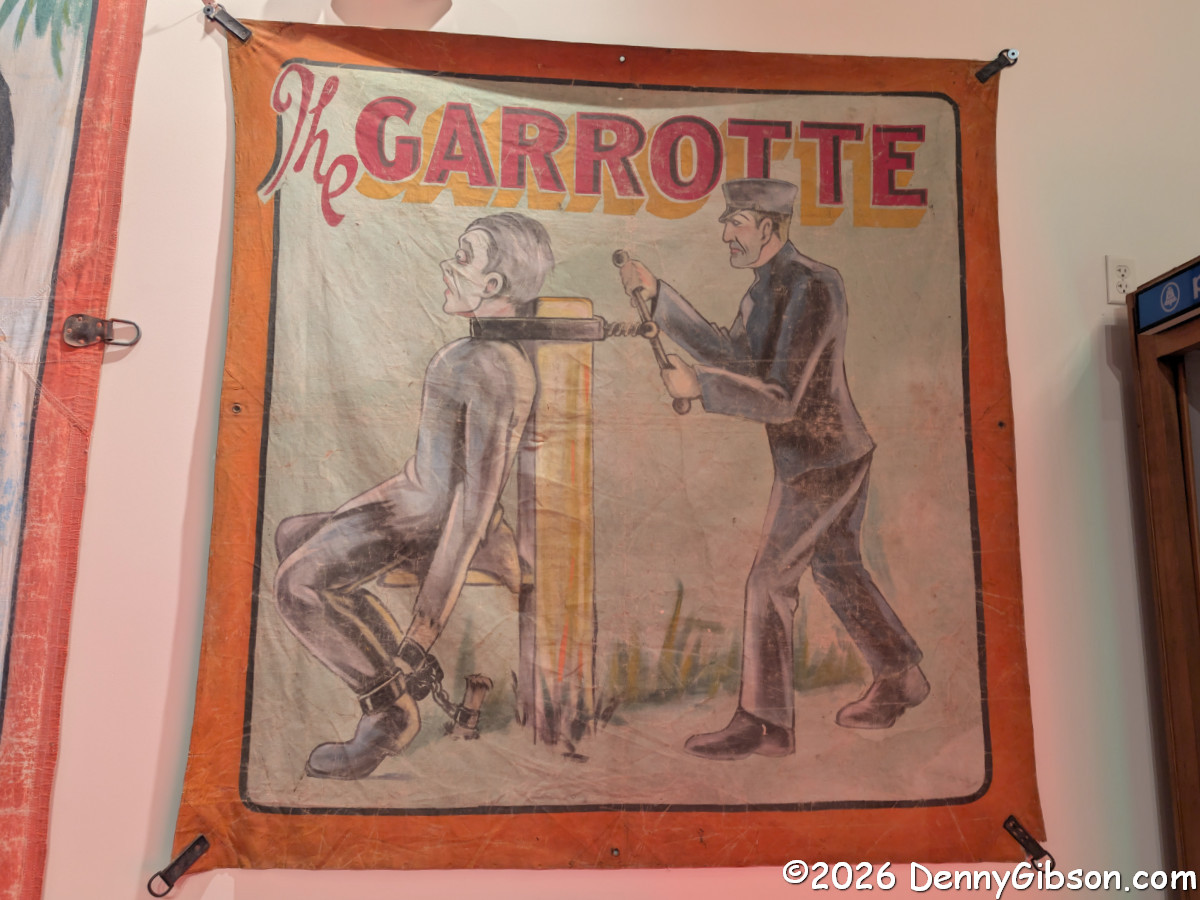
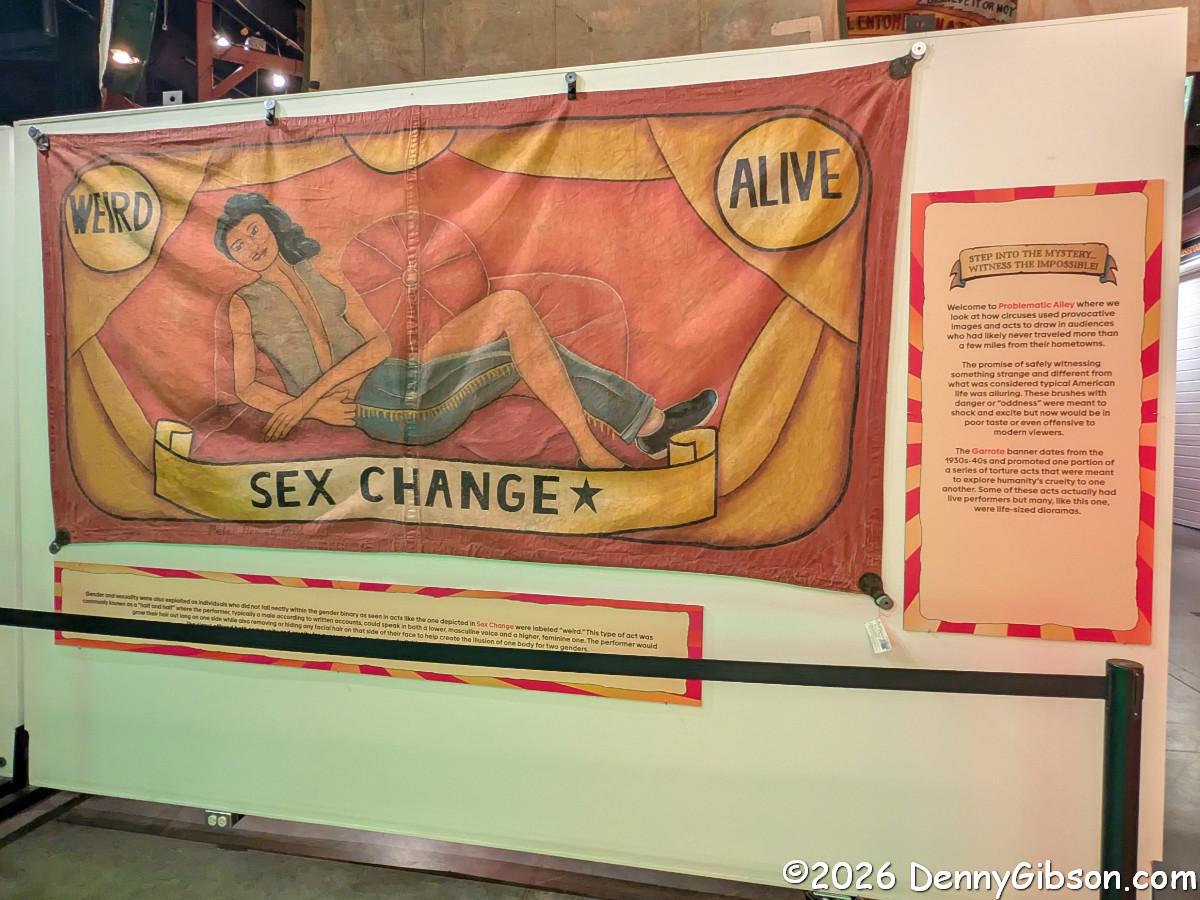 The last row of the exhibition is tagged “Problematic Alley”. The Garrotte banner is part of a series showing scenes of torture. Some were associated with live actors, but sometimes just the depiction was shocking enough. “Half and half” acts like that shown in the Sex Change banner employed actors displaying both male and female characteristics.
Although not every “half and half” actor was truly gender non-binary, many were, and the circus provided a paycheck that might be difficult to obtain elsewhere. Likewise, many sideshow “freaks” were disabled individuals making a living through their handicap at a time when social services were nearly non-existent. In connection with the Freaks and Sideshows exhibit, on August 27 the museum is hosting a presentation (Beyond the Banners: A look at how the circus impacted the disability community) by Jason Harris that will examine both the exploitation and the opportunity connected with the circus.
An August 20 presentation (Collector Talk: Dave Waller) by the owner of these banners is obviously tightly tied to the exhibit. Full Circle: The Golden Era, Decline and Renaissance of the American Carousel isn’t as tightly tied to the circus, but it clearly shares its spirit. It’s August 3.
Freaks & Sideshows runs through October 4.
Pingback: Three Nights at the Museum | Denny G's Road Trips Blog