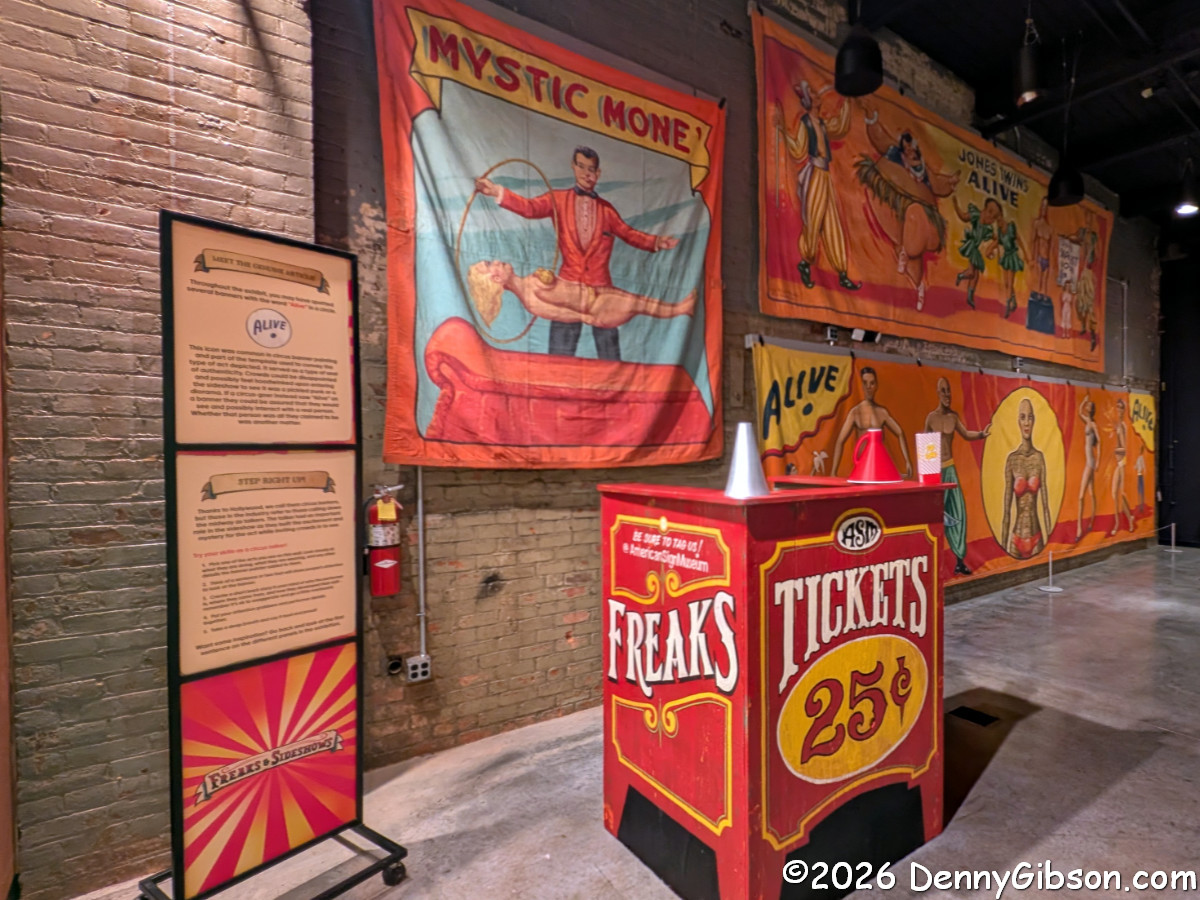
 The American Sign Museum often hosts presentations and other events associated with temporary exhibits. The Freaks and Sideshows exhibit that opened near the end of July spawned three such presentations on three consecutive Thursday evenings. Each was available for remote viewing via Zoom, but I attended all three in person. The three presentations wrapped up this week. Freaks and Sideshows runs through October 4.
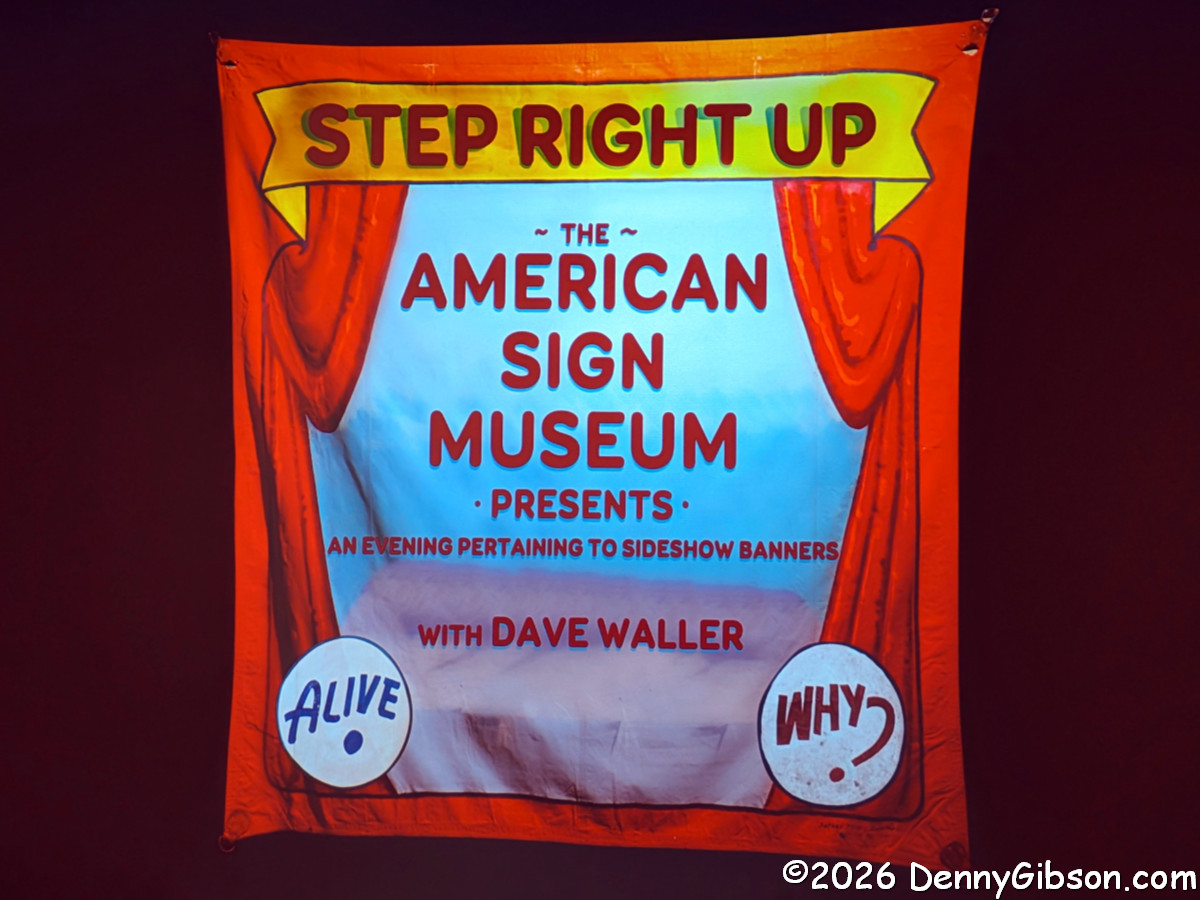
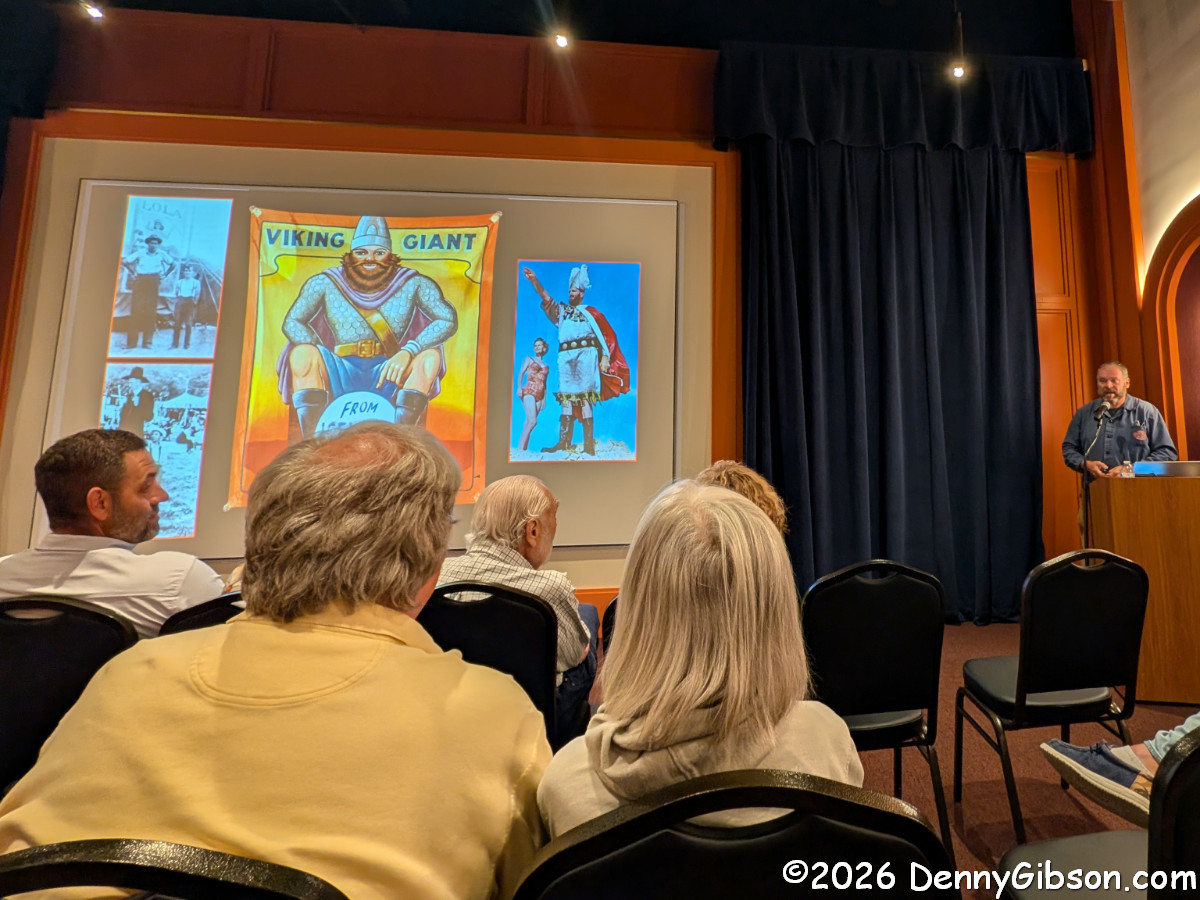
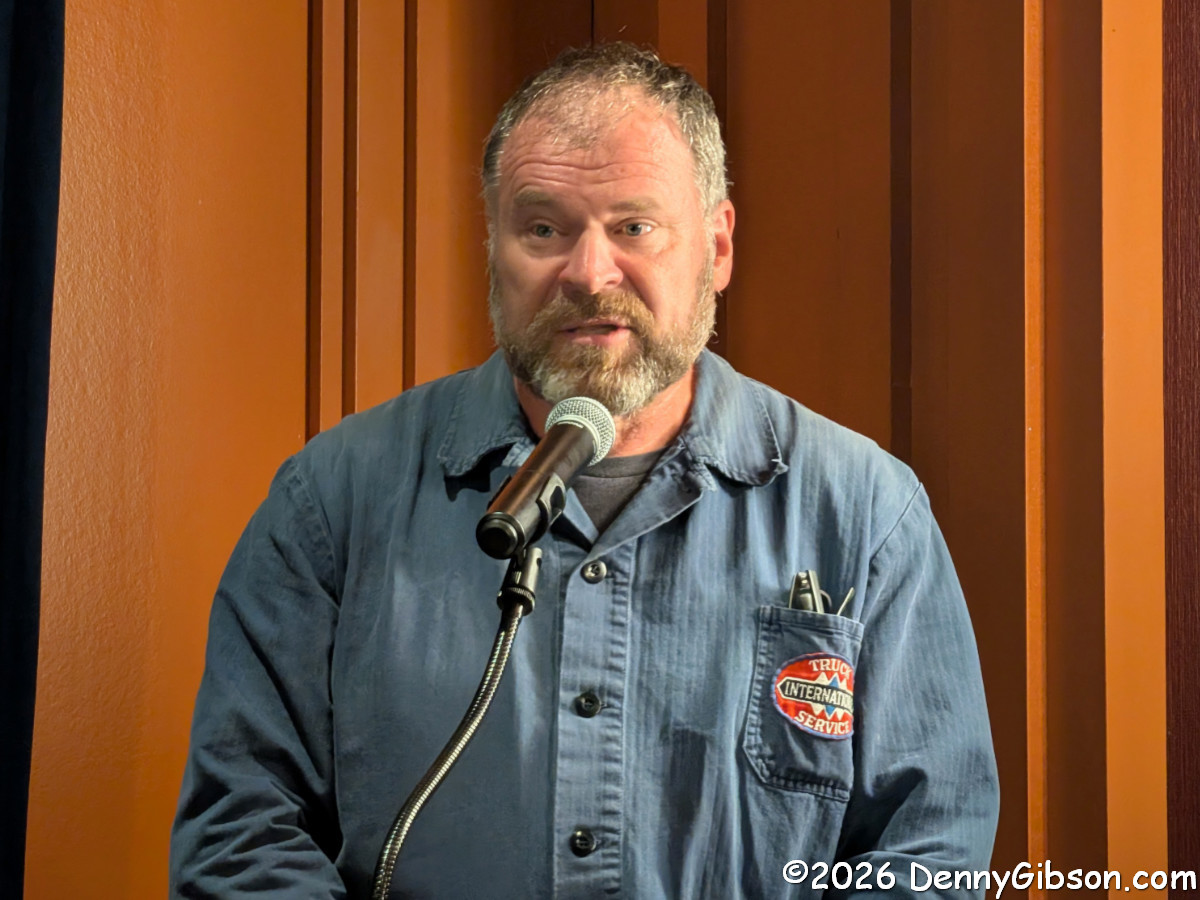 Freaks and Sideshows features sideshow banners from Dave Waller’s collection, and Waller gave the first of the three presentations on August 20. “Collector Talk: David Waller” was, of course, similar to Waller’s 2022 presentation, but there were differences. One example is that at the earlier talk, Waller told of meeting the niece of Johann Petursson, the Viking Giant, and giving her the Viking Giant’s souvenir ring he had acquired. The rings are not extremely rare, and Waller has since replaced his gift with two other rings which he circulated through the audience. This led to an impromptu three circus rings circus when one of the attendees pulled his own Viking Giant ring from his pocket.
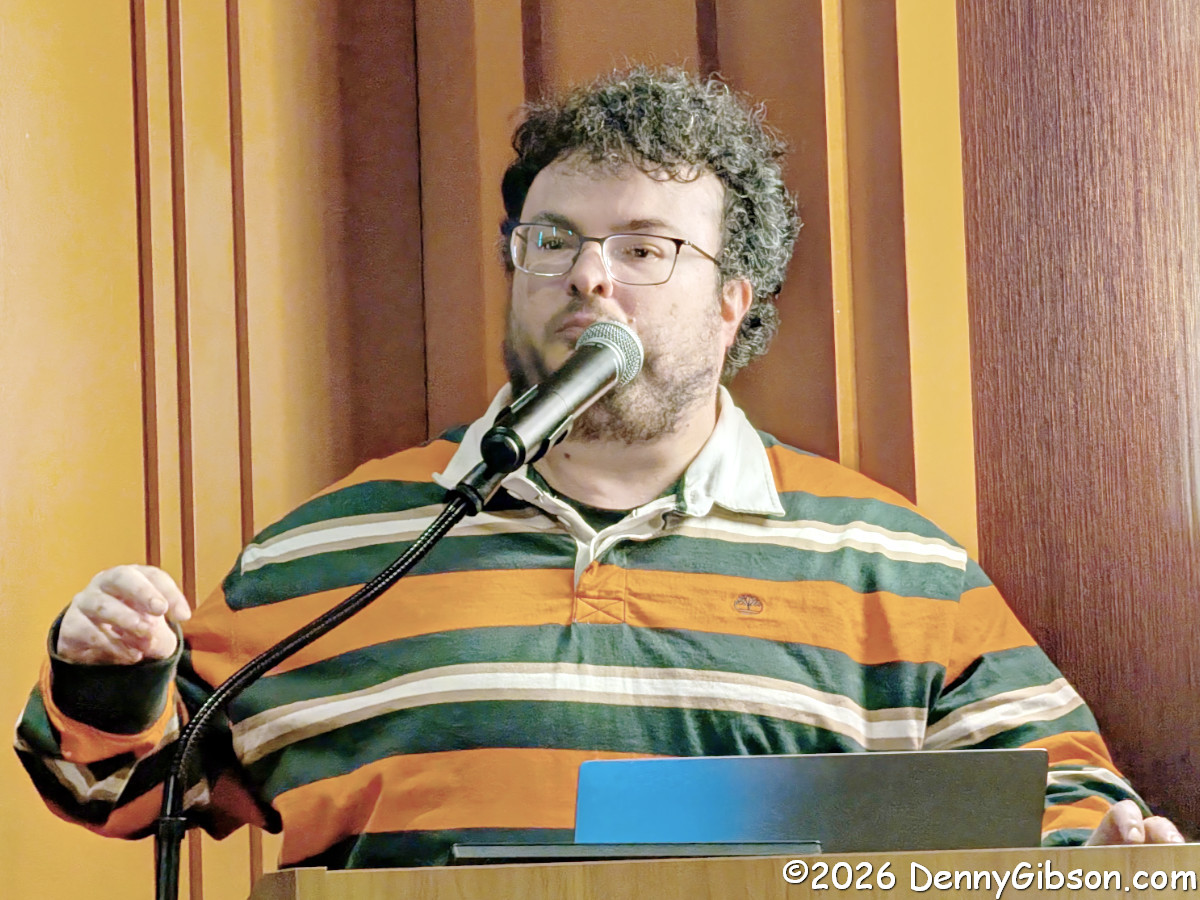
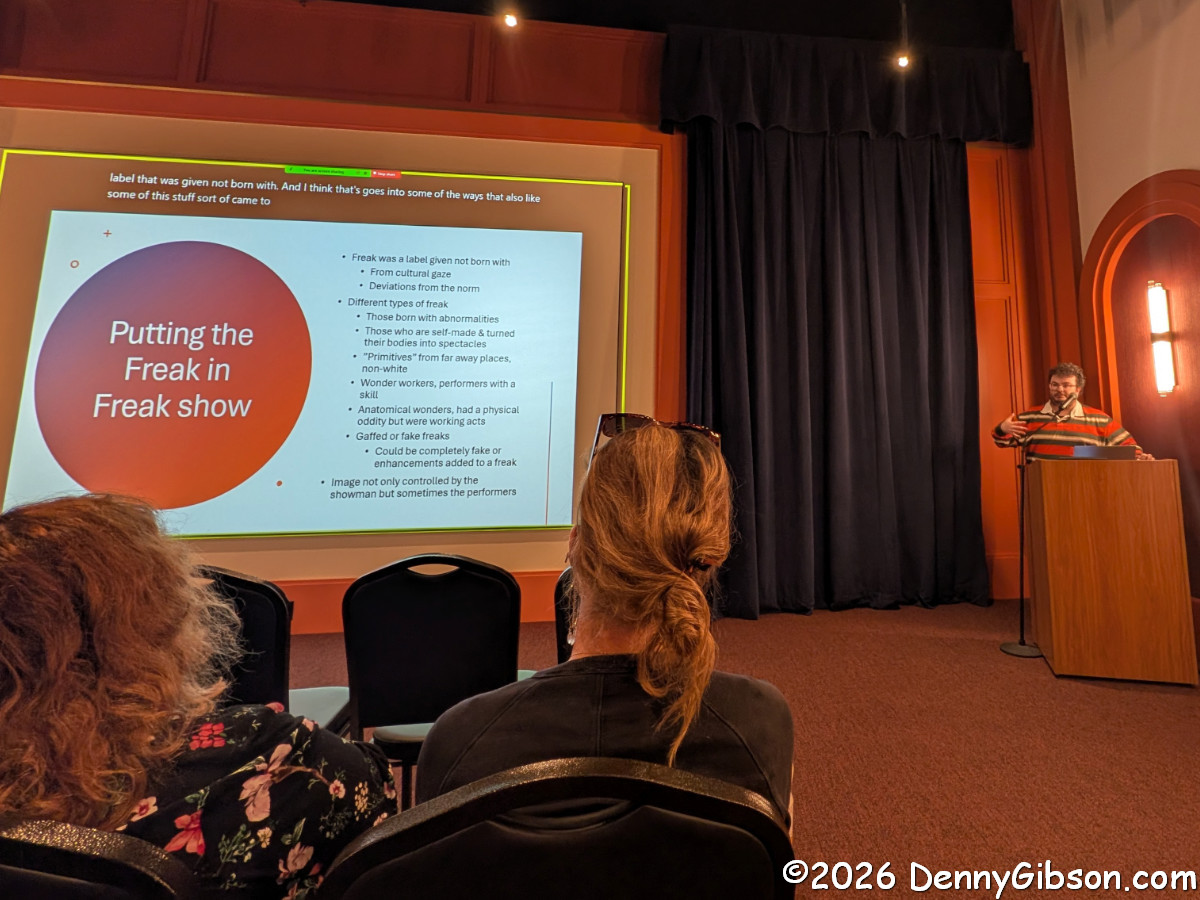
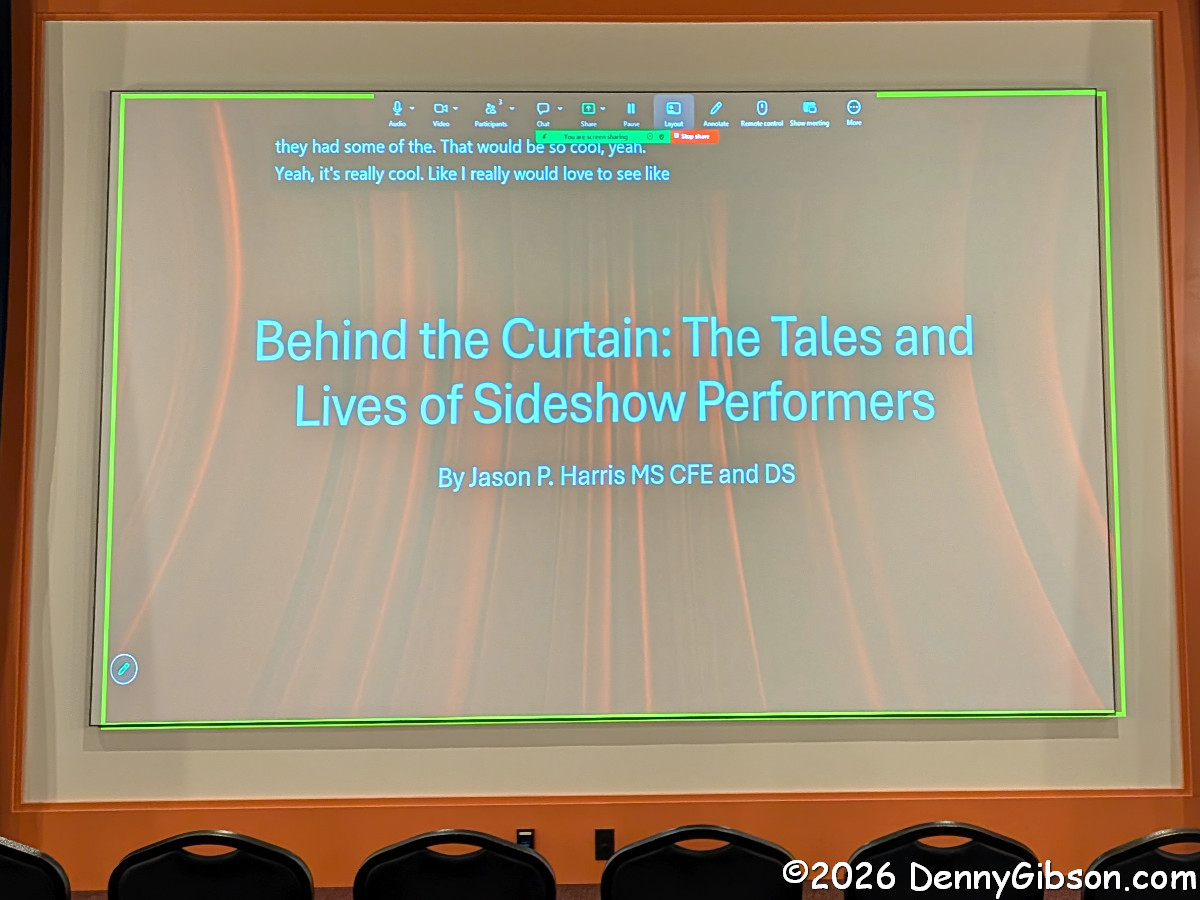 The idea of human freaks as elements of sideshows has long been a controversial one. There is no doubt that some people with physical abnormalities have been taken advantage of and exploited by promoters, but it is also true that for others, sideshows provided both income and community at a time when the general society offered little of either. While not denying the existence of exploitation, Jason Harris’ “Behind the Curtain: The Tales and Lives of Sideshow Performers” focused primarily on the positive aspects of the relationships. Underlying the individual stories were observations of how the pure curiosity that fueled mid-19th-century audiences faded as science explained conditions once considered complete mysteries.
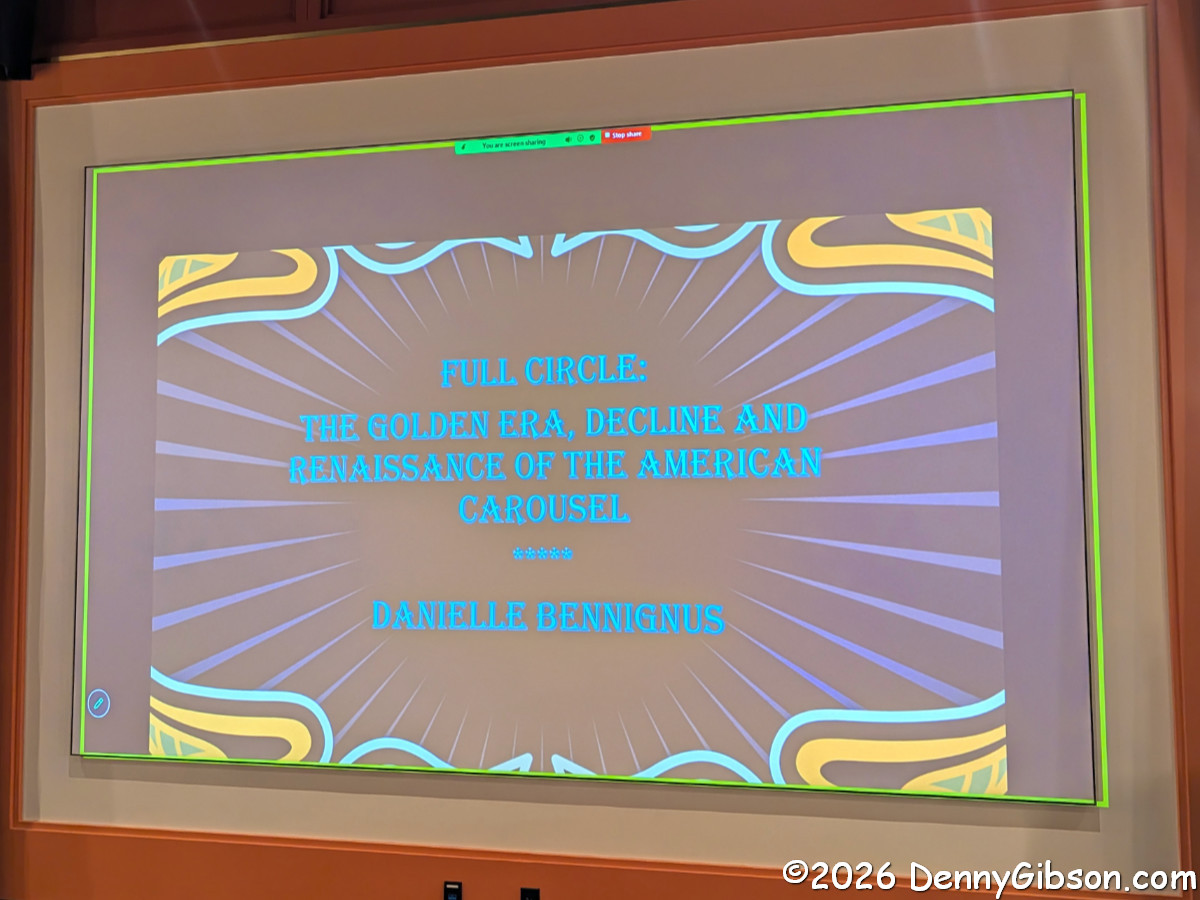
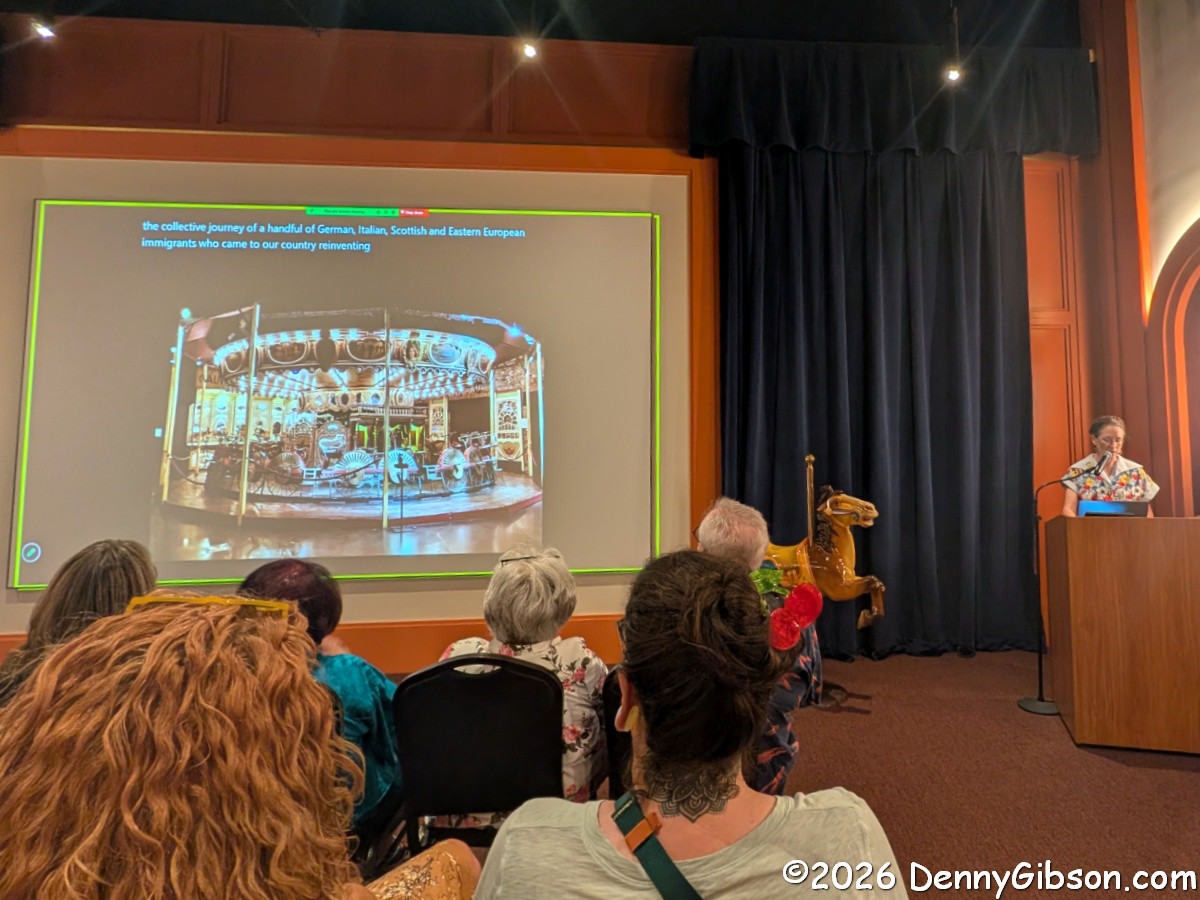
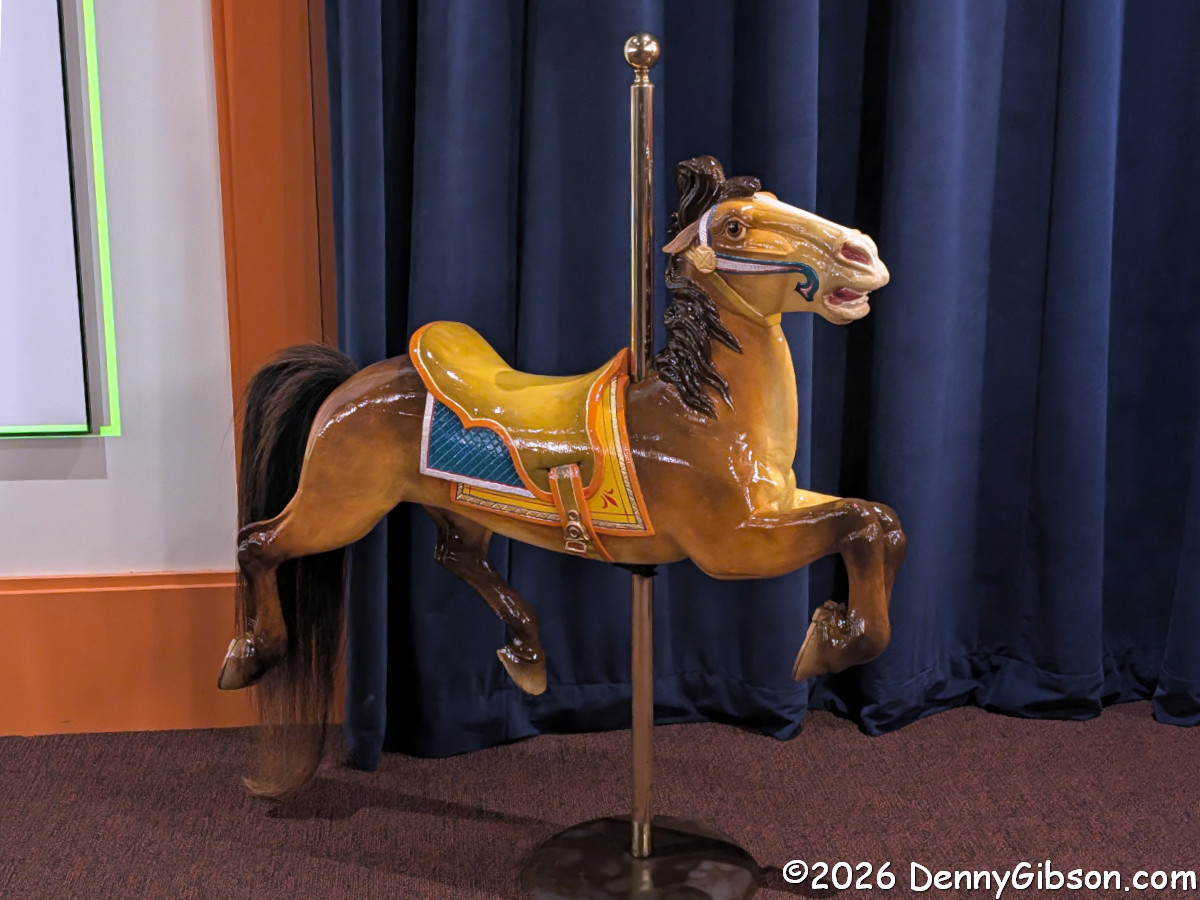
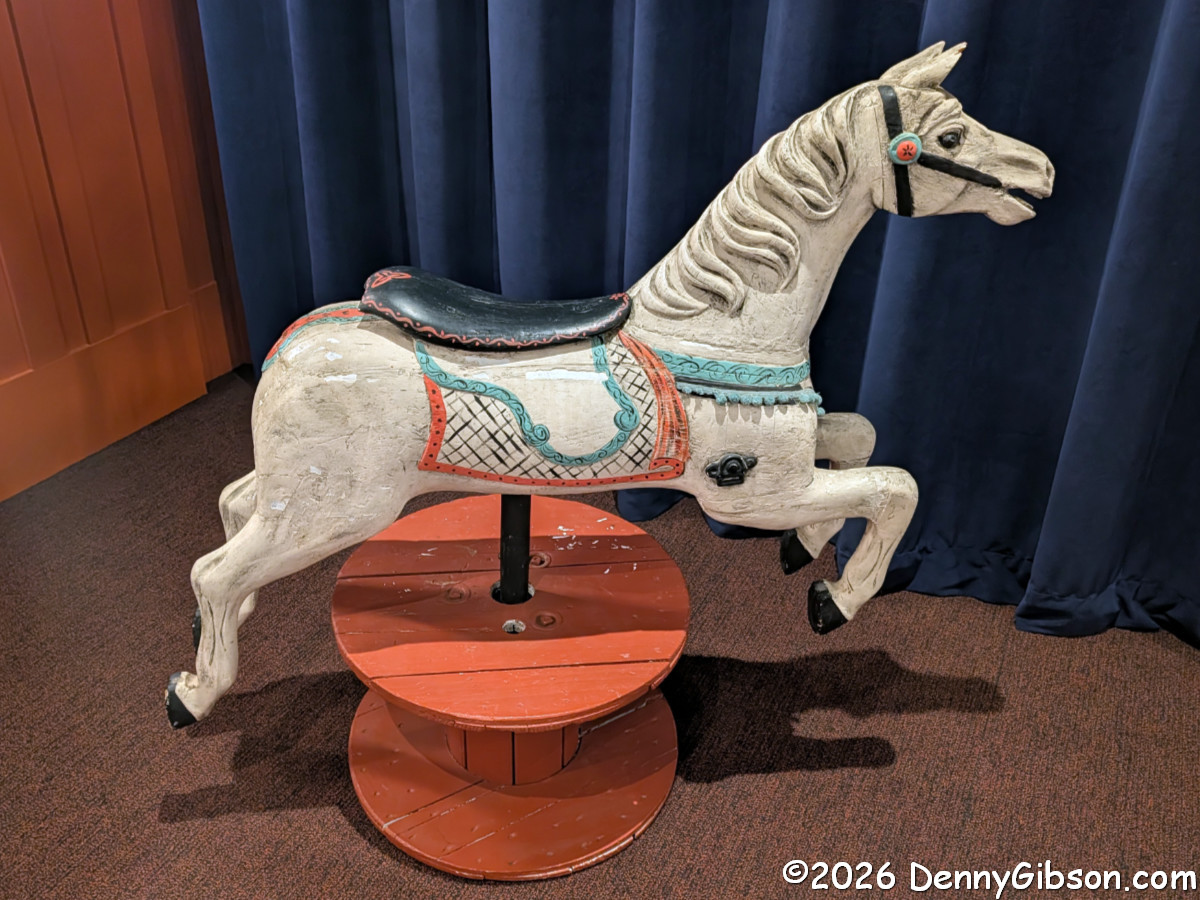
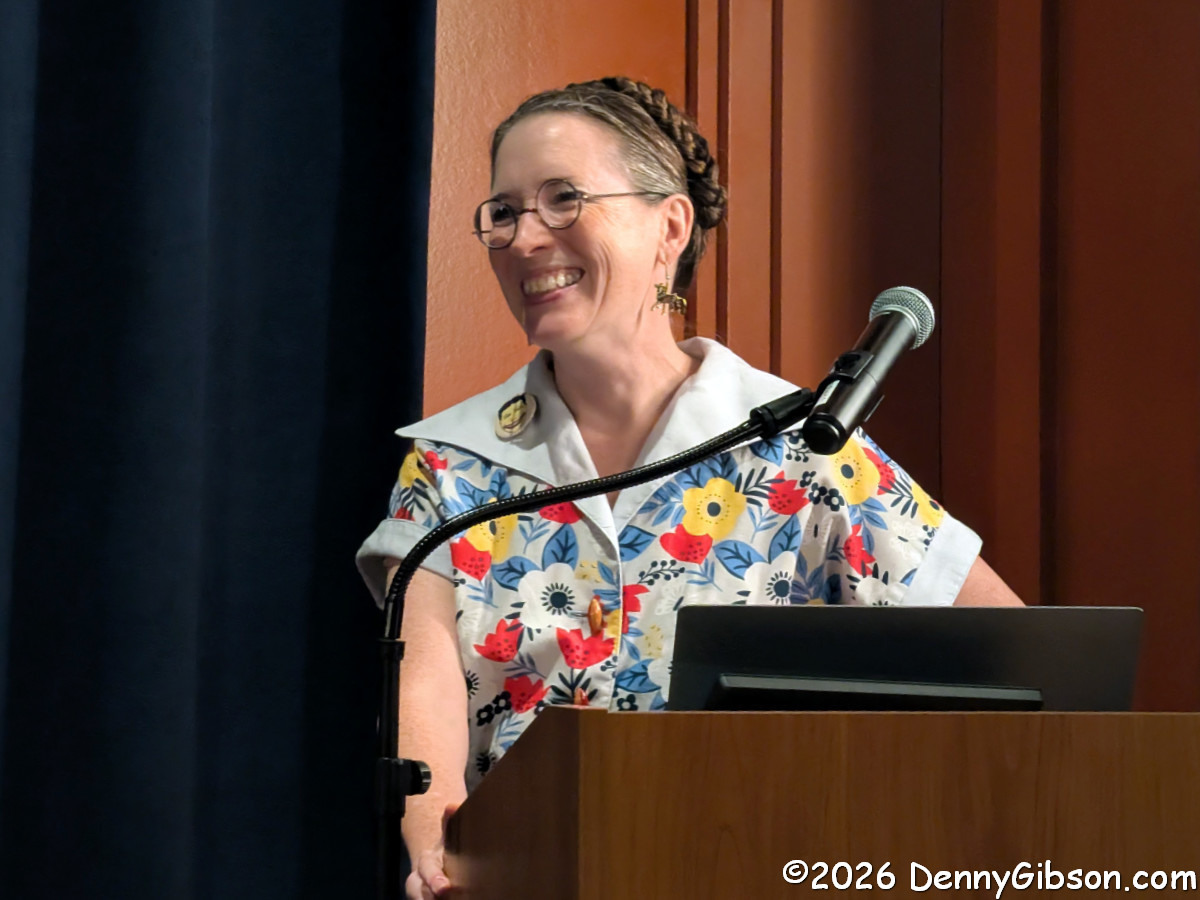 The third presentation wasn’t as tightly coupled with the banners as the first two, but it clearly aligned with the spirit of those banners. As expected, “Full Circle: The Golden Era, Decline, and Renaissance of the American Carousel” contained plenty of history, but it delivered a whole lot more. Presenter Danielle Bennignus is not only a passionate historian but an eager hands-on preservationist. She was accompanied by a pair of carved horses she owns. The last part of her presentation included several in-process photos of her restoration of Little Boy, so named because he fit in the back seat of her car for the drive home. His companion probably has a name too, but I missed it. The presentation was indeed focused on “the American Carousel”, although the wide-angle shot I’ve included is of a carousel in Paris, France, which Bennignus and her husband visited not long ago.
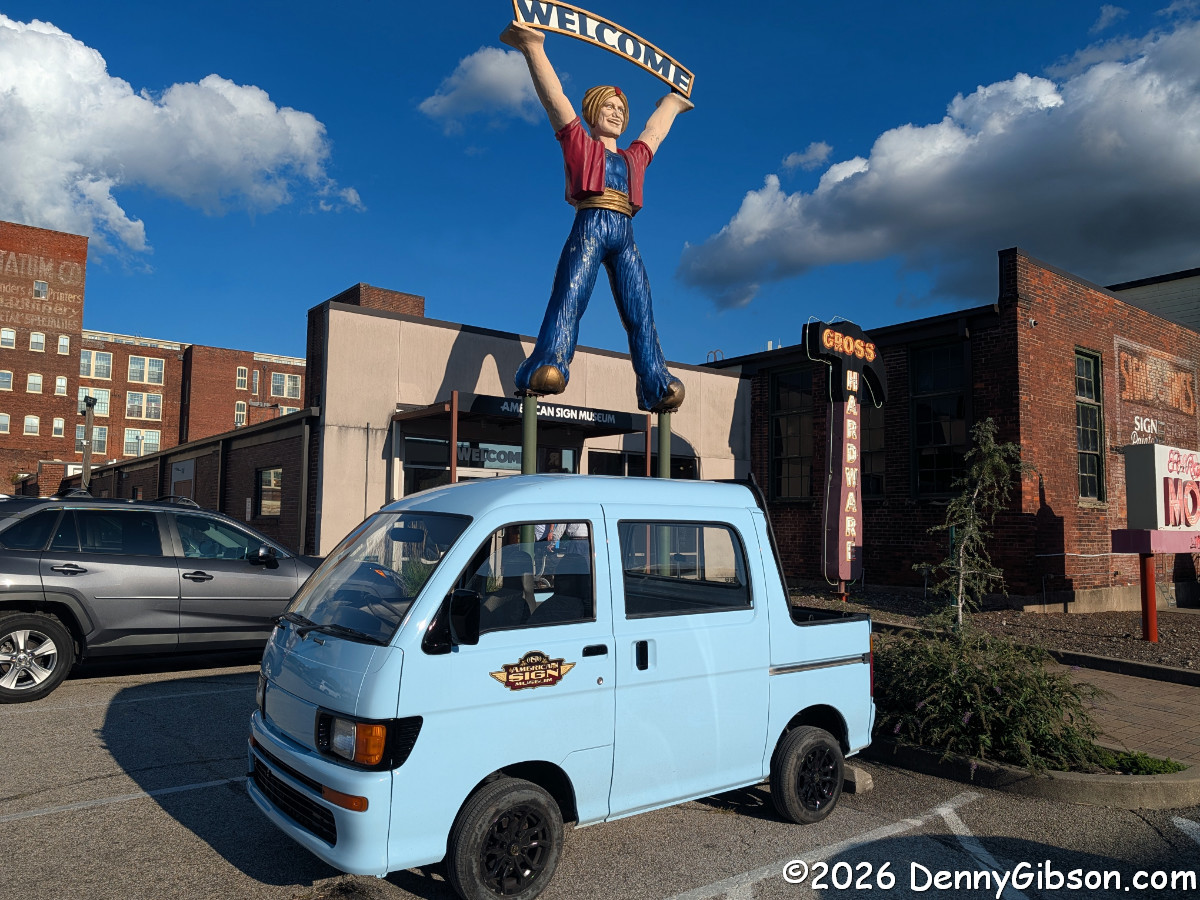 This last picture really has nothing to do with any of the presentations beyond my seeing the little truck for the first time when I arrived for the first of them. I snapped the picture on the way to the entrance, and only later learned that it is museum founder Tod Swormstedt’s new ride. The Daihatsu Hijet Deck Van is considerably smaller than what Tod usually drives to haul signs and pull a trailer. It’s a Kei-class vehicle with 1 cargo bed, 2 rows of seats, a 3-cylinder engine, 4-wheel drive, and a 5-speed transmission.