Bambulance Chasers

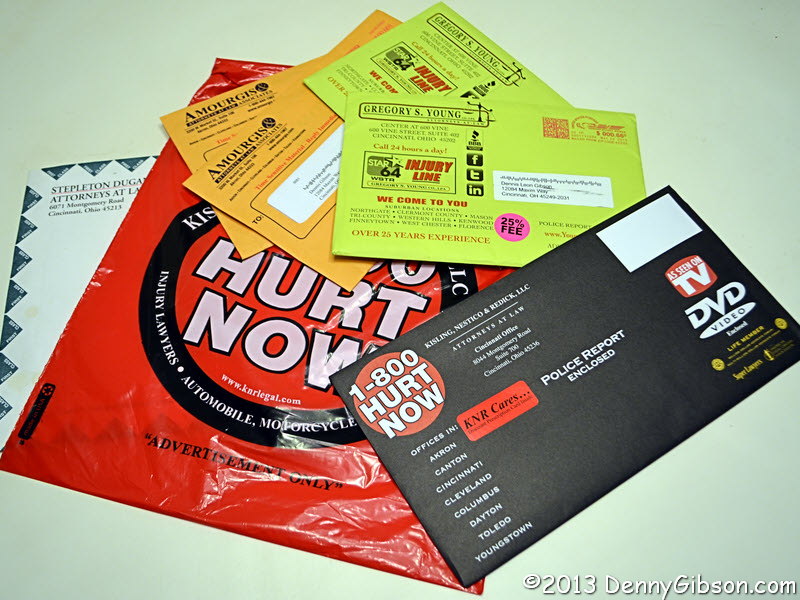
bambulanceSince people who record logs on the web are “bloggers”, I’m thinking that those who chase ambulances on the web might be “bamulance chasers”. Of course, prior to Wednesday I didn’t even know they existed. Two days earlier I was in an accident. In stop-and-go traffic on I-71, I realized that the car in my rear view mirror was not going to make this particular stop in time. Bump to the back of me, crunch to the front, there I was. Stuck in the middle. The next car in line stopped in time but not the one after that. Five cars at the side of the expressway with varying degrees of damage but no injuries. The officer arrived. He collected a bunch of information from everyone, cited the guy that hit me, and sent us on our way.

That was Monday. On Tuesday morning I spoke with the fellow’s insurance agent and made a Wednesday appointment for an estimate. The appointment was for 9:00 AM. At 8:07 my cell phone rang. It was a clue that I’d made a big mistake on Monday but I didn’t immediately figure that out.

The call was from the Collision Follow Up Agency or something along those lines. I answered a few questions, the call ended pleasantly, and I headed off to my appointment. Things went quite smoothly in getting the estimate started and getting a loaner car but I got another call while there. This time it was from the Follow Up Collision Agency or something along those lines and things finally clicked. I quickly informed the caller that there were no injuries in the accident and, as I now sort of expected, the interest diminished greatly. Thinking back, I could see that the same “no injuries” equals “no interest” exchange had occurred in the earlier call which I’d actually thought was from a legitimate government agency.

The back story also quickly became clear. I almost never answer my home phone unless I recognize the caller ID. Conversely, I almost always answer my cell phone because the only people with that number are people I’m actually given it to. At least that had been the case. Without thinking it through, I’d given the investigating police officer my cell phone number. It went on the police report which went on the internet Tuesday afternoon. I would get four more calls on Wednesday and two on Thursday for a total of eight. All were polite and none even hinted at a hard sell. One caller was more or less saying goodbye after a single word from me. He announced that he was from the Up Collision Follow Agency or something along those lines and I answered “OK”. There was a chuckle in my voice and he caught it.

“I guess I’m not the first”, he said.

“Nope. You’re fifth.”

For the sake of completeness, I volunteered that there were no injuries but I’m sure that wasn’t necessary. It was a short call.

Physical mail took a little longer. On Thursday, three pieces of accident related mail appeared. Two were duplicates except for my middle name being on one and not the other. Friday brought another matching pair. The black envelope was in the red bag which was hung on my door sometime Thursday.

The phone calls seem to have stopped with the two on Thursday. I left home before the mail arrived on Saturday so I don’t know if more solicitations are waiting in my mailbox. My impression is that the flurry is over. There are new police reports posted and other potential clients to call. Ambulance chasing may look a little different than it once did but it’s far from dead.

2013 OLHL Meeting

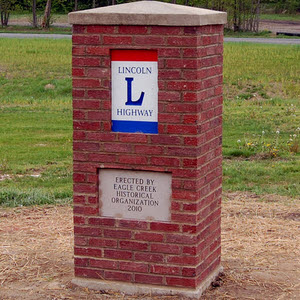
olhlpillarIt didn’t start off exactly as planned but it did start and I’m on my way to the 2013 Ohio Lincoln Highway League meeting in Mifflin. The journal for the trip, which started in Columbus and will include a stop at Grant’s boyhood home in Georgetown, is here. This will be the only blog entry related to this trip and will serve to hold any and all comments.

FOLK at NaFF

Nashville Film FestivalI just drove to Nashville to see a movie. There’s actually a film festival going on and I’ll see at least a couple of movies but there is one in particular that brought me here. It’s a documentary named FOLK that focuses on three musicians including singer/songwriter Dirk Hamilton who I’ve long admired. This is its premier showing. The journal for the trip, which will include a little Dixie Highway on the way home, is here. This will be the only blog entry related to this trip and will serve to hold any and all comments.


Roadhouse Down

Twenty Mile House demolitionYes, this post is a bit unusual. It’s not a regularly scheduled Sunday post and, although it is a Wednesday, it’s not one of the reviews that are often posted on that day. Nor is it the “real-time” announcement of the start of a road trip. This post concerns the Tuesday destruction of the 191-year-old Twenty Mile House that was also the subject of a post in early 2012.

Twenty Mile House demolitionTwenty Mile House demolitionThe first of the two pictures at left was actually taken Monday evening. In recent days, there had been reports from Friends of 20 Mile House that demolition was imminent. It was reported on Monday that fence was being erected around the building and I drove by at the end of the day fearing that the tear down had already started. It hadn’t. When I read of the arrival of men and equipment on Tuesday morning, I once again headed toward the old landmark expecting to see mayhem in progress. I arrived with the building still intact but it wouldn’t be for long. The picture at the top of the article was taken at 9:05.

Twenty Mile House demolitionTwenty Mile House demolitionThe demolition proceeded rapidly and, despite the unhappy circumstances, it was impossible not to admire the skill of the operator as he worked his machine through the building. The additions of various ages went down first and, even though I certainly knew better, I kept hoping that something would happen to spare the 1822 heart of the building.

Twenty Mile House demolitionTwenty Mile House demolitionTwenty Mile House demolitionThen, in what looked to be as much accidental as planned, a corner fell away when an attached piece of a newer section was removed. One end of the old stagecoach stop was open and my foolish hopes were gone when the workers broke for lunch.

Twenty Mile House demolitionTwenty Mile House demolitionTwenty Mile House demolitionNot long after the men returned, there was an almost ceremonial toppling of one of the old chimneys and destruction of the original section began in earnest.

Twenty Mile House demolitionTwenty Mile House demolitionA second excavator had been brought in and it played the role of buttress as the oldest parts were brought down. At last there was just one section of wall standing with enough height to warrant attention. It was quickly leveled with a simple shove from the second machine.

Twenty Mile House demolitionRoughly six hours had passed since the first blow; A one hour lunch and five hours of destruction. A little less than two hours were spent leveling the section that had stood for a little less than two centuries. A Big Mike’s Gas N Go is to replace the rubble and I’ve no doubt that it will be constructed with the same level of efficiency as that with which the rubble was created. No one I know has any intention of ever spending a cent there but those people weren’t enough to save the Twenty Mile House and they probably won’t be enough to even get Big Mike’s attention in any significant way. There are more than enough people who don’t know or don’t appreciate history to make Mike some money. Big Mike’s will likely be profitable. It will never be loved.

UPDATE: 20-Jan-2018 — A short time ago, I realized that this post was getting many more visits than is to be expected for a five-year-old post. I eventually determined that the source was a link from a discussion of a picture of the Twenty Mile House in a Facebook group (Old Photos of Cincinnati). This is the second of three posts about the historic building. An update to the first one contains a pointer to here, and the third one contains pointers to both of the preceding posts. This one, however, links to neither of the others. I am correcting that now and intend to also update the first post to link to the third. The first post (Twenty Mile’s Last Stand) was posted while the building was still standing, and there was some hope of saving it. The third (Twenty Mile Stand Two Years On) was written two years after the demolition and takes a look at how the new structures relate to what was destroyed.

HBD2Me

Weber's CafeI turned sixty-six on Friday. Had I waited, I would now be eligible for full Social Security benefits. Sixty-six is what the Social Security Administration calls “full retirement age” for folks born between 1943 and 1954. But I started drawing my monthly payment about three years ago so nothing about that changed on Friday. Sixty-six is not a particularly exciting birthday. At sixty-two I became eligible for reduced Social Security and sixty-five brought me Medicare but there are no more birthdays with benefits in my future. There was a period, in the distant past, when every couple of birthdays brought something new and wonderful. Turning thirteen made me a teenager, I could drive when I reached sixteen and buy 3.2% beer at eighteen. Twenty-one brought the possibility of buying whiskey and voting. Twenty-two brought nothing. Thirty, forty, fifty, and sixty were all big deals with the first three being celebrated mightily but not one birthday between twenty-one and sixty-two brought new privileges and neither will any in the future. Sixty-six is like twenty-two with more aches and pains and a much earlier bedtime.

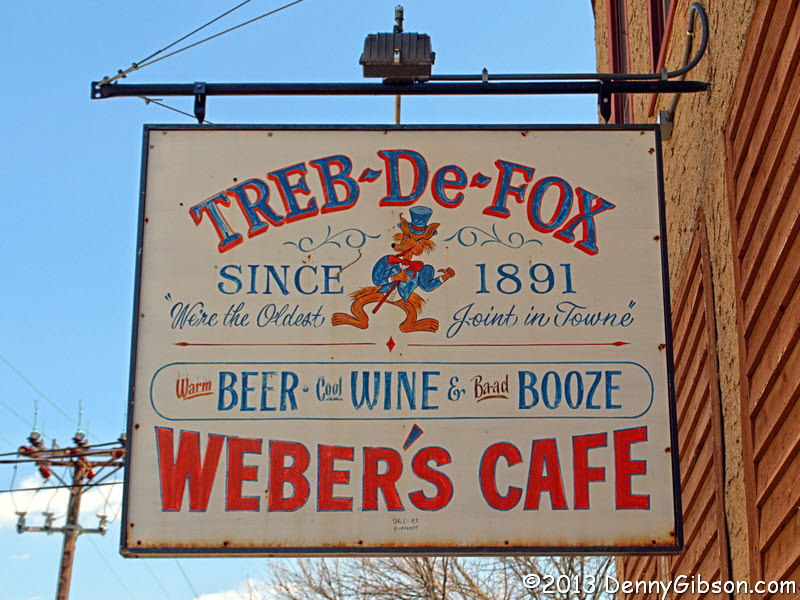
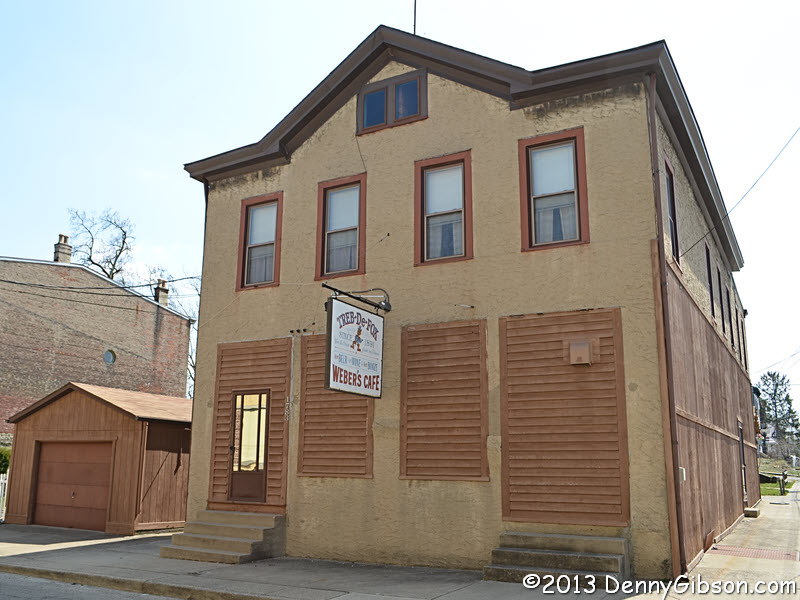
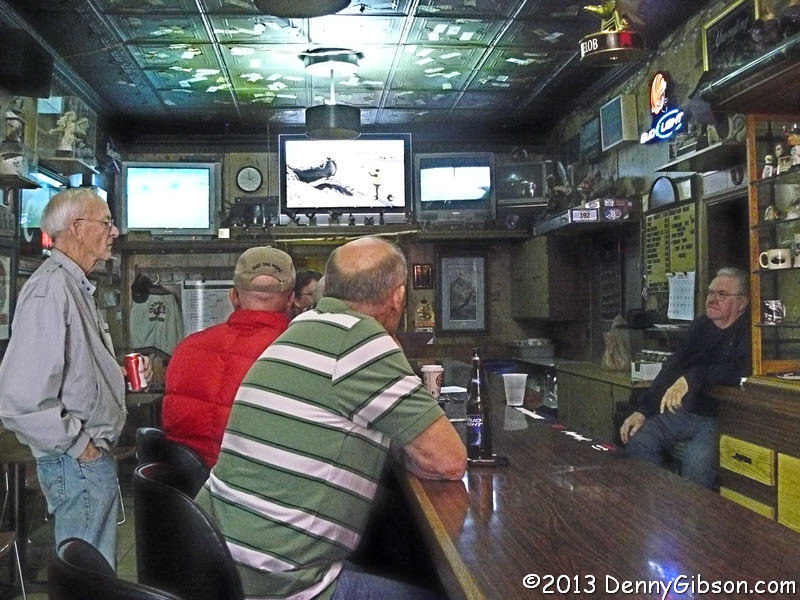
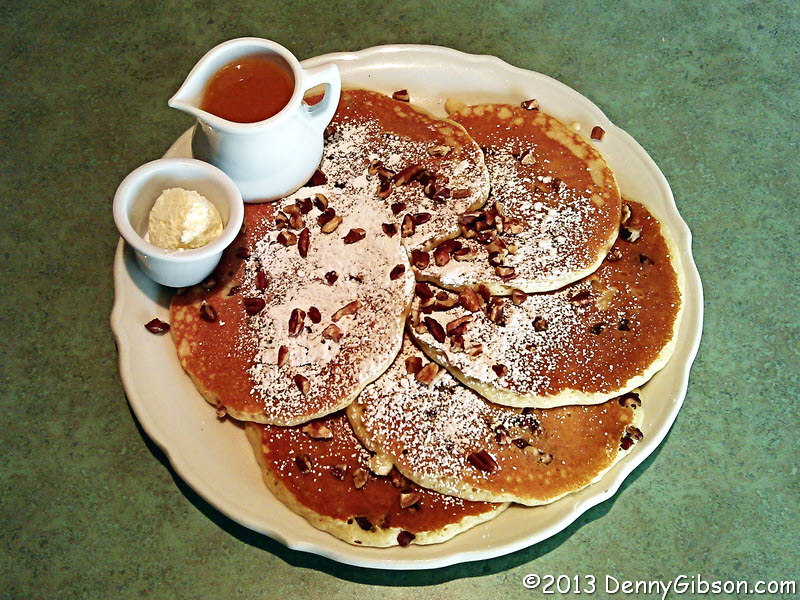
Weber's CafeWeber's CafeOf course the lack of new privileges did not keep me from enjoying the day. I got it started with some phenomenal pecan pancakes at one of my favorite breakfast spots, The Original Pancake House. I hung out at home for a bit then headed out again in the early afternoon. My first stop was at the place pictured to the left and at the top of this post. Not only was it my first stop of the afternoon, it was my first stop ever at Weber’s Cafe and, unless I get back there one of three days next week, it will be my last. Weber’s is closing next Wednesday and it was a news article about the closing that brought the neighborhood bar to my attention. The place couldn’t have been more friendly and welcoming but it really is a place where friends gather. I drank a couple of PBRs and had delightful chats with both George and Nancy (who appear in the article and accompanying video) but in the end I was a tourist who could admire the comradery of the regulars but who was certainly not part of it. Those guys are really going to miss this place. Heck, I’m going to miss the place and I was only there once. There’s a nice blog post from a few years back here.

Next up was a drive to Wilmington to meet buddy John. We met at Daluca’s Dugout and I really should have grabbed some pictures there because Deluca’s (perhaps better known as Sal’s) is a blue collar place with its own set of regulars and its own set of sports memorabilia though its memorabilia isn’t quite in the same class as that at Weber’s. John is a regular and I’m becoming a semi-regular and it’s a very comfortable place to down a few brews. From there we headed to MacD’s Pub with intentions of having one beer and ended up splitting a pitcher while chatting with John’s boss, Norm, who graciously bought a round of Woodford for the three of us. This had developed into a bit more of a celebration than I had anticipated.

My next move was partly, but not entirely, spontaneous. John and I had devoured a couple of baskets of chips at Sal’s but the idea of seeking out some real food seemed a good one. Over the last several days, the thought of a special meal for my birthday had occurred a time or two. One of the places I’d thought of is in Dayton. I can reach Dayton from Wilmington in about the same amount of time as I can reach home. Of course I’d still need to get home from Dayton but I saw that as a detail that could be dealt with later. Dayton was where I headed.

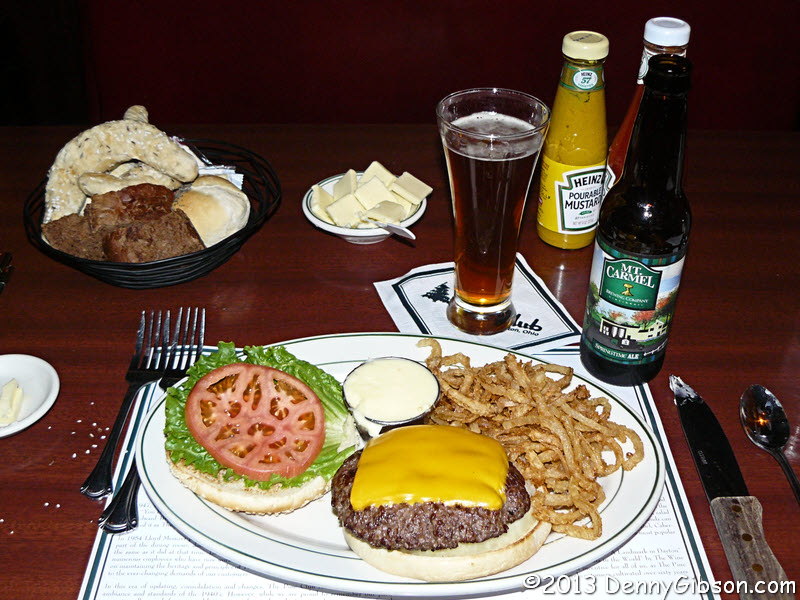
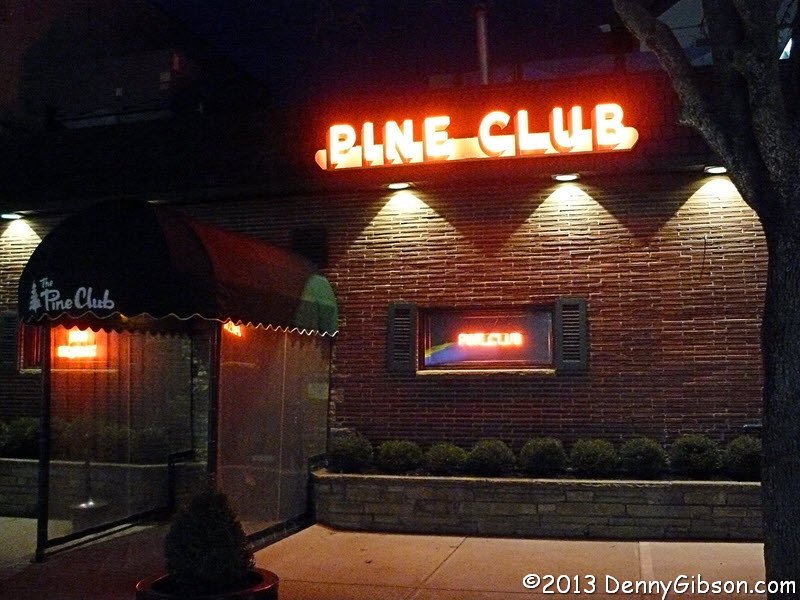
Pine ClubPine ClubThe Pine Club is an old school steakhouse with a mile high reputation. Though the restaurant and I are the same age, I’d eaten there just once. On that one visit, however, I was served what I believe was the best steak I’ve ever eaten. I certainly do intend to enjoy another one someday but that’s not what was on my mind this time. In addition to a variety of steaks, the Pine Club offers a nice seafood selection and some sandwiches including hamburgers. I really was surprised when I first saw Pine Club and hamburger mentioned together but it seems the restaurant has been showing up on best ‘burgers lists for quite awhile. I’ve lusted after one of these babies for a long time. The lust was justified and the drive rewarded. This is a high quality and tasty hamburger that is neither over-priced nor over-hyped. Happy Birthday to me.

Happy Eostre

Eostre Beer, Howard Town BreweryThe Christian holiday called Easter may or may not be named after the Anglo-Saxon goddess Eostre who may or may not be related to the Germanic goddess Ostara. It is not, despite what you may have read, named after the Babylonian goddess Ishtar. Ishtar was, by all accounts, a really fun lady and probably deserves some sort of holiday but Easter isn’t it. It’s not 100% certain that Easter is Eostre’s either but it is certain that this beer was named for her. That’s her picture right there in the middle of the label. Eostre — the beer — is brewed by the Howard Town Brewery in Glossop, England. HTB’s website lists the quantity of each beer currently available and for Eostre that amount is zip. Bummer. No way to have a Happy Eostre just now, I guess.

Ishtar, Babylonian goddess of love and warUntil the folks in Glossop get around to brewing another batch of Eostre, I suggest we work on getting this divine Babylonian her own holiday. We could celebrate it by wearing wings and leaving our hats on.
And Now For Something Completely Different:
A Guest Post on the 1913 Flood

There hasn’t been a lot of requests/offers to do a guest post on this blog but there have been a few. Until the most recent, all were from sites with nothing but contrived and flimsy similarities. They resembled shotgun “link swap” requests more than anything and that, of course, made them easy to ignore. The latest request was different. It came from some fellow Ohioans who call themselves “weekend history buffs”. Their recently launched website looks promising and their initial round of blog posts involves something that’s been on my mind of late. Exactly one hundred years ago today, water started spilling into the streets of Dayton, Ohio, from stressed levees. The flood that followed is the topic of this post from the folks at HistoricNaturalDisasters.com.

ADDENDUM 27-Mar-2022: Obviously my ability to assess new websites leaves much to be desired. HistoricNaturalDisasters may have been promising but it was not delivering. It is now gone and probably has been for quite some time. This nine-year-old guest post may be the only remaining online evidence that it ever existed.


HistoricNaturalDisasters.com Guest Post


The week of March 21st through March 26th marks the 100 year anniversary of one of the greatest natural disasters to ever hit the United States. A series of storms caused flooding and even tornadoes that ravaged the Midwest and parts of New England during this week in 1913 and left hundreds dead and thousands homeless, and caused billions of dollars in damage. One of the cities hit the hardest by the storm’s fury was Dayton, Ohio.

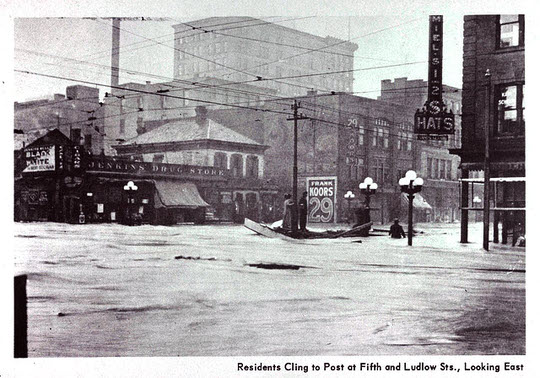
Located along the Great Miami River bend, Dayton had been prone to major flooding events every decade or so since its establishment in 1796. What happened during the storm of 1913, however, was a flood the magnitude of which was unlike anything Dayton had ever seen. Starting on March 21, storms dumped between 8 and 11 inches of rain on the already oversaturated Great Miami River watershed causing all the rivers in the region to swell far beyond their normal banks. At approximately 6 AM on March 25th, the levees holding back the Great Miami River broke and water began to rush into the Dayton streets at speeds approaching 25 miles per hour.

The waters filled the city so rapidly that most of the residents were trapped in their homes and many were quickly forced to take refuge on their roofs as the waters filled the first and second floors of their homes. Many people were faced with essentially camping on their roofs for days on end as they waited for rescue, which proved nearly impossible for relief workers in boats due to the incredibly strong currents of the flood water. The currents were so forceful in fact that many homes and business were literally ripped from their foundations and carried away by the waters, disappearing from the Dayton streets forever.

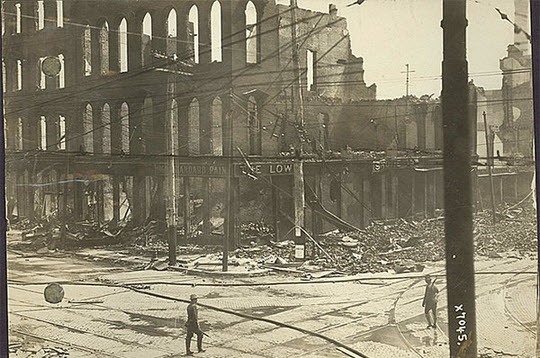
Downtown Dayton was among the hardest hit areas, with flood waters reaching a high of 20 feet in some spots. Unfortunately, the destruction was just beginning, as fire took hold where the waters receded, fed by natural gas escaping from broken stoves and gas lines and pushed along by strong winds. An entire block of businesses and factories in downtown Dayton was burned down to the water line, with the fire department unable to get men and equipment close enough to help due to the depth of flood waters.

By the end of the flood, March 26th, the damage was widespread. 14 square miles of the Dayton were underwater, and more than 360 people were dead. Some 20,000 homes were completely destroyed, an estimated 65,000 people were left homeless, and all told, the city had suffered close to $100 million ($2 billion in today’s dollars) worth of damage. The cleanup effort took more than a year to complete and Dayton’s economy didn’t make it back to pre-flood levels until more than a decade after the disaster.

1913: Fifth and Ludlow Streets in downtown Dayton during the worst of the flooding

1913: The ruins of the Lowe Brothers Paint Store on the Southeast corner of East Third and Jefferson Street in Dayton

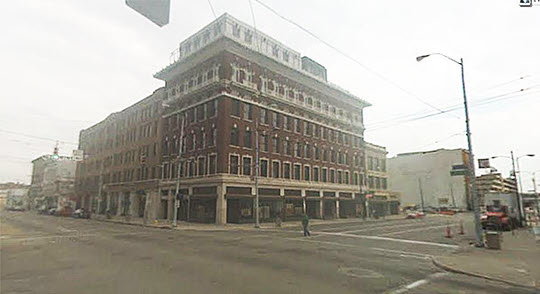
2013: The corner of East Third and Jefferson Streets as it appears today

2013: The corner of East Third and Jefferson Streets as it appears today

1913: Fifth and Ludlow Streets in downtown Dayton during the worst of the flooding

1913: Fifth and Ludlow Streets in downtown Dayton during the worst of the flooding

2013: Fifth and Ludlow Streets in downtown Dayton as it appears today

2013: Fifth and Ludlow Streets in downtown Dayton as it appears today

Thanks so much to Denny Gibson for letting us share a piece of this historical project on DennyGibson.com. We’re humbled by the interest in this project, and we really hope you enjoyed this snippet of history!

We’d also like to thank some of the great archives and archivists who have done so much work to preserve the amazing history of the 1913 flood, including the Dayton Metro Library and historian Trudy Bell. The amount of history compiled at these two websites is amazing. Lastly, thanks to Jason from InsuranceTown.com, who lent us some of the resources we used to help prepare content for the web and publish our blog and inspired our Mapping History Contest.

Don’t forget to check out HistoricNaturalDisasters.com for more images and for information on our Mapping History Contest – help us figure out the locations pictured in historic photos from 1913 and you could win $100!

Saint Paddy’s Eve

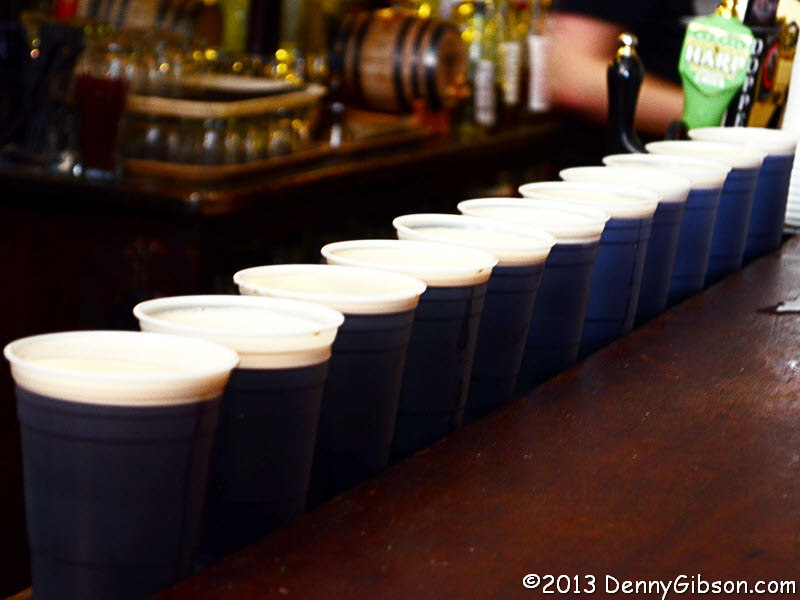
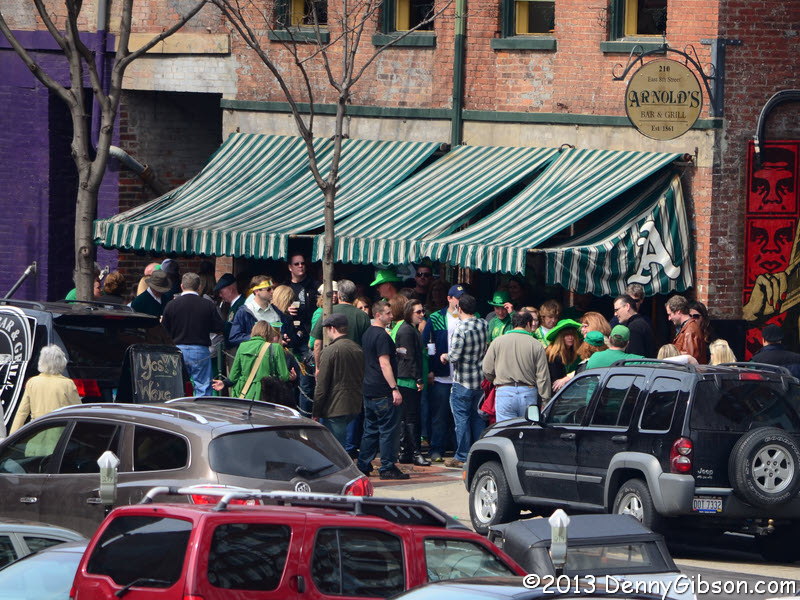
Guinness at Arnold'sEven though there was lots of rain Friday night and into Saturday morning, the weather guys were claiming it should stop in time for the noon start of Cincinnati’s Saint Patrick’s Day Parade. I believed them enough to head downtown and not only did the rain stop, the sun broke through the clouds more than an hour before step off time and some pretty serious warming got underway. At Arnold’s, the Guinness parade pictured at right was going on long before I got there and would continue throughout the day.

2013 St Patrick parade in Cincinnati

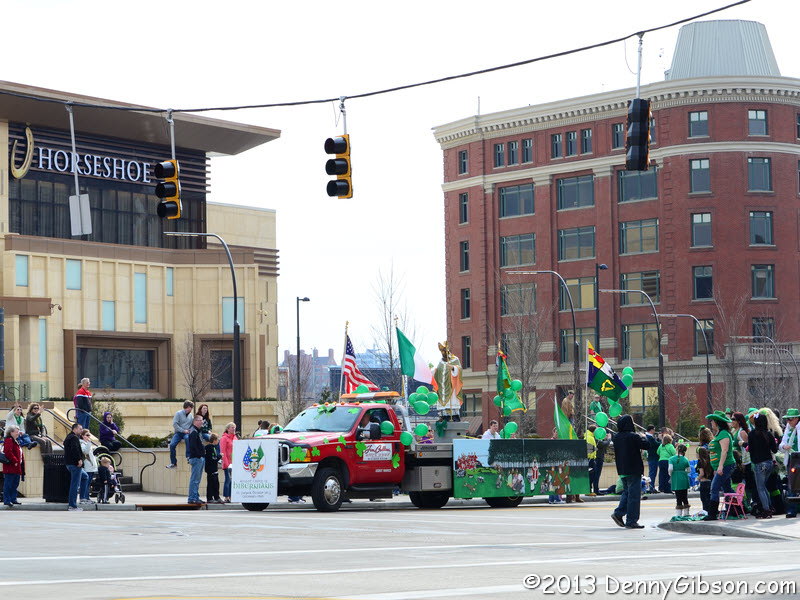
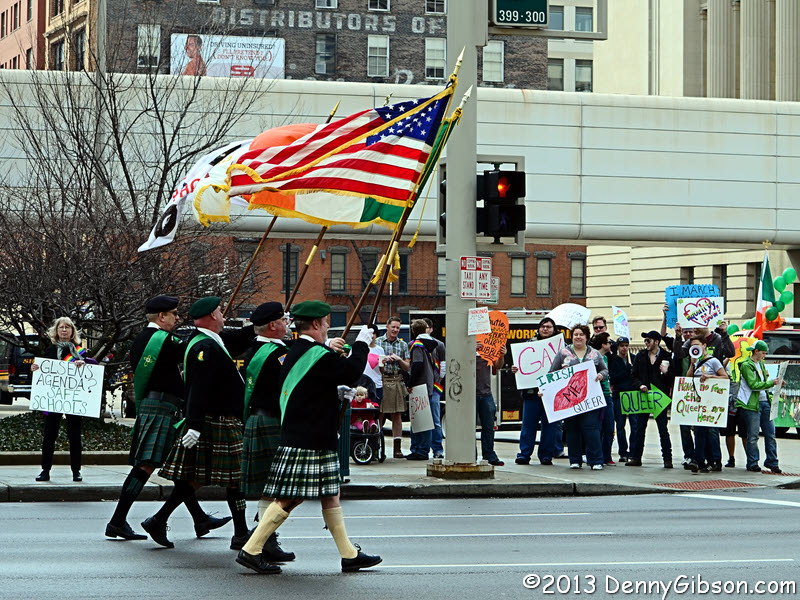
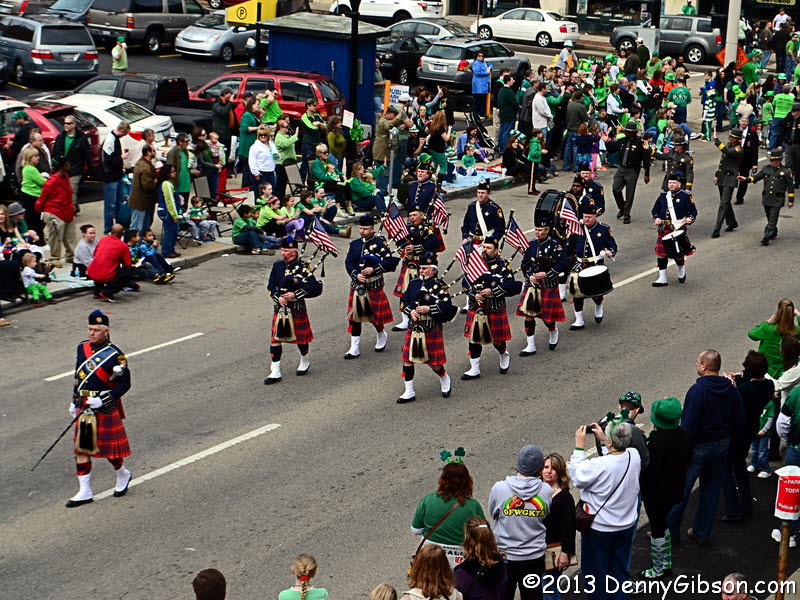
2013 St Patrick parade in CincinnatiThis parade has followed many routes over the years. Once upon a time, it actually started near Arnold’s but had not been very close is several years. Today’s route passed just a half-block away on Sycamore after running north on Eggleston and — quite briefly — west on Central parkway. The parade is always led by the statue of Saint Patrick seen in the first picture passing the recently opened Horseshoe Casino. The casino wasn’t the only “new” thing on the parade route. At the last minute, the Gay, Lesbian and Straight Education Network (GLSEN), which had marched in the parade last year, was booted. Well behaved but very vocal protesters stood at the turn onto Sycamore.

As often happens, I hadn’t been paying attention. The first I’d heard anything about this was back at Arnold’s where I struck up a conversation with a member of the Ancient Order of Hibernians. The parade is organized by the AOH. Yes, he said, he would be marching but it was a “terrible route”. He decried the fact that the parade would not go through “downtown”, by which I assume he meant Fountain Square. Then he seemed to somehow blame this “terrible route” — a phrase he used several times — on the fact that “we won’t allow gays in the parade.” That could hardly be the case since GLSEN’s banishment became known only Friday but the move did not go over well with city officials. As reported by The Huffington Post, several withdrew from the parade in their own protest. I guess I should start paying attention as this clearly is not the end of the subject.

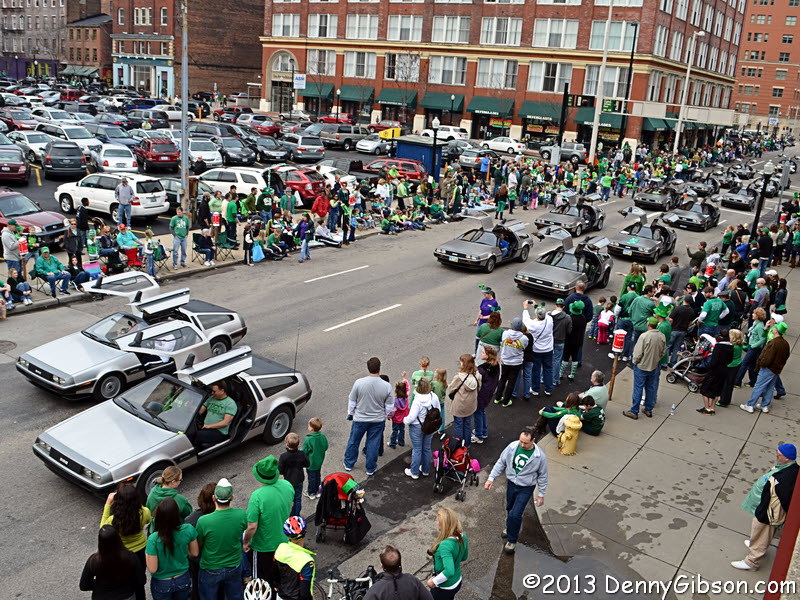
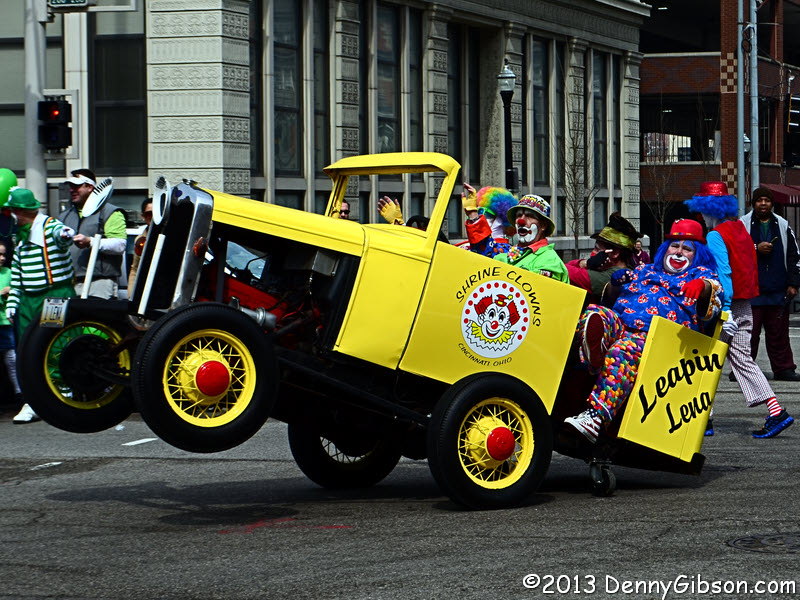
2013 St Patrick parade in Cincinnati2013 St Patrick parade in Cincinnati2013 St Patrick parade in CincinnatiThere was plenty of  normal parade stuff including what must be one of the largest groups of Irish built cars in the world.

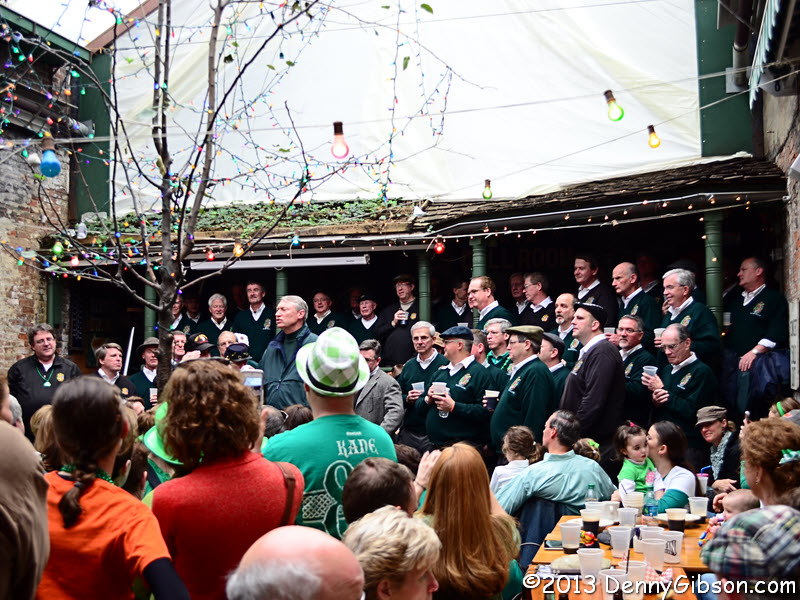
2013 St Patrick parade in Cincinnati2013 St Patrick parade in CincinnatiI’d climbed to the upper floor of a parking garage to get that shot of the DeLoreans and, while there, pointed a long lens toward Arnold’s. It obviously remained busy during the parade and was even busier after. The second picture is in Arnold’s courtyard where I managed to find a spot at the back to listen to the Cincinnati Glee Club perform a medley of Irish tunes. Sláinte!


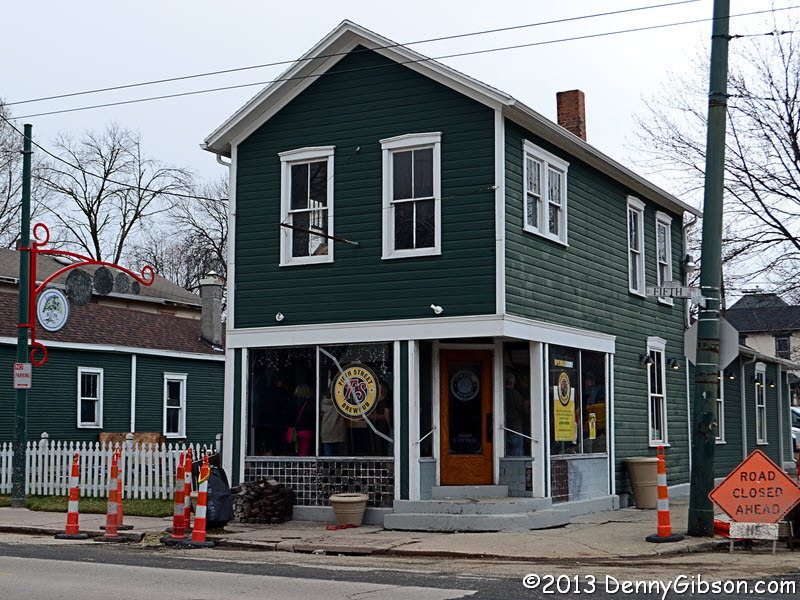
Fifth Street Brewpub, Dayton, OHOn top of the parade, my weekend plans included a Saturday night concert in Oxford and a Sunday afternoon book presentation in Greenville. Between the parade and the concert, I stopped by the open house at Fifth Street Brewpub in Dayton. This is the first co-op brewpub in Ohio and only the second in the nation. I can now honestly tell people I own a brewpub.

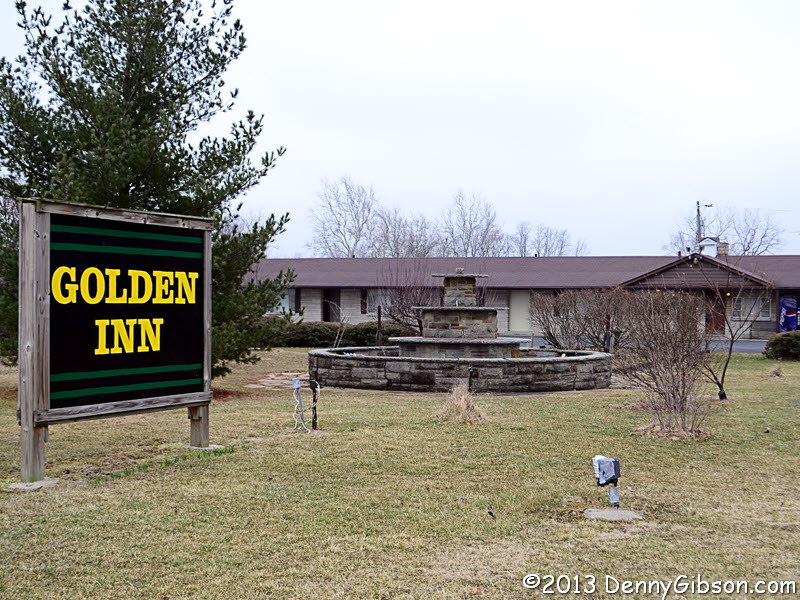
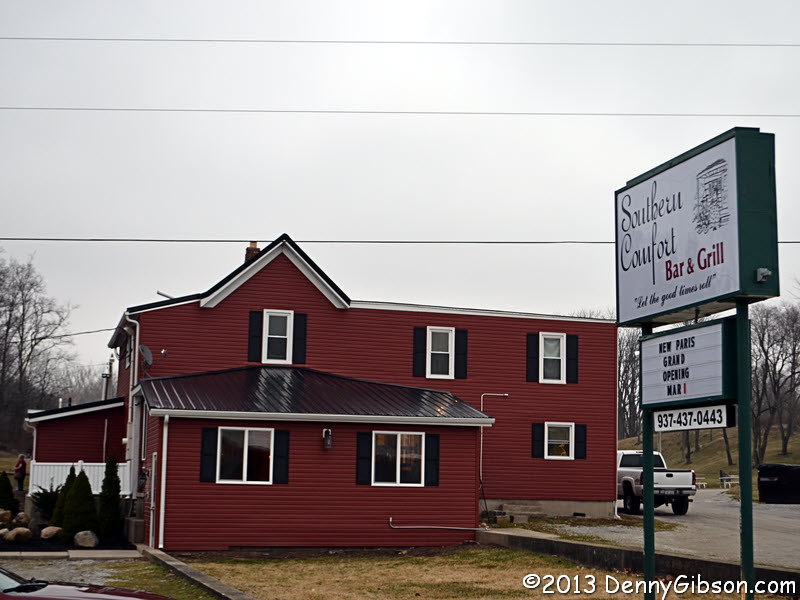
Golden Inn, New Paris, OHSouthern Comfort Bar & Grill, New Paris, OHAlthough I could have driven home between each of these events, I made it a little easier by spending Saturday night at one of my favorite independent motels. The Golden Inn is on the National Road near New Paris, Ohio, and more or less half way between Oxford and Greenville. Lea Ann Golden, who runs the place with husband Jeff, mentioned a new restaurant in town and I tried it out. No pictures but the meat loaf and okra were excellent.

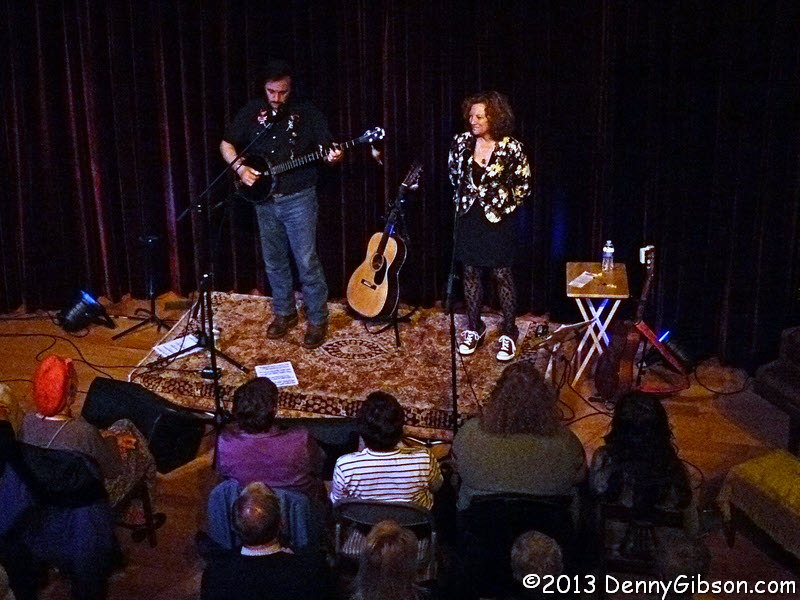
Michael Johnathon & Lisa Biales at Big Song Music HouseMichael Johnathon at Big Song Music HouseThe concert was at the home of Marc and Lisa Biales, a.k.a. The Big Song Music House. The performer was Michael Johnathon of WoodSongs Old-Time Radio Hour. I really do need to get to the show in Lexington but this will do for now. Lisa has appeared on the show and tonight she opened and returned near the end for couple of duets. Another great evening of music in the Oxford countryside.

Sappy Ohio

Hueston Woods Maple Syrup FestivalI really goofed last week. I was in Greenville on Saturday, but didn’t realize it was syrup-making time at the Shawnee Prairie Preserve with demonstrations and a waffle! breakfast. It would have been perfect, but in my ignorance, I dawdled, ate breakfast in Dayton, and only reached town and learned of the event long after breakfast was finished and the whole shebang was pretty much over. I cast about for a way to make up for this missed opportunity and even briefly considered returning to Hinckley with the buzzards for one of the area’s big maple sugaring weekends as I did in 2011. But, in the end, I decided to stay closer to home and yesterday checked out the 47th Maple Syrup Festival at Hueston Woods.

sapo2Hueston Woods Maple Syrup FestivalI started out by standing in line for the very popular pancake breakfast at the park lodge. I realize that the breakfast isn’t all that photogenic, but it sure tasted good. Pure maple syrup does that.

Hueston Woods Maple Syrup FestivalThen I headed over to the Pioneer Village area to stand in line for a “hay ride”. Trucks pulling trailers with seats made of straw bales carried people to the start of a short trail leading to the “sugar shack”. A guide would then lead the way down the trail while providing information about the area and the syrup-making process. In chatting with some of the volunteers, I learned that a shortage of guides had resulted in a minor bottleneck. Even though our departure was delayed as long as practical and the ride to the trail was as slow as possible, we still reached the trail several minutes ahead of our guide.

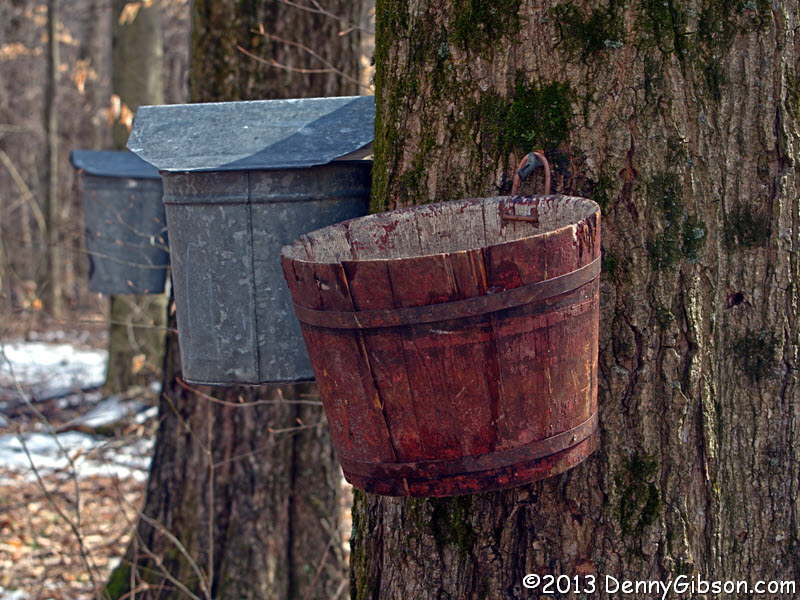
Hueston Woods Maple Syrup FestivalHueston Woods Maple Syrup FestivalHueston Woods Maple Syrup FestivalThe wait was worth it. I feel extra bad about not learning our guide’s name because he sure was an extra good guide. He spoke, in a most entertaining way, about both the natural and human history of the area and he talked of the social as well as technical aspects of sugaring. He explained that, since the sap contains only a percent or two of sugar when it comes from the tree, it doesn’t taste very much like syrup. At the guide’s invitation, several young tour members personally verified this by licking fingers that had caught a few drops.

Hueston Woods Maple Syrup FestivalHueston Woods Maple Syrup FestivalThere was another line at the sugar shack, but it wasn’t a long one. The original Hueston family shack burned in the 1980s, but the current one looks much the same and is on the same foundation. Maple syrup must be about two-thirds sugar, which means an awful lot of water has to be removed. This is accomplished by the wood-fired evaporator. The fog makes it hard to see, but the warmth is certainly welcome. After hearing an explanation of the evaporation process, there was one more short line for the shuttle back to the car at Pioneer Village. The well-run free festival is great fun and educational, too.


McGuffey MuseumMcGuffey MuseumNot far from Hueston Woods, the home of William Holmes McGuffey, the man behind the incredibly successful McGuffey Readers, is now a museum. It’s owned and operated by Miami University in Oxford, Ohio. McGuffey was part of the university faculty when he had the house built in 1833, then took on creating the first reader, published in 1836, as a way to augment his professor’s salary. The house is filled with wonderful period furnishings including several of McGuffey’s own pieces. Among these are the eight-sided rotating table and the tall desk behind it. I was accompanied as much as guided by a fellow named Steve who thoroughly answered every question I had. Like the festival, the McGuffey Museum is free and fun and educational.

Wilmington’s Denver and Murphy

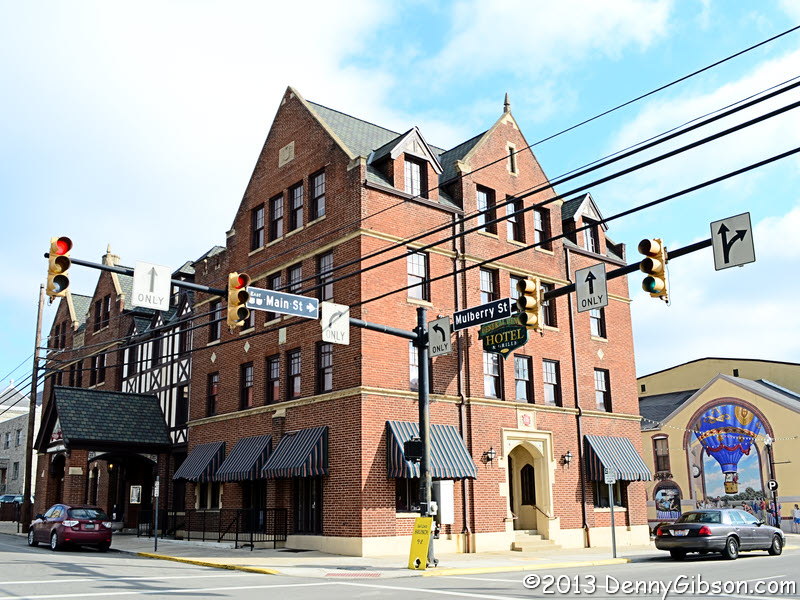
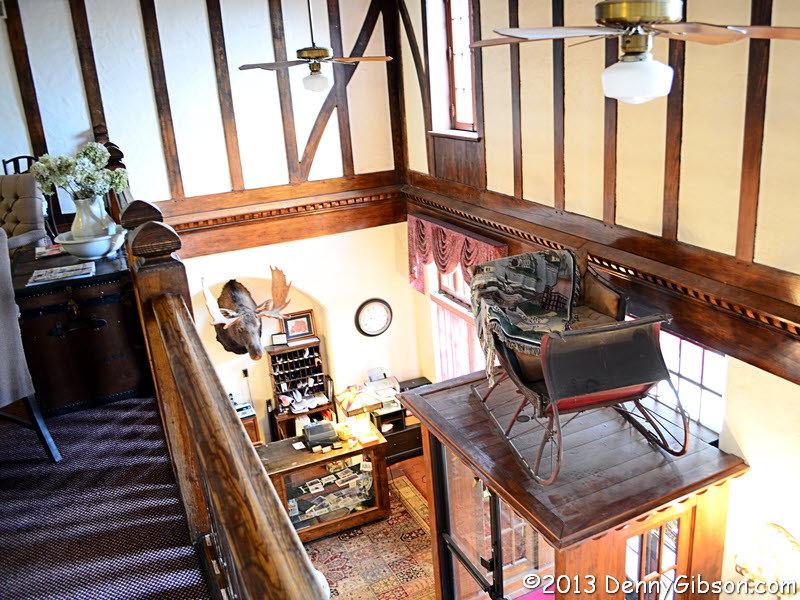
dandm1I live about thirty miles from Wilmington, Ohio. It’s where my daughter lives as do some very close friends. The nearness of my own bed means there’s hardly ever a reason for me to spend the night there and the willingness of friends and family to put me up means there’s really no need to resort to commercial lodging in any case. In fact, when I first mentioned that I intended to spend a night at the General Denver Hotel, I was met with incredulity. Why would anyone, I was asked, want to stay in that old place when they could stay in a nice, warm, no-cost bed just a few blocks away? Fortunately, they know me well enough that there wasn’t a big fight when I explained that I wanted to stay there precisely because it was such an “old place.” I did realize, however, that the warmness of the available bed was stressed because my friend’s parents had once nearly frozen while staying at the GDH and that the temperature of my room would be a hot topic, so to speak.

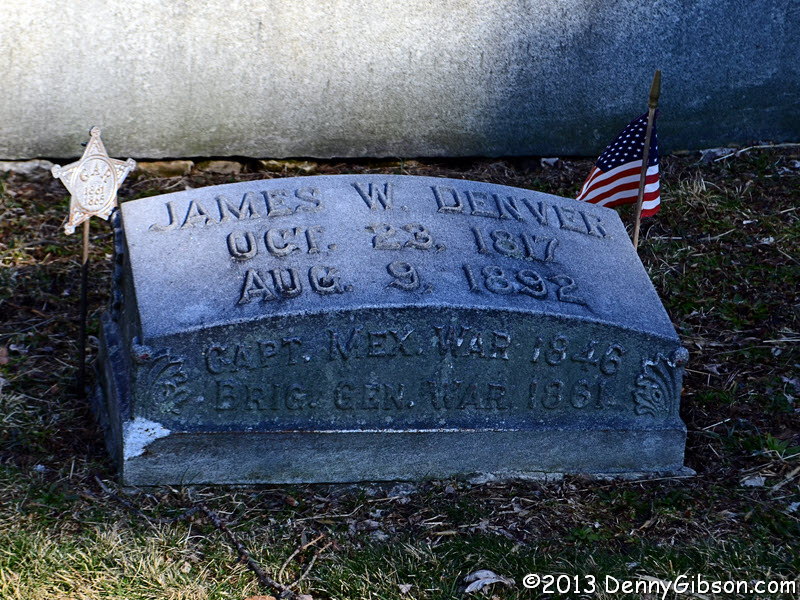
dandm2I’ve mentioned the General Denver in this blog before. It’s where I’ve eaten, in addition to several other meals, my last four Thanksgiving dinners. I wrote of the one in 2011. It was built in 1928 by Matthew Denver who named it for his father, James Denver. James was born in Virginia and seems to have dropped off his parents, and eventually his own offspring, in Wilmington while he went out west to become the Governor of the Kansas Territory, a Civil War General, and enough other high-profile things to warrant having the city of Denver, Colorado, named after him.

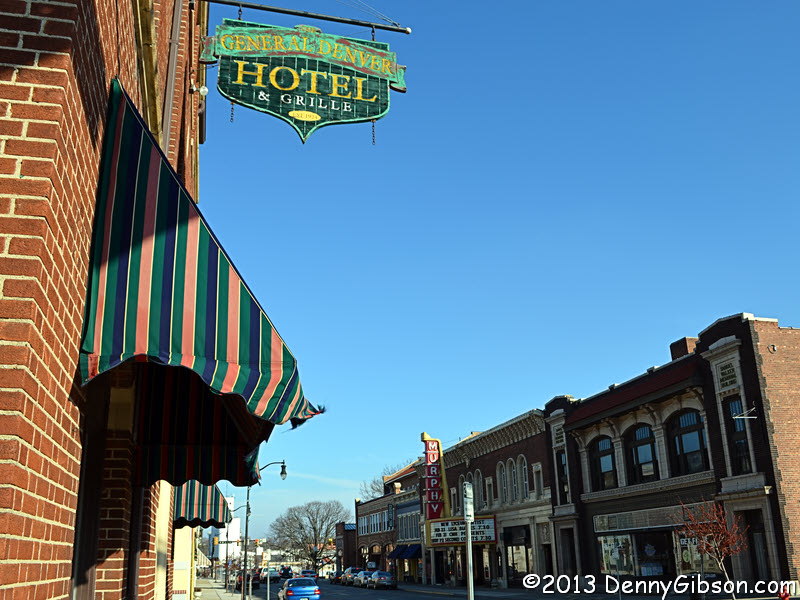
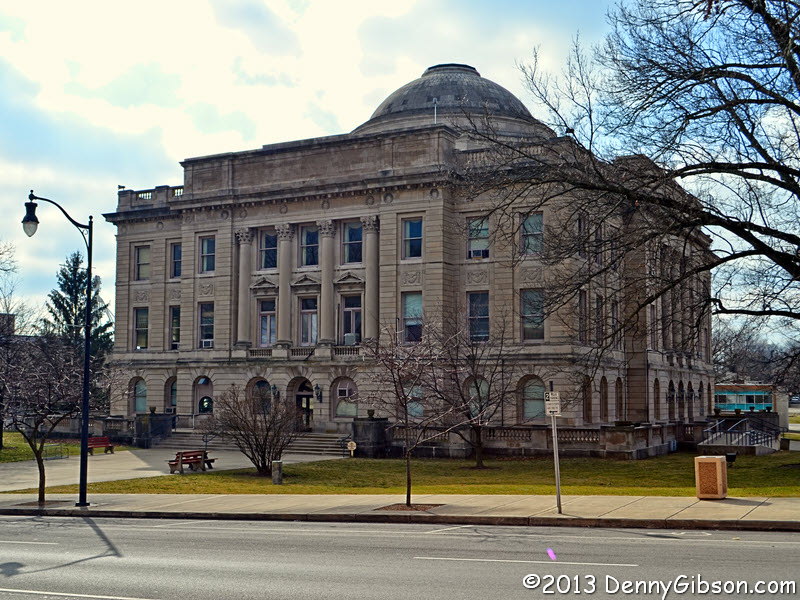
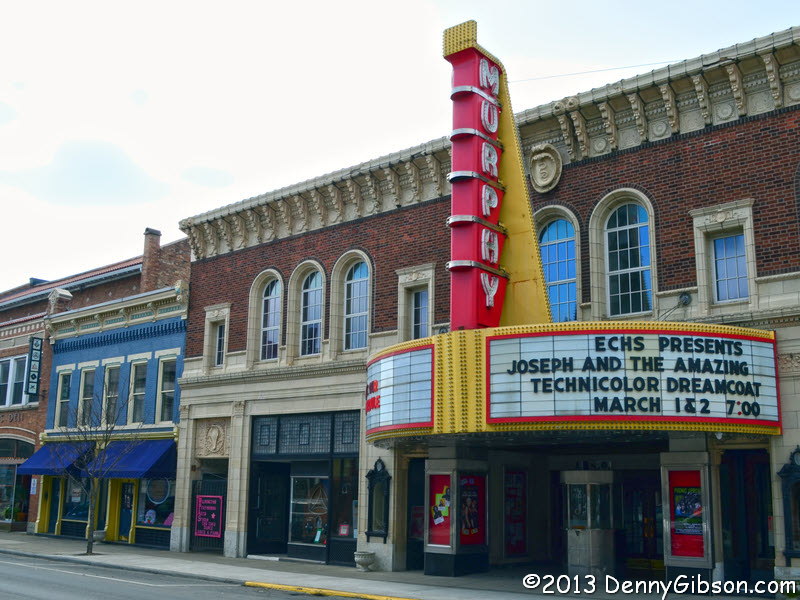
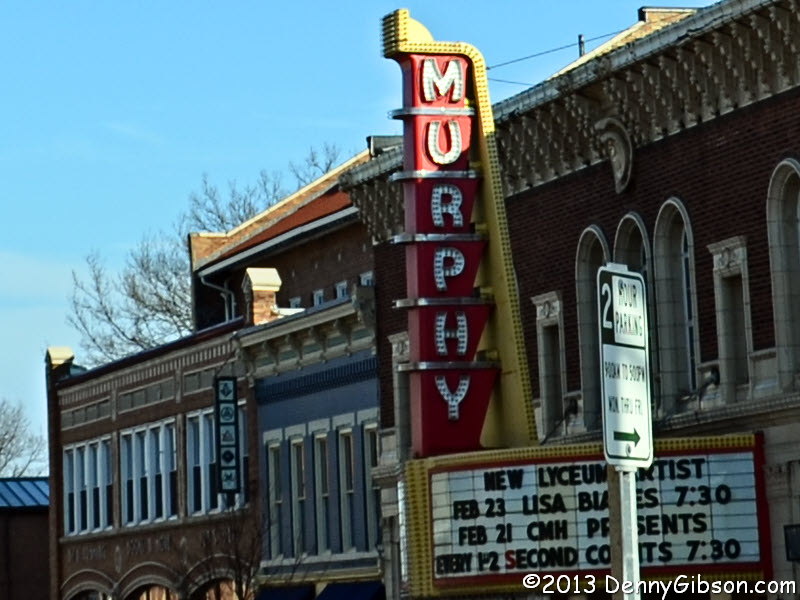
dandm4dandm3The General Denver Hotel was certainly a high toned place when it opened but it wasn’t alone. The ten-year-old Murphy Theater stood across the street, and the nine-year-old courthouse was barely a block away. The courthouse and theater had cost $300,000 and $250,000 respectively. It was a pretty classy neighborhood and still is. All three buildings remain in use today. In fact, it was an event at the Murphy that allowed me to finally justify a night at the Denver on Saturday. Lisa Biales, who I’ve also mentioned in this blog, performed there as a New Lyceum Circuit artist.

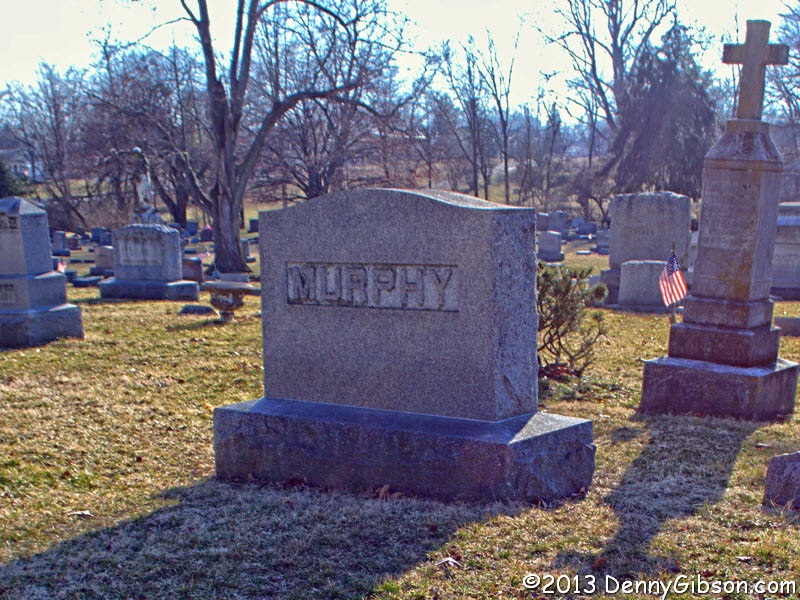
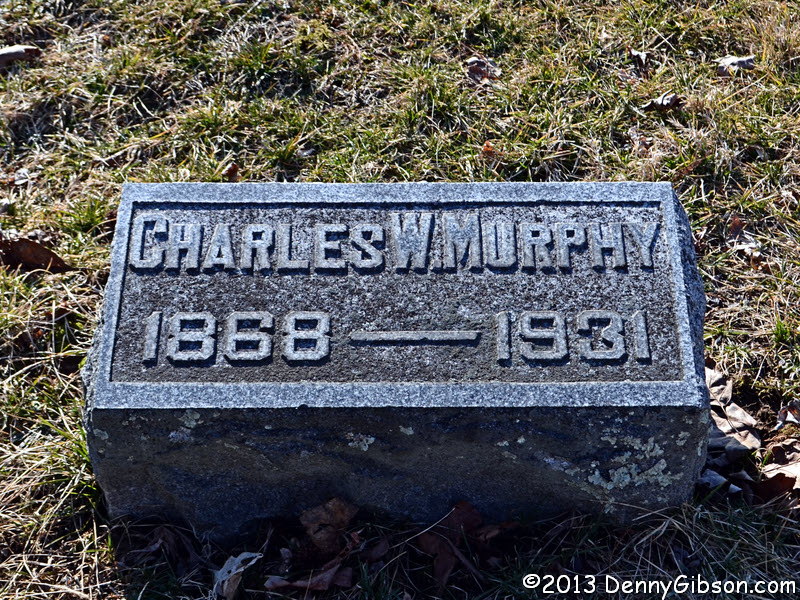
The guy who the Murphy is named after was a pretty high-profile fellow, too, but he built the theater himself rather than waiting for the next generation to do it. Charles Murphy was born in Wilmington. He worked for the Cincinnati Enquirer and Times-Star newspapers and the New York Giants baseball team before becoming a team owner himself. The Chicago Cubs were his from 1906 through 1913. The Cubs have won exactly two World Series in their long history. Both — 1907 and 1908 — were on Murphy’s watch.

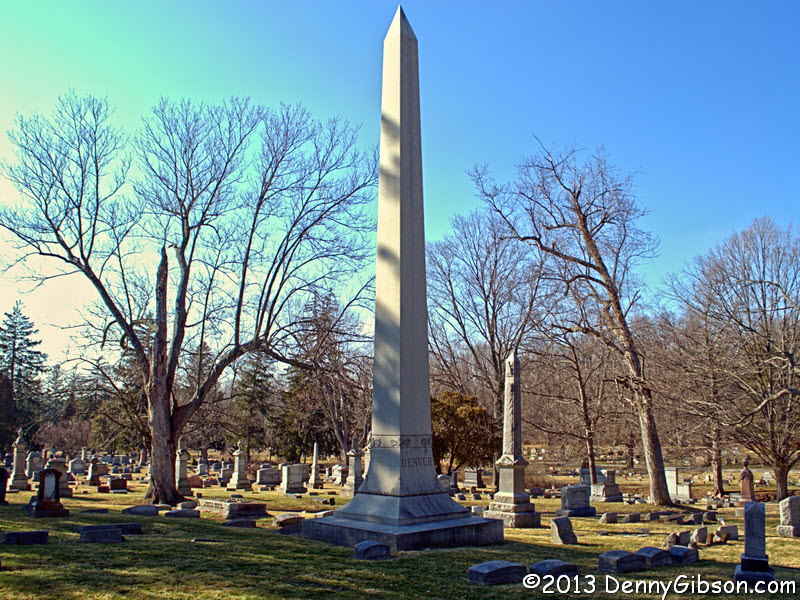
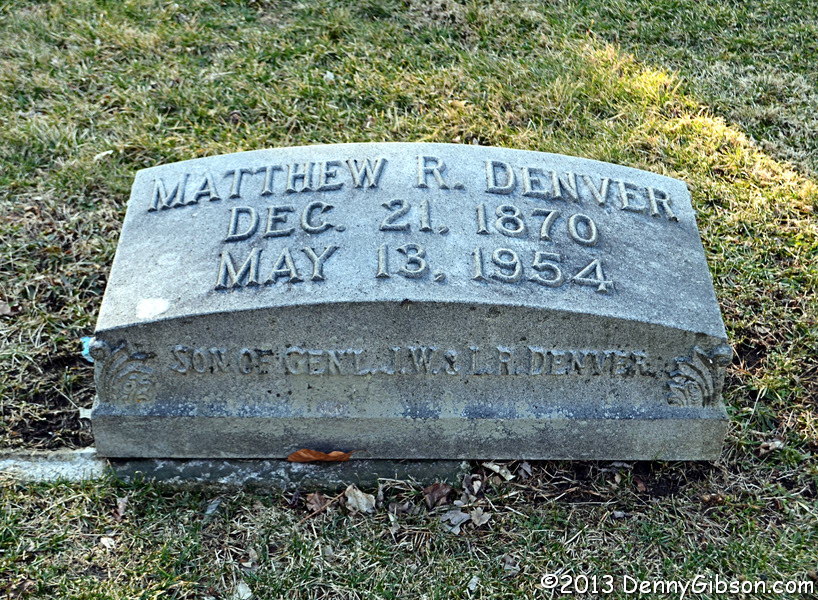
dandm5dandm6Matt and Jim and Chuck are still in town. I stopped by Sugar Grove Cemetery to see them before checking in to the hotel. There are large family markers — the Denvers have a truly impressive Washington Monument style obelisk — surrounded by smaller individual ones. Finding them took some luck in addition to the FindAGrave clues but I could now be a guide if the need ever arises.

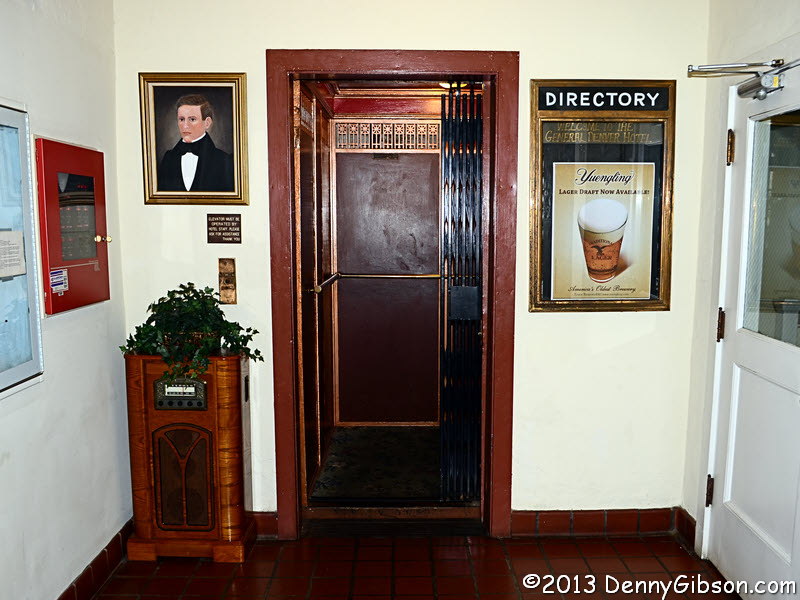
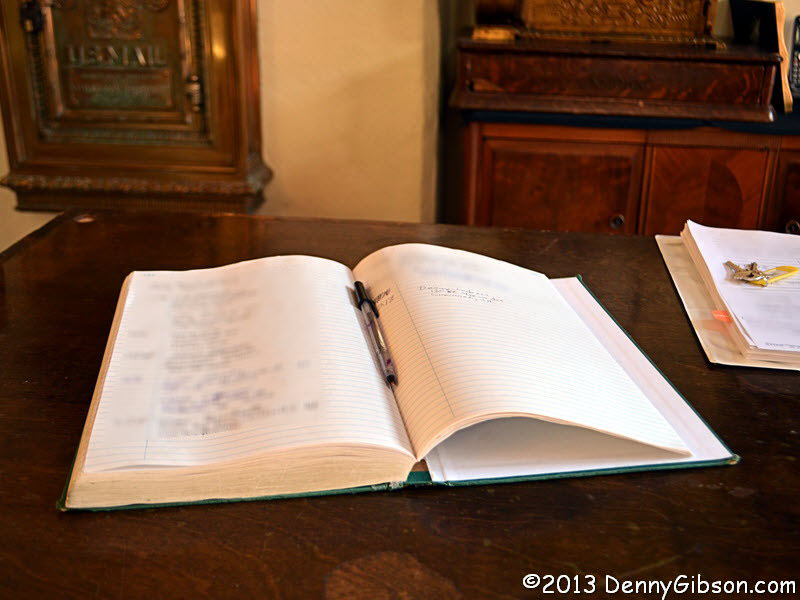
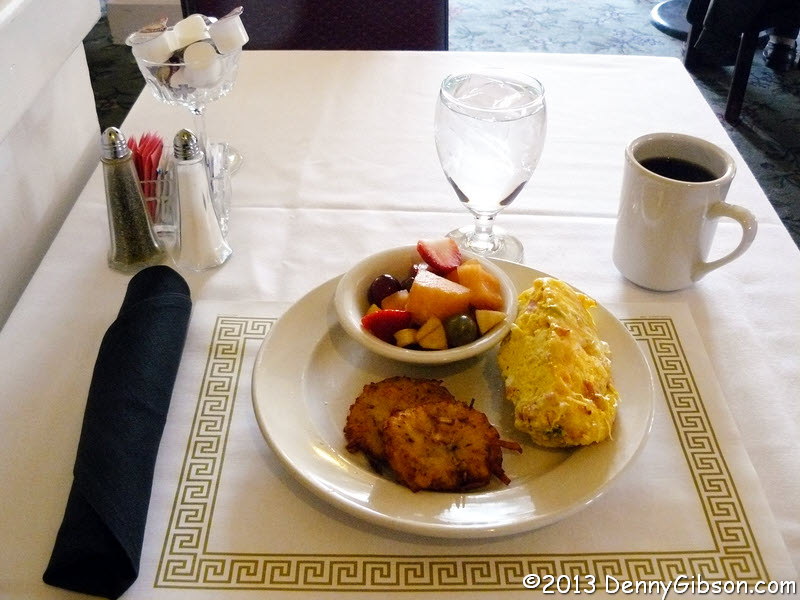
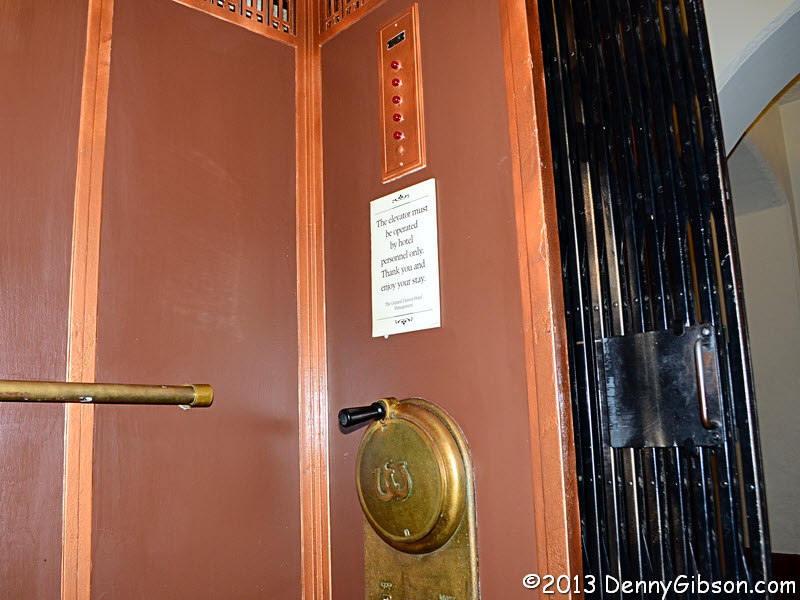
dandm9dandm8dandm7Checking into the General Denver involved signing a real register. It’s hard for me to believe that I’ve never signed one before but I certainly can’t remember ever doing it. My friend, John, met me in the bar and, although I did eat dinner there and had good intentions, lively conversation made me forget to take a picture. I did get a picture of breakfast. I had the Denver Bake, which is simply a casserole version of a Denver omelet. It seemed super appropriate to eat, as I Tweeted at the time, a Denver omelet in the hotel named for the man that the city that the omelet was named after was named after. Both meals were good, and the from-the-menu breakfast is included with the room. That elevator is the original with manual controls that must be operated by a trained professional (i.e., essentially any member of the hotel staff). I took a ride before I left and found it very smooth. Like most hotels more than a few years old, the General Denver is reportedly haunted and I’ve mentioned the heating problems of the past. I saw neither ghosts nor frost during my stay and thought my room rather comfortable.

dandm10The bartender had suggested that, if the concert audience was small enough, it might be placed entirely on stage as had been recently done at another show. I didn’t give it much thought, and John and I walked across the street as show time neared with me, thinking we would simply take our reserved seats. The bartender’s prediction had indeed come true, so our last-minute arrival put us in the last rather than the first row. That was hardly a problem, though, as the last row on the stage put us at least as close to Lisa and violinist Doug Hamilton as the front row on the floor would have and the setting was clearly much more intimate. Lisa was just getting over a cold she had been fighting for several days, but you would not have known that from her voice, which was spot on. I think this was probably the first time I’ve seen just the two of them perform, which may explain why Doug sang a bit more than I’m used to. Nice addition. Of course, both handled their instruments masterfully, and the duo delivered two great-sounding sets separated by a short break. Anyone with even slightly sharp eyes may have noticed that Lisa Biales is not listed on the marquee in my picture of the theater. That’s because I didn’t get around to taking the picture until Sunday morning after the sign had been changed. However, her name can be seen in an enlarged section of the photo at the beginning of this article.