Memorial Day Eve

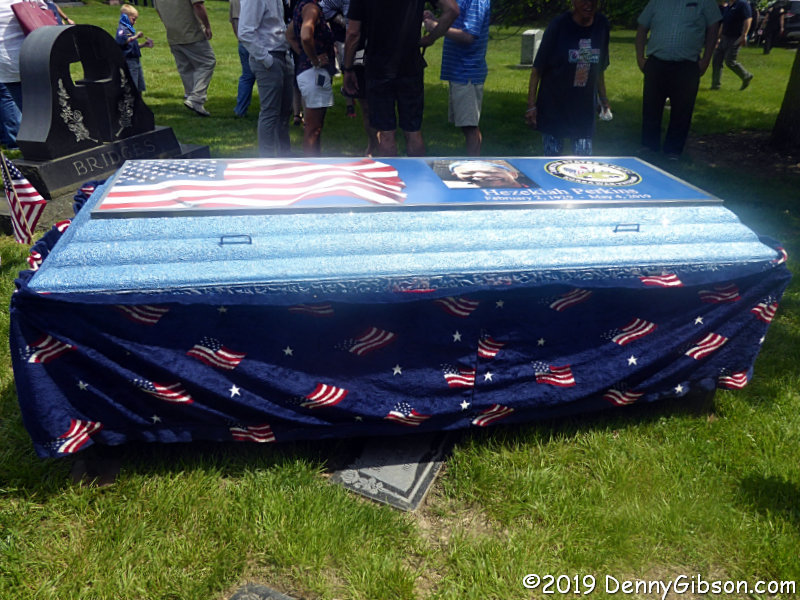
I know the difference between Memorial Day and Veterans Day and I’ve sometimes been critical of those who don’t. The publication date for this article is the day before Memorial Day which means it’s my official Memorial Weekend post. The article’s primary focus is the funeral of a U.S. Army veteran who died peacefully at the age of ninety. He clearly does not fit the definition of the folks that Memorial Day was created to honor. On one hand, I’m not completely comfortable having the subject of my Memorial Weekend post be someone who should not be connected to the holiday in any way at all. On the other hand, there’s a very good chance that I would not have attended Hezekiah Perkins’ funeral if it did not take place during Memorial Weekend. That statement is quite possibly true of almost everyone who did attend his funeral on Saturday.

I first saw his name on Friday afternoon. I’d been looking for Memorial Day related activities when local news sources posted a story from Spring Grove Cemetery. The Korean War veteran had purchased a plot and paid for his funeral twenty years ago. Arrangements were progressing to assure that the ceremonies included military honors. There was no question about a proper funeral and burial taking place; There was a big question about who would attend. None of Perkins’ family lived close enough or were healthy enough to come. The cemetery was asking people to join their employees and a small detachment of soldiers in saying a final farewell.
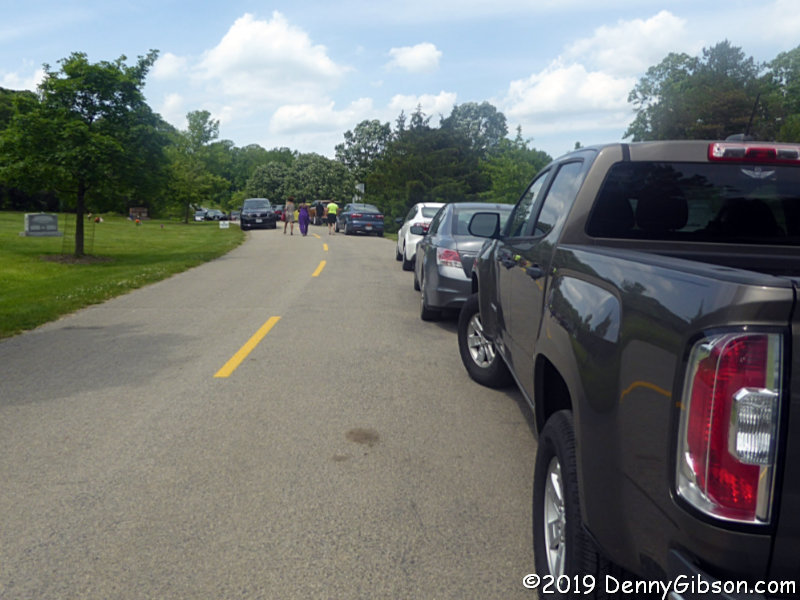
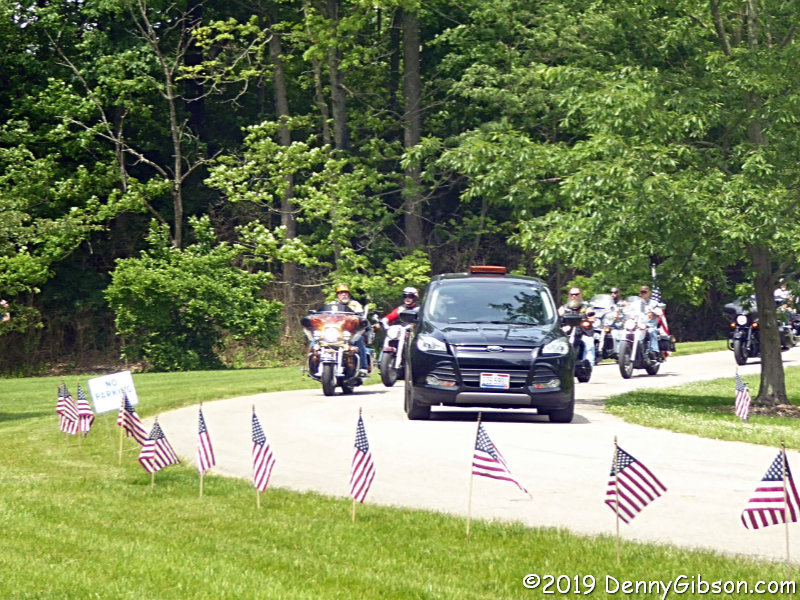
The response was impressive and heartwarming. I arrived about fifteen minutes before the scheduled ceremony and had to park roughly half a mile away. Others parked much farther away than that. Not only was the crowd large, it was racially and generationally diverse. As might be expected, the largest single category was definitely military veterans
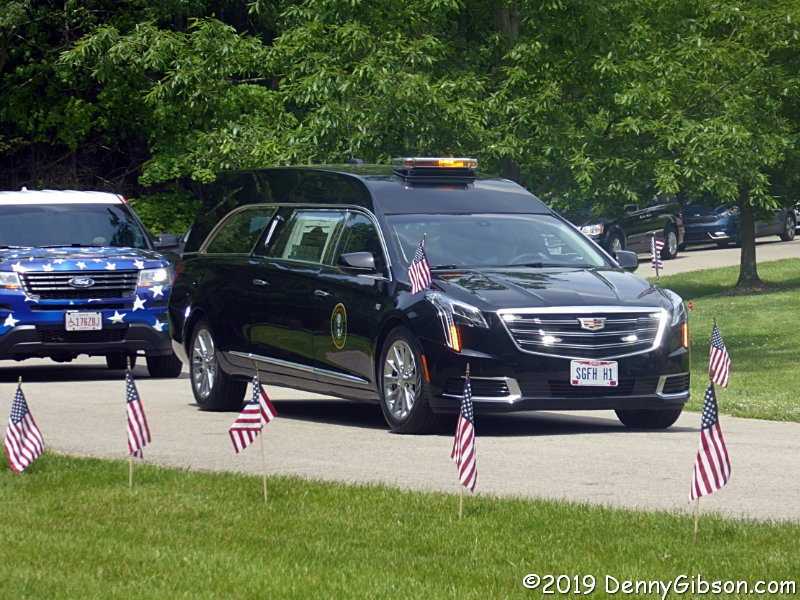
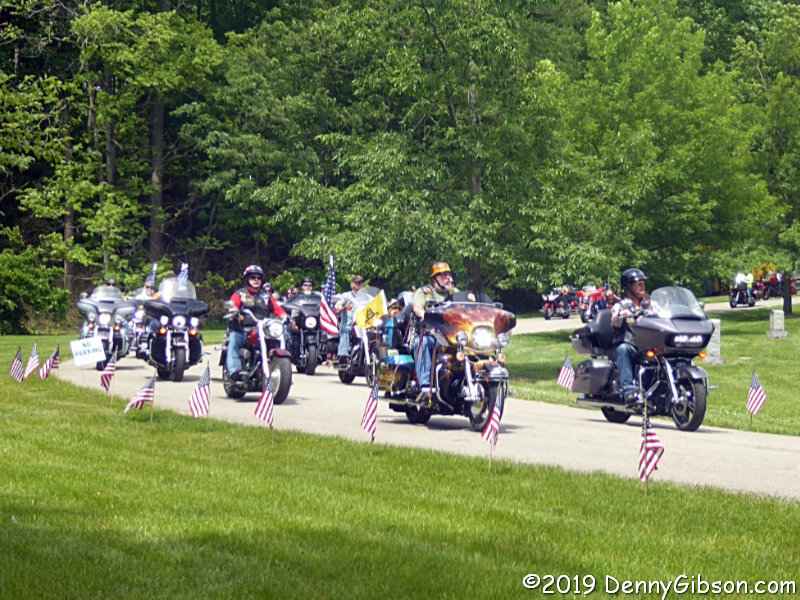
Many of those veterans arrived on motorcycles in parade formation. My unscientific guess is that somewhere between fifty and a hundred motorcycles rolled by the grave site. The motorcycles were parked and their riders walked back to where the hearse that had followed them now stood. Friday’s announcement had said the Spring Grove employees would act as pallbearers but that was very much unnecessary. That chore was quite willingly handled by a pre-selected group of motorcyclists.
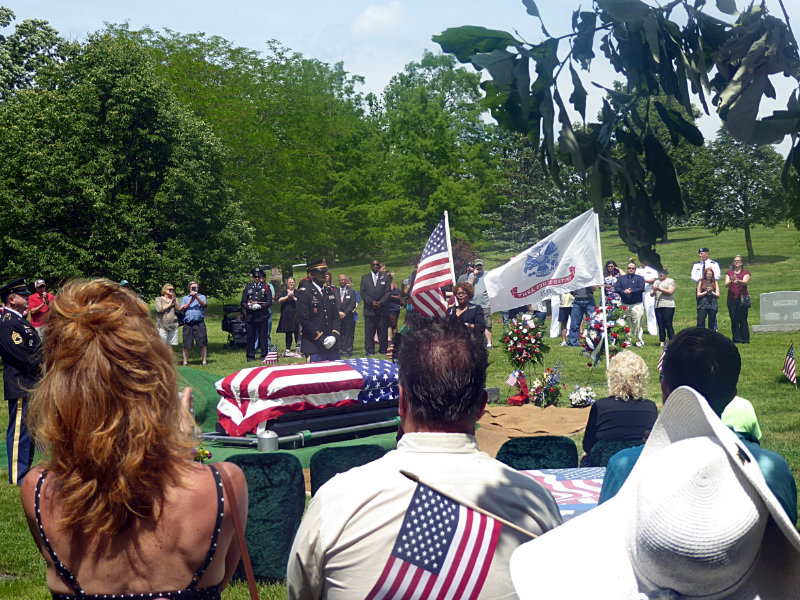
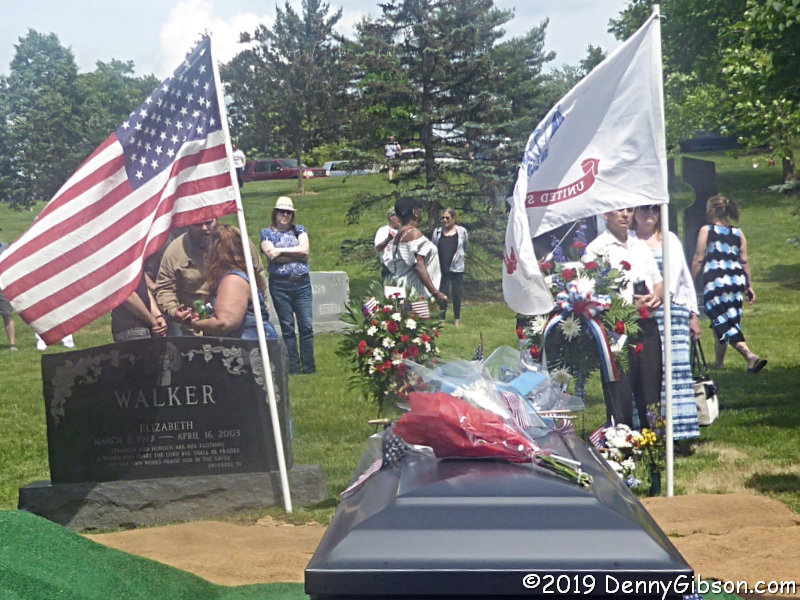
The ceremonies were brief but meaningful. A detail from Fort Knox removed and folded the flag that covered the coffin. Although the word “thousands” has slipped into a headline or two, most references to the crowd say “hundreds”. My own guess as to crowd size, made while I was part of it, is 400-500. A few, such as workers at the nursing home where he lived most recently, actually knew Hezekiah Perkins but the vast majority were complete strangers. There is certainly no reason to get too puffed up about standing in the grass for a few minutes on a nice spring day, but it’s an unquestionably nice thing that so many Cincinnatians did just that and made that final farewell quite a bit louder than it would have been otherwise.
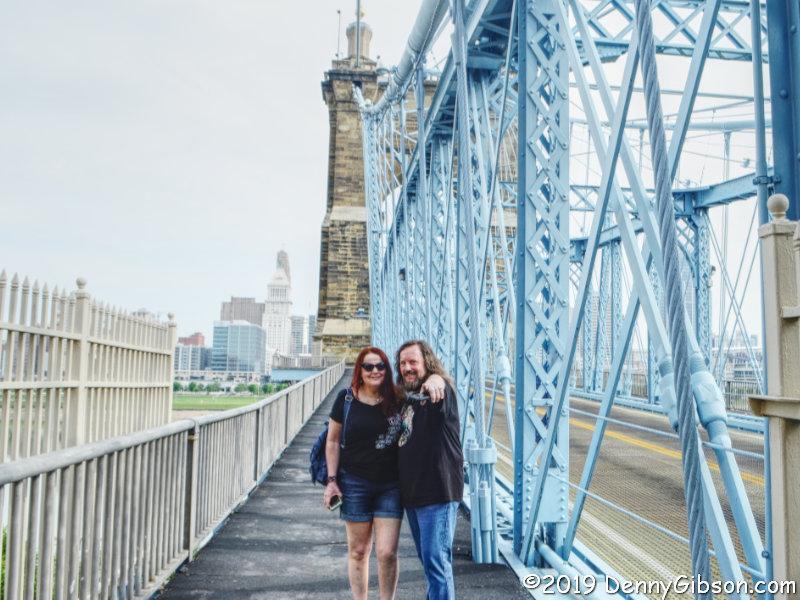

The Spring Grove visit occurred in the afternoon. I started the day with the Butrims and breakfast at the Anchor Grill followed by traipsing around my favorite bridge. A previous visit had left the couple firmly split on Cincinnati chili but I got a 2-0 favorable vote on goetta. We have been digital friends for a while but this was our first meeting in the analog world. The visit came in the middle of a Kentucky focused trip which, like all of their many road trips, is being reported semi-realtime on Facebook. See Anna’s version here and Joe’s here.
Rabbit Hash via Ferry

The town of Rising Sun, Northwest Territory, was laid out on the north bank of the Ohio River in 1814. A couple of years later, the area containing the town was included in the new state of Indiana. Folks were also settling on the south bank about that time, and a ferry operated in the vicinity as early as 1813 to connect the two communities. In 1831, a large building was constructed on the Kentucky side to store cargo before and after being transported on riverboats, and a small village called Carlton grew up around it. Eventually, Carlton became Rabbit Hash and that 1831 building became the Rabbit Hash General Store.

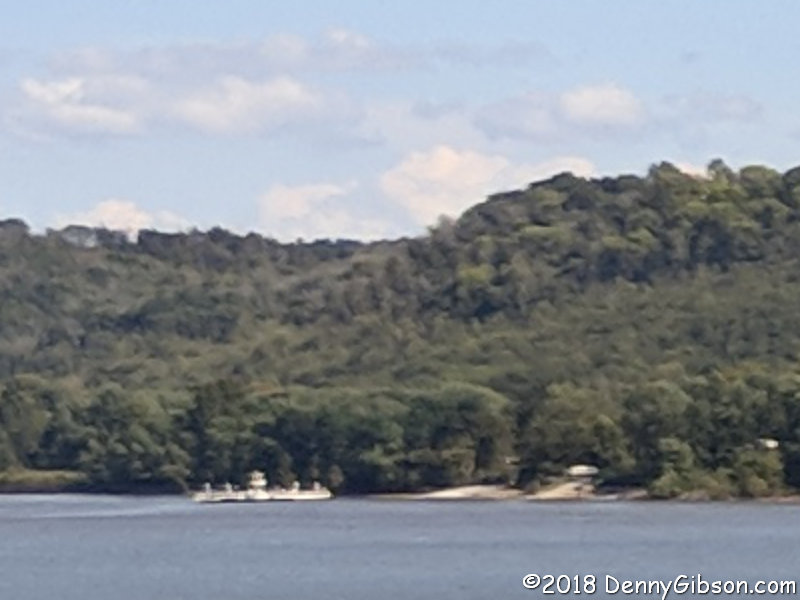
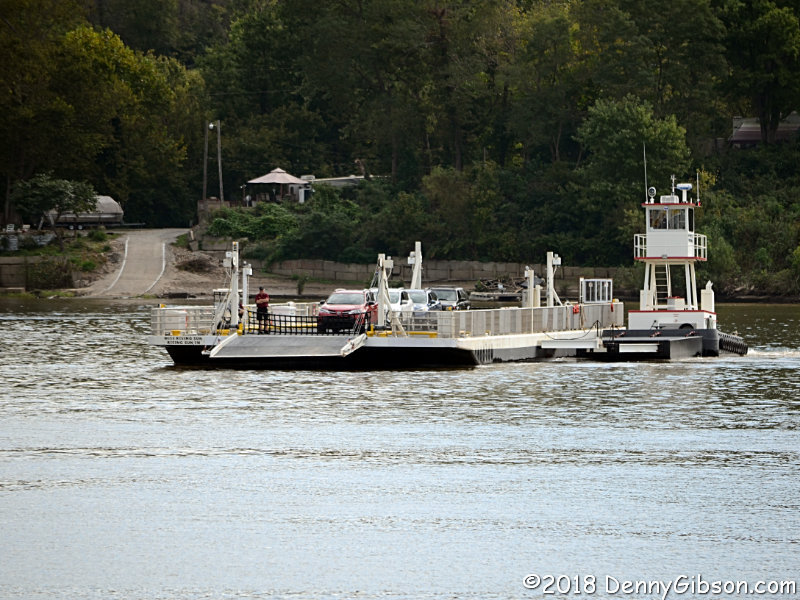
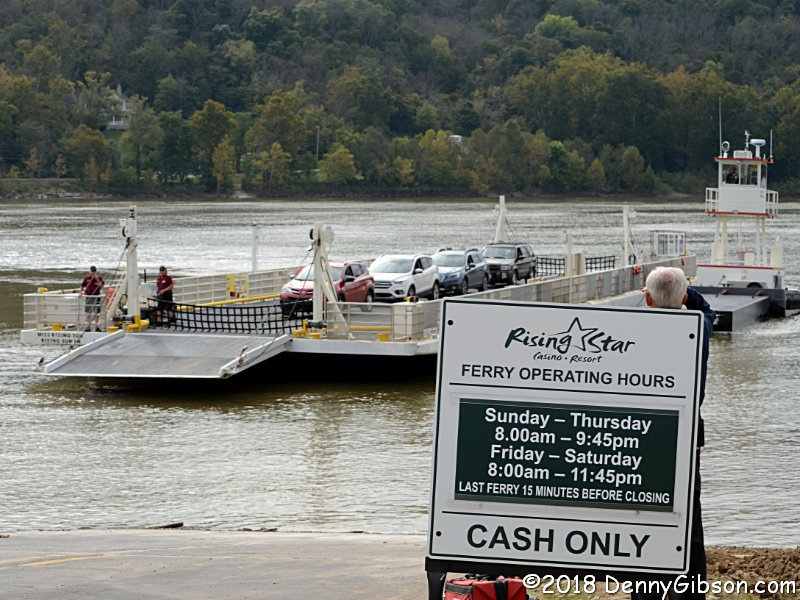
A series of ferries operated here until 1945 when the Mildred was crushed by ice. The 73 year gap in service came to an end on September 29 when the MS Lucky Lady began carrying cars and people between Rising Sun and Rabbit Hash. I headed over to check it out on Tuesday and my first view of the new ferry is recorded in the opening picture which shows her leaving Kentucky. The picture at left shows her arriving in Indiana. I wasn’t ready to leave the state just yet so did not catch the next crossing. I would be back.

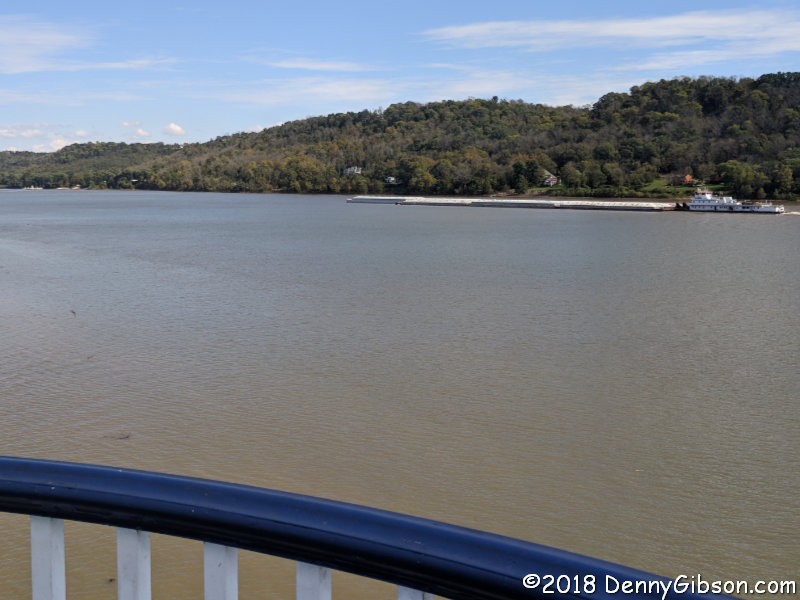
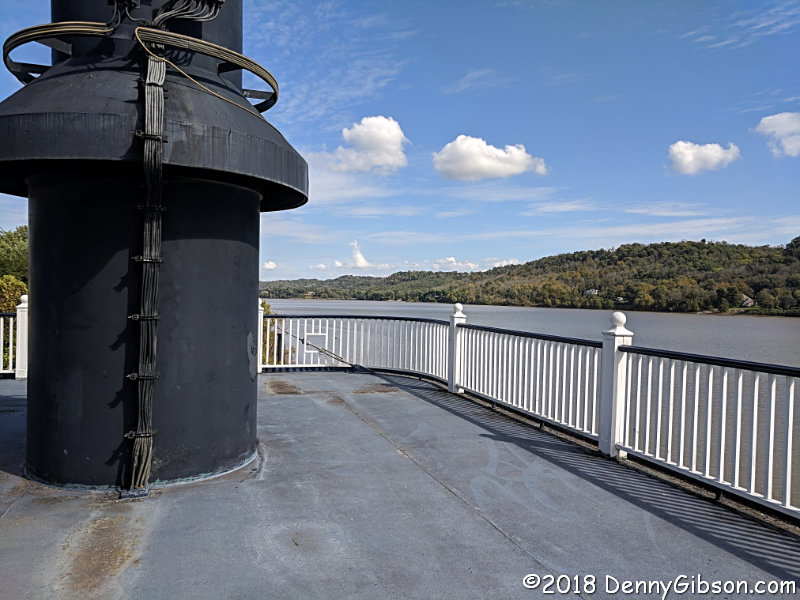
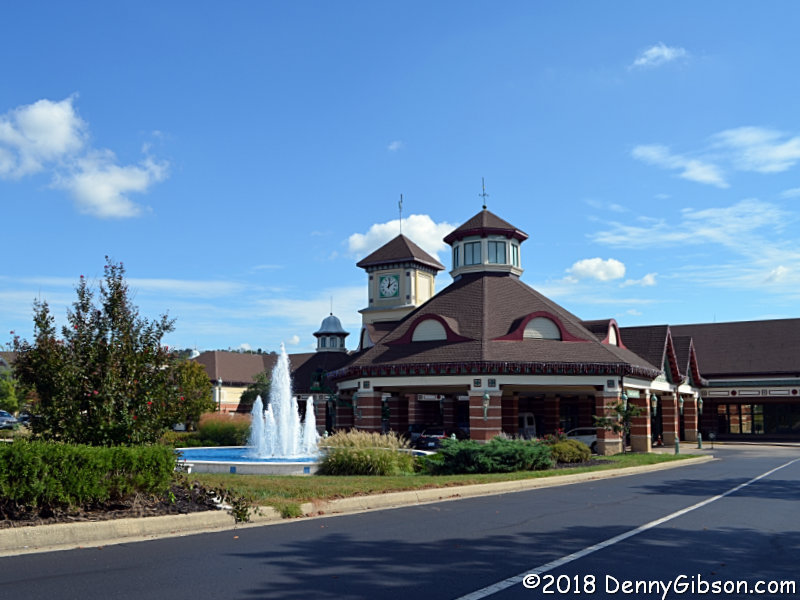
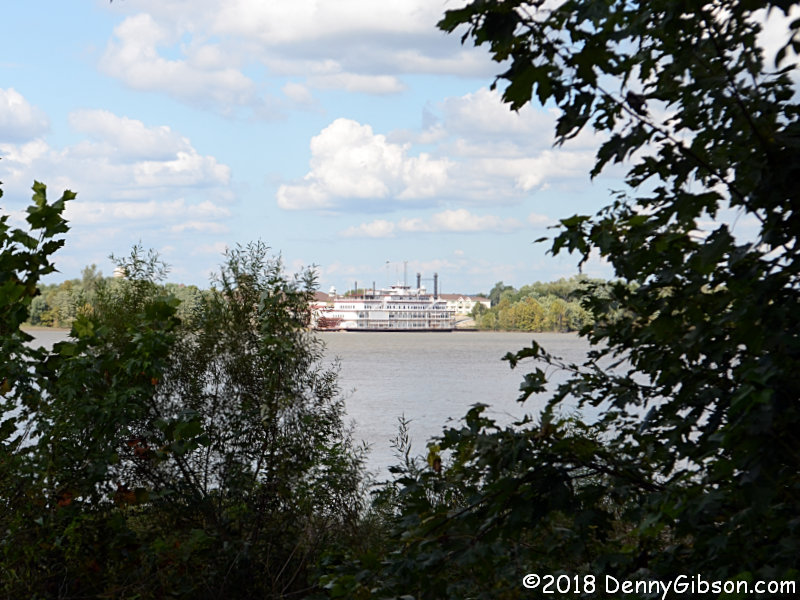
One of the things I wanted to do before departing Rising Sun was visit the Rising Star Casino. As many times as I’d visited and even stayed in Rising Sun, I had never been inside the casino. When it originally opened (as Grand Victoria) in 1996, the riverboat housing the casino was required to “cruise” so it hauled patrons a few hundred feet into the river and back on a regular schedule. Somewhere along the way, that requirement vanished. I passed through the building to which the boat is now permanently moored and onto the casino. It’s mostly slot machines with one area filled with some table games such as poker, roulette, and craps. The thing at least still looks like a boat and the top deck is accessible. On the far left of the third photo, the ferry (enlarged here) is approaching its Kentucky landing.

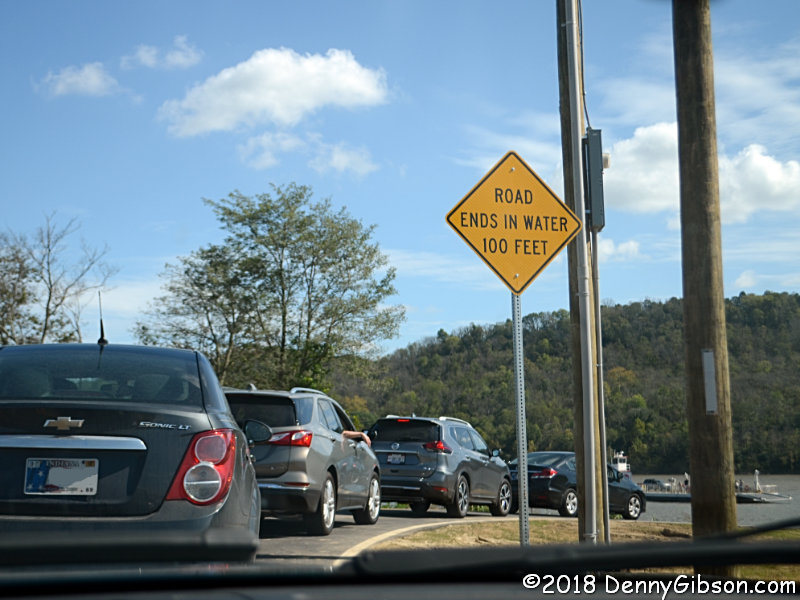
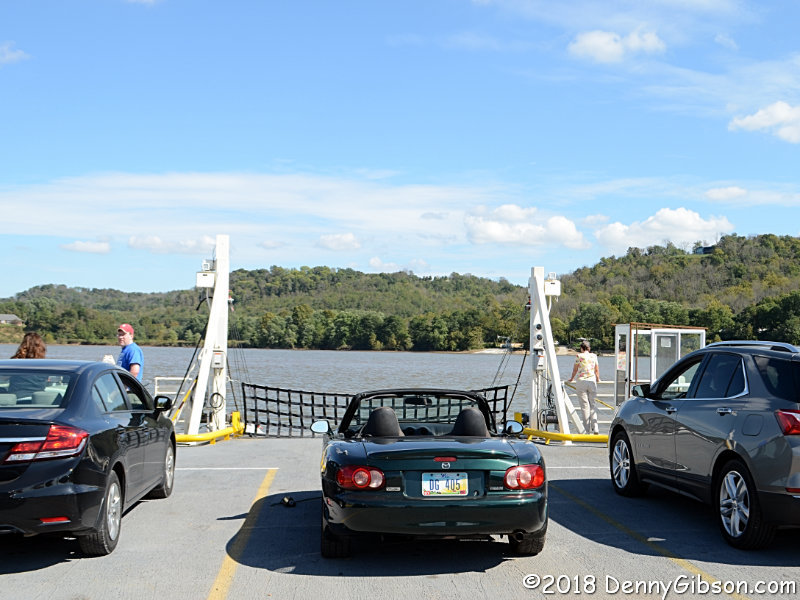
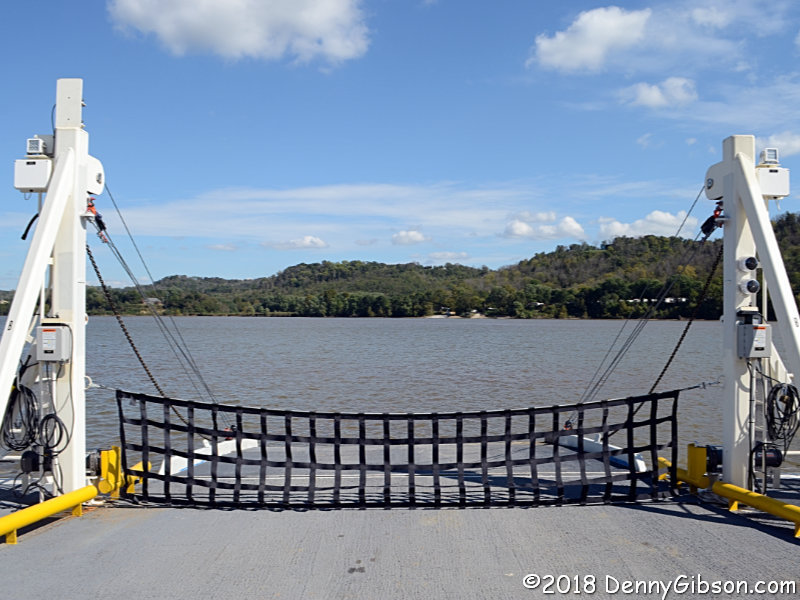
Crossings at fifteen minute intervals are advertised and that seems about right to me. I snapped that first picture just as the ferry approached the dock. Capacity is ten cars and one of the crew told me they were pretty much at capacity throughout both of the two weekends they have been open. I saw loads of four to six today. I was the last of five cars to board for my trip, but they split the first four and put me front and center. A round trip costs $8. I traveled one-way for $5.

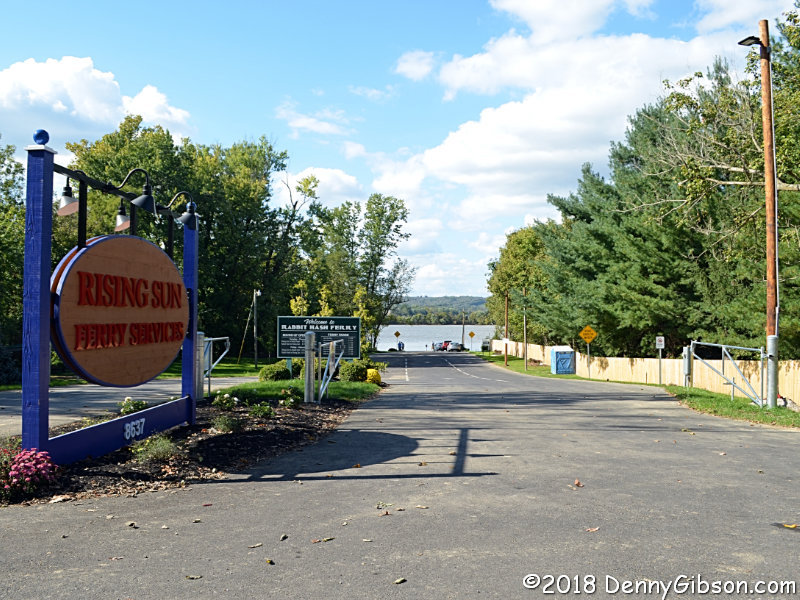
This is the Kentucky side dock with a decent sized staging area. The crew member I spoke with said that travel had been pretty steady in both directions with a slight edge to Indiana, i.e., casino, bound traffic. I’m sure that’s what was hoped for when Rising Star decided to spend $1.7 million on the ferry and access roads. Play at the casino can earn free ferry rides.

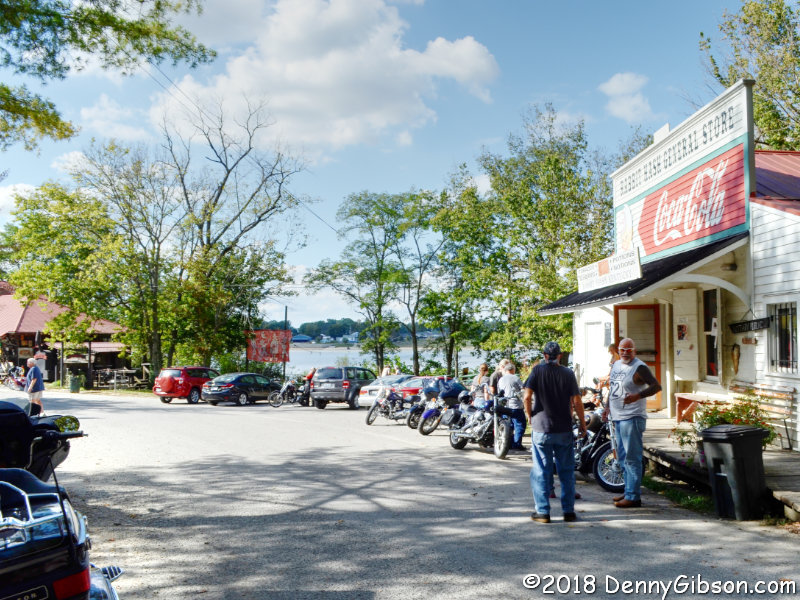
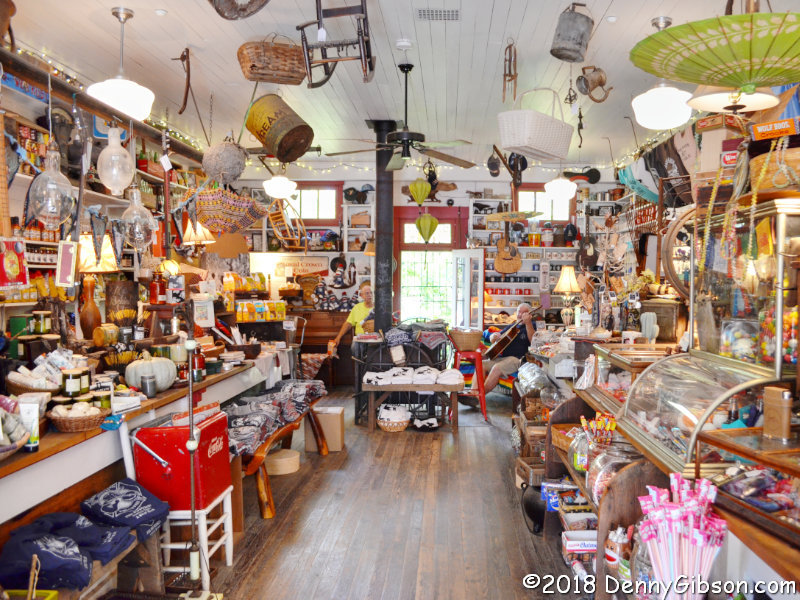
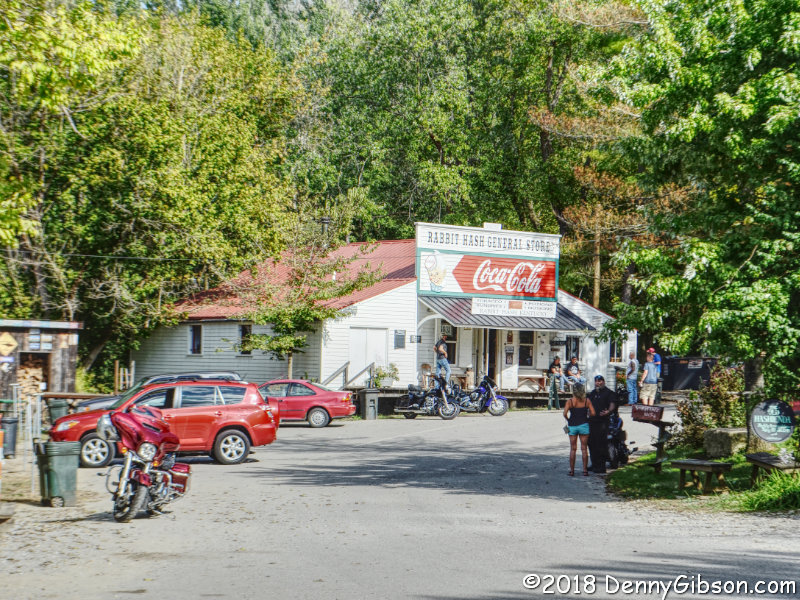
In February of 2016, that building erected in 1831 caught fire and burned to the ground. It was rebuilt using pieces of other old buildings in the exact image of itself. My comment on walking in the door was, “It’s like you never left.” It really wasn’t gone very long. It reopened in May of 2017, less than fifteen months after the fire. I visited Rabbit Hash twice while the rebuilding was in progress but this was my first time there after the reopening. It’s rather embarrassing to realize that it took me longer to get inside the new store than it took to build it. The rebuild is a phenomenal accomplishment in not just time but in attention to historic accuracy. The town has a fascinating history and a very interesting present. A lot about both can be learned at the Rabbit Hash General Store website.

The Rising Star Casino is quite visible from Rabbit Hash although the two are not directly across the river from each other. Rabbit Hash is directly across from the heart of Rising Sun. The ferry does not connect precisely to any of the three. The Indiana landing is just under a mile from the casino and the Kentucky landing is about a mile and a half from Rabbit Hash. That latter measurement is along the narrow Lower River Road. The road is well maintained but not wide enough to support heavy two way traffic. The signed route to and from the ferry is longer but safer.


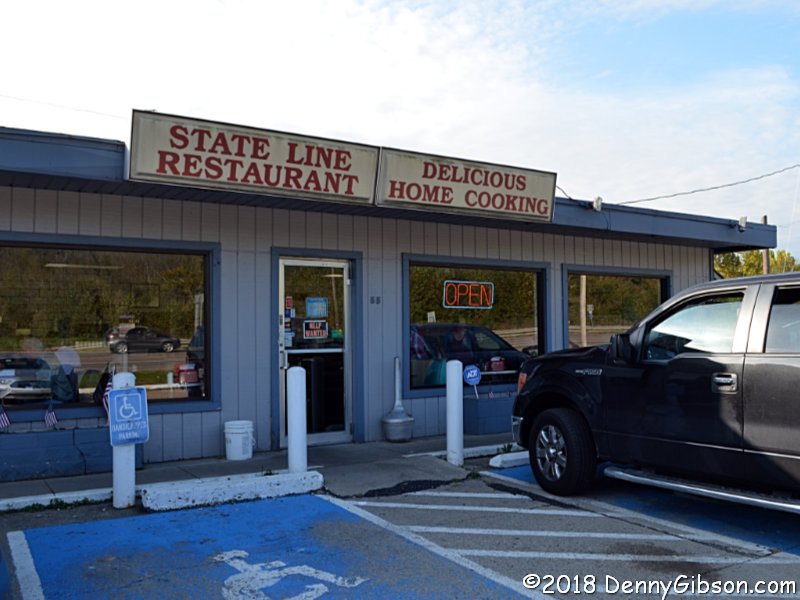
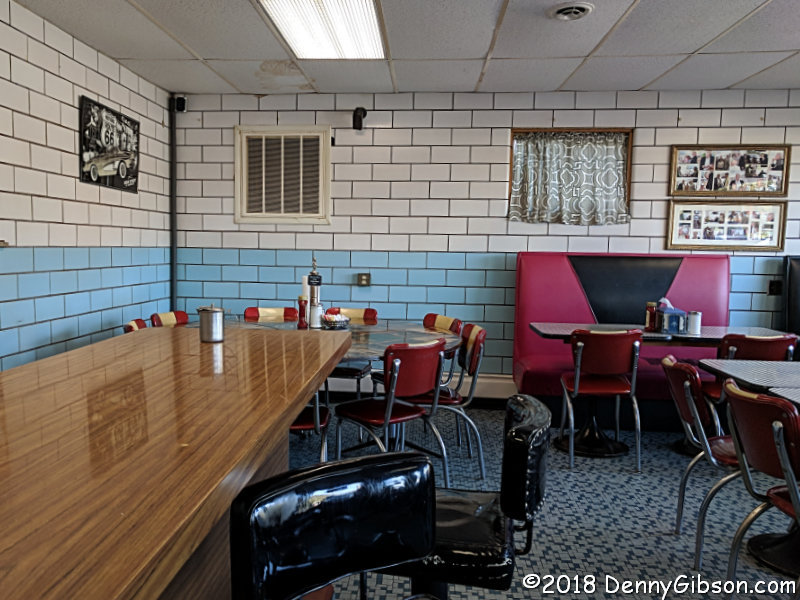
This is not associated in any way with the ferry or either of the towns it connects. It’s where I stopped for breakfast on the way to Rising Sun and I think it deserves a mention. The State Line Restaurant appeared in an online search and sounded interesting. It’s on US-50 on the Indiana side of the state line it is named after, and every bit as interesting as I’d hoped. The breakfast menu offered plenty of variety but listed a single “special” at the top. The special included goetta. Not “choice of goetta, bacon, or sausage”. Just goetta. No substitutions. That seemed significant and it was.

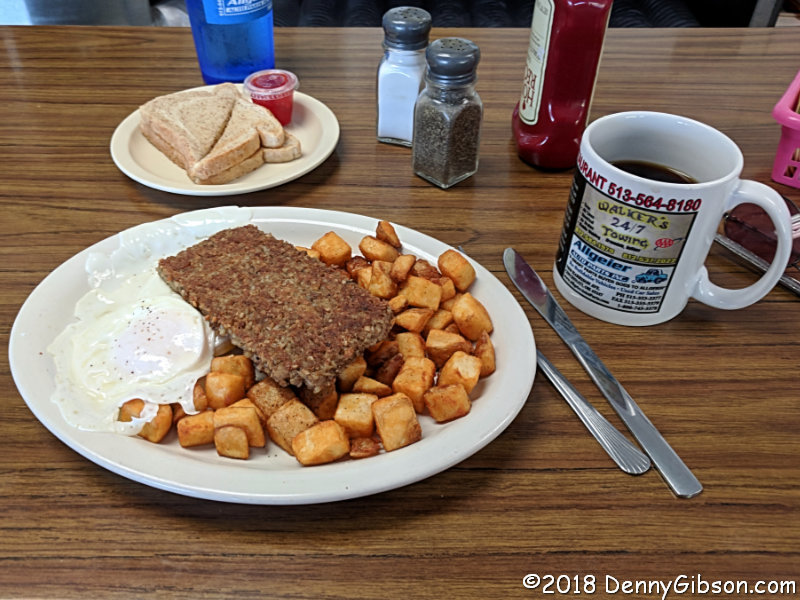
When I asked, my waitress said yes, they do make their own goetta. Goetta is an oatmeal and pork concoction served by most restaurants in the Cincinnati area but few make their own. Glier’s Goetta Company (formerly Glier’s Meats) has a near monopoly on the rest. The fact that the State Line Restaurant strongly featured the local breakfast staple told me it must be something special.

“It’s my grandfather’s recipe”, my waitress, who is also running the place at present, told me. The restaurant has been in operation since 1952. Her mother bought it twenty-two years ago. Mom is currently experiencing some health problems so the next generation is temporarily in charge. The State Line Special, minus an already downed glass of orange juice, is shown at left. It’s $7.50 including the coffee. In addition to the goetta, the excellent strawberry jam beside the toast is made on site. A tray of those little containers was being filled from a fresh batch at the other end of the counter. They also make their own blueberry jam and I was offered a sample to take with me but declined. Yes, I can be very stupid. I’ve already spent five days wondering if the blueberry jam is as good as the strawberry.

Riverside Rotator

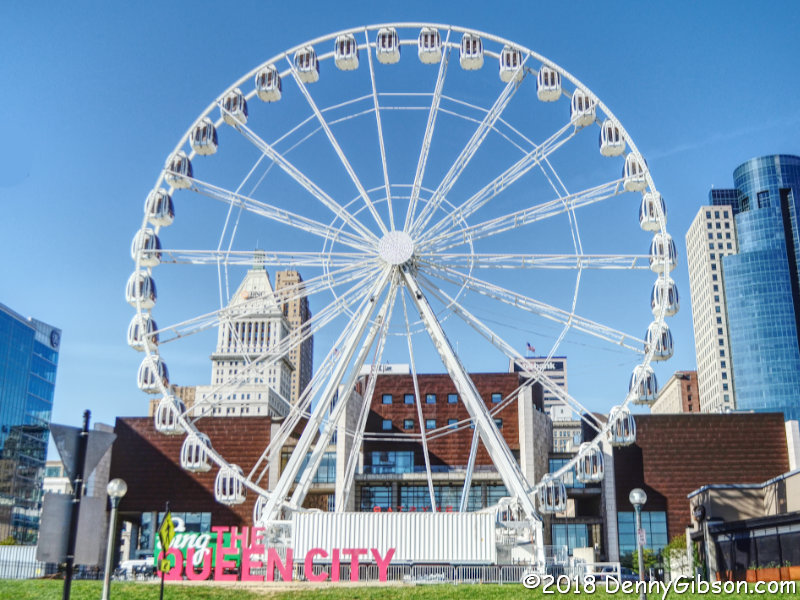
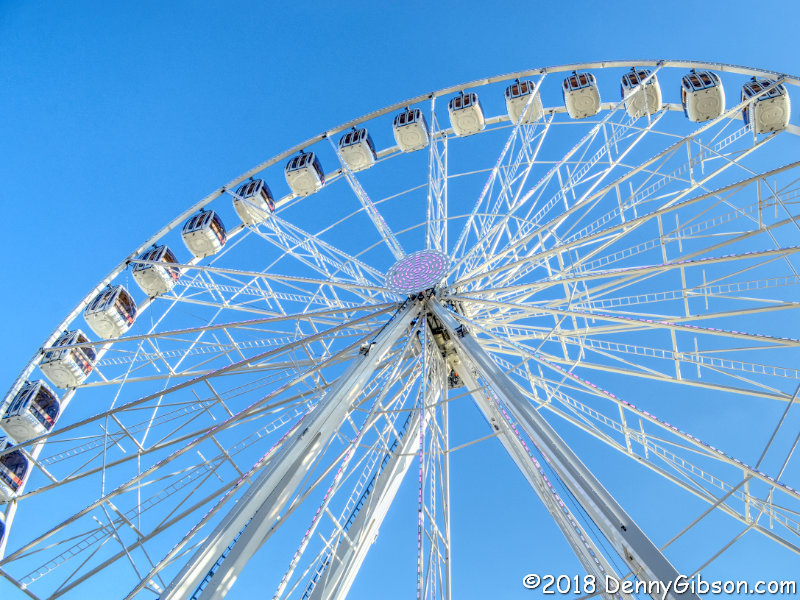
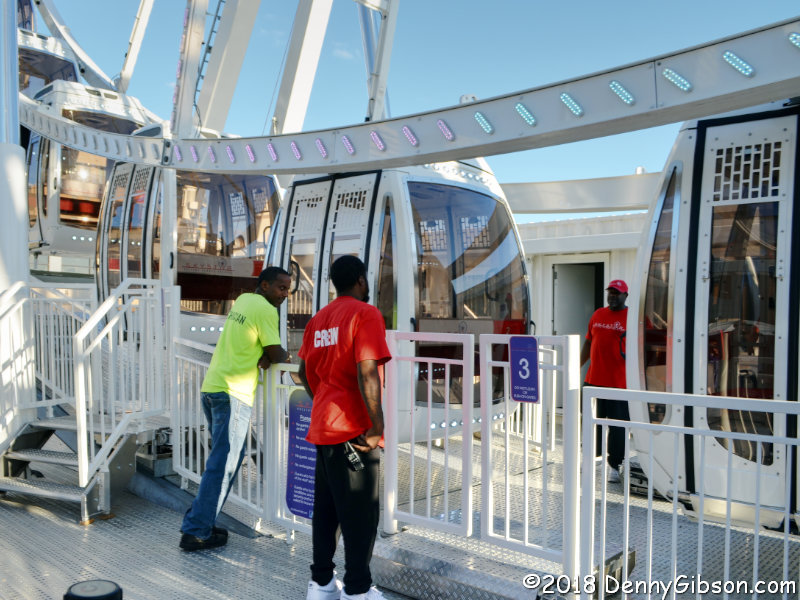
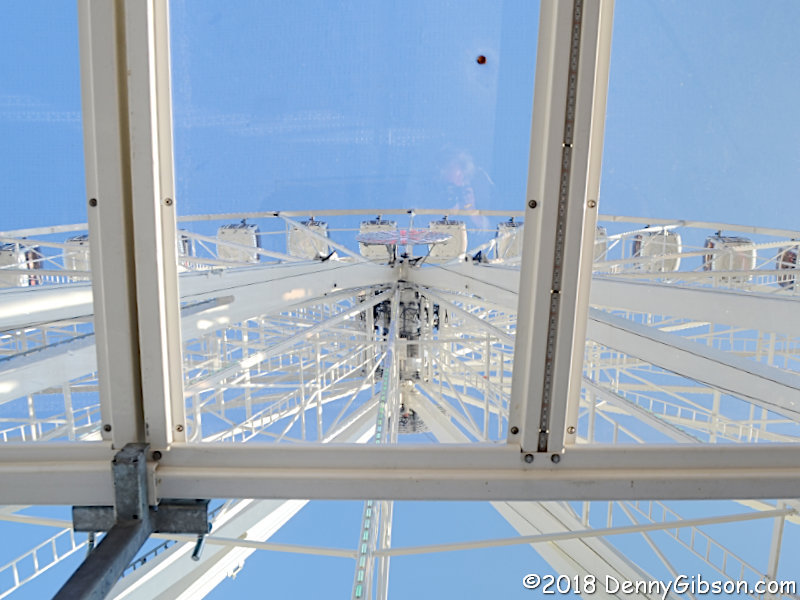
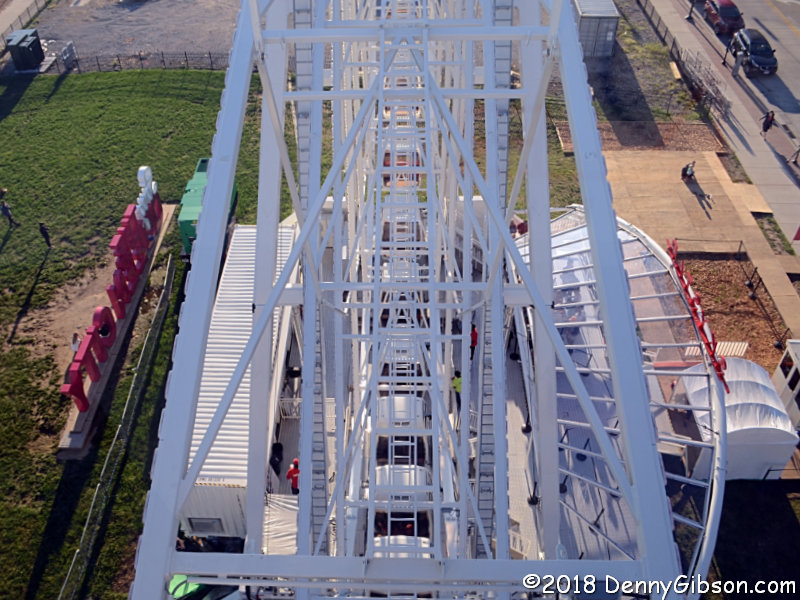
There’s a big wheel standing on edge near the Cincinnati waterfront. Its owner, Skystar, officially calls it America’s Largest Portable Observation Wheel, but even they know that it’s a Ferris wheel to most folks. The 137 foot wheel opened in Cincinnati on September 1 and will be spinning daily through December 2. It arrived in Cincinnati from Norfolk, Virginia, and before that was in Louisville, Kentucky. A friend and I went for a ride on Friday.

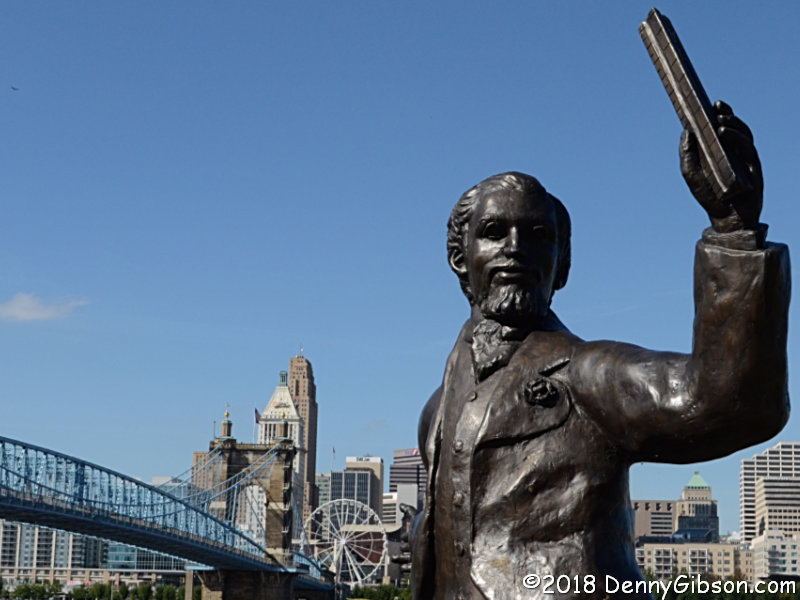
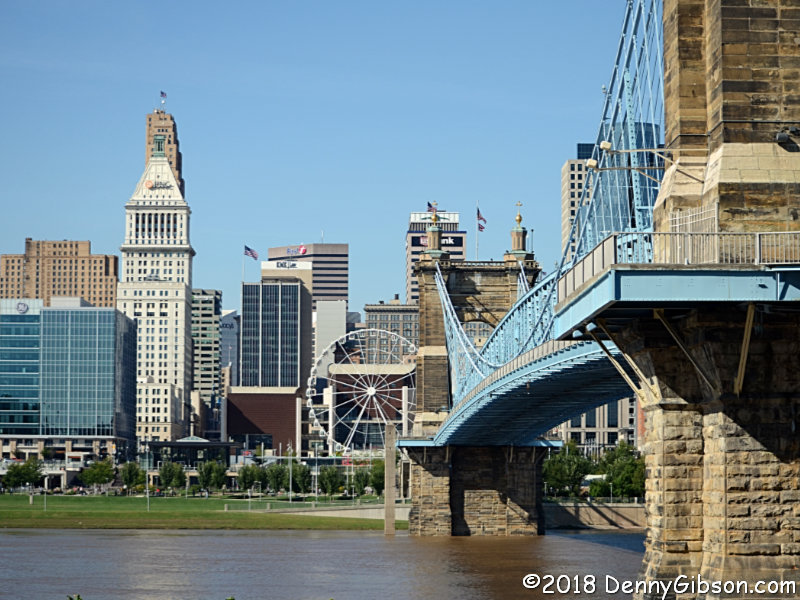
I parked on the Kentucky side and walked across the John A Roebling Suspension Bridge. Before heading to Ohio, I slipped down to the water’s edge to take a few pictures. I’m pretty sure that the bronze Mr. Roebling is gesturing toward his very permanent bridge but the sweep of his hand also takes in the temporary Ferris wheel positioned at its northern end.

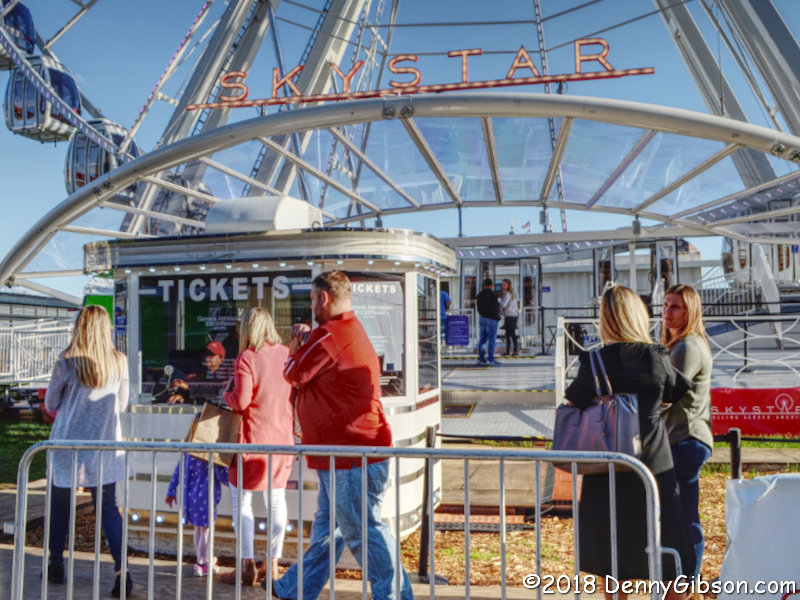
The maze to the ticket booth and beyond would clearly accommodate a lot more people than were on hand early Friday evening. So would the wheel itself. Each of the 36 gondolas has room for six passengers which means 216 people could be simultaneously spinning in circles if the thing was filled to capacity.

There are a couple of things at play that make full occupancy unlikely. One is the policy of promising “a private experience for passengers” by not putting strangers together in a car. While I personally find chatting with strangers in this sort of situation to often be interesting and fun, that’s evidently not the case for most. Another thing I suspect will help fend off worries about filling every seat is the $12.50 ticket price for a fifteen minutes or so ride. I’ve seen a minimum of four revolutions advertised and we got six… or maybe seven. It’s a cool experience and one that individuals and couples will likely consider worth the cost. Families of any size with kids over two (under two ride free) likely won’t.

Addendum: A friend tells me that on the opening weekend the wheel was full, there were long lines, and strangers did indeed ride together. Here’s hoping that happens again someday.

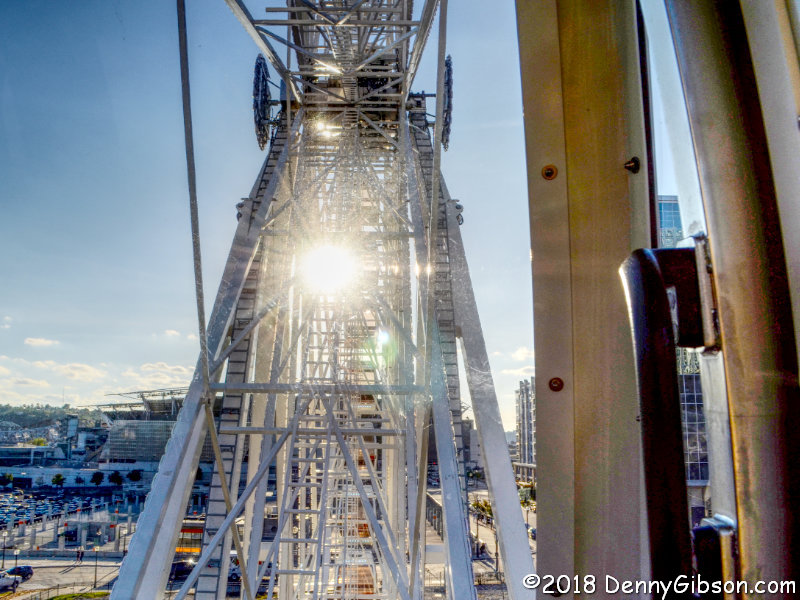
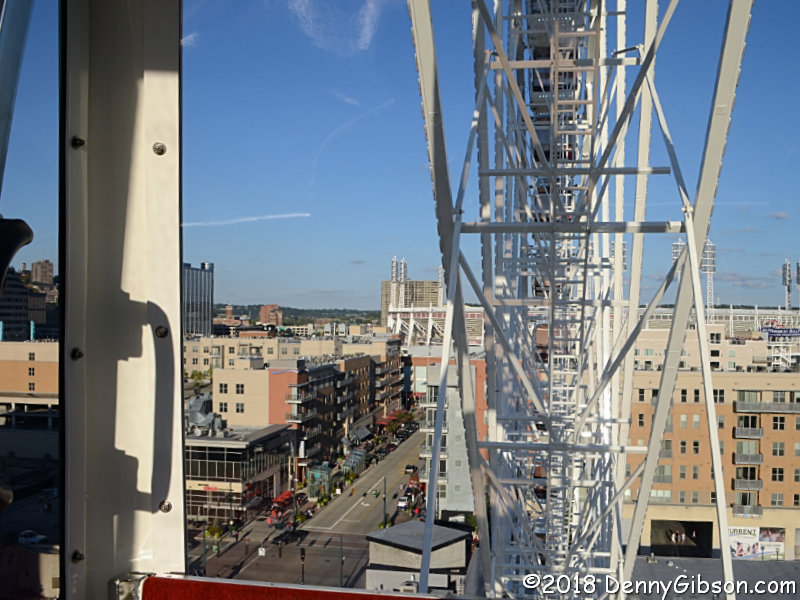
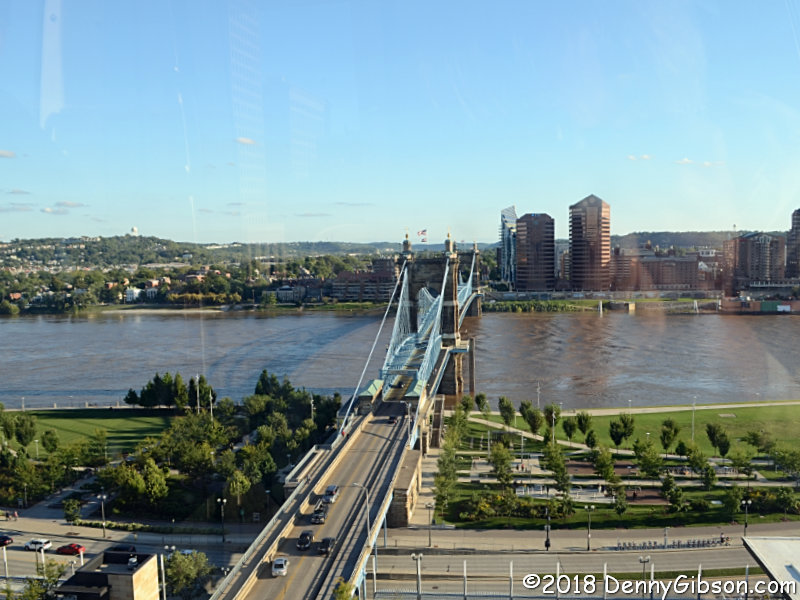
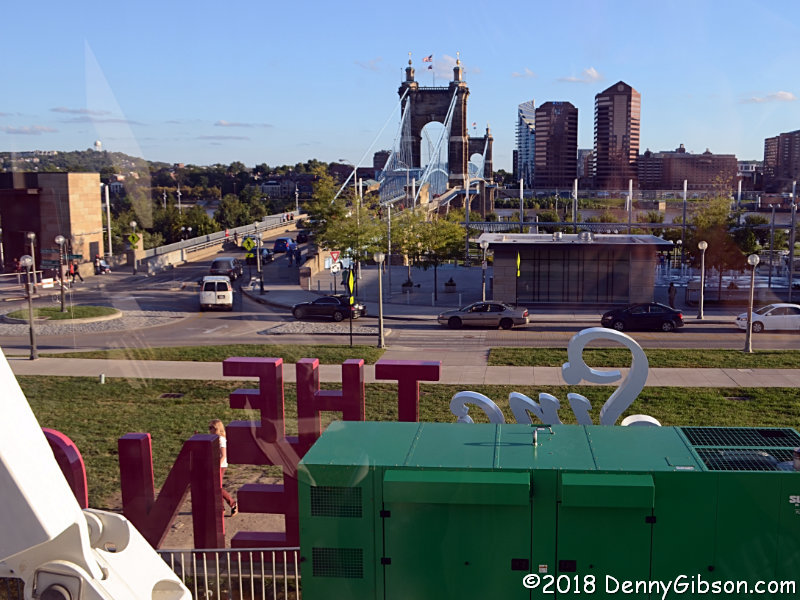
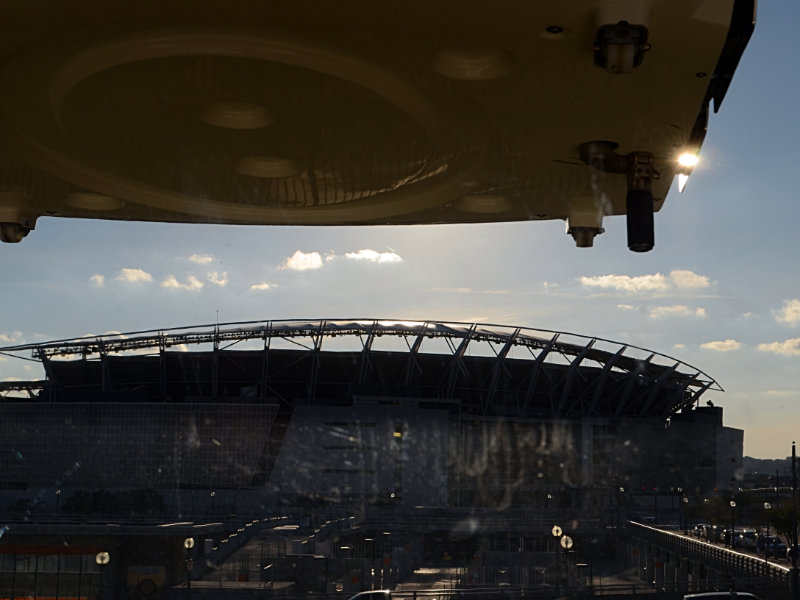
With virtually no line, we were soon on board and in motion. The wheel stands between Cincinnati’s two stadia. That’s Great American Ball Park in the background of the second picture and Paul Brown Stadium in the background of the third. Yes, it is possible to see and photograph both of them without the arms of the wheel in the way. GABP (with cohort Great American Tower) is here, and PBS is here. The timing of our ride was such that the setting sun was aimed directly at us as we faced west. That’s why I used the neighboring gondola as a sun-shield and why the picture’s still extra crappy.
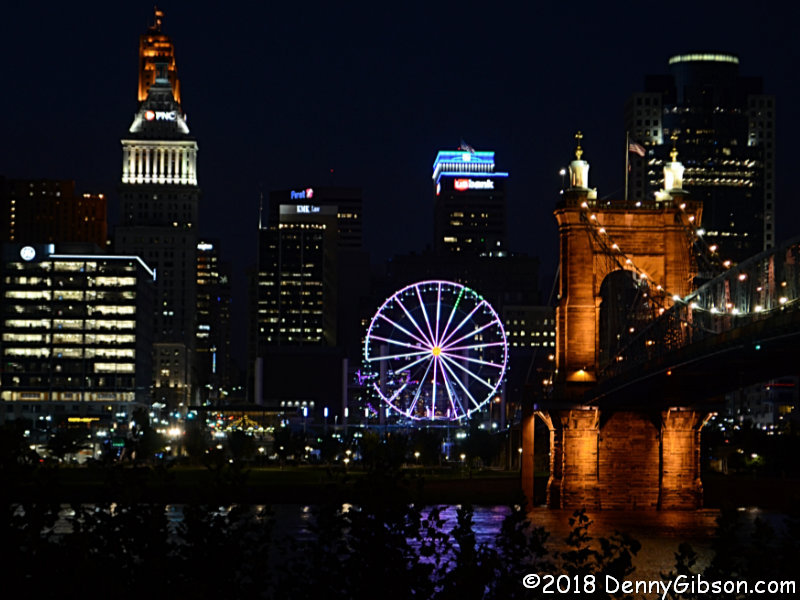
The most scenic views were away from the city and generally involved the river and the Roebling Bridge. The bridge was almost lined-up straight-on for the second photo. In the third, it’s in the background as we duck behind the “Sing the Queen City” sign.

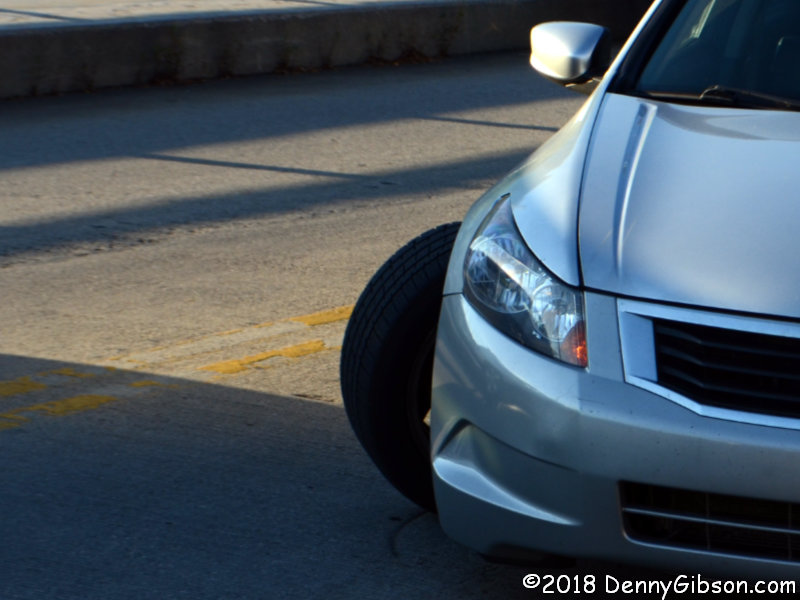
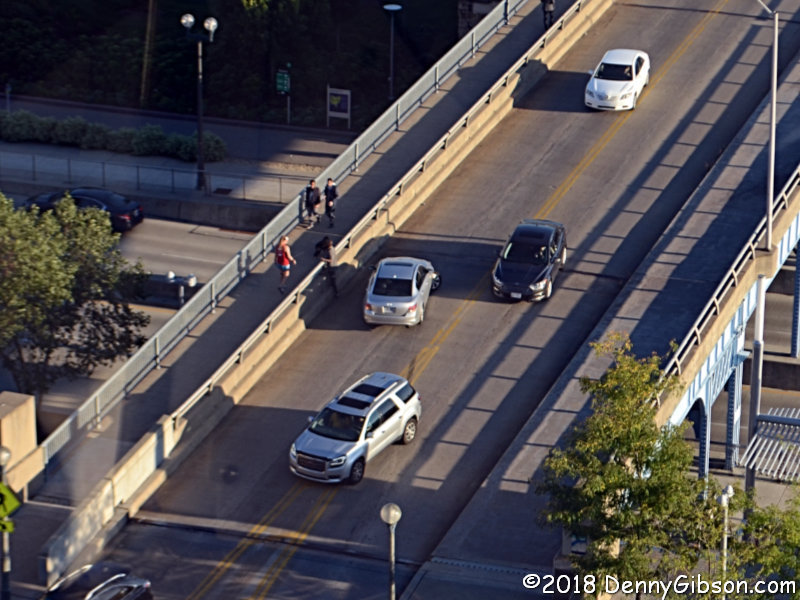
As sometimes happens when your view is greatly expanded, we were witnesses to a bit of drama. In the first picture, the grey car on the left side is clearly facing the wrong way for the lane it is in on the two way bridge. A trailing black streak across the yellow stripe can be seen with a close look. We spotted the incident near the end of our ride and before long were walking past it. Apparently the right front wheel had let go and threw the car into the opposing lane. A head on collision was somehow avoided.

We ate dinner in Kentucky as the sun continued to set which made a brief stop near where I’d taken my first Ferris wheel pictures more than worthwhile. I had a tripod in the car and using it would have also been more than worthwhile but I was too lazy. Several photographers who weren’t too lazy were standing nearby and no doubt taking superior photographs. I put these here so that you’ll immediately know what those superior photos are superior to when you see them.

Positively Pike Street

Last Sunday, a website I follow (Cincinnati Refined) posted an article about a free walking tour in nearby Covington, KY. It sounded promising and my interest level climbed a little more when the information was shared to the Dixie Highway Facebook group. The connection came from the fact that the walking tour was on Covington’s Pike Street and Pike Street once carried the Dixie Highway. On Wednesday I took part in the weekly tour. The picture at right was taken at the end of the tour so I’ll cover it at the end of this post.

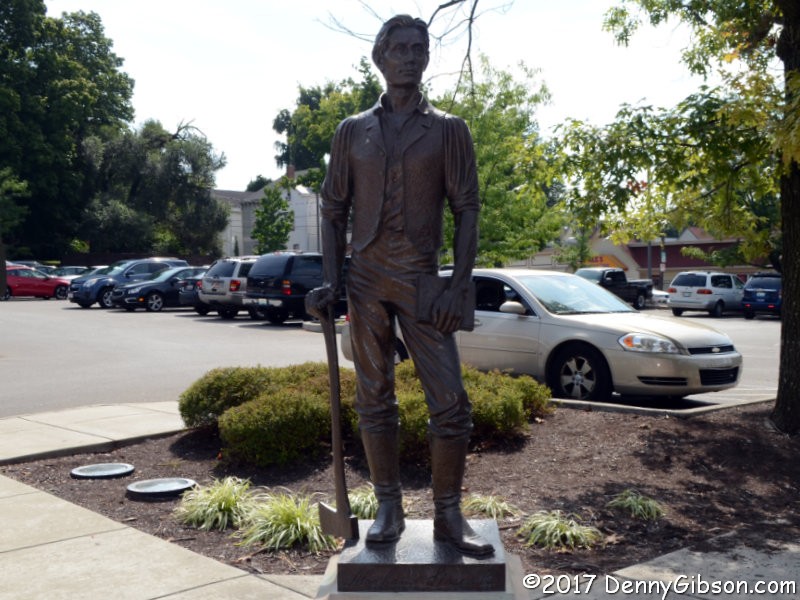
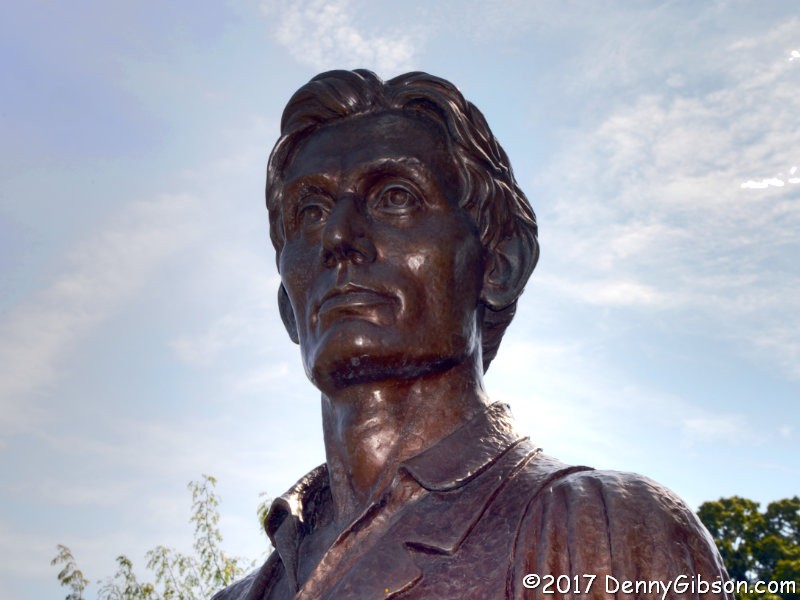
The tour start point was at the Kenton County Library on Scott Street just a short distance north of Pike’s eastern end. The Dixie Highway followed Scott and Pike through the intersection. A life sized Abe Lincoln stands at the entrance to the library’s parking lot. Beardless Lincoln’s aren’t as rare as they used to be or maybe they never were as rare as I thought they were. Few, however, show a Lincoln as young as the Matt Langford sculpture unveiled in 2004. That’s one good looking dude.

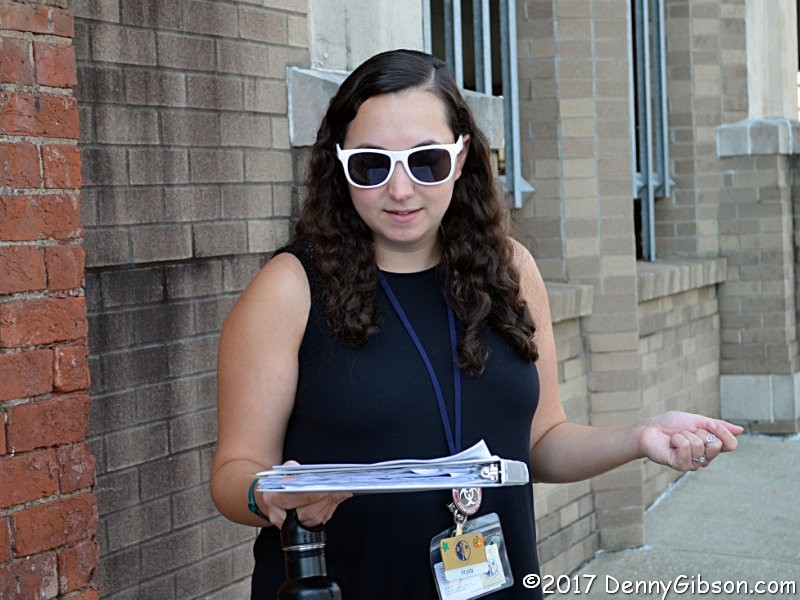
We met inside the library then walked past Abe to where Pike Street Ts into Scott. There our guide Krysta gave us an overview of the tour and some background on Pike Street. The street takes its name from the Covington and Lexington Turnpike that was chartered by the state in 1834. The street really was something of a commercial and transportation center with railroad freight and passenger terminals being built beside it.

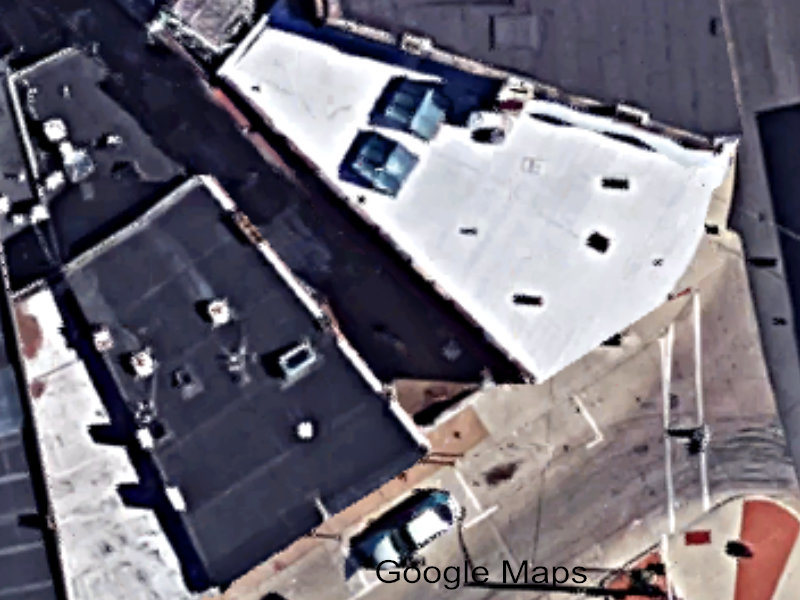
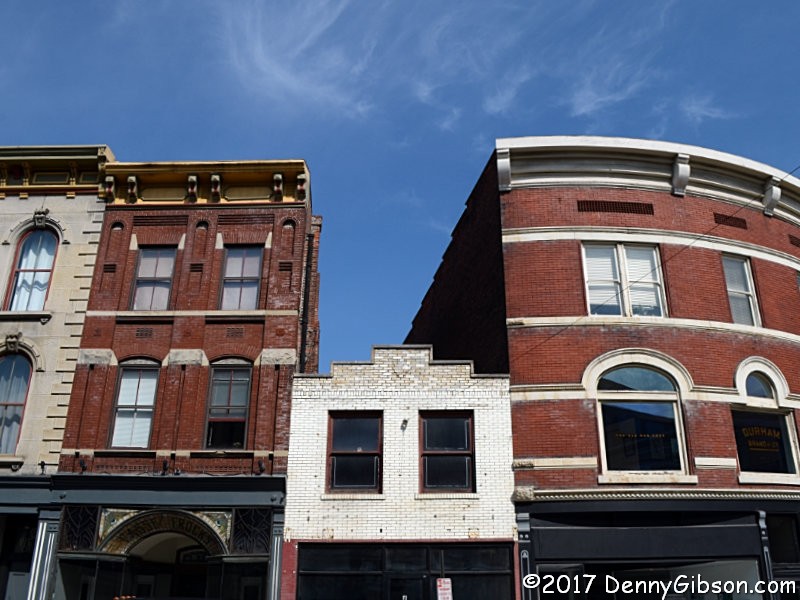
Pike Street jogs south at Madison Avenue then slants off to the southwest. These buildings are in the obtuse angle on the north side of the street. I’ve driven through this intersection countless times and walked through it a few but never thought about how the buildings fit into it until another tour member mentioned it. They are, as the overhead from Google Maps shows, literally wedged in.

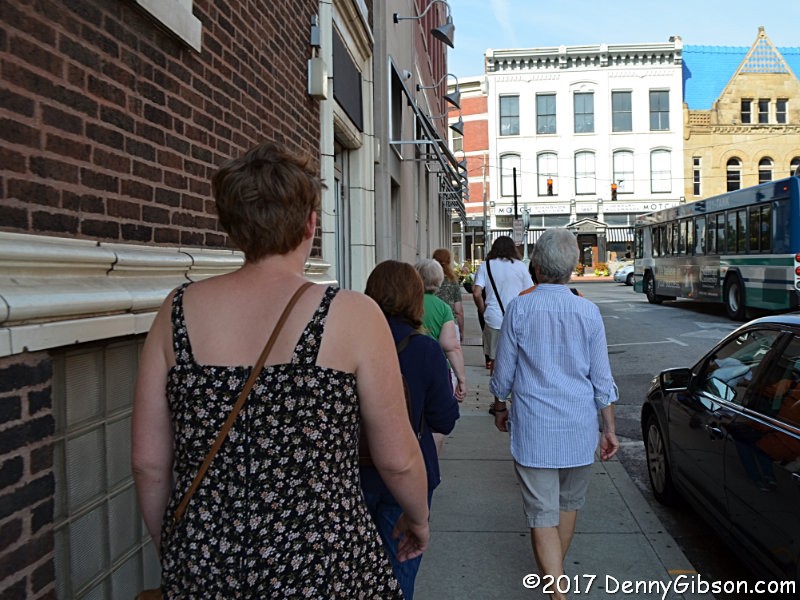
As we walked west on Pike we stopped frequently as Krysta told us about specific buildings and people associated with them. Two of the buildings in the preceding photo were included. The short white building in the center was most recently the home of Bronko’s Chili. It is currently being renovated for some unknown purpose. The fancy mosaic arch was added to the building next door in 1929. That’s the year that Casse’ Frocks, the name embedded in the arch, opened several stores in what was intended to be a nationwide chain. October’s stock market crash brought the effort to an abrupt end but no one has seen fit to replace the classy facade in all the years since. An identical storefront still stands on Main Street in Cincinnati.

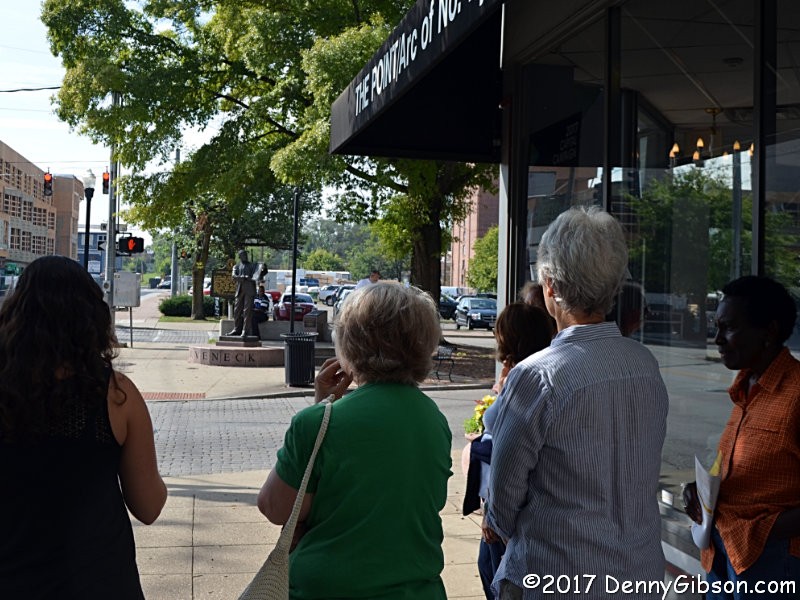
Frank Duveneck was born in Covington and a statue of the famous artist stands in a small triangle park formed by Pike, 7th, and Washington Streets. We didn’t actually enter the park but we learned a lot about Duveneck’s life with the statue in view. We are standing on Washington Street with Pike then 7th crossing in front of us. Back in the day, Washington was something of a dividing line with stores, restaurants, and taverns to the east and grittier enterprises such as livery stables, distilleries, and mortuaries to the west.

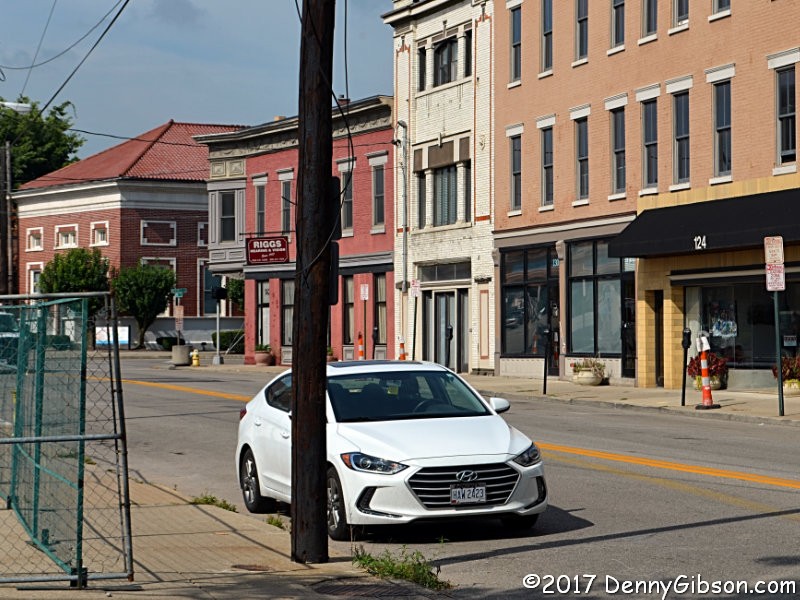
We walked beyond Washington to the middle of the block. The brick building farthest away in the picture is the former passenger terminal. The fence next to us encloses an area where several buildings, including a former distillery where a friend operated a bar back in the 1970s, stood until earlier this summer. Bricks falling from one of the buildings last fall left one person with permanent injuries and sent three others to the hospital temporarily. Safety was a big factor in the decision to demolish the buildings.

It was here that the tour officially ended and most people headed back toward the library. I used some of the time on the walk back to raise the subject of the Dixie Highway. Neither the article where I’d learned of the tour nor the library’s online description gave me any reason to expect the Dixie to be mentioned but, as a fan of the old road, I sort of hoped it would be. Krysta’s answer to my query was simply that they had not spent any time learning about the Dixie Highway. That matched what I was seeing. The focus of the tour and of the guides’ ongoing research was the individual buildings along the street. The beginning comments about the turnpike era were pretty much taken from a marker in that park with Duveneck’s statue. The Dixie Highway thing is minor and somewhat esoteric. The tour’s purpose was to inform participants about the buildings and it did that quite nicely.

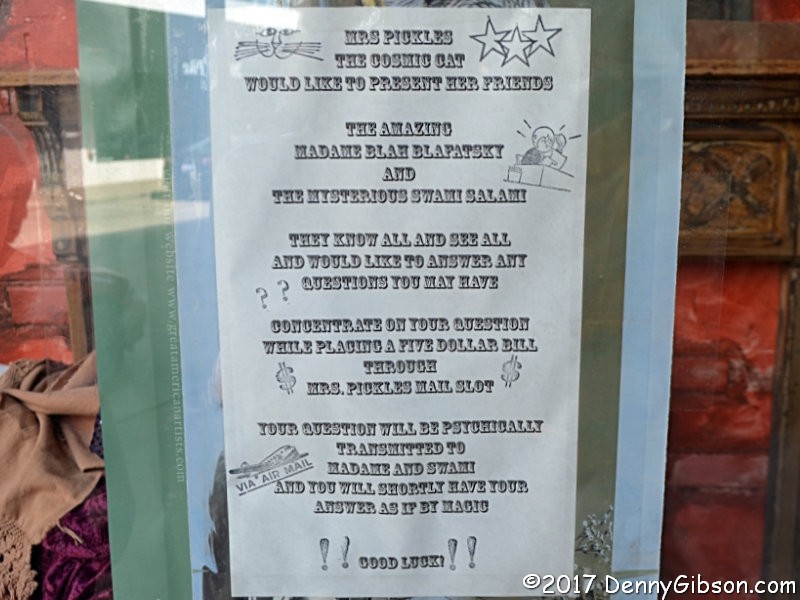
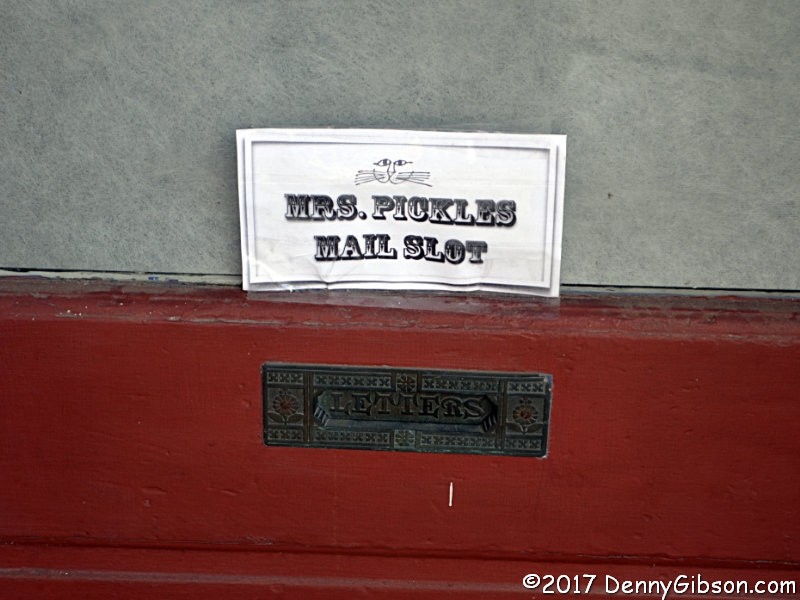
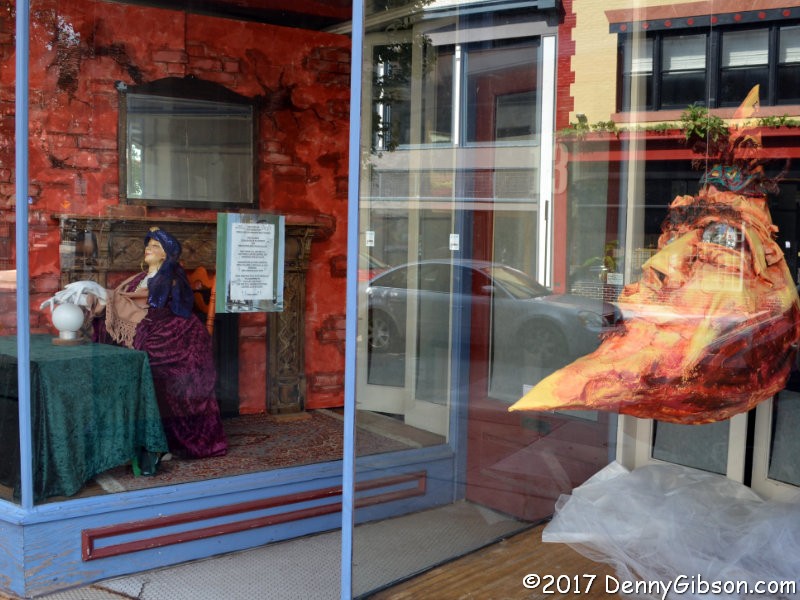
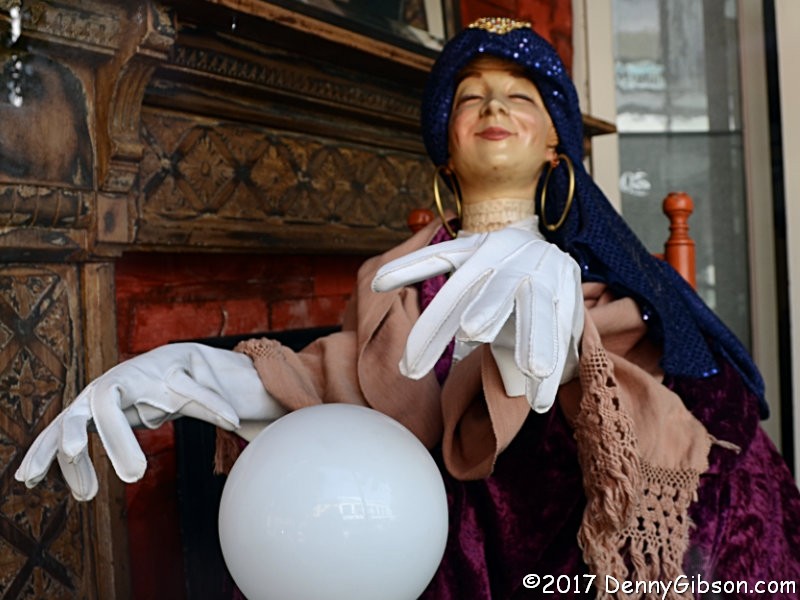
Now for that opening picture. I noticed the moon on the walk west but merely gave it a glance. With a fortune teller in the background and without my attention being directed elsewhere, it hooked me solidly on the way back. Swami! How I love you, how I love you!

Trip Peek #42
Trip #27
High Speed Privies

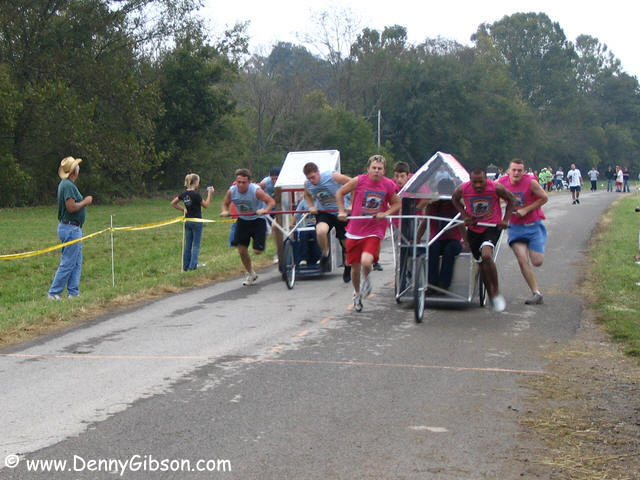
pvd12This picture is from my 2004 High Speed Privies day trip. This wasn’t the most spontaneous trip I’ve ever taken but it’s close. The destination was Penn’s Store which, despite it being the oldest continuously operated family store in the country, I first heard of just three days before heading there. The occasion was the commemoration of the store getting its first outhouse. That was in 1992. The store is known to have existed at least as early as 1845. The annual celebration is called the Great Outhouse Blowout and includes. along with plenty of music, outhouse races. Racing, unlike other outhouse activities, involves teams and lots of cheering.


Trip Peeks are short articles published when my world is too busy or too boring for a current events piece to be completed in time for the Sunday posting. In addition to a photo thumbnail from a completed road trip, each Peek includes a brief description of that photo plus links to the full sized photo and the associated trip journal.

Backyard History

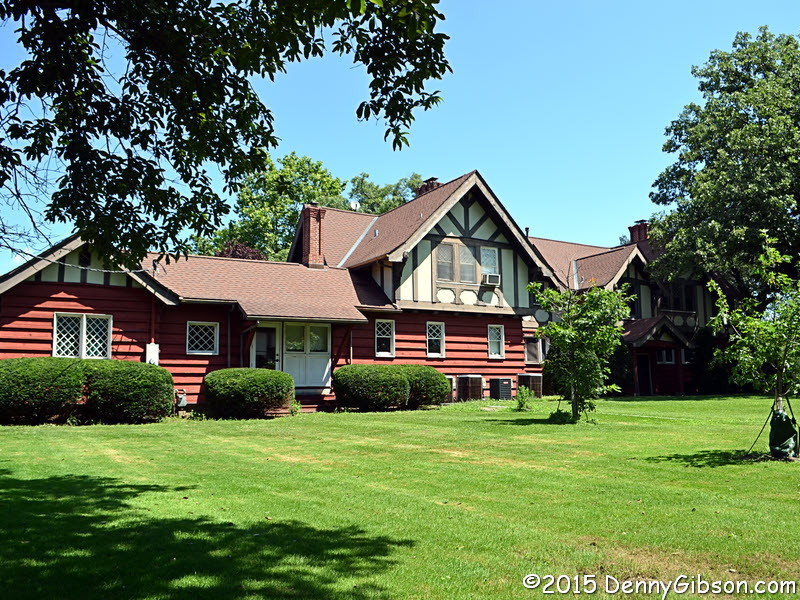
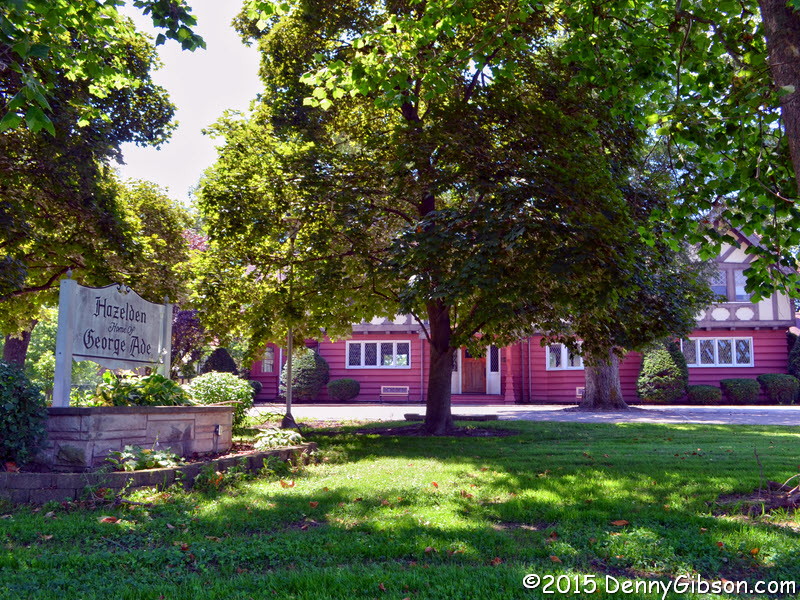
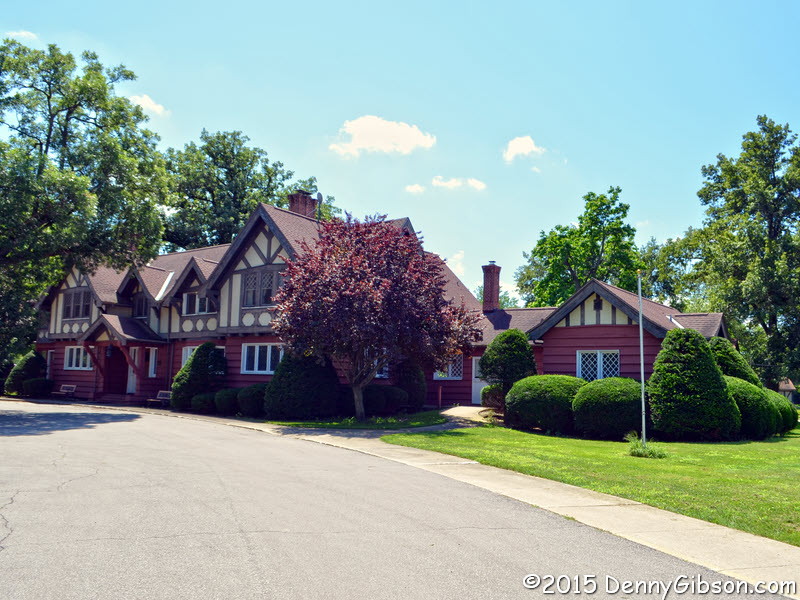
gade01That’s George Ade’s backyard in the picture at right. Ade was a columnist, author, and playwright who was quite popular and successful as the nineteenth century wound down and the twentieth took its place. Prior to a few weeks ago, I didn’t know even that much about him. In fact, if I had ever heard his name before, I had forgotten it. I became aware of George Ade and his Indiana backyard while learning about my own “backyard”.

gade02gade03The source of my learning was and is a series of videos from History in Your Own Backyard which I’ll have more on once I’m explained the Ade connection. Each video ends with the catch phrase “Travel slowly, stop often” which, along with a longer quote that appears on screen to start each video, is attributed to George Ade. The quotes made me want to learn more about the man and at some point in my reading I realized I would be passing near his home on an imminent road trip. I did that last week and got these pictures of both the back and front yards of the place he called Hazelden Farm.

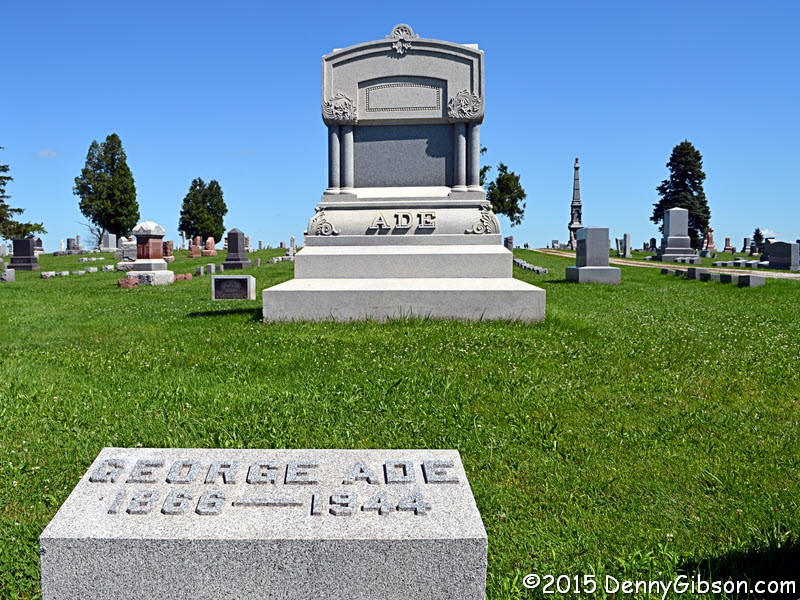
gade04Hazelden Farm is just outside of Brook, Indiana. Ade, who died in 1944, is buried a few miles south of there in Fairlawn Cemetery near Kentland. His writing has been compared to Mark Twain’s and the two humorists apparently knew each other and are said to have admired each other’s work. That, and the “Travel slowly, stop often” quote, is enough to generate some serious interest from me. So far, I’ve read just a little of Ade’s Fables in Slang but I will certainly be reading more. One place to learn more about George Ade is here.
hiyobhomeNow I’m ready to talk about History in Your Own Backyard. The project is the brainchild of Scenic Road Rallies owner Satolli Glassmeyer. It’s a rather simple concept. Each video tells the story of one historic structure in the tri-state (Indiana-Ohio-Kentucky) area. They serve to preserve the story and make it available through the project’s website and YouTube channel. That lets people like me learn about easily overlooked history that really is in our own backyards.

But the videos have an additional purpose and it shows in how they are made. The topics are well researched. The recording and editing are top notch and professional looking. The on screen interviewers and commentators are not quite so polished. They are amateurs who live in the area. Some are high school students getting a taste of and a little experience in working in front of a camera. More importantly, however, they gain a sense of ownership over both the production and its subject. Some of their friends and family probably do too. That is intentional and valuable.
Don’t get me wrong. These are not awkward camera shy klutzes stumbling over every word. They simply lack the poise and polish that experience brings. There could even be a future Barbara Walters or Larry King among them but, if so, they have a ways to go. Their sincerity, however, is never in doubt and that, along with some real enthusiasm, easily makes up for a little missing polish..

The project got started a little more than a year ago and the YouTube channel currently lists over a hundred videos. Some are of active businesses in historic building that include interviews with current owners. Others might have only a commentator in an empty building or on a deserted bridge. Some even use old photographs with Ken Burns style voice-over. The following promotional video, which looks to gain new viewers, participants, and subjects, explains things better than I can.

You don’t have to live in my neighborhood to enjoy the History in Your Own Backyard videos. A general interest in history and preservation will suffice. But, if you do live in the neighborhood, they will probably tell you something you didn’t know or had forgotten and almost certainly give you some ideas for that next drive around your “backyard”.

Trip Peek #27
Trip #23
Kentucky Short Loop

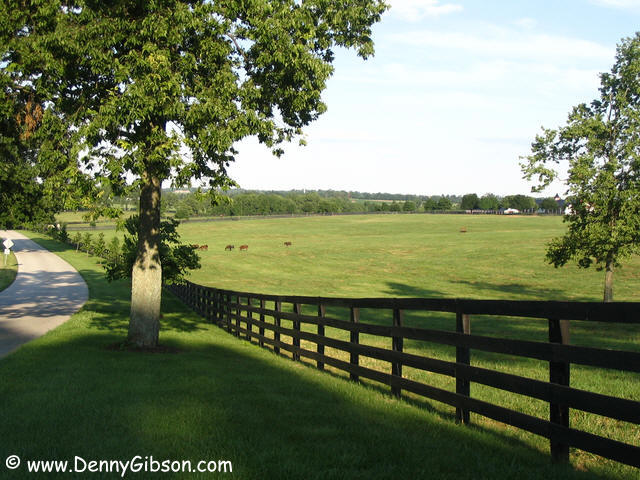
pvd10This picture is from my 2004 Kentucky Short Loop day trip. The trip was prompted by good weather and was fairly spontaneous although I did have a few places in mind to visit. It was basically a day spent driving around Lexington, Elizabethtown, and Versailles, Kentucky. The picture is of a horse farm near Versailles. Apparently this was the trip where my attraction for US-62 began.


Trip Pic Peeks are short articles published when my world is too busy or too boring for a current events piece to be completed in time for the Sunday posting. In addition to a photo thumbnail from a completed road trip, each Peek includes a brief description of that photo plus links to the full sized photo and the trip journal it is from.