 …same as the old phone. When I woke up a week ago Friday, my phone didn’t. I believed that it had been well charged when we (my phone and I) had gone to sleep but I plugged it in just in case. A few hours on the charger failed to restore any signs of life, and it was now time to go pick up my groceries.
Shortly after the Coronavirus pandemic hit, Kroger started waiving the five dollars they had been charging for their “Click List” service and I, who had sworn I would never buy groceries online, started to use it. An order I had placed a couple of days before was scheduled for pickup that morning. The normal drill is to pull into a numbered spot and share that information either by calling a posted number or using the Kroger phone app. I could do neither. I felt like one of King Arthur’s knights in a modern Connecticut. I walked up to the fellow loading groceries into the car in the neighboring slot and asked if he would let the appropriate people know I was there. He did and it worked out just fine.
After dropping the groceries at home, I headed to my go-to electronics repair spot, UbreakIfix. They checked what they could without disassembly but found no specific problem. A more complete diagnostic, which would require opening the phone, could be completed by the next day and would be free but wasn’t likely to turn up a cost-effective fix. The phone was about 4 1/2 years old and the battery had been replaced once. The screen was showing some pretty serious burn-in from too much solitaire and Sudoku. A new battery, which was the least expensive but also the least likely issue, would be about a hundred bucks. I had spent some of the morning looking over available replacements with my laptop and opted to forego further testing and move on to a new phone.
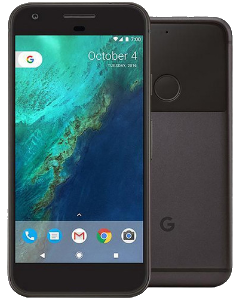
The dead phone was a first-generation Google Pixel which I was quite happy with. Its sudden demise aside, it had given me few problems, and its capabilities seemed to meet or exceed my needs. I concentrated on Pixel but did look at a few other brands. iPhone was not among them even though I frequently hear the products praised. I believe that this particular old dog is capable of learning new tricks but there are some tricks I’m just not interested in learning. Integration with other products I use was also a major consideration. I did consider some Samsung and LG models because Samsung seems to get a lot of attention and because I once had an LG phone I was happy with, but nothing about them enticed me to leave my Google Pixel comfort zone. I did not consider changing carriers. I moved to Verizon about six years ago when Cincinnati Bell exited the mobile phone business, and have generally been satisfied.
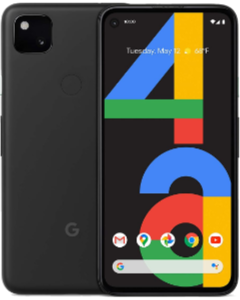 There are really just three Pixels currently being offered by Verizon. The Pixel 4 is technically still available but it is fading fast. My legitimate choices, in order of price, were the 4a, the 4a 5G UW, and the 5. The Pixel 4a 5G UW adds, as some may have figured out, 5G communication and an ultra-wide camera to the 4a. It also adds about an ounce of weight and nearly a half-inch of height. I believe the UW model is a Verizon exclusive. The Pixel 5 fits in between the two 4as in size and weight. It includes 5G and the ultra-wide camera as well as wireless charging, a bigger battery, and an aluminum water-resistant body. Of all the features just named, only wireless charging and water resistance seemed even slightly desirable and none seemed worth paying for. I opted for the Pixel 4a at about half the price of the 5 and about two-thirds the price of the 4a 5G UW.
The ease of the switch, once the purchase was completed, was amazingly easy. With the old phone completely dead, I anticipated hours or days reinstalling apps. Instead, the phone asked if I wanted to use the day-old backup, and a yes answer resulted in every app and most configurations that existed on the old phone being installed on the new one. User IDs and passwords excepted. This was, I believe, a function of my Google account and may have benefited significantly by going from and to a Google phone.
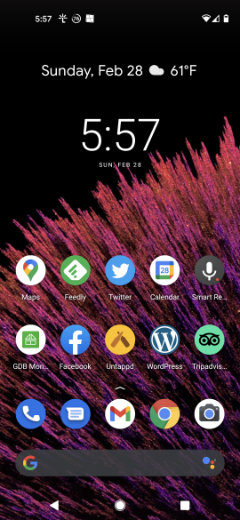 Another very much appreciated surprise was the degree to which the operation of the new matched the operation of the old. I was initially perplexed by the absence of the navigation bar at the bottom of the screen, and thought I was going to be stuck with fumbling my way around with unfamiliar “swipes”. It turns out that’s what happens when navigation by “gestures” is enabled and setting that off (which was apparently set on from the factory) put me back in familiar territory.
I encountered the only thing I might call a real problem when I tried sending the first text message. Rather than sending the text, the phone displayed a “Waiting for connection” message. I thrashed a bit then took a look at some troubleshooting advice. It began with a very logical suggestion to always first check for updates. I did and found that, while the 4a ships with Android 10, a free update to Android 11 is available. Following installation of the update, the pending text message was successfully sent. I don’t believe that text messages were really broken in Android 10 so the update may or may not be what “fixed” the message problem but it was fixed nonetheless. And everything else seems to be working, too. Waking up with a dead phone was certainly not a happy moment but barely a day later I had a phone that looked and operated just like the old one except that it had more memory, a faster processor, a higher resolution camera, an unblemished screen, and probably some goodness I don’t even know about.
Plus there was one more surprise. The physical similarity of the Pixel 4a to my Pixel 1 was even greater than I first thought. Their dimensions matched exactly so that the protective case I had on the older phone fit the new phone perfectly and the cutouts even matched with the single exception of the camera. I had already ordered a real 4a case before I discovered this or I probably would have done a little snipping and saved myself a few bucks.
 It might be nice if 2020, like Dracula, simply did not appear in mirrors — rear view or otherwise — but the truth is, we’re going to be reflecting on this strange year a lot and for a long time. In last year’s Rear View post, I lamented a drop in travel. Trips, days on the road, and pictures posted were all down, but those were the good old days. This year the counts didn’t just drop, they plummeted. I do not, of course, have to guess at the cause. It is clearly the shutdowns and precautions associated with the COVID-19 pandemic. Prior to that becoming a factor in mid-March, I had 2020 identified as a big travel year with plans for two major trips and several of medium-size. In the end, only one of the major trips and a single small trip actually took place. The top five trip journal entries were again for major trips including one repeat from last year. Neither 2020 trip made it. Only one new blog post made the top five and that was at the bottom behind four posts that were at least five years old.
 I really don’t like writing things that make others look bad and no one likes writing things that make themselves look foolish. Today I’m doing both.
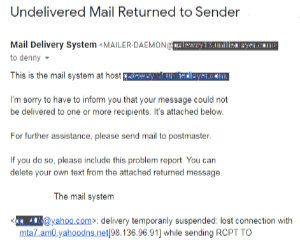 It’s terribly inconvenient, of course, but is usually solvable in a reasonable amount of time. Many blacklists are public with established procedures for getting off of them after proving the bad guy is gone. That’s not the case with Yahoo. Nor is it now the case with AOL and Verizon since, through purchases and mergers, they’re all one happy and secretive family. Their lists are essentially private and getting removed from them (i.e., restoring your reputation) is not very easy. I’m sure that knowing that made me more tolerant as weeks then months slid by with no resolution.
 We fought a war to get this country going then gave every land-owning white male above the age of twenty-one the right to vote. A little more than fourscore years later, we fought a war with ourselves that cleared the way for non-whites to vote. Several decades of loud, disruptive, and sometimes dangerous behavior brought the granting of that same right to non-males a half-century later, and another half-century saw the voting age lowered to eighteen after a decade or so of protests and demonstrations.
 Of course, putting something in a constitution does not automatically make it a practice throughout the land and I am painfully aware that resistance followed each of those changes and that efforts to make voting extremely difficult for “the other side” are ongoing today. I don’t want to ignore partisan obstructions and system flaws but neither do I want to get hung up on them. I meant my first paragraph to be a reminder that a hell of a lot of effort, property, and lives have gone into providing an opportunity to vote to a hell of a lot of people. Far too many of those opportunities go unused.
 I first posted the core of this article in 2014. In the original title, I claimed to not care how anyone votes. That was never entirely true, of course. I have my favorite candidates and issues. I’ll be disappointed in anyone who votes differently than I do but not nearly as disappointed as I’ll be in anyone who doesn’t vote at all. I’m reminded of parents working on getting their kids to clean their plates with lines like, “There are hungry children in China who would love to have your green beans.” I’m not sure what the demand for leftover beans is in Beijing these days but I’m pretty sure some folks there would like to have our access to ballots and voting booths.
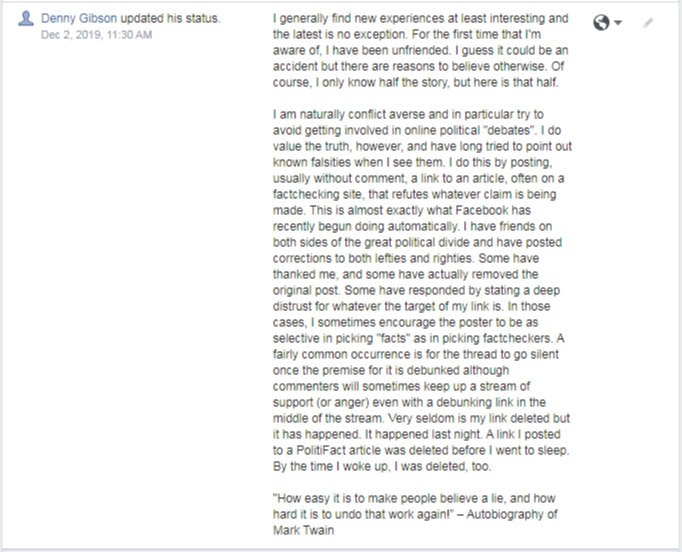
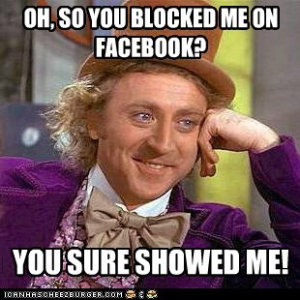 Back in December, I was unfriended on Facebook for what I believe to be the first time. I can now add being blocked to my list of Facebook experiences. On the occasion of the unfriending,
  I’ll admit that the guy was kind of fun to watch and in some odd way, I might even miss his strings of commas and other “creative” bits of punctuation now and then. But in my heart, I know this breakup was for the best. I’ve never unfriended or blocked anyone, but during the leadup to the 2016 election, I did temporarily stop following some people. I suspect I’ll have to do that again in the next few months. Unless, of course, some more trash takes itself out.
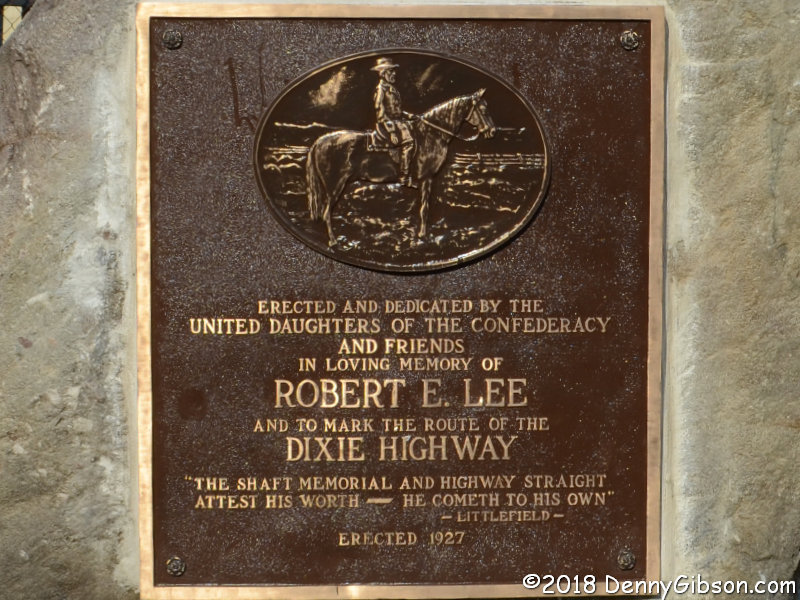
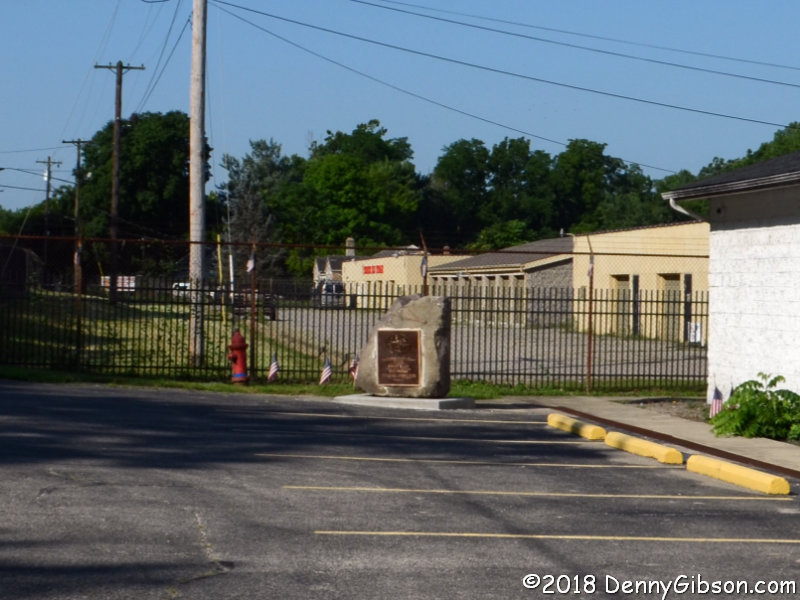
 Seeing things like signs, banners, and menus for local businesses bearing the logo of some large corporation is quite common. Details vary but the basic model is that the big corporation shoulders some or all of the cost and the small business gets some advertising for little or nothing. The idea is hardly new and the concept has never been restricted to purely commercial enterprises. During the last half of the 1920s, a pairing of this sort existed between a major highway and an American hereditary association. The major highway was, of course, the Dixie Highway. The hereditary association was the
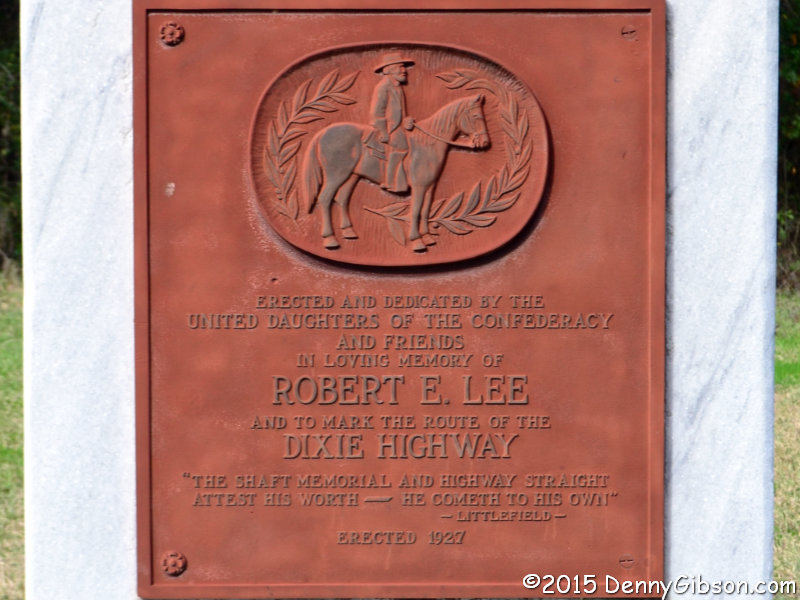
  The UDC was the “advertiser” in this instance. Between 1926 and 1935 the organization was responsible for at least ten plaques being erected beside the highway. It’s unclear whether or not the Dixie Highway Association was an active participant in this arrangement. Because the 1926 creation of the United States Numbered Highway System brought an end to all of the named auto trails, the DHA was not very active at this point.
 Combined, the previous picture and the one at right show the ten plaques in north to south sequence. The northernmost marker is in Ohio, the southernmost is in Florida, the one preceding it is in South Carolina, and the others are in North Carolina. Except for the date erected, eight of the plaques are identical. The one in Florida contains the same text as those eight but has a different image of Lee. The one in South Carolina contains different text but has the same image as the bulk of the plaques.


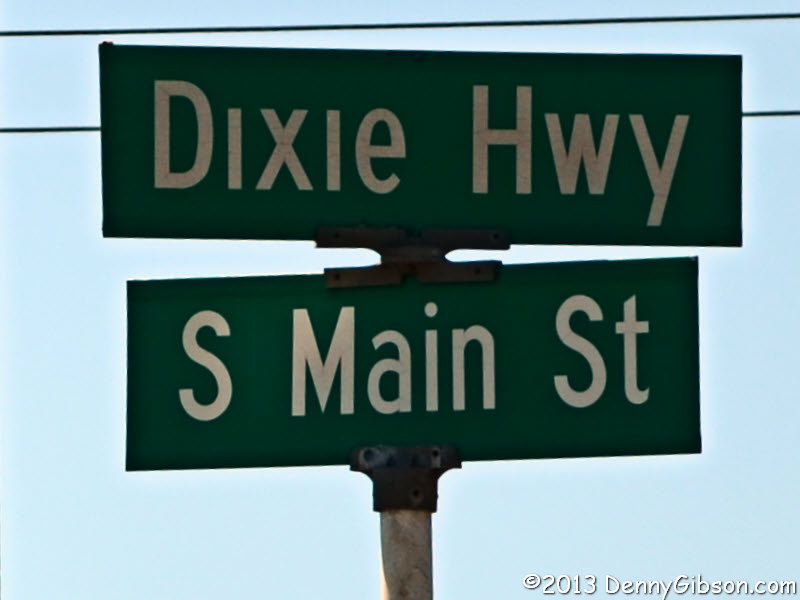
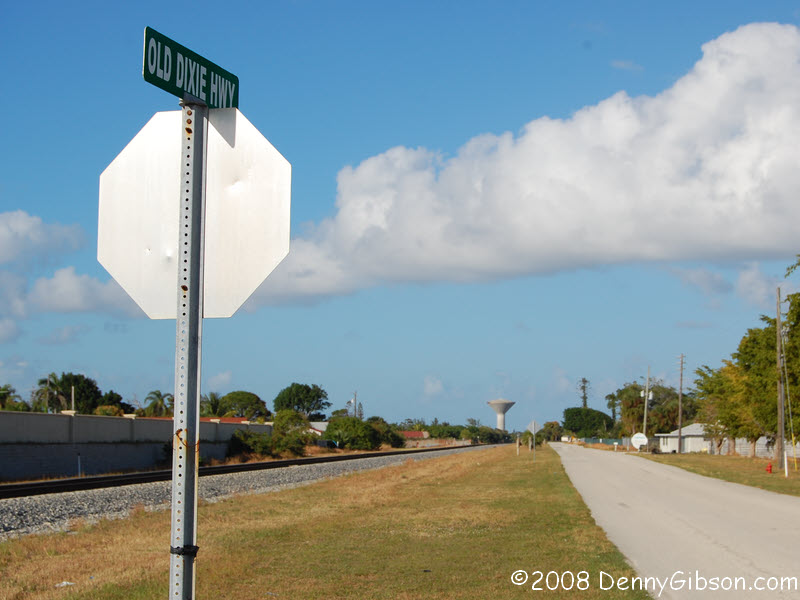
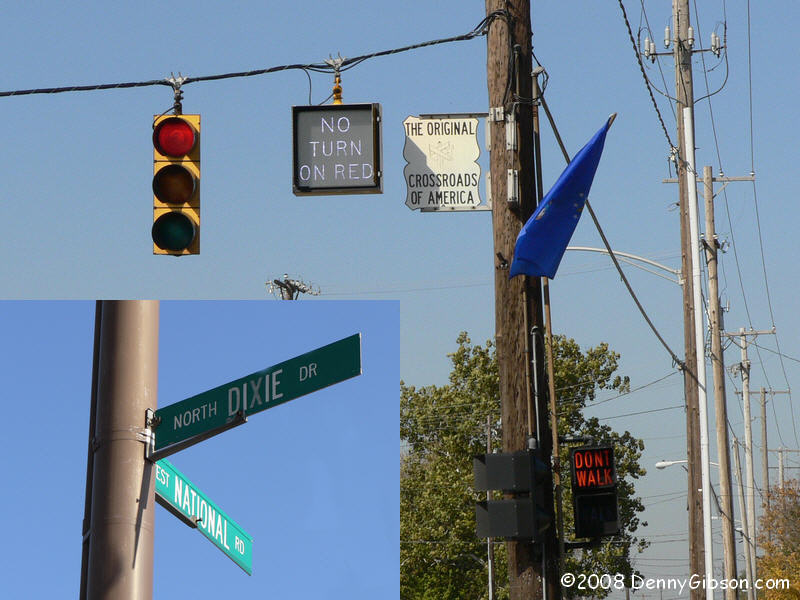
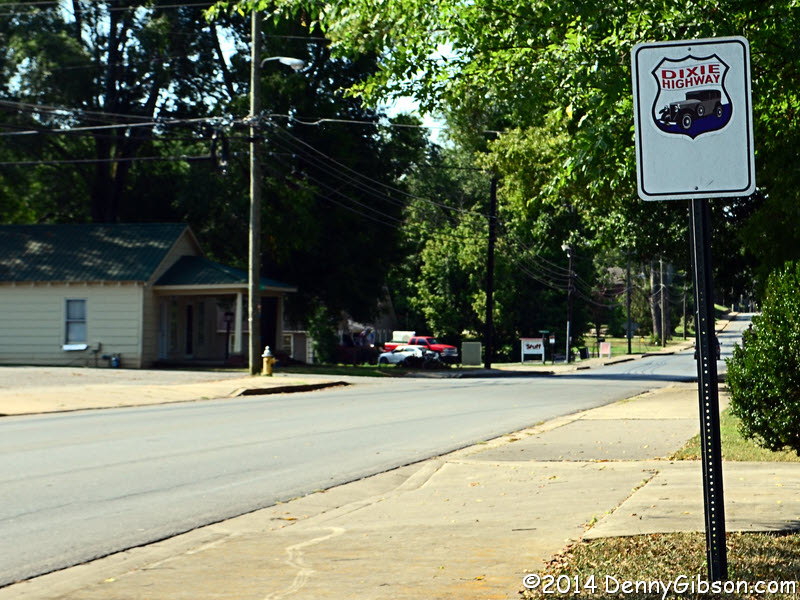
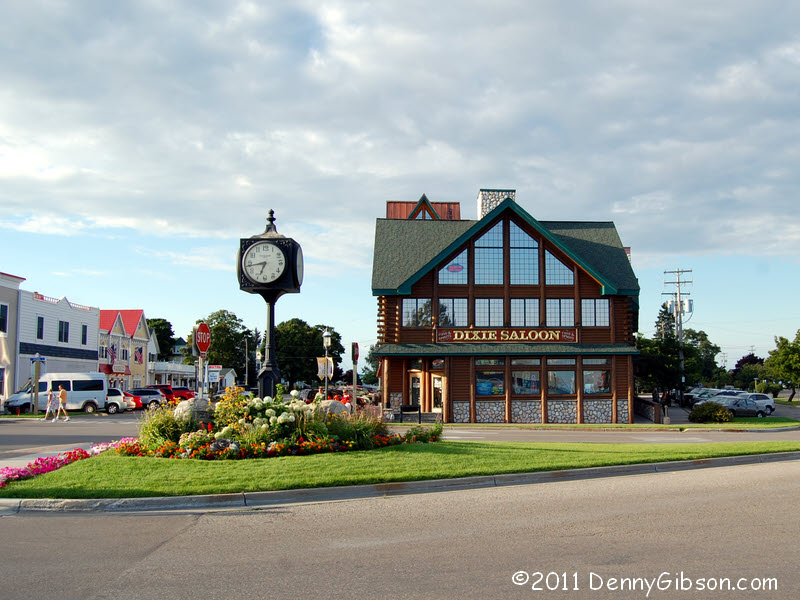
 If something called a dixie existed, I have little doubt that we could refer to it differently without changing its aroma, but the word “dixie” doesn’t really identify anything. It is not, in other words, a common noun. As a proper noun — with a capital ‘D’ — it is used as both a surname and a given name and to identify a wide variety of things including a region of our country. People with a first, last, or nickname of Dixie surely outnumber things bearing the name but there are certainly plenty of those. It has been used to identify buildings, songs, currency, music groups, towns, counties, movies, beer, boats, ships, taverns, race tracks, waterways, restaurants, mountain ranges, athletic conferences, grocery stores, airports, schools, universities, and much more. With an ‘X’ made of a stylized flower, Dixie is a registered trademark of Georgia-Pacific for a brand of paper products.

 Trips, days on the road, and pictures posted are all down and I believe it can all be blamed on that July through September gap when a variety of life’s activities kept me off the road and close to home. The slight uptick in blog posts comes from me doing a couple more reviews this year than last. Two of those new-for-2019 blog posts join three oldies in the top five list. For the second year in a row, all of the top five trip journal entries were for major trips which is the way I always thought it should be. One was even a 2019 outing.
 We fought a war to get this country going then gave every land-owning white male above the age of twenty-one the right to vote. A little more than fourscore years later, we fought a war with ourselves that cleared the way for non-whites to vote. Several decades of loud, disruptive, and sometimes dangerous behavior brought the granting of that same right to non-males a half-century later, and another half-century saw the voting age lowered to eighteen after a decade or so of protests and demonstrations.
 Of course, putting something in a constitution does not automatically make it a practice throughout the land and I am painfully aware that resistance followed each of those changes and that efforts to make voting extremely difficult for “the other side” are ongoing today. I don’t want to ignore partisan obstructions and system flaws but neither do I want to get hung up on them. I meant my first paragraph to be a reminder that a hell of a lot of effort, property, and lives have gone into providing an opportunity to vote to a hell of a lot of people. Far too many of those opportunities go unused.
 I first posted the core of this article in 2014. In the original title, I claimed to not care how anyone votes. That was never entirely true, of course. I have my favorite candidates and issues. I’ll be disappointed in anyone who votes differently than I do but not nearly as disappointed as I’ll be in anyone who doesn’t vote at all. I’m reminded of parents working on getting their kids to clean their plates with lines like, “There are hungry children in China who would love to have your green beans.” I’m not sure what the demand for leftover beans is in Beijing these days but I’m pretty sure some folks there would like to have our access to ballots and voting booths.