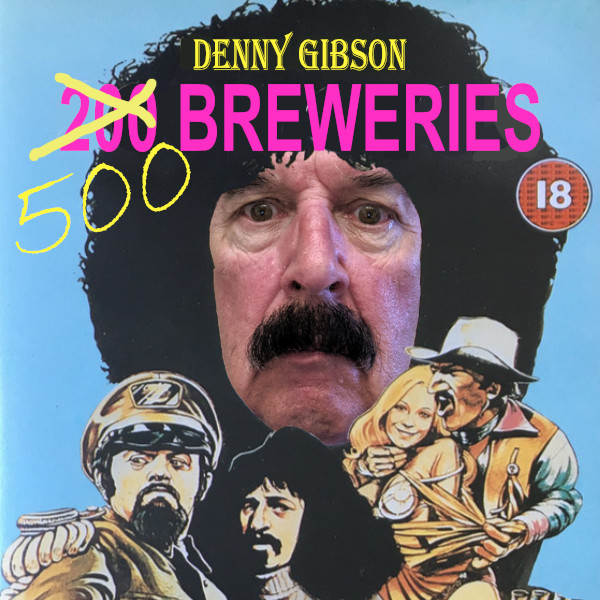
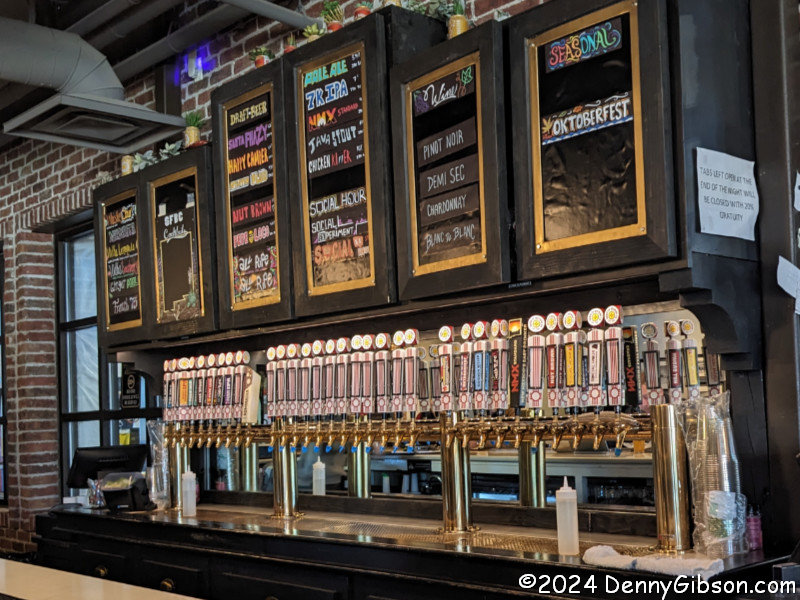
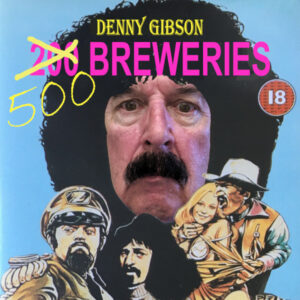
 In previous posts about milestones in my count of brewery visits, I’ve commented about how Untappd, the score-keeping app, can create surprises with changes in the counts. I know it has added to my count of breweries by reclassifying places as breweries that were classified as something else when I logged them. Apparently, it can do the reverse as well, since the brewery that was my 400th when I logged it is now my 396th. I’m not going to analyze and try to explain these changes anymore. I will merely note that I visited 104 breweries to move from 400 to 500. It may look like I visit nothing but breweries, and they do account for the majority of my check-ins, but I also log brews at other venues. A volleyball court, an art museum, a cemetery, and two gay bars are just a few of the non-brewery venues among my Untappd recorded locations.
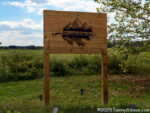
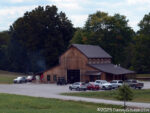
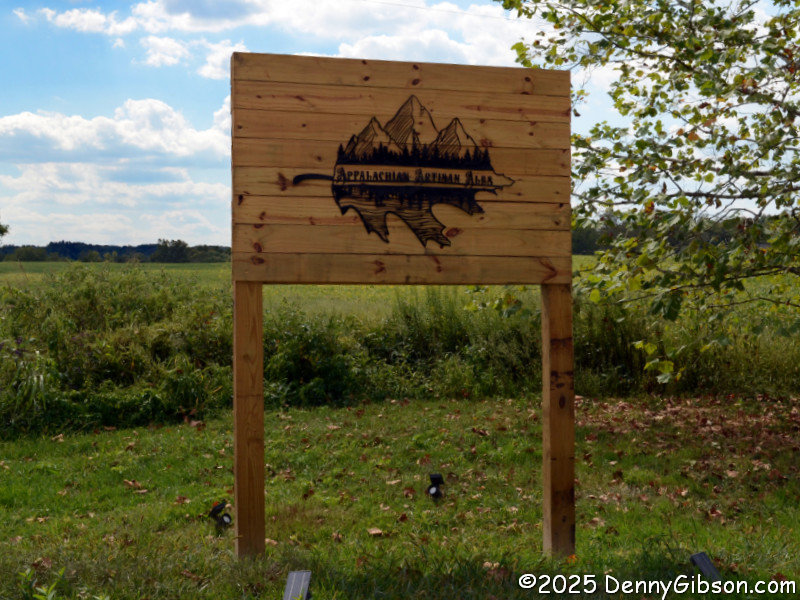
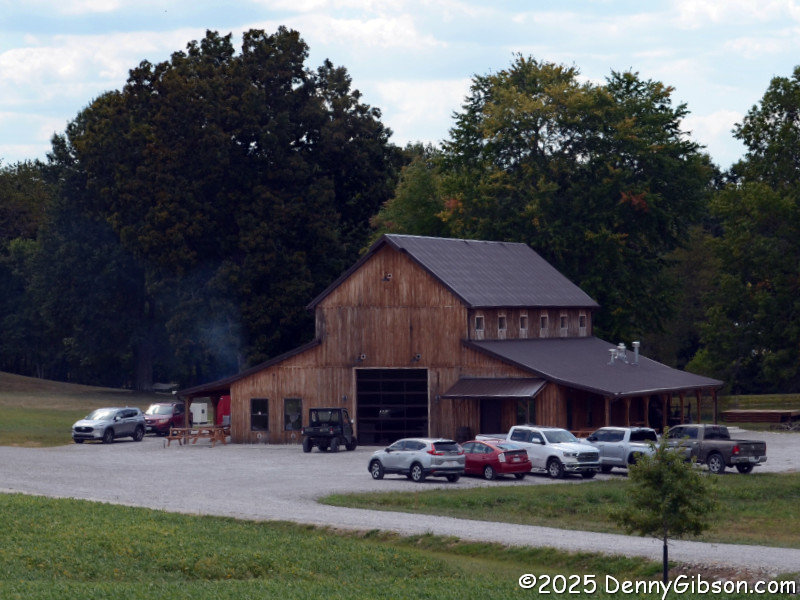
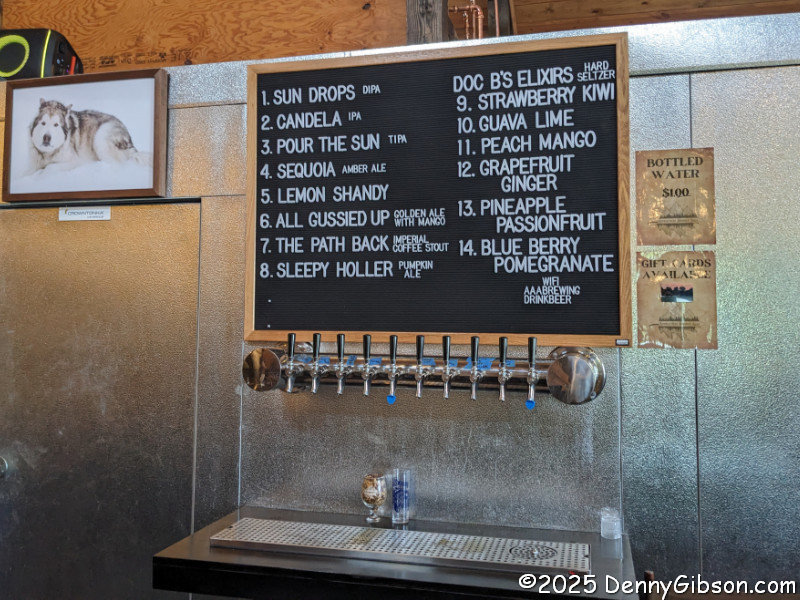
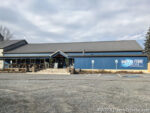
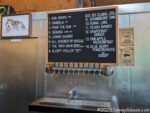 I confess to rigging this brewery’s position just a little. I first learned of Appalachian Artisan Ales (#500, 9/13/25) back on August 15 when I visited the World’s Largest Acorn in Oak Hill, OH (Two for Four in Ohio). The acorn was the last of the destinations planned for that day, and a search for breweries while parked at the big nut turned up this place not too far away and pretty much on the path home. Without further research, I drove directly there to find it closed. I did the research I should have done earlier in the brewery’s parking lot and learned that it was only open on selected weekends, and this was not one of them. It looked so cool that I immediately resolved to return. When I logged my next brewery about a week later, I saw that 500 was only a few breweries away, and quickly decided to make this the one. I don’t regret it a bit. The brewery opened on April 24 of this year. Founders Shane and Nate both have day jobs, which is one reason the brewery is currently open just two weekends a month. Shane told me that he and Nate both have homebrewing experience, and both put time into it, but that Nate is really the owner. Cool location, cool building, and cool beer.
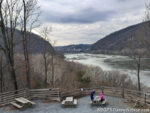
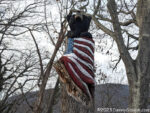
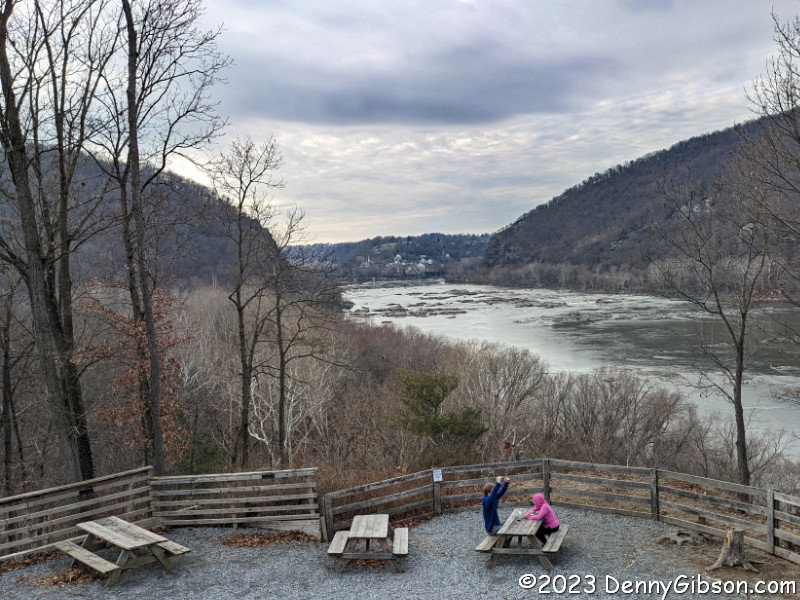
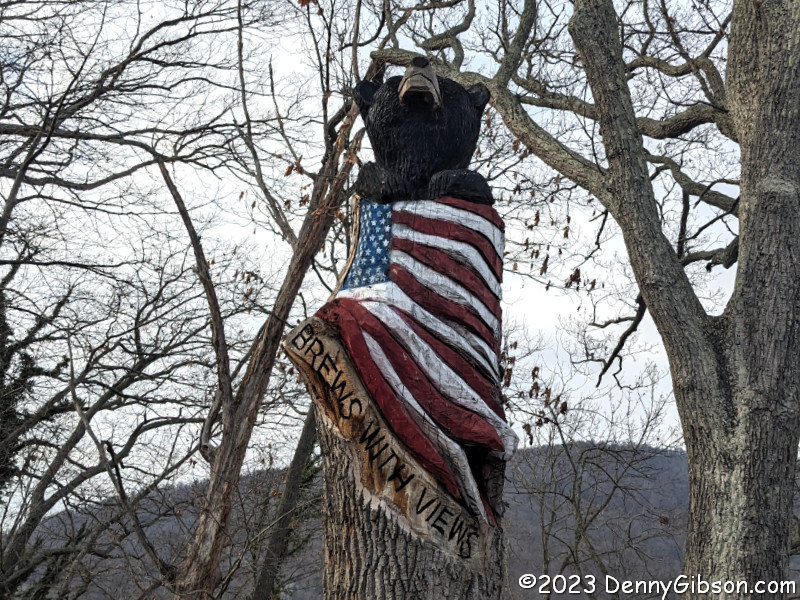
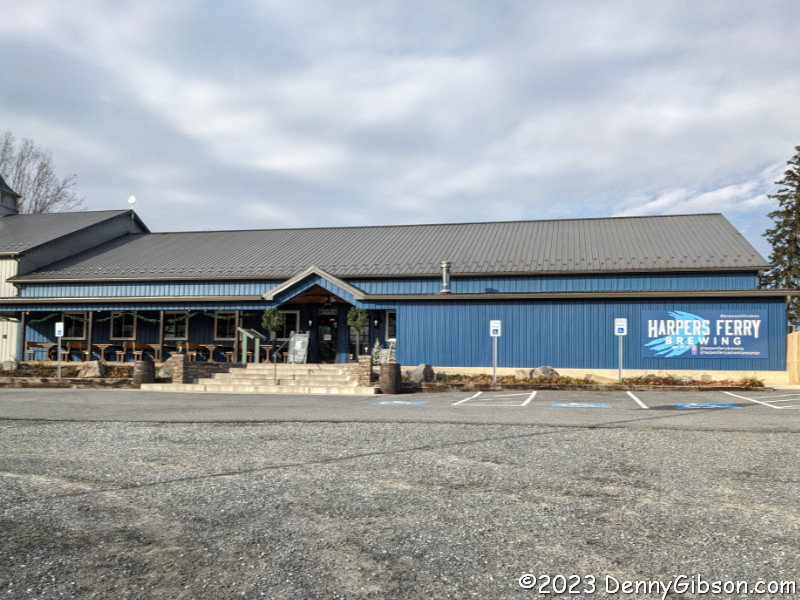
 In past posts about reaching a multiple of 100 breweries, I’ve not only noted the brewery that did it, but the one just beyond that started the next 100. I’m not doing that this time because 1) I haven’t yet visited brewery 501, and 2) it might change before I reach 600. But I am maintaining the practice of naming a few of the preceding 100 breweries that made an impression. First up is Harpers Ferry Brewing (#414 12/24/23), which I visited on Christmas Eve 2023. Its Big Bucks Brown Ale is quite good, but it is largely because the brews, as the bear points out, come with views, that I’m including it here. Those views are of the Potomac River as it flows east toward the town of Harpers Ferry.
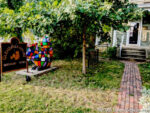
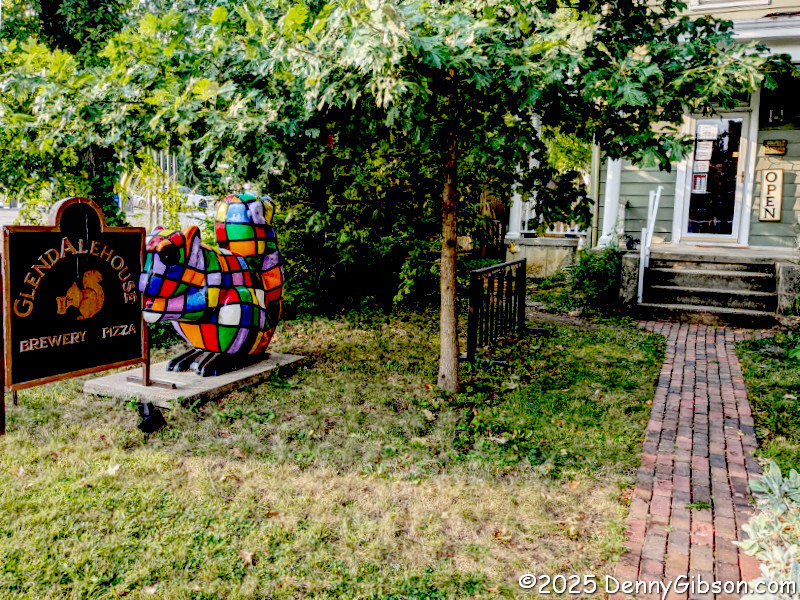
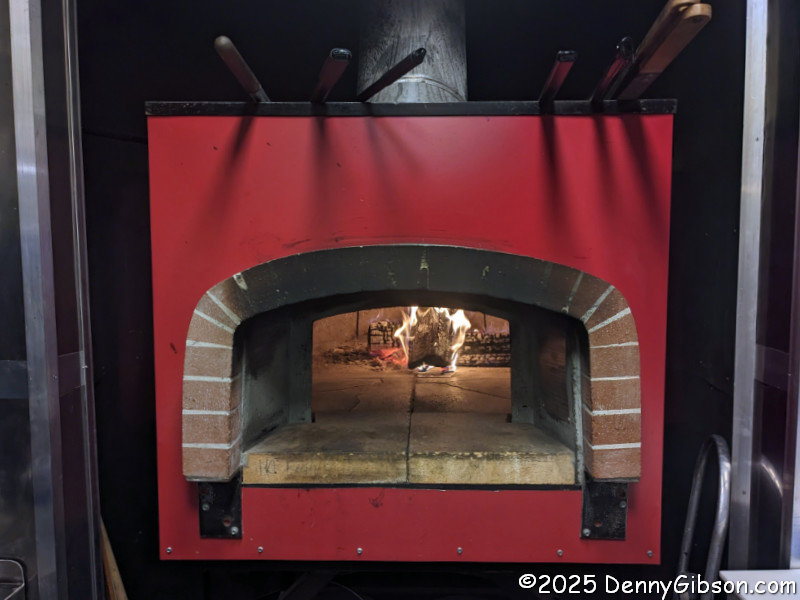
 As a guy drawn to mom & pop diners and motels, finding this mom & pop brewery within a year of it opening was extra special. That it’s close enough to visit now and then makes it even more so. Pop Scott brews the excellent beer, and Mom Laura makes the wonderful from-scratch pizza in this wood-fired oven. Besides being a great place to eat and drink, GlendAlehouse Brewery (#434, 7/7/24) is a popular gathering spot where live music is often heard and recorded (on vinyl!) music can be heard any time. There are a number of painted squirrel statues around Glendale, which is known for its large population of black squirrels. The one in front of GlendAlehouse is named “Squarely”, and an IPA with that name is among the brewery’s offerings.

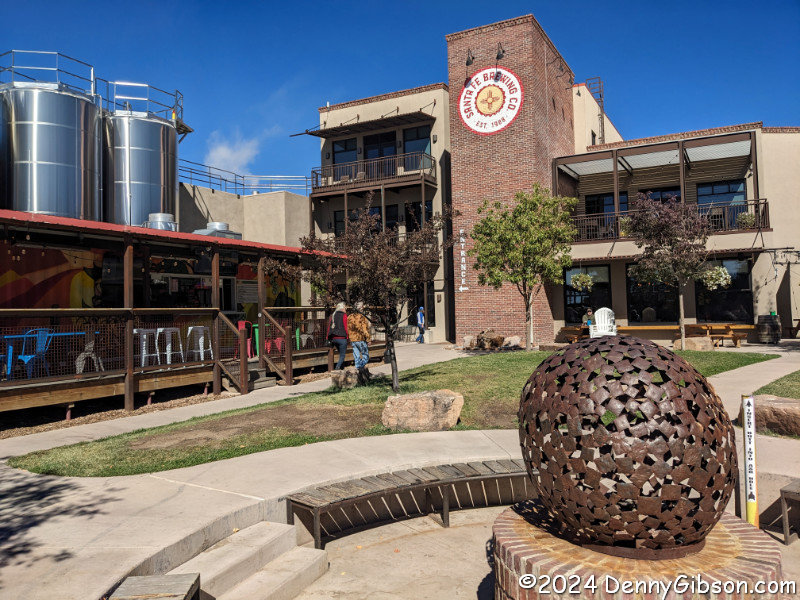
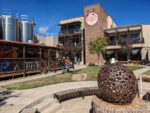 Santa Fe Brewing (#459 10/21/24) is not in the area around the downtown plaza that many people, including me, picture when they think of Santa Fe, NM. Although it does operate a taproom in a historic building within a half mile or so of the plaza, the main brewery is several miles away to the southwest. At that location, you will find a “brewery campus” with nicely landscaped outdoor areas, a concert venue with a capacity of 400, and a giant taproom, in addition to lots of brewing gear.
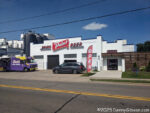
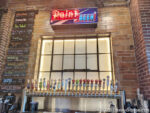
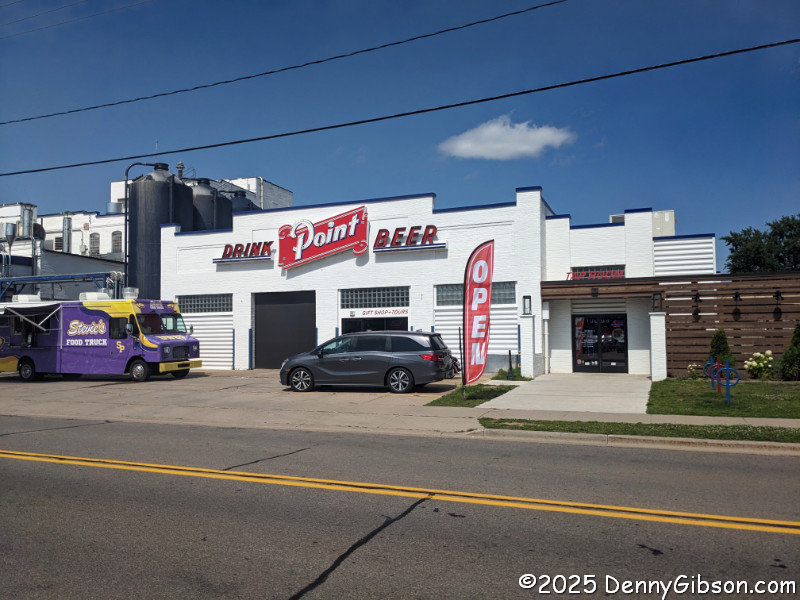
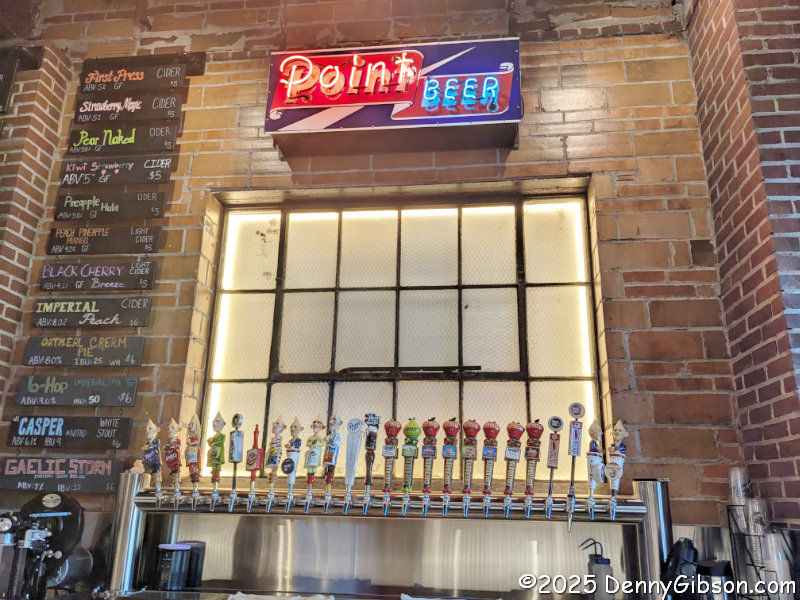
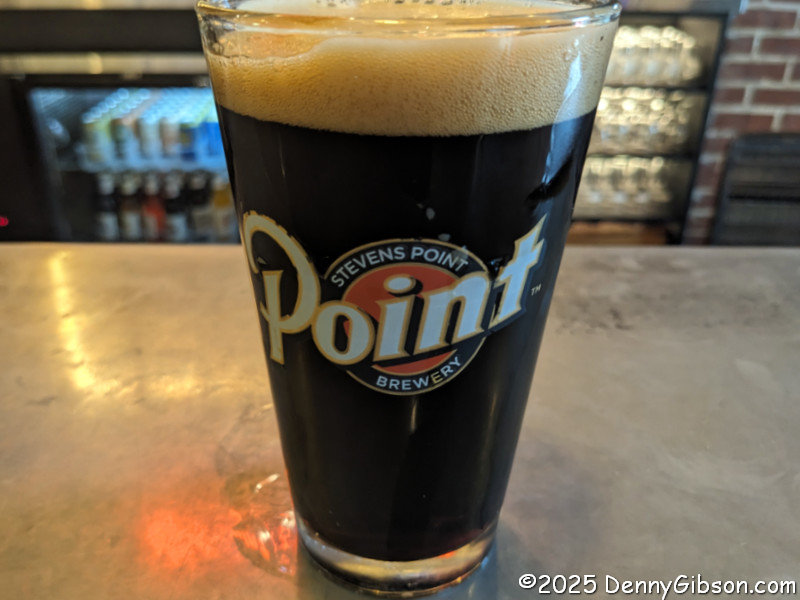
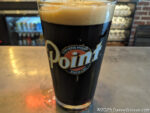 Deep in the last century, long before craft beer even existed in any real sense, there were beer connoisseurs and mavens who compared and wrote about the brews of the day. I don’t recall details, but I do know that Point Special was at or near the top of multiple lists, and I remember being rather excited when a business trip brought me within range of this storied beverage sometime in the 1980s. I have been by the brewery a couple of times since then, but since there had never been anything particularly exciting going on there, I almost skipped it when I passed through Stevens Point, WI, in July. I was sure glad I didn’t when I saw that a taproom was operating in their old garage. It had opened just over a year before. I walked in with plans to order a Point Special, but when I saw some of the “available here only” offerings, I had to go for a Coconut Rum Stout. Stevens Point Brewery (#490 7/29/25)
 With the count changing slightly due to venue reclassification and such, pace calculations are not entirely precise. They are still of some interest, however, and the small variations don’t really affect the overall averages that much. It appears that, even though I’ve “lost” some of my earlier logged breweries, I have picked up the pace just a wee bit. My 500th brewery was logged 4243 days after the first one. That’s a scosh over 0.82 breweries a week for about 11 1/2 years. As I said almost two years ago after brewery #400, I don’t know how much longer I can keep this up.
My previous brewery boasts… I mean posts are here (200), here (300), and here (400).
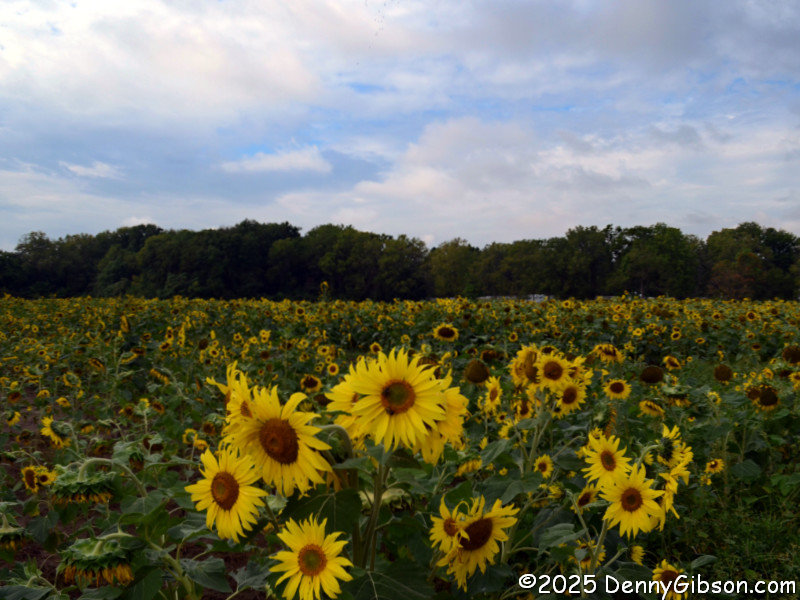 Remember last month’s Two for Four in Ohio post, when one of the targeted museums was closed and the sunflowers were barely out of the ground? At the time, I noted that the projected date for Tecumseh Land Trust blooms was near the end of September. Well, the end of September is near, and the blooming sunflowers are here.
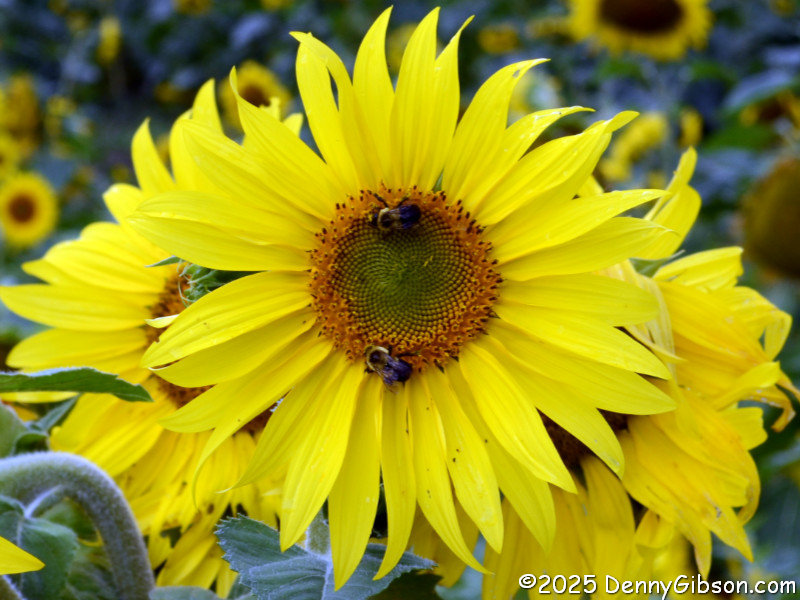 Thursday morning’s rain ended, and the forecast said it would not be back until evening. That wasn’t correct, but I did manage to get my visit in before the rain returned just past noon. This time, I was not alone. There were about half a dozen cars parked in the designated area next to the flowers, and some small winged beings hanging out right in their midst. Here’s a closer look at the bloom in the center of the opening photo.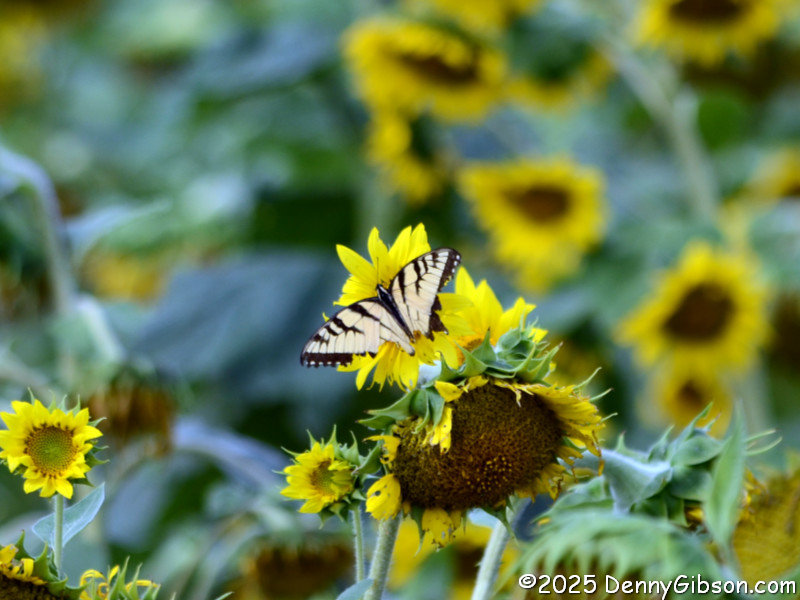
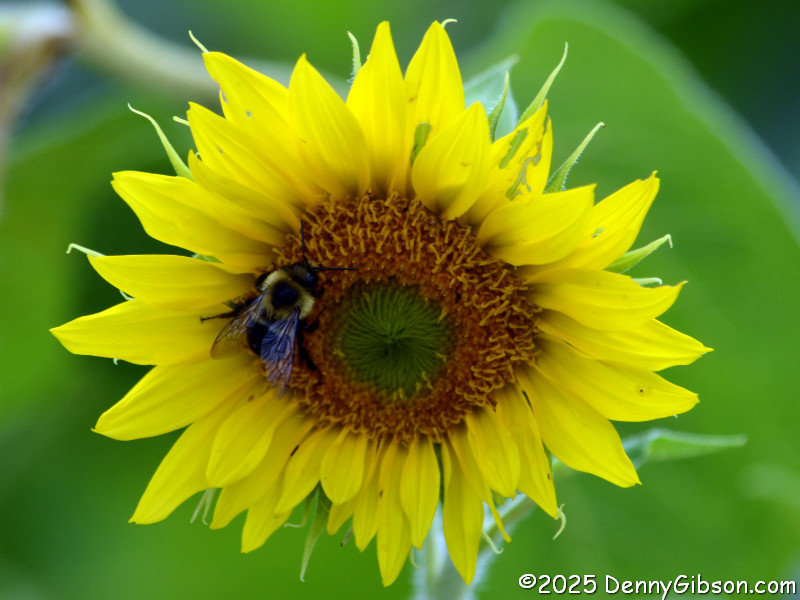
 The ground was wet but apparently not actually muddy, as a few of the humans from the parked cars ventured out into the field to take selfies surrounded by yellow flowers. Most, however, walked around the edge like I did. Just before I left, a group of women arrived with their young daughters wearing some very pretty dresses and posed the group at the field’s edge for photos. I worked at keeping all wingless creatures out of frame.
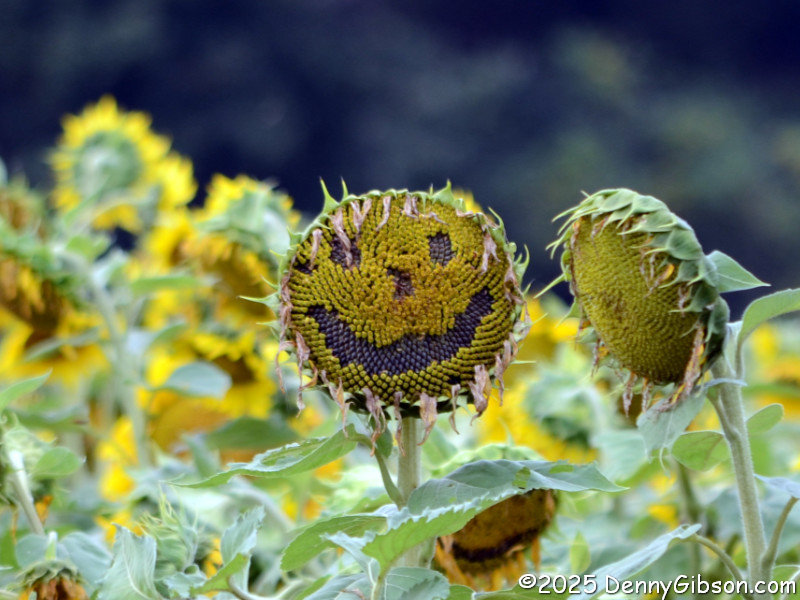 Even though none of the sunflowers said a word, I left with the impression that they were glad to see me.
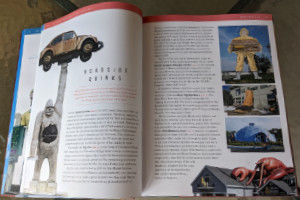
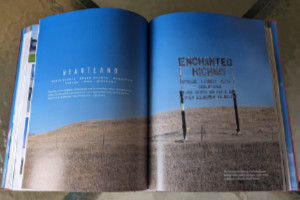
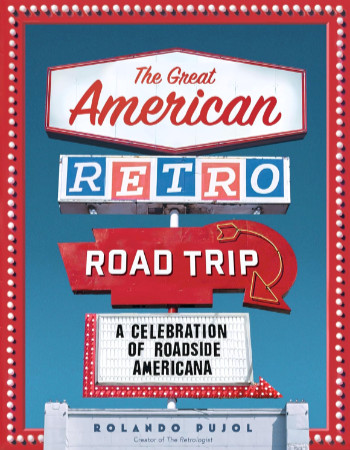 There’s no road trip here. The Great American Road Trip is not a travelogue. Nor is it a guide for traveling to or through a particular place. It is a well-done, very inclusive, nicely illustrated catalog of stuff that people like me drive around the country to see.