Fool’s Errand

The name comes from April Fools-A-Palooza in Lucas, KS, being the first thing in the trip plan with a firm date and location. Things have been added, both before and after April Fool’s Day, and it’s entirely possible that I’ll surprise myself with itinerary additions before it is over. The first day’s journal, which reaches Kansas City, KS, has been posted.

This entry lets blog-only subscribers know about the trip and provides a place for comments. The journal is here.

Warbirds Revisited

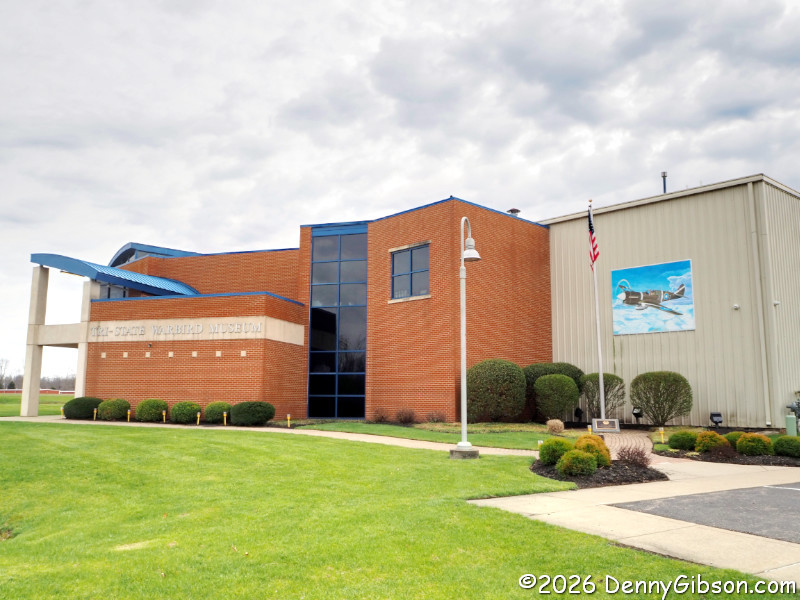
I first visited the Tri-State Warbird Museum in the pre-blog days of 2010, when this website used things called odments to deal with non-trip topics. The oddment for that 2010 visit, which is here, attracted a couple of visitors recently, and that prompted me to reread it myself. The first paragraph mentions that both the Warbird Museum and another museum visited the same day, the Railway Museum of Greater Cincinnati, were open only on Wednesdays and Saturdays. That stuck with me so that when I was looking for something to do on a Wednesday, the Warbirds naturally came to mind.

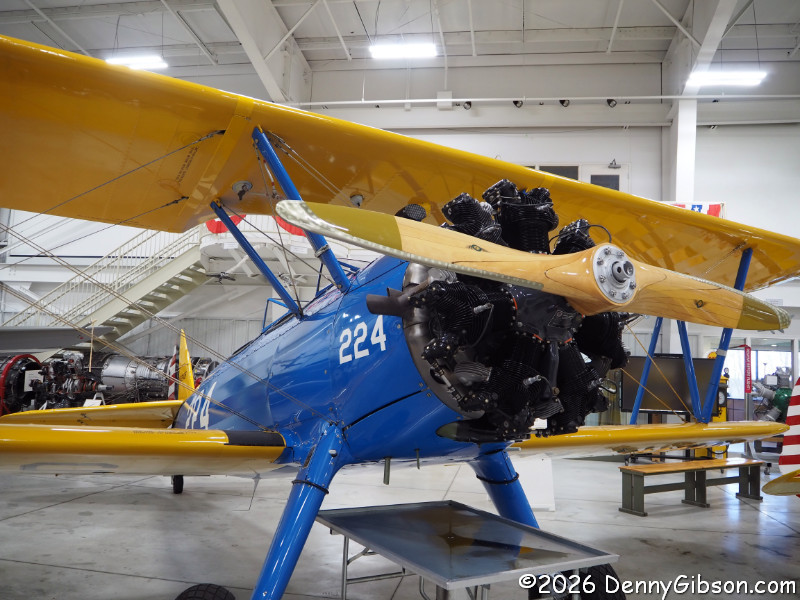
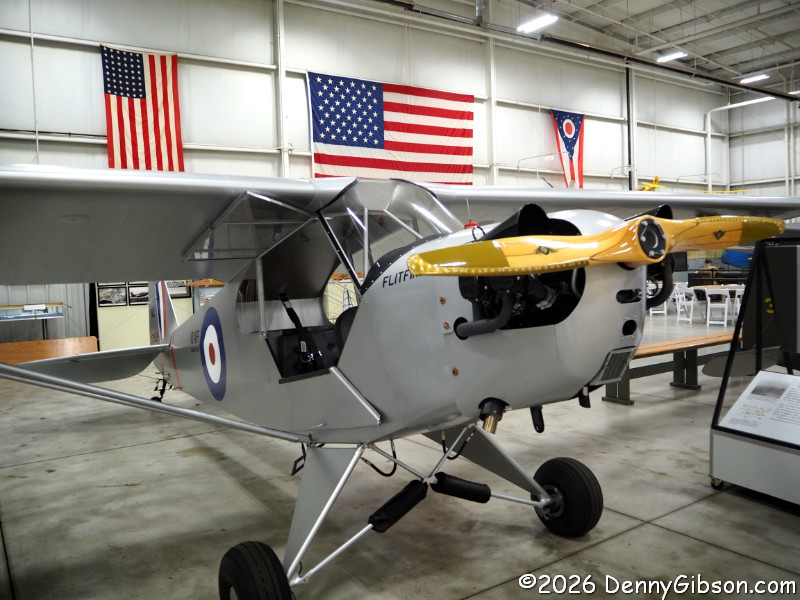
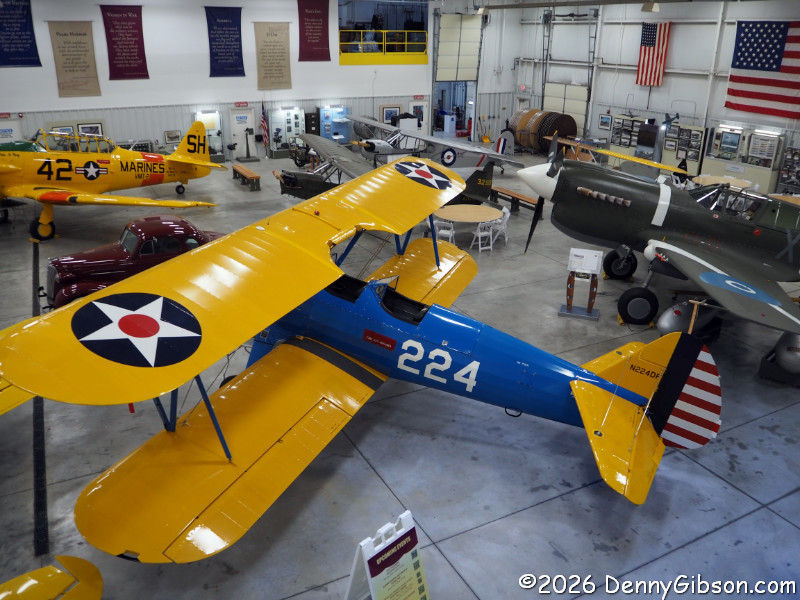
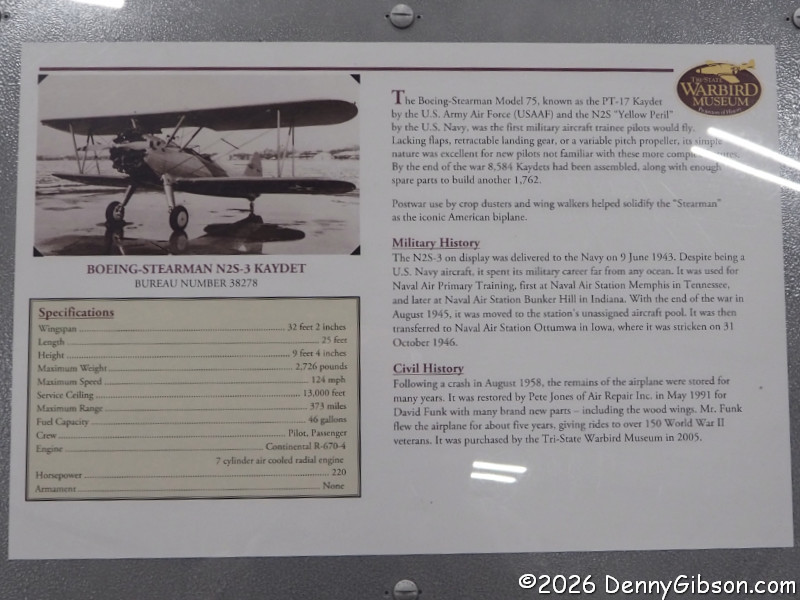
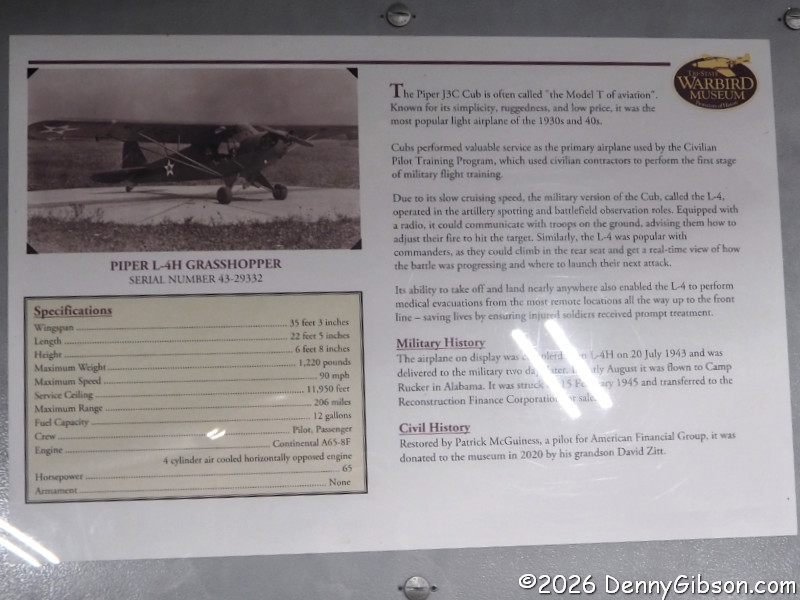
Nearly all the airplanes on display are from World War II, including this unlikely-looking pair. Flying the Boeing-Stearman bi-wing was relatively simple. It was the first airborne step for many new military pilots. The Piper L-4H Grasshopper was the military version of the extremely popular Cub. Its ability to fly low and slow made it very useful in training, observation, medical evacuation, and more.

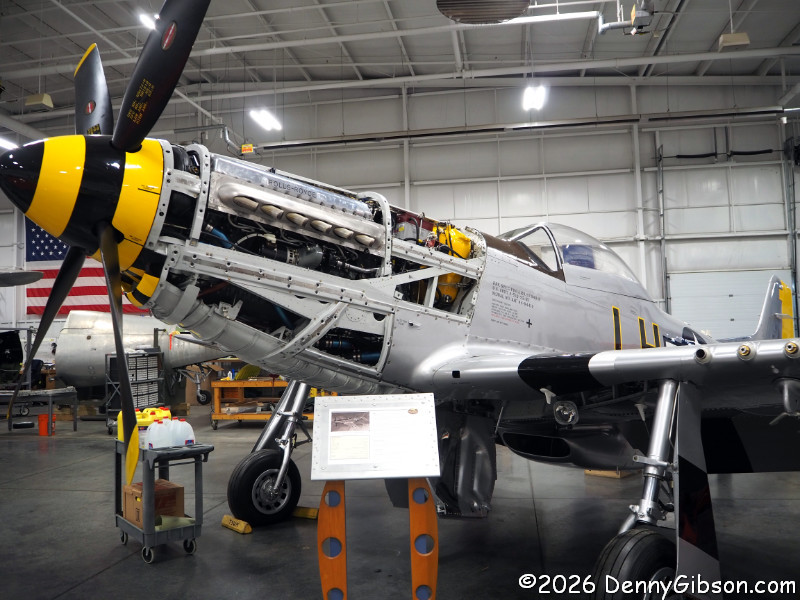
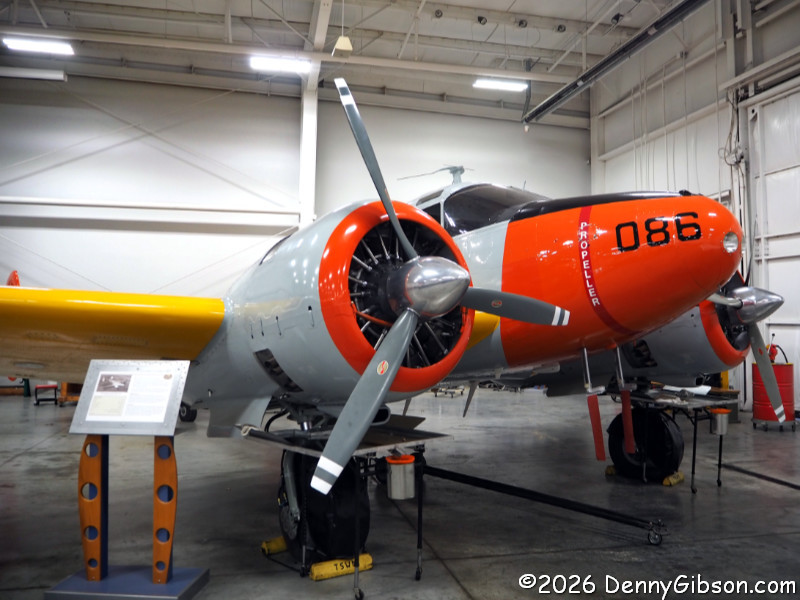
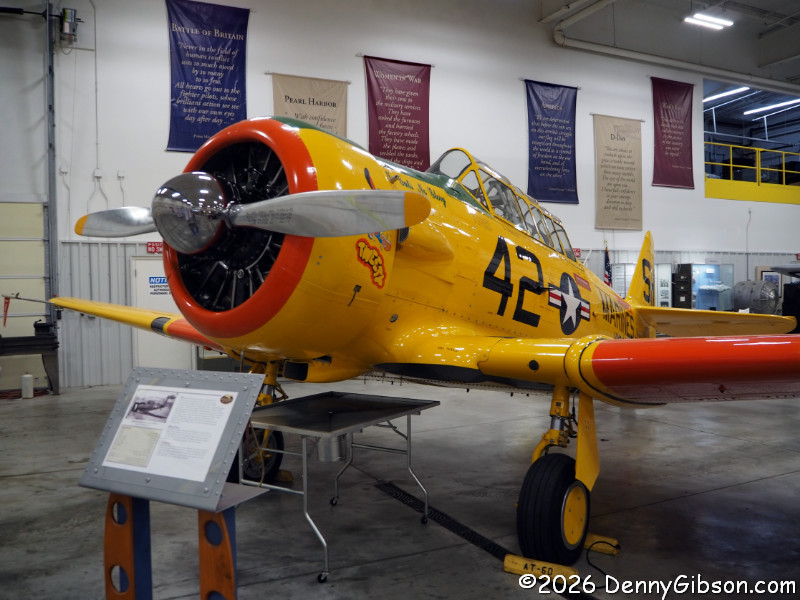
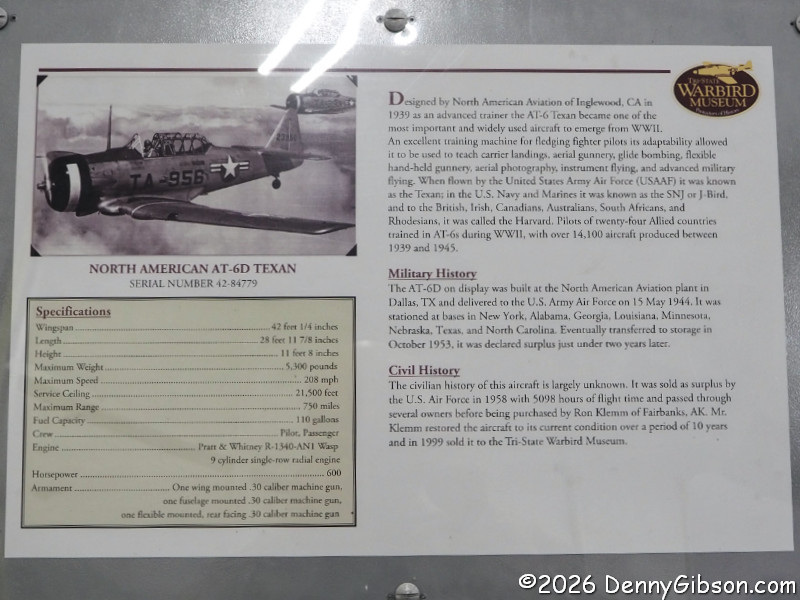
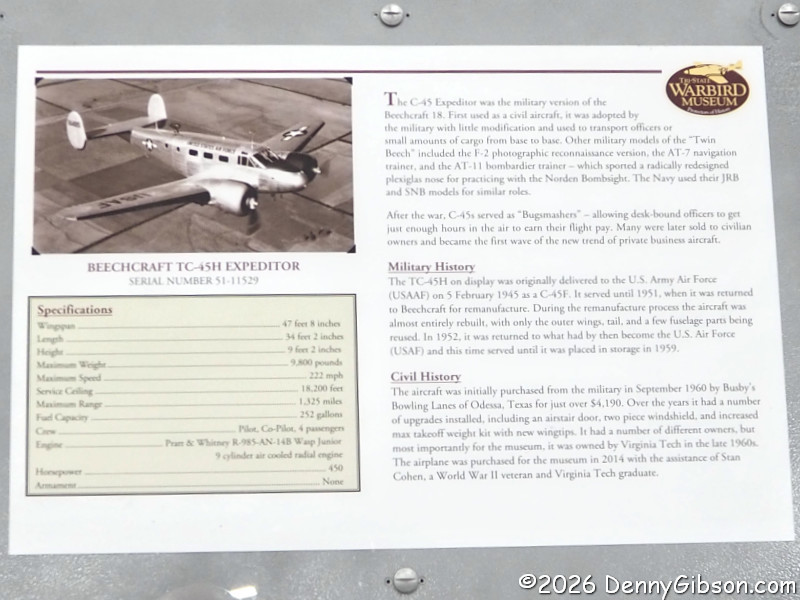
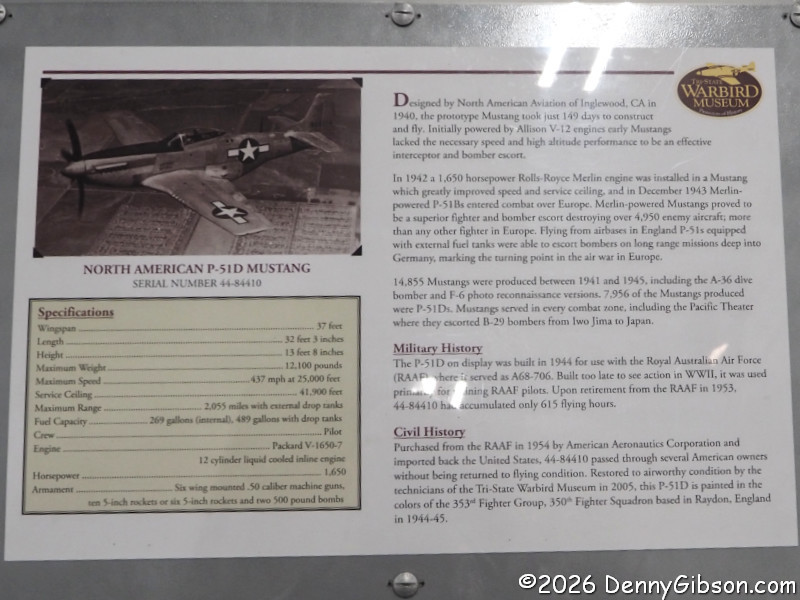
These three probably more closely match your idea of WWII fighting aircraft. Like the Stearman, the bright yellow North American AT-6D was a trainer, but it was used for more advanced maneuvers, such as aircraft landings. The twin-engined Beechcraft TC-45H Expeditor was originally designed as a civilian craft but was adopted by the military as a versatile transport plane. North American P-51 Mustangs were very effective as bomber escorts and served in every theater of WWII.

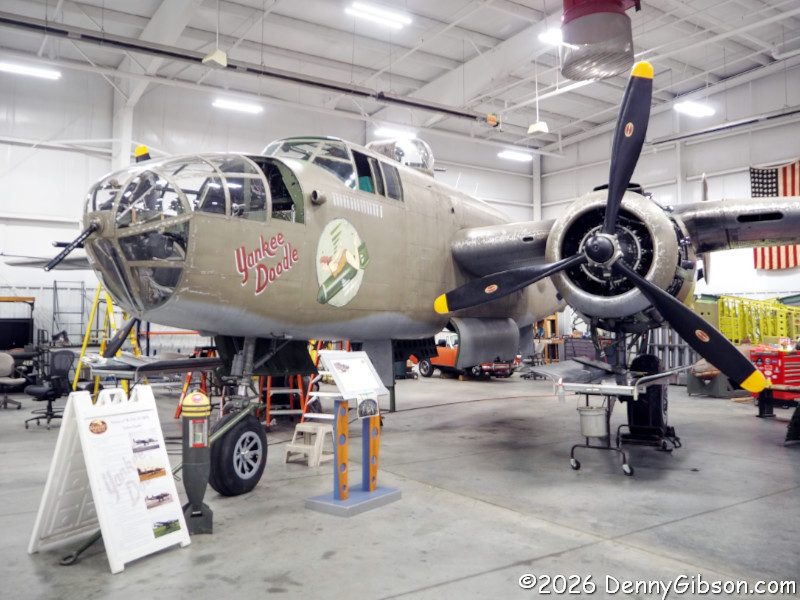
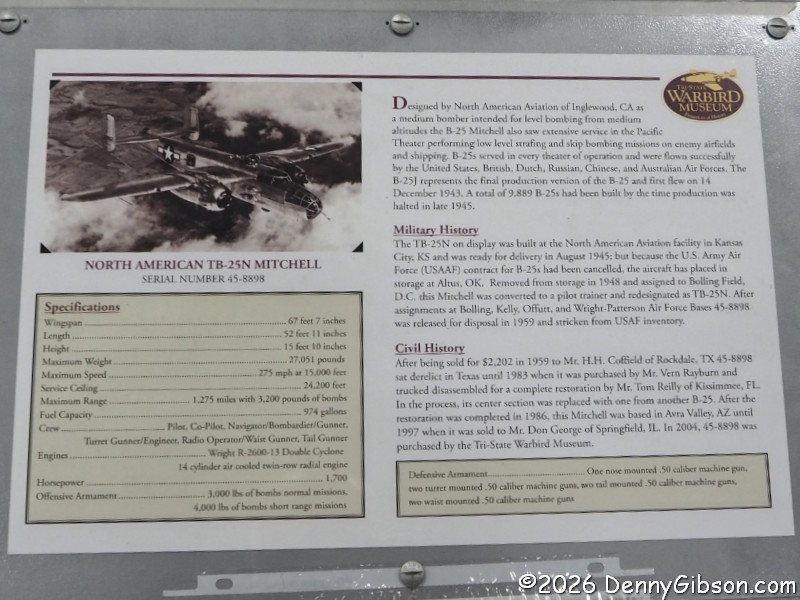
This North American TB-25N Mitchell might be the museum’s biggest star. It is my biggest memory, in any case. That could be because about two years after my 2010 museum visit, I saw this and 19 other B-25s in flight at the Doolittle Raiders 70th reunion. The sight of all those big planes was pretty impressive, and the sound was incredible.

ADDENDUM 27-Aug-2014: I somehow failed to mention how friendly and helpful the volunteers at the museum were, but I now get a second chance. As I originally put this post together, I noticed that the nose art on the B-25 had changed since my 2010 visit, and I reached out to the museum via email to see why. I now recall being told that a couple of the museum’s planes had appeared in movies and TV shows, but I had not paid much attention. As I quickly learned, the B-25 name change came from a movie role with another local star. The story is here.

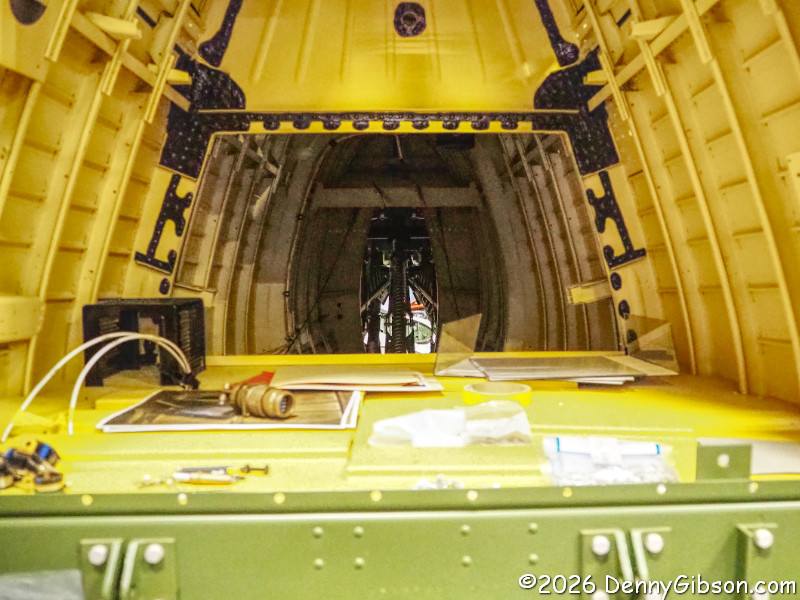
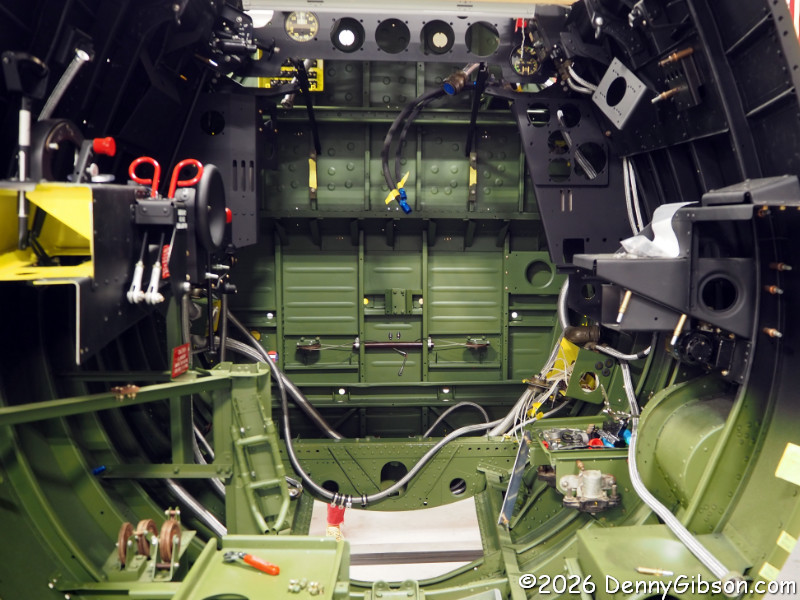
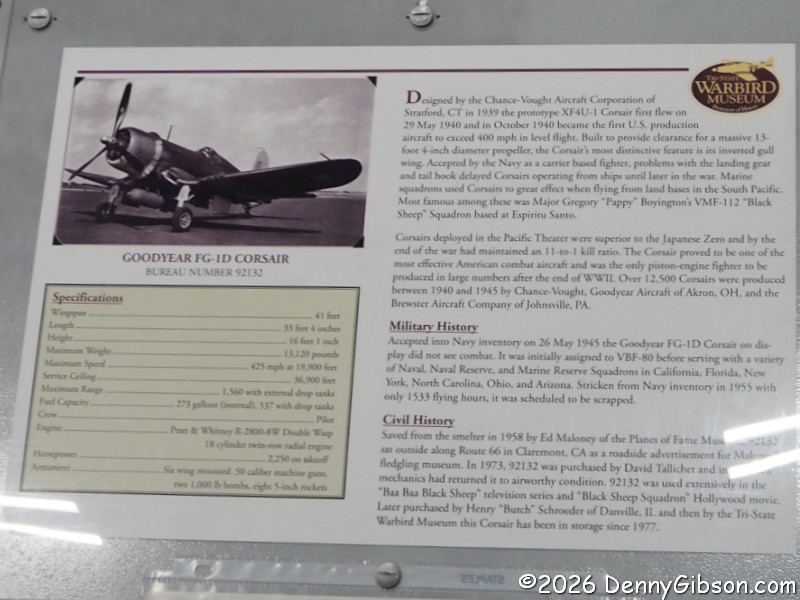
A couple of the museum’s planes were not at home Wednesday, but every plane that was there was capable of flying except one. This Goodman Corsair is in the process of being restored, with some assembly required before it leaves the hangar.

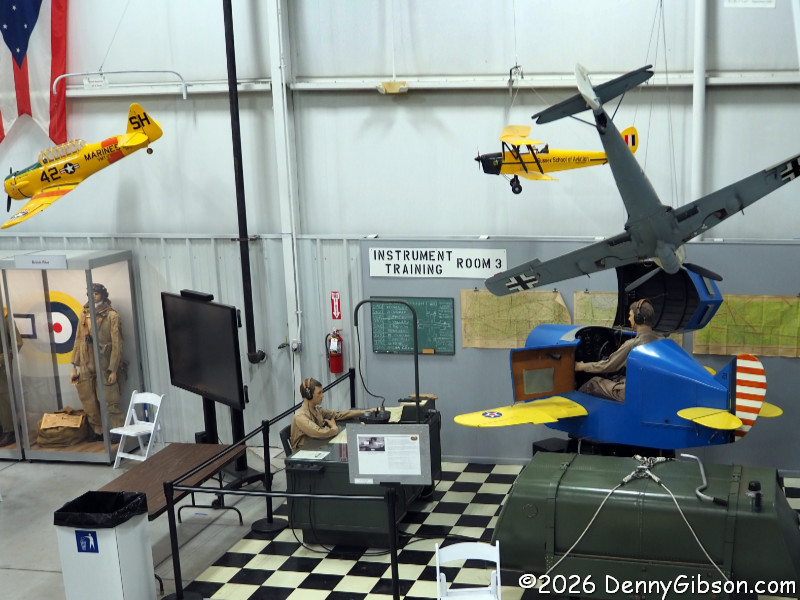
On the way back to the museum’s front door, I climbed to the balcony to get an overhead shot then snapped one of the flight simulator area on the way down.

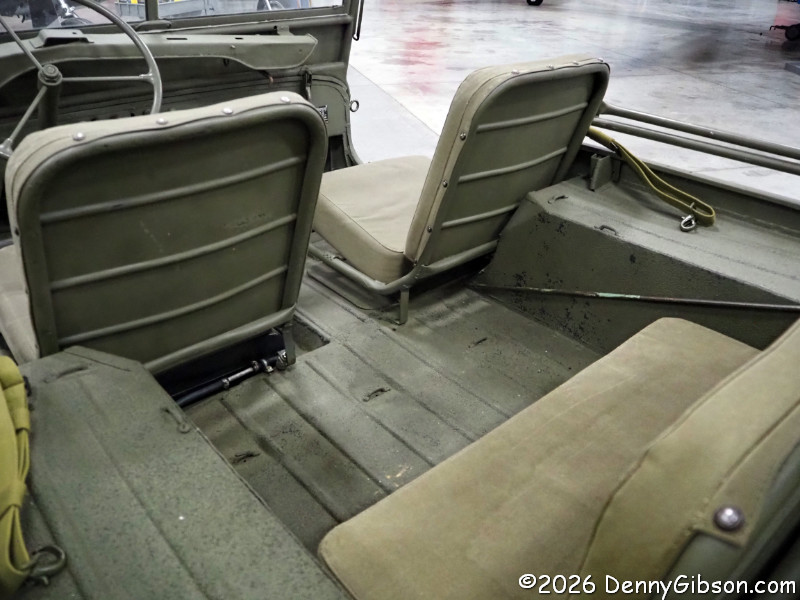
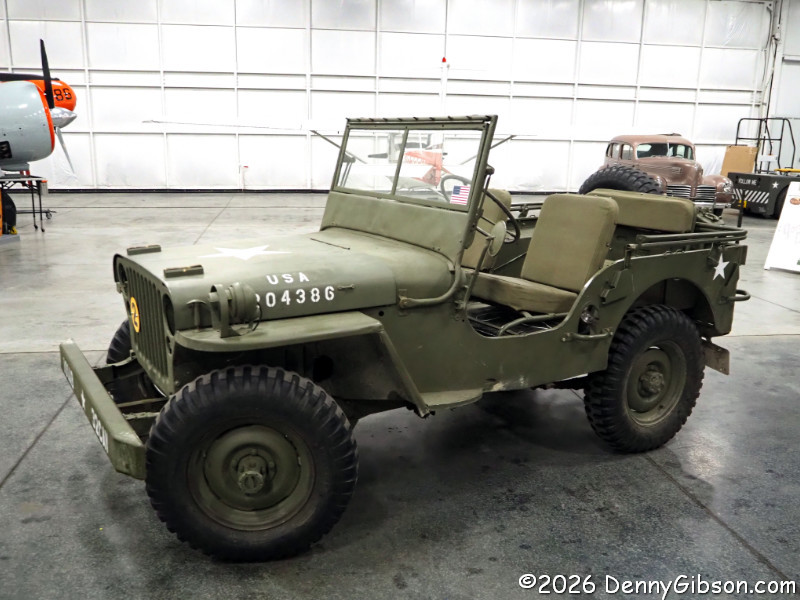
This isn’t a warbird, but it is the sort of vehicle my Dad piloted during the war. He was a courier. Every time I see a Jeep from that era, I think of one of the few stories he ever told of those days. During the Battle of the Bulge, snow covered the ground, which was where most soldiers slept. He considered himself lucky to have his Jeep to sleep in. He could even lie down on his side between the seats, “but I had to stand up to turn over.”

Book Review
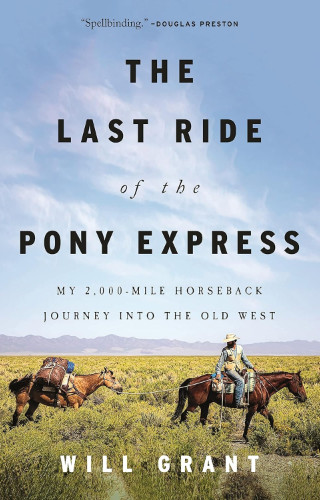
The Last Ride of the Pony Express
Will Grant

I have read and reviewed more than a few books about modern retracings of historic routes, including some I was personally responsible for. Almost all of them involved automobiles, with the result that those doing the retracing typically traveled significantly faster than the route’s original users. For the original travelers on the route that Will Grant followed in 2019, speed was far and away the main consideration. Relay riders moved mail over the nearly 2,000-mile-long route in ten days. Grant’s main consideration was safety. About 75 horses were ridden to near exhaustion in each Pony Express run. Grant’s safety and the success of his ride depended on two horses covering the entire distance. Will, Chicken Fry, and Badger got to know each other quite well during the 142 days they spent together during The Last Ride of the Pony Express.

I’ve been to the stable-turned-museum where Grant and all of those Pony Express riders began their journies west, and I have crossed the Missouri River at Saint Joseph, but it somehow never registered with me just how close that stable was to the riverbank. The stable and the river are less than half a mile apart. When I finally realized that, my first thought was to question why the Pony Express did not just place its eastern terminus on the other side of the river. It was a dumb question that I almost instantly answered. The Missouri River marked the border of the United States in 1860. St. Joseph was on the frontier. Pony Express riders began their westward dash with a ferry ride. Will Grant began his unhurried retrace with a police escort over a bridge.

Grant was very familiar with horses from a lifetime of riding, and I suspect he was more familiar than most with the history of the Pony Express and the geography of the American West. But he became a lot more familiar with these subjects as he prepared for his ride, and he shares that knowledge throughout the book. He also shares what I see as a sense of awe at the logistics of managing the hundreds of horses and men involved in the Pony Express. Many of us see only a galloping horse and rider when thinking of the Pony Express. Some may also think of brave station masters. Grant thinks and writes about all the men, and probably a few women, responsible for a constant supply of water, hay, and other necessities to those isolated stations, for the speedy breaking of horses to be ridden, and for all the other behind-the-scenes details of keeping an operation this big and spread out functioning.

The lack of that widespread support organization might be just as big a difference between Grant’s ride and those of 1860 as the speed of travel. Grant had the benefit of modern resources, including a sometimes-connected cell phone, and numerous generous routeside residents provided meals, showers, and places to camp. But he was basically self-contained and, despite several invitations, never slept in someone’s home. Surroundings ranged from too much civilization to essentially none at all. The severe isolation of parts of the trail is illustrated by Grant arranging for six caches of water and hay to be placed along the route through the Great Salt Lake Desert to make up for the lack of staffed and provisioned Pony Express stations.

The routeside residents also provide conversation. Sometimes history is explored, and sometimes the topic is something very current. Some subjects, like corporate ranches, wind farms, and wild mustangs, have the potential to become political, but Grant somehow manages to avoid that. Not only in his real-life conversations but in his informative writings. He’s really good at sharing facts, and maybe even describing a couple of viewpoints, without letting his own opinion distort them. In fact, most opinions held by others are reported with any rough edge they might have had removed.

I enjoyed encountering place names I recognized. Just as parts of the Pony Express route followed paths marked earlier by wagon wheels, feet, and hooves, some of it would later be followed by the tires of automobiles. Saint Joseph, MO, where it started, is where the Jefferson Highway and the Pikes Peak Ocean to Ocean Highway crossed. I recognized one of Grant’s camping spots, Hollenberg Station, from having stopped there while driving the PPOO. Farther west, the Lincoln Highway has led me to Dugway, Fish Springs, and other Pony Express-connected places that Grant mentions.

At Willow Spring Station in Callao, UT, another place the Lincoln Highway has taken me, Grant pauses for a day to rest himself and the horses. The last of his arranged caches lies between Callao and the stateline and beyond that, Nevada and California. There was still a long way to go, but the big desert was essentially behind him, and the day of rest may have prompted a look back. “No one, I thought, knows the ride of a Pony Express rider, but I’d come pretty close. My time in the desert, free from the distractions of population or vegetation or paved roads, had revealed what no book had conveyed, what I could not fully articulate, but what I knew was a past informant to our current psyche.”

On September 22, 2019, 142 days after crossing that bridge in Saint Joseph, Will Grant rode Chicken Fry up to the Pony Express statue in Sacramento with Badger in tow. The three had surely traveled more than the 1,966 miles said to comprise the actual Pony Express route. I’m still not sure whether I think the Pony Express was insane or brilliant. Crossing a 1,400-mile-wide gap in our country on horseback once in ten days is an impressive accomplishment. Establishing a system to do that in both directions twice a week is incredibly so. It is commonly estimated that something like 500 horses were used. Grant’s not buying it. He thinks a number between 1,500 and 2,000 is more believable.

I doubt I have ever spent much more than an hour on horseback at any one time, and I certainly don’t intend to try it now. I gained a slight sense of what multiple days in the saddle might be like without risking snakebites, saddle sores, or wild mustang attacks, and that’s close enough for me.

The Last Ride of the Pony Express: My 2,000-mile Horseback Journey into the Old West, Will Grant, Little, Brown and Company (June 6, 2023), 6.3 x 9.55 inches, 336 pages, ISBN ‎ 978-0316422314
Available through Amazon.
Returning to the Scene

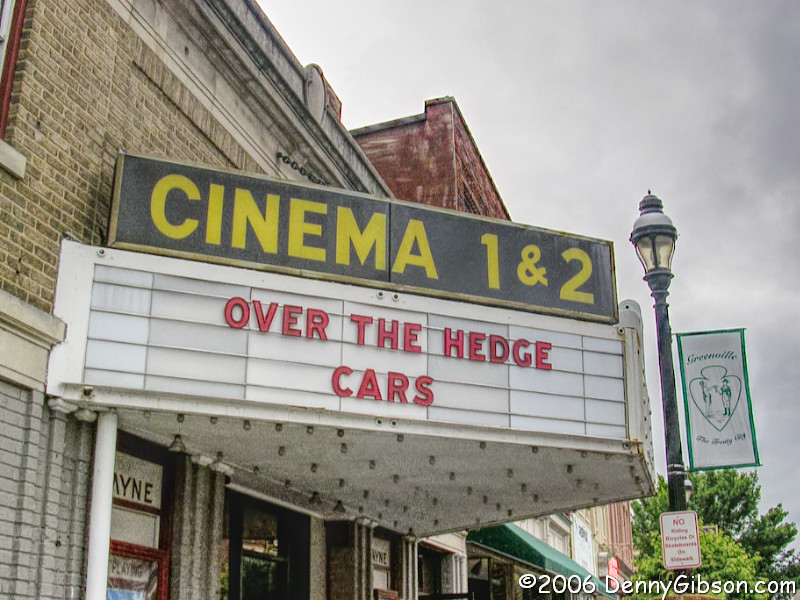
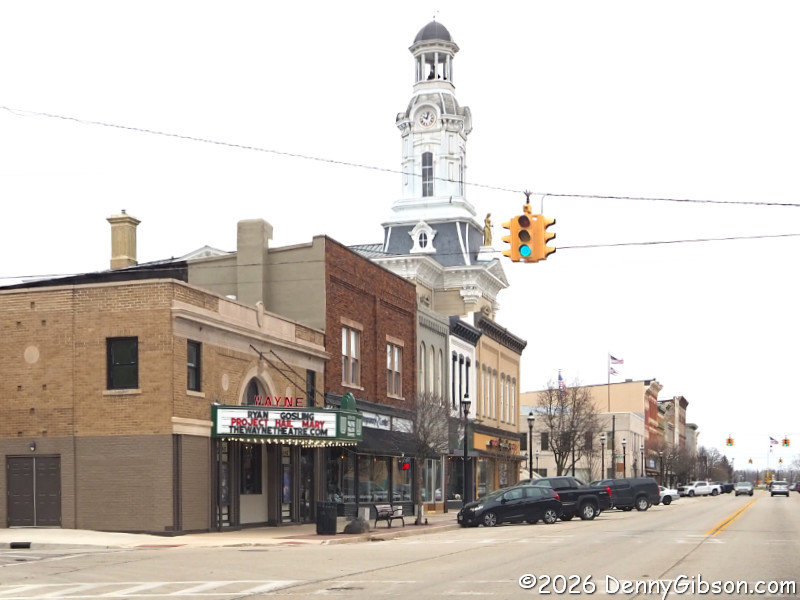
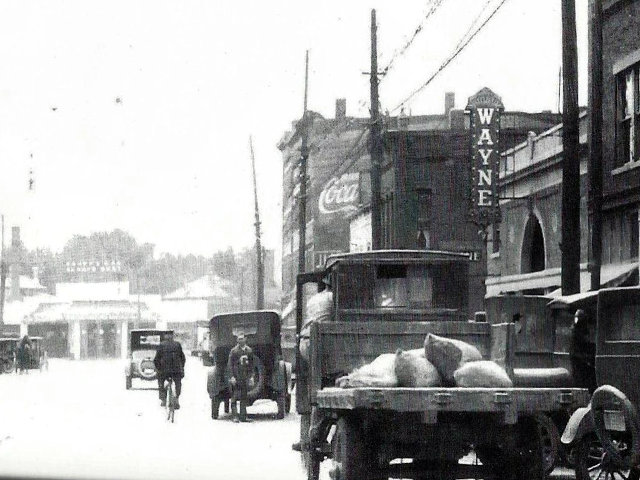
In the days of my youth, Greenville, OH, had two movie theaters. I’m sure there were differences between the two, but I recall them as interchangeable. I know that I saw new movies like The Vikings and Ben Hur at these theaters, but I can’t remember which. I do remember that I saw Gone with the Wind at the State Theater when it was re-released for the centennial of the Civil War in 1961. I also remember that the Wayne Theater was where I saw Bambi. Oh boy, do I remember.

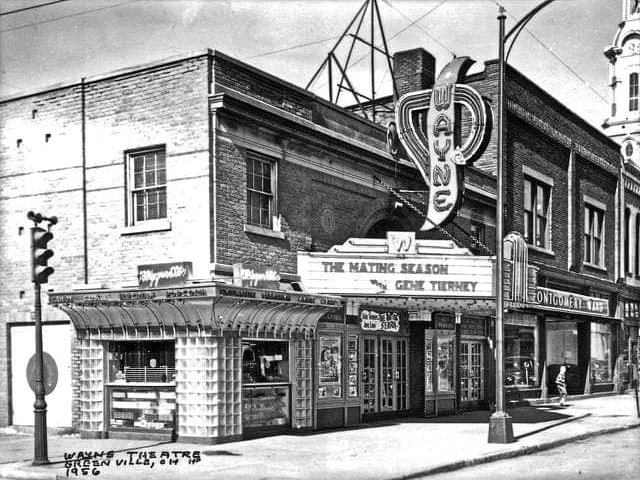
The 1942 animated feature has been re-released multiple times. One of those was in 1957, when the Wayne Theater must have looked pretty much the same as it does in the 1956 photo above. Our parents dropped my sister and me off at the theater with admission money and probably an extra dime for a pop. I was ten; my sister was seven. As hard as it is for some to believe, there really was a time and a place where this was not considered child endangerment. As everyone now knows, Bambi’s mom meets her end fairly early in the movie. That brought my sister to tears. Unable to stop the crying, I eventually headed to the lobby with her. In time, the crying stopped, but Sis had no desire to watch any more of that horrible movie. I, on the other hand, seeing no reason for me to miss out on the big screen entertainment, returned to my seat. At movie’s end, I hastened to the lobby, where, despite assurances she would wait, my sister was nowhere to be seen. She had tired of waiting inside and was standing just outside the theater when Mom and Dad arrived to pick us up. I don’t recall any particular punishment for abandoning my sister in the lobby, but I sure got a lecture.

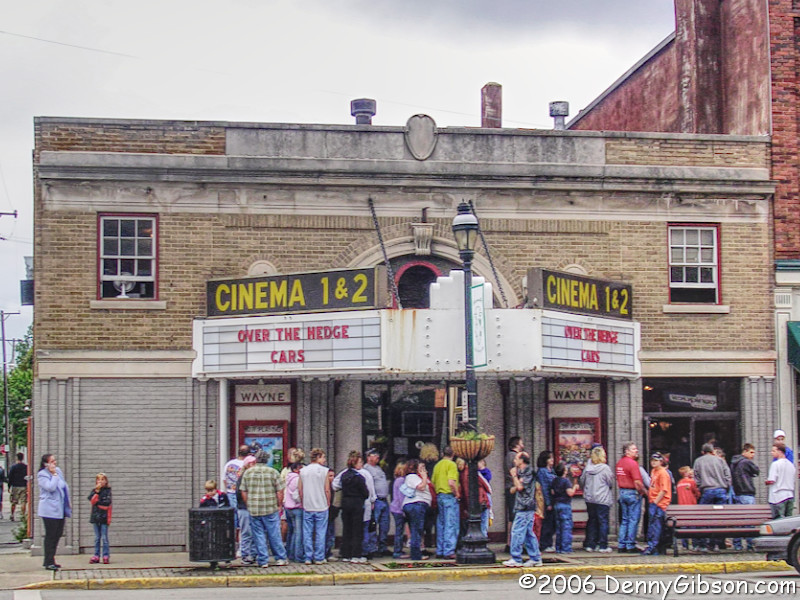
My attendance at both Greenville theaters dropped to zero once I moved to Cincinnati. The State Theater closed in 1980 and was demolished a few years later. The Wayne Theater divided itself into two screening areas and soldiered on. I made it back inside the Wayne in 2006 when I happened to be in Greenville on the weekend that Cars was released. I had been anticipating the movie, and saw it for the first time at the Saturday matinee. This was still the era of 35mm film. Partway through the showing, the film or projector temporarily malfunctioned, and the house lights were turned on. Kids made up most of the crowd, and they immediately turned to the projectionist and began pointing and laughing. Just like the good old days.

In 2014, the Wayne Theater and three other movie houses owned by Alan Teicher closed. The Wayne found new owners, and there was initially hope for a quick reopening. The need to convert to digital projection was part of the reason for the closure, but additional issues and expenses were soon discovered. The new owners eventually threw in the towel.

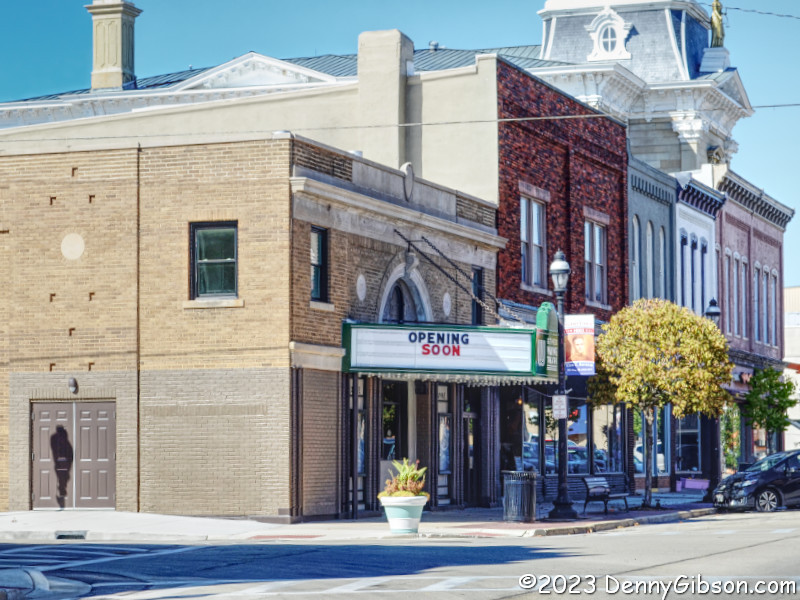
Things were looking rather grim for the Wayne when Mike Jones and his family stepped up to save it. Mike and wife, Sherri, have saved other pieces of Greenville history, including St Clair Manor, the home of Henry St. Clair. Mike took on the theater about the time that the COVID pandemic hit. It and related problems, such as supply chain disruptions, interfered with the project, but a complete renovation of the theater was completed in 2023.

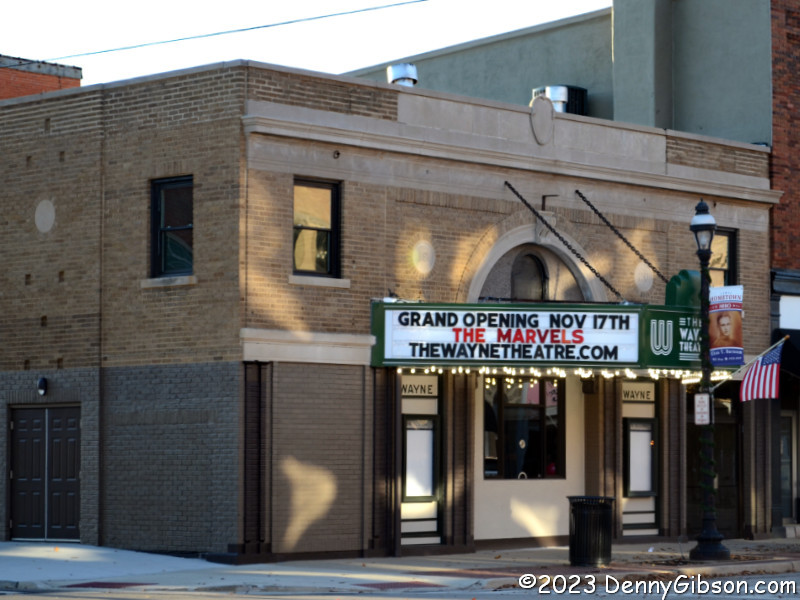
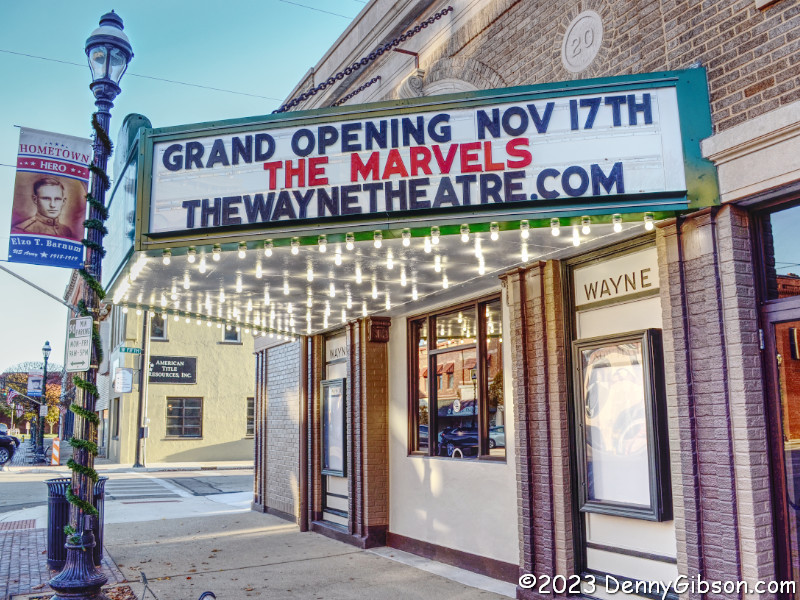
In November of 2023, there was a big-time grand opening with Hollywood premier-style searchlights and other major hoopla. I wasn’t there, although I really wanted to be. I had every intention of checking out the resurrected theater ASAP. Within weeks, I thought. Worst case, within a couple of months. After just about two years and four months, I finally made it.

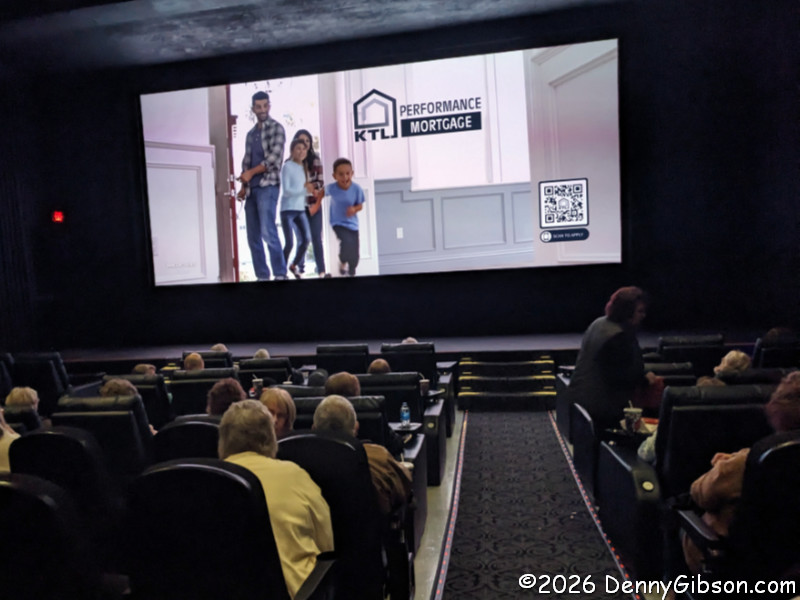
In early 2025, the theater began hosting Senior Movie Days with bargain prices and older movies. Many of the first-run features filling the theater’s normal schedule did not appeal all that much to this old man, and there were scheduling problems with the few that did. It seemed possible that the “classic” nature of Senior Movie Day movies would better match my tastes. They did, but it still took nearly a year for things to click. On Wednesday, a long-time friend, his wife, and an aunt of mine joined a theater-filling crowd of similarly aged folk to watch Casablanca on the big screen.

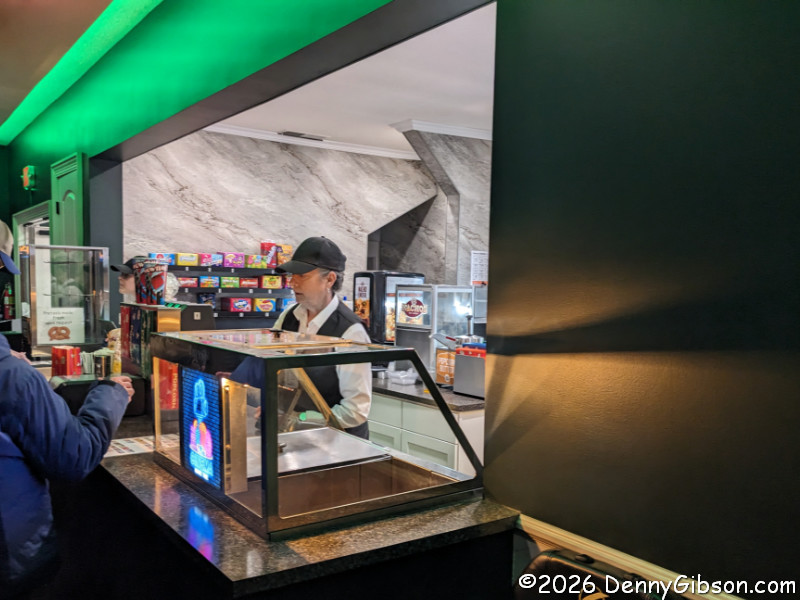
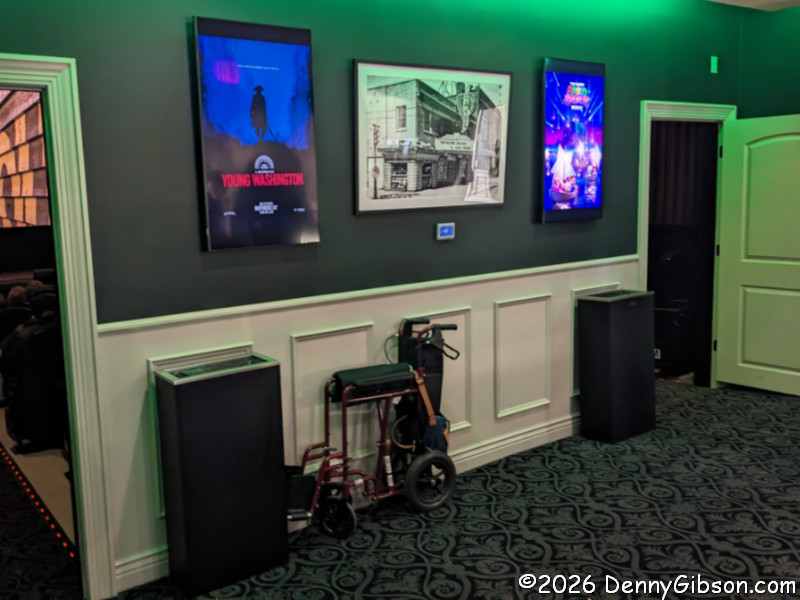
The renovated theater definitely lived up to all of the good things I’d heard. The concession stand is first class, although none of our group took advantage of it. The lobby is fresh and inviting, with a large copy of the photo at the top of this post prominently displayed. Because I got our tickets and I did not understand the layout, we found ourselves in the front row. Not to worry, as the comfortable recliners positioned us for a proper view even from there. Of all the movie joints, in all the towns, in all the world, I’m glad we walked into this one.


The year 1920 is cast into the front of the theater. I have read that it opened on April 18, 1921. While poking around the internet, I stumbled upon this photo from the Wayne’s first decade. But the photo is only part of the reason I’ve tacked this paragraph onto the end of the post. I also learned that the Wayne Theater had an American Fotoplayer when it opened. I followed that tangent to a number of videos of Fotoplayers being played, and believe you deserve to see one. Check out Stars and Stripes Forever. Not every silent movie was accompanied by a prim schoolmarm on an upright piano.

Musical Review
Wizard of Oz
Loveland Stage Company

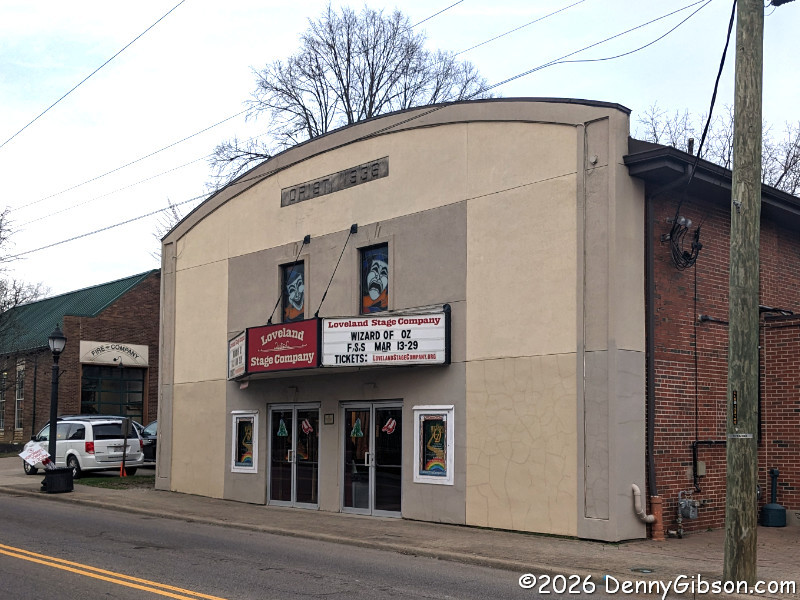
Loveland’s got talent! That’s the phrase that came to mind to lead off this review as I left the Loveland Stage Company theater on Friday. I put it aside when I realized it was exactly how I started the review of my first visit to the theater in 2023 (Company). But it did not stay there, and in the end, being repetitive didn’t seem so bad. The amount of talent this community theater group brings together is awesome. You, I told myself, can say that again.

This is a happy time for the Wizard of Oz and me. I’ve seen the 1939 movie on TV screens numerous times, then last month, I saw it in a theater for only the second time (The Wizard of Oz). Before this month ends, I hope to visit the Oz Museum in Wamego, KS. It seems a near-perfect time for me to see the story presented live on stage for the first time ever.

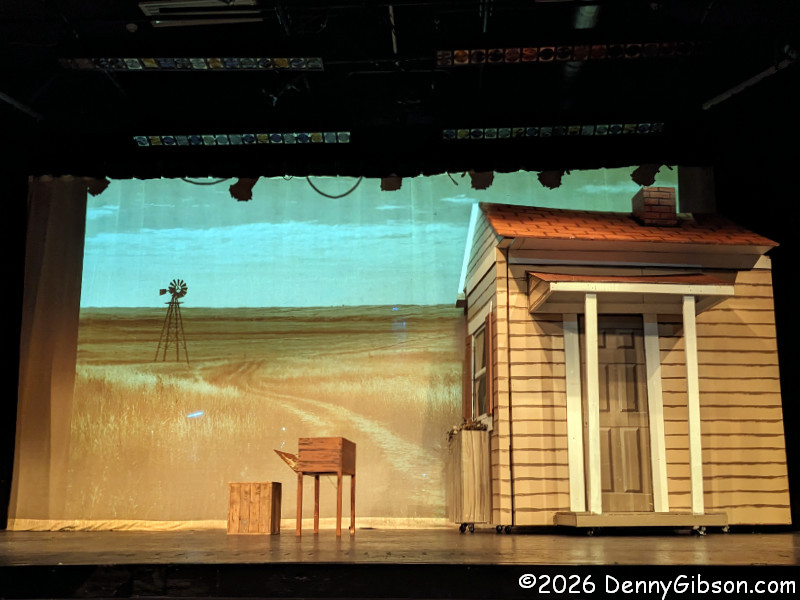
Many versions of the story exist. The Loveland Stage Company’s production is based on the classic 1939 movie. Almost every difference is because a theater stage is not the same as a Hollywood sound stage. There are no horses of any color, nor is there a sty filled with pigs for Dorothy to fall into. The stage backdrop is a screen that provides views of the really big stuff. These include the tornado, Dorothy’s flight to Oz (yes, there’s a bike and a boat), the field of poppies, and even (pay attention) the Wizard flying off in his balloon. One big thing that is not a projected image, even though it was in the movie, is the Wizard. Here he is free-standing and majestic. The stage design, on what I assume is a limited budget, is truly impressive.

Most, but not all, of the differences between the movie and the stage are pragmatic omissions. There is at least one example of something in the stage production that was not in the movie. It’s a scene featuring the song Jitterbug. Although it was filmed in 1939, it did not make the final cut. The official video has been lost, but you can catch a glimpse of the scene here, even though I’m sure you’ll like the LSC version better.

Every bit of music, including the Jitterbug, comes from a ten (or maybe fourteen) piece orchestra behind that rear stage screen. The uncertainty comes from the difference between a list and individual biographies in the program. I could not count them live, of course, because they are hidden. They sound great and are a key part of the production. An awful lot of the talent behind this article’s first sentence is hidden. Check out the program to identify that hidden talent.

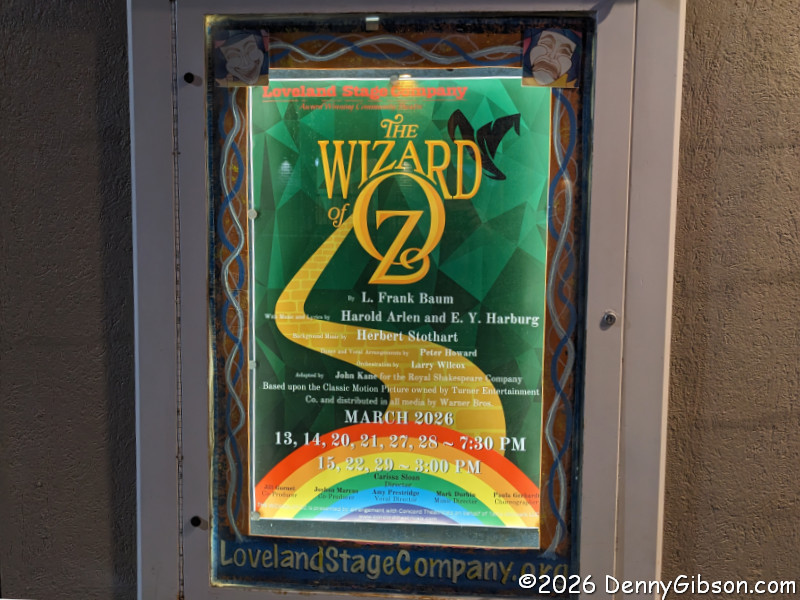
Of course, that program also identifies the unhidden talent. The cast of The Wizard of Oz is comprised of ten players in named roles plus a sixteen-member ensemble. Quite a few ensemble members fill individual speaking roles at various points. Loveland’s talent clearly runs deep.

Dorothy, Scarecrow, Tin Man, and Lion are played by Kelly Johnson, Derek Harper, Matt Truesdell, and Derek Foster, respectively. These four handle much of the singing and dancing, but the ensemble definitely carries its share of the load. Olivia Munro appears as Glinda, and Ginny Johnson is the Wicked Witch of the West. Jim Tobergta plays the Wizard and contributed tremendously to set design and construction. Toto is brought to life, marionette fashion, by Jonah Human. Human is probably on stage as much as any character, yet manages to be nearly invisible most of the time. There are several instances where his facial expression adds to the on-stage action; none where it detracts.

Six performances remain: Friday and Saturday evenings plus Sunday matinees for the next two weeks. At the moment, none are completely sold out, but they are all getting close. If you make it, see if you think Ginny Johnson might be channelling Margaret Hamilton in the delivery of a few of her lines, and maybe a couple of laughs, too. I did.

Drawing Board at ASM

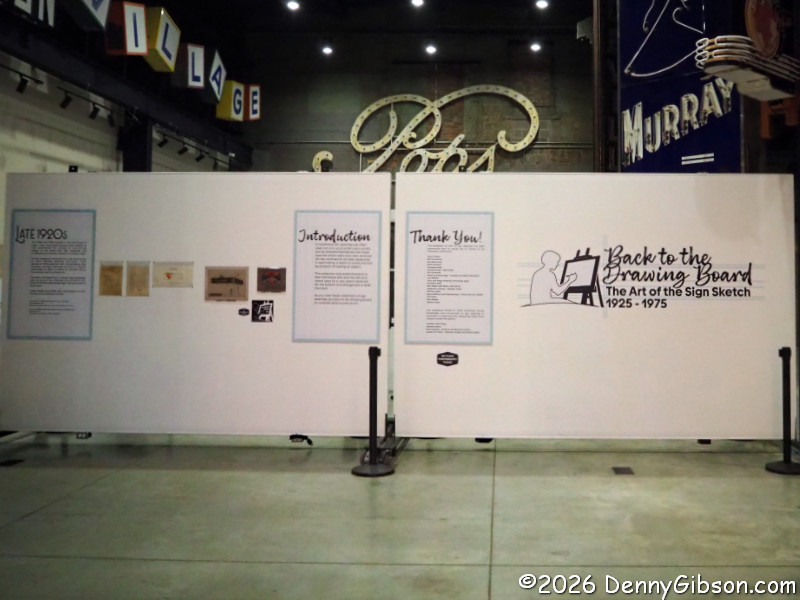
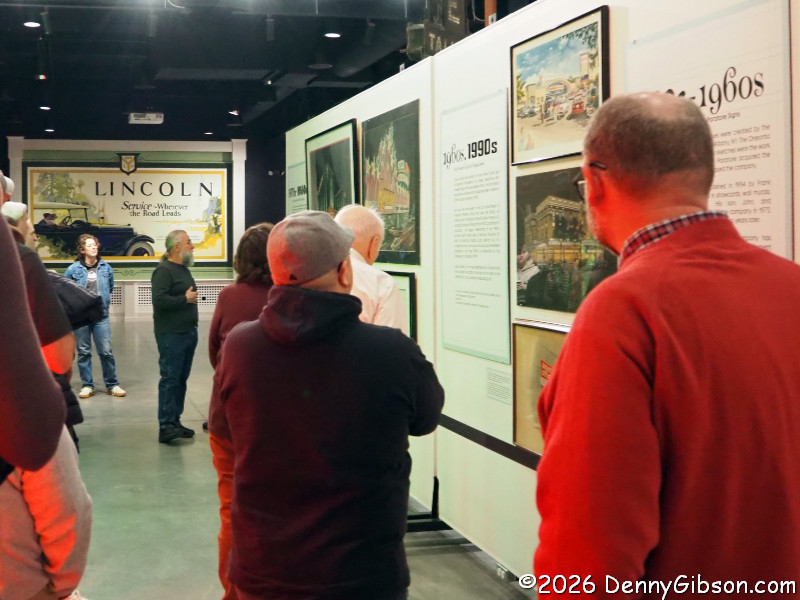
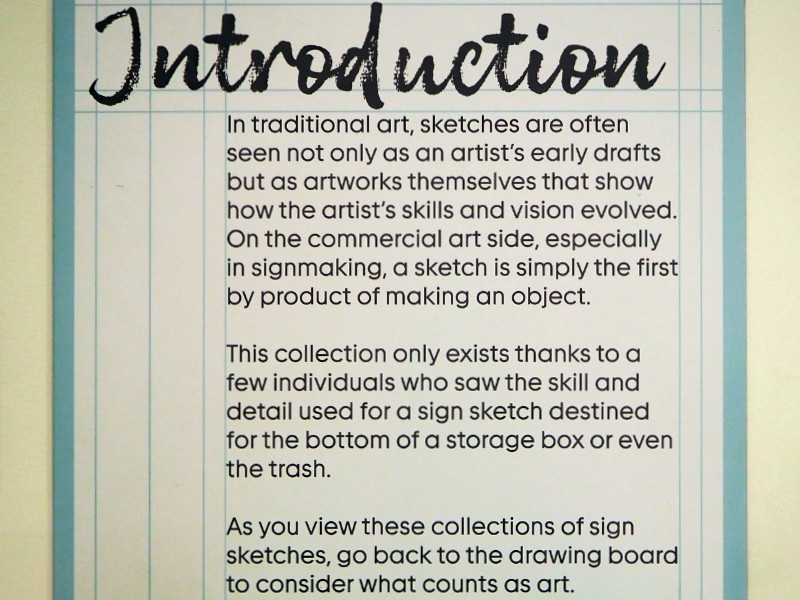
Sketches are big in Cincinnati right now. Last month, I looked over some sketches by Rembrandt at the Taft. Yesterday, I looked over some sketches by various sign designers at the American Sign Museum. I missed Thursday’s opening reception for the ASM’s Back to the Drawing Board: The Art of the Sign Sketch 1925-1975 exhibit, but made it to Saturday’s tour by ASM founder Tod Swormstedt. The introduction placard speaks of the difference in how commercial art and fine art are perceived and invites folks to “consider what counts as art”. Early in the tour, Tod shared his oft-repeated observation that “The difference between fine art and commercial art is the number of zeros in the price.”

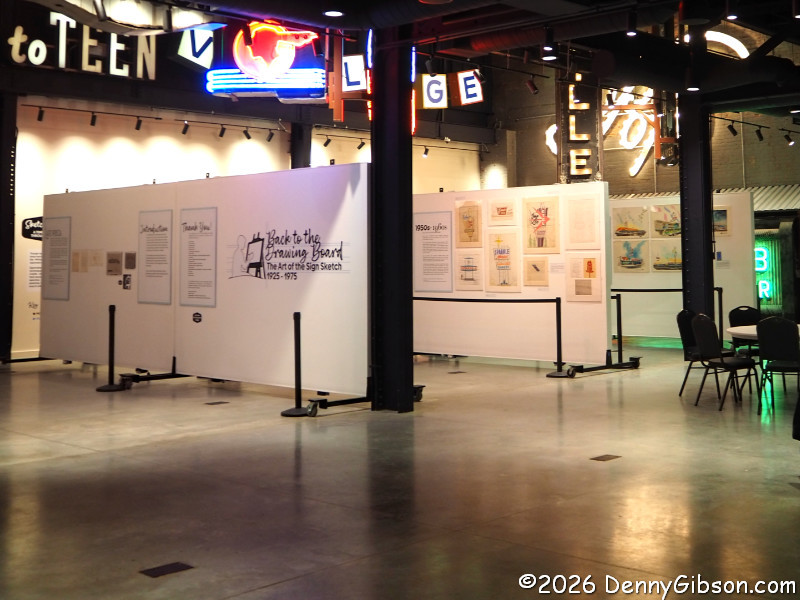
The exhibit is placed in what I believe is the museum’s largest event space. It marks the first use of the large movable panels made for just this purpose. The area’s walls have been used for previous exhibits, but the wheeled panels provide significantly more wall space while allowing the area to be easily cleared for dining, and dancing, and such.

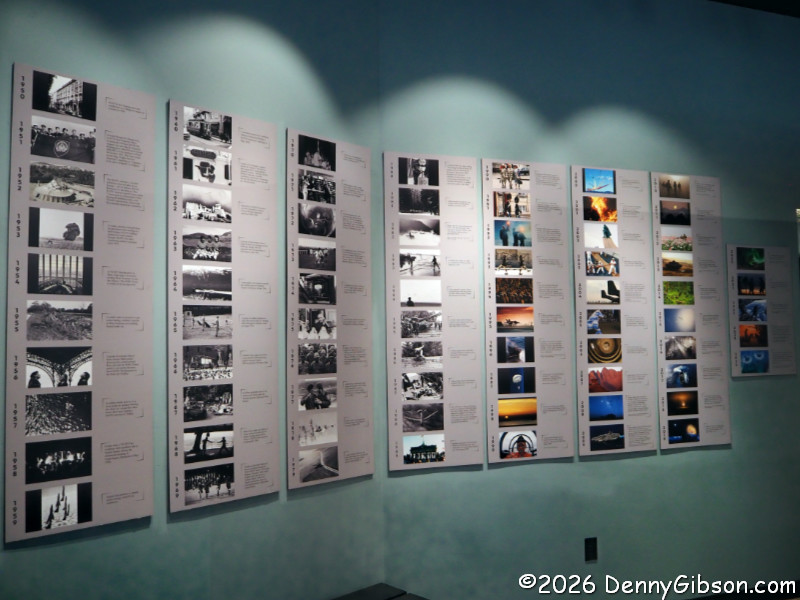
Most of the sketches are placed in chronological sequence on the movable panels. A fixed wall displays a timeline of significant world events, along with examples of sign designs from the identified periods. marked times. Some of the noted events, such as the 1965 Highway Beautification Act, had a sizable direct effect on advertising and signs.

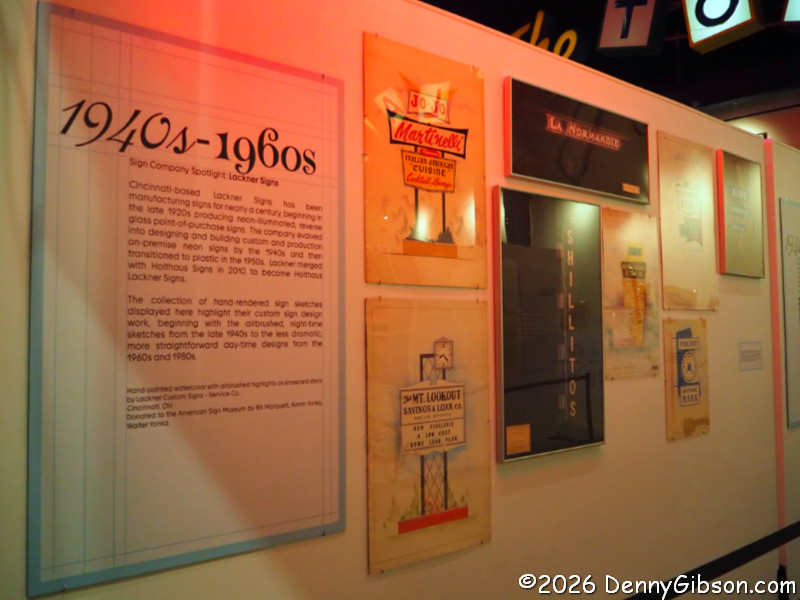
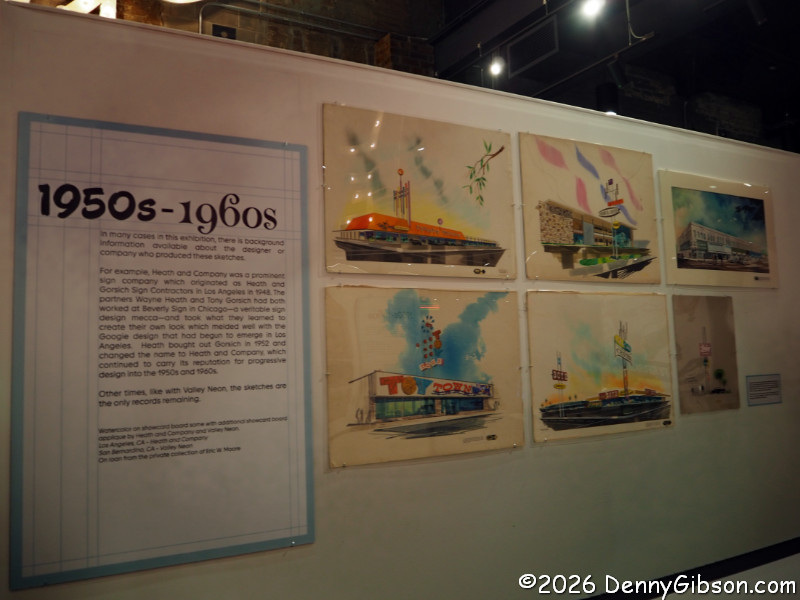
Among the things Tod pointed out as he led us through the exhibit was the start of using black backgrounds to better illustrate the impact of lighted signs and the increasing use of backgrounds and buildings rather than just the sign by itself.

Items on the exhibit’s last panel, as well as many of the previous items, can hardly be described as sketches. Some of the older sketches had truly been salvaged from trash cans and dumpsters. Some items in this photo were borrowed from collections displayed in homes and on office walls. The exhibit provides some real insight into the design and marketing of signs, but doesn’t help at all — Tod’s “zeros” comment notwithstanding — in distinguishing fine art and commercial art.


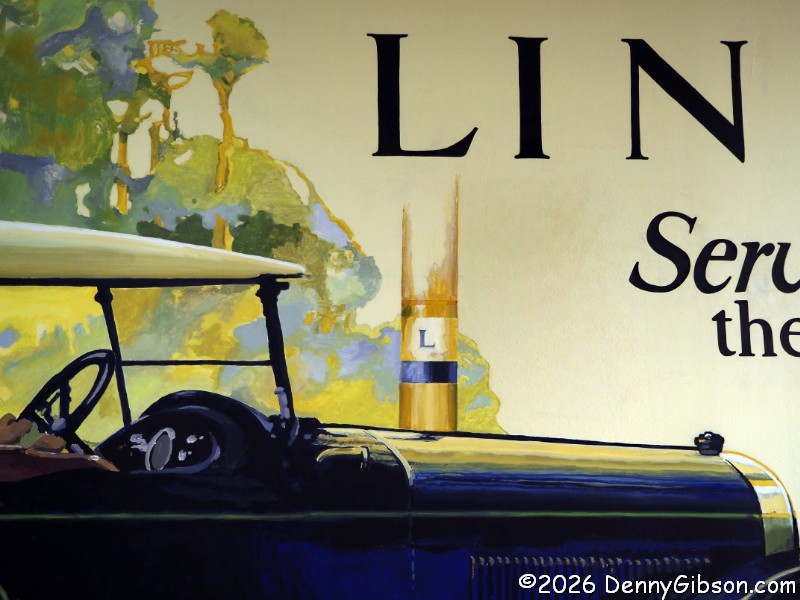
This picture has nothing at all to do with the Back to the Drawing Board exhibit. It is a detail from the billboard reproduction advertising the Lincoln automobile in the background of the last exhibit-related photo that might interest my named-auto-trail-loving friends. 

Trip Peek #154
Trip #49
Ohio & Erie Canalway

This picture is from my 2007 Ohio & Erie Canalway trip. The canalway closely parallels the Ohio and Erie Canal between Cleveland and New Philadelphia. That’s a distance of only seventy-five or so miles. I covered the byway on the second day of a three-day trip. The picture is of the “Helens III”, a working canal boat in Canal Fulton. Due to a lack of planning, I arrived too late in the day to ride the boat or visit the museum. Bummer and bummer.

On the trip’s first day, I traveled from home to Dover, OH, to see Patrick Sweany, for the only time, in what had more or less been his home bar. Patrick moved to Nashville within the next year or two. On the third day, I drove a little of US-36 on the way home.


Trip Peeks are short articles published when my world is too busy or too boring for a current events piece to be completed in time for the Sunday posting. In addition to a photo thumbnail from a completed road trip, each Peek includes a brief description of that photo plus links to the full-sized photo and the associated trip journal.

International Peace Museum
Dayton, OH

Here’s another not-new-to-me museum. My personal history with the International Peace Museum is a bit different than that with the Harmon Museum or Behringer-Crawford Museum in that an earlier visit was documented. That first visit took place more than a year before this blog was born, when this sort of thing was covered as an Oddment. The Oddment entry for my 2009 visit is here.
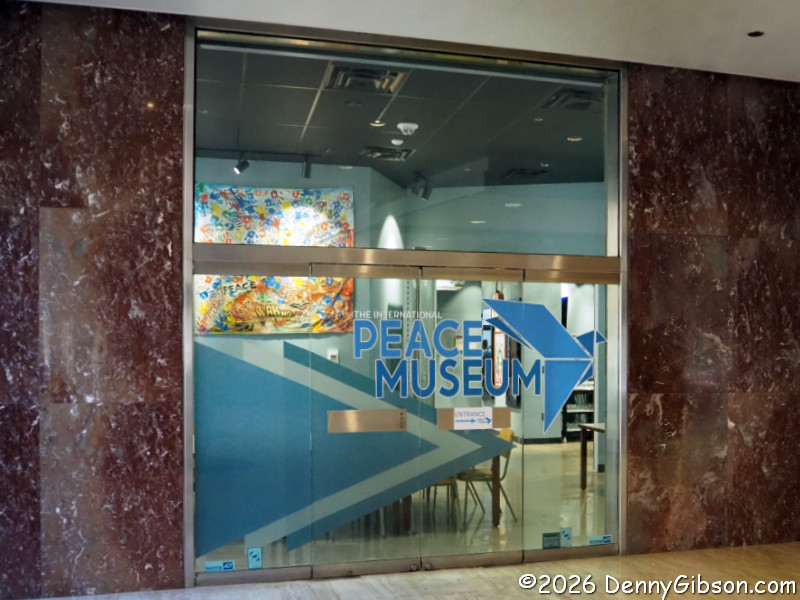
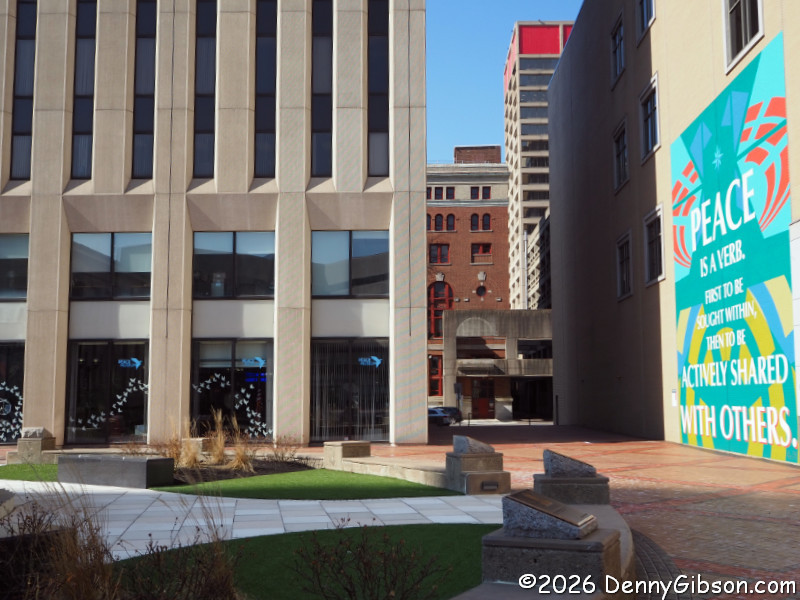
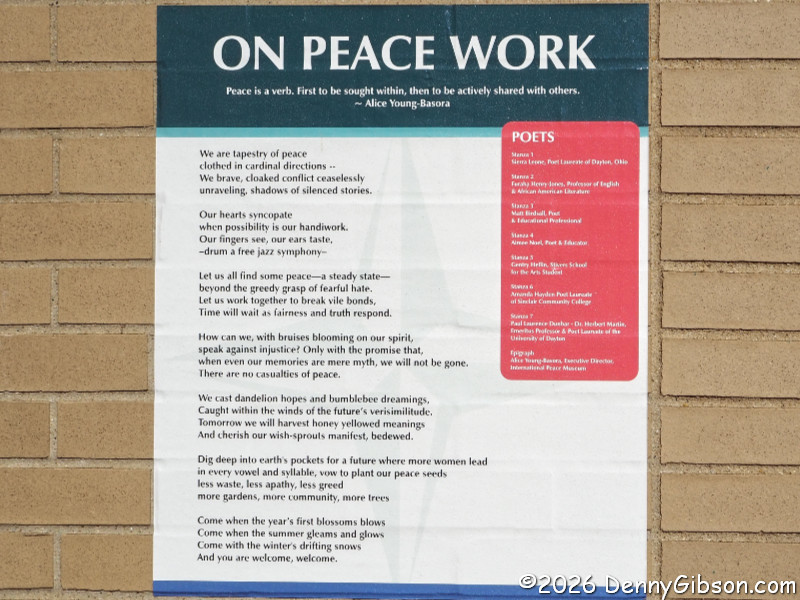
Another difference between this museum and those others is that the Peace Museum has moved since I last visited. It now shares a building with a Ludlow Street address, and that is how I entered. But the museum extends all the way through its half of the first floor and can be accessed from Courthouse Square. That’s the side pictured in the opening photo. A straight-on view of that mural is here, and of the adjacent text panel here.
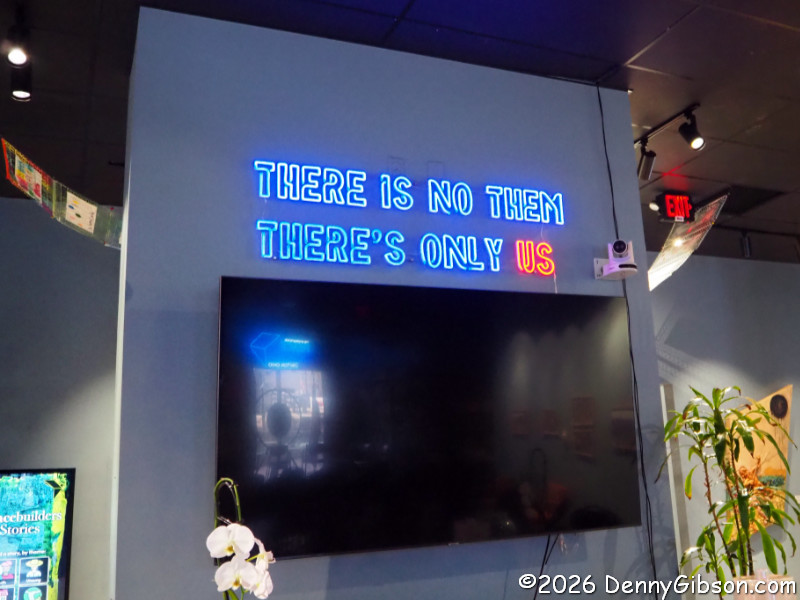
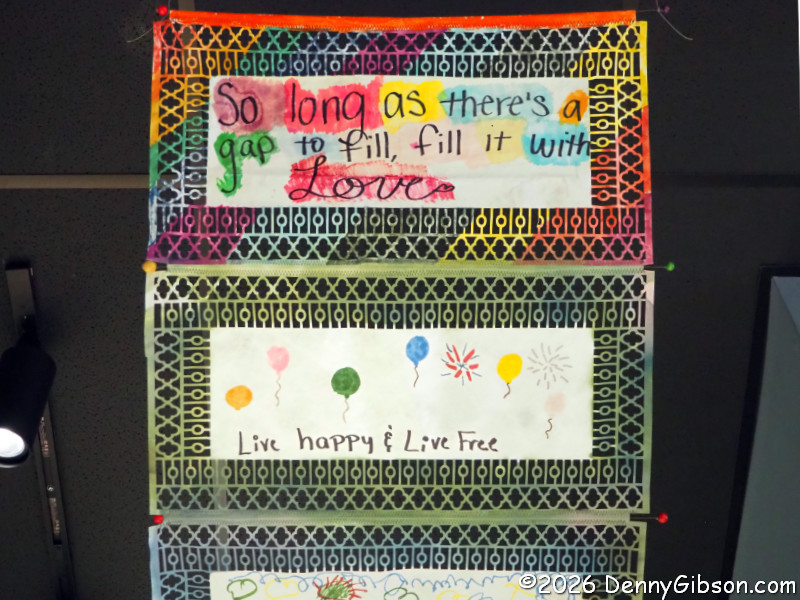
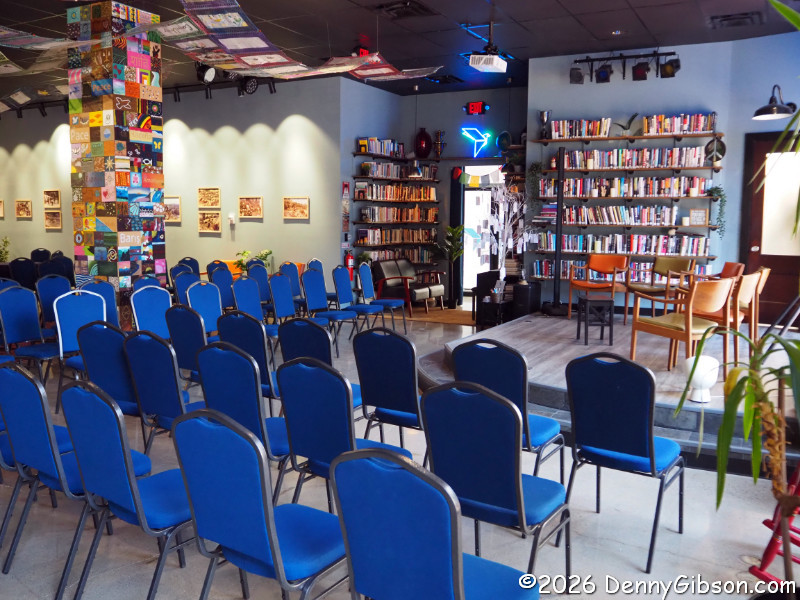
The lobby was set up for a presentation scheduled for later in the day. The column to the left of the first photo is called the Peach Pole. Among the images covering it, the word “peace” appears in the twenty most commonly spoken languages in Dayton. Hand-drawn panels hanging overhead make up an exhibit named “Bridges”. The lobby also contains a pretty cool neon sign.

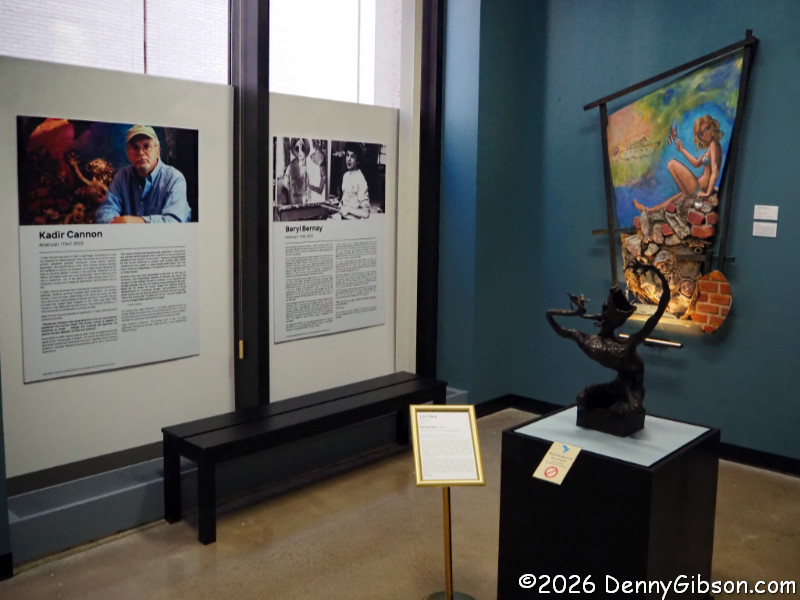
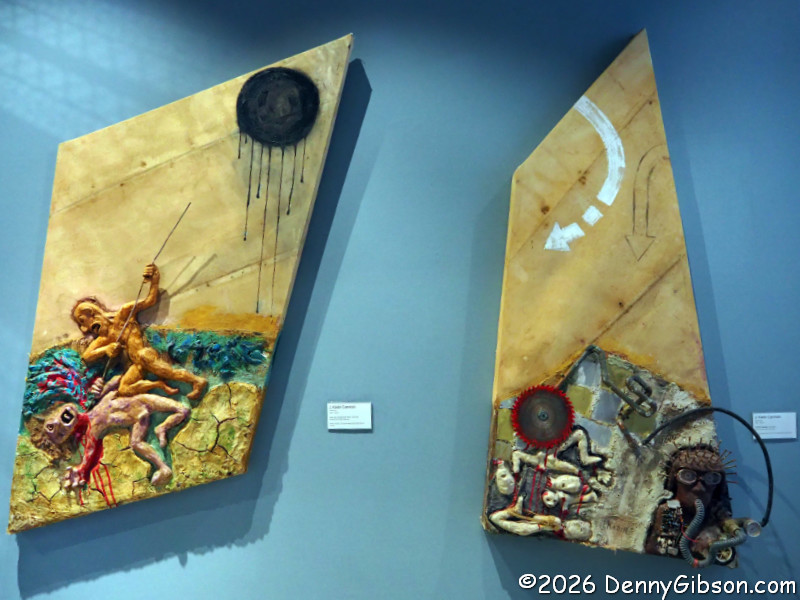
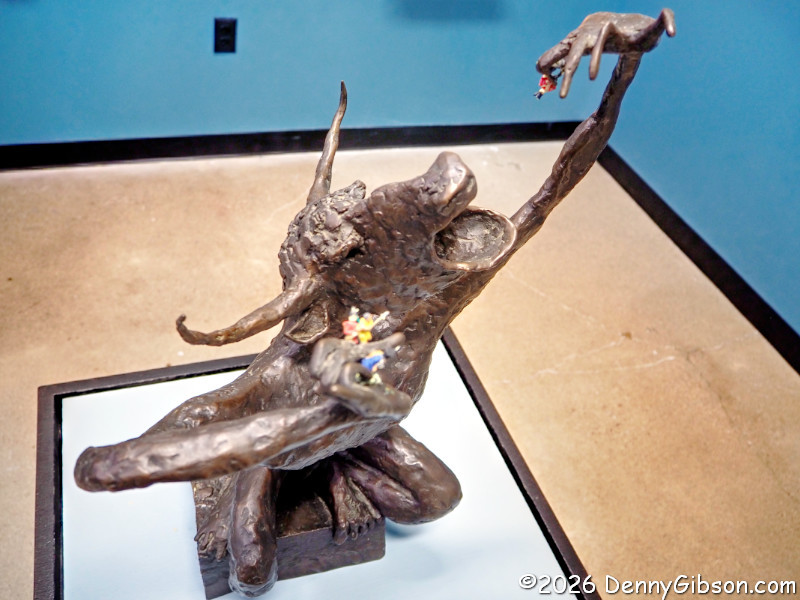
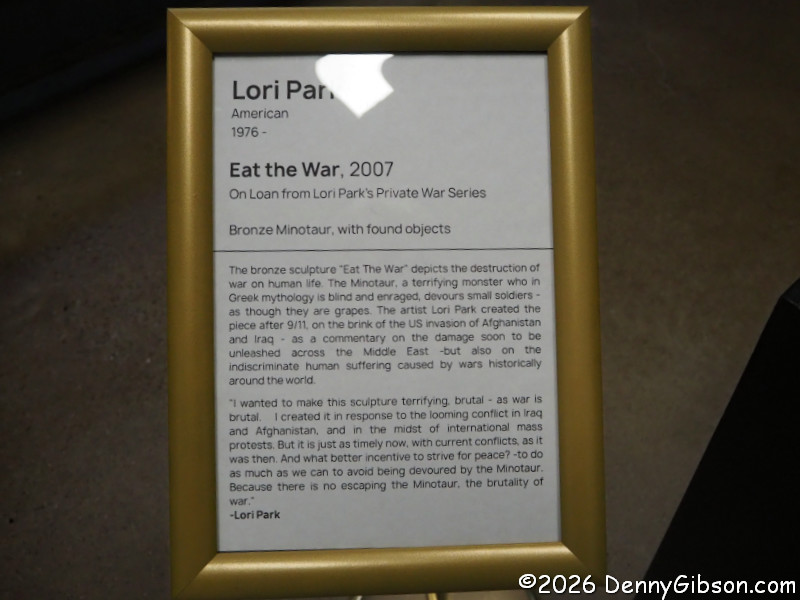
The Anti-War Gallery was the first room I entered off the lobby. Most of the artwork is from Beryl Bernay and J. Kadar Cannon. The sculpture in the middle of the room is by Lori Park.

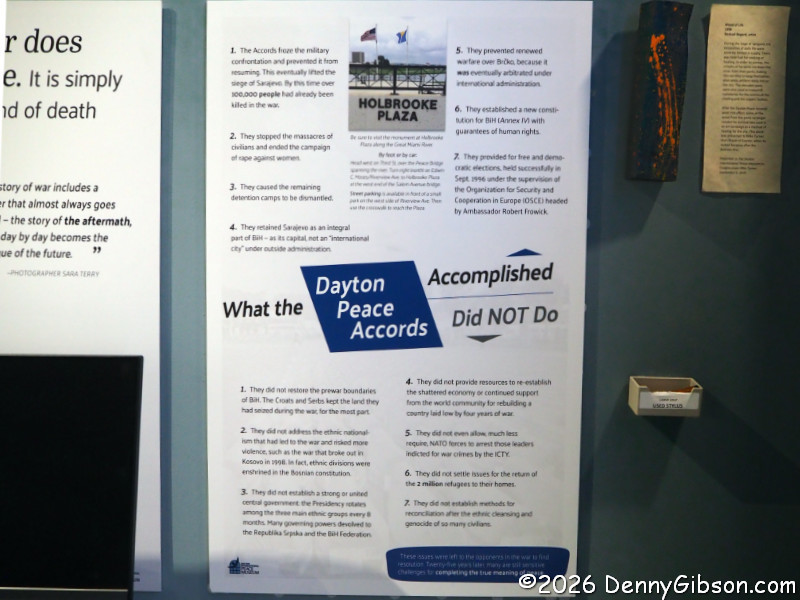
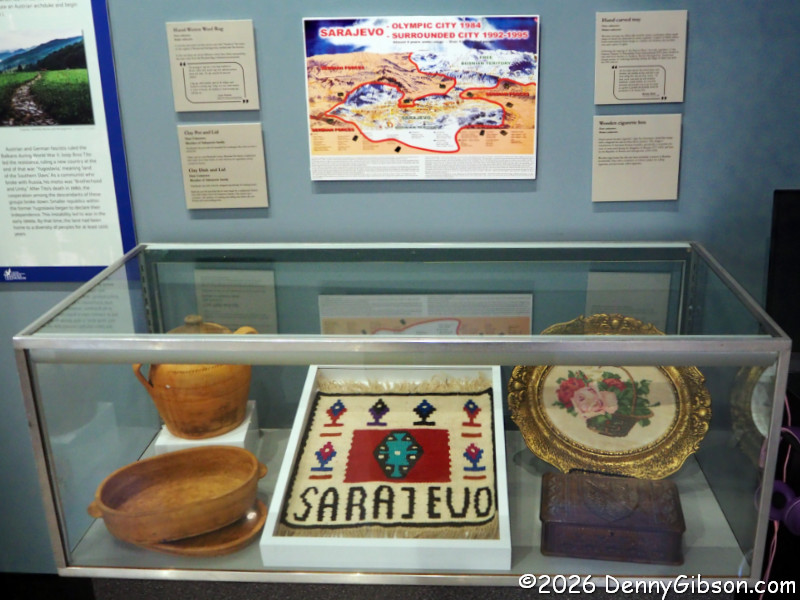
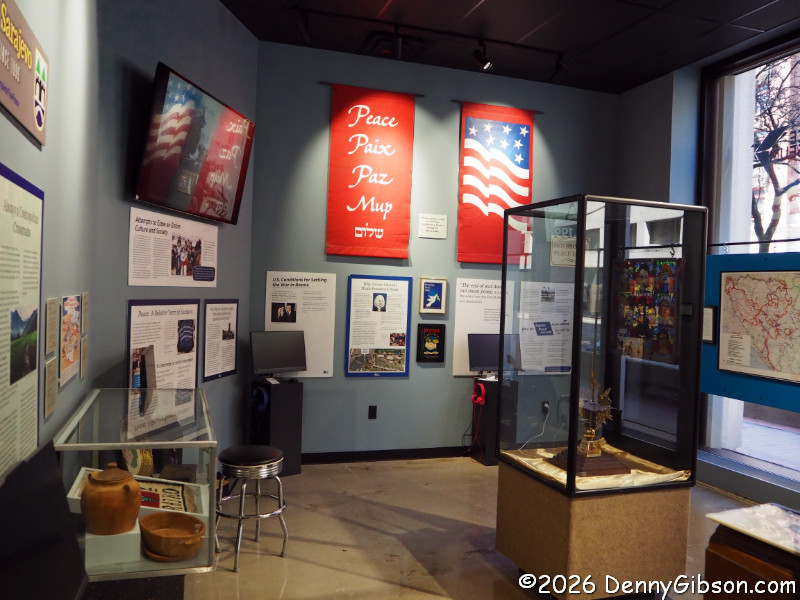
The founding of the International Peace Museum in Dayton in 2004 was at least partially an outgrowth of the city being the site of the signing of the Dayton Peace Accords in 1995, and the museum contains a sizable exhibit devoted to that event. The accords did end the violence of the Bosnian War, but, like so many agreements before and since, left lots of problems unsolved.

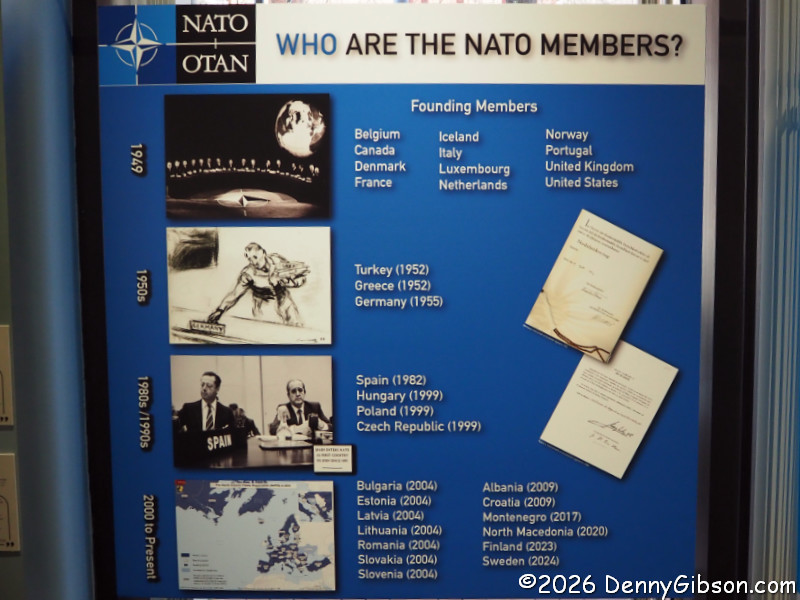
An equal amount of space is devoted to the North Atlantic Treaty Organization. Last year’s 75th anniversary is noted, along with many of its peachkeeping successes during those years.

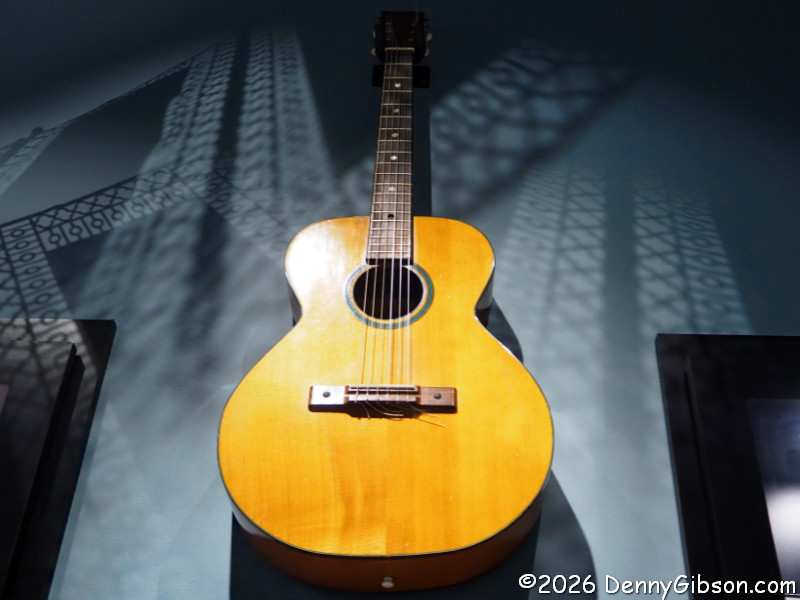
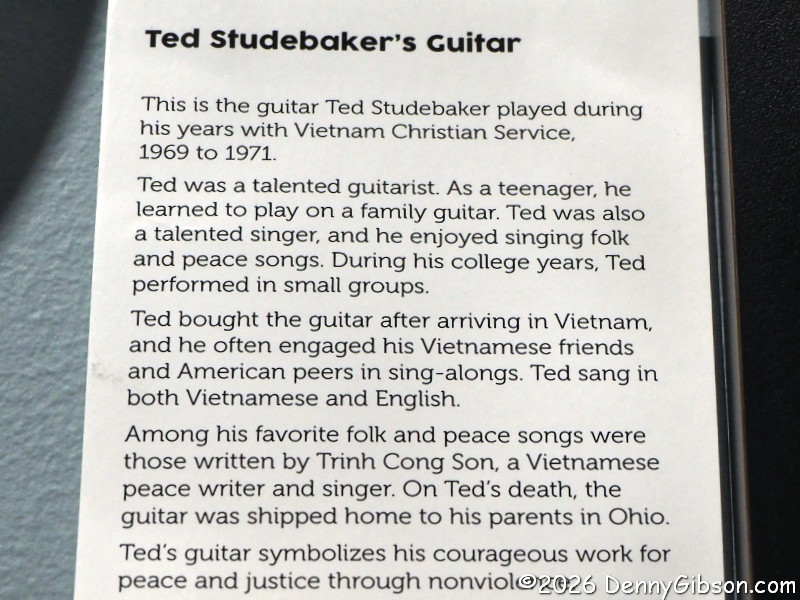
This guitar is the only item I distinctly remember from my 2009 visit. As described here, it belonged to conscientious objector  Ted Studebaker, who was killed in Vietnam in 1971 while helping farmers there. Studebaker was from nearby West Milton, OH.