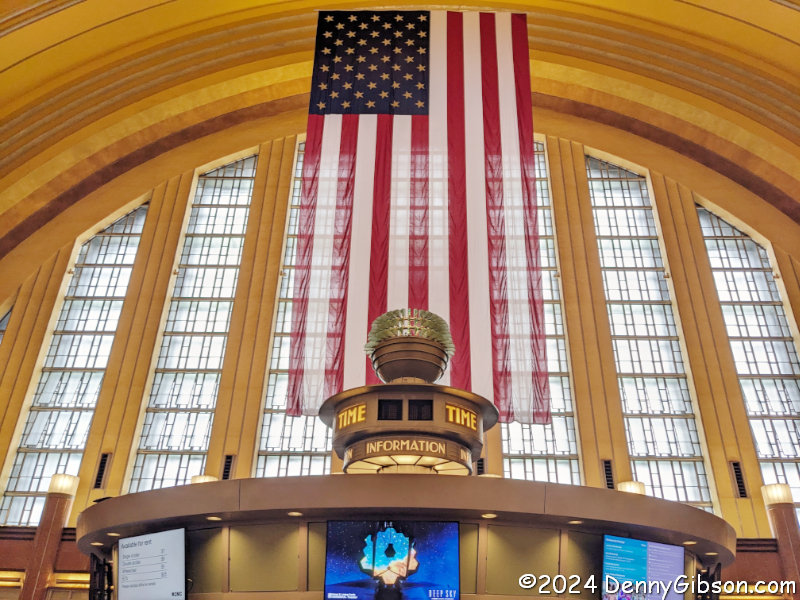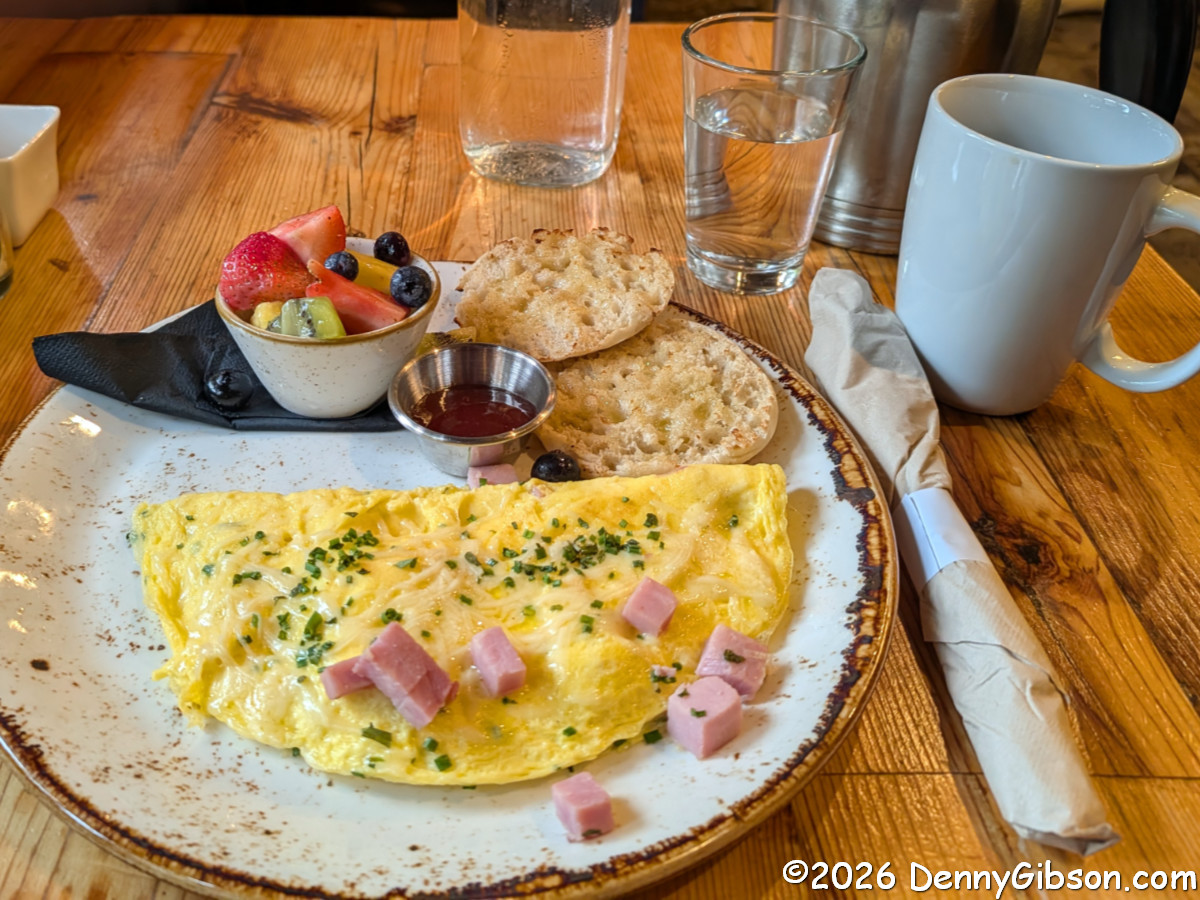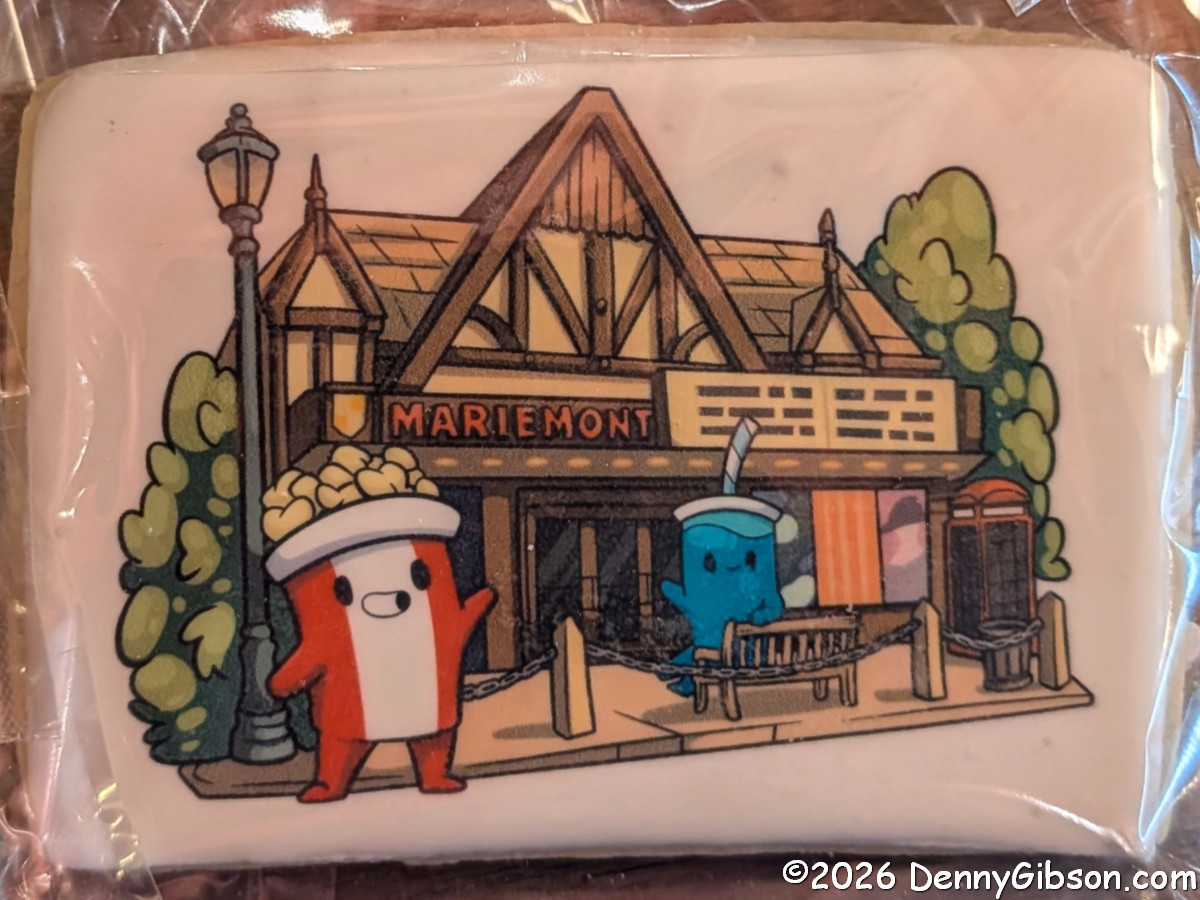
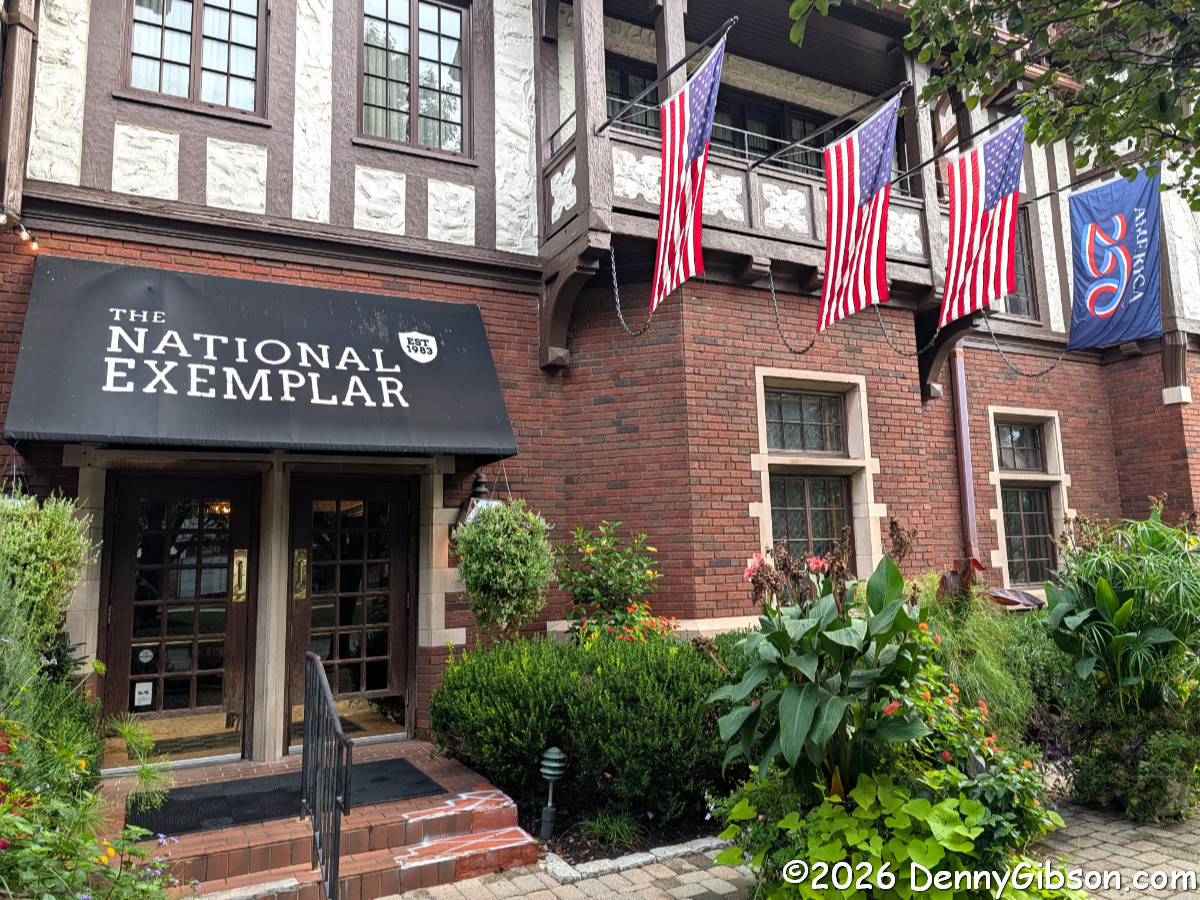
You’re right. That’s not a movie theater in the picture. It is the entrance to the National Exemplar restaurant, where I had a wonderful breakfast before walking to the Mariemont Theater, which is essentially right next door. The rare breakfast-and-a-movie opportunity came about because I was attending a 10:00 AM show. I’ve looked in vain for a pre-noon equivalent to a post-noon matinee, but the only suggestion I found was “morningside screening”. How mundane.
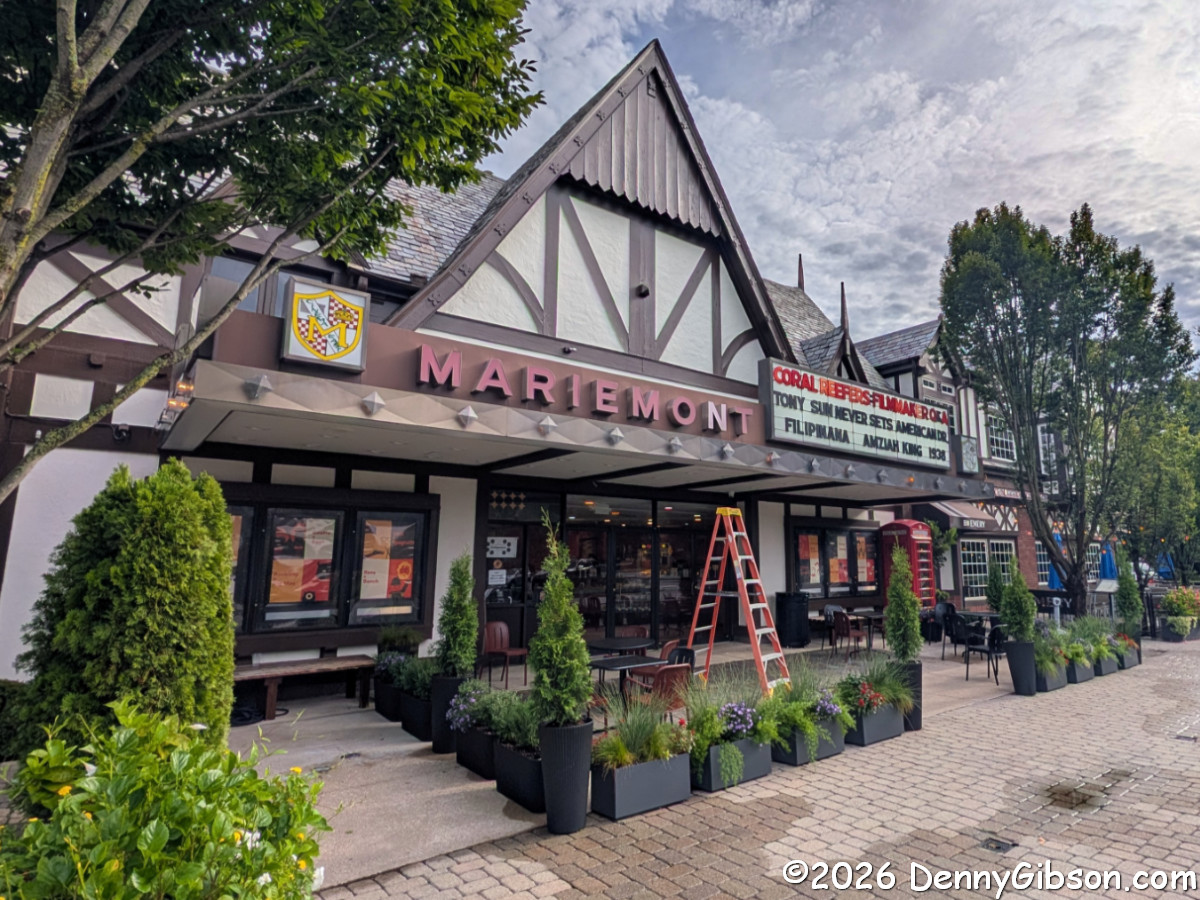
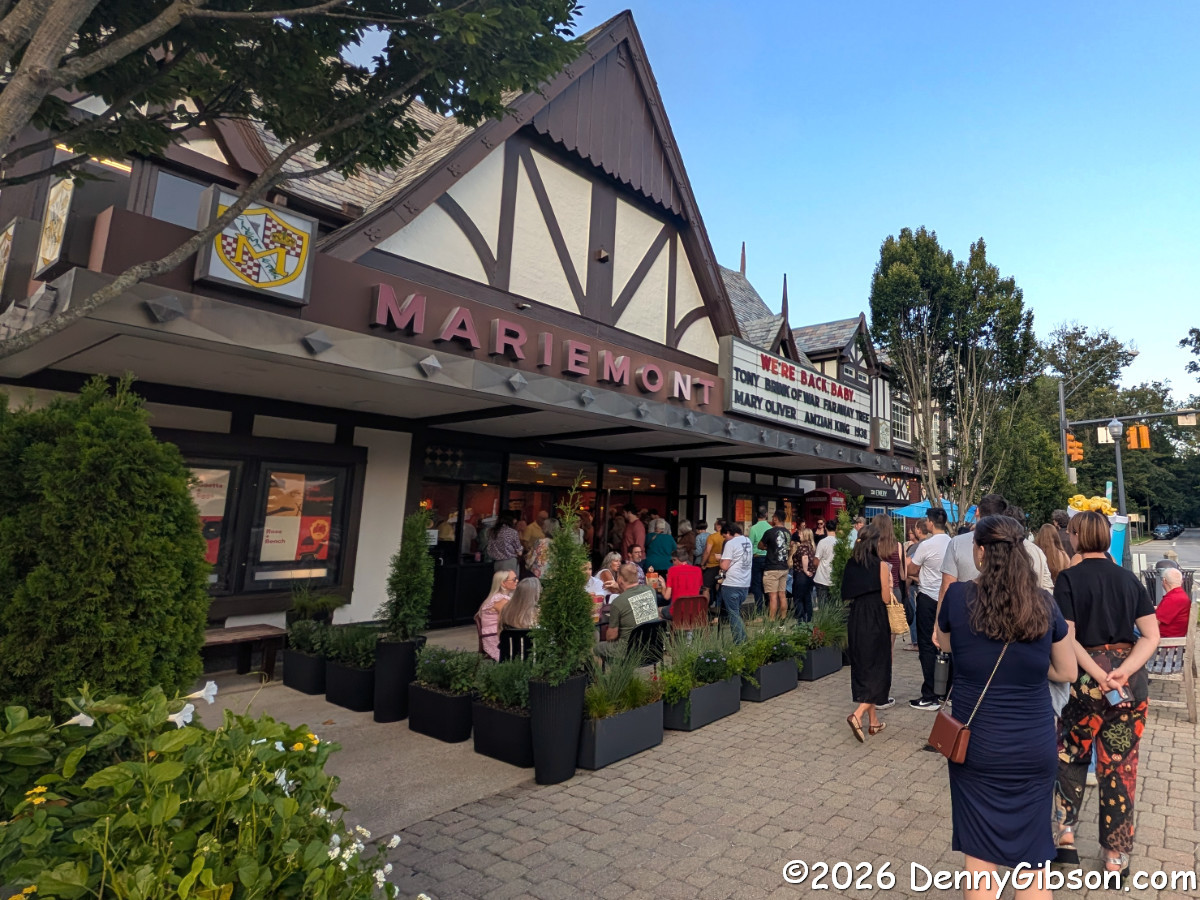
I was here for the first showing of a two-week run of Coyote vs. Acme. It was released more than a week ago and has been playing in other area theaters, but I really like this theater, plus it seemed very appropriate to see a movie that came back from the dead in a theater that did the same. Warner Brothers completed the film in 2023 but planned to shelve it for a tax write off. Thankfully, Ketchup Entertainment bought distribution rights in 2025. I wrote about the Mariemont Theater’s first day back after being shuttered here. Note that (1) the movie was not yet on the marquee when I arrived, and (2) a ladder was poised to correct that.
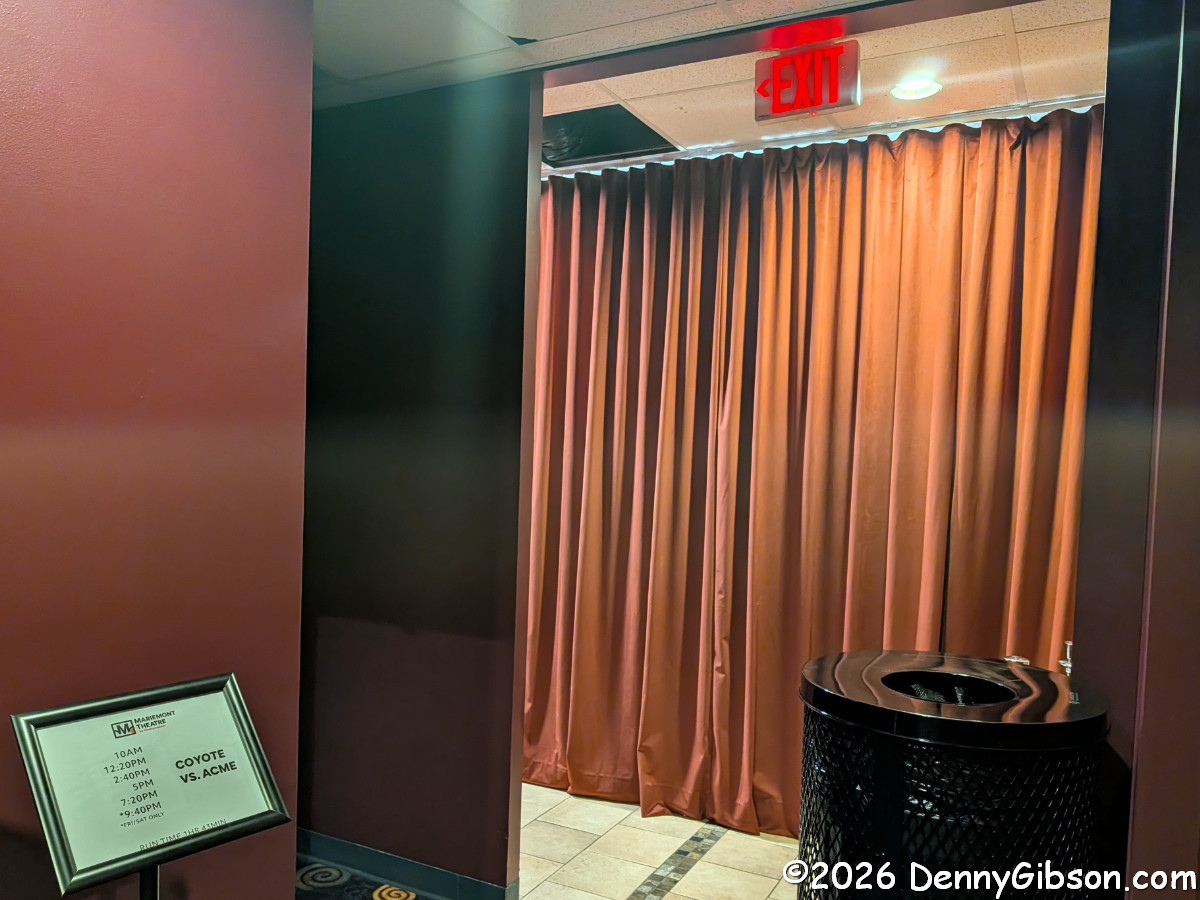
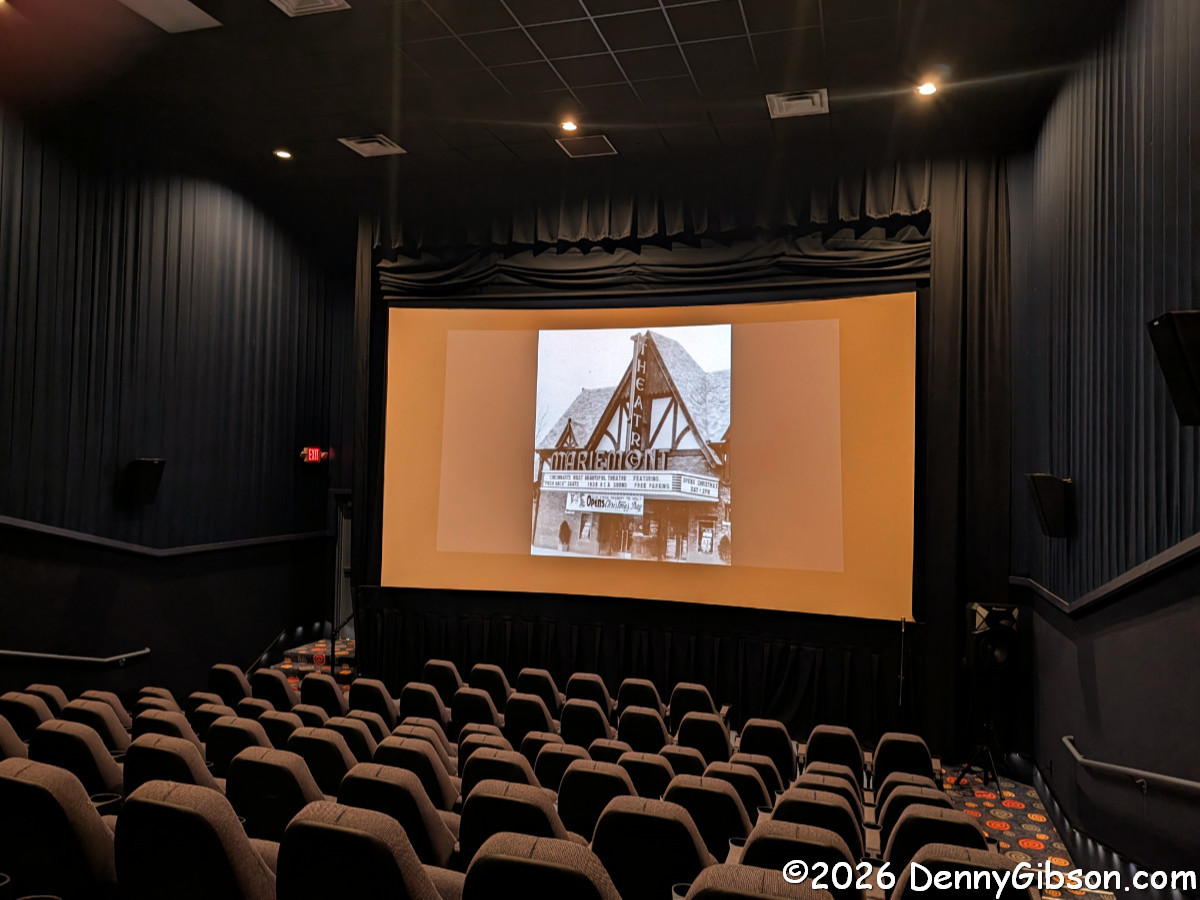
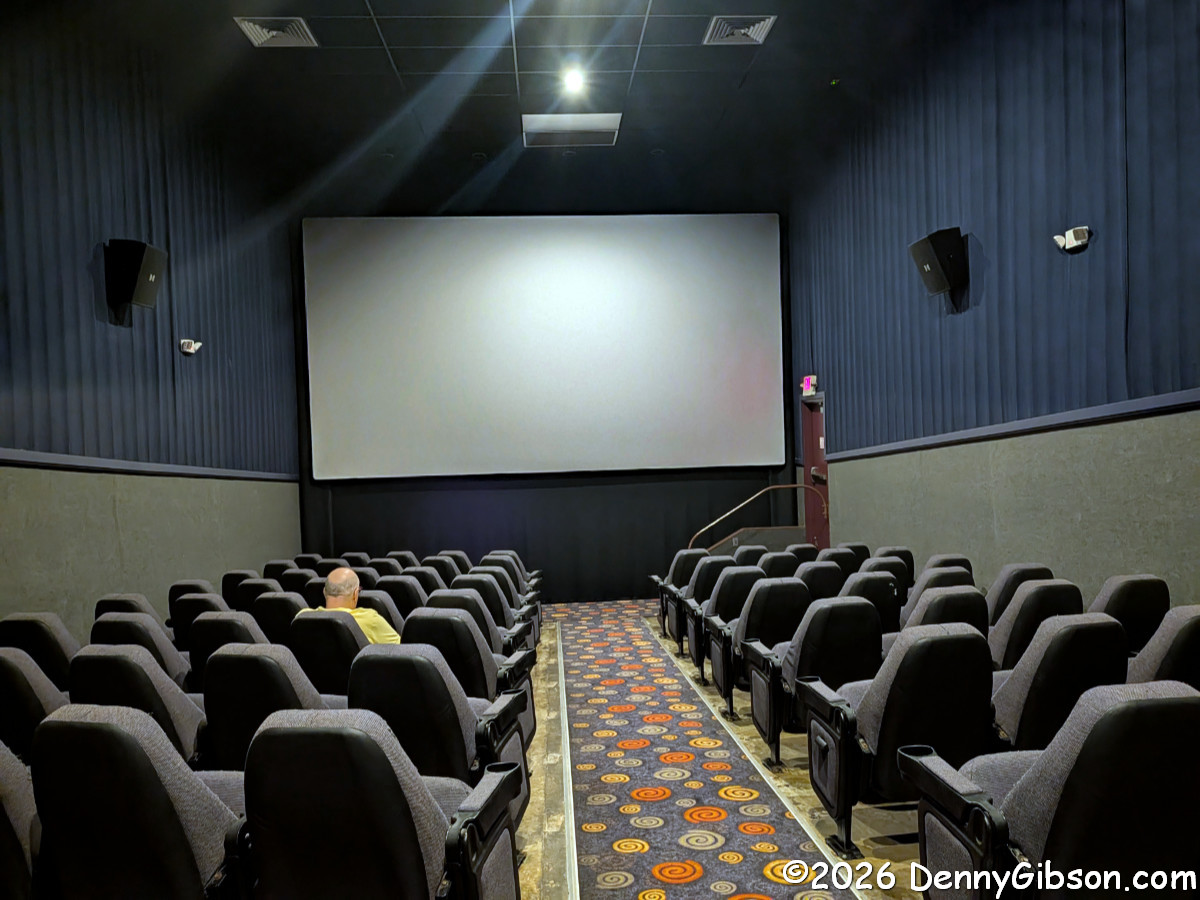
When I purchased my ticket, I could see that it was the first ticket sold for the showing. When the movie started, I could see it was also the last ticket sold. I was treated to what amounted to a personal screening, and what a treat it was.
Unlike the original Road Runner cartoons, the movie has a plot. You can even see it as a tale about the little guy challenging the big evil corporation but please don’t focus too much on that. And don’t let it being a “talkie” distract you from the familiar painted tunnels, falling rocks, and misused magnets. For some reason, I was concerned that Wile E. Coyote might be given a voice, but I need not have worried. Both Coyote and Road Runner communicate via “a limited number of signs”. Same as it ever was. There is plenty of speaking, but it’s all handled by the human actors and what appears to be the entire stable of Looney Tune characters such as Tweety, Bugs, Foghorn Leghorn, Porky, and all the rest.
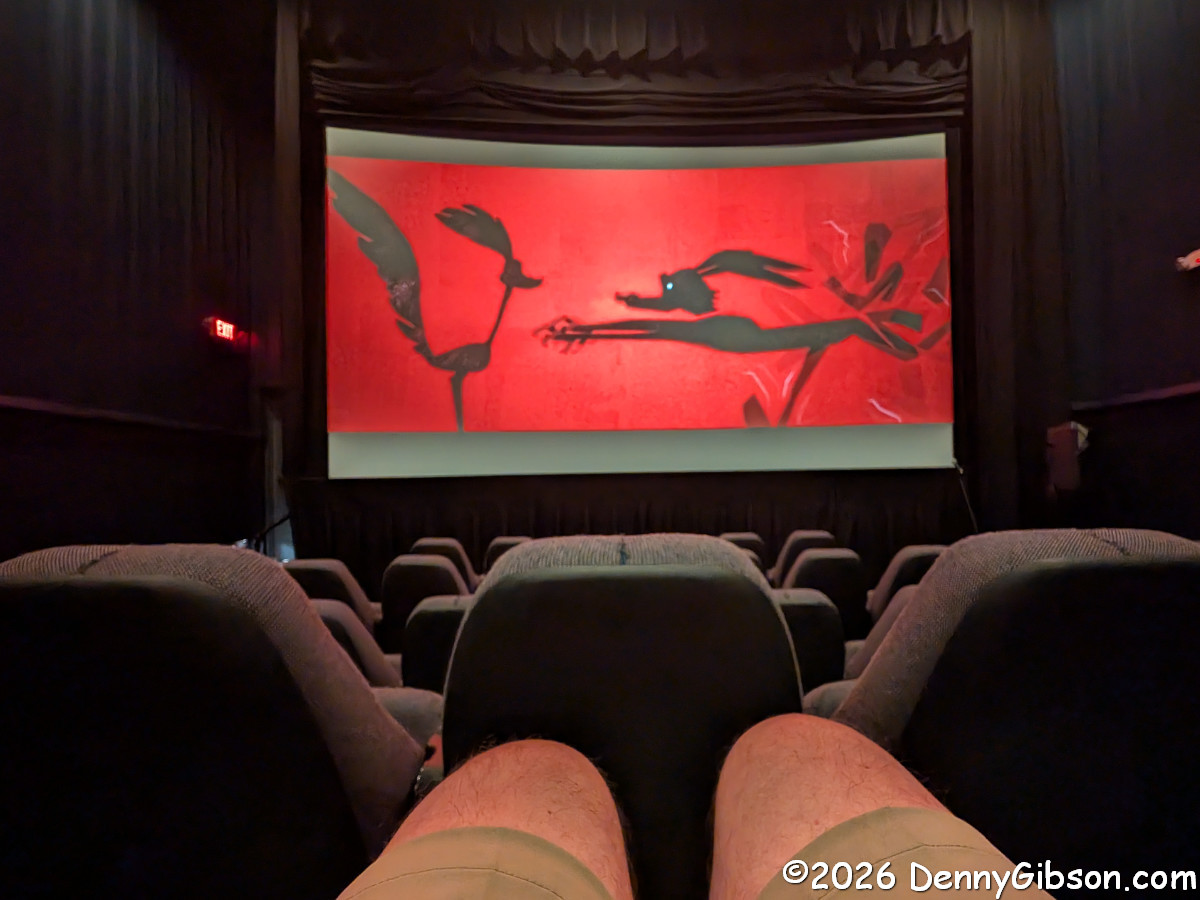
I’m sure I missed some of the more subtle gags and references but I caught enough that I took advantage of having the place all to myself several times by laughing out loud. I know I need to see it again. As might be expected from advances in technology, the real world and the cartoon characters are blended flawlessly. The movie’s real world was filmed in Albuquerque, New Mexico. At one point it struck me that Kevin Avery, one of the human lawyers, was wearing a T-shirt from a real Albuquerque restaurant and I’ve a feeling that is true of the other shirts that just had not registered. And here’s something I only figured out after watching the movie and consulting the internet. In the movie, Avery and Coyote stay at the Prickly Pear Motel. Thinking it might be a real business, I googled the name and learned that the Prickly Pear Festival is a real event that opens for the eighth time in two days (Sep 18, 2026). In the movie, Albuquerque hosts a Carrot Festival. Back in 1953, Bugs was headed to the Coachella Carrot Festival when he “shoulda taken that left turn at Albuquerque!”
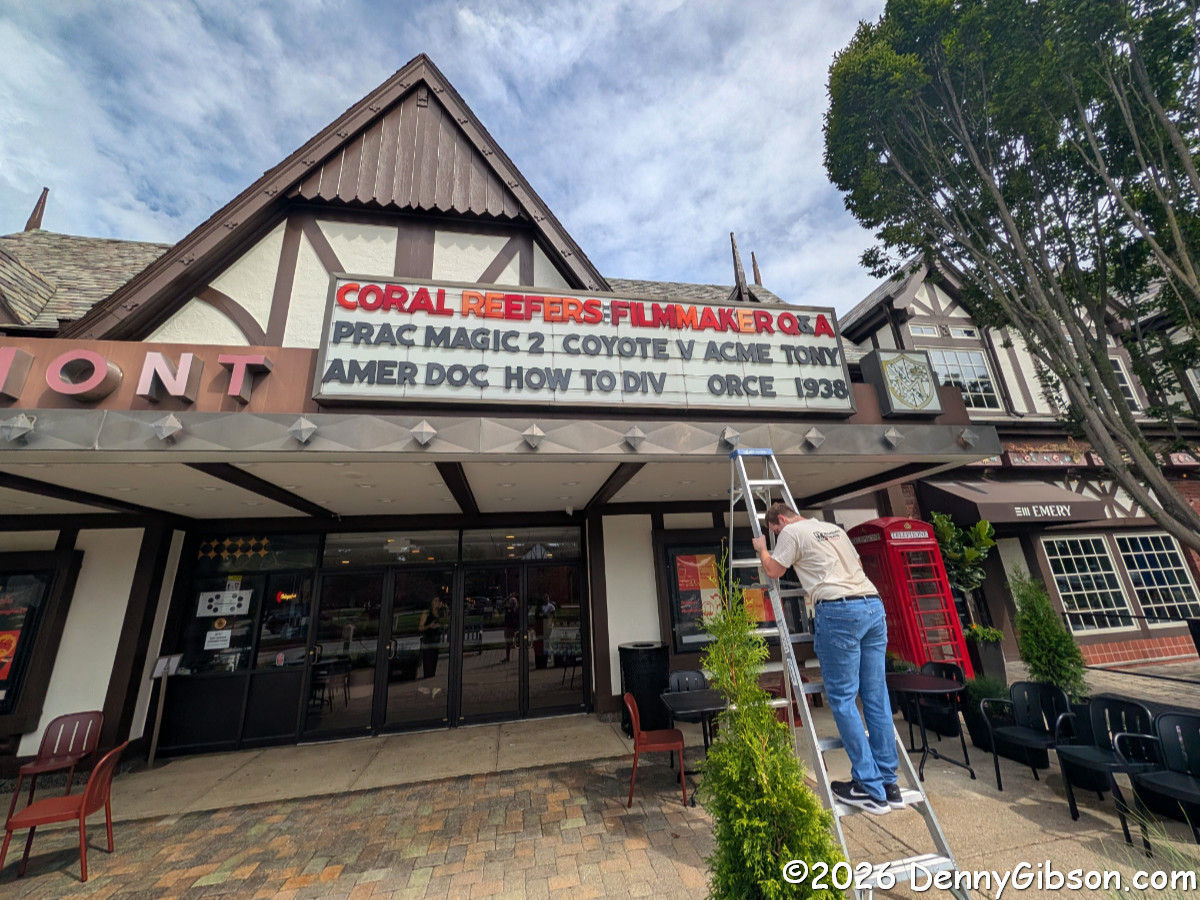
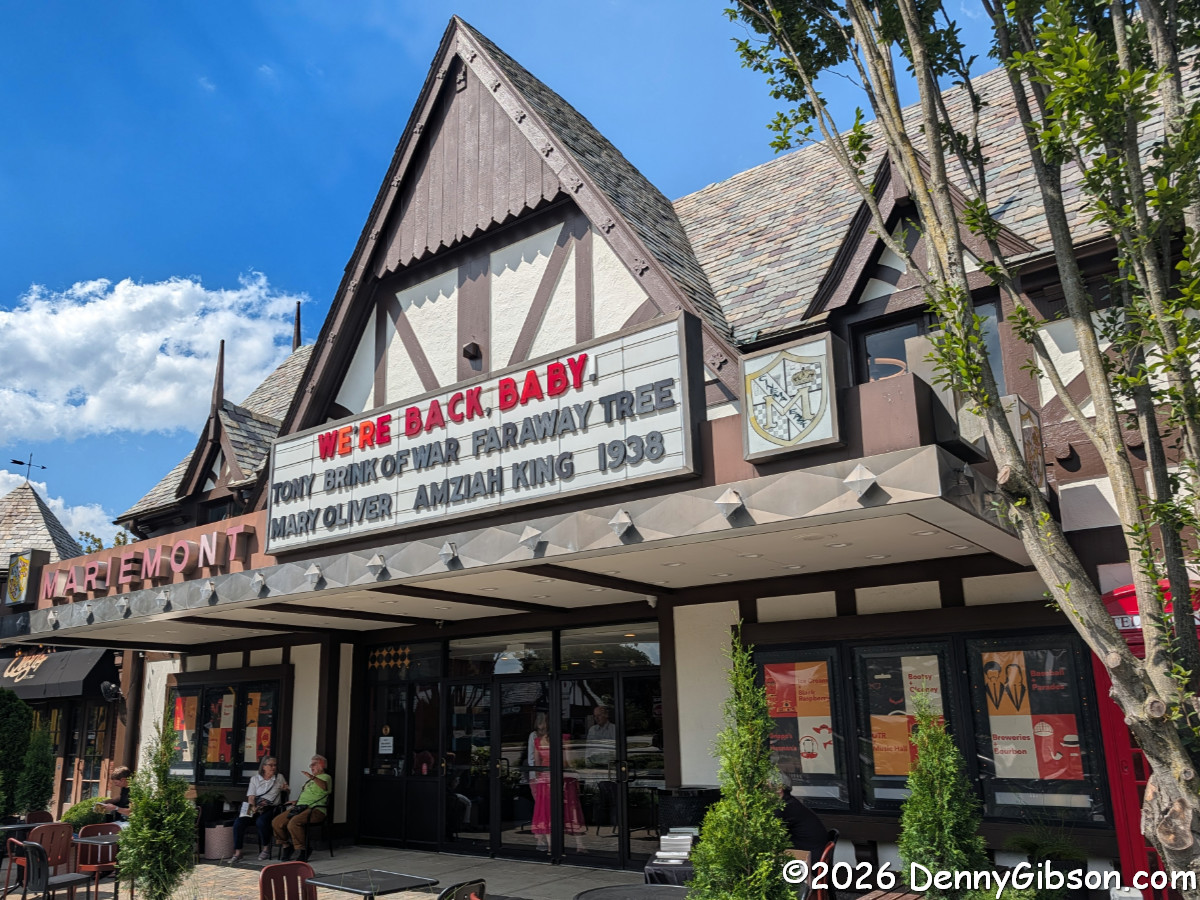
When I walked outside efforts were underway to fit a whole lot of letters onto the marquee. I stopped to chat with a couple of theater employees about the theater and the movie I’d just seen and conversation eventually turned to the red letters at the top of the titles. The first showing of Occupational Hazard was also happening today and it would be preceded by a bit of a party in front of the theater and followed by a Q&A with the film’s director. The movie is a documentary about a time near the beginning of Jimmy Buffett’s career. It all sounded very interesting, and by the time I left, I was a little more than half convinced to return.
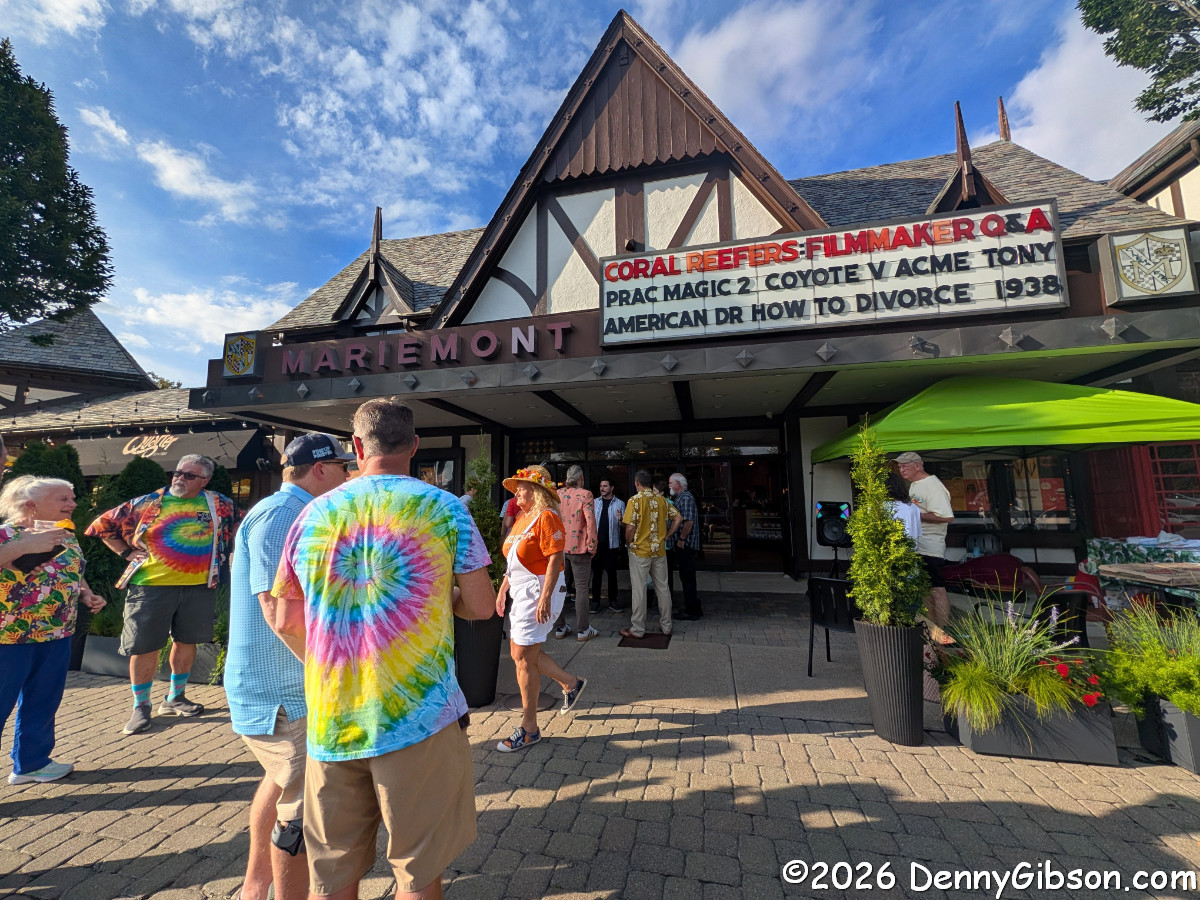
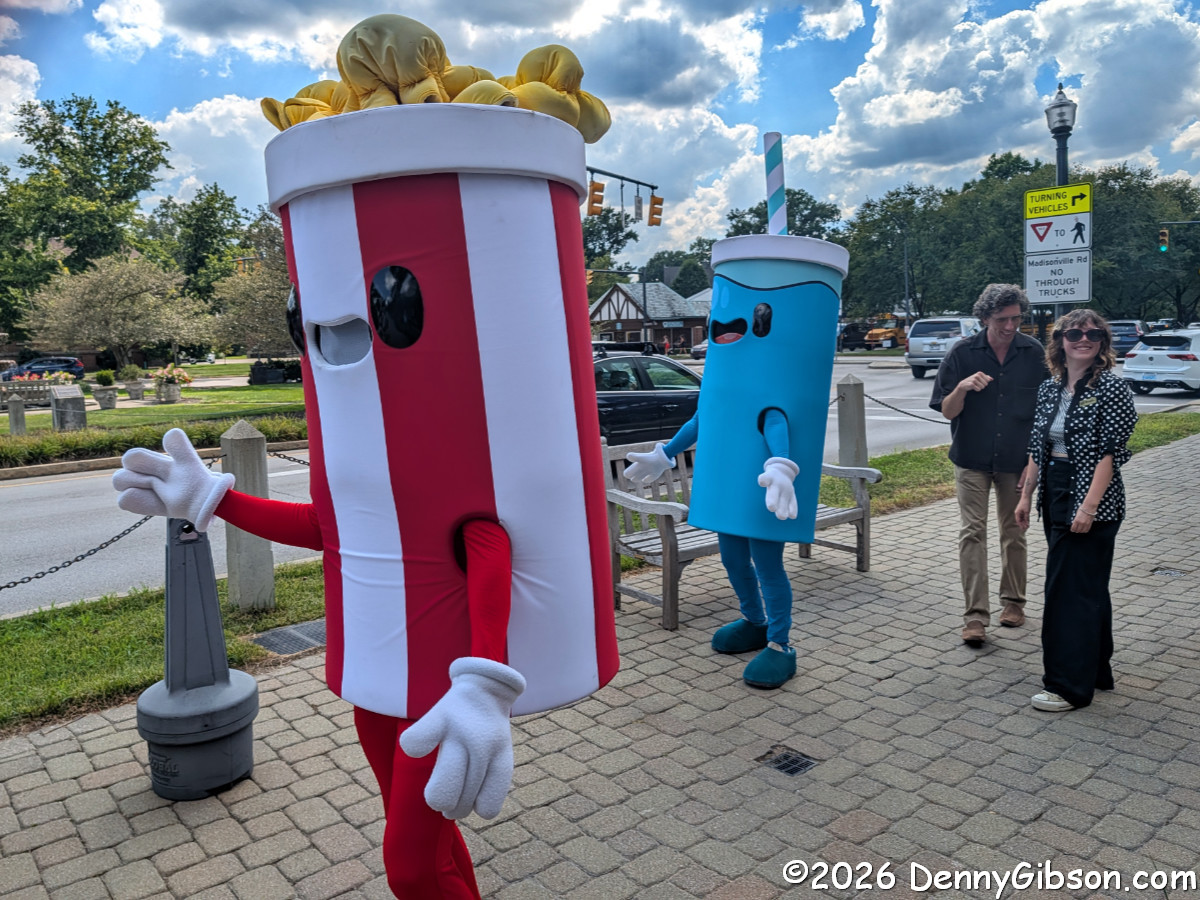
I did return, and started off with this picture that I later learned out sort of featured Cincinnati Parrothead Club president Patty Doak. Cincinnati is where the name Parrothead was coined and I’m guessing the local club is pretty active. After some film festival screenings, the movie had its first theatrical showing last Saturday then moved to Cincinnati for six showings. It looks like Cincinnati might be the only location initially getting multiple showings. Jimmy often did multi-night stands here, too.
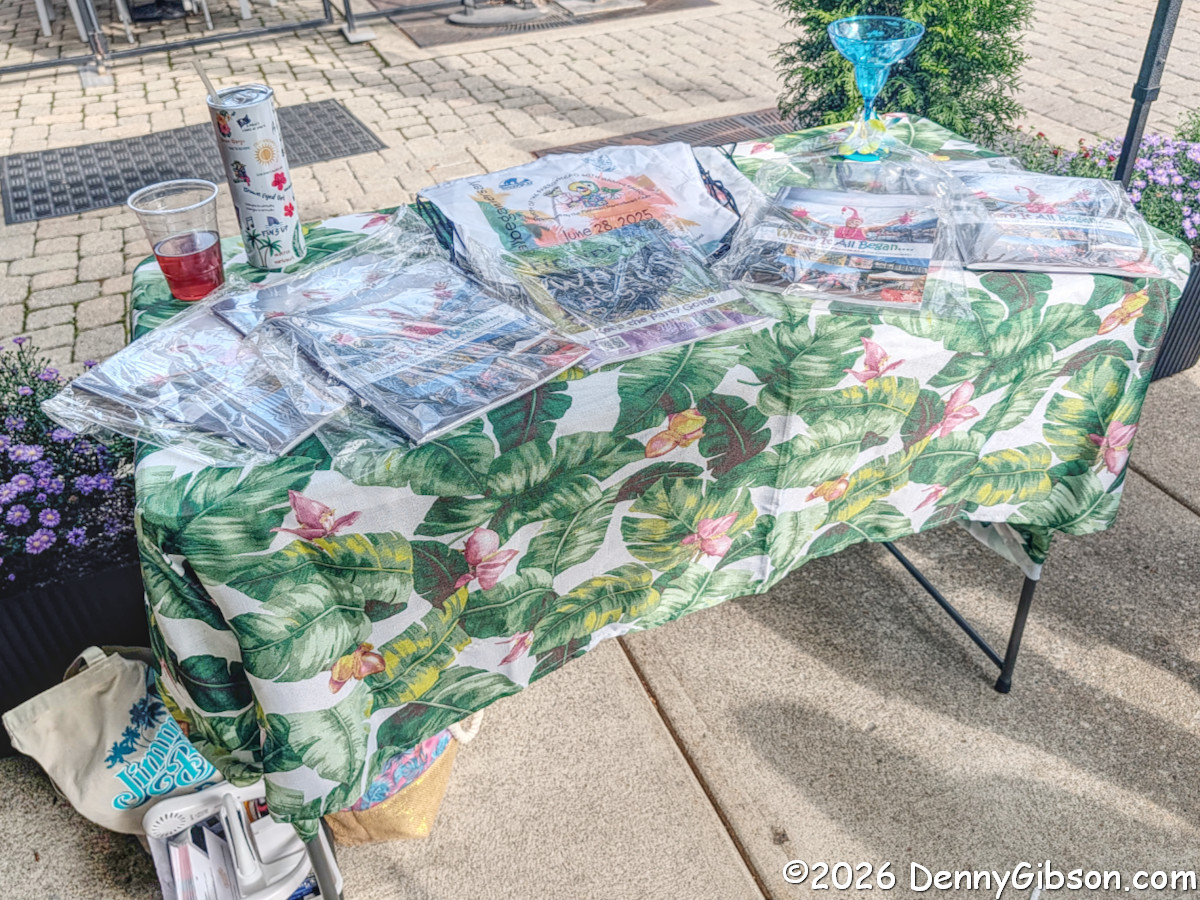
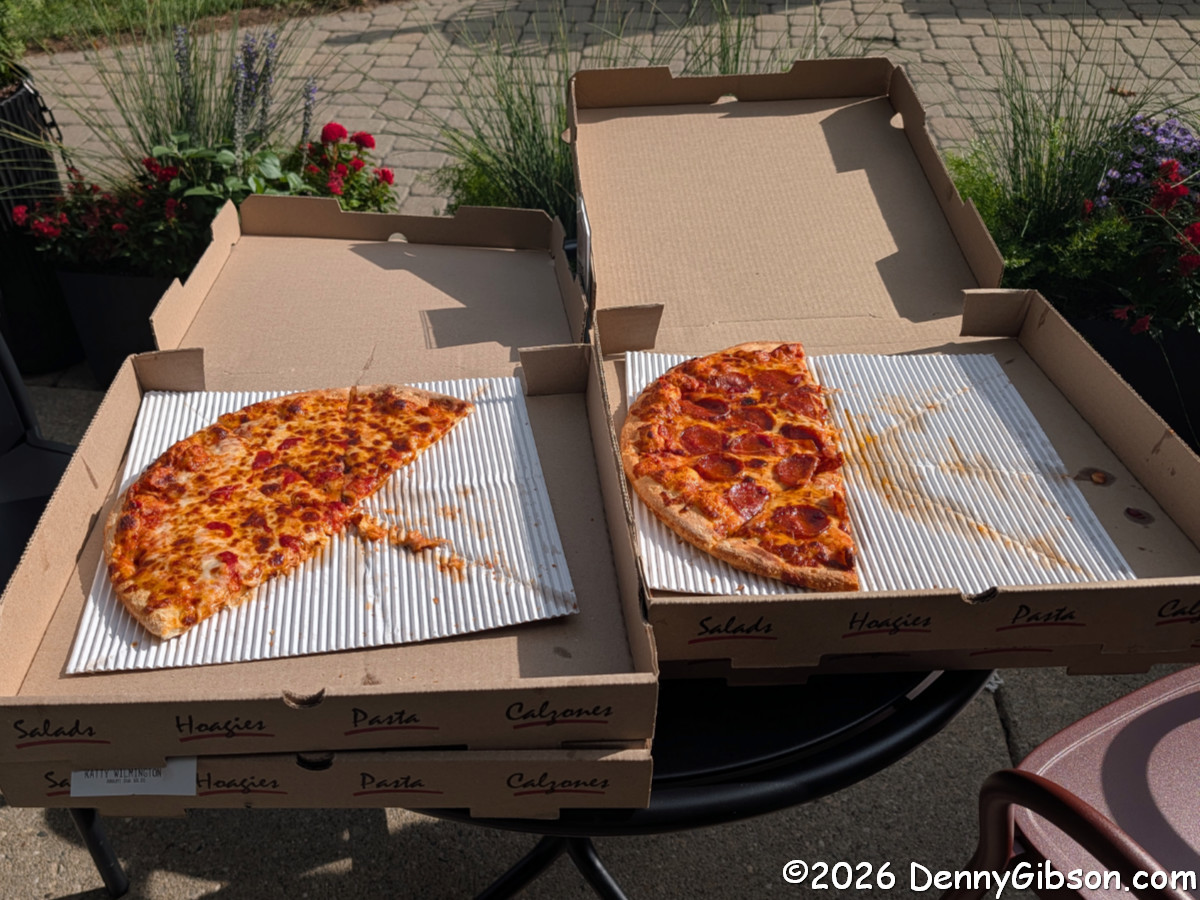
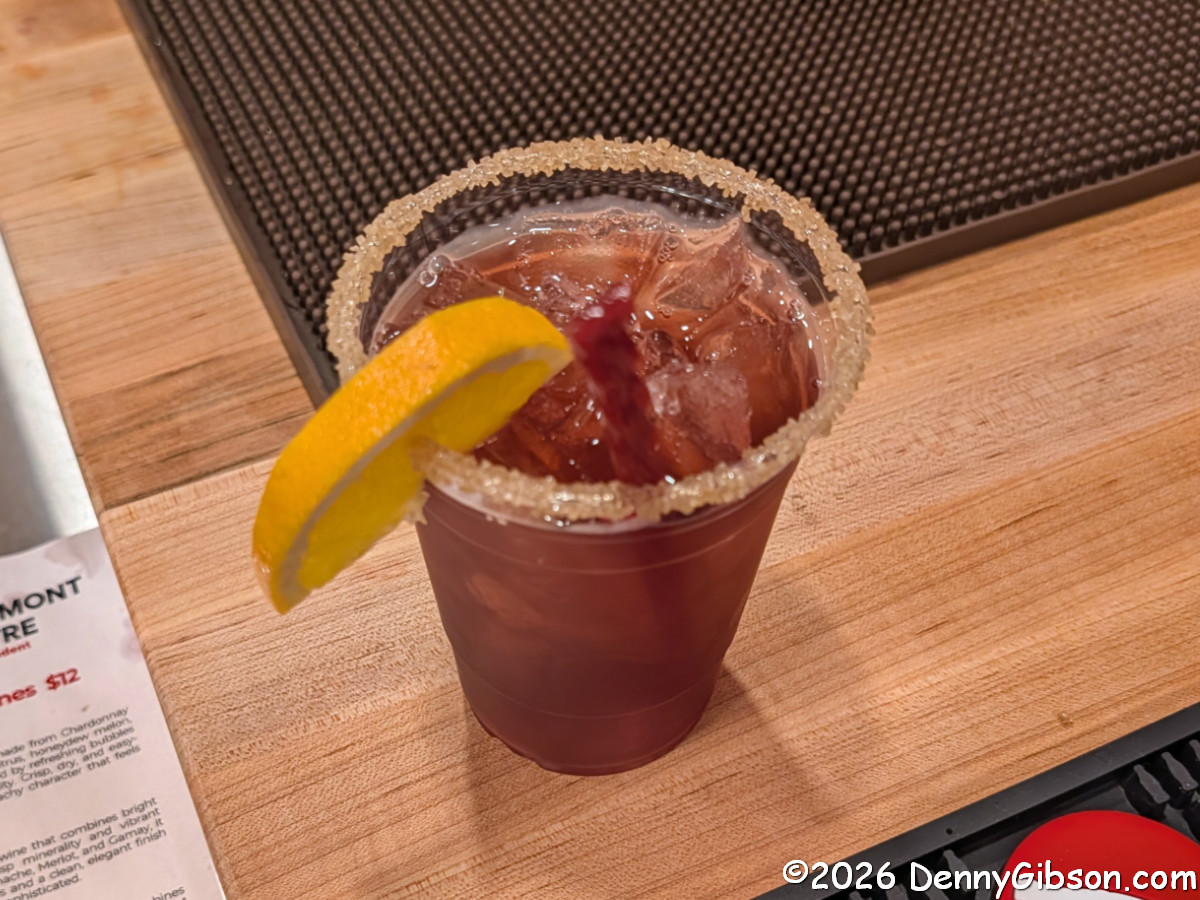
The drink of the day was midnight margaritas which I eventually learned had a lot more to do with the theater showing Practical Magic 2 than any Jimmy Buffett connection. Outside, there was pizza and parrothead paraphernalia.
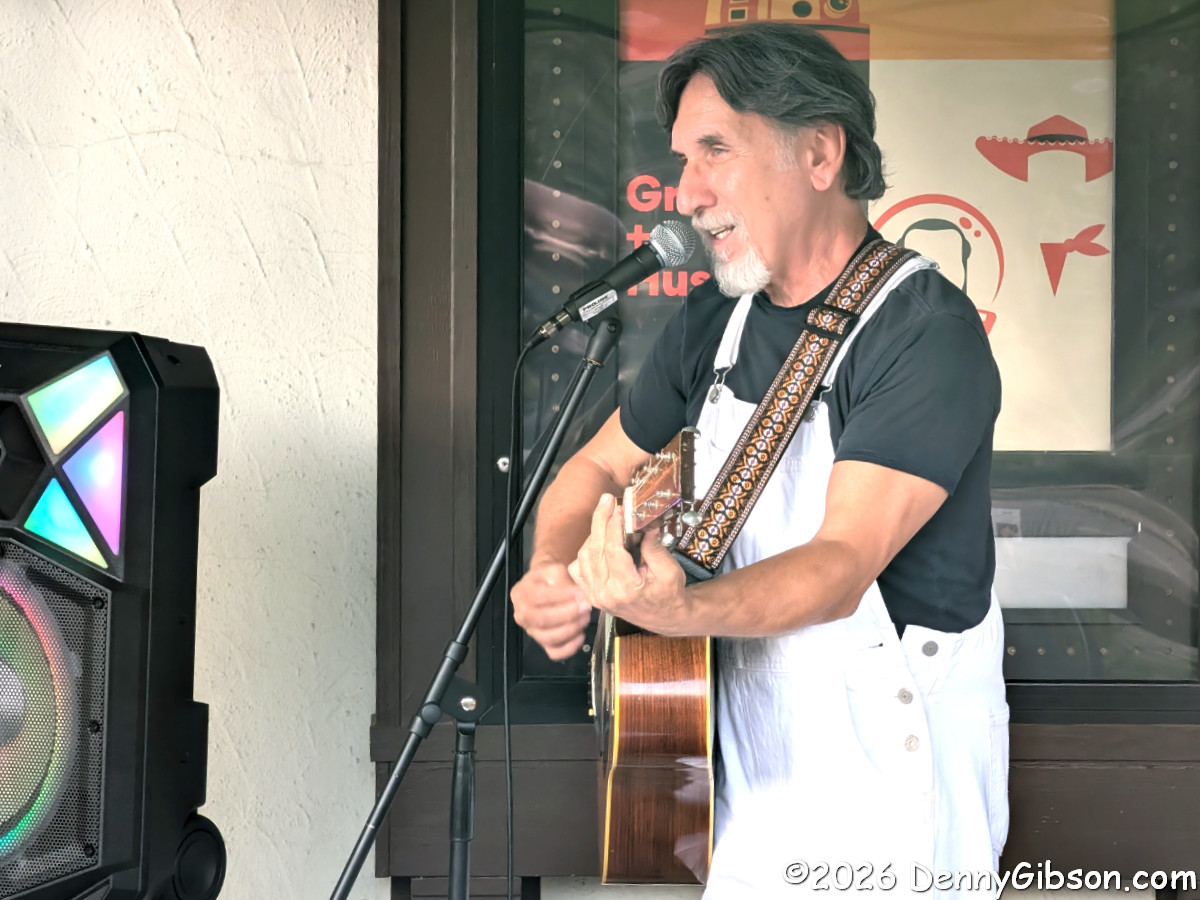
As showtime neared, Josh Leo entertained us with a couple of Buffett songs, a couple of his own songs, and at least one song he co-wrote with Jimmy. Leo wasn’t part of the very first Coral Reefer lineup but was there pretty early and appears prominently in the movie. He also participated in the Q&A the followed the showing.
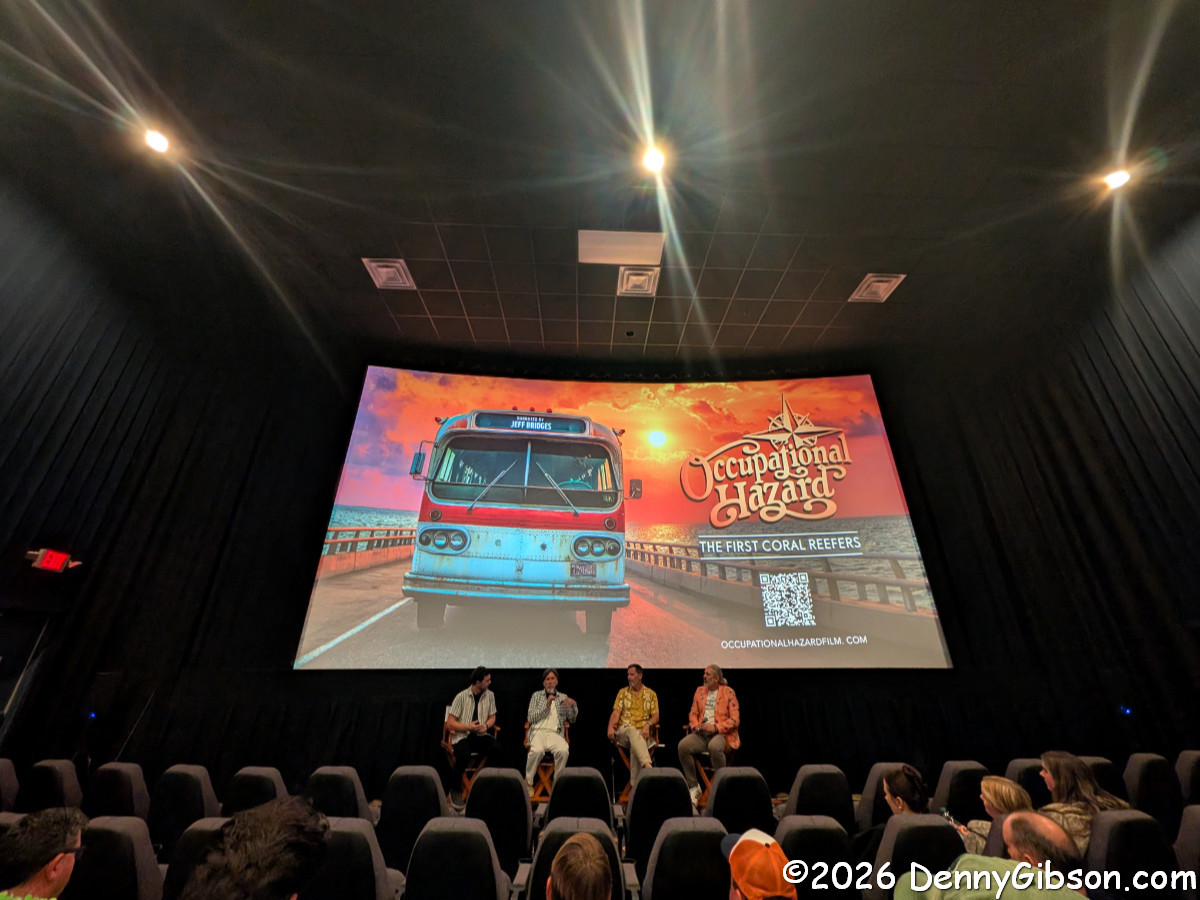
The movie is probably about half vintage photos and video and half recent interviews with surviving band members and others. The period covered ends around 1982, which means that Parrotheads had not yet been invented but they’re on the way and the attitude was well established.
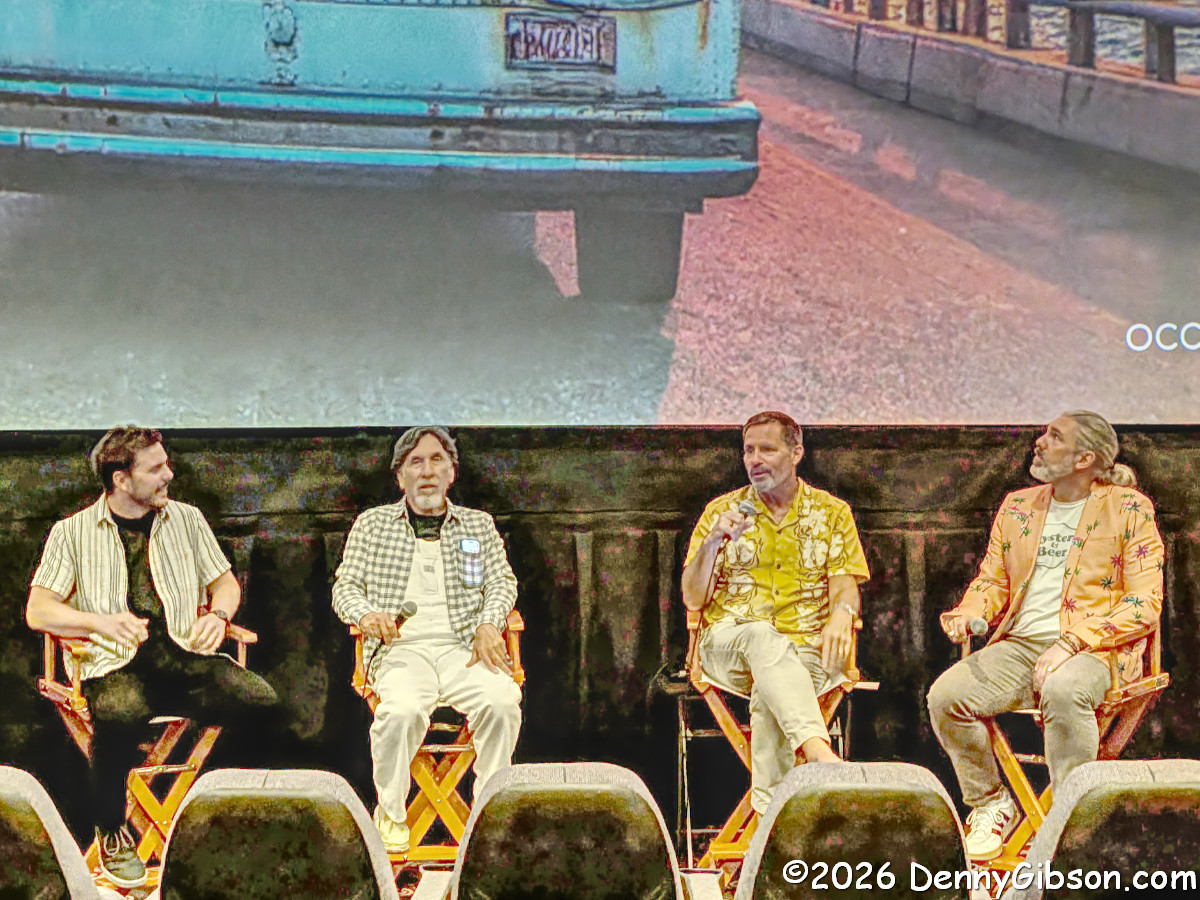
On stage for the Q&A were archivist Adam Lawrence, Coral Reefer Josh Leo, director & producer John Cunningham, and producer Ted Haynes. These guys shared many interesting stories about those early days and about the making of the film.



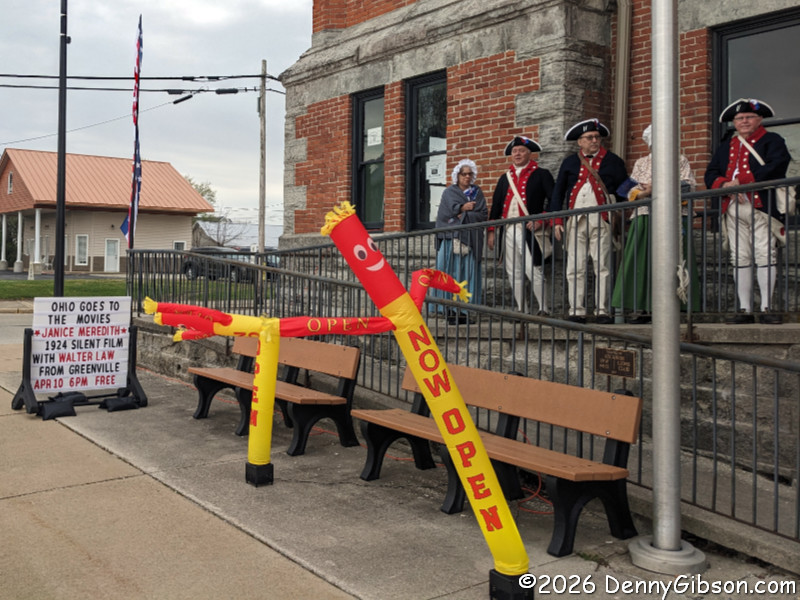
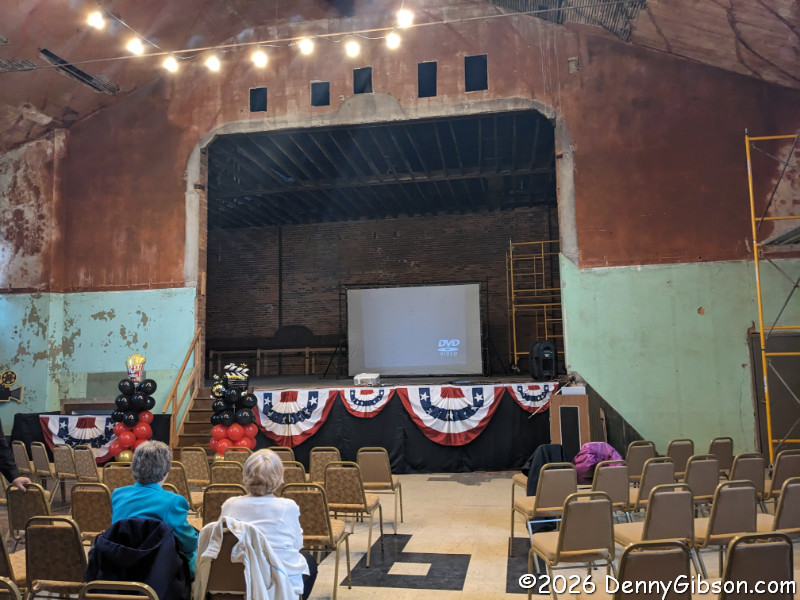
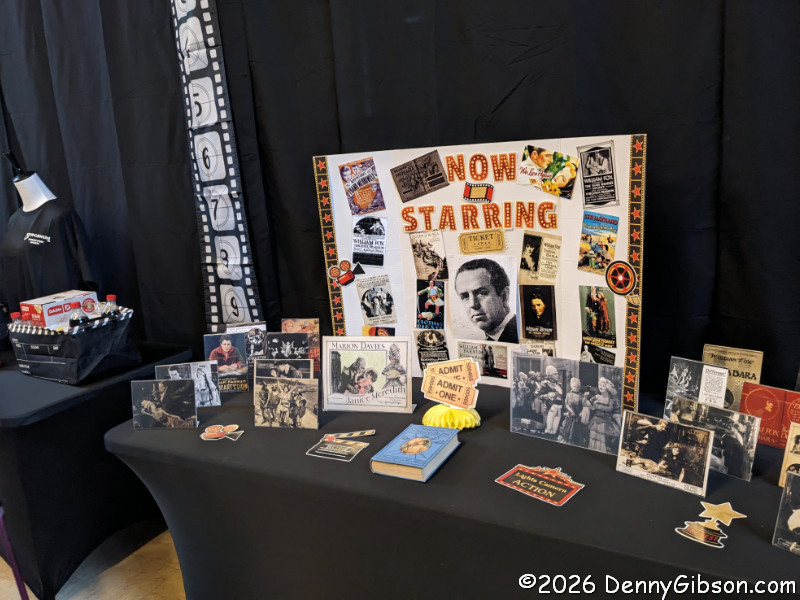
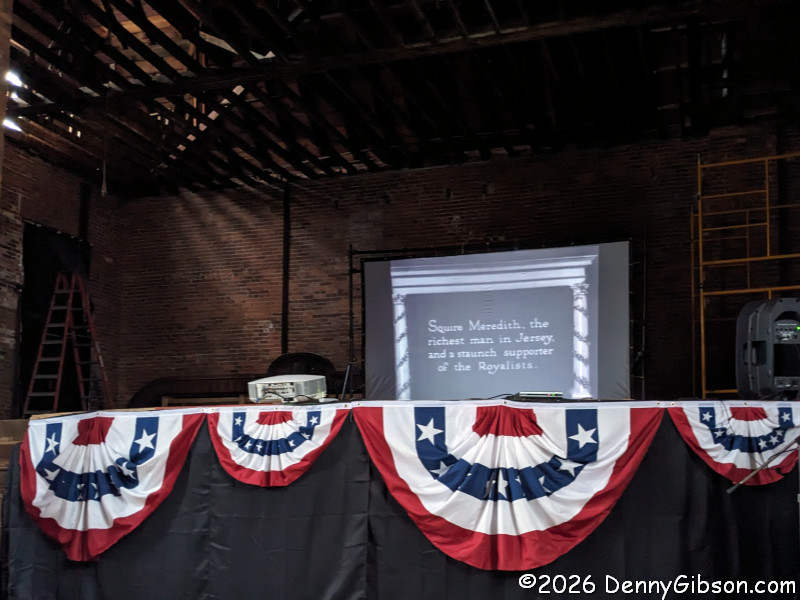

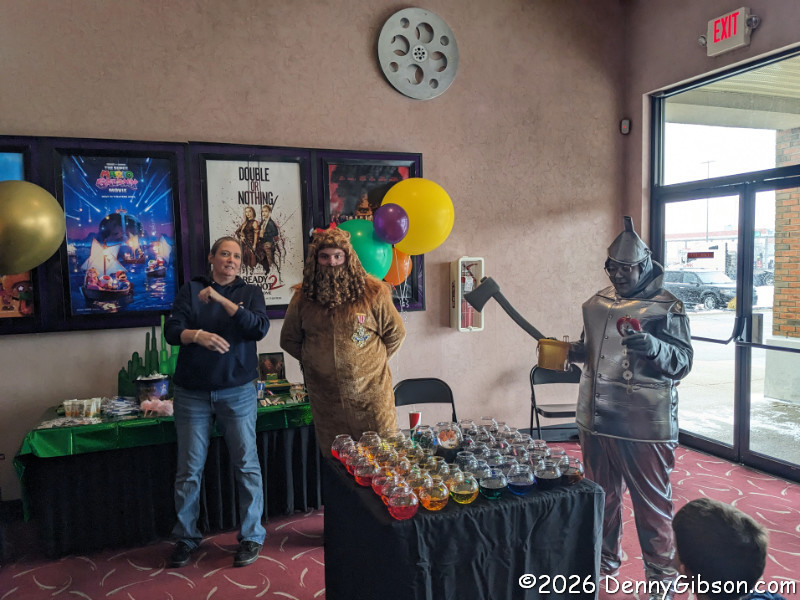
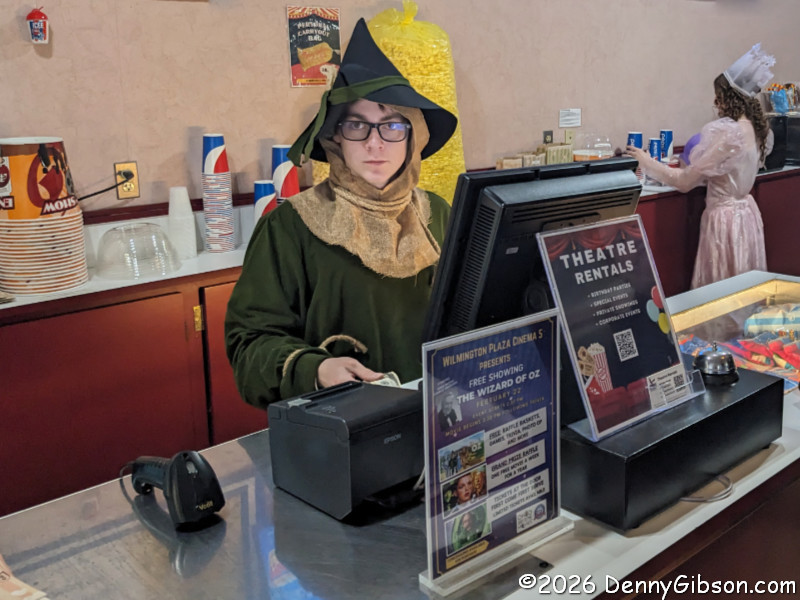
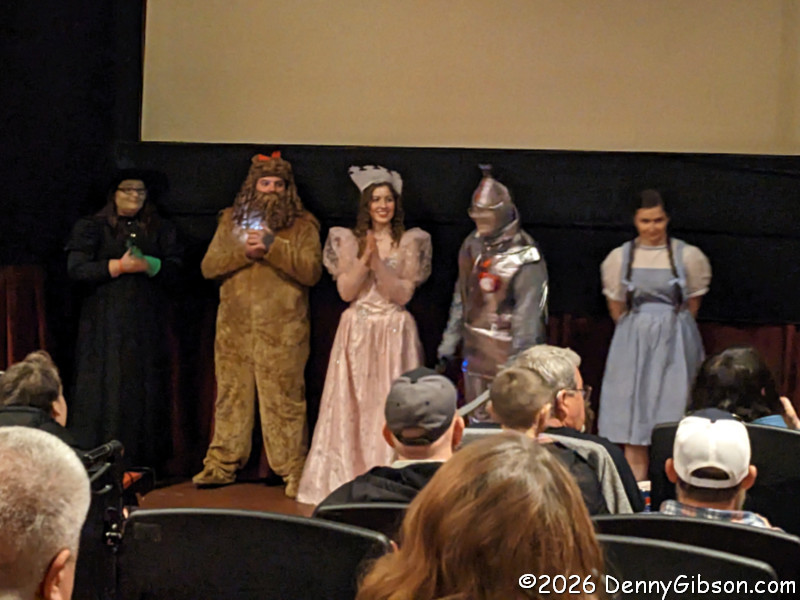
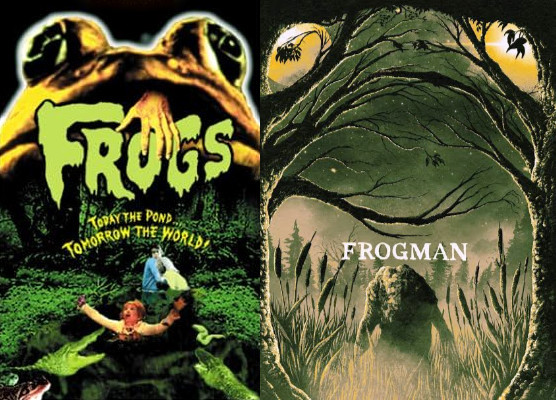
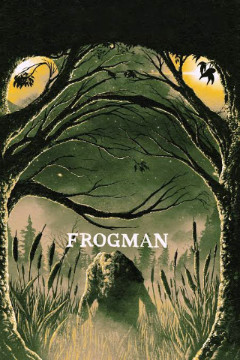 Frogman is a horror movie. I’m pretty sure the last horror movie that I paid to see in a theater was The Exorcist in 1973. I did that because I liked the book. I went to see Frogman because I liked the festival.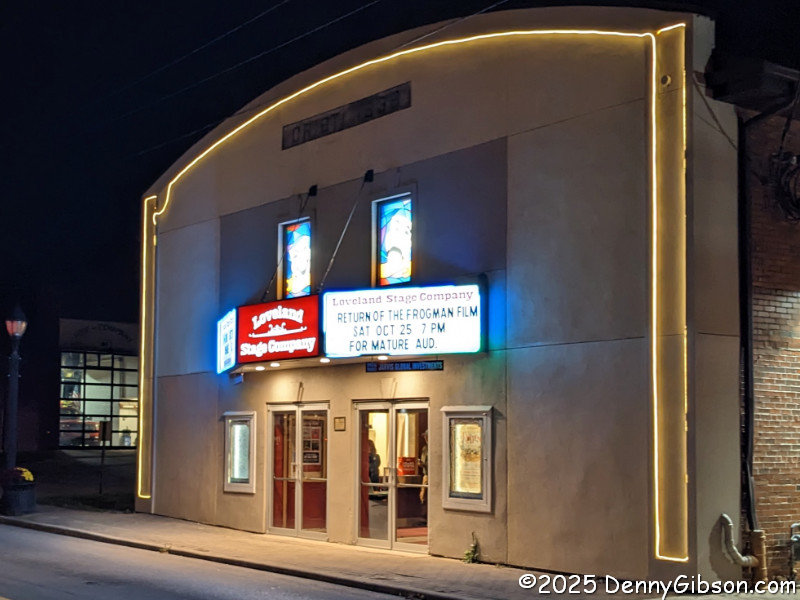
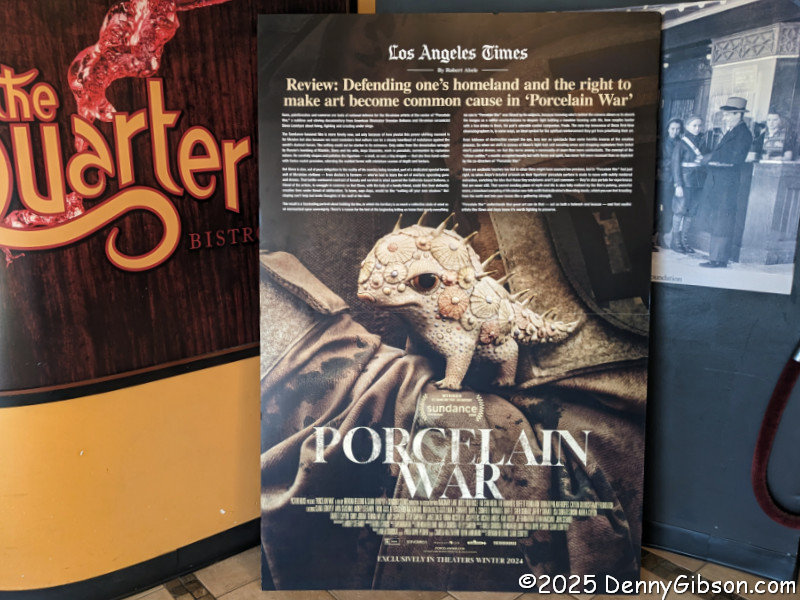
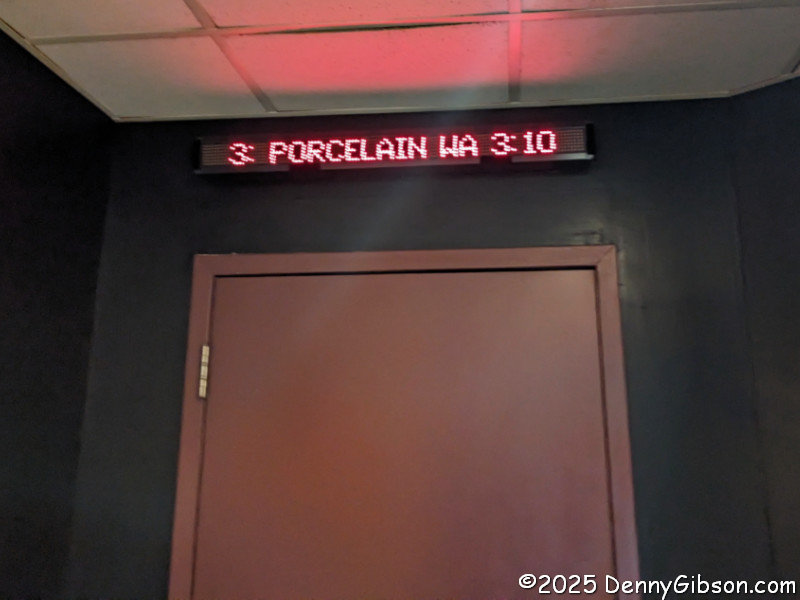
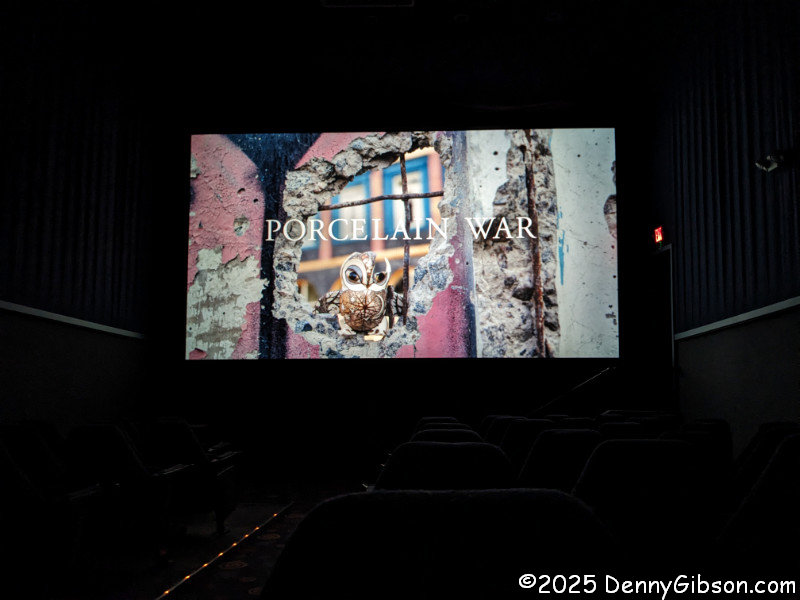
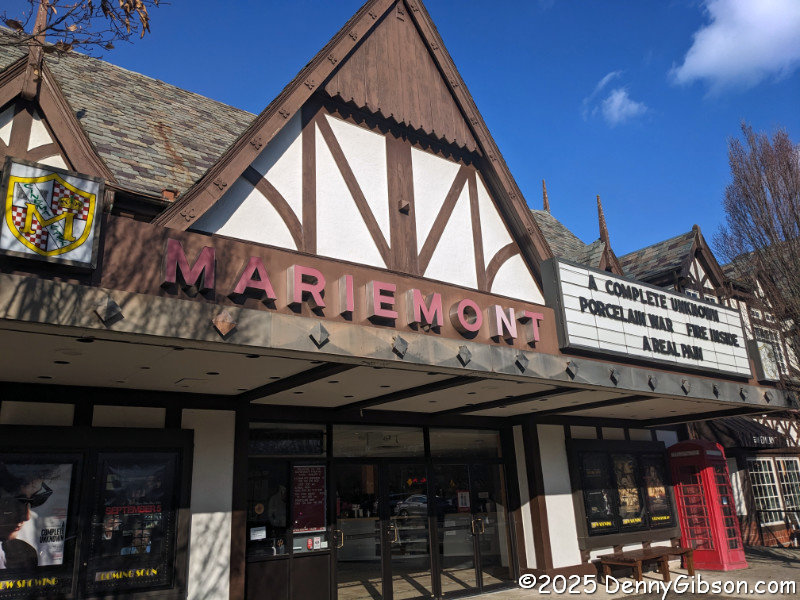 It looks like tomorrow (Jan 9) is the last day
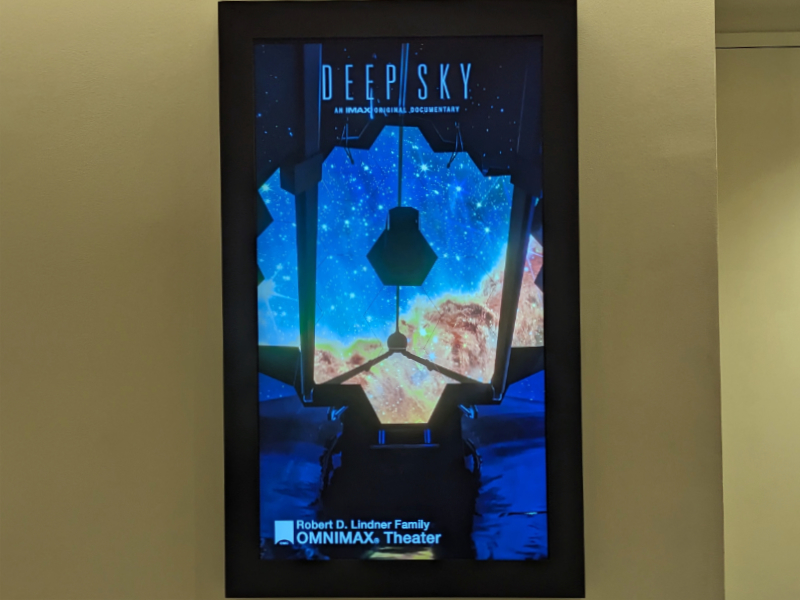
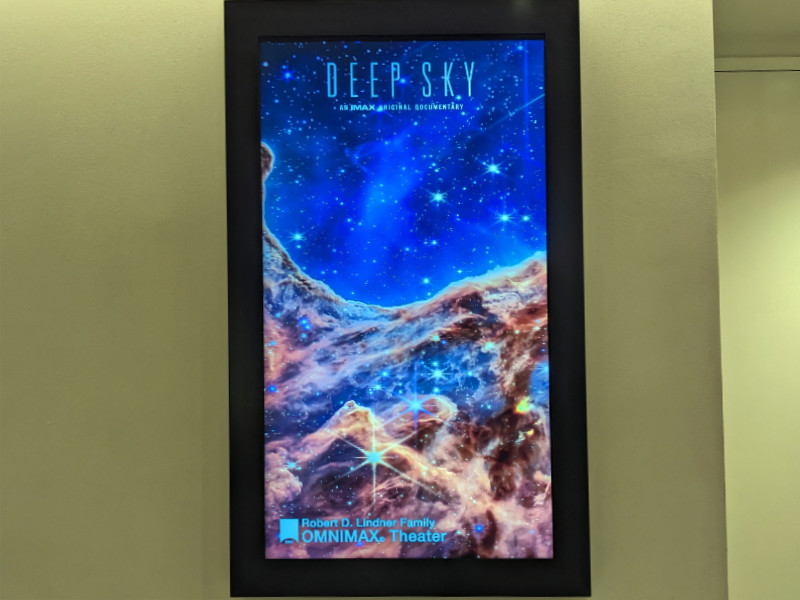
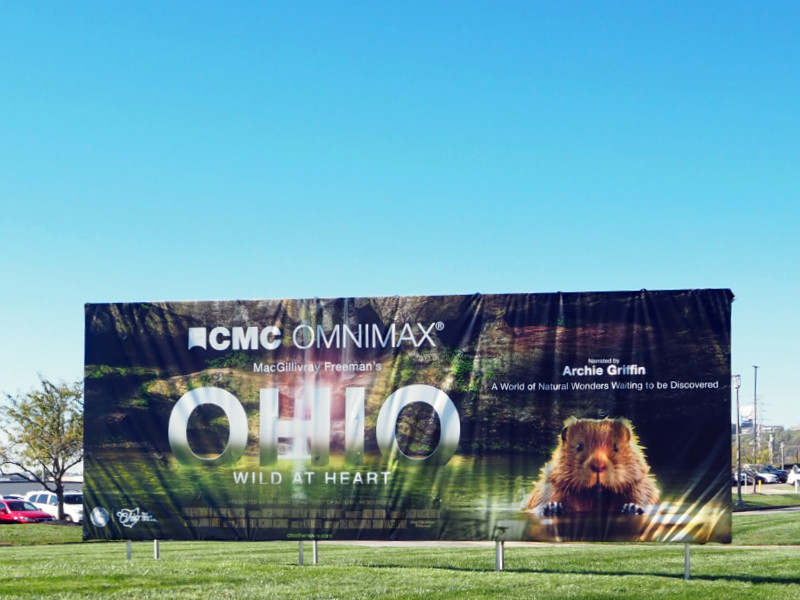
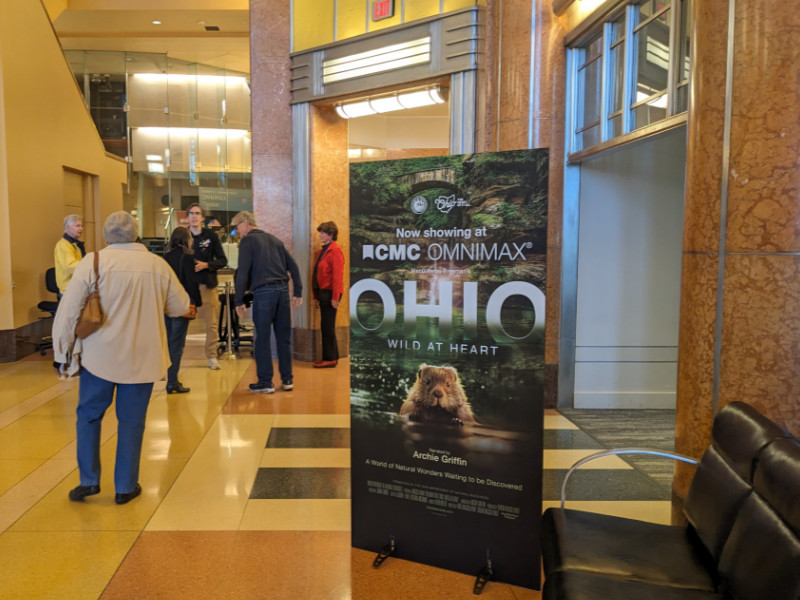
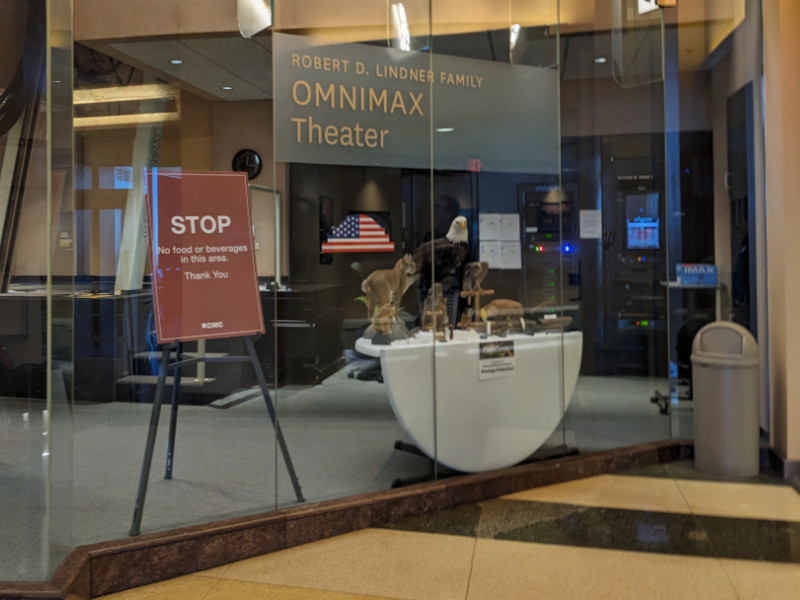
 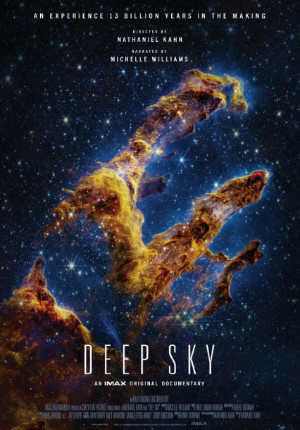 I have not followed every detail of the astounding James Webb Space Telescope’s beginnings but I have been aware of some of the bigger events. I knew when it left Earth atop an Ariane 5 rocket on December 25, 2021, and I listened to reports of its eighteen gold-coated mirrors being unfolded and aligned. I marveled at those first images shared with the world on July 12, 2022. They were impressive on the tiny 6-inch screen on my phone, more so on my compact laptop’s 13-inch screen, and better yet on my small-by-modern-standards 42-inch TV. I need a bigger word than impressive now that I’ve seen some of them on a 72-foot OMNIMAX screen.