 Here’s another not-new-to-me museum. My personal history with the International Peace Museum is a bit different than that with the Harmon Museum or Behringer-Crawford Museum in that an earlier visit was documented. That first visit took place more than a year before this blog was born, when this sort of thing was covered as an Oddment. The Oddment entry for my 2009 visit is here.
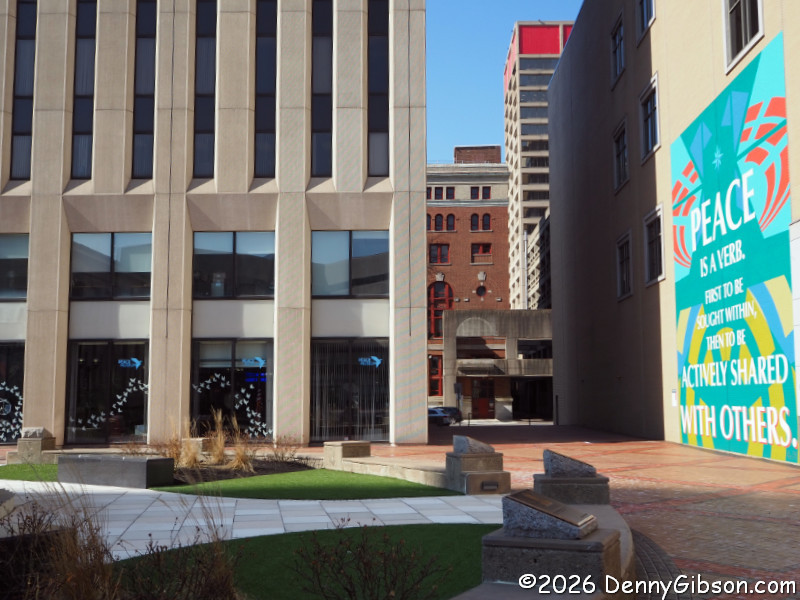
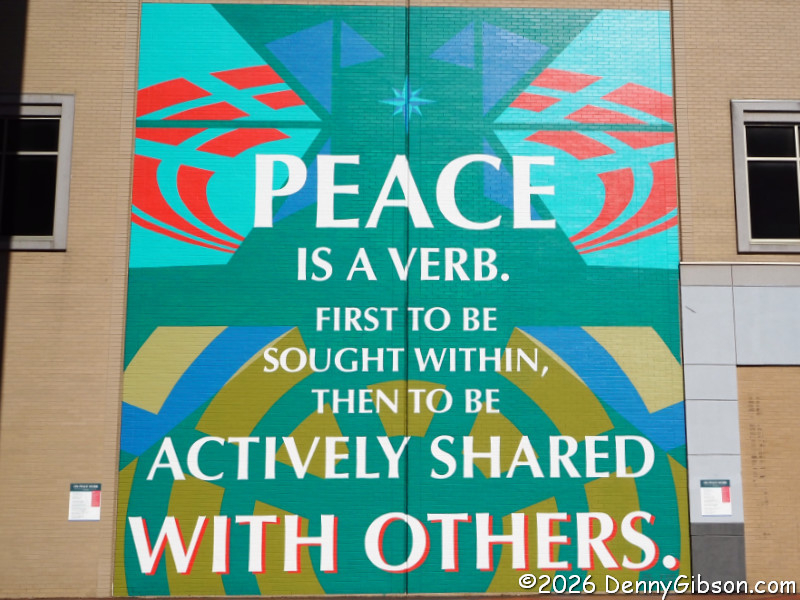
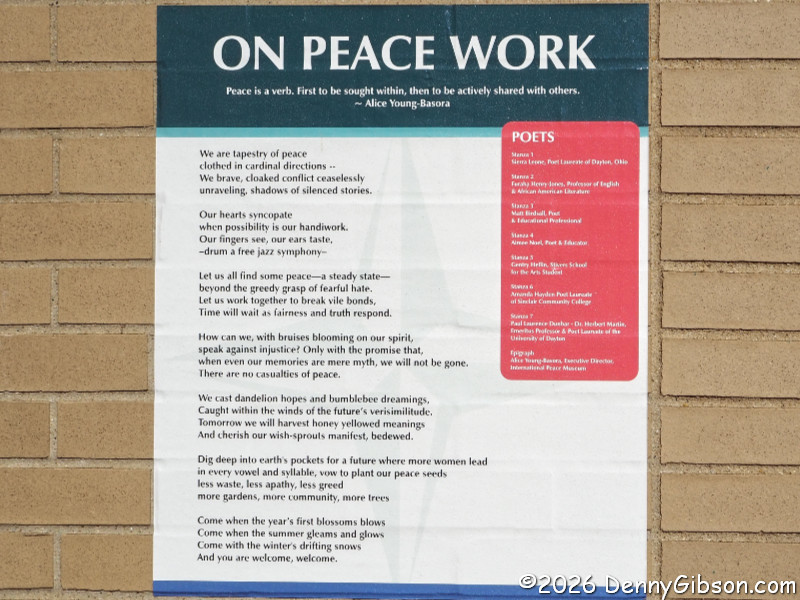
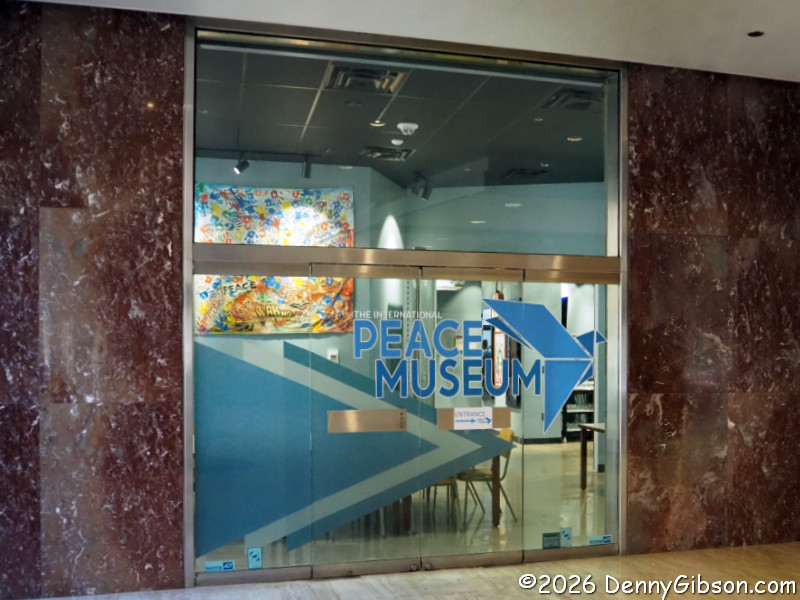 Another difference between this museum and those others is that the Peace Museum has moved since I last visited. It now shares a building with a Ludlow Street address, and that is how I entered. But the museum extends all the way through its half of the first floor and can be accessed from Courthouse Square. That’s the side pictured in the opening photo. A straight-on view of that mural is here, and of the adjacent text panel here.
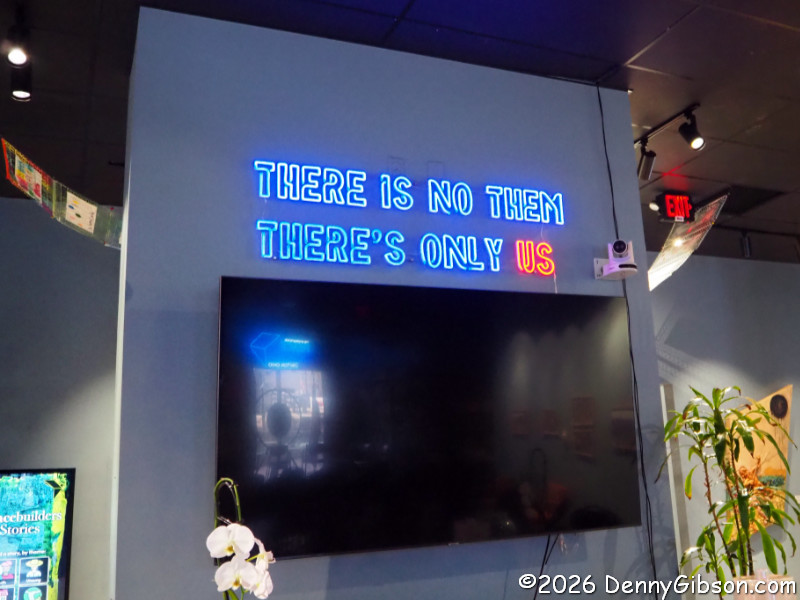
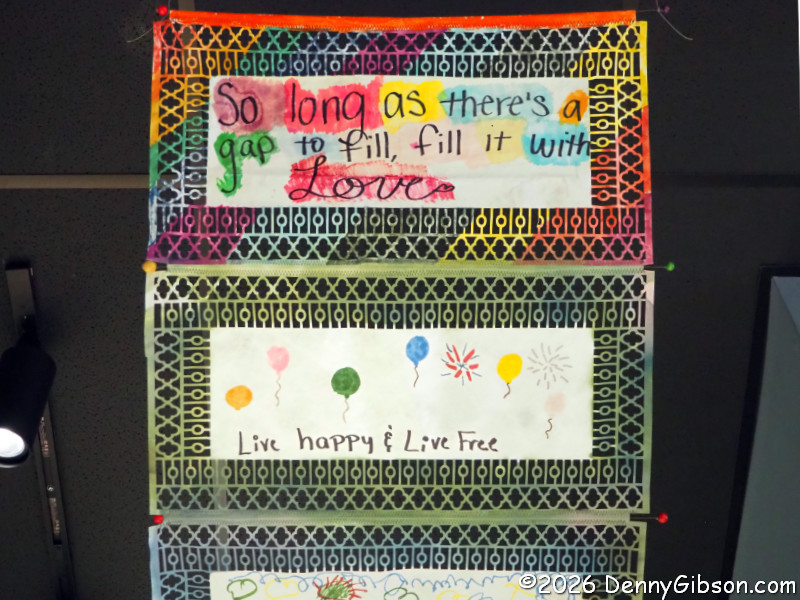
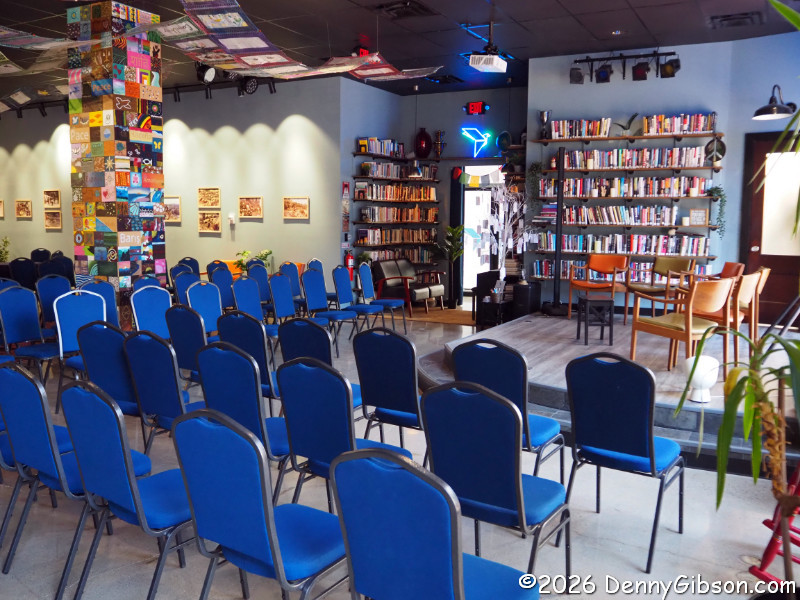 The lobby was set up for a presentation scheduled for later in the day. The column to the left of the first photo is called the Peach Pole. Among the images covering it, the word “peace” appears in the twenty most commonly spoken languages in Dayton. Hand-drawn panels hanging overhead make up an exhibit named “Bridges”. The lobby also contains a pretty cool neon sign.
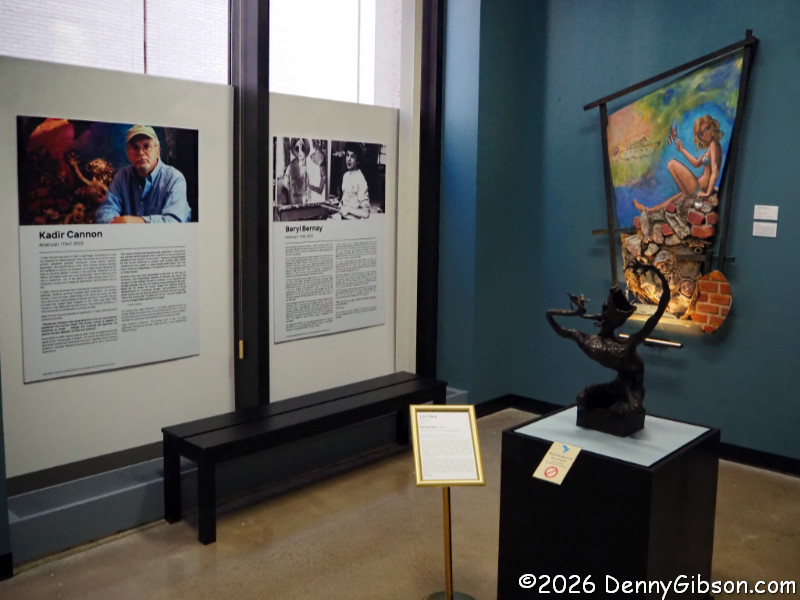
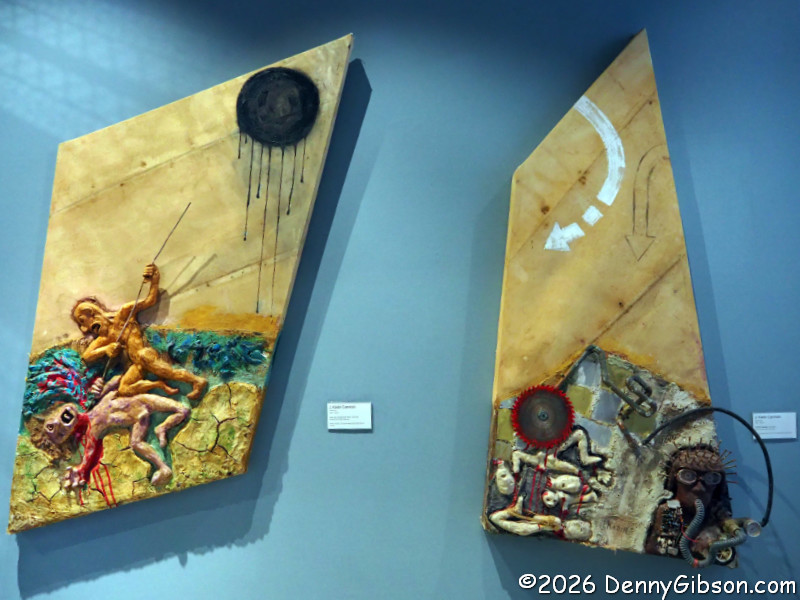
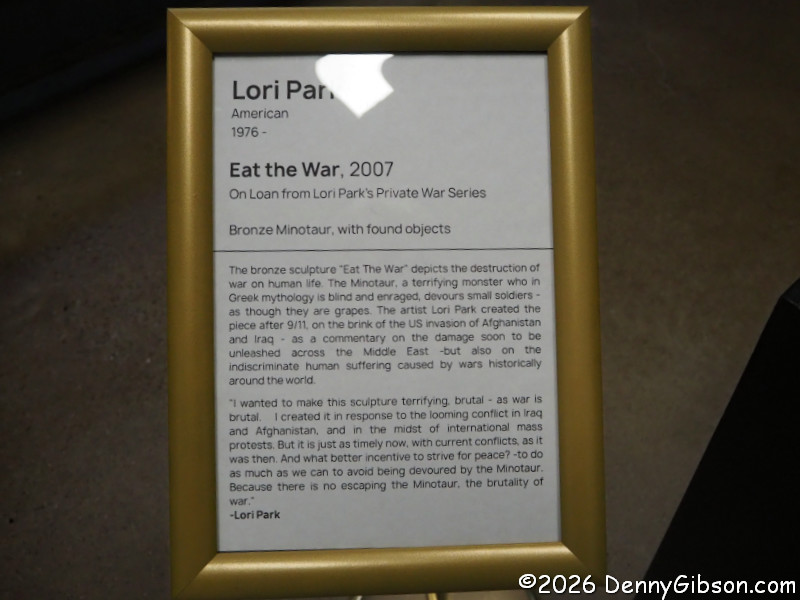
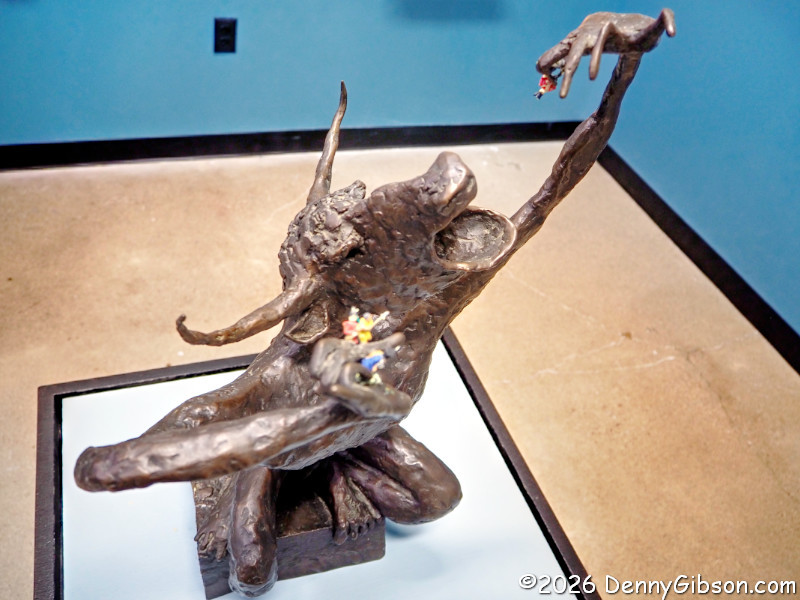 The Anti-War Gallery was the first room I entered off the lobby. Most of the artwork is from Beryl Bernay and J. Kadar Cannon. The sculpture in the middle of the room is by Lori Park.
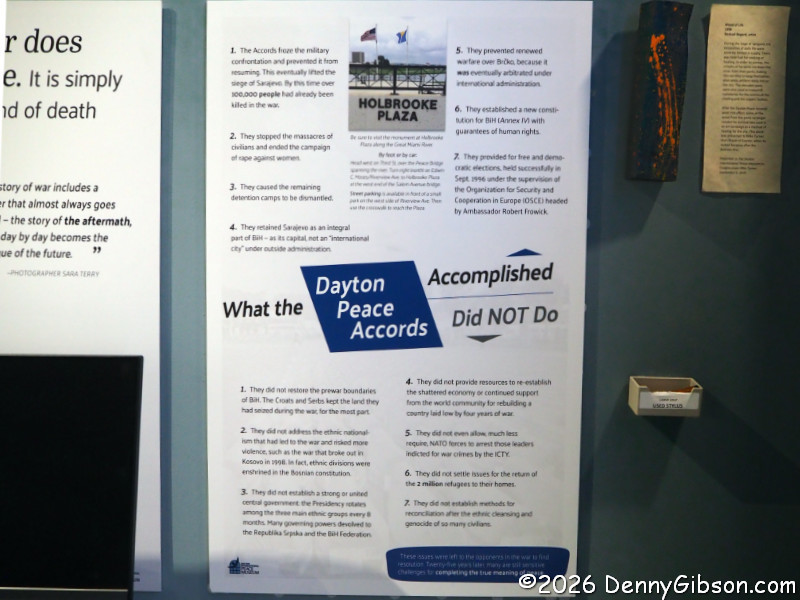
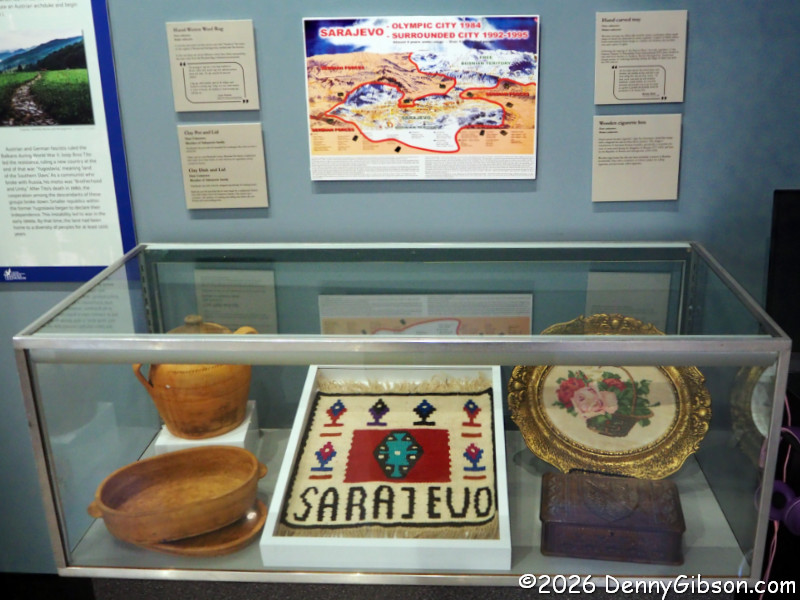
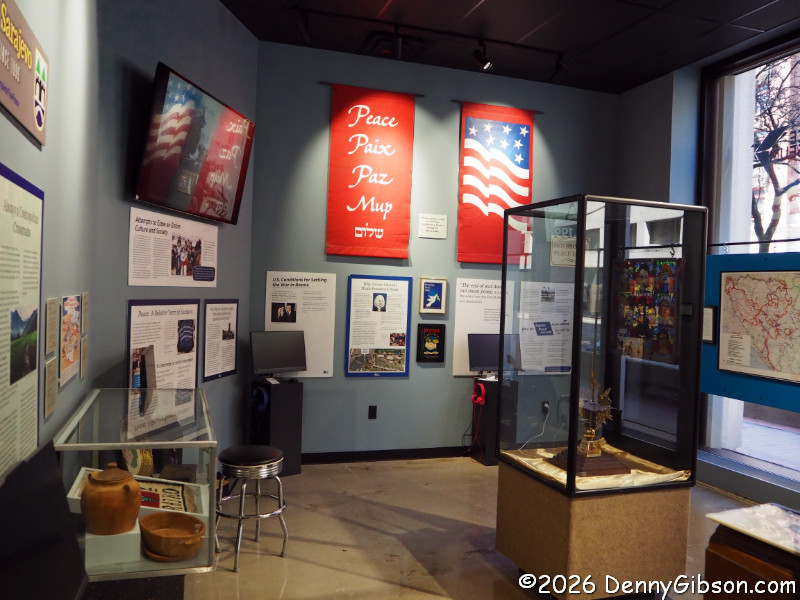 The founding of the International Peace Museum in Dayton in 2004 was at least partially an outgrowth of the city being the site of the signing of the Dayton Peace Accords in 1995, and the museum contains a sizable exhibit devoted to that event. The accords did end the violence of the Bosnian War, but, like so many agreements before and since, left lots of problems unsolved.
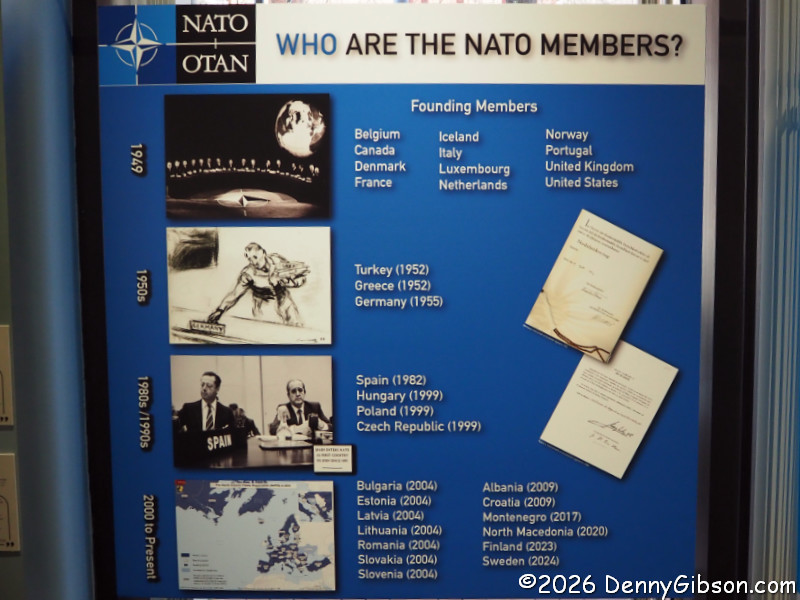
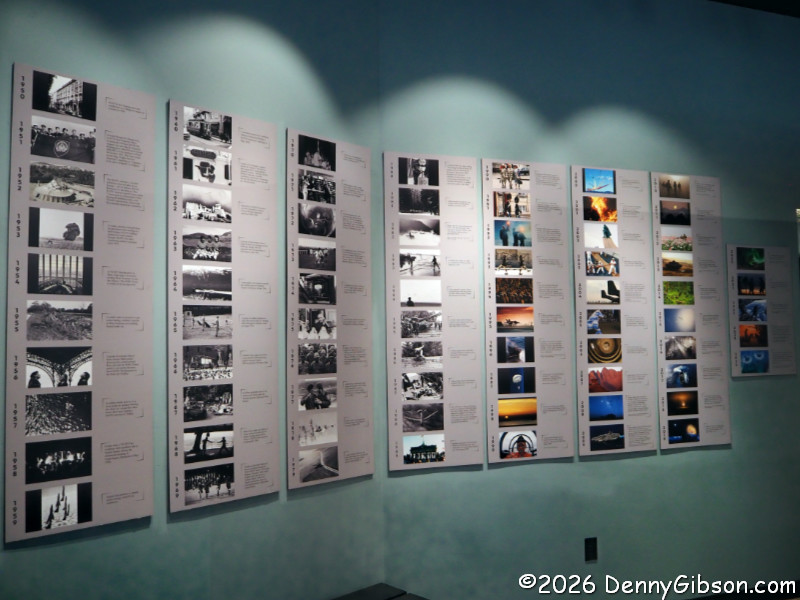 An equal amount of space is devoted to the North Atlantic Treaty Organization. Last year’s 75th anniversary is noted, along with many of its peachkeeping successes during those years.
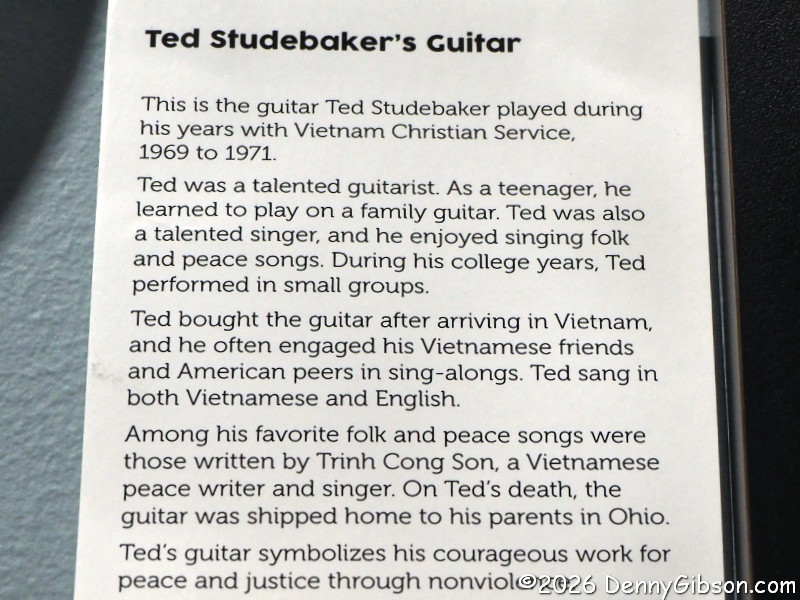
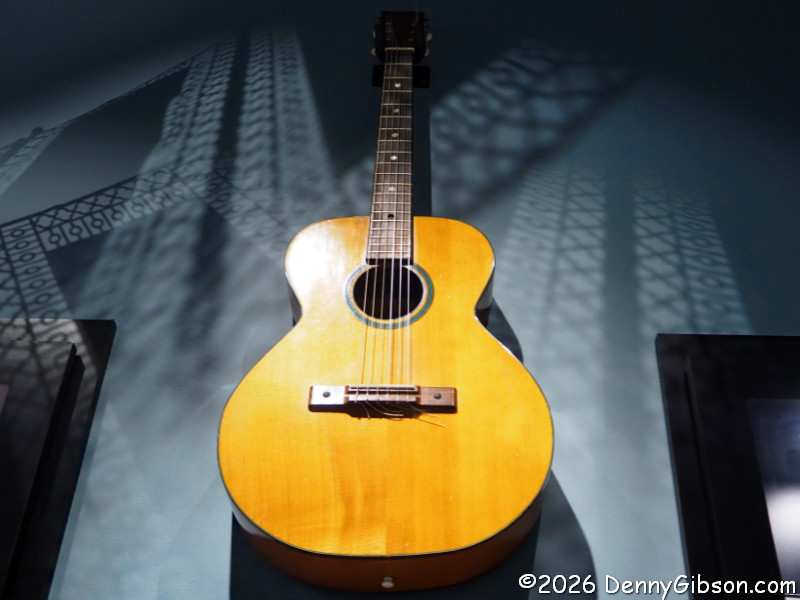 This guitar is the only item I distinctly remember from my 2009 visit. As described here, it belonged to conscientious objector Ted Studebaker, who was killed in Vietnam in 1971 while helping farmers there. Studebaker was from nearby West Milton, OH.