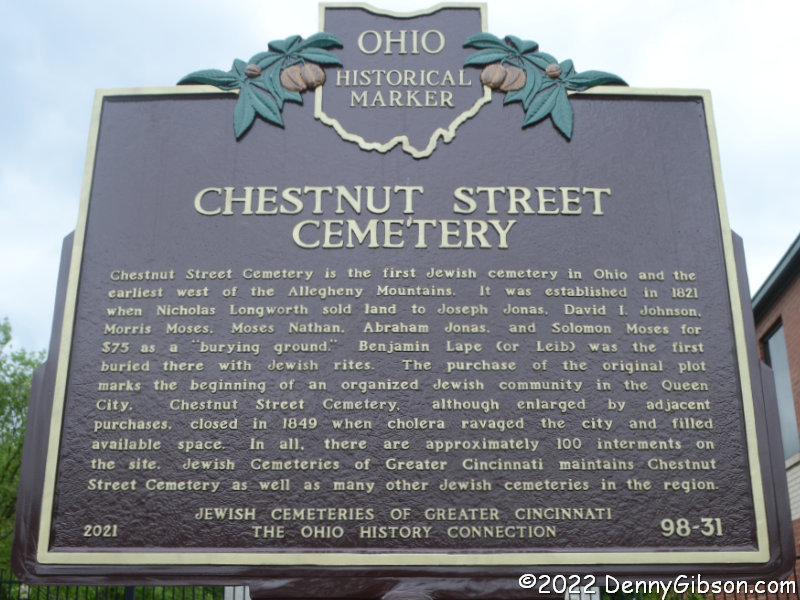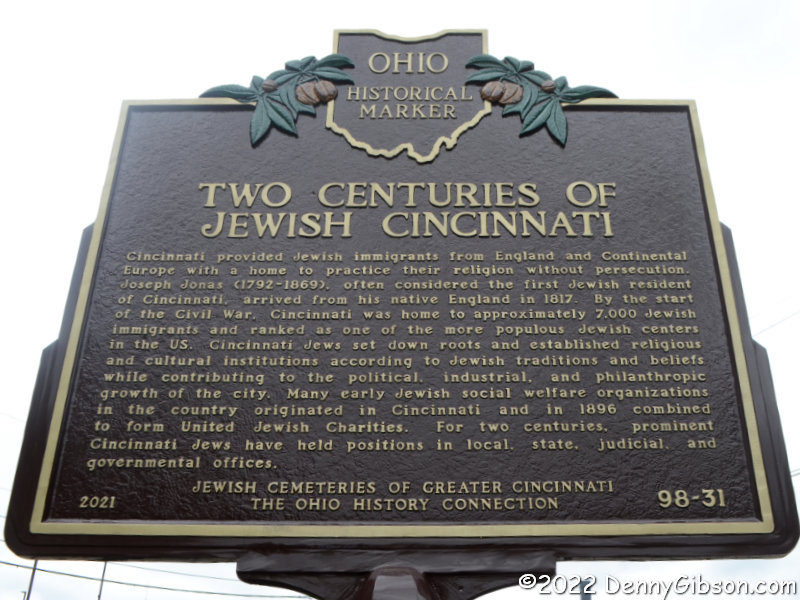
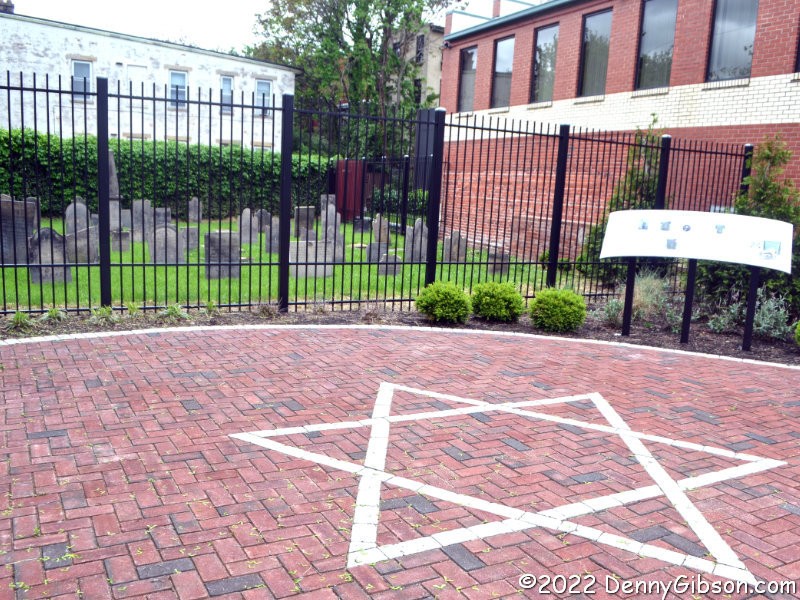
Joseph Jonas is thought to be the first Jew to actually settle in Cincinnati. That was in 1817. In 1821, he was one of a handful of men who purchased land for a cemetery so Benjamin Leib’s deathbed request that he be buried as a Jew could be met. The creation of that cemetery, the Chestnut Street Cemetery, is recognized as the event that formally established the Jewish community in Cincinnati. It was renovated last year and its rededication on September 26, 2021, marked the official beginning of the Jewish Cincinnati Bicentennial.
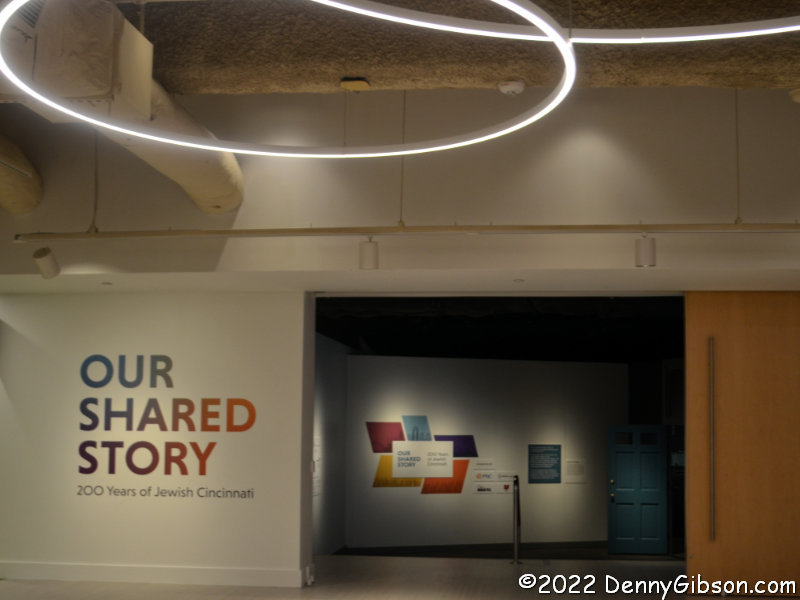
But it wasn’t a visit to the cemetery that led to this post. It was the “Our Shared Story” exhibit at the Cincinnati Museum Center that led to a visit to the cemetery. In 1821 Cincinnati really was a frontier town and the Chestnut Street Cemetery was not just the first Jewish cemetery in the state but the first west of the Alleghenies. In 1824, K.K. Bene Israel was established. Now known as Rockdale Temple, it is the oldest Jewish congregation west of the Alleghenies. Cincinnati’s Jewish community experienced great growth and had significant impact on the religion in the U.S. with things like major support for Reform Judaism and the founding of Hebrew Union College. The exhibit tells of this influence but has even more examples of the impact Cincinnati Jews had on the world at large.
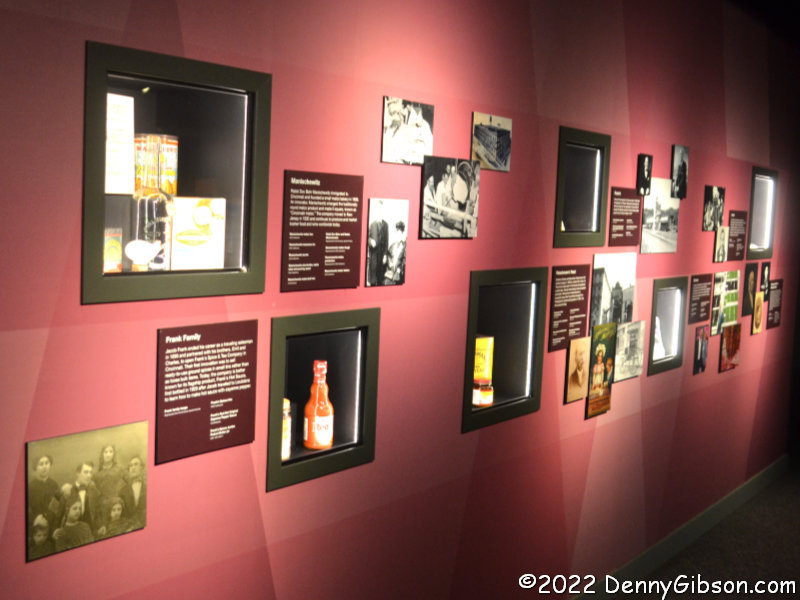
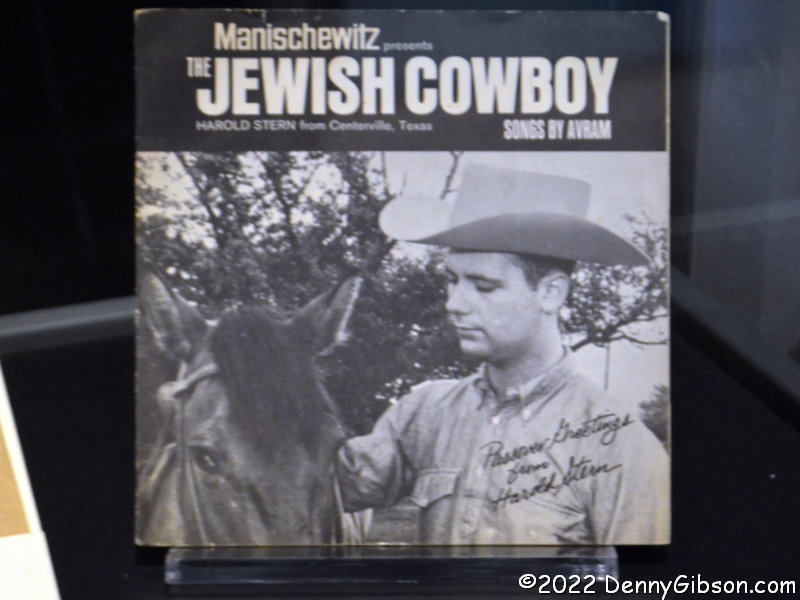
Quite a number of community and business leaders are recognized. This picture is of a wall where several of those business leaders are identified. Some of the businesses are Manischewitz, Frank’s, Fleischmann’s, and Frisch’s. I got a kick out of seeing a “Jewish Cowboy” promotional record put out by Manischewitz. I got an even bigger kick out of listening to it on YouTube.
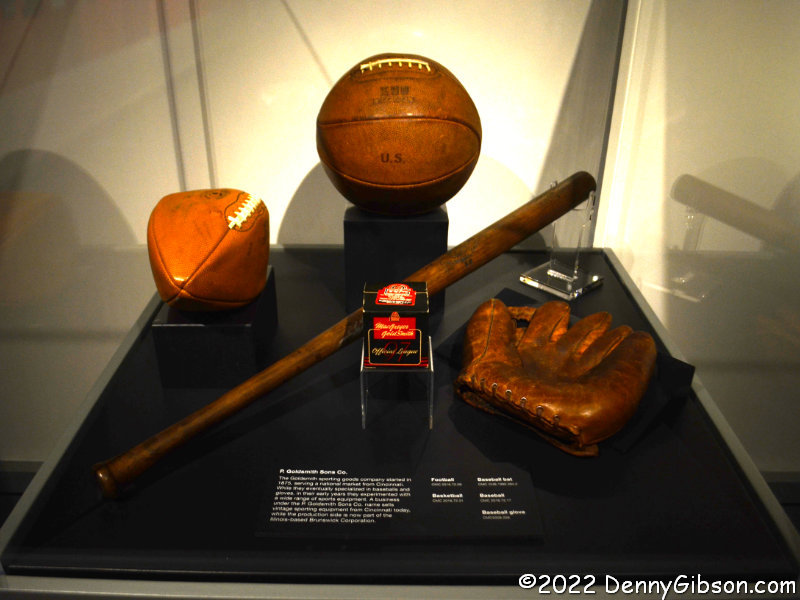
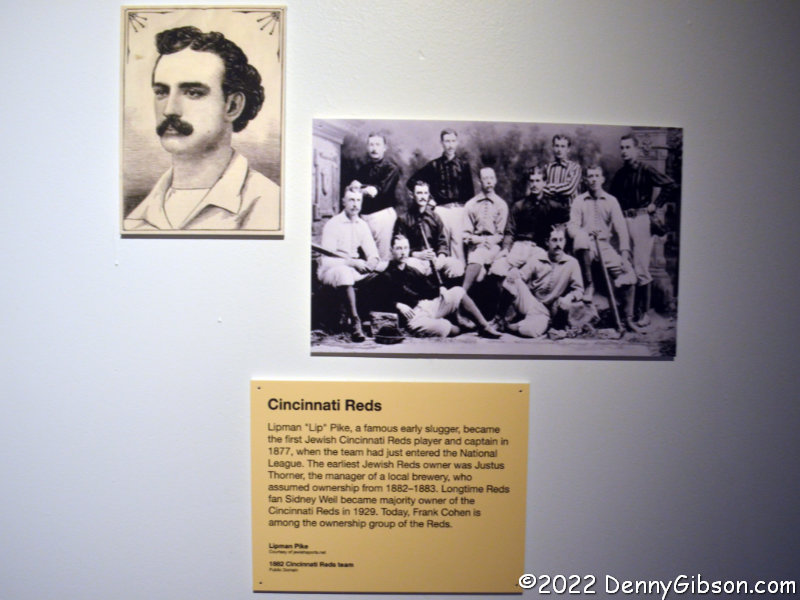
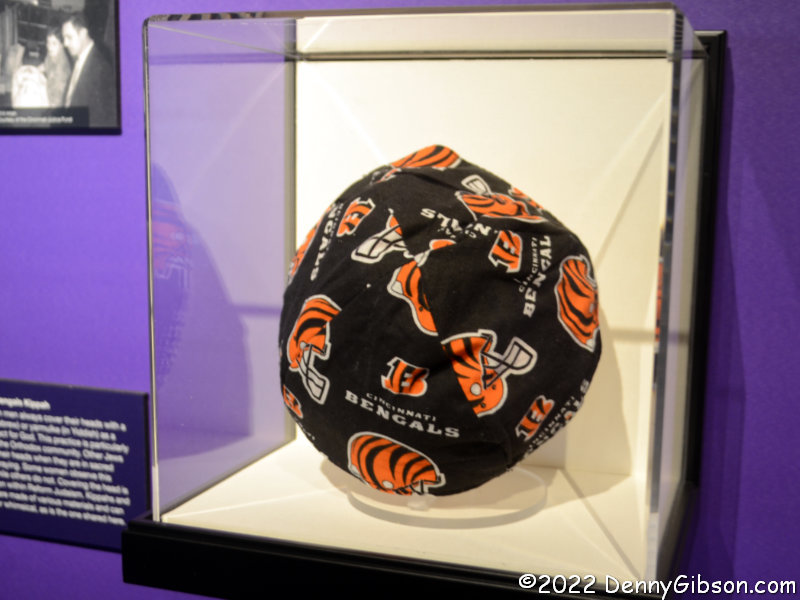
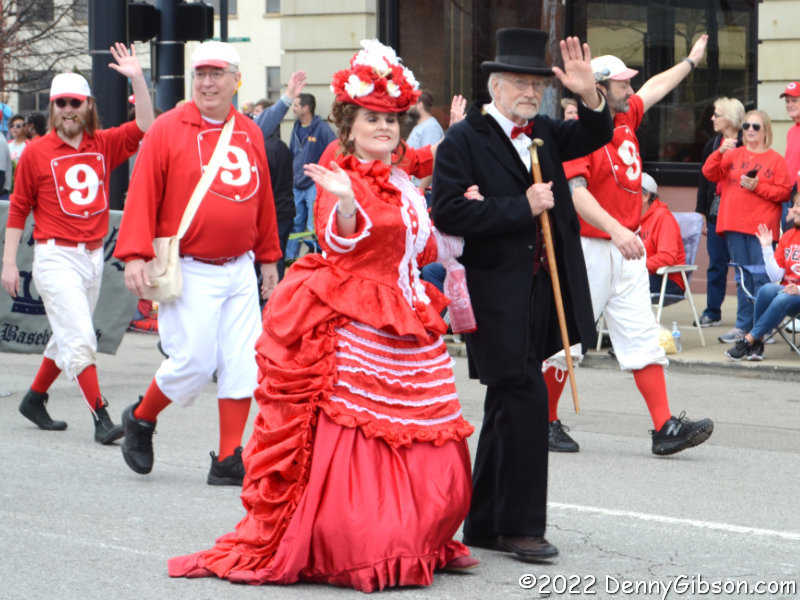
As befitting a place that started professional baseball, one Jewish business found success in sporting goods. The Cincinnati Red Stockings began play in 1869, the P. Goldsmith Sons Company was founded in 1875, and a Jewish player named Lipman Pike joined the Reds in 1877. Of course, there are now Jewish players in every professional sport and Jewish fans too as this Bengals yarmulke shows.
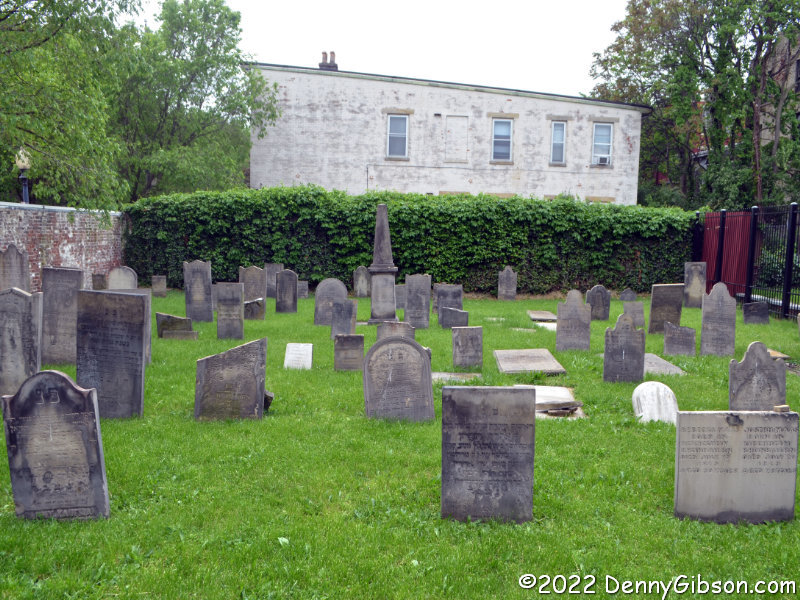 Chestnut Street Cemetery is less than a mile from the museum. A double-sided plaque contains information about the cemetery and the two centuries of Jewish history. The information panel visible in the opening photo says that Benjamin Leib’s grave is unmarked but believed to be “in the back left corner”. I’m guessing that means it’s in the left rear of this picture.









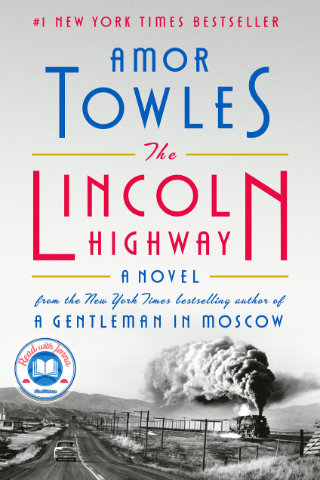 This post is a direct violation of one of the claims made on this blog’s “About” page. There the claim is made that “You will not be seeing a review of the latest novel…”. I suppose I could claim that, at the time of this review, The Lincoln Highway: A Novel is no longer the absolute latest novel, but the fact that it is a “#1 New York Times Best Seller” means it is precisely the sort of mainstream major publisher offering I had in mind when I made that claim. My primary defense is that I was tricked into reading it. Realizing that not everyone will see that as a legitimate justification, I will try to minimize the impact of the violation by not doing a very good job.



 I got this book from Billy on May 7, 2015. I finished reading it on March 15, 2022. It is, as Billy himself admits and my elapsed reading time confirms, “a difficult read”. “Most people,” he says, “have understandably given up on it.” I was determined not to be like most people — no matter how long it took.
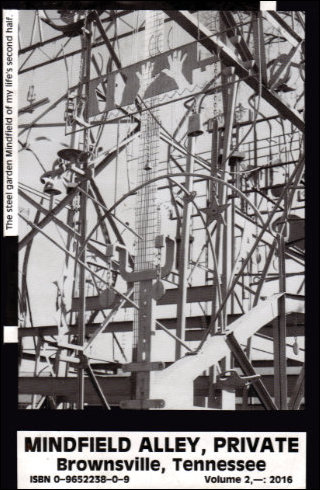 The book has been called a semi-autobiographical novel. According to Billy, it tells about his early life. “The best story I can tell in words is there if one really wants to know it”, he says. The writing style has been called stream of consciousness. In some manner, “stream of consciousness” and “semi-autobiographical” might also apply to the giant metal sculpture that is his life work. Its picture is on the book’s back cover. It is what initially made me and most others aware of Billy’s existence. When I first happened upon the sculpture in 2005, I thought its name, “Billy Tripp’s Mindfield”, might have been the title of a misplaced Beatles song, and learning that William Blevins Tripp is the artist’s real name has not entirely erased that image.
 The first Easter post, in
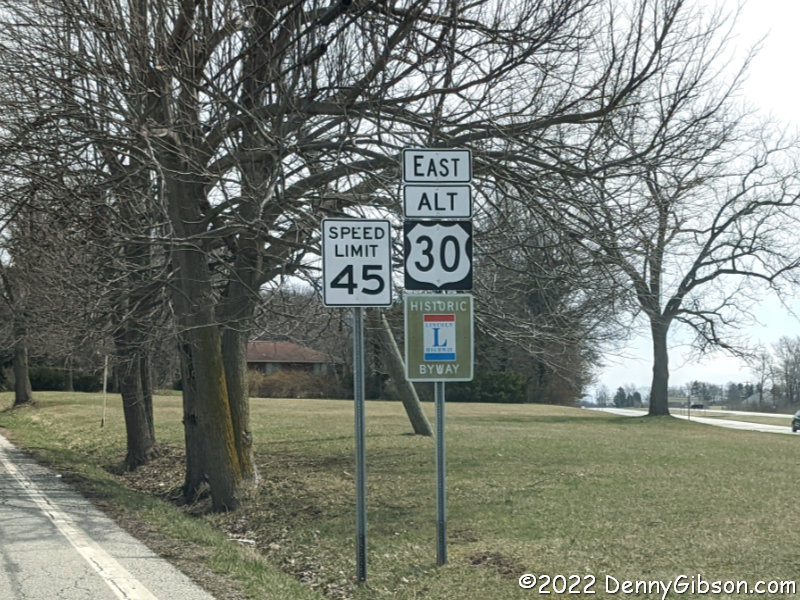
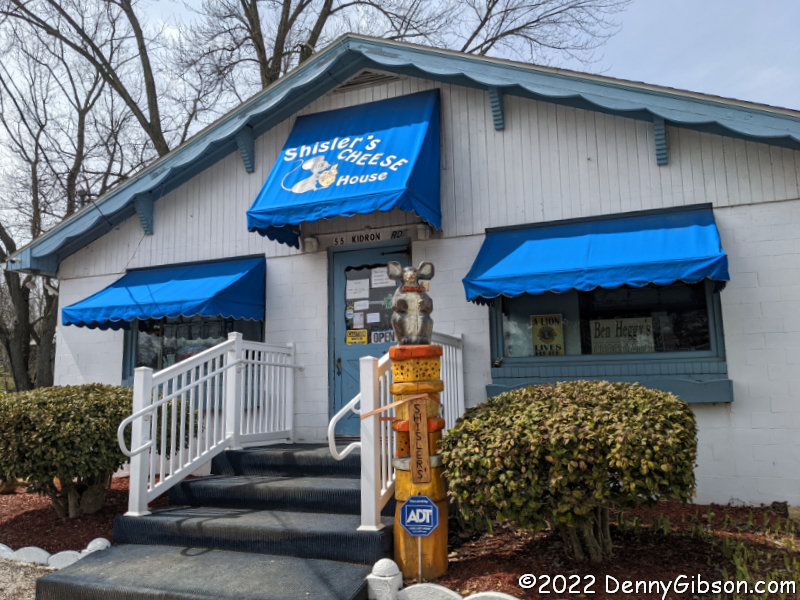
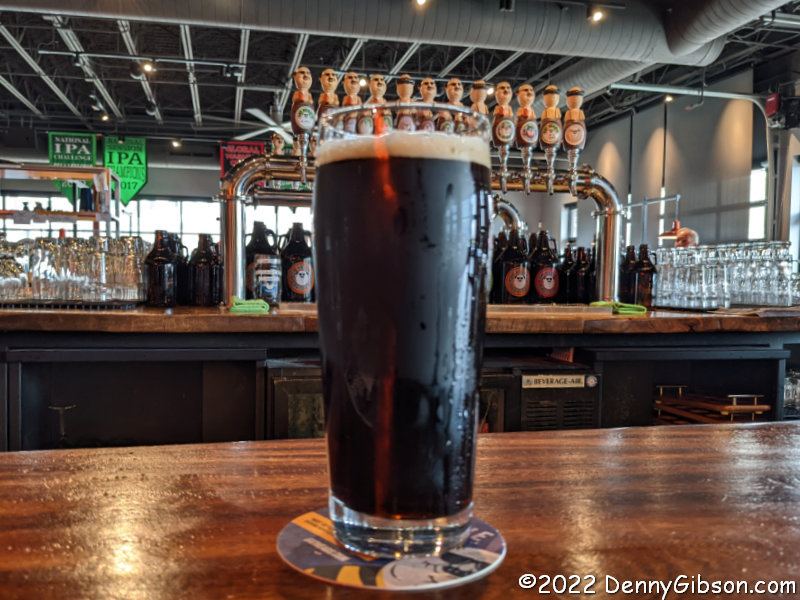



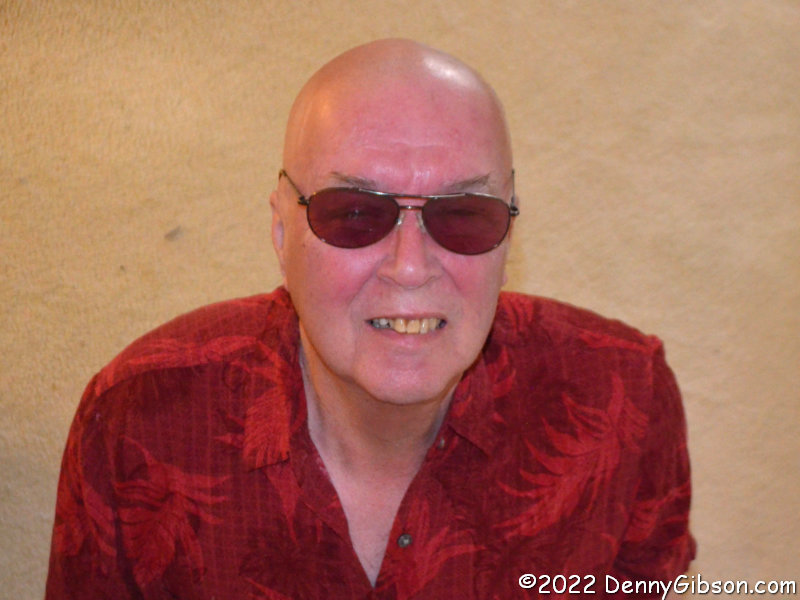
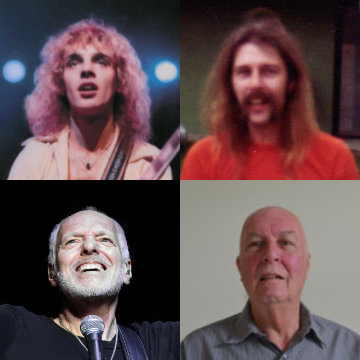 I’ve always wanted to have hair like Peter Frampton, and now I do. Many years ago, I told myself (and a few others) that when my hair loss reached a certain point, what remained would go too. Although I never really specified what that point was, I’m pretty sure I’ve gone beyond what I had in mind at the time. Once I acknowledged that, I had only to pick an occasion and have at it. Birthday #75 seems as appropriate an occasion as any.
 Including this picture in this post also seemed appropriate. I’ve used it before — originally for