 I have never been to Burning Man but I’ve a son who has. I texted him while attending the recently opened “No Spectators: The Art of Burning Man” at the Cincinnati Art Museum. “Those things aren’t supposed to make it off the playa”, he said. “Burn it. It’s in the frickin’ name.” Those aren’t angry words. They’re amused words. In context, he seemed to be chuckling at the idea of people trying to understand the annual gathering by looking at some things that had once been there. I’d already picked up some sense of how silly this was from the exhibition’s title. “No Spectators” comes from Burning Man’s “radically participatory ethic”. “Participation” is one of the community’s ten principles. No one attends the actual event as a spectator. The joke (possibly even intentional) is that, regardless of the name, the majority of people viewing the objets d’art at the museum are 100% spectators. Silly or not, I spectated profusely.
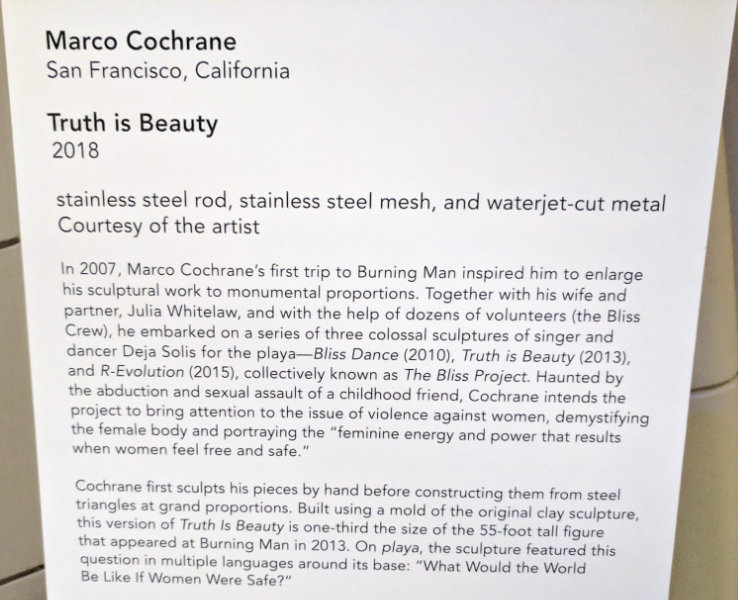
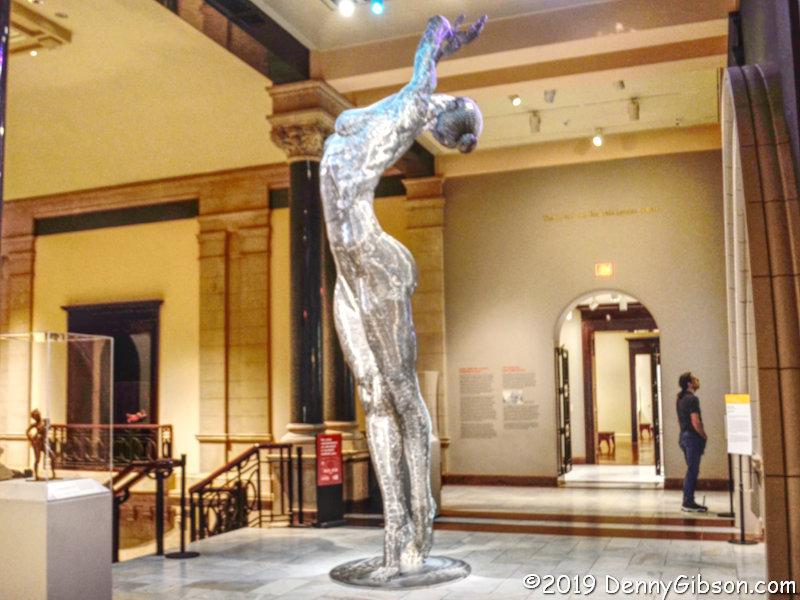
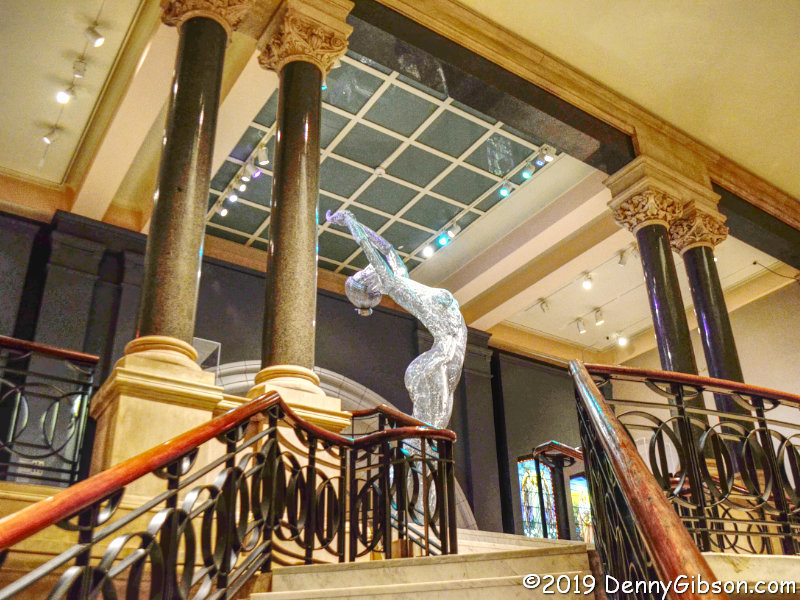
As is apparent from the first photo, the Burning Man pieces are not shuttered off in an isolated gallery but share space with the museum’s permanent displays. The Truth is Beauty standing at the top of the main staircase is a third the size of the original 55-foot tall sculpture that appeared at Burning an in 2013. A description is here; Another view here.
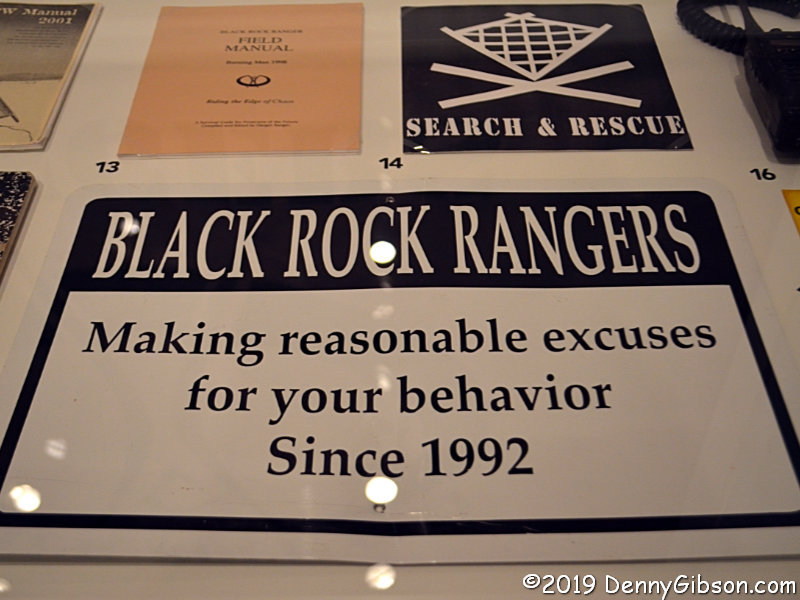
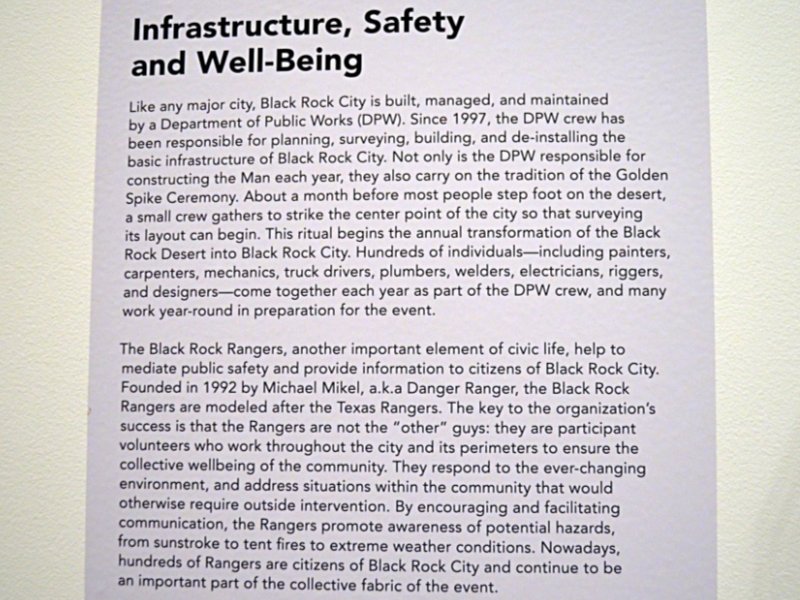
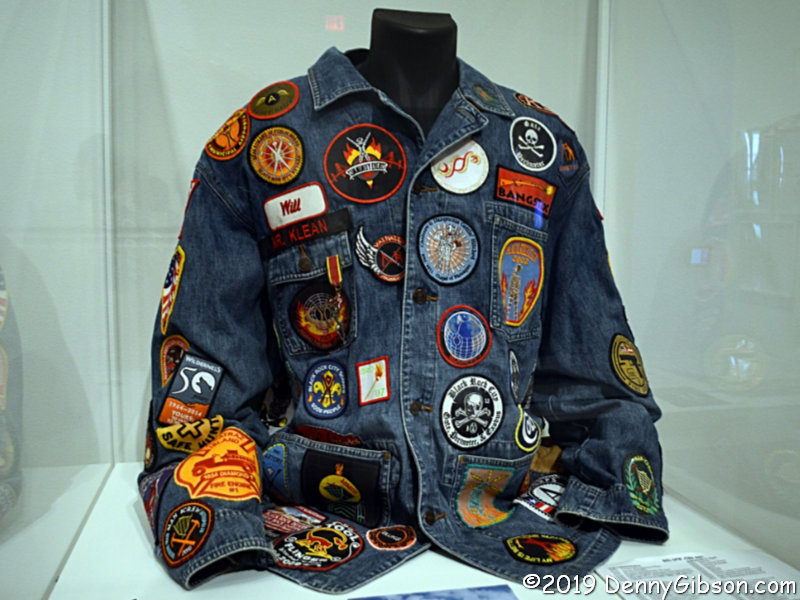 Although several examples of the art of Burning Man are unavoidably encountered on the way, there is a gallery devoted to Burning Man history which is a good place to visit before actively seeking out the rest. Burning Man of today bears little resemblance to the original 1986 event. Today it is well organized and scheduled far in advance. The “city” that is created annually in the Nevada desert now has a population near 70,000. Given the name Black Rock City, a Department of Public Works exists to operate the city and a group called the Black Rock Rangers patrols it. A large part of the Ranger’s success is credited to the fact that they are not outsiders but participant volunteers helping keep other participants safe and enjoying themselves. There is a brief description of the DPW and BRR here. The jacket belongs to DPW founder Will Roger Peterson.
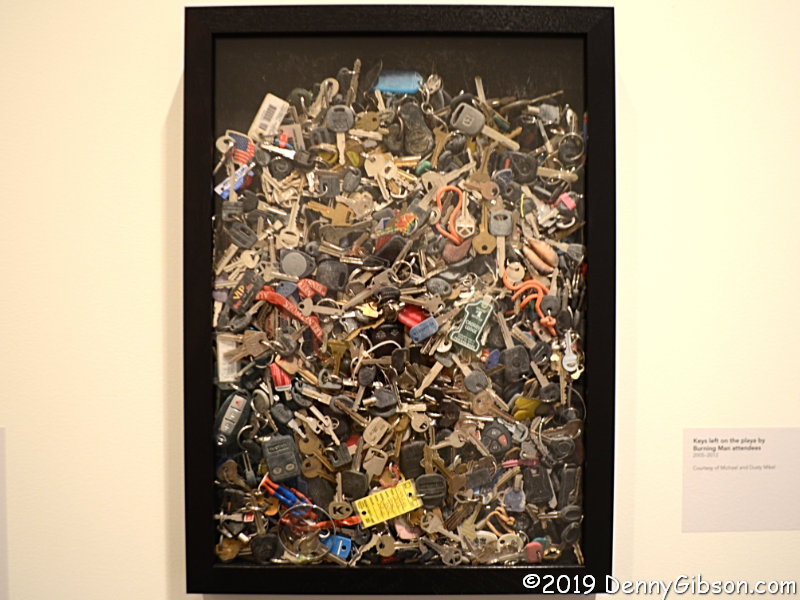
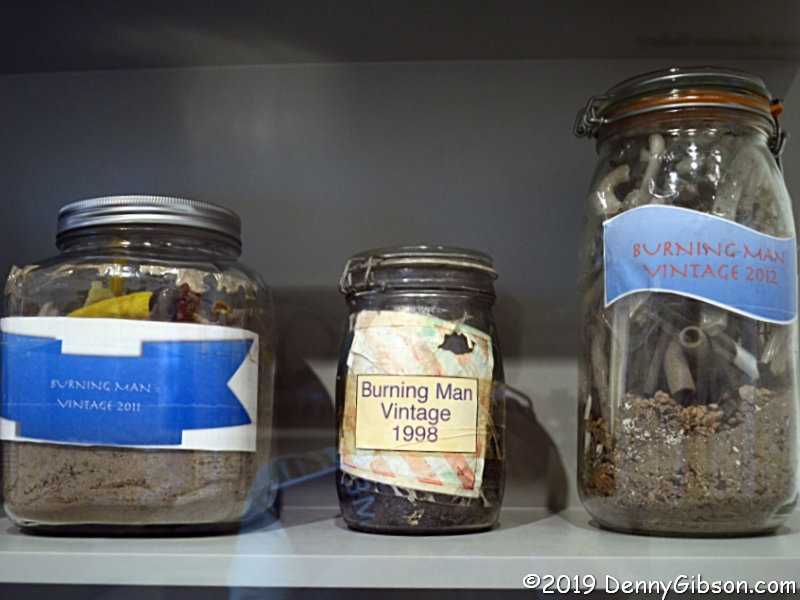 The history display includes some actual artifacts from past events. Starting in 1998, Crimson Rose, one of the organizers, has collected remnants of the Man on the morning after the burning. The keys were found on the playa by organizers Michael and Dusty Mikel between 2005 and 2012.
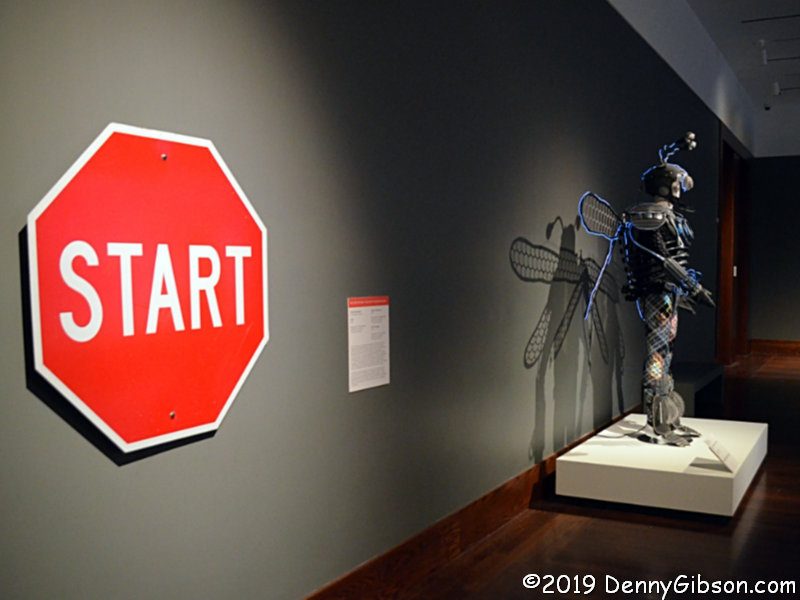
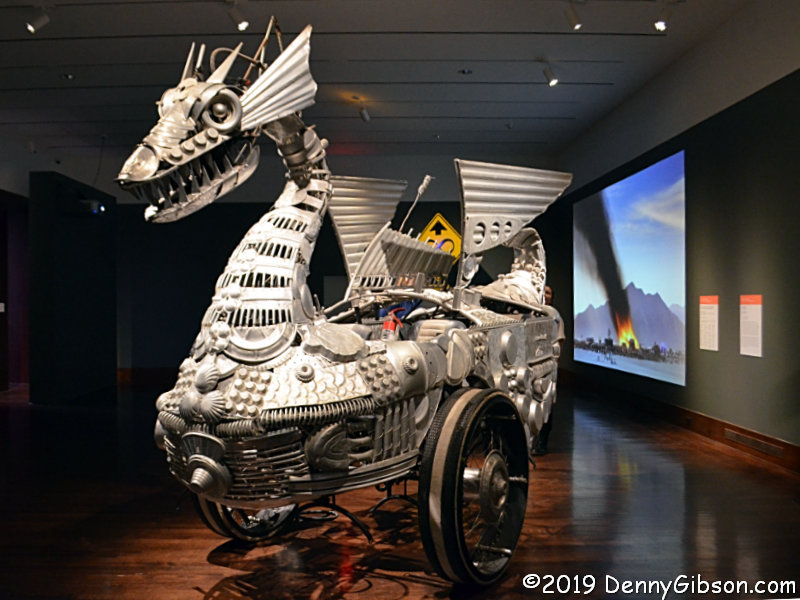
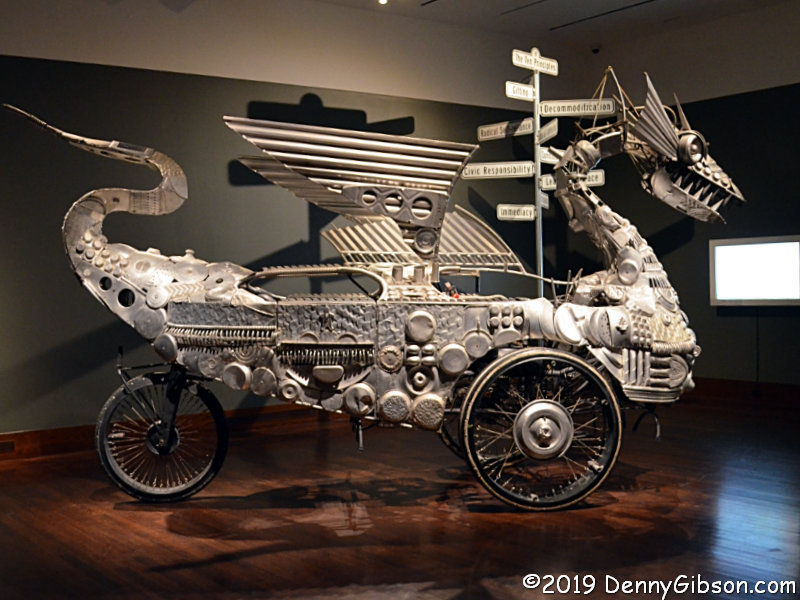
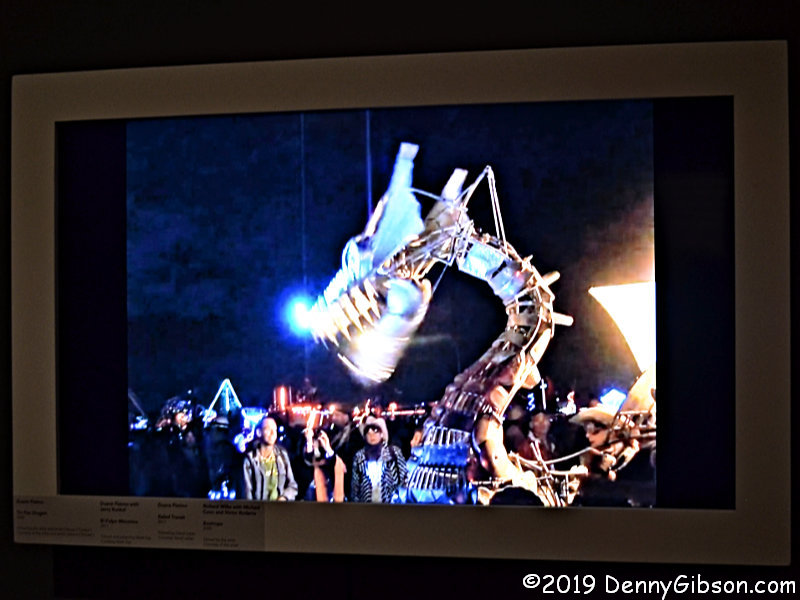
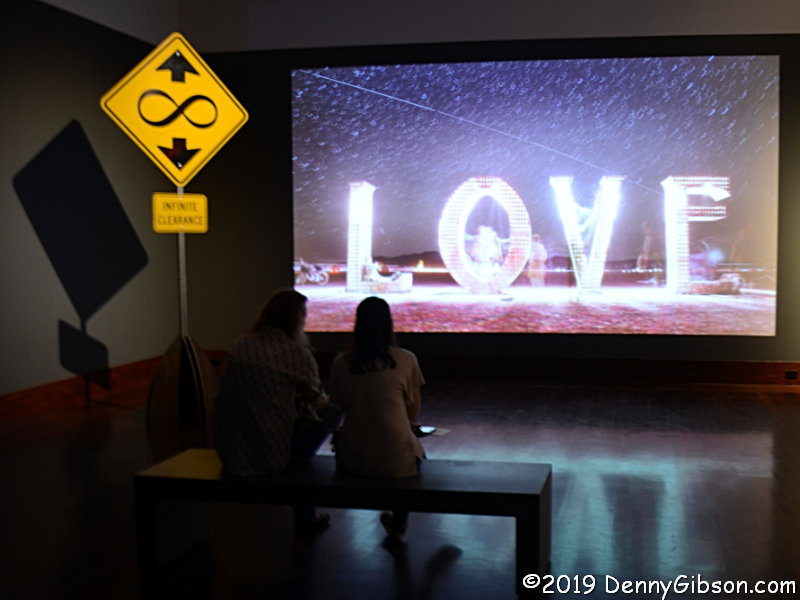 The guy on the right of the first picture is Thorax, Ambassador of the Insects. The mutant vehicle in the center picture is from 2008. It is named Tin Pan Dragon. I liked it so much that I grabbed a full side view and a shot of the video playing nearby. The big screen visible beyond the dragon show a loop of various Burning Man scenes with seating for a small audience.
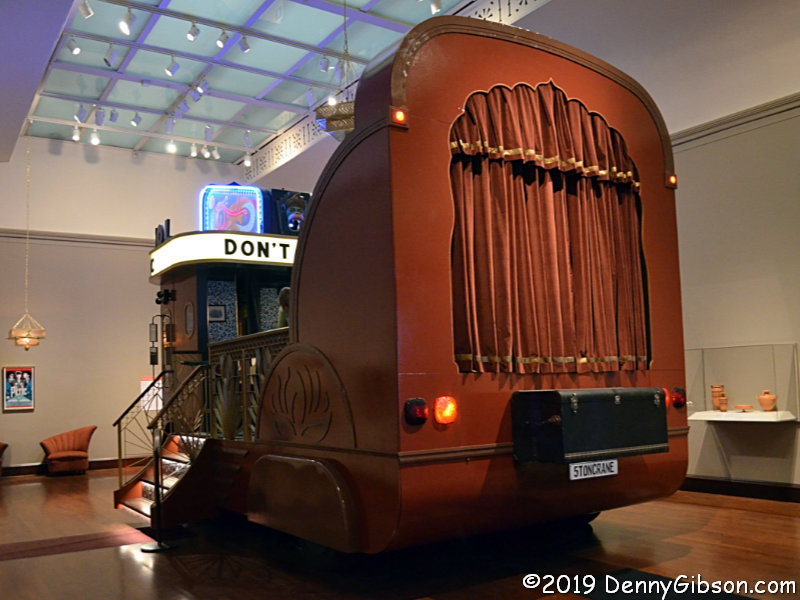
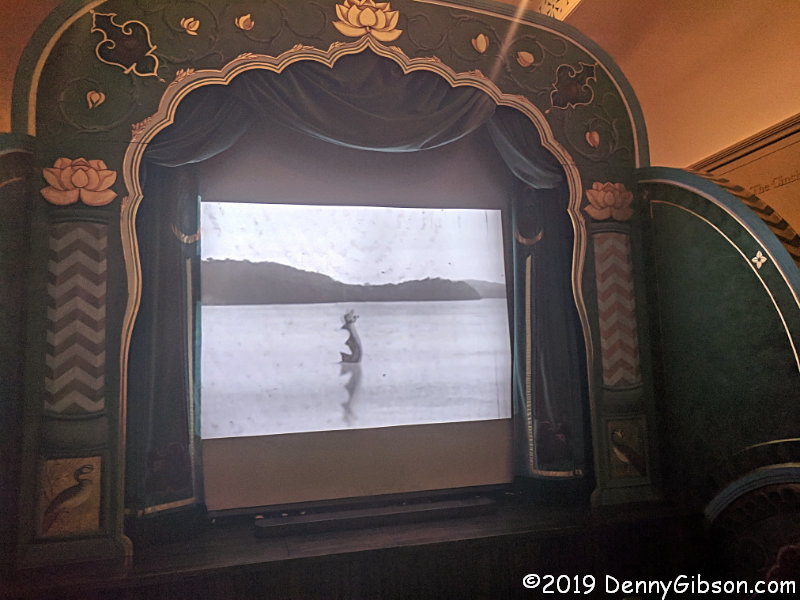
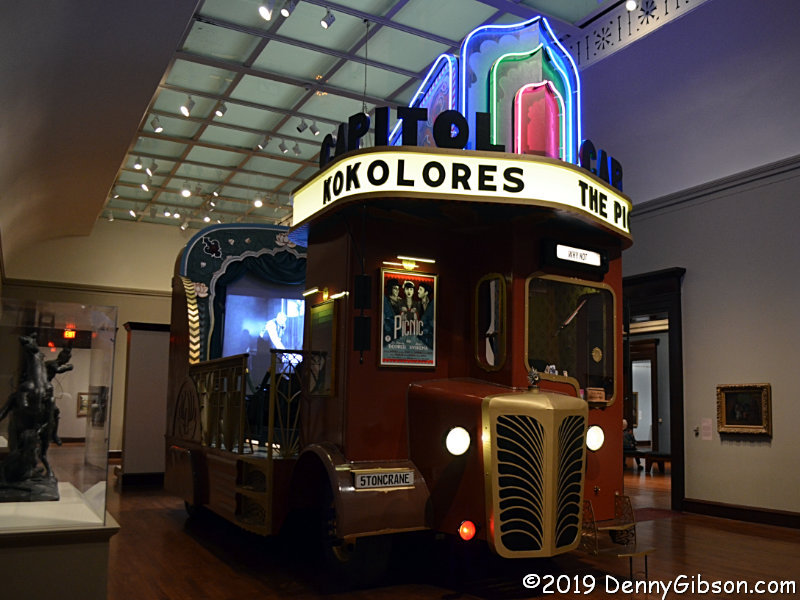 The capacity of this theater is much higher with three rows of four seats each. Although No Spectators officially opened on April 26, several items, including this self-propelled theater were in place when I visited another exhibit just about a month ago. On that occasion, I took this picture of the screen with my phone. This time I took no screenshots but did sit through the entire presentation of silent shorts.
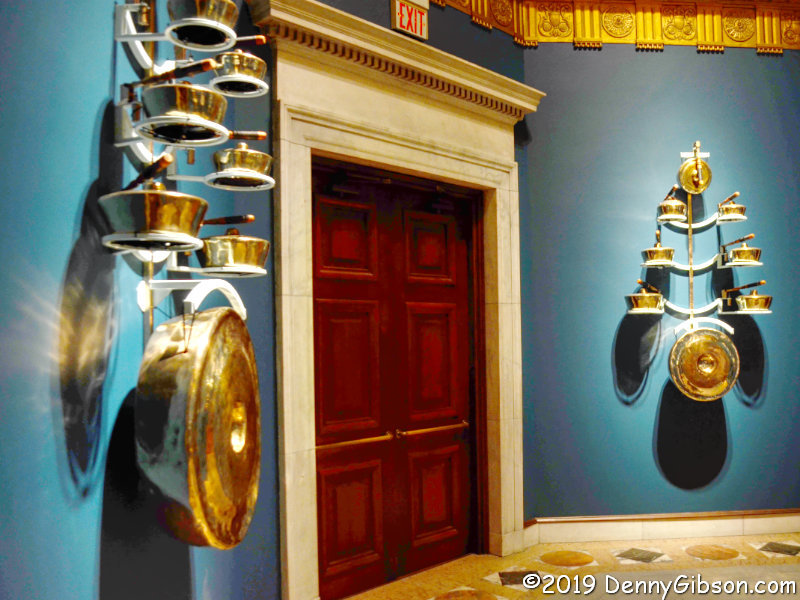
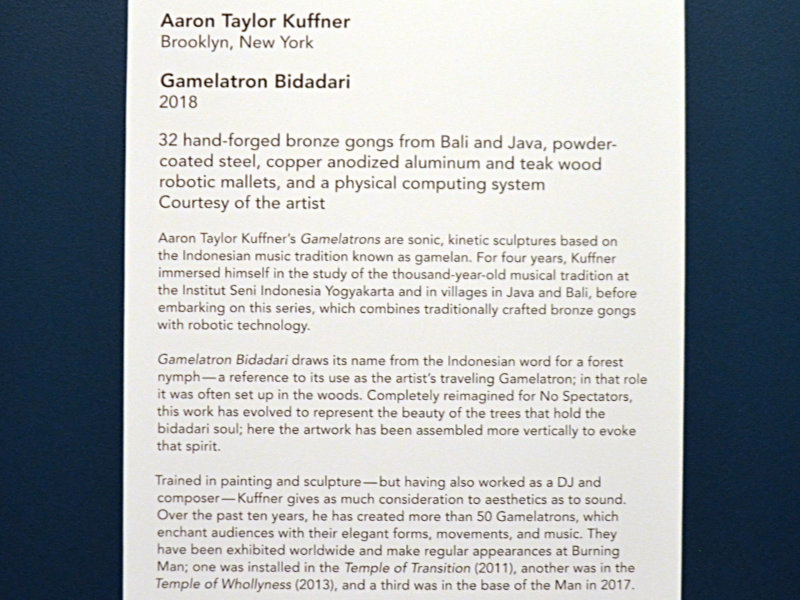
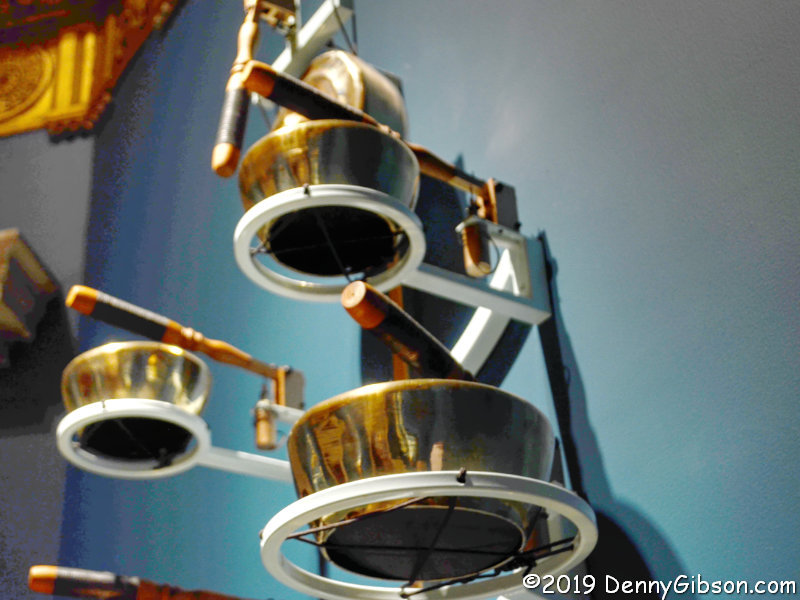 While some of the Burning Man pieces appear a little bit awkward in makeshift settings, this piece and this circular room seem made for each other. Gamelatron Bidadari is comprised of 32 bronze gongs played by computer-controlled mallets. There’s a better explanation here. The few minutes I spent in this room were the most pleasant of my entire day.
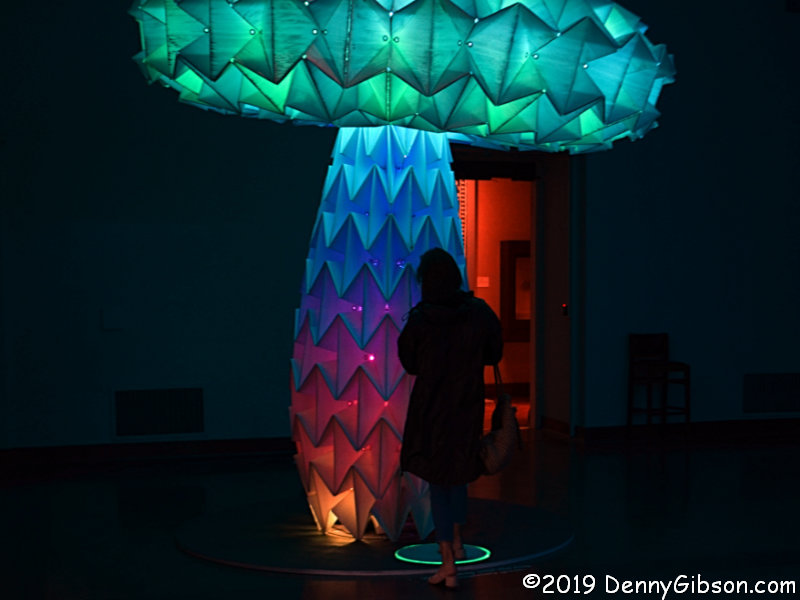
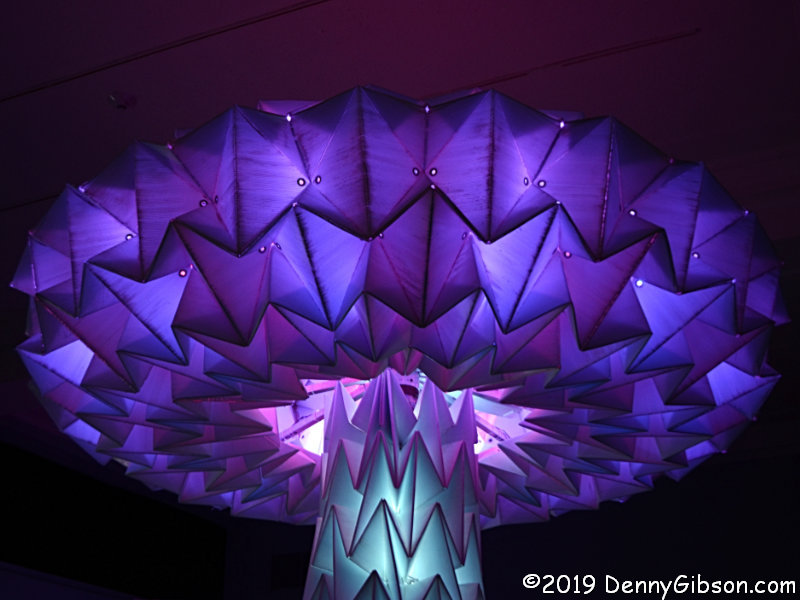
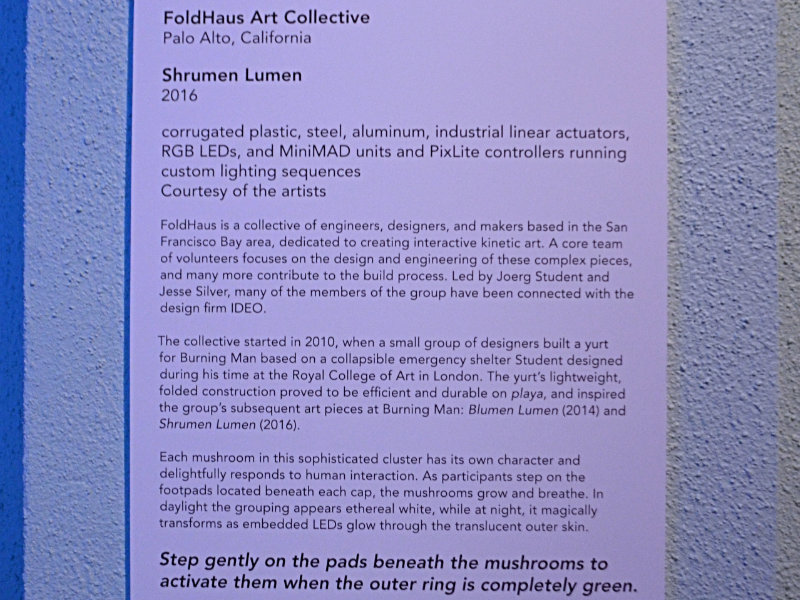
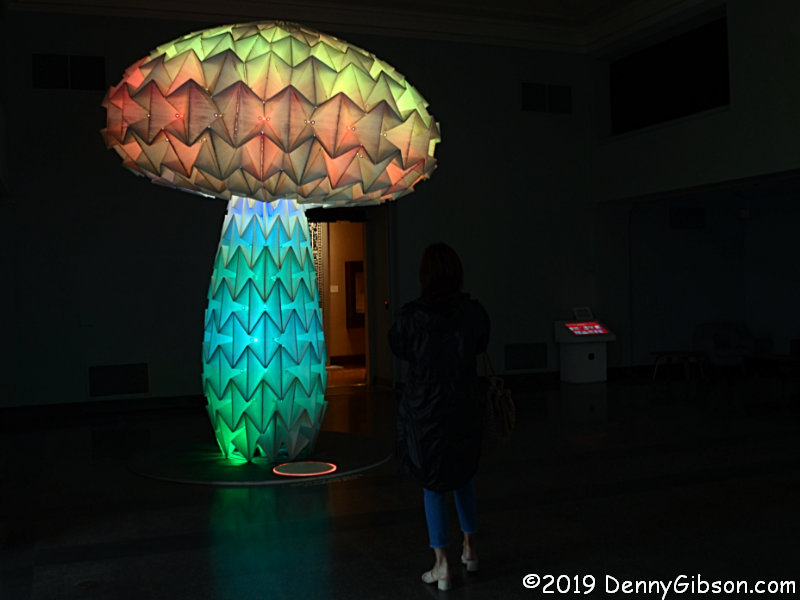
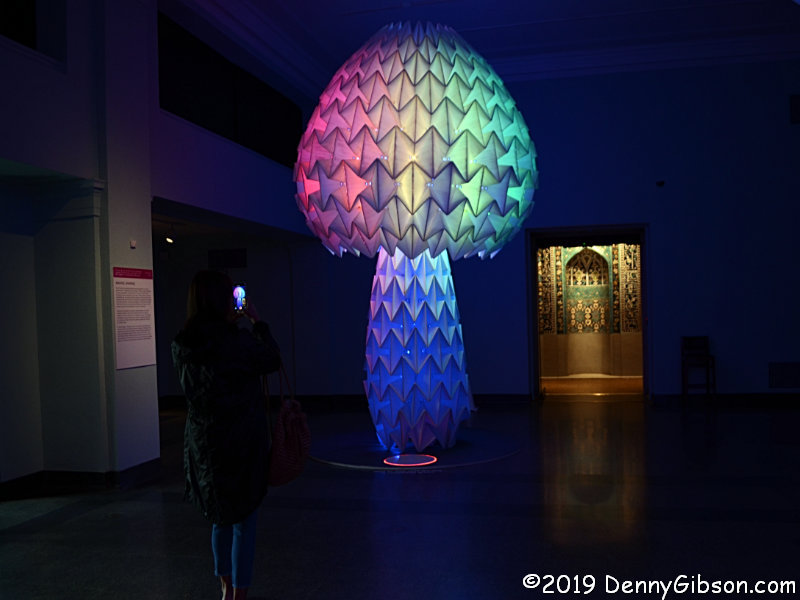
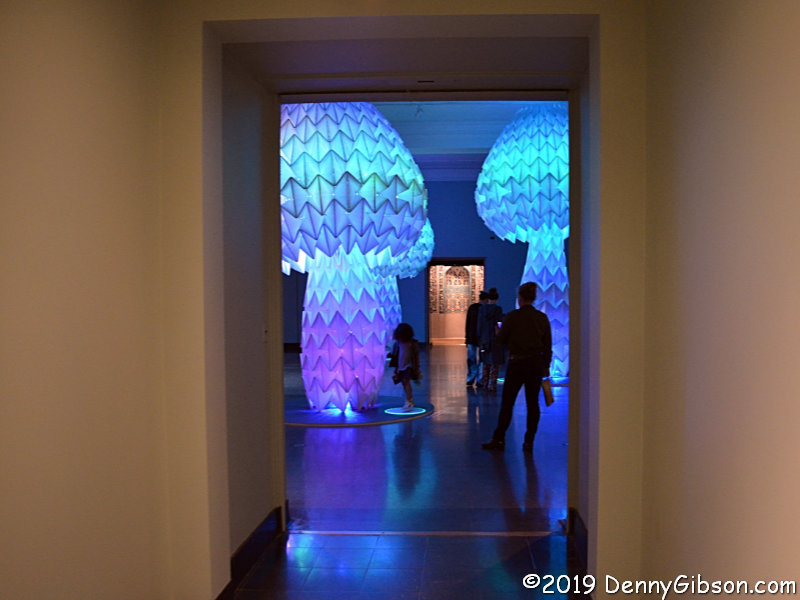 Photos of Shrumen Lumen appear in promotional materials for this exhibit including the program cover. It is one of the few items that require a little participation and at least slightly supports the “no spectators” idea. As explained here, each ‘shroom is activated by stepping on a pad at its base. In the third picture, a non-spectator steps on a pad then steps back and back again to watch the show.
Phase 1 of “No Spectators: The Art of Burning Man” opened on April 26. Phase 2 additions will be made on June 7 and everything will remain through September 2. I’ll be back for Phase 2 and to listen to those gongs some more.
ADDENDUM 4-Aug-2019: As promised, I returned to the museum for Phase 2 and reported on the visit here.
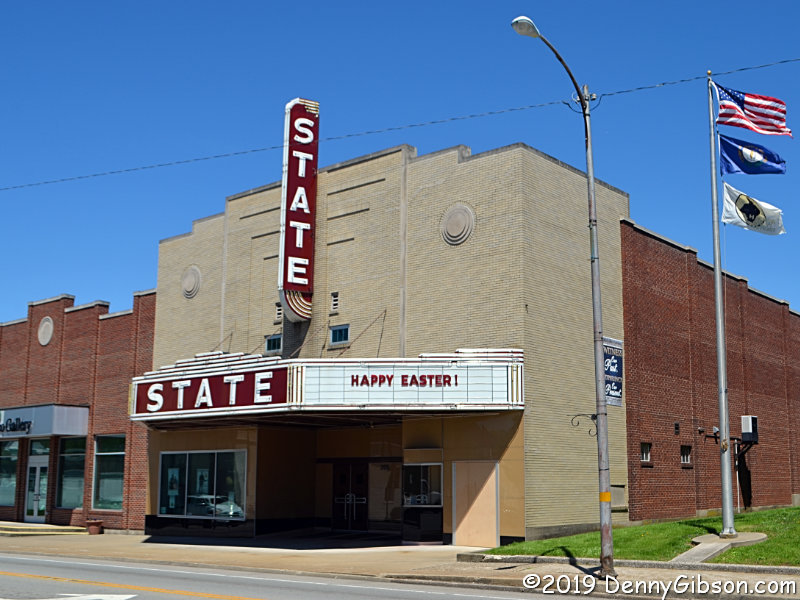
 Today is Easter. I know that because I looked it up on the internet. It was easy. It was easy in the early days, too. Easter was originally simply the Sunday of Passover week. Since most early Christians had once been Jews, they just naturally knew when Passover was. Even those that had converted to Christianity directly from Druidism probably had some Jewish friends they could ask. Easy, peasy. Too easy, it seems, for some.

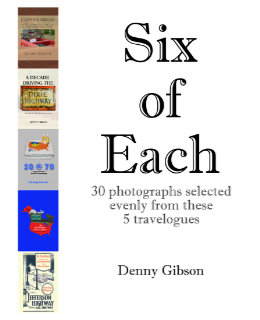 And now for something completely different. Anyone who thought releasing two books within three months might be overdoing it will have no doubts about that being the case when they see another appear a week later. But this is a different kettle of fish. Really. Six of Each is a collection of photographs drawn from the previously published travelogues. Each of those travelogues is available in two forms. There is a black-and-white printed version and a color digital version. Photo-quality color printing is still relatively expensive in the low-volume print-on-demand world. Printing the books in black and white keeps them reasonably priced. On the other hand, color in digital files is free. Offering B&W paperbacks and color ebooks isn’t ideal but it keeps the books affordable and color at least available.
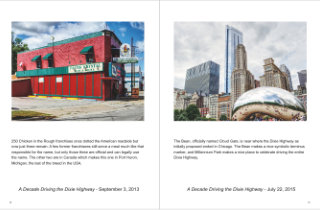 So what I’ve done is pick a half dozen pictures from each of the existing travelogues and combine them in a Blurb magazine. The magazine is only available through Blurb (that’s one of those magazine restrictions) and there is no digital version available (that’s my restriction). It’s also more expensive than it seems a 32-page “magazine” ought to be. But it does let me see what some of my photographs would look like using something besides black ink on stationary paper. And it’s there for anyone else who would like to look.
 I’m embarrassed, angry, and disappointed. I missed the 2019 Findlay Market Opening Day Parade. I was close but no cigar. More accurately, no parking place. I left home slightly before 10:00. Traffic was a little heavy on the expressway but not really an issue. I was where I wanted to be around 10:30. It’s a spot a few blocks from the parade start point where I intended to grab a breakfast sandwich before walking to and strolling around the parade staging area.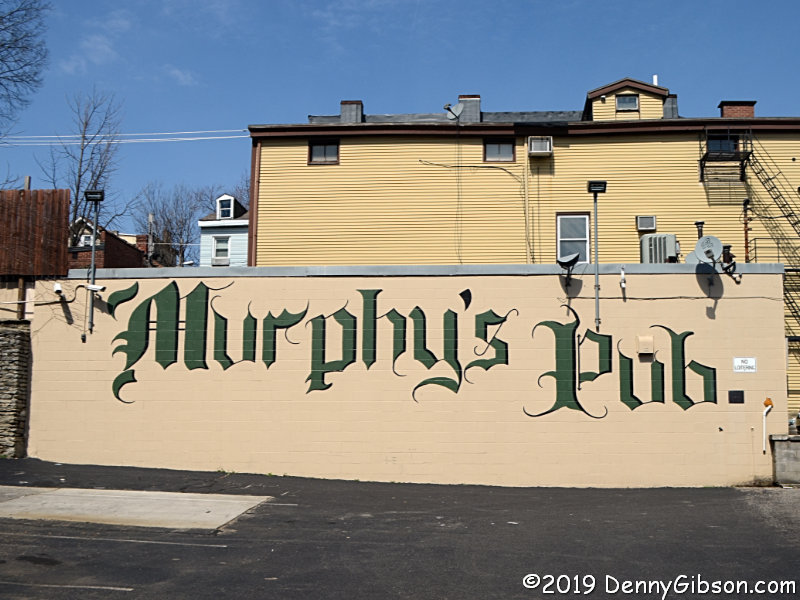
 Too soon? What had been my most recent travelogue,