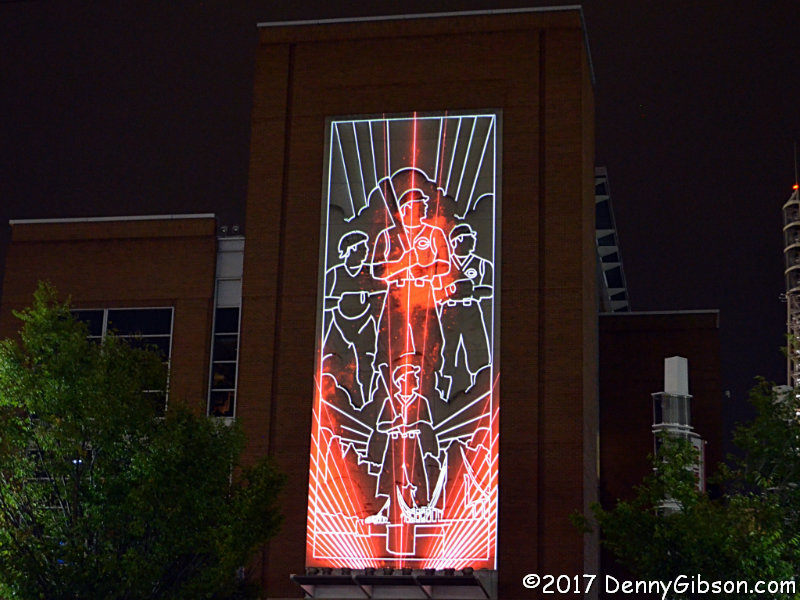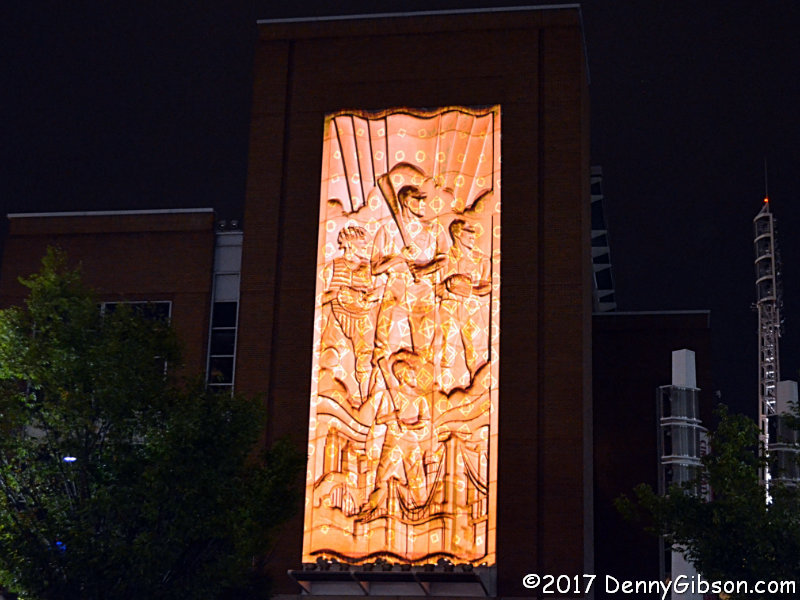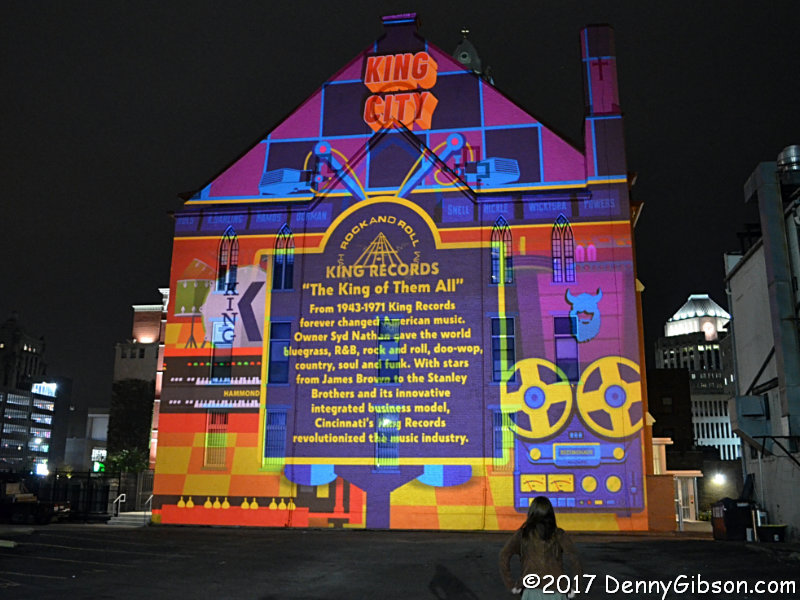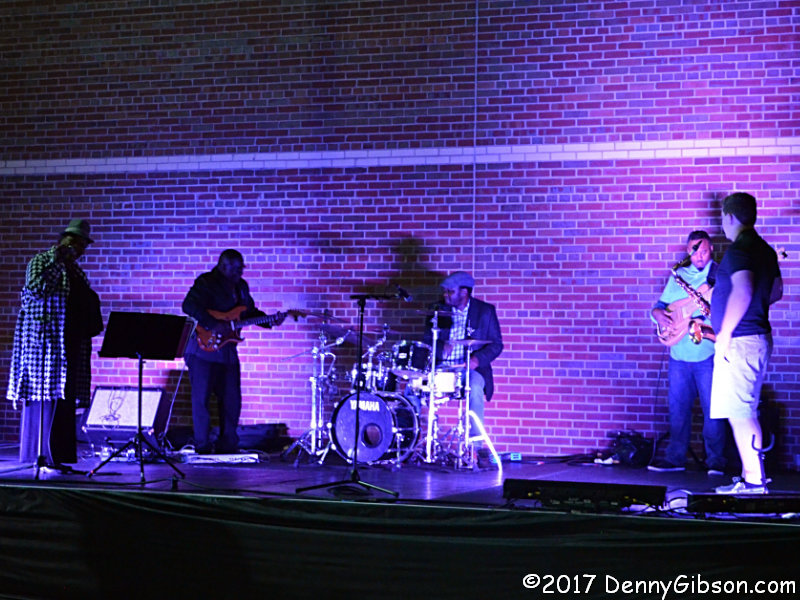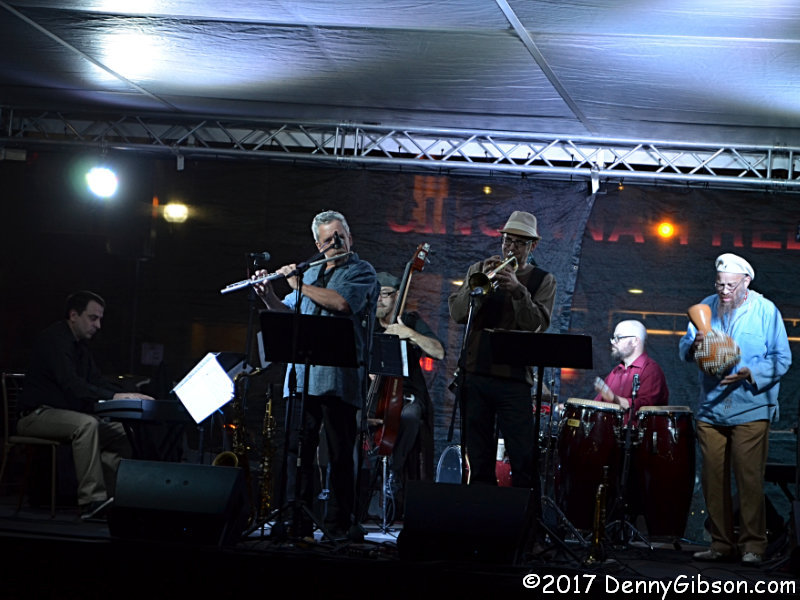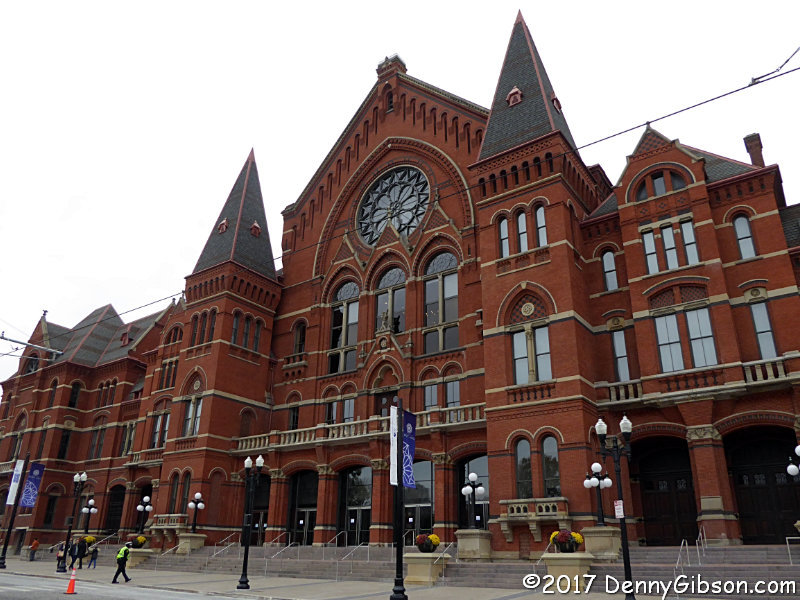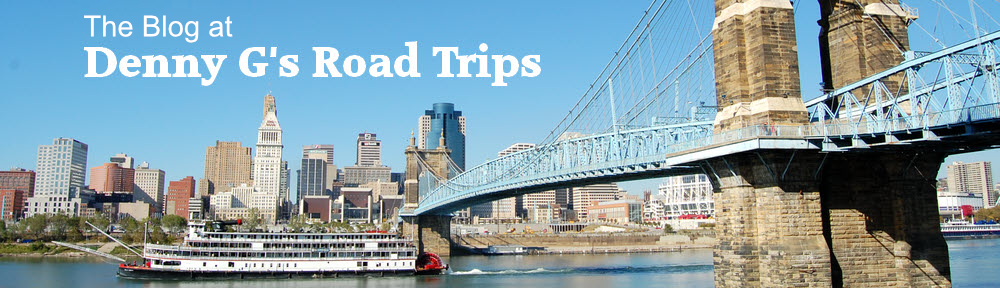
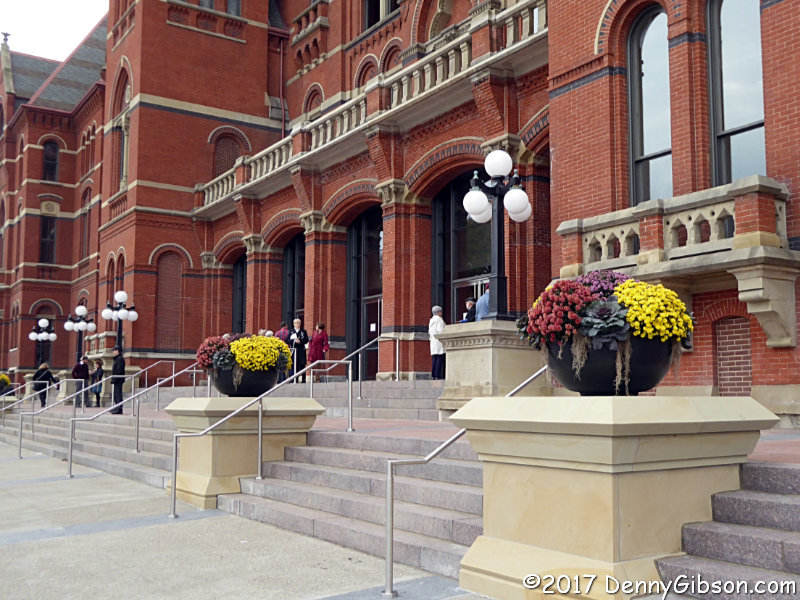
 Cincinnati’s Music Hall reopened on October 6 after an 18 month $135 million renovation. I didn’t make it to that grand re-opening. Last Sunday’s third and final performance of “American Originals, Vol 2” was my first time inside the building since I attended the MusicNOW Festival in March of 2016. That was not the final event preceding the shut-down but it was among the last and it prompted my A Pre-Refurb Peek at Music Hall post. I selected the photo at right to open this post as the closest thing I’ve got to the photo that began that article. There’s a more inclusive exterior shot here.

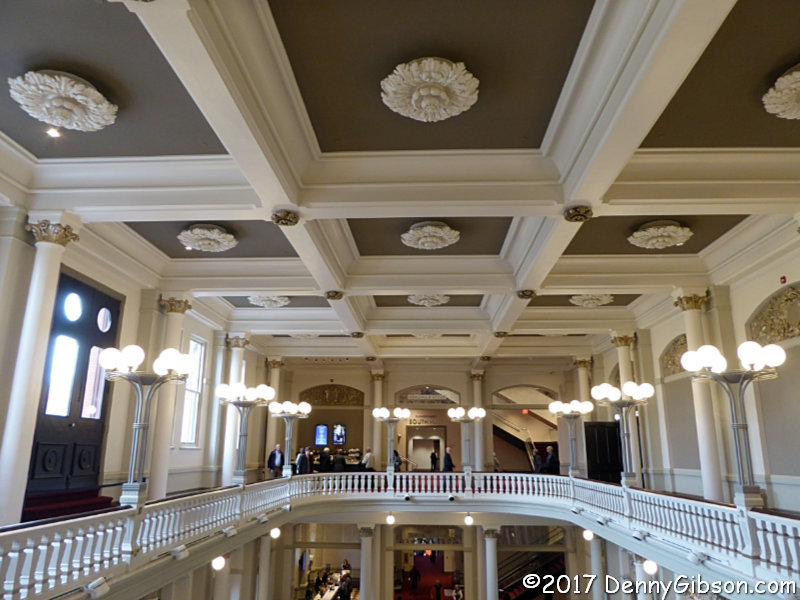 Although these photos do not attempt to duplicate any of those in the earlier post, they do make it obvious that the chandelier that once hung over the lobby, and which I sort of featured in 2016, is gone. Apparently it was decided before renovations started that this chandelier, as well as some others, would not be coming back.
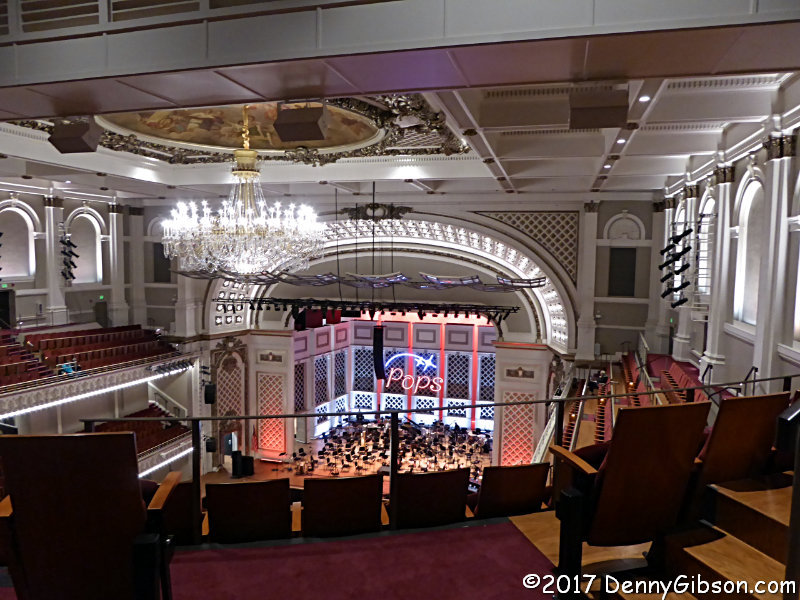
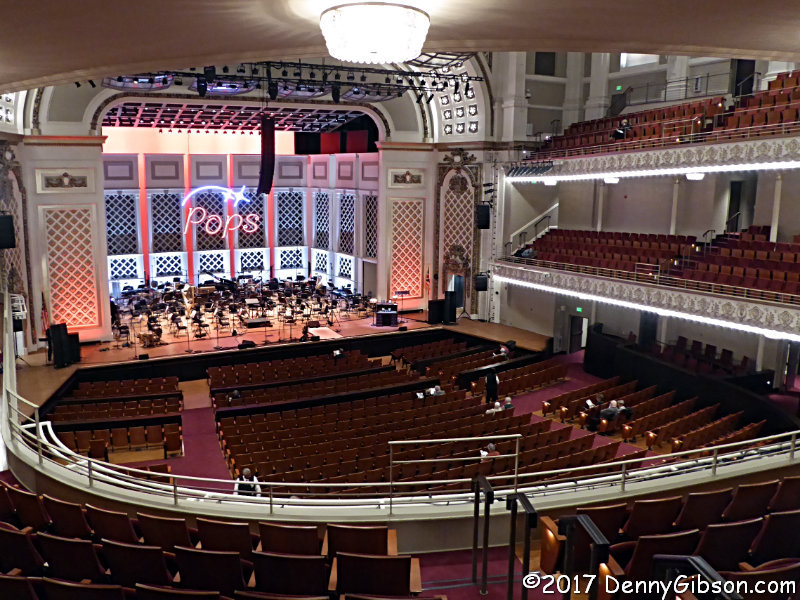
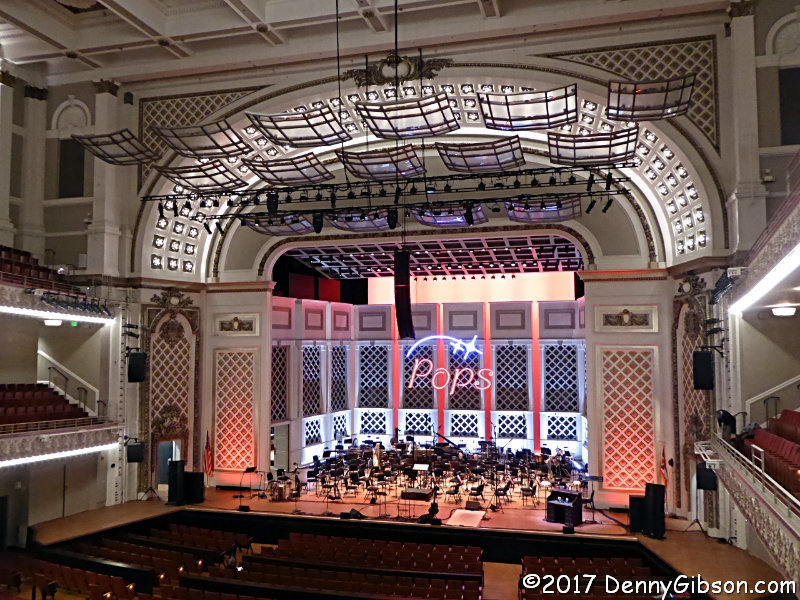 I also took a look at the balcony and gallery before I headed to my seat. Note the panels above the orchestra pit area. They’re to improve the acoustics of a place I didn’t even know needed improving.
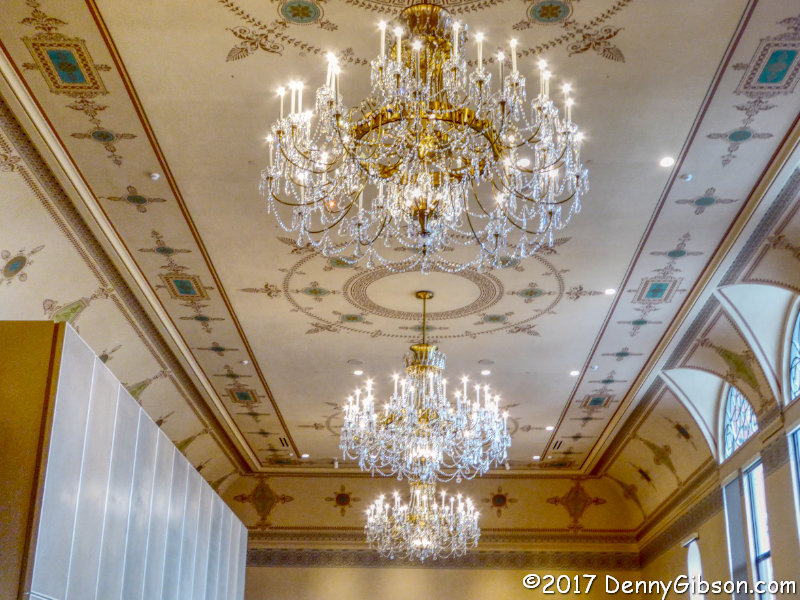
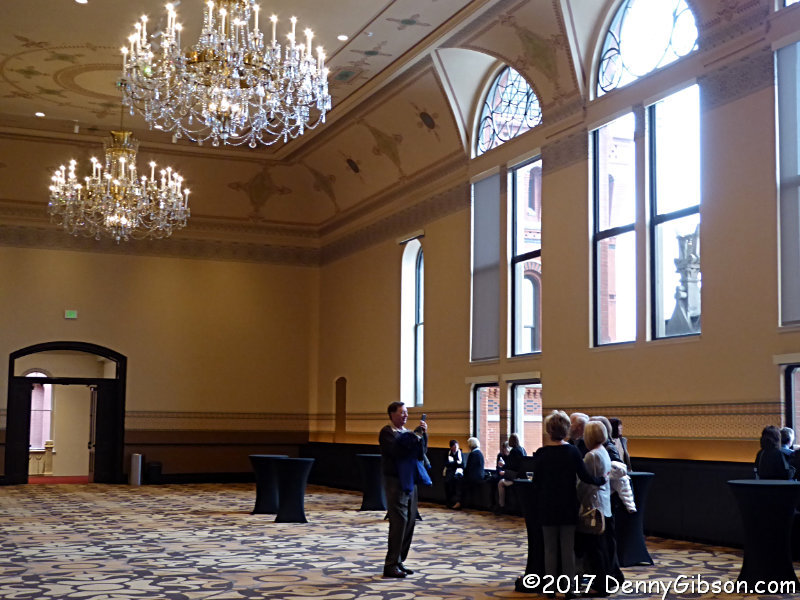
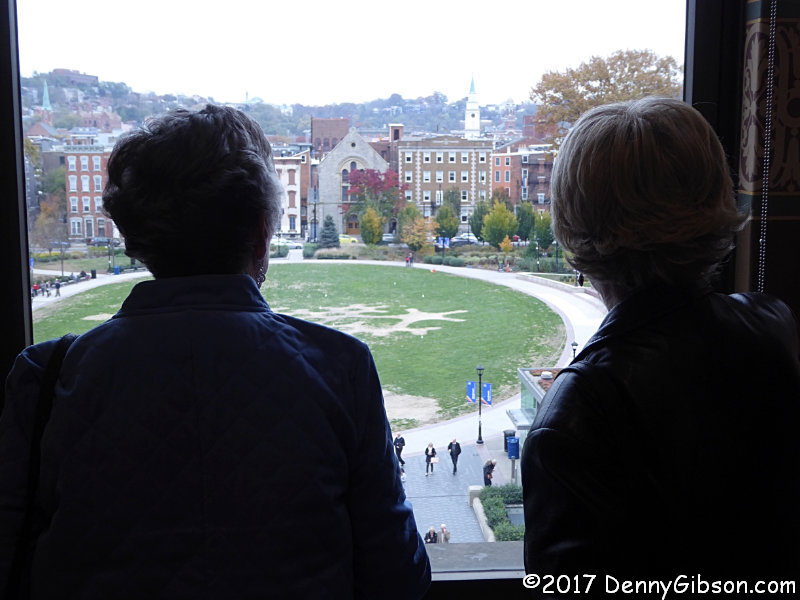 That chandelier that hung above the main lobby is one of the three now hanging in Corbett Tower. A drop ceiling was removed and the nineteenth century stenciled design recreated. Previously blocked windows have been cleared to let in more light and provide views of Washington Park.
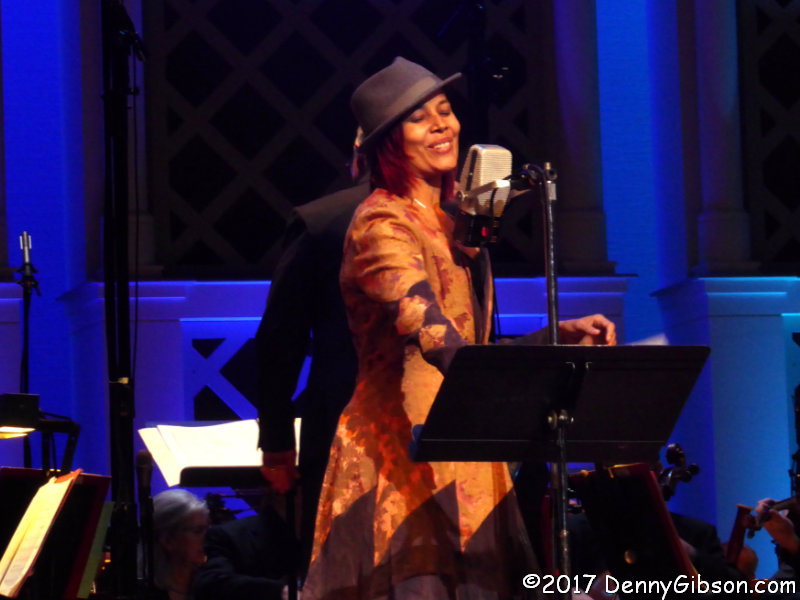
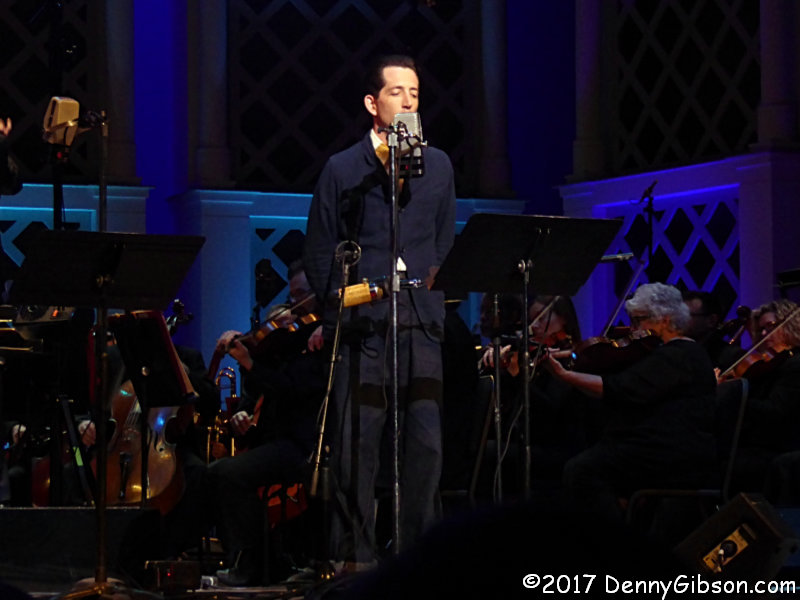
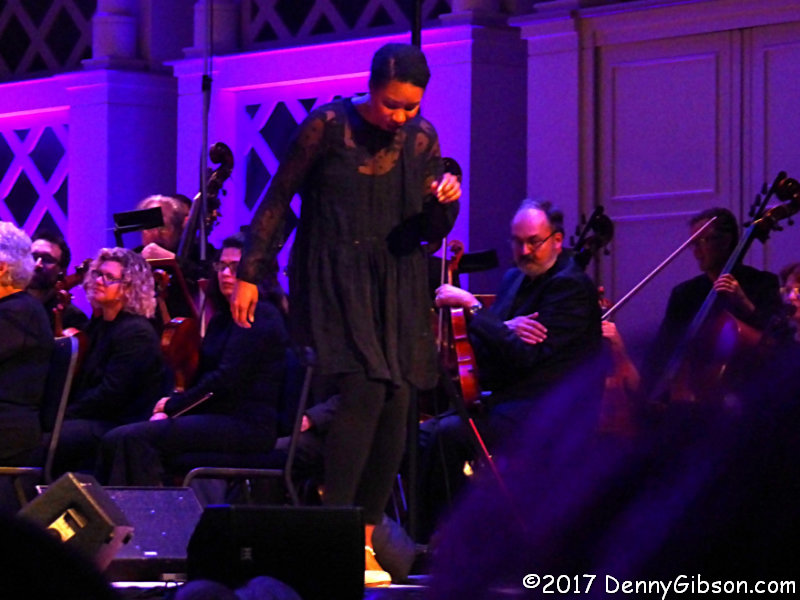
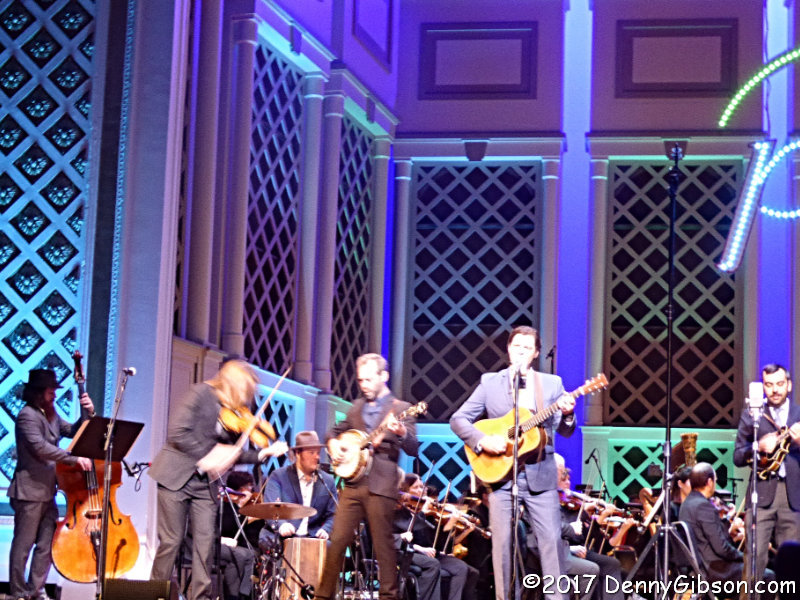 With all the gawking I did at the new and freshly uncovered beauty of the wonderful old building, I was at risk of forgetting why I was there, but I didn’t. Last year the Cincinnati Pops Orchestra put together an “American Originals” project featuring the music of Stephen Foster and several world class performers. This year it was the music of the World War I era and another batch of world class performers. Specifically those performers were the Steep Canyon Rangers, Pokey LaFarge, and Rhiannon Giddens plus tap dancer Robyn Watson.
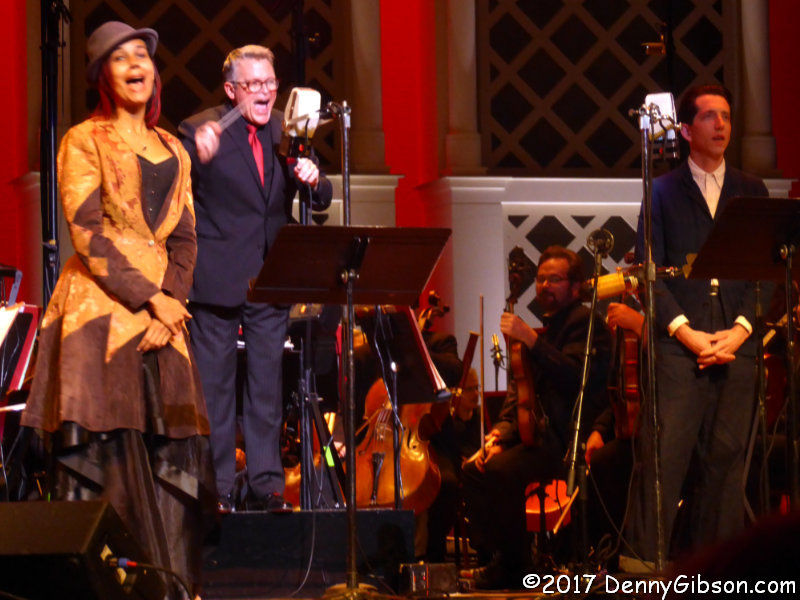 With the orchestra always adding that something extra, the artists performed alone and in various combinations. The finale was a rousing version of “I Ain’t Got Nobody” with all hands on deck. In fact, it was more than just all hands, the audience was encouraged — quite strongly — to sing a couple of lines. That’s Pops Conductor John Morris Russell doing the encouraging. The entire performance was recorded and a CD will be available. I assure you it’s safe to buy; I did not try to sing.
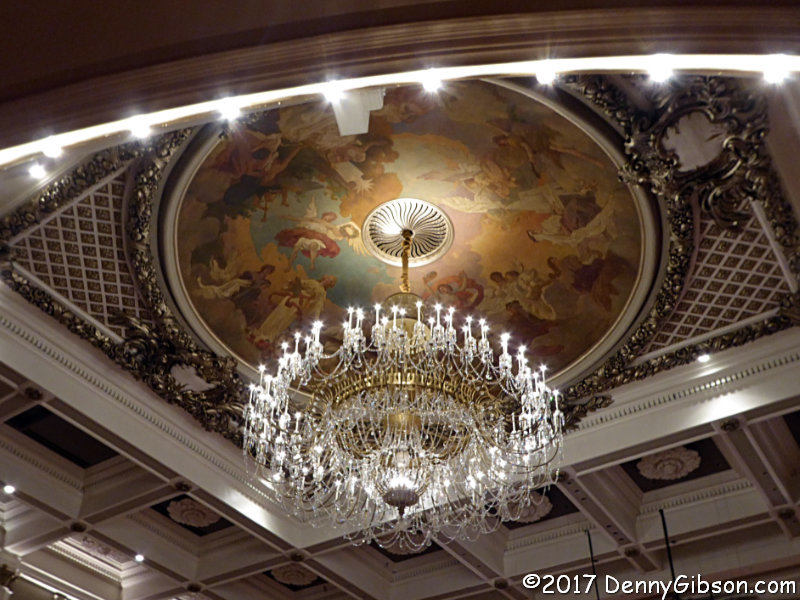 I ended the 2016 pre-refurb post with a shot of Springer Auditorium’s 2,000 pound chandelier from floor level. The closest I’ve got to that this time is a shot taken from the balcony. The chandelier is a relatively new addition to the 139 year old building. It was added during a 1969 renovation. That meant there was talk of removing it but public outcry kept it from going very far.
I’ve called this a peek and it isn’t a particularly good one. Among the much better photographs out there are those in an online gallery at Cincinnati Refined. I’ve provided even less of a peek at the concert. CityBeat published an excellent review of Friday’s performance which was essentially the same as what I saw Sunday. That review is here.
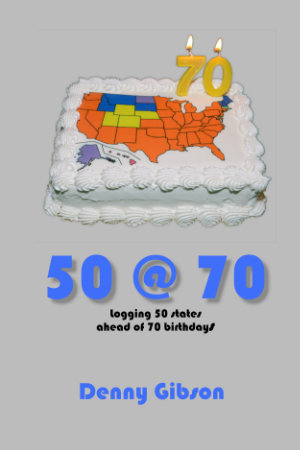 This could be the charm associated with third attempts, or it could be the out associated with third strikes. Seriously, though, I doubt it is either. Neither of my first two books,
 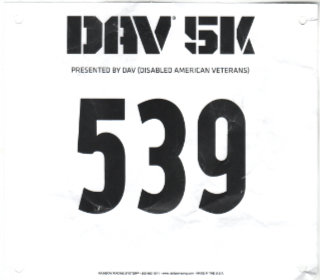 I’ve walked in a
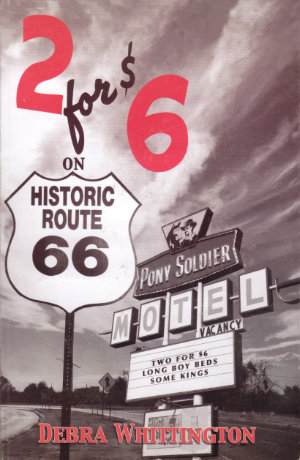 I wish I had $6 or even 6¢ for every time I’ve stood by an old motel or diner and wished that the aging walls could talk. There are no talking walls here but 2 for $6 on Route 66 does contain the memories of someone who spent a whole lot of time with some very interesting walls. Author Debra Whittington married into the motel business; The man she married was born into it.
 We fought a war to get this country going then gave every land owning white male above the age of twenty-one the right to vote. A little more than four score years later, we fought a war with ourselves that cleared the way for non-whites to vote. Several decades of loud, disruptive, and sometimes dangerous behavior brought the granting of that same right to non-males a half-century later and another half century saw the voting age lowered to eighteen after a decade or so of protests and demonstrations.
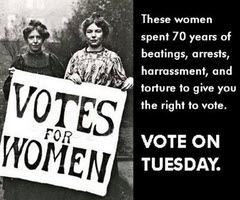 Of course, putting something in a constitution does not automatically make it a practice throughout the land and I am painfully aware that resistance followed each of those changes and that efforts to make voting extremely difficult for “the other side” are ongoing today. I don’t want to ignore partisan obstructions and system flaws but neither do I want to get hung up on them. I meant my first paragraph to be a reminder that a hell of a lot of effort, property, and lives have gone into providing an opportunity to vote to a hell of a lot of people. Far too many of those opportunities go unused.
 In the title I claim to not care how anyone votes. That’s not entirely true, of course. I have my favorite candidates and issues. I’ll be disappointed in anyone who votes differently than I do but not nearly as disappointed as I’ll be in anyone who doesn’t vote at all. I’m reminded of parents working on getting their kids to clean their plates with lines like, “There are hungry children in China who would love to have your green beans.” I’m not sure what the demand for leftover beans is in Beijing these days but I’m pretty sure some folks there would like to have our access to ballots and voting booths.
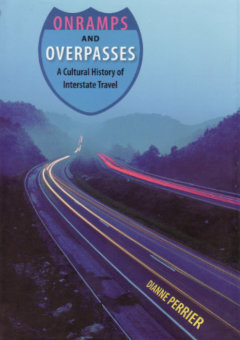 You can’t judge a book by looking at the cover. Or, sometimes, by reading the title. That was the case for me with Onramps and Overpasses and the impression I got from the title and cover pretty much explains why it stayed on the unread pile so long that I don’t remember where it came from or why I have it. The cover is a nicely done long exposure photo of cars on a divided four-lane highway passing through what looks to be a rather scenic area. The title reinforces the image of high-speed limited-access roadways. The subtitle, “A Cultural History of Interstate Travel” does a better job of describing what’s inside but the preconception created by the cover and title led me to overlook the word “cultural” and misinterpret the word “interstate”. In my opinion, Perrier goofed on the cover and even more so on the title. Those are, however, virtually the only mistakes she makes here.
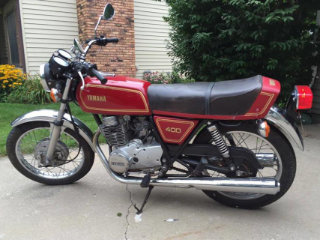 In the previous episode of My Wheels I mentioned that both that chapter and this one would suffer from foggy memory regarding timing. I also mentioned that in this installment I would try to at least explain how the vehicles were related even if I couldn’t explain when. That I will and I’ll even tie up a loose end from several chapters back.