Trip Peek #17
Trip #81
US 62’s West End

Cherokee Christmas greetingThis picture is from the my 2009 US 62’s West End road trip. This was my first Christmas Escape Run after retiring and only my second road trip without a schedule dictated by a need to get back to the job. Completing my coverage of US 62 by following it to El Paso Texas had been high on my to-do list for so long that it was almost an automatic pick once time permitted. My typical Christmas break had been nine days; A five day work week bracketed by two weekends. This trip consumed fifteen days including a one day “snow delay” in Altus, Oklahoma. Throwing an extra day into the middle of a trip might have been a real calamity in the past but was hardly an issue for a man no longer employed. Highlights of the trip included visits to Carlsbad Caverns and to the graves of both Buddy Holly and Geronimo. The picture was taken in Tahlequah, Oklahoma. Tahlequah is the capital of the Cherokee Nation and the picture is of the words “Merry Christmas” in Cherokee.


Trip Pic Peeks are short articles published when my world is too busy or too boring for a current events piece to be completed in time for the Sunday posting. In addition to a photo thumbnail from a completed road trip, each Peek includes a brief description of that photo plus links to the full sized photo and the trip journal it is from.

Book Review
Adventures Around Cincinnati
Hoevener & Weeks

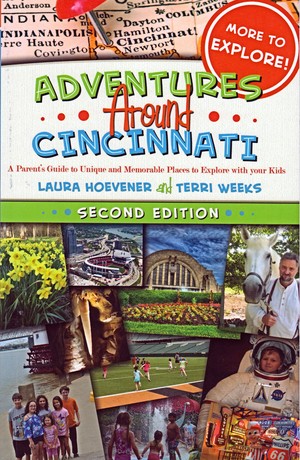
Adventures Around Cincinnati coverTwo really big things have happened since I reviewed Terri Weeks ebook, How to Visit All 50 States in 12 Trips, in February.  One is that we one day had lunch together so I can no longer joke about never having met this fellow traveler in the “neighborhood”.  OK, so maybe that’s not all that big a deal, but the second thing, the release of the second edition of the book Terri co-wrote with Laura Hoevener, certainly is. I mentioned the book, Adventures Around Cincinnati: A Parent’s Guide to Unique and Memorable Places to Explore with your Kids, in that earlier review and pointed to the “Kids” in the subtitle as the reason I was not familiar with it. There is no question that the book is aimed at people with kids but a scan of the list of attractions in the first edition revealed that, just like the list in How to Visit…, most things on it can be enjoyed by us old folks, too. In fact, the majority were attractions that I had visited myself and enjoyed despite being an “adult of long standing”.

The new edition has the same basic structure as the first. The difference is pretty much described by the phrase “More to explore” in a red circle on the new cover so, if you are familiar with the 2011 version, you can stop reading right now and just go ahead and order your copy of the new improved 2014 model.

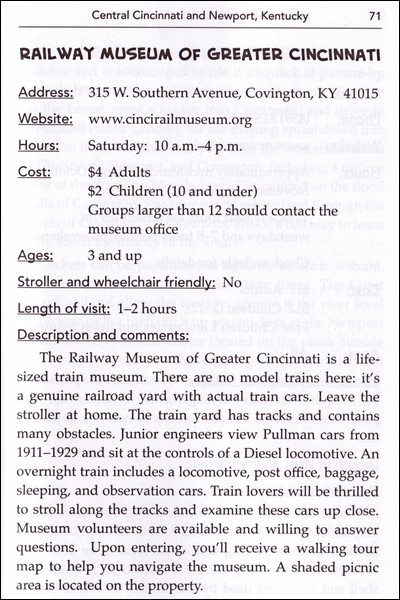
The bulk of the book — 266 of 336 pages — is devoted to describing more than 120 attractions which is a considerable increase from the “Over 80…” of the first edition. Since the authors report that there are “about 50 new Adventures” this time around, I’m guessing that ten or so have been removed for one reason or another. Of course, in addition to adding a bunch and removing a few, Hoevener and Weeks updated entries as needed. For each attraction, a fixed list of key features is followed by a paragraph or two of descriptive text. Although, as the math shows, the average entry fills a couple of pages, this entry for a railroad museum is otherwise typical.

Adventures Around Cincinnati interior

Attractions are listed alphabetically in four geographic groups. The first, “Central Cincinnati and Northern Kentucky” is centered around downtown Cincinnati. “Greater Cincinnati” includes Cincinnati suburbs and slightly less northern bits of Kentucky. There is a section for “Dayton” and “A Hop, Skip, and a Jump” replaces a section called “Columbus, Lexington, Louisville, and Indianapolis” in the first edition presumably because some of the hops and jumps went beyond those four cities. But even the most remote of the attractions are within a two hour drive of Cincinnati and those are two mini-van hours not two Ferrari hours. Each section begins with a map showing the locations of listed attractions and every listed attraction has been visited by at least one and usually both of the authors.

“Attraction Listings” is the middle of the book’s three major parts. The first part, “Creating Memories with Your Family”, tells how the two authors and mothers hatched the idea of regularly scheduled “adventures” for their families and how they have used it to great advantage for some ten years. Two words struck me as I read this section: “deliberate” and “intentional”. Every one has experienced ad hoc versions of what Terri and Laura call adventures but diving into them deliberately and intentionally on some sort of regular schedule is what has provided real value as a parenting tool. Beyond telling how they have done it, the authors give tips on how others, in different situations, might implement their own system of adventuring. The usefulness of these tips isn’t limited to the Cincinnati area and what is basically this portion of Adventures Around Cincinnati has been made available as a standalone ebook titled Adventures Around You.

The book’s third part, “Planning Help”, makes good on its name by providing help for using the other two parts in planning your own adventures. There are a couple of sample itineraries and some suggestions involving attractions not detailed in the book but the most help, in my opinion, comes from a table of all the attractions that are detailed in the book. It’s something of an index on steroids. The attractions are listed alphabetically along with the page numbers of the full entries then other columns in the table give general locations, identify the attraction type, etc. One column marks free attraction and there really are quite a few of them.

I’ve lived around here long enough and done enough poking that, as I mentioned earlier, I’ve visited the majority of listed attractions. But not all. There are several, like the Rumpke Landfill Tour and the Anthony-Thomas Chocolate Factory Tour, that even this old poker didn’t know about and which will likely be part of my own adventure someday. But the ideal audience for this book is the young Cincinnati area family with one or more curious young ‘uns ready for adventure. Hey, that sounds like my daughter’s family. I’m thinking gift list win.

In addition to being available through Amazon and some area bookstores, signed copies can be purchased directly from the authors.

Adventures Around Cincinnati: A Parent’s Guide to Unique and Memorable Places to Explore with your Kids, Laura Hoevener and Terri Weeks, Hourglass Press; Second edition (March 15, 2014), paperback, 8.5 x 5.6 inches, 336 pages, ISBN 978-0991085408
Available through Amazon.

HBW2Me

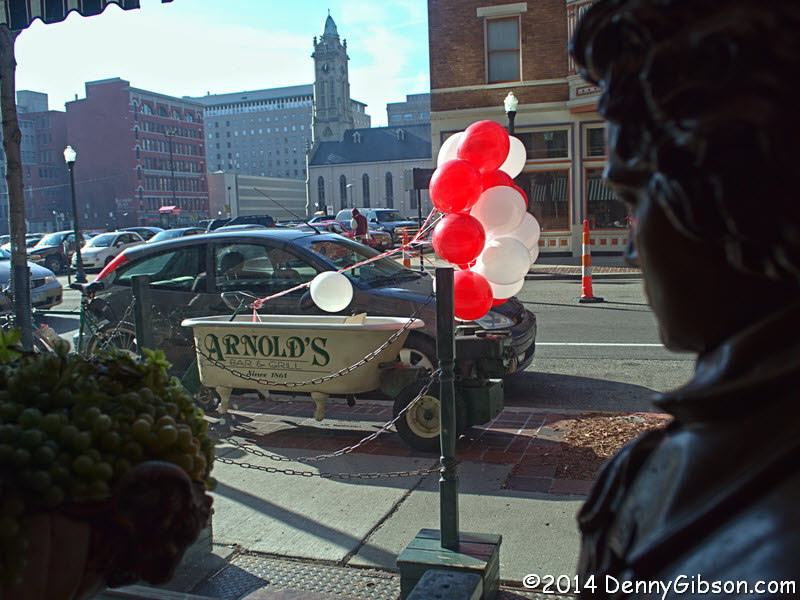
Arnold'sHappy Birth Week to Me. A week that ends on Saturday has to start on Sunday but not much happened Sunday. Monday, however, was a different story. It was Opening Day. With temperatures climbing into the sixties, it was a fine day to start the Reds’ season and really get my birth week rolling. I often visit Arnold’s after the Opening Day Parade but this year decided to start my day there when I learned that Cincinnati’s oldest bar would be tapping several unusual beers at 9:00 and serving breakfast from 9:00 to 11:00. I passed on the early morning beer but did enjoy breakfast in what I believe is Arnold’s only window seat.

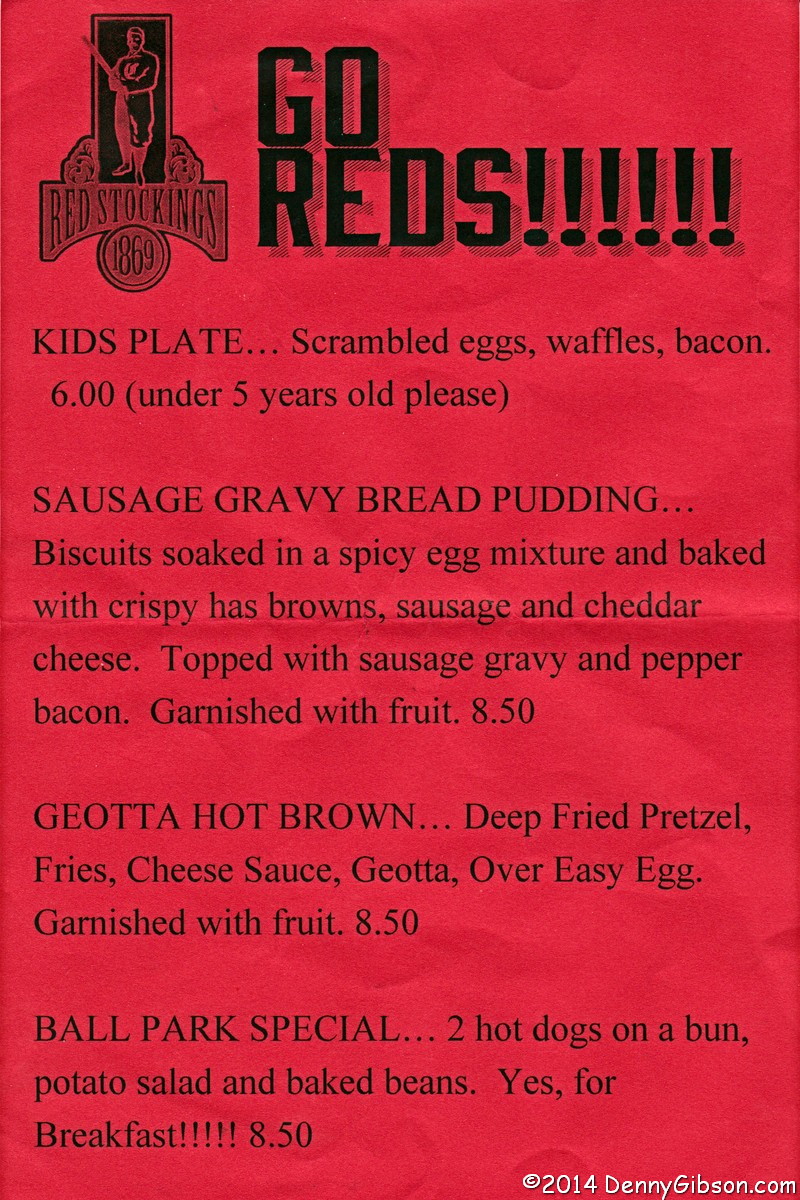
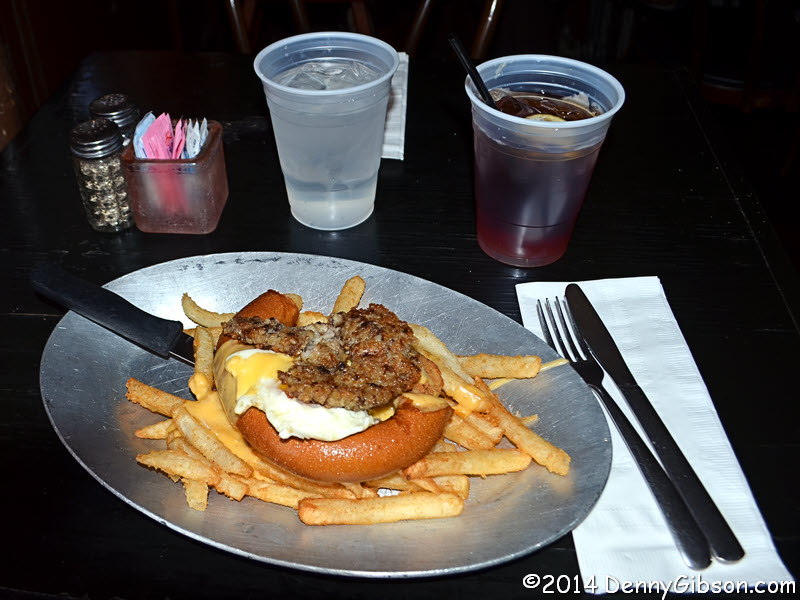
Arnold's Opening Day Menuodp2014eArnold’s normally opens at 11:00 with lunch as the first meal of the day. The special breakfast menu was short. Kids under five could have scrambled eggs. Adults had three choices none of which appear on the menu at IHOP. There were hot dogs, for those wanting to get an early start on the ball park diet plus Sausage Gravy Bread Pudding and Geotta Hot Brown. I decided that the Geotta Hot Brown was the most “Cincinnati” of the choices plus, as you can see by the picture, it’s just the thing if you’re planning on running the bases several times later in the day. As I was leaving, sometime after 10:00, I heard a waitress telling new arrivals that the goetta supply had been depleted and that ham was now being substituted. Bummer but technically not a violation of Porkopolis guidelines.

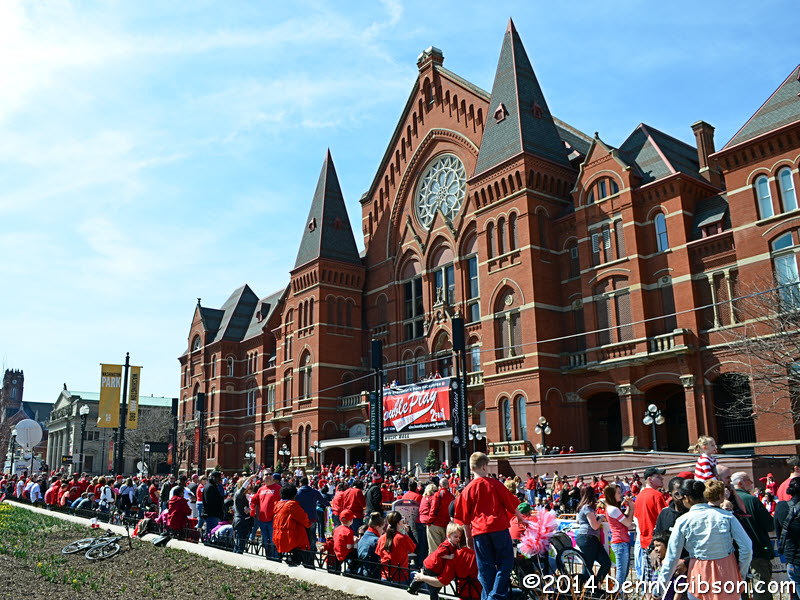
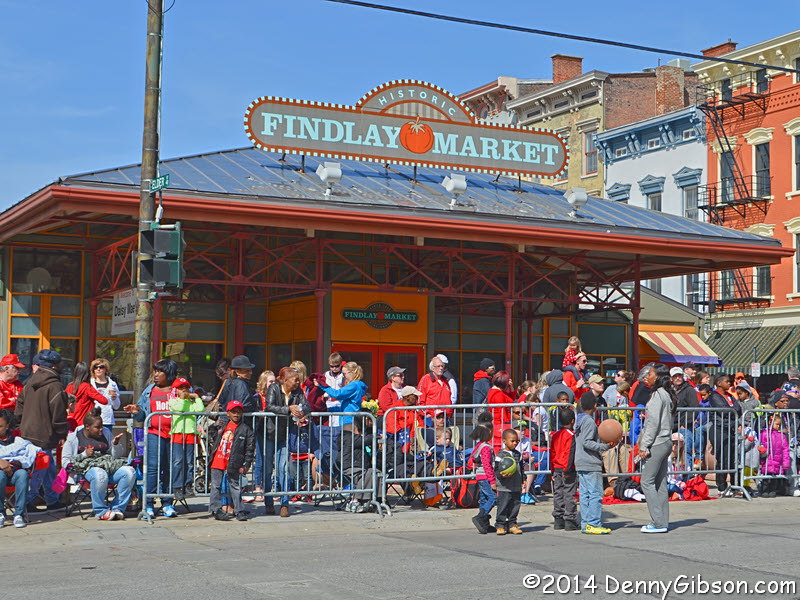
odp201404odp201403odp201402I reached the parade’s Findlay Market starting point well before the noon step-off and was working my way back along the parade route when things began to roll. I was not at a very good vantage point when Grand Marshall Dave Concepción came by but managed an only partially obscured picture. The scene in the last picture is an unusual one. Because of street car construction, the parade, which usually runs straight down Race Street, detoured over to Elm for several blocks which took it right by Music Hall. It is expected to be back on Race next year.

I am aware of a campaign to make opening day a national holiday (or maybe — it is organized by Budweiser — it’s a campaign to sell beer) but I don’t see that happening. The fact that not all teams open the same day is just one of the details bedeviling the idea. It is really immaterial to Cincinnatians since opening day has been a de facto holiday here for decades. Sometimes Reds opening day and my birthday actually do coincide as they did in 2012 when I wrote a little more about opening day history.

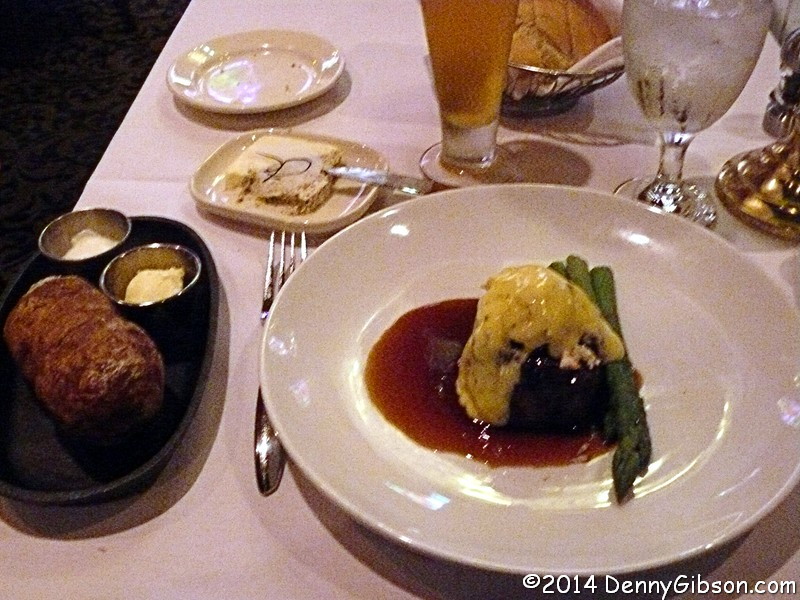
The PrecinctSteak Collinsworth at the PrecinctTuesday was nice but windy. As I ate lunch on the patio of a local pizzeria, a strong gust lifted the large umbrella standing unopened in the center of the table and tried to drop it on my head. It missed. Rain arrived Wednesday afternoon but I got in about a 6K walk before it hit. Six kilometers isn’t all that much when there is a bar and a meal at the turnaround point. On Thursday, I bought myself a birthday present and ate it. I finally made it to the Precinct where I devoured what might have been the best steak I’ve ever had the pleasure of knowing. The only possible exception is a filet I ate at the Pine Club in Dayton but it is only a possibility. More research is needed.

Good times continued on Friday with a few drinks with buddy John in Wilmington and a continuation of this year’s fish fry streak at Saint Columbkille.

On Saturday, my actual birthday, I had to work. Well, maybe not exactly work. OK, not even remotely work. It did, however, involve just about the only thing I do on a regular schedule, live trivia. The team once again qualified for the semi-finals which took place at noon. I really intended to get a picture to include in this post but completely forgot in the heat of competition. The top five teams move on to the finals. We tied for sixth.

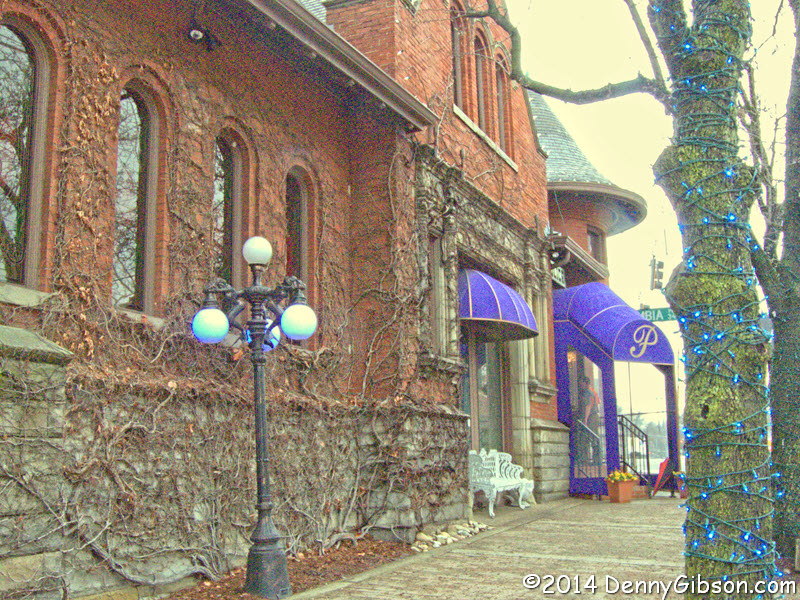
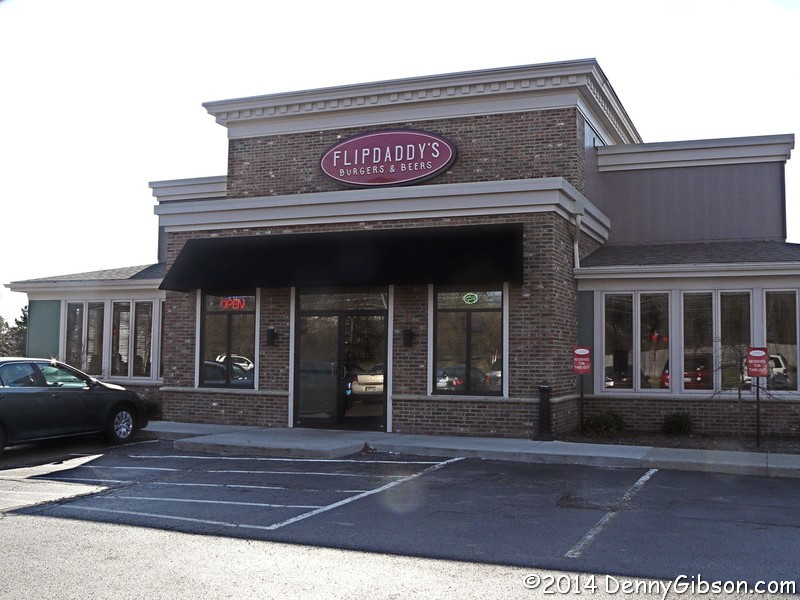
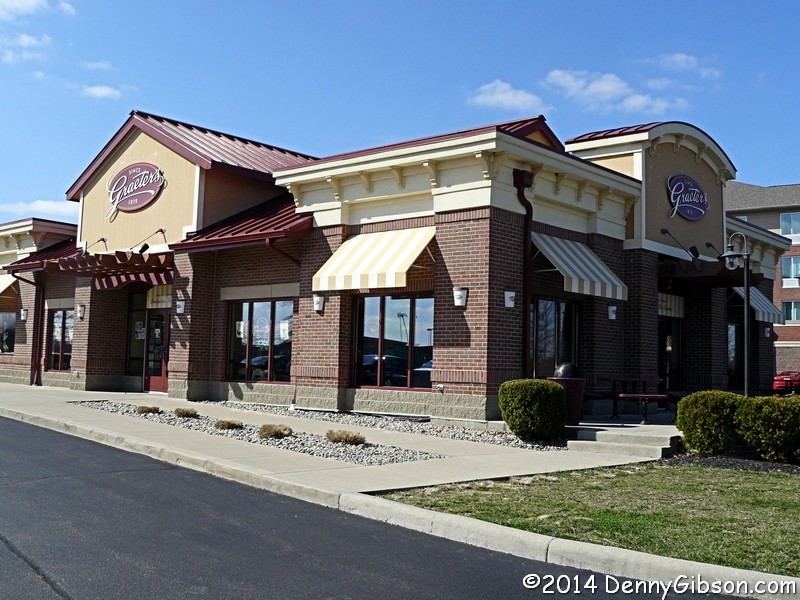
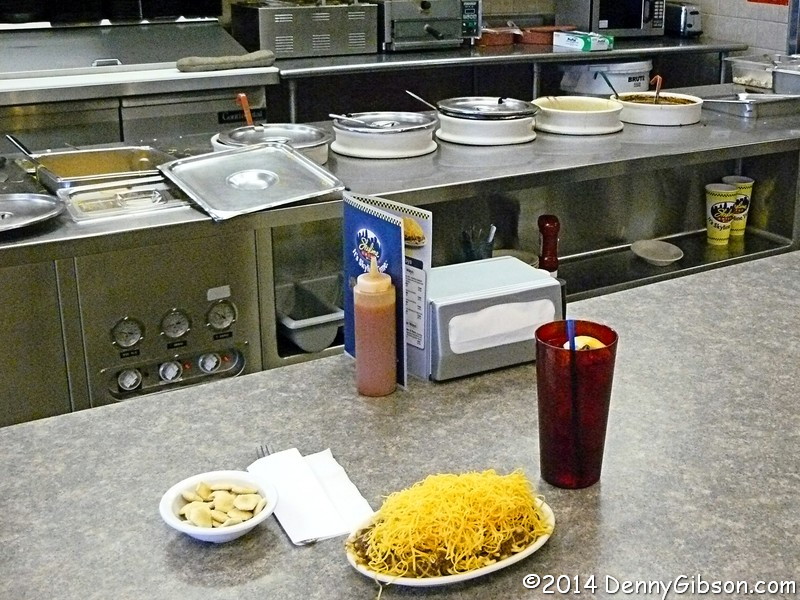
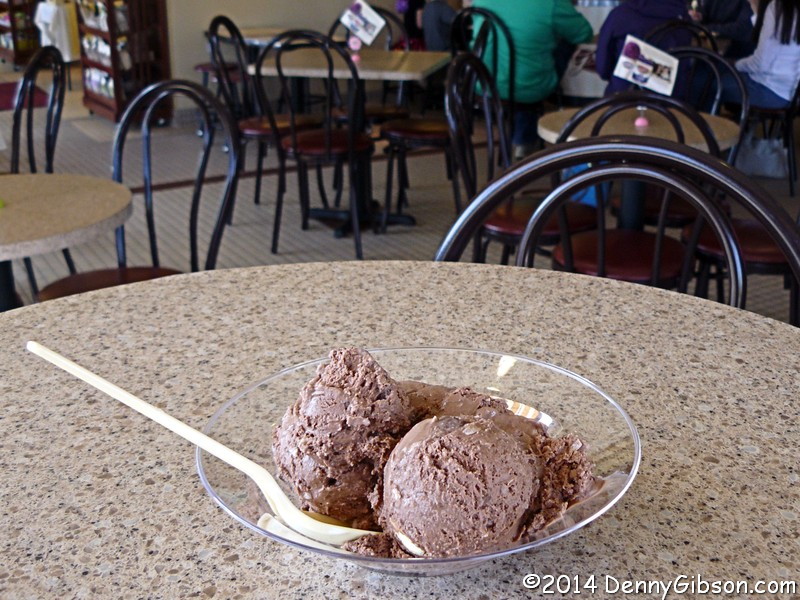
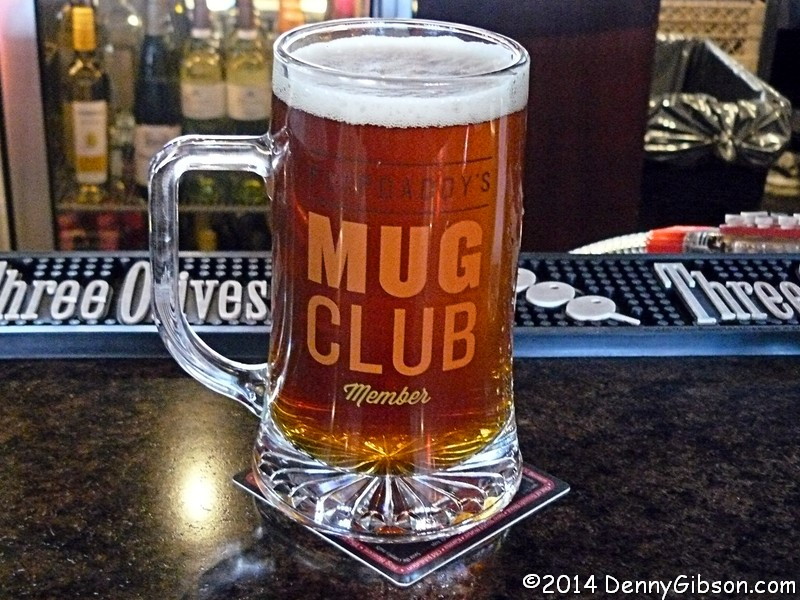
Flipdaddy'sGraeter'sSkyline ChiliMy plans for the rest of the day centered around doing nothing. It was a beautiful day, however, with temperature in the fifties so, as soon as I got home, I headed out for a walk. Within a few steps, I came to the realization that I could continue the celebration and not leave the neighborhood. Not only did I personally stay close to home, there’s hope that some of the money I spent will stay nearby as well. I made three stops and all were at regional chains based in Cincinnati. I started with a 4-way at Skyline, had Chocolate Coconut Almond Chocolate Chip for dessert at Graeter’s, then washed it all down with Mount Carmel Amber Ale at Flipdaddy’s. A birthday that was good to the last drop.

Book Review
Outside the Wire
Jim Ross

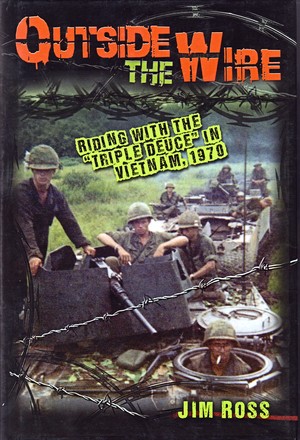
Outside the Wire coverThis book is different. It’s different from what I typically read and it’s different from what Jim Ross typically writes. It is also different from other Vietnam memoirs; at least I think it is. I’ve not read a ton of Vietnam memoirs so I can’t speak to that last point with any authority but I can try to explain why I believe it. In the more than forty years between the events told of in the book and the book’s completion, Ross wrote or co-wrote several other books and developed some formidable writing skills. That’s hardly all he learned, of course, but he somehow manages to keep most of those other things out of this book. In Outside the Wire: Riding with the “Triple Deuce in Vietnam, 1970, Jim Ross tells the story of a twenty year old kid, including the words and thoughts of that kid, with the skill of an accomplished writer and my sense is that that is a rare combination.

Not different is the basic story being told. Thousands of kids got drafted, trained, and sent off to Vietnam to shoot and be shot at. The details vary, of course. In Ross’ case, the shooting started with an M16 then he eventually became the man behind the 50 caliber machine gun mounted atop the armored personnel carrier to which he was assigned. Being shot at started with misdirected cluster bombs fired by US artillery then went on to include grenades, mortars, machine gun fire and other assorted projectiles from the other side. Even when the enemy wasn’t actively sending harmful things their way, the men had plenty to fear from the booby traps and land mines that were left behind.

I recall briefly questioning, early on in my read, how anyone could remember such detail through all those years but I soon realized that these are the sort of details that it is impossible to forget. Ross did some truly heroic things in Vietnam and he tells about them quite matter-of-factly. He also did some rather dumb things and tells about them just as matter-of-factly. That is not to say that the book is only a catalog of facts. Ross is as adept at describing his younger self’s emotions — plenty of fear and anger — as he is at describing the actions of a firefight.

Both friend and foe figure into that fear and anger. Being afraid of and angry at someone who is trying to kill you is pretty easy to understand but the soldiers on the ground also feared that the higher-ups would do something stupid and were justifiably angry when they did. From a four decade distance, it might be tempting to write about anger being directed at the safe-at-home politicians responsible for the war’s existence but that was rarely the case. For the most part, an enlisted grunt was concerned only with the decisions that affected his odds of staying alive for the next hour or day. Blame was rarely directed higher than the platoon leader. It only happened when it seemed that some big shot was padding his resume at their expense. After a particularly costly battle in tight quarters, Ross comments that:

Once again they had proven that mechanized infantry was always good for a sucker punch when shackled by terrain. It was as if we had brought a gun to a knife fight and still lost. Even though they had likely sustained greater loses, the psychological edge was theirs.

Several pages of color photographs help illustrate Ross’ words. These are not the artful photographs Ross fans are used to seeing in books like Route 66 Sightings. These are snapshots of soldiers taken by other soldiers. They no doubt help in visualizing what the words describe but the words need little help. The words paint vivid pictures. They are profane. They are the words soldiers use in profane situations and there is no more profane situation than war.

Ross draws no conclusion and does no preaching. What he does do is bring veteran skills to the telling of a rookie’s story. Well done.

Outside the Wire: Riding with the “Triple Deuce in Vietnam, 1970, Jim Ross, Stackpole Books, February 2013, 9.1 x 6.1 inches, 320 pages, ISBN 978-0811712224
Available through Amazon.

Chip Shot

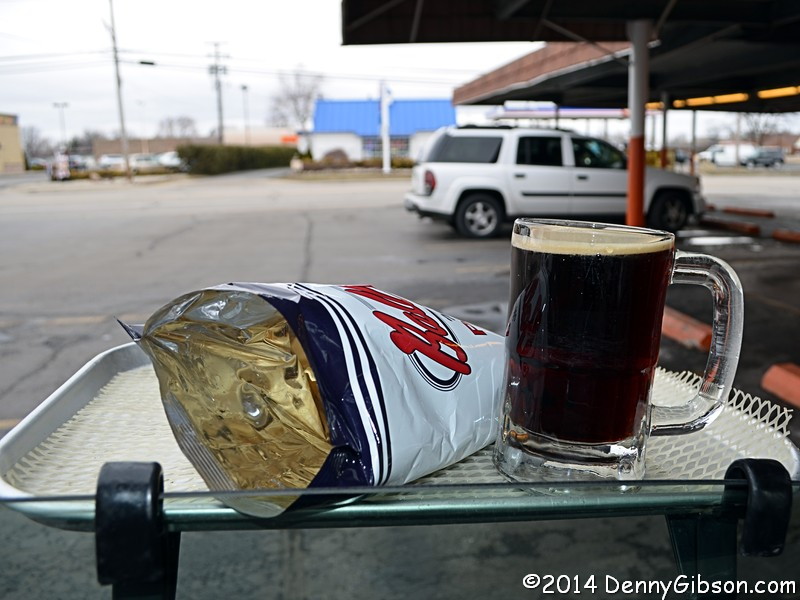
Ballreich chips & Jolly rootbeerMaybe I wouldn’t normally drive to Michigan just for a concert and maybe I wouldn’t normally drive to northern Ohio just for a potato chip, but at the trailing edge of a winter that has snow falling in the last week of March, either would have qualified as raison d’roadtrip. Together, they could not be denied.

As a child, I had a certain amount of fondness for the well-oiled curled-up and crunchy product of the long gone Star Potato Chip Company in nearby North Star, Ohio. There was also a brief period in my early twenties when I faced the risk of addiction to Mikesell’s Green Onion Potato Chips. Since then, although I’ve certainly eaten my share of chips and crisps and even those impostors that are neatly stacked in tubes, I’ve not had a favorite. I hadn’t really thought about it until a Jim Grey blog post made me realize that I lived in a state that was a legitimate “King of the Chips” contender. The post is here and well worth reading but the important point for me was that Jim, after some serious research, had picked two Ohio made chips as his favorites.

The musical part of the equation is that Willie Nile, who I’ve recently discovered I like a lot, would play his last concert before heading to Spain in Ann Arbor, Michigan. One of Jim’s picks is based in Tiffin, Ohio, which is, if you look at it with the proper motivation, right on the way to Ann Arbor. You could also look at it with the idea that, once you’ve driven to Tiffin, Ann Arbor is just a hop, skip, and a jump farther. Either way works for me.
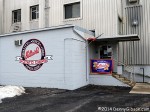
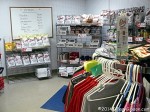
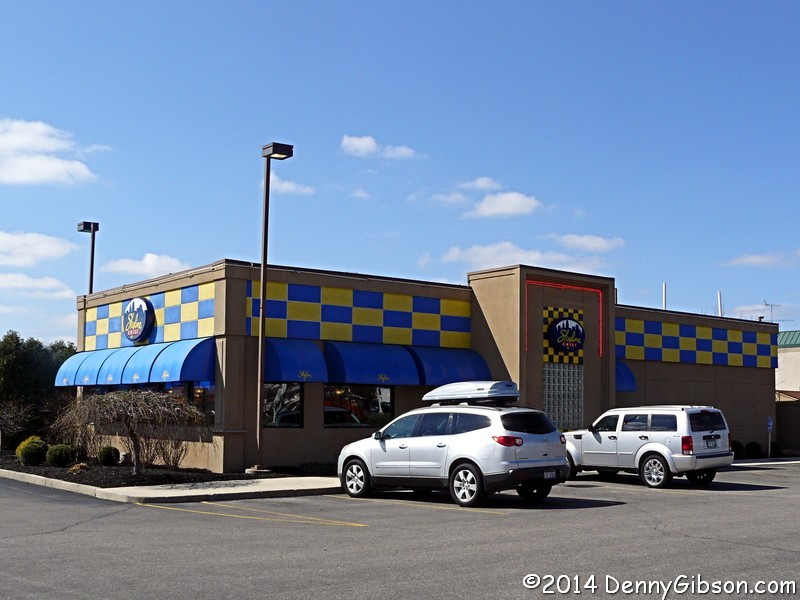
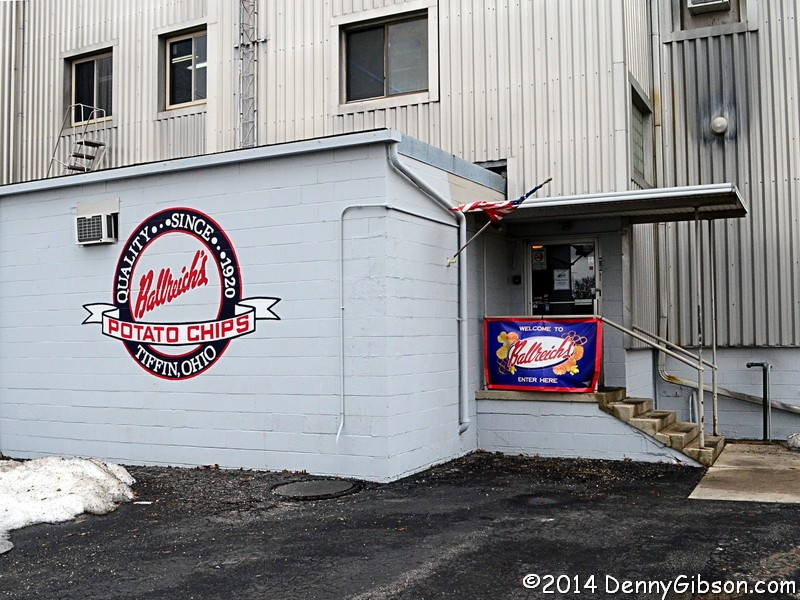
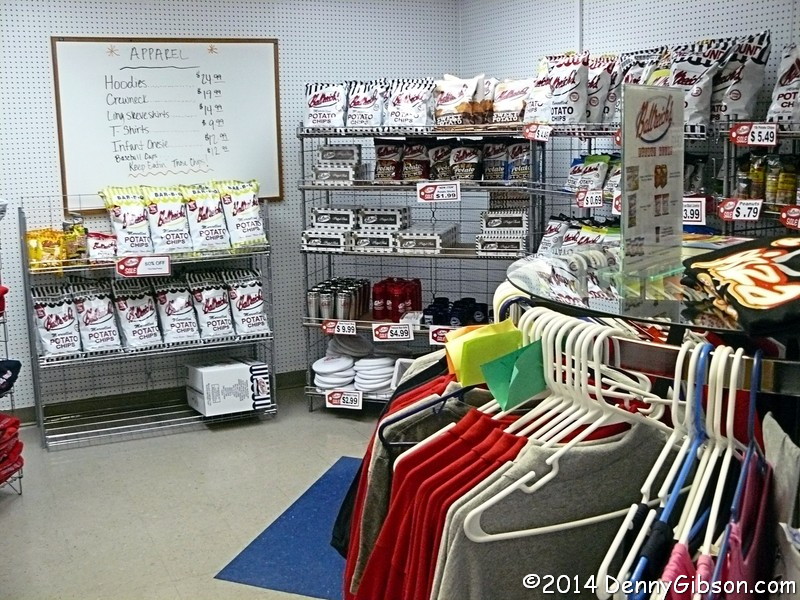
Ballreich chipsBallreich chipsI headed north on I-75 then left the interstate at Findlay to follow US 224 to Tiffin. If I had studied the history of Ballreich Brothers Inc. a little better, I wouldn’t have been surprised to find it in what is basically a residential area on the east side of town. Big buildings have been built and much equipment installed over the last 90+ years but the company remains located right where Fred and Ethel Ballreich started making potato chips in a copper kettle in their garage in 1920. Although the company store is open Monday through Friday during the Christmas season, the normal schedule is Friday’s only. Lucky thing that I was going to a Friday concert and even luckier that I checked in advance since I initially thought of stopping on the way home. In addition to all the company’s snack products, the store offers clothing, mugs, and other items bearing the company logo. I grabbed both a large and a small bag of the Original Marcelled chips and a big bag of sweet potato chips which were unexpected but immediately snagged my interest. I intended to also get a small bag of Sour Cream & Onion but another surprise, Salt & Vinegar, must have distracted me because I let the Sour Cream & Onion get away.
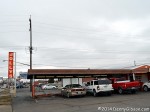
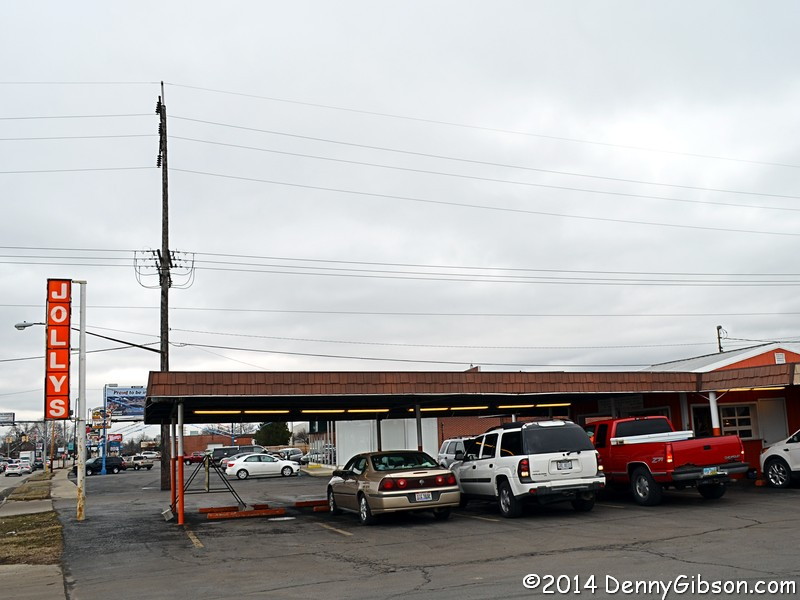
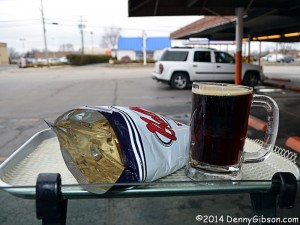
Jolly's root beer, Tiffin, OHI had forgotten that a Jolly’s Root Beer stand existed in Tiffin but instantly recalled the connection with the two in Hamilton, Ohio. The ones in Hamilton can be traced back to 1938 and founder Vinny Jolivette. This one was started by Vinny’s brother, Roy, in 1947. The stand surprised me but the fact that it was open — with temperatures in the 40s — surprised me even more. I’m sure the idea started to form as soon as I saw the Jolly’s sign and it was fully formed by the time I left the Ballreich company store. Rather than having my first Ballreich experience in the parking lot or as I drove out of town, I headed back to the drive-in and that’s how the photo at the top of the article came to be.

Even though I thought I knew what Jim was talking about with his dry chips and moist chips, it wasn’t until I chomped down on one of Ballreich’s beauties that I really understood. All the moisture and much of the flavor had disappeared from my chip supply so gradually that I didn’t consciously miss it. I do now, of course, but I fortunately live in Ohio and, even though Ballreich’s hasn’t reached Cincinnati yet, I frequently pass thorough places where they are supposed to be available. I’ll be OK.
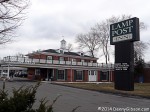
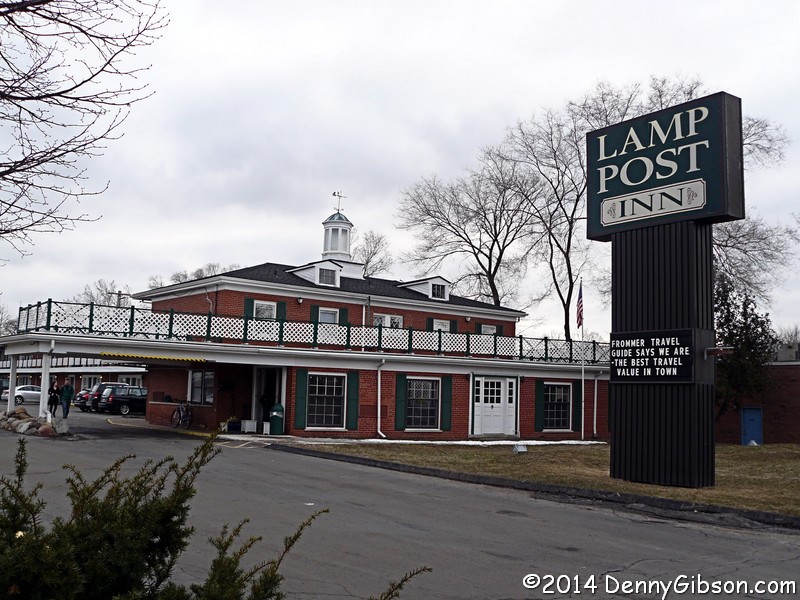
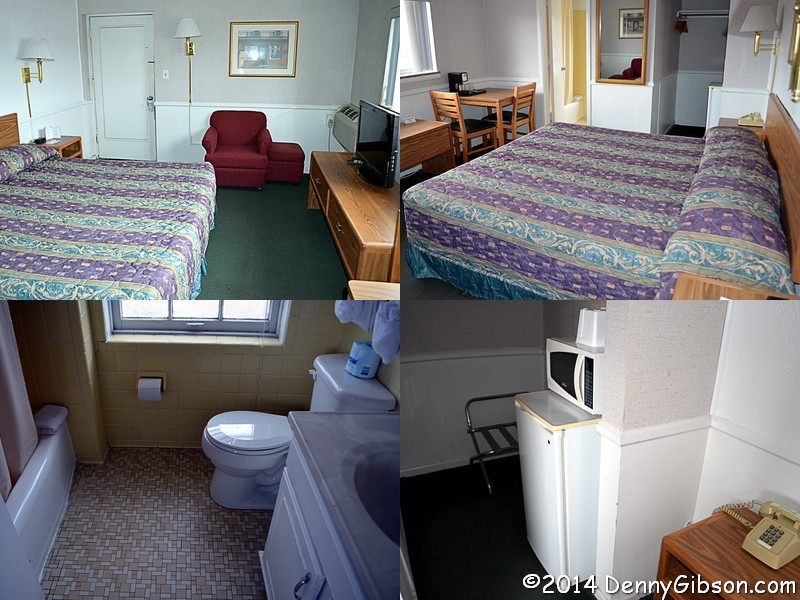
Lamp Post Inn, Ann Arbor, MII asked a couple Michiganers about independent motels in Ann Arbor and Ypsilanti resident, Russell Rein, reported that only one remained standing that he knew of. One was enough. The Lamp Post Inn had pretty good reviews, reasonable rates, and a very acceptable location. There is a peek inside my room here. The location became more than acceptable when I searched for Friday Lenten “fish fries” and found one within walking distance of the motel. I’ve made a habit of attending a variety of such events for the last few years and this year am planning on posting some sort of summary after Easter.
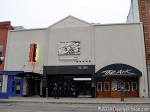
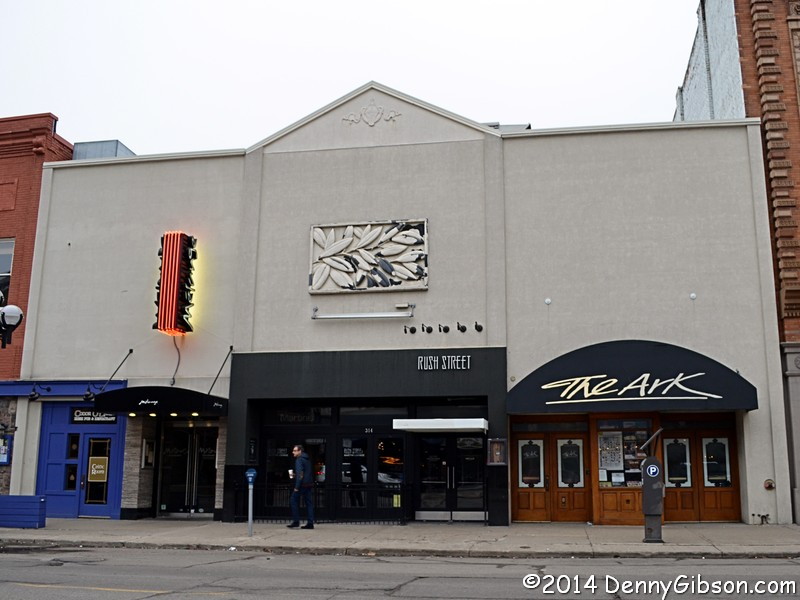
The Ark, Ann Arbor, MIThe concert venue, The Ark, was just a couple of miles away. It’s quite a nice place on the second floor of the building in the picture. I’m guessing that it seats no more than 300 and less than a third of those are reserved. I had been able to buy the last reserved seat because, as is often the case, few people want a single seat. Overall, the show was close to being sold out but not quite.
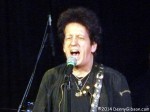
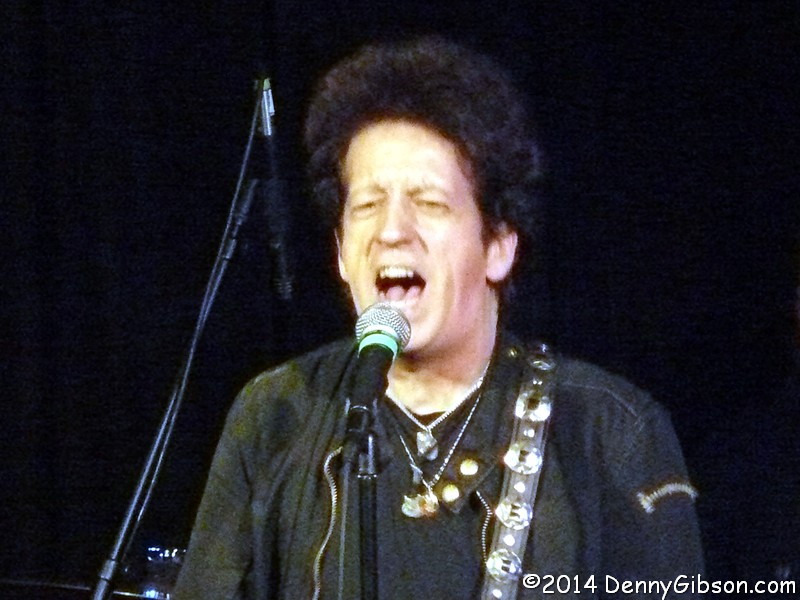
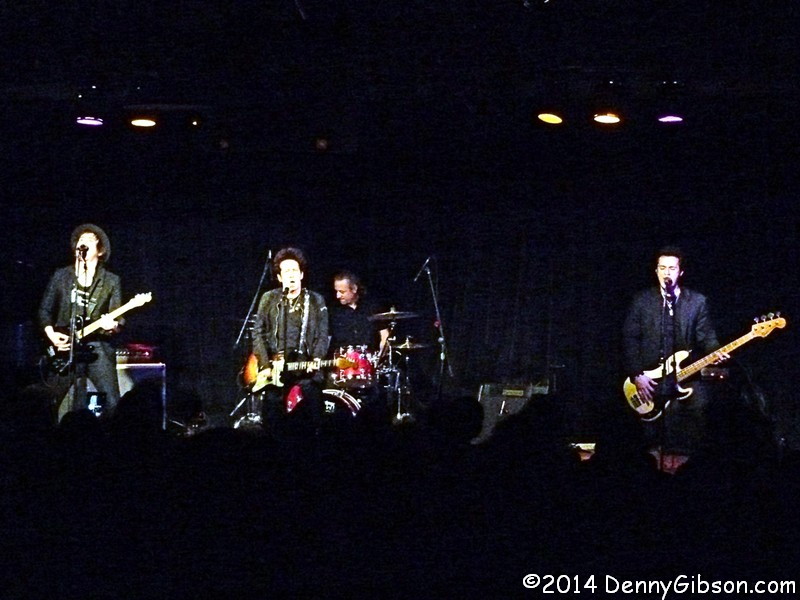
Willie NileI bought a Nile CD, Places I Have Never Been, at that impressive concert in Newport, Kentucky, in February (my post here) then ordered American Ride online. Those two CDs, one more than twenty years old and the other less than a year old, went into heavy rotation in the car. I was becoming quite a fan and thinking I’d like to see another show now that I was a little better prepared. The Ann Arbor show was not only the last in the States for awhile, it was also the closest. Every time I listened to one of those CDs, I would be ready to make plans as soon as I got home. Then some time would pass and I would talk myself out of it. Eventually I listened to Willie Nile and read about potato chips on the same day.

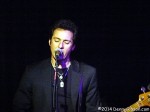
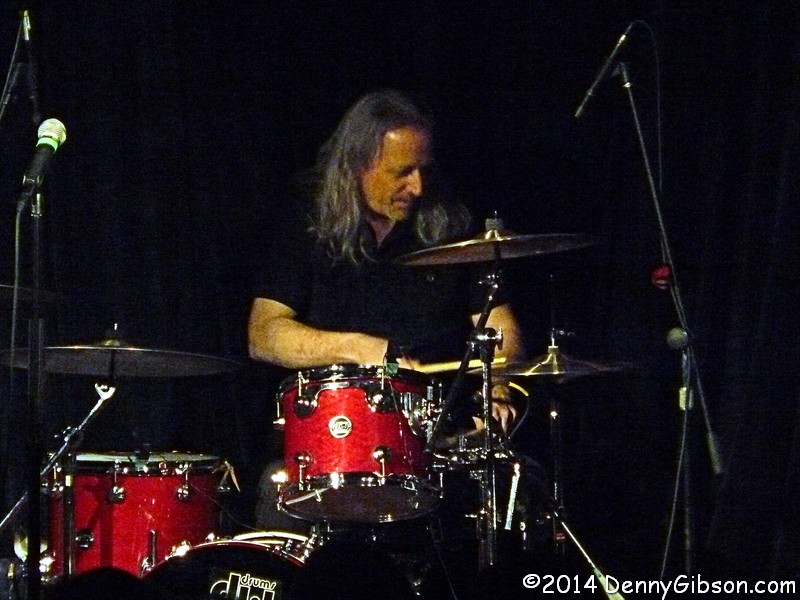
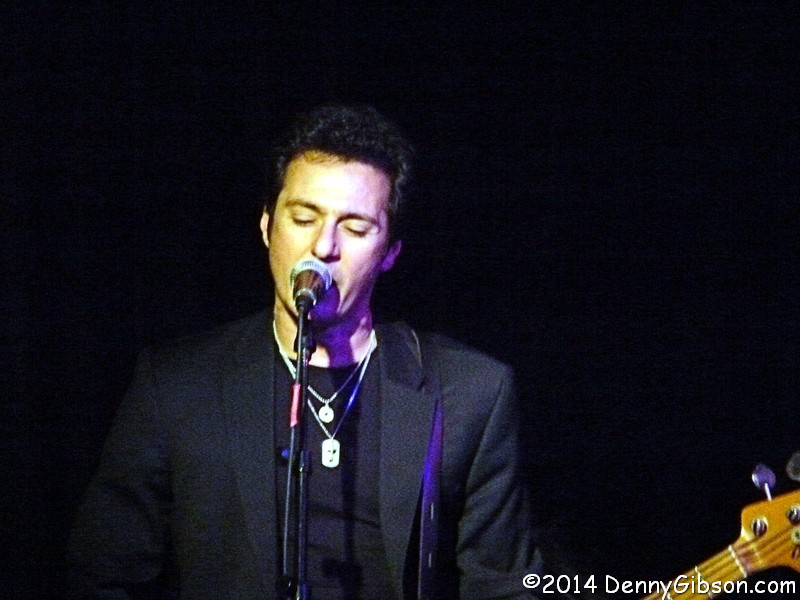
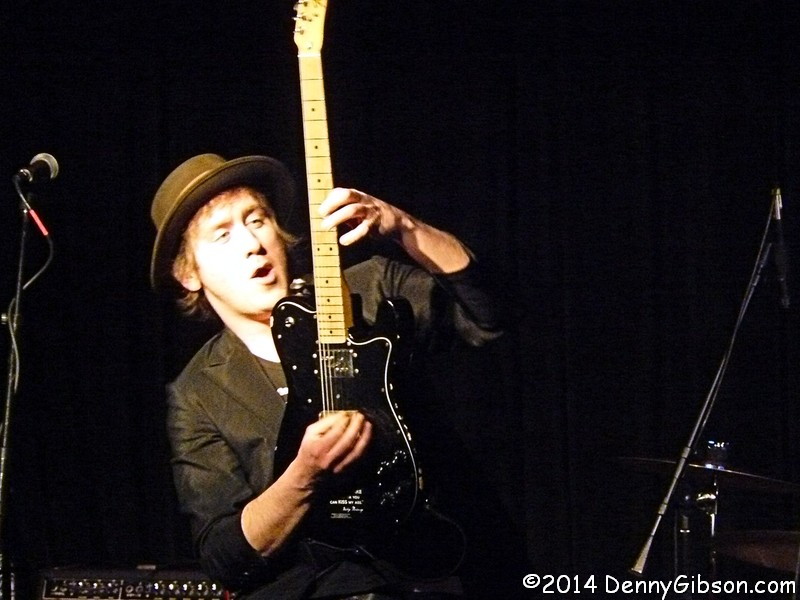
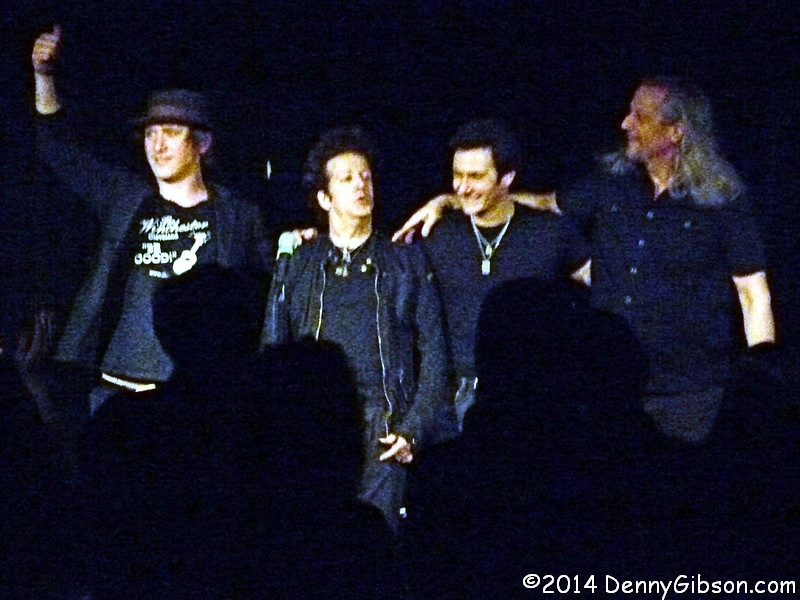
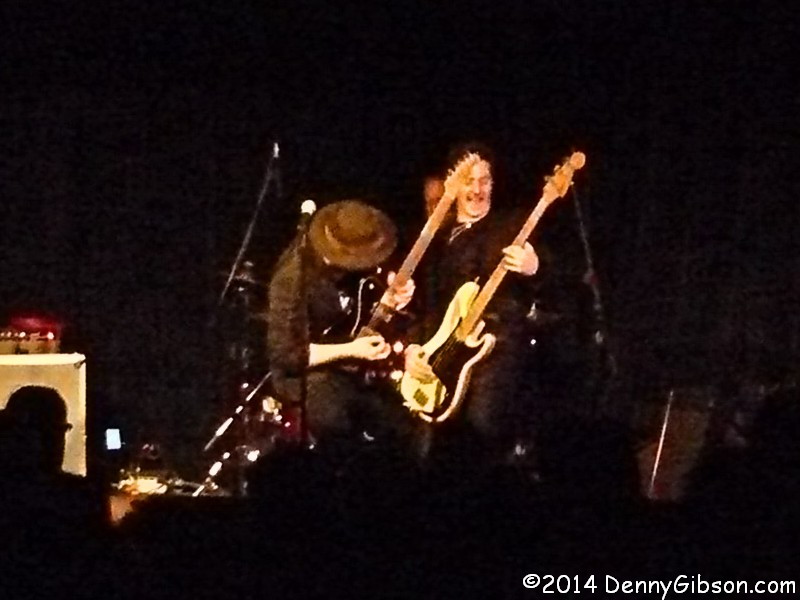
Larry BeersJohnny PisanoMatt HoganThe lineup was the same as it had been in February. Guitarist Matt Hogan and Bassist Johnny Pisano had a little more room than they had in Newport and used it. They certainly had not stood still at the earlier show but here they were just a little showier and they also teased each other a little more. A picture here is just a hint at how much fun they were having together. I’ve read that Alex Alexander has played at least some of the shows since Newport but not this one. I’d kind of like to see the group with him sometime but I sure can’t complain about the job that Larry’s doing. I claimed to have forgotten his last name when I wrote about the concert in Newport but now I have to think that I never heard it properly. Beers! How could I forget the name Beers? Larry Beers is the name and top notch drumming is his game.
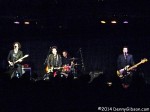
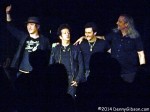
Willie Nile bandWillie Nile bandWillie is now off to tour Spain but will be back in the US in May. There is currently nothing very close to me on his schedule but I’ll keep watching. I’ve a lot of catching up to do.

P.S., The sweet potato chips are excellent.

windshield chipADDENDUM 2-Apr-2014: I don’t know how I missed this obvious title connection when I wrapped up this post Saturday night. Earlier in the day, as I left Columbus in traffic, I heard a now familiar clack and soon located this crater in my windshield. “Chip shot” indeed!

Music Review
Sweatshop Pinata
Dirk Hamilton & The Bluesmen

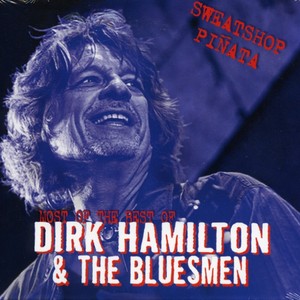
Sweatshop PinataThe album’s full title is Sweatshop Piñata: Most of the Best of Dirk Hamilton & The Bluesmen. If that means there may someday be another album with the rest of the best of Dirk Hamilton & The Bluesmen, I’m in.
Dirk has a sizable fan base in Italy and has spent part of many summers touring there. For the last few years, he has done that in the company of an Italian band called The Bluesmen. A portion of the 2005 tour was captured and made available as a CD and DVD package titled Sometimes Ya’ Leave the Blues Out on the Road. Now they’ve got a studio album with no road involved at all. That 2005 recording included some Dirk Hamilton compositions, a few covers, and a few tunes that Dirk co-wrote with The Bluesmen’s guitarist, Roberto Formignani. The international collaborations were essentially made up of Hamilton’s lyrics and Formignani’s music. That’s the arrangement on every song on Sweatshop Piñata except two where keyboardist Massimo Mantovani also contributed. This is hardly the first time Dirk has collaborated with others. There are plenty of examples of him co-writing songs with guitarist Don Evans or bassist Eric Westphal. This is, however, the first time he has collaborated on an entire album and it is also the first time he has done an album of all blues.

None of that, of course, keeps Dirk from doing some lyrical ear tickling. On The Collector, one of the most hard core blues tracks on the album, the list of things collected starts with “Mojos, yo-yo’s, maybe butterfly wings”. Two of my favorite lines come from the short and funky “Baby Take A U-ey”. When he asks for rent money, it is because “My bullfrog wouldn’t like it if we had to move again”. Then he warns folks at his funeral not to cry and instructs them to “Just chisel on my tombstone, ‘He came, he sang, he died’”. Unlike some Dirk Hamilton offerings, there is nothing at all political here. There is some social commentary (I’d be disappointed if there wasn’t.) but it all concerns individuals like the aforementioned “collector” or the empty headed target of “Automaton Town”.

Good lyrics and good music deserve good execution and they get it. Formignani’s often biting guitar is up front on almost every track. Mantovani takes the lead a little less often than Formignani but he is never hiding. He makes major contributions to most cuts on piano, organ, or both. He also arranged the horns that appear on several tracks. Roberto Poltronieri (bass) and Roberto Morsiani make up the talented rhythm section.

The mention of horns might make you think this album has a big sound. It does. Instrumentation is an area where there is some real contrast between this and Dirk’s preceding album. That album, solo mono, was a true solo effort with nothing but Dirk’s voice, guitar, and harmonica. Oddly enough, one song appears — and sounds good — on both. Assuming a specific meaning for a Dirk Hamilton lyric is never a safe thing to do so I may be way off on this. On solo mono, “Where are all the Rebels?” has lots of nice guitar work and plenty of harmonica. The harmonica supplies a touch of melancholy. To me, Dirk seems to be mourning the disappearance of those 1970s rebels. The Sweatshop Piñata version is faster. The harmonica and acoustic guitar are still there plus there is an electric guitar with some serious tremolo now and then, driving drums, piano AND organ, and a banjo! This time, I feel like Dirk just might be challenging those vanished rebels to come out and make some noise with him again.

I love them all but it’s a fact that some of Dirk’s offerings are a little tough to classify. Not so this one. Sweatshop Piñata is solid mainstream blues. I’ve mentioned that I’ve never seen Dirk live with a full band. My dream is still to see Dirk, Don, Eric, and Tim (a.k.a. The Dirk Hamilton Band) somewhere sometime but seeing a long tall Texan fronting a bunch of Italians at a Mississippi delta blues festival might satisfy me for awhile.

This and other Dirk Hamilton CDs can be purchased here.

My review of solo mono is here.


Technical problems resulted in the posting of this review being delayed one day to a Thursday rather than Wednesday.

My Wheels — Chapter 10
1964 Corvair

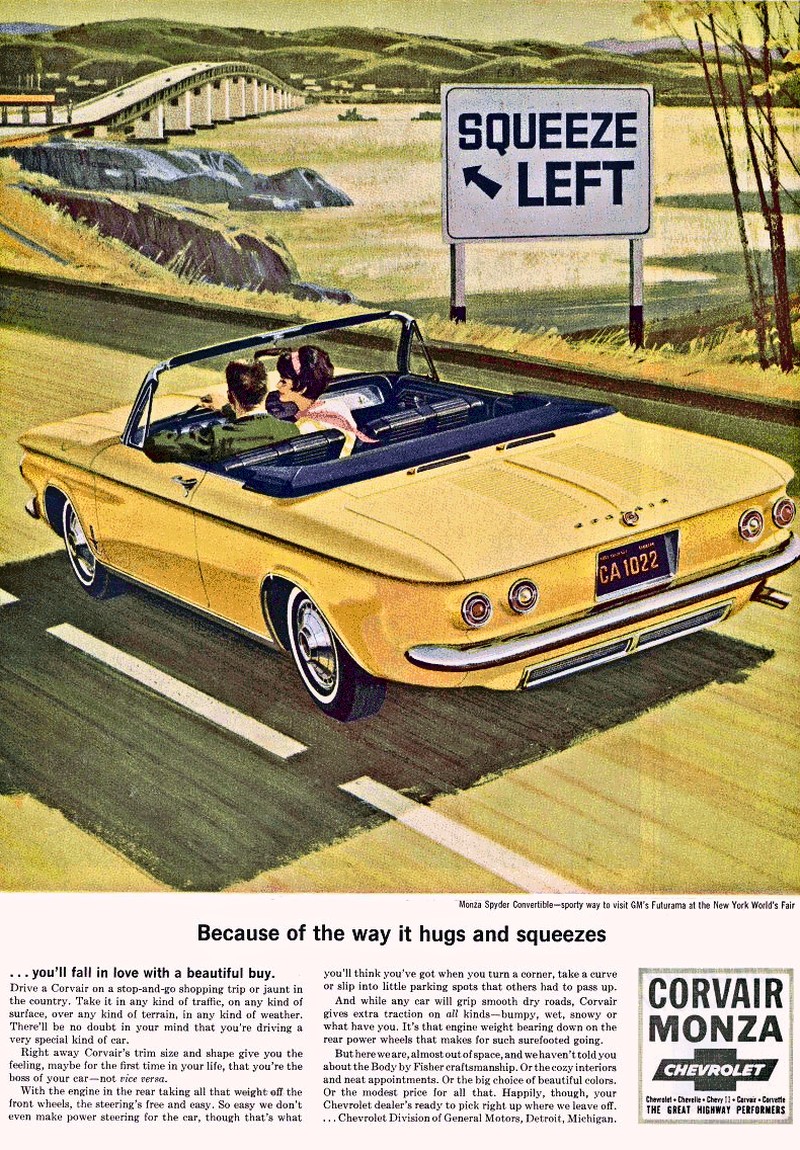
1964 Corvair adThe replacement for the ten year old Austin Healey was a three year old one owner Corvair. I really can’t remember where the money came from for this major upgrade. Possibilities include a “distribution” from my grandparents like the one that enabled my sister and me to buy that 1959 Chevy or some money from my wife’s family. It is for certain, though, that we didn’t buy it with money saved from the wife’s secretarial earnings or my halftime co-op job.

Our 1964 Monza, with 110 HP engine and 4 speed manual transmission, looked pretty much like the car in the ad at right. Although seat belts were showing up quite a bit in the first half of the 1960s, they were not required in new cars until the 1965 model year so that the double entendre of the ad was perfectly legit even if it was’t exactly responsible safety wise. The car remains one of my all time favorites. It looked great, was fun to drive, and even handled snow better than most cars of the day.

It’s tough to write more than a paragraph or two about the Corvair without mentioning Ralph Nader. There is a common misconception that Nader’s 1965 book, Unsafe at Any Speed, killed the Corvair. The marketplace killed the Corvair. Americans just were not ready to embrace the unconventional rear-engine design. On the other hand, Nader’s criticism of the car’s handling had some basis in fact. The earliest Corvairs had no front stabilizer bar. To compensate for most of the weight being in the rear, Chevrolet specified a huge difference between front and rear tire pressure (15 PSI front, 26 PSI rear). In practice, that unusual specification was probably not adhered to very well. It didn’t even apply to my car since, for the 1964 model, a front stabilizer bar and transverse-mounted rear spring were added. The suspension was completely redesigned for 1965.

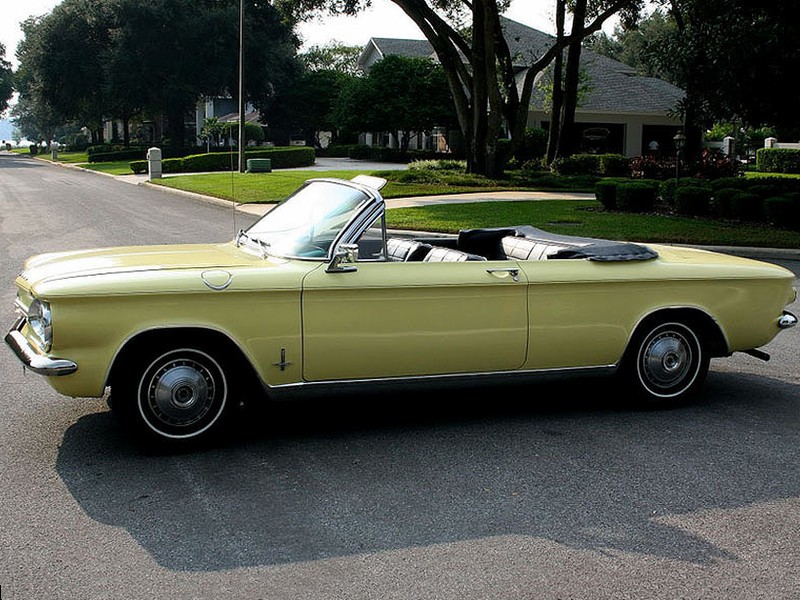
1964 CorvairThat’s not our car in the photo but, with the possible exception of that chrome trim around the gas lid, it could be. I believe we had the Corvair for about two years and during that time the incompatibility of our small and spotty paychecks with the need to eat and pay rent became rather clear. This was the car I drove to my first full time job and it was on the way to that job one morning that I tested the car’s crumple zones.

I was the third car on the I-75 entrance ramp when the lead car started to accelerate for the merge. I looked at the traffic on the expressway and decided there was a sufficient gap for all three of us. When I turned my attention back to where it should have been, I discovered that the lead car had decided that there wasn’t even enough room for one of us and stopped. Car #2 hit car #1 just a moment before car #3 (me) hit car #2. I don’t know if either of the other drivers was charged with any thing or who paid for their damage. I wasn’t and didn’t. After looking things over and talking to everyone, the policeman handed me a citation listing my offence as “having an accident”. There was no fine or other penalty and I was responsible only for the damage to my own car. That was enough.

The badly wrinkled car was soon sold. Normally that might be the end of the story but I sold this car to a friend and it wasn’t just any friend, the buyer was Dale, the lifelong buddy who has appeared in other posts including the Whizzer and the 4CV. I contacted Dale and got a bit of a memory refresher. The yellow Corvair made it to Darke County where it was fitted with the front end of a non-running green Corvair (1960 I think) that Dale already owned. The front end was painted to match and Dale drove the car to St Louis where he then lived. A blown head gasket revealed itself on the trip. “…about gassed us out”, Dale remembers. “Bad headache for a couple days.” In St Louis, he got a cylinder from a junkyard only to find that the replacement would not clear a crankshaft counterweight. So Dale, “with hacksaw in hand, made a relief in the cylinder and it worked.” Ah, those were the days.

Dale drove the car for quite awhile including a year or so around northern Indiana’s Fort Wayne. Dale’s green Corvair had a gas heater. There was a little burning odor and people looked at the car warily when they first heard the heater burning off excess gas after the engine was turned off but it sure worked good for keeping you warm. 1963 was the last year for the gas heater, even as an option, so the yellow ’64 had only “direct air” heat. Dale’s last comment on the yellow convertible sums it up pretty well, “Sure was a fun car but a crappy heater.”

Previous Wheels: Chapter 9 — 1965 Honda 65
Next Wheels: Chapter 11 — 1967 Dodge

Book Review
The Narrow Road
John Jay Abbott

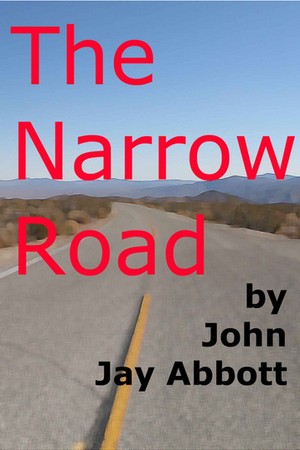
Narrow Road coverThis book could be called a near opposite of the one in my most recent review. That one contained lots of information and was well researched but not so well written. The Narrow Road: An Adventure on the Lincoln Highway tells me little that’s new and involved almost no research but is fairly well written. Yes, I do have variety in my reading.
I’m sure no one will be surprised to read that I sometimes visit Amazon and type “Lincoln Highway” into the search box. I used to do it to see if there was anything new that I hadn’t heard about but recently I’ve been doing it to see where my own book appears. The Narrow Road popped up in the search results and was not only “something new that I hadn’t heard about”, there were similarities between it and my book, By Mopar to the Golden Gate. Abbott’s book was published on December 17, 2013, mine on December 27, and both were travelogues of full length drives of the Lincoln Highway during its centennial year. Abbott lived far from the coasts, in Springfield, Missouri, so that, like me, he had to start his journey with an eastbound drive to New York City and end it with an eastbound drive back home. Beyond that, however, the similarities peter out quickly.

Abbott knew next to nothing about the Lincoln Highway before setting out to drive it. He was between jobs but had a little money in the bank. The recent death of his mother left him with no obligations and a cross country drive seemed like just what he needed. He more or less stumbled on the Lincoln Highway when he started looking for a route to connect the east coast with Route 66 which he knew about not only because of its own fame but because it ran through his home town. I think the coincidence of the Lincoln Highway’s 100 year anniversary and his own opportunity to run free for a bit clinched the decision to follow this newly discovered piece of history. He explains, “I didn’t go with any preconceived ideas. I learned just enough about the route to find my way.”

Amazon’s description of the book includes “…a travel narrative in the tradition of Travels with Charley“. I don’t doubt that’s what Abbott was going for but Steinbeck had a couple of decades of living and a shelf full of best sellers on the forty-three year old so that his “careful reflection and discovery” (also part of the Amazon description) ran a little deeper and carried a little more weight. One bit of discovery that, at least in my opinion, Steinbeck and Abbott share is the discovery that they don’t really like road trips. Neither says this, of course, but neither seems to be having the time of their life during their journey. I reviewed another book in the Travels With Charley tradition, Long Way Home, last year and the writer of that one, Bill Barich, seems to enjoy his trip a lot more than either Abbott or Steinbeck.

Steinbeck had no practical limits on time or money. Barich definitely did. Abbott’s time might not have been limited itself but his clearly restricted budget did certainly limit the amount of time he could spend running around with no income. Restaurants and motels were luxuries. Abbott ate a lot of canned fruit and peanut butter. He camped quite a bit and spent several nights sleeping in the homes of people contacted through a website. Both the camping and the home sharing contributed stories.

When Abbott left home, he was committed not only to the full coast to coast road trip but to producing a book about it. That commitment may have made him a little more observant and definitely kept him on the lookout for subject matter. More than once he noted that an encounter provided “something worth writing about”. Things observed and people encountered are written about and are sometimes used as launch points for essays on whatever enters Abbott’s thoughts at the time. None of the observations are particularly enlightening or the essays especially insightful but I enjoyed them — largely, I think, because they were quite different than my own observations and essays on a very similar trip. I believe this was Abbott’s first big road trip and I suspect part of my enjoyment of the book came from telling myself that some of Abbott’s thoughts were the thoughts of the typical first timer.

In the first paragraph, I described this book as “fairly well written”. I added the “fairly” qualifier because the writing, while extremely literate, has some issues. Or maybe it just has one issue. Abbott doesn’t exactly repeat a thought but neither does he let go of one easily. There were times when the same thought was expressed in so many different ways that I wondered if it might be some sort of writing exercise.

The Narrow Road: An Adventure on the Lincoln Highway, John Jay Abbott, December 17, 2013, Kindle ebook only, 388 KB, ASIN- B00HESQC2G
Apparently no longer available.

Is Paddy Out Of Step?

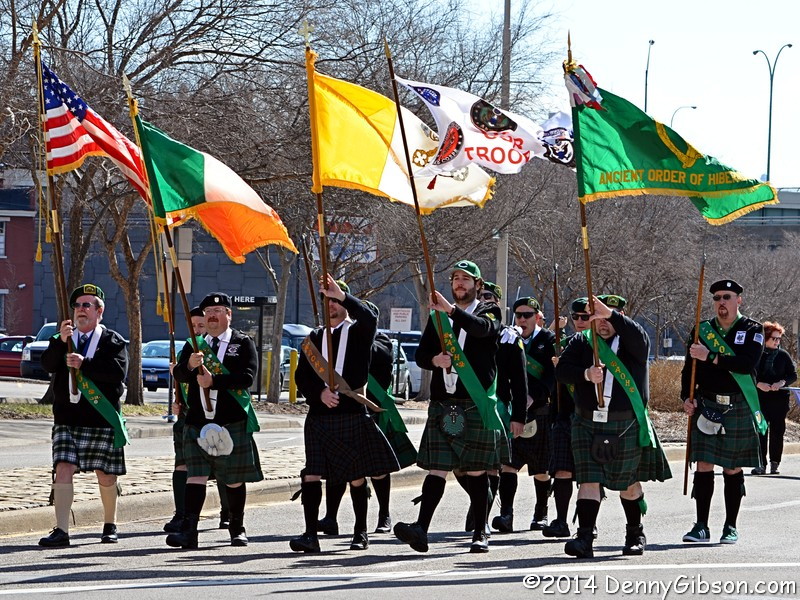
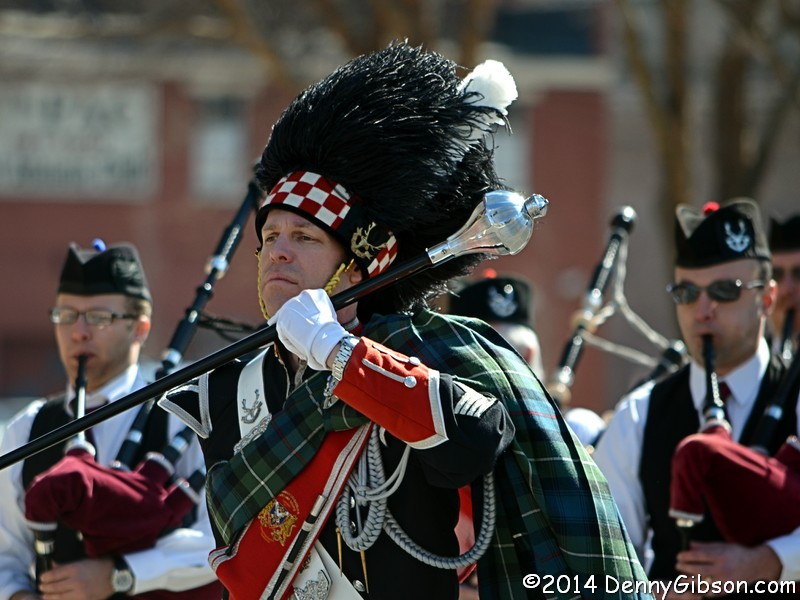
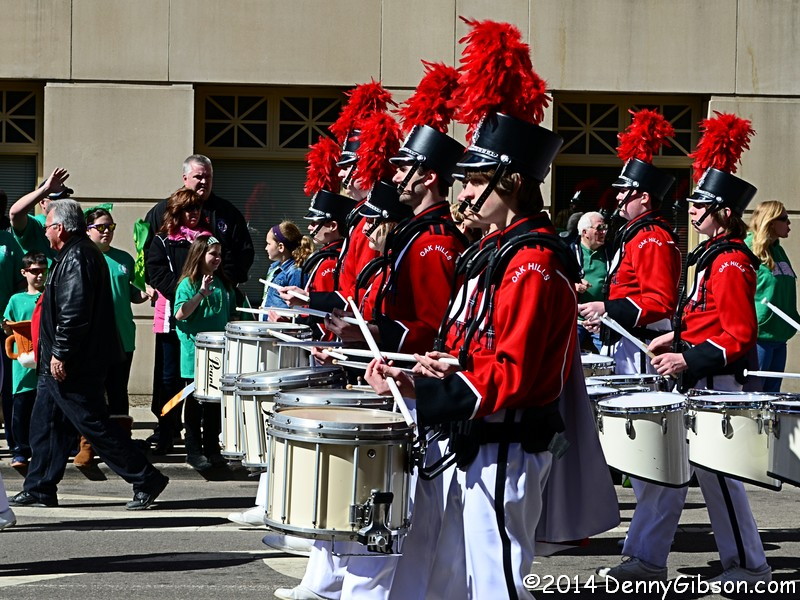
Cincinnati St Patrick's Day ParadeCincinnati’s Saint Patrick’s Day parade has never been about precision marching. Oh, there are pipe & drum corps that step quite sharply and high school band directors who try to get their charges to all put their left foot forward at the same time but the general atmosphere has typically been one of slightly sloppy fun rather than of practiced drills. Now, however, the parade itself seems to be out of step with most of the country.

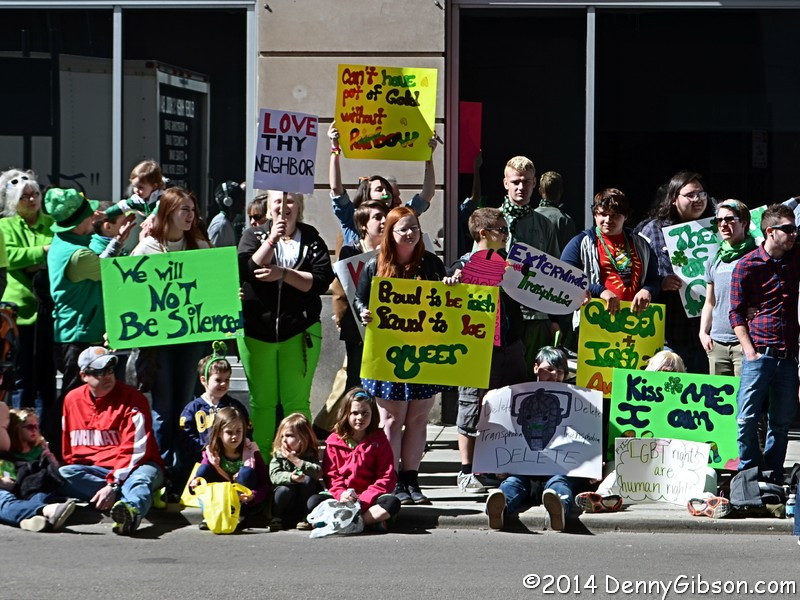
Last year Cincinnati made discrimination illegal at any event receiving financial support from the city but it also stopped the practice of absorbing much of the cost (police, cleanup, etc.) associated with the parade. One result was that the local chapter of the Gay Lesbian & Straight Education Network (GLSEN) had their application to participate in the parade denied. There were claims that the denial was due to the group failing to follow rules when they marched in the previous year’s parade but the violations were never exactly specified and not many are buying into the claim. A direct result of the application’s rejection was the boycotting of the parade by several officials and politicians who were scheduled to be part of it.

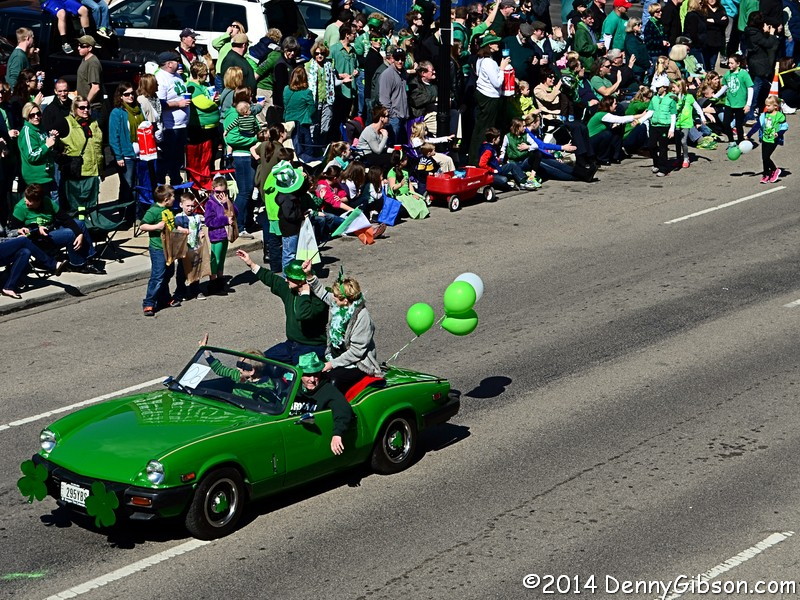
Cincinnati St Patrick's Day ParadeThis year the Cincinnati St. Patrick Parade Committee denied no applications and no politicians boycotted the parade. Reverting to what they had done sometime in the past, the committee accepted no applications and the parade was filled by invitation only. Other cities weren’t so clever. Organizers of the Boston parade turned down an application from a gay rights group named MassEquality and that led to a boycott by the city’s mayor and a number of other politicians. It also prompted Boston Beer Company, which operates brewing facilities in Cincinnati, to withdraw sponsorship for the parade. For similar reasons, Heineken dropped its sponsorship of New York City’s parade which was also boycotted by the mayor. Cincinnati’s preemptive “you can’t boycott ’cause you’re not invited” move did keep protesters at Saturday’s parade to a quiet and well behaved few. It also caused at least one parade goer to think about the whole Saint Patrick’s Day thing in a different way than ever before.

I first likened the recent events to some sort of bait and switch but soon realized it’s not like that at all. The parade organizers did not create some bit of revelry then take it away. In Cincinnati, the parade has always officially been a “religious procession”. It was the attendees who created the “everybody’s Irish” and, without actually saying it, “everybody’s Catholic” lore. I’m undecided but maybe, if the Catholics simply want their parade back, I’ll let them have it. I’ve a year to decide.

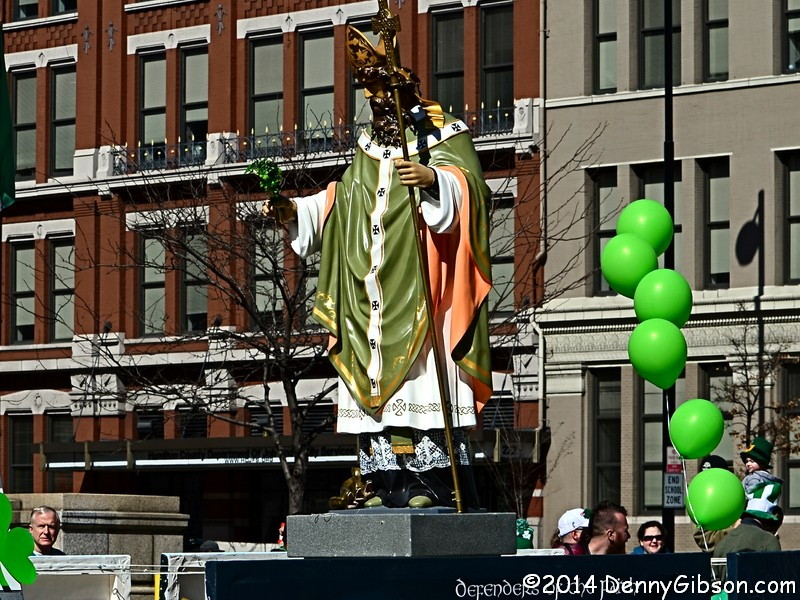
Cincinnati St Patrick's Day ParadeCincinnati St Patrick's Day ParadeCincinnati St Patrick's Day ParadeThis year’s parade had all the normal entries including the statue of Saint Patrick borrowed from some church. It also had really nice weather which is not always the case.

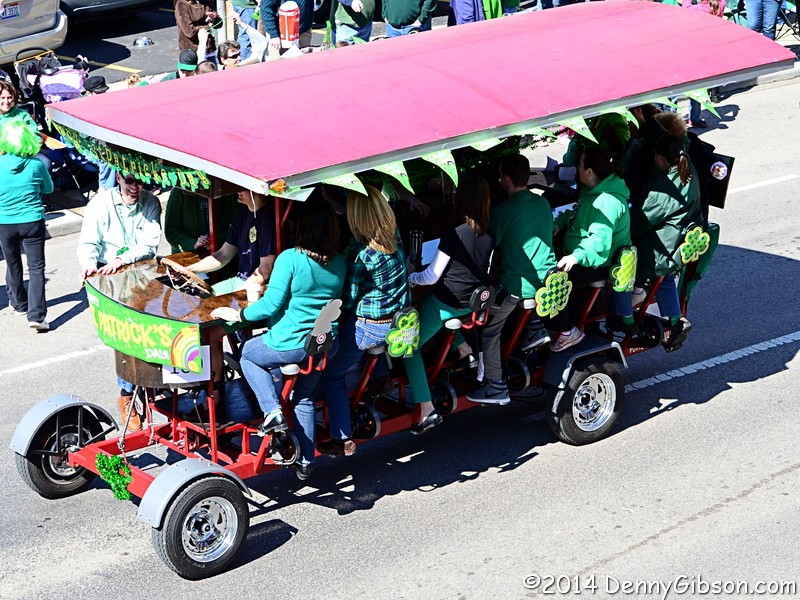
Cincinnati St Patrick's Day ParadeCincinnati St Patrick's Day ParadeI grabbed a couple of overhead shots from atop the same garage as last year. The second picture is of the Pedal Wagon, a human powered arrangement of mobile bar stools. It can be rented by anyone wanting to put the “crawl” back in pub crawl.

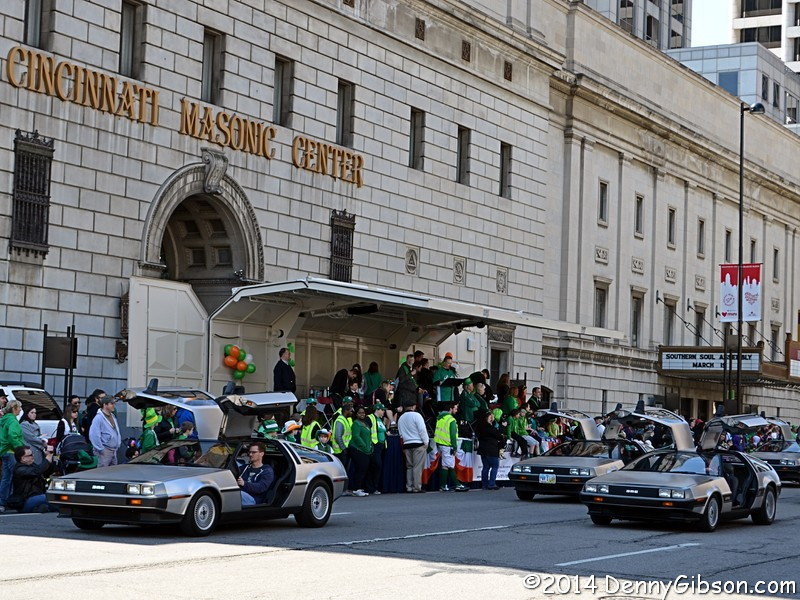
Cincinnati St Patrick's Day ParadeThe reviewing stand was near the end of the parade route and that’s where I caught the Delorean Club of Ohio. I counted fifteen cars this year. There are other Saint Patrick’s Day parades in Ohio, including one in a city named Dublin, but Cincinnati is where the state’s population of these Irish built cars come to show off. That has to be an endorsement of some sort.


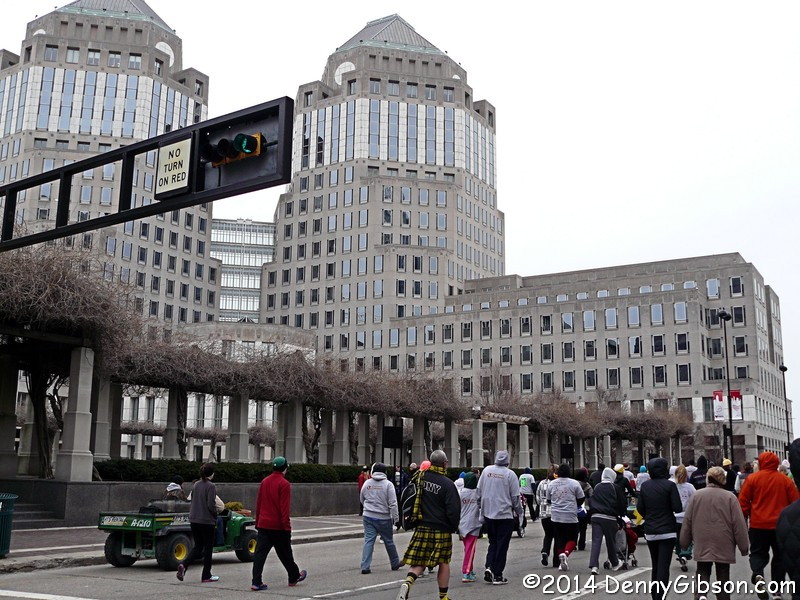
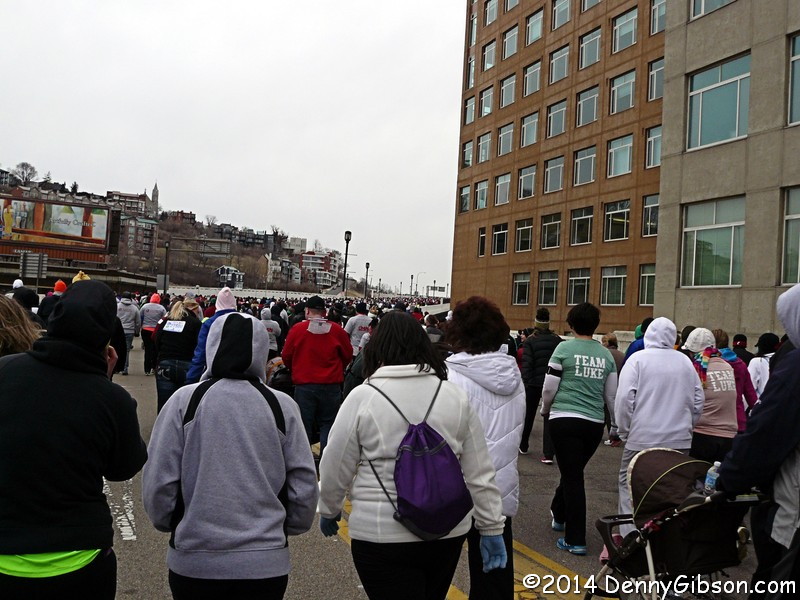
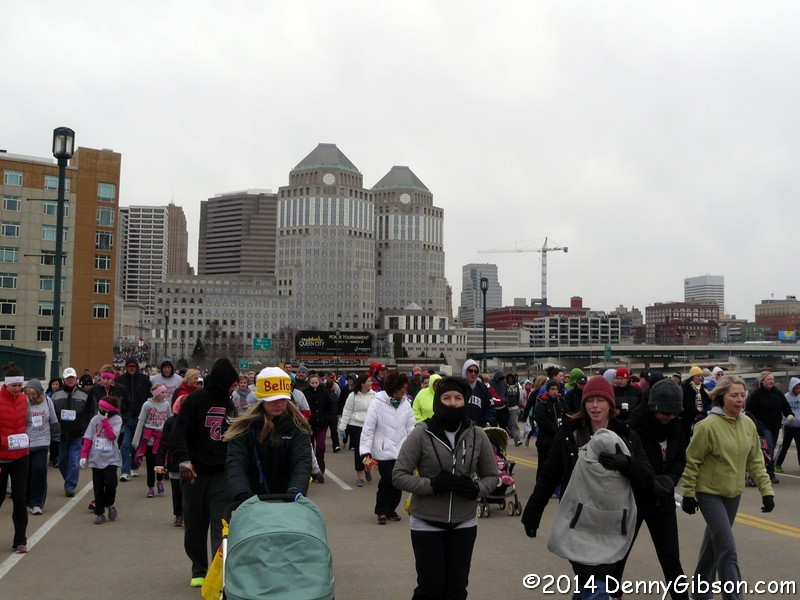
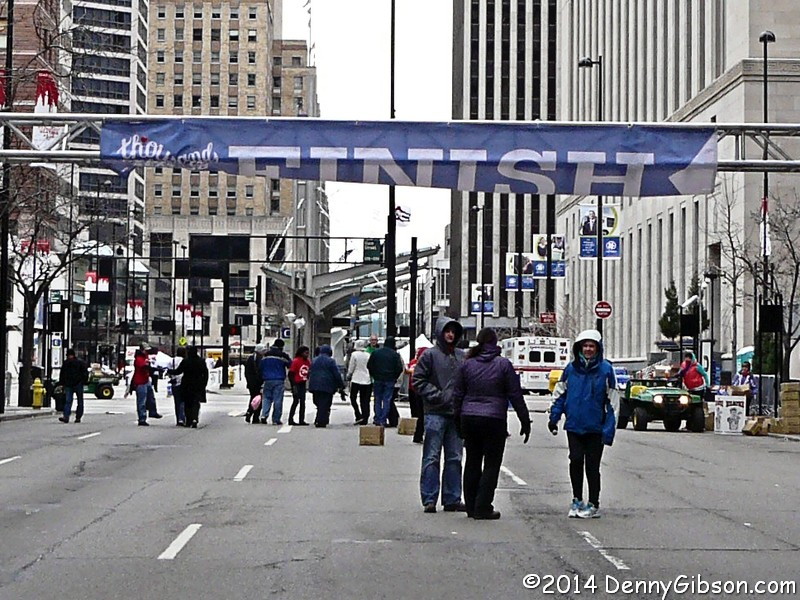
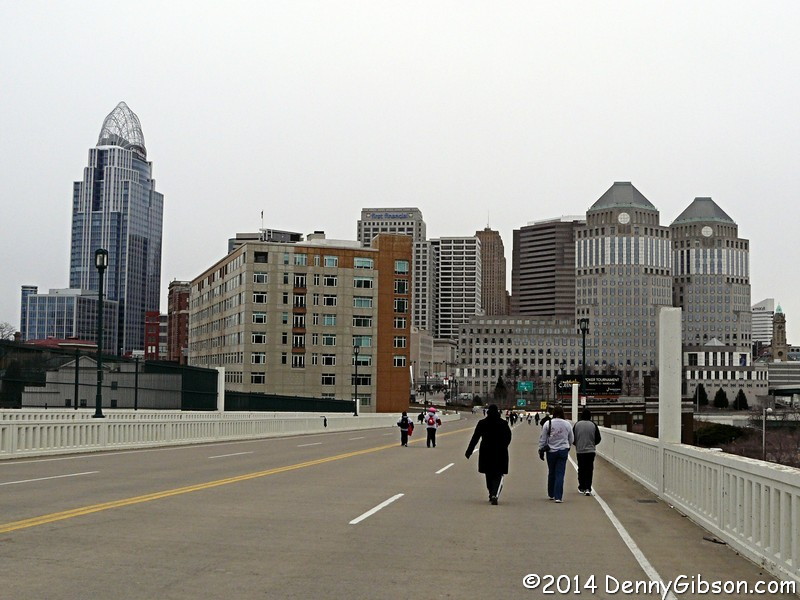
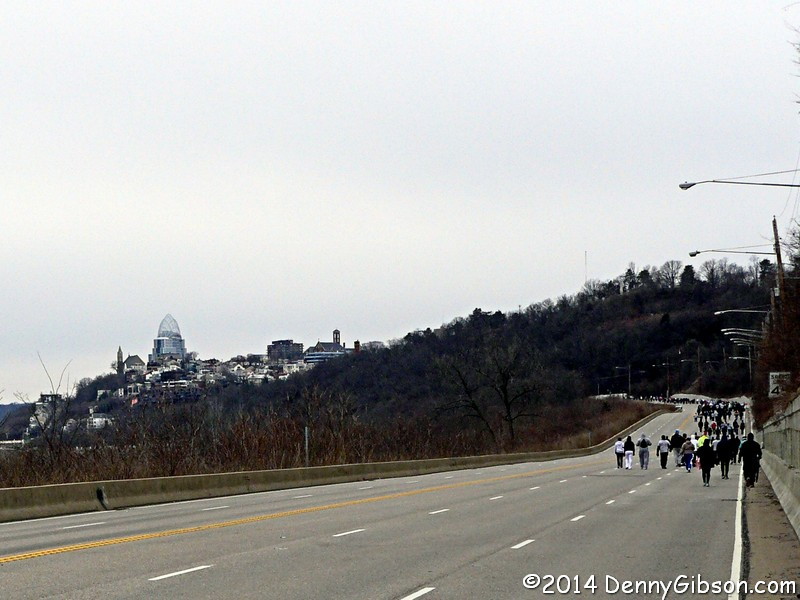
AHA Heart MiniAHA Heart MiniAHA Heart MiniThe parade was Saturday. I was back downtown on Sunday for the American Heart Association Heart Mini consisting of a 1/2 marathon and several other events. One of those other events was a 10 K walk which I participated in. From near Fountain Square, we walked east on 5th Street  continued on Columbia Parkway, then turned around and walked back.

AHA Heart MiniAHA Heart MiniAHA Heart Mini10K is about six miles which put the turnaround about three miles east of the heart of the city. A 5K walk started at the same time so things were pretty crowded leaving downtown. 5K walkers were definitly in the majority and things thinned out quite a bit at their turnaround about a mile and a half out. I started near the middle but was very near the back at the finish. I typically walk around 3 MPH and that’s about what I did Sunday finishing in slightly over two hours. Most people obviously moved a little faster than that.

Hurrah for Cosmos

Cosmos: A Personal VoyageBack in 1980, Dr. Carl Sagan wrote a book called Cosmos as a companion to a TV series named Cosmos: A Personal Voyage which he co-wrote and “starred” in. I watched the series and read (and still have) the book. Sagan was a smart guy and a darned good communicator. In the book and the program, he set out to share the scientific community’s knowledge of the universe — the cosmos — with the masses. It’s generally accepted that he did a pretty good job. Until Ken Burns came along with The Civil War series in 1990, Cosmos ranked as the most watched PBS series ever.

Cosmos: A Spacetime OdysseyNow another smart guy and good communicator, Neil deGrasse Tyson, is trying it again. We, the residents of Earth, have learned quite a bit in thirty-four years. The first episode of a new series, Cosmos: A Spacetime Odyssey, aired last Sunday, March 9, on the Fox Network and Monday, March 10, on National Geographic TV. Additional episodes will be shown on subsequent Sundays and Mondays until thirteen episodes — same as the original — have been broadcast.
The chances are good that nothing I’ve said so far is news. The original Cosmos is legendary and the new one has been getting a lot of press. That first episode was even preceded by an introduction from President Obama. But there is at least a small chance that, like me, you missed the premier and that’s my excuse for making this post. Here’s my Cosmos: A Spacetime Odyssey episode one story.

It was the first TV show I’ve really wanted to watch in years. I got home from Bockfest in plenty of time and was parked in front of the properly dialed in TV as showtime approached. At this point, the accomplishment of a timely return home was nullified by the thing I returned home from. Last week’s post was on the Bockfest Parade which I had attended on Friday evening. I was back at the festival on Sunday and sampled some of the namesake product. With the odyssey start just minutes away, I dozed off.

For many, that would not be a problem. They would have had their DVRs all programmed and the show would have been recorded for viewing later. I have no DVR nor do I have access to National Geographic TV so watching the Monday night broadcast was out. Thankfully, Fox has provided a Cosmos On TV website. where I was able to watch the first episode, “Standing Up In the Milky Way”, as well as the President’s introduction and other related videos. It looks like future episodes will also be available there which I certainly appreciate since I’m guessing I might miss another broadcast showing or two.

It is clearly too early to know if “Cosmos II” will equal “Cosmos I”. There are plenty of connections between the two including the fact that Carl Sagan’s widow, Ann Druyan, was a co-writer of the first and an executive producer of the second. And there is a Tyson-Sagan connection, too. They first met when the seventeen year old Tyson was researching schools and the world famous scientist gave the aspiring one a personal tour of Cornell. Near the end of his first Cosmos episode, Tyson talks about that day. “I already knew I wanted to become a scientist, but that afternoon I learned from Carl the kind of person I wanted to become”, he says. Tyson also spoke of that day in an interview with Bill Moyers where he recalls thinking “If I’m ever in a position of influence the way he is, then I will surely interact with students the way he has interacted with me, as a priority.” That excellent interview, spread over three shows, is here, here, and here.

The new Cosmos has already received some attention and generated some discussion. I’m confident there will be more and I have hope that it will also have some impact. I don’t believe in miracles but having something on commercial TV that I actually want to watch is mighty close.


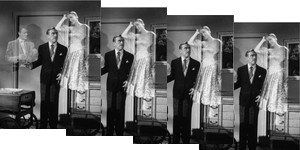
CosmosThis picture is of a TV series nearly thirty years older than the first Cosmos. That series was a comedy and about as far from scientific as it is possible to get. Its title character was a straitlaced bank president named Cosmo Topper. There was only one of him but, had there been more, they would have been called…