Roads, Women, and Cars

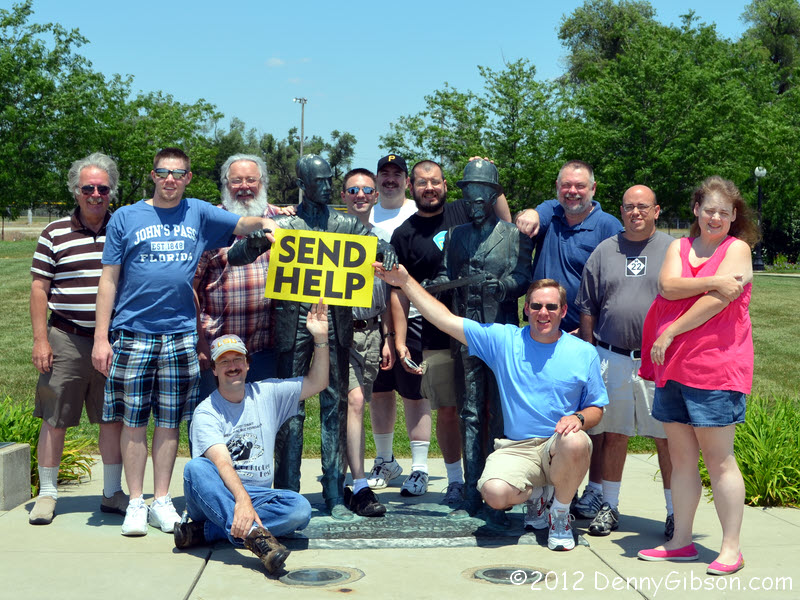
Dayton Road MeetI’d have probably been overpowered if they had all been present at the same time, but, over the course of the weekend, I managed a “road meet”, an all-female concert, and a gathering of killer cars. The photo at the right is of the “road geeks” who participated in the “road meet” which was in Dayton, Ohio.

“Road geeks” are different from “roadies”. “Roadies” are attracted to old roads and the culture around them. “Road geeks” are attracted to newer roads and to their design and construction. Neither definition is perfect and the groups certainly overlap. I’m a mainstream “roadie” and a fringe “road geek”. Most in the picture tend to be the other way ’round.

The difference is illustrated by a couple of events from Saturday. One of the participants is planning a drive to and from California in the near future. It was one of the things we chatted about over lunch. He mentioned that the return trip would be more leisurely and relaxed since they would be covering only 500-600 miles instead of the 700-800 of some of the westbound days. My target range is something like 150-200 miles a day. The other event was the “clinching” of a road. “Clinching” means traveling the full length of a road. I’ve clinched a few; Route 66, Lincoln Highway, US-62. I-675 is a quarter-circle expressway on the southeast edge of Dayton that the whole group “clinched” on Saturday. I believe that’s the first interstate I’ve ever “clinched” and am certain it’s the first I’ve done intentionally.
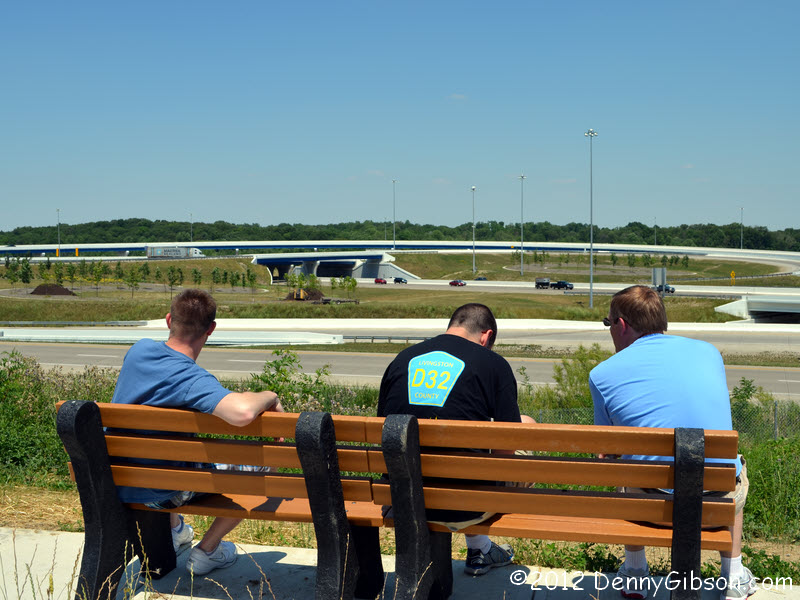
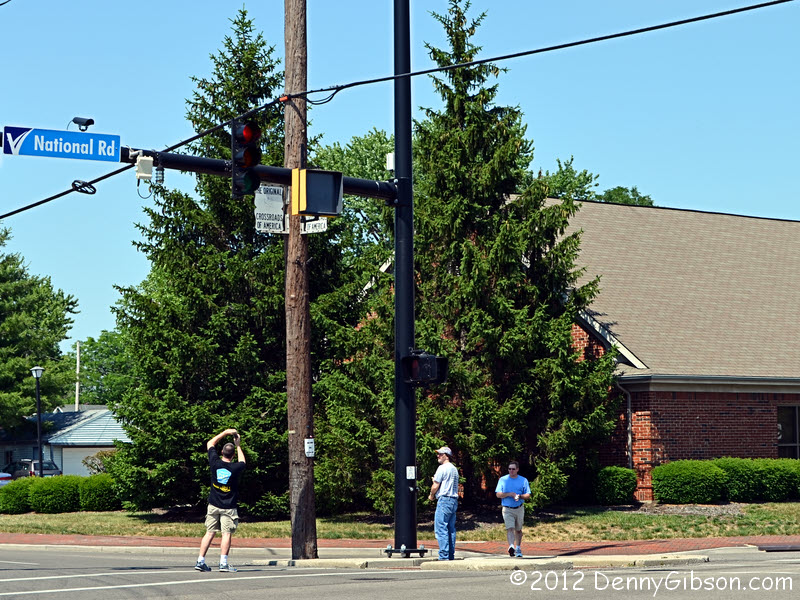
Dayton Road MeetDayton Road MeetFor the most part, though, the differences are a matter of degree and both “roadies” and “road geeks” are very friendly people who enjoy roads and each other. There are certainly some “roadies” who would cringe at the thought of looking over the recently reworked I-70 & I-75 interchange from a park bench but I’ve now seen members of both groups roaming around the former Dixie Highway & National Road intersection with cameras clicking. The sign being photographed is the “Crossroads of America” sign. The title has no shortage of claimants but both of these intersections are legitimate contenders. The DH and the NR, clearly major highways of their day, morphed into US-25 and US-40 respectively. I-75 is the interstate era successor to US-25 and I-70 is the successor to US-40.
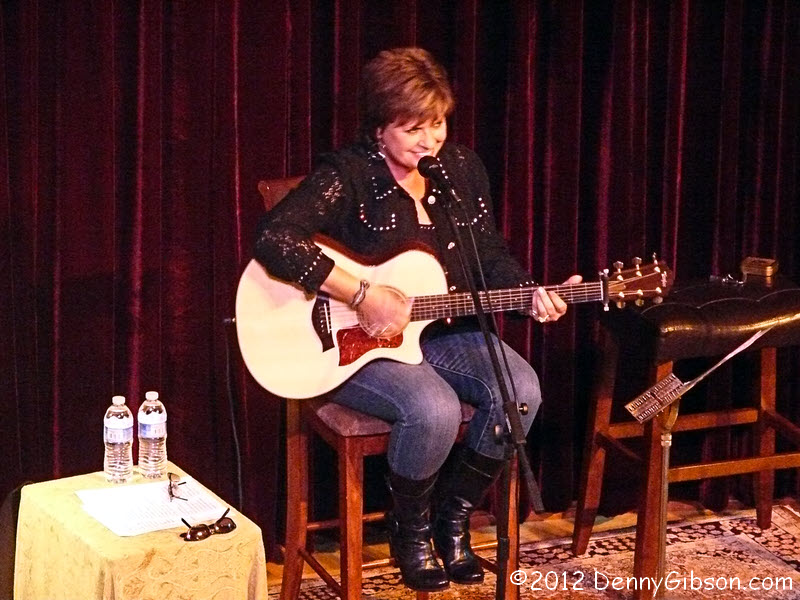

EG Kight at Big Song Music HouseFrom Dayton I headed over to Oxford, Ohio, for another show at the Big Song Music House. This one featured “The Georgia Songbird”, EG Kight. As she has for the other shows I’ve attended here, Lisa Biales, who owns Big Song Music House with her husband Marc, opened with a few tunes. Then EG  took the stage and, in the intimate setting that seemed to fit her perfectly, entertained us with both music and conversation that triggered many smiles and several chuckles. Of course, smiles were not restricted to the time between tunes. EGs humor frequently shows up in her songs, too.
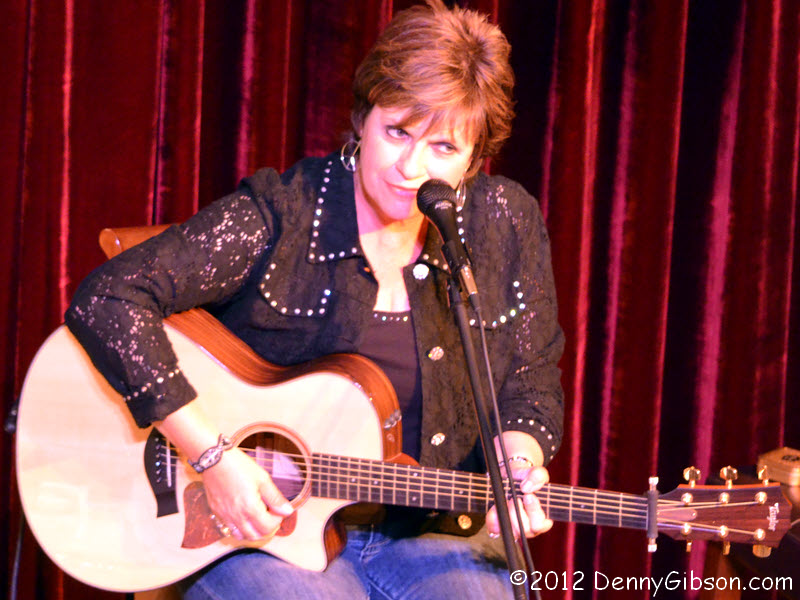
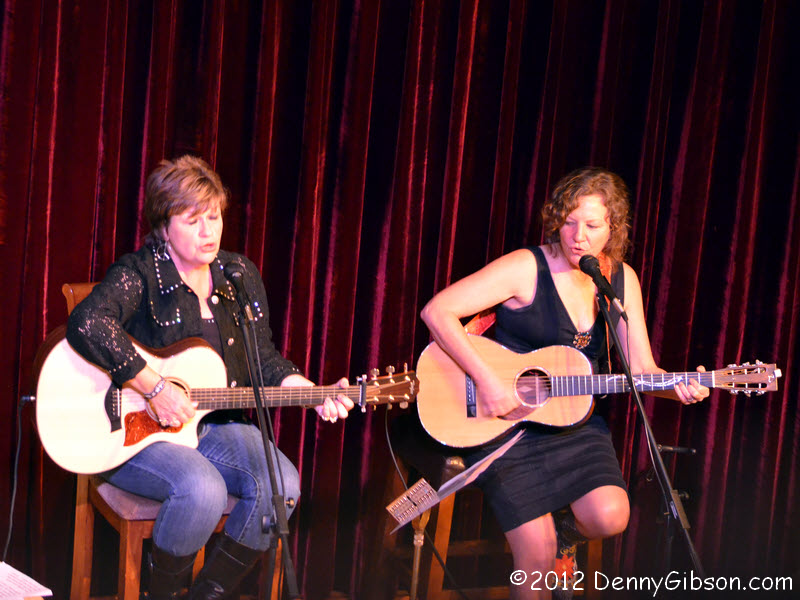
EG Kight at Big Song Music HouseEG Kight at Big Song Music HouseLisa is close friends with both acts, Ricky Nye and Ronstadt Generations, that I’ve seen here in the past and she joined each of them a few times during their performances. EG and Lisa are certainly friends and EG produced and contributed to Lisa’s most recent CD, Just Like Honey, but it’s probably the musical similarities that makes their performing together something special. Both have powerful and clear voices, they both know their way around a guitar, and both are capable of delivering both real and lyrical winks. Lisa joined EG several times, both with and without her guitar, and the two powerful voices combined to produce some pow-pow-powerful harmonies.
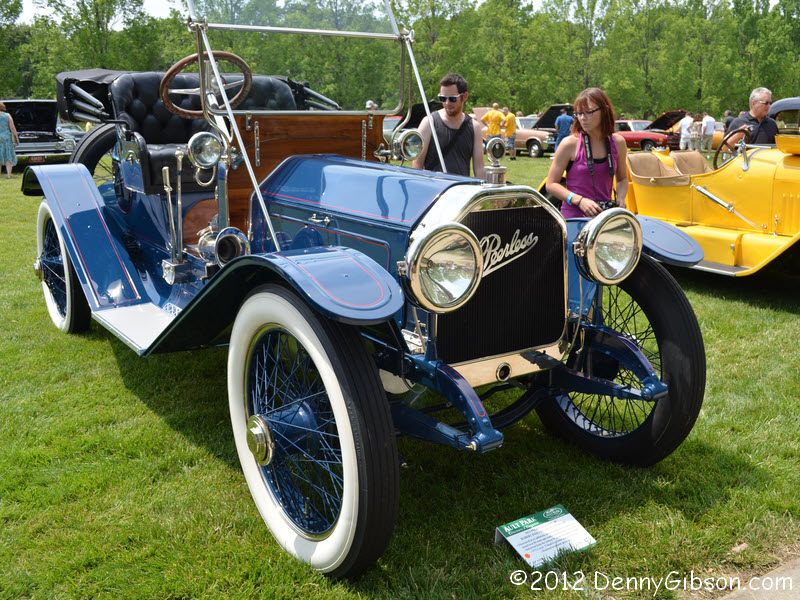

Ault Park Concours d’EleganceI took an overnight break before heading out to my third event of the weekend, the 35th Ault Park Concours d’Elegance in Cincinnati. In years past, I’ve parked as close as I could (which never seemed to be very close) and trudged up the hills to the Concours. This year a friend and I took advantage of the free offsite parking and shuttle. Not a bit of trudging and the fact that the shuttle buses were air-conditioned was deeply appreciated after we had walked all over the grounds and were heading back to the car.
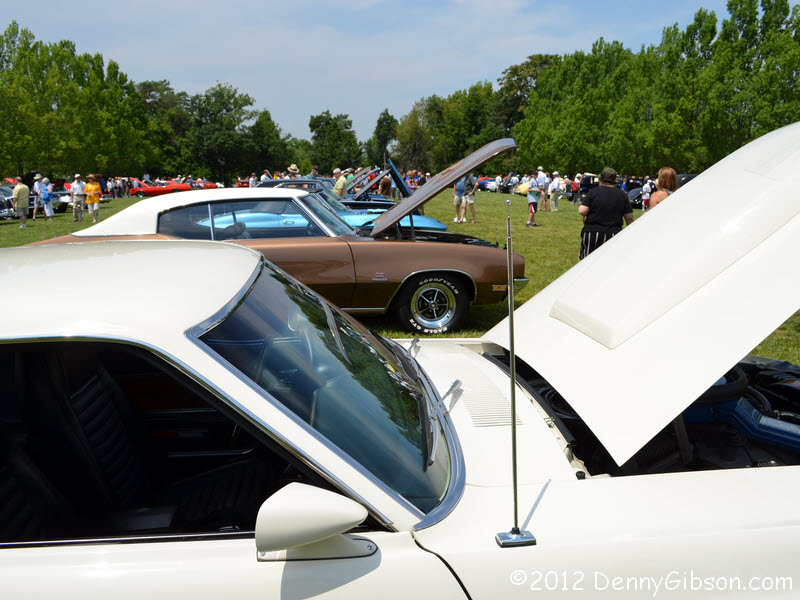
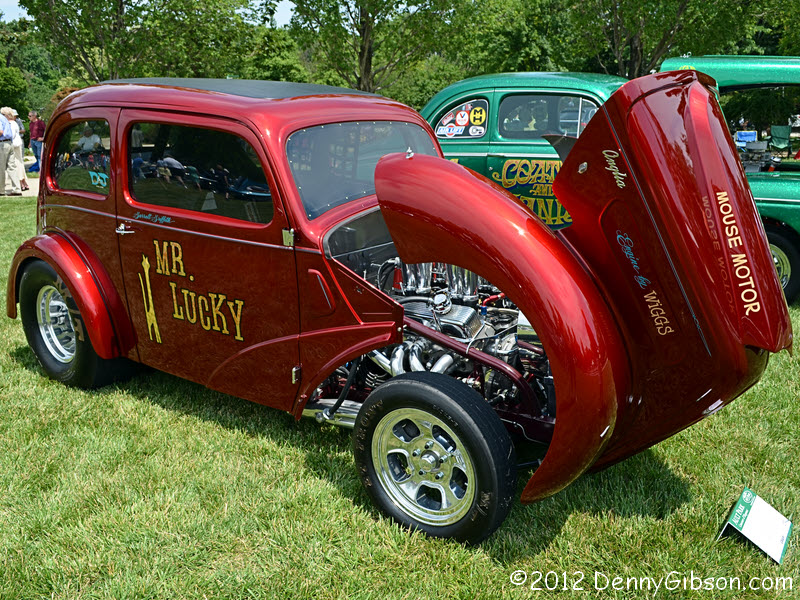
Ault Park Concours d’EleganceAult Park Concours d’EleganceThere were plenty of “normal” concours vehicles like Duesenburgs, and Hudsons and brass era cars such as the 1914 Packard above, but the title of this year’s event was A Century of American Power so there were also some cars on display that you might not immediately think of when you hear Concours d’Elegance. Prominent among these were 1960s & ’70s muscle cars and dragsters from the same period.
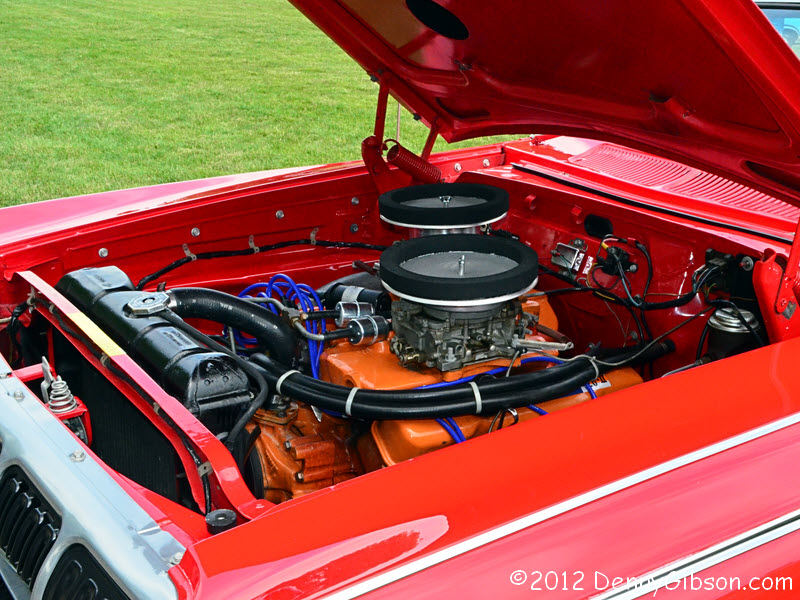
Ault Park Concours d’EleganceAult Park Concours d’EleganceAult Park Concours d’Elegance


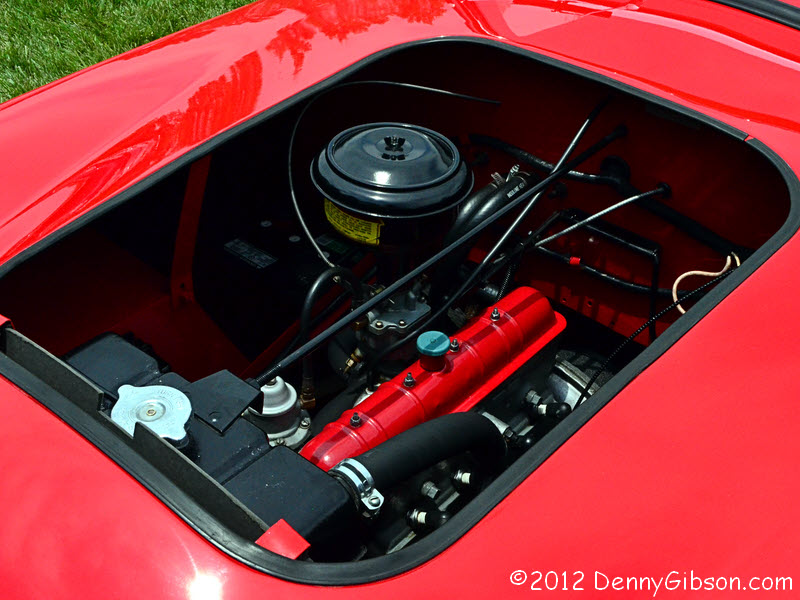
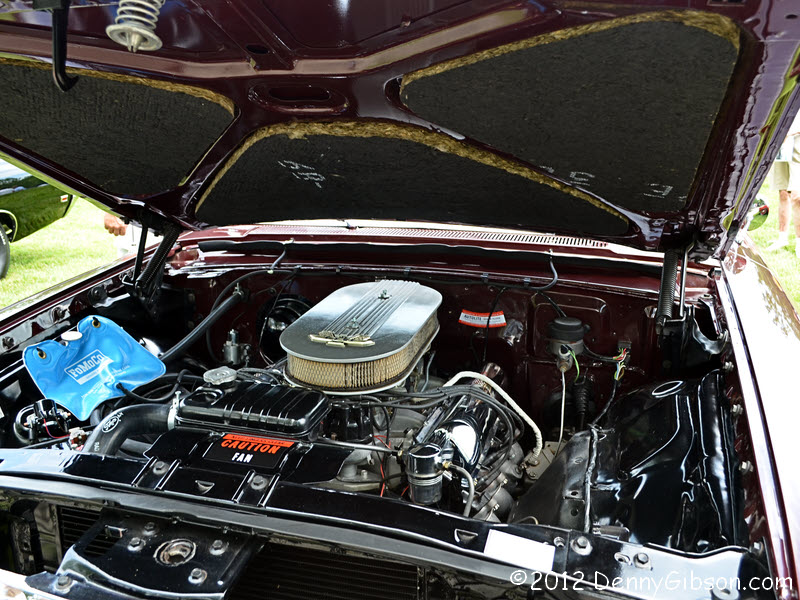
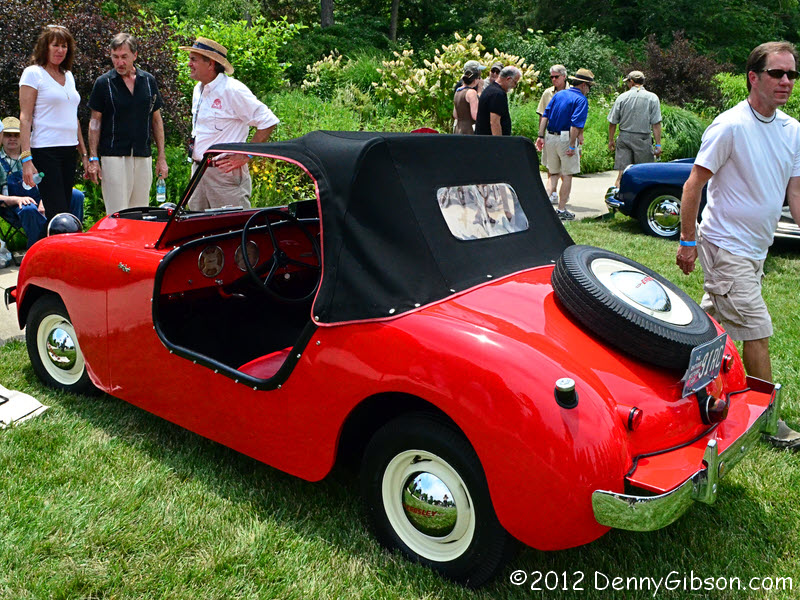
Prime examples of Detroit muscle are the 427 CI 425 HP V8 in a 1964 Ford Galaxy and the 426 CI 425 HP (for insurance purposes) V8 in a 1963 Dodge Polara. That’s Cincinnati muscle in the third picture. The 44 CI 26.5 HP I4 in a 1951 Crosley Hotshot might not seem like a symbol of …American Power but it was a Hotshot that won, through handicapping, the first Sebring Endurance Race in 1950.
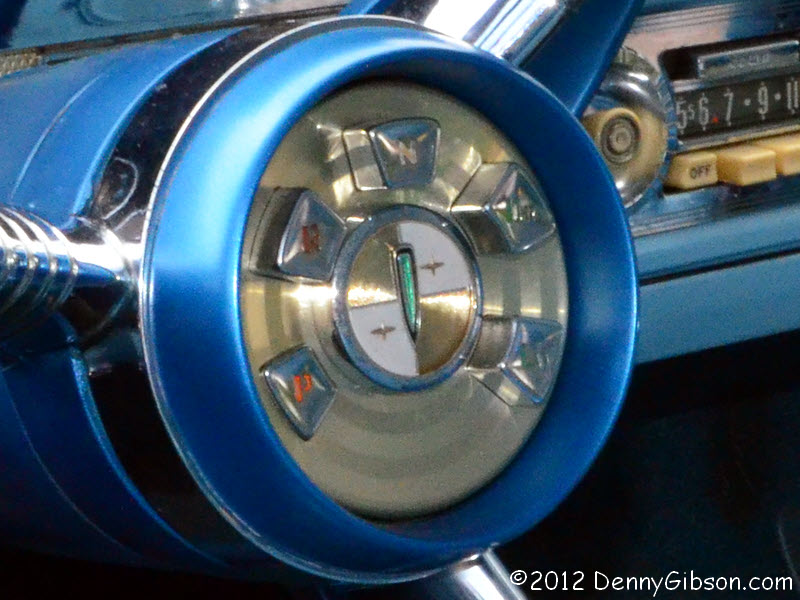
Ault Park Concours d’EleganceThis picture might make you think that texting while driving was encouraged back when the alphabet was smaller but it is actually the push-button transmission controls in a 1958 Edsel Citation.


Carey Murdock Mansion Hill TavernThis is something of a bonus. Carey Murdock is another singer-songwriter I learned of through Josh Hisle. He lives in Nashville, Tennessee. I came close to connecting with him there last Christmas but missed and actually met him for the first time tonight as we both walked across the street to Mansion Hill Tavern. Carey had prearranged a stop at Mansion Hill as a “featured guest” which essentially means a half hour slot at a regularly scheduled blues jam with lots of musicians waiting to form groups and get some stage time. This is obviously not the best showcase situation but Carey handled it well and the crowd seemed to like him. I definitely did.
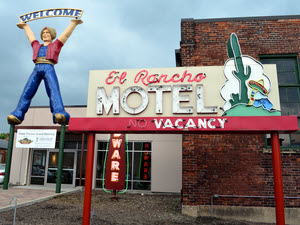
American Sign Museum Reopening

American Sign MuseumMark your calendars. On June 23, the American Sign Museum begins full five-days-a-week operation at its new bigger and taller location just a few blocks from Camp Washington Chili. There were previews on Friday & Saturday and I assure you that seeing an entire Mail Pouch barn side in a museum is not the same as seeing pictures. I’ve created an Oddment page for those previews and this blog entry simply points to that page and provides a place for comments.

This way to the Oddment.

Carillon Park Heritage Fest

Carillon Park History FestivalOn the south side of Dayton, Ohio, there is what amounts to a small Greenfield Village. It’s now called Carillon Historical Park and is part of the Dayton History organization. Just as Henry Ford was behind the collection of historic buildings that is Greenfield Village, Dayton industrialist Edward Deeds was behind the collection here. I believe the place was actually called Deeds Park once upon a time. In fact, I didn’t realize that Deeds was not part of the official name until I started doing research to write this. At least the carillon that gives the park its name is still called the Deeds Carillon. It was built in 1942 and, at 151 feet tall, is the largest in Ohio.

Carillon Park Heritage FestivalCarillon Park Heritage FestivalToday was the day of the Heritage Festival which meant admission was free (just pay for parking), all the buildings were open and staffed, and there were plenty of food vendors. There was also entertainment scheduled throughout the day with the Dayton Philharmonic Orchestra preceding event ending fireworks.

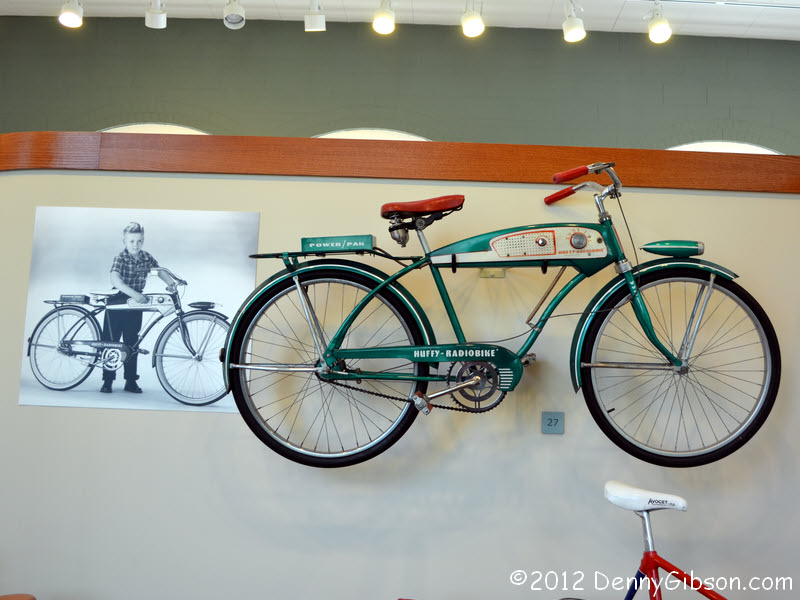
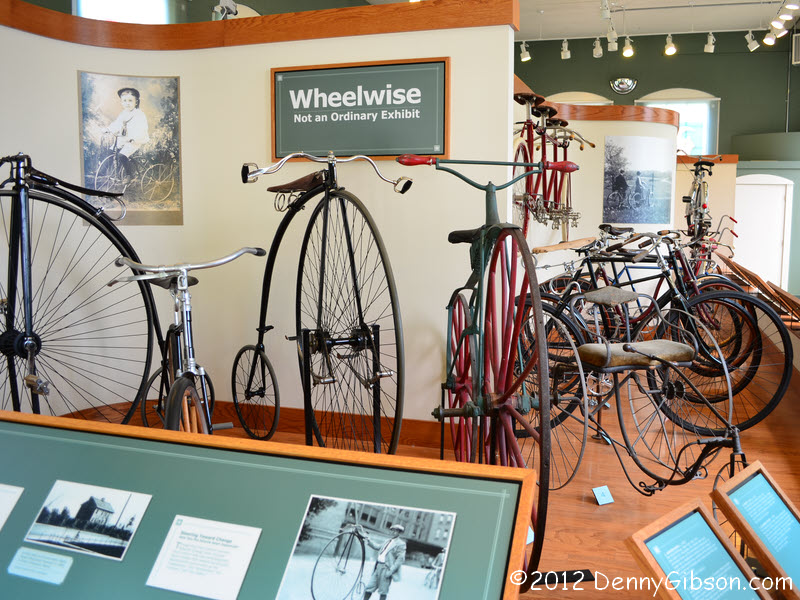
Carillon Park Heritage FestivalCarillon Park Heritage FestivalQuite a few bicycle manufacturers called Dayton home and that included the Wright Brothers. Two of the five surviving Van Cleves (the Wright’s  , brand name) are in the park but are not part of this display. Both are in a building devoted to the brothers. Huffy originated in Dayton and introduced the Radio Bike in 1955. The three tube radio was built into the “tank” with batteries and antenna on the rear fender. Only a few more years separate the 1890s high-wheels in the first picture from the Radio Bike than separate the Radio Bike from today.

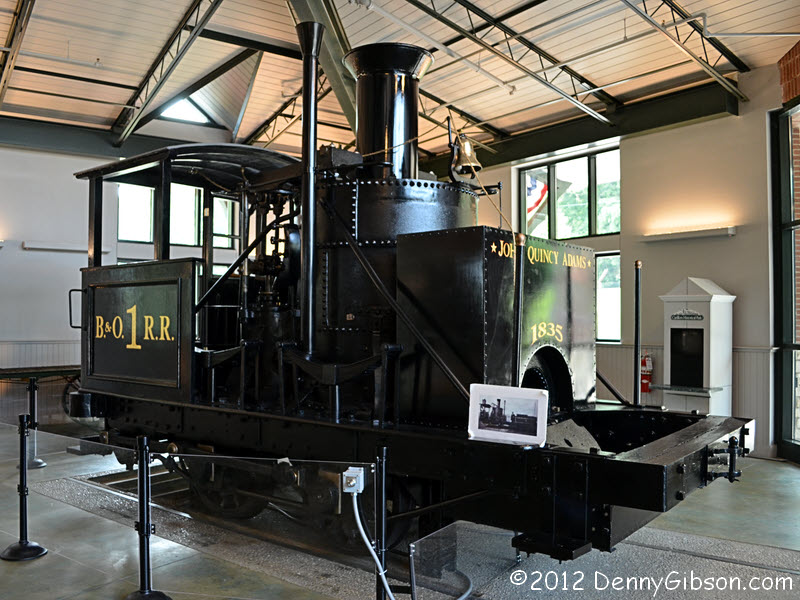
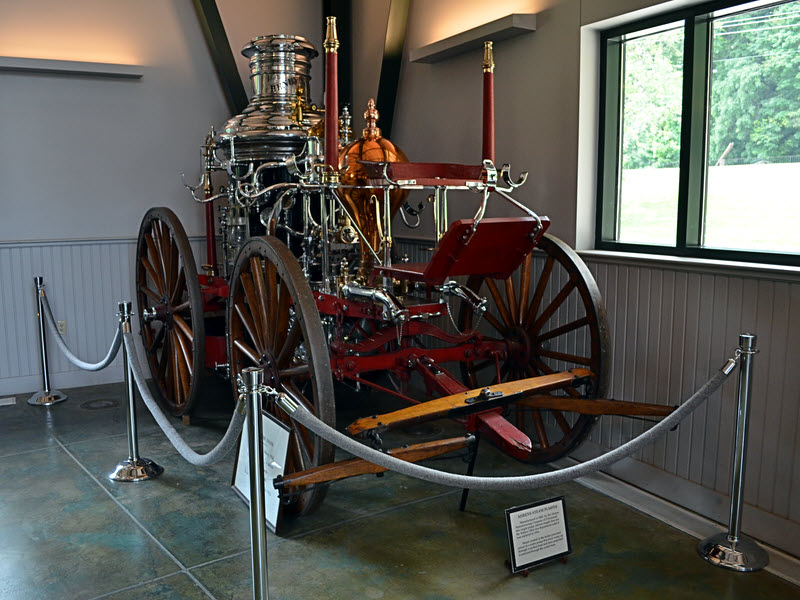
Carillon Park Heritage FestivalCarillon Park Heritage FestivalThere’s some big stuff, like rail cars and buses, in the transportation building. The 1835 B & O engine is the oldest existing locomotive built in the United States. Because of the way the vertical pistons and connecting rods looked when in motion, locomotives of this type got the nickname “grasshoppers”. The horse-drawn steam-powered pumper was built in Cincinnati in 1883 and used in Sidney, Ohio, until 1916.

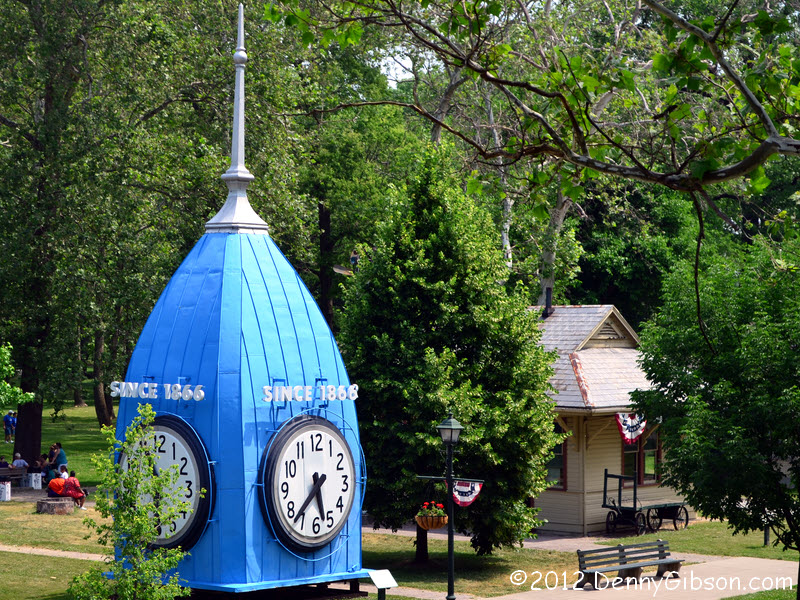
Carillon Park Heritage FestivalI remember this clock standing beside I-75 just south of Dayton. It marked the Reynolds and Reynolds Company headquarters and I guess I thought it always had. Nope. It started out in downtown Dayton on the Callahan Building. That building was demolished in 1978 and the clock moved to Reynolds and Reynolds. It has been patiently waiting here since 2006.

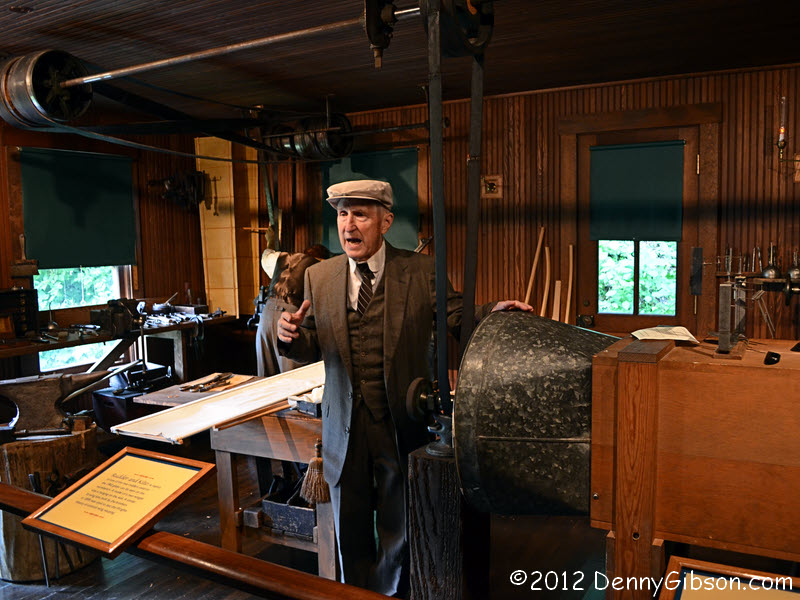
Carillon Park Heritage FestivalI’m not sure what this fellow’s real name is but he calls himself Wilbur
“…because I can’t grow a mustache”. He is standing in a replica of the Wright’s work shop since Henry Ford took the original to Greenfield Village at the Ford Museum. After doing a wonderful job of telling about the wind tunnel and other experiments that both preceded and followed that first flight in 1903, he tells us that there is a real airplane just down the hall that “…I’ll be flying this afternoon about 3:00.”

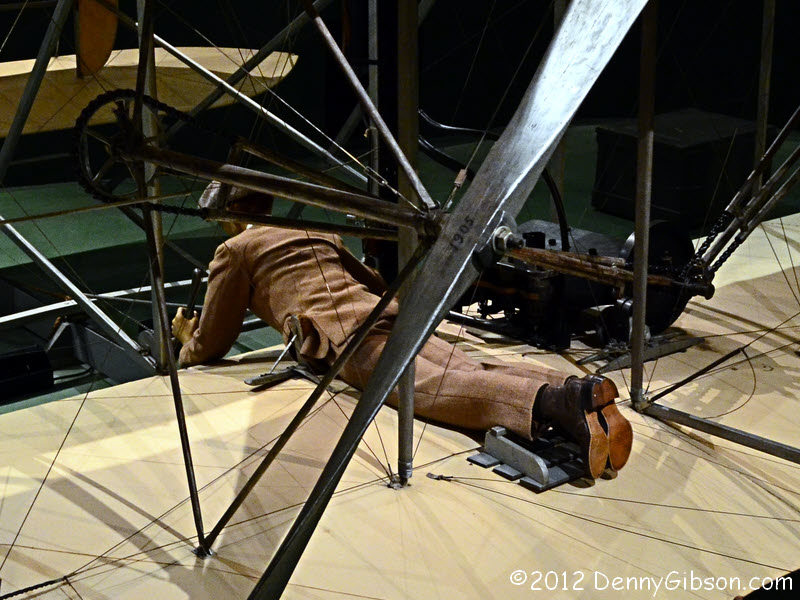
Carillon Park Heritage FestivalCarillon Park Heritage FestivalThis is the plane. It is the Wright Flyer III from 1905. With the 1903 flyer, they got off of the ground more or less when they wanted but they returned the the ground when the plane “wanted” and the flight path was essentially straight. With this plane, they learned to fly where they wanted and land on their own, rather than the plane’s, schedule. When Orville gave the pieces of this plane (it’s about 80% original) to Deeds in 1948, he insisted that it be displayed in a pit so that visitors could look down on the plane and see what was involved it operating it. The pilot’s right hand works a horizontal lever that controls the rudder. The left hand works a vertical lever that controls the elevators at the front of the plane. By moving his hips from side to side, the pilot controls the twisting of the wings which the Wrights called “wing warping”. Orville died before the park opened.

I didn’t make it to the fireworks or even to the Philharmonic but, as always, I very much enjoyed a visit to my favorite neighborhood historical village.


Music Review
Just Like Honey
Lisa Biales

Just Like Honey CD coverI read somewhere that Alannah Myles recorded her 1989 hit Black Velvet in a hot un-air-conditioned room to make it feel, and therefore sound, like “Mississippi in the middle of a dry spell”. The result was something that could be described in a single word and which fit that word, sultry, in every dimension. Lisa Biales didn’t forego climate control to record Just Like Honey but she did get some help from the south and she did nail SULTRY — dead center and in capital letters.

The title track comes from Nashville song writers Cameron-Beck-Kahan.There are a couple Biales originals, a couple from the CD’s producer, EG Kight, and a Biales-Kight collaboration. Most of the remaining material comes from some of Biales’ musical influences and that was a conscience decision by her and Kight.

If you ask Lisa to name her influences, you best not be in a hurry. The list of female singers she admires and draws from is a long one and includes many who are no strangers to sultry themselves. She doesn’t get to all of them here but she does cover some biggies. There are tunes by Memphis Minnie, Bonnie Raitt, and Candye Kane plus songs written by others but firmly associated with the likes of Ma Rainey, Etta James, and Odetta. And by “cover” I don’t mean “copy”. I mean celebrate and interpret.

A goodly chunk of that “help from the south” I mentioned comes, of course, from Kight, a.k.a, “The Georgia Songbird”. There’s a big dose from Paul Hornsby and his Muscaline Recording Studios in Macon, Georgia, and Capricorn veterans Tommy Talton, Marshall Coats, and Bill Stewart (guitar, bass, drums) contribute their share, too. In fact Talton, supplies a song, Watch Out Baby Don’t Cry, that quickly became a favorite of mine. Talton, Coats, and Stewart form the core group for this CD but others, including Hornsby on keys and Ken Wynn on guitar, show up here and there.

So we have some highly talented musicians, an accomplished producer and engineer, some original material, some material “borrowed” from the best, and maybe even a little of that “slow southern style”. That’s a mighty fine foundation for Lisa’s clear and powerful… and sultry… vocals. Just Like Honey is the name of the CD and of a song that’s on it. It’s also a pretty good description.

The CD is here and Lisa’s website here.


I’ve mentioned a few of Lisa’s live performances in this blog including a couple in April where she and Ronstadt Generations traded “guest appearances”. Ronstadt Generations have just launched a Kickstarter project looking for help with their second studio CD. Check it out here.

Signs of Summer

Fountain at Cincinnati Museum CenterThe fountain in front of Union Terminal, a.k.a., Cincinnati Museum Center, runs all summer and is turned off all winter. Therefore, one sure sign of summer in Cincinnati is the turning on of the fountain. That happened Friday at 10:30 AM. I had kind of hoped to see the stepped pools below the fountain go from bare concrete to a series of waterfalls right before our eyes but it wasn’t quite that dramatic. Whether the pools were primed in the interest of time or whether the standing water was simply left over from some secret testing I cannot say, but they started the day ready to overflow at the slightest provocation.

Fountain at Cincinnati Museum CenterFountain at Cincinnati Museum CenterFountain at Cincinnati Museum Center


I still think bare concrete morphing to cascading waterfalls would have been cooler but watching the fountain go from zilch to a spurt to a full spray wasn’t bad.

Day in Pompeii CharacterDay in Pompeii CharactersAll the kids, and there were plenty, were properly wowed and they also enjoyed the characters on hand to promote the ongoing A Day in Pompeii exhibit. I’ve seen the exhibit and it’s a duesy. University of Cincinnati Professor Steven Ellis, along with several UC students, has been instrumental in the current excavations in Pompeii and that was instrumental in making Cincinnati one of only four US cities hosting the exhibit. As you can see, security was tight.

The weather was obviously quite nice for the events at the fountain but Friday was just one of several consecutive near-perfect days. Perfect not only for fountains of water but for fountains — or taps — of root beer. I made it to three different root beer stands on three of those near-perfect days.

Jolly's Drive In, Hamilton, OhioJolly's Drive In, Hamilton, OhioOn Thursday it was the Jolly’s on the west side of Hamilton, Ohio. Back in 1938, Vinny Jolivette opened an A&W Root Beer franchise in Hamilton. He built this place in 1967 and, casting off the A&W identity, used the family name to inspire a new one for the restaurant. It’s west of the Great Miami River on Brookwood. Somewhere along the line, they added another on the east side of town on Erie. That one has a cooler sign but this one still makes its own root beer and that trumps the sign. The two remain officially connected (The car side signs carry both telephone numbers.) but are managed somewhat separately by two brothers. There is a third Jolly’s in Tiffin, Ohio, that was started, also as an A&W, in 1947 by Vinny’s brother, Roy, and it seems there was a fourth somewhere in Indiana (possibly Bloomington) but I know very little about it.

The Root Beer Stand, Sharonville, OhioThe Root Beer Stand, Sharonville, OhioI stopped by The Root Beer Stand in Sharonville, Ohio, on Friday afternoon. It started life in 1957 as an A&W then went independent in 1982. It stopped using carhops in 1972. Originally built and operated by the Rideour family, it moved on to its second and current owners, Scott & Jackie Donley, in 1990. The Donleys have kept everything pretty much the same and that definitely includes making the root beer using water from their 280 foot well. Claims that “it’s something in the water” may very well be true here.

Neil's A&W, Union City, OhioNeil's A&W, Union City, OhioI got my Saturday root beer fix at the A&W in Union City, Ohio. Despite this being a place I frequented as a teenager, I know few details of its history. I do recall that is was owned by a fellow named Smith in the 1960s and that he operated a used car lot right next door. I have vivid memories of sipping root beer and drooling over a black 1956 Thunderbird that sat in that lot when I was about seventeen. At some point, it became Neil’s A&W Drive In and so it remains today. Curiously, this place doesn’t show up on the official A&W website nor does it have its own site but it does have a FaceBook page.

All three of these places make their own root beer using at least some of the original A&W equipment. Guess that stuff was made to last. All of them taste great and I’m guessing that the recipes are all the same or similar. The Root Beer Stand has its special water and both it and Jolly’s serve their brew in chilled glass mugs. I love ’em both and I do tend to dislike chains but “real” A&Ws (Not stuffed-into-a-corner-of-a-gas-station A&Ws.) are pretty cool and it’s hard to beat an ice-covered mug.

Neil's A&W, Union City, OhioJolly's Drive In, Hamilton, OhioI’m guessing that some noticed the slightly red convertible in the center of the Root Beer Stand photo. That’s my 1963 Valiant and plans to drive it to Darke County and the A&W at the border led to the warm-up visits to Hamilton and Sharonville. The 200-mile round trip was the car’s longest outing since the cold drive home from Cambridge in early 2011. She done good. These pictures show her at Jolly’s and Neil’s.


Flipdaddys: Burgers & Beers... & BrunchI recently learned that the neighborhood Flipdaddy’s does brunch on Sundays so I walked over this morning to check it out. It was quite good. I’m always dismayed but rarely surprised to find myself alone on a restaurant’s patio. But, with the thermometer at 74 degrees, I was a little bit surprised today. Lots of people just don’t like any temperature I guess. To be fair, one couple and their home from college daughter did venture outside to eat. That was it. The restaurant was fairly busy inside but just one other outside table was ever used all the while I leisurely worked through my bacon & eggs and slowly sipped my Magic Hat dessert.

Parisians at Play

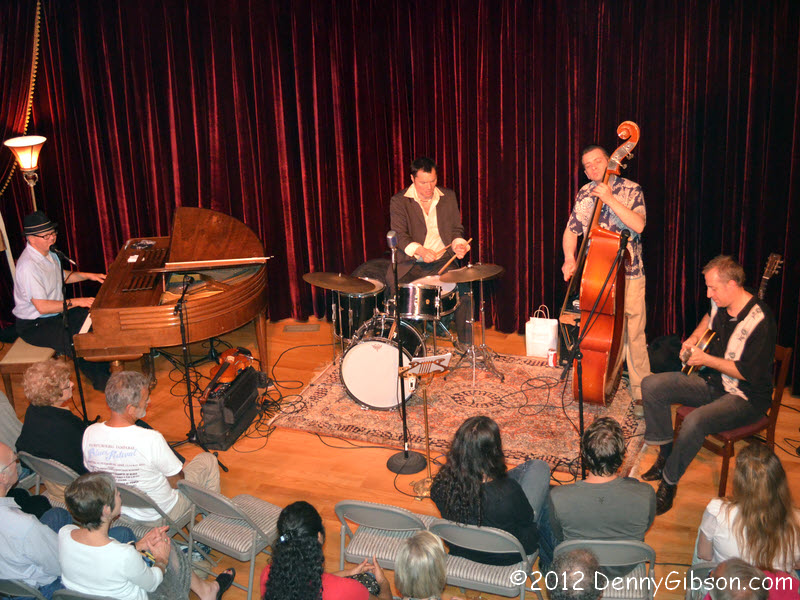
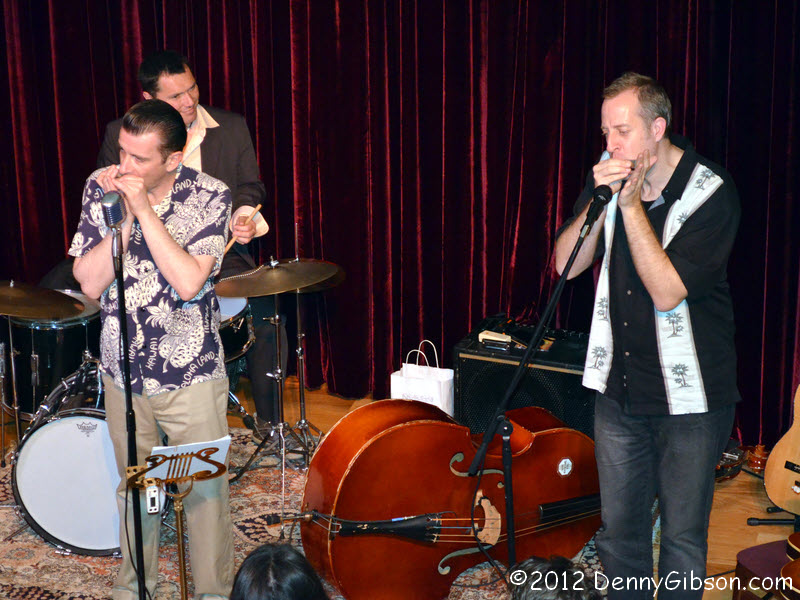
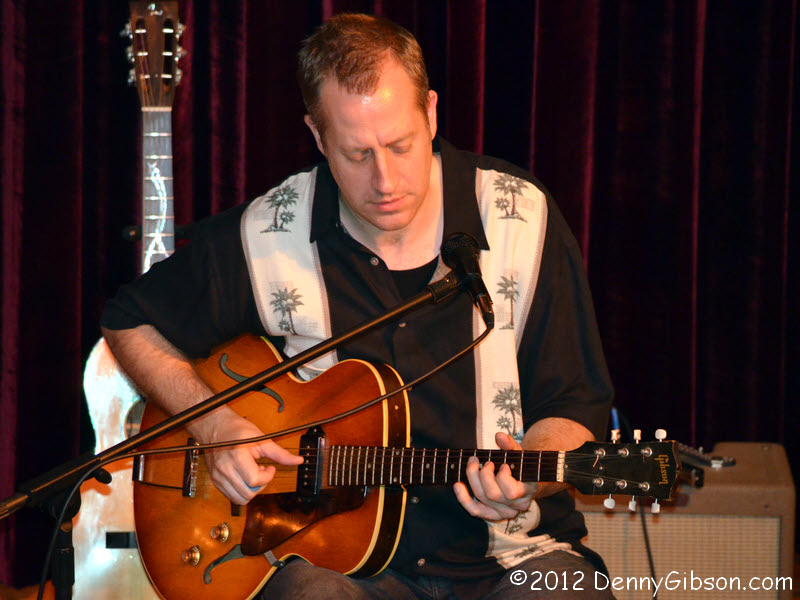
Ricky Nye and the Paris Blues BandThough far removed from their natural habitat, these Parisians appear to be well acclimated and enjoying themselves. And so is everybody else. Local boogie woogie master Ricky Nye makes at least one trip to France each year and, for the last three years, these fellows have been returning the favor. Using the name Ricky Nye and the Paris Blues Band, they do a few shows in and around Cincinnati and I’ve managed to catch one of them on each of the visits. The first two years, it was at Rabbit Hash, Kentucky, where they performed Friday night. This year I missed the Rabbit Hash show but saw the group on Saturday at the Big Song Music House. This is the remarkable venue that Marc & Lisa Biales have created near Oxford, Ohio, and which I visited for the first time just about a month ago.

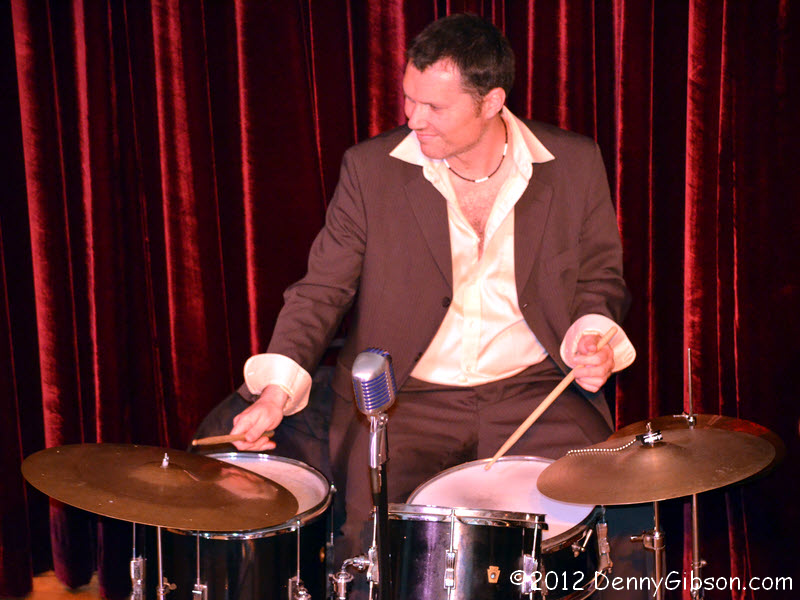
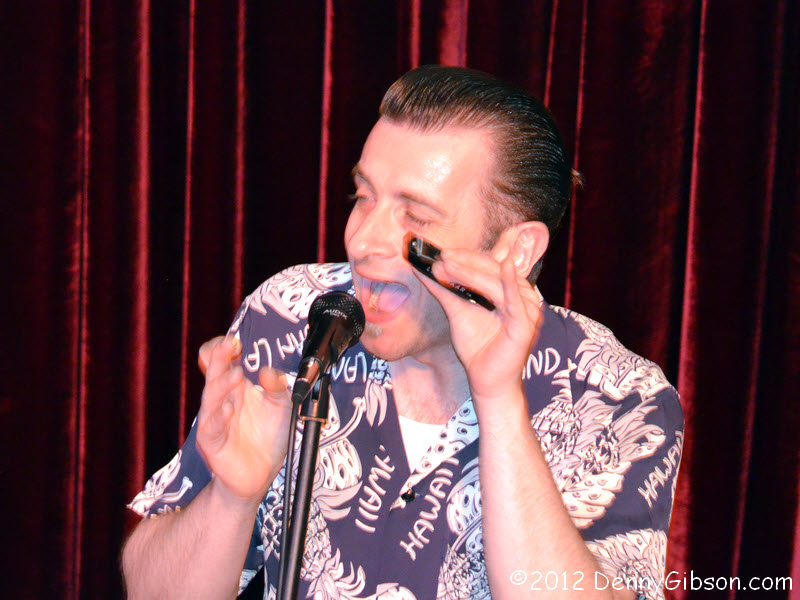
Paris Blues BandThe Paris Blues Band, which doesn’t really exist without Ricky, consists of Simon Boyer on drums, Thibaut Chopin on bass, and Anthony Stelmaszack on guitar. Chopin and Stelmaszack both sing and, as you can see, both play harmonica. Ever hear twin harmonica powered locomotives steam across a stage? Killer!


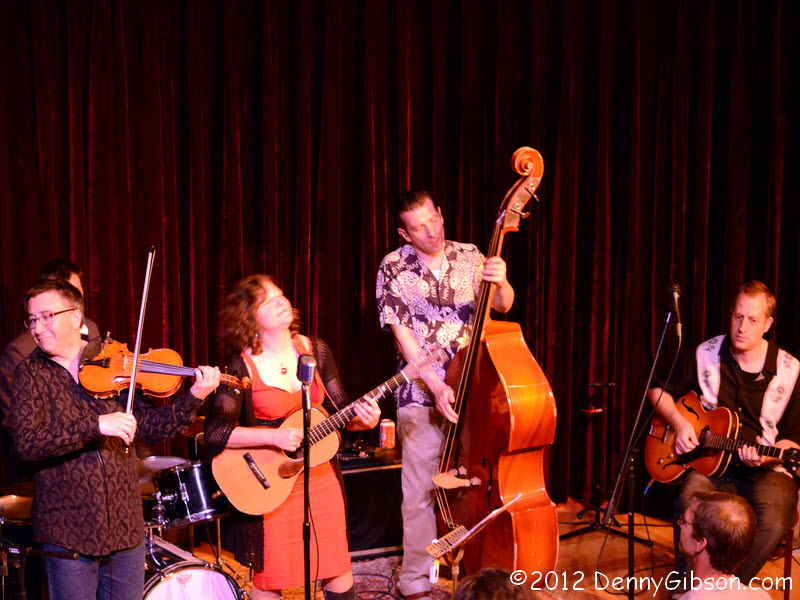
Paris Blues Band with Lisa Biales and Doug HamiltonThe excellent Ville Du Bois, recorded in Paris, is the group’s only studio offering to date. (Wrong! See note below.)
I apologize for being unfamiliar with a collection of live recordings that is also available. They are doing quite a bit of recording while in the States and that includes some with Biales. The songs they recorded together were used as openers for both sets and violinist Doug Hamilton even joined in for a couple of tunes. There will definitely be a new Ricky Nye and the Paris Blues Band studio CD available before too long and I’m sure those tracks with Lisa will appear somewhere somehow someday.

Simon BoyerThibaut ChopinAnthony Stelmaszack


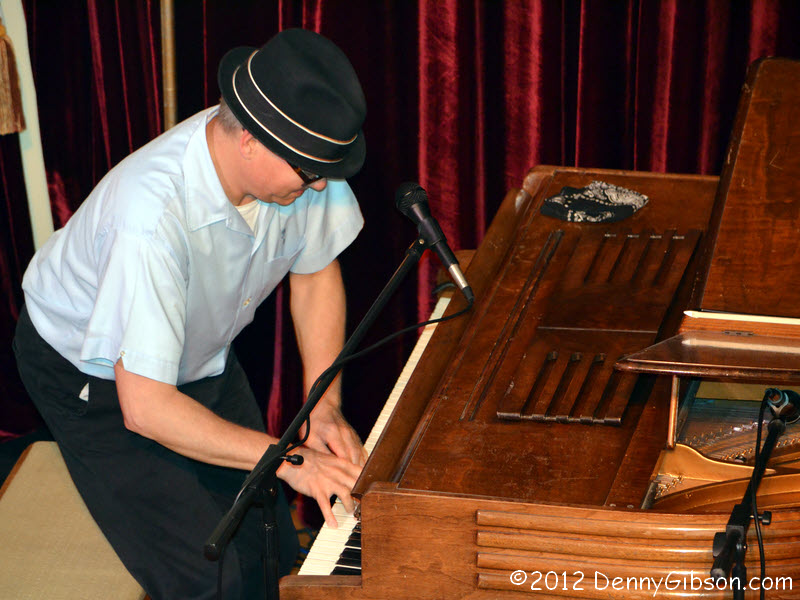
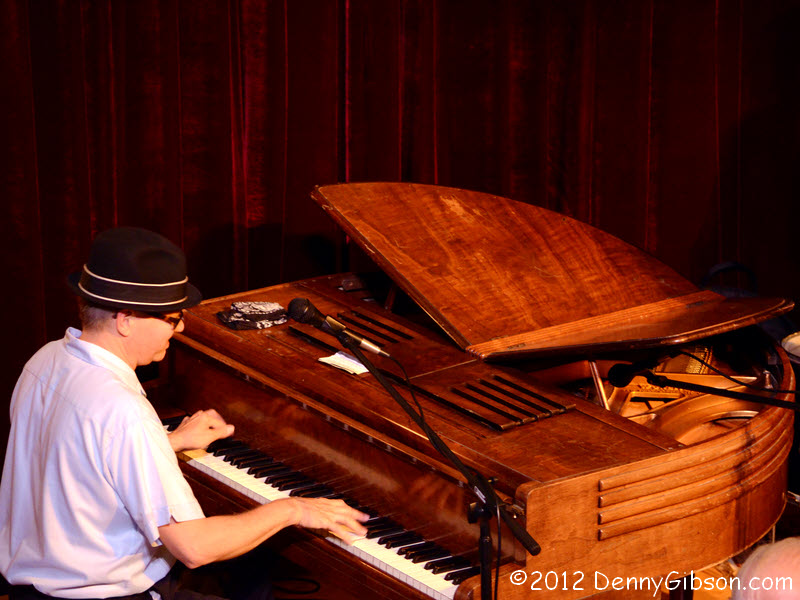
Ricky NyeIt’s a good thing when Ricky pushes himself back from the piano in a move that looks a little like something Jerry Lee Lewis might do. It’s an unintentional signal that some extra hot keyboard action is about to take place and it’s kind of rare. Maybe it was the band or maybe it was the acoustic (rather than electronic) piano but there were three or four of those moments tonight and one that ended with Ricky standing as he joyously worked the keys. Fortunately for those seated just a few feet away, he stopped short of sending the bench sailing as Jerry Lee often does. There’s a little better view of the 1930ish Wurlitzer Butterfly Baby Grand here.

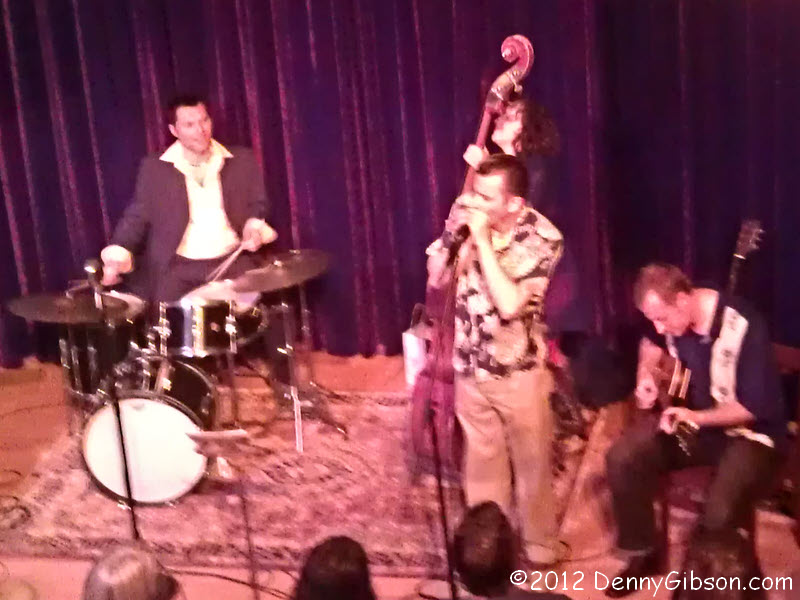
Paris Blues BandI left my camera in the car until intermission so all of the preceding pictures are from the second set. But it was during the first set that Lisa surprised everyone, including Thibaut, by filling in on bass while he played harmonica. In another “If you want a picture really bad, I’ve got a really bad picture” moment, I tried capturing that with my phone.

CORRECTION: I somehow missed a second studio CD but Ricky very politely filled me in. The CD is here and the cover actually looks familiar though some track samples don’t. It shows up at CDBaby with a search for Paris Blues Band though not with a search for Ricky Nye. That’s my excuse and I’m sticking to it but I’m still sorry and embarrassed.

Ohio’s Revolutionary War Battle

Bill Smith at George Rogers Clark monumentOhio did not, of course, exist in any official form during the American Revolution, and there were no British troops at the Battle of Picawey, but the conflict that occurred a few miles west of present-day Springfield, Ohio, was between American rebels and British allies and definitely part of the American War of Independence. I knew a little about the battle, but today I learned a whole lot more about it from a fellow wearing a tricorn hat and sitting on a stump.

George Rogers Clark Park is where the “New Boston Fair”, which I attended in 2010, is held, and the group responsible for that, the George Rogers Clark Heritage Association, also conducts a “Spring at New Boston” event. It is a two-day, Saturday & Sunday, affair that seems to be promoted as a plant sale. That didn’t interest me very much, but a “History Walk”, which did, was also mentioned. Today, Sunday, I turned out to be the only participant and, when historian Bill Smith explained that the walk wouldn’t reveal anything he couldn’t point to, it didn’t take long for two men of a certain age to talk each other into finding a pair of comfortable stumps. He and a couple of similarly aged gentlemen had done the same thing yesterday. Of course, if some youngsters show up for one of these, Bill will gladly lead them across the road and just might have a few reenactors pop out of the shadows along the way.

George Rogers Clark MonumentBill handed me a sheet with a few paragraphs on one side and a map on the other. Neither of us ever looked at the text, but the map was a great help in understanding the battle. Before detailing the battle itself, Bill described some of what led to it, and I believe I found that even more interesting. In June of 1780, Captain Henry Bird led a group of Indians and British soldiers into Kentucky, where both Ruddle’s Station and Martin’s Station were overpowered. Both stations surrendered, but Bird could not keep some portion of the Indians from killing a number of what were essentially his prisoners. Although Bird then returned to Detroit with his prisoners, he had certainly frightened the Kentuckians and got the attention of Colonel George Rogers Clark, who raised an army and headed north. Although a British-built stockade stood nearby, there were no British forces at the Indian village of Peckuwe when Clark attacked on August 8, 1780. The Indians were driven from the village, and the battle was a victory for Clark. There were no more raids into Kentucky for the duration of the Revolutionary War.

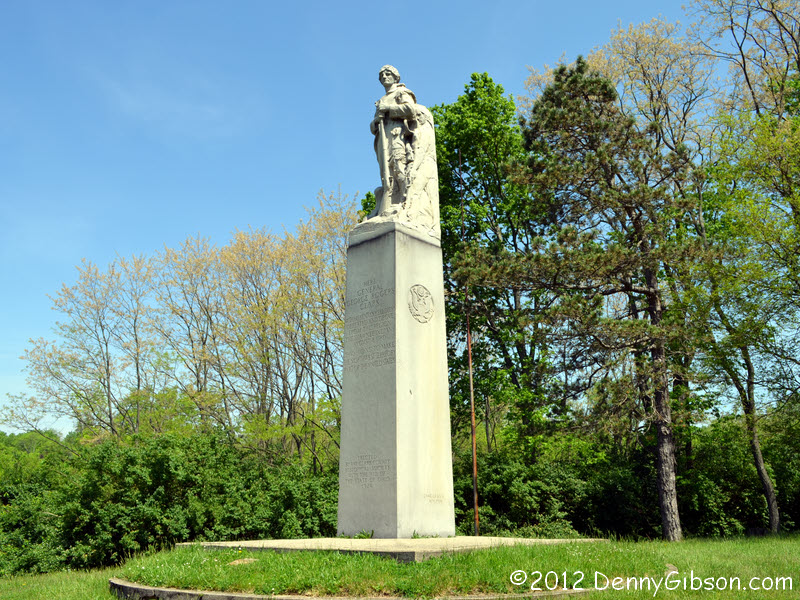
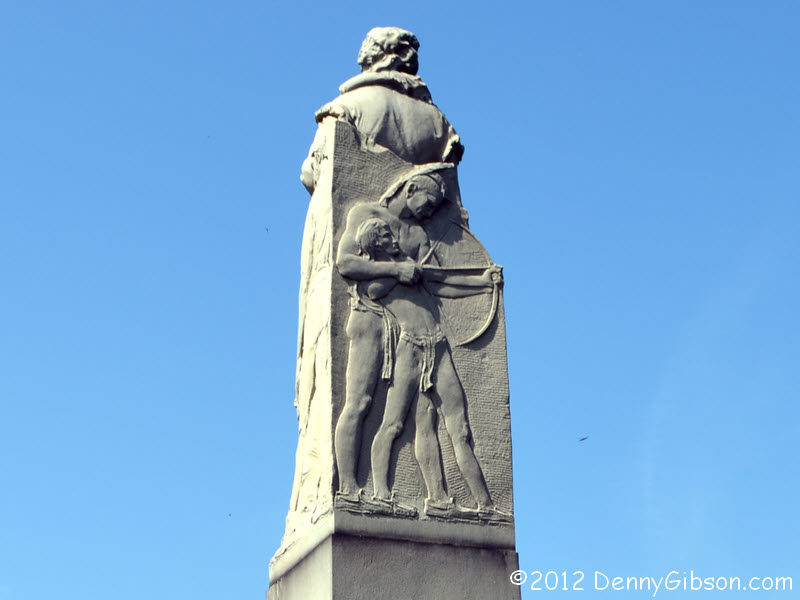
George Rogers Clark Monument - TecumsehClark is on the front of the 35-foot-tall monument. Tecumseh is on the back. He was at the battle — sort of. He was about twelve years old and was among the women and children who fled the village in advance of the attack. The marker identifies this as his birthplace. It is one of at least three locations identified as such by someone. One of the claims for it being near this marker comes from Thomas Worthington, the future governor of the future Ohio, who is one of two men who say Tecumseh himself identified the nearby river as his birthplace as he passed it in their company.

1812 encampment1812 encampmentThe history lesson on a stump was certainly fun but there was even more fun to be had. There was a small War of 1812 encampment across the way in the field that is filled by the fair on Labor Day weekend. Bill had pointed to it a few times when talking about the 6-pounder cannon that Clark had used at the battle.

1812 encampment1812 encampmentThe cannoneers were clearly enjoying themselves but were nearly as polished as the brass barrel of the big gun. There was no grapeshot or heavy balls loaded into that barrel but black powder is not something to be sloppy with. They weren’t. They knew their duties and performed them on command.

Cannon shot #4I learned later that the cannon, though present, had not been fired on Saturday. That might explain why the crew seemed to really be enjoying themselves today and why they fired the gun multiple times. Timing is not precise. There might be a second or two between the touching of the match and the actual blast. That’s my excuse for jumping at every boom even after I knew exactly what to expect. The picture above is of the fourth and final shot but there are also pictures of the first three: Shot #1, Shot #2, Shot #3.

My Apps – Chapter 1
PhotoWise & FP Express

PhotoWise and FrontPage ExpressIn Chapter 1 of the My Gear series of articles, I mentioned the PhotoWise software that came with an Agfa camera. I didn’t offer much of a description and subsequent My Gear posts have rarely even mentioned software. But I’ve got it. I need it. It’s often more important than the hardware.

So I’m starting up a My Apps series. I’ve a feeling that it won’t be as well behaved, with nice edges, as My Gear and, as if to prove that, I’m starting off with an article on two different pieces of software. One reason for the lack of neat edges is that software isn’t always acquired intentionally but because it was bundled with something else. Another reason is that there is a high probability of overlap between the old and the new. You get something better or at least newer and it takes awhile to master it. You need to keep functioning until that happens and you do that with the old and familiar. Unlike hardware, I don’t always have good dates for when I acquired something and I rarely have a date for when I really started using it. The two are almost never the same.

These two applications were in my hands when I set off on the first documented trip on Route 66. Both were there because of bundling. As already stated, PhotoWise came with the camera I bought in July of 1999. FrontPage Express was a stripped down version of Microsoft’s FrontPage website builder that once came bundled with Internet Explorer. The practice seems to have stopped after IE 5 and the product vanished. Neither was “best of breed” but both were quite capable and rather easy to use. With my 1999 budget it would have taken some really shiny bells and some finely tuned whistles to compete with free.

FrontPage ExpressLike its big brother, FrontPage Express was a WYSIWYG (What You See Is What You Get) editor that allowed you to lay out a web page and position various elements on it without knowing HTML (Hyper Text Markup Language). It differed from full blown FrontPage in the type and number of elements supported and some other capabilities which, for the most part, were beyond me anyway. As with most editors of this sort, it also allowed access to the HTML behind the page.

A popular method of learning what was behind a webpage you liked was simply looking. Virtually every web browser supports display of a page’s source code and I did plenty of that. My programming background allowed me to deal with the HTML to some degree but I’ve never approached the proficiency I once had with ancient languages like C and C++. Advances in tools and techniques have made calling up a single page of source code a lot less useful than it once was but I got some serious mileage from it a bit over a decade back. Most of the work and all of the playing occurred at home. On the road, what I had to do each day was flesh out a page that, in form and function, was pretty much like the one for the day before. I’ve improved on this over the years but, even in the beginning, I was really doing a form of “fill in the blanks” as I traveled.

Would I do it that way again? Probably not. Actually, if I was setting out on that first trip today, I might not do it at all. Today there is readily available blog software that has made doing daily trip reports fairly easy so maybe it wouldn’t even look like fun to me. On the other hand, if my first trip started today and doing a daily trip report did appeal to me, I’d almost certainly take advantage of the software-that-has-made-doing-daily-trip-reports-fairly-easy. I’m using it for this blog. But that software did not exist when I hit the road in August of 1999. It’s more or less accepted that the word “blog” first appeared on a website in April or May of 1999. I hadn’t yet heard the word when my first “practice” pages went on line in July of that year. Movable Type was first released in September 2001. Cafelog, the predecessor of WordPress, also appeared sometime in 2001. WordPress itself was launched in 2003.

PhotoWise screenshotPhotoWise seemed to be exactly the program I needed to prepare pictures for the web. I could crop, resize, and rotate and there were adjustments for many image attributes including color and hue and saturation. About the only things I ever played with were contrast and brightness. Apparently I decided to post 512×384 pixel pictures for that first trip. That was half the resolution of the Agfa camera which meant I could trim away a fair amount of garbage if necessary. Pictures could be saved in four different quality levels. I used Medium (which was probably better than the pictures deserved) rather than High for smaller files. Once the full size picture was ready, I did some more cropping and shrinking to make thumbnails.
Using thumbnails and keeping file sizes down had been preached to me by a real web designer who took the time to look at my early pre-trip efforts and make suggestions. The reason, of course, was to minimize page download time. At least that was my reason when I first started out. After a few nights on the road, it became quite obvious that page upload time was pretty danged important, too. I’m still concerned with file sizes and download speeds but sometimes think I’m the only one who is. That’s unfortunate. Broadband merely conceals bad practices; It doesn’t convert them.

I don’t really know when I stopped using these two programs. I do know that I continued to keep PhotoWise in place even after I switched to something else for the picture editing. PhotoWise had an “album” feature, seen in the screenshot above, that provided thumbnail views of all pictures in a directory. The new program eventually added a similar feature then Microsoft Windows finally provided it directly. Until that happened, PhotoWise was my photo browser.


Those “practice” pages I mentioned are still there but hidden. I first tried a page with scanned images taken earlier in the year with a film camera. Next was a page with images from the digital camera as a test run for the whole process. To reach them, head to the 1999 Route 66 trip, select day ‘0’, then click “prev”. That brings up day -33 with the digital pictures. Click “prev” again to reach the scanned pictures of Day -202.

The textured beige background that appears on the majority of pages in the trip report section of this site, was one of the built-in choices for FrontPage Express. Initially, when this was a one trip site, it was on every page. I liked it and have kept it for the trip cover pages and for most daily pages. I believe the only exceptions are for Christmas Day.

My Gear – Chapter 10
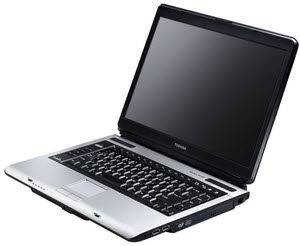
Toshiba Satellite A105

Toshiba Satellite My HP Pavilion was misbehaving by September of 2005 but I somehow put off buying a replacement until April of 2006. The problem was a motherboard crack that affected the power. I could minimize its surprise shut-downs by keeping it stationary so I nursed it through the winter by doing just that and using the aged but trusty Toshiba Portege from time to time. Because both the Portege and the Libretto had served me well, when I finally I went shopping it was specifically for a Toshiba. For $850 I got a Satellite A105 with an 80 GB hard drive and a 1.7 GHz Intel Celeron processor running Windows XP. I believe it might have come home with 512 MB RAM but I soon brought that up to the maximum 2 GB. This was a pretty nice machine.
I suspect this was about the time laptops were really hitting their stride in terms of popularity. In the world of consumer electronics, popularity often leads to economies of scale (once the leading edge gouging is over) and competition also drives prices down. Just two years before, I’d paid close to $1400 for a comparable laptop and that wasn’t particularly expensive. Nor was the $850 price of the Satellite particularly cheap. By 2006, laptops were well on their way to becoming a commodity just as desktop computers had before them.

I believe my faith in Toshiba was justified. Although the HP Pavilion was a little more than two years old when I replaced it, it was really limping for the final six months. The Satellite was still working when I retired it after nearly three years. It made me nervous though. It had taken to overheating unless given lots of open space. The teeth or bars had long since broken out of the cooling vent on the side and there were a couple of real cracks elsewhere in the plastic case. Wiggling the power cable could interrupt the flow of electricity and I feared this indicated a broken connection at the computer end. The Portege had once shown similar symptoms. That problem had clearly originated with cracks in the case and had required some bartered for expert repair.

I’m quite happy with the Satellite’s successor but I may have, in hindsight, retired the Satellite prematurely. I imagine the cooling issues could have been solved with a good cleaning and I’ve become convinced that the power problems came from a break in the cable and not a break inside the computer. The case continued to disintegrate making it likely that continued living on the road would have eventually broke something of importance but it still boots up and could possibly still perform in a pinch.

My Gear – Chapter 9 — Nikon Coolpix 3200

Sixty-Six the Hard Way

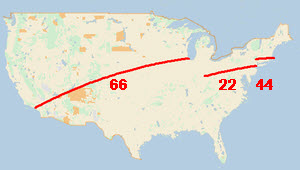
66 the Hard WayThis trip has been a tough one to get started. It has its roots in some decade old thoughts about driving US-22 end to end that morphed into plans for combining that with a drive of US-44, the only other surviving twin-digit even-numbered US highway. I’ve had it penciled in a couple of times then had it all down in ink at the end of last summer. The route was plotted and motels booked for some of the key dates. I had my voucher for a one day dash-in dash-out tour of Boston to separate the eastbound staging from the westbound drive. The ink, however, was not waterproof. At least not waterproof enough for a hurricane. When it became apparent that Hurricane Irene and I were headed for the same spot at the same time, I played the gentleman and let the lady have it all to herself.

Plans for a spring time reschedule have been a little slippery but they’ve finally been tacked into place and I am now on the road. The cover page is still here where it’s been since last year’s.almost trip but now the first day is posted and there’s more on the way. A couple of days heading east, a day in Boston, and a couple on the cape. Then it will be back home on US-44 + US-22 — a.k.a, 66 the hard way.

This blog entry is to provide a landing spot for comments on the trip.