 Seeing things like signs, banners, and menus for local businesses bearing the logo of some large corporation is quite common. Details vary but the basic model is that the big corporation shoulders some or all of the cost and the small business gets some advertising for little or nothing. The idea is hardly new and the concept has never been restricted to purely commercial enterprises. During the last half of the 1920s, a pairing of this sort existed between a major highway and an American hereditary association. The major highway was, of course, the Dixie Highway. The hereditary association was the United Daughters of the Confederacy (UDC).
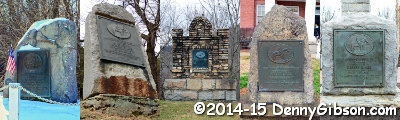 The UDC was the “advertiser” in this instance. Between 1926 and 1935 the organization was responsible for at least ten plaques being erected beside the highway. It’s unclear whether or not the Dixie Highway Association was an active participant in this arrangement. Because the 1926 creation of the United States Numbered Highway System brought an end to all of the named auto trails, the DHA was not very active at this point.
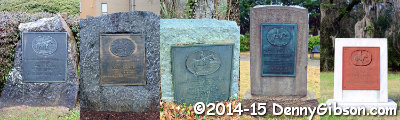 Combined, the previous picture and the one at right show the ten plaques in north to south sequence. The northernmost marker is in Ohio, the southernmost is in Florida, the one preceding it is in South Carolina, and the others are in North Carolina. Except for the date erected, eight of the plaques are identical. The one in Florida contains the same text as those eight but has a different image of Lee. The one in South Carolina contains different text but has the same image as the bulk of the plaques.
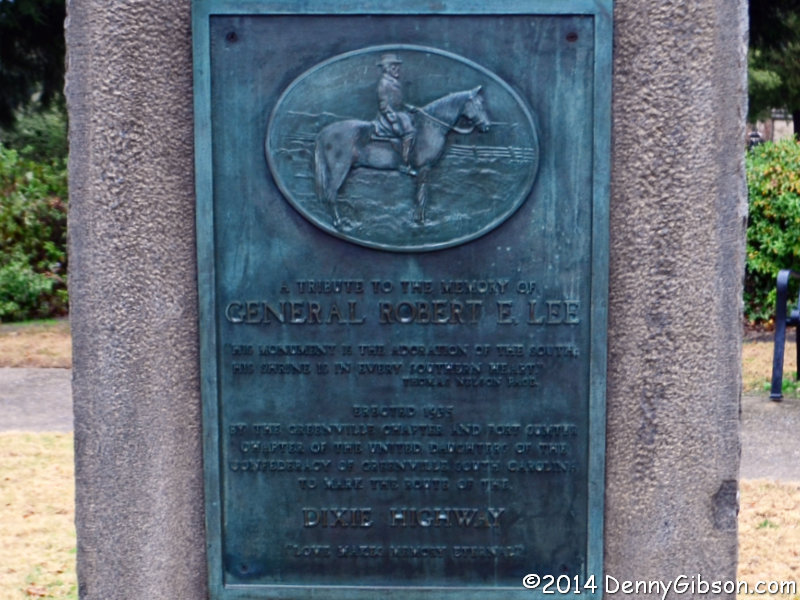
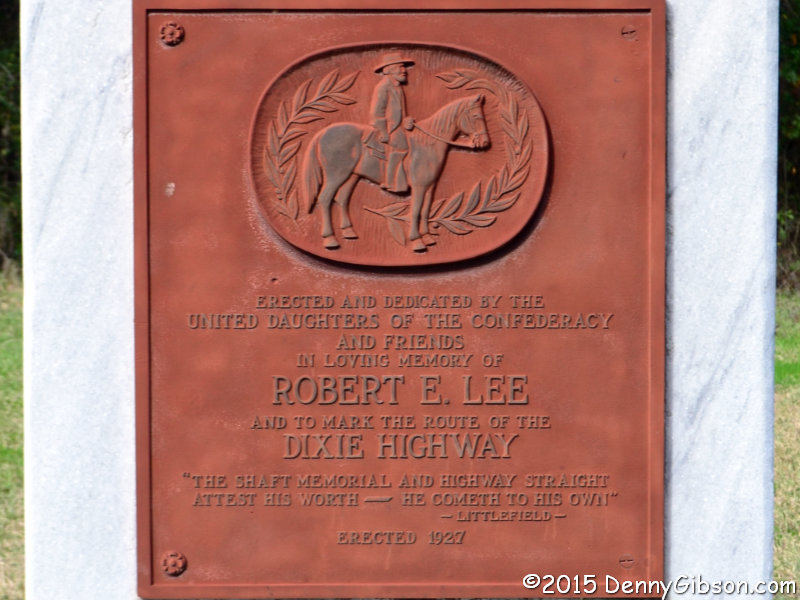 The South Carolina plaque is the bigger oddity. All the others were erected in 1926, ’27, or ’28. It was erected in 1935. One of the differences in its text is its specific identification of the Greenville and Fort Sumter Chapters of the UDC as being responsible for erecting the marker. All others simply identify the overall UDC. The Florida marker was erected in 1927 ahead of at least three others. None of the other nine markers uses this image of General Lee.
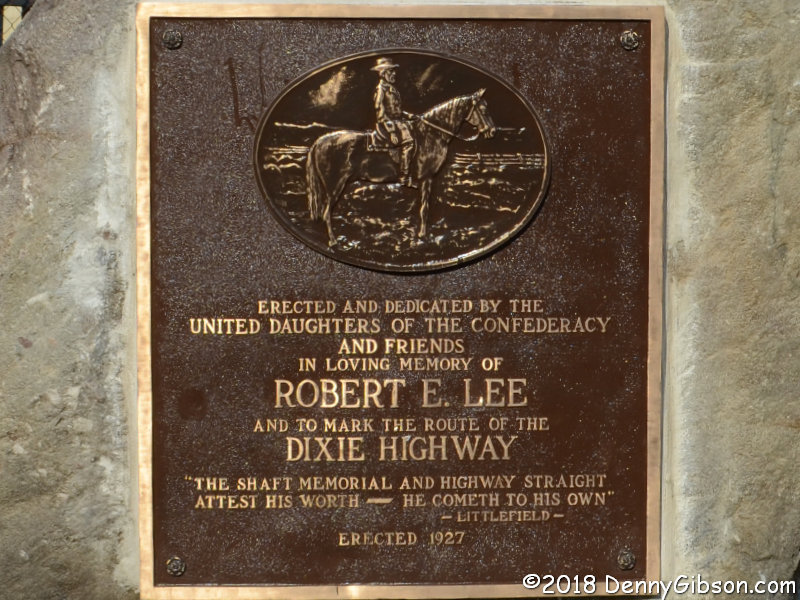 Eight of the plaques essentially look just like this one which happens to be in Ohio. All plaques follow this general format even when some details vary. Approximately the top one-third is occupied by an image of General Lee on horseback. His name appears below the image in large letters. A bit farther down is the name of the auto trail. The letters in DIXIE HIGHWAY are larger than the general text but smaller than the letters in Lee’s name.
Maybe what I’ve written so far will help explain how I’m currently thinking about these markers. My first contact with the markers was in 2008 when I stumbled upon the one in Marshall, NC. After I learned there were others, I made a point of visiting them all and accomplished that in early 2015. At the time I thought of them as something similar to the Madonna of the Trail markers on the National Old Trails Road. That’s pretty much how I saw them until the summer of 2017.
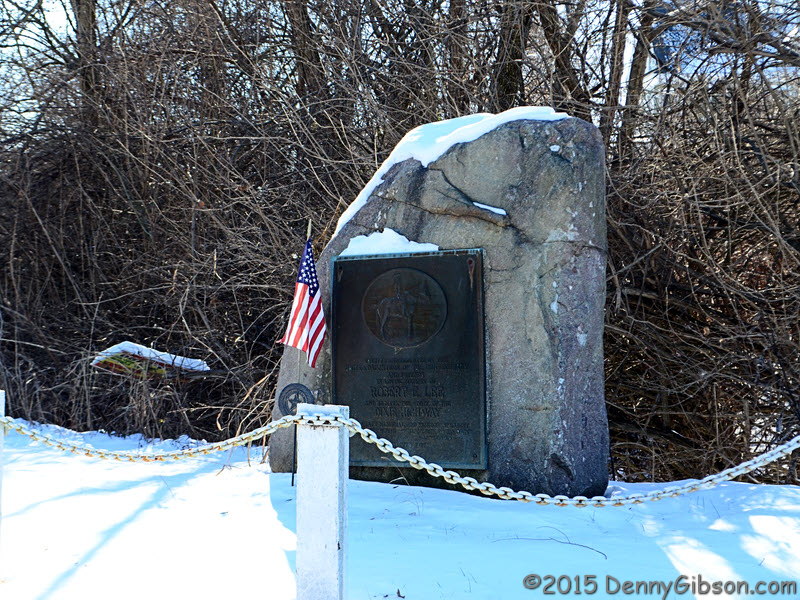 Streets, parks, and statues honoring military and civilian leaders of the Confederate States of America had been drawing more and more attention. In August of 2017, the death of a counterprotester at a white supremacist rally in Charlottesville, VA, cranked that attention up several notches. There was now enough attention for some of it to fall on one of those UDC plaques less than twenty miles from my home. Within days of the events in Charlottesville, a group in Dayton, OH, announced plans for a protest at the plaque near Franklin, OH. Plans to protest the protesters formed almost as quickly. City officials made a preemptive strike by removing and hiding the marker in the middle of the night. It didn’t make anybody happy but it didn’t make anybody dead, either.
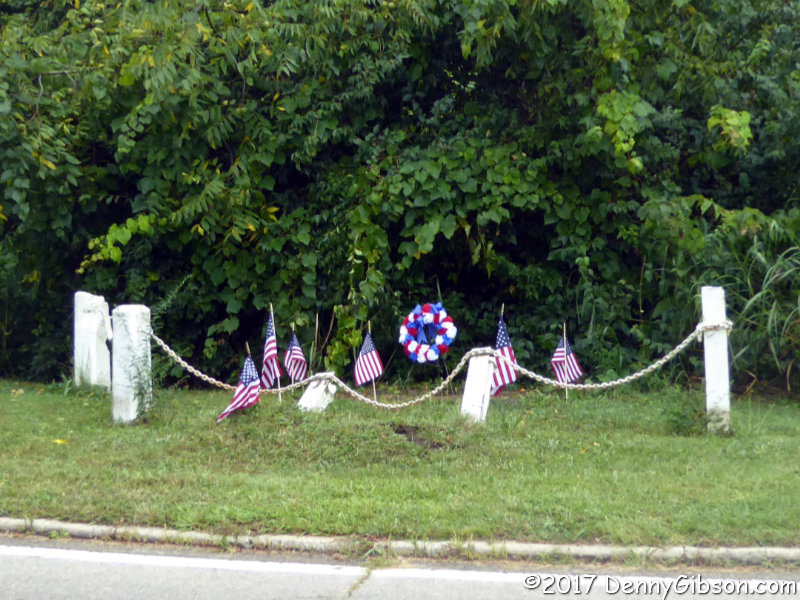 Some news crews and some of those not happy people made it to the site on the morning following the removal. I made it, too, in the role of curious bystander. I chatted casually with a couple of the reporters and tried to defend the Dixie Highway a bit. I’d been calling the plaques and their mountings Dixie-Lee markers. Everyone else was calling the Franklin marker a Robert E. Lee monument and occasionally mentioning that it was on the Dixie Highway. It slowly sunk in that, for the reasons above, they were right. The monuments were not primarily concerned with marking a road like the Madonnas of the Trail or the concrete posts along the Lincoln Highway. I found myself explaining that the Dixie Highway was not associated with the Confederacy and asking that they not tie it too closely to Lee. For the first time, I compared the markers to a big branded beer sign with “Bob’s Bar” at its bottom. Learning that the brand on the sign was run by crooks, doesn’t automatically mean that Bob is a crook.
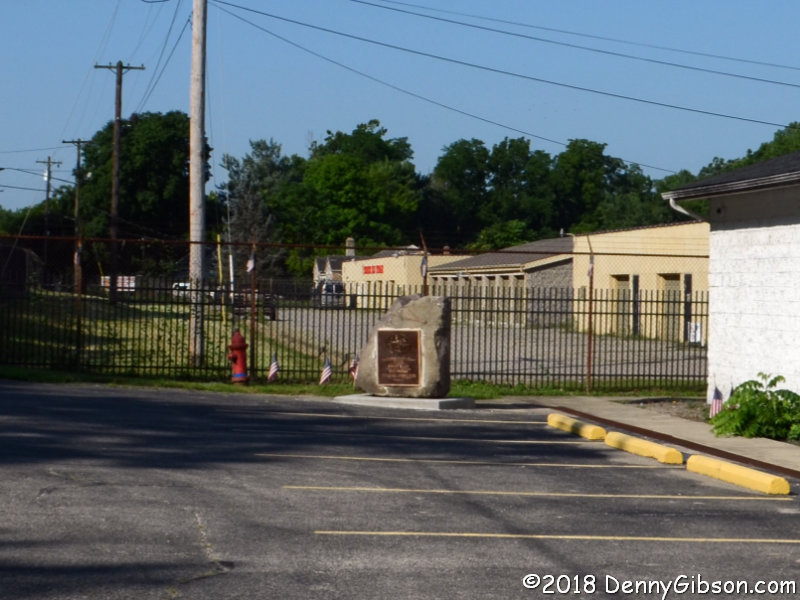 The plaque has been pried from the stone at the NC-SC border. It is lost or possibly destroyed. The marker in downtown Asheville has been attacked and damaged twice. The Franklin, OH, marker is back at roadside but is now on private property. That’s it in the picture at left. It’s even been buffed up and polished a bit. I want all the markers to stay. I deplore the vandalism that has occurred in the Carolinas but I don’t consider it an attack on the Dixie Highway. I now see that those markers really are what others have called them, Robert E. Lee monuments that happen to be on the Dixie Highway.
This topic came to me as I was writing last week’s post about the name of the Dixie Highway. I initially thought of it as a paragraph or two tacked onto that post. The length of the Dixie name post left no room to tack on anything and it is now quite obvious that a paragraph or two wouldn’t have been nearly enough. But it’s also pretty obvious that the two belong together. Again, I want all the markers to stay. But I don’t want them to stay at the expense of the Dixie Highway. Controversy will continue to swirl around statues, flags, and other items legitimately tied to the Confederacy. The Dixie Highway should not be part of that. Saying, as I have, that neither the word Dixie nor the Dixie Highway is inherently racist loses some sincerity if defending the road includes defending these markers.
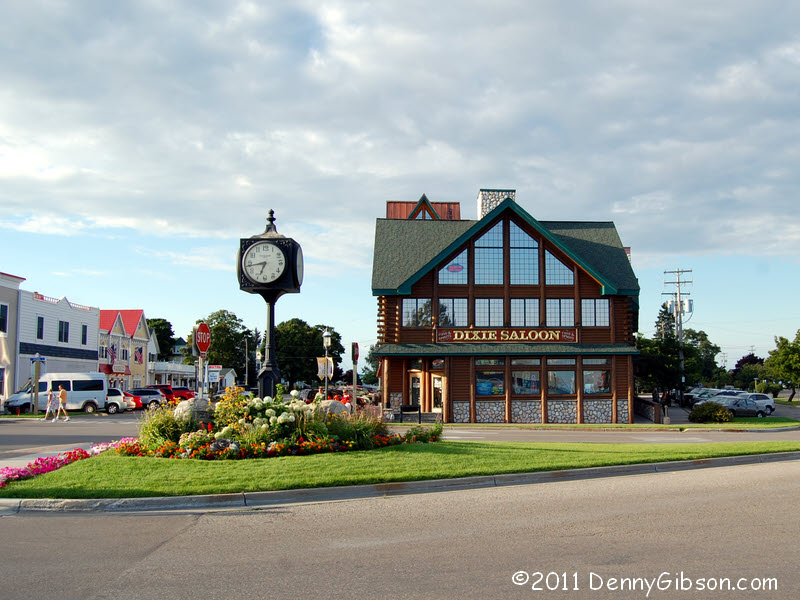
 If something called a dixie existed, I have little doubt that we could refer to it differently without changing its aroma, but the word “dixie” doesn’t really identify anything. It is not, in other words, a common noun. As a proper noun — with a capital ‘D’ — it is used as both a surname and a given name and to identify a wide variety of things including a region of our country. People with a first, last, or nickname of Dixie surely outnumber things bearing the name but there are certainly plenty of those. It has been used to identify buildings, songs, currency, music groups, towns, counties, movies, beer, boats, ships, taverns, race tracks, waterways, restaurants, mountain ranges, athletic conferences, grocery stores, airports, schools, universities, and much more. With an ‘X’ made of a stylized flower, Dixie is a registered trademark of Georgia-Pacific for a brand of paper products.

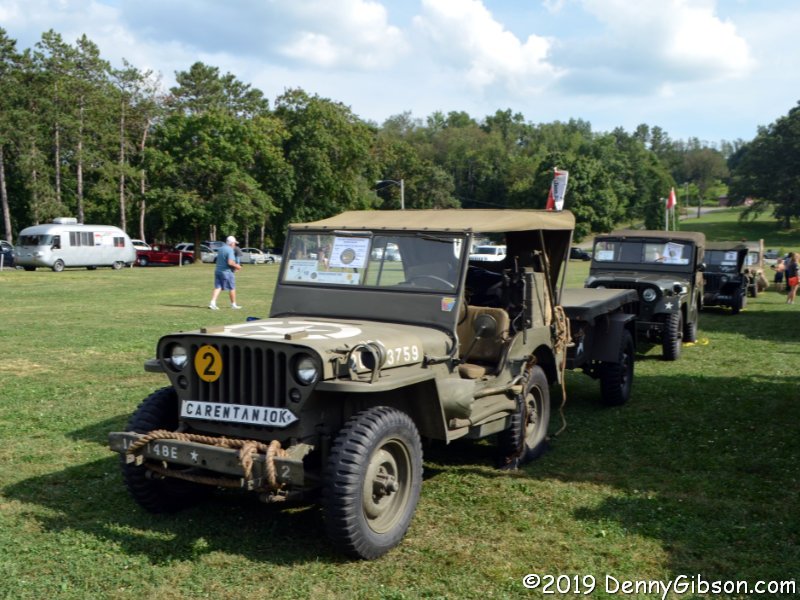
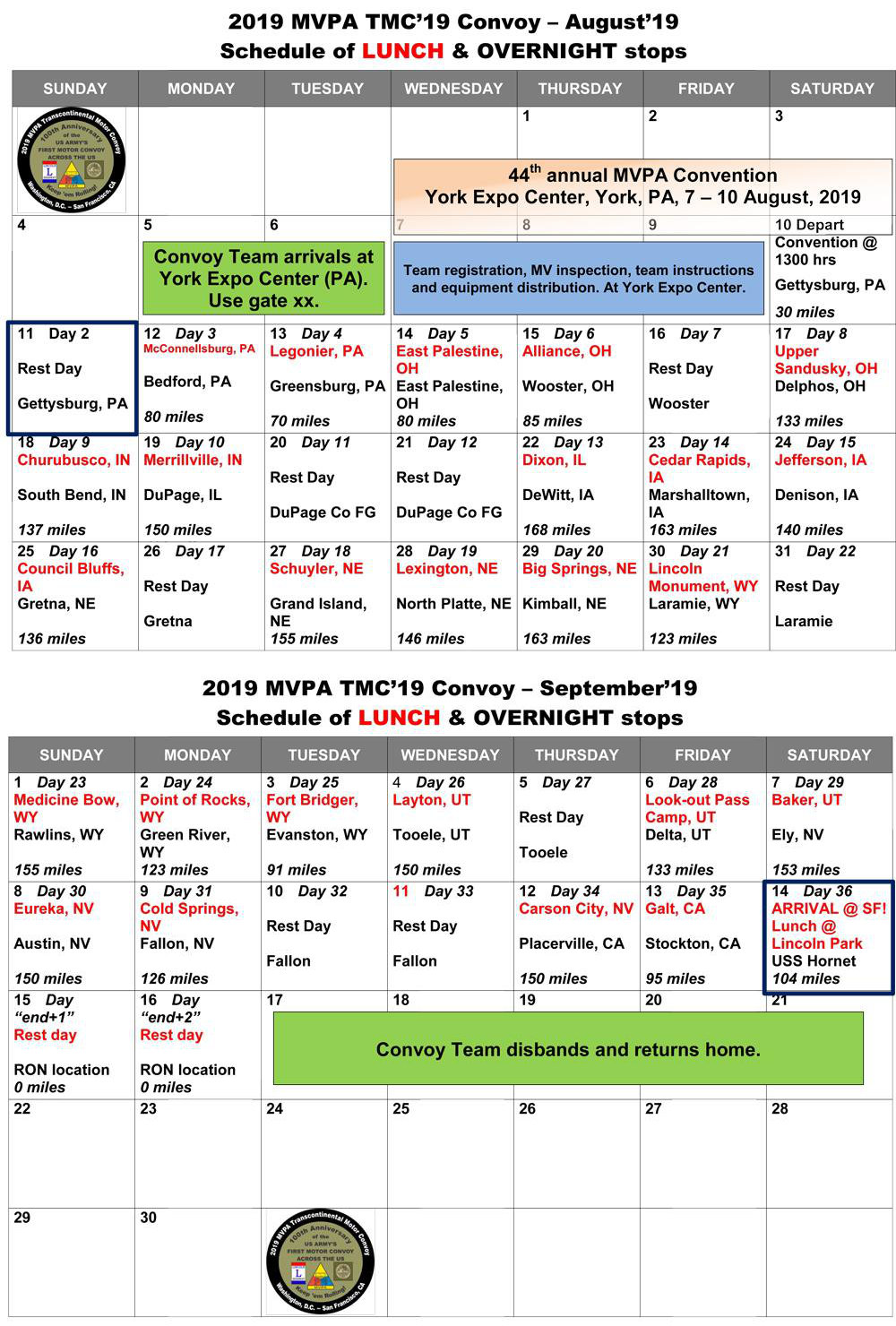
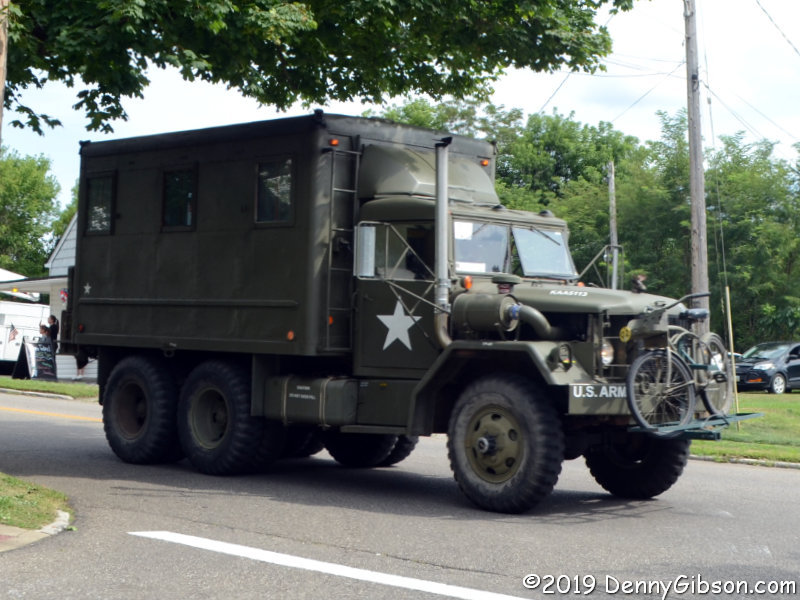
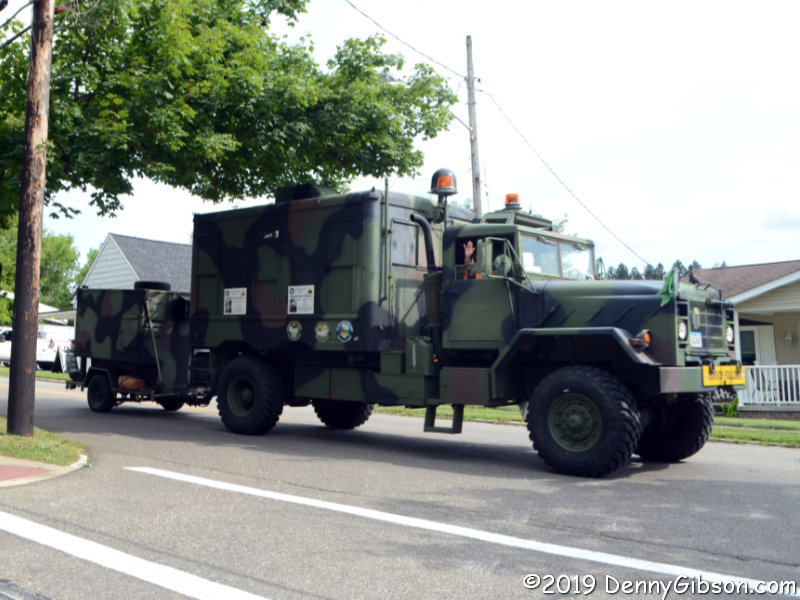
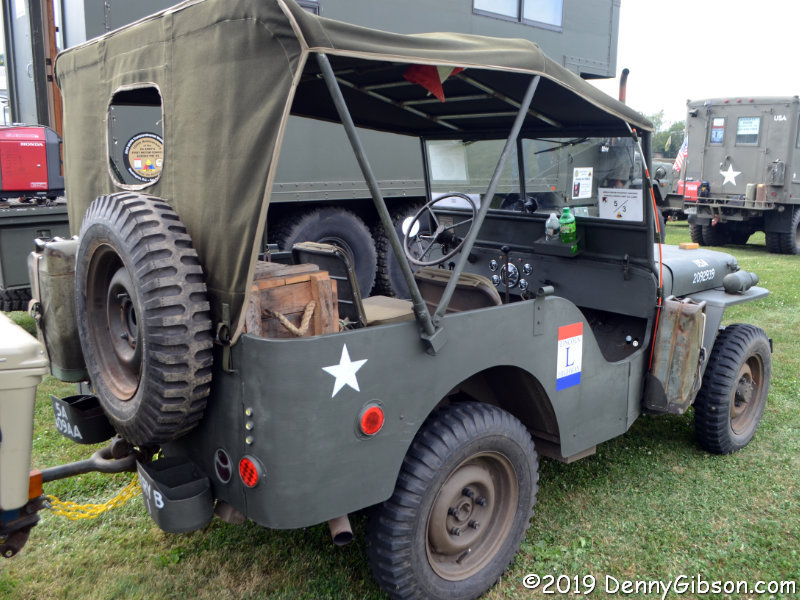
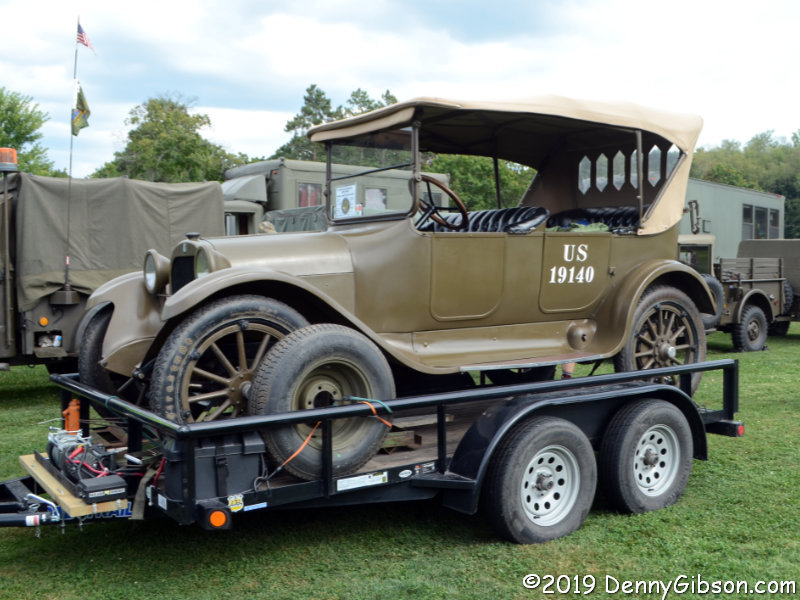
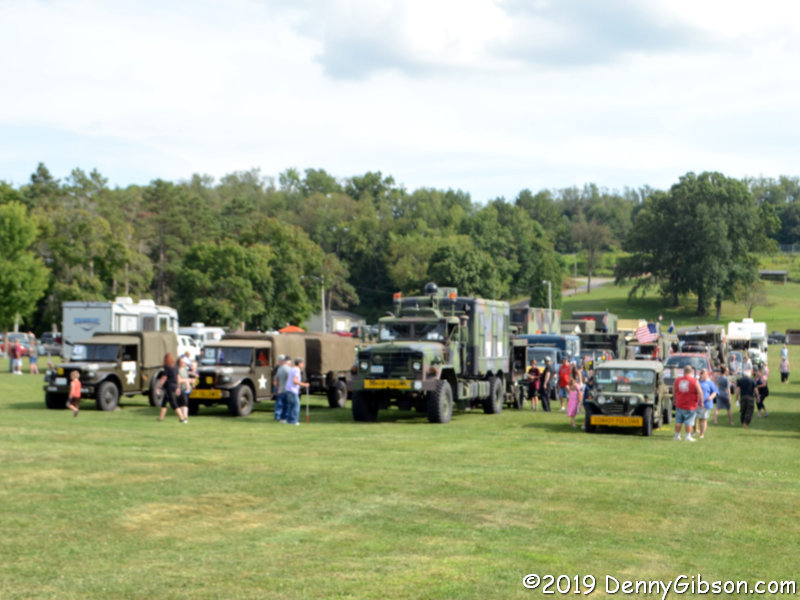
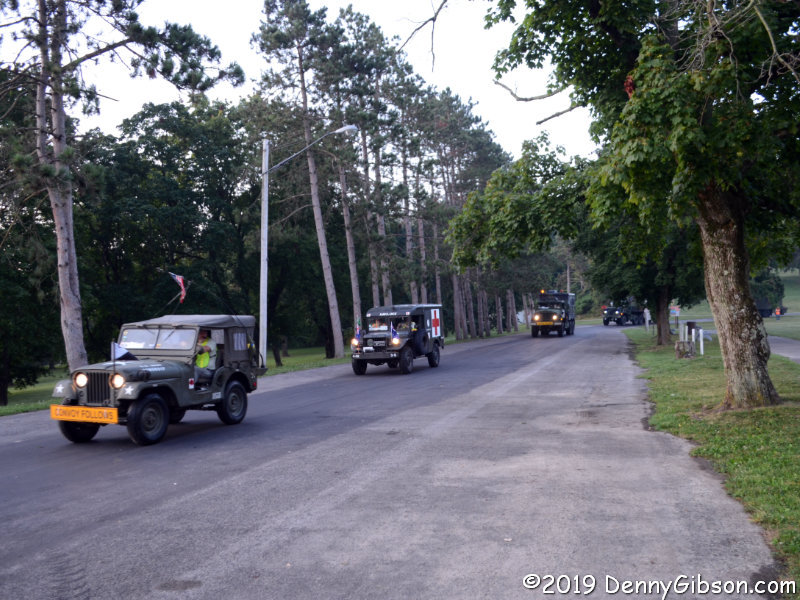
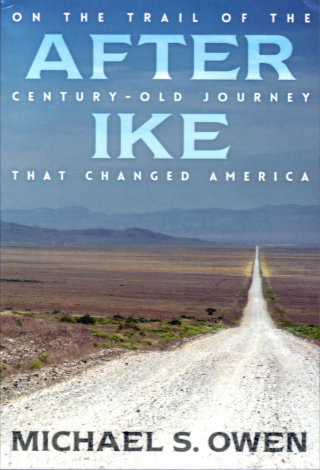 There are things that fans of old roads or of transportation history in general falsely assume that everyone knows about. One such item is the continent crossing Motor Transport Corps convoy of 1919. In the summer following the end of the first World War, a group of military personnel and vehicles set off from Washington, DC, to test the nation’s roads all the way to San Francisco. Although he was primarily an observer on the trip, his future accomplishments make Dwight Eisenhower the member of the convoy best-known today. Michael Owen uses the future president’s nickname in naming this telling of his own retracing of the 3,250-mile-long path that some 300 men and 81 vehicles of all shapes and sizes followed a century ago.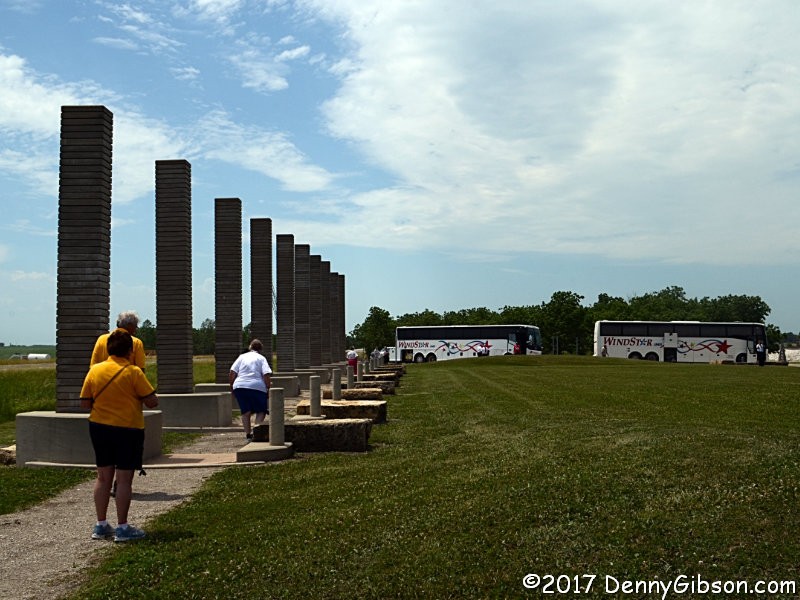

 A lot of things about the site have changed over the years but some things begun with that first trip have stuck. The concept of a page for each day with access to the next and previous day has been in place since the beginning as has a cover page with direct access to individual days. The idea of using the daily “Next’ and “Prev” button to (usually) represent the vehicle being used also goes back to that first trip. An animated GIF showing progress has been used on a few subsequent trips but it requires knowing the full route in advance and that’s often not the case. Besides, it’s a fair amount of work.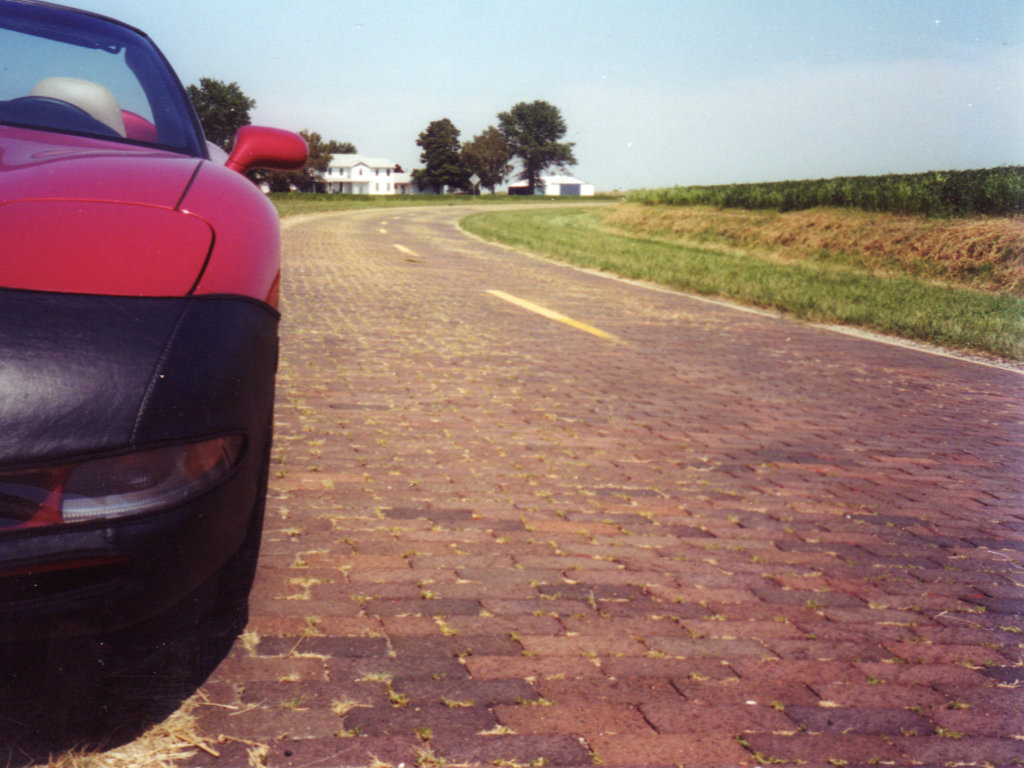
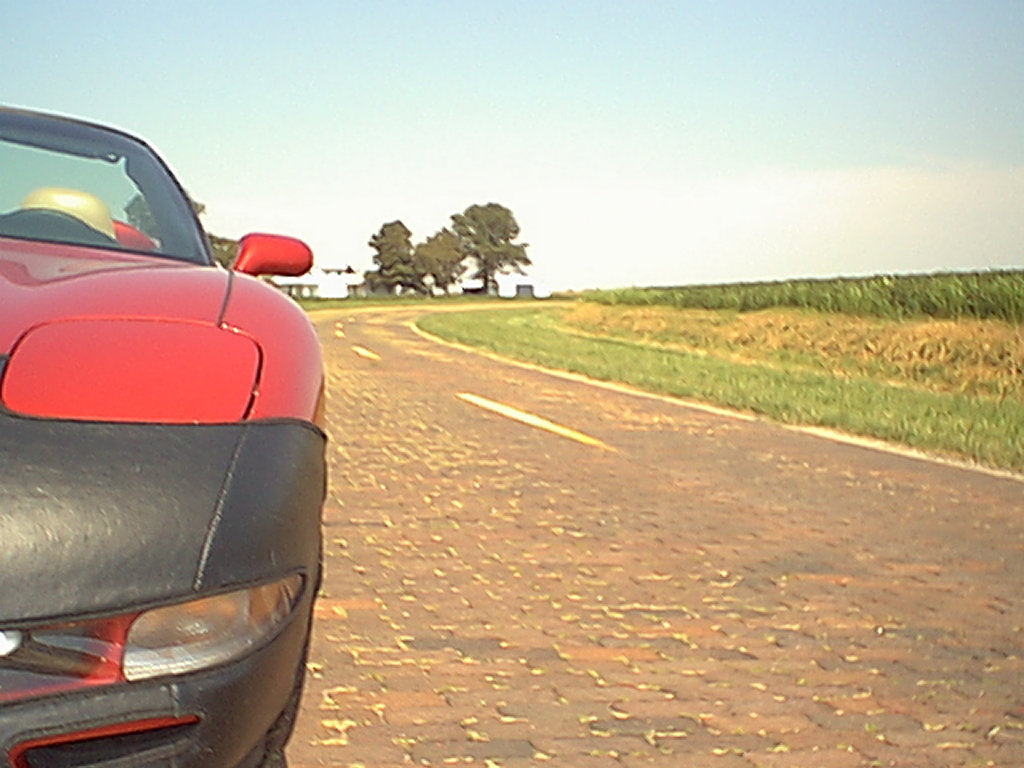
 The final cover page for that trip talks about it being temporary. As I said at the time, I expected it to go away because “I’ll need the space or retiring it will just seem right.” Web space became increasingly cheap and apparently retiring it never seemed right. Two decades later that first trip journal is still online and I’ve added 155 more. There is a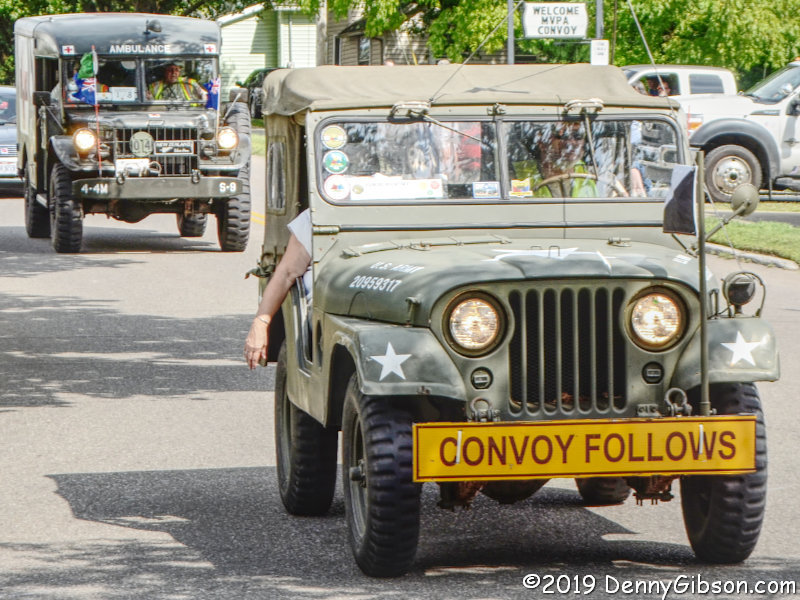
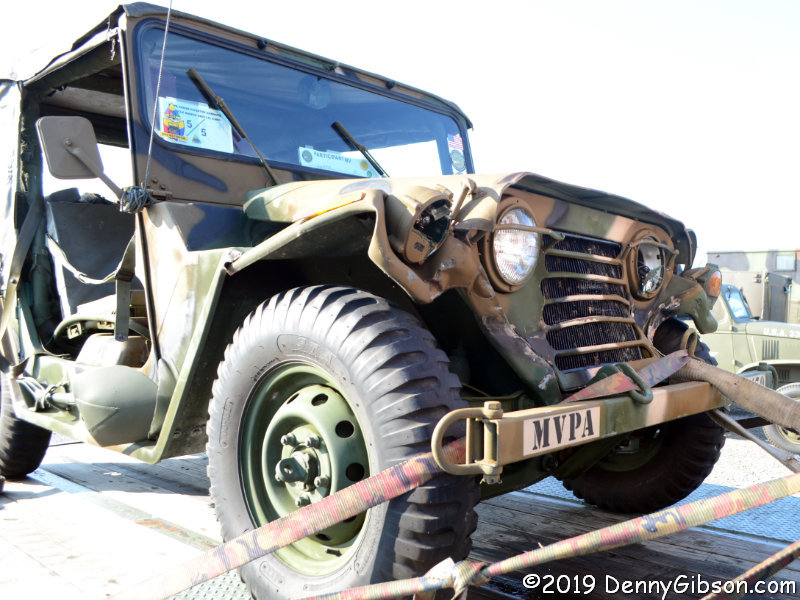
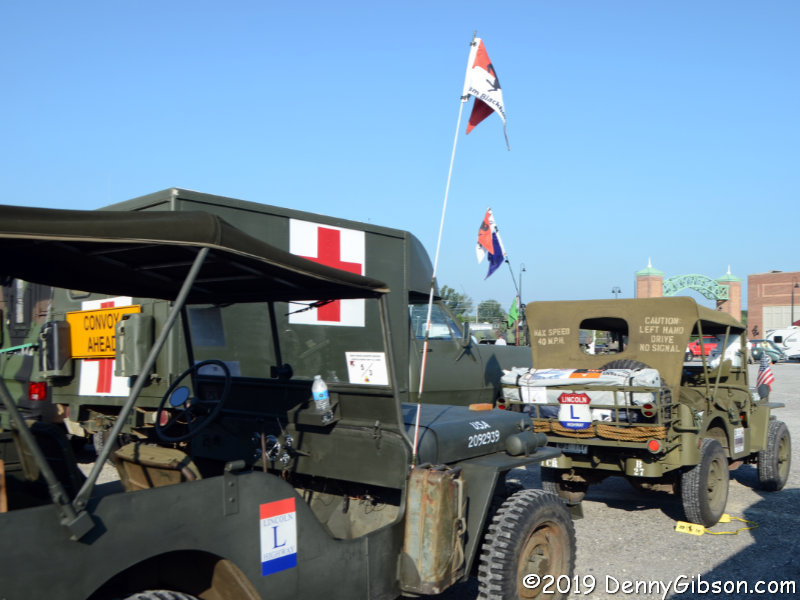
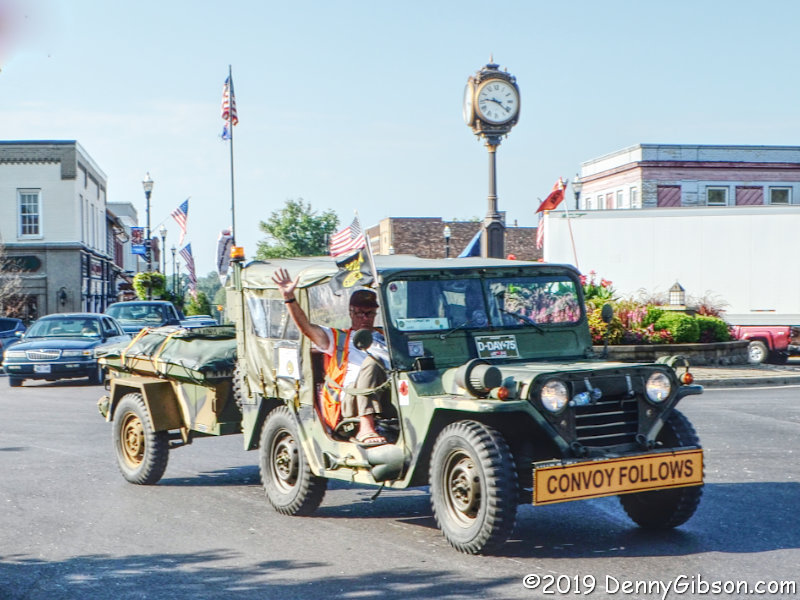
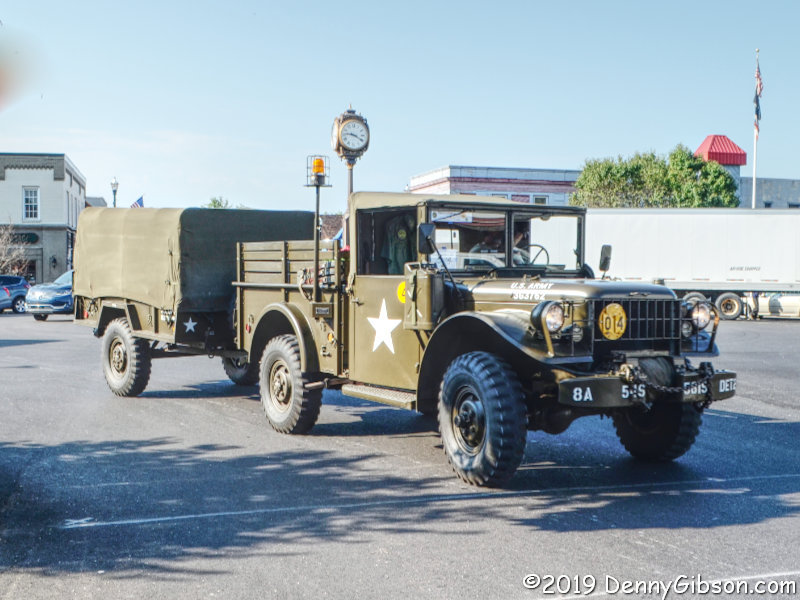
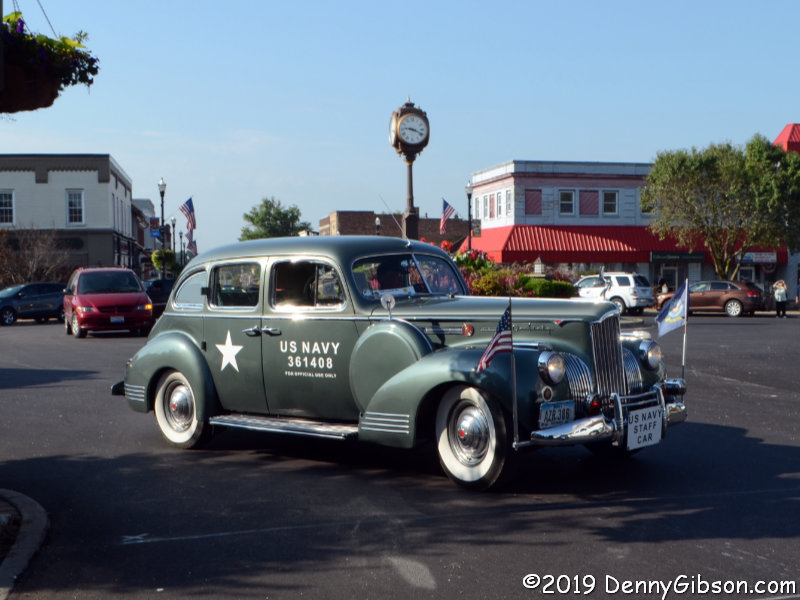
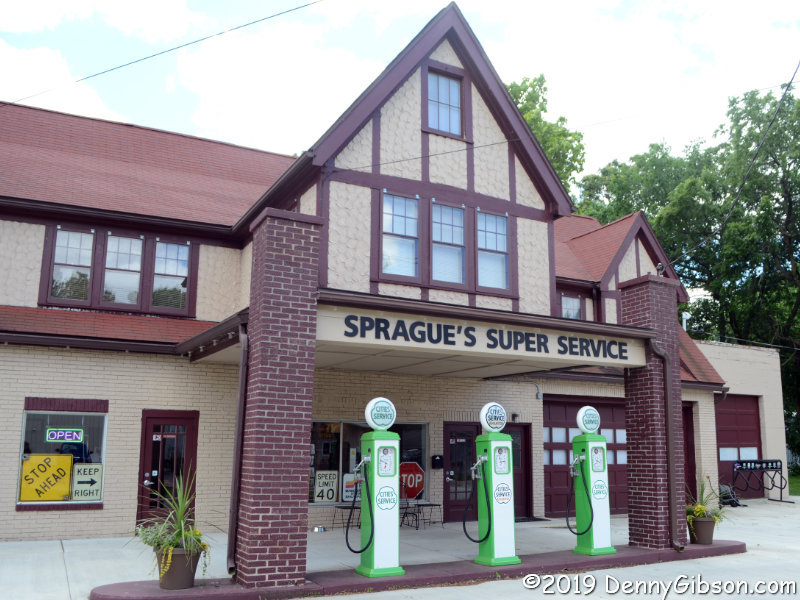
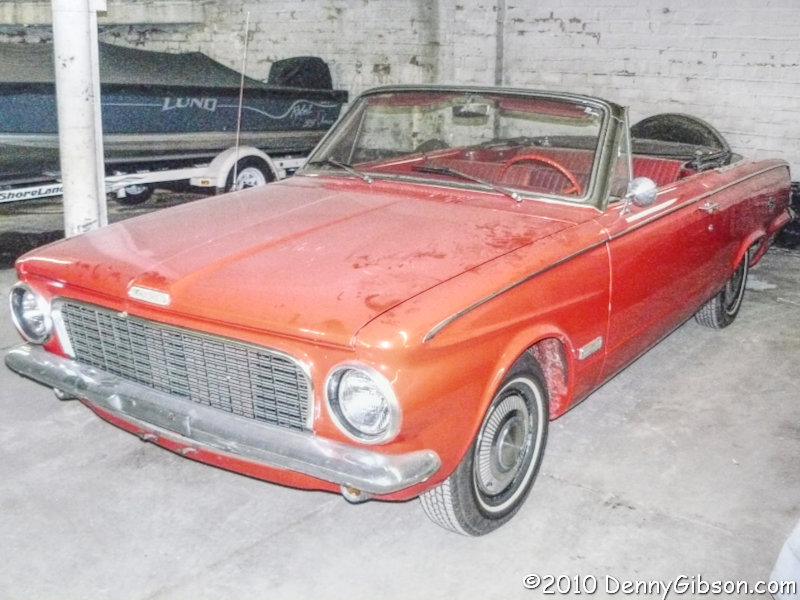
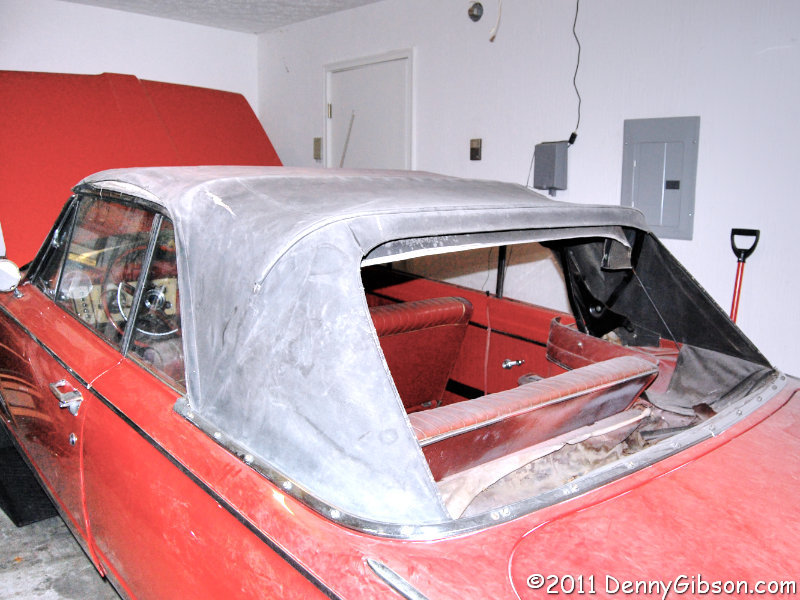
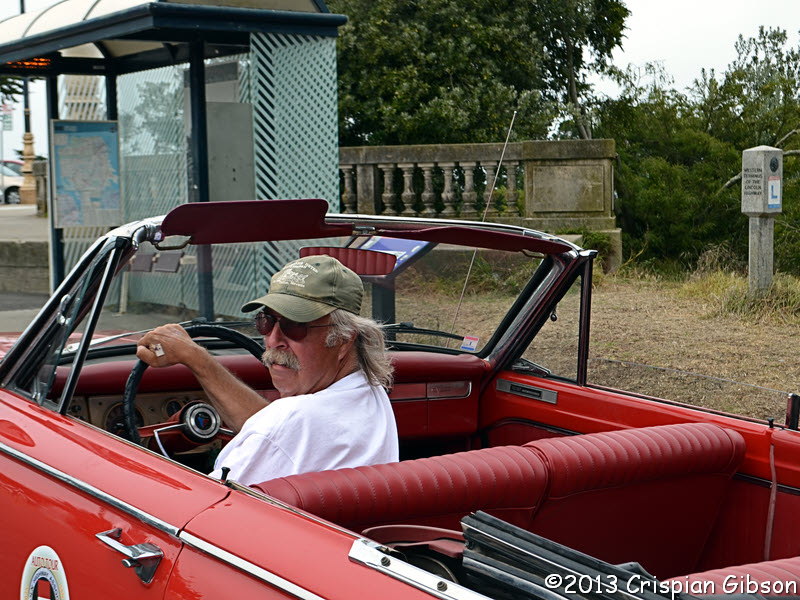
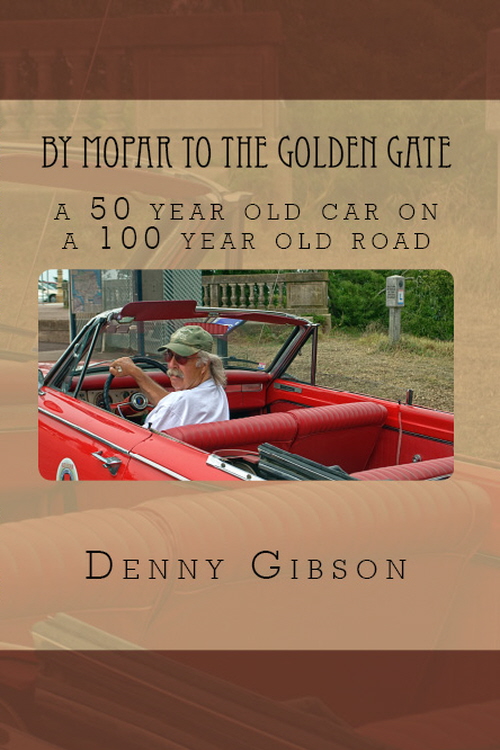

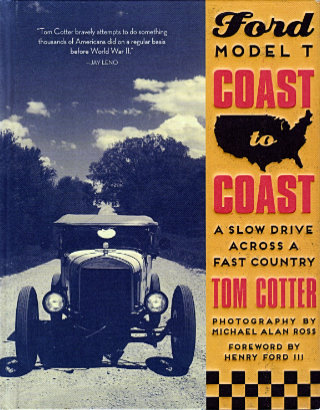 Old-car guys and old-road guys are hardly one and the same although there is definitely a whole bunch of overlap. With this book, Tom Cotter stakes out a position deep in that overlap. Tom is, however, much more of an old-car guy than an old-road guy so it’s not surprising that his position is closer to the car side than the road side. The story of how plans for the trip came together is telling. The idea that Tom started with was driving an old car across the United States. Over the years, the idea had been refined to involve a particular old car. He called it a dream and admitted that it was unlikely to be realized but the car he really wanted to drive across the country country was a Ford Model T. In his dream the road was secondary.