Trip Peek #84
Trip #30
Through Some Gaps

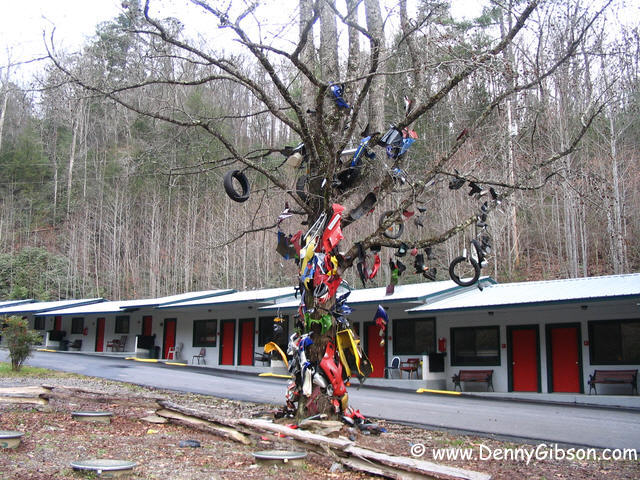
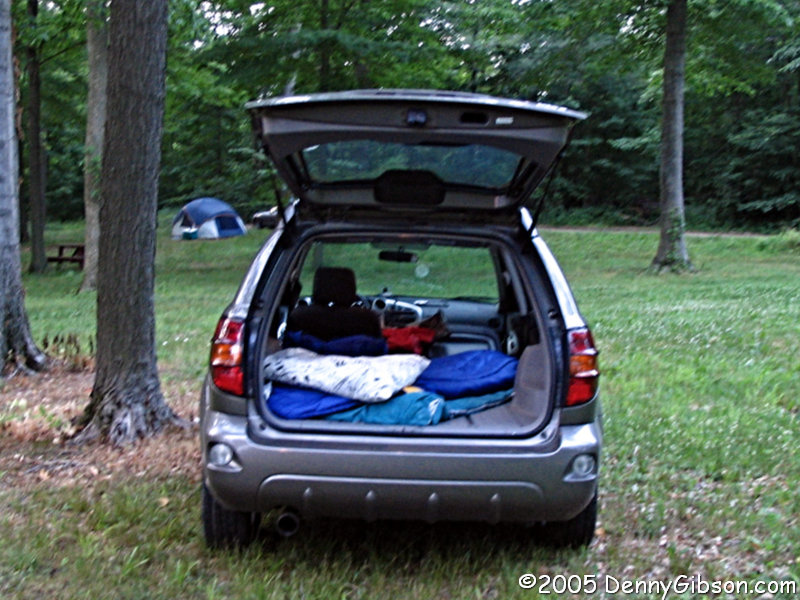
This picture is from my 2004 Through Some Gaps trip. This was a short two-day drive tacked onto a business trip to Georgia. The picture is of a tree festooned with bits of motorcycles near the south end of The Tail of the Dragon where I set myself apart from the typical visitor by driving it uphill in the rain in a Pontiac Vibe. This trip marked my first visit to the Nickel brothers’ airplane shaped gas station near Knoxville, TN.


Trip Peeks are short articles published when my world is too busy or too boring for a current events piece to be completed in time for the Sunday posting. In addition to a photo thumbnail from a completed road trip, each Peek includes a brief description of that photo plus links to the full-sized photo and the associated trip journal.

Trip Peek #83
Trip #3
Corner to Corner to Corner

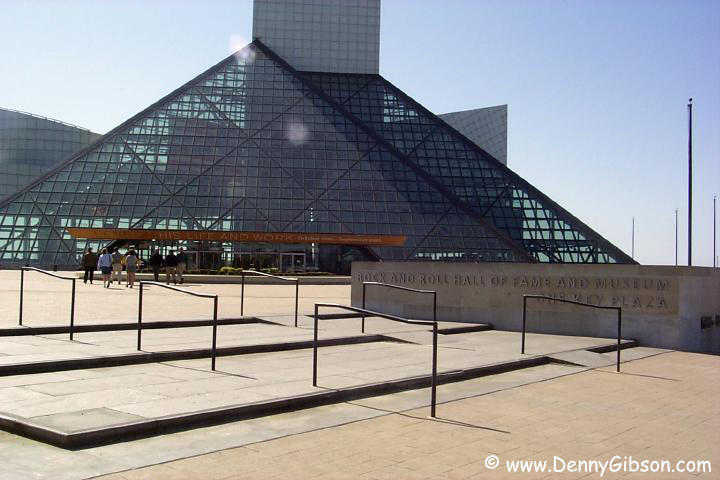
This picture is from my 2001 Corner to Corner to Corner trip. As only the third trip I journaled, it certainly had its share of oddities, experiments, and learning. I consciously considered it something of a practice run for a major trip planned for later in the year. One odd aspect, which I hope never to repeat, was its division into three episodes. To help fit the bulk of the trip into one weekend, the initial miles of the northbound leg were covered on the preceding weekend and the final miles of the southbound leg were driven a couple of days after the big weekend segment. The target of the trip was the Rock and Roll Hall of Fame (pictured) in Cleveland, Ohio. The name comes from the fact that travel was from the southwest corner of Ohio to the northeast corner, then back. The route north followed US-42 while the route south followed the 3C Highway which influenced trip’s name just a little.


Trip Peeks are short articles published when my world is too busy or too boring for a current events piece to be completed in time for the Sunday posting. In addition to a photo thumbnail from a completed road trip, each Peek includes a brief description of that photo plus links to the full-sized photo and the associated trip journal.

LHA Conference 2019

This is a big reason why drives involved in the preceding trip were not very leisurely. In the early phases of planning, it seemed like a conference in early June and another in late June would leave plenty of room in between. The devil appeared and the leisure time vanished in the details. The early June conference filled the 5th through 8th. This, the late June conference, filled the 18th through 21st. That left what initially seemed like an ample nine days between the end of one and the start of the other. A two-day drive home from Wisconsin and a five-day drive to Wyoming trimmed all the ampleness from the schedule in a flash. I had time to do laundry and repack and am now on the way to Rock Springs, Wyoming, for the June 18-21 Lincoln Highway Association conference. The first day of the trip is in the books and on the web.

This entry is to let blog only subscribers know about the trip and to provide a place for comments. The journal is here.

My Wheels — Chapter 37
2011 Subaru Forester

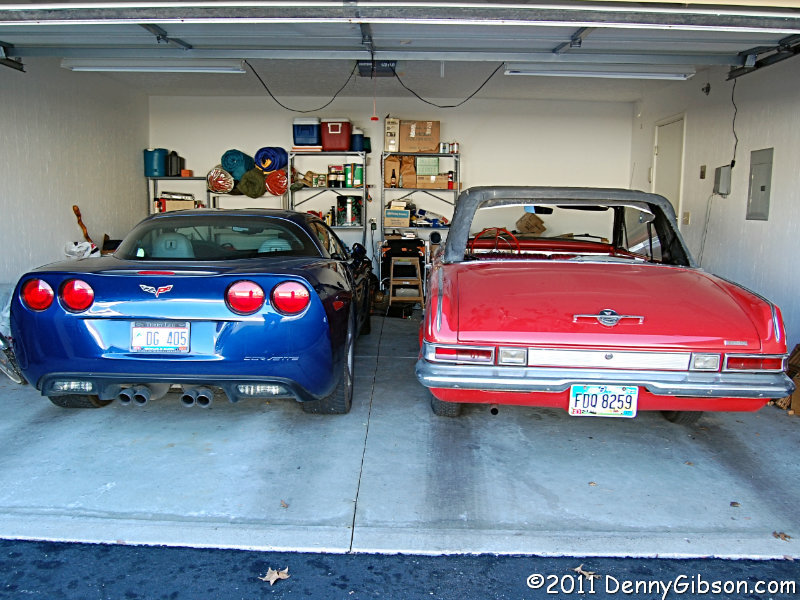
Acquiring the 1963 Valiant triggered an overall shuffle in the stable. The two-car garage at my condominium was already filled and the Valiant was clearly not a good replacement for either of the occupants. In fact, it would never become a truly active member of the fleet. Even at its highest level of roadworthiness during my ownership, it required a certain amount of gentle handling and respect for its age. In the beginning, it needed more than that which is how I got away with having three cars for a short while. The Valiant lived offsite getting a new top and other repairs.

During that time, I joked about my 3-V fleet but apparently I never did get a picture of them all together. The Vibe, ‘Vette, and Valiant lineup only existed a few months. By mid-April, the ‘Vette and Vibe had been converted into a Subaru Forester. The Vibe went first and it was the sale of the Corvette that triggered the previously arranged purchase of the Subaru. I continued making bad letter-oriented jokes by pointing out that I’d traded capital-P performance for capital-P practicality.

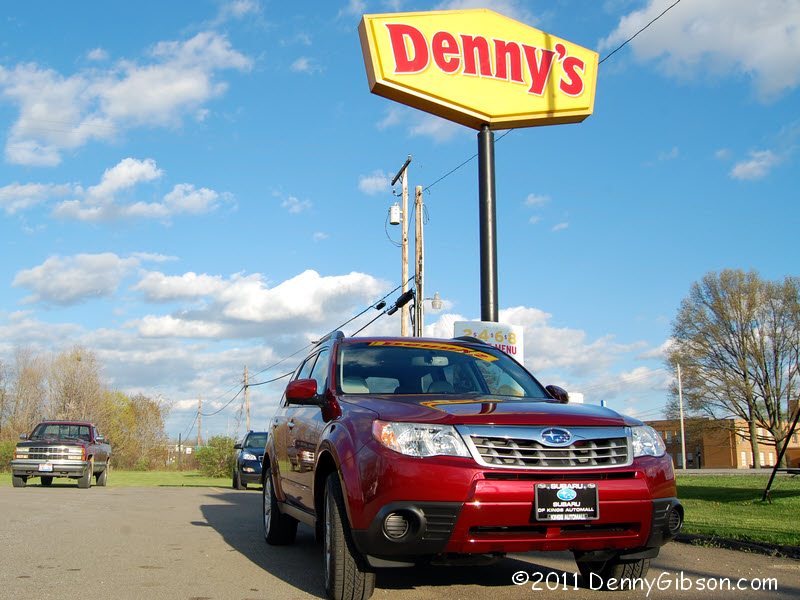
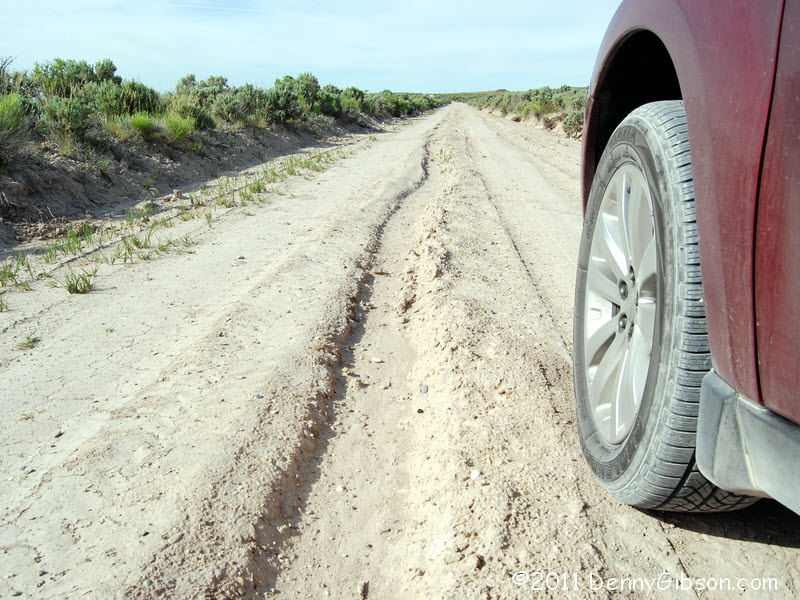
The Forester really was very practical, and it needed to be as the road trip workhorse. The opening photo is from its first road trip in April of 2011 when it was still new enough to be running temporary tags with the dealer’s filler in the front. A couple of months later, I would drive it to the Lincoln Highway Conference in Tahoe using a lot of Lincoln Highway to get there. That included the pictured unpaved stretch near Orr’s Rance in Utah. I can’t say for certain whether I would or would not have attempted that in a Corvette, but knowing how far away the next pavement was, it seems unlikely. I would have almost certainly tackled it in the Vibe and don’t doubt it would have done just fine. But there wasn’t even a pause to think about it with the Subaru. This is the sort of road it was made for.

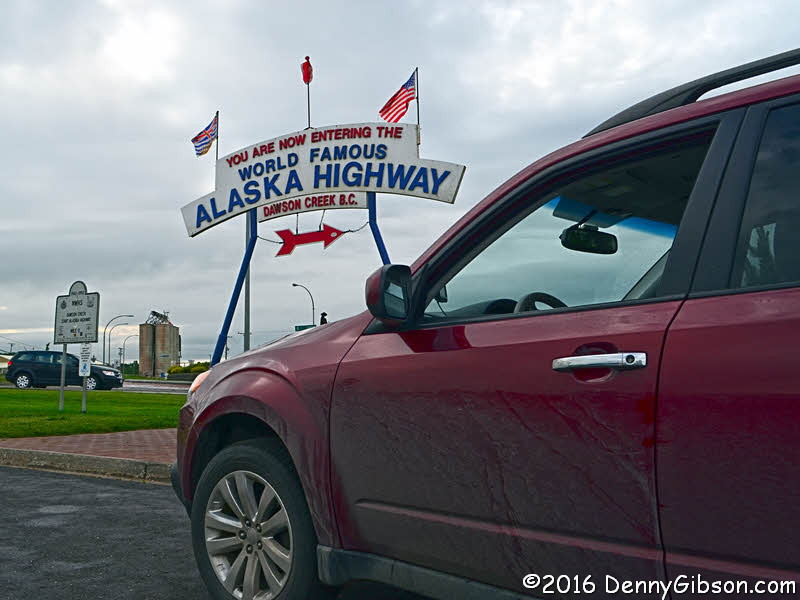
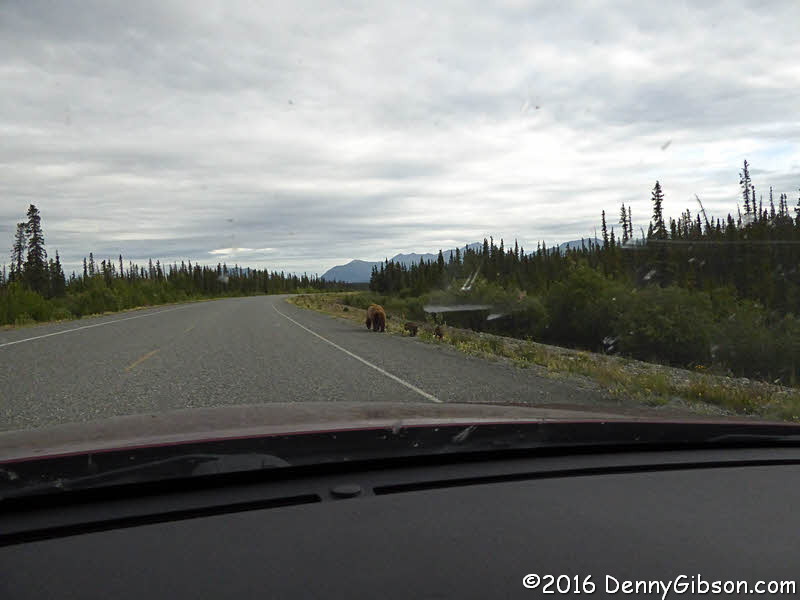
It would eventually carry me on 34 documented road trips, second only to the 2006 Corvette. Between April 2011 and May 2014, it handled every road trip except one with a rental and the two Lincoln Highway related outings that were the reason for the Valiant to exist. With over 110,000 miles on the odometer, the Forester and I set out on that 2016 record-breaking drive to Alaska. I got it to pose when we reached the Alaska Highway and used it as a protective camera stand for various wildlife viewings. The entire 11,108-mile trip was essentially trouble-free.

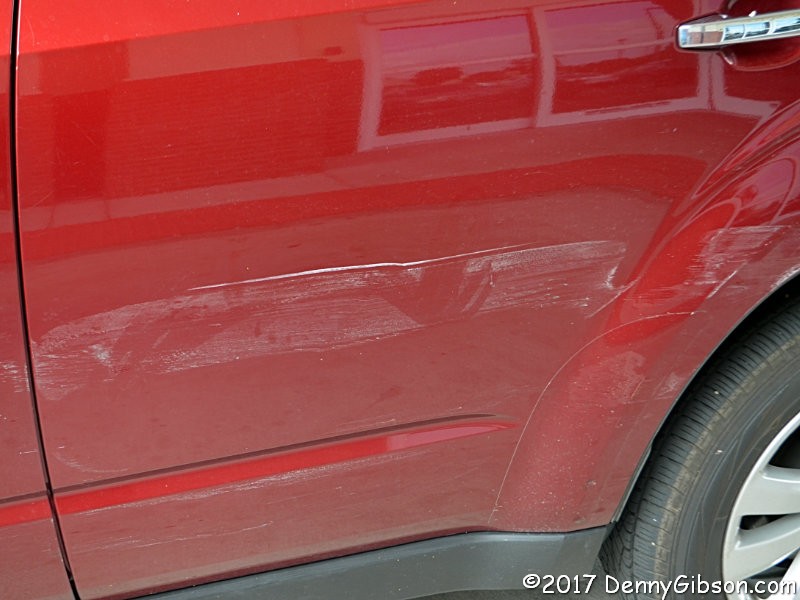
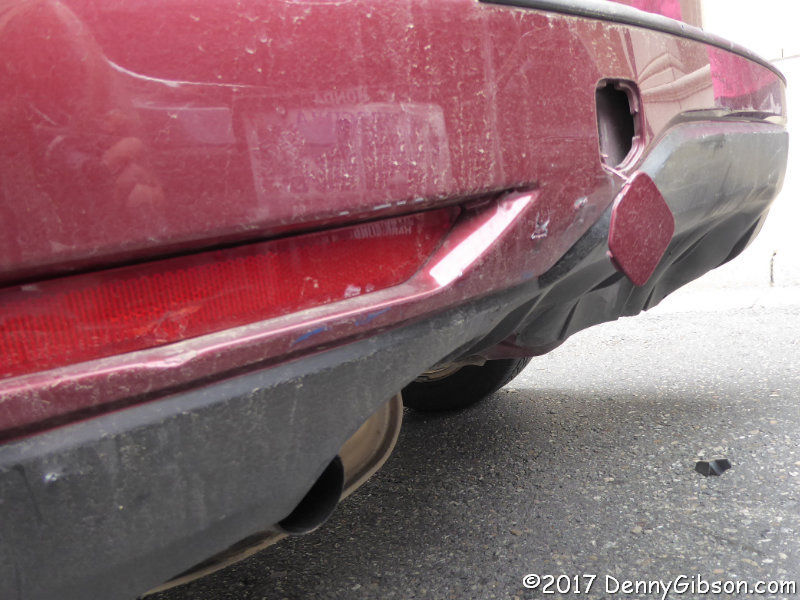
Oil consumption had gone up during the Alaska trip but that was solved with head gasket replacement when I got home. A year later, with 140,000+ miles on the clock, it was performing wonderfully on a trip through Virginia and Maryland. In Harrisburg, VA, a Honda struck me from behind as I sat at a stop light. It didn’t look too bad, and the car was drivable, but I knew it wasn’t going to buff out. Three days later, I returned to the car in a museum parking lot to find a scrap running the length of the left rear door. The Honda driver had instantly taken responsibility and we exchanged our information. Whoever got intimate with my door had simply vanished. I finished the trip then visited a nearby body shop I had some experience with. Repairs would run a few thousand dollars or more depending on what was found when the exhaust was examined. Of course, I was responsible for only part of that, but regardless of whose pocket the money came out of, the end result would be a car worth not a whole lot more than the cost of repair. I had been quite happy driving a six-year-old car with more than 140,000 miles but there’s not much market value in cars like that. I went straight from the body shop to the dealer and traded for a car that will appear in just a couple of chapters.

My Previous Wheels: Chapter 36 1963 Plymouth Valiant
My Next Wheels: Chapter 38 2003 Mazda Miata

SCA Conference 2019

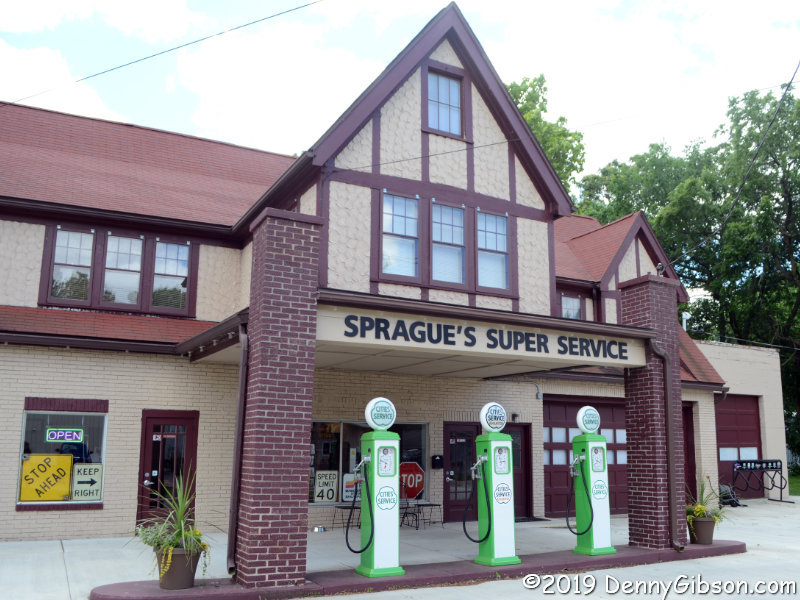
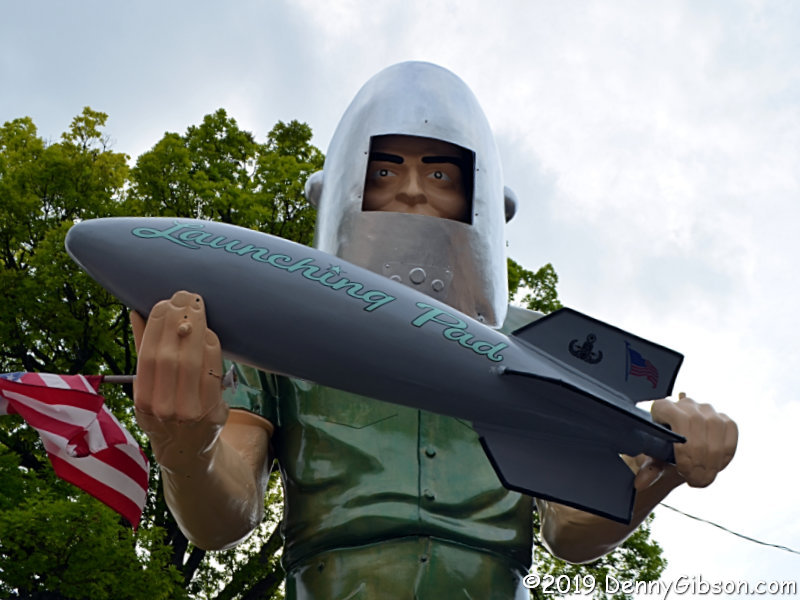
I once envisioned the 2019 Society for Commercial Archeology conference being bracketed by leisurely drives to and from, but as time passed the schedule on both sides of the event filled in and squeezed out most of the leisure. The first day included just enough time to check out the freshly painted fellow in the picture. He’s not part of the conference but he is exactly the sort of thing that the SCA is all about. The conference itself is being held in Wisconsin Dells and has been given the name “Wacky Wisconsin”. It’s a four-day affair running June 5-8.

This entry is to let blog only subscribers know about the trip and to provide a place for comments. The journal is here.

Movie Review
Cuba
Golden Gate 3D

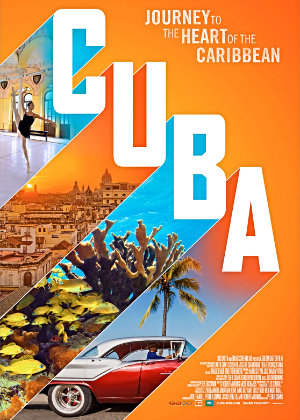
A new film will open in the reworked all digital Robert D. Lindner Family OMNIMAX Theater on June 7. A few previously shown films have appeared as part of the theater’s classic series but Cuba: Journey to the Heart of the Caribbean is only the second new production to be shown since the theater reopened in December following a long closure. A post on the reopening and the first film, Volcanoes, is here. There were two members-only showings of the new movie on Saturday and I jumped at the chance to attend. Volcanoes is an awesome movie; Cuba might be even better.

It’s the work of Golden Gate 3D, which I’ve now learned was responsible for two of my favorite 70-millimeter real film IMAX movies: Jerusalem and National Parks Adventure. The images are superb, from scenic panoramas to the microscopic; From world stopping slow motion to the super acceleration of time-lapse. The three storylines do a fine job of holding the film together and moving it along. Then there’s the music. ¡Ay caramba, the music! It grabbed me from the start and never let go through slow soaring overhead shots to frantic-paced dance scenes. I expected to see a long list of contributors when I scanned the credits but it appears that just two men composed all the original music: Andres Levin, who was also the film’s music supervisor, and José María Vitier. Wonderful stuff, fellows.

The storylines involve Havana’s official historian, an aspiring ballerina, and a pair of scientists. Eusebio Leal doesn’t just study history, he preserves it. He is responsible for saving and renovating many of the city’s numerous endangered buildings. He is also responsible for the only direct quote I recall from the movie: “Architecture is frozen music and we are a people who love music”.

It was a major surprise to me to learn that the world’s largest ballet school is in Havana. The movie follows Patricia Torres, one of the Cuban National Ballet School’s approximately 3,000 students, as she works to realize her dream of joining the Cuban National Ballet Company. Fernando Bretos and Daria Siciliano study Cuba’s coral reefs to discover why they are actually recovering while those in other parts of the world continue to decline. Their work provides the filmmakers an opportunity to show off their considerable underwater skills in recording some beautiful scenes.

Two of my favorite scenes are the result of underwater microscopic time-lapse recording. Siciliano tells us that the coral is not inanimate stone but is simply living at a different pace than us. The cameras then demonstrate. The scenes instantly reminded me of liquid light shows I saw in the 1960s. The great music certainly encouraged the idea that I was watching a brilliantly colored high-def high-tech version of hippy era stagecraft.

There was another flashback of sorts in plenty of shots of the legendary 1950s American automobiles that resourceful Cubans have kept in operation despite the long-standing complete embargo on parts. Of course, keeping the mostly brightly colored vehicles running is not the only place where the embargo and generally poor economy have led to uncommon ingenuity. Agriculture is one such area that is highlighted in the film.

The lack of money and materials is evident in the film from the aforementioned “classic” cars to the deterioration of buildings. Cuba: Journey to the Heart of the Caribbean doesn’t avoid or downplay this aspect of the politically isolated island but the bright and crisp images somehow make it less sad. The music might also have something to do with that. The faces certainly do.

The movie is filled with smiling faces, dancing feet, and drum pounding hands. Most of the people seen in the movie are happy. Of course, this is partly due to the fact that parades and other celebrations are frequent subjects. Not every face is smiling and not every scene is a happy one but there are a lot more grins than grimaces. Somewhere near its beginning, the film talks of Cuba existing in three different periods. There is its glorious past, its uncertain but promising future, and the present. The present is what it is. This movie might make things look a little better than they actually are but I don’t think that’s an intentional misrepresentation. I think its creators wanted to make a joyful and entertaining movie that included some seriously representative images. They used some of the best of the present and included a little bit of both the past and the future. When you see it, and I really recommend you do, be prepared to tap your toes and maybe dance in your seat a little. It’s gonna be hard not to.

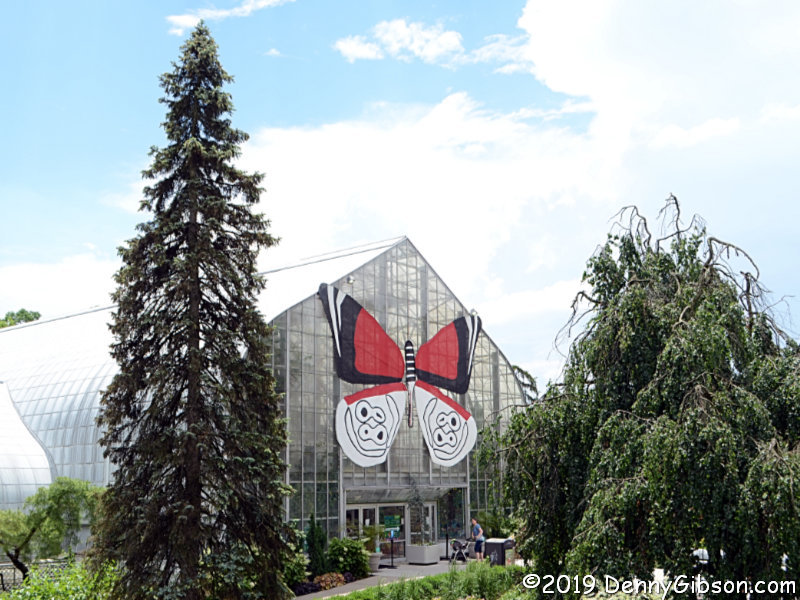
Butterflies at Krohn Conservatory

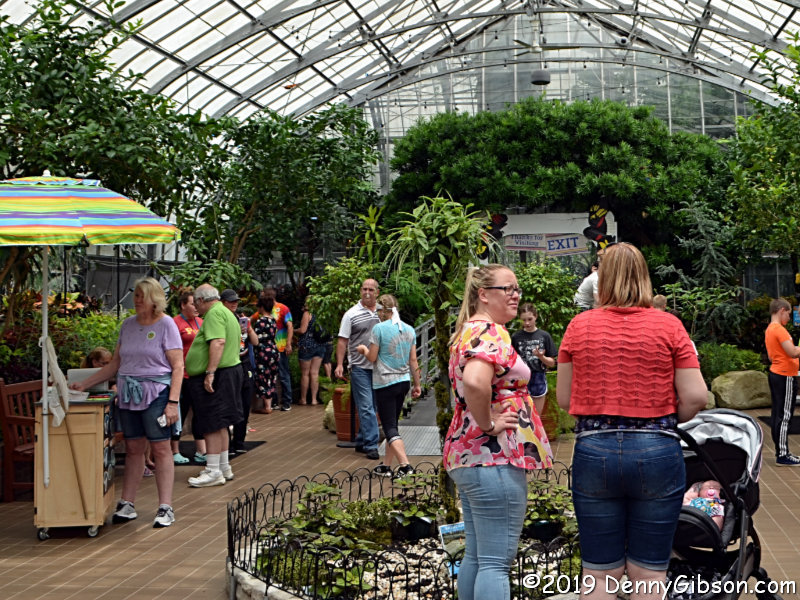
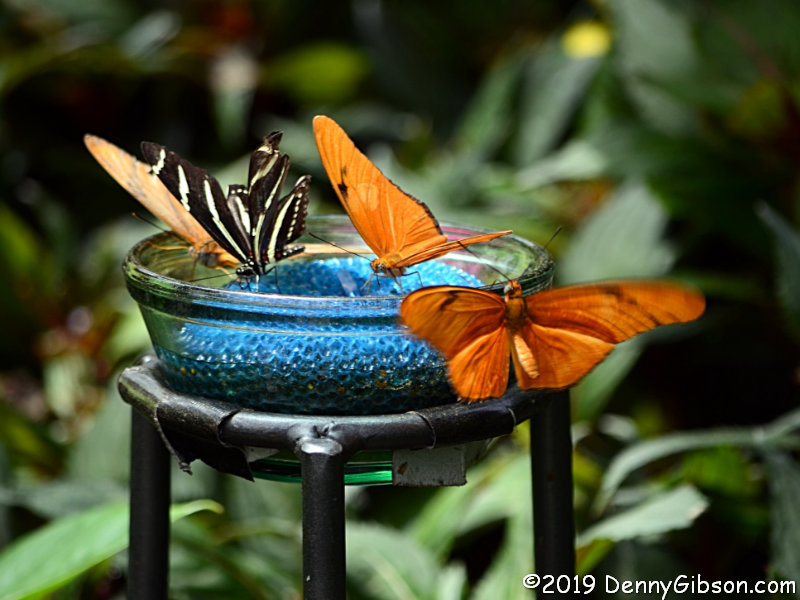
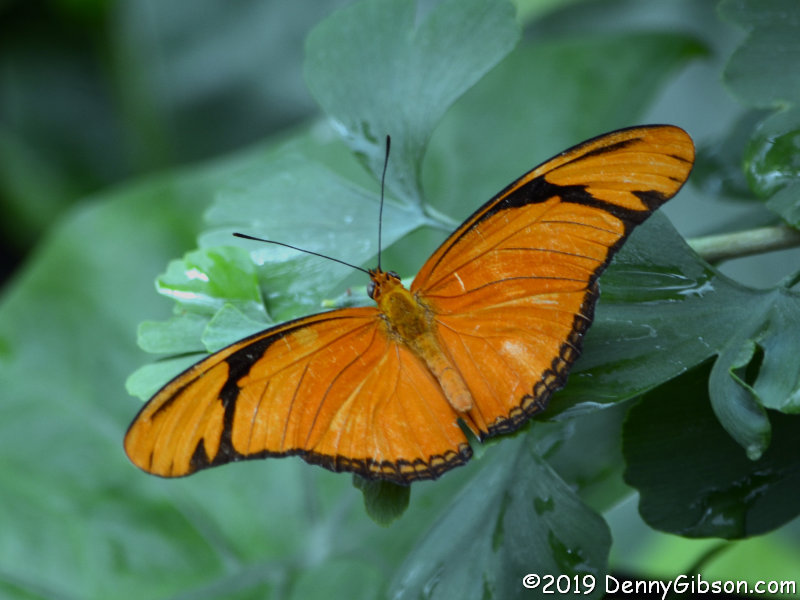
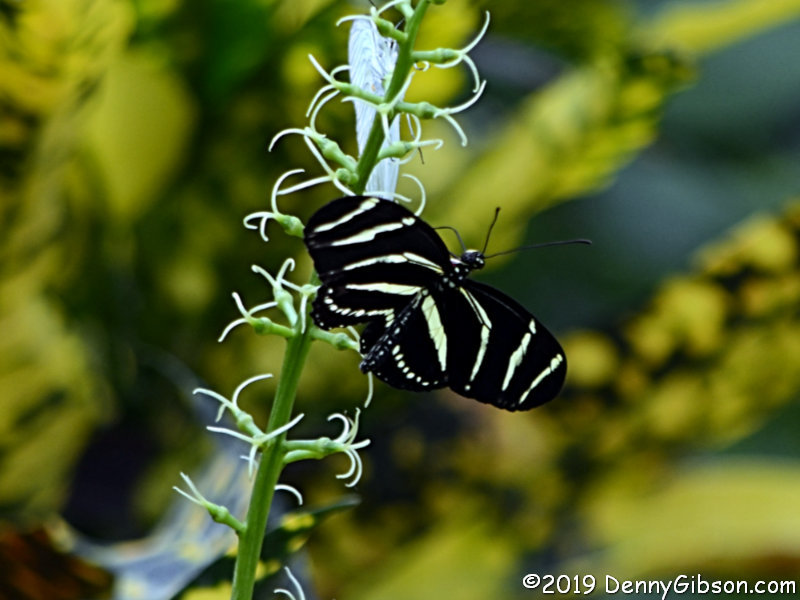
I’ve been meaning to stop by Krohn Conservatory to see “Butterflies of Ecuador” ever since it opened in March. I know I’ve missed much better opportunities than a crowded Friday afternoon but those opportunities aren’t going to come again. The exhibit ends June 16 and I’ll be out of town or otherwise engaged between now and then. It really was kind of now or never. Even though it was not the best time to photograph the colorful butterflies, it was a good time to see lots of people, including many of elementary school age, enjoy watching them.

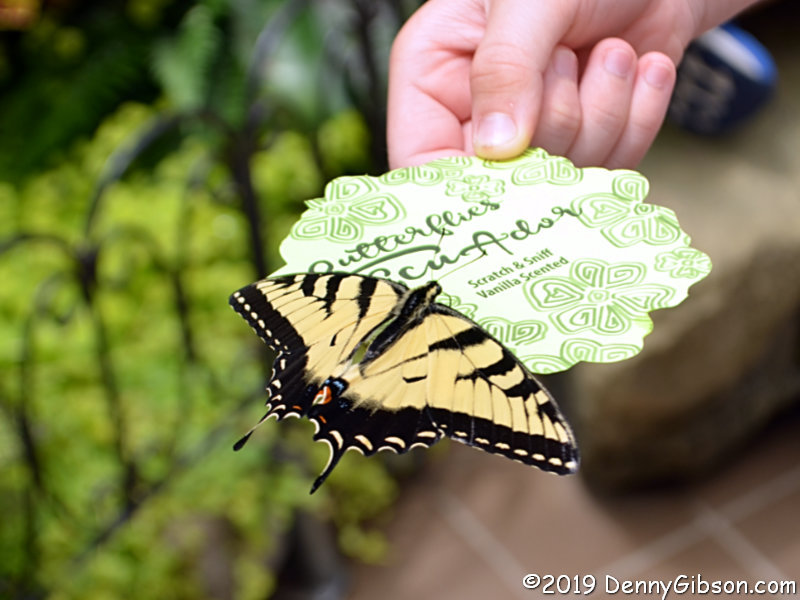
I took the people picture shortly after I arrived. The crowd seemed to slowly but steadily grow from there. Visitors were provided with scratch-and-sniff (vanilla) landing pads as an aid to getting the butterflies to park where they could be studied although it was an assist not needed by everyone and not always successful.

Bright bowls, fabric, and imitation fruit were placed around the area to spice up the background. I overheard one of the attendants telling someone who asked that the colored liquid that was much better at attracting the butterflies than the scented cardboard was Gator-Ade.

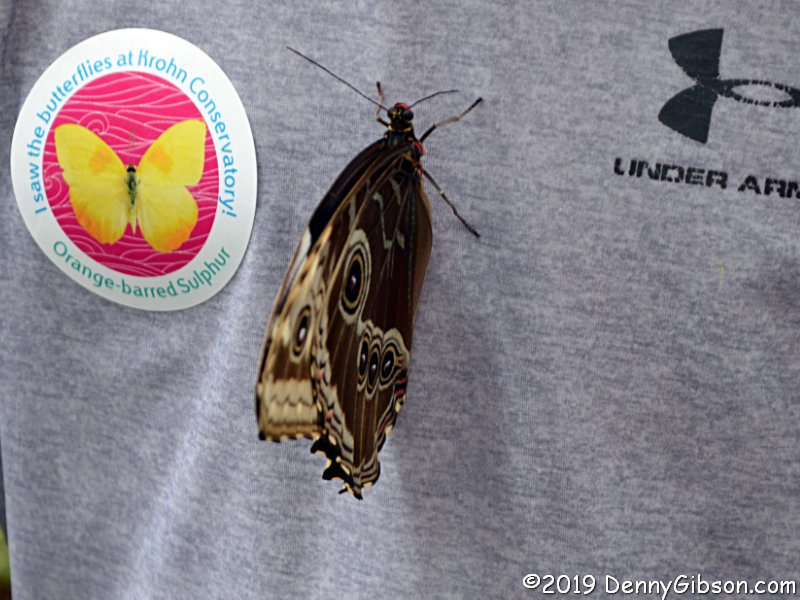
I made no attempt to identify the butterflies I saw but just enjoyed watching them flit around, take long pauses on the various plants, and refuel at the Gator-Ade dispensers. Now and then, between flits and sips and the bodies of other watchers, I snapped a photo.

Memorial Day Eve

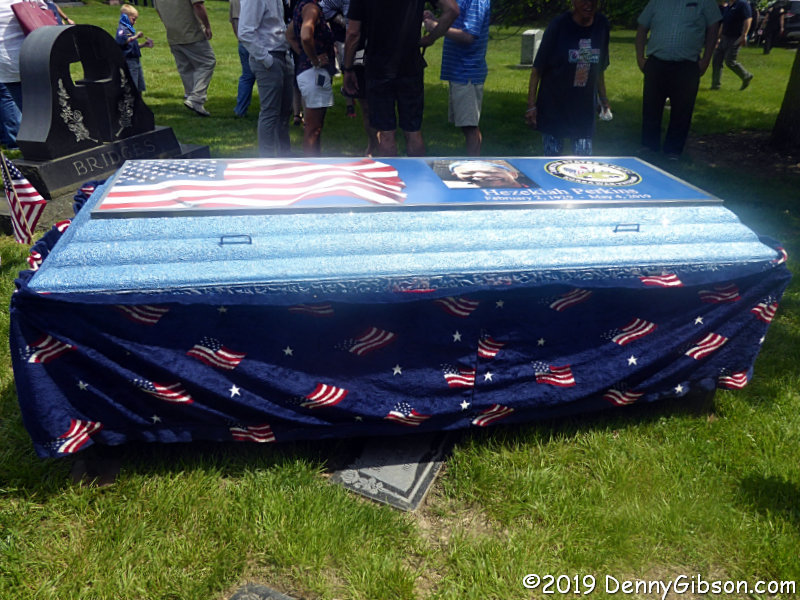
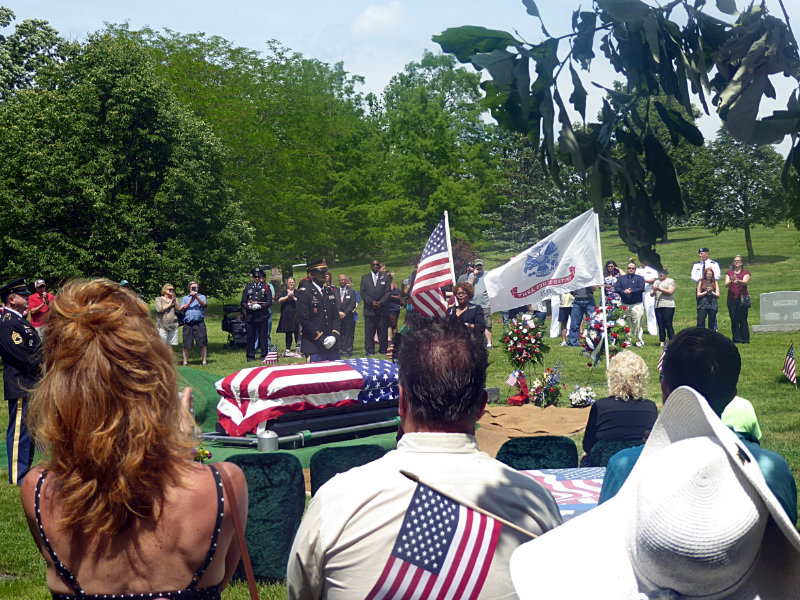
I know the difference between Memorial Day and Veterans Day and I’ve sometimes been critical of those who don’t. The publication date for this article is the day before Memorial Day which means it’s my official Memorial Weekend post. The article’s primary focus is the funeral of a U.S. Army veteran who died peacefully at the age of ninety. He clearly does not fit the definition of the folks that Memorial Day was created to honor. On one hand, I’m not completely comfortable having the subject of my Memorial Weekend post be someone who should not be connected to the holiday in any way at all. On the other hand, there’s a very good chance that I would not have attended Hezekiah Perkins’ funeral if it did not take place during Memorial Weekend. That statement is quite possibly true of almost everyone who did attend his funeral on Saturday.

I first saw his name on Friday afternoon. I’d been looking for Memorial Day related activities when local news sources posted a story from Spring Grove Cemetery. The Korean War veteran had purchased a plot and paid for his funeral twenty years ago. Arrangements were progressing to assure that the ceremonies included military honors. There was no question about a proper funeral and burial taking place; There was a big question about who would attend. None of Perkins’ family lived close enough or were healthy enough to come. The cemetery was asking people to join their employees and a small detachment of soldiers in saying a final farewell.

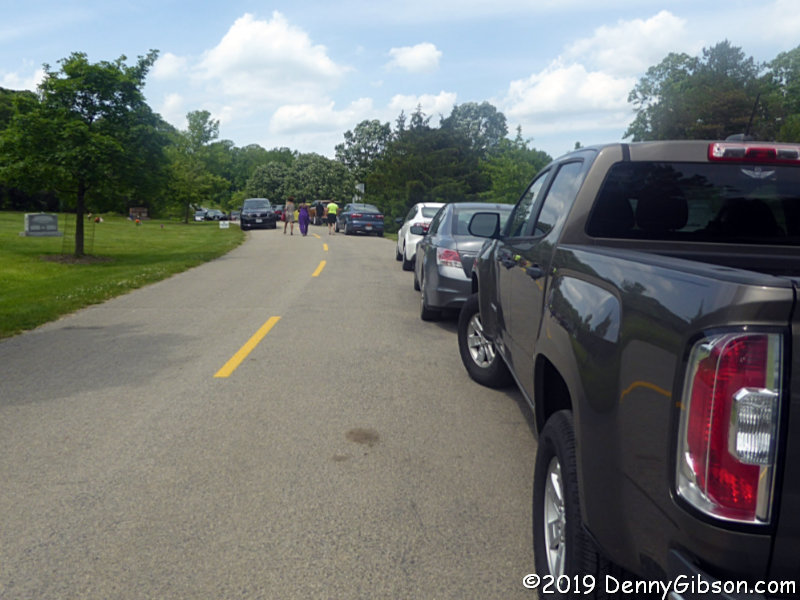
The response was impressive and heartwarming. I arrived about fifteen minutes before the scheduled ceremony and had to park roughly half a mile away. Others parked much farther away than that. Not only was the crowd large, it was racially and generationally diverse. As might be expected, the largest single category was definitely military veterans

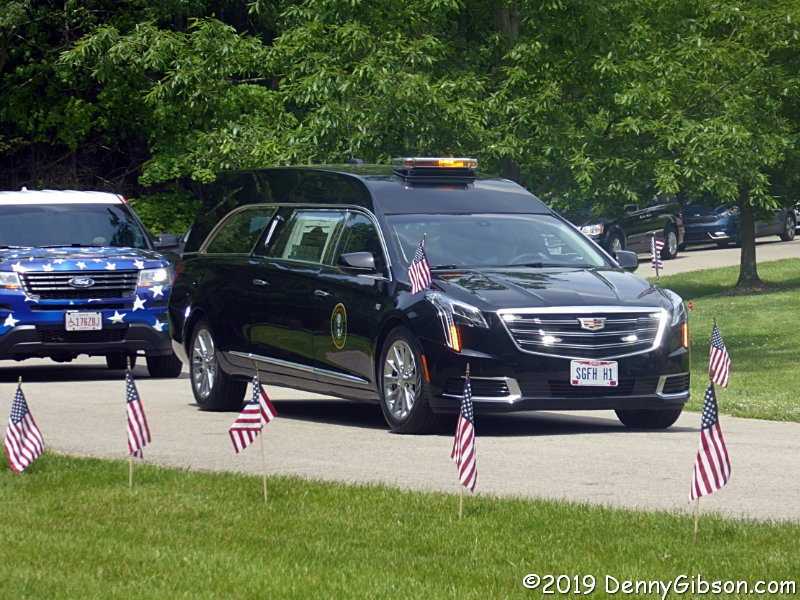
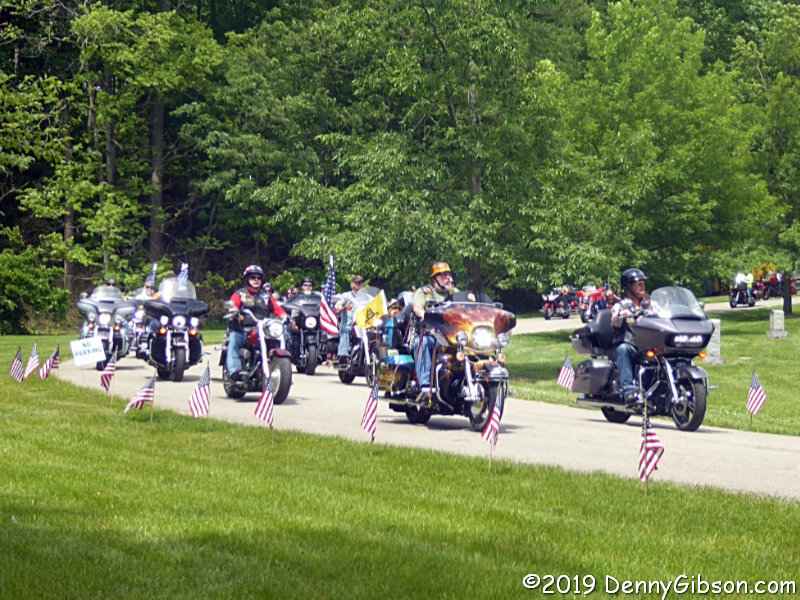
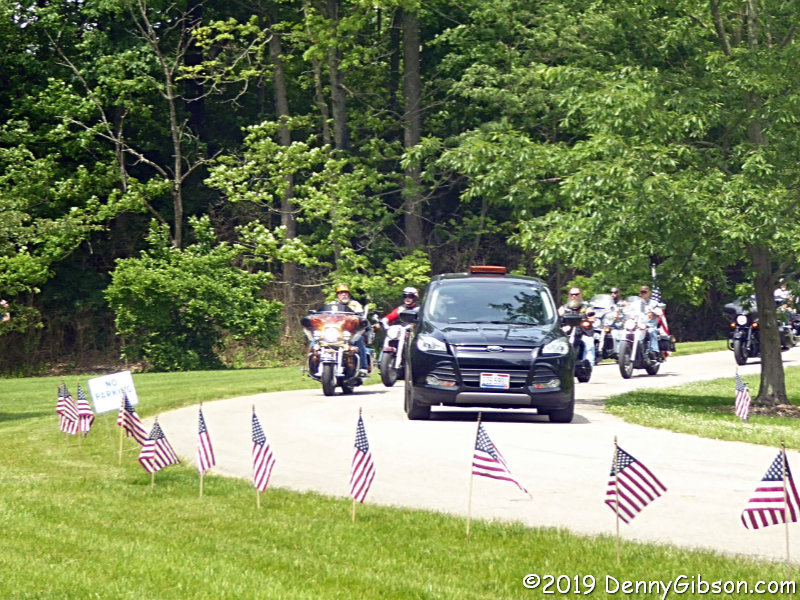
Many of those veterans arrived on motorcycles in parade formation. My unscientific guess is that somewhere between fifty and a hundred motorcycles rolled by the grave site. The motorcycles were parked and their riders walked back to where the hearse that had followed them now stood. Friday’s announcement had said the Spring Grove employees would act as pallbearers but that was very much unnecessary. That chore was quite willingly handled by a pre-selected group of motorcyclists.

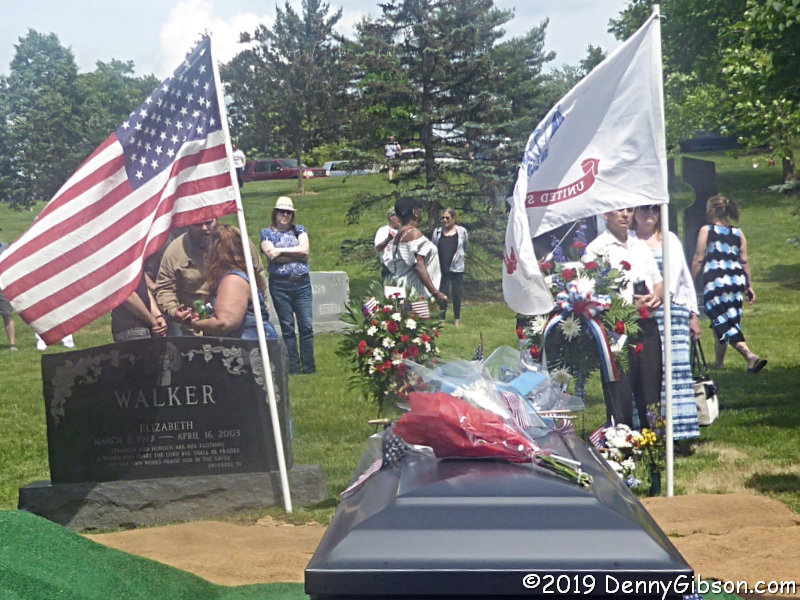
The ceremonies were brief but meaningful. A detail from Fort Knox removed and folded the flag that covered the coffin. Although the word “thousands” has slipped into a headline or two, most references to the crowd say “hundreds”. My own guess as to crowd size, made while I was part of it, is 400-500. A few, such as workers at the nursing home where he lived most recently, actually knew Hezekiah Perkins but the vast majority were complete strangers. There is certainly no reason to get too puffed up about standing in the grass for a few minutes on a nice spring day, but it’s an unquestionably nice thing that so many Cincinnatians did just that and made that final farewell quite a bit louder than it would have been otherwise.


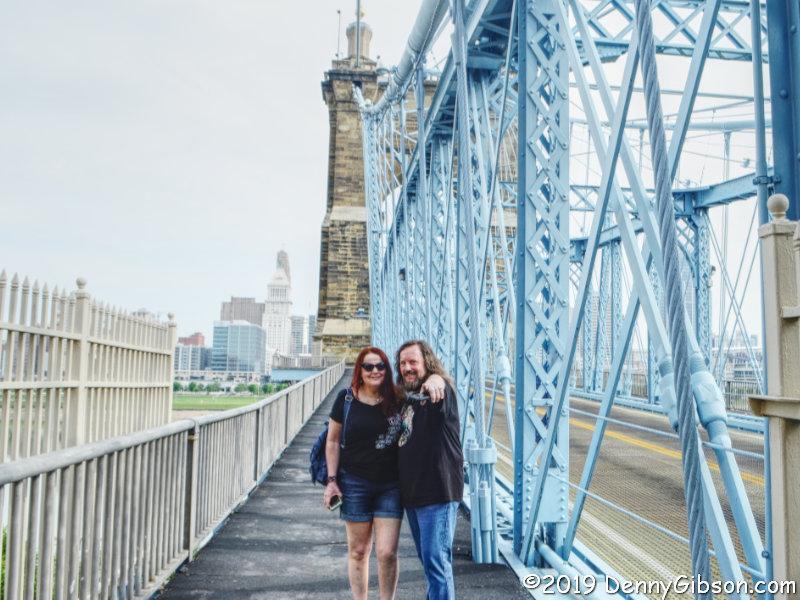
The Spring Grove visit occurred in the afternoon. I started the day with the Butrims and breakfast at the Anchor Grill followed by traipsing around my favorite bridge. A previous visit had left the couple firmly split on Cincinnati chili but I got a 2-0 favorable vote on goetta. We have been digital friends for a while but this was our first meeting in the analog world. The visit came in the middle of a Kentucky focused trip which, like all of their many road trips, is being reported semi-realtime on Facebook. See Anna’s version here and Joe’s here.

Book Review
Diners of the Great Lakes
Michael Engle

My original notion of what’s inside Diners of the Great Lakes was not very accurate, but I’m not the least bit disappointed. For no particular reason, I more or less expected this book to be something akin to a directory of diners currently existing in the Great Lakes region along with a telling of their individual histories. There is a certain amount of that, but it comes late in the book after Engle has delivered not just the history of diner operation in the region but of the manufacture of diners there along with their development as something distinct from what occurred nearer the Atlantic.

The industrial revolution of the late nineteenth century was accompanied by a revolution in food sales. Factories might now operate around the clock and their employees needed to be fed quickly and at non-traditional times. At first, food prepared at home would be sold from a pushcart, but it wasn’t too long before larger wagons containing elementary kitchens appeared. Simple freshly prepared items were sold to hungry workers and others through windows. As the twentieth century rolled in, larger horse-drawn wagons, with inside seating for a few patrons became common. The earliest lunch carts were naturally built by their operators. Eventually, however, manufacturers, such as Closson Lunch Wagon Company of Westfield, NY, began constructing wagons to sell. Engle illustrates the development of lunch wagons and the stationary diners that followed them, with wonderful period photographs, advertisements, and newspaper clippings.

As the story progresses from Closson’s horse-drawn wooden wagons through large built-on-site chrome Starlites, I found it interesting how the nomenclature changed slowly from lunch wagon to dining car to diner. I also found it personally interesting to learn that diners had once been manufactured in my home state of Ohio including some in nearby Dayton.

The book ends with what I once thought might fill the whole thing. The “Great Lakes Diner Directory” contains an extensive listing of diners with photos, descriptions, and locations. As Engle points out, assuring that the list is absolutely complete and current is impossible. The region’s diner population, like that everywhere else, is dynamic. “Call before you go,” is certainly good advice but the list in this book is as good as it gets.

Diners of the Great Lakes, Michael Engle, Michael Engle Publishing, November 1, 2018, 8.5 x 11 inches, 322 pages, ISBN 978-0976938927
Available through Amazon.

Portsmouth Road Meet

I attended my fourth Road Meet on Saturday, and I still can’t quite explain what they are. I believe they started back in the days of Usenet, flourished when Yahoo groups were big, and continue today via Facebook groups. To be honest, though, they could, for all I know, predate Usenet and have seen significant MySpace history. The actual meets are informal gatherings of like-minded individuals to visit road related points of interest in a specific area under the guidance of one or a few volunteer organizers. All of the Road Meets I’ve attended have been in Ohio but they can be found through much of the eastern U.S. I’ve heard of meets in Michigan, Tennessee, New Jersey, and Missouri and I know there have been others.
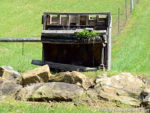
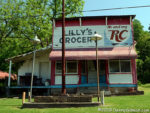
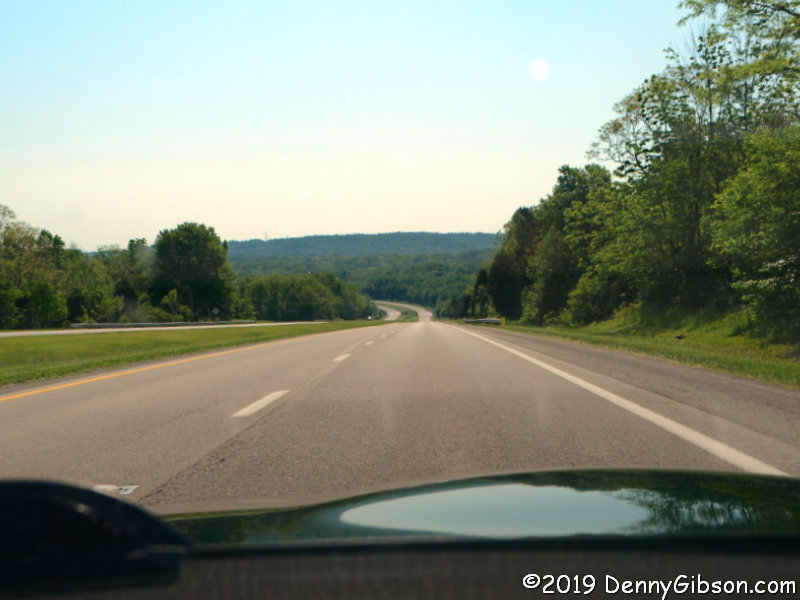
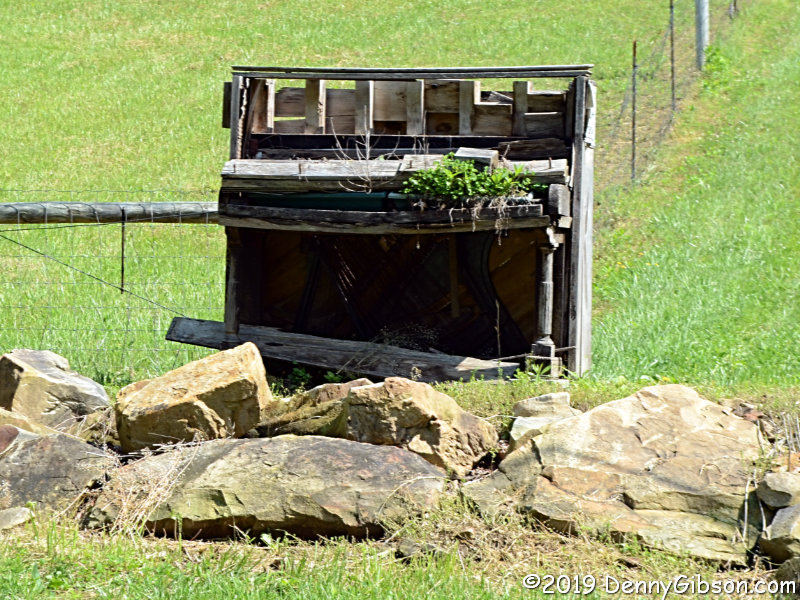
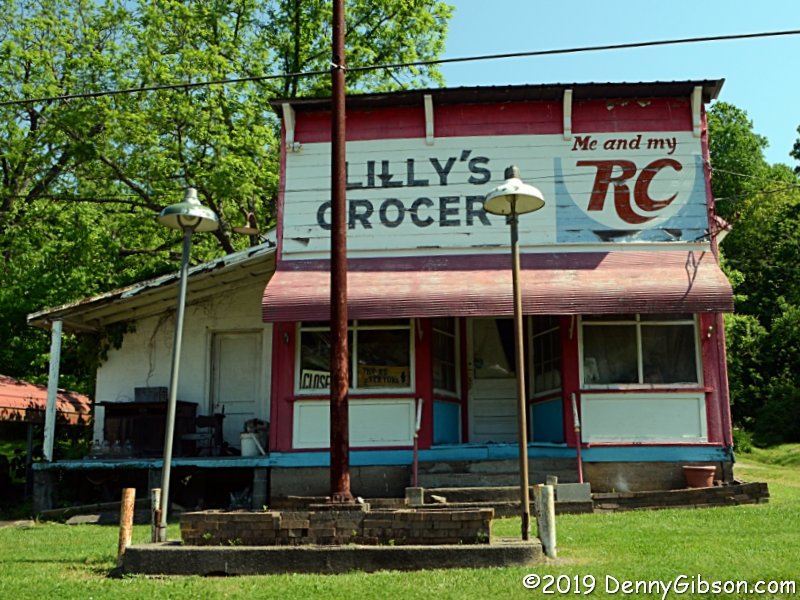
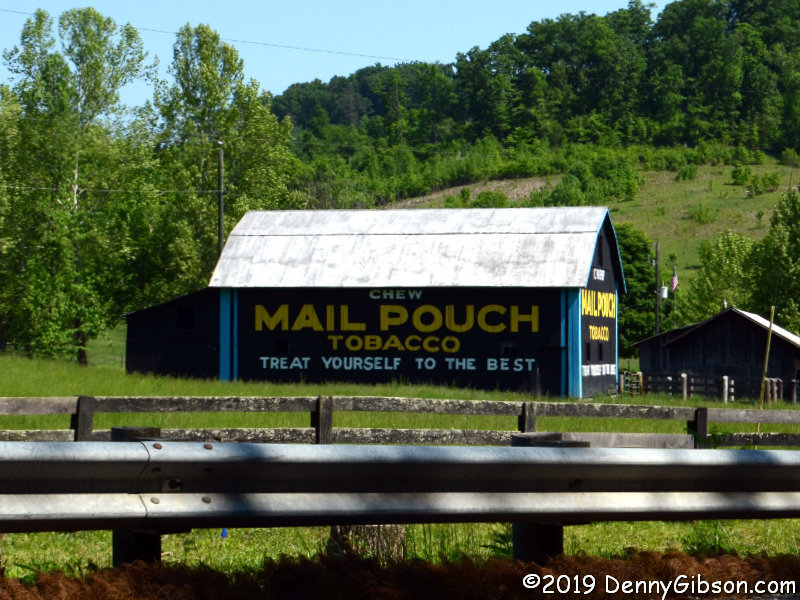
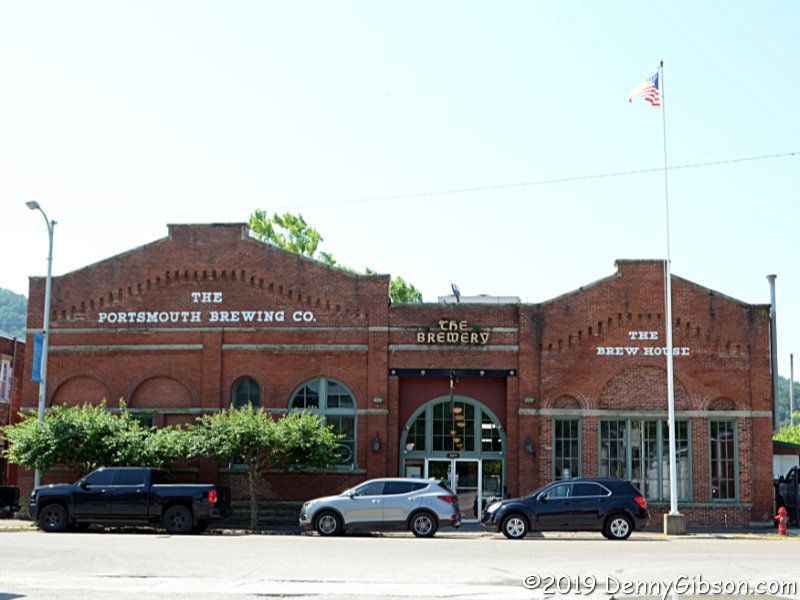
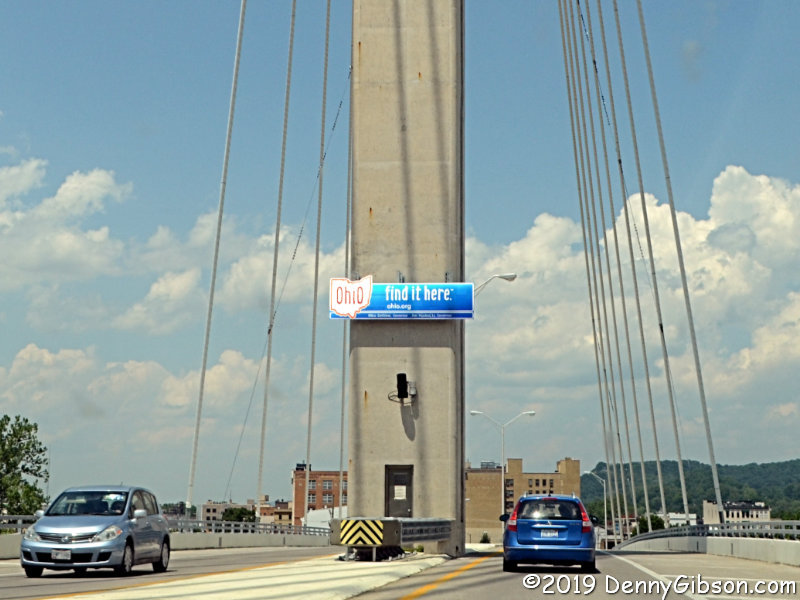
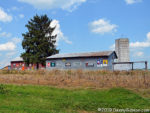
The opening photo was taken as I drove east to the Road Meet on OH-32, a.k.a, the Appalachian Highway. The three at left were taken after I turned on the two-lane OH-73.
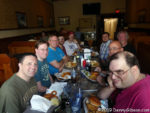
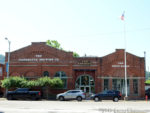
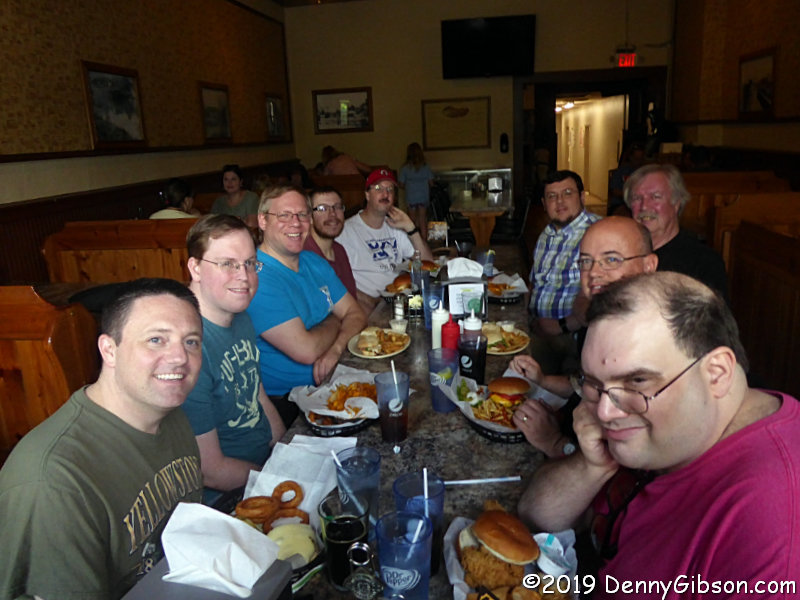
A meal is an important part of every Road Meet. The setting for this one was the Portsmouth Brewing Company which I’ve visited several times in the past. I knew maybe half the attendees from previous meets but I won’t attempt to identify anyone other than this meet’s host, Sandor Gulyas at the table’s far end on the picture’s left. Nice Job. The first two of those previous meets had included at least one person within a generation or two of my age. That wasn’t true of the Cincinnati meet and clearly wasn’t true of this one. I think I can take credit for single-handedly raising the group’s average age by at least half a decade.

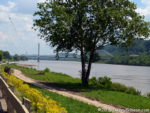
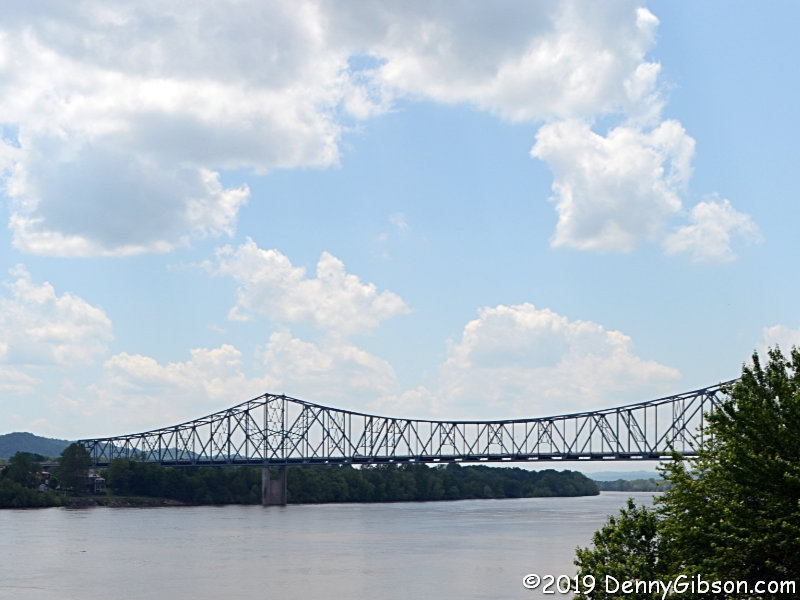
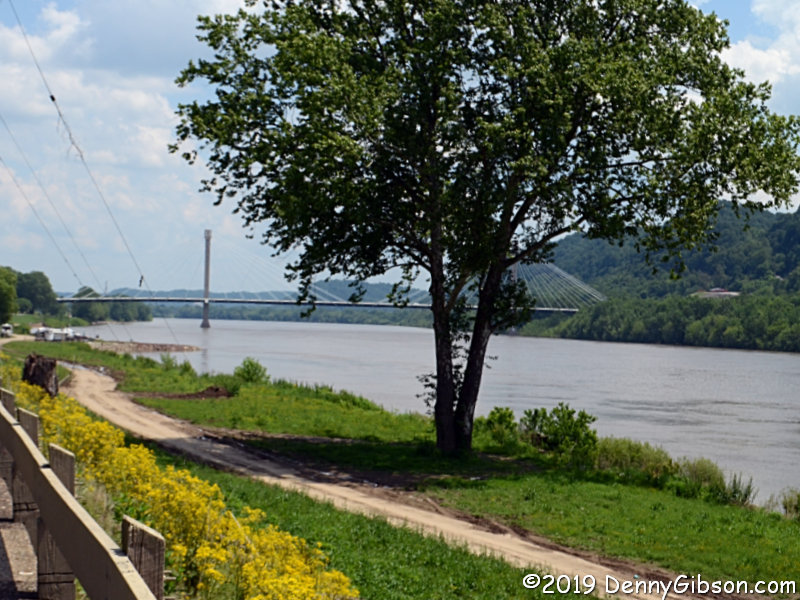
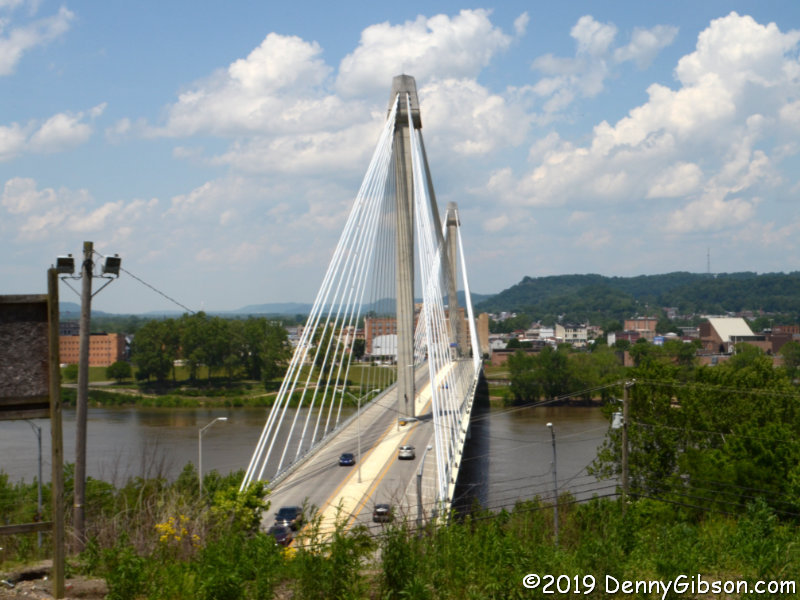
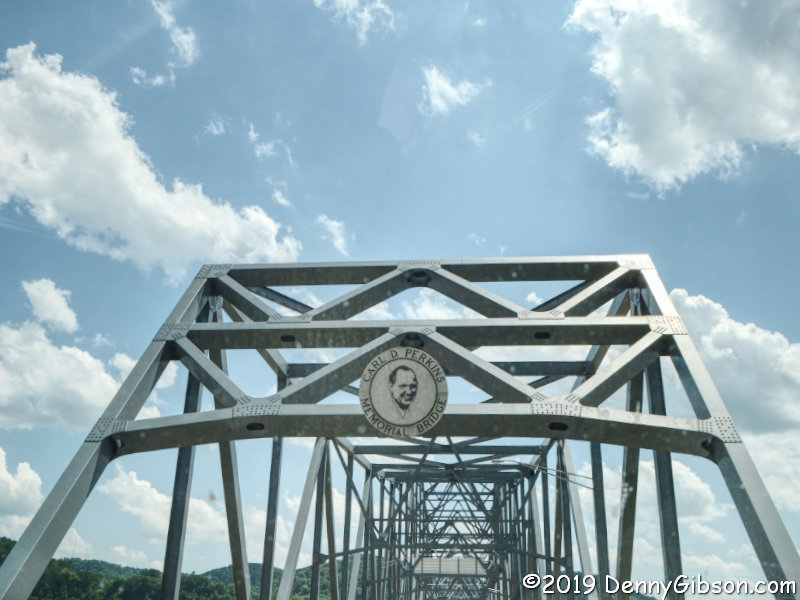
Before taking to our cars, we walked to nearby Alexandria Point Park which allowed us to see both of Portsmouth’s Ohio River bridges. The cantilevered Carl D. Perkins bridge is to the west. The cable-stayed U.S. Grant bridge is to the east.

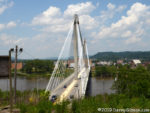
Our big drive began by crossing the Perkins Bridge into Kentucky, pausing at an overlook to study the Grant Bridge, then crossing it to return to Ohio. The Grant Bridge is indeed named for the Ohio born 18th president. The Perkins Bridge is not named for the blue suede shoe wairing rockabilly star but for a Kentucky politician. I’m still disappointed by that.
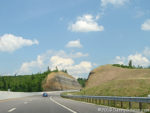
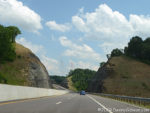
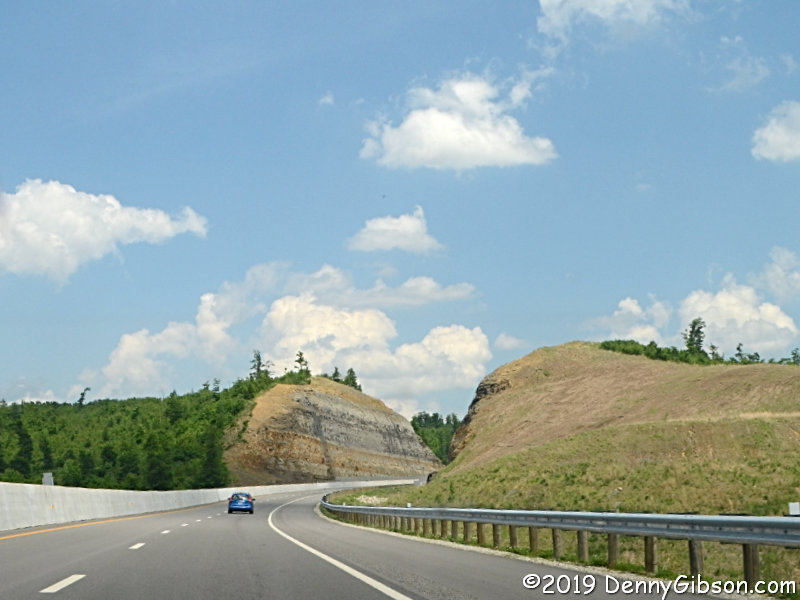
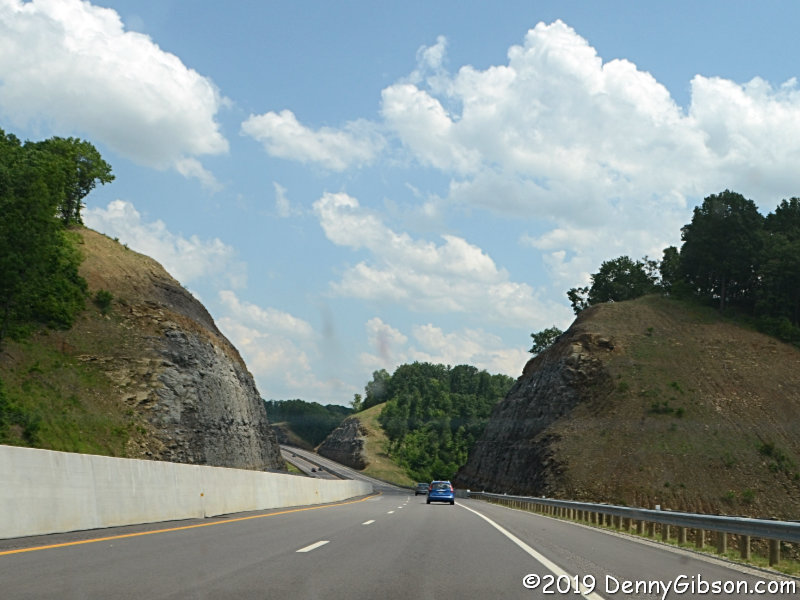
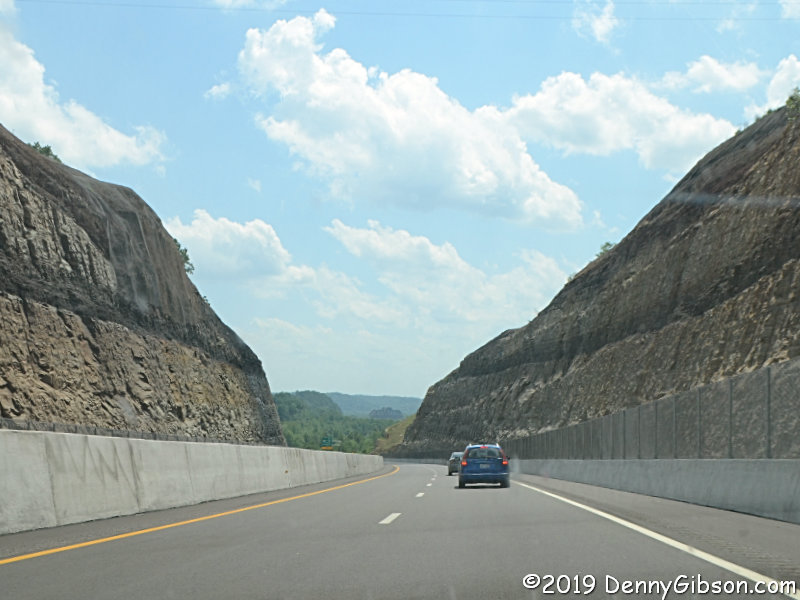
This is Ohio’s newest highway and the primary reason for having the meet here. Officially named Southern Ohio Veterans Memorial Highway, OH-823 was dedicated and opened in December. All three pictures were taken while driving OH-823 southbound after reaching the highway’s northern end using US-23.
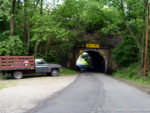
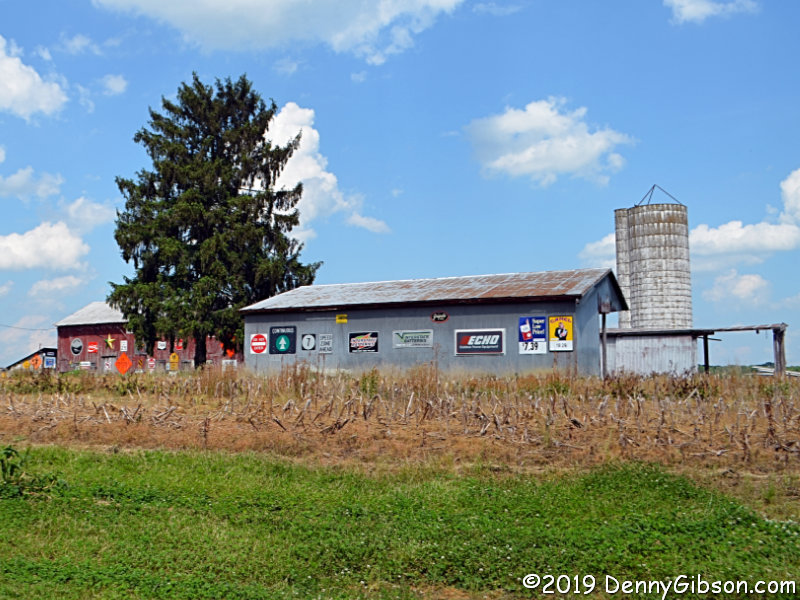
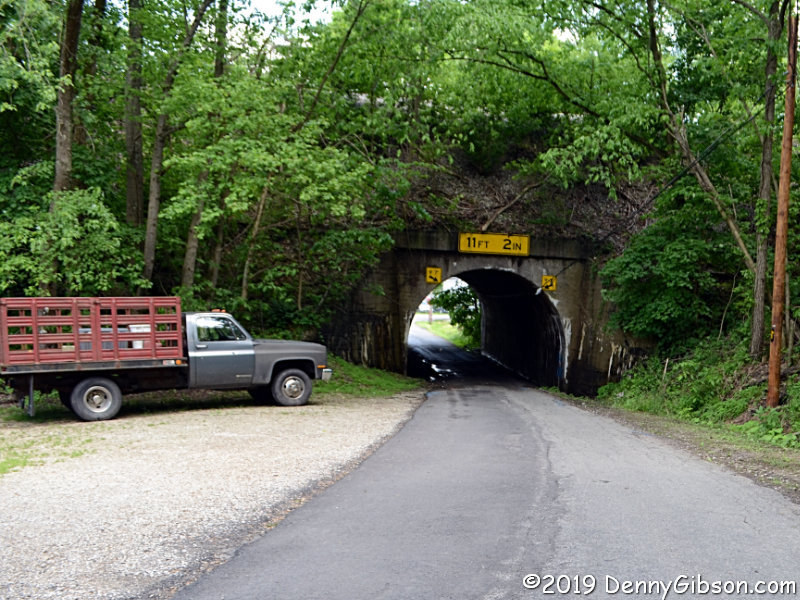
After driving all sixteen miles of OH-823, we started working our way back north primarily on OH-335  We slipped off to pass through a railroad underpass on Stout Hollow Road and paused to photograph a collection of signs near the Portsmouth Regional Airport. We then returned to OH-823 and drove roughly ten miles of it northbound.
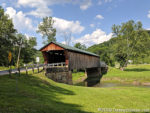
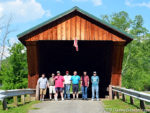
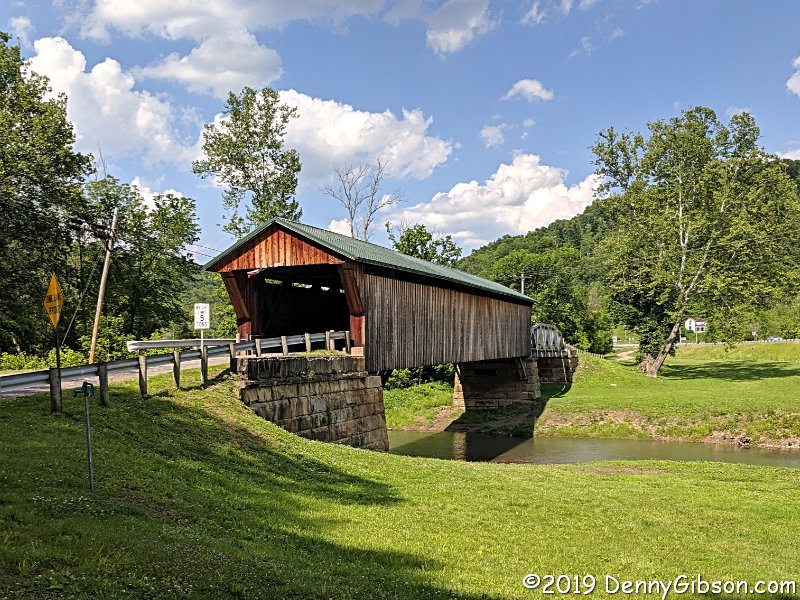
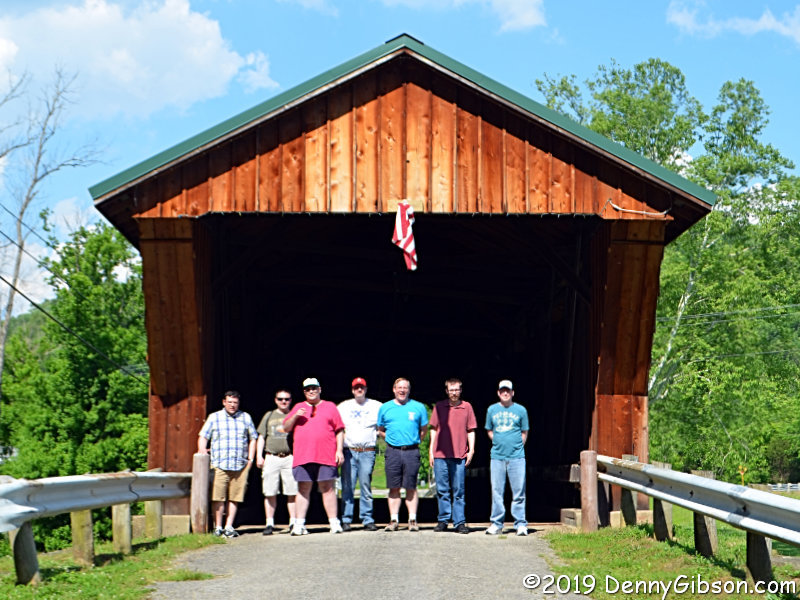
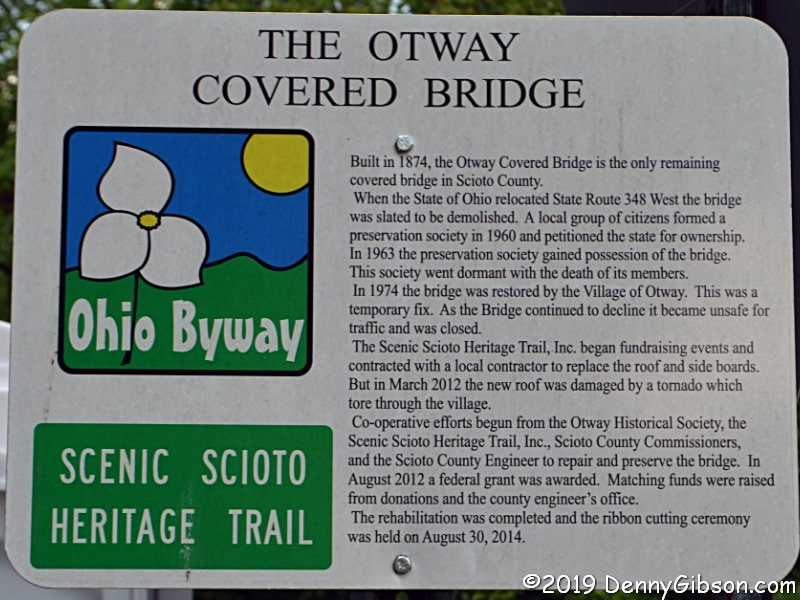
Near OH-823’s northern end, we picked up OH-348 and followed it through the town of Otway to the covered bridge just west of town. A sign near the bridge tells its story. It was decided that a group photo should be taken here and I won the job by having the only tripod present. Although I tried blaming it on the equipment, the problem was really with the operator. In order to assure that the whole bridge was in the picture, I placed the camera too far away and I believe the distance and bright sun combined kept the infrared remote from working properly. Then, when I got a good look at what I did manage, I saw that the focus kind of sucked, too.
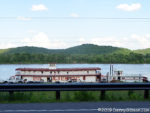
We all returned to Portsmouth on OH-73 which I had arrived on earlier. We said our goodbyes and I headed home along the Ohio River on US-52. The Road Meet was over and I wasn’t looking for any more photo-ops but near Manchester I spotted an old friend. For years, the Showboat Majestic was an important part of Cincinnati’s riverfront but she was moved upriver in March after being sold. I don’t know when she’ll be back in action but now I know exactly where she is.

Apparently I did not document that first Road Meet in Columbus but here are entries for Dayton and Cincinnati.