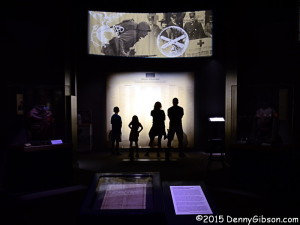
 There’s something in that display case that is 238 years 11 months and 26 days old. Twelve of America’s thirteen British colonies voted to adopt the Declaration of Independence on July 4, 1776. The thirteenth, New York, had not authorized its Continental Congress delegates to vote on the declaration. On the night of the fourth, Philadelphia printer John Dunlap produced at least 200 copies of the document with one of those copies reaching the New York Provincial Congress on July 9. Before the day was over, New York had joined the other colonies in approving the Declaration of Independence and ordered another 500 copies from New York printer John Holt. The Holt Broadside, as the second printing is known, contains the text of the New York resolution along with the full text of the declaration. Some copies were sent to the Continental Congress back in Philadelphia where it seems they somehow helped in getting the official parchment copy of the Declaration prepared. The signing of that official copy commenced on August 2.
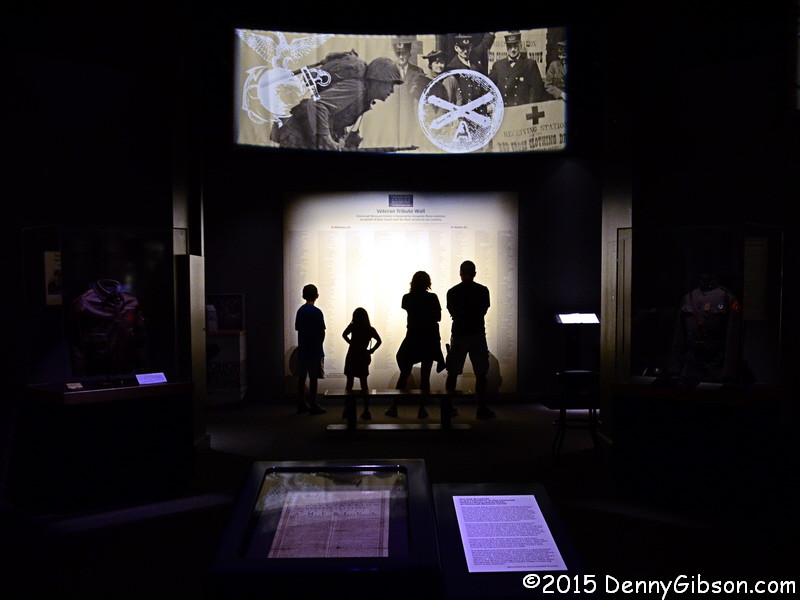
 A copy of that second printing made it to Cincinnati. One of four copies known to survive, it is in the pictured case. It is believed to have been brought to Cincinnati in 1810 by Richard Fosdick who, in 1815, was a member of Cincinnati’s first town council. The copy has been in the history library’s possession since at least the 1870s but was not recognized for what it is until about five years ago. The Holt Broadside is the centerpiece of the temporary Treasures of Our Military Past exhibit at the Cincinnati Museum Center.
Yesterday was the 239th anniversary of that day when men of courage and vision agreed to “mutually pledge to each other our Lives, our Fortunes and our sacred Honor” in the creation of a new country. The day before was the 239th anniversary of the writing of a letter by John Adams in which he anticipated the happenings of the next day and told his wife that he expected it to be celebrated “with Pomp and Parade, with Shews, Games, Sports, Guns, Bells, Bonfires and Illuminations from one End of this Continent to the other from this Time forward forever more.”
I tried to do my share. I’ll admit that I didn’t actually go looking for guns and I gave up quickly on finding any bonfires. It’s even possible that the only bells I heard were electronic but I saw plenty of games, sports, and shews. I saw two parades, a fine set of illuminations, and there was pomp everywhere.
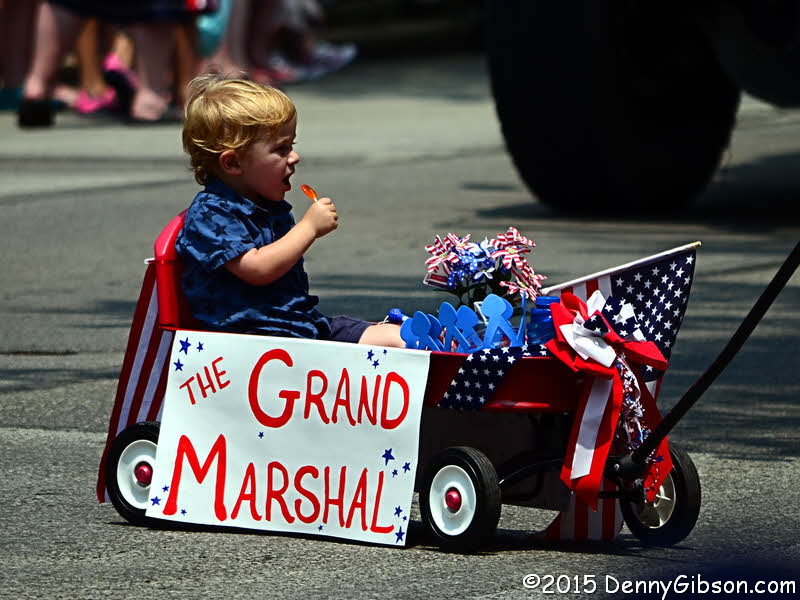
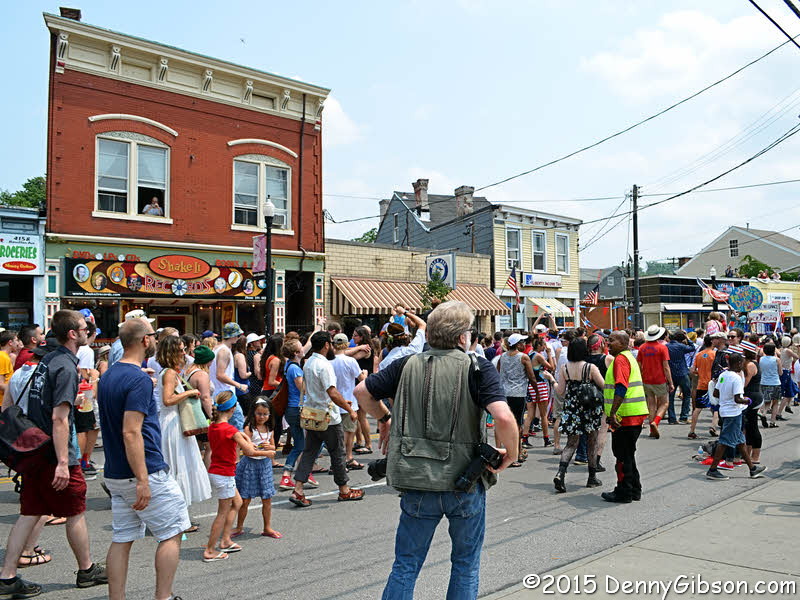
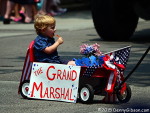 There was no shortage of parades in the area. Picking one wasn’t easy but I have absolutely no doubt that I picked the right one. Northside’s first 4th of July parade happened in 1864 when orphans were moved from downtown to a new orphanage by canal boats with members of the Turners, Oddfellows, Butchers Association, Bricklayers Society, and the Catholic Orphans Society marching alongside. The parade developed into a fundraiser that continued until the 1960s when the orphanage again moved. It was restarted in 1970. This year’s Grand Marshall was two-year-old Quincy Kroner who received some national attention after meeting the garbage collectors he admired. The event website is here.
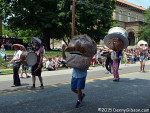
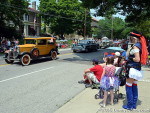
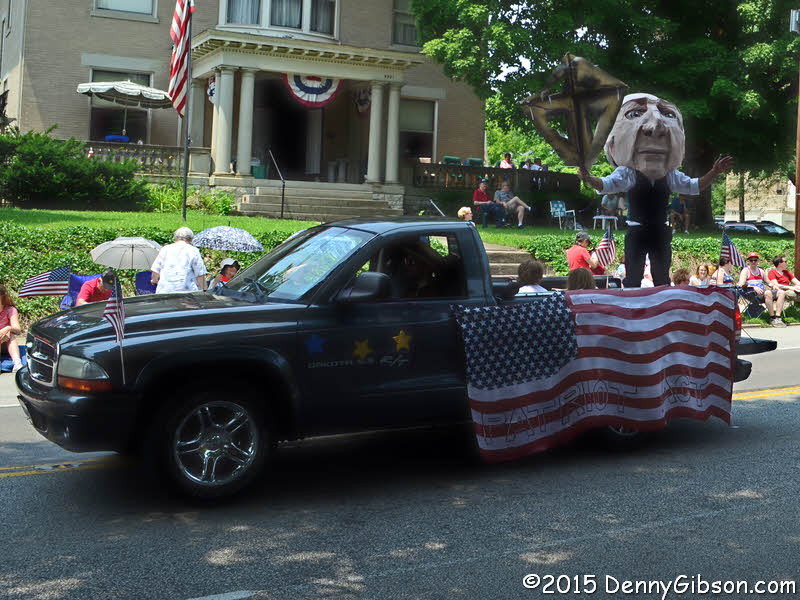
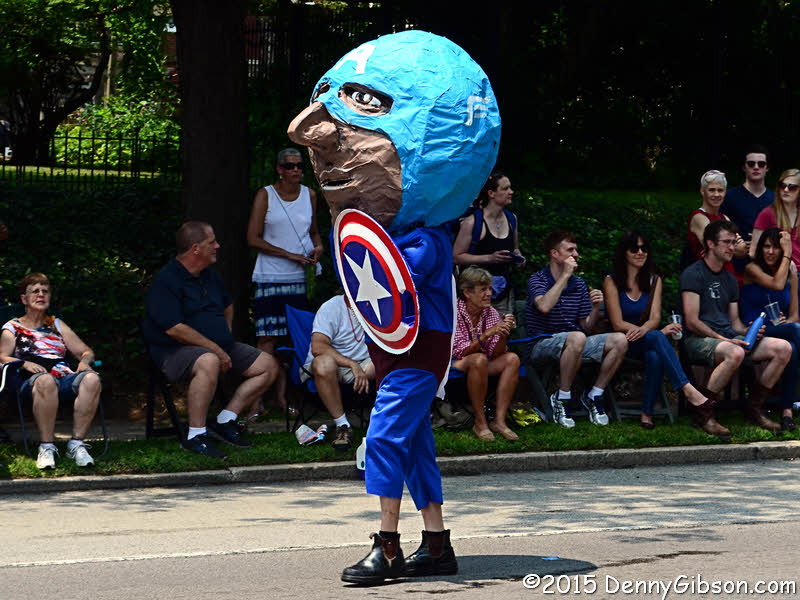
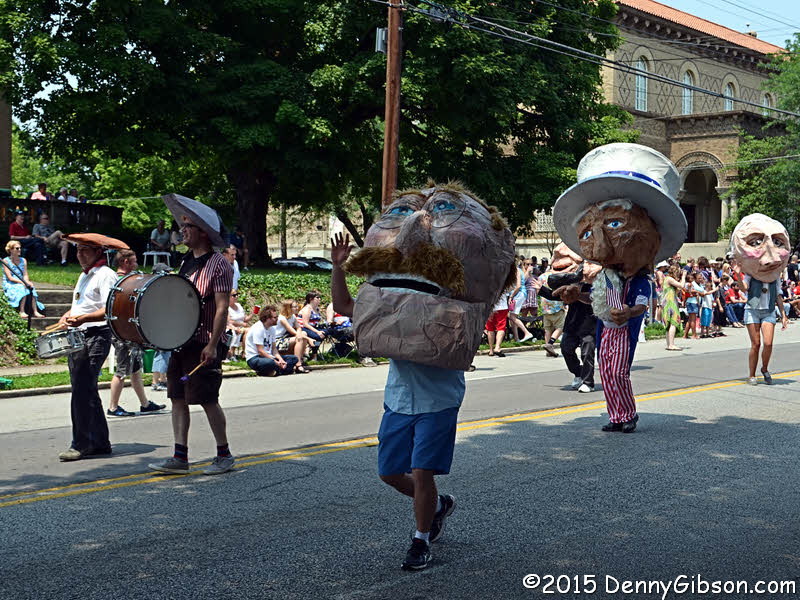
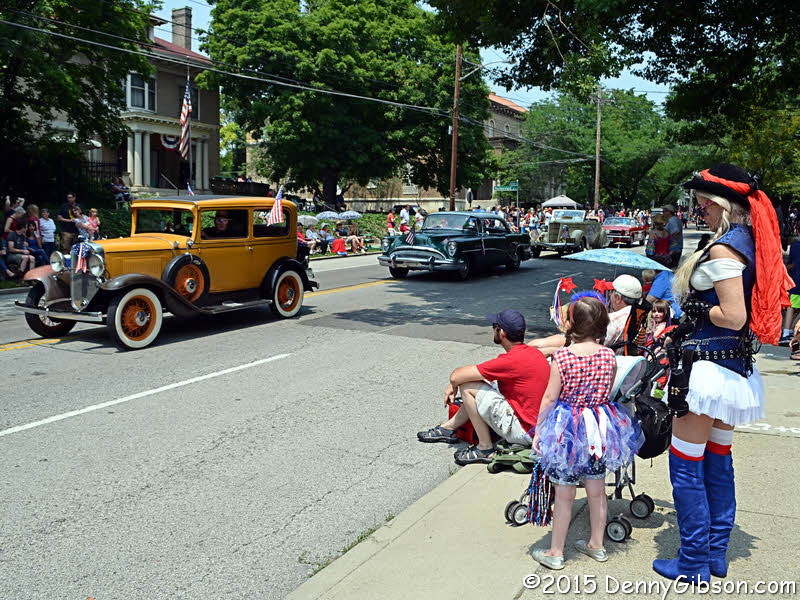
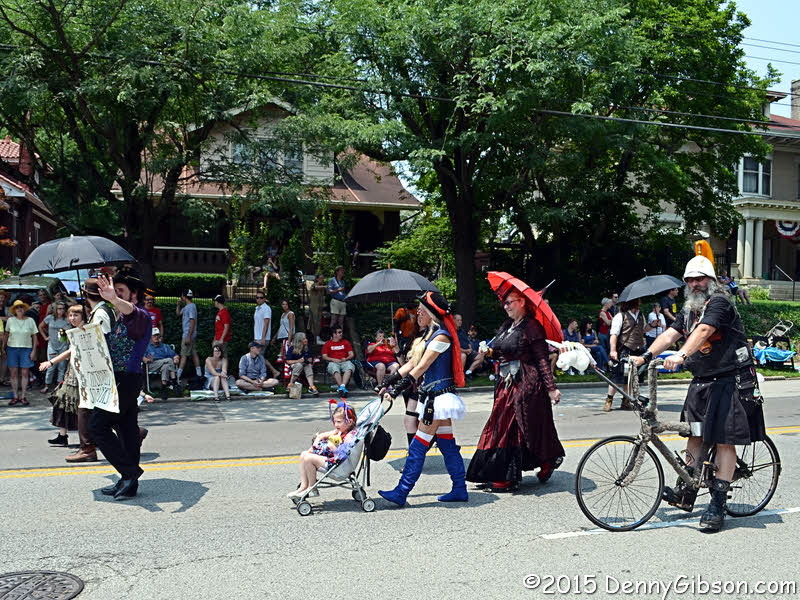
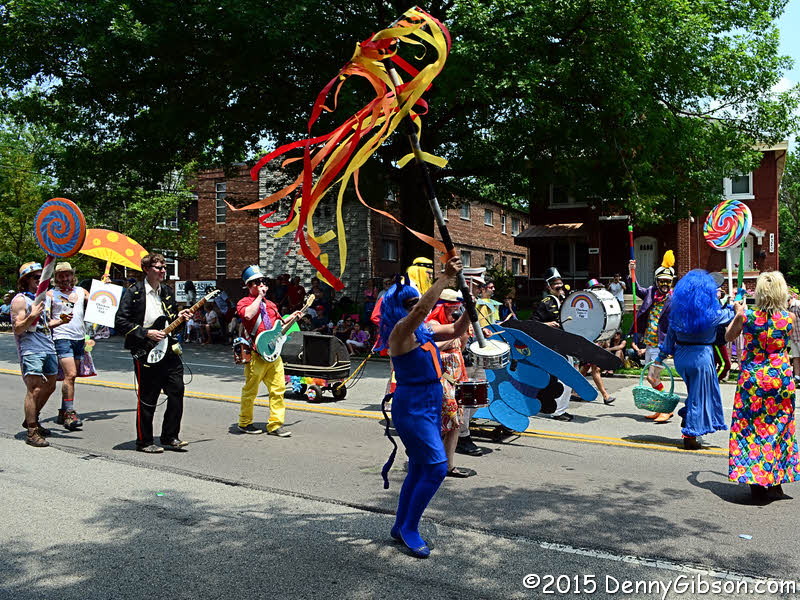
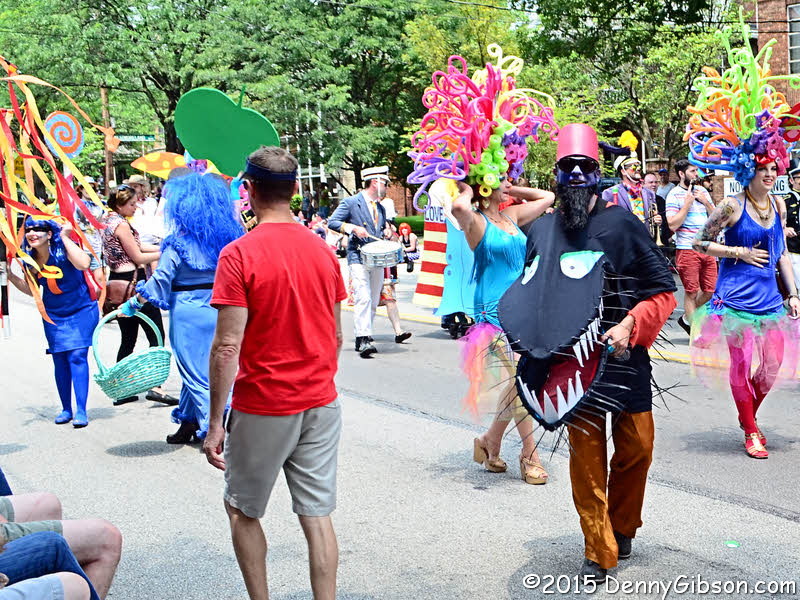
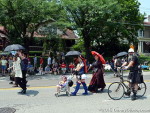 Picking parade pictures from my 200+ was even tougher than picking the parade. I didn’t quite manage to trim them down to a reasonable number so here’s the start of an unreasonable number. I liked the big headed Spirit(s) of ’76 and Ben and Captain America, too. The patriotically attired lady next to me was not at all out of place as a spectator but she was there for a higher purpose. When the local steam punk group came by, she pushed the stroller forward and stepped right in.
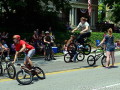
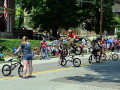
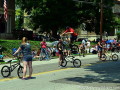
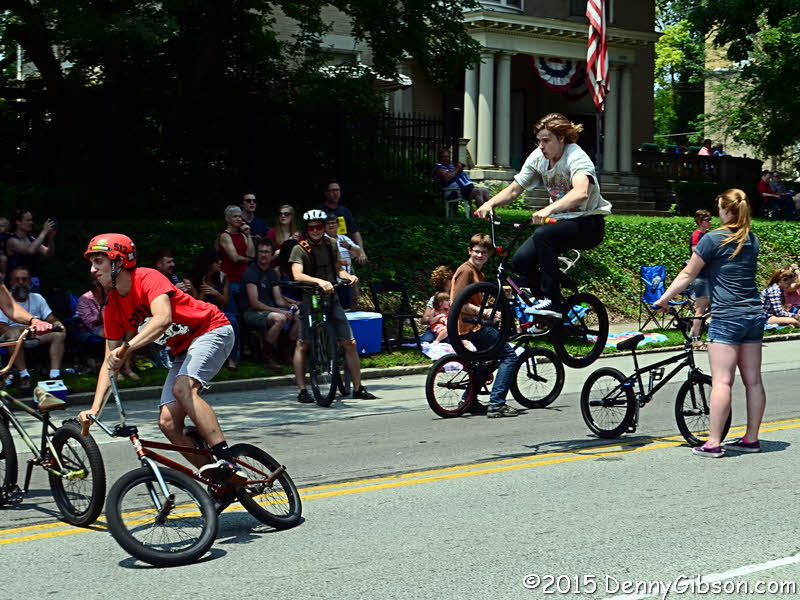
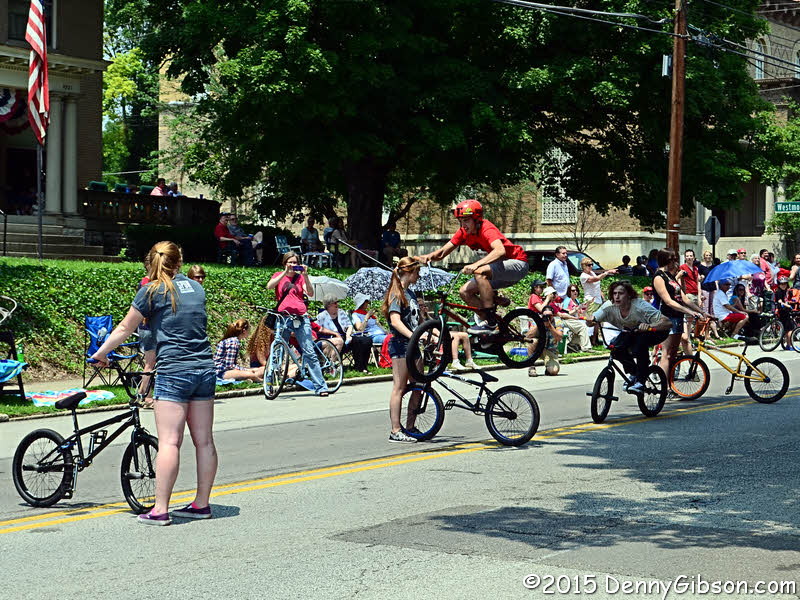
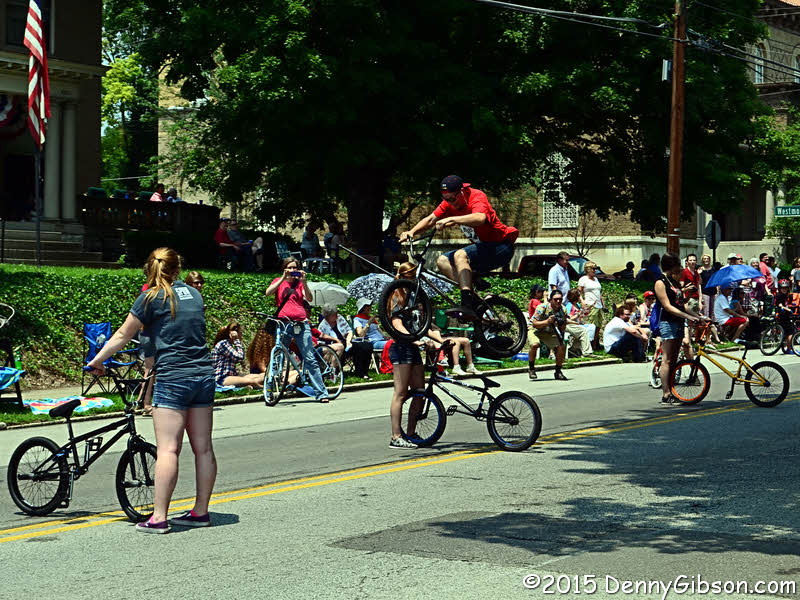
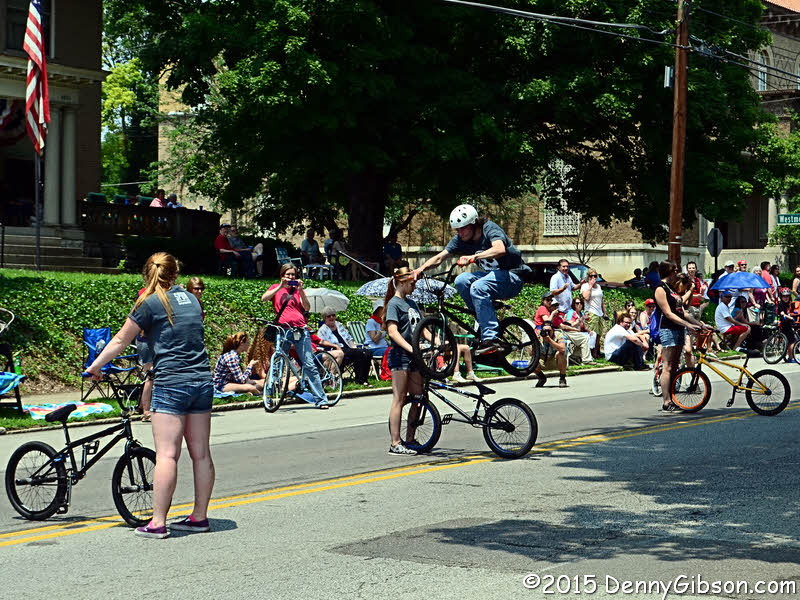
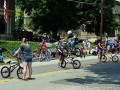 When a portion of this cycling group started placing their bikes sideways down the center of the street, I expected some sort of slalom maneuver but noooo.
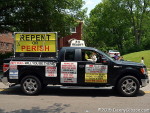
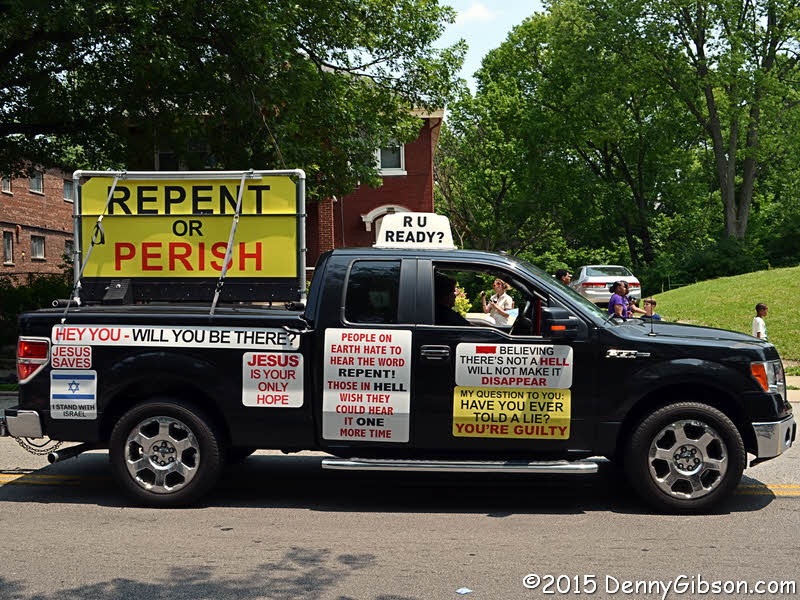
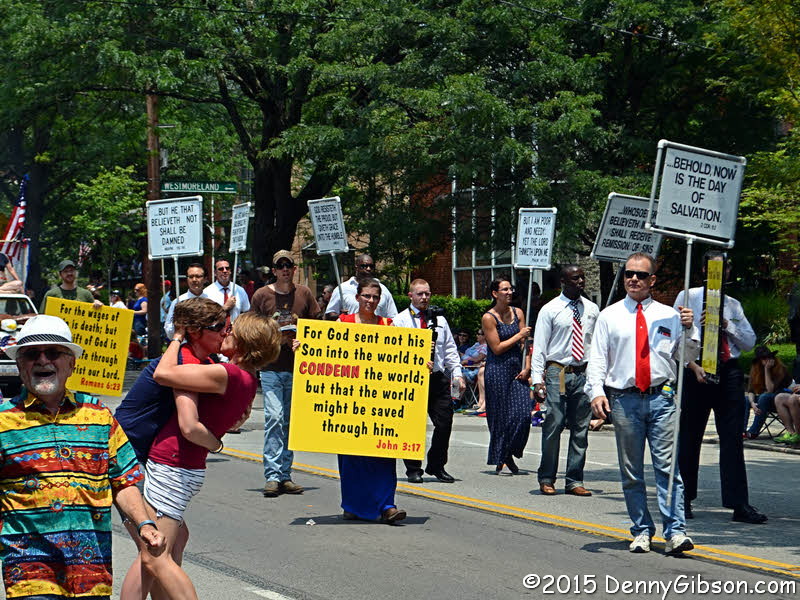
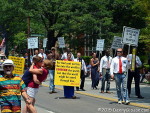 Someone told me that this same group marched in Cincinnati’s Gay Pride parade last month and much of the crowd simply turned their backs as they passed. It seemed that few did that today and, in my case, by the time I’d read all the signs, there was little point in turning. “I STAND WITH ISRAEL”, JESUS IS YOUR ONLY HOPE”, “…BEHOLD, NOW IS THE DAY OF SALVATION”.
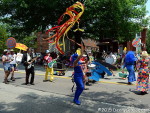
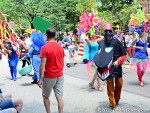
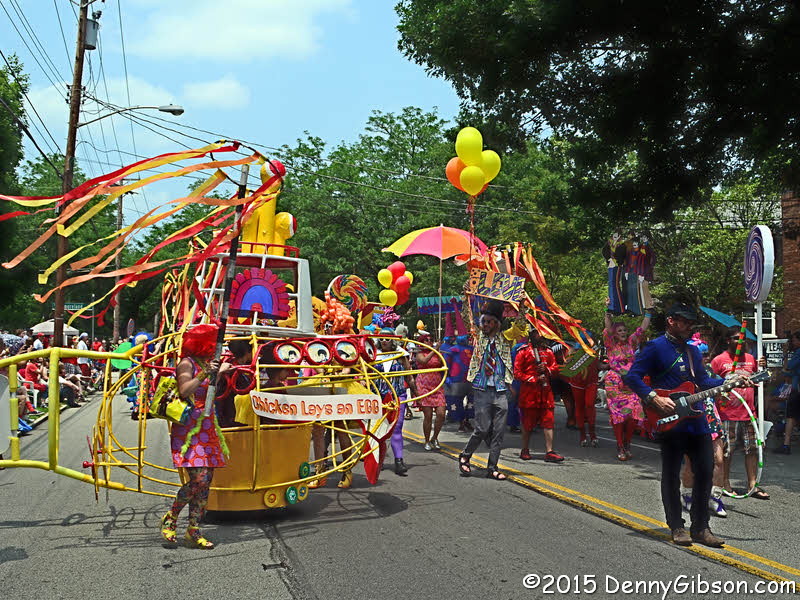
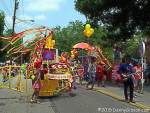 I believe this was my favorite parade entry. Essentially a live performance of Yellow Submarine with a Beatles soundtrack, it seemed to have it all. “Full speed ahead, Mr. Parker, full speed ahead!”
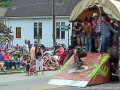
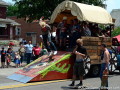
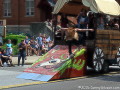
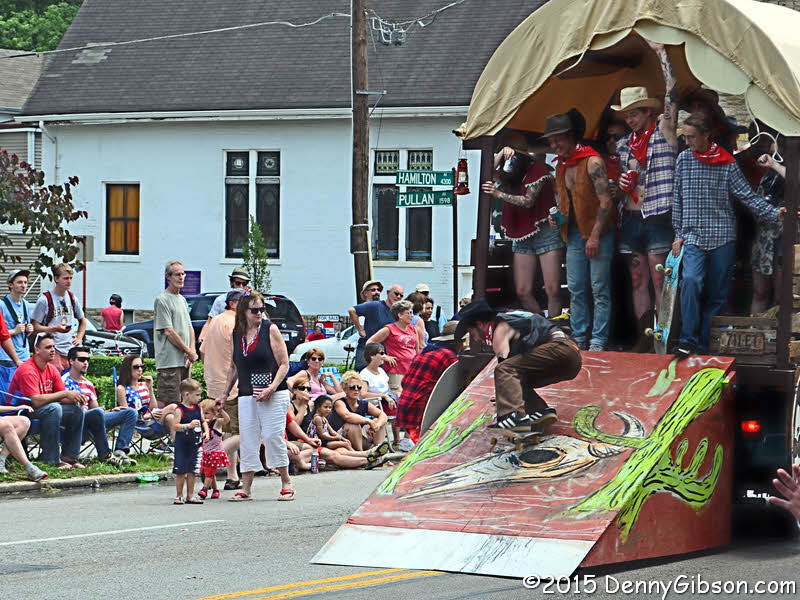
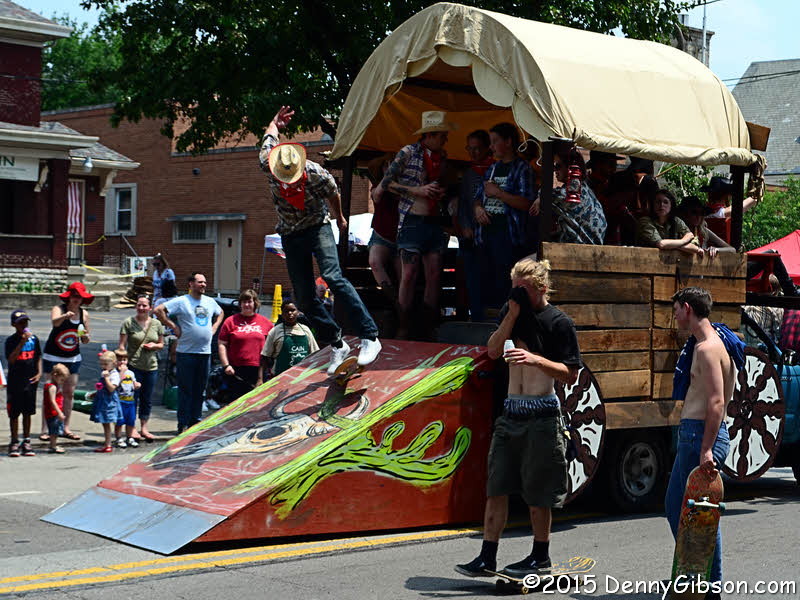
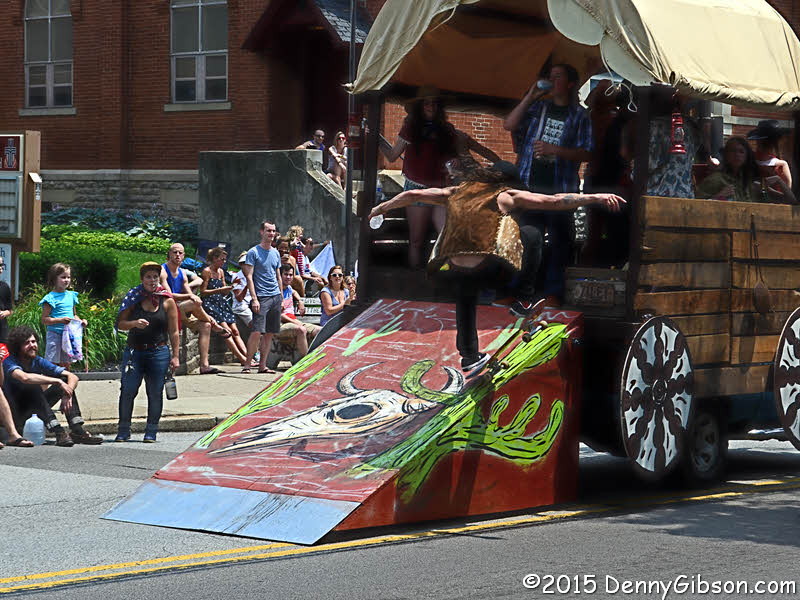
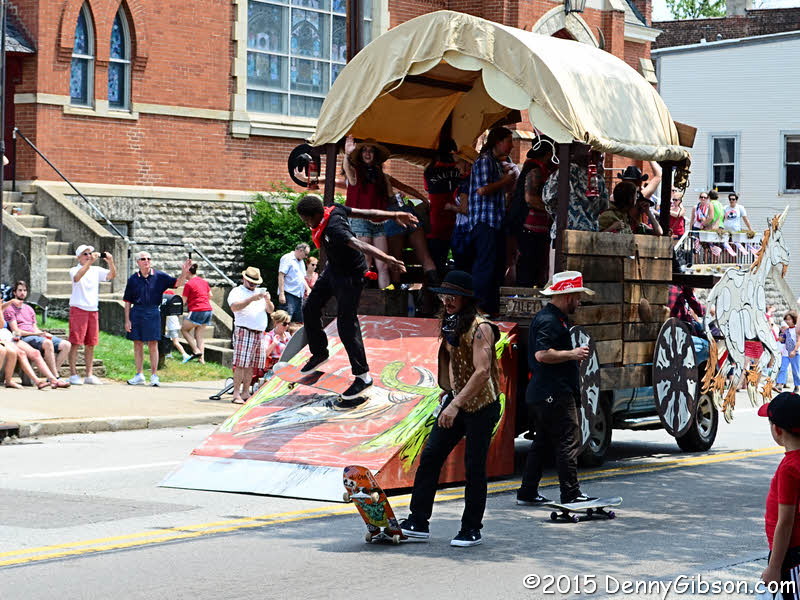
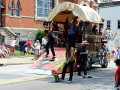 It might not have been quite as thrilling as the folks jumping over each others’ bikes, but these skateboard cowboys still put on a pretty exciting show with their moving ramp.
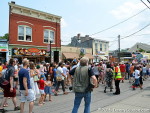
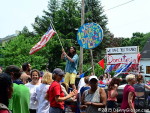
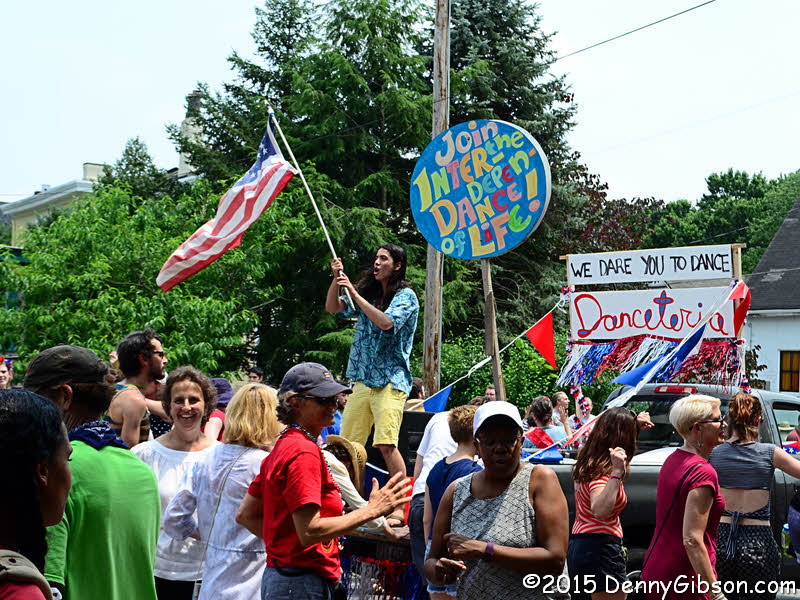
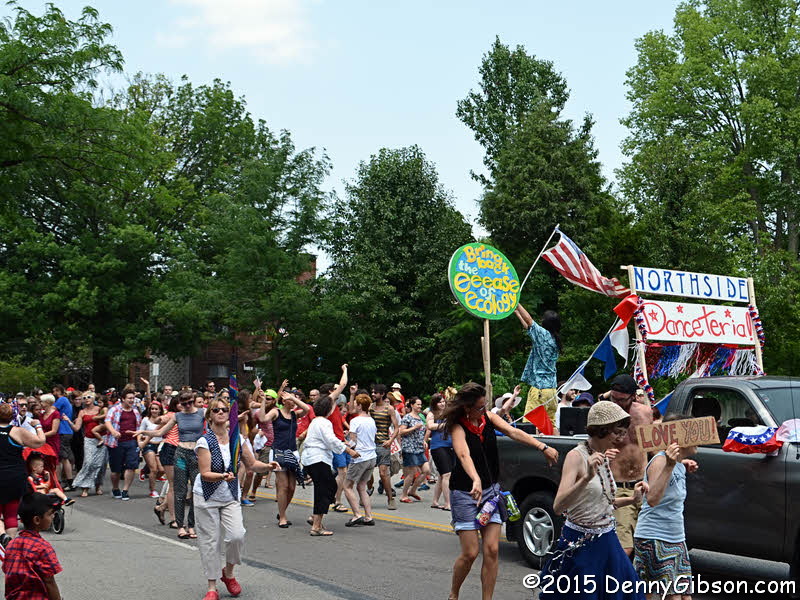
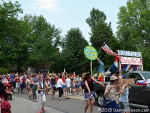 Lots of people accepted the “Dare to dance” challenge of the parade’s last float. Dance music blared as a street full of happy folks danced and smiled their way to the end point.
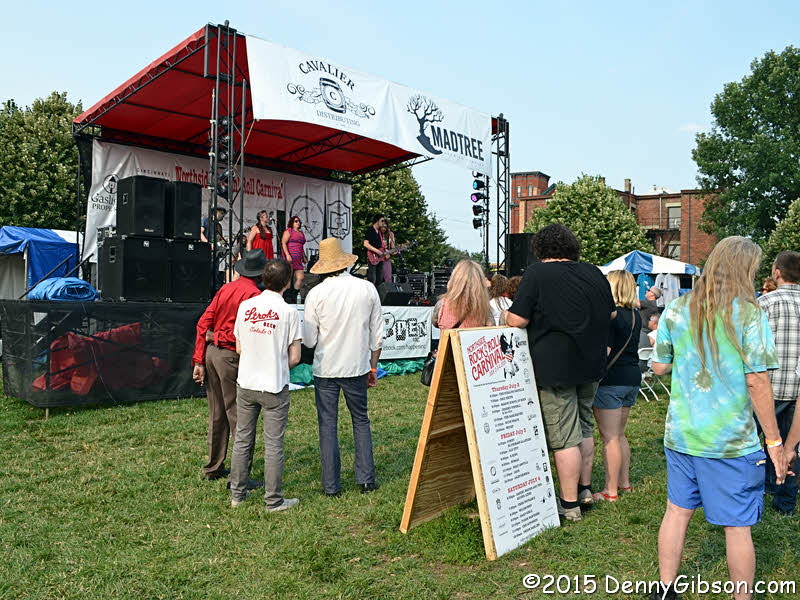
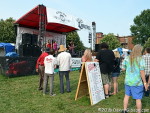 The end point was at the Northside Rock n’ Roll Carnival in Hoffner Park with twenty-one bands over three days. That’s “Daniel Wayne and the Silver Linings” on stage. The Stroh’s shirt is a bonus. As a similarly aged friend observed, the parade and carnival do sort of have a ’60s feel. It’s not a “we’re wearing beads and tie-dye” feel but a “we’re having fun and caring about stuff” feel.
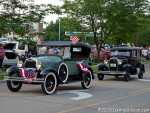
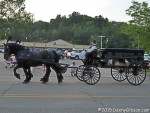
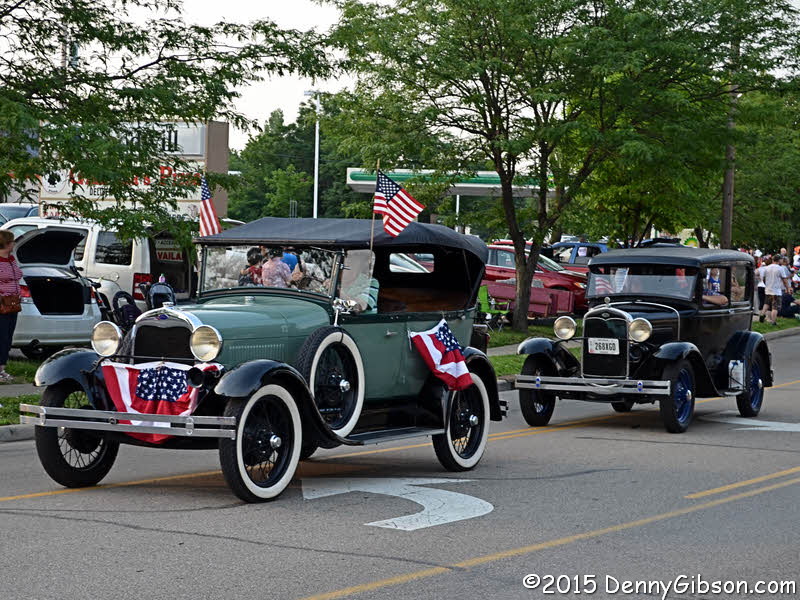
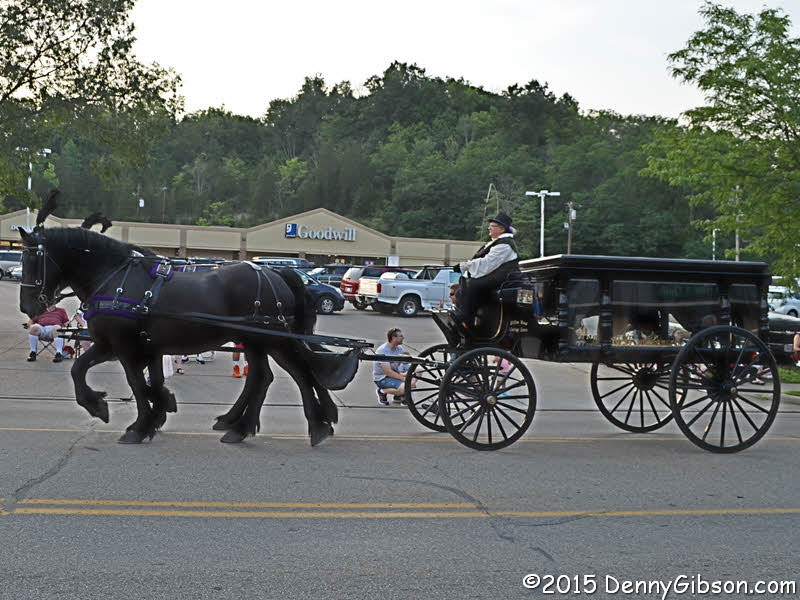
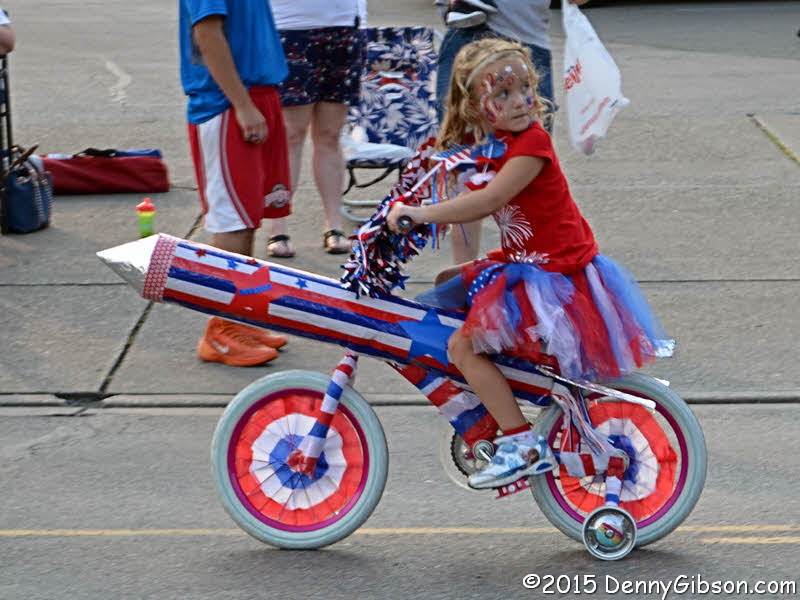
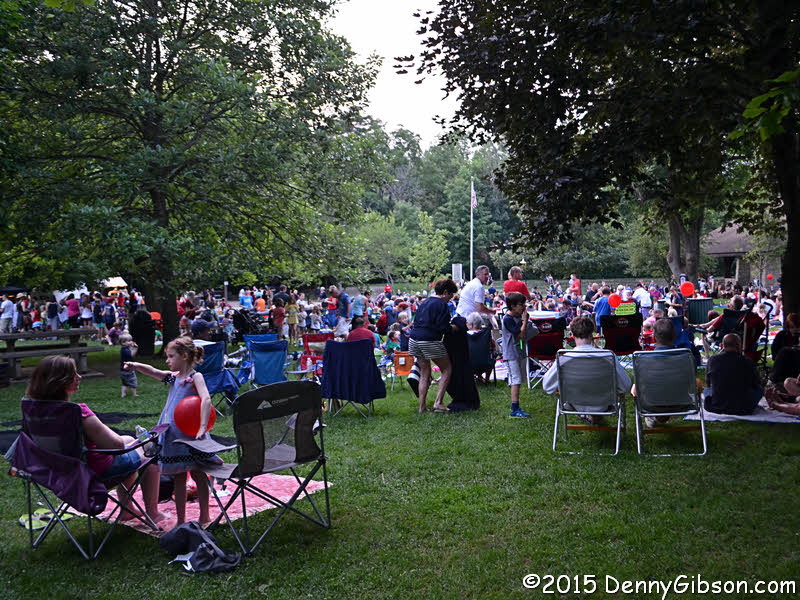
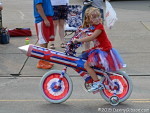 I headed to Loveland for some fireworks and was pleasantly surprised to get there in time to catch part of another parade. It’s a little smaller and a bit more traditional than the one in Northside but it was still quite cool in its own way.
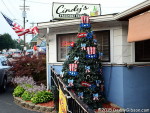
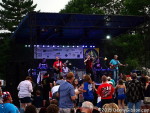
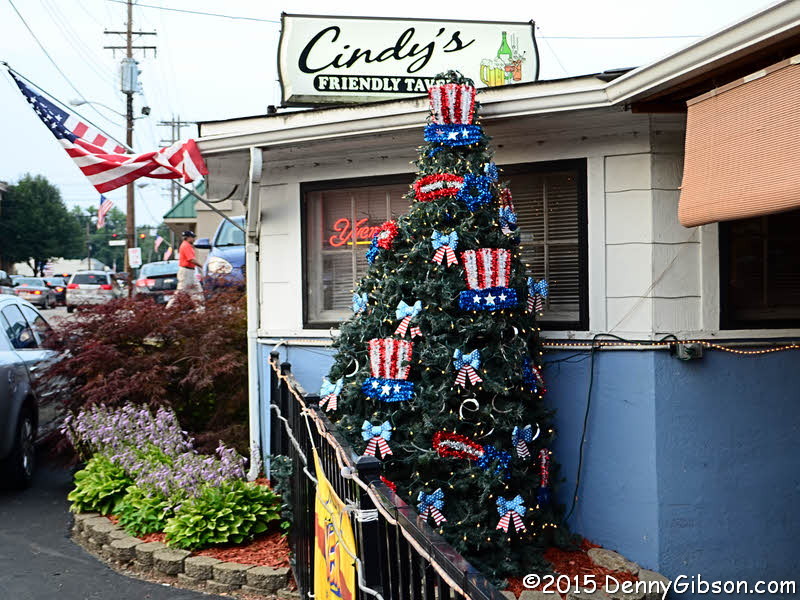
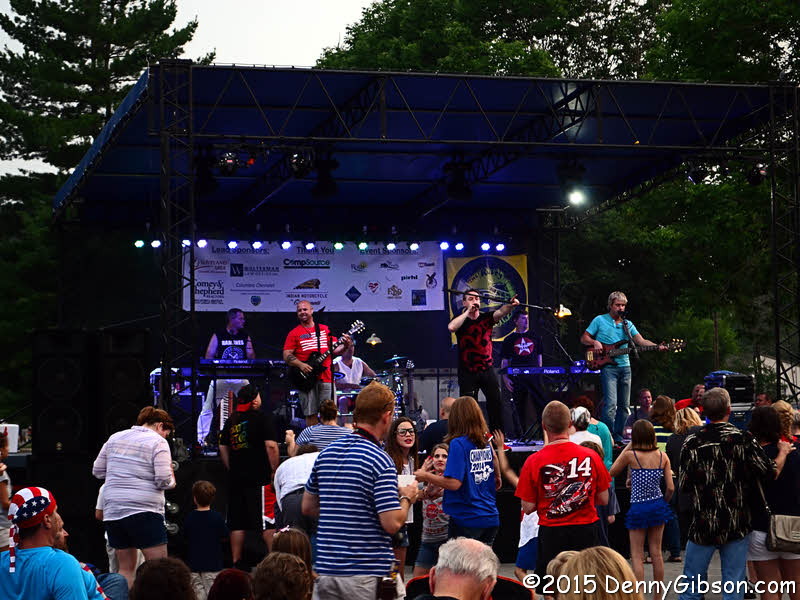
 On the way to a fireworks viewing spot, I snapped a picture of Cindy’s holiday tree and the festival stage. Entertainment for Loveland’s Firecracker Festival included the Rusty Griswolds.
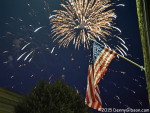
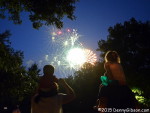
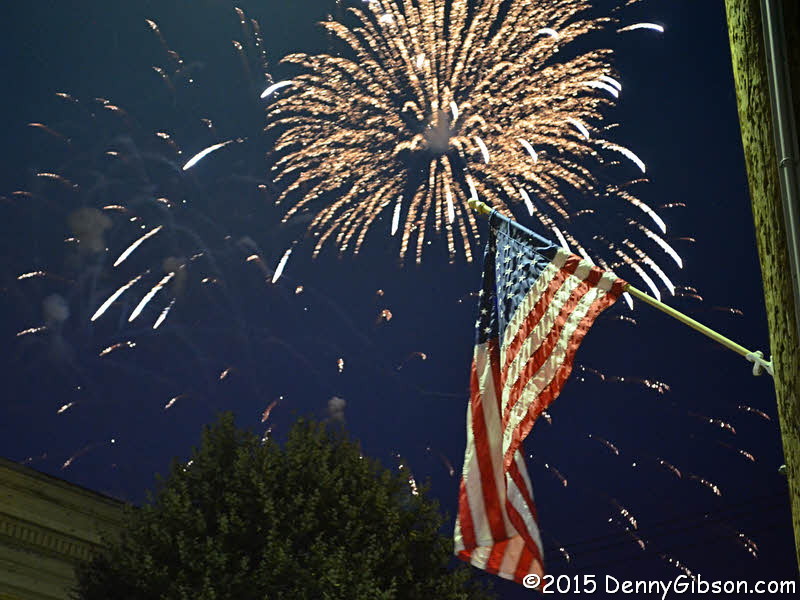
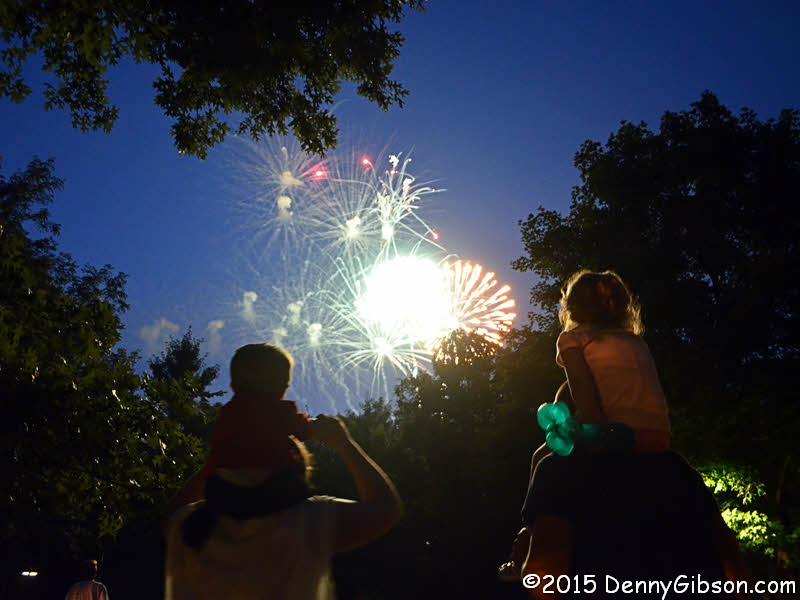
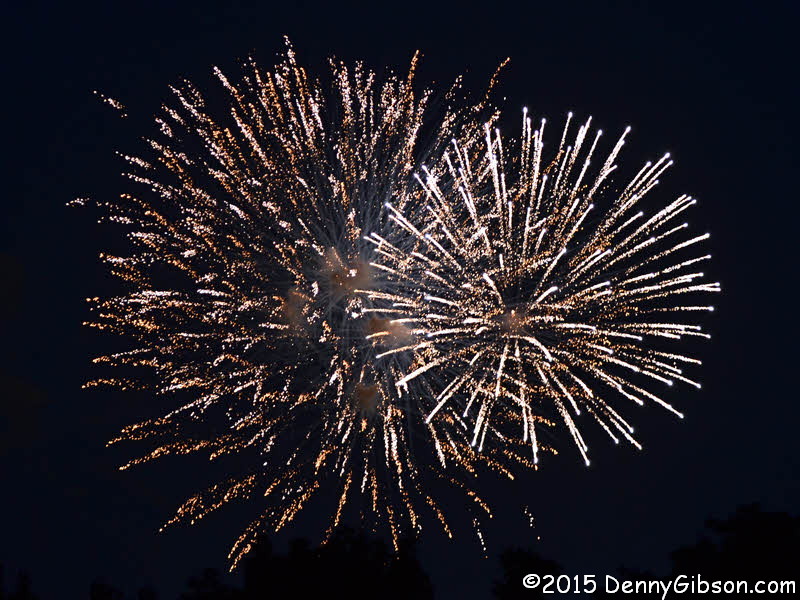
 Loveland is the home of Rozzi’s Famous Fireworks so the city usually has a pretty decent “illumination” above the Little Miami River. This year’s grand finale didn’t seem all the grand but the overall show was quite good. Mr. Adams, I’m happy to report that we appear to still be observing this most important day pretty much the way you envisioned. I’m even happier to report that, at least in Cincinnati’s Northside, a little independent thinking can still be observed on Independence Day.
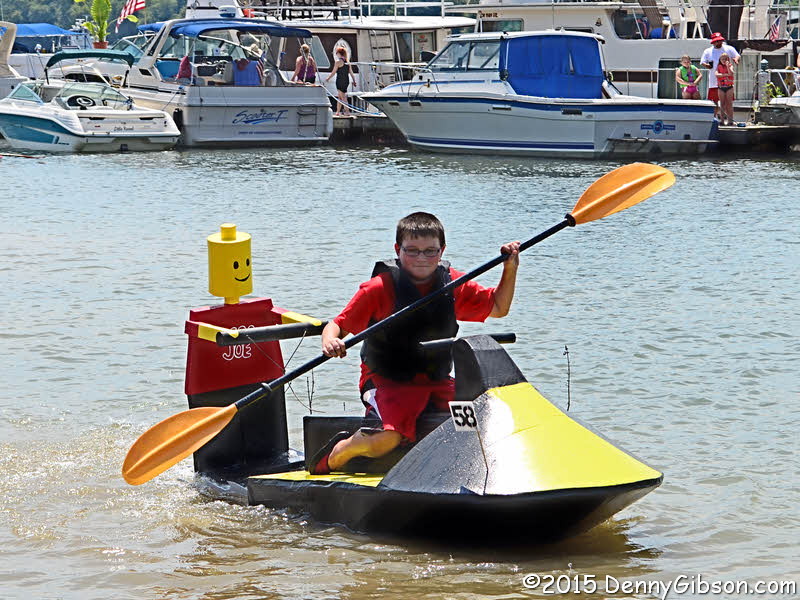 The weather was perfect for yesterday’s Cardboard Boat Regatta in New Richmond, Ohio. I missed the actual start of the first heat but I did see its conclusion and plenty of the racing that followed. Lego Joe was a crowd favorite. It is kind of hard to believe but both the water-skiing Joe and his wave runner style tow vehicle are both made of cardboard.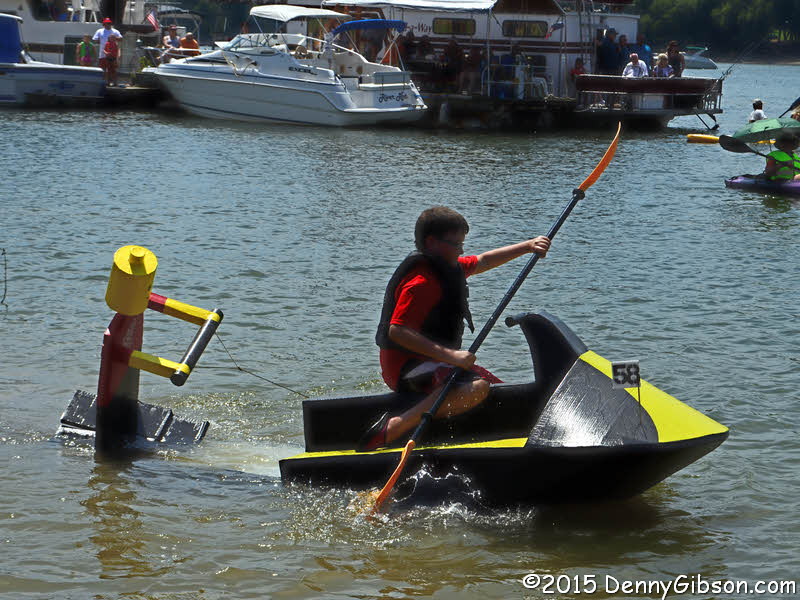
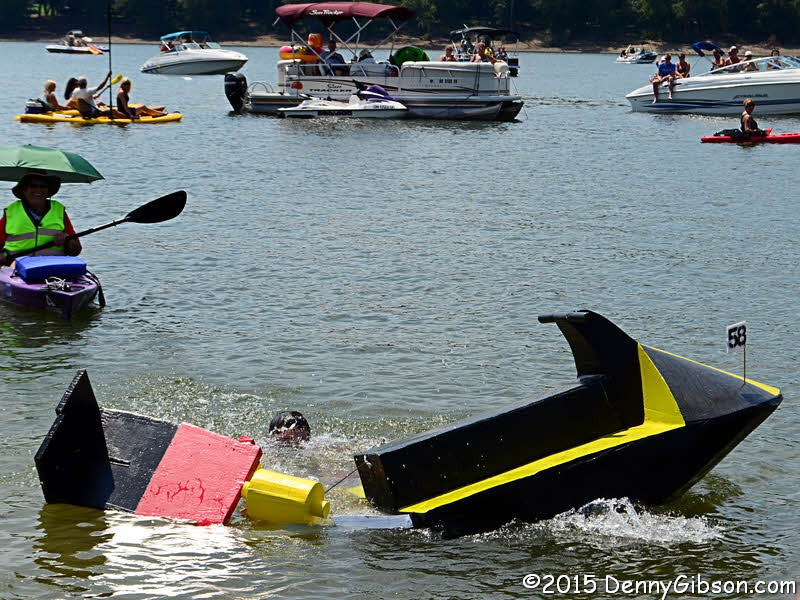 Unfortunately, Joe’s maneuverability was not a match for his good looks. He never really reached race speed as what I’m guessing was a small leak in his skis led to an early finish. Joe began to plow into the water then eventually tipped over. The increased drag slowed the rig even more and it appeared as if the tow vehicle started to take on water which make it even slower and less stable. When the driver eventually fell off of the increasingly wobbly craft, I think he was ready for a rest.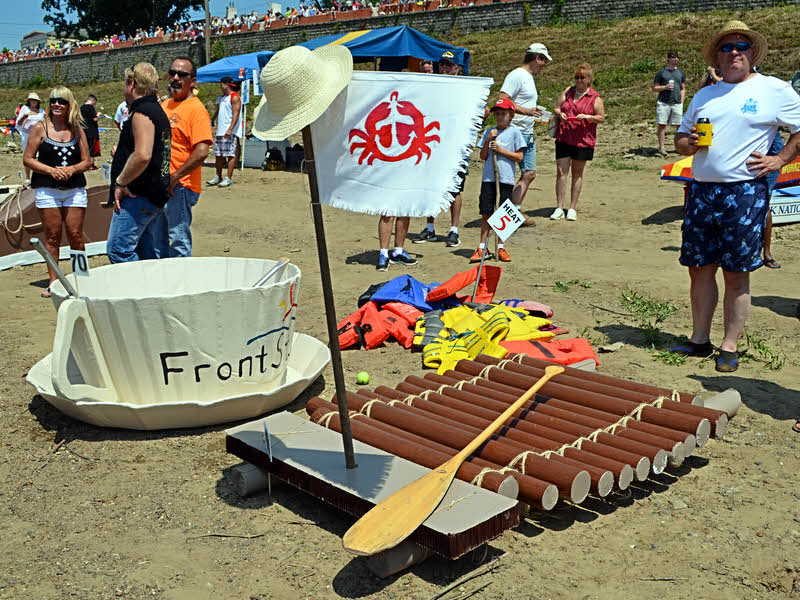
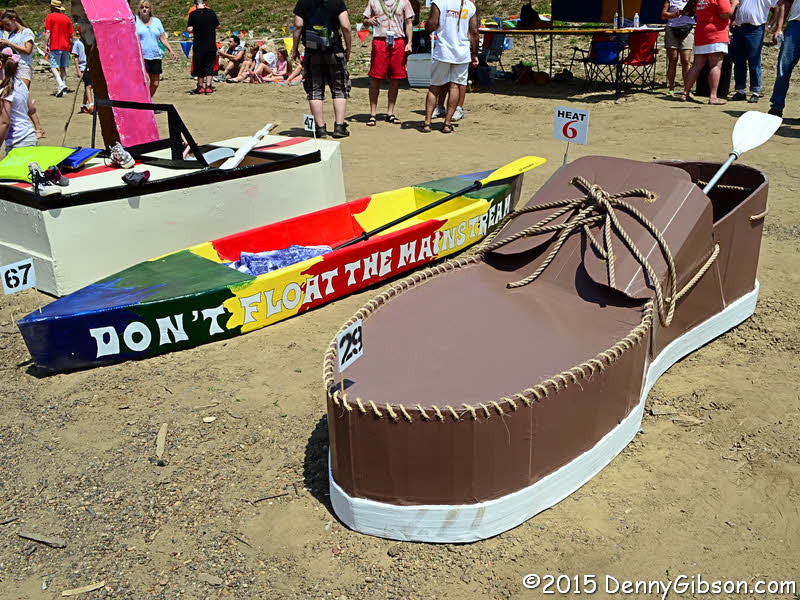
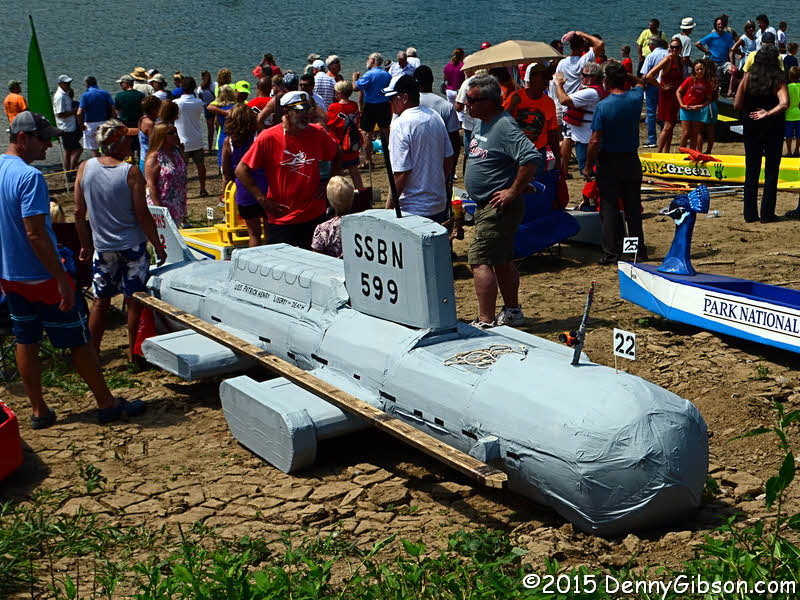 Of course, Lego Joe was not the only beautiful but not quite race-worthy craft in the field. The submarine did eventually reach the finish line under power from its two man crew. The raft, piloted by a young girl also made it but it took a while and required some assistance from a friend or family member. The shoe had directional difficulties and, after an excursion into the line of spectator boats (that may or may not have included soliciting a cold adult beverage) pulled ashore near the course mid-point.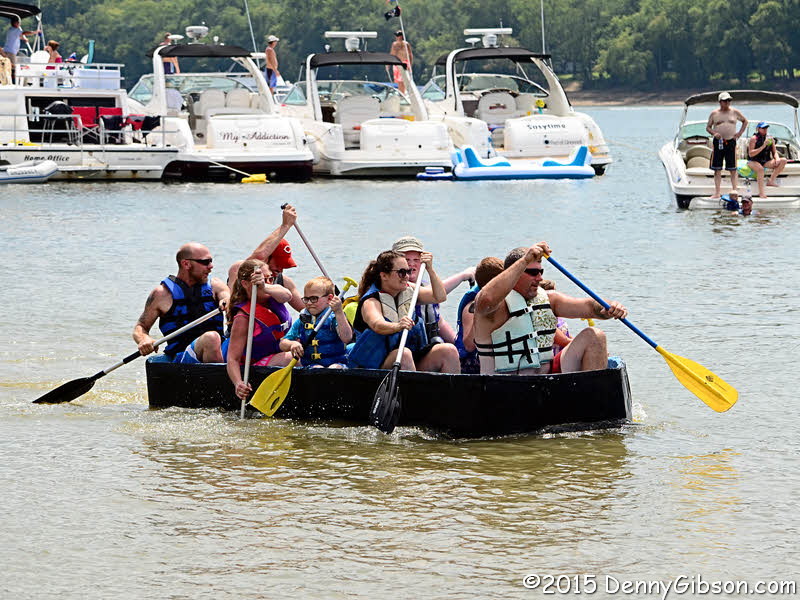
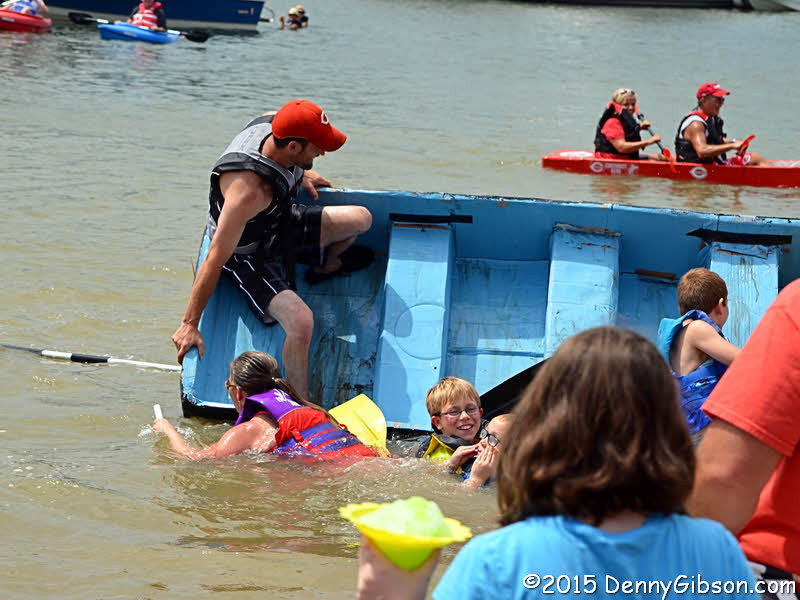 If this ten member crew wasn’t a record, it had to be close. It’s certainly the most people I’ve ever seen in a cardboard boat. It took quite a while to get everyone into the boat and ready to paddle but disembarking went a lot quicker.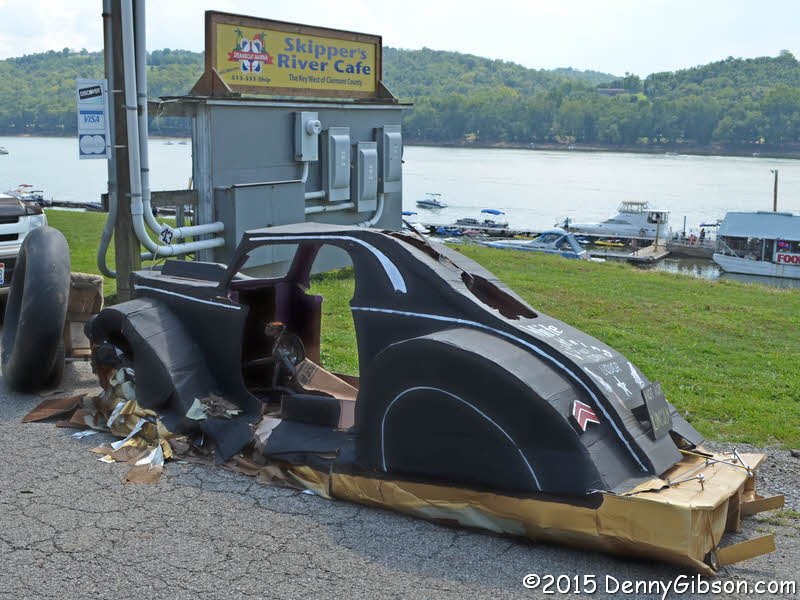
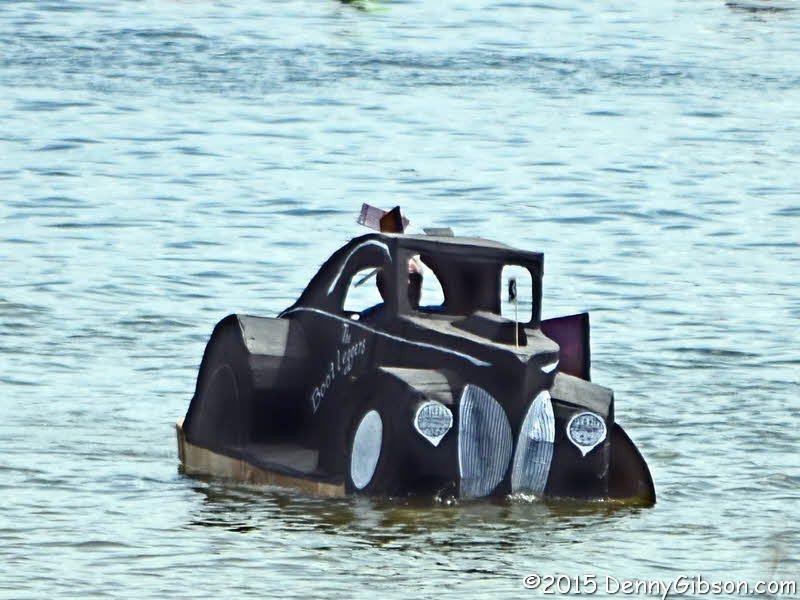
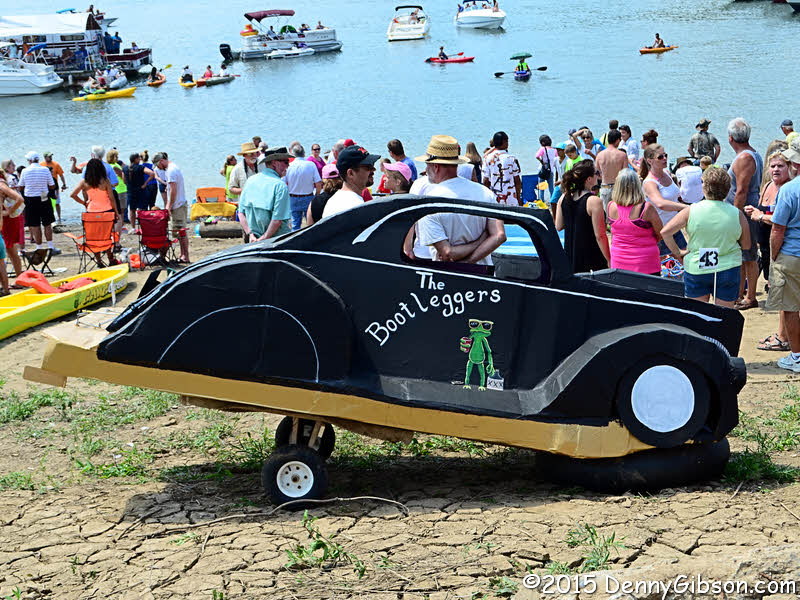 Here are shots of one of the entrants before, during, and after the race. Some boats return to compete year after year. Others make just one glorious appearance. I’m thinking this one might be in the latter category.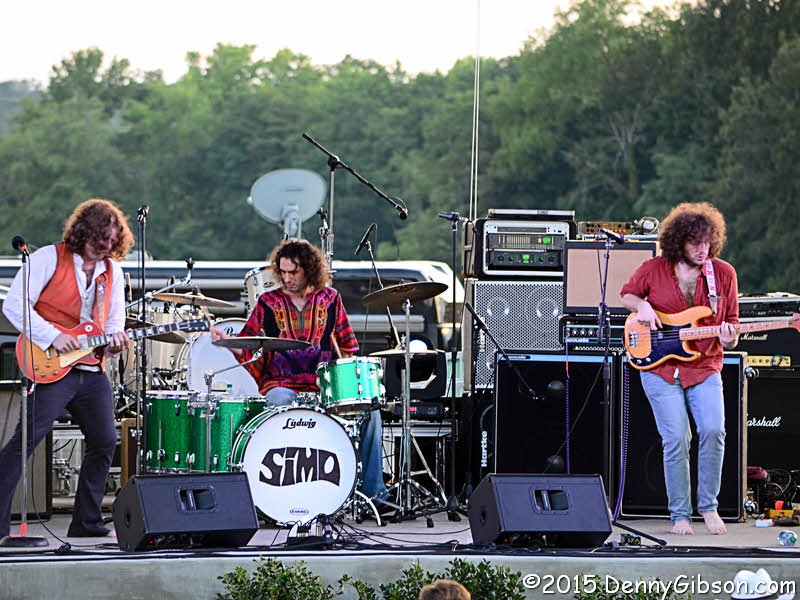
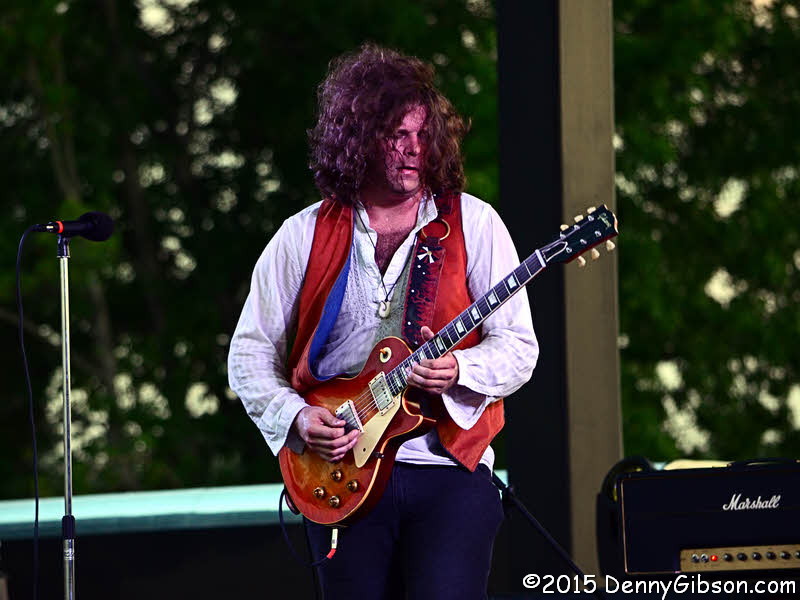
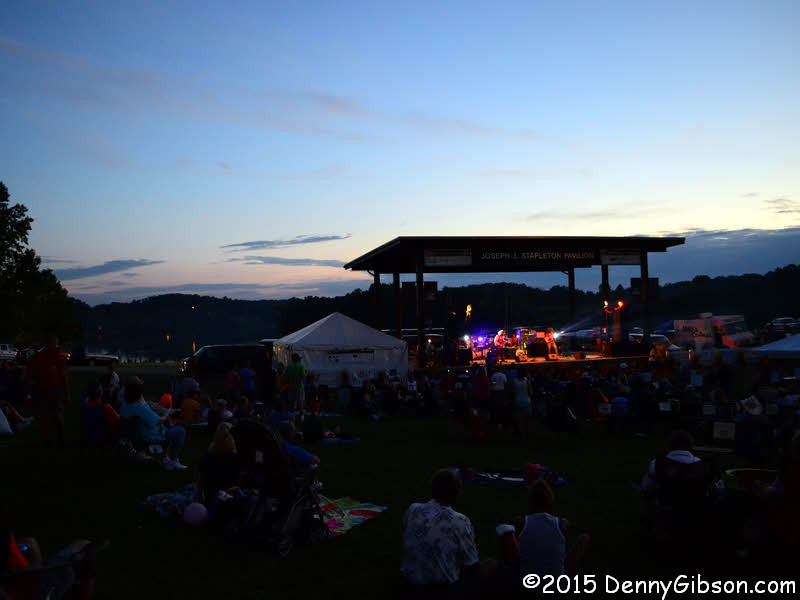 I finished the day at the Festival by the Lake in Alexandria, Kentucky. The draw for me was SIMO, who I last saw close to a year ago at the Southgate House Revival. This is a high energy and high volume act and, at least for me, the great outdoors suited this better than the smallish upstairs room at tSGHR. I also think a bass player change helped. Wonderful stuff.




 Nobody sees the trouble I’ve known. Maybe not nobody, exactly, but not many. There are two primary RSS feeds published by this site. One is for this blog. The other is for the trip journal. Among the many ways of subscribing to these feeds is a service called