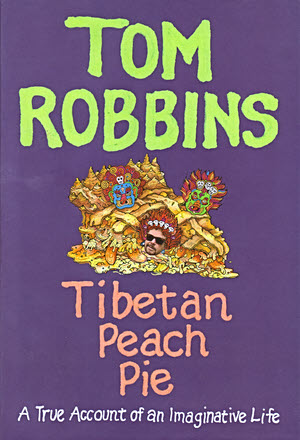
 Yes, this is rather mainstream for me. I’m not in the habit of reviewing books that have appeared on the New York Times Best Sellers List. For one thing, it increases the chances of the amateurish nature of my offerings being found out. For another, such reviews are surely unneeded and are destined to have even less value than my reviews of niche releases. But I’ve never let the lack of need deter me from writing and, as for being caught impersonating a reviewer, I’ll take my chances. Just like Tom Robbins did at the Seattle Times.
Although the book’s subtitle is “A True Account of an Imaginative Life”, the back cover announces, in all caps, that “THIS IS NOT AN AUTOBIOGRAPHY”. That is also, with a quieter font, the first sentence inside the book. A paragraph later, Robbins also claims this isn’t a memoir but he doesn’t really stick with it. He does make a pretty good stab at explaining why this isn’t an autobiography plus I visited a couple of websites making their own stabs. The most commonly accepted differences between an autobiography and a memoir seem to be the timeline and degree of fact checking. As for timeline, Tibetan Peach Pie might not start with the author’s birth but it doesn’t miss by much (he is seven or eight months old in the first tale told) and it may not be 100% chronological but it doesn’t miss by much in that regard, either. In terms of fact checking, the whole book does seem to come from Robbins’ memory without much corroboration or documentation which does support the not-autobiography claim. So, if you’ve set your sights on a Tom Robbins autobiography, this isn’t it. But it is as close as you’re likely to get and that is the point of the old Tibetan peach pie story and probably (I’m guessing here) the point of this book’s title.
Tom Robbins is an English wordsmith whose product I might devour for its own sake regardless of content. If Tom Robbins wrote those End User License Agreements for Microsoft or Apple I’m guessing that a few people might actually read them. Tibetan Peach Pie is, of course, infinitely more interesting and readable than an EULA but it’s not quite as interesting and readable as Another Roadside Attraction or Still Life with Woodpecker. At least I’ve serious doubts that it’s that interesting unless you’ve read those and/or other Robbins novel and are already a fan. In fact, Jason Sheean, in his NPR review, suggests that “you gotta really like Tom Robbins to want to read that one”. I basically agree but believe that something similar could be said about every autobiography or almost-autobiography.
Robbins’ life has been interesting as well as imaginative. Tibetan Peach Pie includes stories from his North Carolina beginnings through his Virginia college days and Air Force deployment in Korea to his long time Washington state residency. There are some good stories here. Even a few brushes with danger. As a toddler he almost did himself in by pulling a pot of boiling cocoa from the stove onto his chest. In New York, he recklessly takes the chalk from a gang member marking territory to correct his spelling. As a successful author indulging in adventure travel, he spends a sleepless night in a Timbuktu hotel while a sword wielding local raves outside about a perceived affront involving camel rental.
Most of the stories, however, are about normal everyday impulsive free-spirited goofy behavior that might put his career or relationship, but not his life, at risk. As a starving student he unwittingly ignites a gardener’s rage by chowing down on a prize winning chrysanthemum. At the second meeting of a woman who had stormed out on one of his poetry readings, Robbins blasts her for her rudeness, she proposes marriage, and he accepts. On another adventure outing, this time in Sumatra, he reigns as King of the (former) Cannibals for a day. Like I said, normal, everyday.
Robbins’ success is the result of his wonderful word craft but he has seen his share of luck. As a youngster in North Carolina, Robbins won a coveted radio when his was the second raffle ticket drawn. The ticket pulled ahead of his was the only one that had not been sold. As the end of a temporary job at the Seattle Times approached, the paper’s art critic departed and Robbins talked his way into the job. When the assistant arts and entertainment editor also took off, he moved into that position and when the department editor was hospitalized, Robbins found himself reviewing, for a major city newspaper, the first opera and first symphony concert he’d ever attended. Hey, you can’t make this stuff up. Well, Robbins could but he didn’t. I think.
Tibetan Peach Pie, Tom Robbins, Ecco (May 27, 2014), paperback, 9 x 6 inches, 384 pages, ISBN 978-0062267405
Available through Amazon.












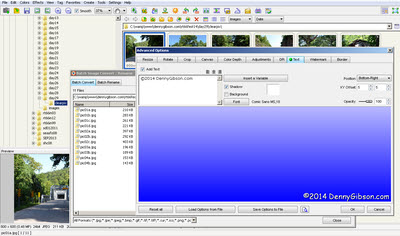 Like Easy Thumbnails, FastStone Viewer is a whiz at batch processing. The long list of supported functions includes the ability to add text or graphic watermarks. I use text which is really easy to change when a new year rolls around. I can even change it temporarily when I occasionally use a photo someone else has taken.
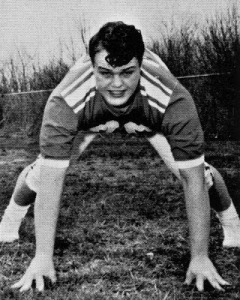 Douglas Dickey never got to be a veteran. He barely got to be a high school graduate. Less than two years after graduation, Doug’s life ended in Vietnam. He was twenty years old.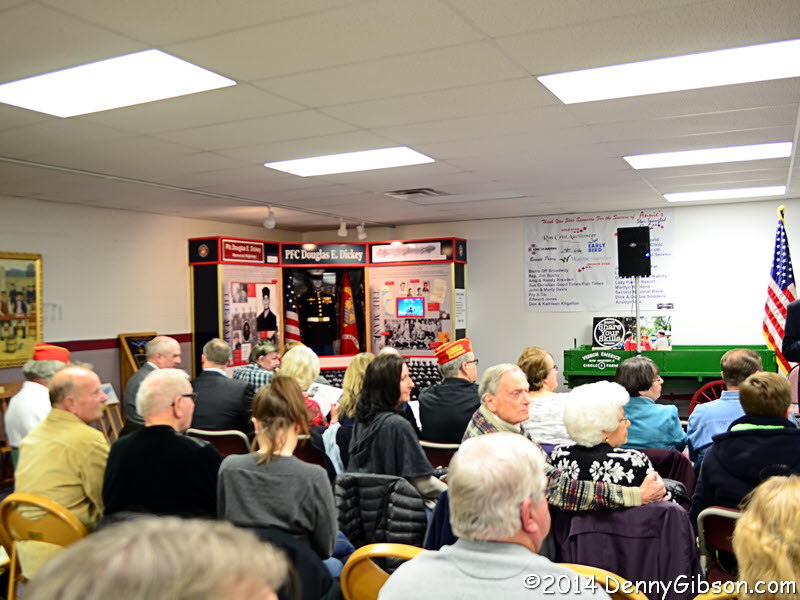

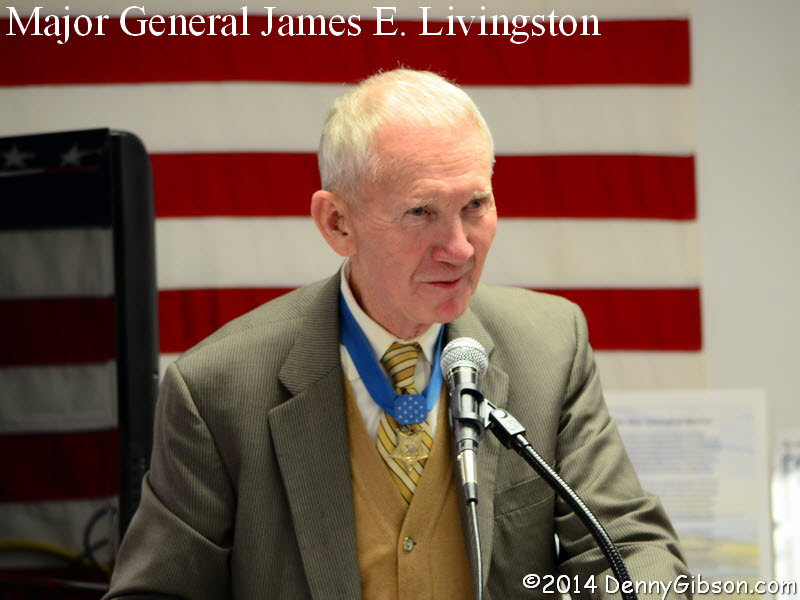

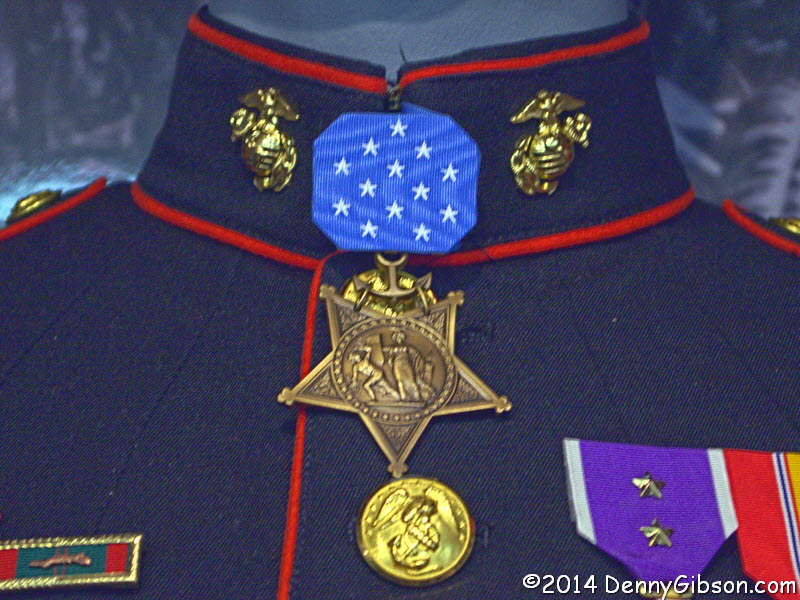
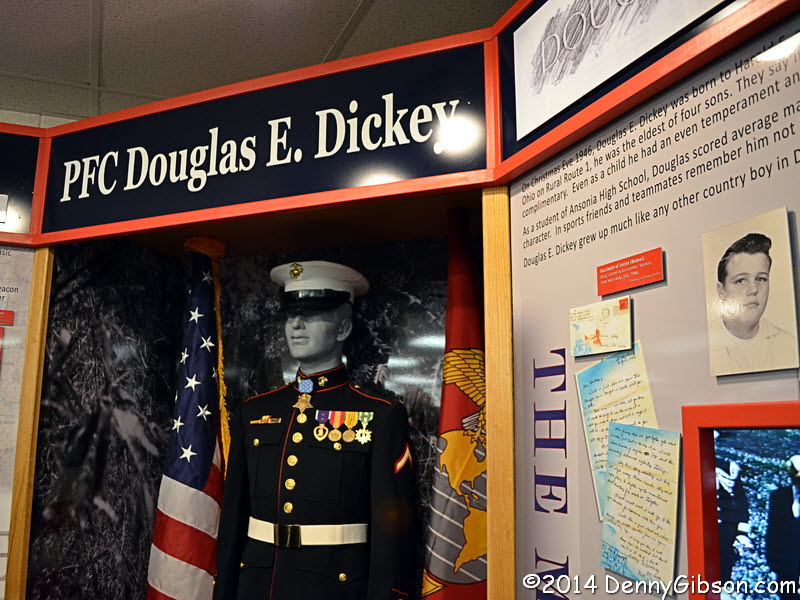
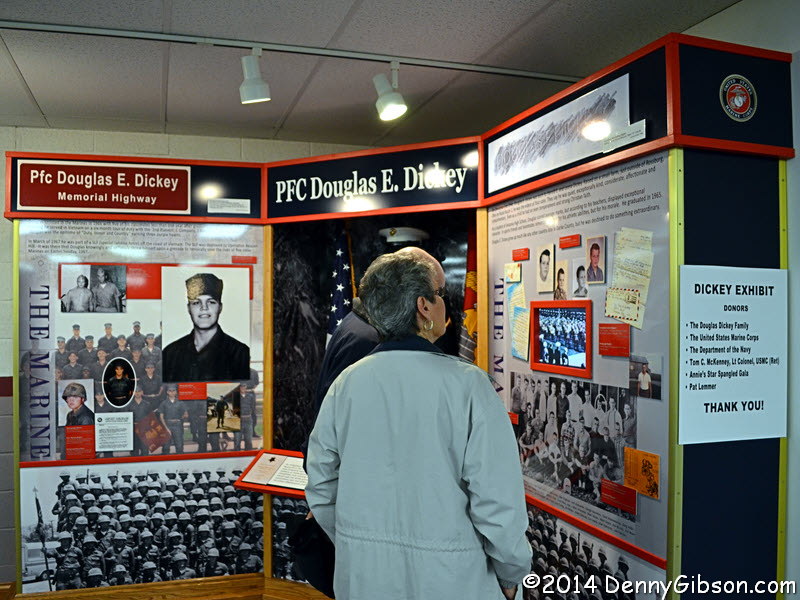


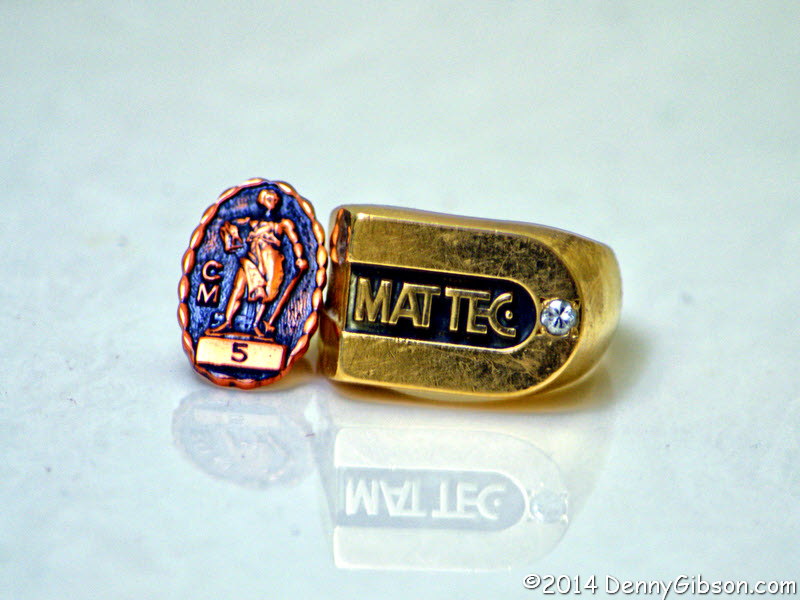
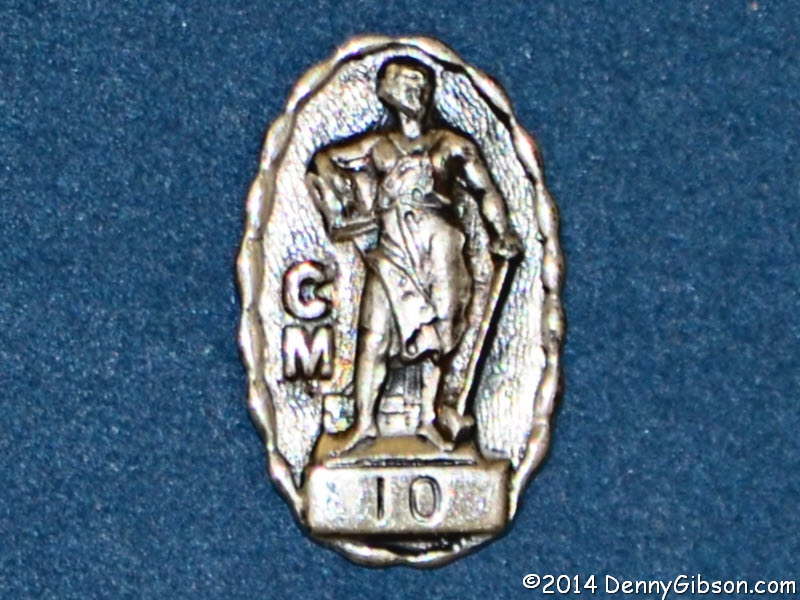
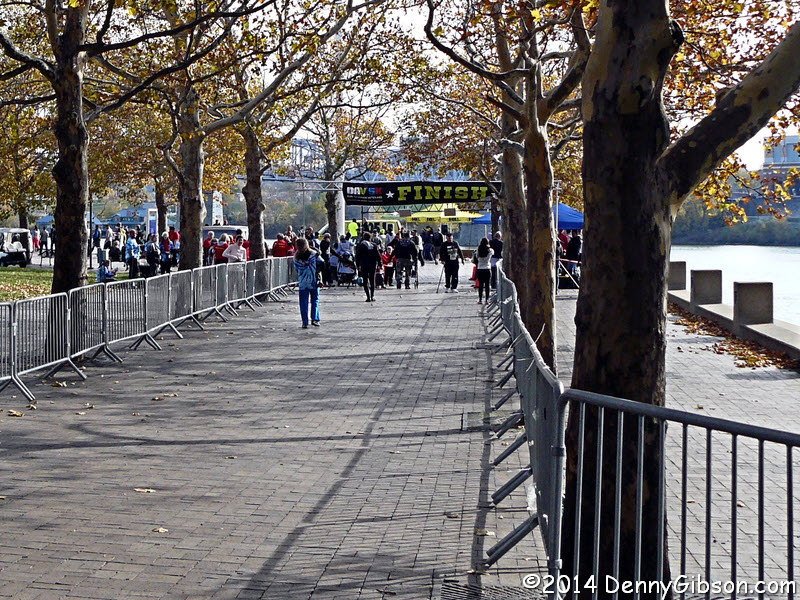
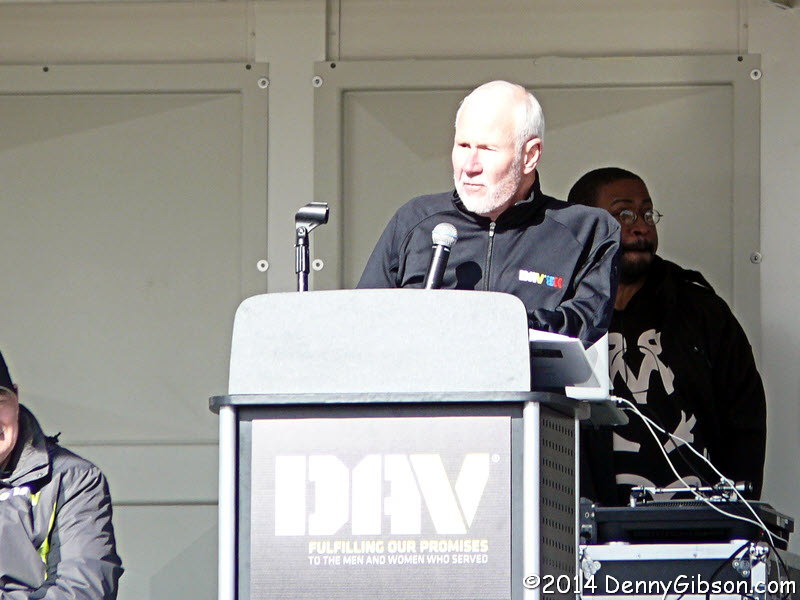
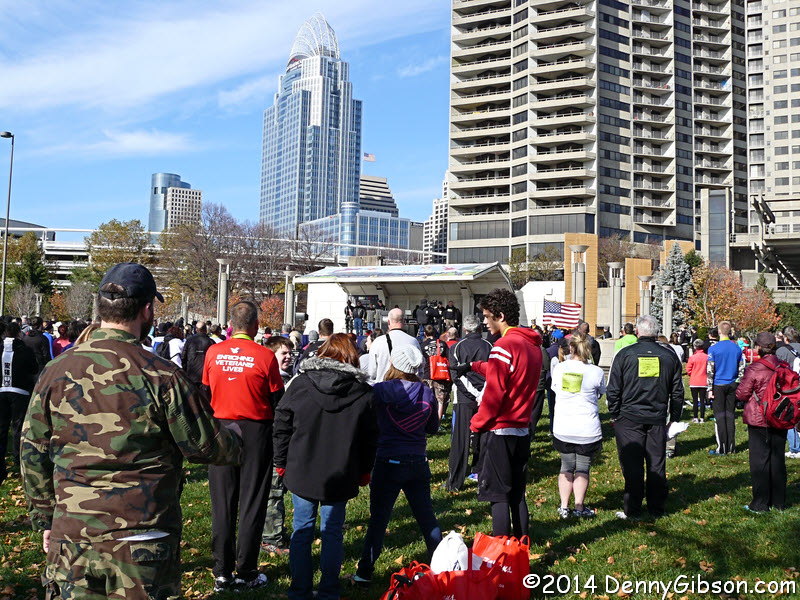
 I have now participated in every one of the Cincinnati




 We fought a war to get this country going then gave every land owning white male above the age of twenty-one the right to vote. A little more than four score years later, we fought a war with ourselves that cleared the way for non-whites to vote. Several decades of loud, disruptive, and sometimes dangerous behavior brought the granting of that same right to non-males a half-century later and another half century saw the voting age lowered to eighteen after a decade or so of protests and demonstrations.
 Of course, putting something in a constitution does not automatically make it a practice throughout the land and I am painfully aware that resistance followed each of those changes and that efforts to make voting extremely difficult for “the other side” are ongoing today. I don’t want to ignore partisan obstructions and system flaws but neither do I want to get hung up on them. I meant my first paragraph to be a reminder that a hell of a lot of effort, property, and lives have gone into providing an opportunity to vote to a hell of a lot of people. Far too many of those opportunities go unused.
 In the title I claim to not care how anyone votes. That’s not entirely true, of course. I have my favorite candidates and issues. I’ll be disappointed in anyone who votes differently than I do but not nearly as disappointed as I’ll be in anyone who doesn’t vote at all. I’m reminded of parents working on getting their kids to clean their plates with lines like, “There are hungry children in China who would love to have your green beans.” I’m not sure what the demand for leftover beans is in Beijing these days but I’m pretty sure some folks there would like to have our access to ballots and voting booths.

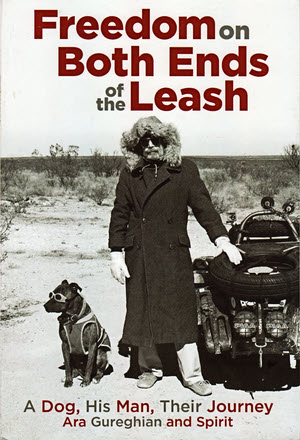 I really looked forward to the publication of this book. I certainly enjoyed reading it and expect to enjoy reviewing it once I get started but reviewing a book that is near impossible to describe isn’t all that easy. Saying it is the story of a man and dog traveling around the US on a motorcycle isn’t wrong but it sure is incomplete. The man, Ara Gureghian, and the dog, Spirit, have been traveling around the US on a motorcycle since November of 2006 with no plans to stop. I’ve followed their blog since April, 2007, and I have no plans to stop, either. When they started their journey, they were not leaving a home where they planned to someday return. They did acquire some land fairly early on and they do spend winters there but even it is more of a base camp than what most would call a home. From the beginning, Ara had called his online journal The Oasis of My Soul and the ten acres of Texas that his mother bought for him instantly became known as The Oasis. One definition of oasis is “something that provides refuge, relief, or pleasant contrast” and that is something both man and dog needed. Ara had suffered the painful loss of his son and Spirit has suffered abuse from a previous owner. Almost everything — the riding, the writing, the sunrises, the stars, the sunsets — is therapy to some degree but the writing is particularly therapeutic. Ara wrote, and continues to write, his journal for himself. He writes about his travels, his surroundings, and his thoughts. This book is something of a “Reader’s Digest” version of the journal. Neither book nor journal actually tries to be a travel guide or provide insights into living. Nonetheless, they do both.