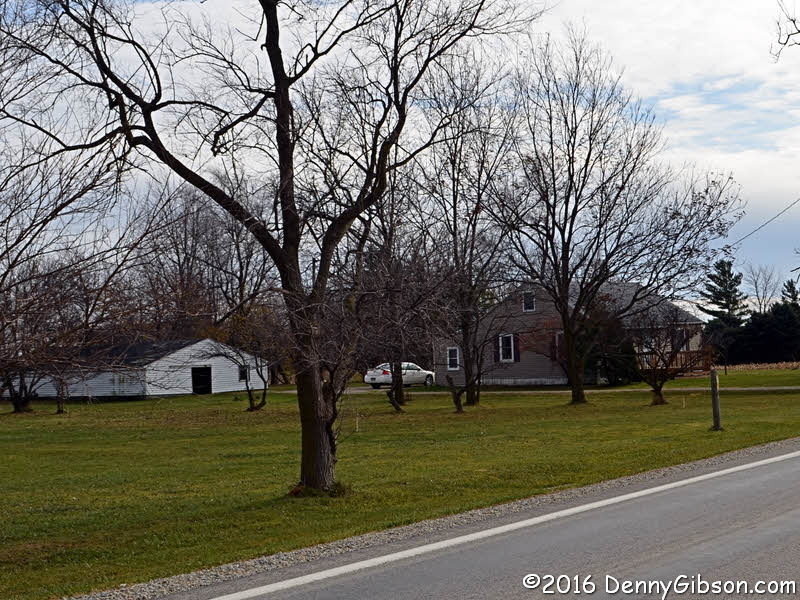
 “Of course not,” I can almost hear you say. “You’re a creaking old codger on the verge of decrepitude. You’re lucky you can move at all.” While that’s certainly true, it isn’t what the title refers to. The sort of moving this article is concerned with is the changing of residences and I recently realized that I’ve occupied my current domicile longer than any other. I moved in over the Memorial Day weekend of 1997 which means I’ve been here twenty years. That’s two decades, a full score, a fifth of a century. The times for second and third places are just thirteen and twelve years.
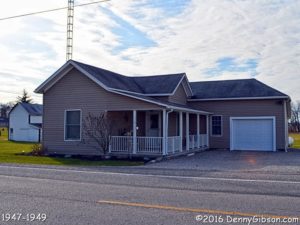
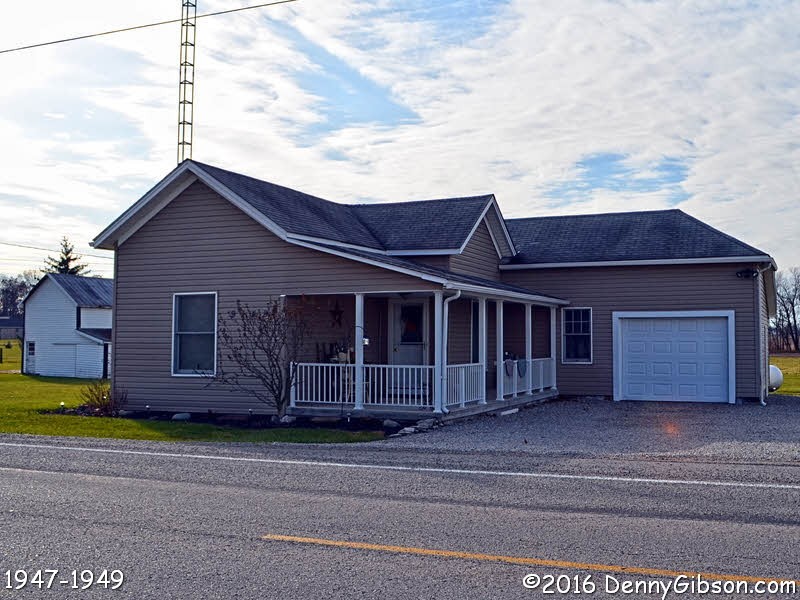
The photo at the top is of the first place I called home. It’s a house Mom bought in 1945 while Dad was overseas. I don’t know when it was built but it was old enough to need new siding when Mom bought it. She personally covered it with that fake brick tar paper that used to be fairly common. That covering remained through my high school years when a classmate lived there. Since then it has obviously had the siding replaced and it has been painted at least a couple of times. I recall it being blue for several years. The porch and garage were added long after I lived there and I’m sure there have been other upgrades as well. The house was never high class but it apparently is of pretty high quality. It looks better now, seventy-two years after Mom tacked on her tar paper, than at any other time in my memory. It’s in Woodington, Ohio, which is the birthplace of Lowell Thomas. Lowell’s former home has been moved to the grounds of the museum in the county seat. Plans to preserve and relocate my former home have yet to materialize.
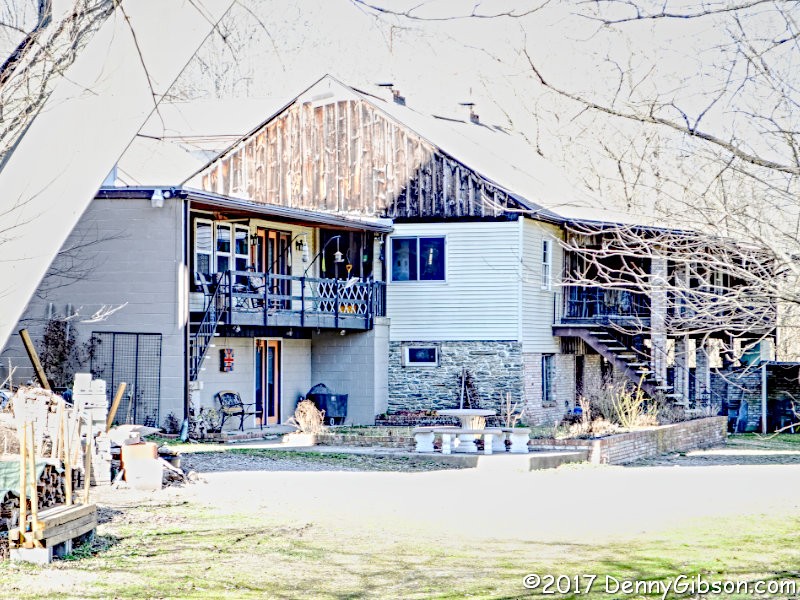
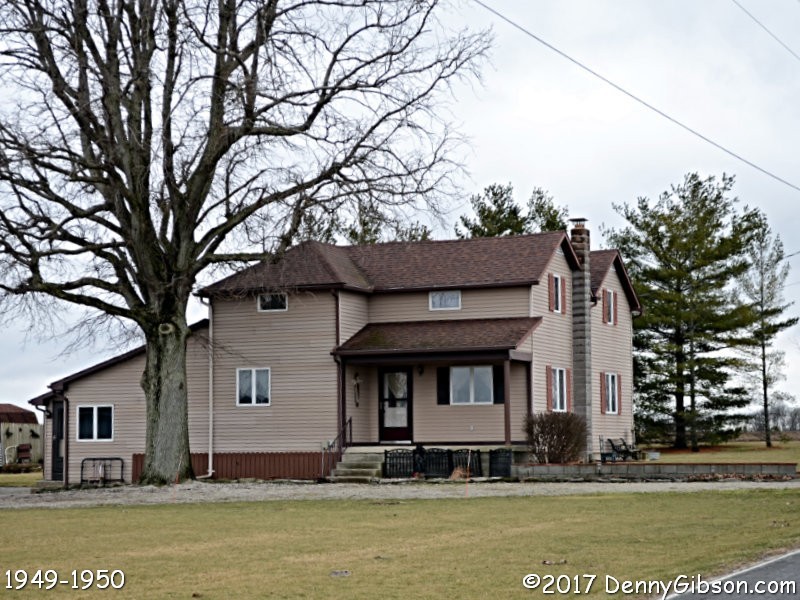
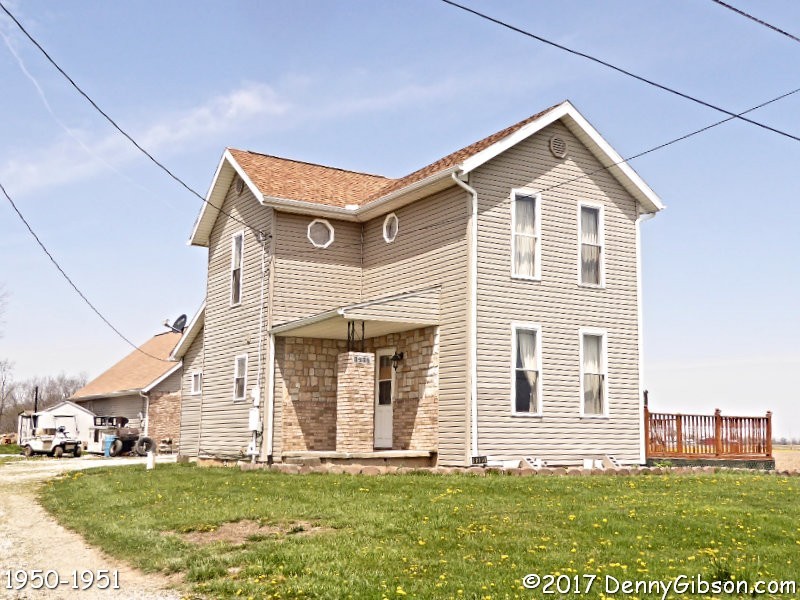
 While I was living in Woodington, my maternal grandparents were living on a farm just around the corner. Sometime before my third birthday, the generations swapped places. I doubt it was a real trade but some sort of family arrangement resulted in my grandparents and about five of my aunts and uncles taking our place in the village while we three moved into the house pictured at left. My sister arrived not too long after the move. The house is certainly no younger than the one I started out in and could be considerably older. The barn and other out buildings are gone and a large garage has been added. Like the house in Woodington, this one is looking better than it ever has.
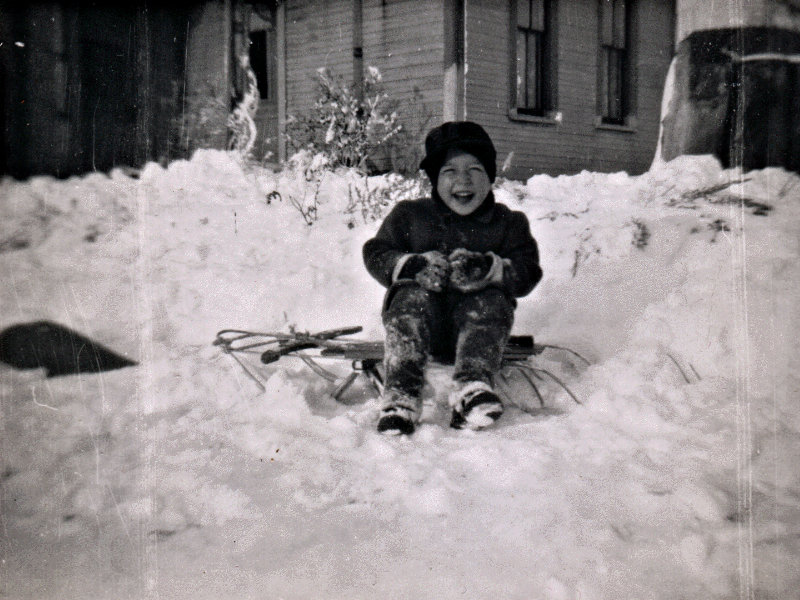
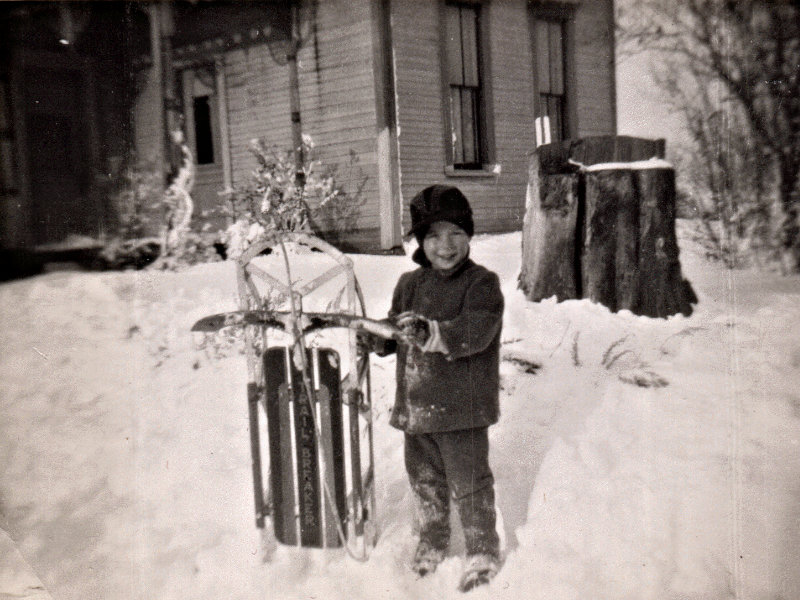
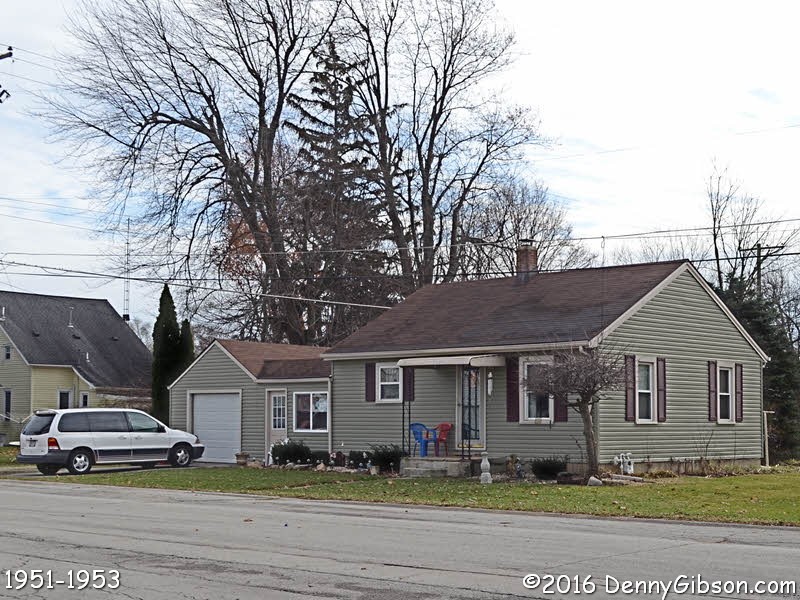
 We weren’t long at the farm. I recall Dad once reminiscing about the move with the comment “I guess I thought I wanted to be a farmer.” My sister was born in March and by winter we had moved to the house at right in the nearby village of Hill Grove. We were there for the “Blizzard of 1950”. The northeast corner of the state was hit the hardest but all of Ohio got lots of snow and frigid temperatures. In Columbus, Michigan won a trip to the Rose Bowl by beating Ohio State 9-3 in a game with 5° temperature, 40 MPH wind, and not a single first down by either team. During the worst of the cold snap, our whole family slept in the living room with my baby sister wrapped up in a dresser drawer. The Facebook “on the road” profile picture I use for wintertime trips was clipped from this photo taken in front of this house. A little more of the house — and sled — can be seen in this photo. It’s been well treated by subsequent owners and falls into line with the others by looking better now than then.
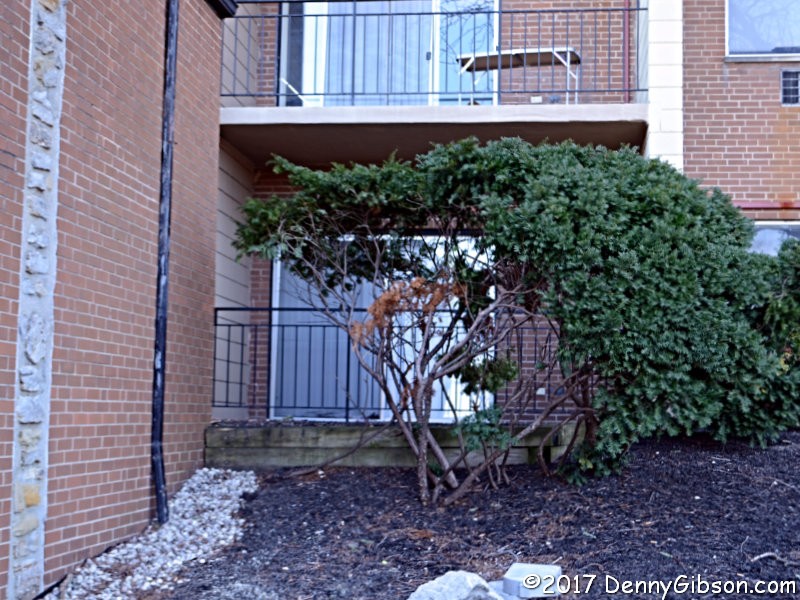
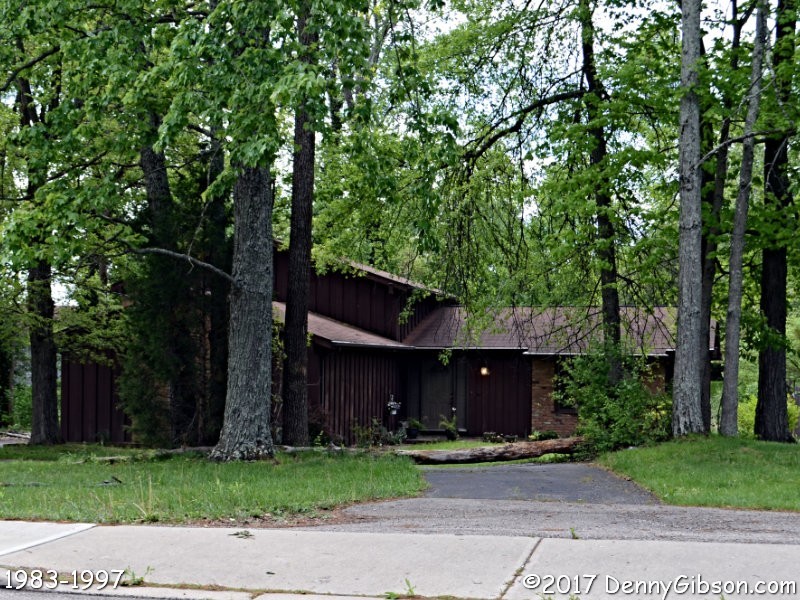
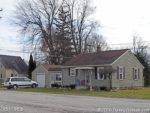 I think we only spent the one winter in Hillgrove before moving into the village of Ansonia. I’ve referred to both Woodington and Hill Grove as villages but they are technically “unincorporated communities”. Ansonia was a real official incorporated village. with a population of 877 in the 1950 census. Our house was directly across the street from the American Legion and the school athletic fields were at the end of the street. In high school I would march past this house on the way to and from every home football game. It was newer than my previous abodes and, while I don’t know that it looks better than when we lived there, it looks at least as good and has clearly had some caring owners including someone who added the garage and connector.
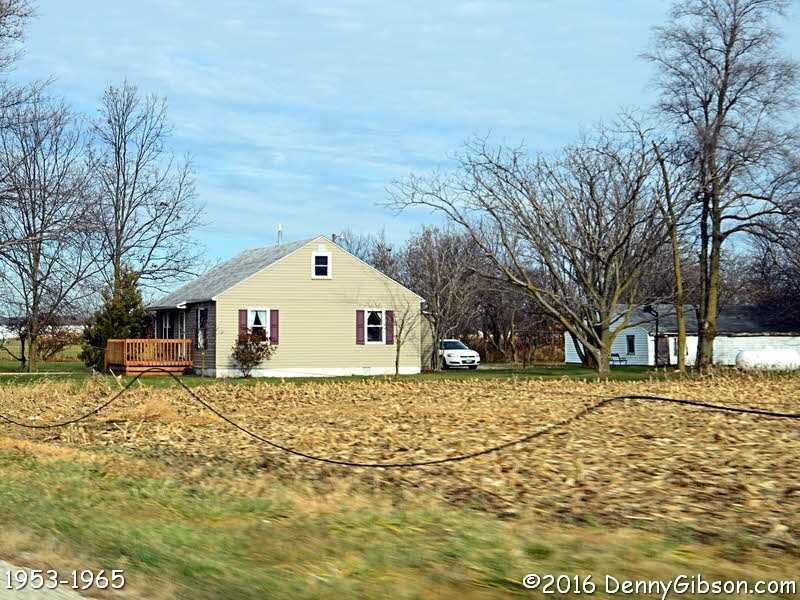
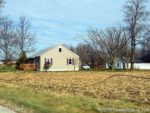 This is the place that’s currently in third on my length of residence list. It occupies a two acre plot in the midst of large farms about three miles west of Ansonia. We moved here in the summer of 1953 and Dad remarried (Mom died in 1959) and moved in the summer of 1965. Those dates exactly bracket my school years. Initially my sister and I shared one of the two bedrooms but that was quickly seen as a problem. Dad was both clever and handy and first divided the room with a wall that included storage with my bed on top. Step two was enclosing a porch area on the back of the house and moving me into it. It’s visible in this photo of the other end of the house. The third and final step was finishing the attic and squeezing in a stairway. I spent about seven years sleeping on the other side of that window near the peak of the roof.
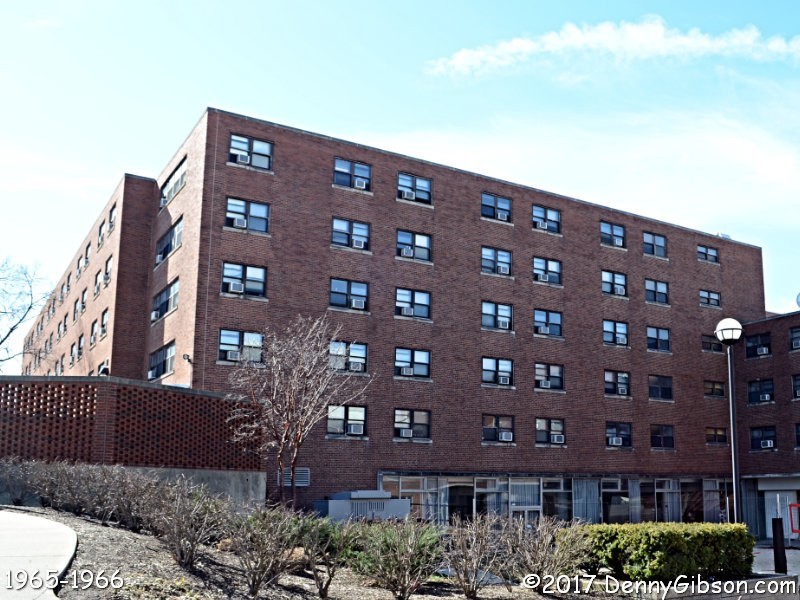
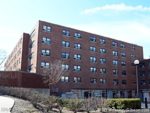 A 2015 article on Dabney Hall talks about the faded bricks and old AC units hanging in the windows. It is now the oldest residence hall on the University of Cincinnati campus. When I lived there in 1965 it was, at five years old, one of the newest and there were no signs of air conditioning anywhere. Shortly after my 1974 divorce I dated a girl a few years younger than me who had a friend a few years younger than her who lived in Dabney and we attended a party there. By then what had been an all male dorm was co-ed with refrigerators and microwaves in every room. I marveled at the changes but it’s hard to say whether the presence of girls and fridges would have kept me in school longer or led to me dropping out sooner.
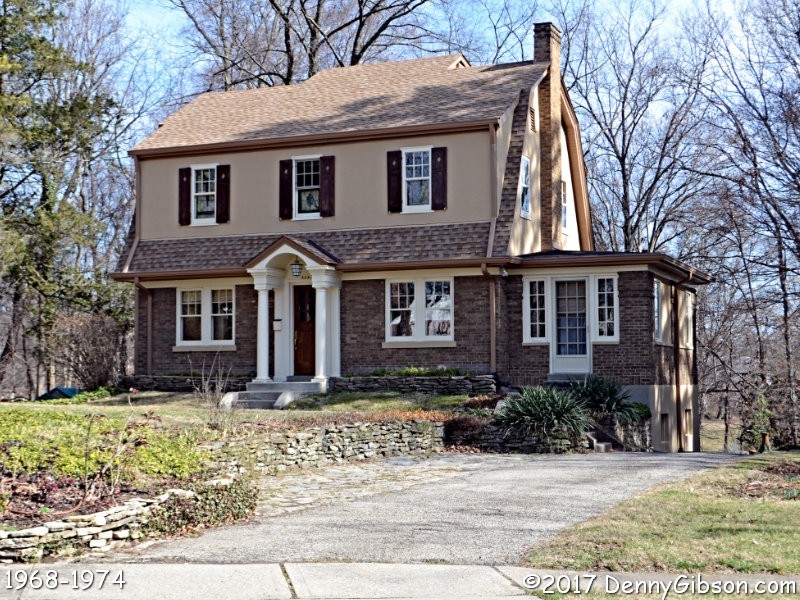
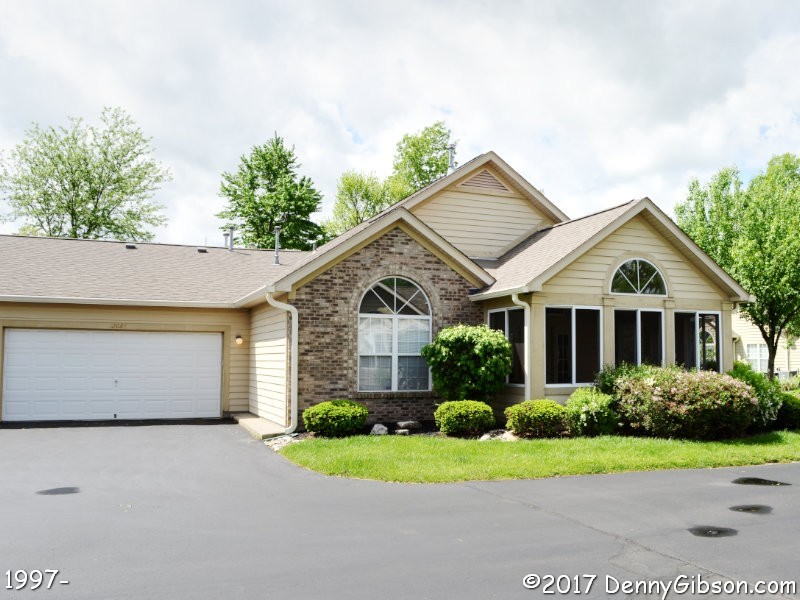
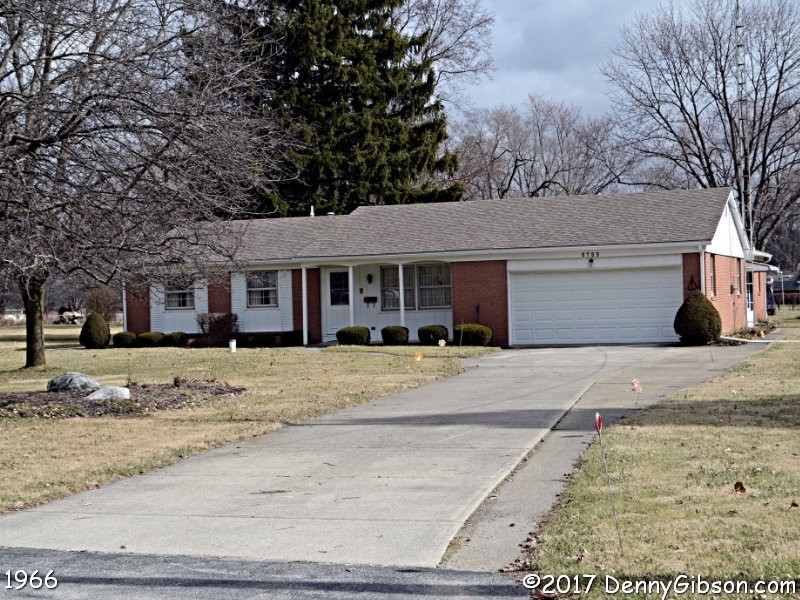
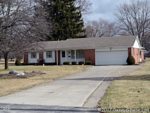 This is the house Dad moved to after remarrying when I was about to leave for college. I spent the summer between my freshman and sophomore years there and it is where my stepmother still lives. Not visible in the picture is an attached brick workshop, added in the 1970s, where Dad spent a lot of time re-caning and refinishing furniture.
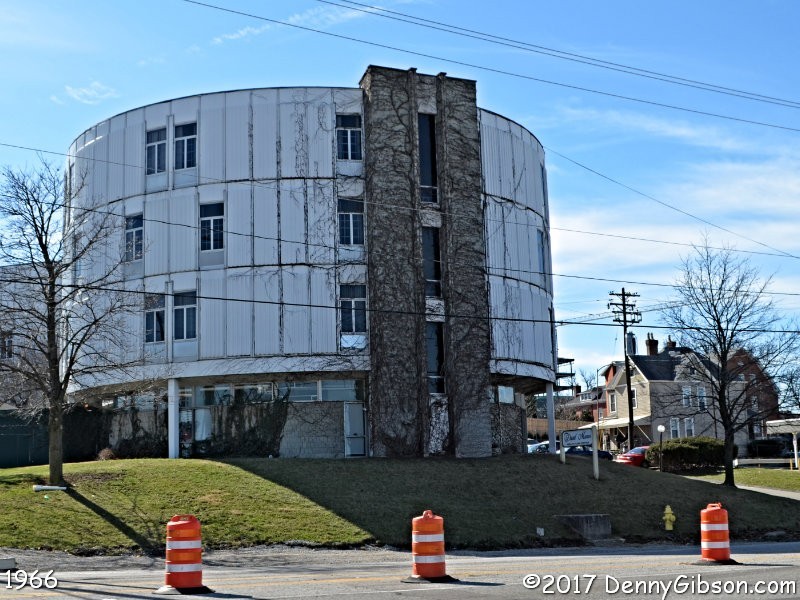
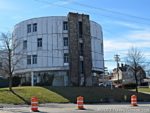 This is the location but not the building where I began my second year at UC. The aging apartment where my friend Dale and I lived has the distinction of being the only one of the sixteen places I’ve lived that is no longer standing. This seems particularly astonishing in light of the fact that the three earliest of my homes were all pretty old when I lived there. The pictured building is a nursing home so it’s at least possible I could return there someday.
Because of its length, I’m spreading this subject over two posts. As mentioned in the first paragraph, I’ve called just one place home during the most recent twenty years of my life. The eight residences covered in this post filled the first twenty for an average of roughly two and a half years each. I’ll get to the second eight next week.
I’m Not Moving Like I Used To — Part 2



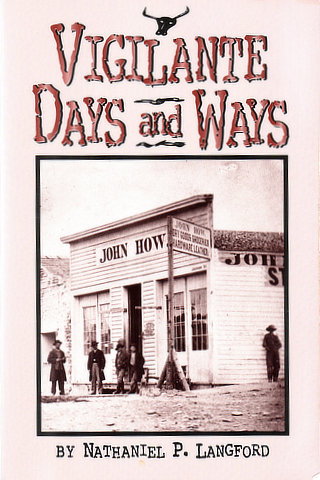 This book was first published in 1890. The link at the end of this article points to a version published barely a month ago. Despite it being well over a century old, some think it worth reading and someone considers it worth republishing. Why others consider the 127 year old writing worth reading I cannot say but I know why I enjoyed it. It’s filled with stories I’ve watched unfold on TV or in a movie theater or read as fiction. Those tales of frightened town folk, evil bullies, crooked sheriffs, and cowardly henchmen that thrilled me in my younger days were all legitimate. The basis of many plots played out in the numerous TV westerns of the 1950s and ’60s can be recognized in the real world events that Langford documents. This book is filled with characters very much like the assorted outlaws encountered by the horse riding heroes of my youth. Men similar to some of those heroes are also present although they don’t stand out quite as clearly. Few real world heroes wear a pair of pearl handled revolvers and a white hat.