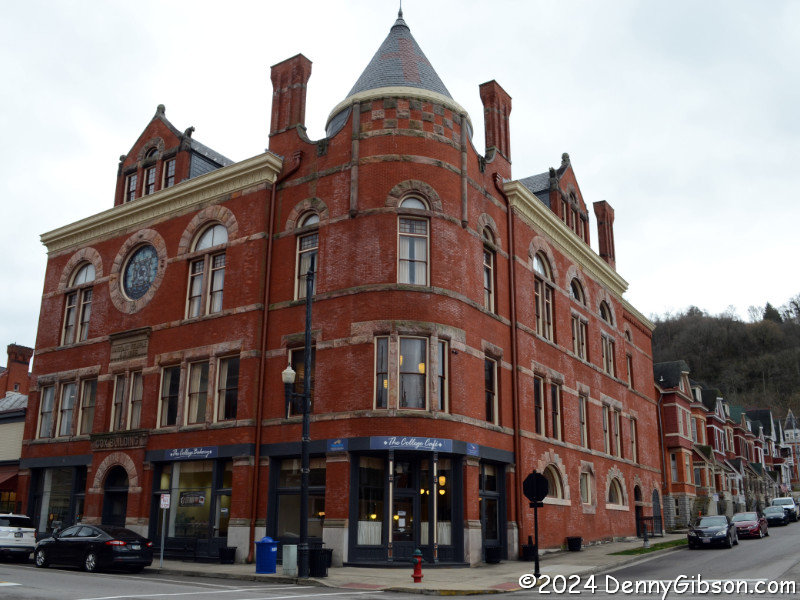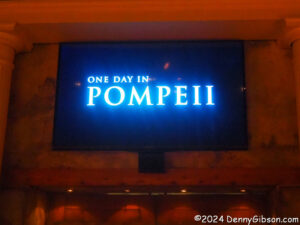
Pompeii: The Exhibition opened at the Cincinnati Museum Center on Friday. I would have been in the first group admitted and possibly even the first person admitted if a guard had not blocked the stairs and escalators until precisely 10:00 AM. That was the official exhibit opening time but an unguarded elevator a few feet from the stairs meant that a group of patrons were receiving their pre-entry briefing when I and the rest of the walkers arrived. It’s always good to begin the day with something funny.
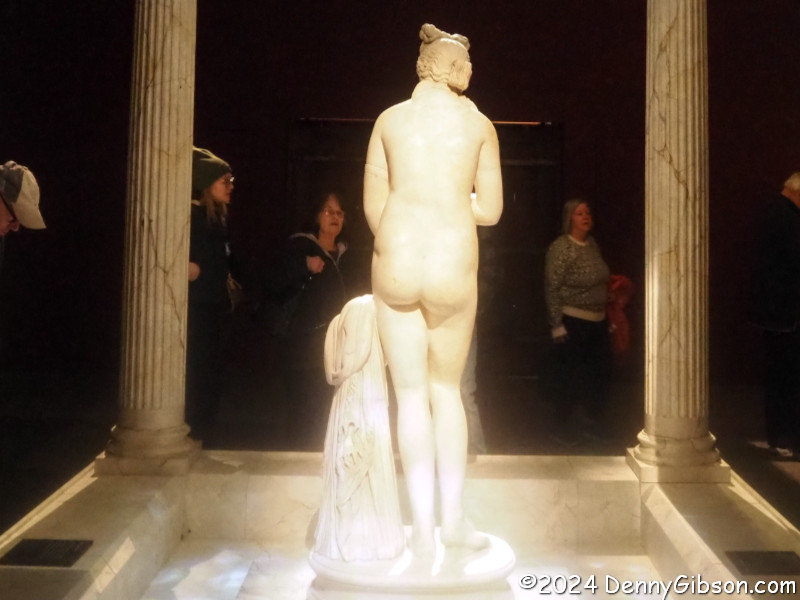
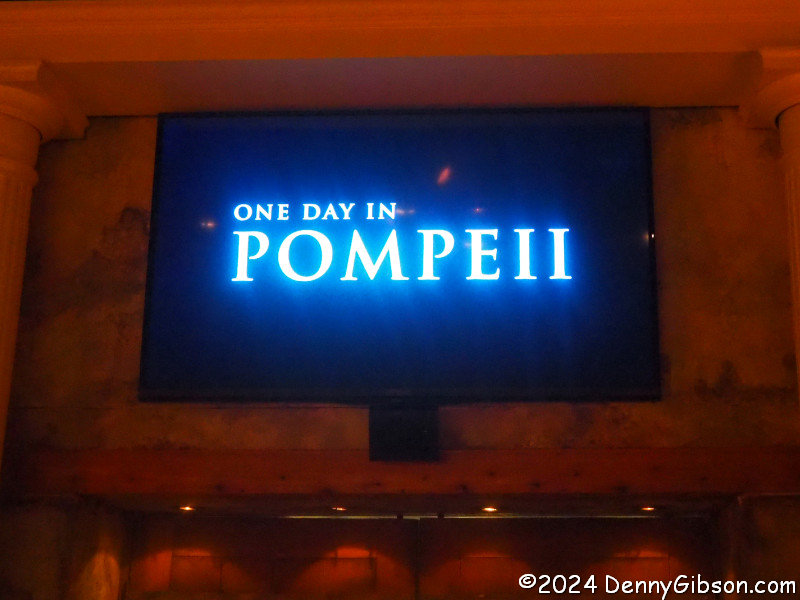
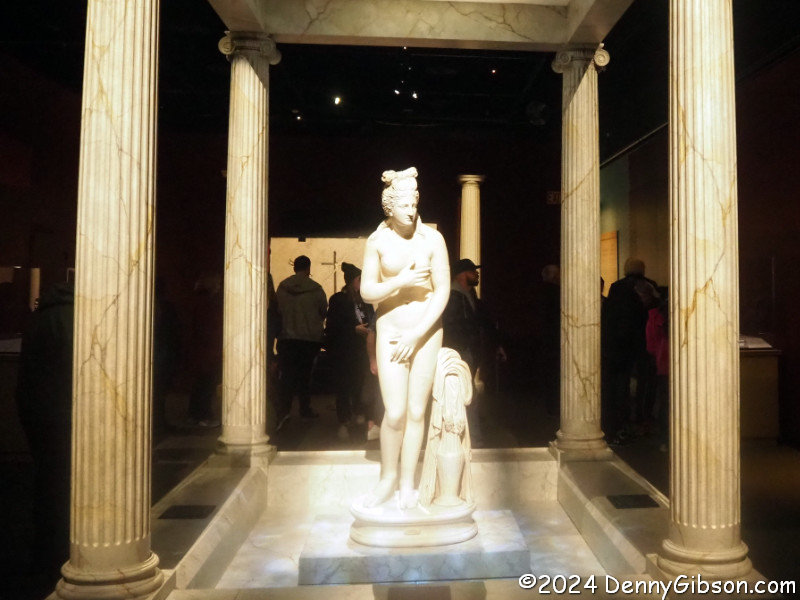
Following our own briefing, we entered, received another short briefing beneath the screen in the opening picture, and were then treated to an introductory video on that screen. At the video’s end, doors opened on a life-size marble statue of the goddess Aphrodite. Much like the moon, this is the view of the goddess that we most often see although there is another.
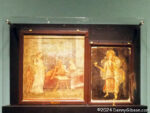
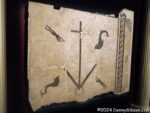
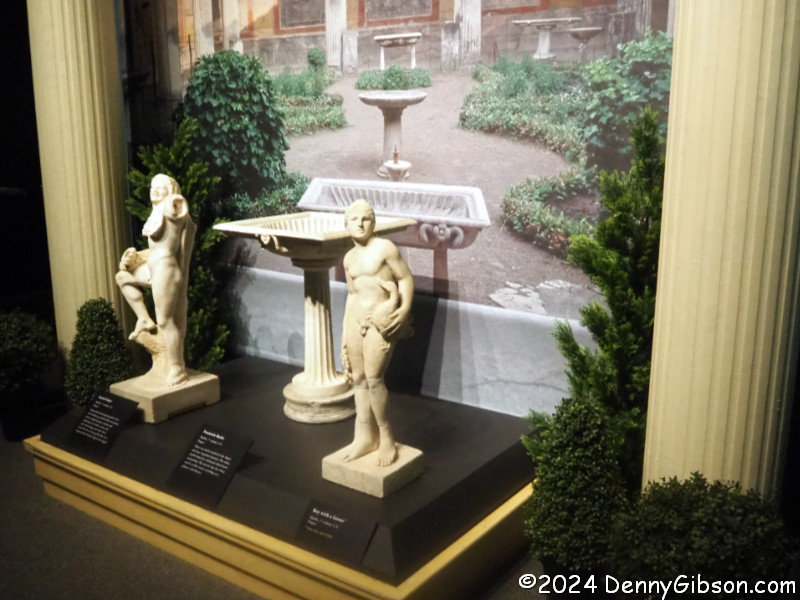
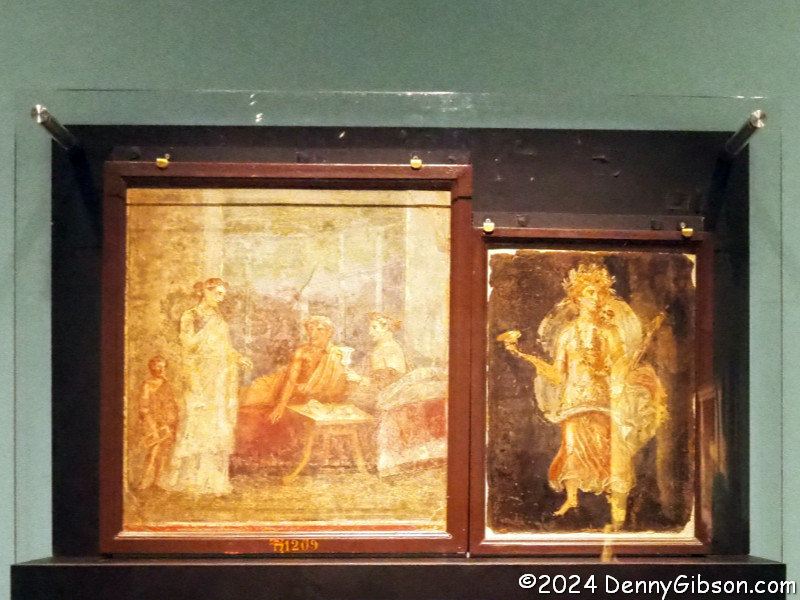
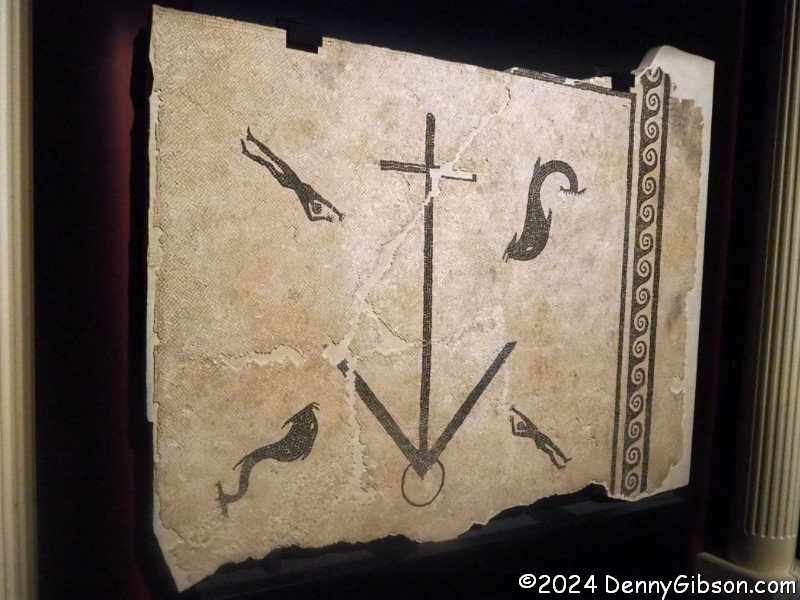
Pompeii was a prosperous port city and art was plentiful. Public spaces and private homes contained decorative mosaics, frescoes, fountains, and more statues.
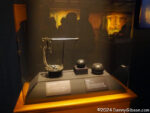
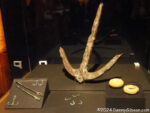
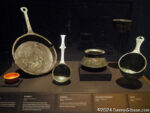
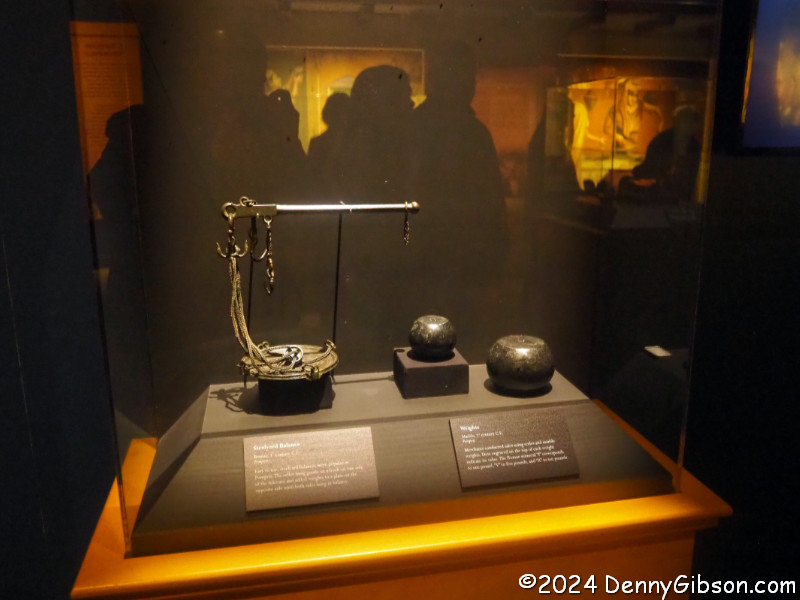
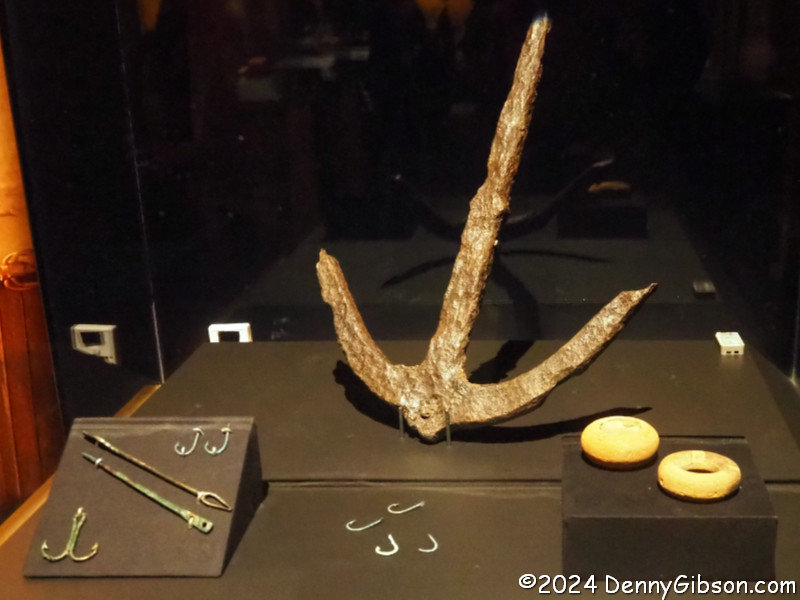
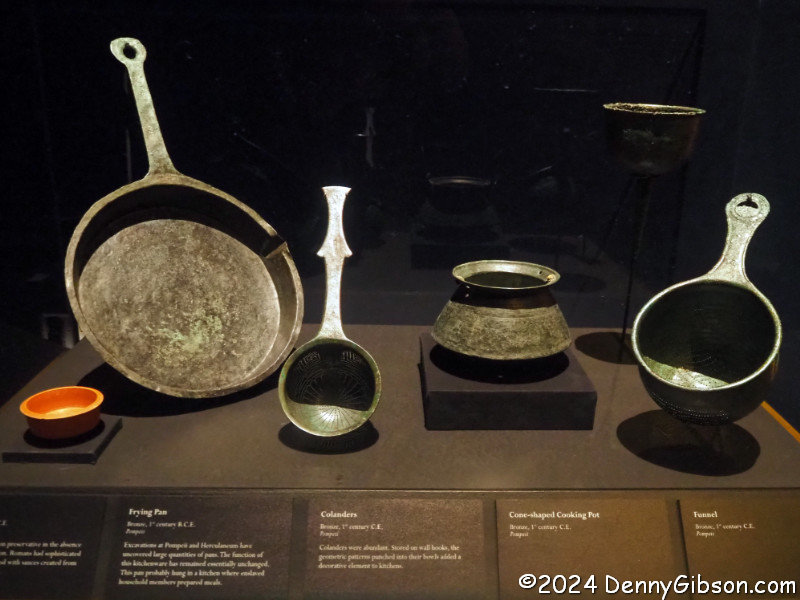
There were plenty of practical items too. Examples are scales used in the market, fishing hooks, and cooking utensils. I know I’m not the only one with a cast iron skillet that looks almost exactly like this bronze one from Pompeii.
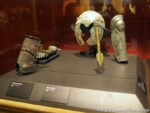
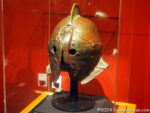
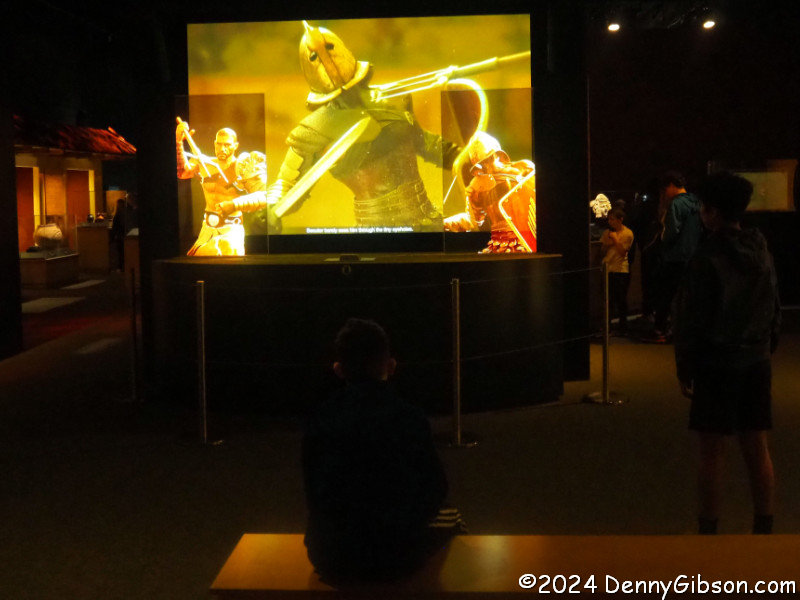
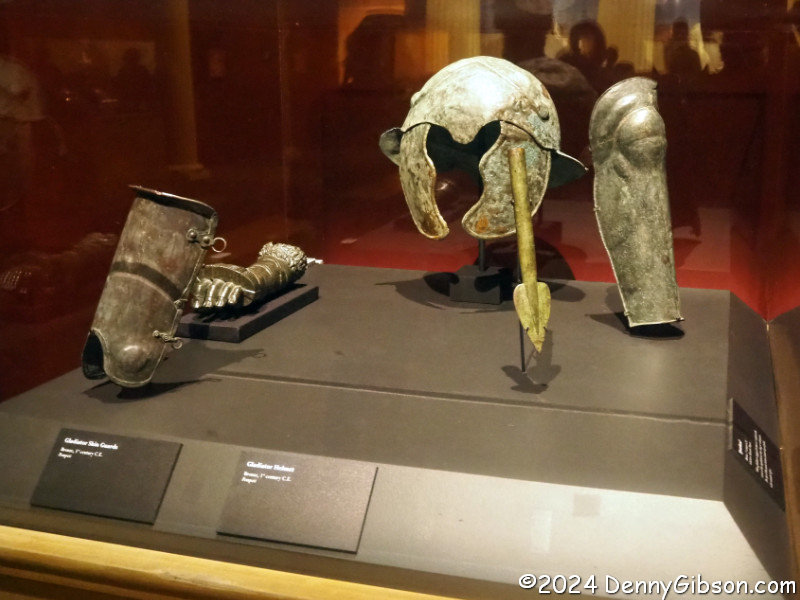
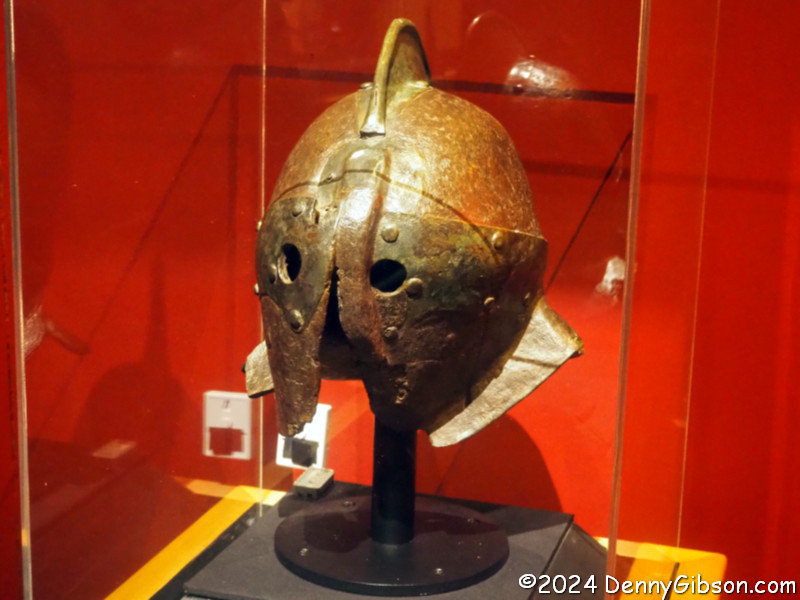
I suppose these items are also practical in their own way. Gladiatorial contests were primarily held for entertainment but staying alive was definitely a practical concern for the participants. Next to the displays of weapons and armor, a holographic video about the various types of combat got its share of attention.
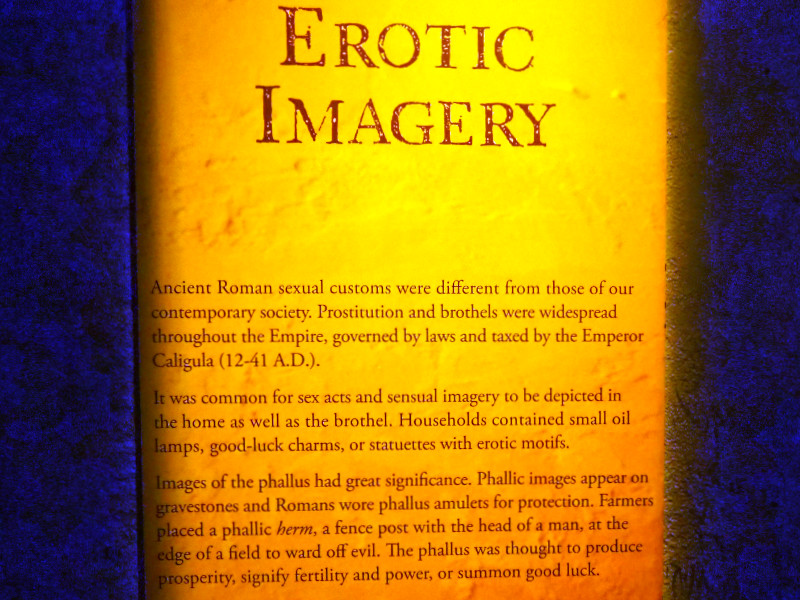
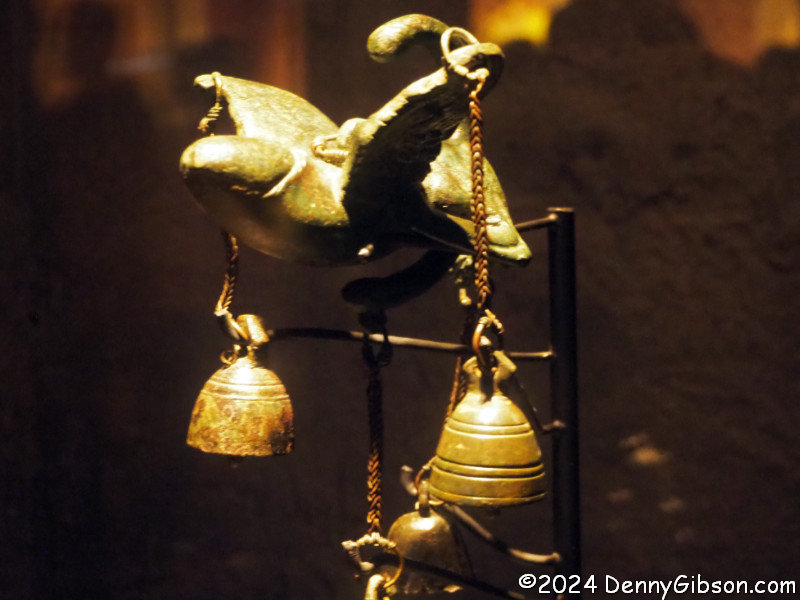
Also getting attention was a small room offset from the primary flow. Both entry briefings had described the special markings for this adult-oriented display in case parents wanted to make sure their charges avoided it. If any did, it wasn’t obvious. A sign begins with the astute observation that “Ancient Roman sexual customs were different from those of our contemporary society.” Back then arriving with bells on really meant something.
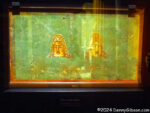
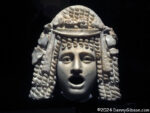
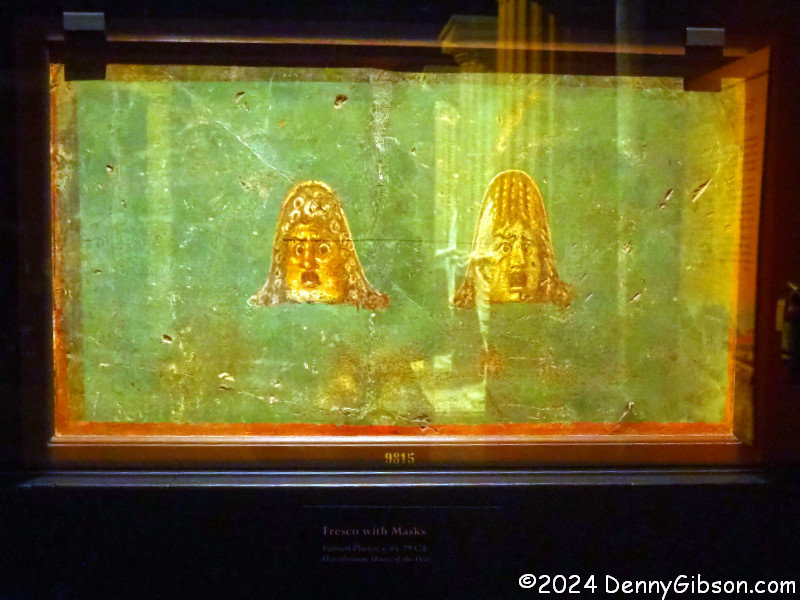
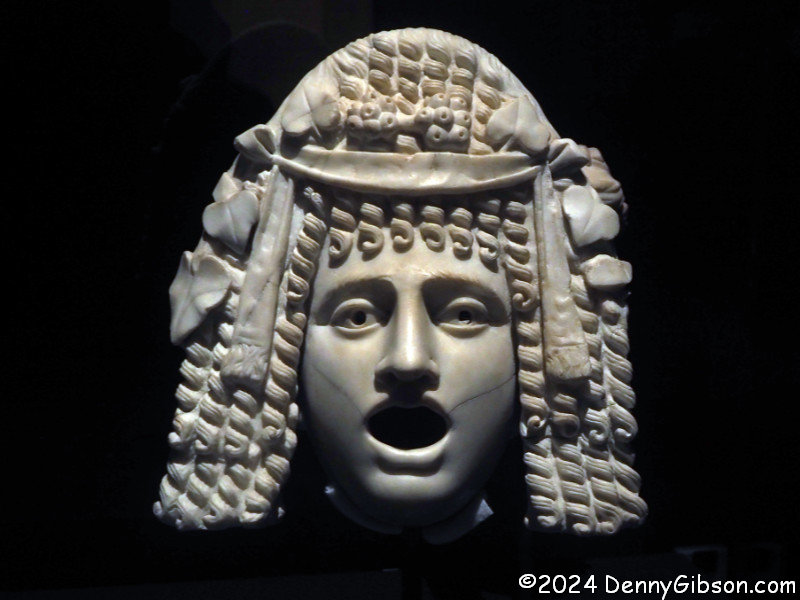
Theatrical entertainment was quite popular in all of Rome including Pompeii. Actors wore masks to establish their characters. Here is a fresco depicting a pair of masks and a full-size marble mask. Both of these were purely decorative as masks actually worn on stage were made of lighter materials such as linen.
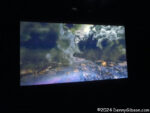
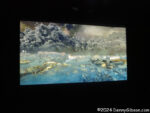
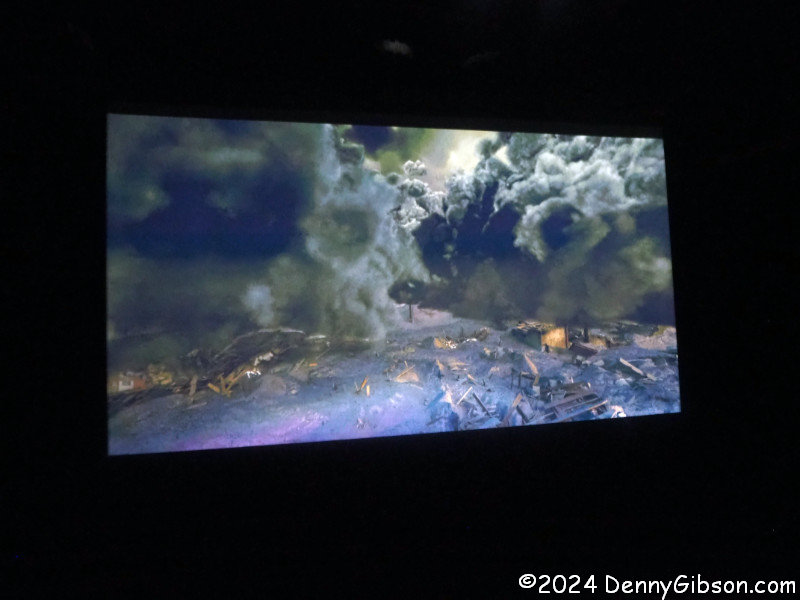
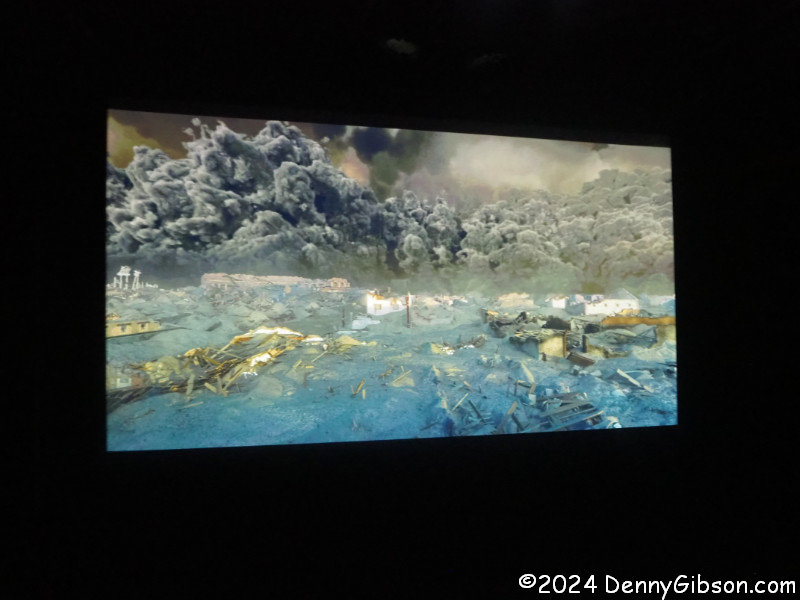
Another set of warnings in those entry briefings concerned loud noises and bright lights in the “4D eruption theater”. I do not doubt that these could be disturbing for some but most will find them underwhelming. Same with the slightly moving floor which I assume is the fourth dimension. If you enter expecting a high-definition video of the eruption shown on a large flat screen you will see an extremely good one. Expect more and you might be disappointed.
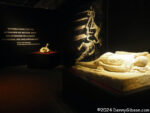
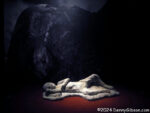
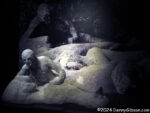
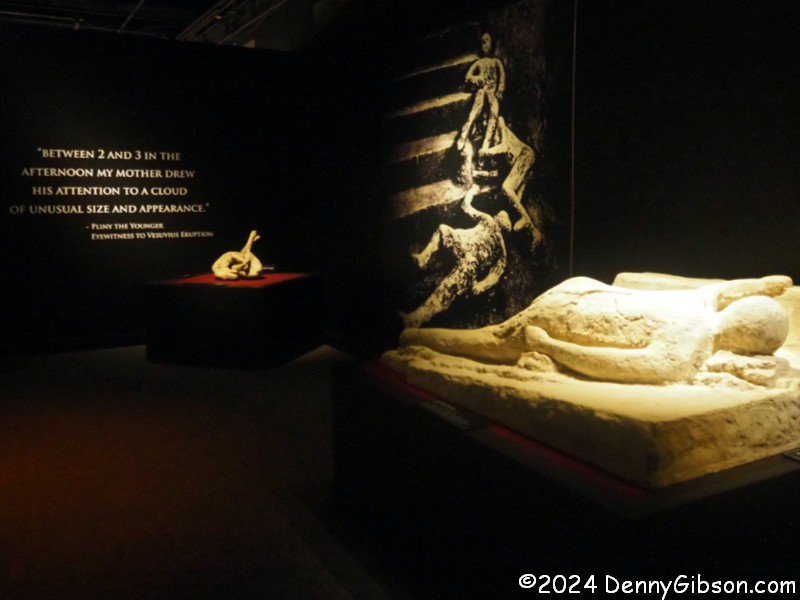
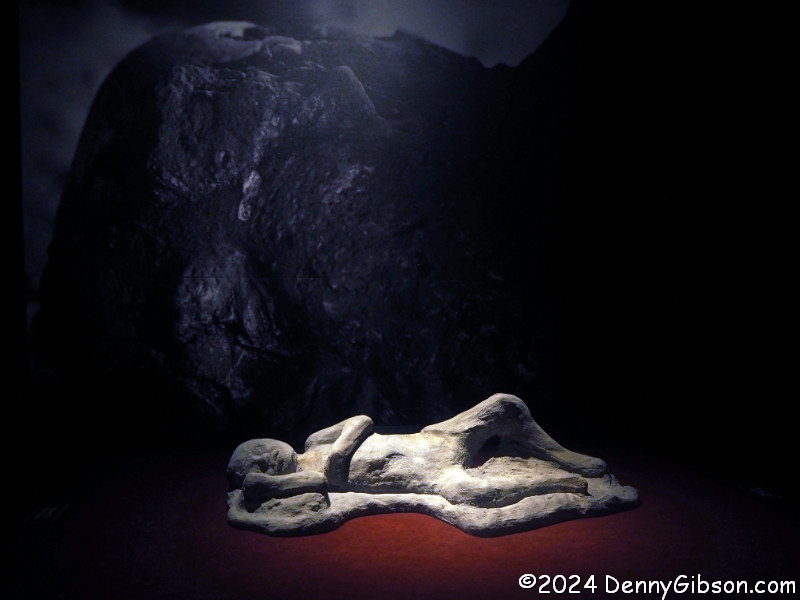
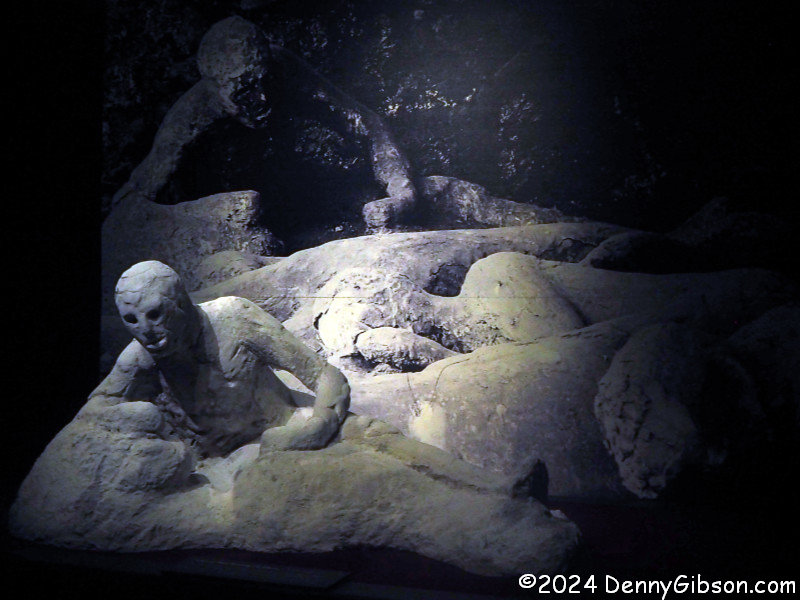
Images of the casts of the victims of the eruption are the most familiar and also the most disturbing. These are not human bodies but shapes formed within the volcanic ask where bodies once were. The quote on the wall in the first picture is from Pliny the Younger who watched the eruption from a little more than a dozen miles away and then documented it. In this exhibit, many of the casts are displayed in front of large photographs which I assume depict the situation in which they were found.
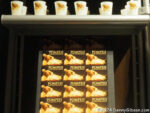
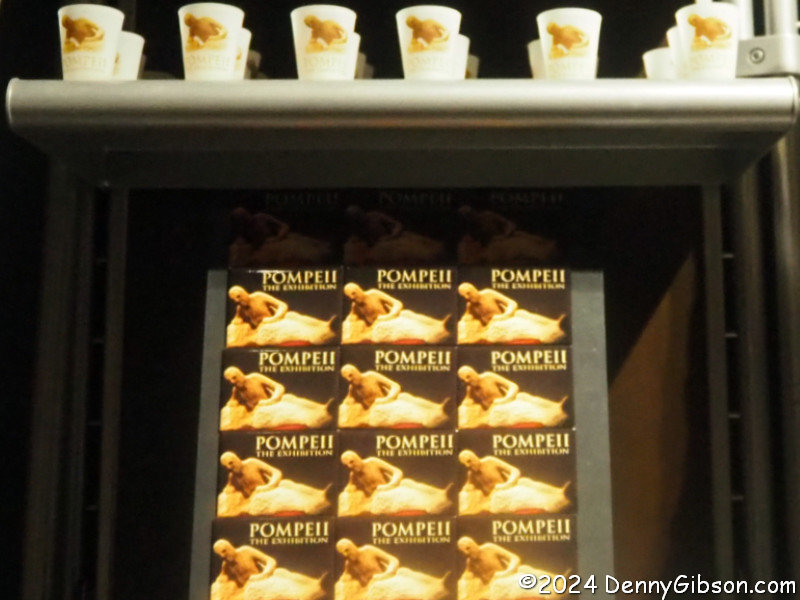
Exit is, of course, through the gift shop where we are reminded that striking a good final pose will greatly increase your chances of appearing on a shot glass or refrigerator magnet in a couple of millennia.
Aphrodite’s butt and iffy shot glasses aside, this is an impressive exhibit that provides a detailed and accurate look at a real Roman city of two thousand years ago. Pompeii: The Exhibition runs through July 28.

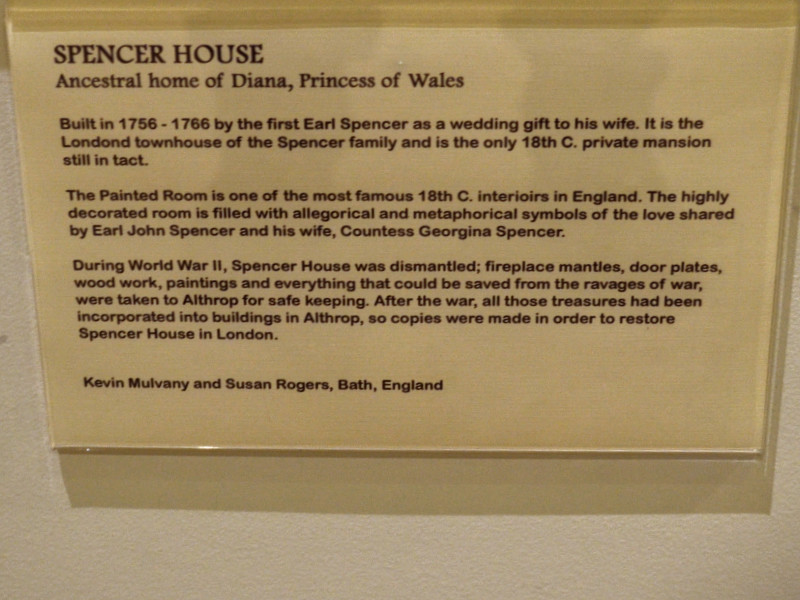
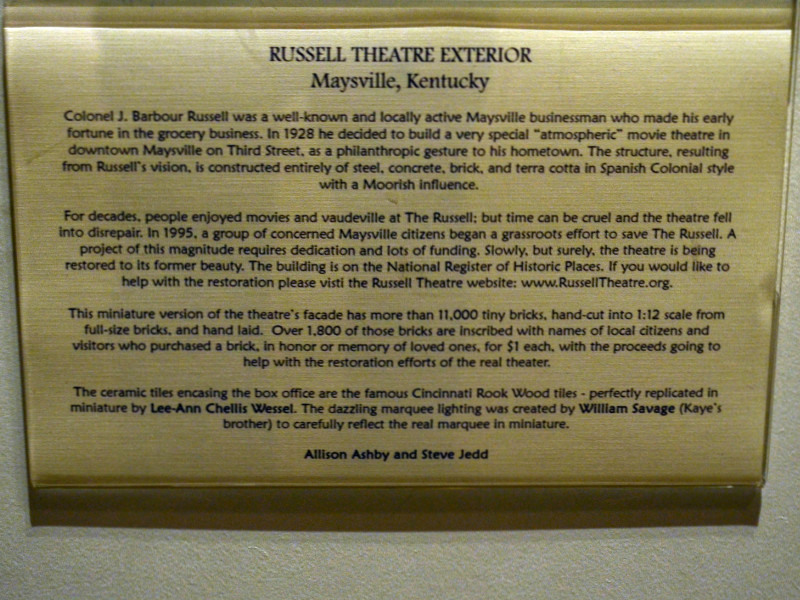
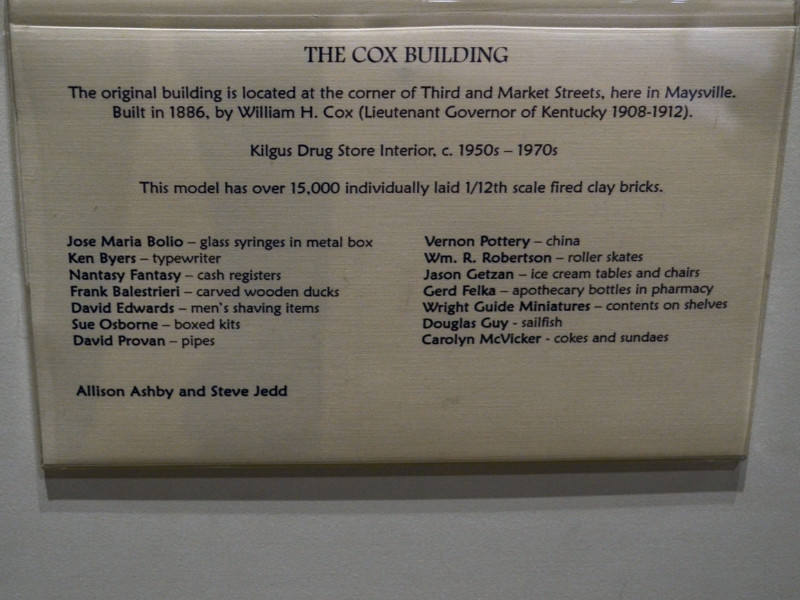
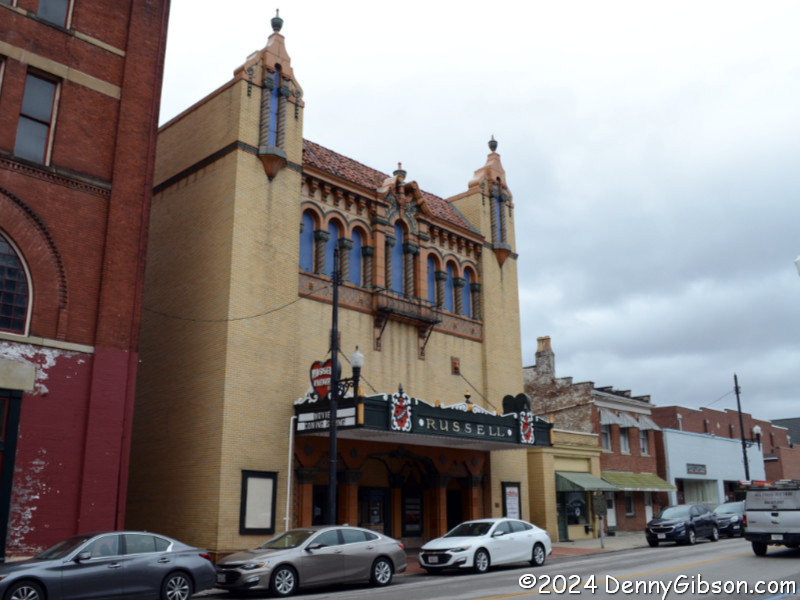
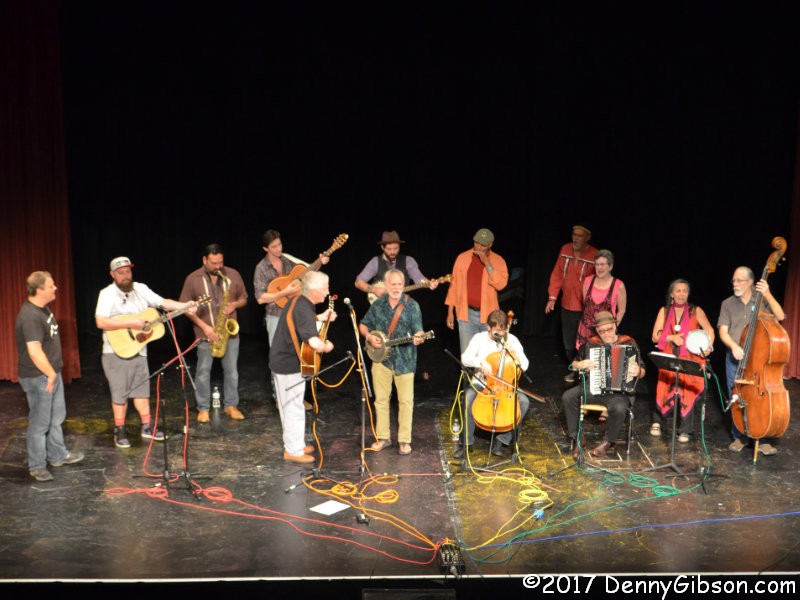 This picture is from my 2017 Common Ground on the Hill trip. I had wanted to attend the Common Ground on the Hill Roots Music & Arts Festival for several years and this was the year that I finally made it. The photo shows the all-musicians-on-deck finale of the showcase concert that took place on the day I reached the festival in Westminster, MD. This was the ninth day of the trip because once I decided to attend Common Ground, I started adding items from my “someday” list to the agenda. Before I reached the pictured concert, I had been pulled to the top of West Virginia’s Bald Knob by a Shay steam-powered locomotive, toured James Madison’s Montpelier, treated to a tour of Richmond, VA, by a friend, celebrated Independence Day in Williamsburg, VA, got rear-ended at a stop light, and sideswiped in a parking lot. Those last two events led to replacing my Subaru once I got home but, despite taking a beating, the 2011 Forester took care of me on what was a very enjoyable trip.

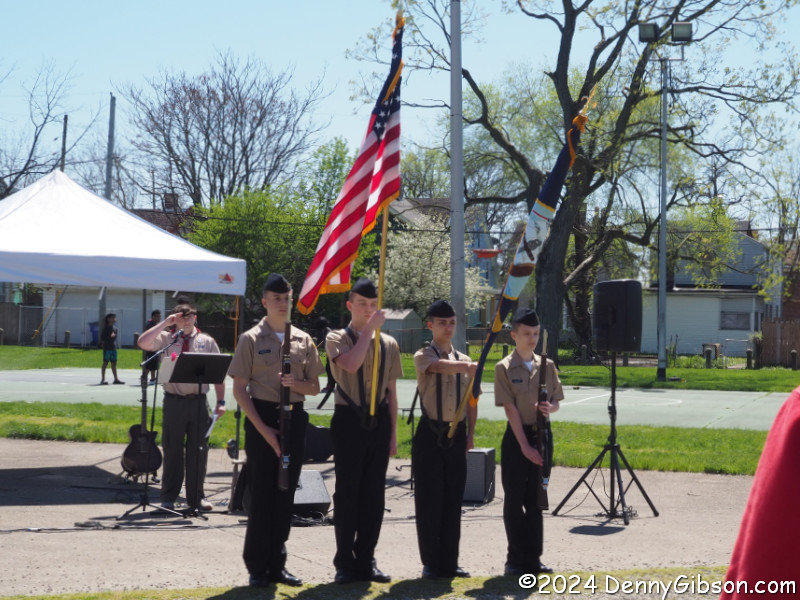
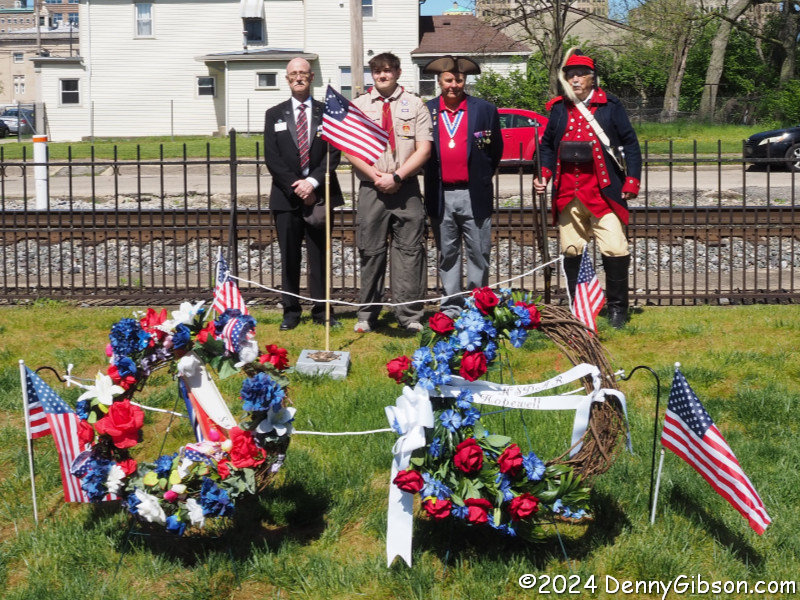
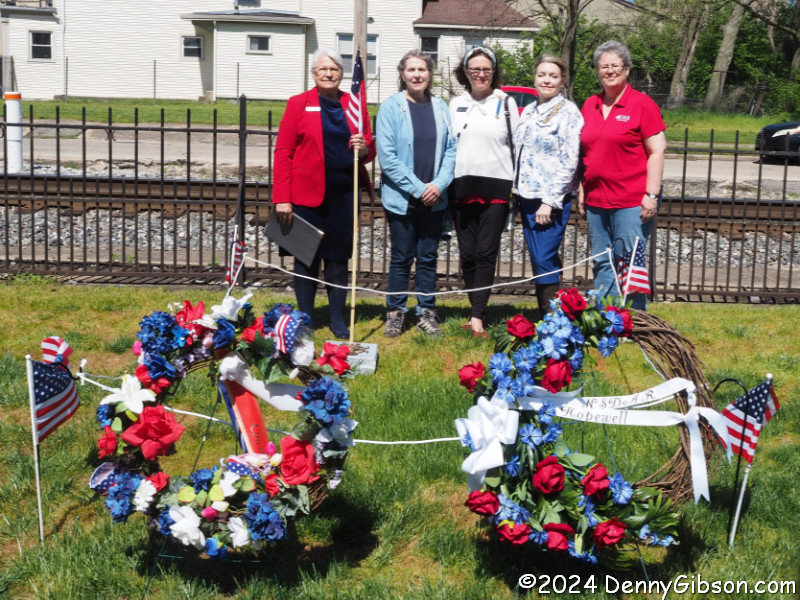
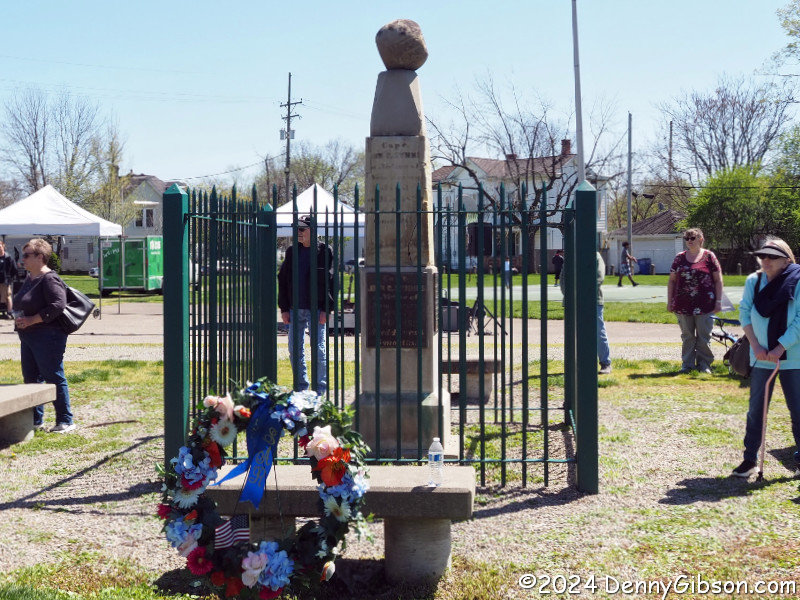
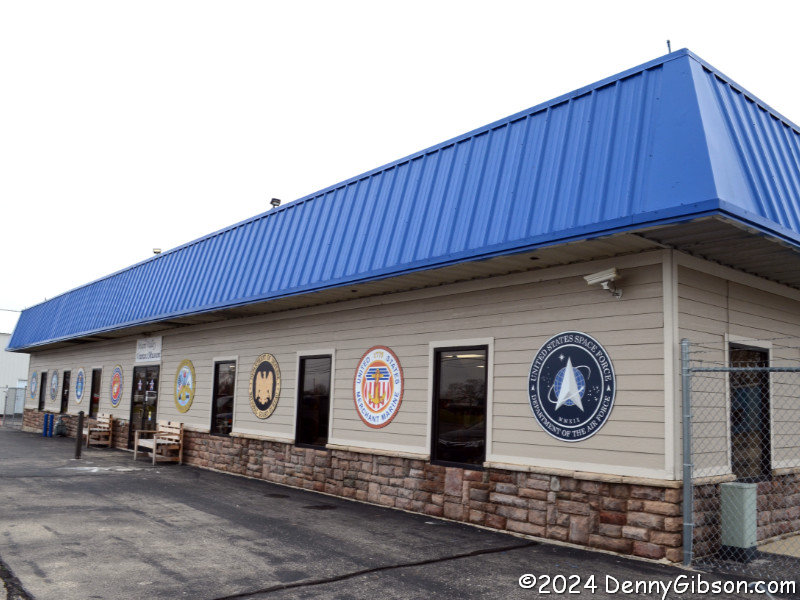
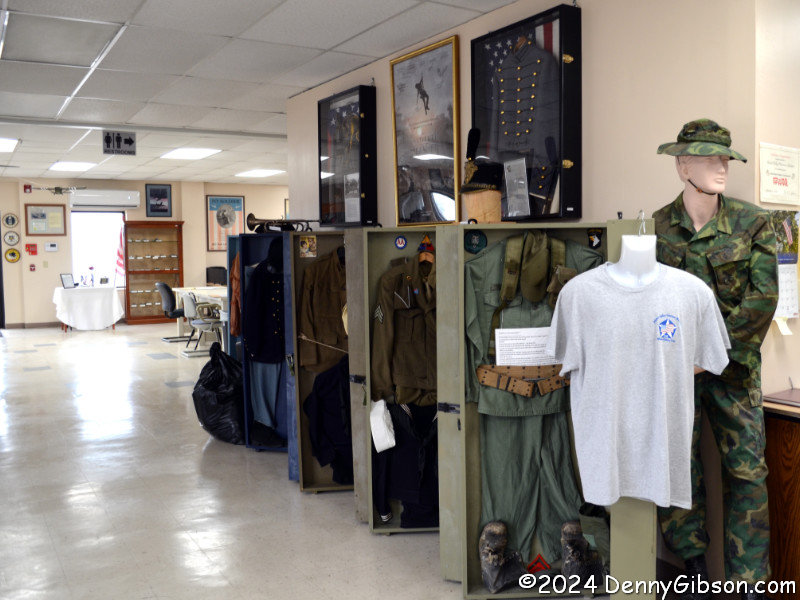
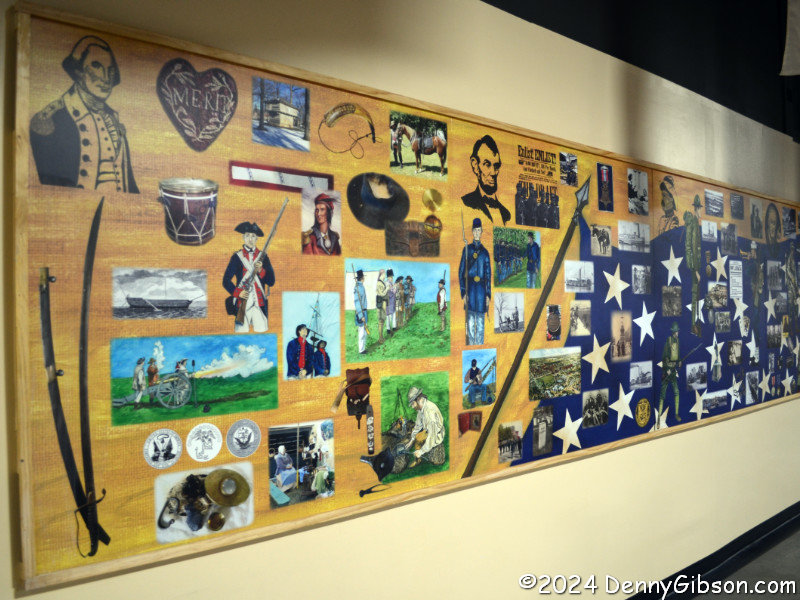
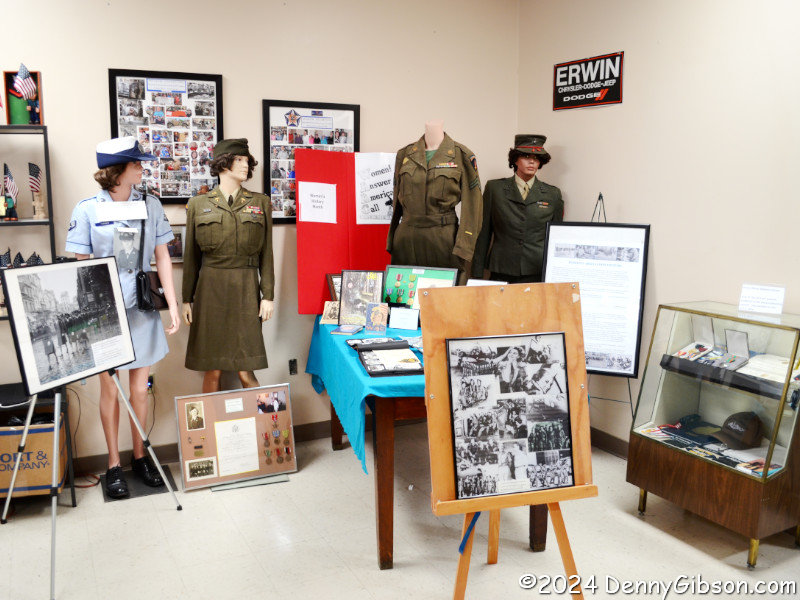
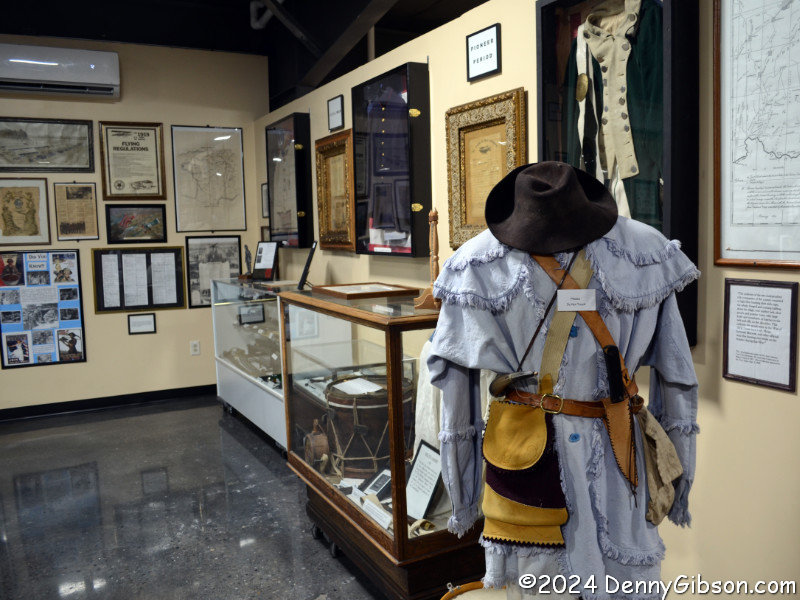
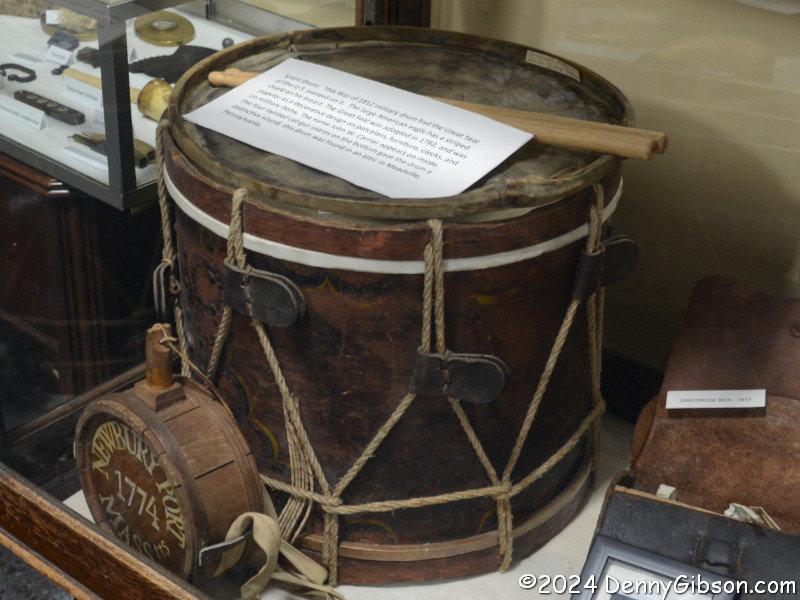
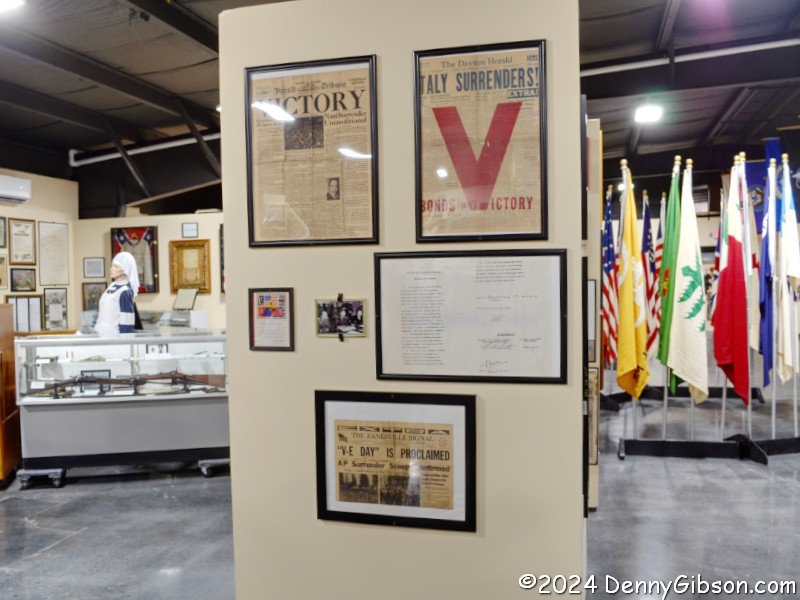
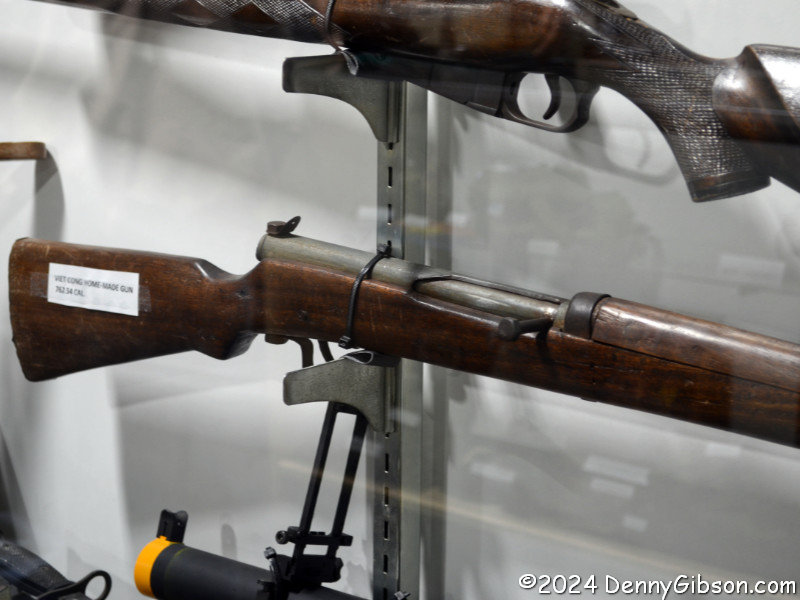
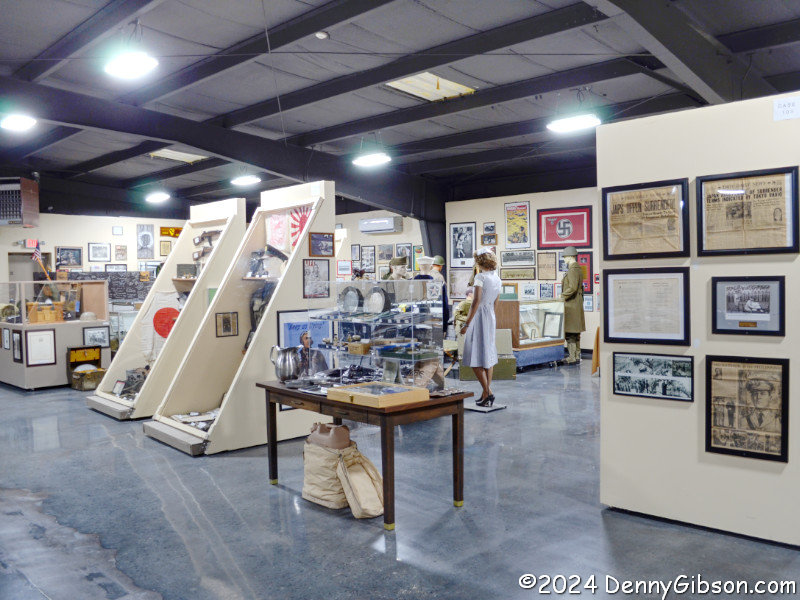
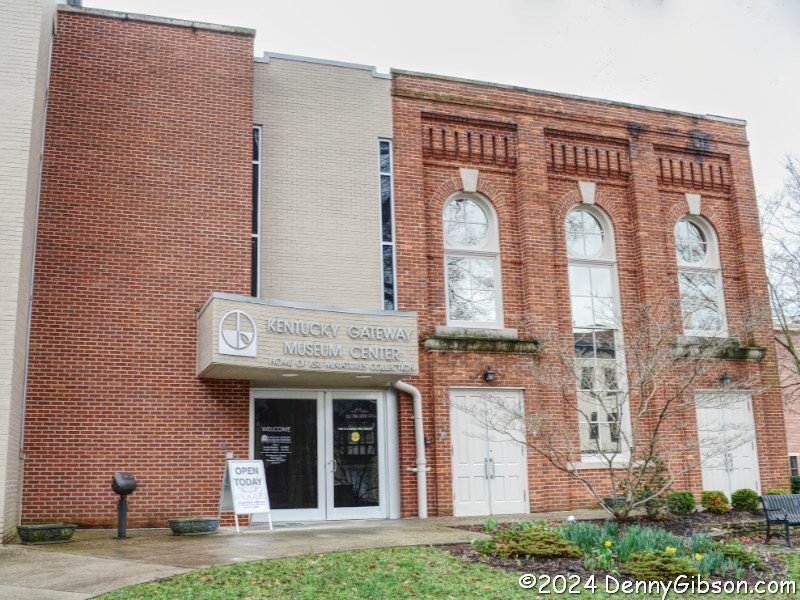
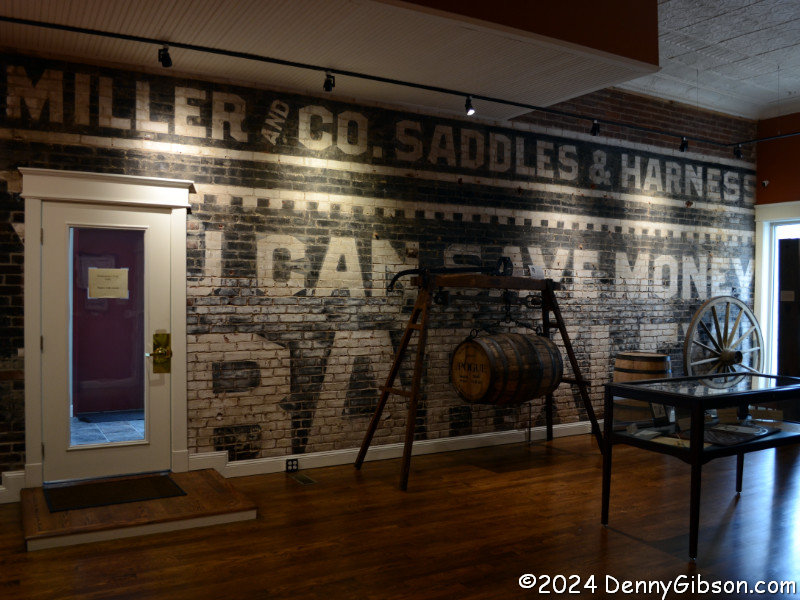
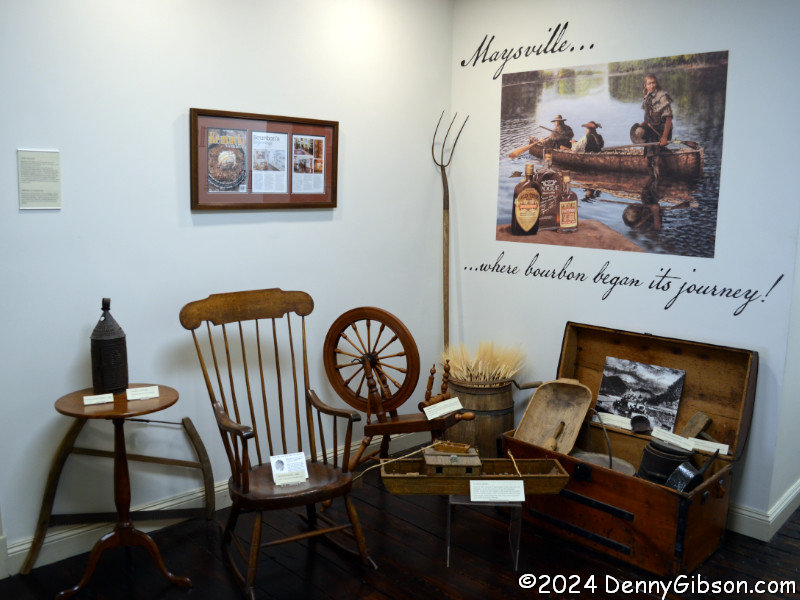
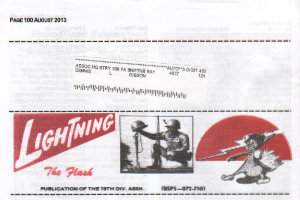 A ten-year-old blog post recently appeared in this site’s traffic statistics. The post told about the last issue of a publication devoted to a veteran’s organization to which my father had belonged. It isn’t terribly unusual for ten-year-old posts to get hits but I really can’t remember the last time this particular post appeared. The hit prompted me to reread the post and even update it a little. In the process, I was also prompted to let my thoughts wander down several of the many paths uncovered by my reading. Whoever clicked on the search result that took them to this old post missed Veterans/Armistice Day by a couple of weeks and this post misses it by even more but my mind — and maybe yours too — is still in a slightly reflective mood. So this week’s post consists of just this paragraph and a link to that ten-year-old post. Reflect as much or as little as pleases you: