People I asked while there thought that Spring Grove Cemetery’s History in Bloom was about 15 years old. The earliest reference I’ve found online is from 2012, and it says, “It is one of our most popular events of the year!”, so 2012 wasn’t the first. Apparently, the event I attended for the first time on Sunday, April 19, was at least the sixteenth. My first impulse when something like that happens is to feel embarrassed because it took me so long to discover something so interesting. Of late, though, I’ve taken to being quite happy when it happens since it means there are still cool things to discover even for an old guy like me.
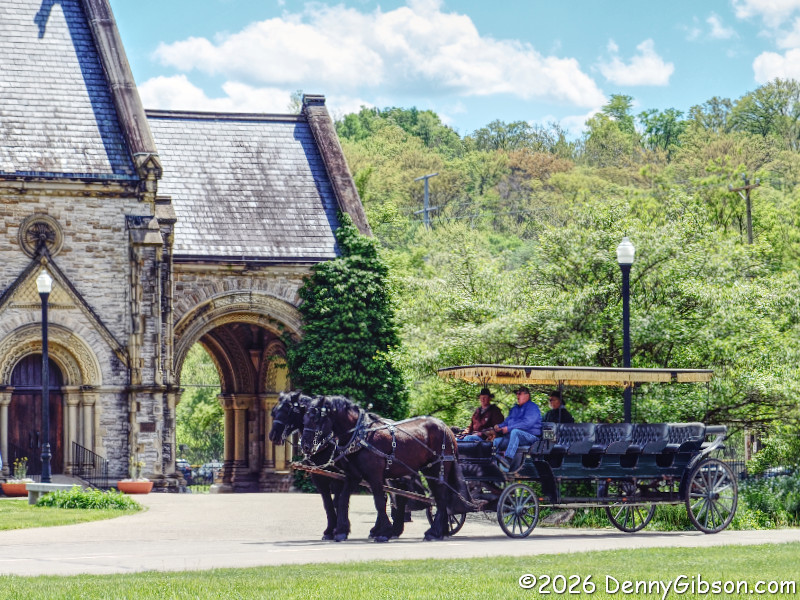
I do, however, regret missing out on previous events for one reason. In the past, I have enjoyed extended walks around Spring Grove Cemetery, and would certainly have enjoyed the guided walking tour available today. But long walks have become problematic for me over the last year or so, and I was happy to take advantage of the horse-drawn carriage rides, which, like the walking tours, were free.
It was nearing 1:00 when I arrived. This was probably near the busiest part of the day, and the line for carriage rides was rather long. My wait was a bit more than an hour, but the weather and surroundings were very pleasant. Neither I nor the others in line were much bothered by the wait. There was a group of five, including an extremely young baby, immediately in front of me. The first of the group had boarded a carriage when it became apparent they could not all be accommodated. When those on board turned to rejoin those on the ground, a couple already seated stepped off — with a smile — so mom and the others didn’t have to wait any longer.
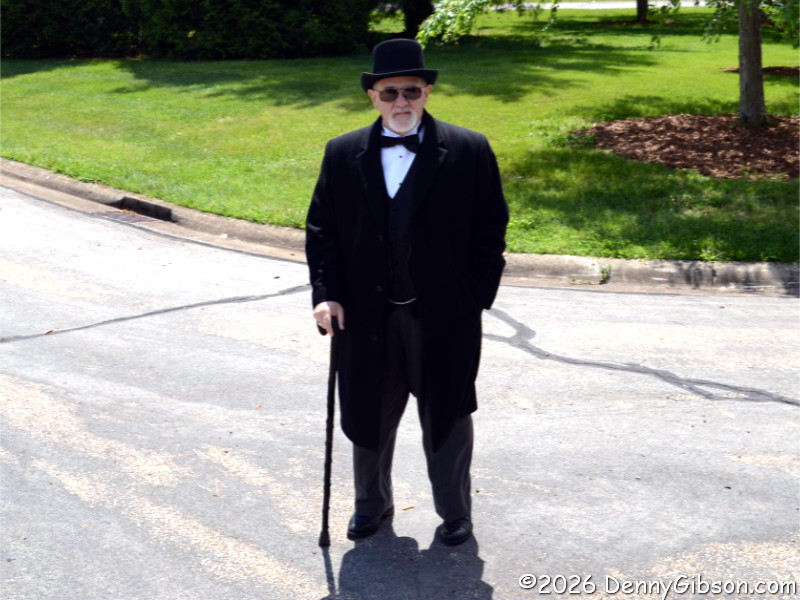
We would get to visit with seven of the cemetery’s residents during the tour. All were important in the development of the city and region, but one was also extremely important in the development of the final home of all seven. Joseph Earnshaw assisted landscape designer Adolph Strauch considerably in creating the parklike layout of Spring Grove Cemetery.
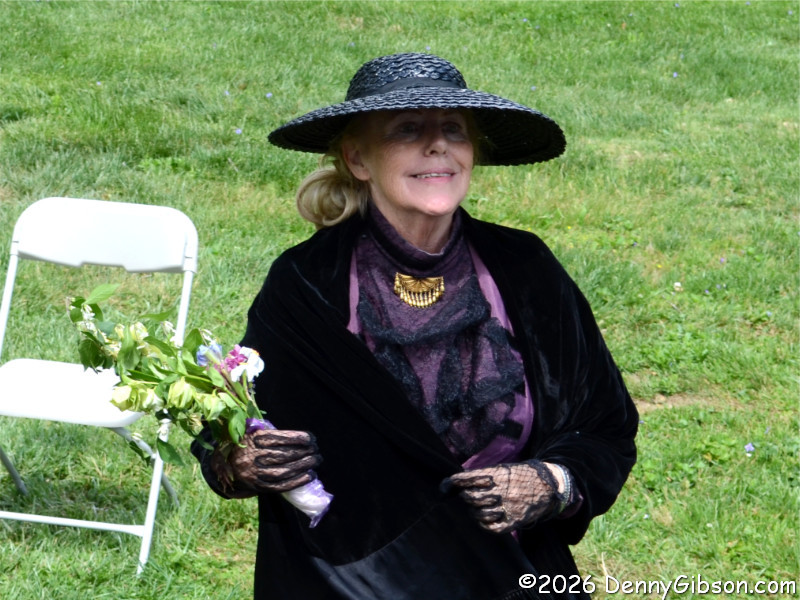
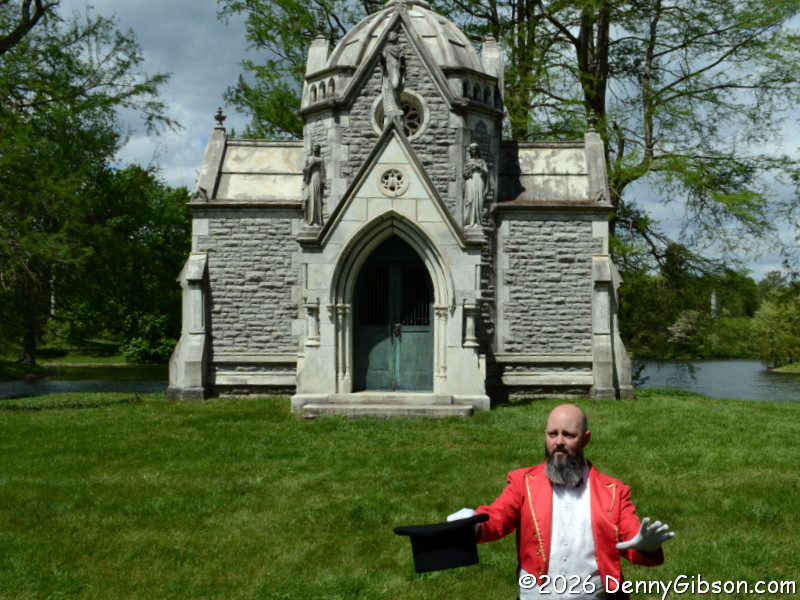
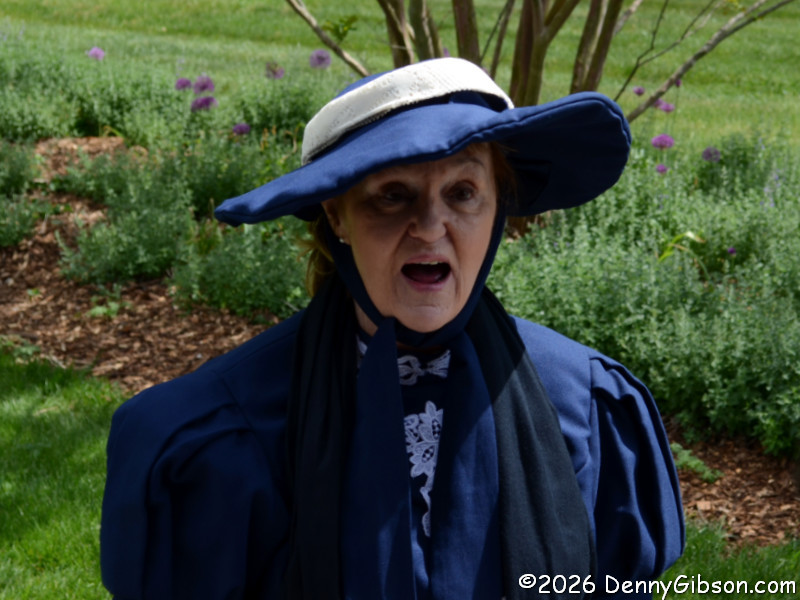
Next up was Susan Pendleton Bowler, who, along with her husband, invited Adolph Strauch to design their gardens, which are now Mount Storm Park. John Robinson spoke to us from in front of the family mausoleum. The Robinson Circus, among the first to own its own railroad cars, wintered in Cincinnati for many years. Clara Dow was the only female in her class at pharmacy school, which she attended in order to take over her father’s drug store. Under her management, the store hired female pharmacists and added a soda fountain to create a place where women and children were welcome—and comfortable.
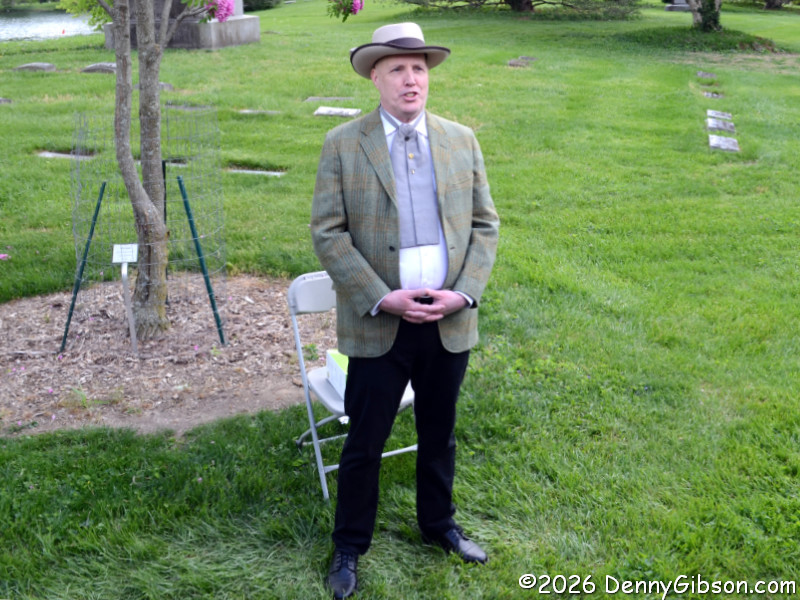
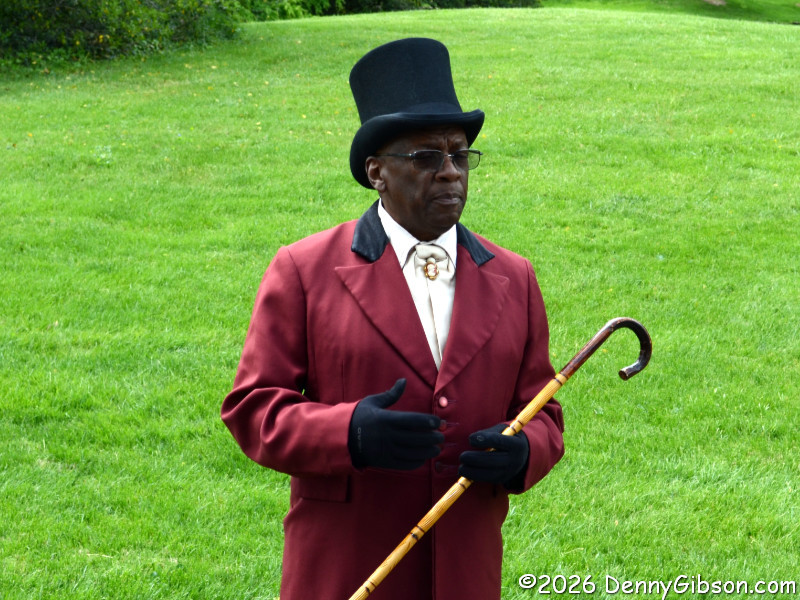
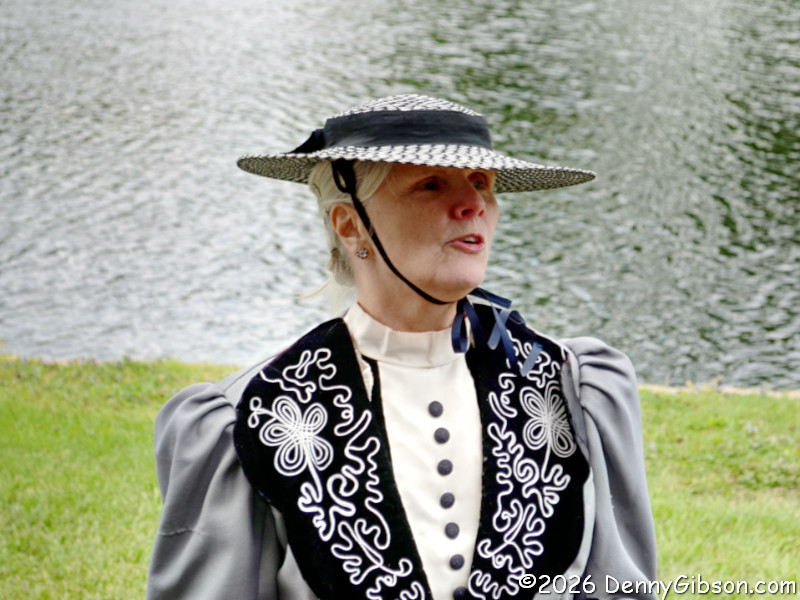
Thomas Hughes was a successful cobbler who willed his property to the city for the education of poor children. Hughes High School bears his name. Born into slavery, Henry Boyd became a skilled carpenter and was able to buy his freedom. His H. Boyd Company was a respected manufacturer of furniture. When Marianne Kauffman’s husband died, she stepped in to save and operate the John Kauffman Brewing Company. Because of her earlier success in real estate transactions, she was able to bring the company out of the heavy debt her husband had created.
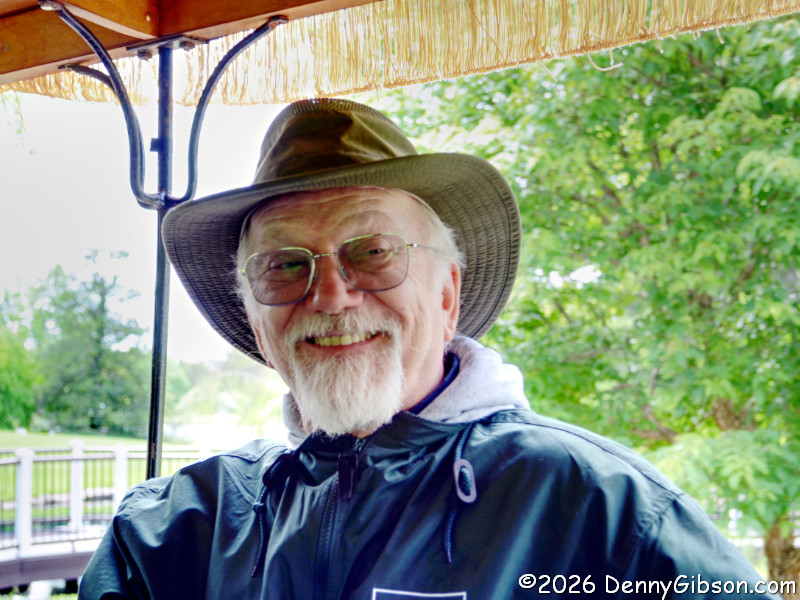
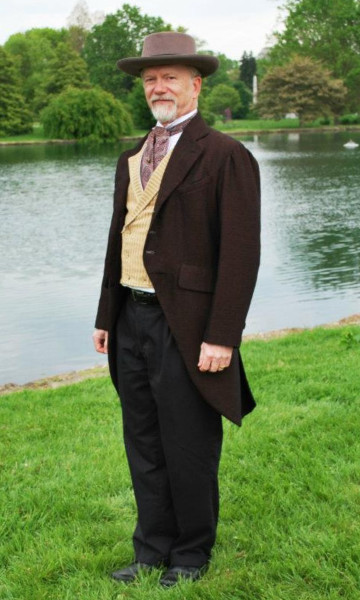
This is Robert, our onboard narrator. He filled the spaces between stops with lots of information and an occasional joke. He also answered a fair number of questions, and it was clear he really knew his history. By tour’s end, we learned he had played several History in Bloom roles over the years. As I mentioned, the earliest History in Bloom references I found online were from 2012, and one of those contained a photo of Robert as Joseph Earnshaw.
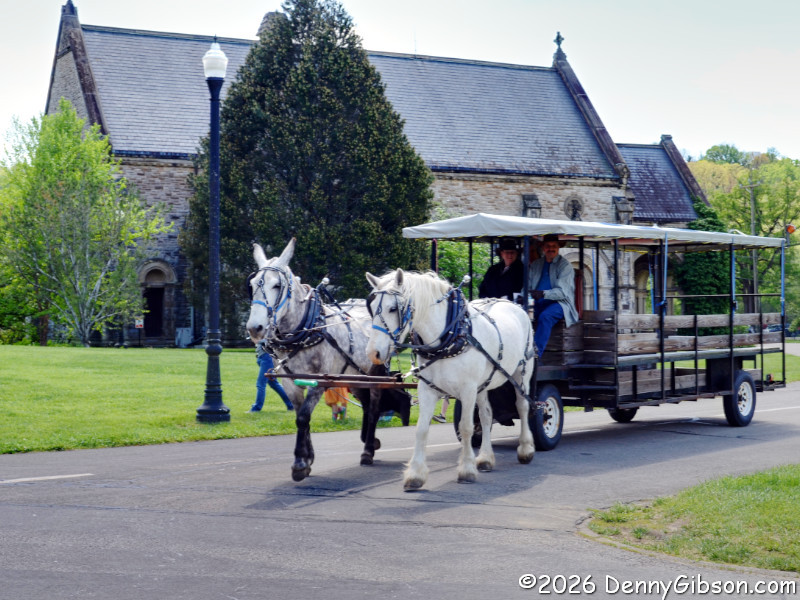
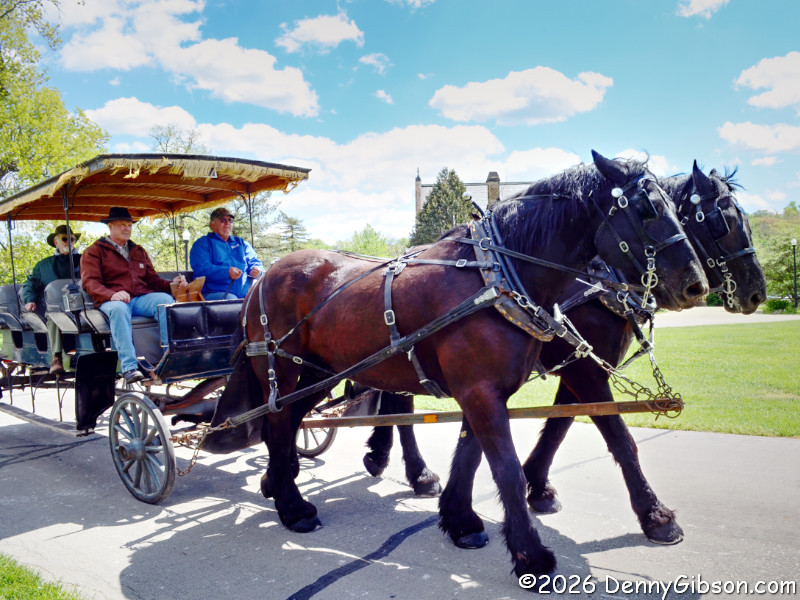
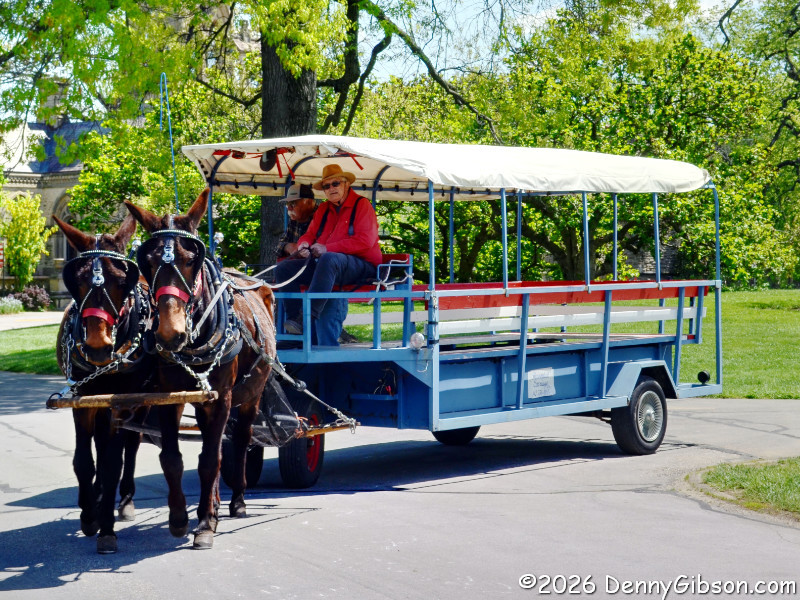 There were three teams of horses pulling visitors around the cemetery. They all deserve to be recognized, and, although I did not get any of their names, I did get their pictures. The pictures near the beginning of the article are of the team that pulled me. Here are the other two teams as they approached the pickup point to load up and move on without me.