 The last Saturday of January 2021 came and went without fireworks or other hoopla in Buckeye Lake, Ohio. That’s normally the day of the Buckeye Lake Winterfest but the event, like so many others, fell victim to COVID-19. Interestingly, the previous year’s Winterfest was one of the last pre-pandemic events I attended. The blog entry is here. A December 2020 newspaper article announcing the postponement said organizers were hoping to hold the event in the spring but that seems not to have happened. What attracted me to the event in the first place was its use of Benny the Bass in a Puxsuntawny Phil style role in predicting the timing of warmer weather. Last year, people were not nearly as interested in when winter would end as when the pandemic would. That may actually be true this year as well, but Benny was back on the job in any case.
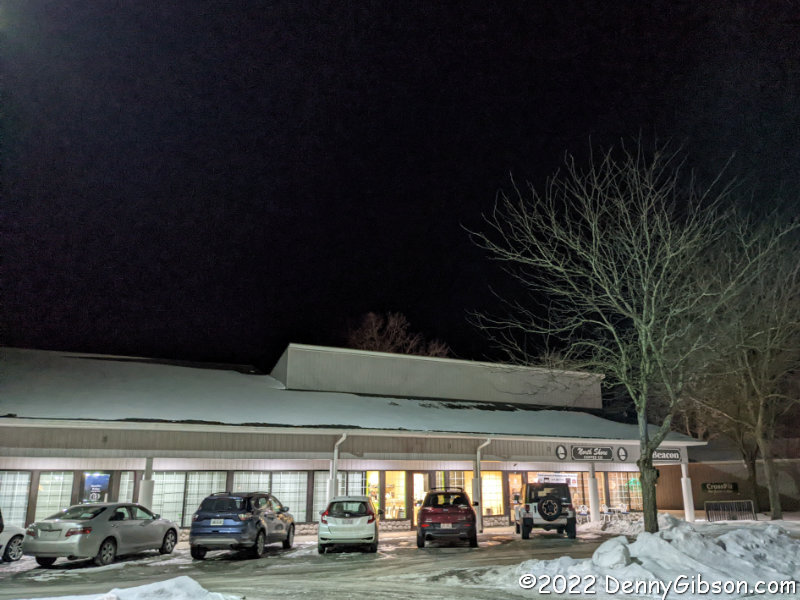 I was on my way north long before dawn was even thinking about cracking. In 2020, I parked near the brewery and walked to and from the park where Benny makes his prediction. This year, with snow on the ground and near-zero temperatures, I had no desire to do much walking and drove directly to the park. There were a few cars present when I arrived but not many. Before getting out of my car, I decided to drive to the other side of town for coffee.
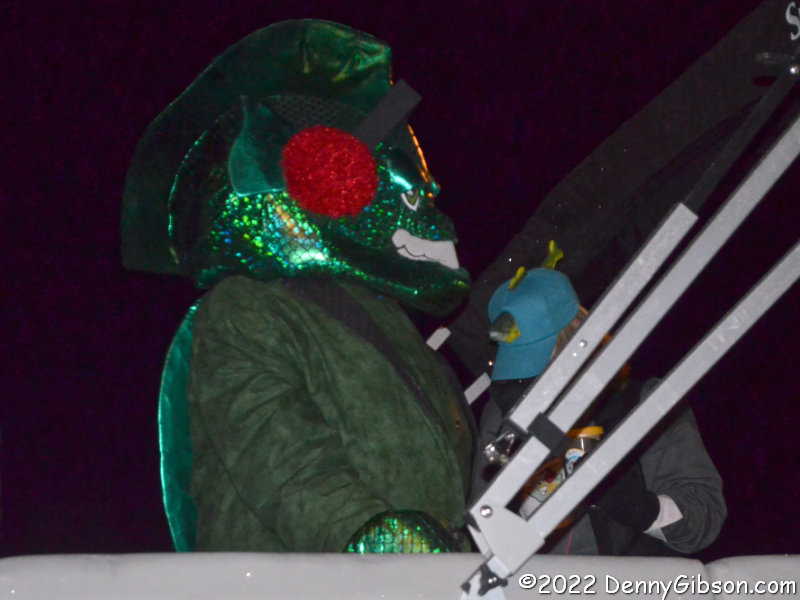
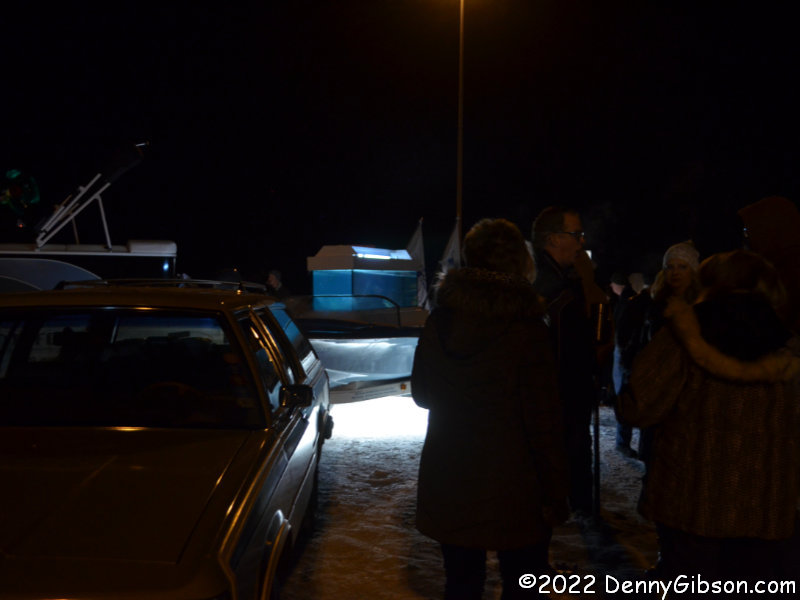
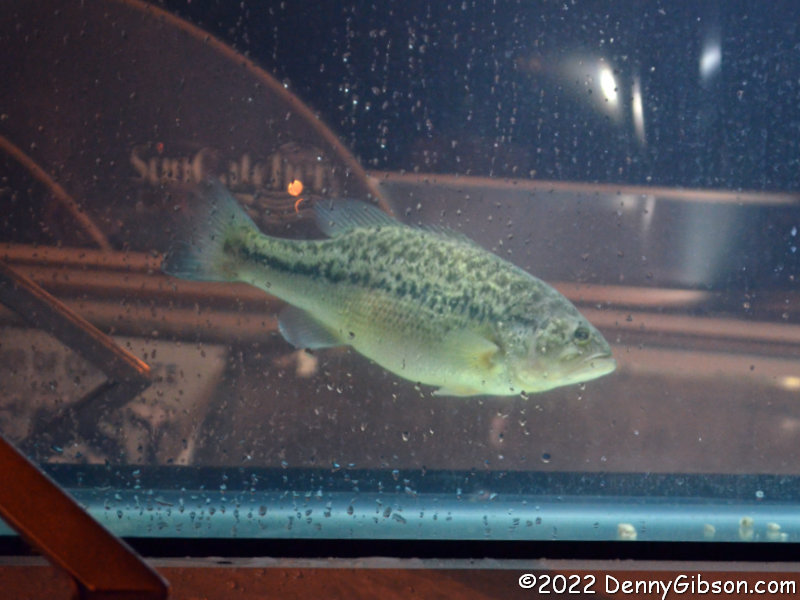
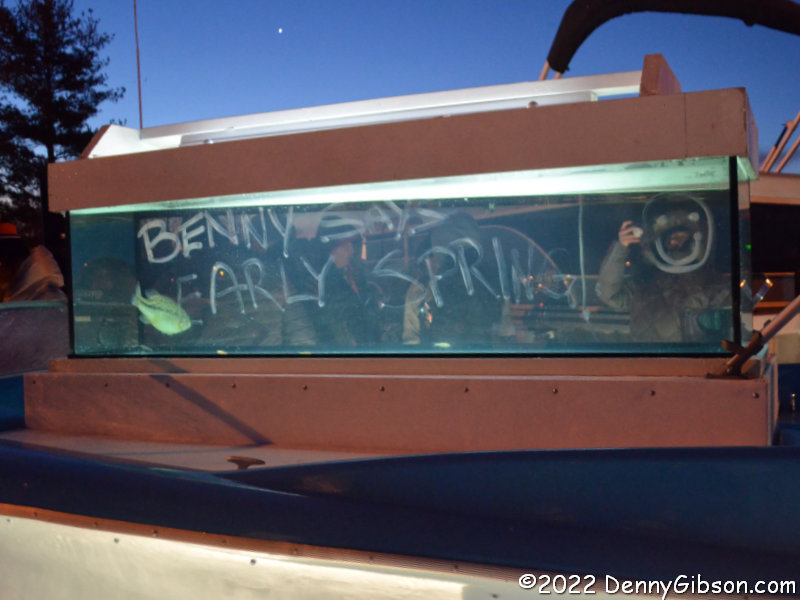
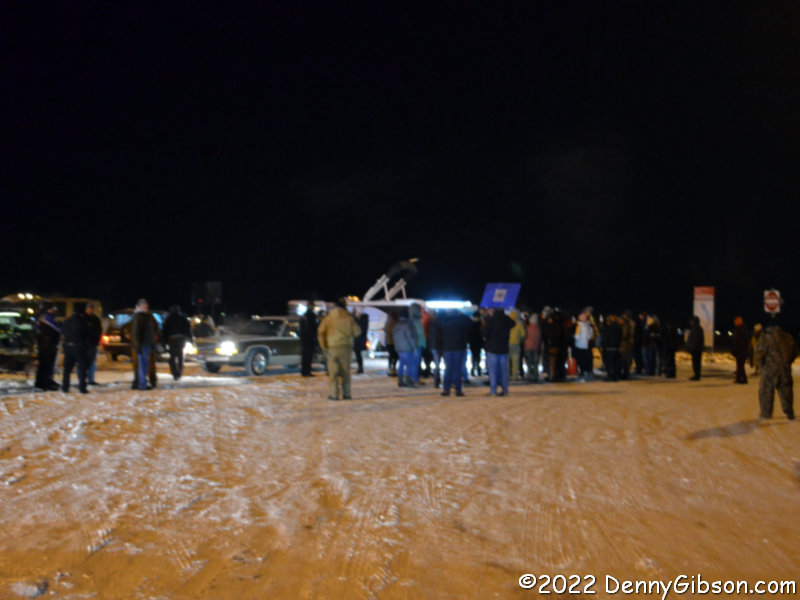 By the time I returned, Benny and quite a few fans had arrived. I managed to get the closeup of the real Benny at the top of this post before it got too crowded, and I got a shot of the mascot Benny — but not a very good one — a bit later. Removing a glove to take pictures was something I kept to a minimum and taking pictures with both gloves on was something that kept picture quality to a minimum.
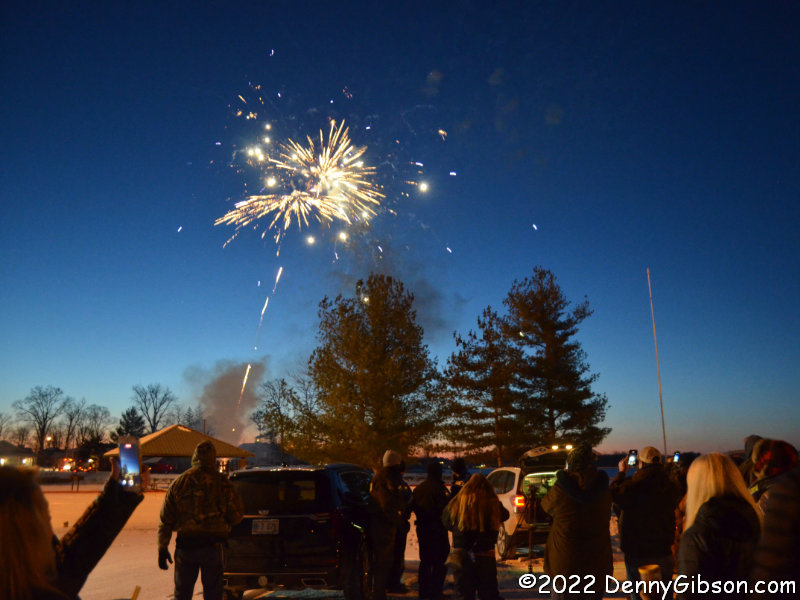
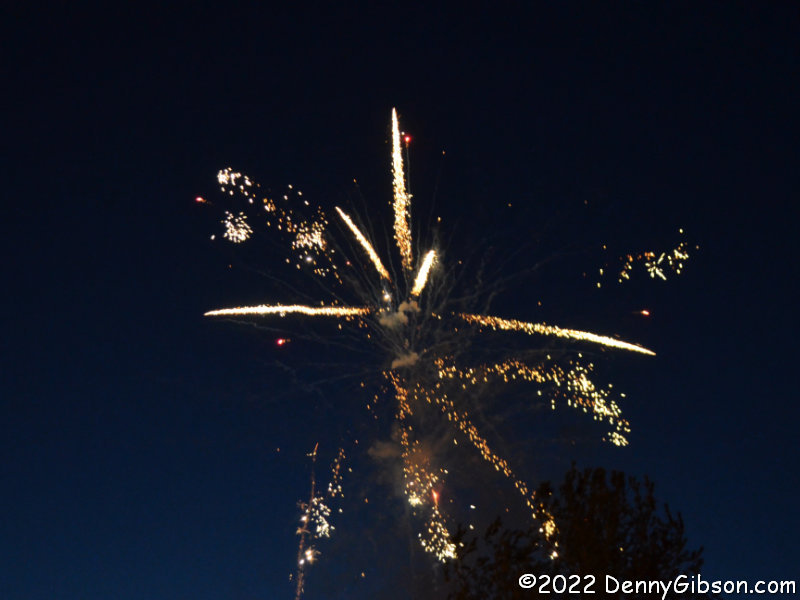
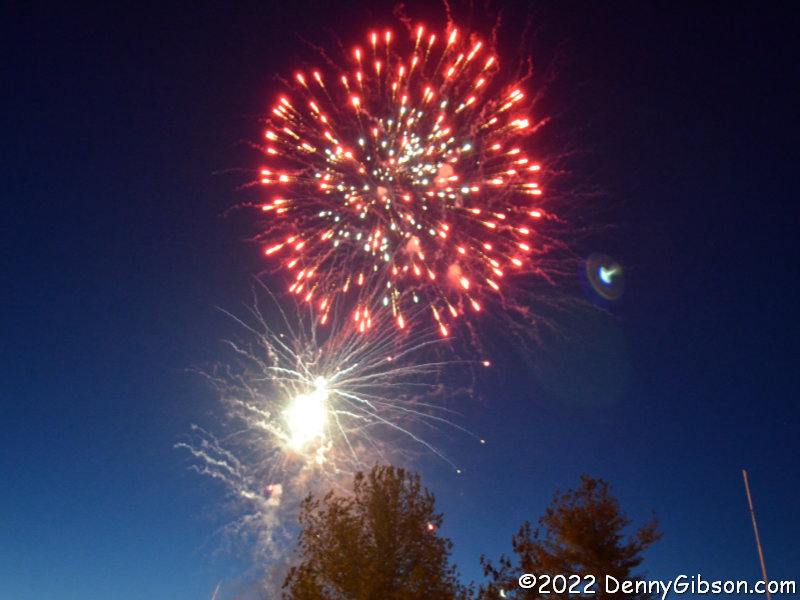 In the predawn darkness, the shadow-based method of predicting that groundhogs employ is useless. Instead, a bunch of minnows is dumped into Benny’s tank and a one-minute countdown begins. If the time expires without Benny downing a minnow, six more weeks of winter is to be expected. If a minnow is gone before the time is, we’ll have an early spring. Either way, we get fireworks.
 In 2020, the crowd chanted “Eat it, Benny”. This year they seemed too cold to chant much of anything despite the MC leading the more official “Take the Bait. Spring can’t wait.” cheer. That, plus repeated playings of the new Winterfest song, may have done the trick. All the minnows survived until the thirty-second warning and several seconds longer but then…
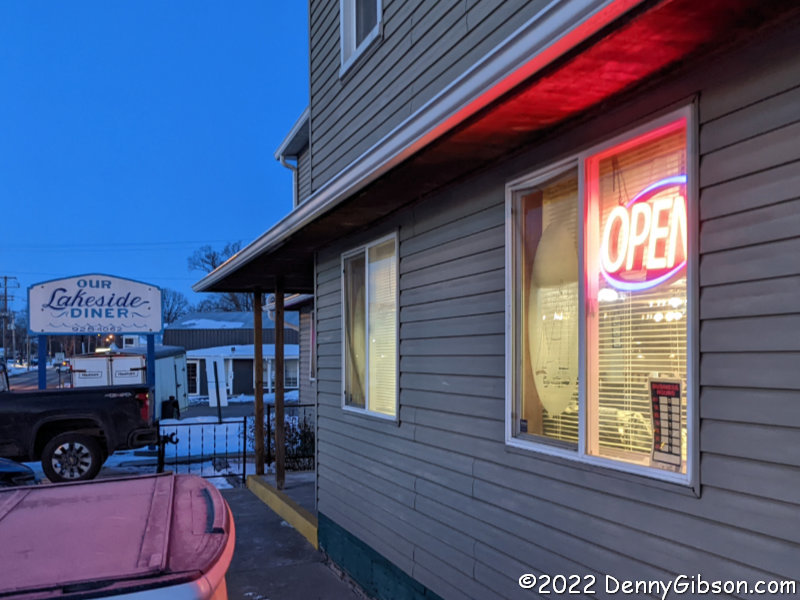
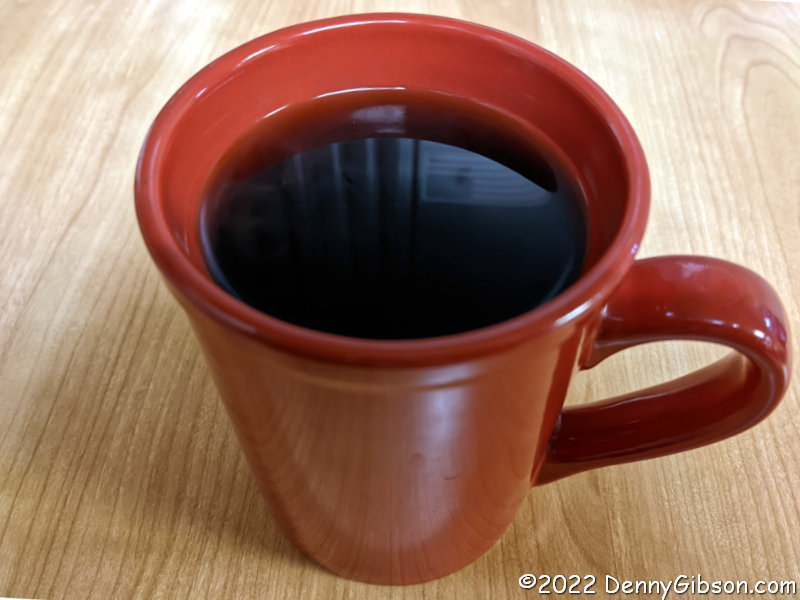
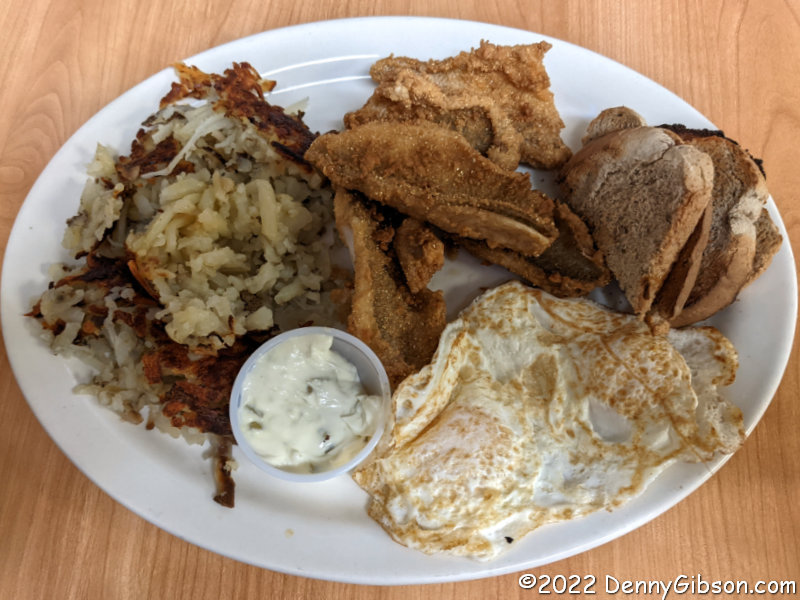 I took the picture of Benny’s tank and prediction once the area was sufficiently clear of bodies to get a clear view. Once the park was sufficiently clear of cars that I could get out of my parking space, I drove directly to Our Lakeside Diner for the traditional (It is now!) perch and eggs breakfast. Incidentally, this place definitely knows how to serve coffee.
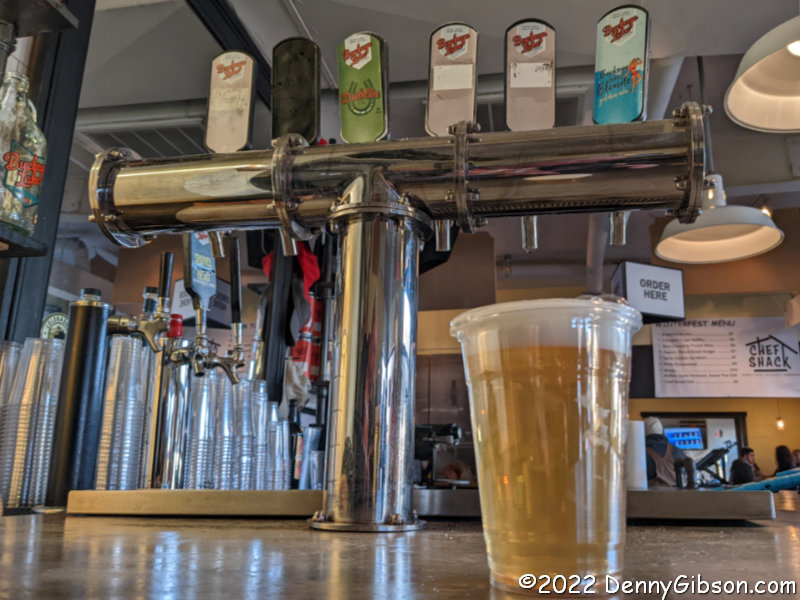
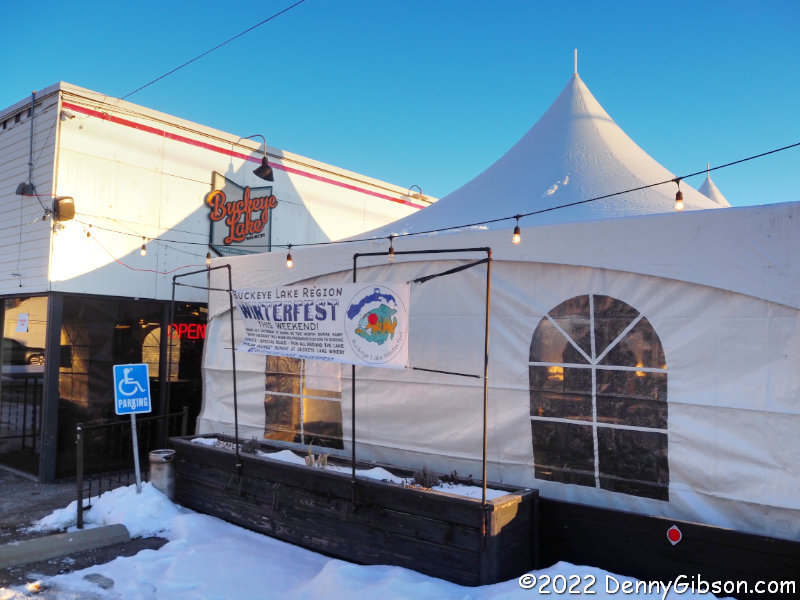
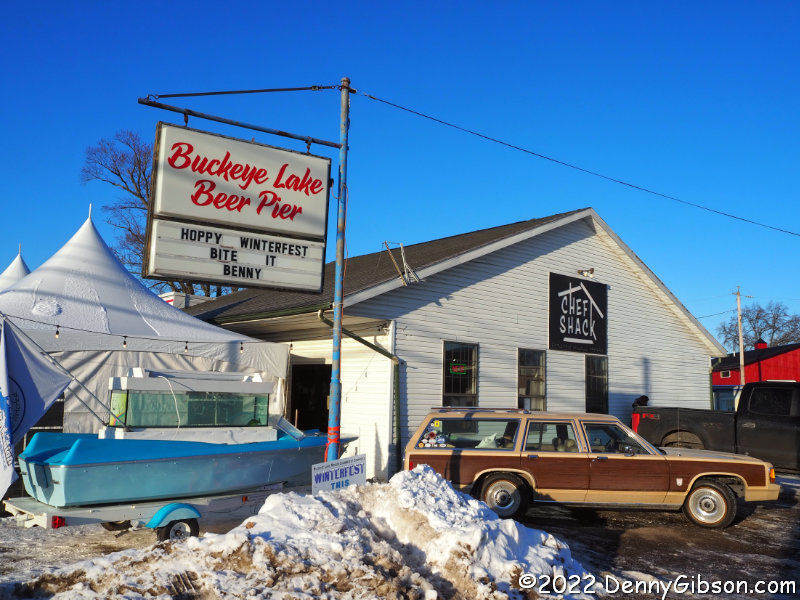 Then it was down the street to the Buckeye Lake Brewery for another tradition. When I was here in 2020, I delayed having a beer until I had walked around the town quite a bit. This year, despite a fourfold increase in temperature since I’d arrived, I had no desire for a stroll of any length. So the perch was quickly followed by a Winterfest Ale and that was quickly followed by my departure for home.
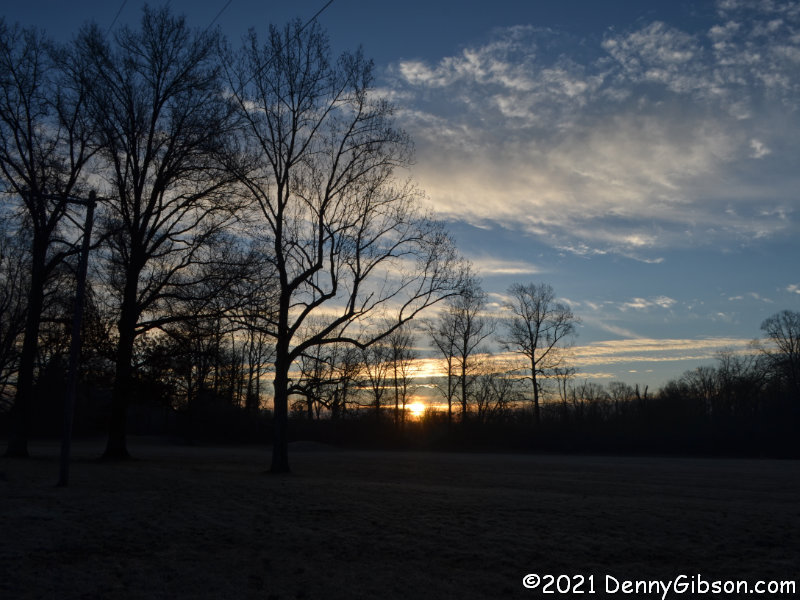
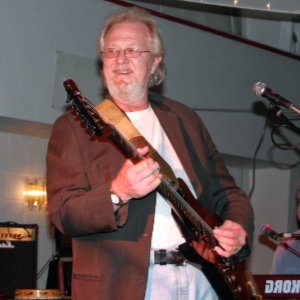 I know it’s a sign of a desperate search to find something nice to say, but I’ll say it anyway: 2020 makes 2021 look good. But COVID-19 continued to impact our lives greatly and to end far too many of them. In the U.S., deaths attributed to the virus in 2021 actually exceeded those of 2020 and the total has passed 800,000. Worldwide, that number is near 5.5 million. The United States has already passed its death count for the 1918 flu pandemic (675.000) while the worldwide count has a long way to go to hit the most conservative estimates for 1918 (12 million). Explain that to yourselves as best you can. My personal trip count doubled (from 2 to 4) and days of travel tried to do so (30 to 51). Two of the 2021 trip journals made the top five as did the blog entry for one of them. The most visited new blog post was one remembering Larry Goshorn who died in September.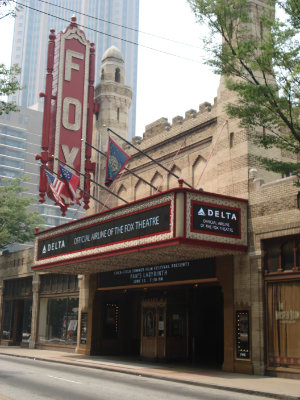
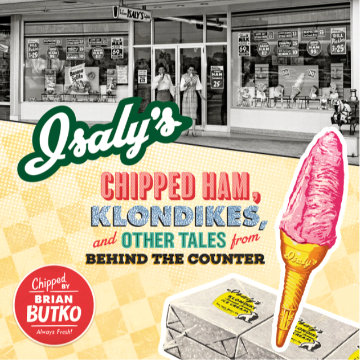 It’s been said you should write what you know. Brian Butko may or may not believe that but there is reason to think he might believe even more in the corollary: Write what you want to know. I frequently get the impression that Butko enjoys the hunt as much as the kill, research as much as publishing, learning as much as teaching. Isaly’s Chipped Ham, Klondikes, and Other Tales from Behind the Counter gives me that impression in spades. This is Butko’s second run at the subject having published Klondikes, Chipped Ham, & Skyscraper Cones: The Story of Isaly’s in 2001. I’m not familiar with the earlier book but know that there is some unavoidable overlap. No surprise there. There is no doubt a multitude of reasons for the redo but I’ll suggest — and this is pure conjecture — that not only was it tackled in order to improve the story with knowledge learned in the intervening twenty years but as an excuse to learn even more.
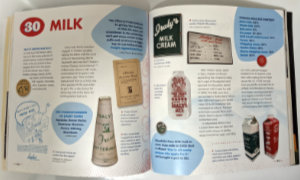 In the middle half of the twentieth century, Isaly’s was a major regional presence whose farms, factories, and stores helped feed a whole lot of people in northeast Ohio and northwest Pennsylvania. The arc of that presence is not unique. It was a family business that saw the success and growth of the first few generations eventually fade away in corporate buyouts. I’ve lived in Ohio my entire life but we missed each other. My neighborhood has been the state’s southwest corner, and the closest Isaly’s ever came to my home was Columbus. Although a few Columbus stores remained in the late 1960s and it’s possible that I saw one, I have no memory of it. The company entered Columbus in 1935, peaked there in the 1940s, and officially began its exit in 1954. Everything I know about Isaly’s I learned from Brian Butko. Brian Butko learned from family members, former employees, company records, newspapers, and libraries.
 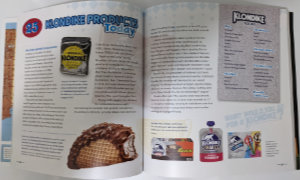 There were other innovations such as Skyscraper Cones, Party Slices, and Klondike Bars. Klondike Bars were the biggie. The only Isaly’s product to have success nationally, they are still available today although they are made by Unilever and no longer bear the Isaly’s name. They do, however, still bear the Isaly’s bear.
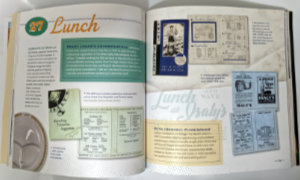 Unlike me, Brian has plenty of personal Isaly’s memories. He says that his earliest was of their macaroni and cheese. His excitement is evident when given access to a 3-ring binder of company recipes. He finds the sought-after Baked Macroni then writes, “I have yet to try the official recipe…”. The fact that the recipe yields 60 servings might be one deterrent but I think I also detect a little fear that today’s result might not live up to yesterday’s memories. I, for one, encourage Brian to face his fear and look that macaroni right in the elbow. Finding 59 mac & cheese eaters should be easy.
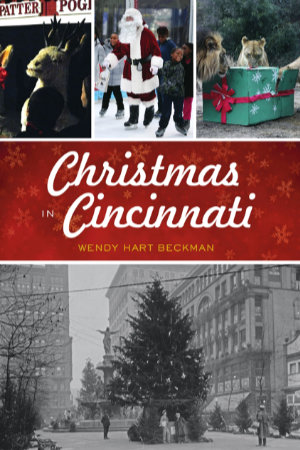 This History Press publication, as is their standard formula, is built around lots of photos both old and new. In this case, a few of those photos are mine. I won’t pretend that isn’t what made me aware of the book and triggered this review but will point out that the book does fit handily into the local-author-local-subject category that I’m fond of talking about. The local author, Wendy Hart Beckman, isn’t a native Cincinnatian but has spent much of her adult life here. I’m thinking that her New England background might actually help in recognizing what is unique or even just a little different about Christmas in Cincinnati.
 “Things to Do” in Cincinnati around Christmas time include skiing, sledding, and ice skating on Fountain Square. Shopping and visiting Santa in the numerous downtown stores was once a major draw in the days leading up to the holiday but the stores and the shoppers slipped away to the suburbs some time back. In 2020, COVID-19 nearly put a stop to in-person shopping anywhere and only time will tell if it ever fully returns. The same is true of sitting on jolly men’s laps. Beckman includes “Donating” among things to do and writes about several Cincinnati signature campaigns like the Ruth Lyons Children’s Fund and Neediest Kids of All.
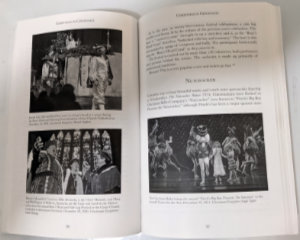 There are indeed plenty of things to do and hear in Cincinnati but there are even more “Things to See”. Beckman lists many Nativity scenes and light displays including some at private residences that have become must-sees over the years. The Cincinnati Zoo’s “Festival of Lights” and the tree on Fountain Square are in that must-see category. What might be considered the big three of Cincinnati Christmas events are on Beckman’s “Things to See” list. The oldest is Boar’s Head and Yuletide Festival which has been celebrated in Cincinnati since 1939. That’s clearly long enough ago to qualify as a true tradition but the festival’s history goes back another 600 years in England. Number two is The Nutcracker which the Cincinnati Ballet Company has been doing since 1974. The newest of the three is Playhouse in the Park’s production of A Christmas Carol which dates to 1991.