 Traveling a scenic old road is indeed its own reward but keeping track of which ones you’ve traveled is kind of fun, too. In most cases that’s pretty easy. Very easy, in fact, if you start at one end or the other. If you don’t make it all the way, just remember where you left the road and pick it up there next time. Starting your first drive in the middle complicates that just a bit as do alternate alignments but even piecemeal drives and multiple alignments seem rather simple when compared to the web that is the Dixie Highway.
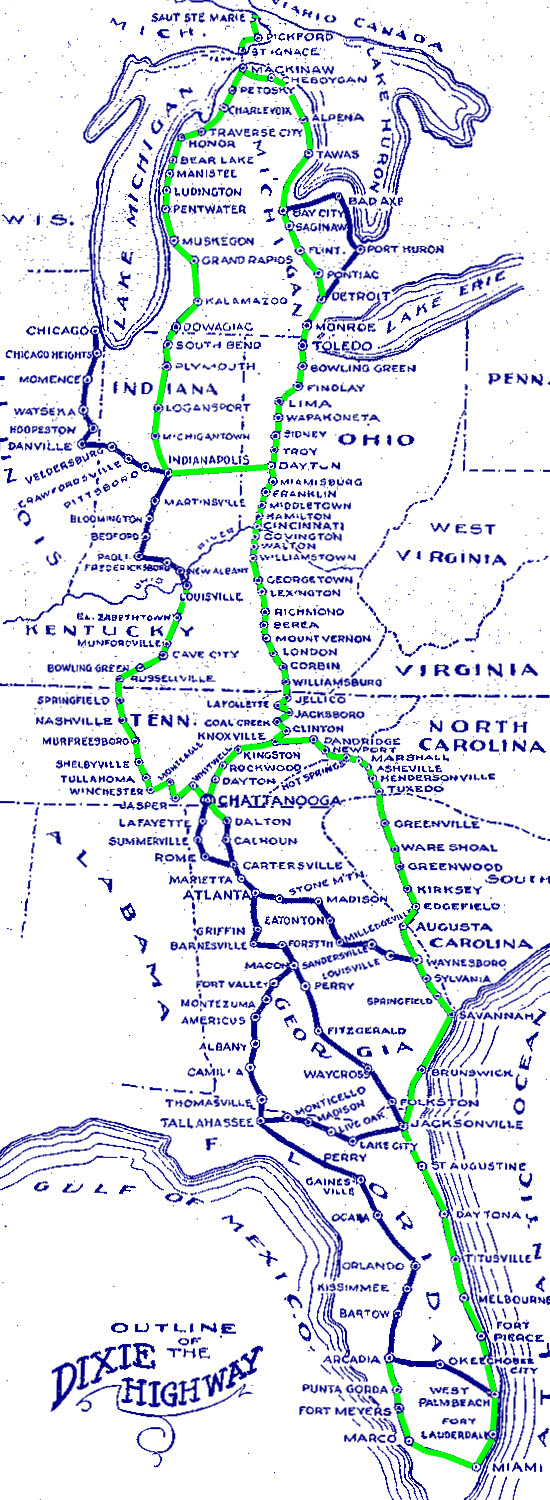
The original idea may have been to connect Chicago and Miami but not much more than a month after the Dixie Highway Association’s first meeting, the route was split at Indianapolis, and approval of a route connecting Detroit, Michigan, with Dayton, Ohio, soon followed. The “highway” had two mainlines essentially from the very beginning. Routes connecting the two mainlines also existed from the get-go and more were added over time along with loop routes to pass through or attract traffic from cities not otherwise on the Dixie. Robert V Droz, whose excellent US Highways site I reference a lot and praise as much as I can, identifies ten connectors, four loops, and a bypass. By my count, the 1923 Dixie Highway Association map on the right (which I originally obtained from the Droz site but which appears elsewhere on the web including Wikipedia) shows just seven connectors and two loops.
This discrepancy somehow escaped me when I decided to use the map for scorekeeping. It slapped me in the face when I started planning my most recent road trip. That trip was to visit an uncle in Lake Alfred, Florida, and DeLorme identified a road a few hundred yards from his driveway as Old Dixie Highway. This was clearly part of the Tampa – Saint Petersburg Loop described by Droz but was just as clearly not shown on the 1923 map. That didn’t affect my trip taking but would affect my scorekeeping.
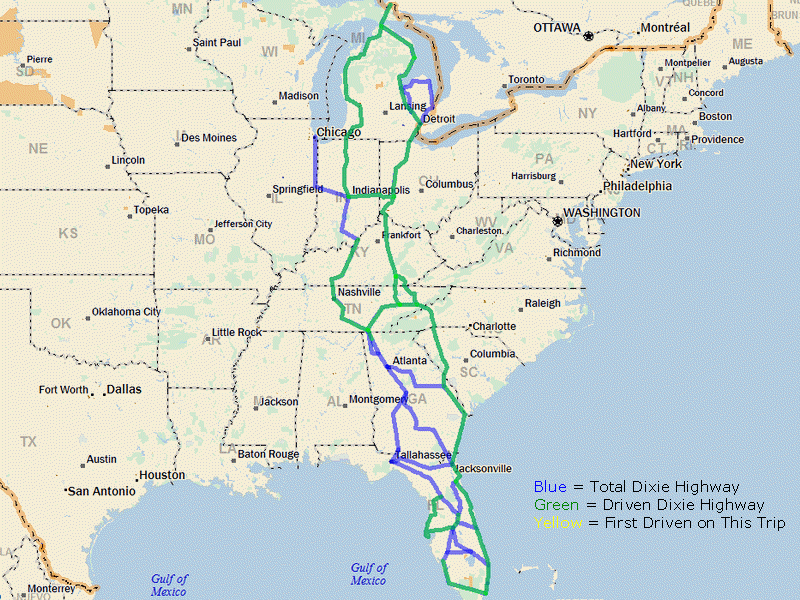
I plotted the entire loop before I left home but didn’t have much hope of driving any more of it than the section east of Tampa. As things turned out, I was able to drive the full loop on my way home but didn’t know how I was going to record this fact. On that map at the top of this article, sections of the Dixie Highway that I’ve driven are marked in green. It shows my “score” through the end of 2011. The section between Orlando and Haines City was new for me and I could mark it on the map but not the also new-to-me big loop between Haines City and Ocala.
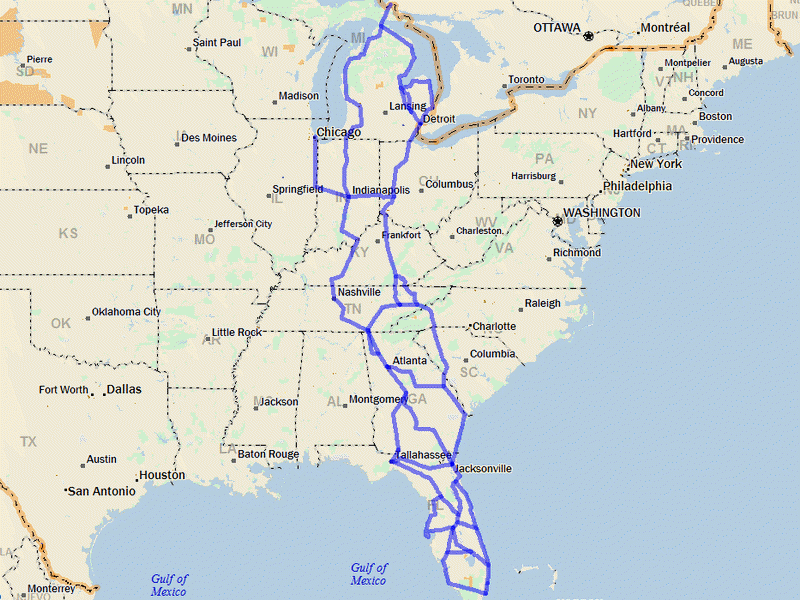 So I abandoned my short-lived experiment with scorekeeping via the old Dixie Highway Association map and, using DeLorme Street Atlas, drew up my own “map” of the Dixie. I put “map” in quotes because, although all the important connections are shown, there are a lot of straight lines and skipped cities. I believe the polite term is “streamlined”. This is what I now intend to use to record what portions of the Dixie Highway I’ve driven. As part of the journal for any trip involving some new-to-me Dixie Highway, I’ll include an updated version with all the sections I’ve driven shown in green. The current “score”, through the Lake Alfred trip, is here.
ADDENDUM 17-Nov-2015: On July 22, 2015, I wrapped up the described scorekeeping by completing at least one pass of all known segments. On November 5, I published a book chronicling those passes. A brief “review” of that book, A Decade Driving the Dixie Highway, is here.
ADDENDUM 21-Feb-2020: Over the last few weeks, there has been a small but noticeable uptick in visits to this post which I believe is due to coverage of activity in south Florida regarding the name of the highway. If that’s what brought you here, you may also be interested in a more recent post, A Dixie by Any Other Name, prompted by that activity.
ADDENDUM 8-Dec-2020: During preparation of a year-end summary, it was discovered that there were numerous visits to this post and that the search term “Dixie Highway map” brought numerous visitors to the site. While it is possible that these are unrelated, it seems more likely that they are. Neither of the two maps appearing in the post, the 1923 DHA map and my own streamlined map, provide much help in actually following the route. However, in the years since this post was published, road scholar Mike Curtis (a.k.a. Two Lane Traveler) has produced a Google-based map that is quite useful. That map is here.
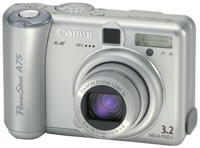 Late in the spring of 2004, the lens on my A20 zoomed its last. As I recall, it was stuck somewhere in the middle of its range. It still took pictures but the lack of zoom was irritating and the permanently protruding lens made it awkward to pocket. Besides, there had been three years of progress since my last camera purchase and I was ready to take advantage of it.
 Despite this seeming to be the most expensive computer I’ve ever owned, I remember very little about it. Oh, I definitely remember owning it and its painful demise. I just don’t remember any technical details about it. I do remember that its purchase was triggered by the need to replace a desktop PC.
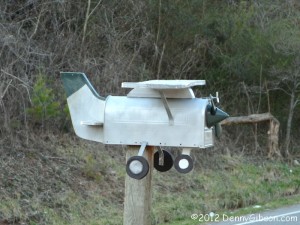 An uncle who spends much of the winter in Florida was kind enough to invite me to stay with him for a few days. So there’s a road trip involved with a journal for it


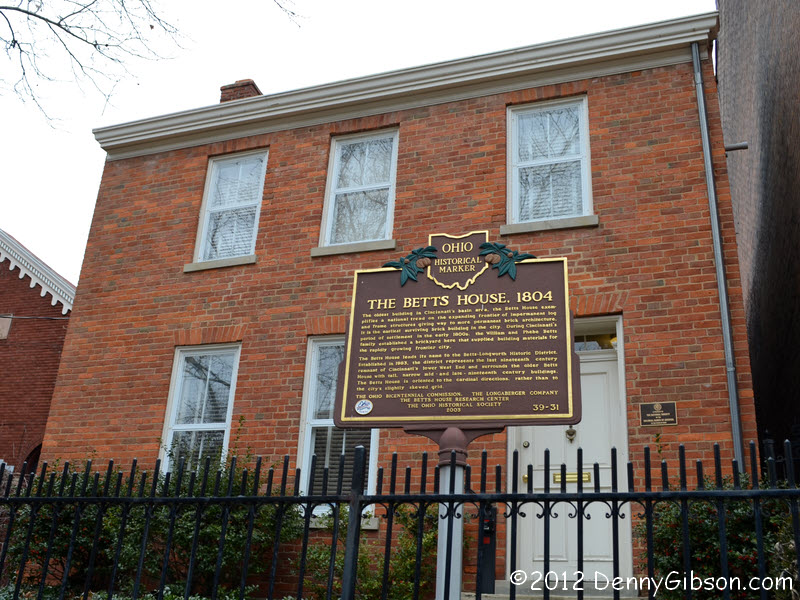
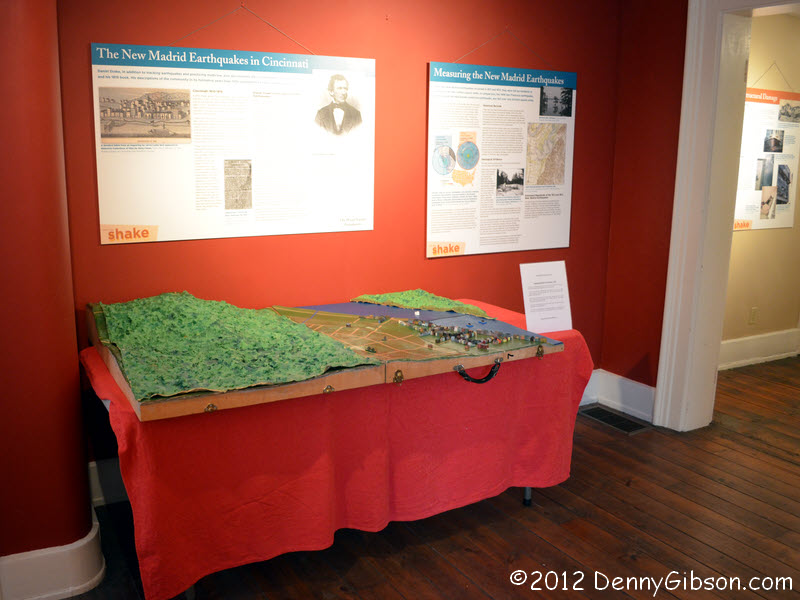


 When I learned that the state of Ohio contains a monument to Robert E Lee which I’ve driven right by without even seeing, I decided to spend a clear (but very cold) day investigating. Missing the monument was partly the result of some wrong ideas about Dixie Highway routing which I also tried to correct. The one day trip report is
  Having blown nearly 400 bucks on a






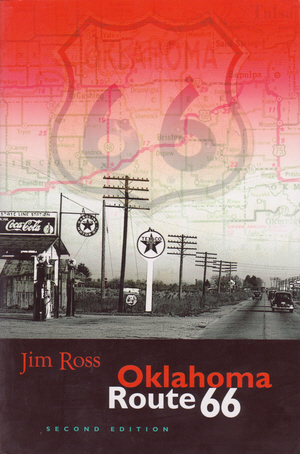 I like this book so much that I have three copies of it. Well, maybe not three exactly but more than two. I got my first in 2007 in anticipation of an Oklahoma trip. It didn’t take me long to discover that the copy was flawed and it didn’t take much longer for a replacement to be provided. A printing error had caused many pages of that first copy to be omitted, duplicated, or otherwise jumbled. The replacement, with all pages present and in the right place, was quite an improvement. This second edition is also an improvement though not that drastic. With it’s accidental mishmash of pages, that first copy was essentially unusable. Every other copy of first edition Oklahoma Route 66 was eminently usable. The second edition is even more so.
 So now that I’ve explained why I don’t like to post viewer stats, here are some hidden in a paragraph for folks who bother to read outside the bullet list. For 2011, the entire website had 43,213 visits with 227,060 page views. The most popular page was the