
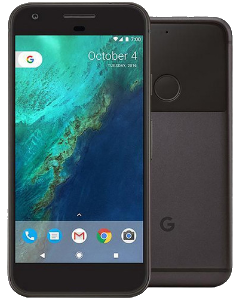
 …same as the old phone. When I woke up a week ago Friday, my phone didn’t. I believed that it had been well charged when we (my phone and I) had gone to sleep but I plugged it in just in case. A few hours on the charger failed to restore any signs of life, and it was now time to go pick up my groceries.
Shortly after the Coronavirus pandemic hit, Kroger started waiving the five dollars they had been charging for their “Click List” service and I, who had sworn I would never buy groceries online, started to use it. An order I had placed a couple of days before was scheduled for pickup that morning. The normal drill is to pull into a numbered spot and share that information either by calling a posted number or using the Kroger phone app. I could do neither. I felt like one of King Arthur’s knights in a modern Connecticut. I walked up to the fellow loading groceries into the car in the neighboring slot and asked if he would let the appropriate people know I was there. He did and it worked out just fine.
After dropping the groceries at home, I headed to my go-to electronics repair spot, UbreakIfix. They checked what they could without disassembly but found no specific problem. A more complete diagnostic, which would require opening the phone, could be completed by the next day and would be free but wasn’t likely to turn up a cost-effective fix. The phone was about 4 1/2 years old and the battery had been replaced once. The screen was showing some pretty serious burn-in from too much solitaire and Sudoku. A new battery, which was the least expensive but also the least likely issue, would be about a hundred bucks. I had spent some of the morning looking over available replacements with my laptop and opted to forego further testing and move on to a new phone.
The dead phone was a first-generation Google Pixel which I was quite happy with. Its sudden demise aside, it had given me few problems, and its capabilities seemed to meet or exceed my needs. I concentrated on Pixel but did look at a few other brands. iPhone was not among them even though I frequently hear the products praised. I believe that this particular old dog is capable of learning new tricks but there are some tricks I’m just not interested in learning. Integration with other products I use was also a major consideration. I did consider some Samsung and LG models because Samsung seems to get a lot of attention and because I once had an LG phone I was happy with, but nothing about them enticed me to leave my Google Pixel comfort zone. I did not consider changing carriers. I moved to Verizon about six years ago when Cincinnati Bell exited the mobile phone business, and have generally been satisfied.
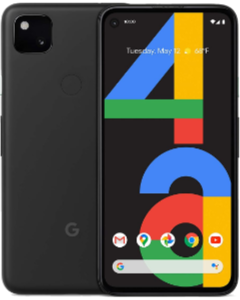 There are really just three Pixels currently being offered by Verizon. The Pixel 4 is technically still available but it is fading fast. My legitimate choices, in order of price, were the 4a, the 4a 5G UW, and the 5. The Pixel 4a 5G UW adds, as some may have figured out, 5G communication and an ultra-wide camera to the 4a. It also adds about an ounce of weight and nearly a half-inch of height. I believe the UW model is a Verizon exclusive. The Pixel 5 fits in between the two 4as in size and weight. It includes 5G and the ultra-wide camera as well as wireless charging, a bigger battery, and an aluminum water-resistant body. Of all the features just named, only wireless charging and water resistance seemed even slightly desirable and none seemed worth paying for. I opted for the Pixel 4a at about half the price of the 5 and about two-thirds the price of the 4a 5G UW.
The ease of the switch, once the purchase was completed, was amazingly easy. With the old phone completely dead, I anticipated hours or days reinstalling apps. Instead, the phone asked if I wanted to use the day-old backup, and a yes answer resulted in every app and most configurations that existed on the old phone being installed on the new one. User IDs and passwords excepted. This was, I believe, a function of my Google account and may have benefited significantly by going from and to a Google phone.
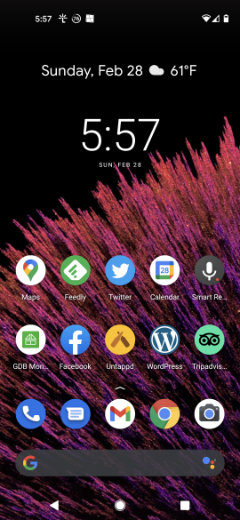 Another very much appreciated surprise was the degree to which the operation of the new matched the operation of the old. I was initially perplexed by the absence of the navigation bar at the bottom of the screen, and thought I was going to be stuck with fumbling my way around with unfamiliar “swipes”. It turns out that’s what happens when navigation by “gestures” is enabled and setting that off (which was apparently set on from the factory) put me back in familiar territory.
I encountered the only thing I might call a real problem when I tried sending the first text message. Rather than sending the text, the phone displayed a “Waiting for connection” message. I thrashed a bit then took a look at some troubleshooting advice. It began with a very logical suggestion to always first check for updates. I did and found that, while the 4a ships with Android 10, a free update to Android 11 is available. Following installation of the update, the pending text message was successfully sent. I don’t believe that text messages were really broken in Android 10 so the update may or may not be what “fixed” the message problem but it was fixed nonetheless. And everything else seems to be working, too. Waking up with a dead phone was certainly not a happy moment but barely a day later I had a phone that looked and operated just like the old one except that it had more memory, a faster processor, a higher resolution camera, an unblemished screen, and probably some goodness I don’t even know about.
Plus there was one more surprise. The physical similarity of the Pixel 4a to my Pixel 1 was even greater than I first thought. Their dimensions matched exactly so that the protective case I had on the older phone fit the new phone perfectly and the cutouts even matched with the single exception of the camera. I had already ordered a real 4a case before I discovered this or I probably would have done a little snipping and saved myself a few bucks.





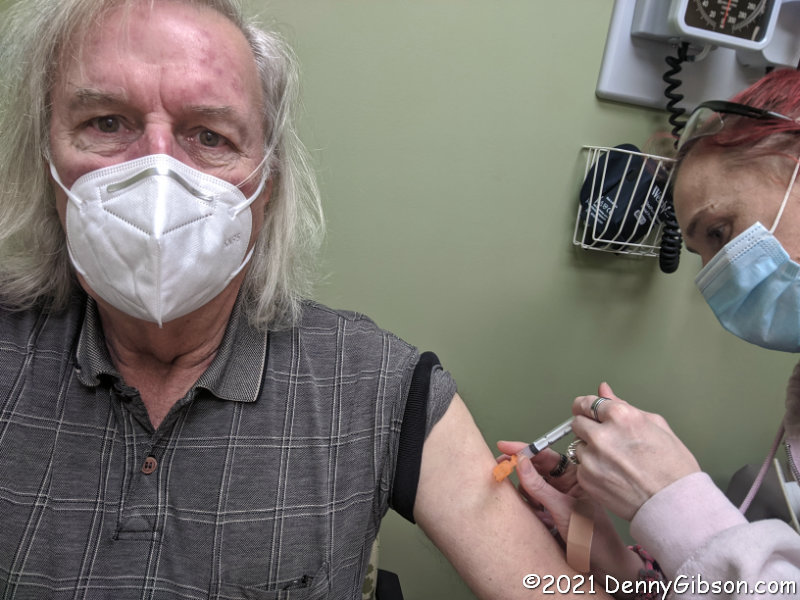
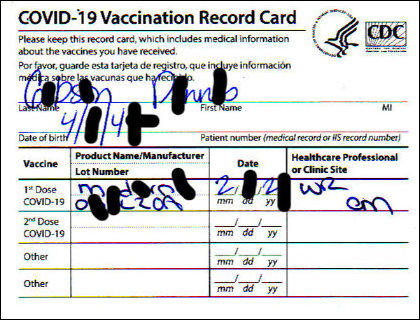 I have seen some warnings about posting images of this card to social media. I’m sure they are well-intentioned and the warning is, in general, a reasonable one. However, it appears to me that the only personal information on the card is my name and birthdate, and those have been circulating on the World Wide Web for years. Even so, I don’t want to be totally irresponsible and completely ignore the warning so, inspired by Captain Yossarian’s censoring methods, I’ve blacked out the vowels and odd digits.
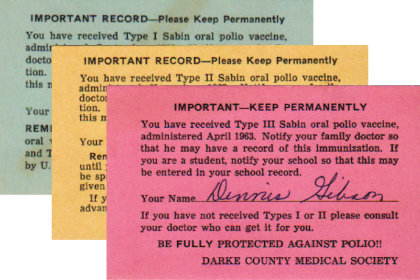 As you can see, this isn’t the first time I’ve willingly become part of the herd in an effort to avoid a devastating disease. The phrase “social distancing” had not yet been coined in the 1950s but, even without a catchy name, parents really worked hard at keeping their kids away from strangers during the frequent polio outbreaks. I suppose there were exceptions, but it seemed to me that pretty much everyone was ecstatic when vaccines became available, and there is no question that everyone was happy when those outbreaks stopped happening every year or so. It’s certainly unfortunate that not everyone sees the COVID-19 vaccines, or even the disease itself, in the same light that polio and associated vaccines were seen in the last century, but I have hope that we will all at least be happy when the outbreaks stop.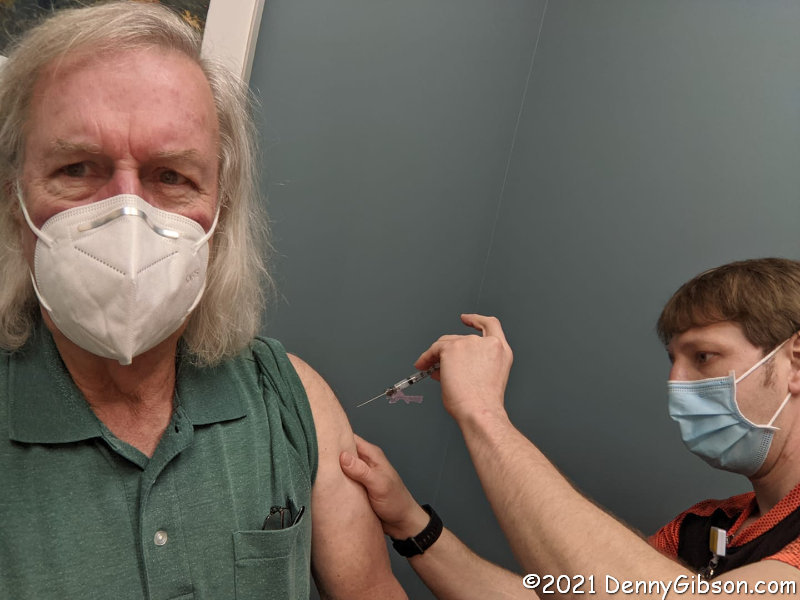

 As election day 2020 neared, I found myself thinking about a blog post made in response to the election of four years earlier. Revisiting that post,
  Many arrests have been made and more are certain to follow. President Trump has been impeached and charged with “incitement of insurrection”. He will be tried by the Senate even though he is no longer in office. Conviction could prevent him from ever running for office again. A mix of rumors and credible threats of violence aimed at the inauguration of President Biden prompted numerous closures and an unprecedented number of security forces in the nation’s capital for the event, which went off without a hitch.
 I see this new series as a place to dredge up any old thing that my thoughts bump into, but I’m going to stick with white water adventure for one more chapter. This story involves Kentucky’s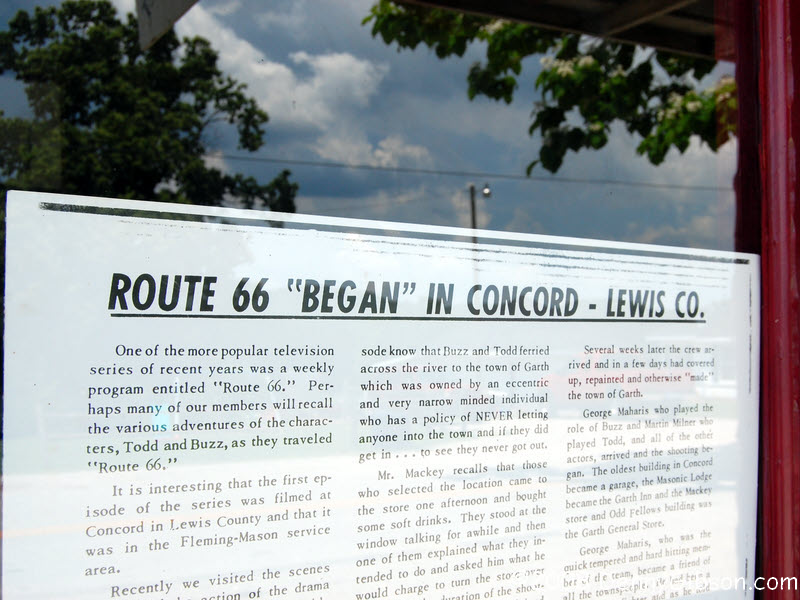
 It might be nice if 2020, like Dracula, simply did not appear in mirrors — rear view or otherwise — but the truth is, we’re going to be reflecting on this strange year a lot and for a long time. In last year’s Rear View post, I lamented a drop in travel. Trips, days on the road, and pictures posted were all down, but those were the good old days. This year the counts didn’t just drop, they plummeted. I do not, of course, have to guess at the cause. It is clearly the shutdowns and precautions associated with the COVID-19 pandemic. Prior to that becoming a factor in mid-March, I had 2020 identified as a big travel year with plans for two major trips and several of medium-size. In the end, only one of the major trips and a single small trip actually took place. The top five trip journal entries were again for major trips including one repeat from last year. Neither 2020 trip made it. Only one new blog post made the top five and that was at the bottom behind four posts that were at least five years old.