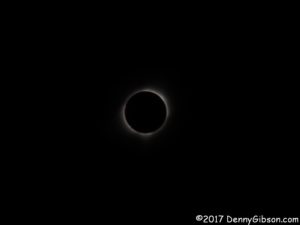
 We just had a total eclipse of the sun and by we, I mean me. The United States, has had total eclipses before but we (i.e., people within shouting distance of me) haven’t. I actually thought we had but that’s clearly not the case. I have a memory of standing on the school playground watching the image of an eclipse created by a pinhole in a piece of paper. Total eclipses have been visible in the U.S. in 1954, ’63, ’70, and ’79. Two of those are within my school years but both took place in the summer (June ’54, July ’63) when classes would not have been in session. But what really stomps on the idea that I’d previously seen a full sized solar eclipse in person is the fact that the 1954 event was visible only in Nebraska, Wisconsin, and neighboring states. The only states caught by the 1963 eclipse were Alaska and Maine. The best explanation I can come up with for my school playground memory is that some group met at the school specifically for the 1954 eclipse and saw about 79% obscuration. Maybe that’s it or maybe not. My recall sometimes reaches 79% obscuration, too.
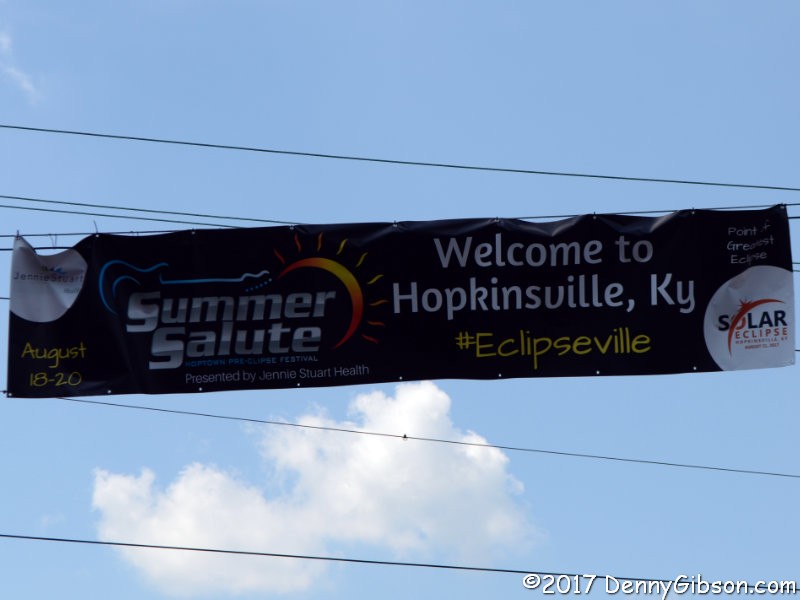
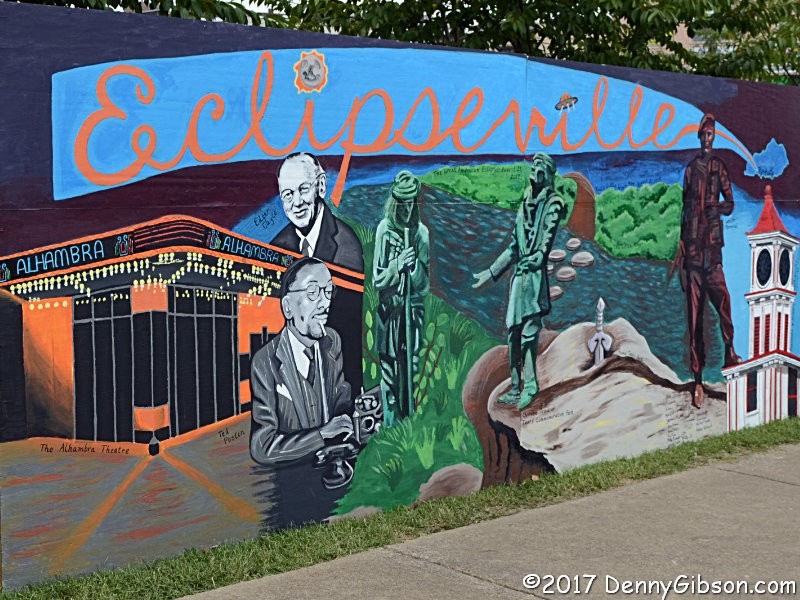
 Last Monday’s eclipse delivered 100% obscuration to fourteen of the United States and partial obscuration to all of them except Alaska and Hawaii. I could have stayed home and had 90.43% obscuration but I wanted to not see the whole thing. Not all complete obscuration is equal, however. NASA identified two “greatest” points. The self-explanatory point of Greatest Duration was in Illinois near the town of Makanda. The point of Greatest Eclipse, which NASA defines as “the instant when the axis of the Moon’s shadow cone passes closest to Earth’s center” was in Kentucky near the town of Hopkinsville where most of the 30,000 plus residents embraced the name “Eclipseville”. Hopkinsville is about 240 miles from my home.

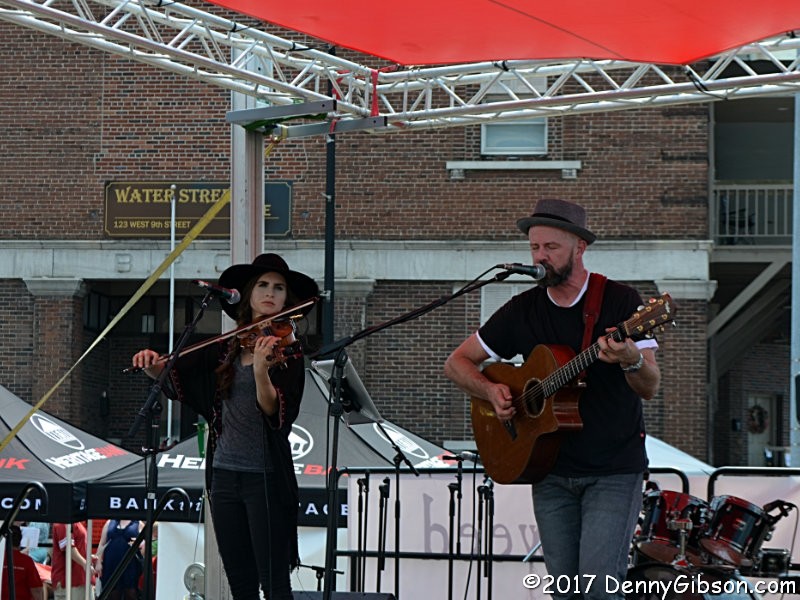
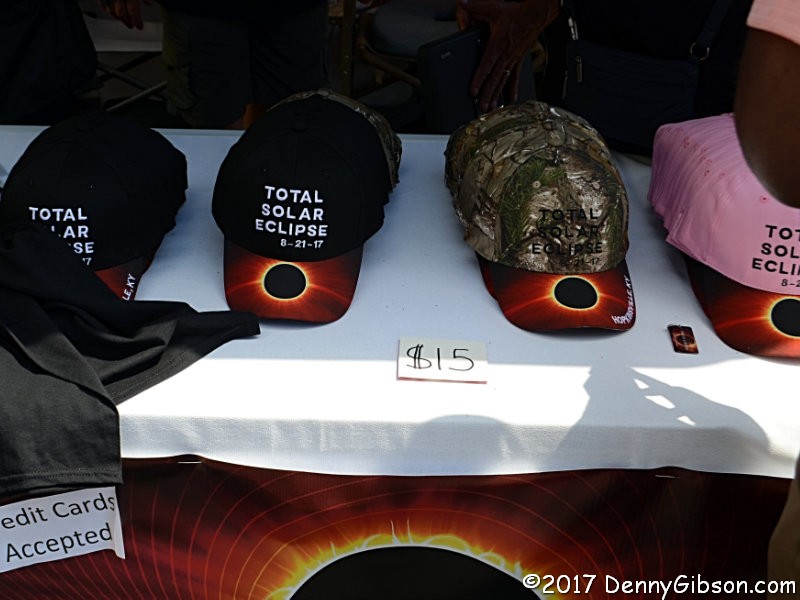
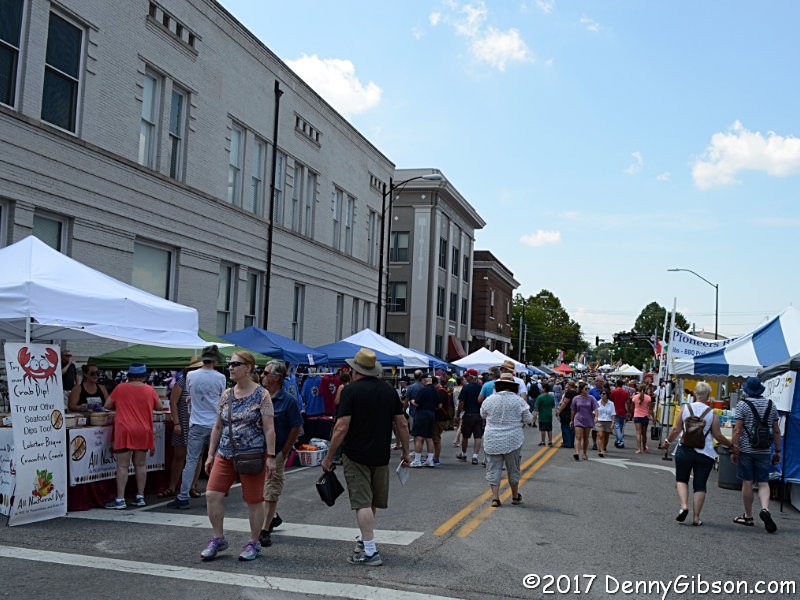
 Area motel rooms and campsites sold out months in advance. I visited Hopkinsville about 24 hours before the big event but lodged more than 60 miles away in Owensboro. Food and souvenir vendors lined downtown streets and entertainers performed in areas set aside for the purpose. It wasn’t as jam-packed and hectic as I had feared and my understanding is that even on the next day, when it was jam-packed, it was not terribly hectic. People came to see something not say something.
My plan for eclipse day was to get somewhat close to Hopkinsville then seek out a parking spot on some back road. The Western Kentucky Parkway was busy but tolerable until it neared the Pennyrile Parkway where traffic tightened up in a way that promised congestion from that point on. I turned north (away from the congestion) on Pennyrile, took the next exit, then followed secondary and tertiary roads south to the path of the eclipse about twenty-five miles away.
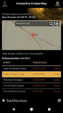
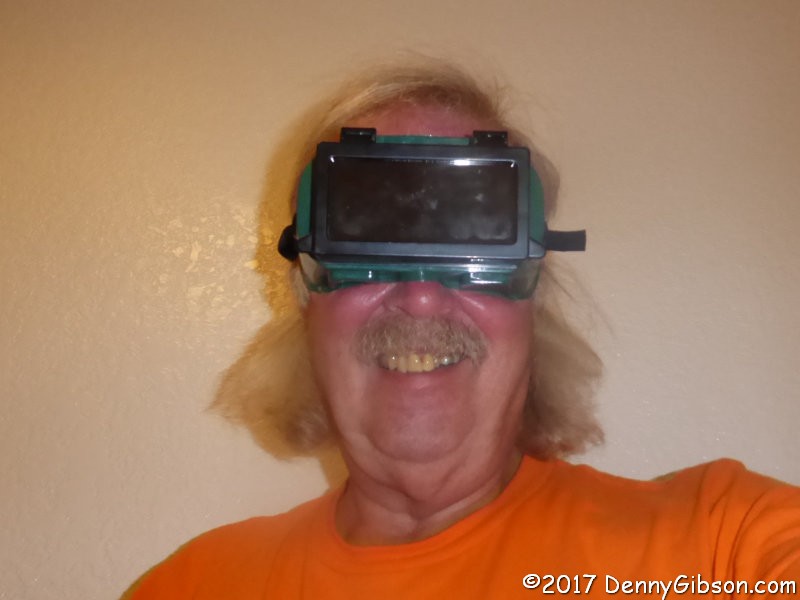
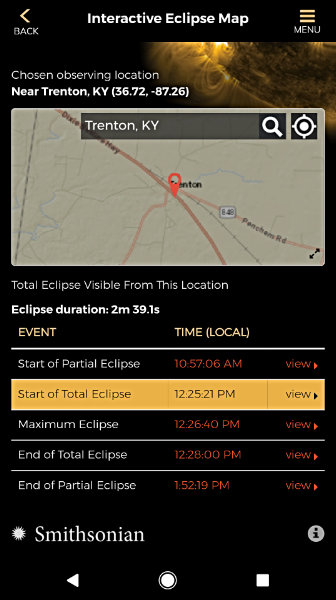
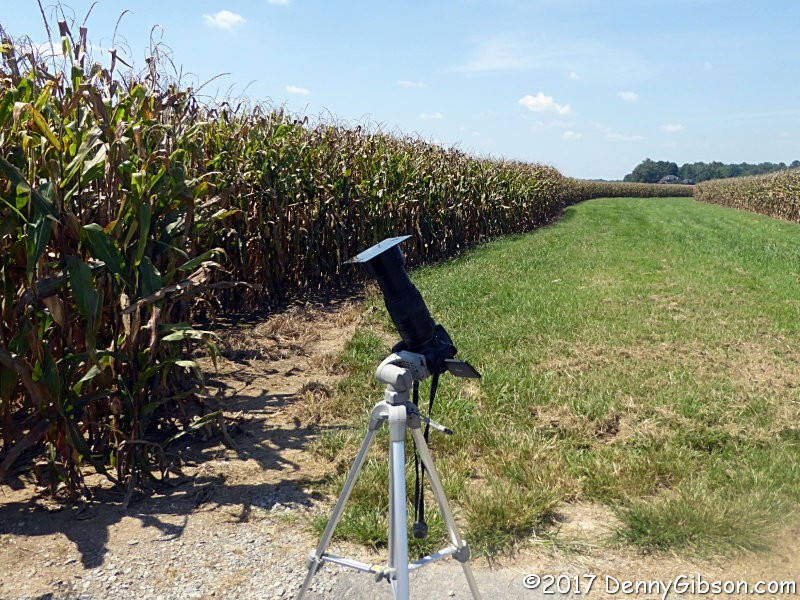
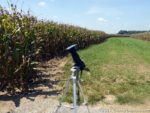 It really was kind of ridiculous for me to even try photographing the eclipse. Without even considering the pros at NASA and other organizations, thousands of real photographers with much better equipment and infinitely better skills would be recording images that would capture the event for all of us to enjoy. I was here because I wanted to experience a total eclipse not because I needed a photograph. But… I got some anyway. I found a spot at the edge of a cornfield about fourteen miles from Hopkinsville. It was far enough from population centers to keep my phone from picking up a signal. That’s why the screen capture is for the town of Trenton some two miles distant. I set up my tripod and mounted my camera on top. I snapped on the hood with a welder’s lens duct taped to it. I put on my goggles. I took some pictures and I watched something marvelous unfold.
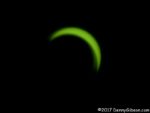
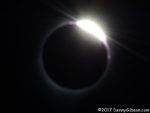
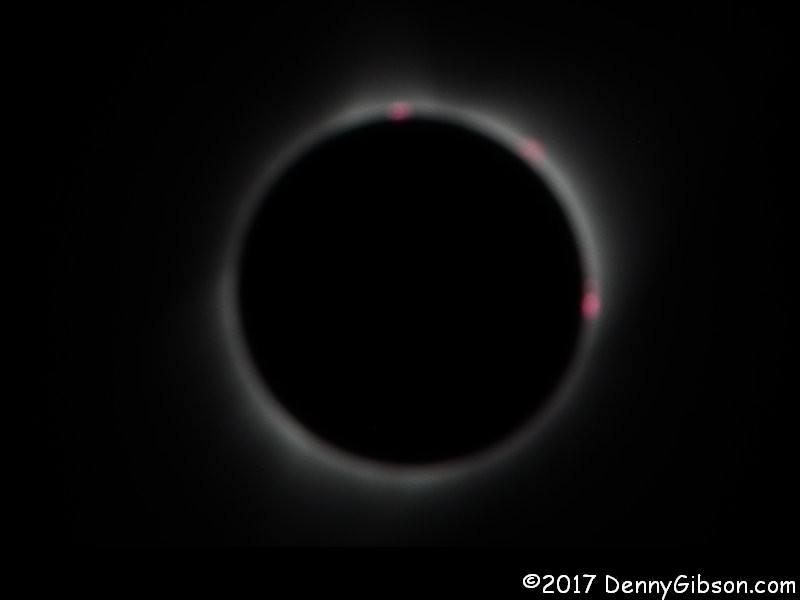
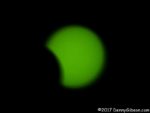
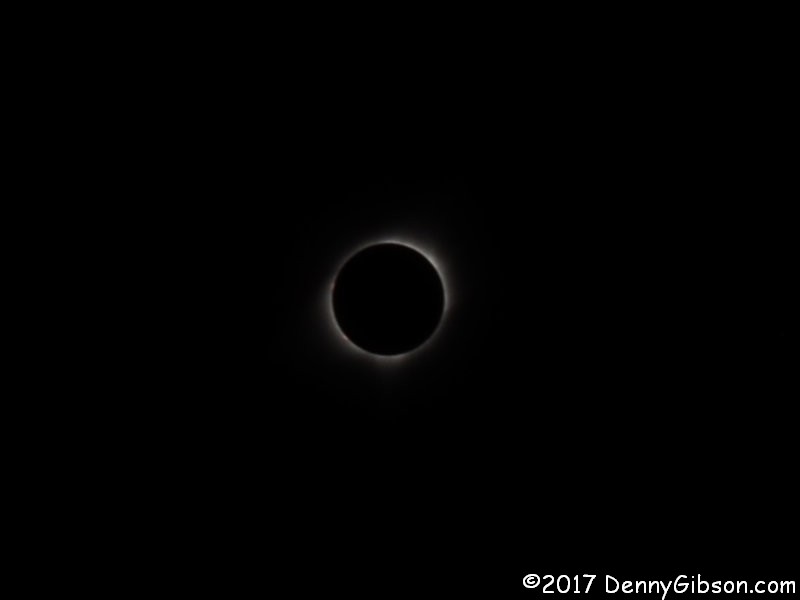
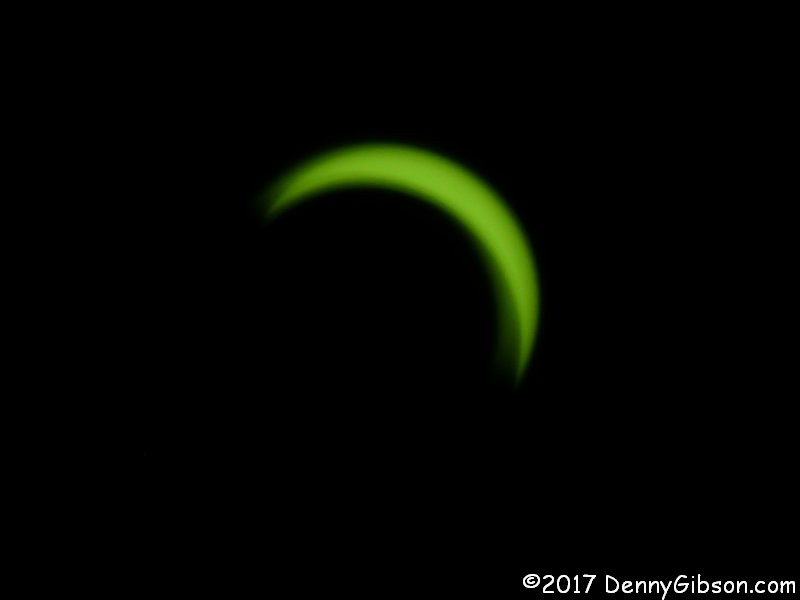
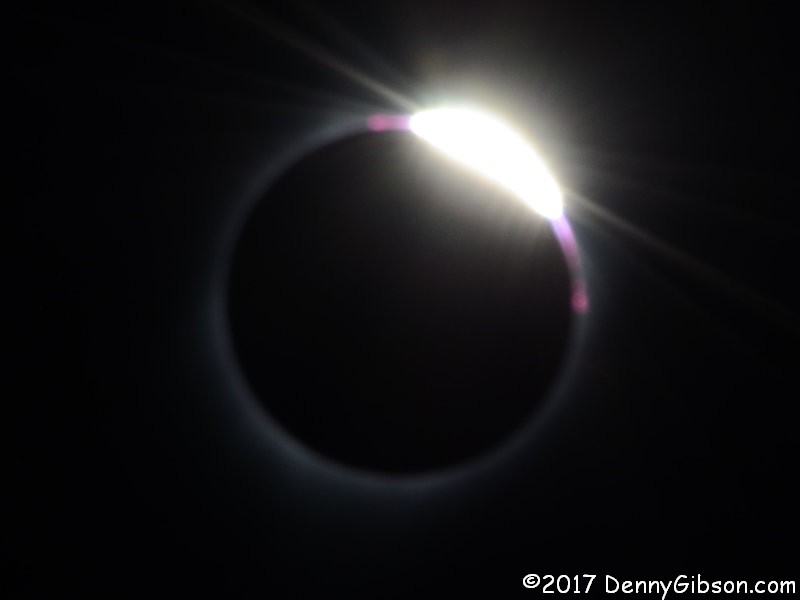
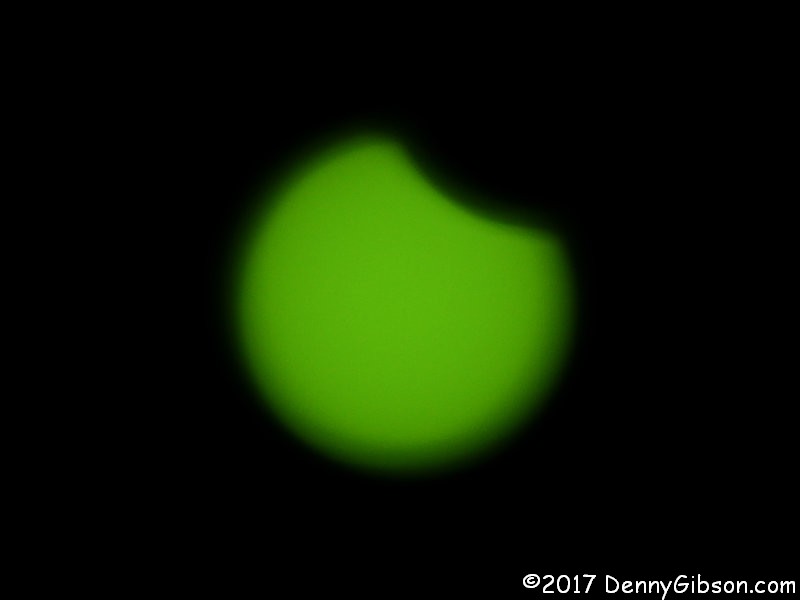
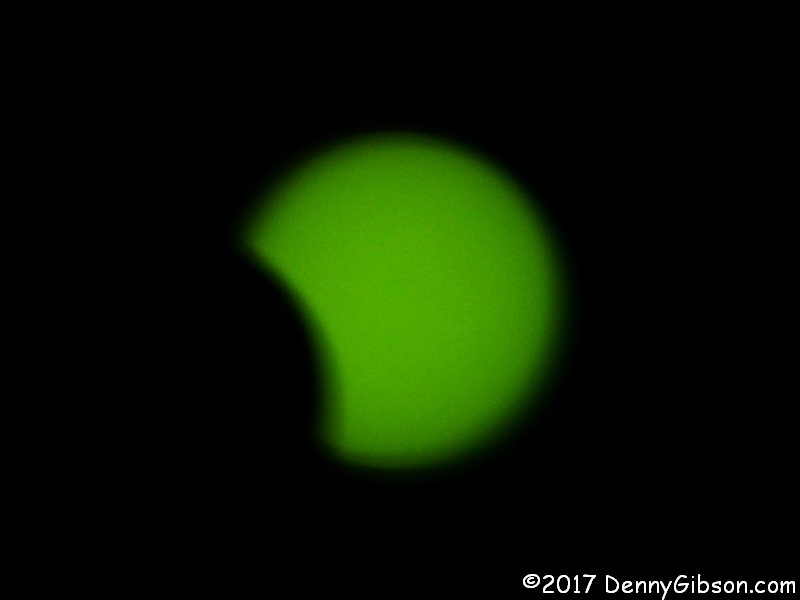
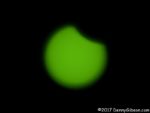 The first picture at right is the very first picture I took. Things had started happening as I parked the car and aimed the camera. A little bit of the sun was already gone by the time of the first shutter click. The photo of totality at the top of this post is sized to minimize fuzziness and to show some of the black sky. Although it does not show up in the photo, a star (or more likely a planet) was quite visible to the right of the sun and moon. A vision of totality with unfettered fuzziness is here. The second picture is my version of the diamond ring effect that appeared as totality ended. The third picture shows the sun starting to reassert itself. The Greatest Eclipse point was about 12 miles west of Hopkinsville or about 26 miles from where I stood. The duration of totality at that point was 160.1 seconds. The point of Greatest Duration, 90 miles beyond, beat that by 0.1 second. At my spot next to the corn it was 159.7 seconds. To paraphrase a slogan from an event that occurs in Kentucky on a more regular basis, it was “The most exciting two minutes in amateur sky gazing.”
Witnessing the sun’s disappearance, the mid-day darkness, and the drop in temperature was definitely exciting. It was also thought provoking. To some it was spiritual. More than anything, though, it was uniting. For a short period the eclipse was at the center of the actions of a huge number of people and the conversations of even more. And almost all of those conversations were quite friendly. Sure, in Kentucky I heard some grumbling about traffic and comments about “crazy Texans who drove all that way for two minutes” but there was no real anger in the grumbling and chuckles accompanied the Texan comments.
It was way short of a “The Day the Earth Stood Still” moment but there was just a tiny glimmer of that “tiny ball in a big universe” understanding. In the diner where I overheard the comment about “crazy Texans”, I also observed one fellow explaining the positions of earth, moon, and sun during the eclipse to what seemed to be a regular breakfast meeting of a local “Liars Club”. He wasn’t breaking new ground or fighting against doubt. All the old timers at that table understood the basics but were just a little foggy on the details.
A few weeks ago I visited some mounds in eastern Ohio that are believed to have been constructed at least partially to study the movements of the moon. On the day of the eclipse I held a device in my hand that, bad reception in the cornfield aside, was capable of telling me the precise effect that two heavenly bodies were about to have on the exact spot I was standing on. I thought of Arthur C. Clarke’s well known statement about advanced technology being indistinguishable from magic. It somehow applied but far from perfectly so. I’ve since learned of other lines from other writers that proceeded Clarke’s and may have influenced it. One that seems quite appropriate to me comes from Leigh Brackett’s 1942 The Sorcerer of Rhiannon: “Witchcraft to the ignorant, … simple science to the learned.” Even though, as the latest and loudest news stories often show, plenty of ignorance remains, we really aren’t quite as ignorant as we used to be. I’m guessing that those mounds helped.
 There will be another total solar eclipse within range of Cincinnati in 2024 and again in 2045. Those guys in the diner knew about both. There’s a decent chance I’ll be around in 2024 and a very slim but non-zero chance I’ll still be here in 2045. If I am, I hope that someone drags my ancient bones outside and makes sure my chair is facing the right direction.

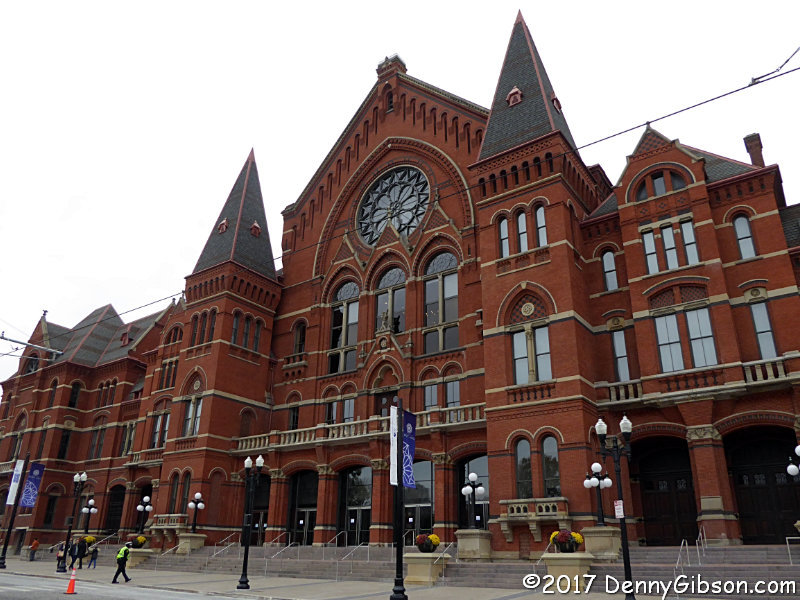
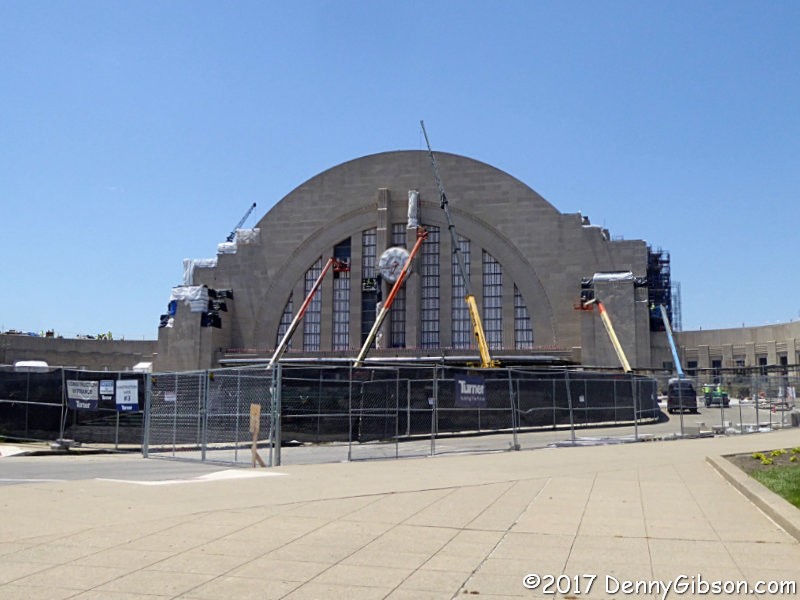
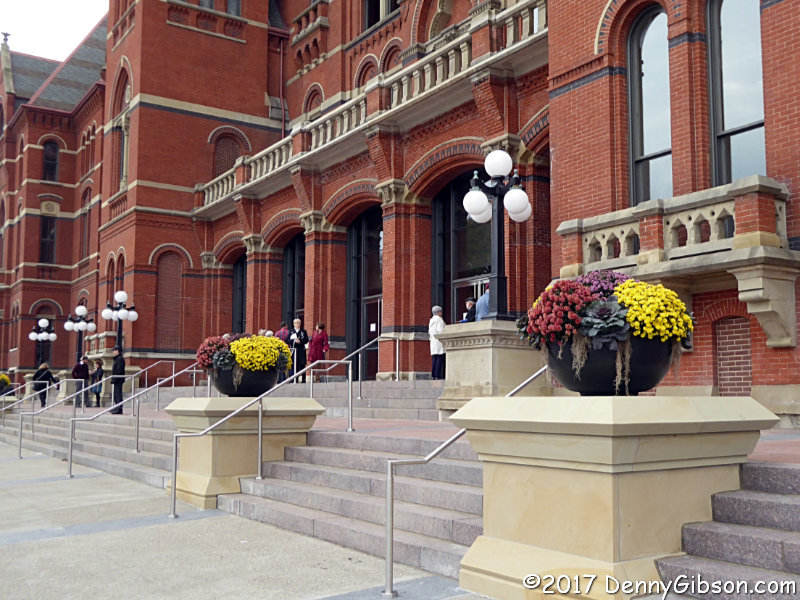 Cincinnati’s Music Hall reopened on October 6 after an 18 month $135 million renovation. I didn’t make it to that grand re-opening. Last Sunday’s third and final performance of “American Originals, Vol 2” was my first time inside the building since I attended the MusicNOW Festival in March of 2016. That was not the final event preceding the shut-down but it was among the last and it prompted my A Pre-Refurb Peek at Music Hall post. I selected the photo at right to open this post as the closest thing I’ve got to the photo that began that article. There’s a more inclusive exterior shot here.
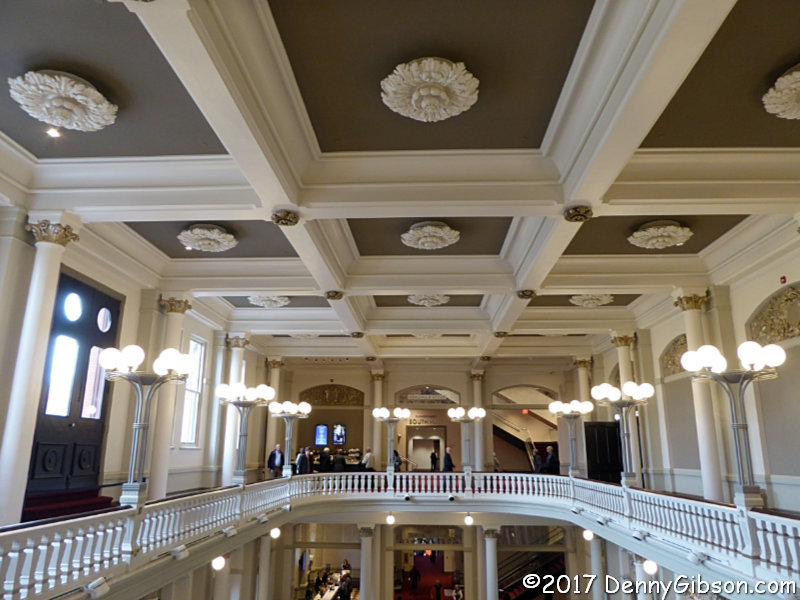 Although these photos do not attempt to duplicate any of those in the earlier post, they do make it obvious that the chandelier that once hung over the lobby, and which I sort of featured in 2016, is gone. Apparently it was decided before renovations started that this chandelier, as well as some others, would not be coming back.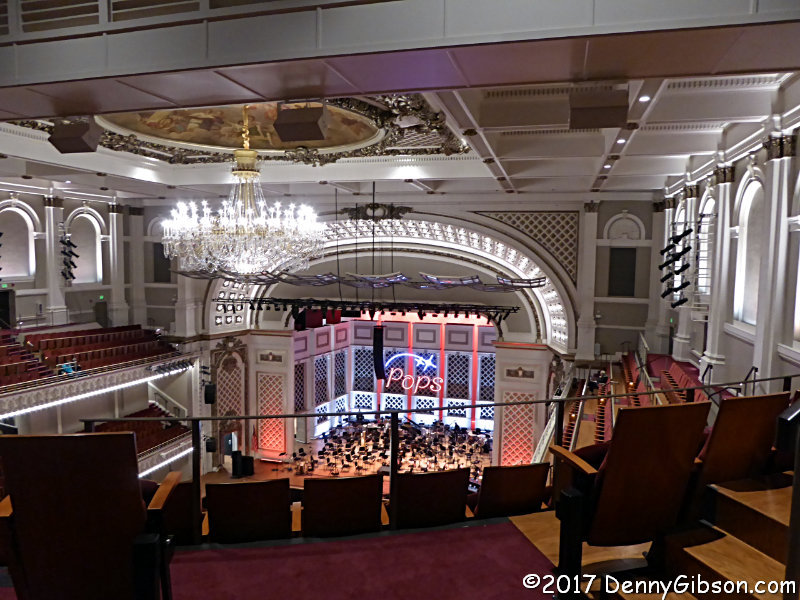
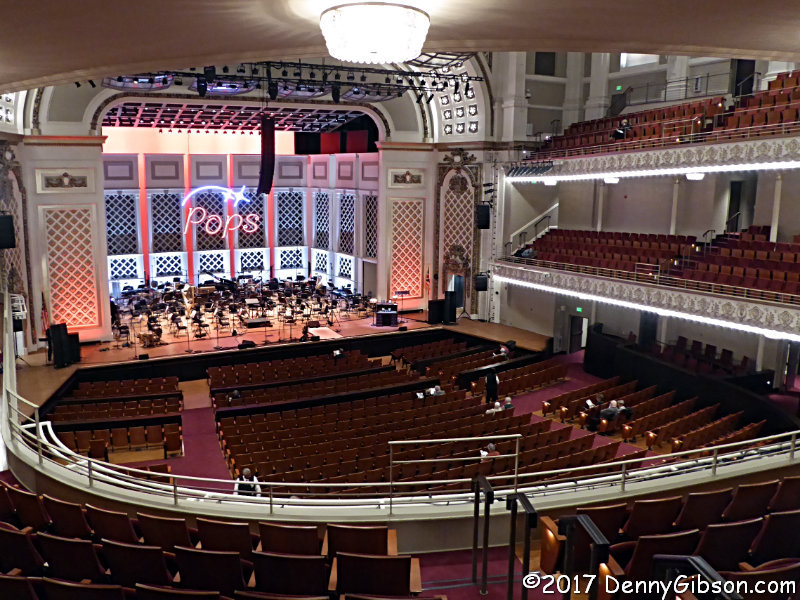
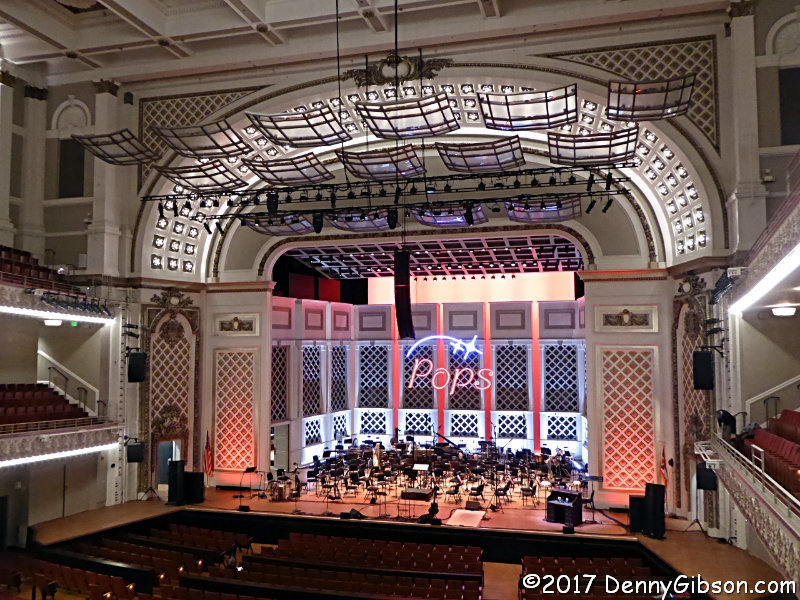 I also took a look at the balcony and gallery before I headed to my seat. Note the panels above the orchestra pit area. They’re to improve the acoustics of a place I didn’t even know needed improving.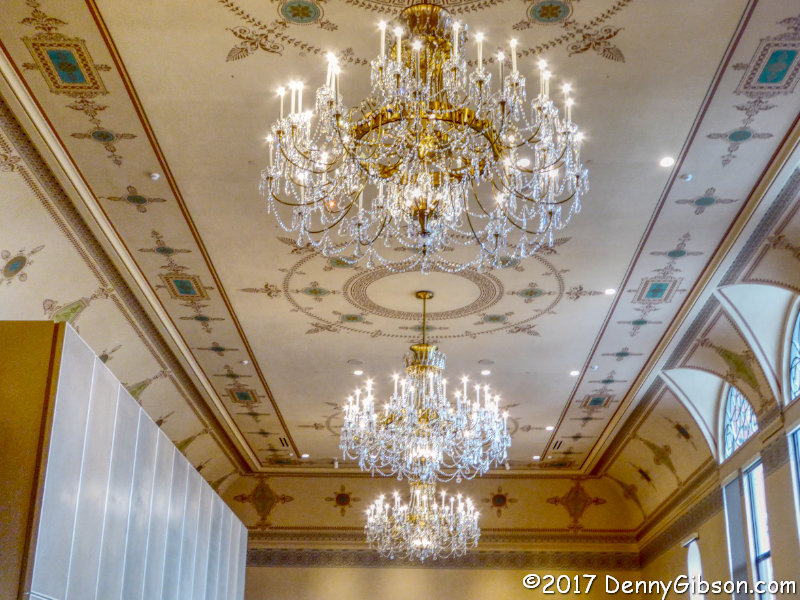
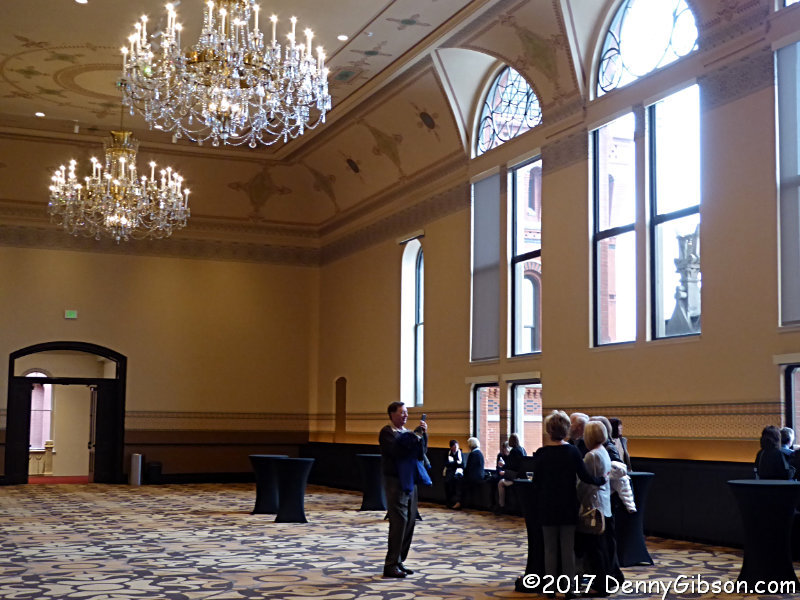
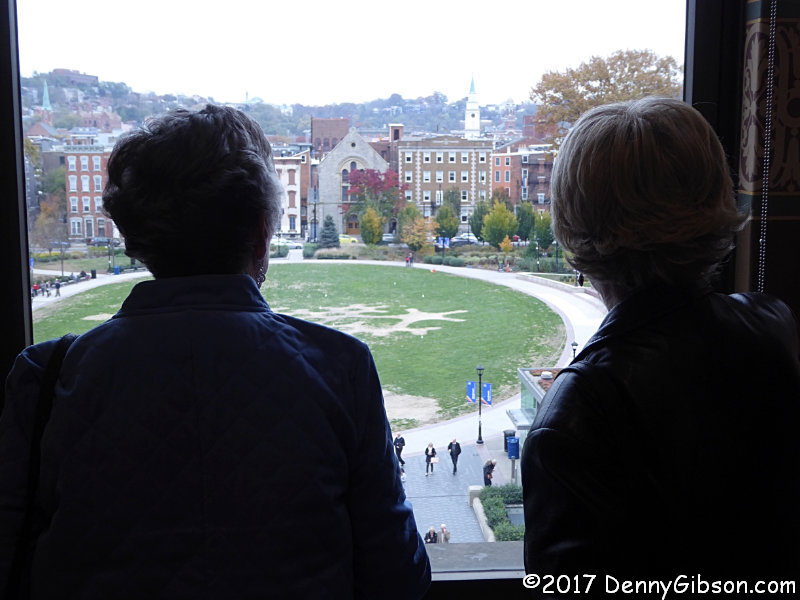 That chandelier that hung above the main lobby is one of the three now hanging in Corbett Tower. A drop ceiling was removed and the nineteenth century stenciled design recreated. Previously blocked windows have been cleared to let in more light and provide views of Washington Park.
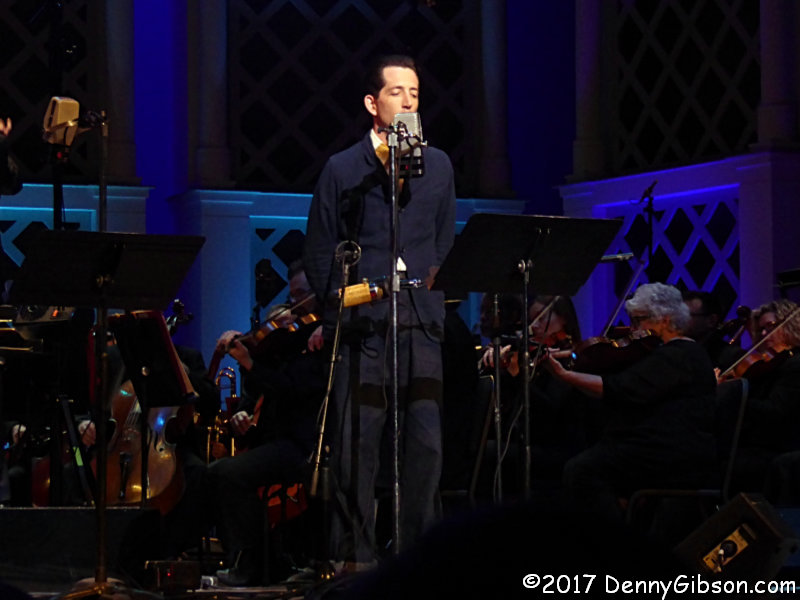
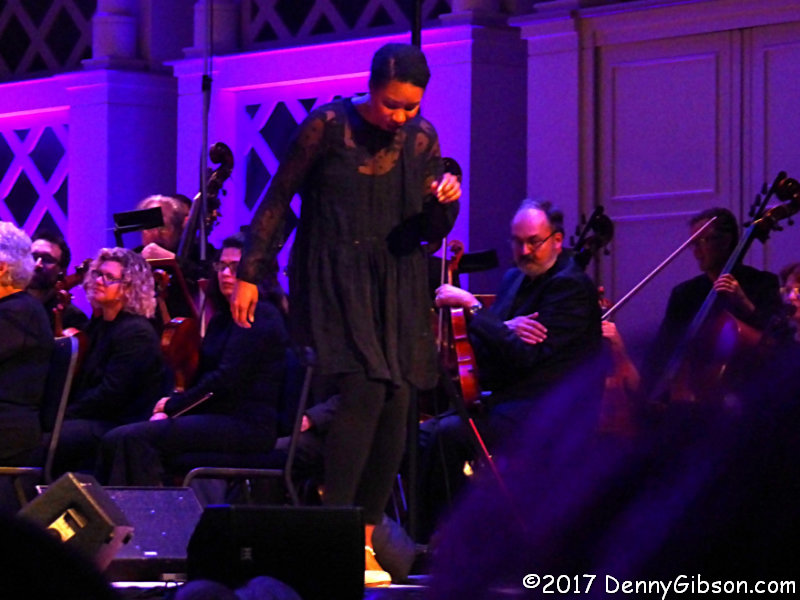
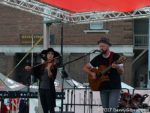
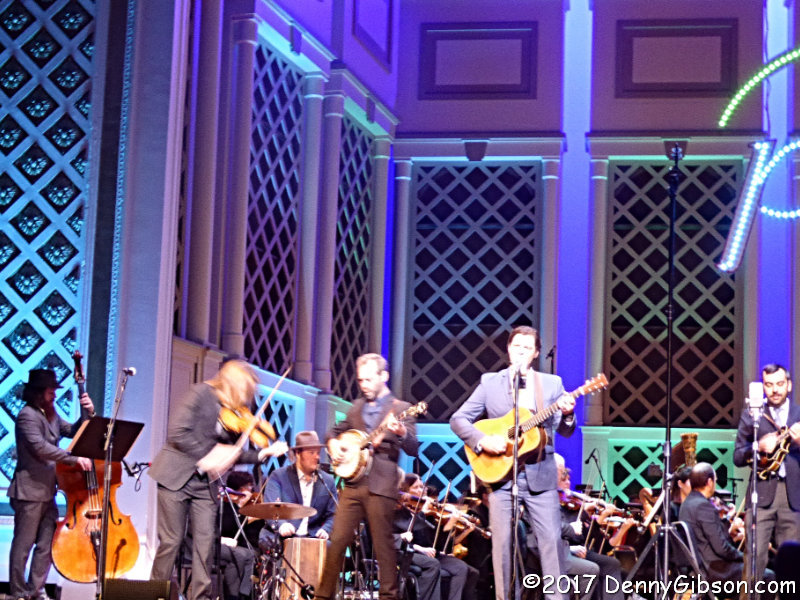 With all the gawking I did at the new and freshly uncovered beauty of the wonderful old building, I was at risk of forgetting why I was there, but I didn’t. Last year the Cincinnati Pops Orchestra put together an “American Originals” project featuring the music of Stephen Foster and several world class performers. This year it was the music of the World War I era and another batch of world class performers. Specifically those performers were the Steep Canyon Rangers, Pokey LaFarge, and Rhiannon Giddens plus tap dancer Robyn Watson.
 With the orchestra always adding that something extra, the artists performed alone and in various combinations. The finale was a rousing version of “I Ain’t Got Nobody” with all hands on deck. In fact, it was more than just all hands, the audience was encouraged — quite strongly — to sing a couple of lines. That’s Pops Conductor John Morris Russell doing the encouraging. The entire performance was recorded and a CD will be available. I assure you it’s safe to buy; I did not try to sing.
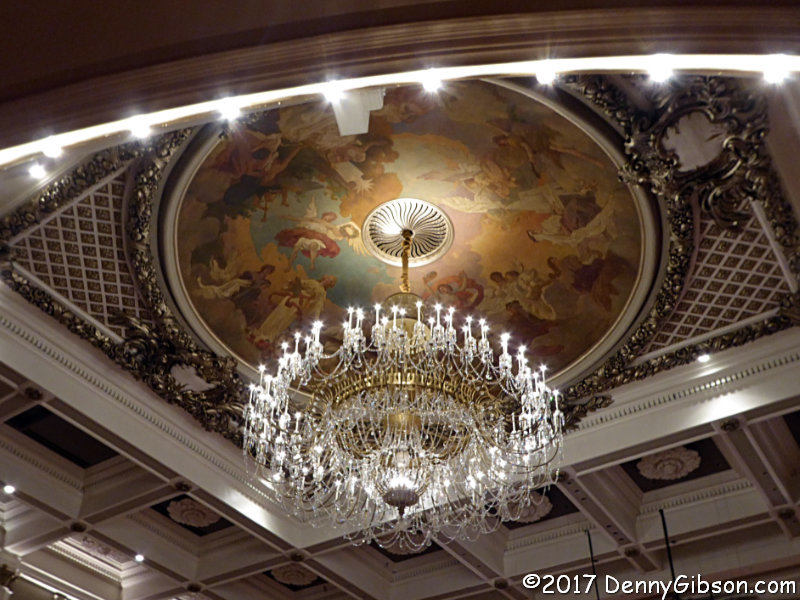 I ended the 2016 pre-refurb post with a shot of Springer Auditorium’s 2,000 pound chandelier from floor level. The closest I’ve got to that this time is a shot taken from the balcony. The chandelier is a relatively new addition to the 139 year old building. It was added during a 1969 renovation. That meant there was talk of removing it but public outcry kept it from going very far.
 I’ve walked in a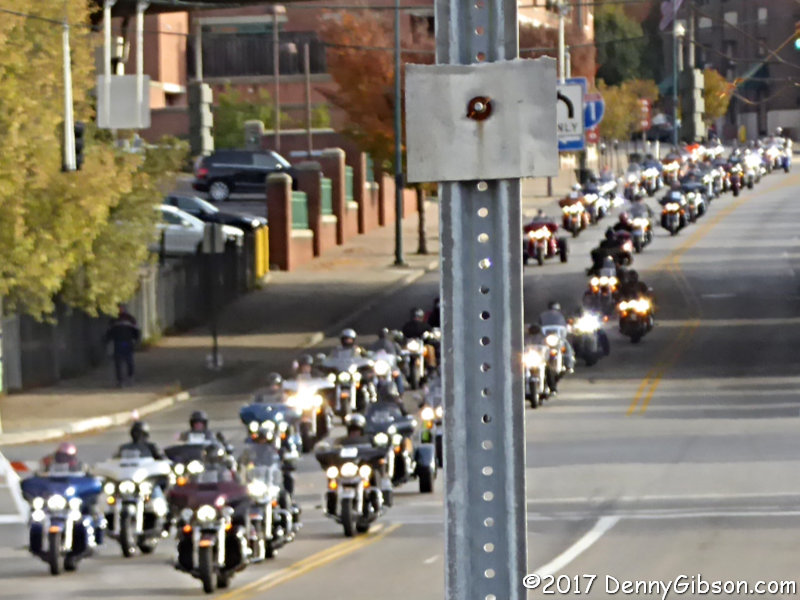
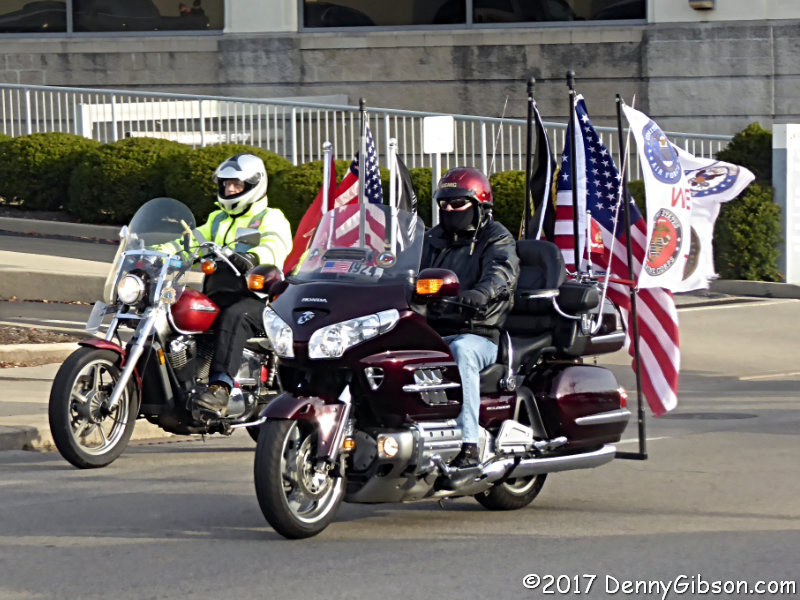
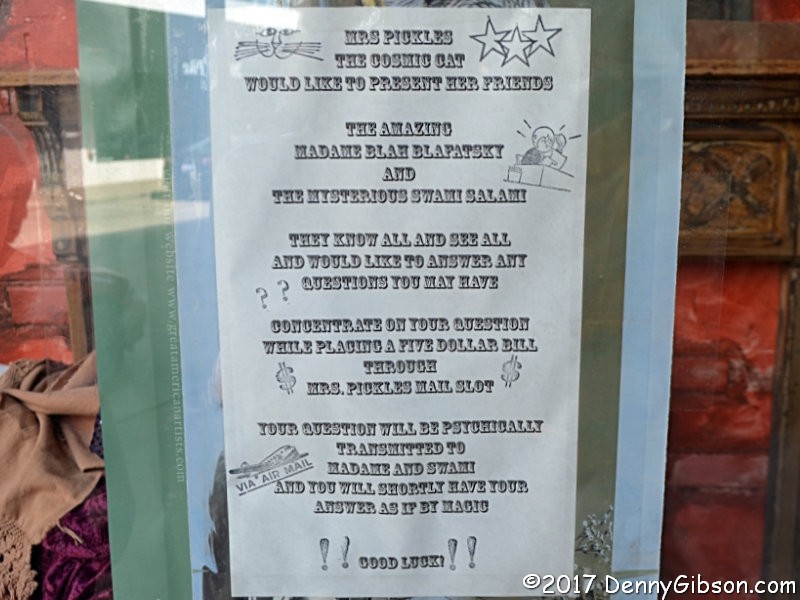
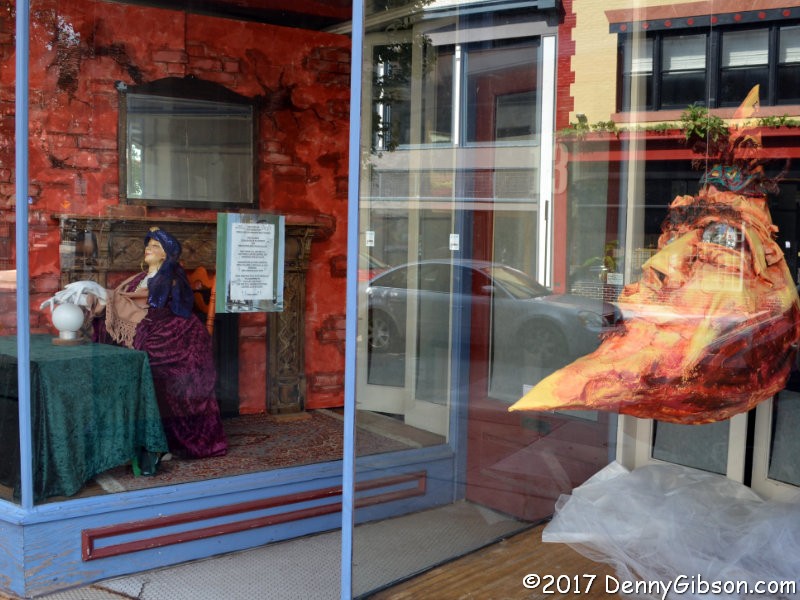


 Back in 1980, Dr. Carl Sagan wrote a book called Cosmos as a companion to a TV series named Cosmos: A Personal Voyage which he co-wrote and “starred” in. I watched the series and read (and still have) the book. Sagan was a smart guy and a darned good communicator. In the book and the program, he set out to share the scientific community’s knowledge of the universe — the cosmos — with the masses. It’s generally accepted that he did a pretty good job. Until Ken Burns came along with The Civil War series in 1990, Cosmos ranked as the most watched PBS series ever.
 Now another smart guy and good communicator, Neil deGrasse Tyson, is trying it again. We, the residents of Earth, have learned quite a bit in thirty-four years. The first episode of a new series, Cosmos: A Spacetime Odyssey, aired last Sunday, March 9, on the Fox Network and Monday, March 10, on National Geographic TV. Additional episodes will be shown on subsequent Sundays and Mondays until thirteen episodes — same as the original — have been broadcast.