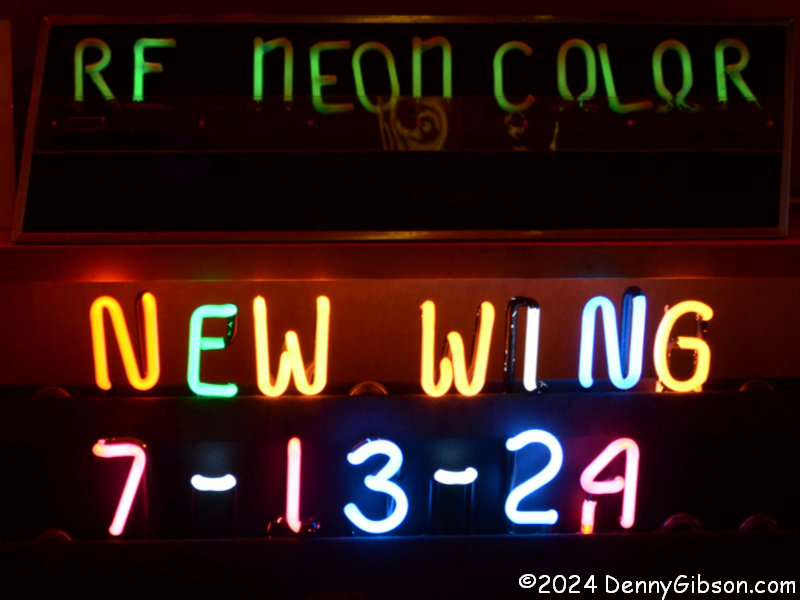
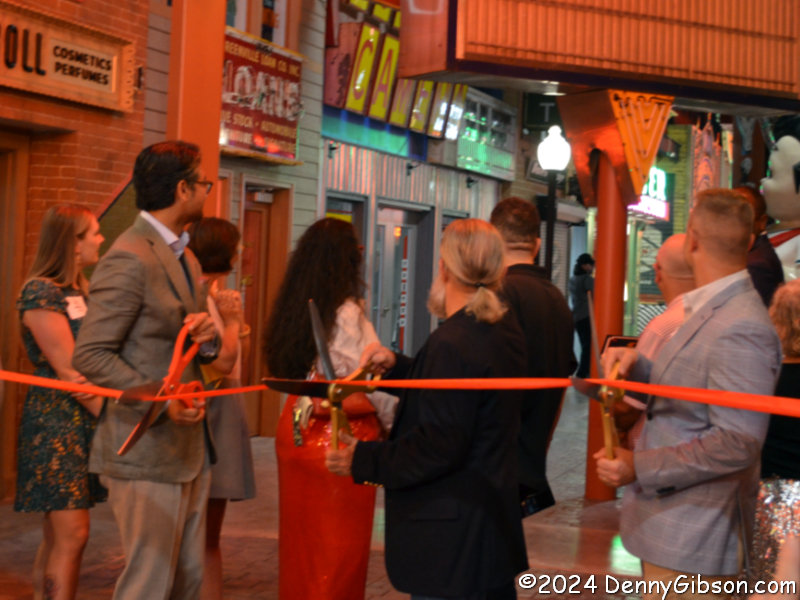
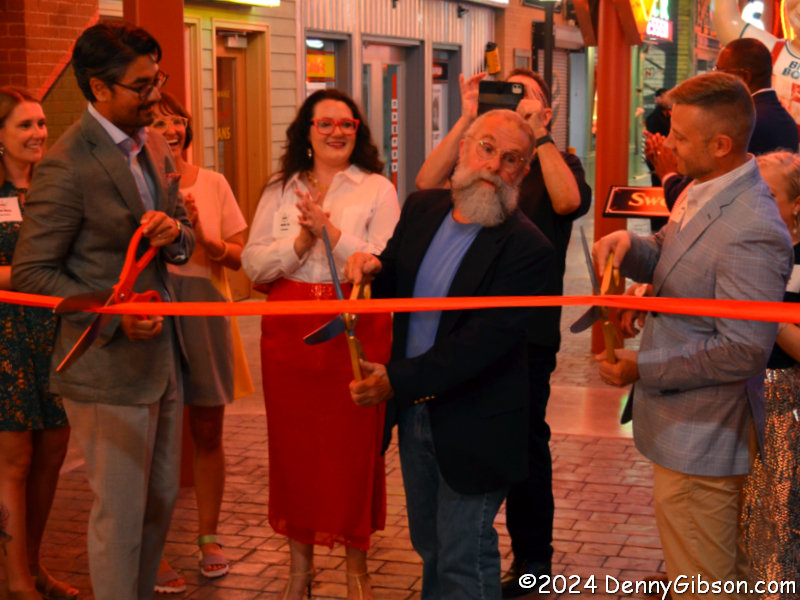
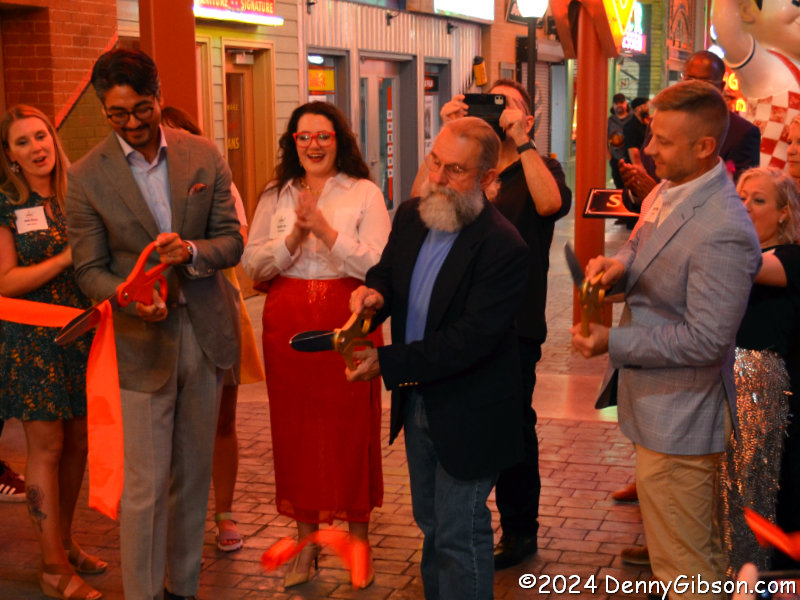
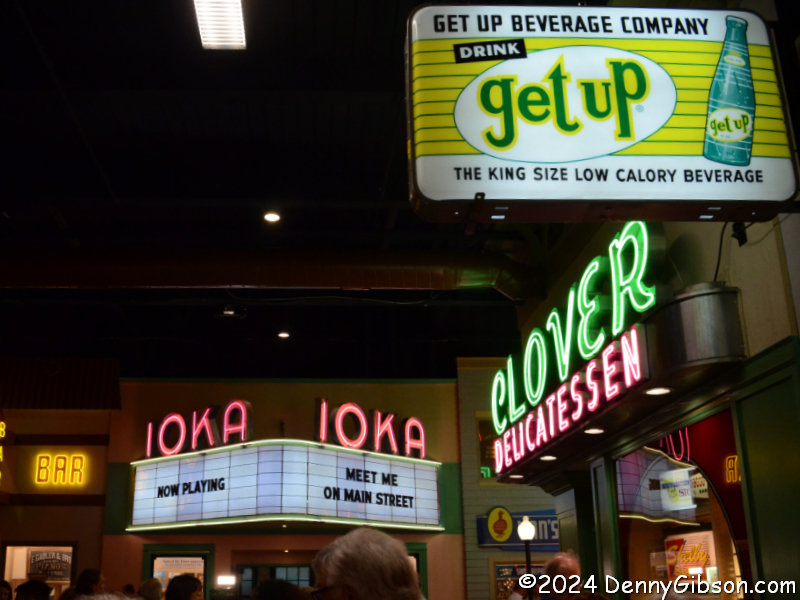
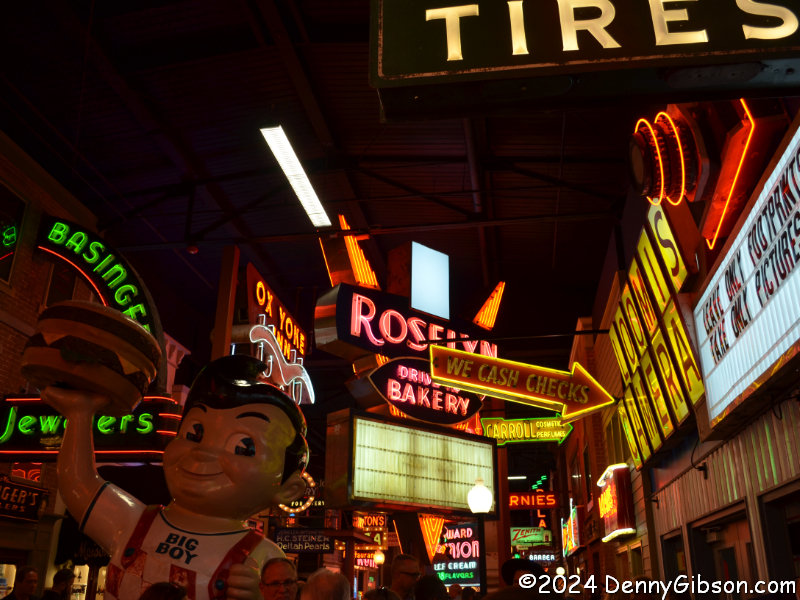
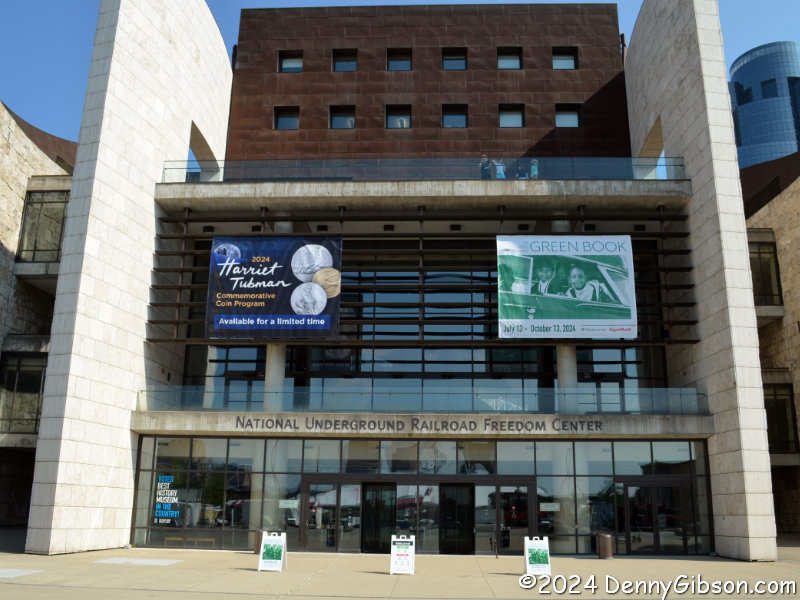
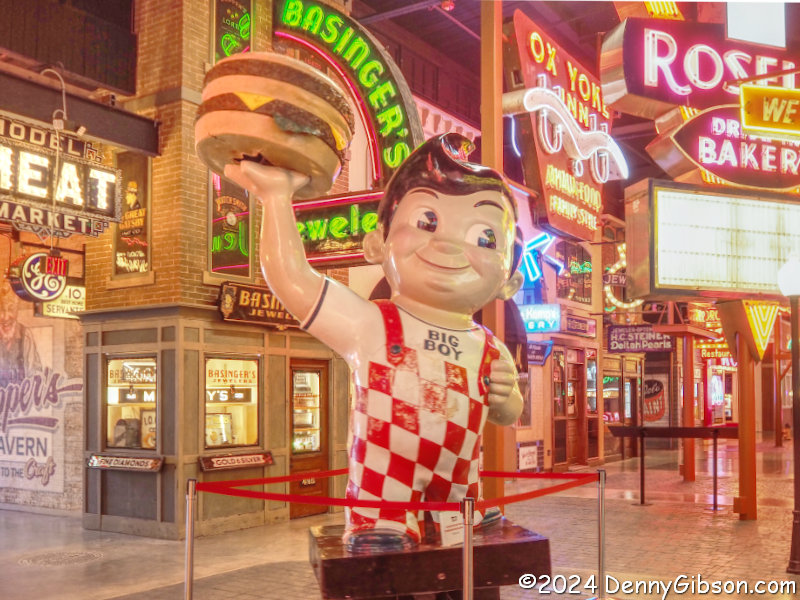
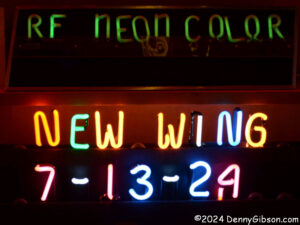
 New exhibits opened at two Cincinnati museums yesterday. A major expansion at the American Sign Museum doubles the length of its sign-filled Main Street and The Negro Motorist Green Book finally makes it to the National Underground Freedom Center. The two exhibits simultaneously became available to the public when both museums opened their doors at 10:00 on Saturday. American Sign Museum members, of which I am one, were able to see the addition at a ribbon-cutting celebration on Friday evening.
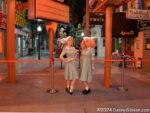
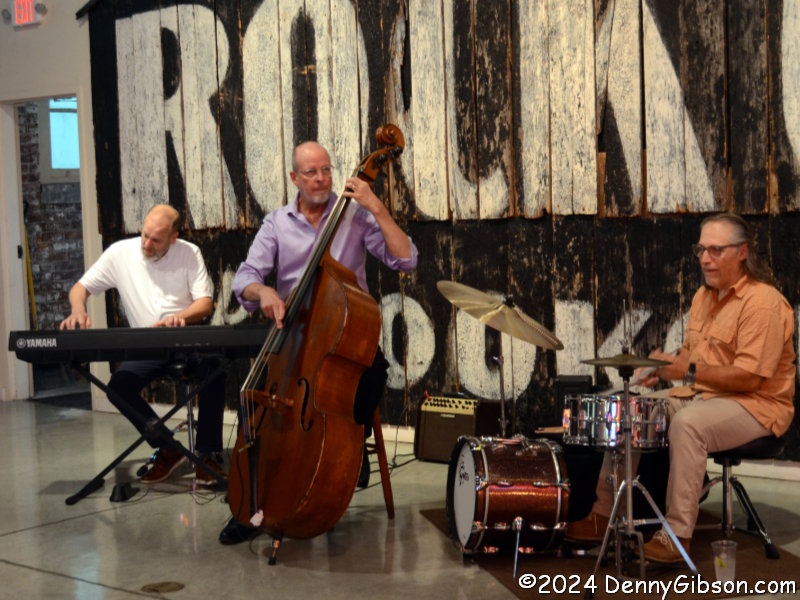
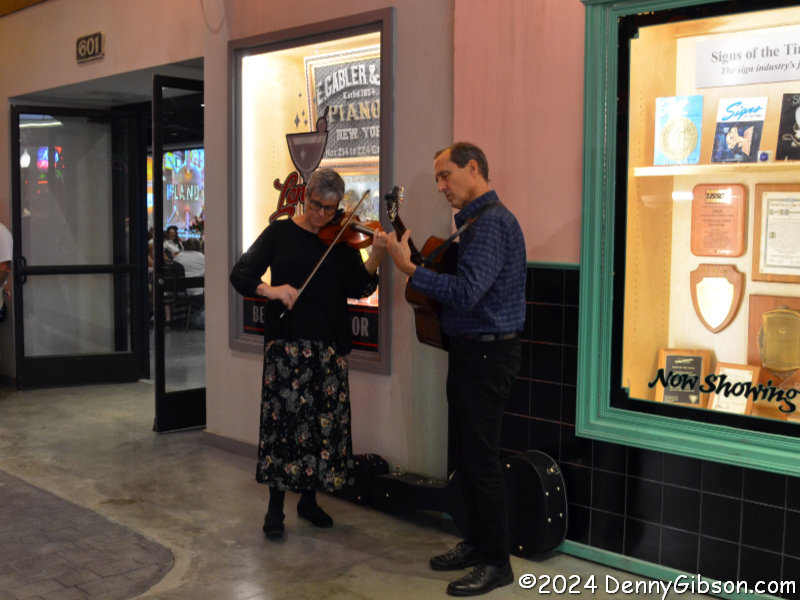
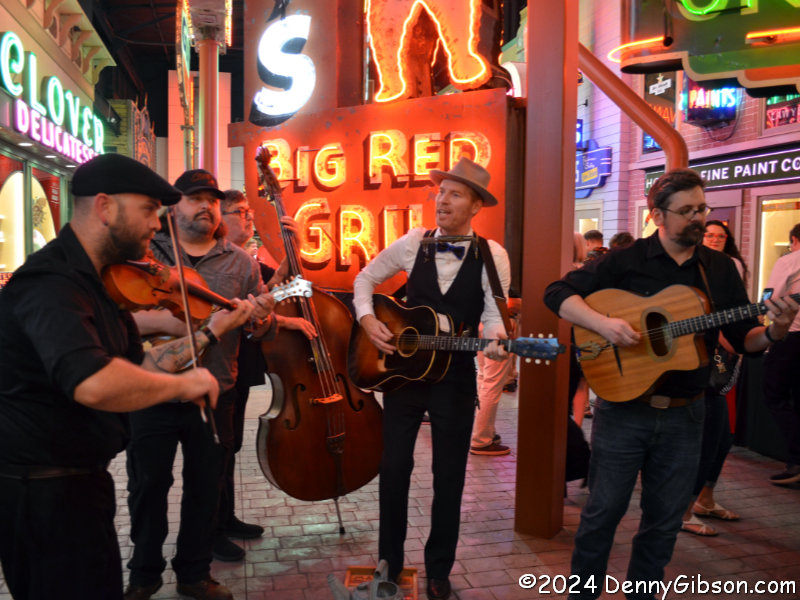
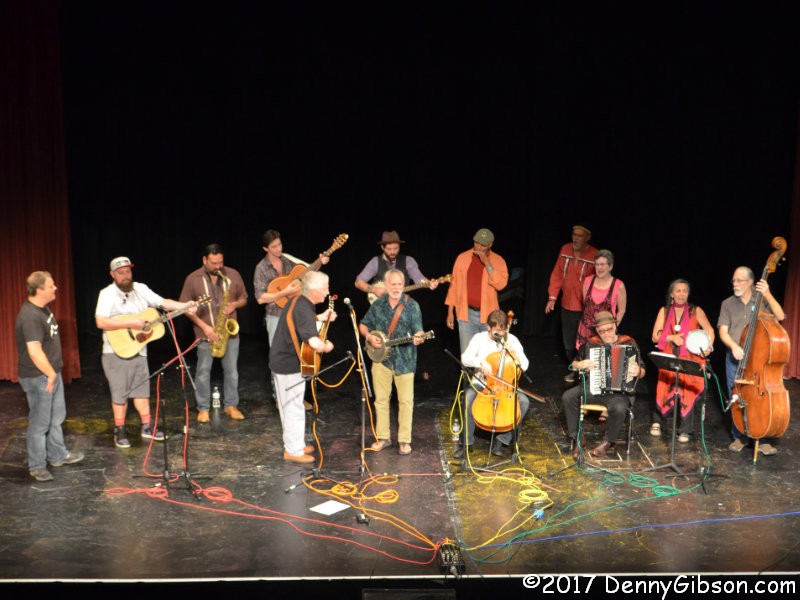
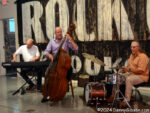 While awaiting the planned ceremonies, attendees were treated to refreshments and entertained by the Rob Allgeyer Trio as excitement built. We could look into, but not enter, the newly filled space beyond the uncut ribbon.
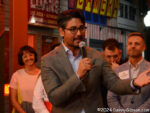
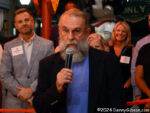
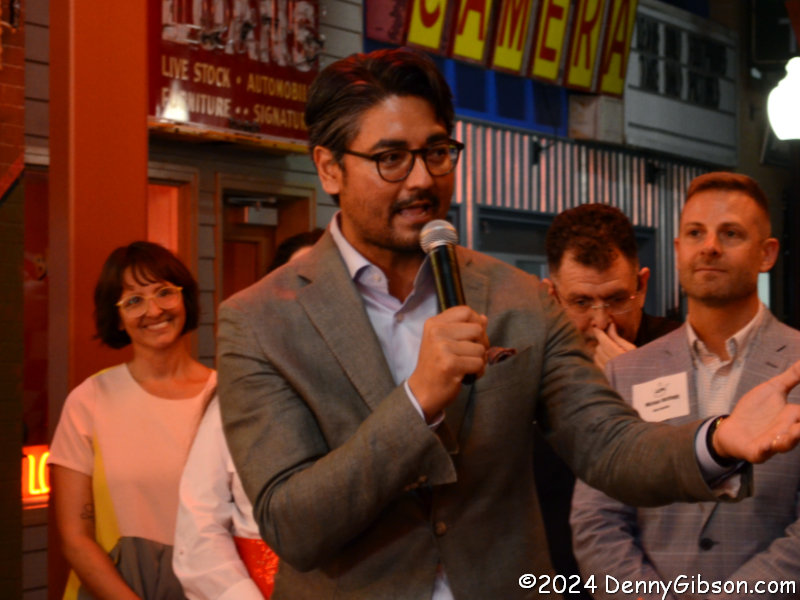
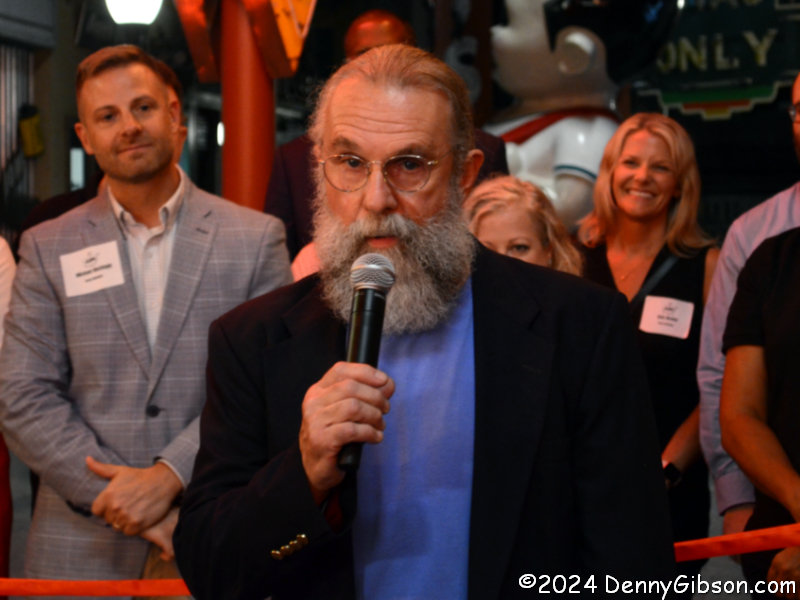
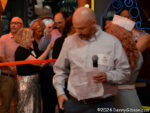 Speeches were few and reasonably short. Executive Director David Dupeecoul and Museum Founder Tod Swormstedt spent much of their time thanking folks for their help in getting the addition funded, built, and filled. Mayor Aftab Pureval’s brief speech was, in noting what having the country’s largest public sign museum means to Cincinnati, also one of thanks.
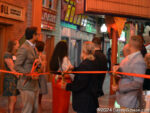
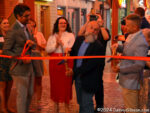
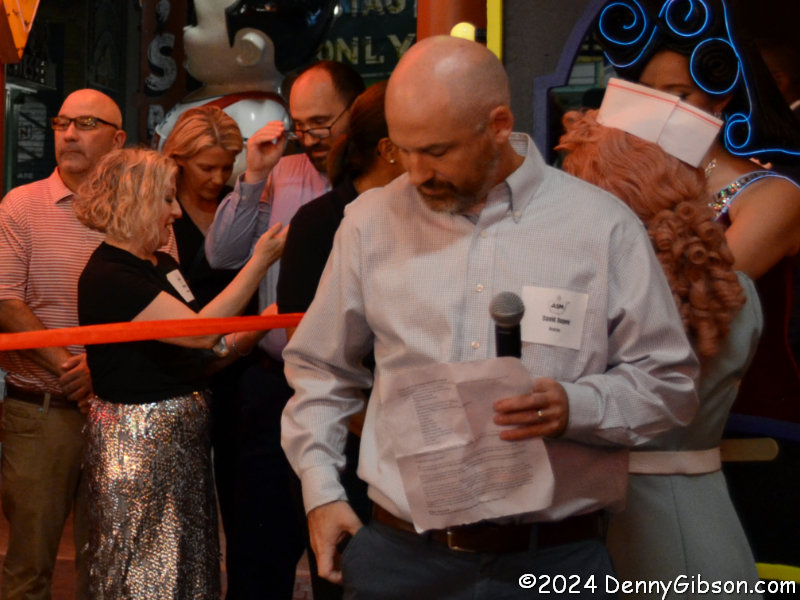
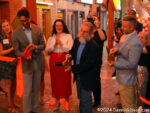 When ribbon-cutting time arrived, Tod and Aftab were joined by ASM Board Chair Michael Mattingly. The intention was to cut the ribbon in synch with the signs being illuminated, but that turned out to be a little time-consuming, so a little watching and waiting was required.
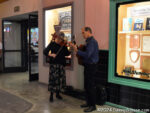
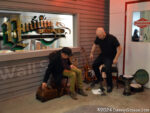
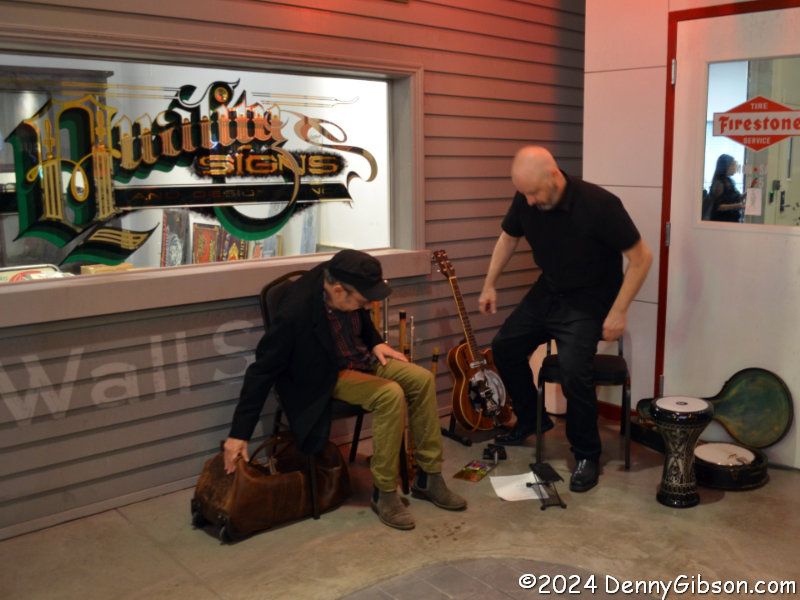
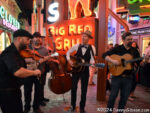 More music awaited in the new space. The first group encountered was Jake Speed and the Freddies. I believe the fellows with the chairs are Mechlem & Ruzsa, and the couple standing is StringDaze, but it could be the other way around.
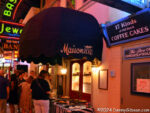
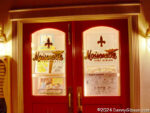
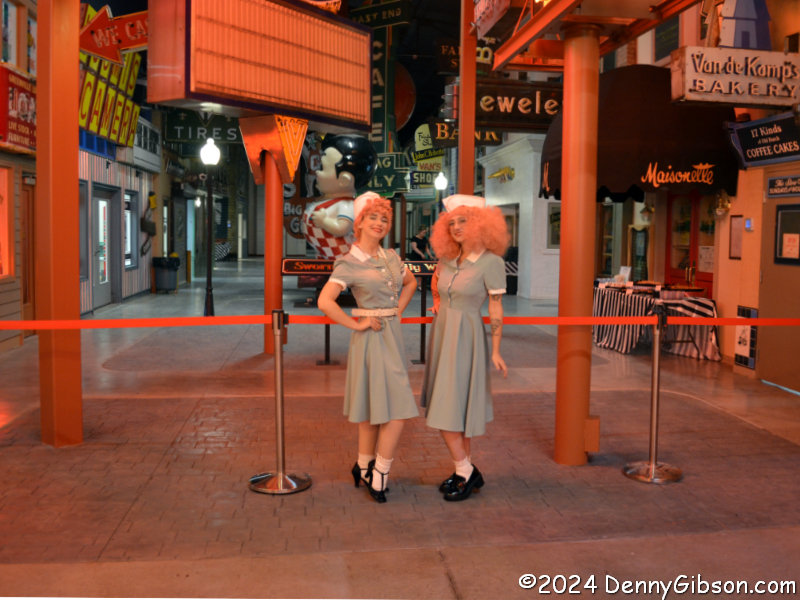
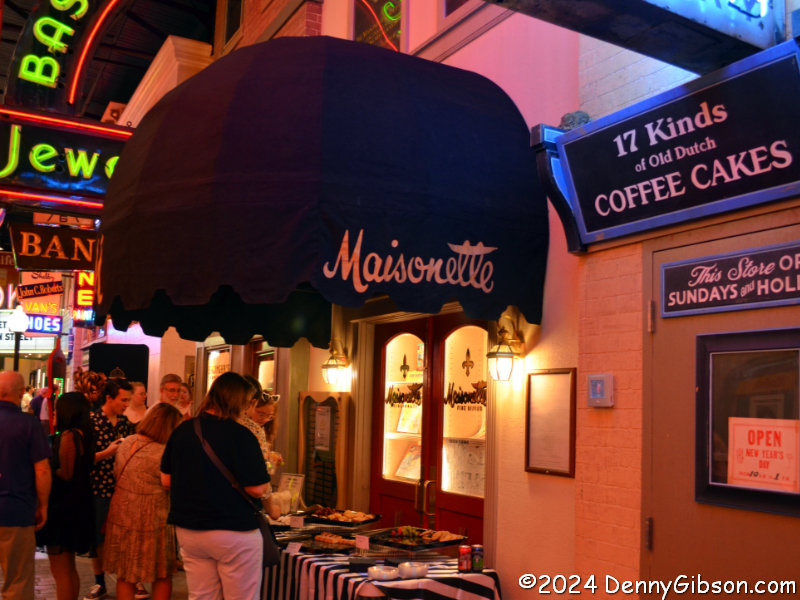
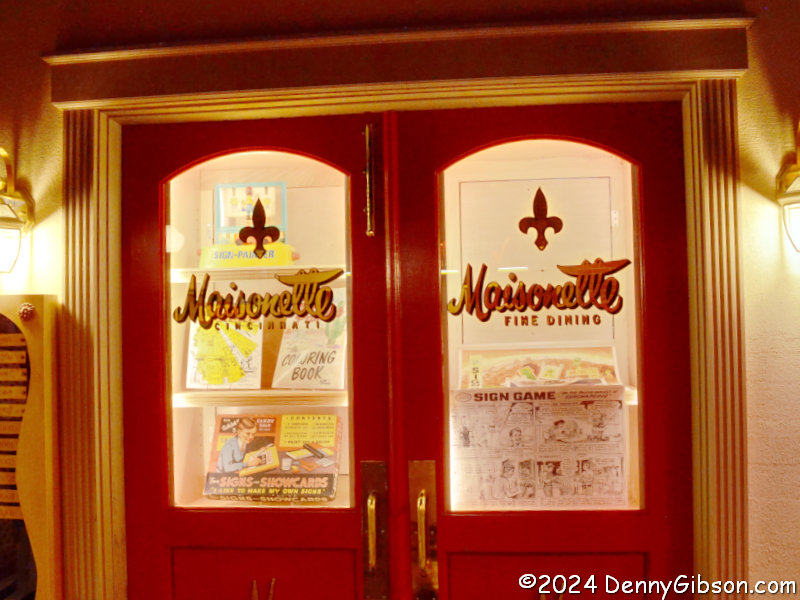
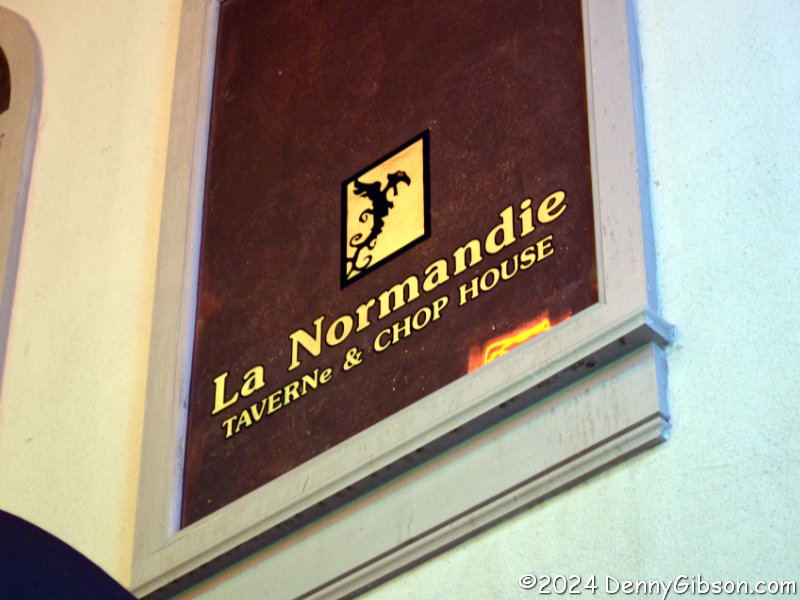
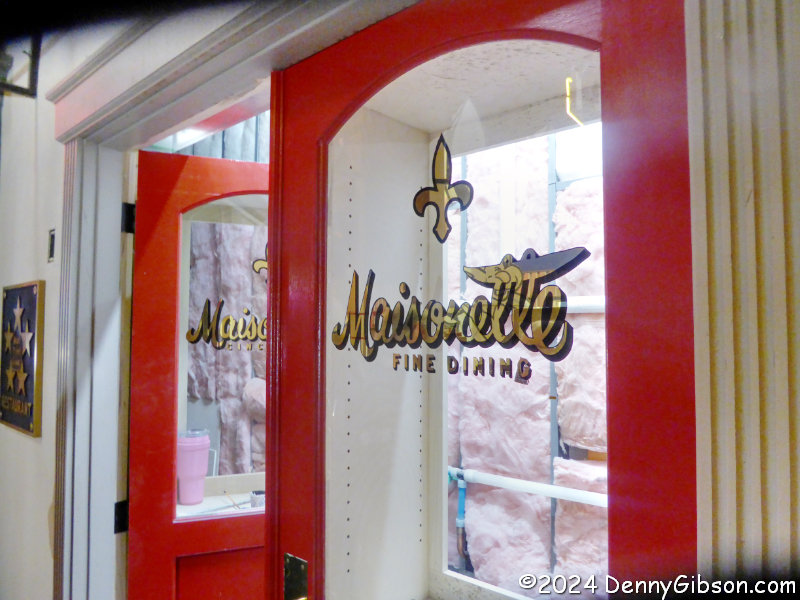
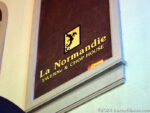 And there was more food, too. This lite bite station happens to be under the actual canopy from Cincinnati’s Famous Maisonette restaurant. Another member preview took place back in May when painters were still working on the storefronts. I chatted with the Colorado fellow who was working on the Maisonette. At that time, it looked like this. I only ate once at the Maisonette but ate several times at its sister restaurant, La Normandie. When I mentioned this to the painter, he told me that he planned to put that name on an upper window, and there it is.
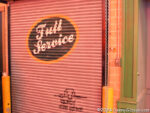
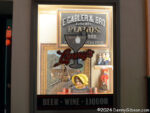
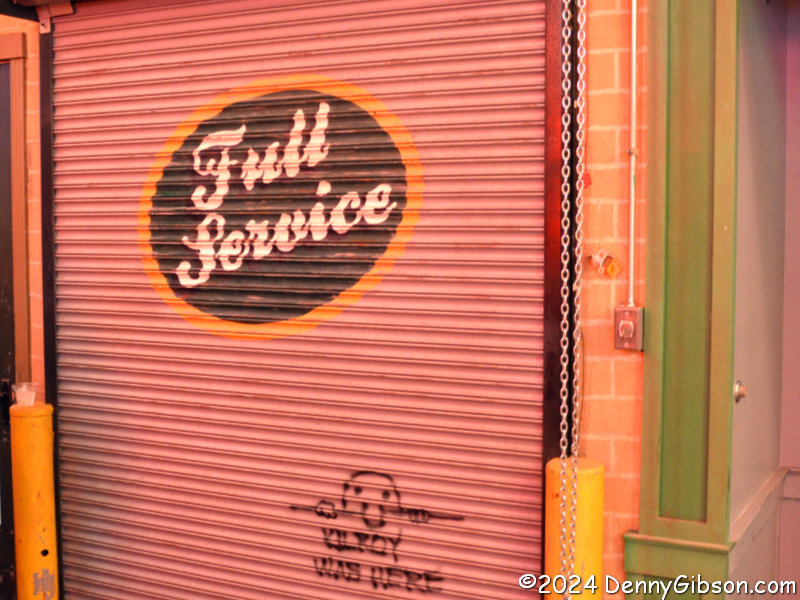
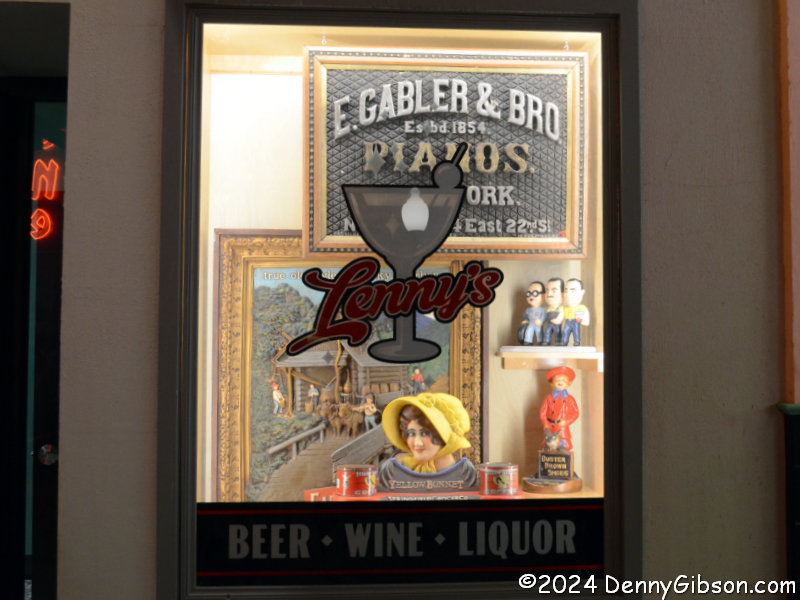
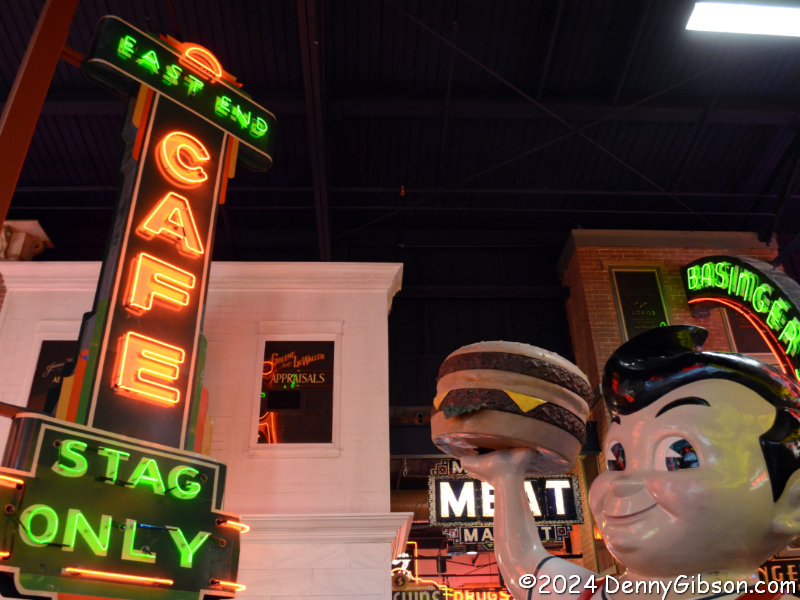
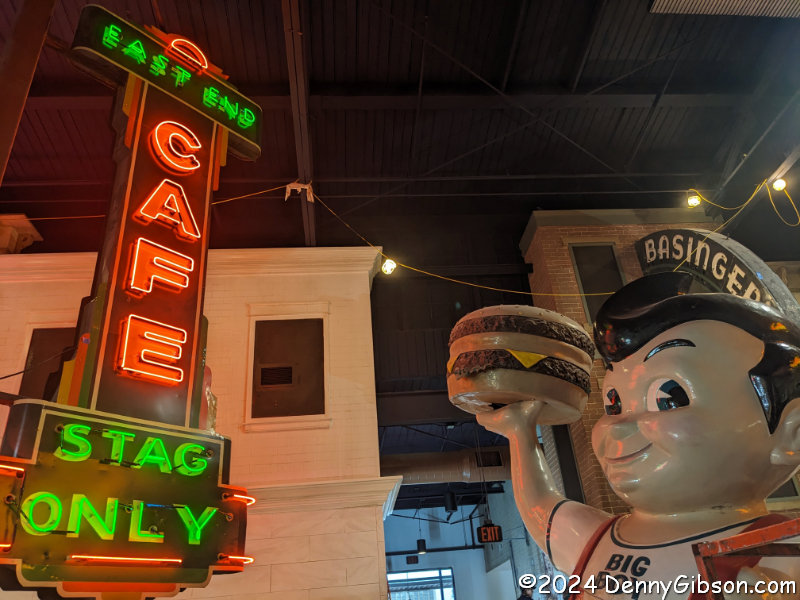
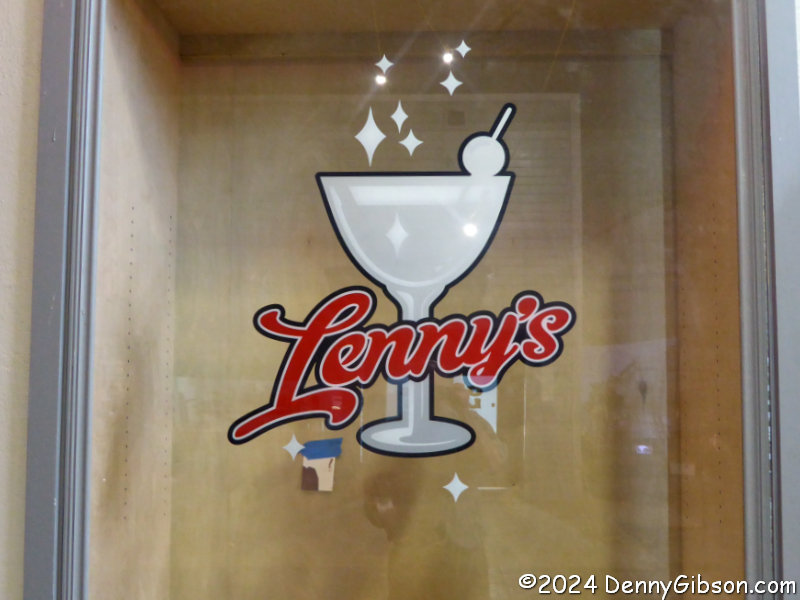
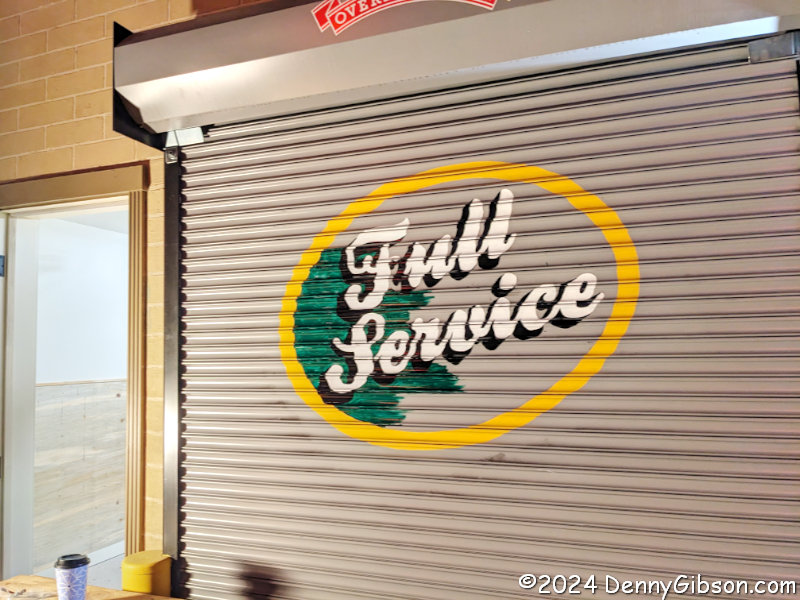
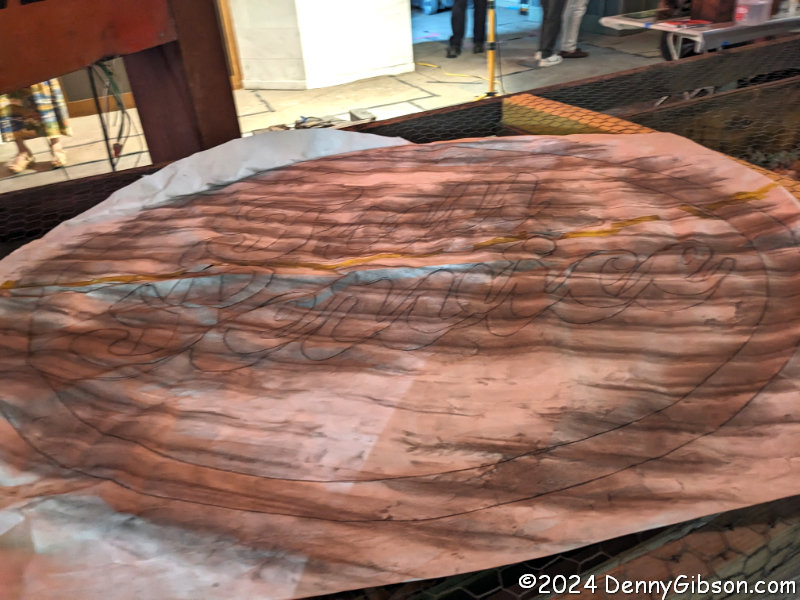
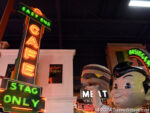 I also captured these signs during that May preview. The East End Cafe sign was lit, but the area was rather empty otherwise. The Lenny’s window was painted but empty,and the Full Service was still in process with the pattern lying nearby.
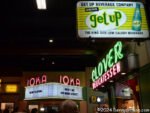
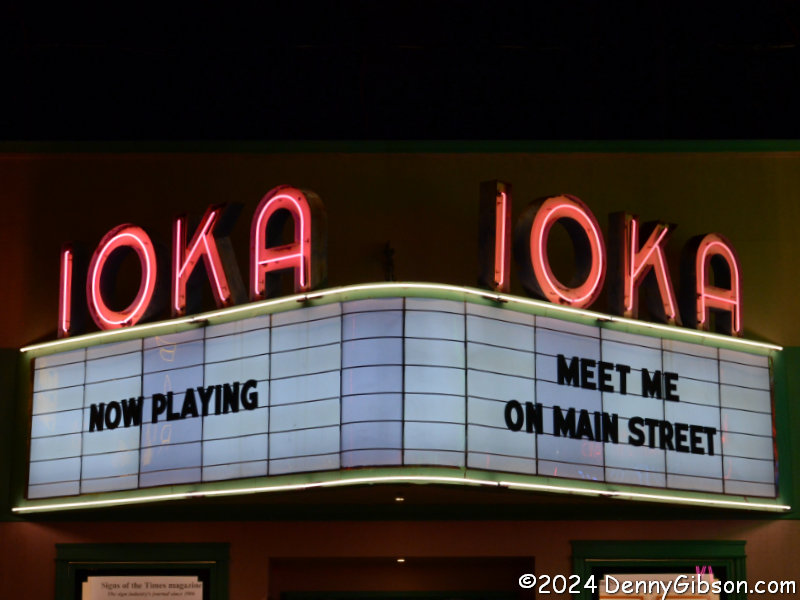
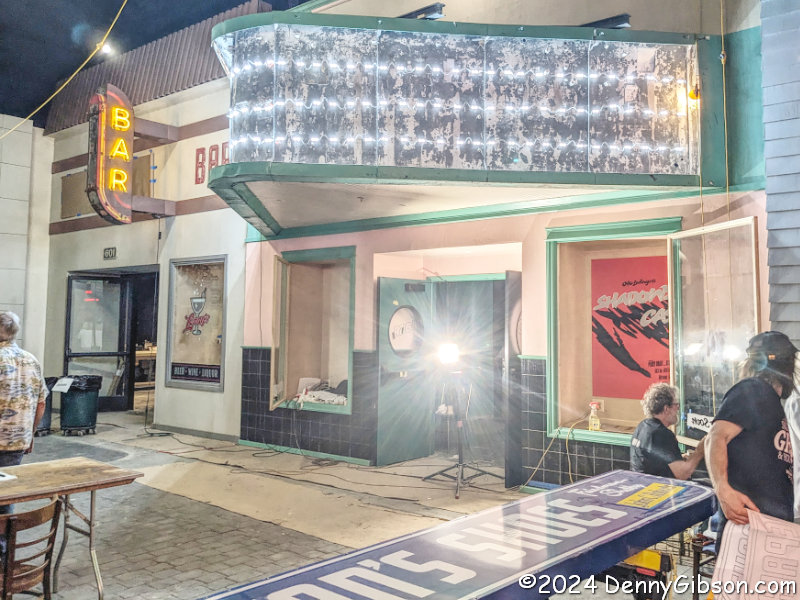
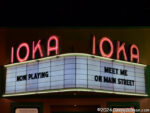 The Ioka Theater marquee and all the signs around it sure look good now but it was definitely a work in process back in May. The marquee fronts a real theater that will be used for presentations.
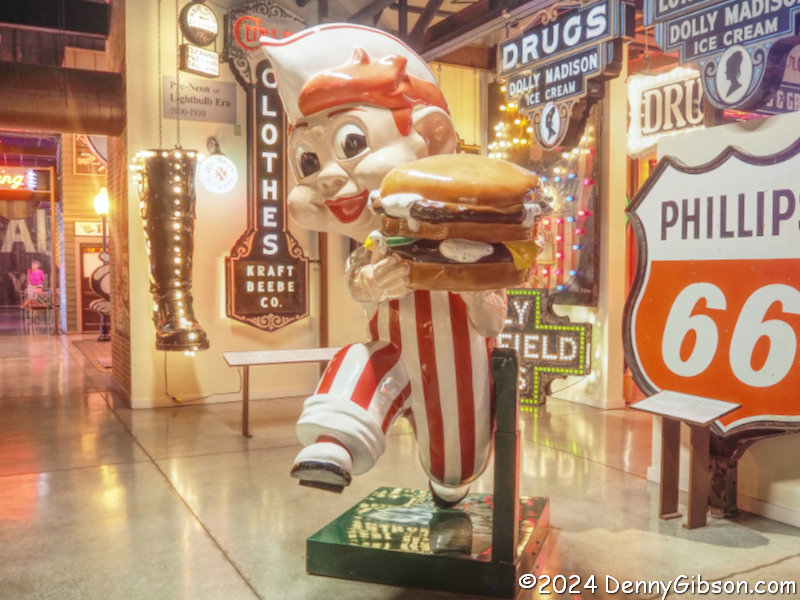
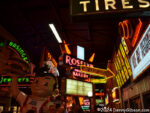 There is a lot more to the expansion than Main Street, but that is where I found myself standing awestruck a few times Friday evening. I believe I’ve seen something new on every visit to this museum, even when nothing new had been added. Now there is a whole new section to explore, and some things have changed in existing areas as a result of the expansion. My next visit is going to be a lot of fun, and so will several after that.
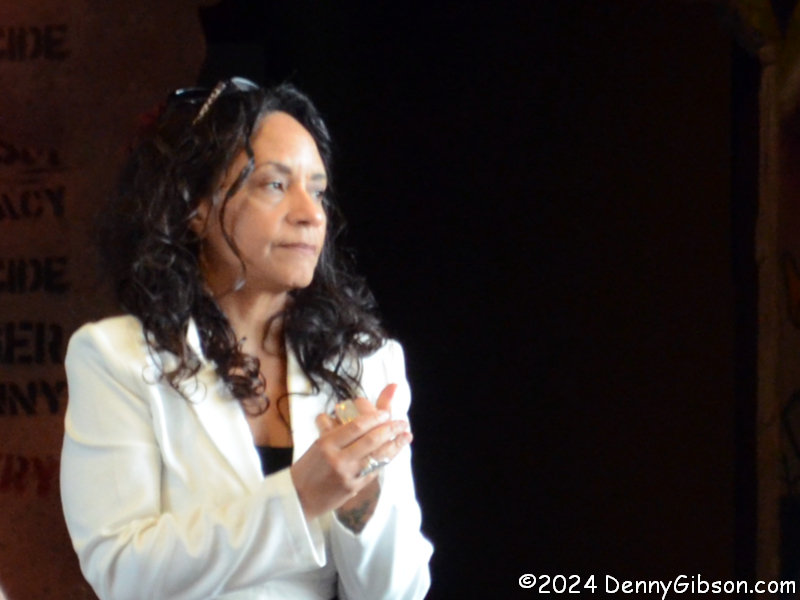
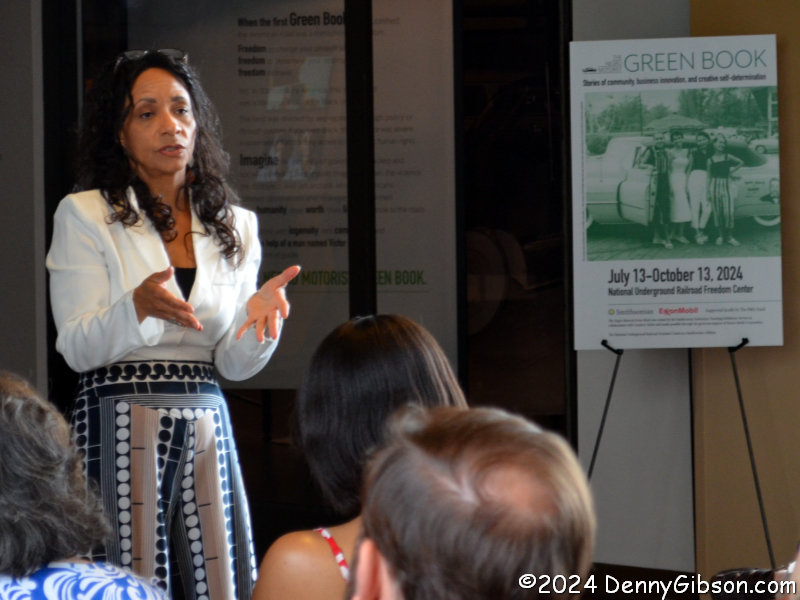
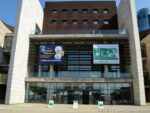 The Negro Motorist Green Book was supposed to open its nationwide tour in Cincinnati in the fall of 2020. The tour was impacted by the COVID-19 pandemic, declared in the spring of that year, so that it is ending rather than starting in Cincinnati. On its opening day, Candacy Taylor, the exhibit’s curator, would be giving a tour to museum members, then making a presentation to everyone interested. I looked forward to hearing Taylor speak for the third time.
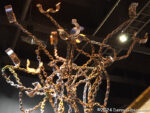
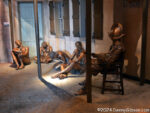
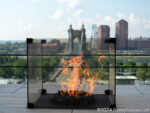 The members-only tour was in process when I arrived, and the exhibit, though open, was congested. I opted to fill the time by revisiting other parts of the museum and taking a few pictures.
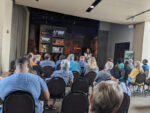
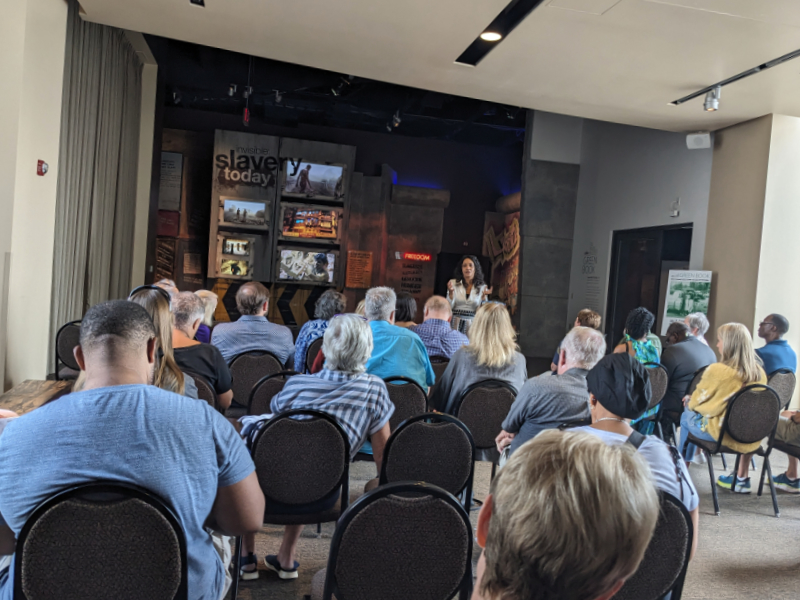
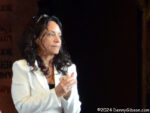 At 11:00, Taylor was introduced to the audience for what she called “an author conversation”. Rather than delivering prepared remarks, she answered questions. Almost everyone in attendance seemed familiar with her book, and probably half, having taken part in the morning’s tour, were familiar with the exhibit. There was no shortage of good questions.
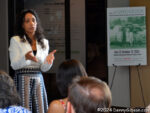 The mentioned book, for any who don’t know, is Overground Railroad: The Green Book and the Roots of Black Travel in America, which I reviewed here. I obtained my copy when I heard Taylor speak in Indianapolis in February of 2020. That was the second time I heard her speak, but it was probably the first time we actually met. I had a pleasant chat with her today before the presentation.
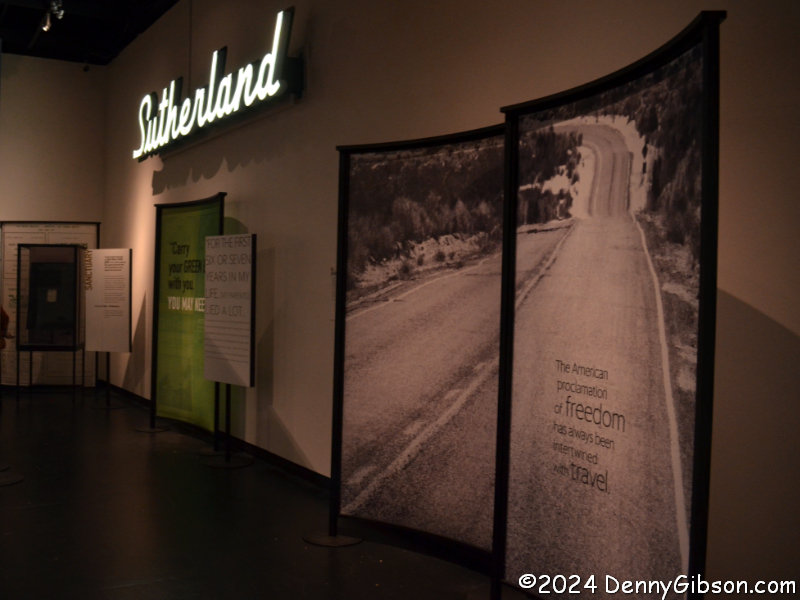
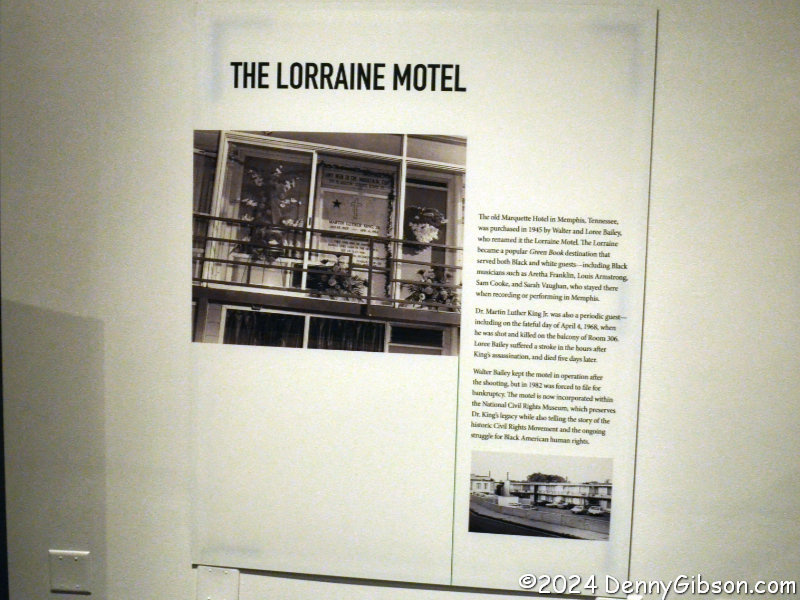
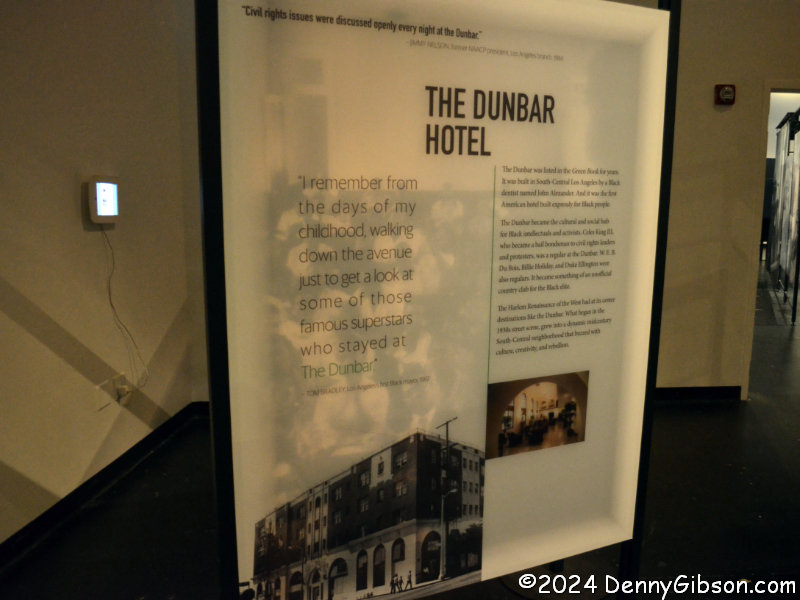
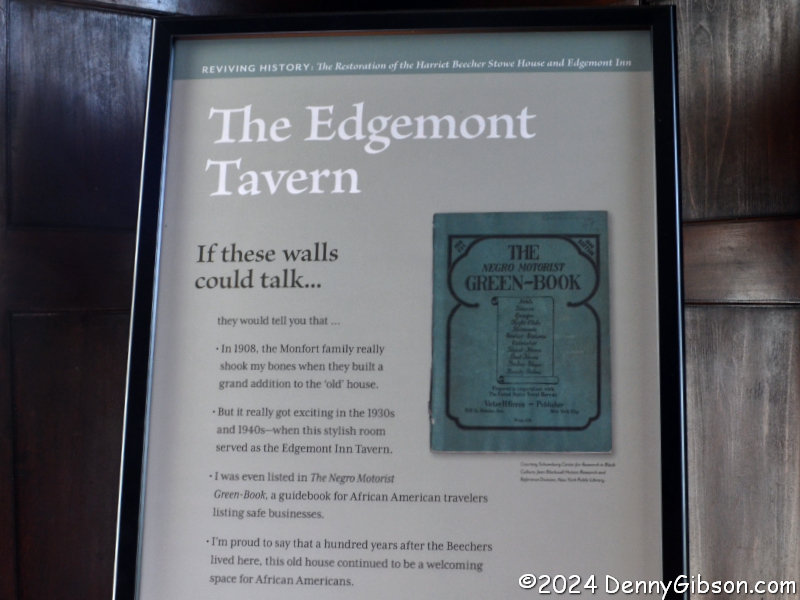
I entered 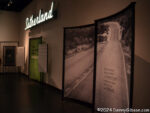 The Negro Motorist Green Book exhibit after the presentation. The Green Book identified places where Negro travelers were welcome, as they were decidedly not welcome everywhere. It was published from 1936 through 1967. It was not the only such book, but none of the others were anywhere near as popular or successful.
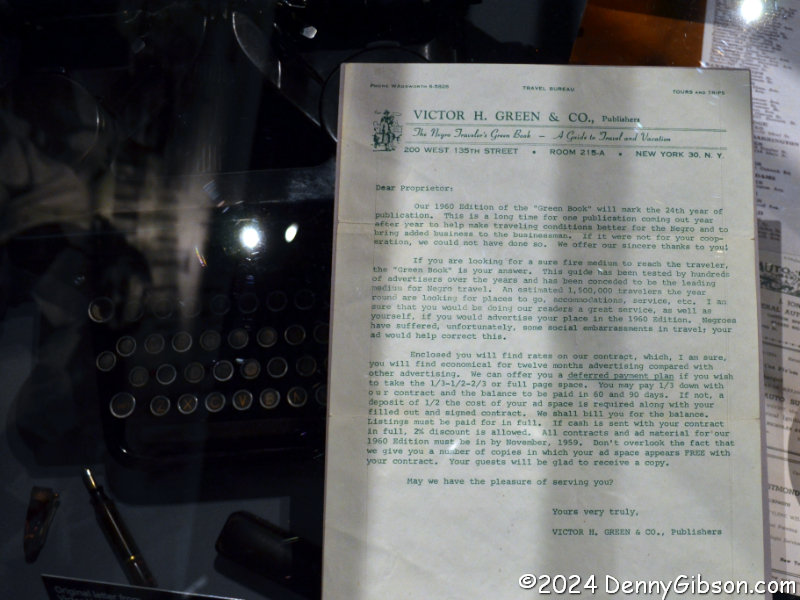
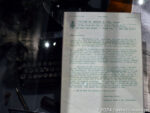 The Green Book was created by Victor Green, and its name comes from him rather than from the book’s color. Among the artifacts in the exhibit is a 1959 letter from Green soliciting listings and advertising. The earliest editions of The Green Book focused on New York but it ultimately grew to include all sorts of businesses throughout the entire nation.
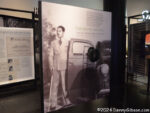
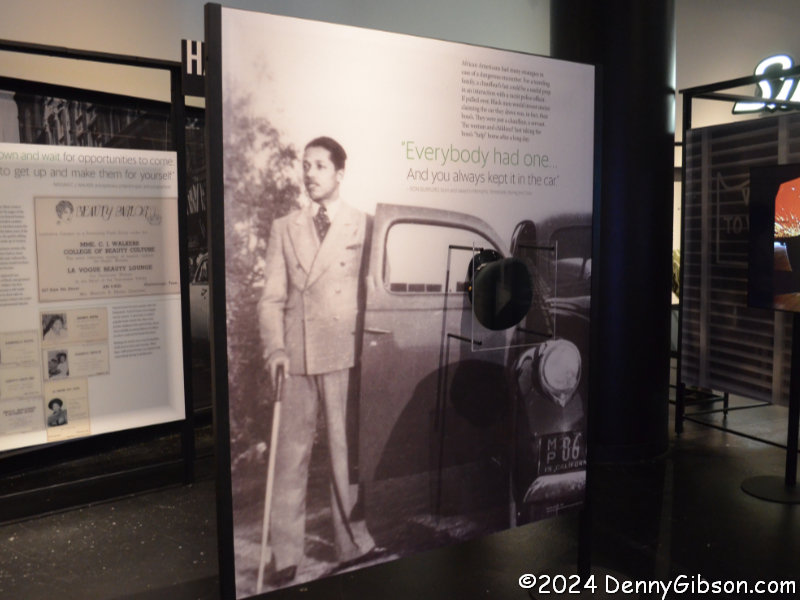
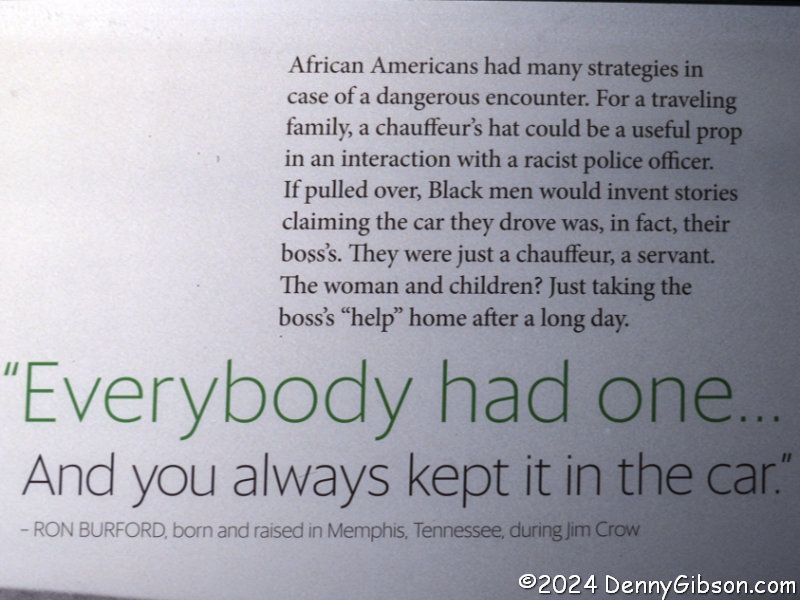
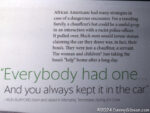 The chauffeur’s hat is not directly related to The Green Book but to the Jim Crow era, which made the book necessary. I recognized it instantly from a story Taylor told in Indianapolis, which is included in Overground Railroad. Ron Burford, the man quoted, was Taylor’s stepfather.
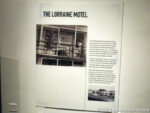
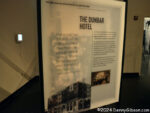
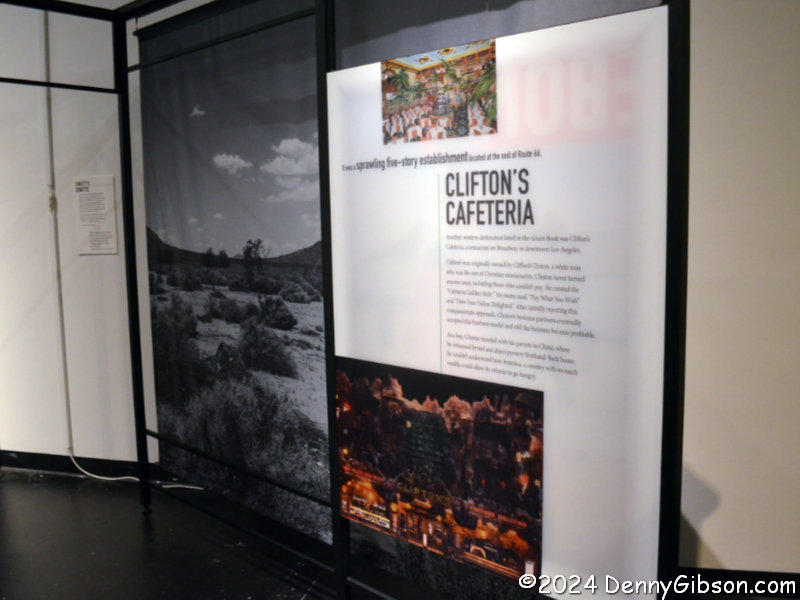
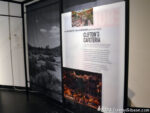 Much of the exhibit features businesses that were listed in The Green Book. “Then and now” images often appear of those still in existence.
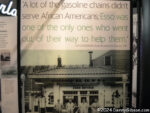
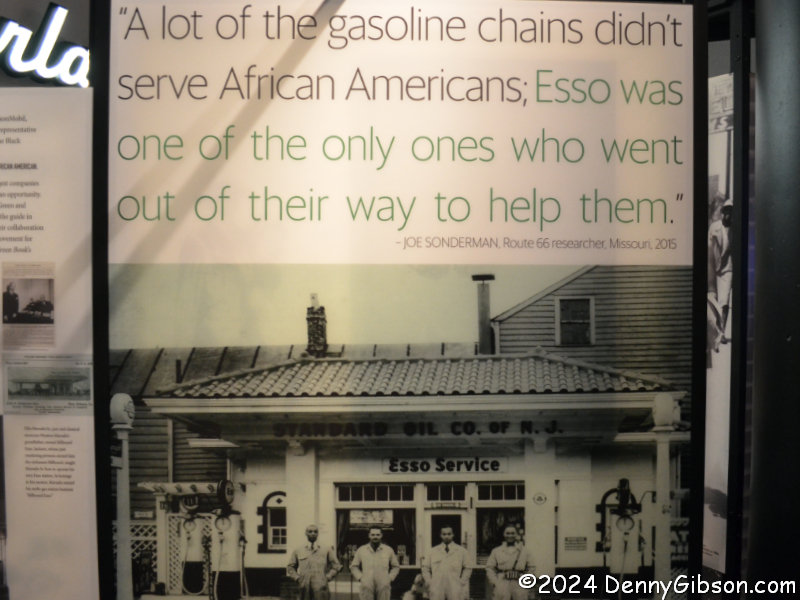
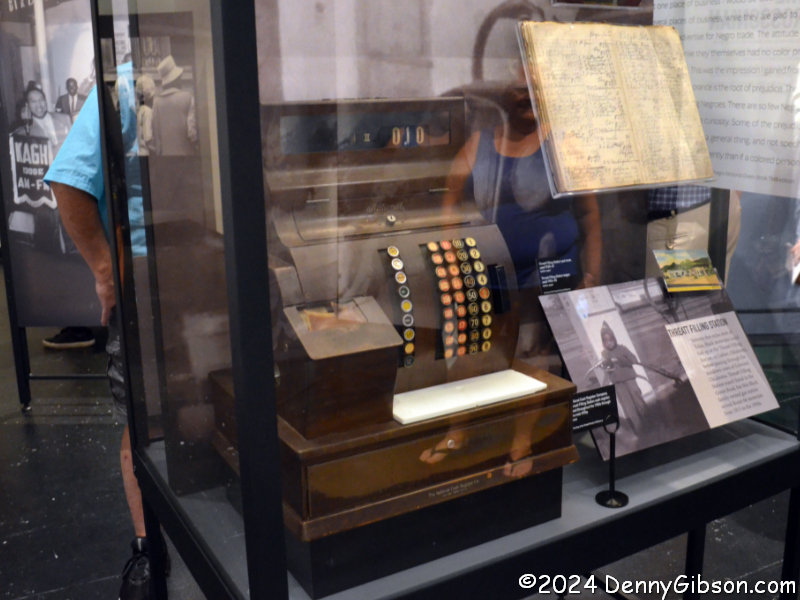
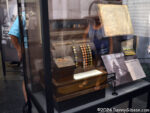 Road trips on Route 66 or any other highway do not generate the same sort of nostalgia for people of color as they do for others but there are a couple of Route 66 connections in the exhibit. One is an Esso quote from Route 66 historian and author Joe Sonderman. Part of The Green Book‘s success can be attributed to the fact that Esso stations carried it. The cash register is from the historic Threatt Filling Station, currently being restored near Luther, Oklahoma, on Route 66.
The Negro Motorist Green Book will be at the Freedom Center through October 13, 2024. The Main Street extension and other additions will be at the American Sign Museum forever.
 This picture is from my 2008 Kids & Coast trip. I believe this is the only time that a rare fly-and-drive trip included visits with both sons which is at least equally rare. Leg one was a flight to Seattle, WA, where I rented a car then drove to visit my youngest son in nearby Bremerton. That was followed by a drive down the Pacific Coast to San Francisco and a visit with the other son. It all ended with a flight out of SFO. The photo at right is of me, the rental car, and the Chandelier Drive-Thru Tree in Leggett, CA. I selected that as the highlight photo for the journal at trip’s end but found myself questioning that pick as I skimmed the journal in prepping this Peek. There is certainly no shortage of other candidates but picking just one seemed just as daunting today as it must have been sixteen years ago. Driving the Pacific Coast Highway and Columbia River Highway between offspring guided tours of Seattle and San Francisco make this one of the most highlight-packed outings I’ve even experienced.