 My friends had a red one that really impressed me. They were antique dealers and the car had been part of an exchange involving furniture. “If another deal like that ever comes along”, I told them, “I’ll take it.” It did and I did.
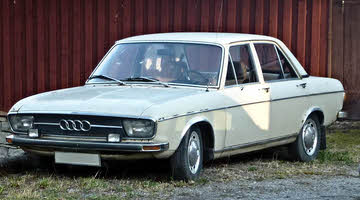
That red Audi 100 LS was a two-door automatic. I think it was a year or two newer than the white four-door four-speed that I bought after it was swapped for an armoire. It was the build quality as much as anything that impressed me about the Audis. I commented more than once that it felt like the car was built by people who thought they might have to ride in it someday. The photo is from the internet. That’s not my car but it’s close. The only obvious differences are the fog lights and wide European style license plate area.
The car came with two invisible flaws. The first was a failing second gear synchronizer which, although it couldn’t be seen with eyes, was instantly apparent with a drive. Surprisingly, perhaps, it was almost instantly relegated to a mere inconvenience. Matching engine and gear speed was actually quite easy. With a brief pause in neutral and a restrained throttle blip, a shift to second was usually completed without even double-clutching. It quickly became second nature to me. The other flaw appeared infrequently but was much more than an inconvenience and was, at least indirectly, involved in the Audi’s demise.
The issue was carburetor icing. Under the right conditions, something in the carburetor would freeze and prevent the car from running. There were only a few time that this behavior left me stranded but, since those right conditions consisted mostly of wet and cold, the strandings made an impression. I can’t claim that my sources were all that reliable but, after some consulting and reading, I came to believe that the cause of my troubles was a warped plate in the carburetor. This was known to occur now and then and trigger the symptoms I was seeing. Whatever it was I was reading indicated that replacing the factory unit with a Weber was the thing to do.
The Weber carb and some other bits had to be ordered which in those days meant snail mail in both directions. I half recall starting the installation then delaying it to get one more connector or something but the swap was eventually made and the car ran fine but not for long.
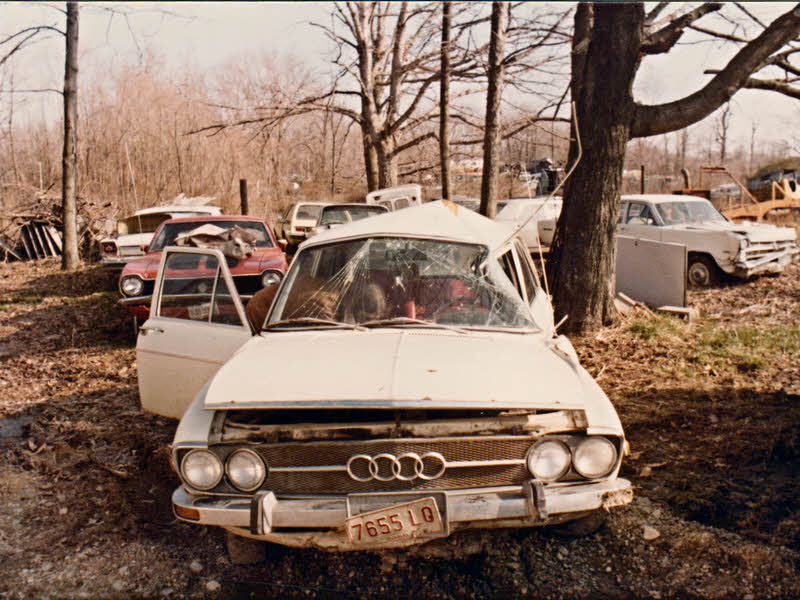 It’s not at all clear to me what happened but, as is obvious from the photo, it wasn’t good. That really is my car. The official story is that I was drunk and lost control. I also lost my license for several months. I don’t dispute the official story but neither can I confirm it.
What I remember is this. I finished the carburetor swap and set out for a test drive. I stopped at a bar, had one drink, and left for home. I came to in a hospital emergency room. The police dropped me off at home.
Friends I had chatted with at the bar confirmed that I had left after one drink. The location of the wreck was between the bar and my home but not on the most direct route. My blood alcohol level was above the limit though not by much. It’s possible that I stopped at another bar, had another drink — or more — and was headed home from that second stop. It’s also possible that I didn’t take the shortest path home because I was trying out the new carb and that the one drink, scotch & ice, was responsible for my BAC. Even though mentioning it may seem like excuse hunting, it’s possible that something in the newly connected throttle linkage failed and contributed to the accident.
I’ll never know for sure what happened but I will forever be thankful that no one else was involved and that the only damage was to me, my car, and a little landscaping.
My Previous Wheels: Chapter 19 — 1970 Chevrolet Nova
My next Wheels: Chapter 21 — 1979 Chevrolet G10


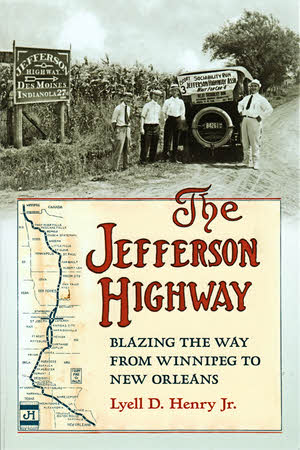 In its preface, Lyell D. Henry Jr. suggests that this book is something of a compromise. The reason is that he once set out to write about every detail of the Jefferson Highway and the association behind it. That’s a lot of details and, especially with no known central source for records or maps, a formidable task. Henry says he “…settled on writing a book that would open with a general accounting of JHA’s early pursuit of the entire highway but then narrow its focus to the highway through Iowa.” The Jefferson Highway: Blazing the Way from Winnipeg to New Orleans is indeed a book of two parts. The first four chapters cover the history of the organization responsible for the entire highway; The last three tell the story and describe the route of the road in Iowa. The scale may be less and the focus may be narrower than what Henry once had in mind but, within that narrowed focus, there is certainly no detectable compromising of accuracy or completeness.




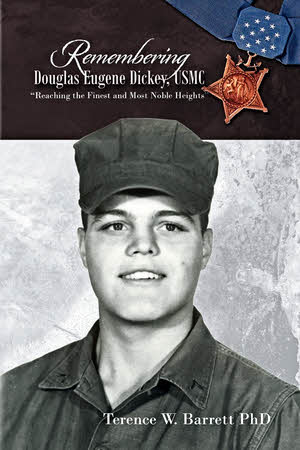 Remembering Douglas Eugene Dickey is something I’ve done for a long time. We were classmates through twelve years of school. We weren’t super close. Not like the teammates on the football squad that broke a thirty-eight game losing streak and not nearly as close as the four other classmates who enlisted in the Marines with him but we were friends. With something like sixty-five students in our graduating class everybody knew everybody. Yes, I’ve been remembering Doug Dickey for a long time.
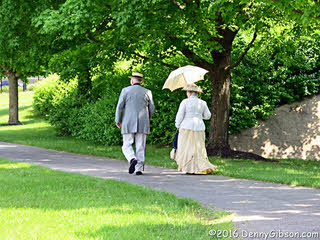 A couple of Ohio History Connection sites are reopening this weekend after pretty big makeovers. On Saturday I visited Ohio Village which moved from the 1860s to the 1890s since I last saw it. I’ll reach the Hayes Presidential Center, which reopens with new displays after a major renovation. Saturday’s journal has been posted.