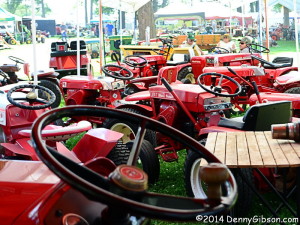
 Although I saw no single piece of equipment that possessed all three attributes, over the last couple of days I saw a lot of old stuff, strong stuff and fast stuff. The old stuff was primarily at the Greenville Farm Power of the Past 15th Annual Reunion with the strong stuff showing off at the day ending truck and tractor pull. That was Friday. The fast stuff blew by on Saturday at the East Coast Timing Association‘s event in Wilmington, Ohio.
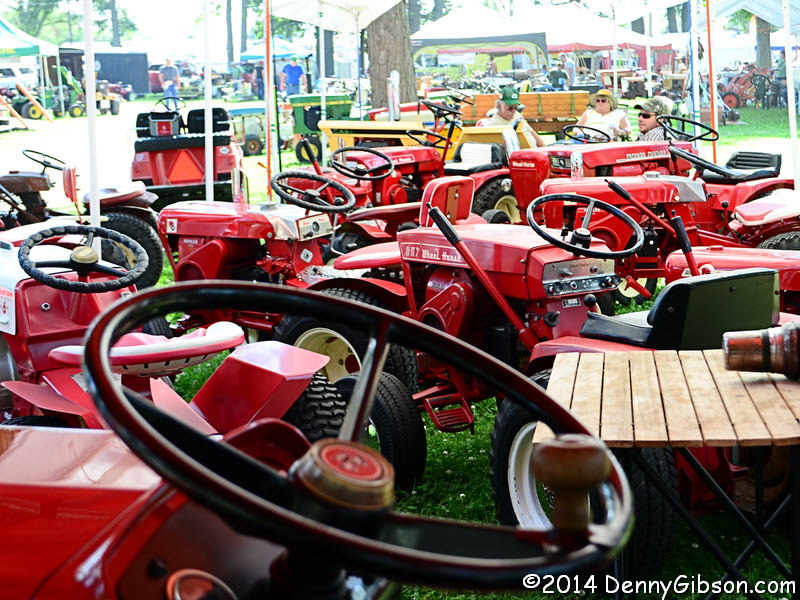
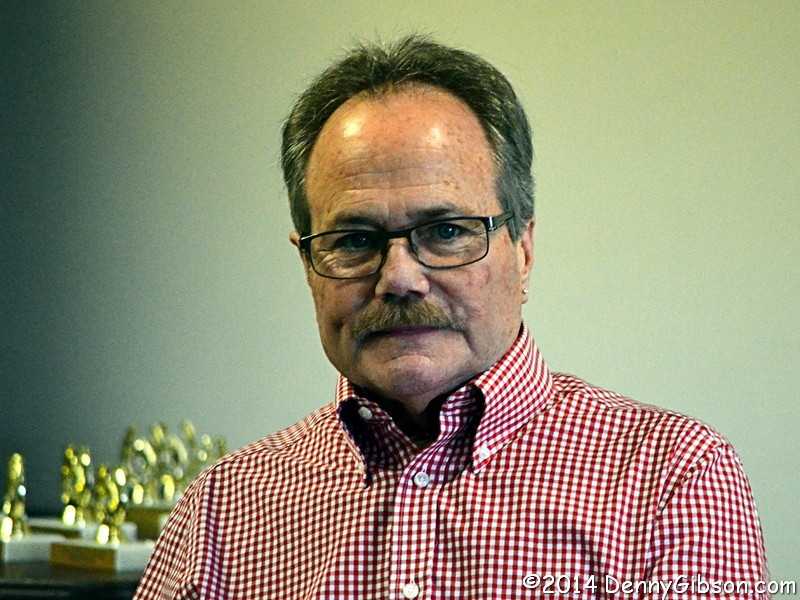
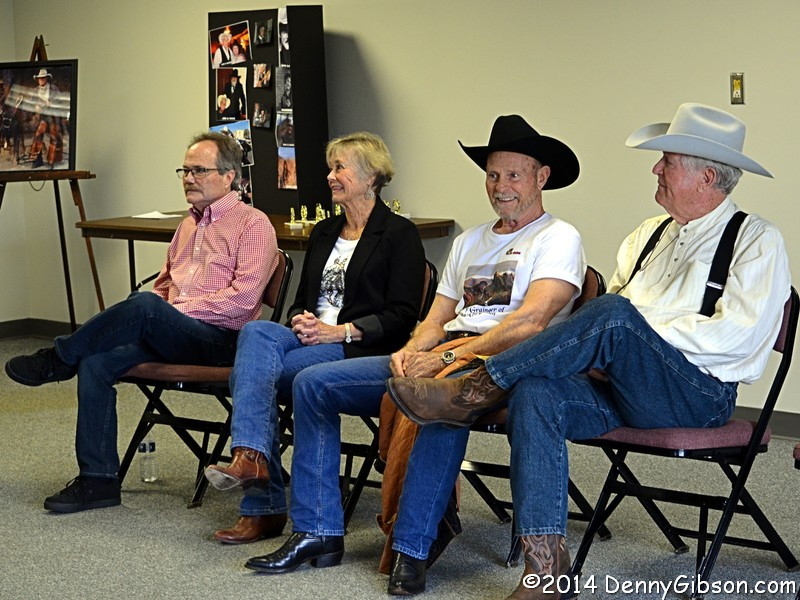
A recent post told of my meeting up with an old friend after two score and seven years. That friend, Terry Wolfe, collects and restores Wheel Horse tractors and had several on display at the Greenville event. Despite my good intentions, I never did get a proper photo of the display. The shot at the top of the article, taken while the two of us, along with Terry’s brother Joe, sat and talked, is the best I can do.
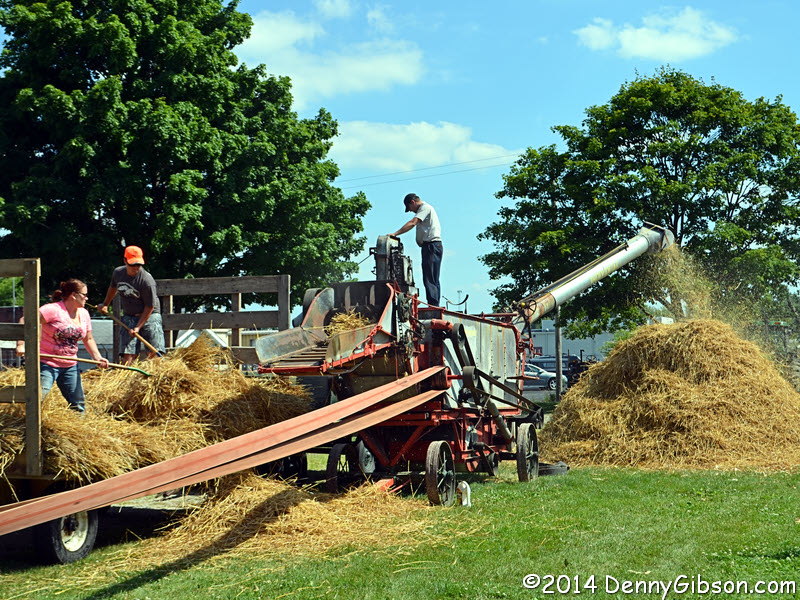
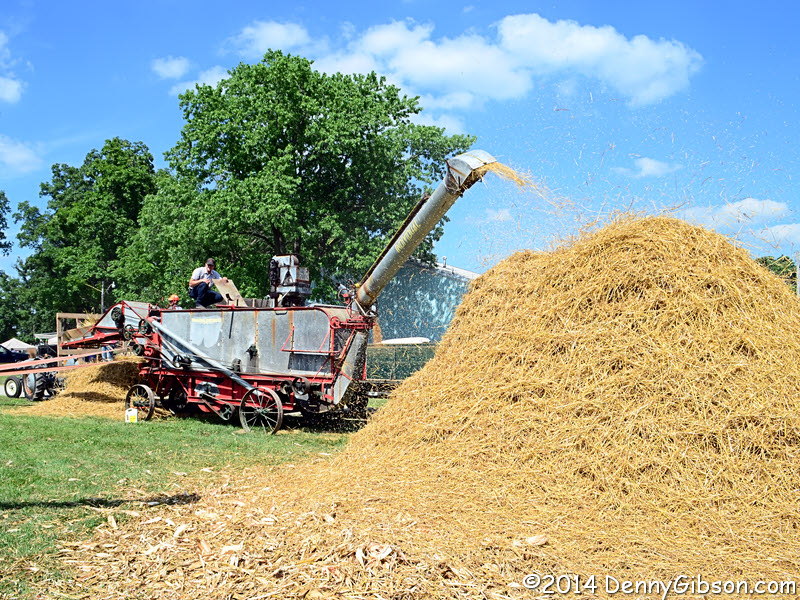
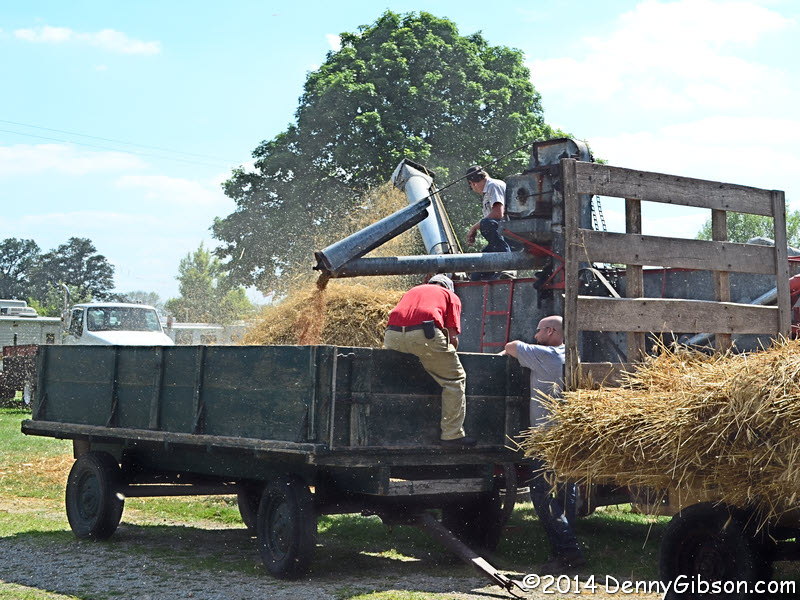
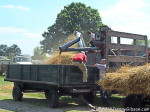 I had timed my arrival to take in a scheduled threshing demonstration. This is not something I haven’t seen before but it had been quite awhile and I generally enjoy seeing older equipment of any kind being used as intended. Before combined harvesters became common, wagon loads of freshly mowed grain stalks would be brought to a stationary thresher where the actual grain would be separated from the straw. As we walked toward the demonstration, Terry told me that this was where the term “straw boss” came from. The primary boss concerned himself with the machine and the grain while an assistant would head up a crew to deal with the accumulating straw. Terry also told me of the tradition of the straw boss tossing his (usually straw) hat into the thresher at the end of a job. Sometimes that hat made it through more or less intact. Sometimes not. The tradition is upheld here. There is no need for an actual “boss of the straw” during the demonstrations but the term is used, a bit incorrectly but quite respectfully, to refer to the fellow who would be the “big boss” in the field. Come Sunday, when the last demo of the year is over, a hat (Lester’s, I think) will go into the big machine.
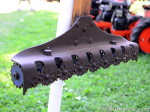
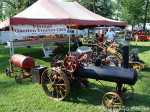
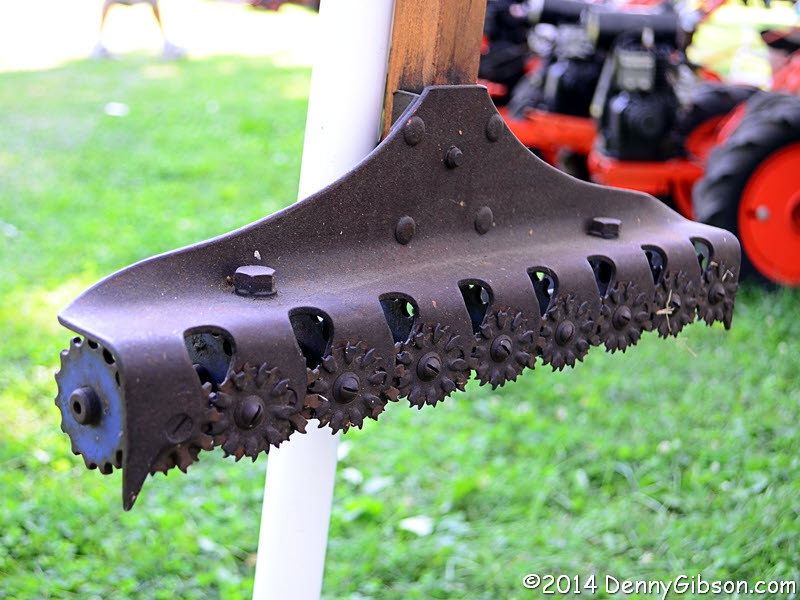
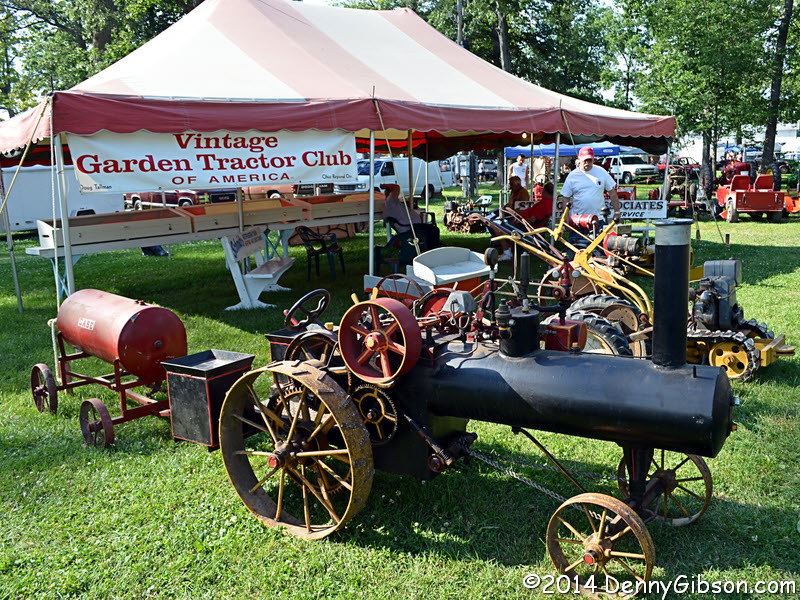
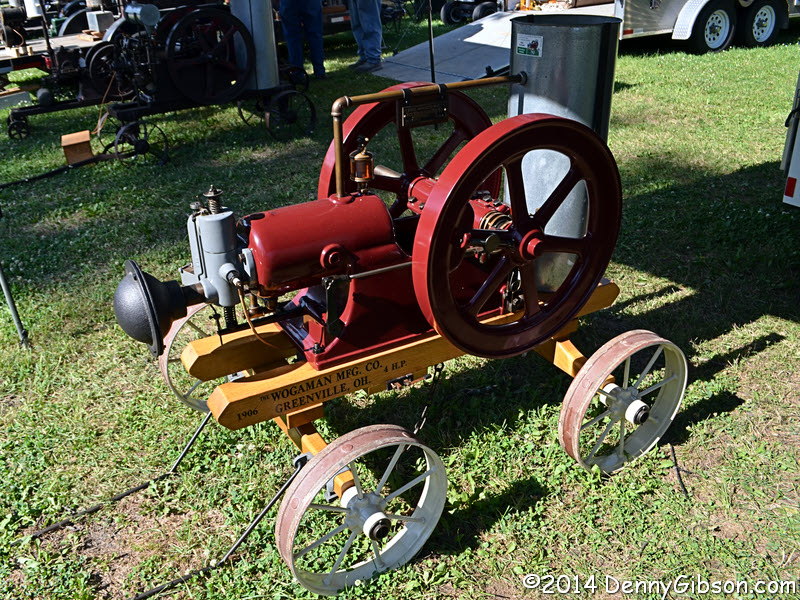
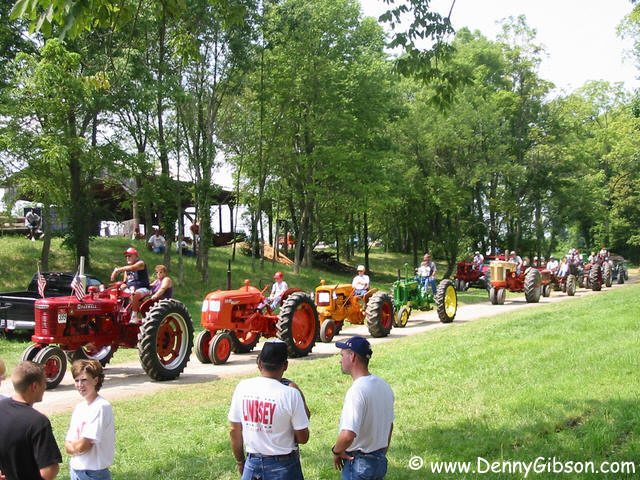
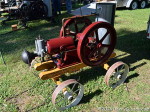 There is no shortage of big equipment on the Darke County Fairgrounds but Terry and I sort of concentrated on the smaller stuff during our walkabout. I’ve always been intrigued by “hit-and-miss” gasoline engines and the variety of mechanisms creative minds applied to to control their speed. A local connection is worth some extra points so I naturally liked the nicely restored Greenville built 1906 Wogaman in the first picture. Terry, who is under that red hat in the second picture, has exhibited here for several years but this year the Vintage Garden Tractor Club of America is holding their Ohio regional show in conjunction with Greenville Farm Power of the Past and there are even more of the smaller tractors than usual. Maybe the item in the last picture doesn’t quite fit the normal definition of “power” but I had never seen anything like it and just had to include it. A sign identified it as a MantaMower and a web search turned up the information that it was patented in 1923 and manufactured (in Grand Rapids, MI) until about 1962. There is no question of its being light and safe and I don’t doubt it was rather effective as long as you didn’t let the grass grow just a tad too tall.
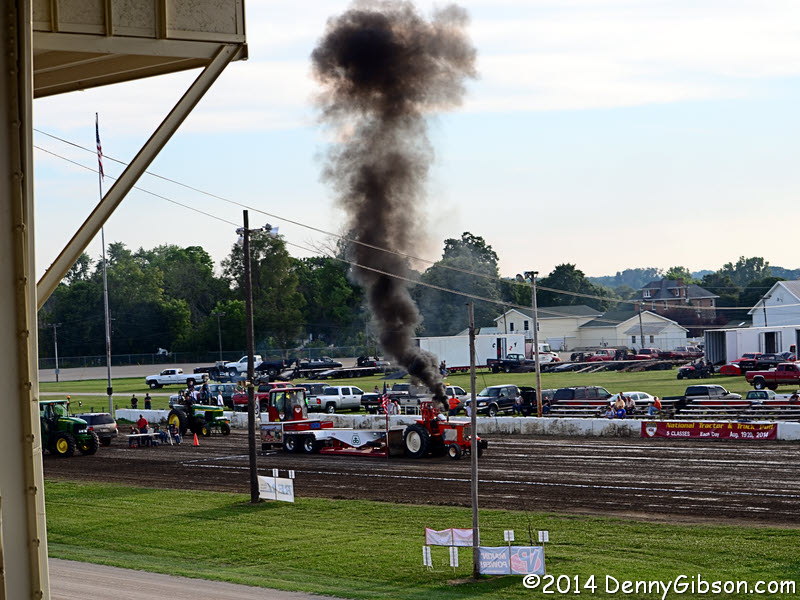
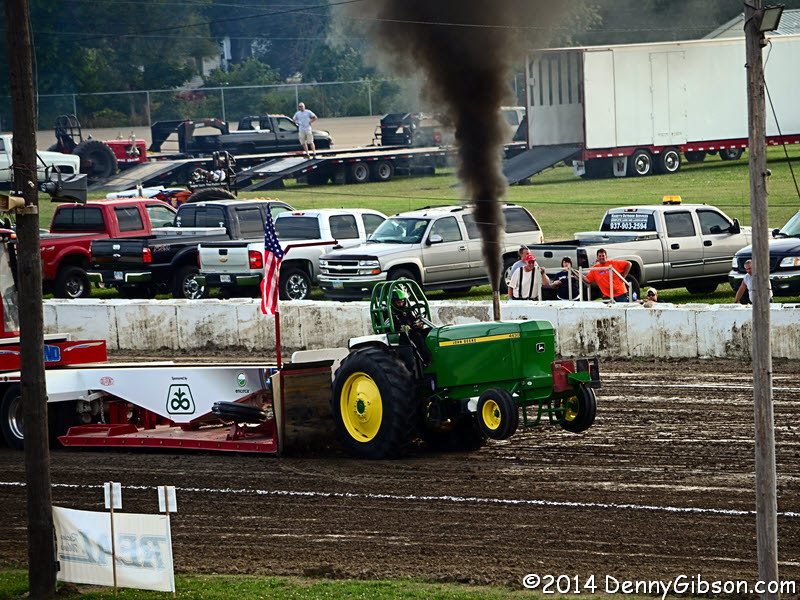
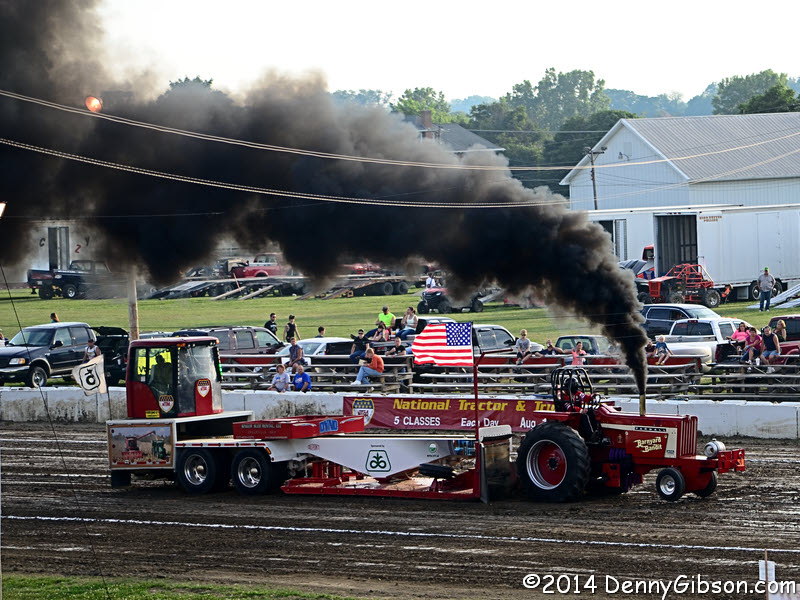
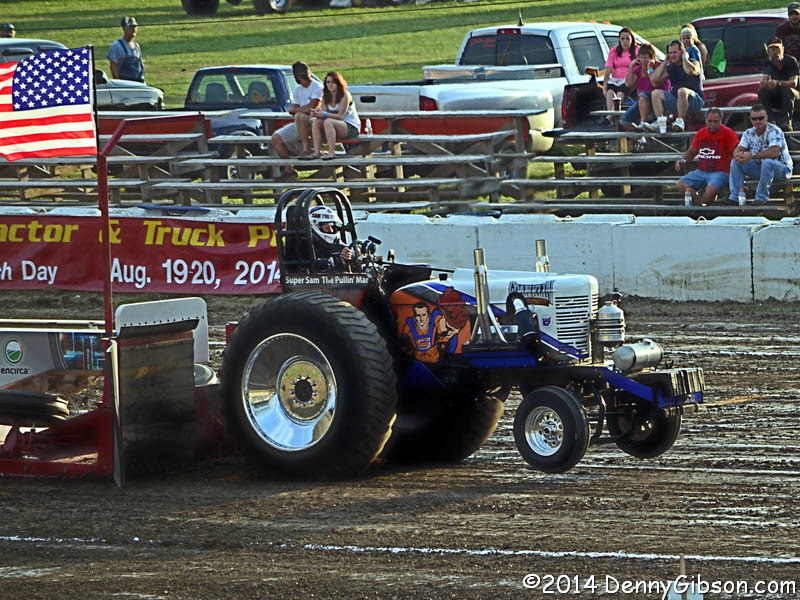
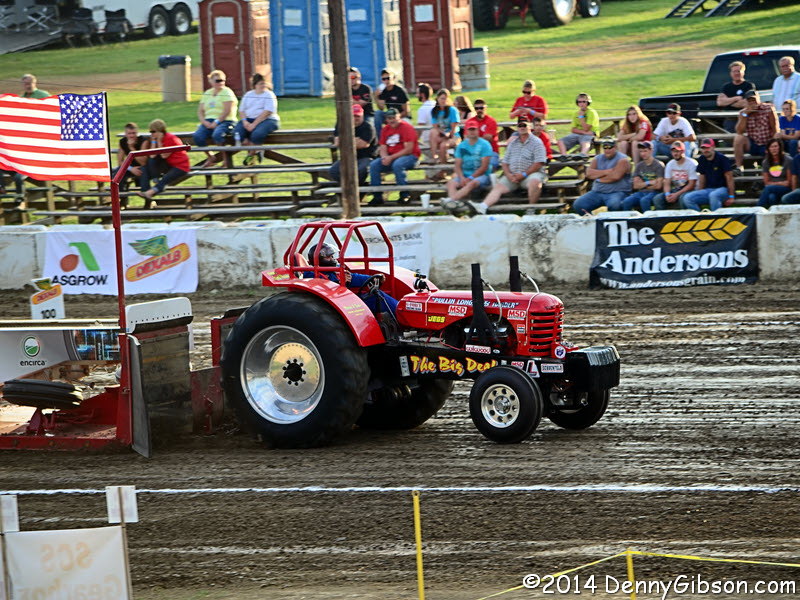
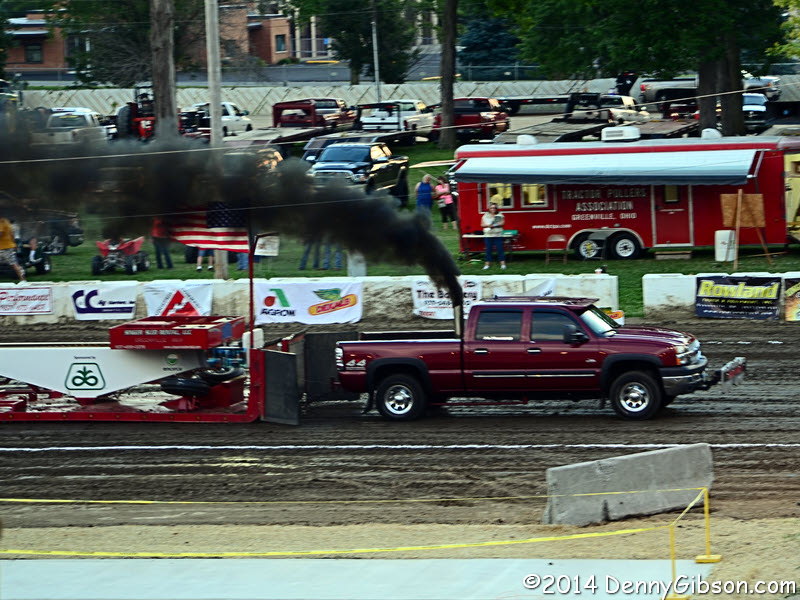
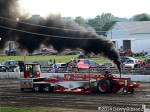 Here we have the strong stuff. The Darke County Tractor Pullers Association is a pretty big organization and this was one of their events. I don’t know enough about it to describe things much beyond saying there were some really big tractors dragging a bunch of weight for a pretty good distance.
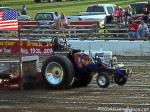
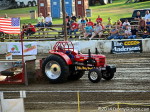 The previously pictured tractors were clearly not stock but I do believe they were powered by engines that began their life in a tractor. These are from a class powered by transplanted and modified V8s. The announcer referred to them as “hot rods” although I have no idea whether that’s an official designation or not.
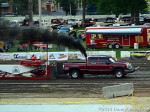
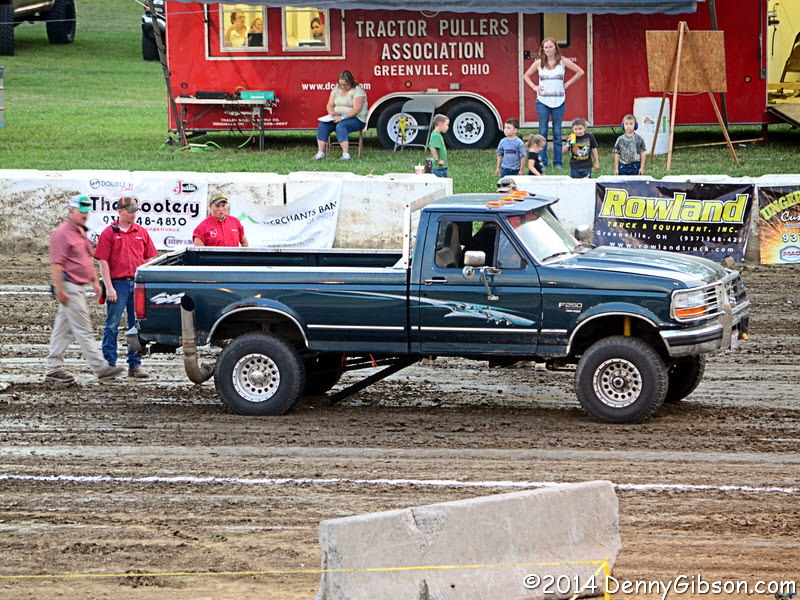
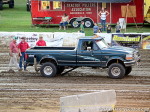 Trucks followed the tractors with more classes as well as more total entries. I think we made it to the beginning of the final class but left well ahead of the final pull. If you don’t count the clutches that were sacrificed getting off the line, there was very little equipment damage. Only one tractor had needed a tow and the dragging drive-shaft on the blue Ford was the only failure we witnessed among the trucks. Opportunities remained, however.
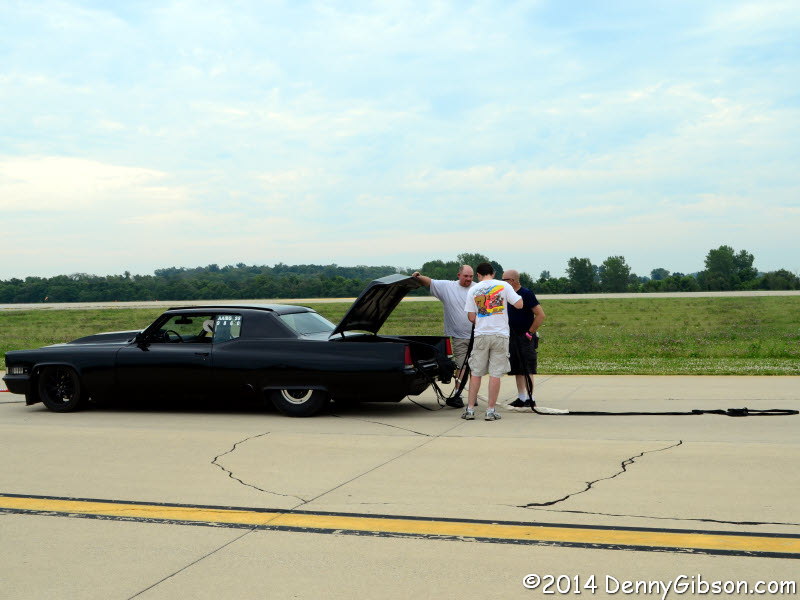
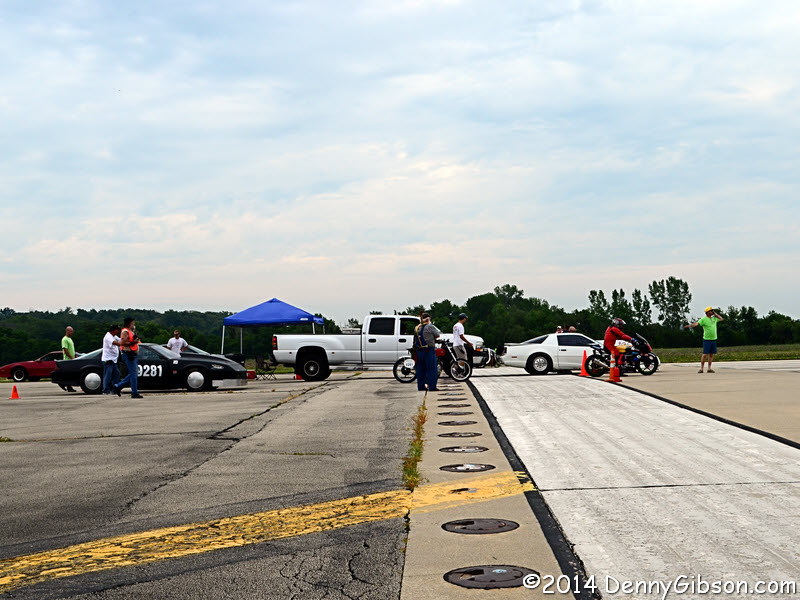
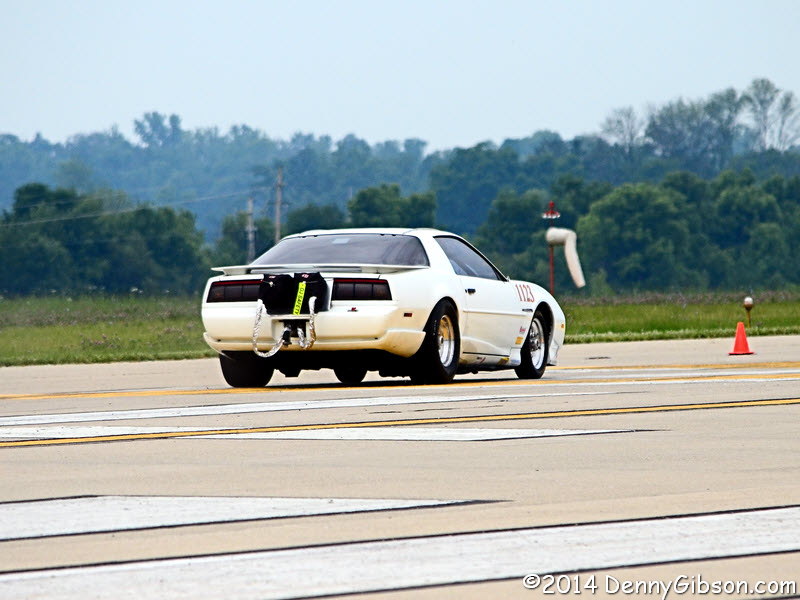
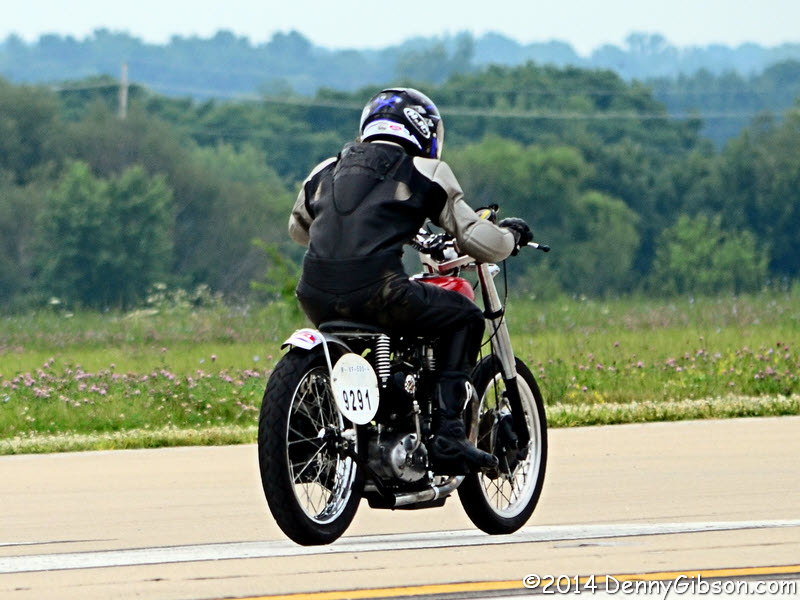
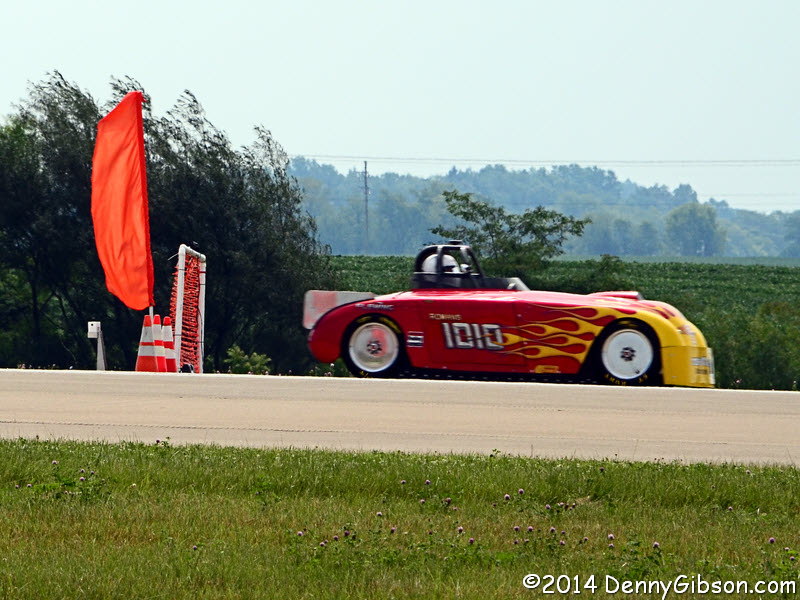
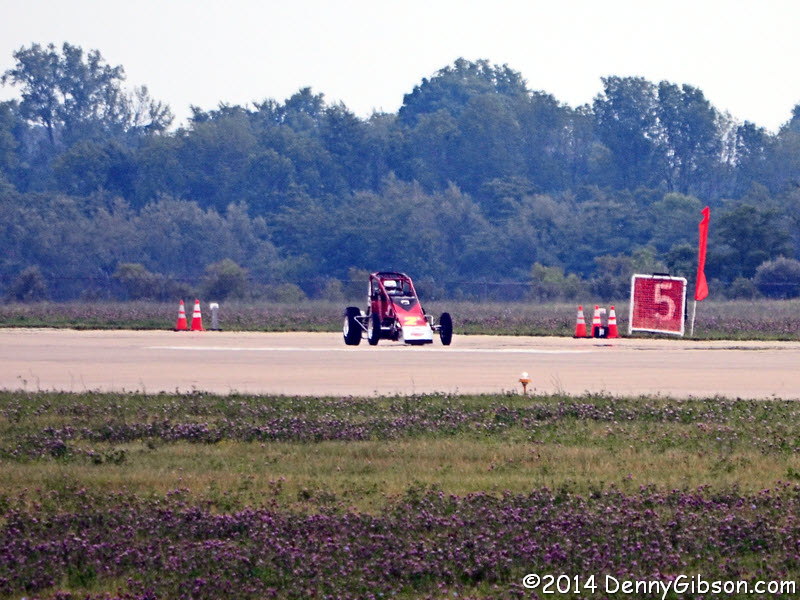
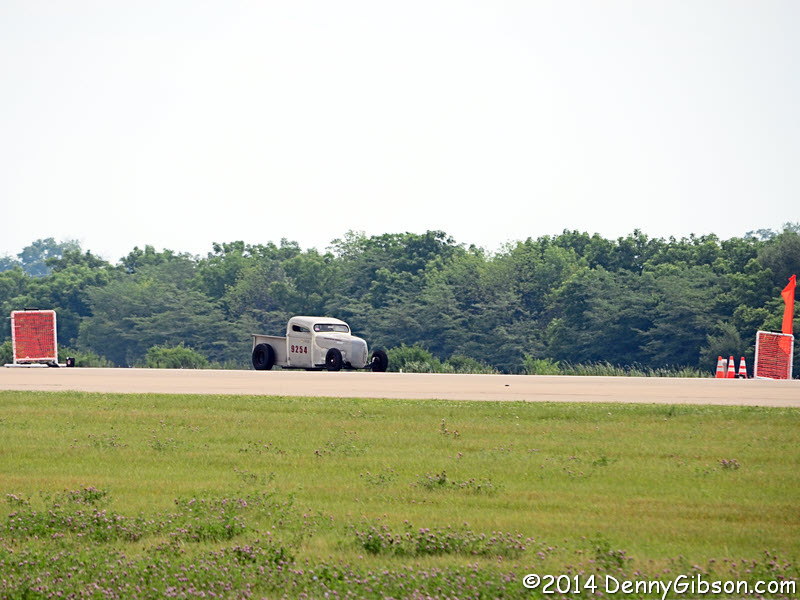
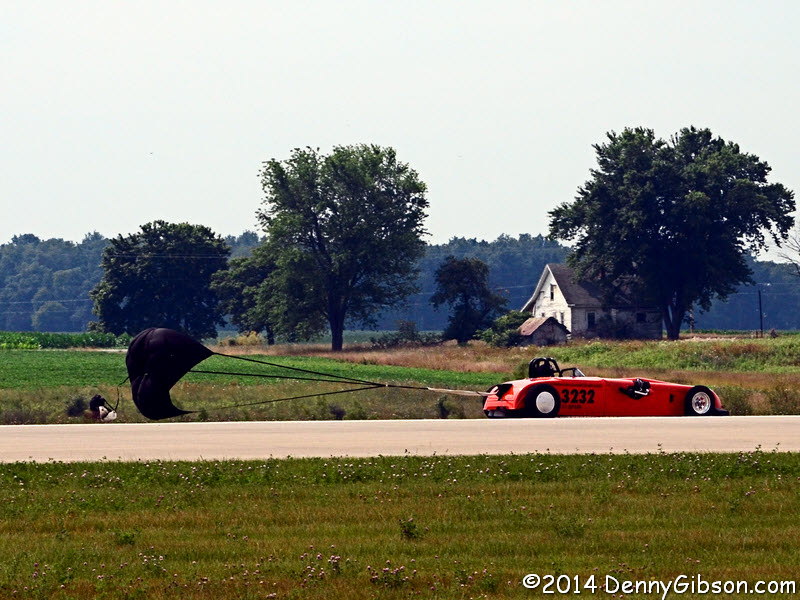
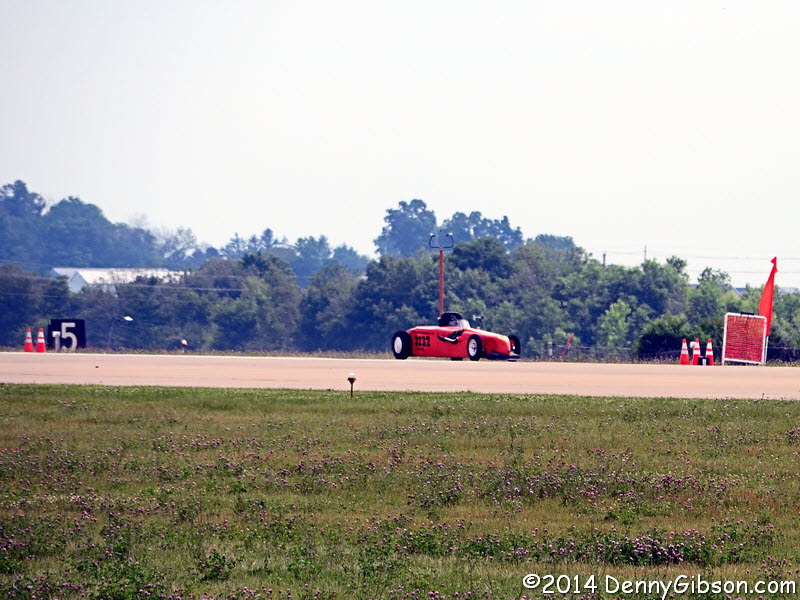
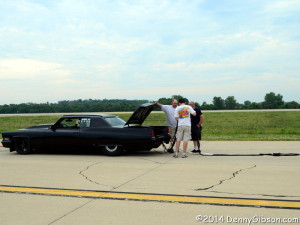 Calling it the “Ohio Mile”, the East Coast Timing Association holds several events each year on the former DHL facility now known as Wilmington Air Park. Speed runs take place on the runway in the background while the foreground pavement is the return lane as well as being used by spectators and other traffic.
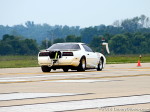
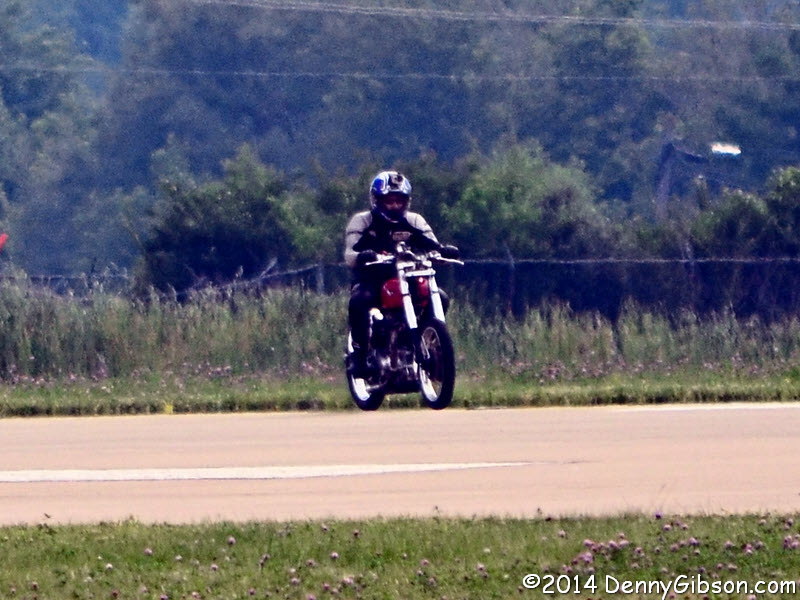
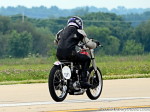 We parked then walked to the starting line where a wild variety of vehicles, in no particular order, awaited their turn. It took us awhile to figure it out but we eventually realized that entrants were not timed through the mile but were clocked at its end. There is no need for jackrabbit starts or even super quick acceleration.
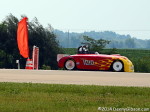
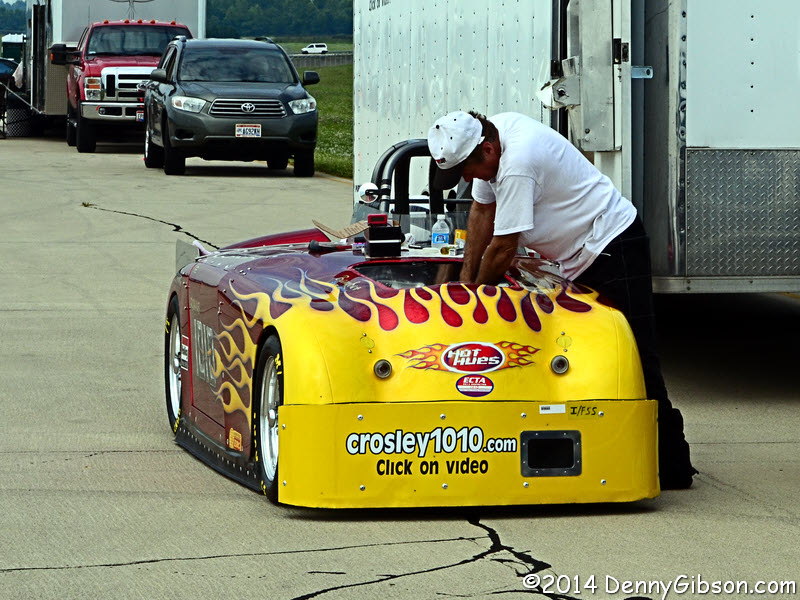
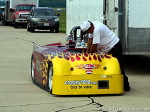 After watching a few fairly unexciting starts, we set out for the other end of the track. On the way, we paused at one of the field’s more unusual vehicles. It’s a 1951 Crosley Super Sport whose owner believes will go 110 MPH. Whether it did that today is unknown. In fact, I didn’t realize we had seen the car on course until I was home and looked at my pictures. I’ll update this when results of this meet are posted but, for now, the only performance information I have is the 56.9548 MPH it turned in during the May meet. The website promoted on the car contains little information about the car but does include a video that, along with a certain amount of “Jesus is my mechanic” flavoring, has some pictures of the car being built.
ADDENDUM 27-Aug-2014: The Run Log posted by the ECTA shows that the Crosley managed a run of 97.6987 MPH. Not quite the targeted 110 but getting closer.

 One reason that we don’t know how the Crosley did today is that there is nothing like a scoreboard or other visual indication of speeds or anything else. Nor is there any PA in the normal sense. There is a low powered FM radio broadcast which, had we brought a pocket radio or chose to sit in the car, would have kept us informed. As it was, we picked up the occasional scrap of information only when we passed an appropriately tuned radio.
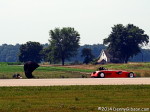
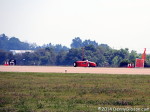 This is pure conjecture but my guess is that about one-third of ECTA members would like more spectators to help with expenses and another third want more spectators to add some legitimacy and prestige to what they are doing. To the remaining third, spectators are probably a real aggravation. When we did hear the announcer, it was interesting and definitely added to the enjoyment. A signboard flashing a car’s speed might help but I think a few radios hanging on poles would help more and probably cost less.

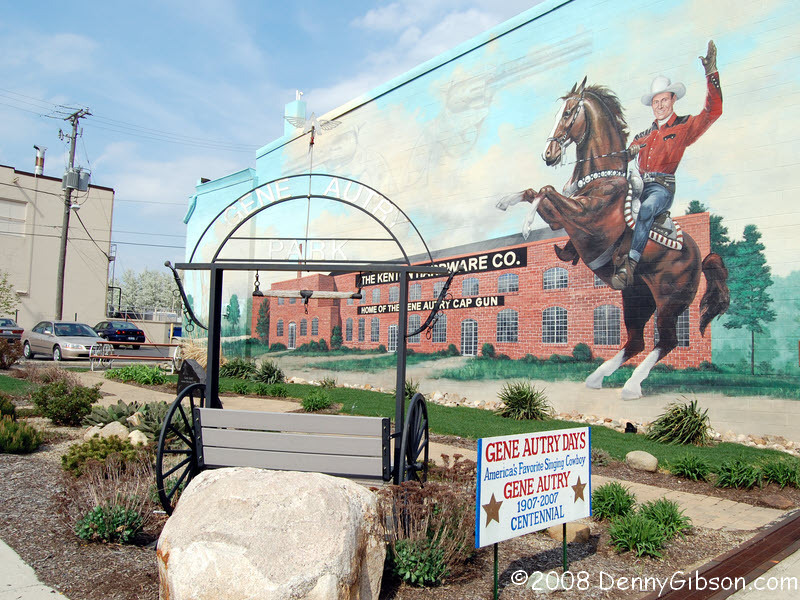 This picture is from my 2008 Original OH LH trip to attend the Ohio Lincoln Highway League annual meeting in Galion. The route initially announced by the Lincoln Highway Association, now known as the Proclamation Route, included the cities of Kenton and Marion. When a revised route was announced a few weeks later, the route was moved to the north and these cities dropped. I decided to take a look at Ohio’s part of the Proclamation Route on this drive which is how I ended up in Kenton where this Gene Autry Mural is located. The drive continued through Marion and other Proclamation Route towns. The manufacture of Gene Autry toy pistols is a big part of Kenton’s past and that’s why the big mural is there and why there used to be an annual Gene Autry Days festival. As I prepared this post, I learned that the 2013 festival was the last.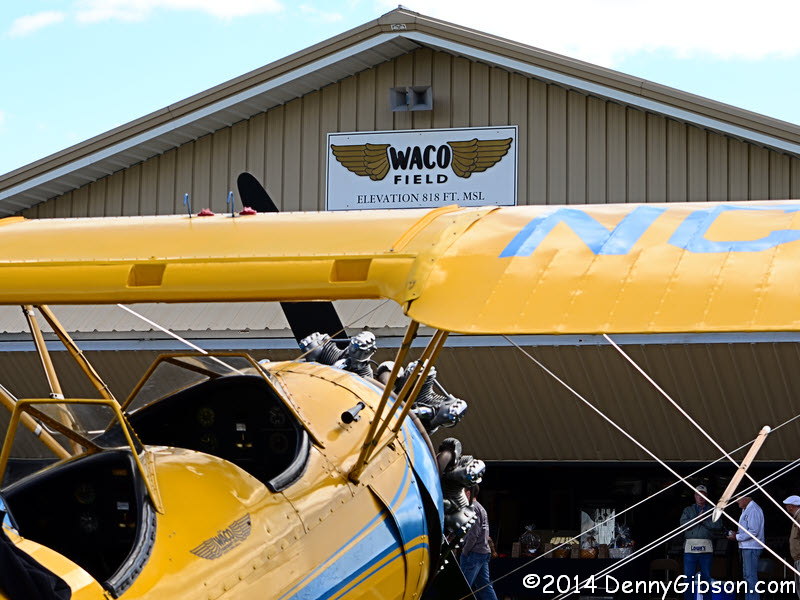

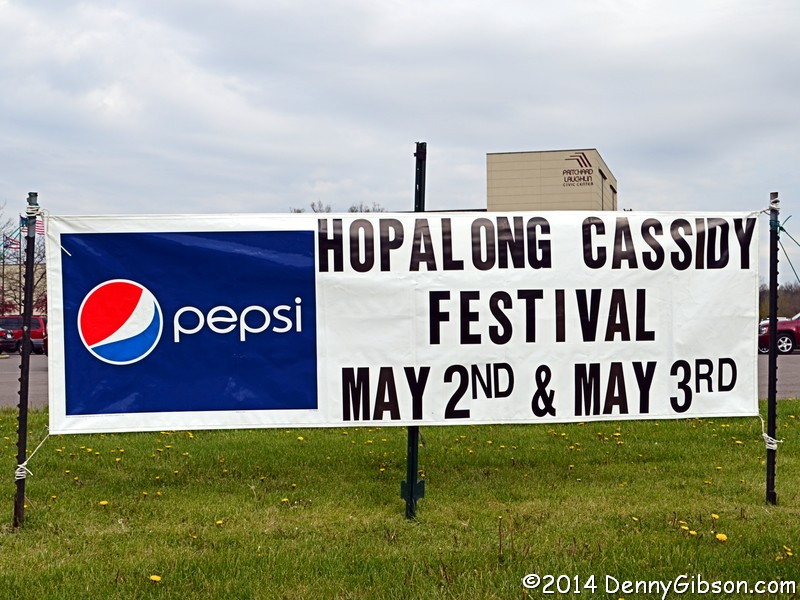
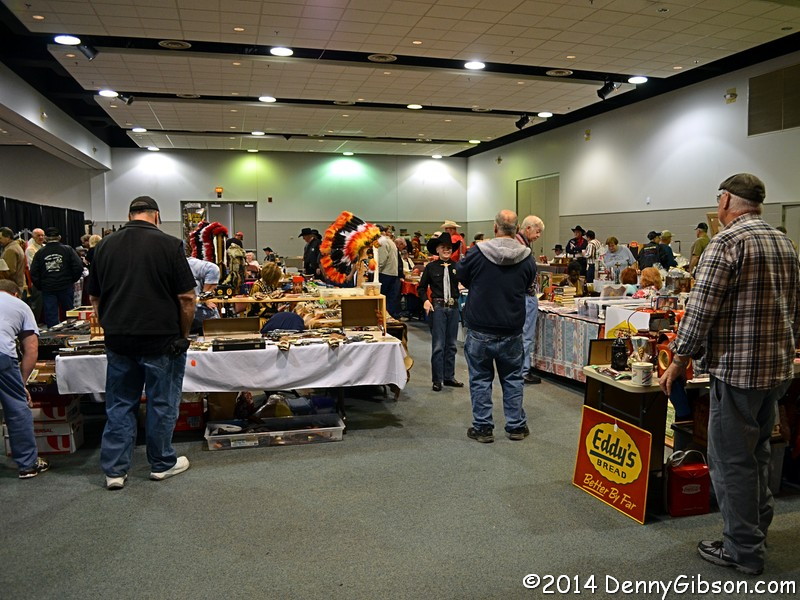
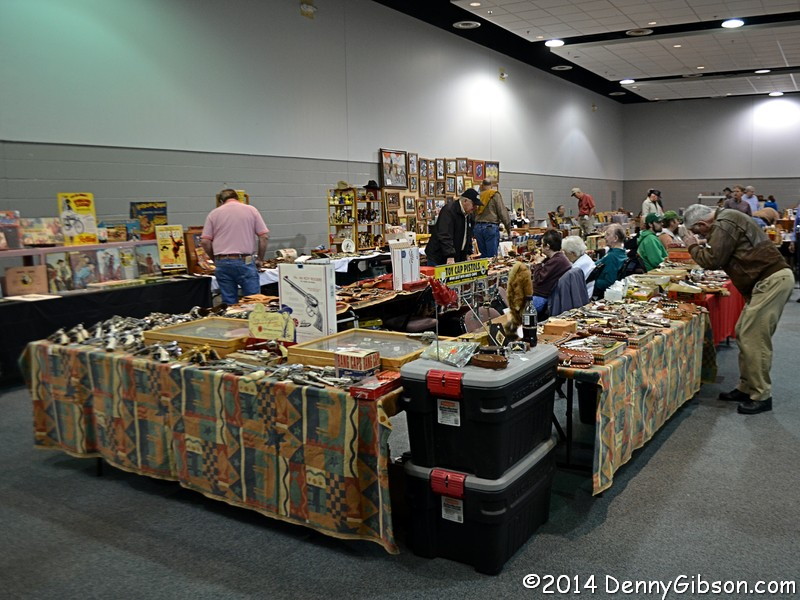
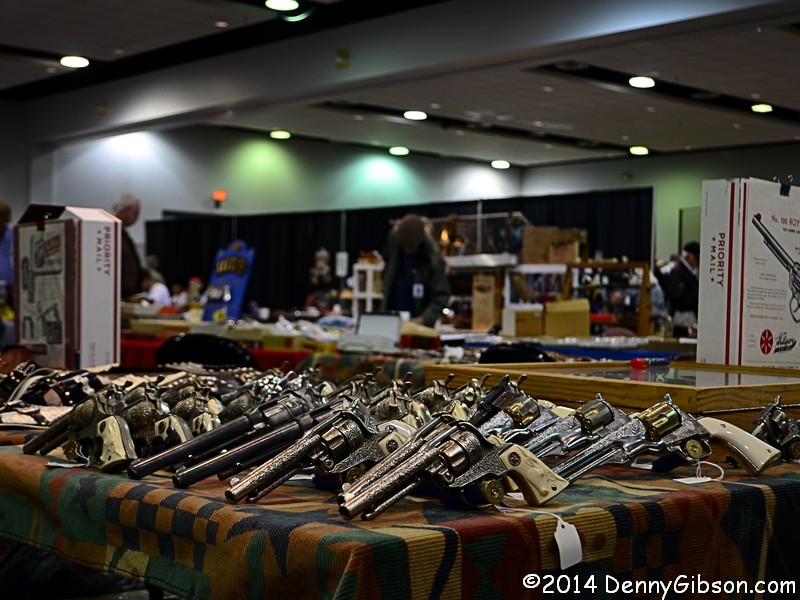
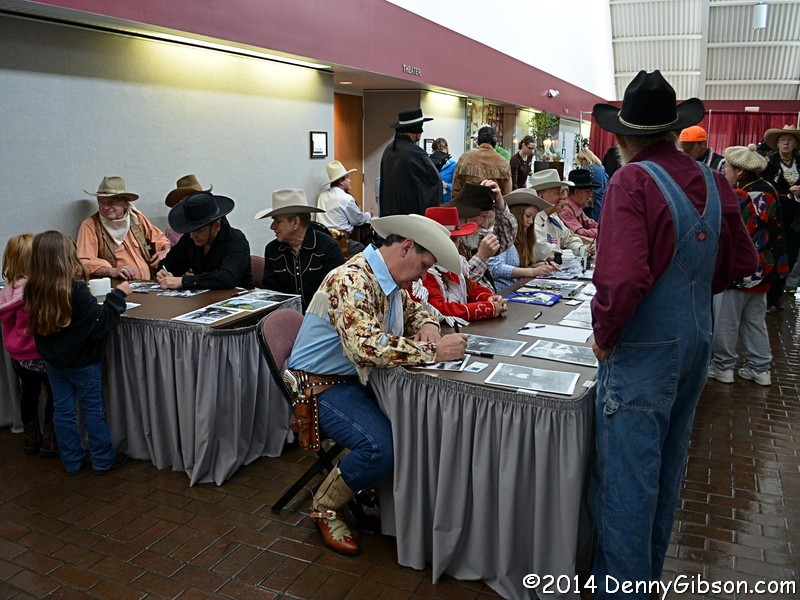
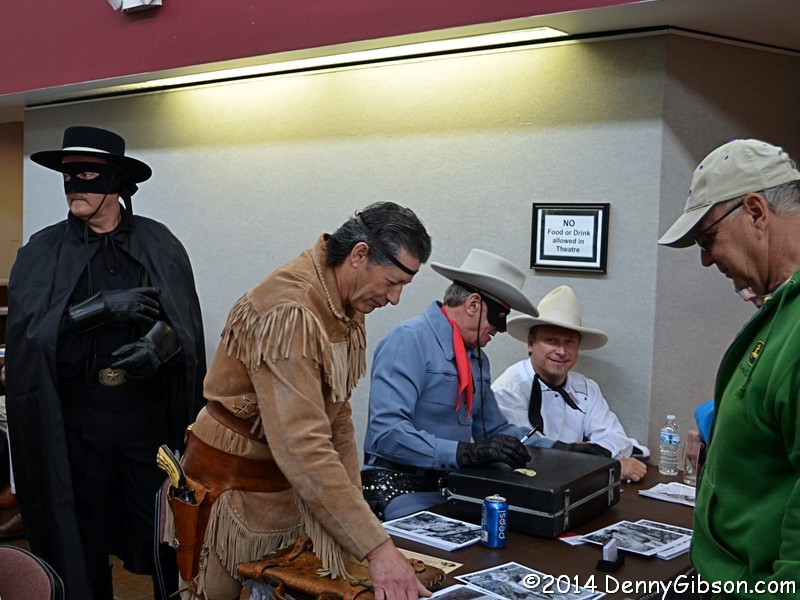
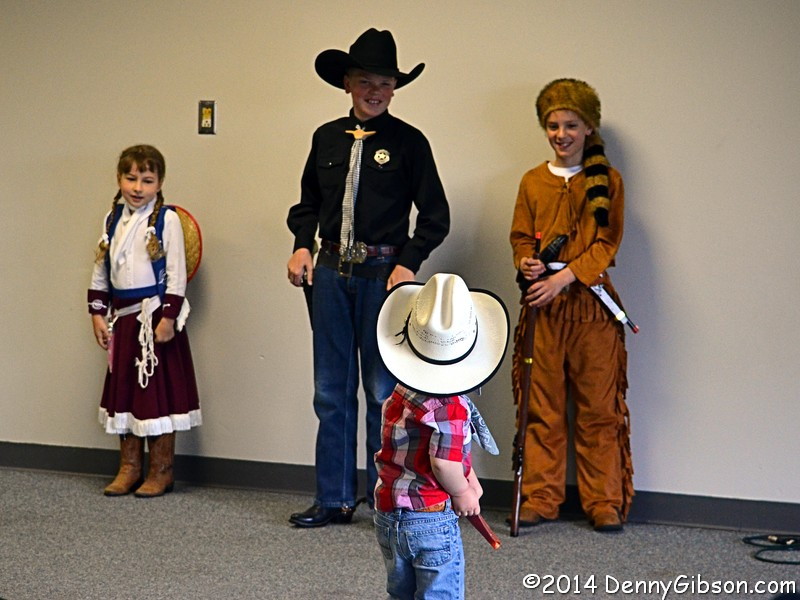
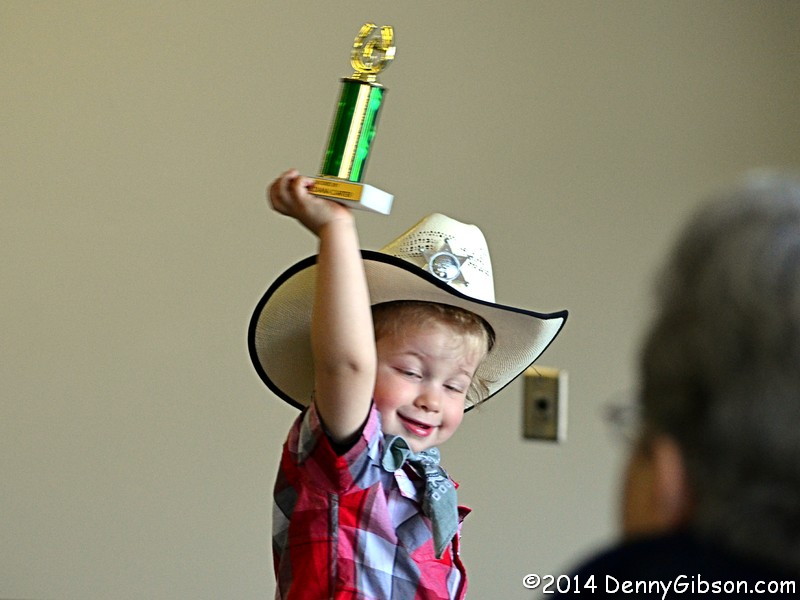
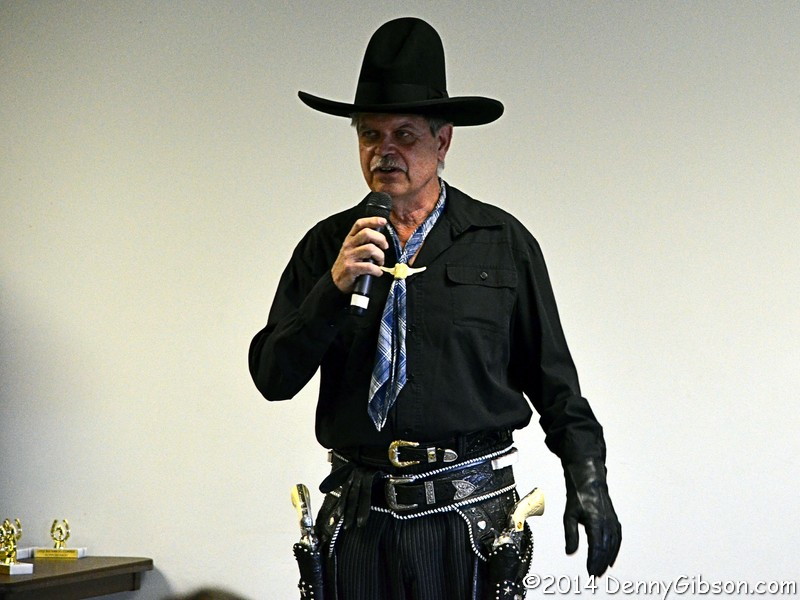

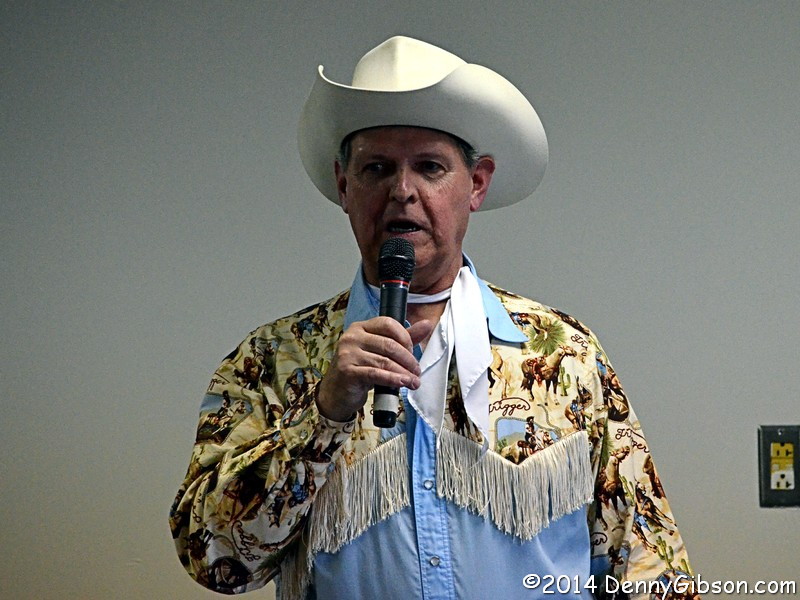
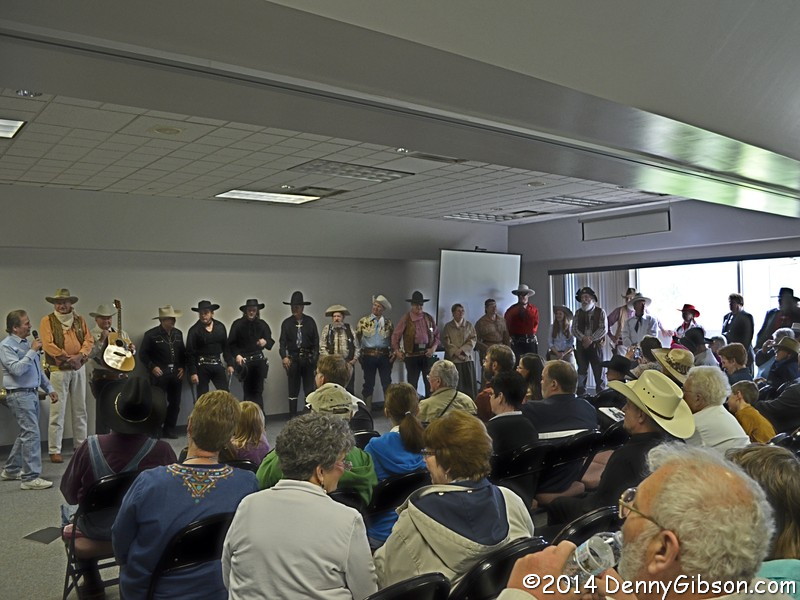
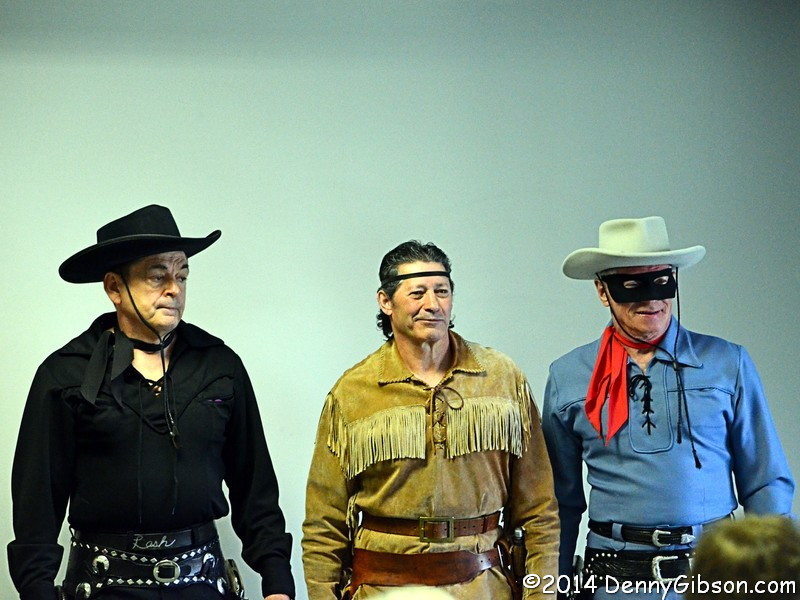
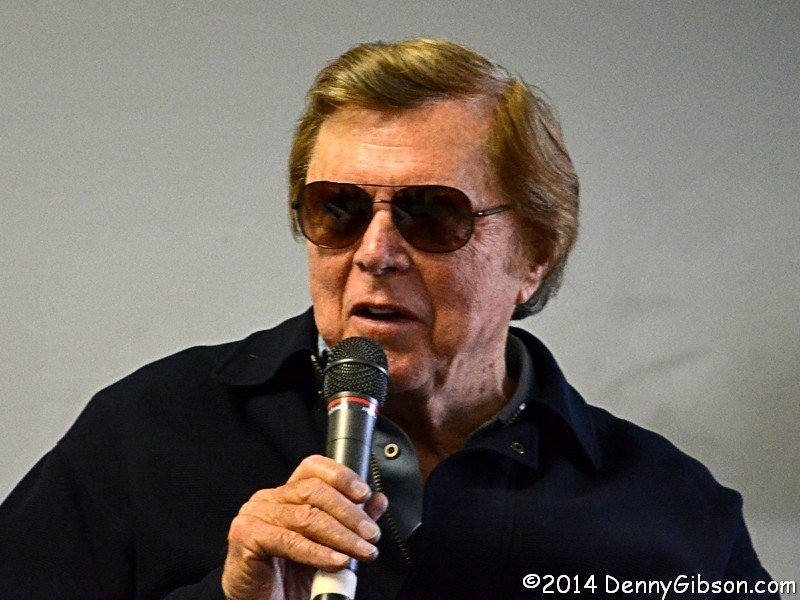
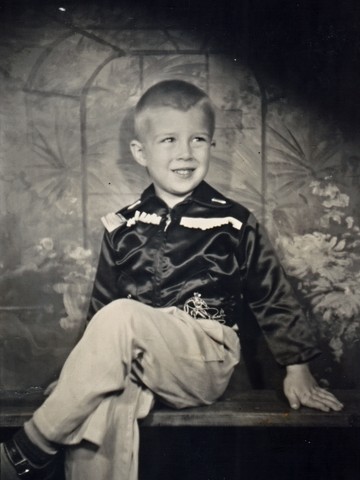 I don’t recall ever seeing a Hopalong Cassidy moving picture show in the theater but I was a big fan of the TV show. I remember having a Hopalong cap pistol and holster but my prized possession was a belt. It just now occurred to me that the belt and holster may have originally been a set but my memories are far too dim to say. The belt was black with a script “Hopalong Cassidy” and men on horses in white. I suspect that part of my belt focused favoritism was due to my being able to wear it full time whereas there were Mom defined limits on where I could tote a gun. The name and figures were merely printed on the black leather and were eventually rubbed away so the only a few flecks, none of which resembled a letter or a horse or much of anything else, were left. It was impossible to tell by looking that I accessorized my garb to honor Hoppy but I knew.