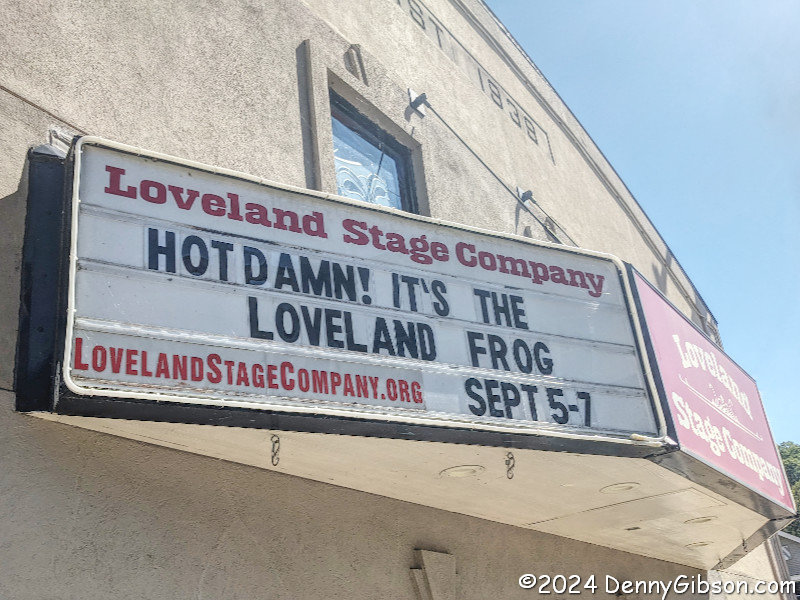
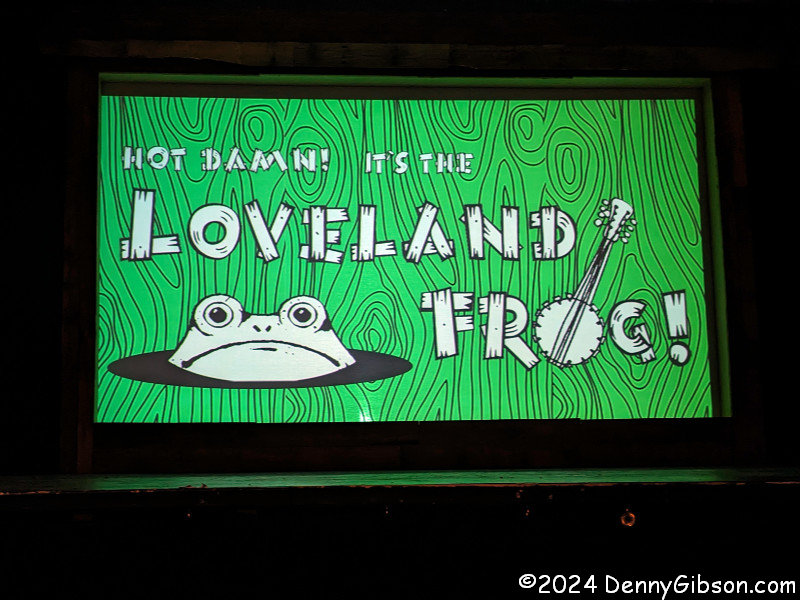
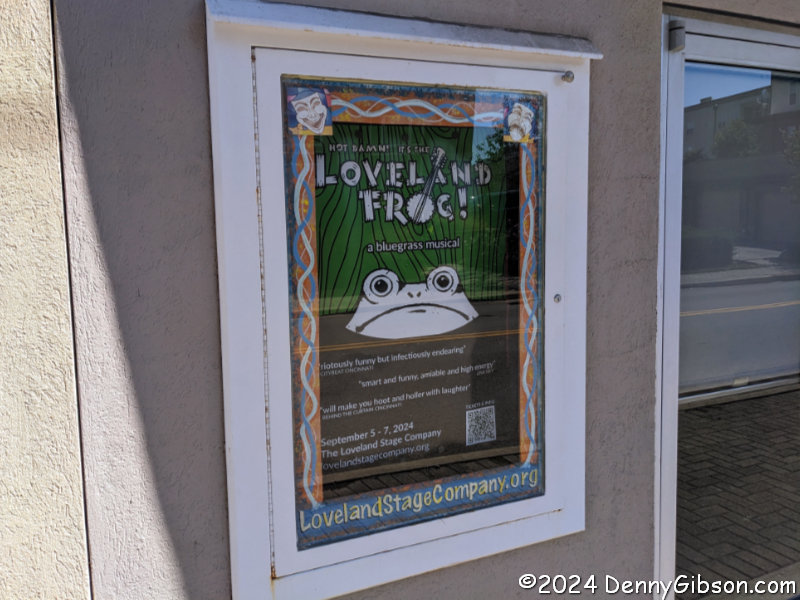
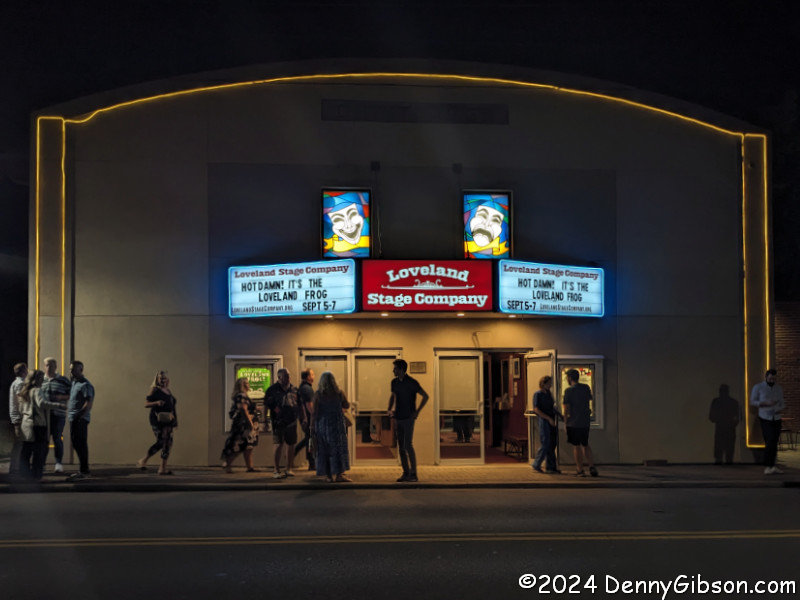
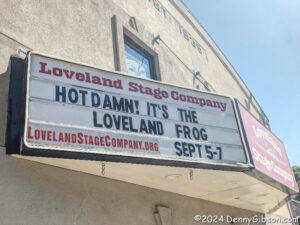
 I believe I first heard of Hot Damn! It’s the Loveland Frog! about a year and a half ago when I was making plans to attend the inaugural Frogman Festival. It premiered at the 2014 Cincinnati Fringe Festival and had not been performed since. Resigned to accepting that I had missed what was likely my only chance of seeing it, the disappointment I felt last year probably made hearing that it would be performed this year even sweeter. I immediately reserved a seat in the front row for opening night.
 That was last Thursday, and it was a hoot. It’s pretty obvious that the play’s writers, Mike Hall and Joshua Steele, realized something a decade ago that many residents of the city of Loveland have picked up on only recently: It doesn’t matter if it’s true or not, it’s fun.
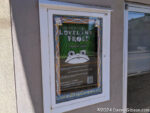 Nor does it matter if the music might not actually be, as promotional materials proclaim, bluegrass. The songs are good with lyrics that always help tell the story and are often quite funny. Almost every cast member sings and sings well. The four-piece band does a great job on every tune and may even sound a little bluegrassy in spots although it is done without the benefit of either banjo or mandolin. There is a fiddle, though, played by Linsey Rogers. She also plays “The Old Woman” who is also blind and often uses her bow like a cane. Tom Steele, Steve Goers, and Bill Jackson fill out the quartet on guitar, keys, and bass respectively.
In addition to the scenic, and in this context unavoidable, Little Miami River, the script brings in other bits of Loveland such as the Loveland Castle, the Valentine Ladies, the popular bike trail, and the fact that Jerry Springer once called the city home. Just about every version of the Loveland Frog legend is referenced in one way or another and that includes a questionable Twightwee Indian tale presented with the aid of shadow puppets. There are characters in the play based loosely on individuals associated with the two most commonly mentioned “sightings” in 1955 and 1972. Maybe I did not need to include the word “loosely” there since every connection between something in the play and something in real life is a loose one.
Hall and Steele find lots of humor in those loose connections then thicken the laughter and the plot with some complete fiction. At the heart of the play are brother and sister moonshiners that take advantage of the frogman legend to scare folks away from an operation so successful that it has its own brand labeled Mason jars. A dishonest and disgraced cop and an ambitious college professor add to the confusion and laughter. The show’s sponsor, Schwartzman Taxidermy, benefits from surprise product placement and heartfelt endorsements. The whole show is funny but a canoe and bathtub chase on the river and a tandem bicycle trailed by a tiny scooter got me to laugh the hardest. Both of these scenes make good use of a moving projected background which plays a role in other scenes as well.
There have been a few attempts to make the Loveland Frog scarey but he is usually seen as rather harmless. That is how he appears here when he shows up near the play’s conclusion and, Wizard of Oz style, makes sure all ends well. Before leaving, he assures us that when a certain celestial alignment, which I did not have the wherewithal to record, occurs, he will be waiting at the bar in Paxton’s. I hope to be there and will happily spring for the first round of Ribbit River Moonshine.
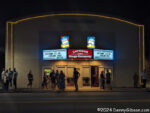 This is another of those reviews published too late to be useful. When I left home for Thursday’s show, several tickets remained for both the Friday and Saturday performances. I made plans to hurry home and ready the review for a Friday morning post to provide a little help in filling them. However, by the time I got home, Saturday was sold out and a single seat remained open for Friday. I could see that my help was not needed and aimed for the normal review publication day of Wednesday. That lone ticket was gone when I woke up Friday morning.
At the end of my post on that first Frogman Festival, I noted that I thought it looked successful, and wondered if there would be another. Despite a venue change and the main sponsor going out of business, there was, and dates for a 2025 event have already been set. I did not make this year’s event but Jacob the Carpetbagger did, and reported on it here.
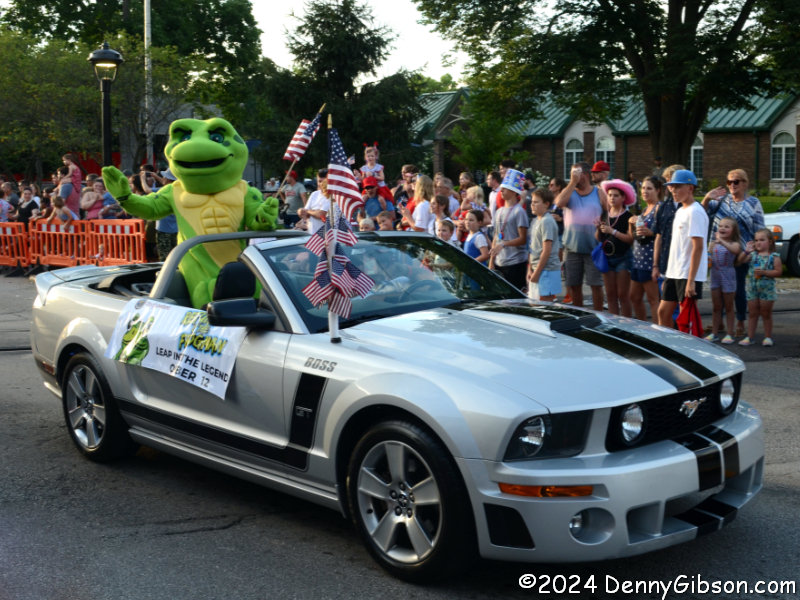
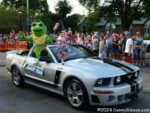 That 2023 Frogman Festival post also included a picture of Loveland’s rather new mascot taken earlier in the year at the city’s Hearts Afire event. At the time it seems not to have registered with me that part of the mascot’s job was to promote a new festival debuting in October of this year. It’s pretty obvious, however, in this picture taken during Loveland’s 2024 Independence Day Parade. The first Return of the Frogman festival will take place on October 12, 2024, with plans to have another “Leap into the Legend” every leap year going forward. The Loveland Stage Company will also be involved with a showing of Frogman, the movie, which was just released in March. Sadly, at the moment it looks like I won’t be here to attend the festival but I sure hope it’s a success. I guess if I can wait ten years to see the musical, I can wait four years for the festival and — maybe — the movie.

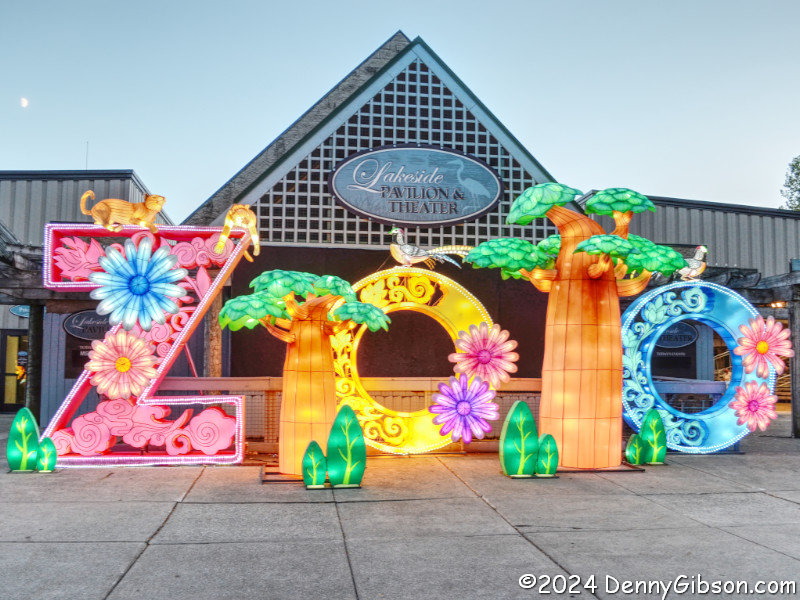 Although I had heard of lantern displays, I had never attended one so Thursday’s experience was a completely new one for me. Apparently, the event is also something new for the Columbus Zoo but they had more than a month’s experience with it before I got there. The Columbus Zoo Lantern Festival opened on August 1 and will run through September 29.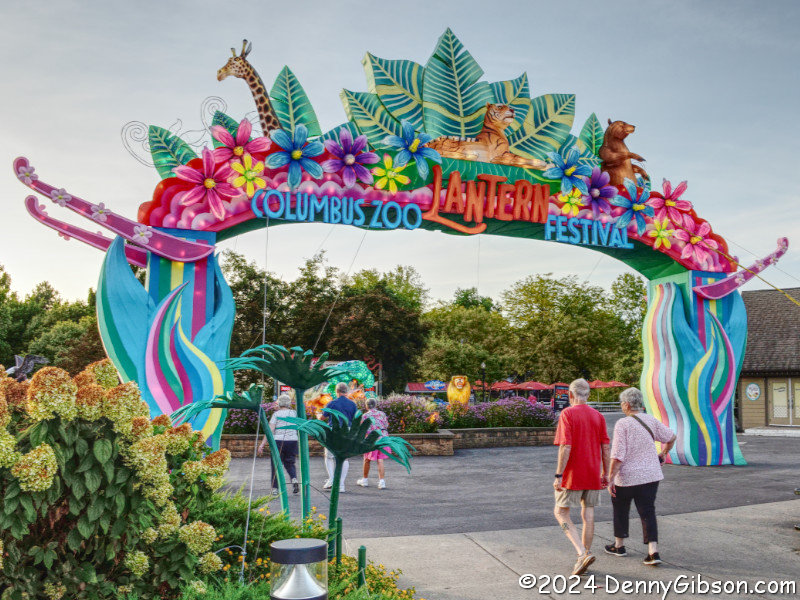
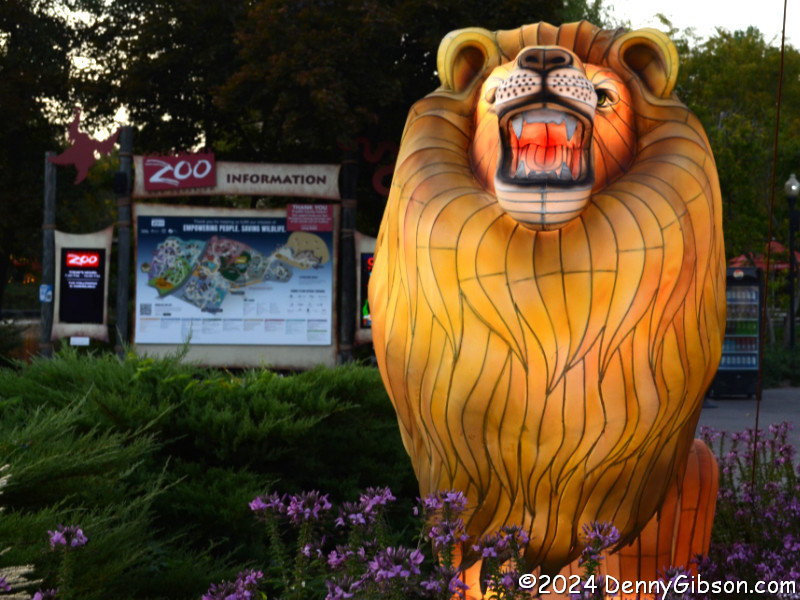 It opens at 7:00 while the sun is still shining and remains open until 10:00 long after the sun has set. I initially thought that was much more time than was reasonably required but realized that the lanterns essentially fill the entire zoo. And it’s a really big zoo.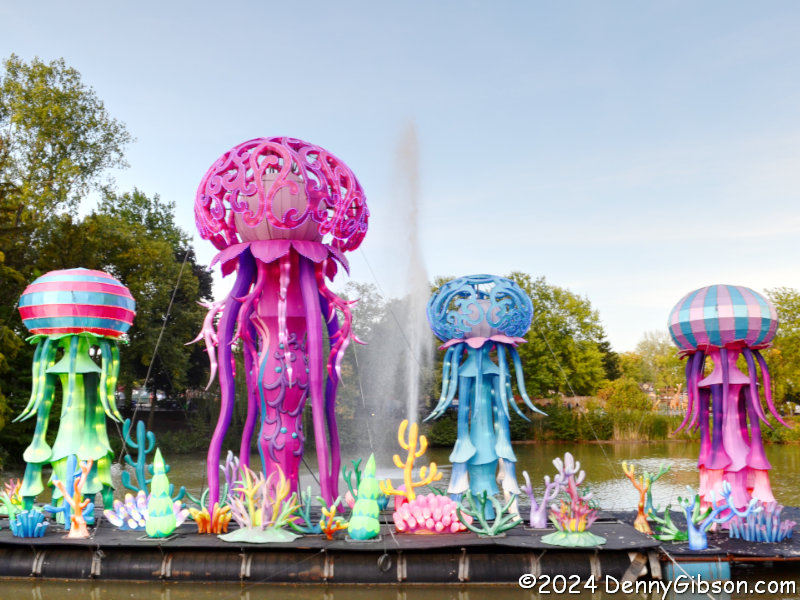
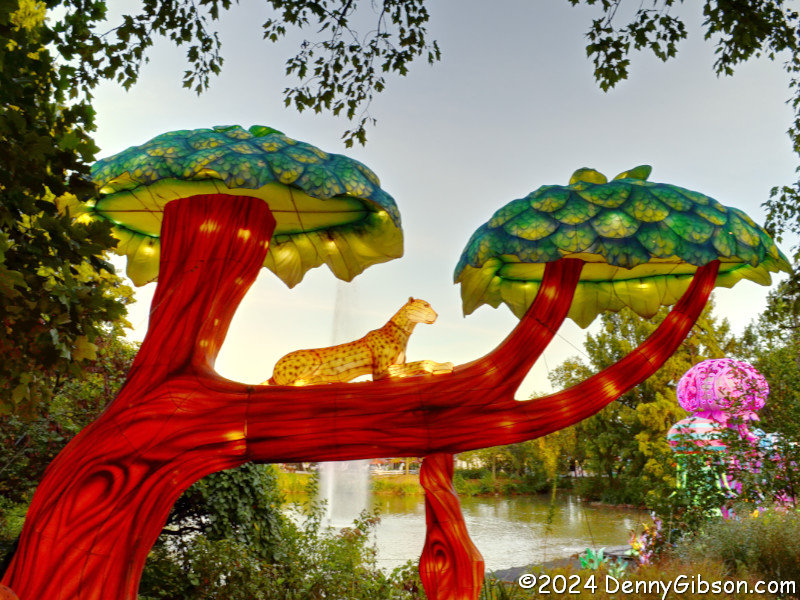
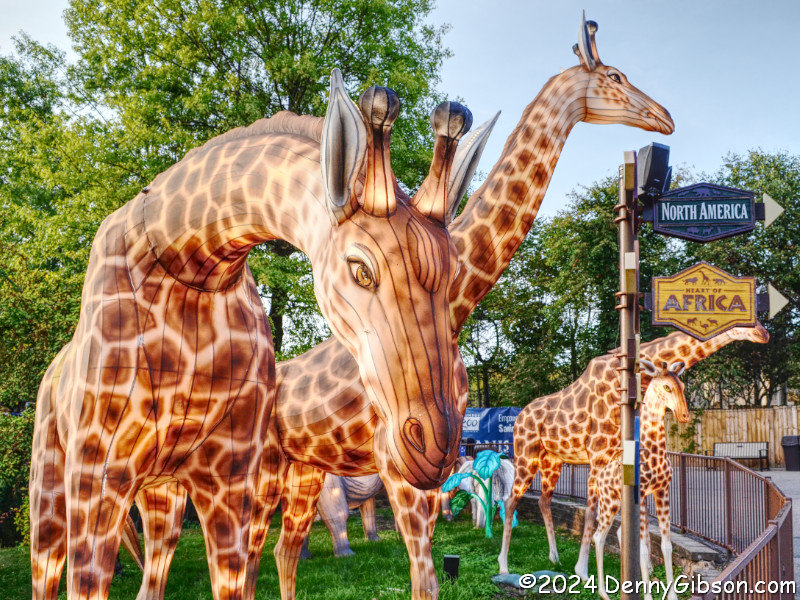 I probably saw less than a third of the lanterns in full sunlight.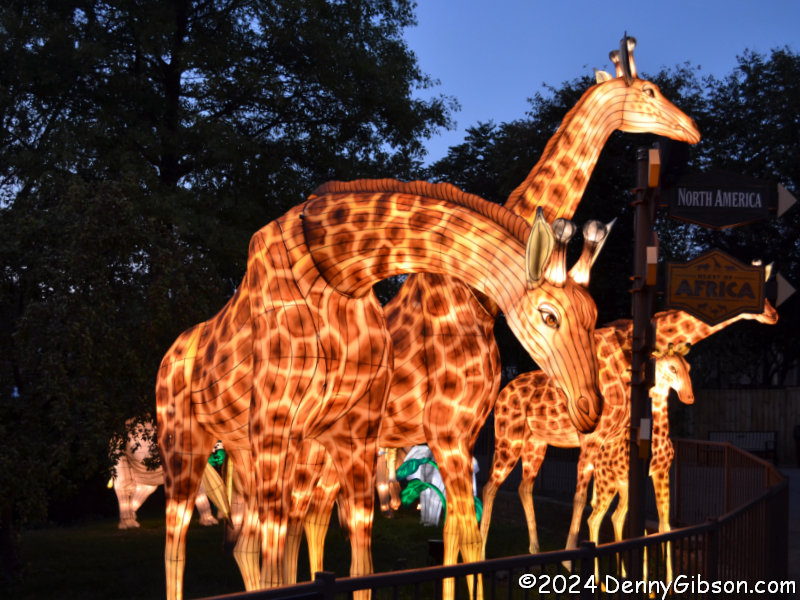
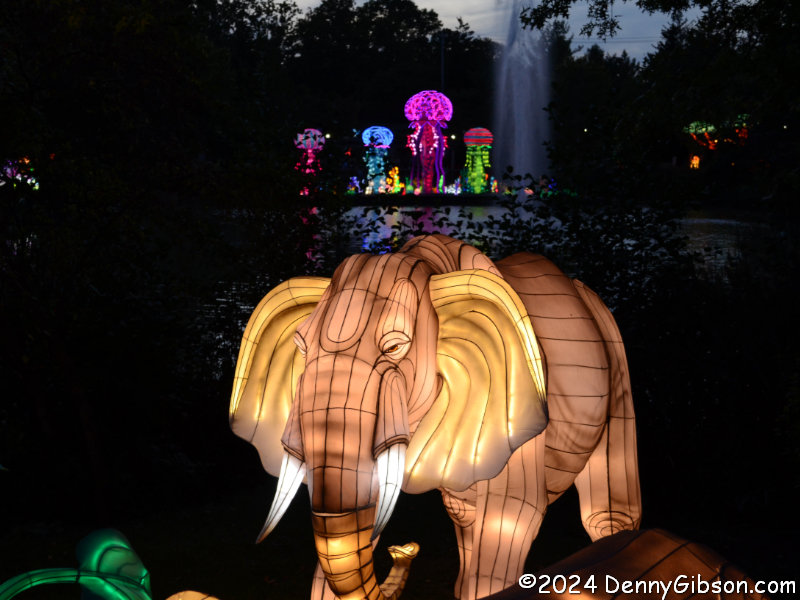
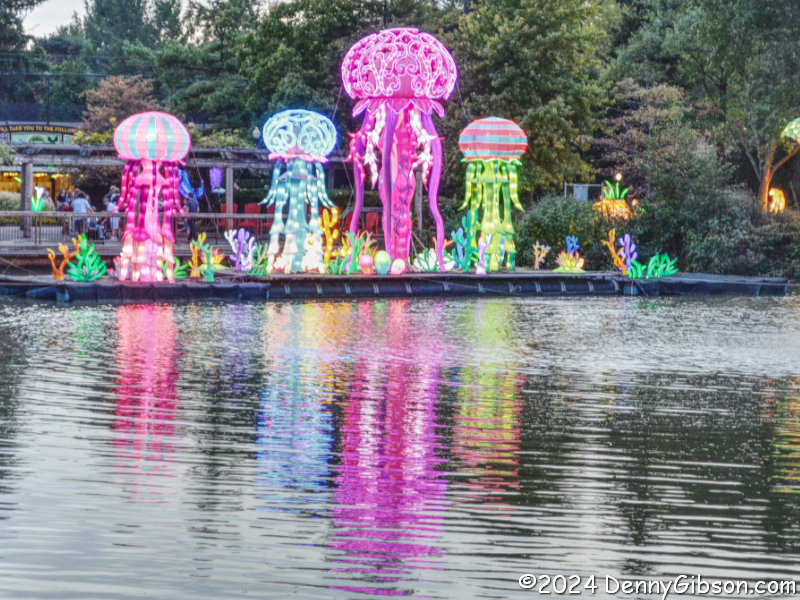 Then I revisited some of those and took in the remainder as things got darker.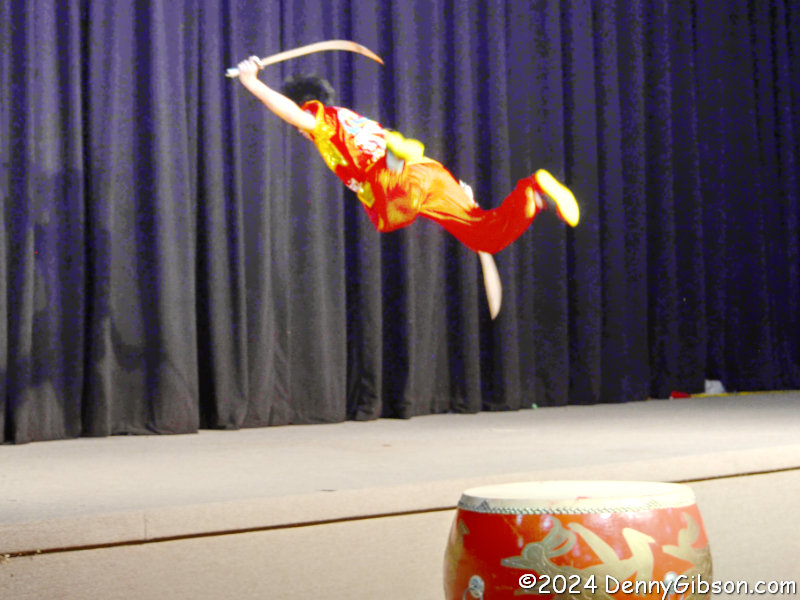
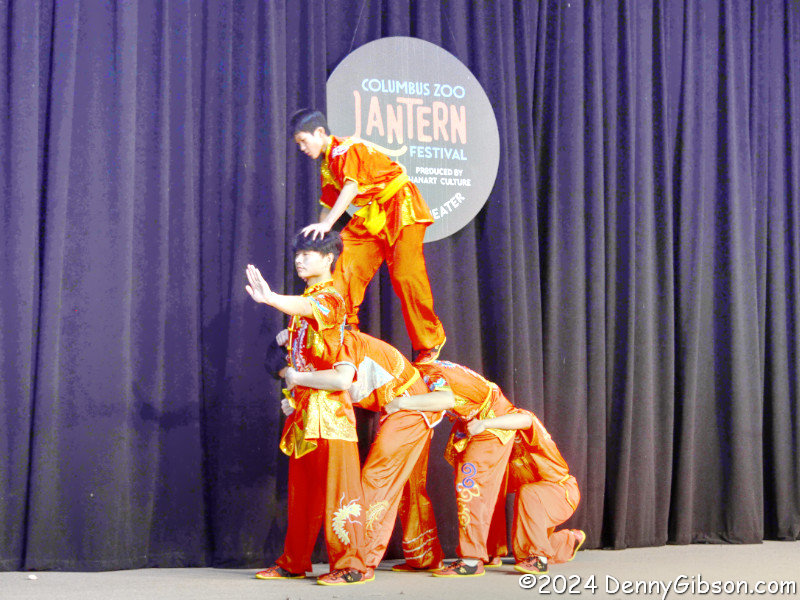
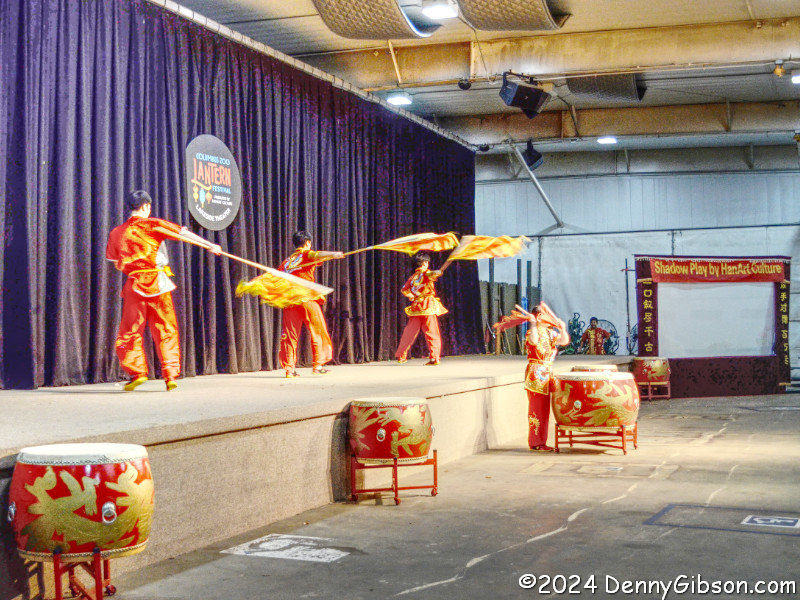 In between my light and dark walks, I took in one of the two shows that are offered. These photos are from the Martial Arts show. The other show, which I did not see, is Shadow Puppets.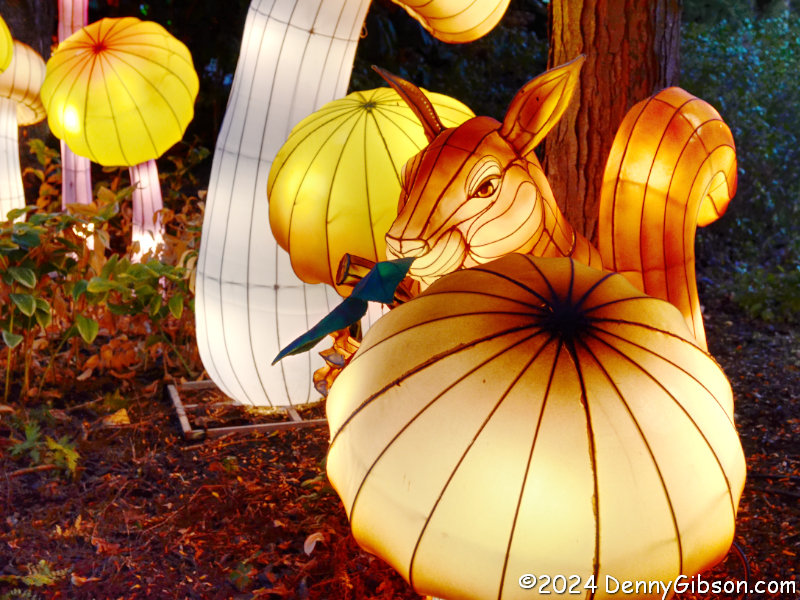
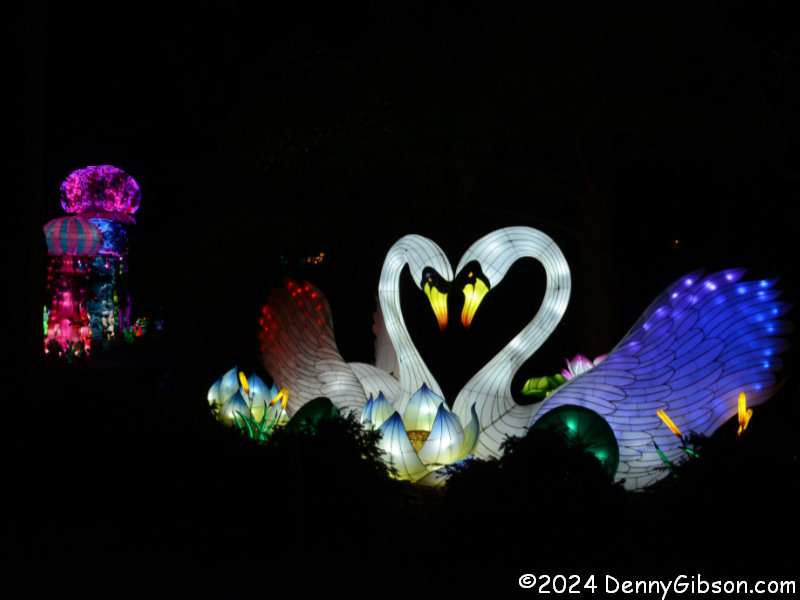
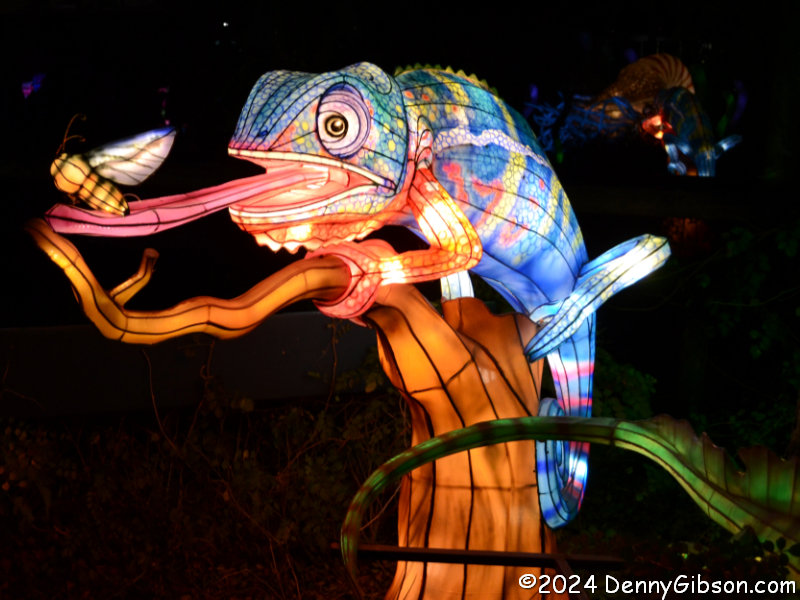 Of course, darkness and lanterns really do go together.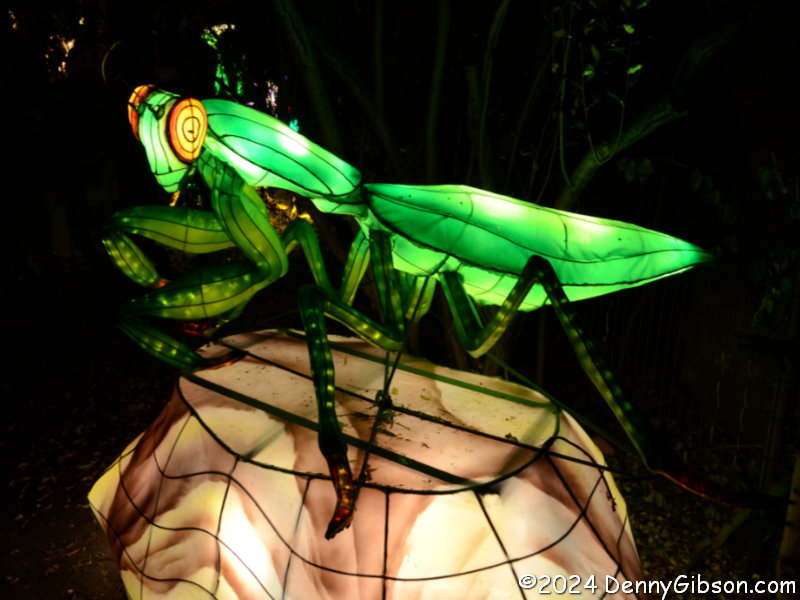
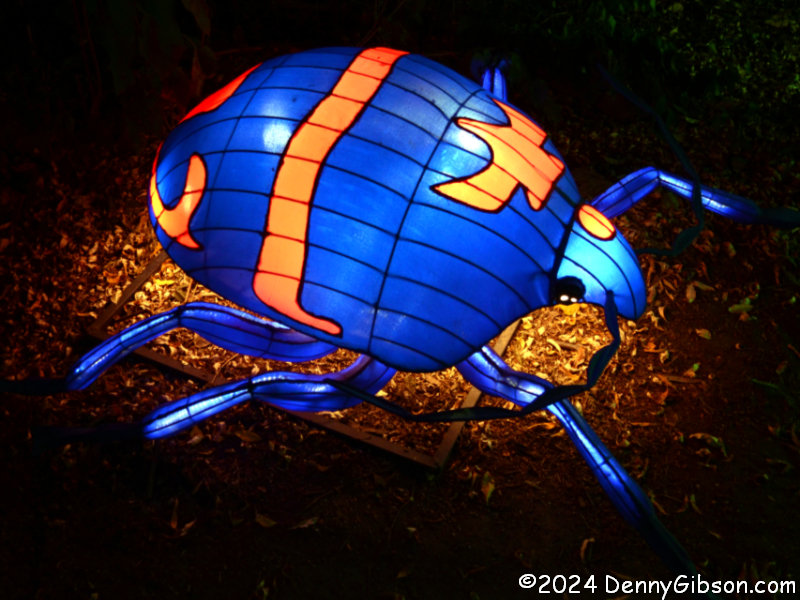
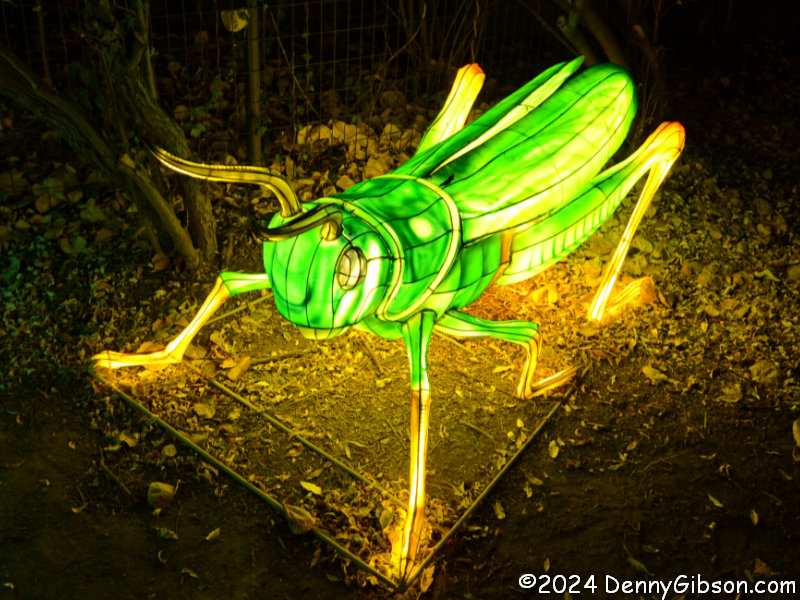 Many lanterns represent living creatures and some are close enough to scale to be considered lifesize. That is decidedly not the case with this group.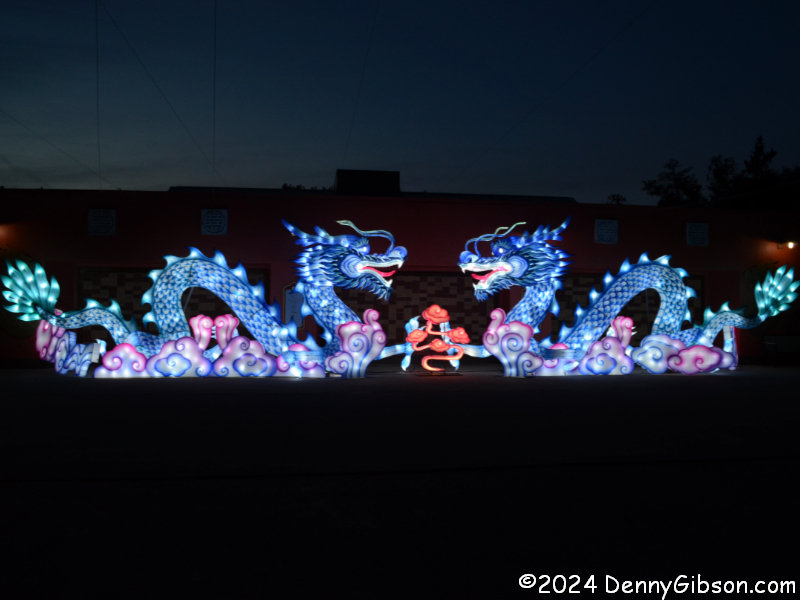
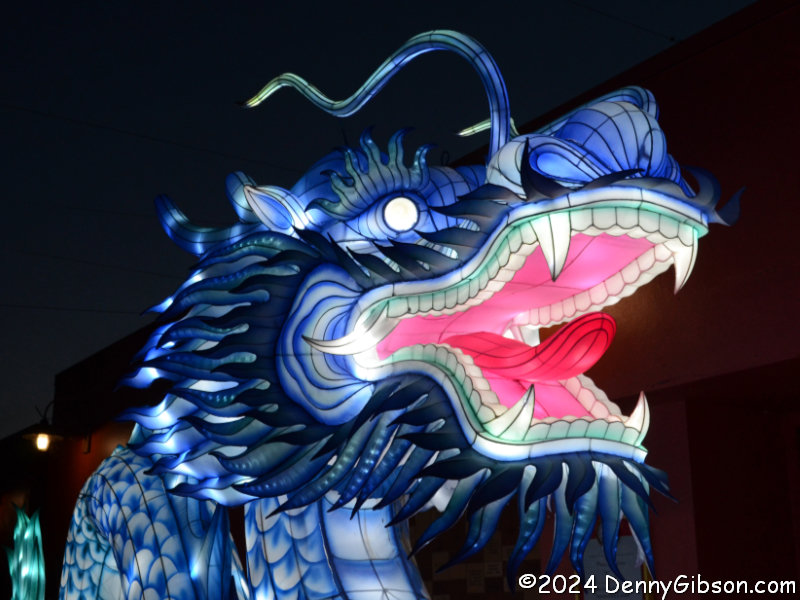
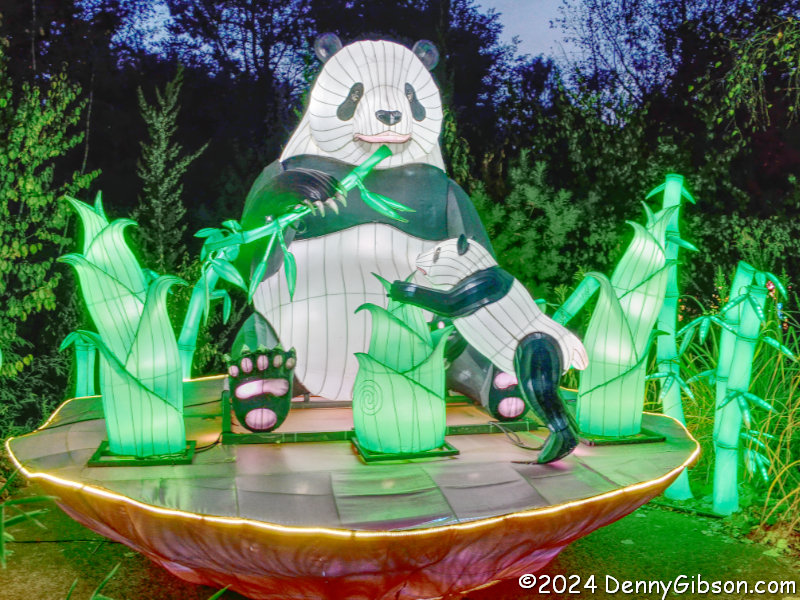 When I searched for this event, I called it a Chinese Lantern Festival and many of the lanterns displayed in Columbus match some shown on a website with that name. The Columbus event, however, mostly, but not entirely, avoids the word Chinese. Perhaps that is because the zoo and the lanterns are organized to represent all the different areas of the globe. Of course, that means there is a section that does represent China.
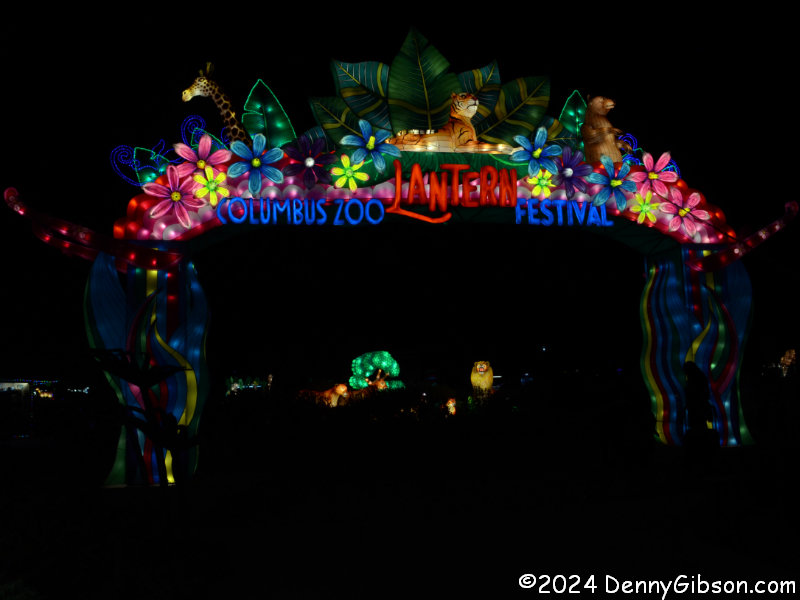 Admission includes unlimited rides which was wasted on me although I did briefly consider taking a few laps on the historic carousel. And there are bunches of lanterns not pictured here. The Columbus Zoo Lantern Festival is open tonight and there are two more weeks of Thursday through Sunday operation.