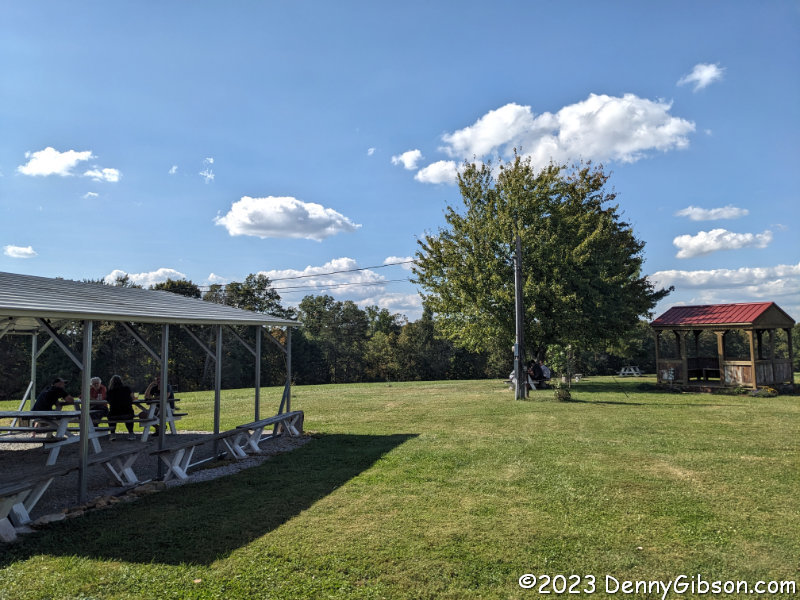
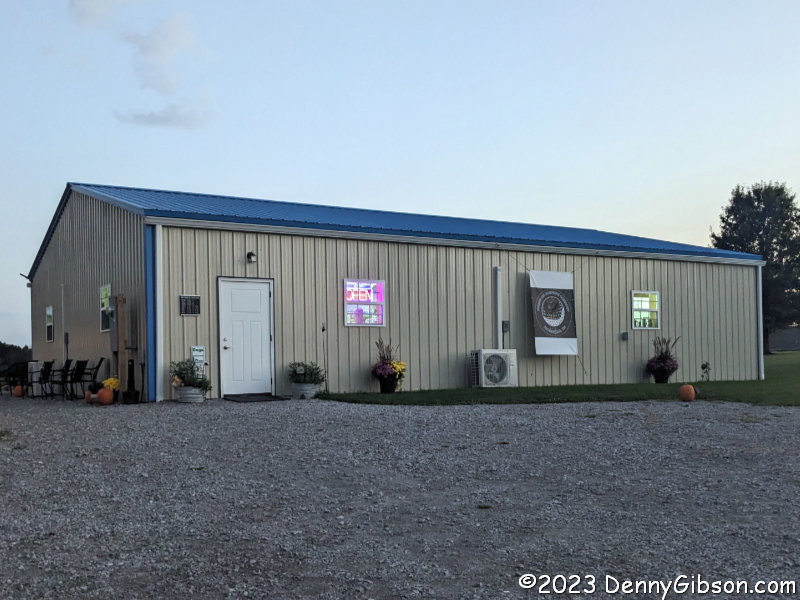
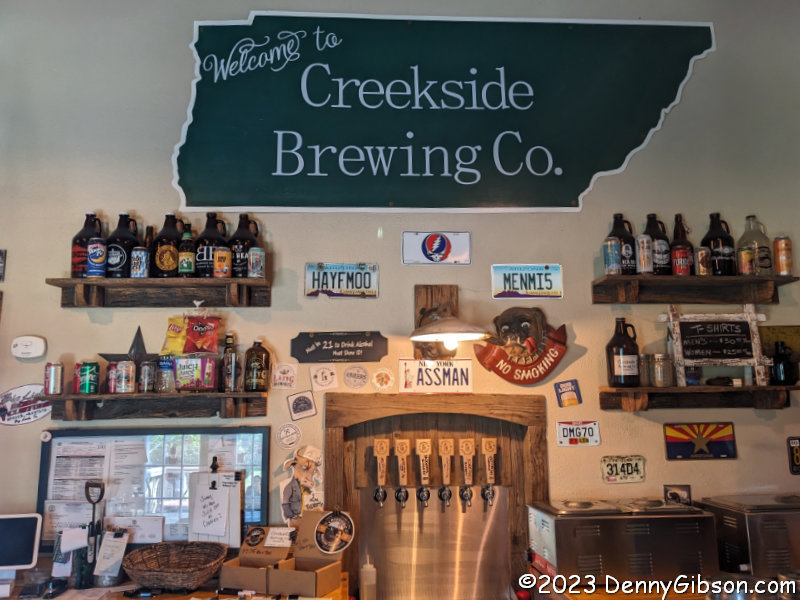
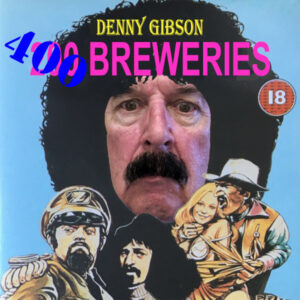
 I was mildly surprised when I hit 300 breweries but not so 400. I knew exactly when number 400 was on the horizon and just hoped it would be someplace cool. It was. Just like the place that surprised me in 2021 (Millstone Pizza and Brewery), there was food and good beer. The two even shared being recommended by friends although in the latest case, the friends were just a day old. The 400th brewery got some extra love from me by being one of those small operations that sit out in the country with lots of open space around them and some outside seating.
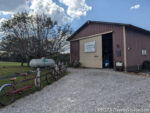
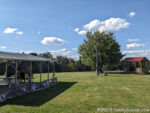
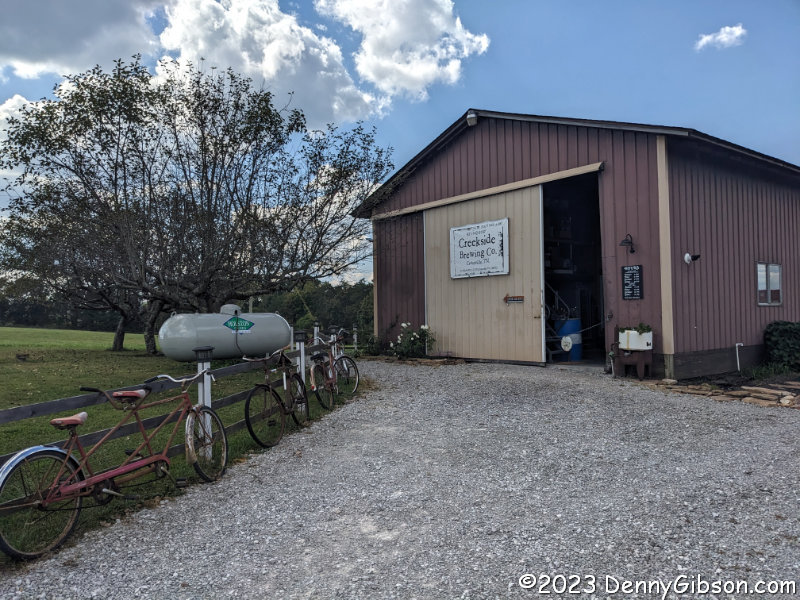
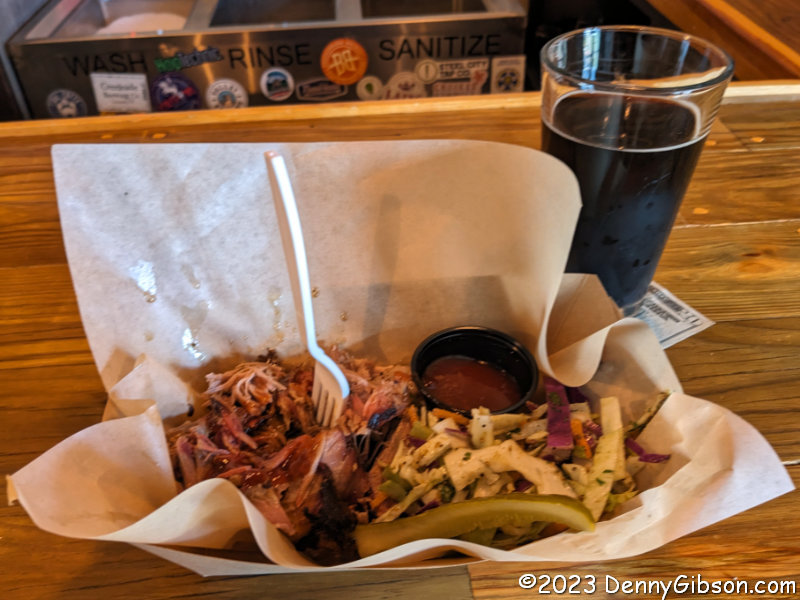
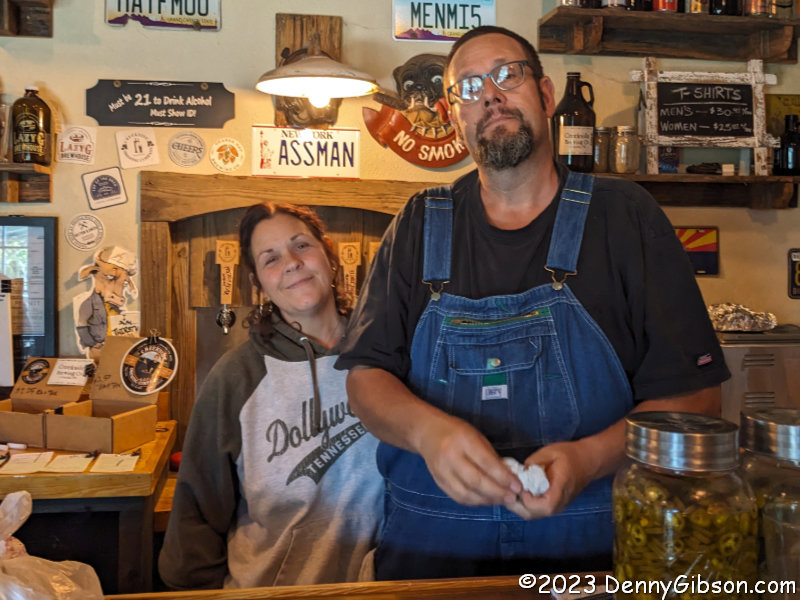
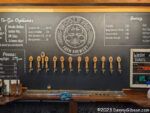
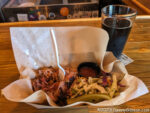 The first picture shows the front of Creekside Brewing Company but the entrance is around back. Just follow the bicycles. Pictures also show some of that open space and good food I mentioned. That’s an Afternoon Joe Porter behind the pulled pork. I was surprised by those new friends who recommended this brewery sitting at a nearby table. I’d met them the night before at another brewery and again earlier in the day at an airport open house which is where they recommended Creekside. That other brewery, Swing On Brewery (#399 9/20/23), was even more “out in the country”, had good beer and open space, and would have made a fine #400. I did get a picture. I also got a picture of Creekside’s tap area and its delightful owners, Rashaell and Eric.
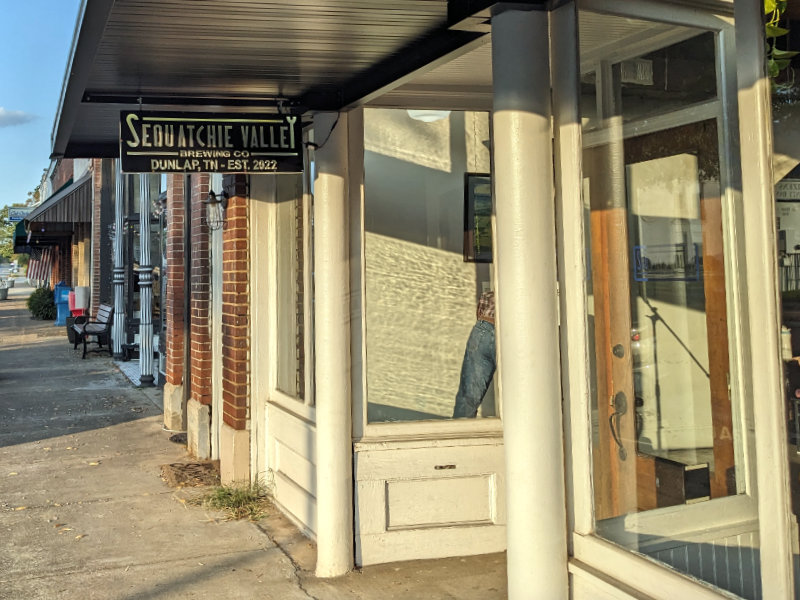
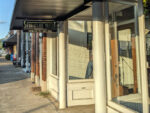 When I did the post on reaching 300 Breweries, I included the start of the next 100 at Cowboy State Brewing, and I’ll do the same now. Sequatchie Valley Brewing Company was nearly as difficult to find as CSB had been. The only sign was the small hanging one in the picture and I drove by multiple times and double-checked the address before seeing it. There were only two SVBC beers on tap along with a hard lemonade and some beer from other breweries. I failed to read the fine print about the Märzen before I tried it and was surprised by the “touch of pumpkin spice”. I was kind of put off by it, too. The cream ale was better.

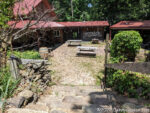
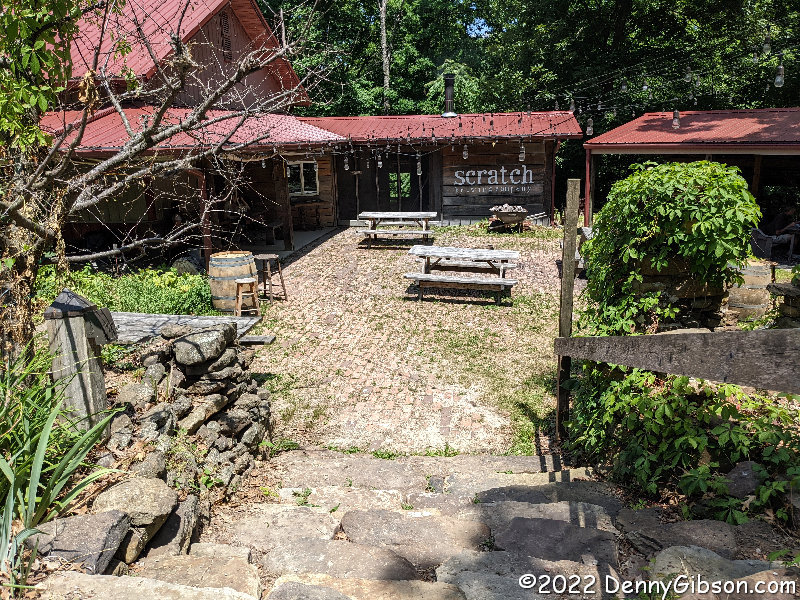
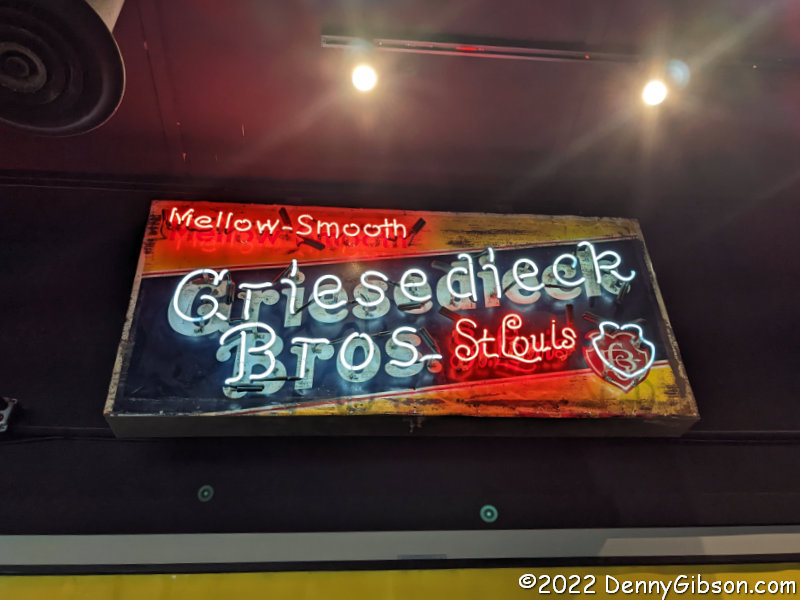
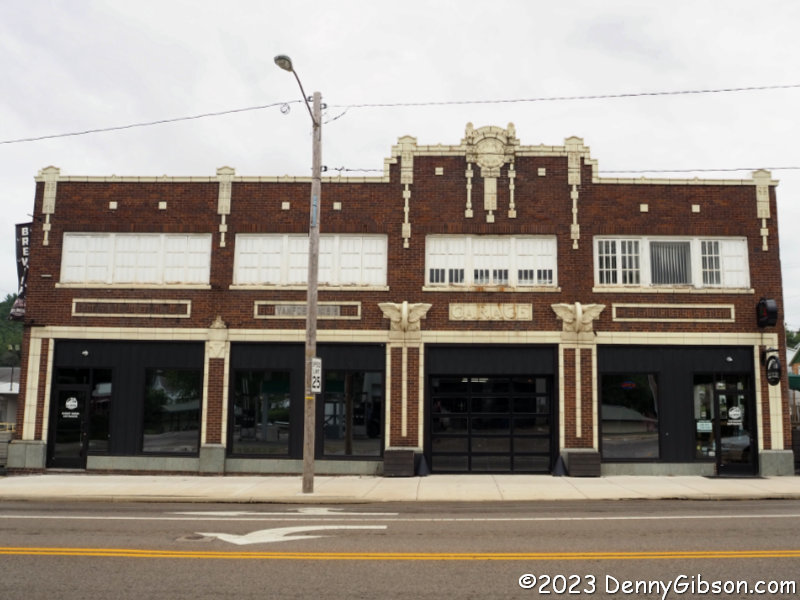
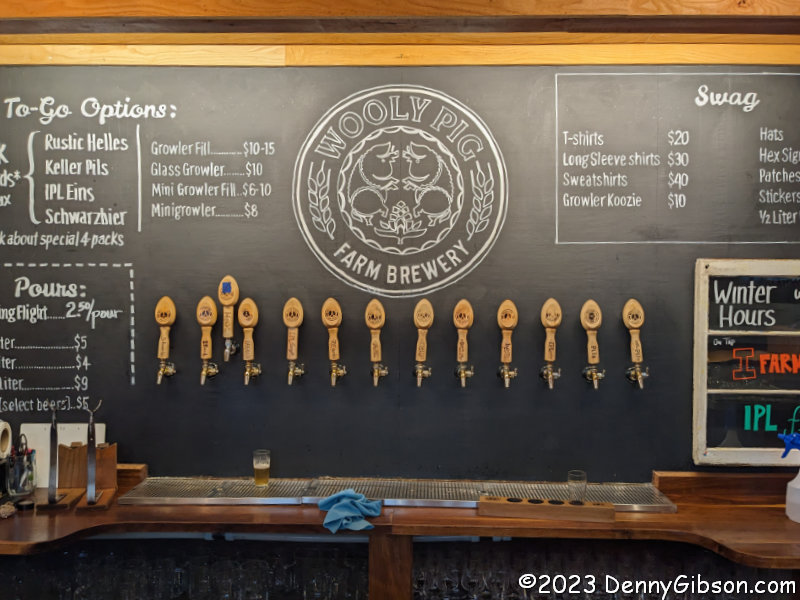
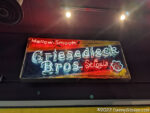 Breweries in this last one hundred I thought worthy of note include Studebaker Brewing Company (#308 7/11/21), Scratch Brewing Company (#336 6/5/22), Sangamo Brewing (#350 10/23/22), Wooly Pig Farm Brewery (#363 4/6/23), and Old Bridge Brewing Company (#389 9/10/23). Studebaker is in South Bend, IN, where it shares the former Clement Studebaker Mansion with the Tippecanoe Place Restaurant. Scratch, near Ava, IL, was recommended by a friend some time ago but it took me a while to get there. The rural establishment ticked all of my cool brewery boxes. I liked Sangamo in Chatham, IL, because it’s a combination brewery, restaurant, and sign museum.
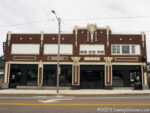
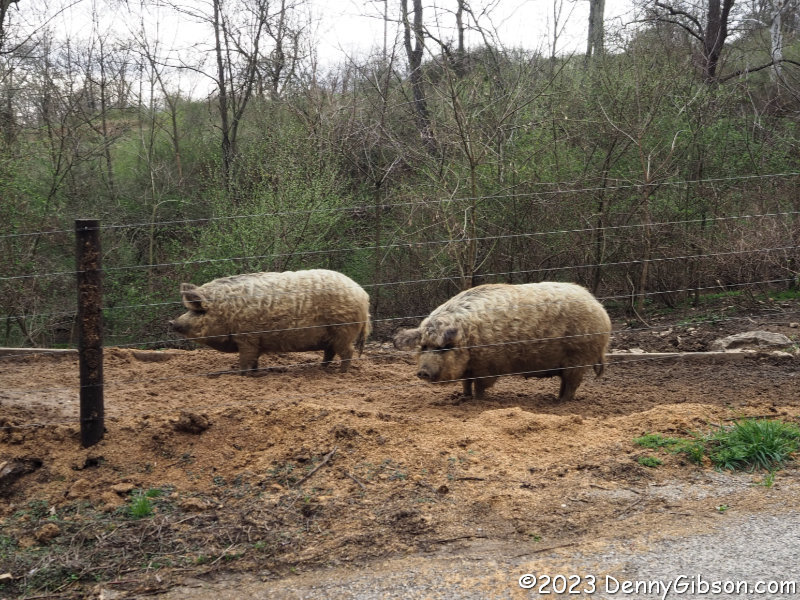
 Wooly Pig Farm was also recommended by a friend and also matched my cool brewery profile. The brewery shares the farm near Fresno, OH, with Mangalica pigs which are indeed wooly. Finding Old Bridge in McConnelsville, OH, was pretty much a stroke of luck. The 1919 Chevrolet garage is a great place for a brewery.
As I explained at the time, my surprise at hitting my 300th brewery when I did was partially due to Untappd, where I do my logging, recognizing some breweries that had not been classified as such when I logged them. That practice continues meaning that a brewery’s position on my list can change. The brewery that triggered the 200 Breweries post is now #204 and the one that triggered the 300 Breweries post is now #303. That means that I actually reached those landmarks a little earlier than announced and that it took me only 97 breweries to go from 300 to 400. Perhaps a little warping of statistics is to be expected when breweries are involved. The positions given above for breweries are based on the current list. Positions given in previous posts were accurate at the time of posting.

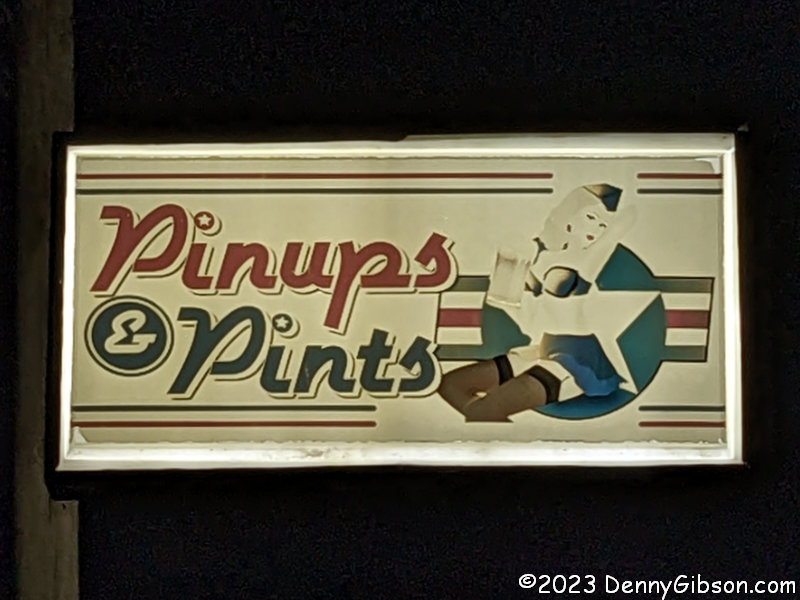
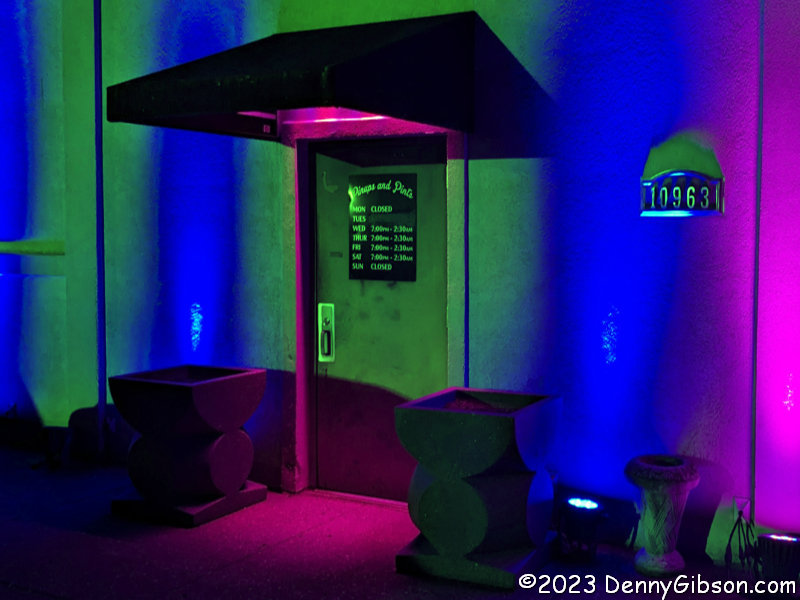
 In reporting my 200th brewery, I wrote about a place that had definitely been a brewery when I visited in 2015 but was not identified as one by Untappd at the time. Now, as I looked into the minor shifts in my brewery list, I discovered that my check-in of Pinups and Pints, a brewery, had been replaced with a check-in of Baby Dolls, a strip club. Although I believe Untappd got the timing of the name change and classification wrong, I decided that the easiest way to get credit for a check-in at “The World’s Only Strip Club — Brew Pub” was to do it again. This time the house-brewed beer (There is only one at a time.) was Pin Up Pale Ale.
Sorting through the various check-ins and list positions got me thinking about pace. I joined Untappd on January 29, 2014, and logged my first brewery two days later on January 31. The 100th was logged 999 days later on October 26, 2016. The 200th was logged on June 29, 2019, and the 300th on July 2, 2021. The 400th was logged on September 30, 2023. That’s 976, 734, and 820 days for the last three groups of 100 or 3529 days for all 400. The pace has varied some but not dramatically. The overall average is a new brewery every 8.8 days (roughly 0.79 breweries a week) during a period approaching ten years. I don’t know how much longer I can keep this up.
 I’m scheduled to be on Coffee With Jim, a podcast from Jim Hinkley’s America, this week. I know that some, but I’m sure not all, of our conversation will be about “Tracing a T to Tampa”. It will be recorded at 9:00 AM EST Sunday, November 19, and clicking here should allow you to listen in if you so desire. I believe that commenting or asking questions requires the PodBean app which is available on the page.
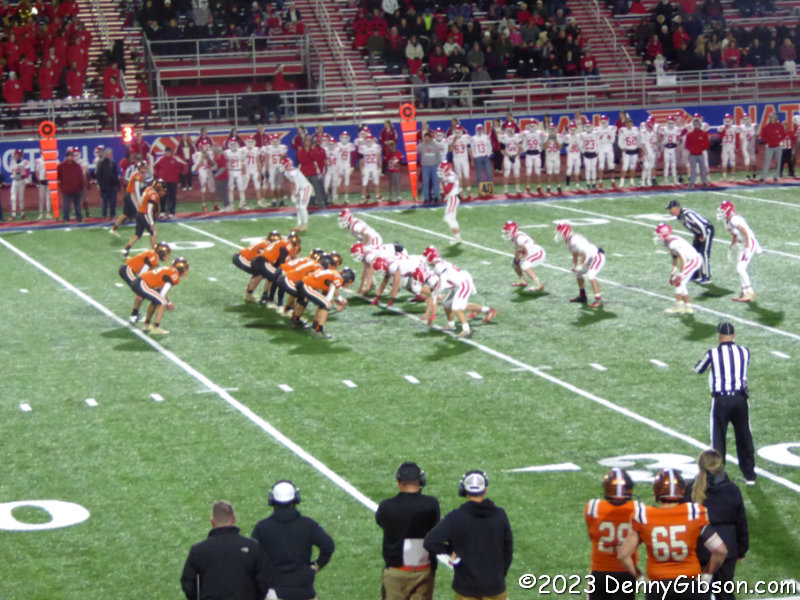
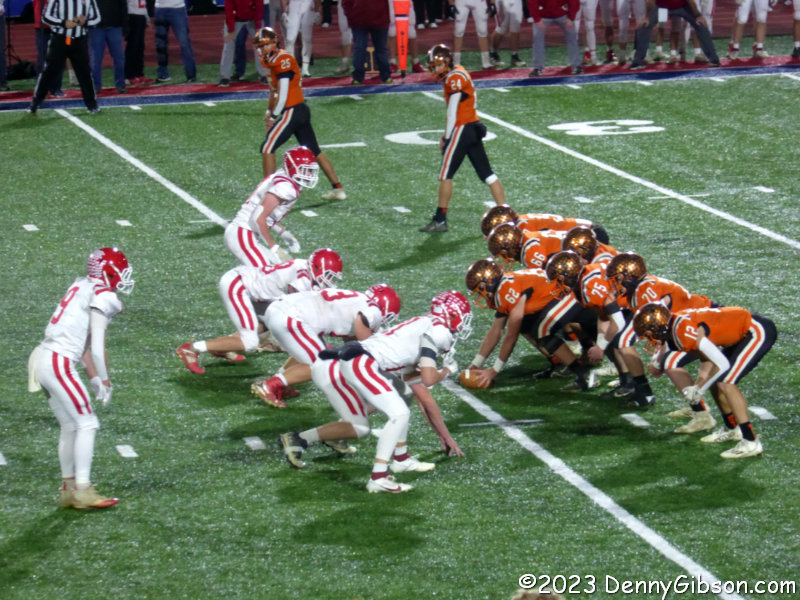
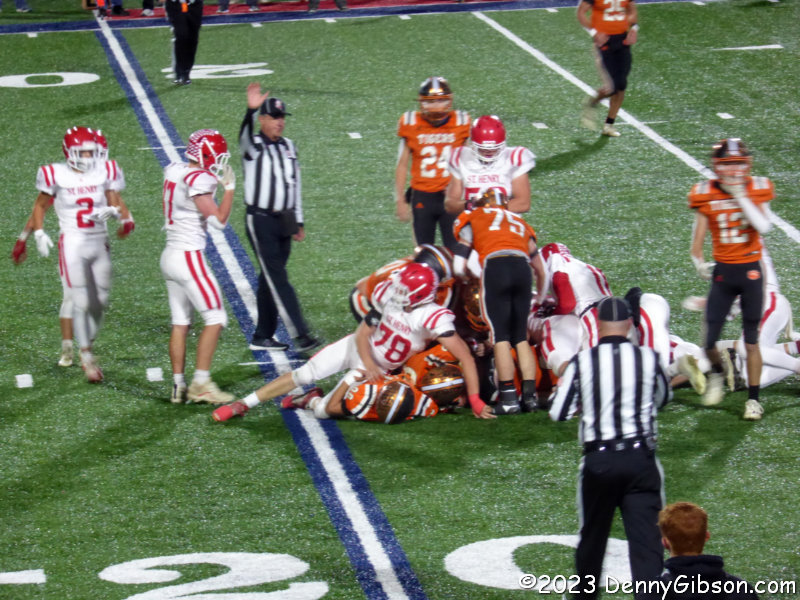
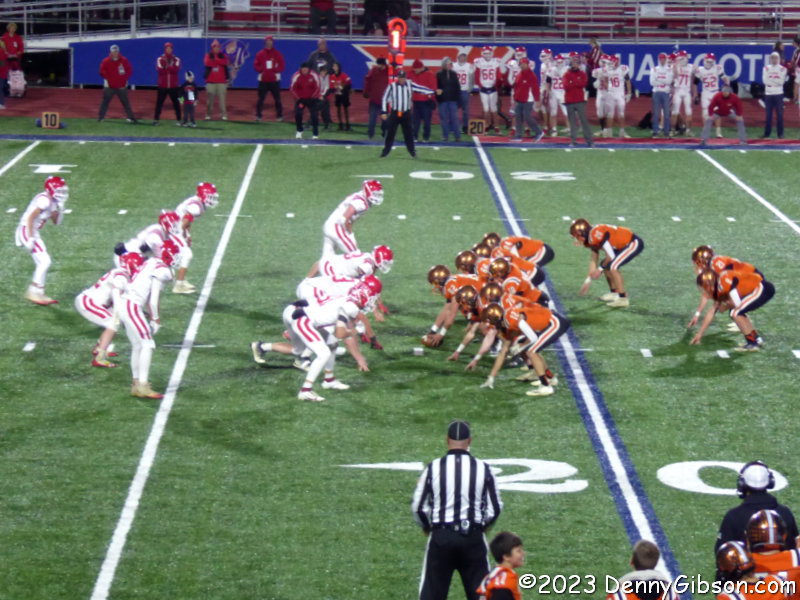
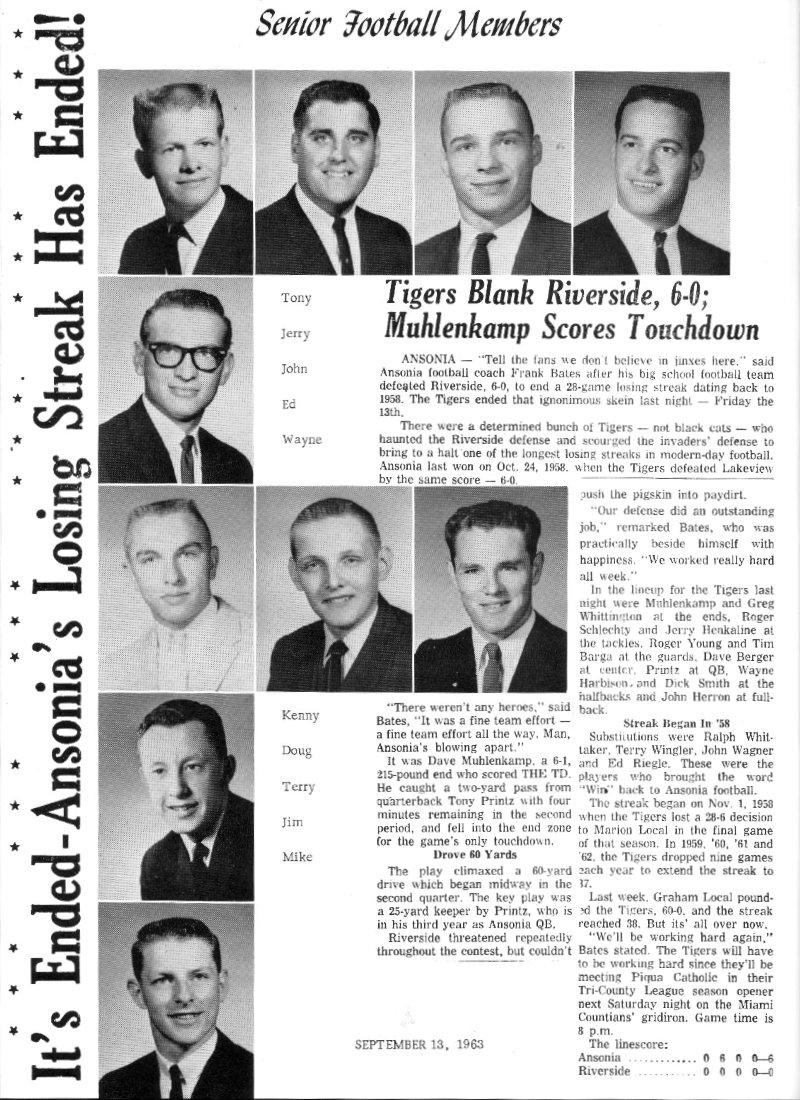
 As implied by this headline from my days as a student, rooting for a winning team was once an impossible dream. The thirty-eight-game streak it refers to came to an end just a little over sixty years ago on September 13, 1963.