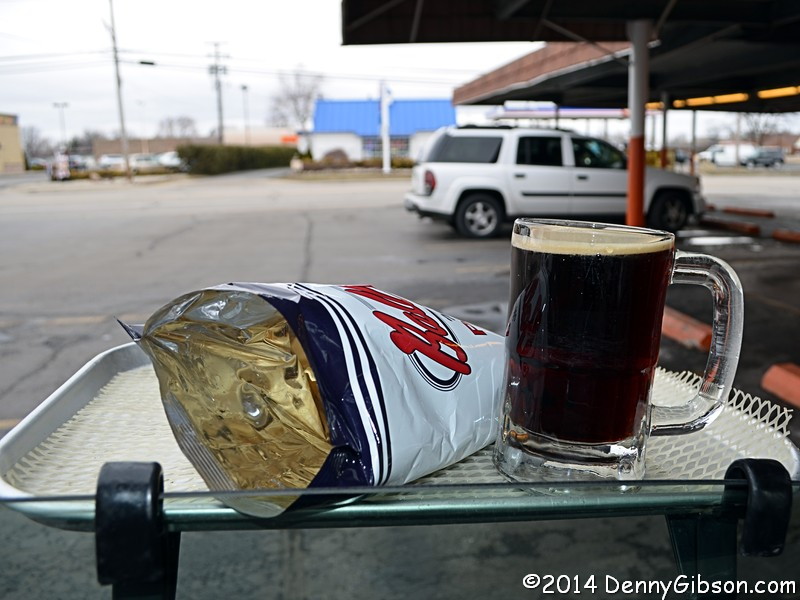
 Maybe I wouldn’t normally drive to Michigan just for a concert and maybe I wouldn’t normally drive to northern Ohio just for a potato chip, but at the trailing edge of a winter that has snow falling in the last week of March, either would have qualified as raison d’roadtrip. Together, they could not be denied.
As a child, I had a certain amount of fondness for the well-oiled curled-up and crunchy product of the long gone Star Potato Chip Company in nearby North Star, Ohio. There was also a brief period in my early twenties when I faced the risk of addiction to Mikesell’s Green Onion Potato Chips. Since then, although I’ve certainly eaten my share of chips and crisps and even those impostors that are neatly stacked in tubes, I’ve not had a favorite. I hadn’t really thought about it until a Jim Grey blog post made me realize that I lived in a state that was a legitimate “King of the Chips” contender. The post is here and well worth reading but the important point for me was that Jim, after some serious research, had picked two Ohio made chips as his favorites.
The musical part of the equation is that Willie Nile, who I’ve recently discovered I like a lot, would play his last concert before heading to Spain in Ann Arbor, Michigan. One of Jim’s picks is based in Tiffin, Ohio, which is, if you look at it with the proper motivation, right on the way to Ann Arbor. You could also look at it with the idea that, once you’ve driven to Tiffin, Ann Arbor is just a hop, skip, and a jump farther. Either way works for me.
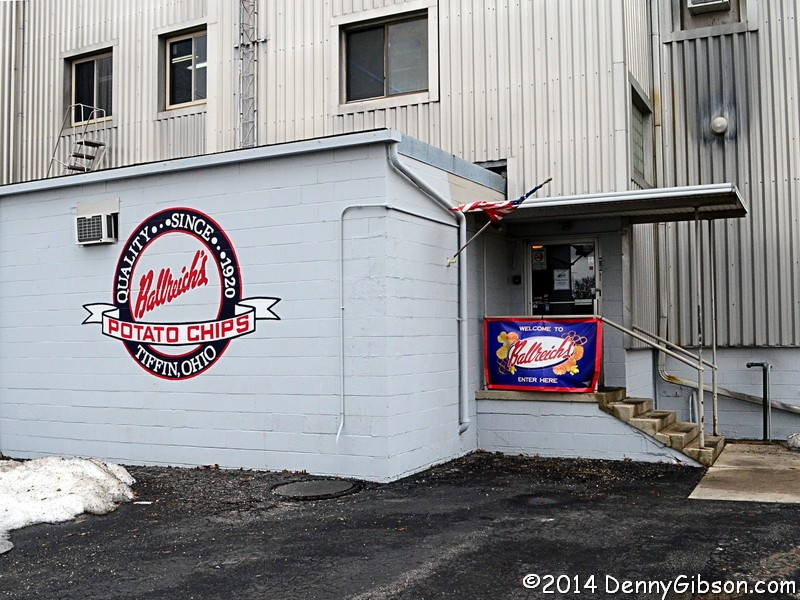
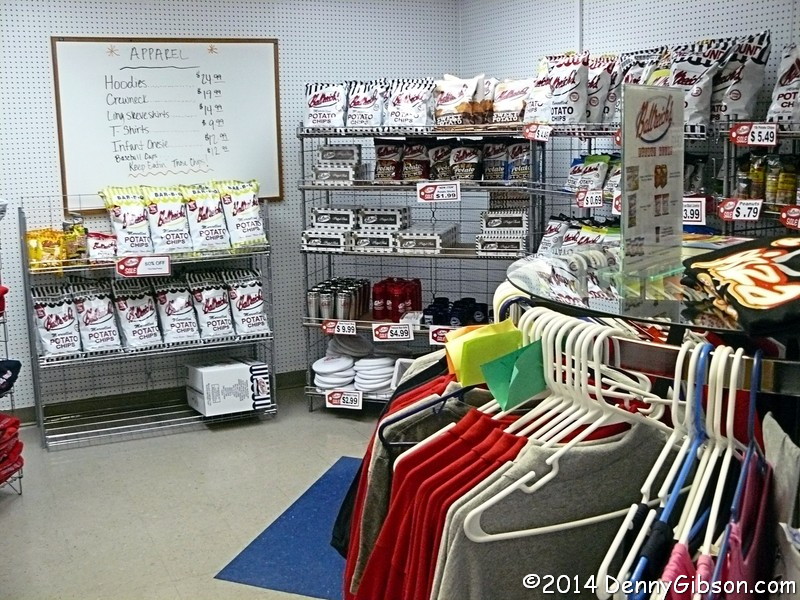 I headed north on I-75 then left the interstate at Findlay to follow US 224 to Tiffin. If I had studied the history of Ballreich Brothers Inc. a little better, I wouldn’t have been surprised to find it in what is basically a residential area on the east side of town. Big buildings have been built and much equipment installed over the last 90+ years but the company remains located right where Fred and Ethel Ballreich started making potato chips in a copper kettle in their garage in 1920. Although the company store is open Monday through Friday during the Christmas season, the normal schedule is Friday’s only. Lucky thing that I was going to a Friday concert and even luckier that I checked in advance since I initially thought of stopping on the way home. In addition to all the company’s snack products, the store offers clothing, mugs, and other items bearing the company logo. I grabbed both a large and a small bag of the Original Marcelled chips and a big bag of sweet potato chips which were unexpected but immediately snagged my interest. I intended to also get a small bag of Sour Cream & Onion but another surprise, Salt & Vinegar, must have distracted me because I let the Sour Cream & Onion get away.
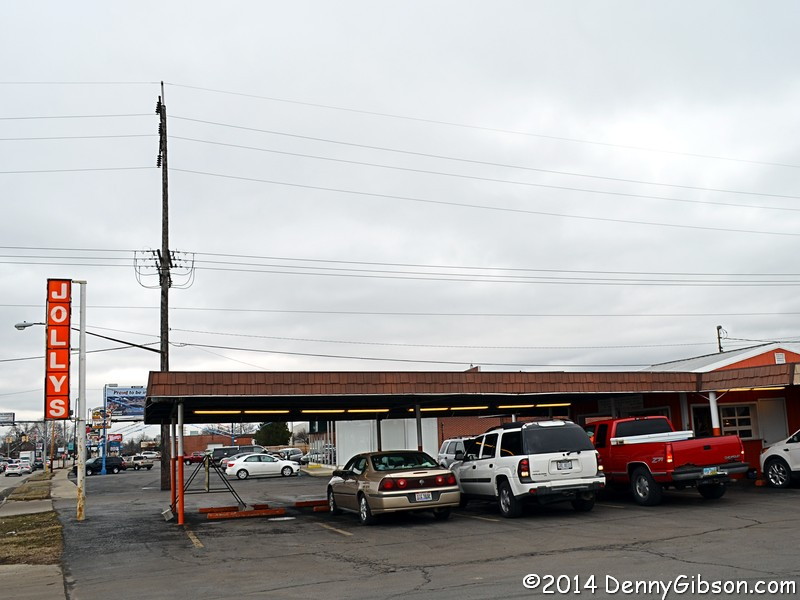 I had forgotten that a Jolly’s Root Beer stand existed in Tiffin but instantly recalled the connection with the two in Hamilton, Ohio. The ones in Hamilton can be traced back to 1938 and founder Vinny Jolivette. This one was started by Vinny’s brother, Roy, in 1947. The stand surprised me but the fact that it was open — with temperatures in the 40s — surprised me even more. I’m sure the idea started to form as soon as I saw the Jolly’s sign and it was fully formed by the time I left the Ballreich company store. Rather than having my first Ballreich experience in the parking lot or as I drove out of town, I headed back to the drive-in and that’s how the photo at the top of the article came to be.
Even though I thought I knew what Jim was talking about with his dry chips and moist chips, it wasn’t until I chomped down on one of Ballreich’s beauties that I really understood. All the moisture and much of the flavor had disappeared from my chip supply so gradually that I didn’t consciously miss it. I do now, of course, but I fortunately live in Ohio and, even though Ballreich’s hasn’t reached Cincinnati yet, I frequently pass thorough places where they are supposed to be available. I’ll be OK.
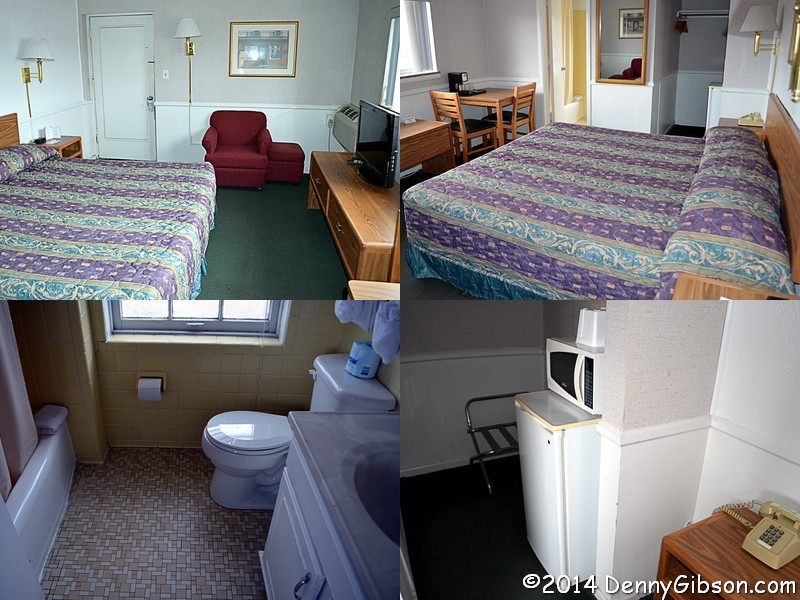
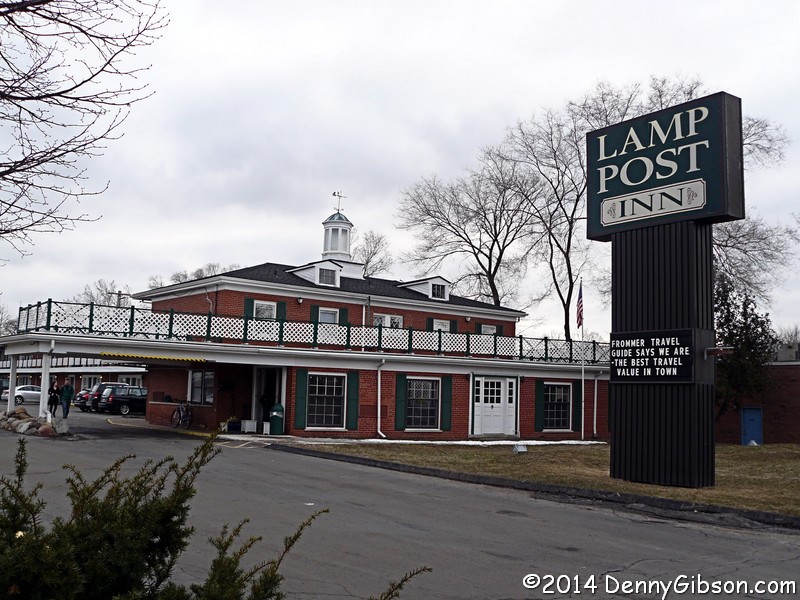 I asked a couple Michiganers about independent motels in Ann Arbor and Ypsilanti resident, Russell Rein, reported that only one remained standing that he knew of. One was enough. The Lamp Post Inn had pretty good reviews, reasonable rates, and a very acceptable location. There is a peek inside my room here. The location became more than acceptable when I searched for Friday Lenten “fish fries” and found one within walking distance of the motel. I’ve made a habit of attending a variety of such events for the last few years and this year am planning on posting some sort of summary after Easter.
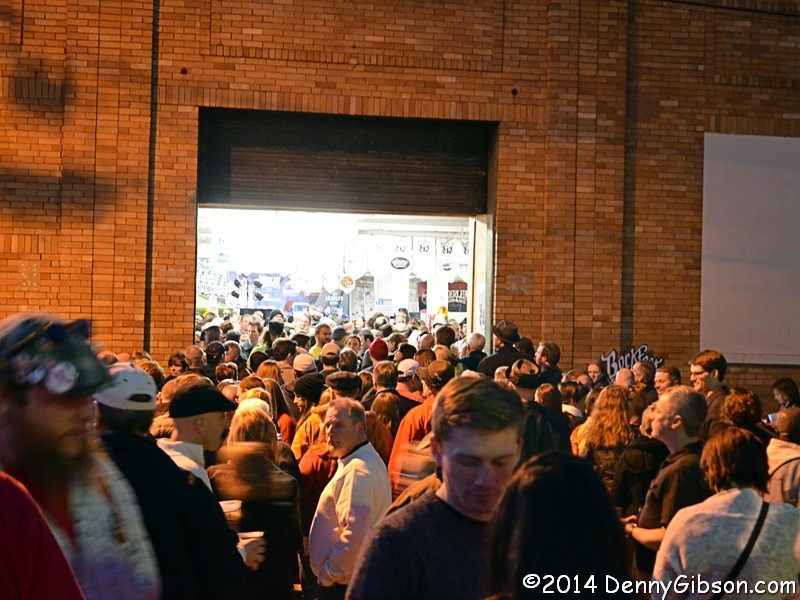
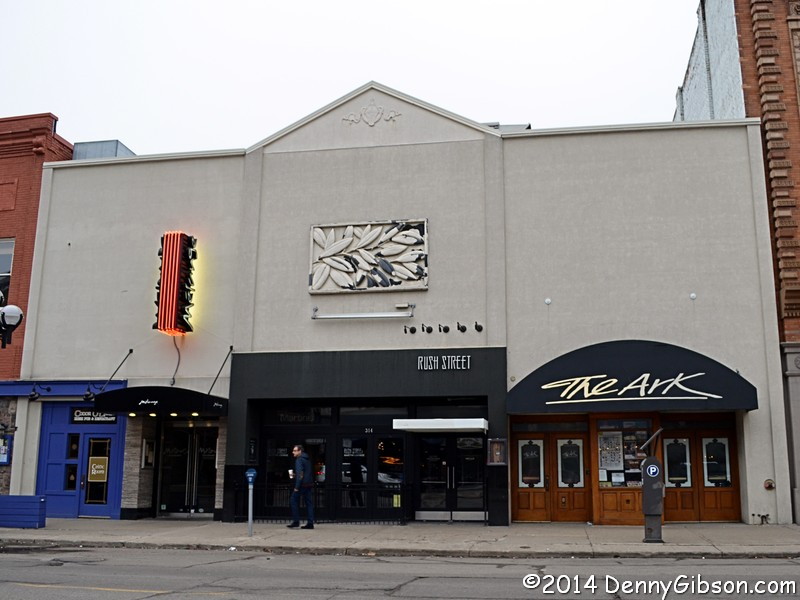 The concert venue, The Ark, was just a couple of miles away. It’s quite a nice place on the second floor of the building in the picture. I’m guessing that it seats no more than 300 and less than a third of those are reserved. I had been able to buy the last reserved seat because, as is often the case, few people want a single seat. Overall, the show was close to being sold out but not quite.
 I bought a Nile CD, Places I Have Never Been, at that impressive concert in Newport, Kentucky, in February (my post here) then ordered American Ride online. Those two CDs, one more than twenty years old and the other less than a year old, went into heavy rotation in the car. I was becoming quite a fan and thinking I’d like to see another show now that I was a little better prepared. The Ann Arbor show was not only the last in the States for awhile, it was also the closest. Every time I listened to one of those CDs, I would be ready to make plans as soon as I got home. Then some time would pass and I would talk myself out of it. Eventually I listened to Willie Nile and read about potato chips on the same day.
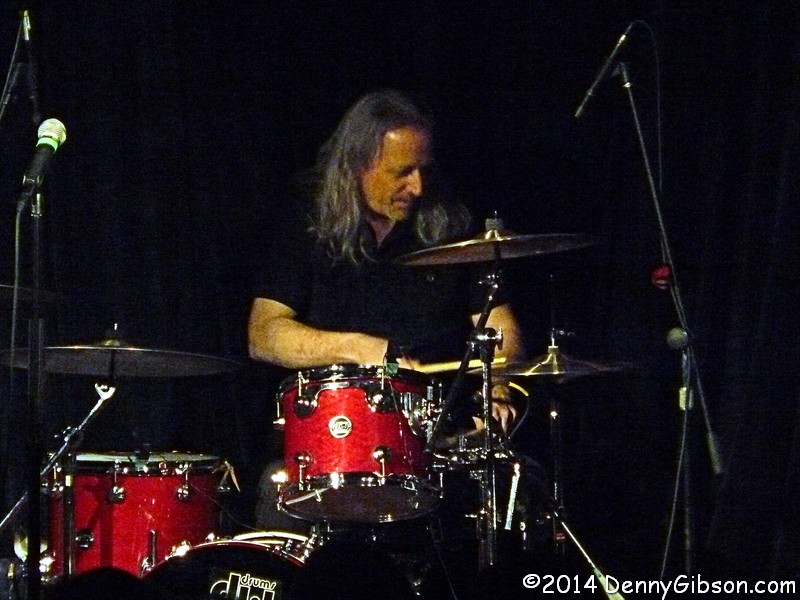
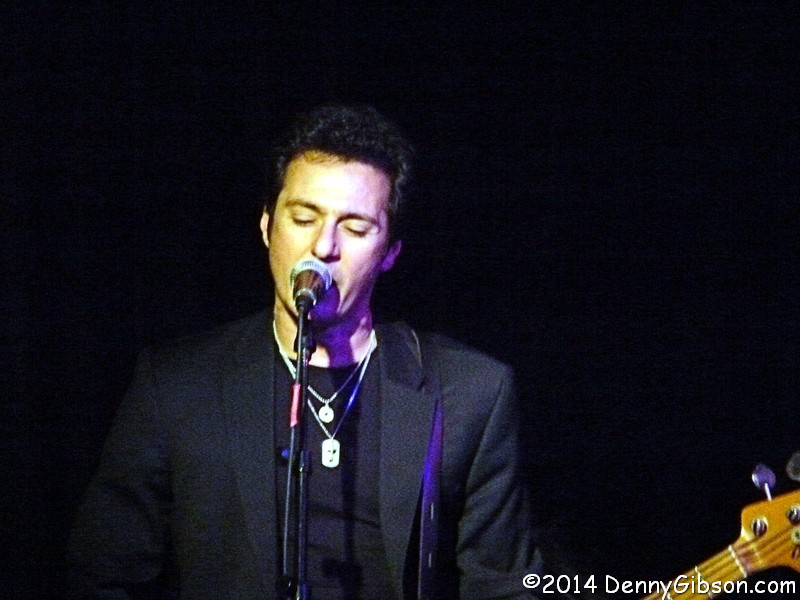
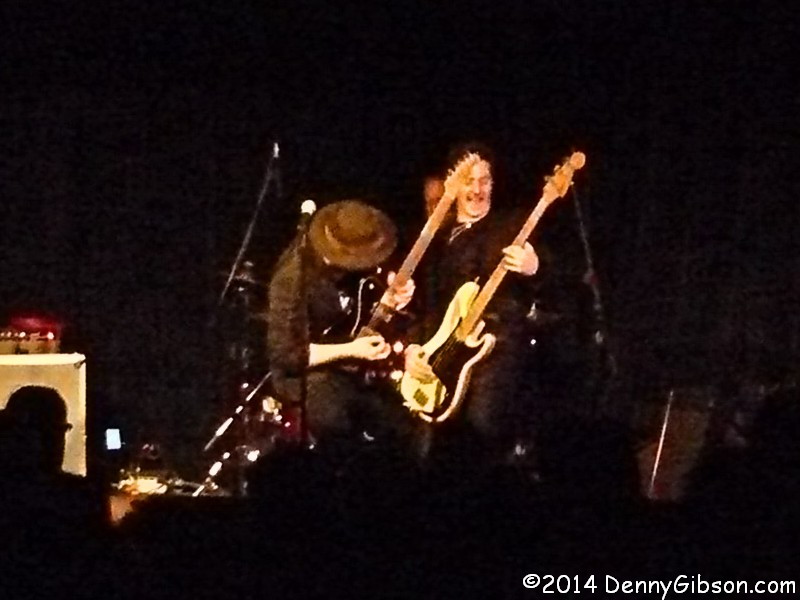
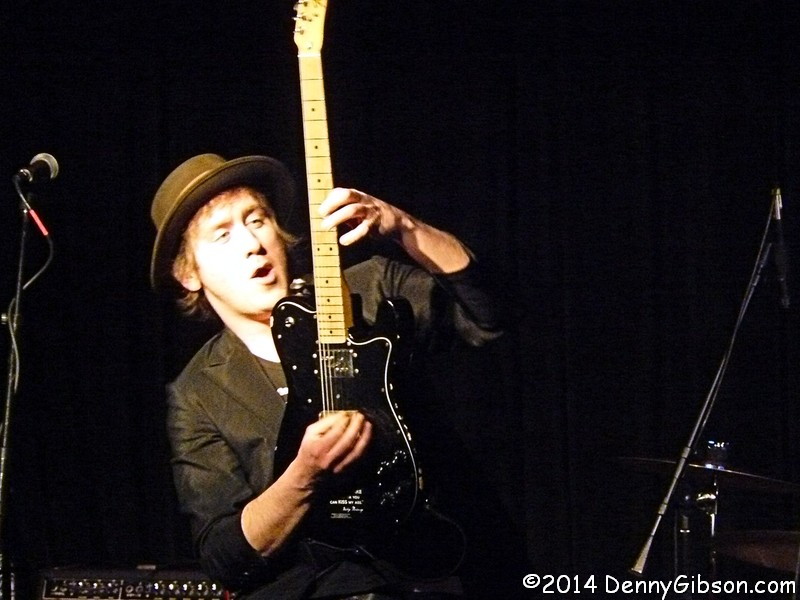 The lineup was the same as it had been in February. Guitarist Matt Hogan and Bassist Johnny Pisano had a little more room than they had in Newport and used it. They certainly had not stood still at the earlier show but here they were just a little showier and they also teased each other a little more. A picture here is just a hint at how much fun they were having together. I’ve read that Alex Alexander has played at least some of the shows since Newport but not this one. I’d kind of like to see the group with him sometime but I sure can’t complain about the job that Larry’s doing. I claimed to have forgotten his last name when I wrote about the concert in Newport but now I have to think that I never heard it properly. Beers! How could I forget the name Beers? Larry Beers is the name and top notch drumming is his game.
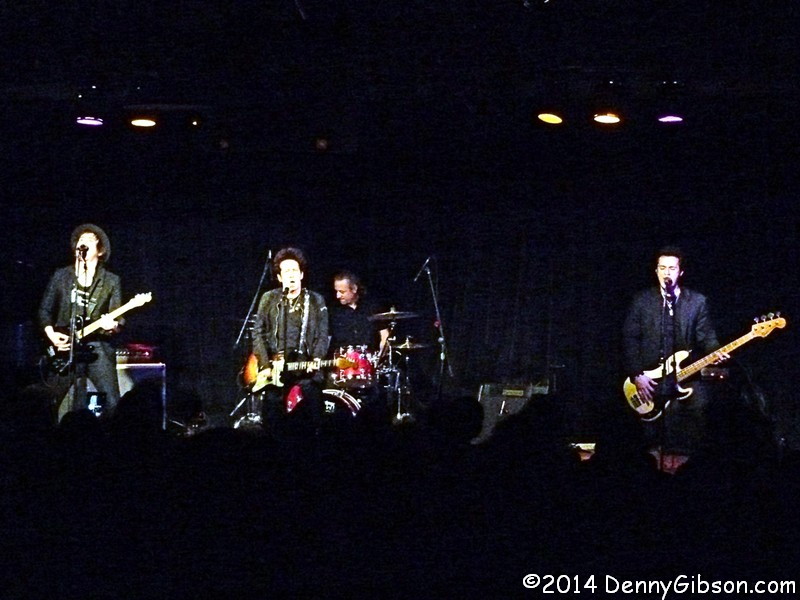
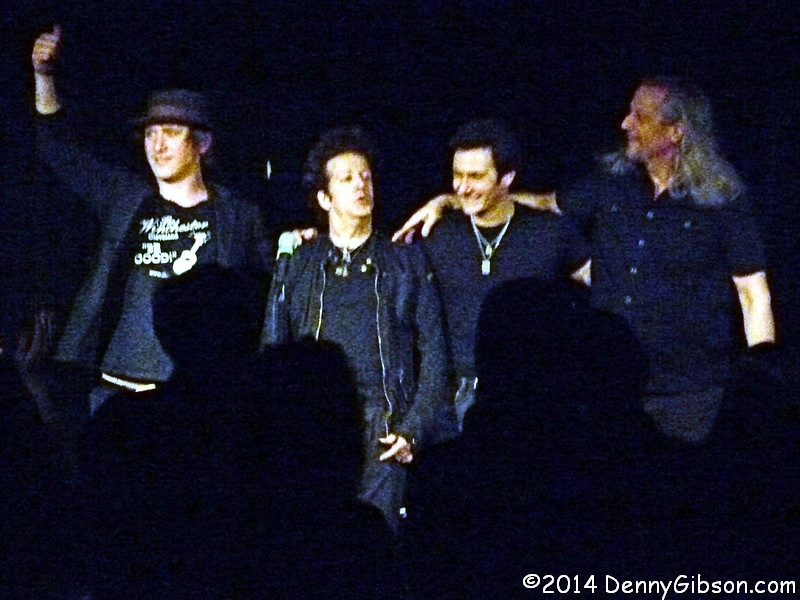 Willie is now off to tour Spain but will be back in the US in May. There is currently nothing very close to me on his schedule but I’ll keep watching. I’ve a lot of catching up to do.
P.S., The sweet potato chips are excellent.
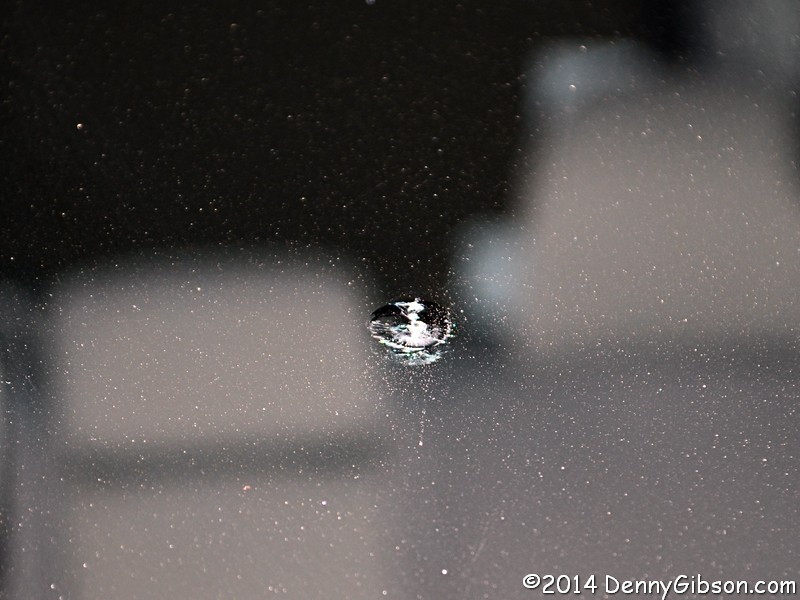 ADDENDUM 2-Apr-2014: I don’t know how I missed this obvious title connection when I wrapped up this post Saturday night. Earlier in the day, as I left Columbus in traffic, I heard a now familiar clack and soon located this crater in my windshield. “Chip shot” indeed!
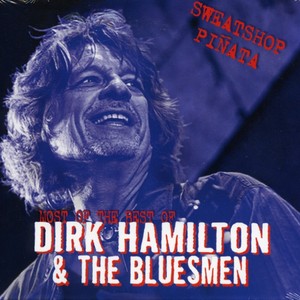 The album’s full title is Sweatshop Piñata: Most of the Best of Dirk Hamilton & The Bluesmen. If that means there may someday be another album with the rest of the best of Dirk Hamilton & The Bluesmen, I’m in.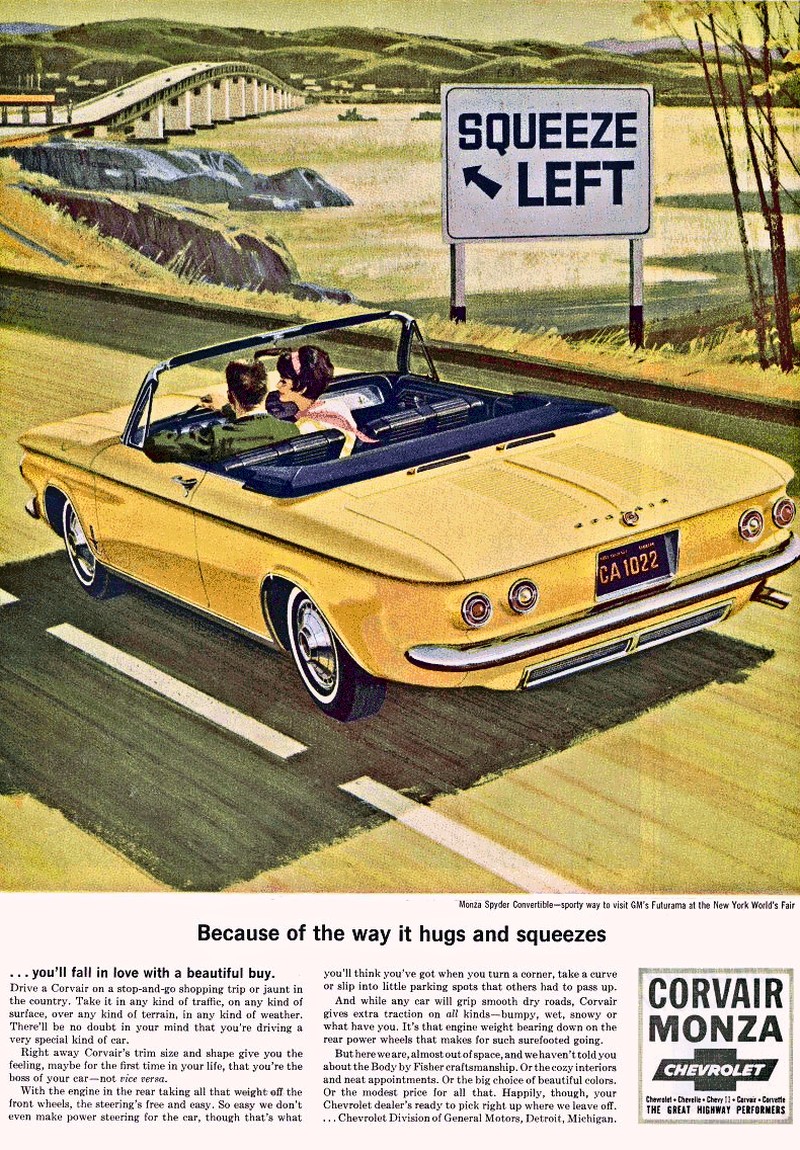
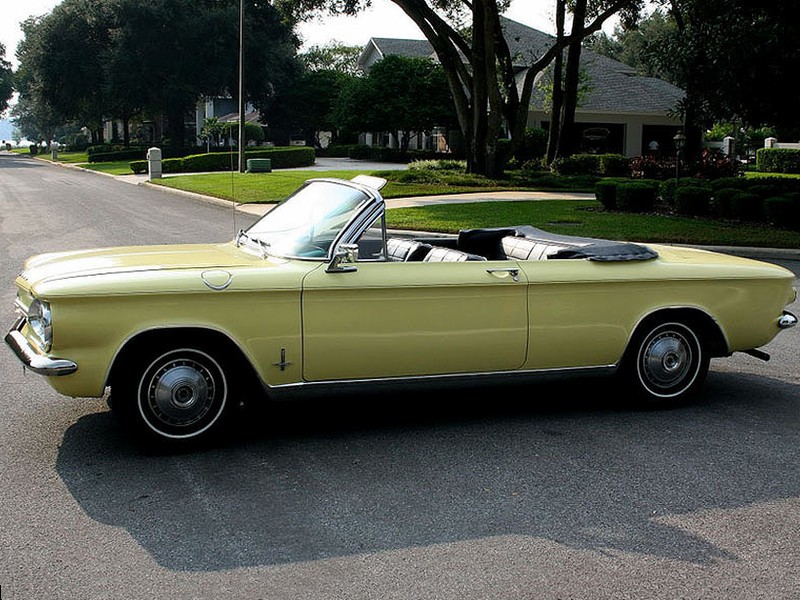
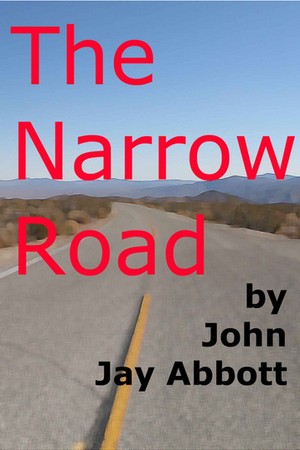 This book could be called a near opposite of the one in my most recent review. That one contained lots of information and was well researched but not so well written. The Narrow Road: An Adventure on the Lincoln Highway tells me little that’s new and involved almost no research but is fairly well written. Yes, I do have variety in my reading.




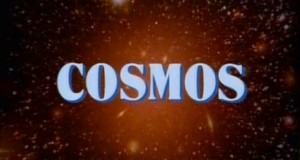 Back in 1980, Dr. Carl Sagan wrote a book called Cosmos as a companion to a TV series named Cosmos: A Personal Voyage which he co-wrote and “starred” in. I watched the series and read (and still have) the book. Sagan was a smart guy and a darned good communicator. In the book and the program, he set out to share the scientific community’s knowledge of the universe — the cosmos — with the masses. It’s generally accepted that he did a pretty good job. Until Ken Burns came along with The Civil War series in 1990, Cosmos ranked as the most watched PBS series ever.
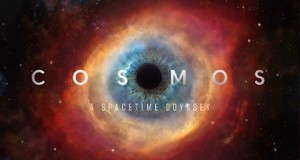 Now another smart guy and good communicator, Neil deGrasse Tyson, is trying it again. We, the residents of Earth, have learned quite a bit in thirty-four years. The first episode of a new series, Cosmos: A Spacetime Odyssey, aired last Sunday, March 9, on the Fox Network and Monday, March 10, on National Geographic TV. Additional episodes will be shown on subsequent Sundays and Mondays until thirteen episodes — same as the original — have been broadcast.
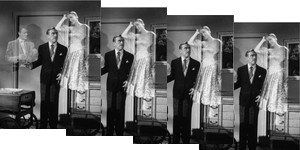 This picture is of a TV series nearly thirty years older than the first Cosmos. That series was a comedy and about as far from scientific as it is possible to get. Its title character was a straitlaced bank president named Cosmo Topper. There was only one of him but, had there been more, they would have been called…
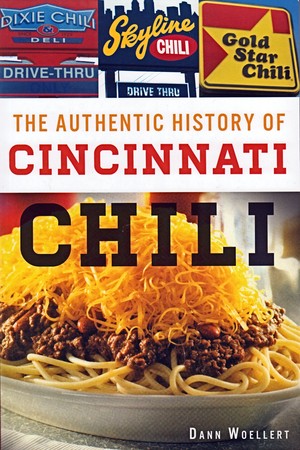 There is definitely a lot of information in this book. That’s why it’s here. I’ve often said that all my reviews are positive not because I like everything I read but because I see no reason to spend time reviewing something I don’t like. The Authentic History of Cincinnati Chili had me wavering. The subject matter is clearly in my strike zone. History? Check. Cincinnati? Check. Chili? Are you kidding? This looks like a book that could have been written specifically for me, right? Digging into it, however, was not quite as tasty as I thought it would be.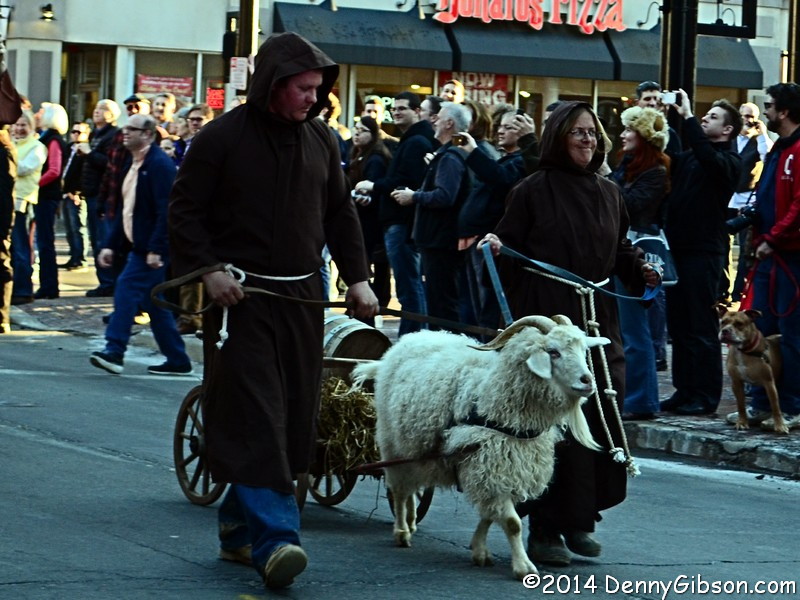
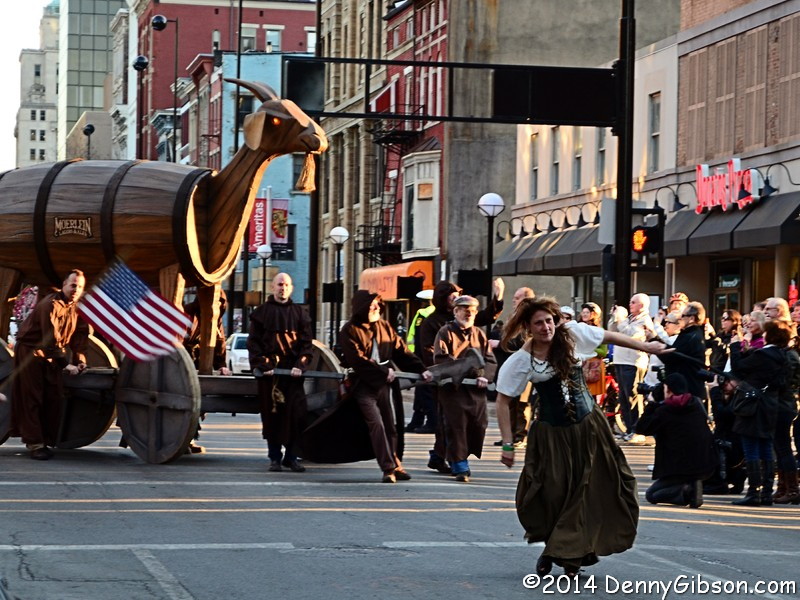



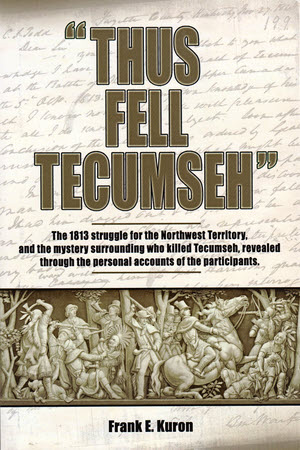 One of the few undisputed facts of Tecumseh’s life is the date of his death. The date of his birth is only known approximately and there are multiple possibilities for its location. He was born about March 1768 somewhere in the Ohio territory. It’s pretty much accepted that he met his end at the Battle of the Thames but that statement isn’t quite as precise as it might appear. While it is generally believed, as most reports indicate, that he died as a combatant in the battle, reports do exist that describe his death as an accidental shooting some distance away from the actual fighting. What no one questions is that Tecumseh was alive on the morning of October 5, 1813, and dead at the end of the day.