 Cincinnati Reds opening day parades were canceled in 2020 and 2021 because of the COVID-19 pandemic. Last year’s parade was delayed along with the start of the season by an owner-player dispute but it did happen. Opening Day 2019 was normal in most respects but I missed the parade due to my own bad planning. I made the parade in 2018 although it was delayed by legitimate business concerns having nothing to do with owners, players, viruses, or weather. In 2017 I was out of town for what I understand was a very nice and quite normal parade. That means that the parade of 2016 was the last one I attended that happened as it was supposed to. I’m sure glad that streak is over.
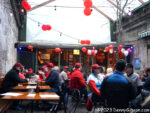
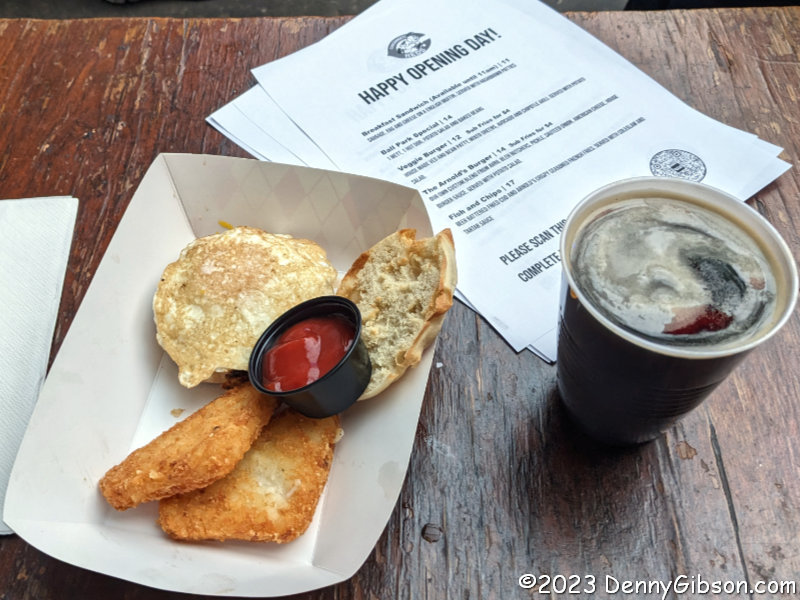
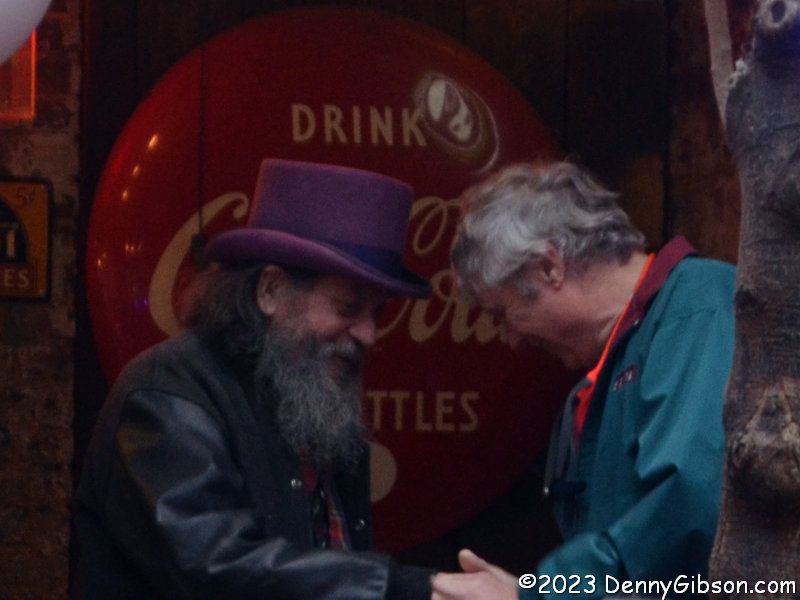
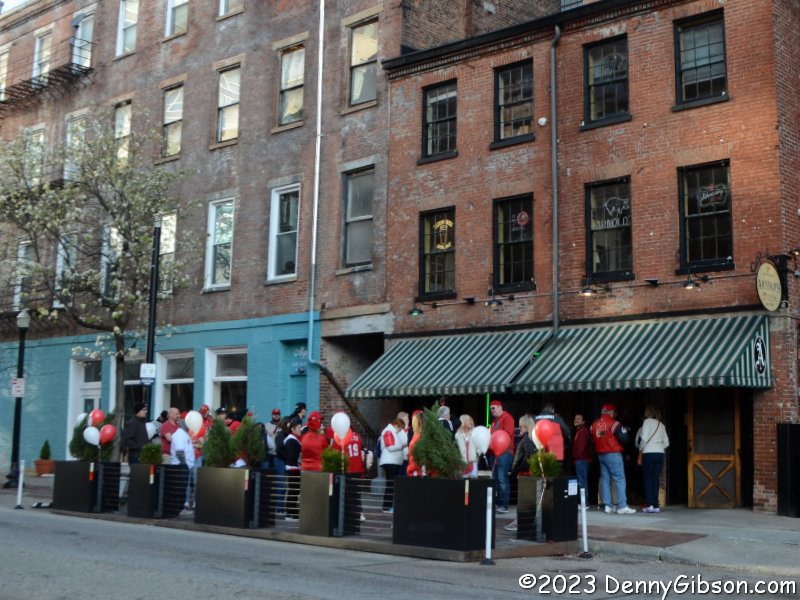
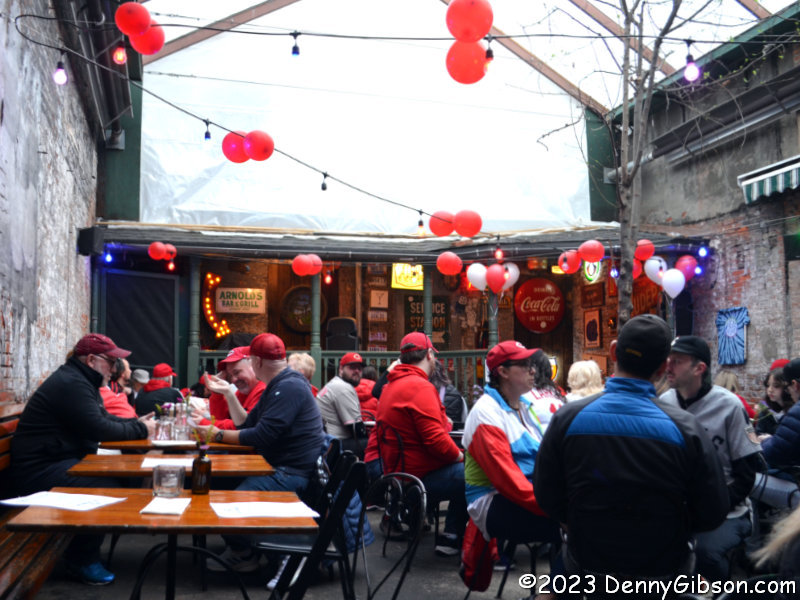
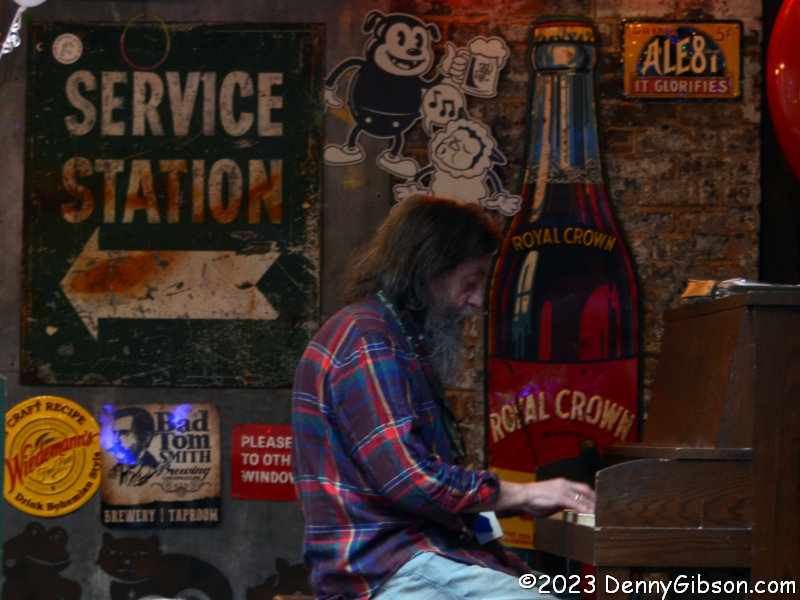
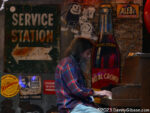 I decided to get serious this year and reached Arnold’s about twenty minutes ahead of the planned 9:00 opening. Obviously, quite a few folks were even more serious but I was still in time to get a seat in the courtyard and get a breakfast sandwich and Shamrock Shake. I was there when Todd Hepburn arrived looking quite dapper and I stayed long enough to sing “Take Me Out to the Ball Game” with him.
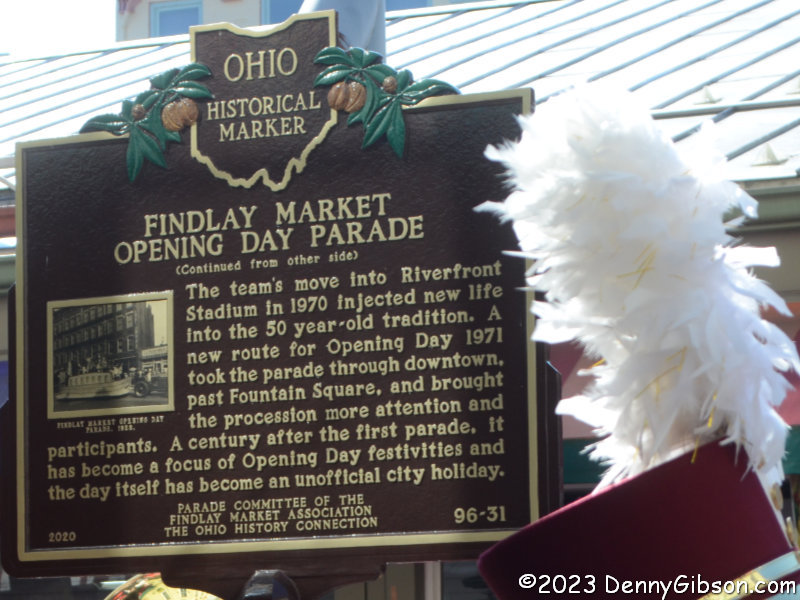
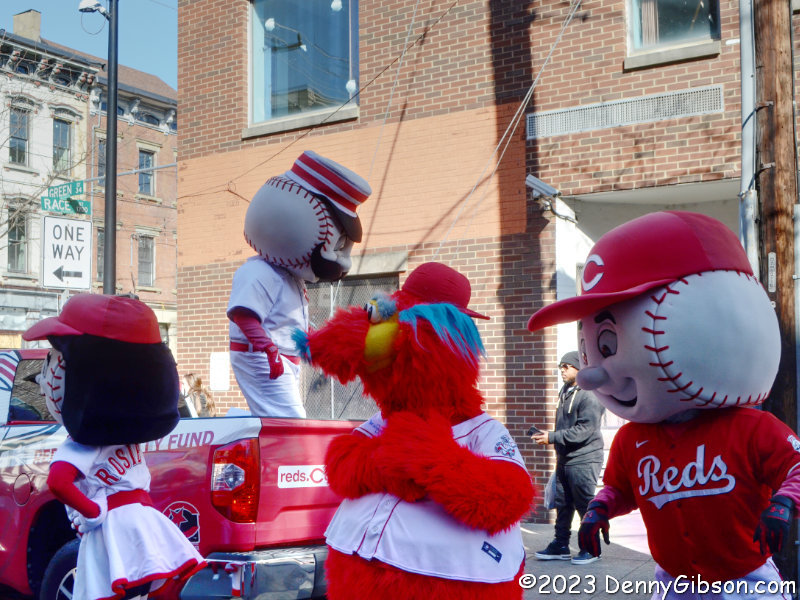
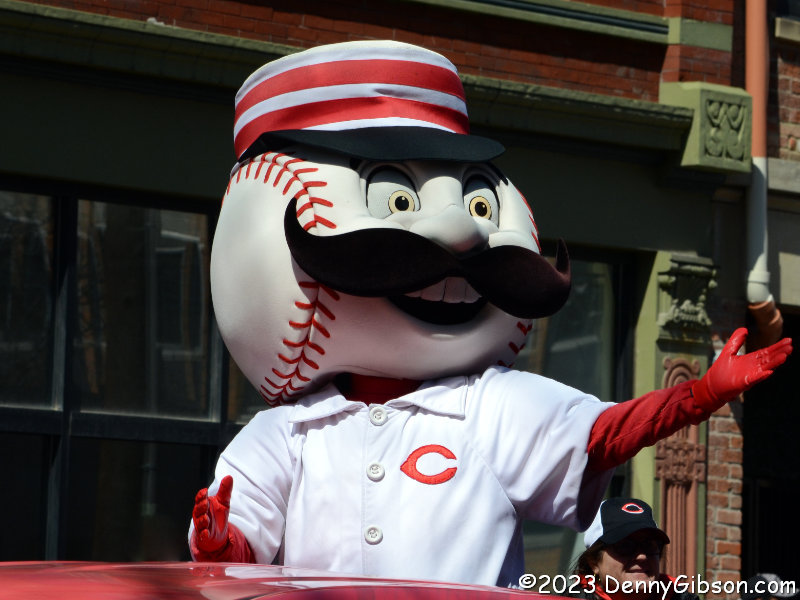
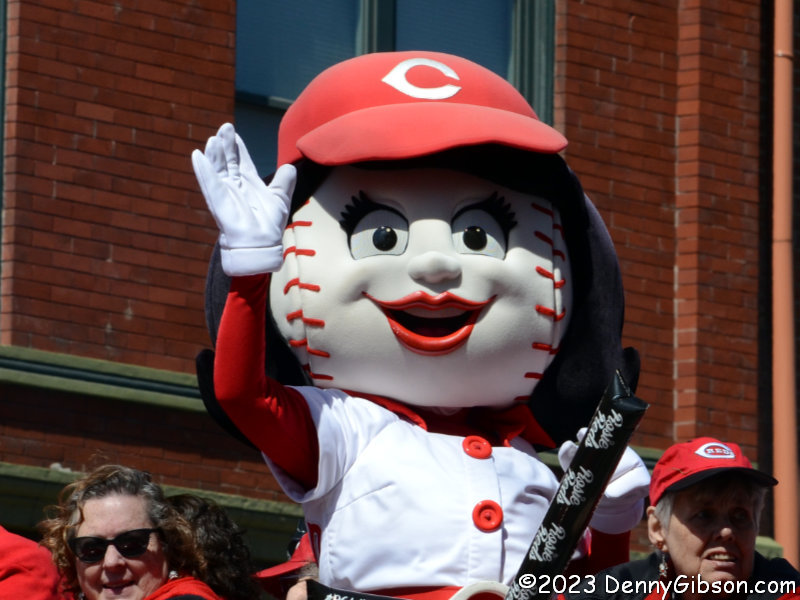
 The day would eventually get warm but walking to the parade’s start point at Findlay Market was fairly chilly. Near the market, I encountered all four of the Reds’ mascots exiting their limo and heading to the staging area. That’s Rosie Red on the left, Mr. Red on the right, Gapper in the middle, and Mr. Redlegs still in the limo.
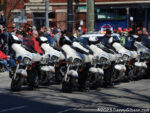
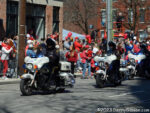
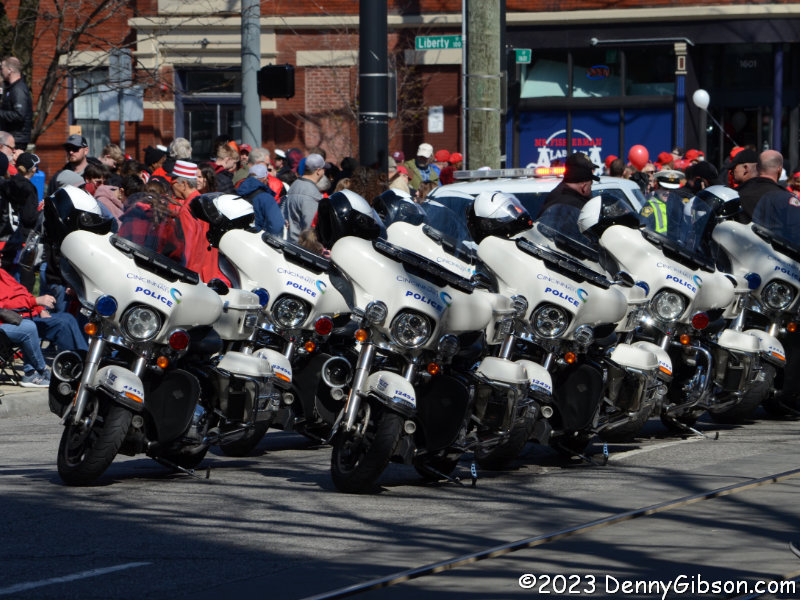
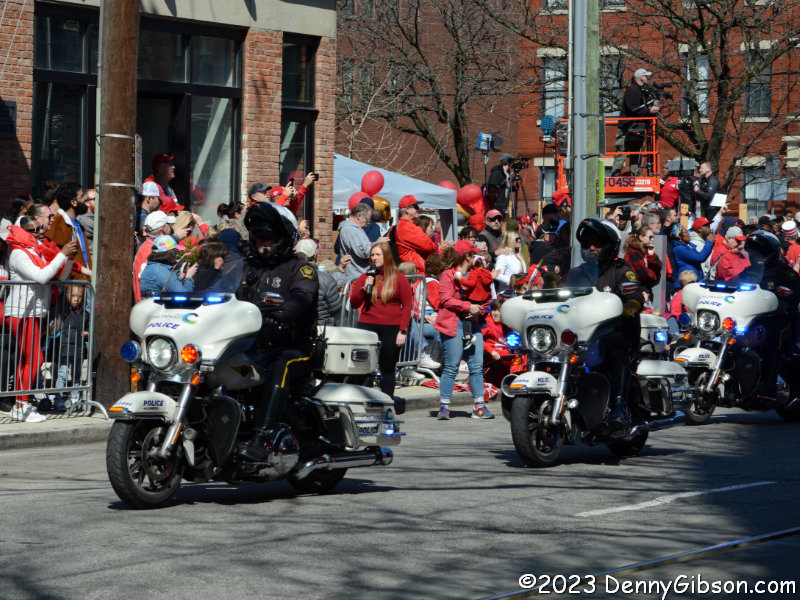
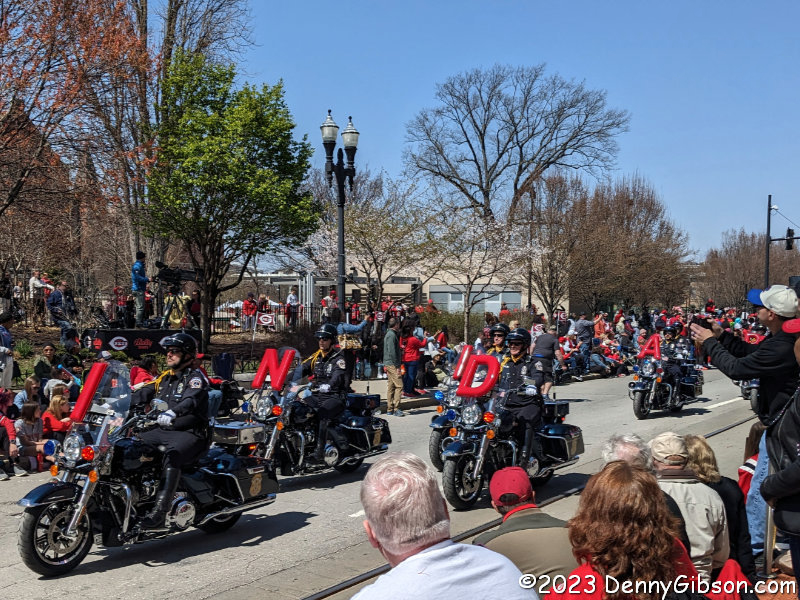
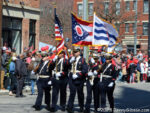 My walk and some strolling through the staging area consumed a fair amount of time but the parade start was still several minutes away when I took up a position near the parked Cincinnati Police motorcycles that would lead the parade. Those minutes passed quickly and shortly past noon, the parade was set in motion.
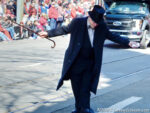
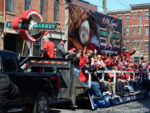
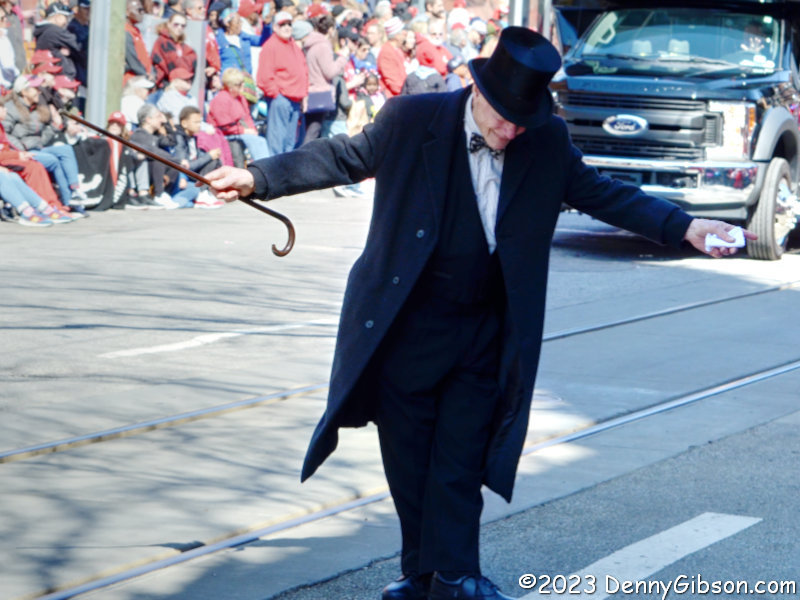
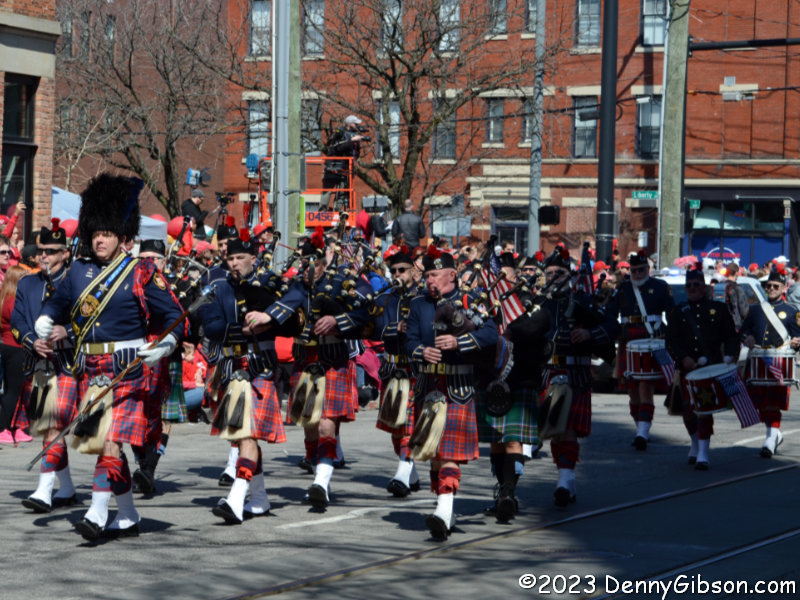
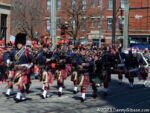 With the passing of the pipes and drums, the organizers’ float, and the iconic Jim Tarbell dressed as the also iconic Peanut Jim, there’s no doubt that we’ve got a real parade going on.
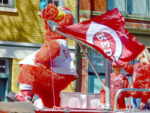
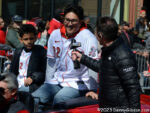
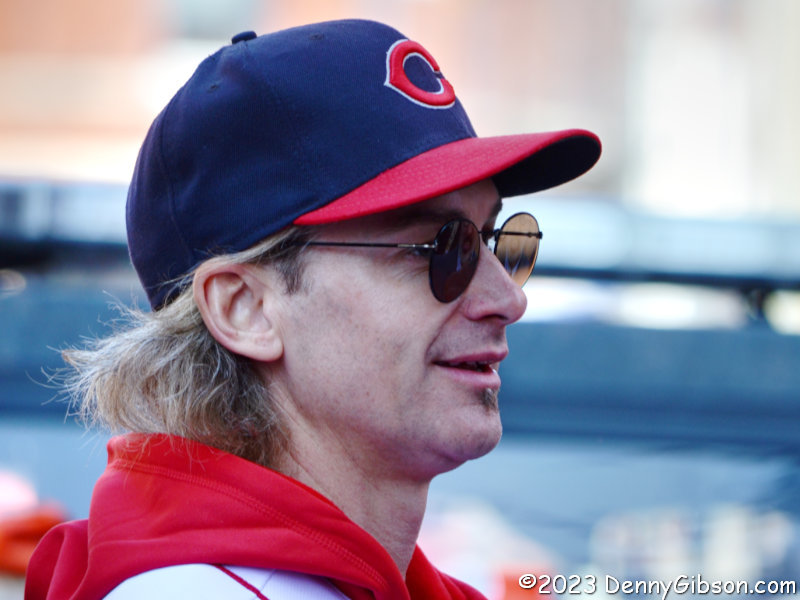
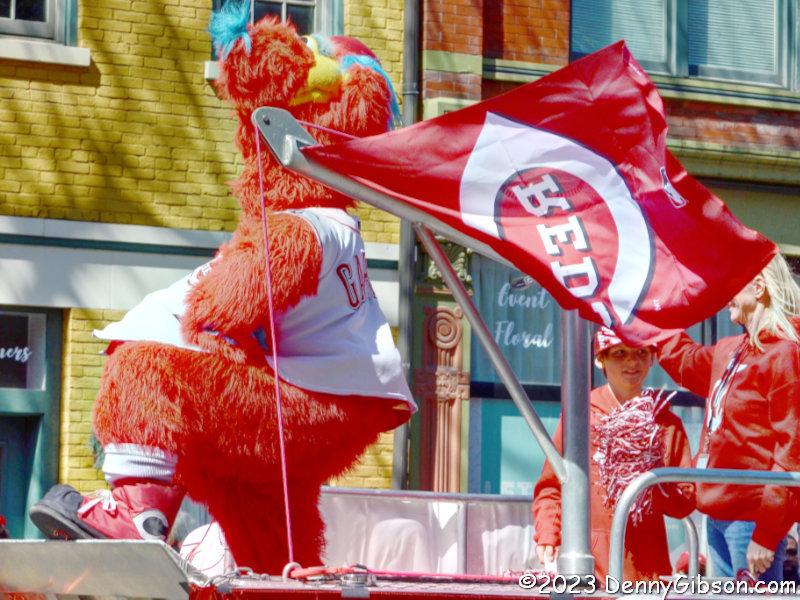
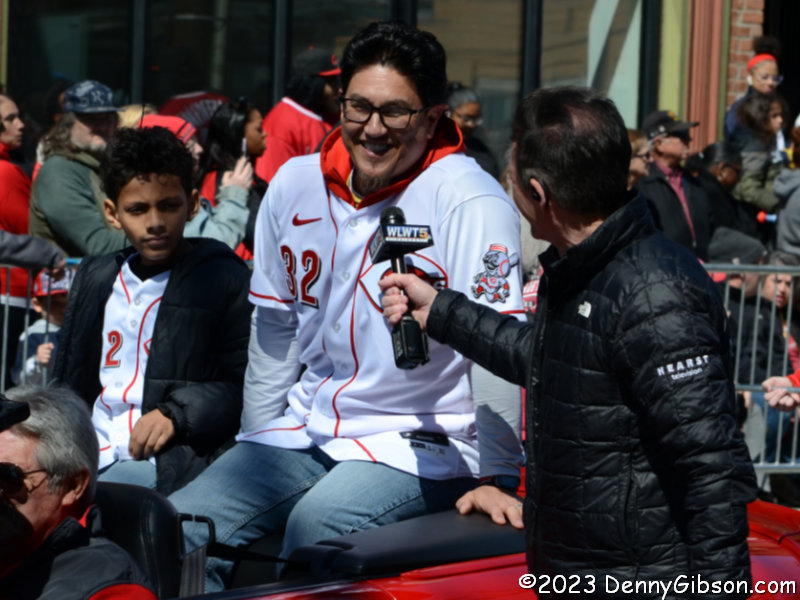
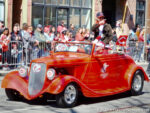 The four mascots spread throughout the parade with Gapper getting the position of leading the parade’s two grand marshalls. Pitchers Danny Graves and Bronson Arroyo are both being inducted into the Reds Hall of Fame this year and are sharing Grand Marshall duties. During the time I was waiting by the motorcycles, the pair had arrived nearby in a van. Danny never turned toward me at the time but I did get a decent shot of Bronson which I’m sharing here.
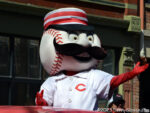
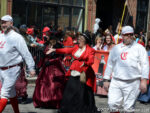
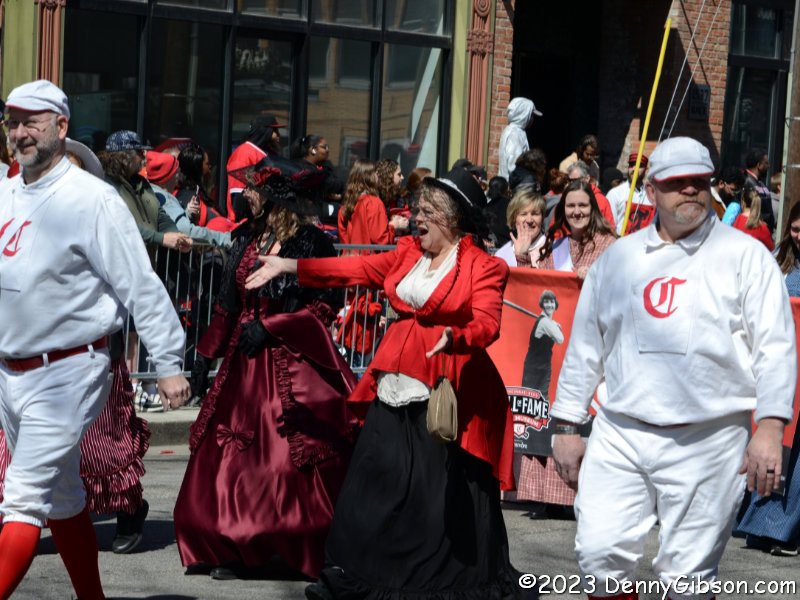
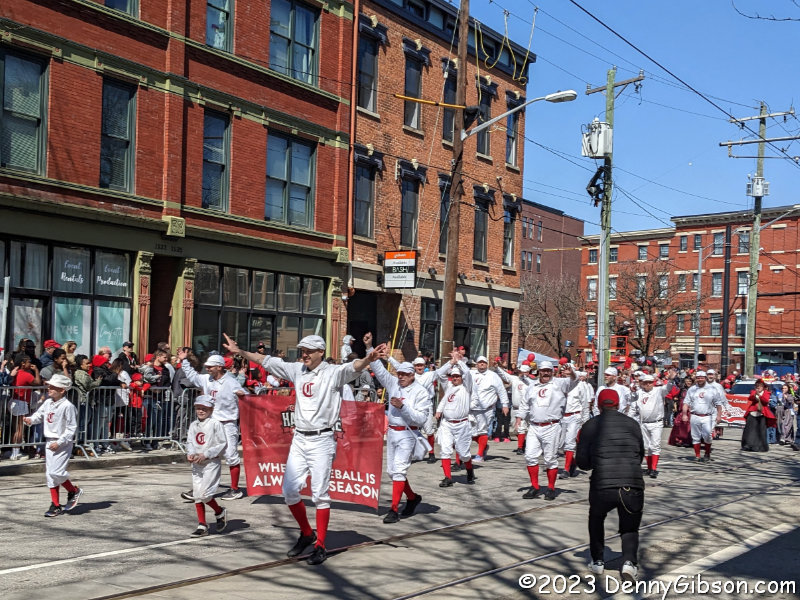
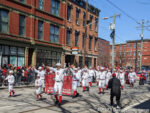 This group, looking like players and fans from the earliest days of baseball, represents the Reds Hall of Fame and Museum. Mr. Redlegs is close behind.
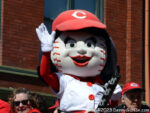
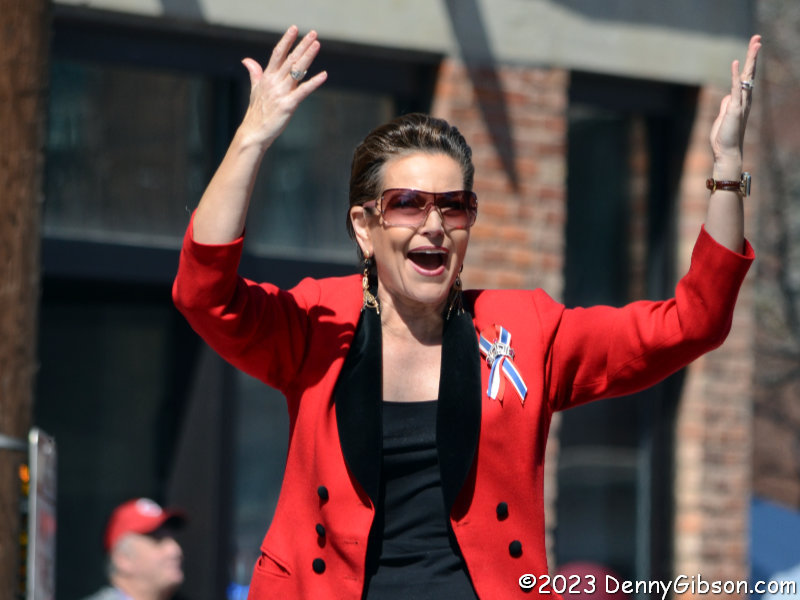
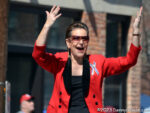 A few entries later, Rosie Red leads what could be called the parade’s glamour section. Kentucky’s Heather French Henry, Miss America 2000, is as lovely and enthusiastic as ever.
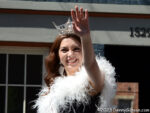
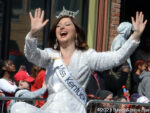
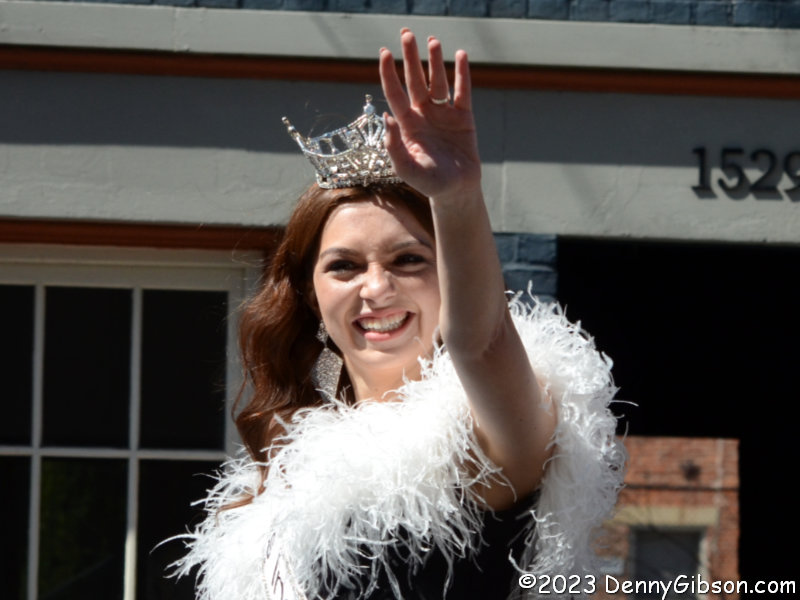
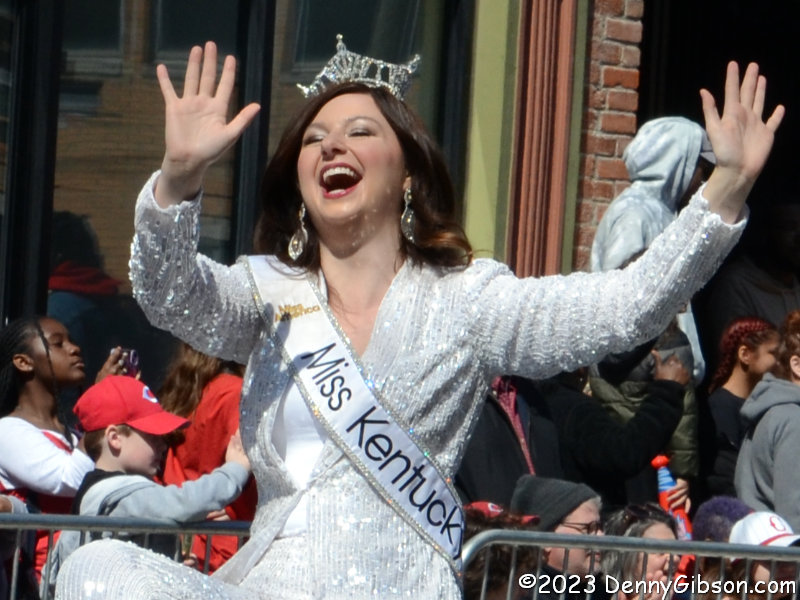
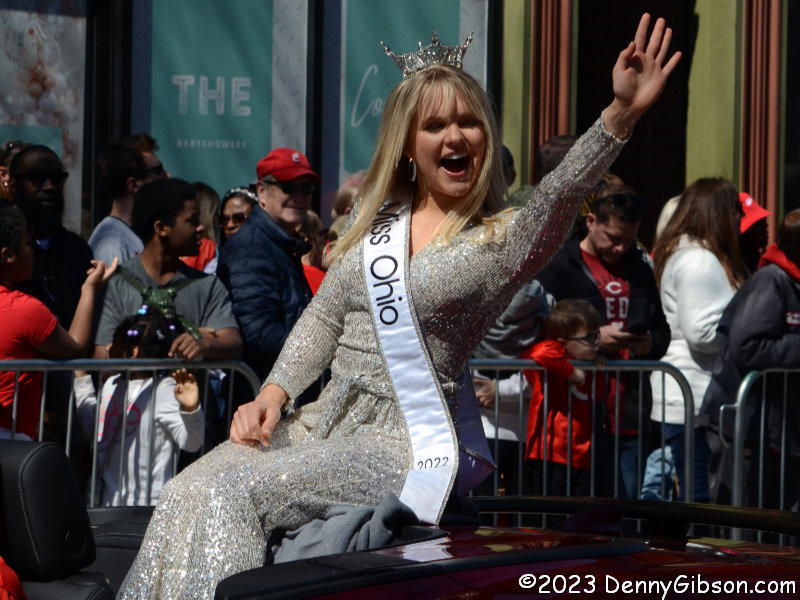
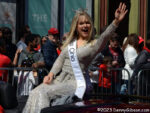 Indicative of Cincinnati and the Reds’ place in a tri-state area, the reigning beauty queens of Ohio (Elizabetta Nies), Kentucky (Hannah Edelen), and Indiana (Elizabeth Hallal) also accompanied Rosie. Maybe it’s a generational thing or maybe it’s because this was early in the parade route but I’d like to think that Heather French’s enthusiasm had something to do with all three title holders forgoing the standard “regal wave” and actually interacting with the crowd.

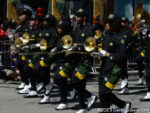
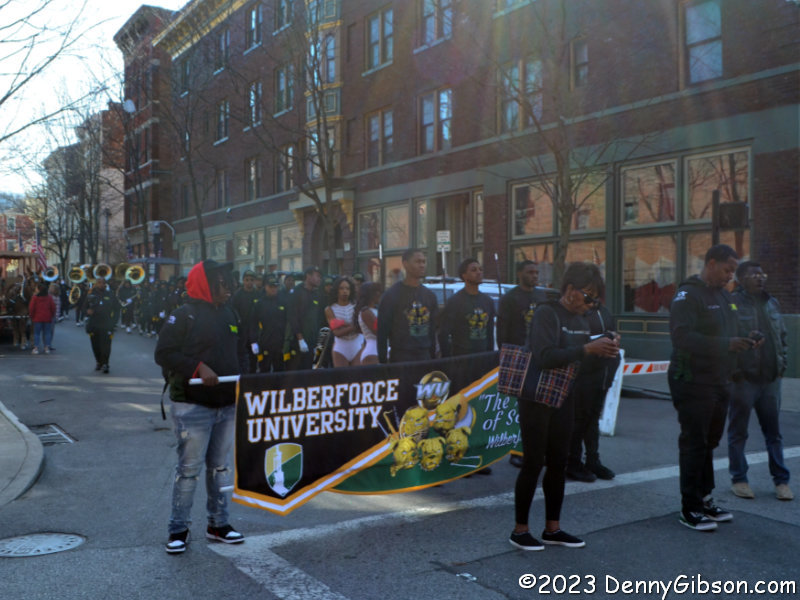
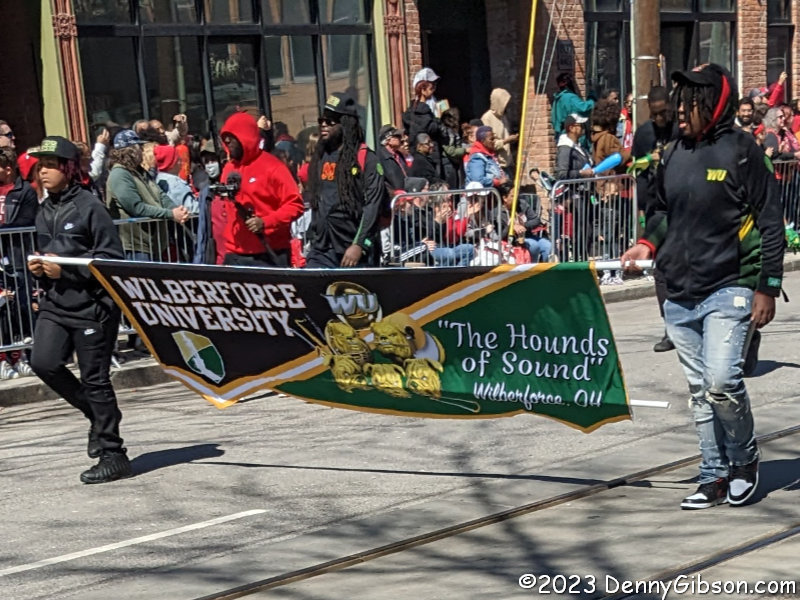
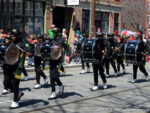 The Wilburforce University Marching Band got some pre-parade press so I was sort of on the lookout for them when I saw them heading to the staging area and snapped a less-than-great picture. This is the first marching band WU has ever had and it attracted enough attention during its first year of existence to be invited to march in multiple Mardi Gras parades in New Orleans. It’s a really good band and that’s a wonderful accomplishment.
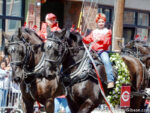
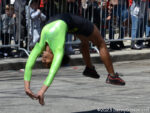
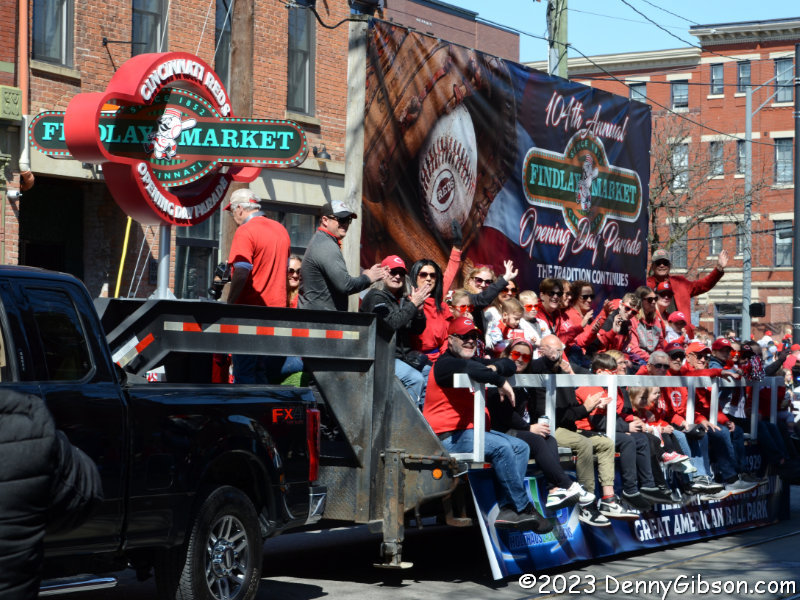
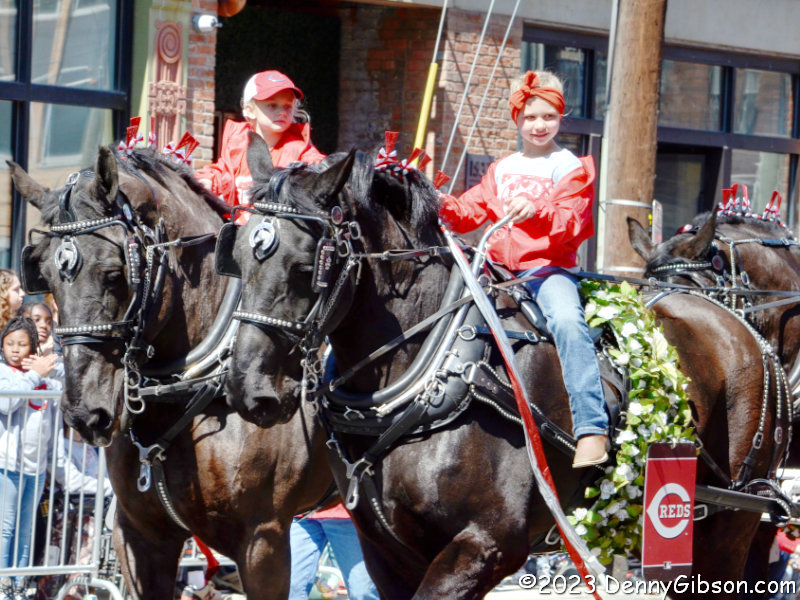
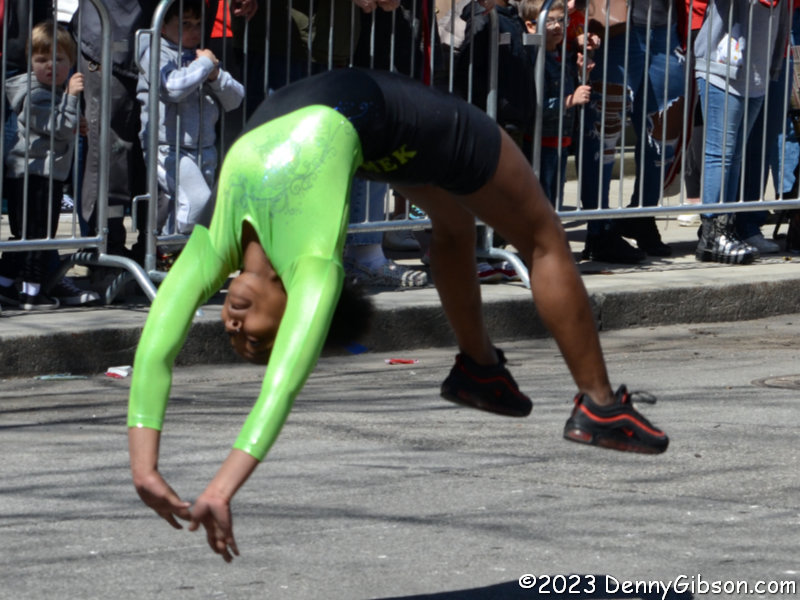
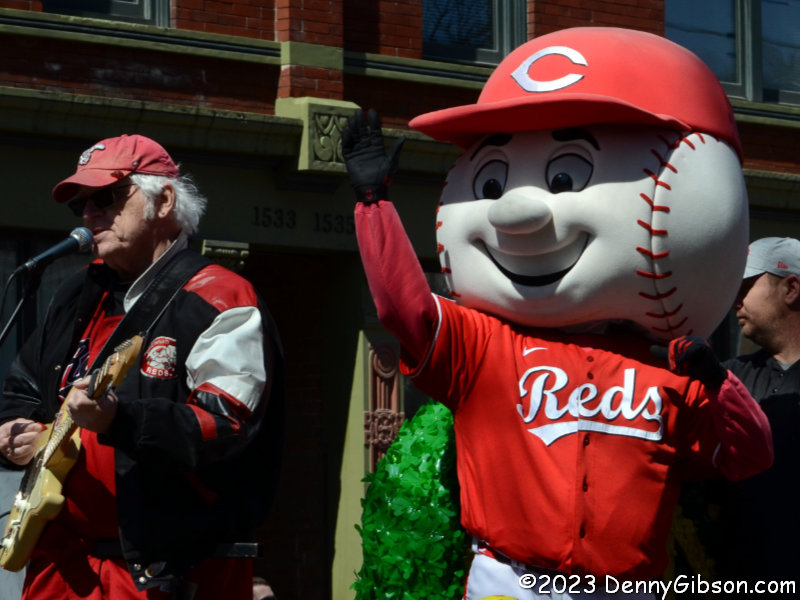
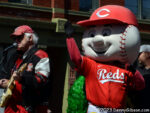 Mr. Red, the fourth and final Reds mascot, was riding with the Friends of Findlay Market. I have no identification for the other two photos except I do know that one is the parade’s most athletic and the other the parade’s cutest.
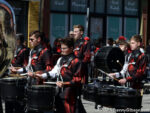
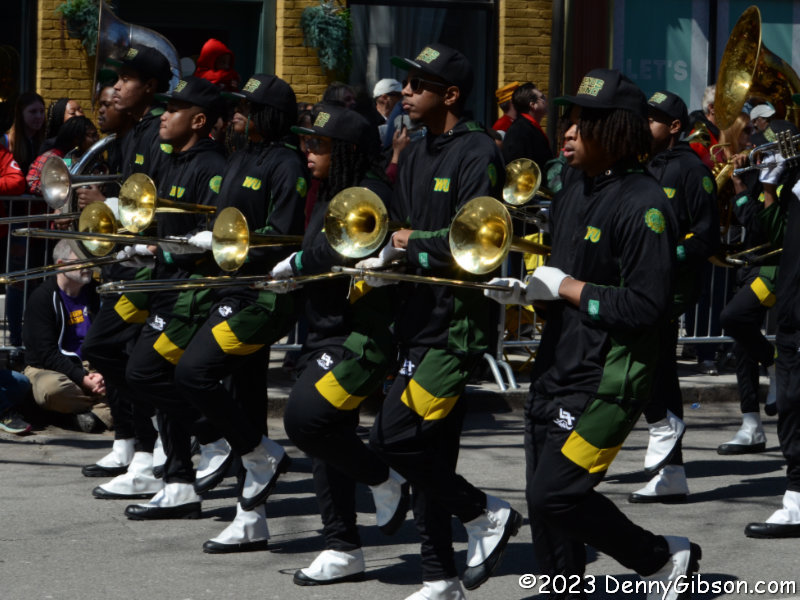
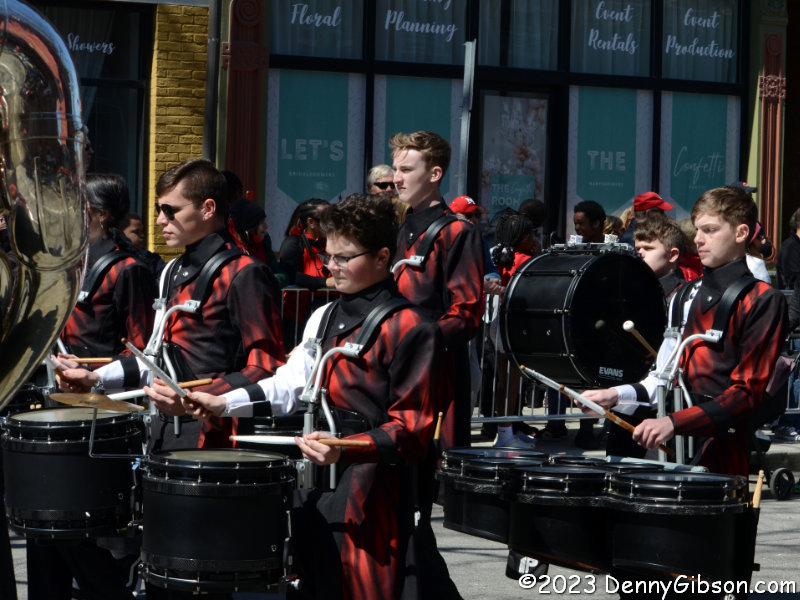
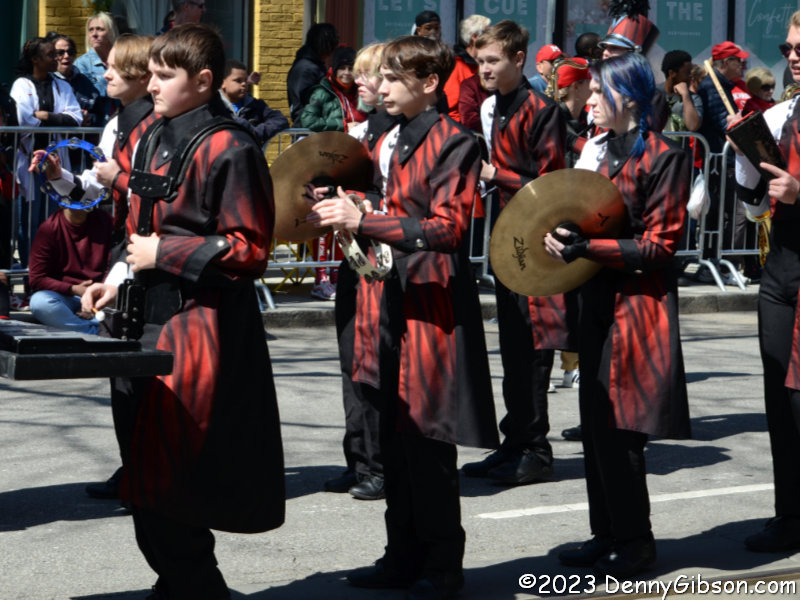
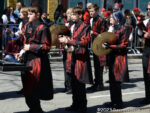 I have two reasons for including the Lebanon High School Marching Band in this post. One is the eye-catching cool uniforms and the other is that the band was playing “Fins” as they passed. I’m guessing that’s because it’s the only Jimmy Buffett song that calls out Cincinnati and covering Buffett is all the reason anyone needs for joining a band.
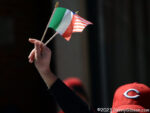
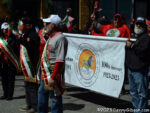
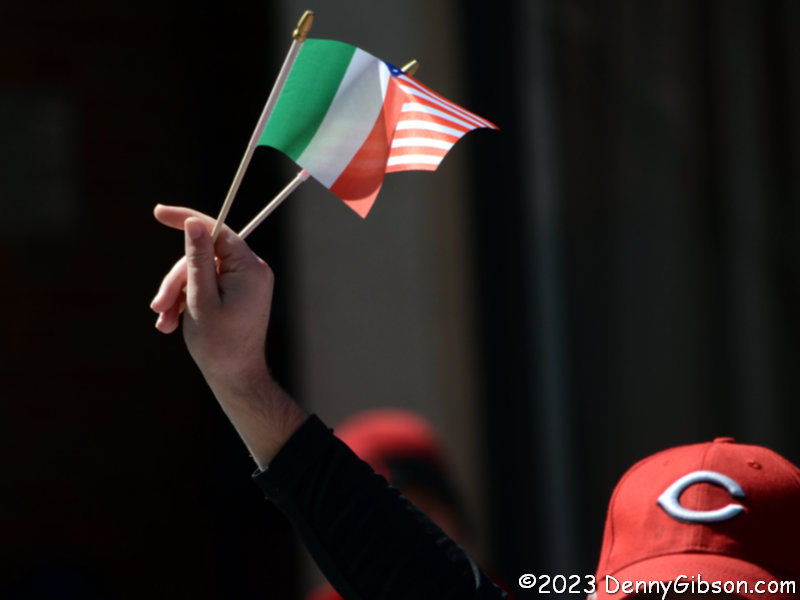
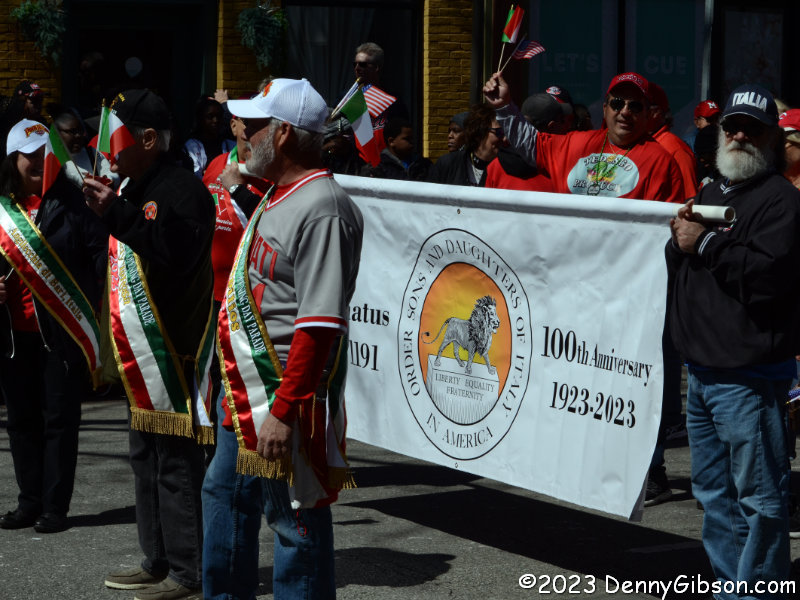
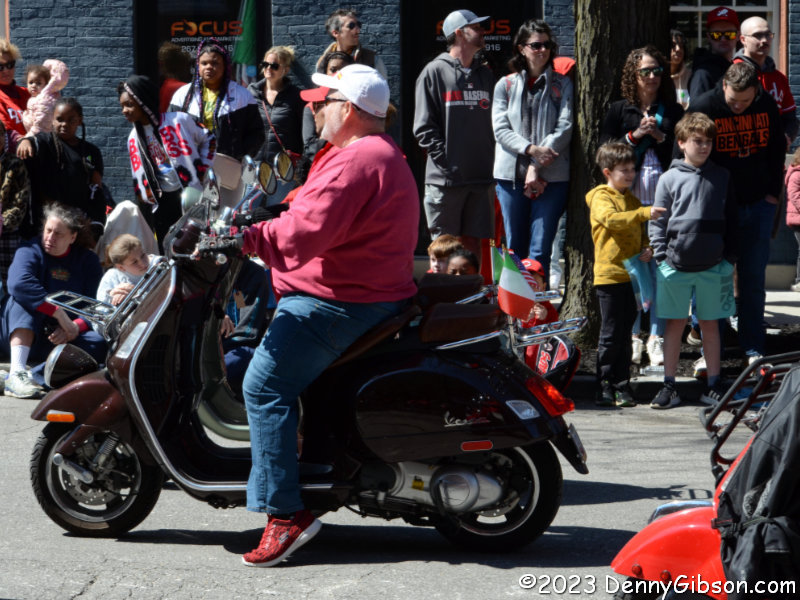
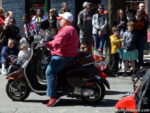 In addition to Ferraris and Gina Lollobrigida, Italy has given us Vespas, Reds fans, and Americans.
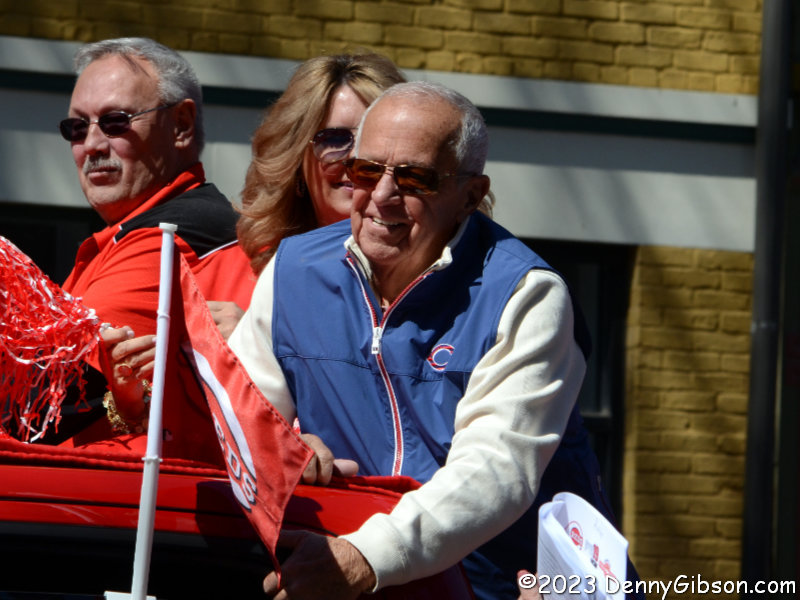
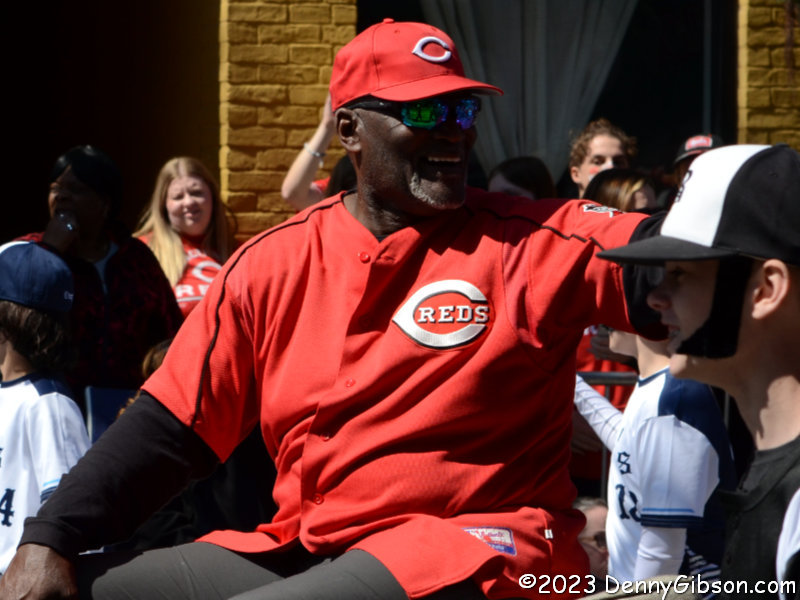
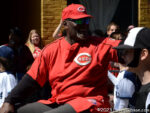 When I took this picture, the Reds were 0-0. In a few hours, they would be 0-1 but they are now 1-1 just like every other team in the NL Central Division. Mathematically they have the same shot as everyone else but retired Reds announcer Marty Brennaman proclaimed during the parade, “Anybody that thinks they are [going to win the division] are delusional.” Realistically, we could see a repeat of last year’s dismal 62-100 season. Of course, there’s nothing like a parade on a sunny day to make you forget the worst of the past and remember the best, and a smiling George Foster — Big Red Machine outfielder and 1977 NL MVP — is a great reminder of some of that best.
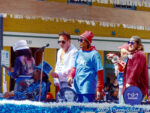
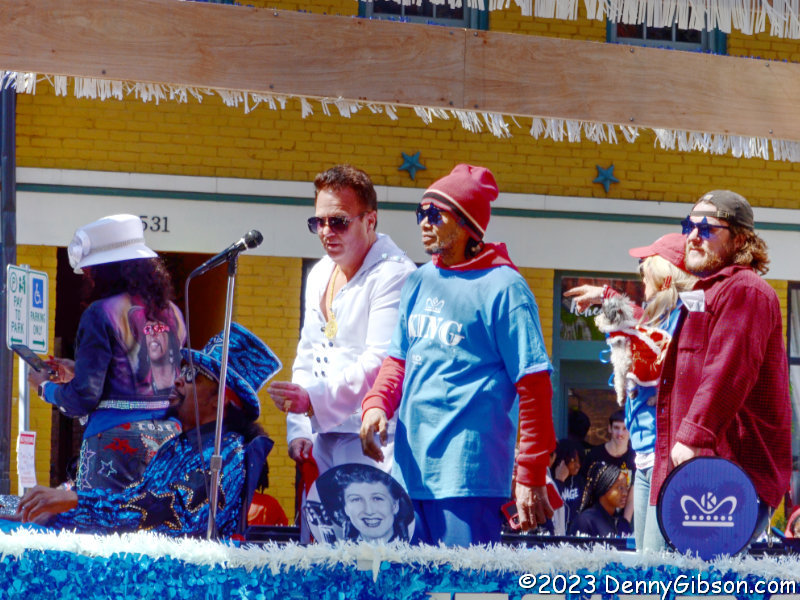
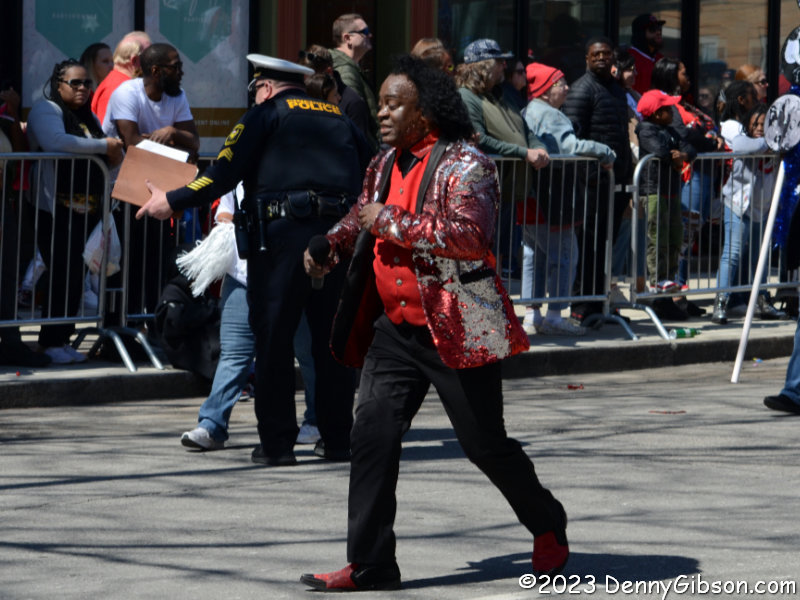
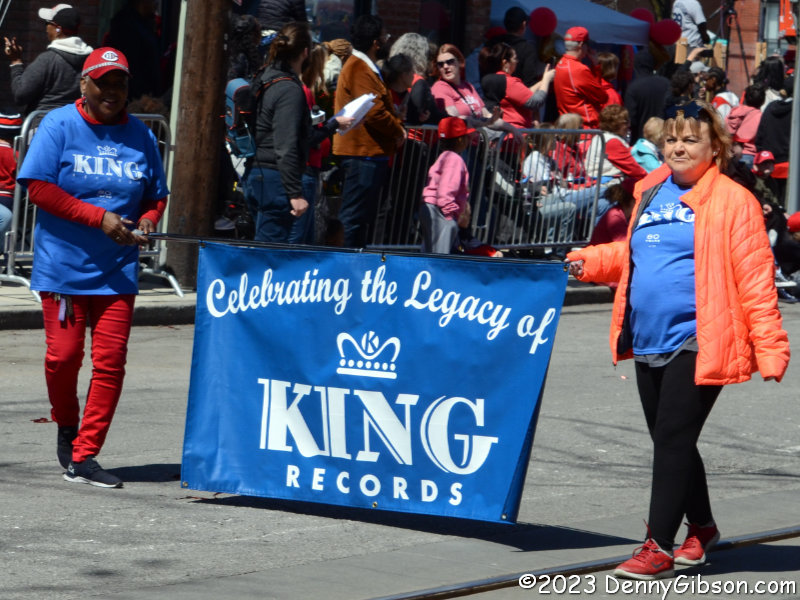
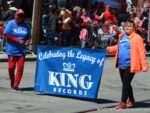 The King Records float was another reminder of the best of Cincinnati history. I got so caught up in watching Tony Wilson that I almost missed Bootsy Collins. Wilson, given the name Young James Brown by the real James Brown, was singing and dancing in the street while Bootsy was keeping a pretty low profile — for someone wearing a sparkling blue top hat — on the float.
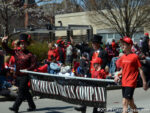
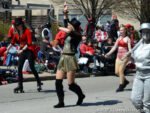
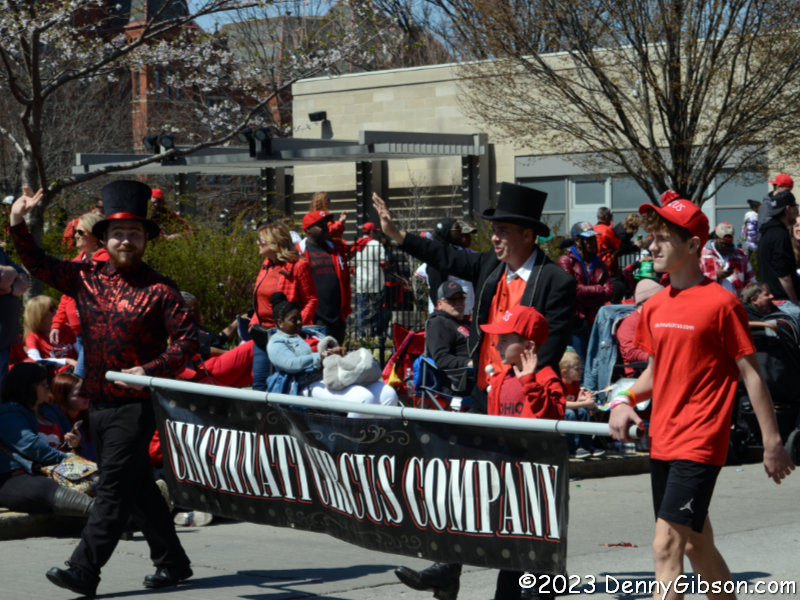
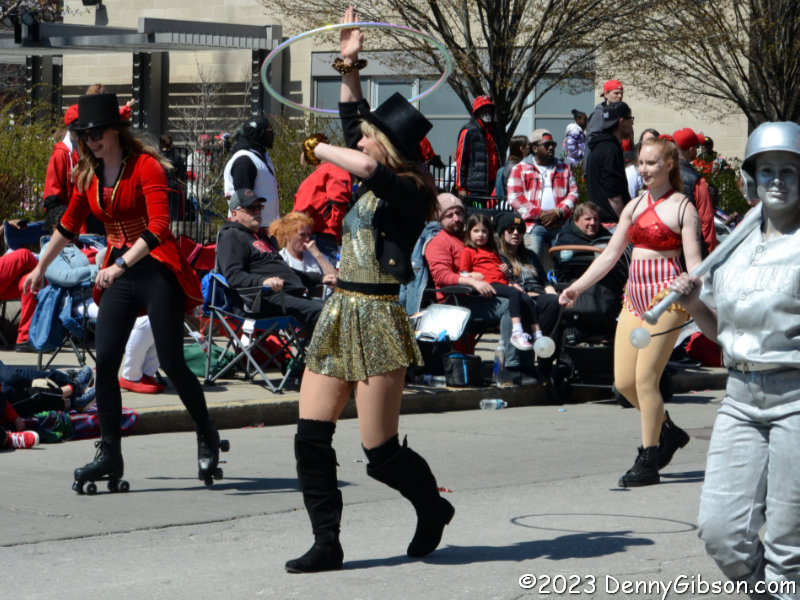
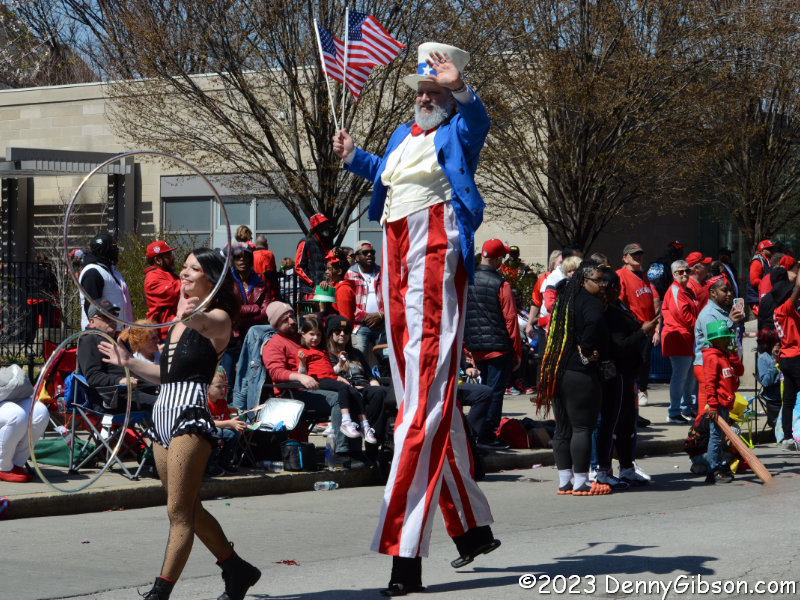
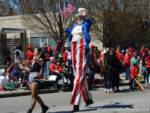 I know I’ve seen members of the Cincinnati Circus Company in other parades but I don’t recall seeing a group behind a banner before. Of course, that probably has more to do with my recall than reality.
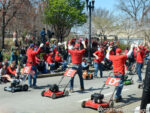
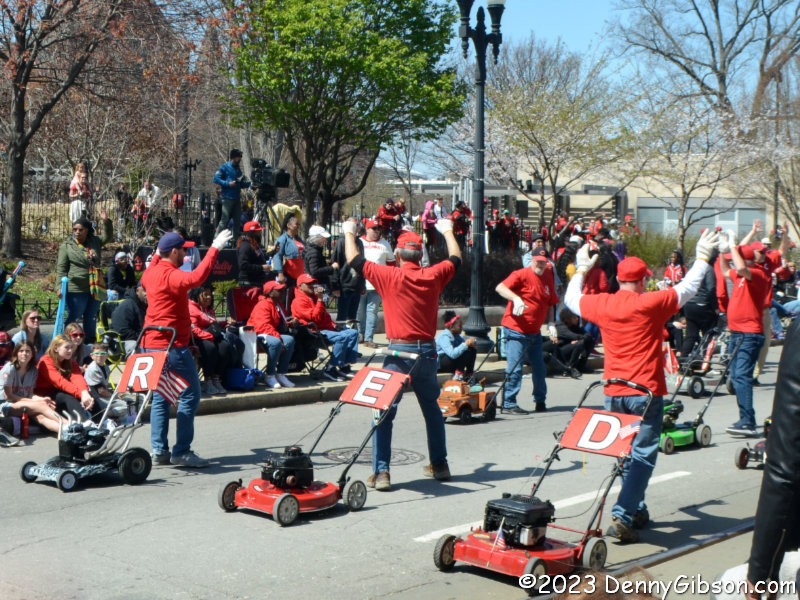
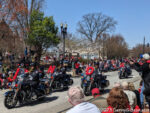 Following the parade, I overheard several comments from people who were really impressed by the Indianapolis motorcycle officer riding his ‘cycle while standing up. I witnessed that bit of derring-do but got no photos. The last parade picture is of one of my all-time favorites, the Lawnmower Precision Drill Team from Wapakoneta.
I apologize for what might be a personal record for the number of photos in a blog post but I assure you it could have been worse. Maybe it was ending the seven-year streak of missed or somehow off-kilter parades that caused me to take so many pictures. Limiting this post to what I hope is only slightly too many was not an easy task.
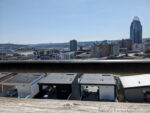 When the last of the parade passed me, I was near Washington Park and headed immediately to Cobblestone OTR across the street. I believe I could have bought a beer almost instantly but decided I ought to dispose of the one I had for breakfast first. The line at the restroom extended through much of the bar and that convinced me to just move on. The crowd at Knockback Nat’s was out the door and, although I could step inside Madonna’s, that place was definitely full also. I found the same thing at Arnold’s but my car was nearby and I brought the day’s hike to an end right there. I finally got that beer at City View Tavern where barely a half dozen customers preceded me and I was able to grab a seat at deck’s edge. That situation did not last long and the couple at the table behind me instantly moved forward when I left.
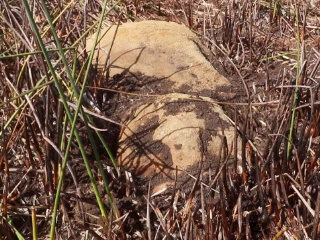
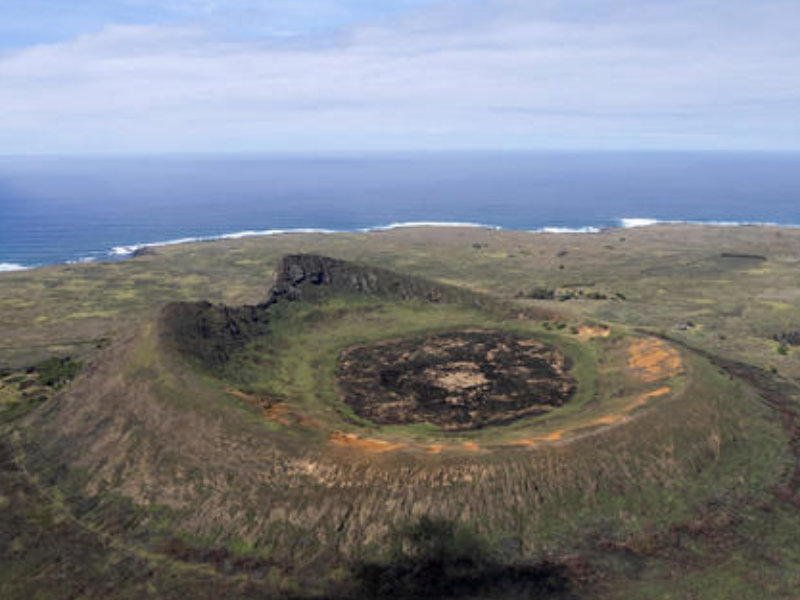
 Many will find real joy in munching on this year’s new Dr. Pepper-flavored Peeps and maybe even washing them down with their namesake beverage. It’s definitely a sweet image. But that won’t be happening for Easter Islanders. The DP Peeps are a Walmart exclusive and Walmart has yet to reach the island. Hmmm. Perhaps that, and not the moai discovery, is actually the bright spot in this story.
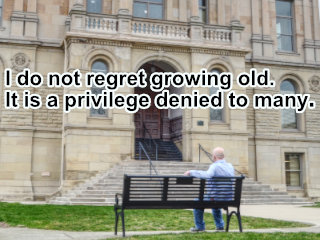 For the second consecutive year, I’ve created a post specifically for my birthday. I didn’t expect to. I did it last year to note a milestone in age and a change in appearance. I’m doing it this year primarily to record some thoughts. I ended
 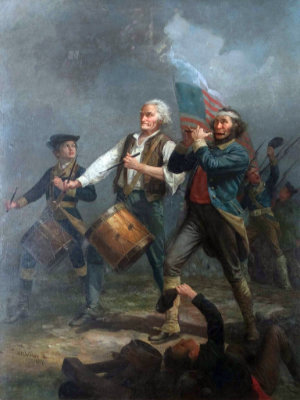 The day before John turned seventy-six, he commented about having that number of trombonists serenade him for his birthday. On the day. I shared a Youtube clip of The Music Man‘s signature song.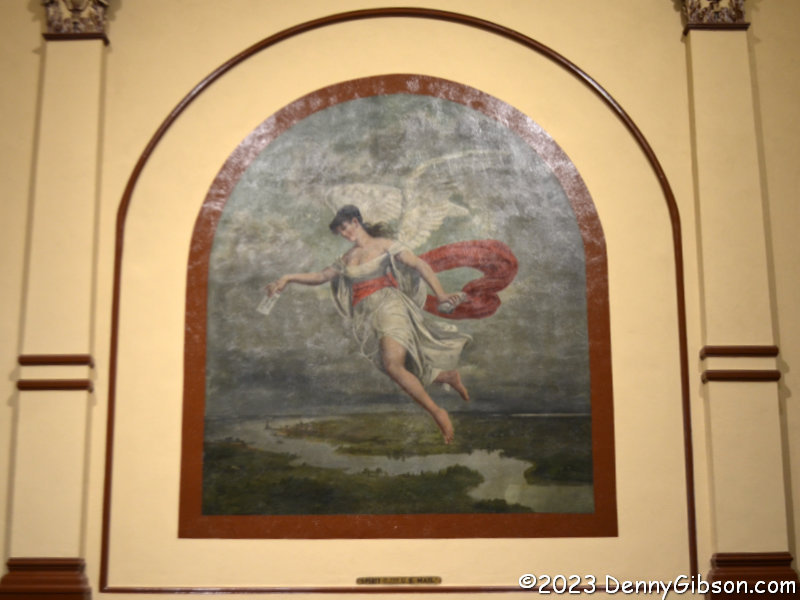
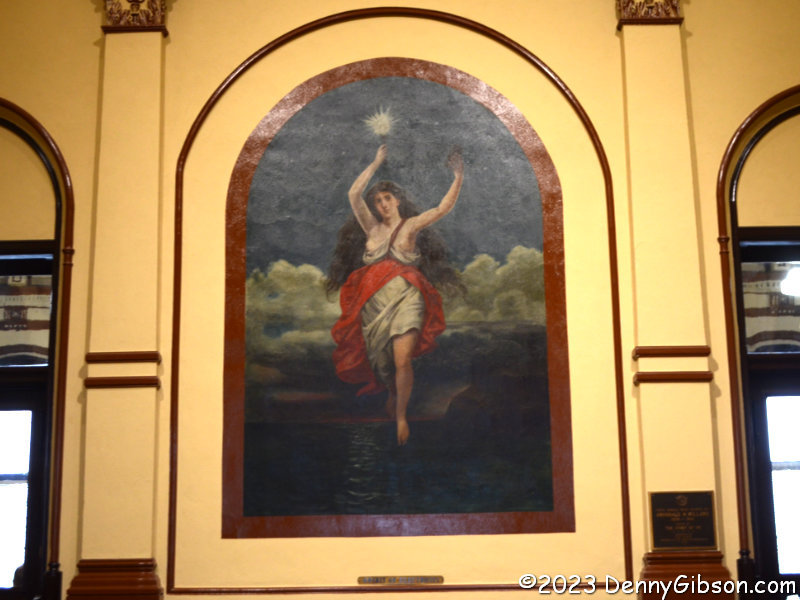

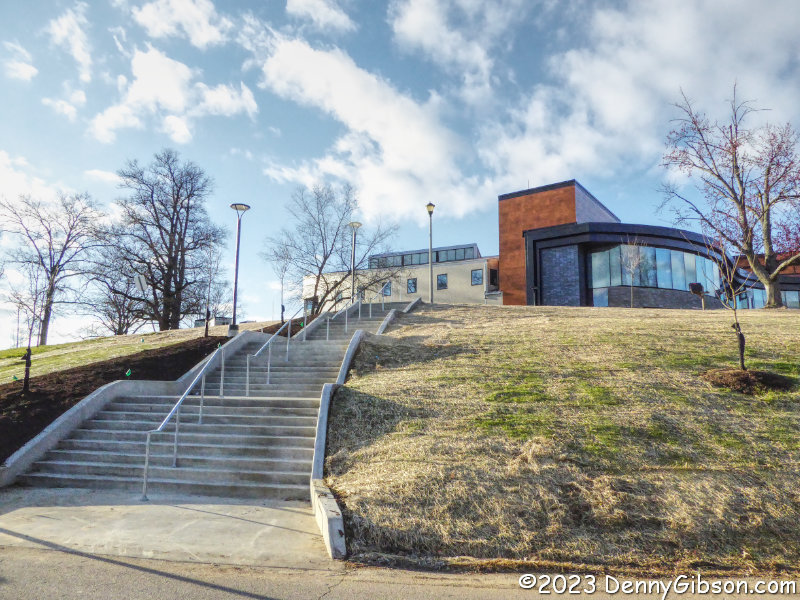
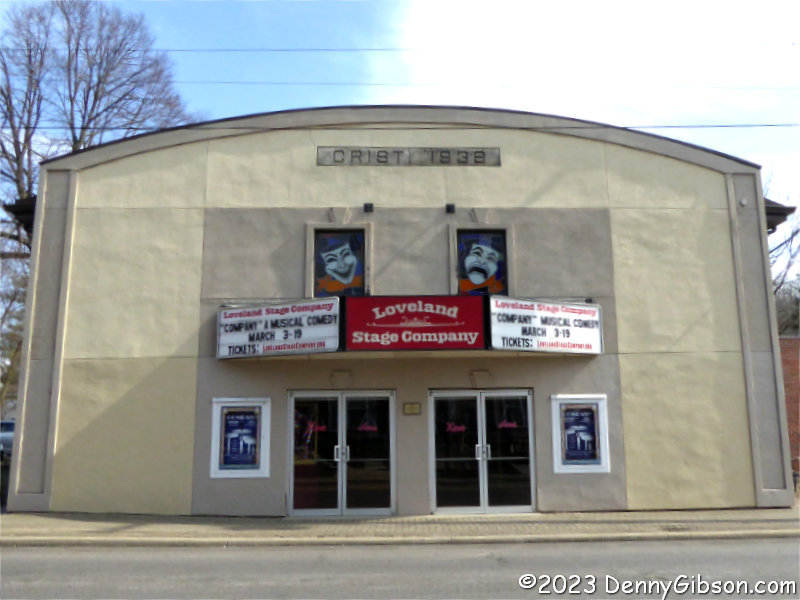
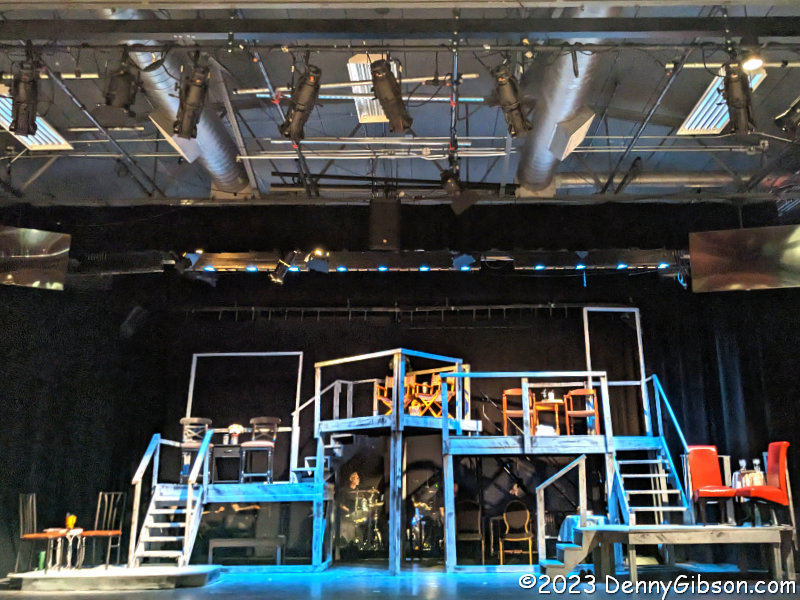
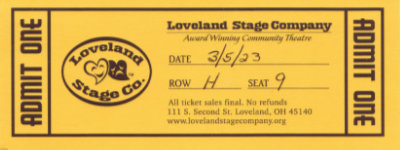 Loveland Stage Company was founded in 1979. I lived inside Loveland city limits from about 1981 to 1997. I visited the town frequently before I physically moved there and visit even more frequently now that I’ve moved a few miles away. I have driven by the LSC theater perhaps hundreds of times. I have seen many interesting titles displayed on that marquee. That I’d not previously been inside is both inexplicable and inexcusable. The performance I saw Sunday compares favorably with some I’ve seen in downtown Cincinnati. Walkable restaurants around LSC also compare favorably with those around the downtown theaters and the parking is cheaper. There’s some Shakespeare (Twelfth Night) coming up at LSC in a couple of months which I hope to catch. I’m also quite curious about what next season will bring.