This post originally appeared on April 3, 2016. A few weeks ago I predicted that I would be recycling more blog posts as the ongoing COVID-19 pandemic restricted real-world interaction, but I didn’t think that would be the case this week. I had a pre-canned series post selected when coincidence struck. I was trying to figure out when I had visited a particular museum and resorted to searching this website for some record. The museum is one with many Civil War artifacts so I used those words in the search and this post appeared in the results. I had all but forgotten it but a reread made me think that a repost might be appropriate. As I wrote four years ago, “there’s still plenty of crap going on.” I did, incidentally, read “To Kill a Mocking Bird” within a couple of weeks of seeing the play.
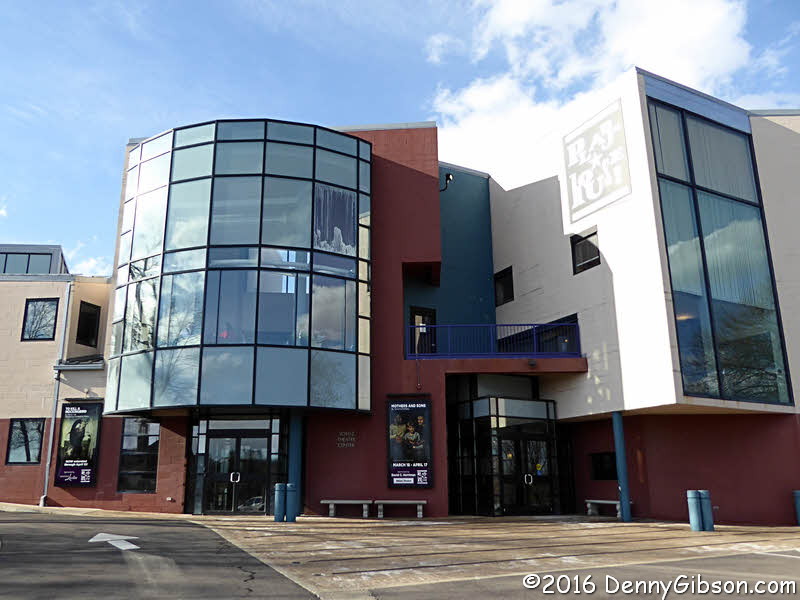 I’ve yet to read To Kill a Mockingbird. I have seen the 1962 movie multiple times and now I’ve seen the play. I had hoped to read the book between learning that the play would be performed this season at Cincinnati Playhouse in the Park and actually seeing it but that didn’t work out.
The Friday night performance would be the biggest event of my week but I didn’t expect it to lead to a blog post. I anticipated that a canned Trip Peek would be published this morning. A Friday morning email got me to thinking differently.
The email was the April E-News from the Smithsonian. One of the topics was “The Scottsboro Boys” with this two sentence tease: “The case of the Scottsboro Boys, which lasted more than 80 years, helped to spur the civil rights movement. To Kill a Mockingbird, the Pulitzer Prize-winning novel by Harper Lee, is also loosely based on this case.”
I read the article referenced in the email and could easily see similarities between the 1931 real world incident and the fictional one Harper Lee set just a few years later. Both involved black men accused of imaginary crimes against white women and both occurred in a world where color mattered a whole lot more than truth. Later I read that in 2005 Harper Lee said this was not the incident she had in mind when writing To Kill a Mockingbird but that it served “the same purpose”. Despite there not being an official connection between the Scottsboro Boys and To Kill a Mockingbird, reading about the incident and its repercussions served a purpose for me, too. It provided an unpleasant picture of this country near the midpoint between the Civil War and today. The accuracy of that picture is reinforced by a contemporary pamphlet, They Shall Not Die!, referenced in the Smithsonian article.
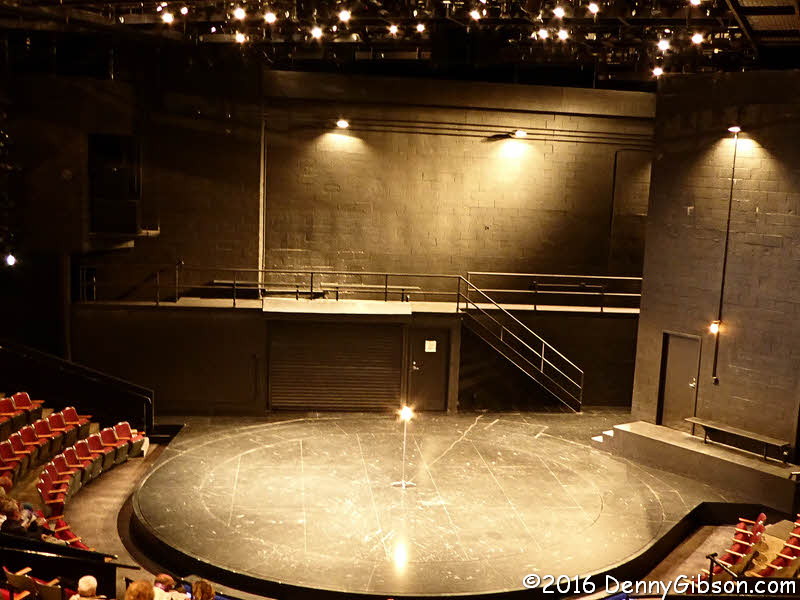 I took my seat on Friday with the Scottsboro story fresh in my mind. The stage was bare except for a single light bulb which would actually be removed at the play’s start although it would return later. The stage consists of a large circular center and a surrounding ring both of which rotate. Sometimes they rotate in opposite directions which can seem to expand the distance between actors or the distance they travel. Set Designer Laura Jellinek states that “our main goal was to eliminate any artifice between the audience and the story” and this set certainly accomplishes that. As one audience member observed during the discussion that followed the play, she briefly looked around for the jury during the courtroom scene before realizing that “we were the jury”. At its most crowded, the stage holds nine chairs for the key figures in that courtroom scene.
The discussion I mentioned happens after every performance. Anyone interested moves close to the stage to listen or participate. There were naturally questions about this specific production but there were also questions about the story. There is a sign in the lobby that I now wish I’d taken a picture of. “Don’t read books that think for you. Read books that make you think.” might not be 100% accurate but it’s close. Friday night’s discussion was evidence that this play is prompting some thinking and I’ve no reason to think that discussions following other performances are any different.
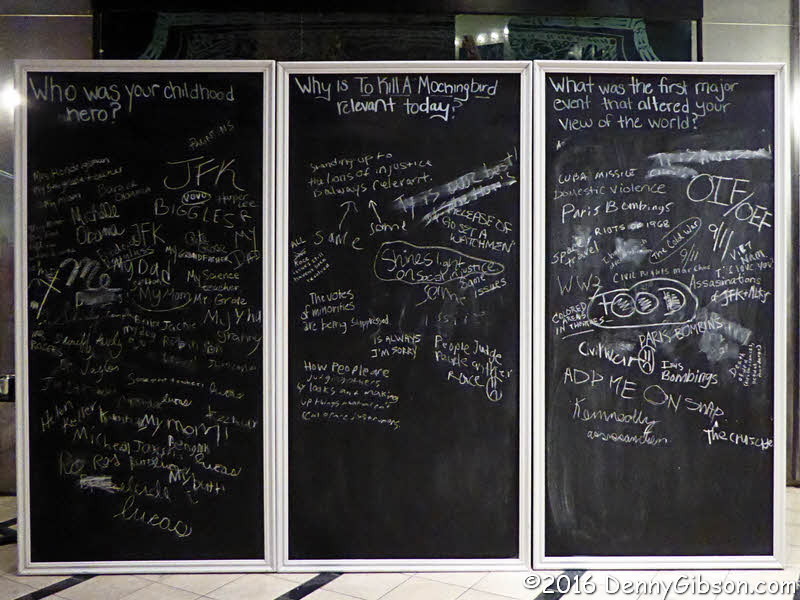 There is also a set of blackboards in the lobby. As I assume is true at every performance, the blackboards started out empty except for a question at the top of each. By the time people started heading home, the boards were full. It’s pretty clear that some thinking is going on here, too.
It was the coincidence of the Smithsonian email showing up on the day I was set to see the play that nudged me towards making it a blog entry. There is another coincidence of sorts that I find interesting. Each week, the blog This Cruel War publishes an article on lynchings. The article is published on Wednesdays but, since I subscribe via RSS and I seem to always be behind in my RSS reading, it is often a day or more after publication before I read a specific article. I read this week’s post the morning after my Playhouse visit. In it, the source of the series’ title, “This Disgraceful Evil”, is given. It comes from a 1918 Woodrow Wilson speech in which he calls upon America “…to make an end of this disgraceful evil.”
We don’t have to deal with actual lynchings now as much as in 1918 but there’s still plenty of crap going on. “It cannot live”, Wilson continues, “where the community does not countenance it.”
Originally scheduled to end today, April 3, To Kill a Mockingbird‘s run a Playhouse in the Park has been extended through April 9.
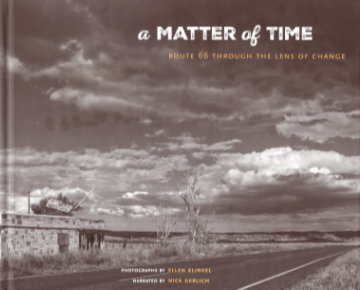 There’s not much point in counting the number of books published about Route 66; The likelihood that the count would increase before you were done is just too great. An Amazon search simply says “over 2,000”. So why review this one? What sets it apart from the others? The most obvious reason for reviewing it is a simple one: I know one of the people whose name is on the cover. The things that set it apart are not as obvious (or benignly biased). In fact, I’ve only found one thing about the book that I think is actually unique, and I’m not really sure about that. The book has no author; It has a narrator.
 The photos are black and white, which is unusual but not unique. What may be unique is how they came to be at all. Klinkel tells that story in the book’s preface. It begins in 2013. She lives in Germany and was in the western U.S. with her husband for a four-week vacation which she describes as “the first time I ever had a serious camera in my hands”. Planned visits to several national parks fell victim to the sixteen-day government shutdown in October of that year and driving a portion of Route 66 was substituted. Klinkel credits this very first time on the historic highway coupled with the “serious camera” as having “instantly sparked my passion for photography”.
 Most, but far from all, of the photos are of places I recognize from my own travels on Sixty-Six, and some of those nearly reproduce visions I’ve had myself. There are plenty of pictures of places I do not recognize. Sometimes that’s because they are from a location where I’ve never stopped or maybe even passed, but sometimes it’s because Klinkel sees and shares a vision that never occurred to me even though I’ve stood at or near the very spot she did. I don’t mean to imply that I expected anything else. It’s great to be shown something you’ve never seen, but it can be even better to be shown something known in a new way. Although it is a place I instantly recognized, a favorite example of being shown something in a new way is the early morning shot of the Bagdad Cafe with the coming sun just a tiny but significant twinkle. Another is the low-level shot of a protective wall of tires at a long-abandoned gas station at Texas Exit 0 of I-40.
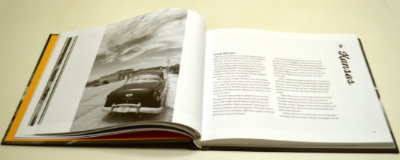 However, something clicked on a rereading of that preface that hadn’t quite registered on the first pass. Klinkel explains the title quite clearly:
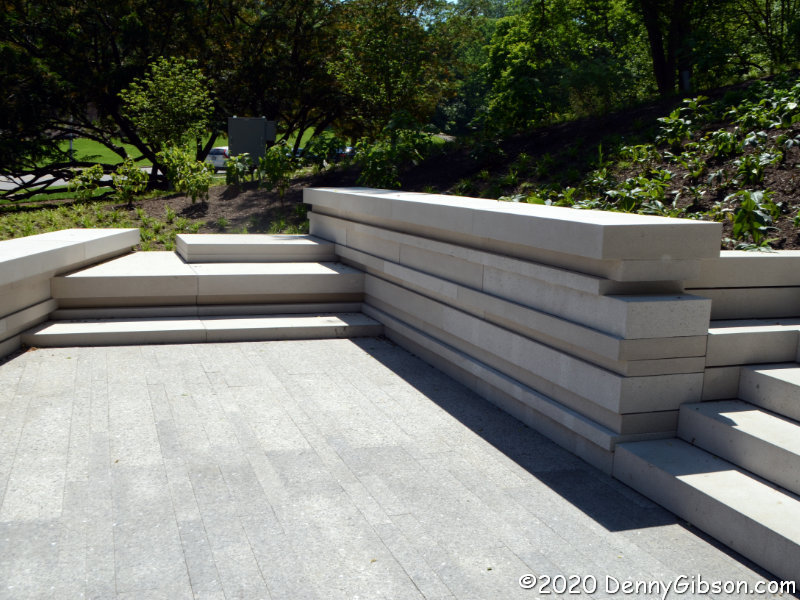

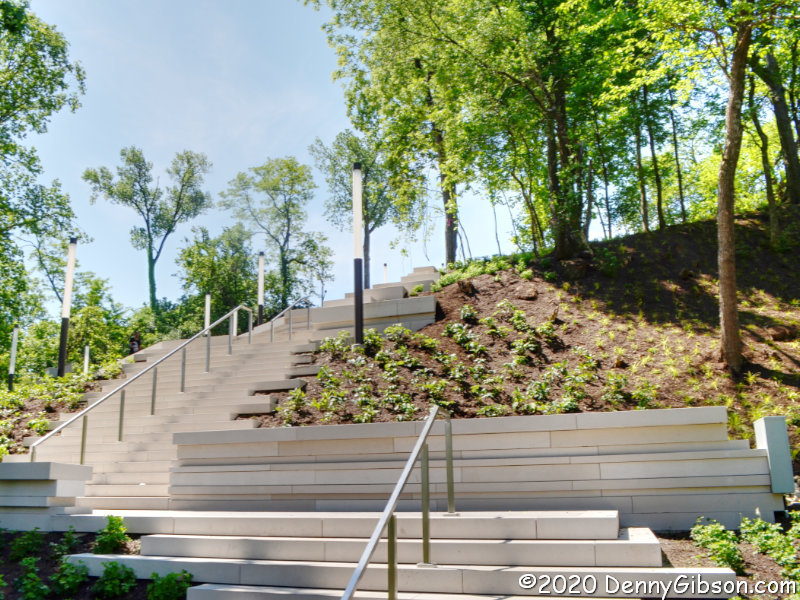
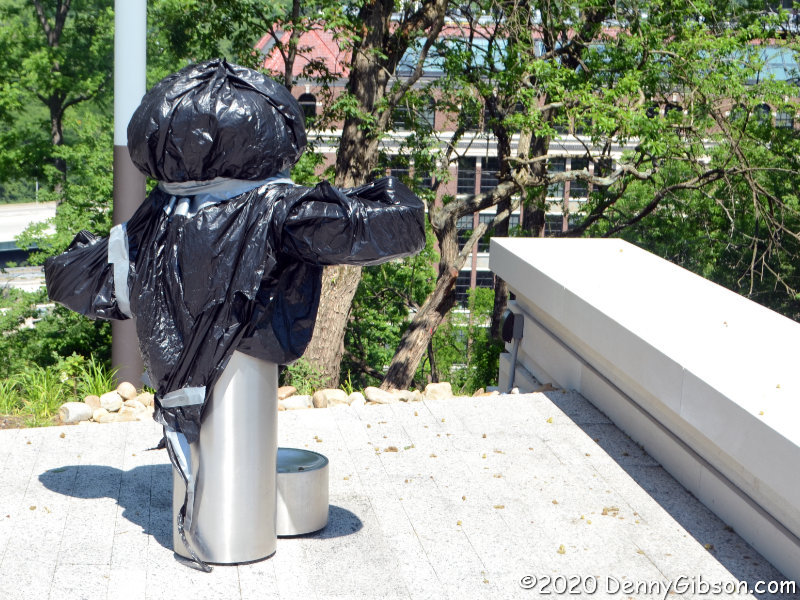
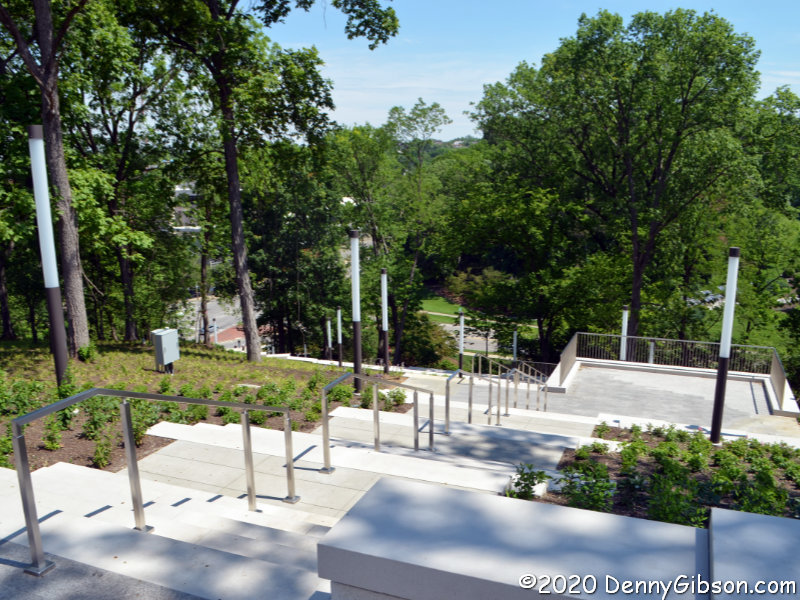
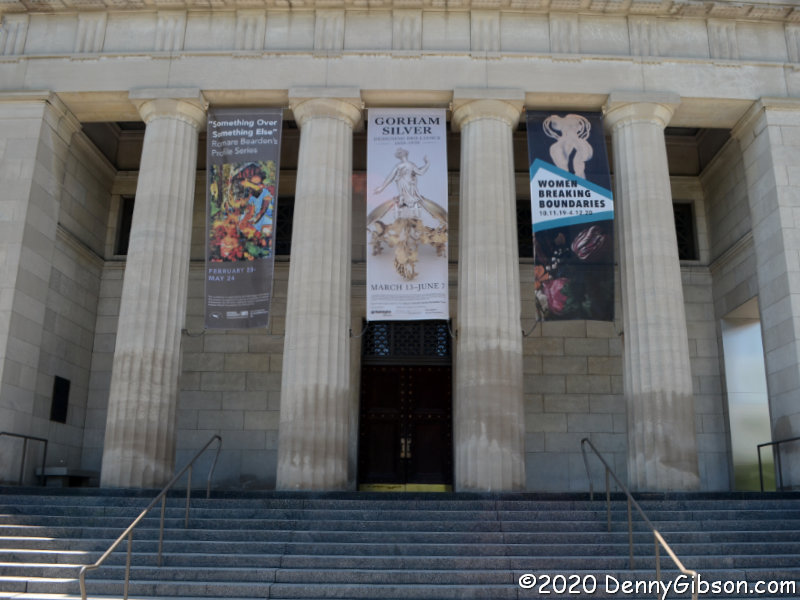
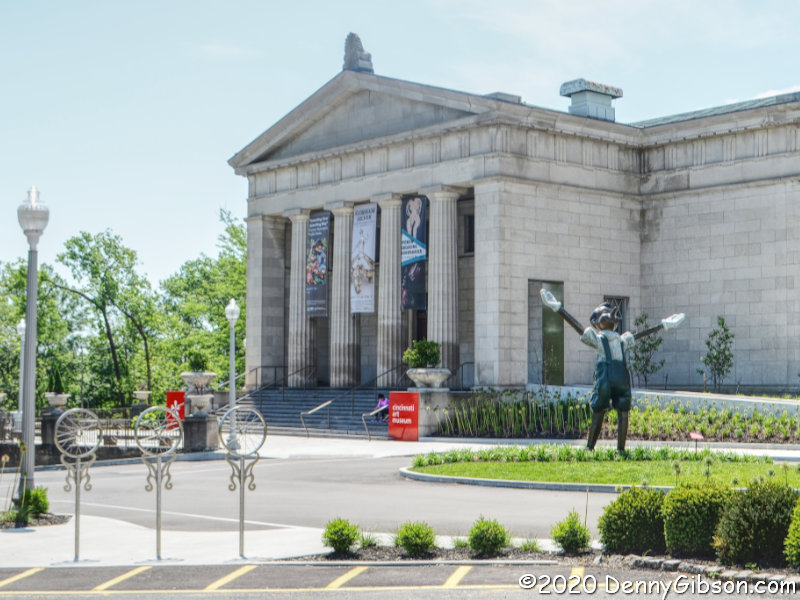


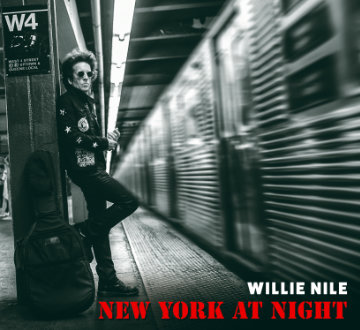 I didn’t actually try to produce a flashback last week but I thought about it. Because I’d pre-ordered the CD, when Willie Nile released World War Willie back in 2016, I got a digital copy before the actual CD arrived. It was early spring and I took a nice walk around the neighborhood with the new music playing in my ears. The walk and the songs both made an impression. A similar situation existed with New York at Night. A digital version became available before the physical version arrived. My World War Willie introductory walkabout was powered by a 2011 vintage iPod. It still works fine but I no longer have any way to maintain its contents. This time I downloaded the music to my phone and set out to enjoy some fine weather and new music.