 Acquiring the 1963 Valiant triggered an overall shuffle in the stable. The two-car garage at my condominium was already filled and the Valiant was clearly not a good replacement for either of the occupants. In fact, it would never become a truly active member of the fleet. Even at its highest level of roadworthiness during my ownership, it required a certain amount of gentle handling and respect for its age. In the beginning, it needed more than that which is how I got away with having three cars for a short while. The Valiant lived offsite getting a new top and other repairs.
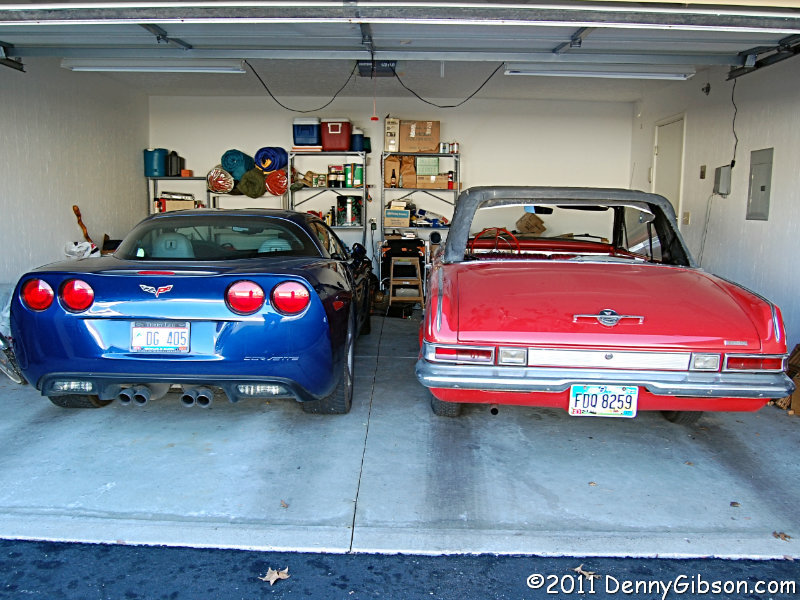 During that time, I joked about my 3-V fleet but apparently I never did get a picture of them all together. The Vibe, ‘Vette, and Valiant lineup only existed a few months. By mid-April, the ‘Vette and Vibe had been converted into a Subaru Forester. The Vibe went first and it was the sale of the Corvette that triggered the previously arranged purchase of the Subaru. I continued making bad letter-oriented jokes by pointing out that I’d traded capital-P performance for capital-P practicality.
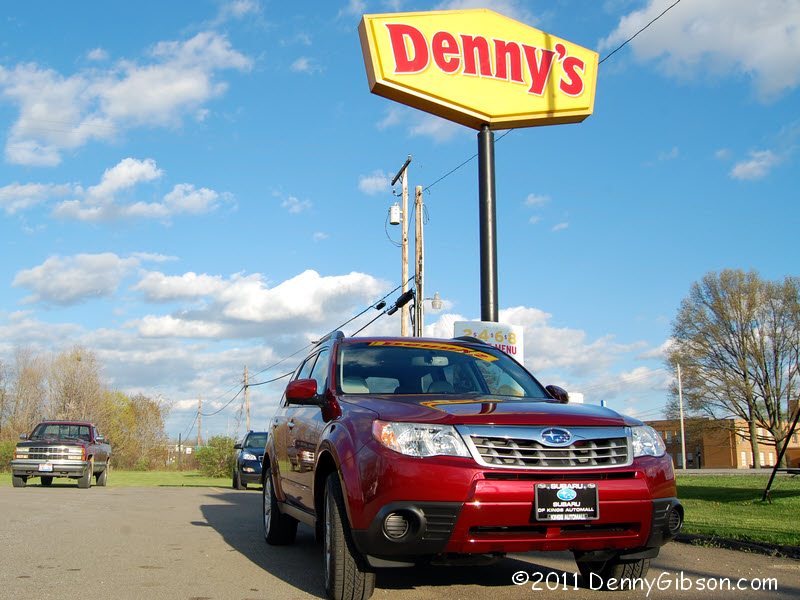
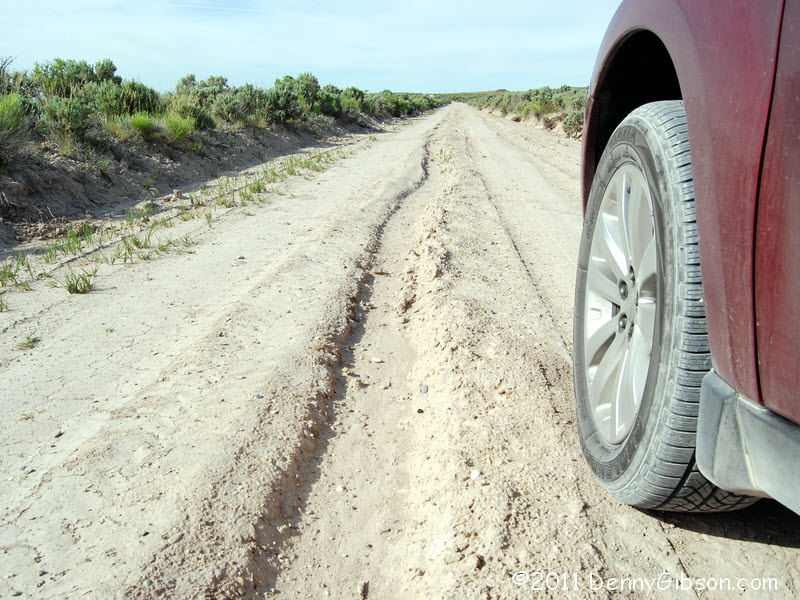 The Forester really was very practical, and it needed to be as the road trip workhorse. The opening photo is from its first road trip in April of 2011 when it was still new enough to be running temporary tags with the dealer’s filler in the front. A couple of months later, I would drive it to the Lincoln Highway Conference in Tahoe using a lot of Lincoln Highway to get there. That included the pictured unpaved stretch near Orr’s Rance in Utah. I can’t say for certain whether I would or would not have attempted that in a Corvette, but knowing how far away the next pavement was, it seems unlikely. I would have almost certainly tackled it in the Vibe and don’t doubt it would have done just fine. But there wasn’t even a pause to think about it with the Subaru. This is the sort of road it was made for.
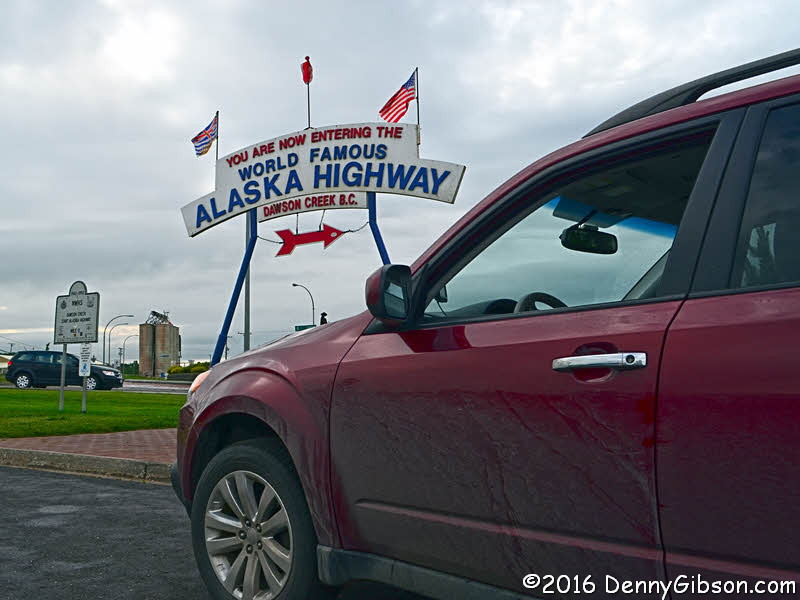
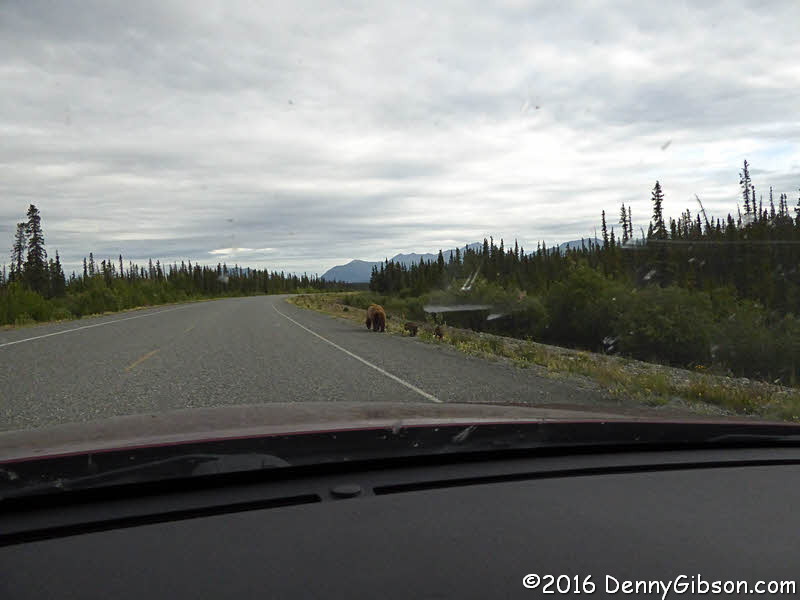 It would eventually carry me on 34 documented road trips, second only to the 2006 Corvette. Between April 2011 and May 2014, it handled every road trip except one with a rental and the two Lincoln Highway related outings that were the reason for the Valiant to exist. With over 110,000 miles on the odometer, the Forester and I set out on that 2016 record-breaking drive to Alaska. I got it to pose when we reached the Alaska Highway and used it as a protective camera stand for various wildlife viewings. The entire 11,108-mile trip was essentially trouble-free.
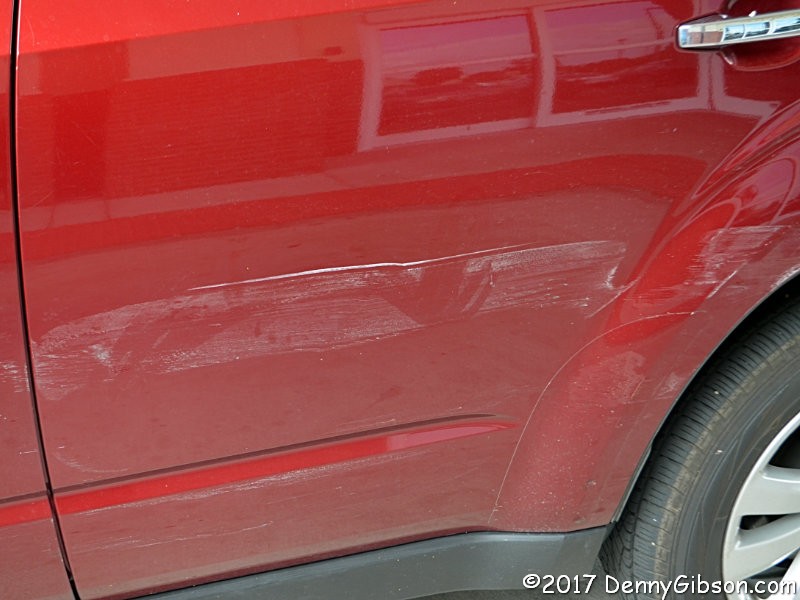
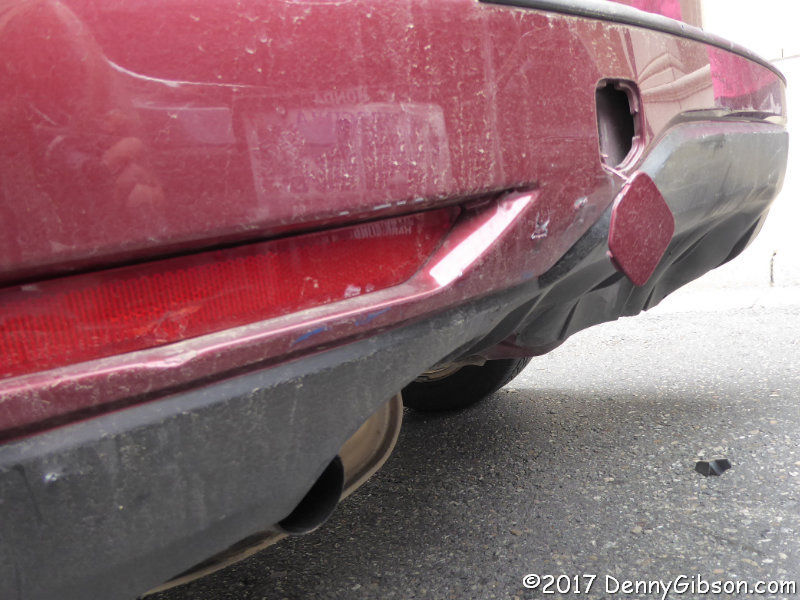 Oil consumption had gone up during the Alaska trip but that was solved with head gasket replacement when I got home. A year later, with 140,000+ miles on the clock, it was performing wonderfully on a trip through Virginia and Maryland. In Harrisburg, VA, a Honda struck me from behind as I sat at a stop light. It didn’t look too bad, and the car was drivable, but I knew it wasn’t going to buff out. Three days later, I returned to the car in a museum parking lot to find a scrap running the length of the left rear door. The Honda driver had instantly taken responsibility and we exchanged our information. Whoever got intimate with my door had simply vanished. I finished the trip then visited a nearby body shop I had some experience with. Repairs would run a few thousand dollars or more depending on what was found when the exhaust was examined. Of course, I was responsible for only part of that, but regardless of whose pocket the money came out of, the end result would be a car worth not a whole lot more than the cost of repair. I had been quite happy driving a six-year-old car with more than 140,000 miles but there’s not much market value in cars like that. I went straight from the body shop to the dealer and traded for a car that will appear in just a couple of chapters.
My Previous Wheels: Chapter 36 1963 Plymouth Valiant
My Next Wheels: Chapter 38 2003 Mazda Miata



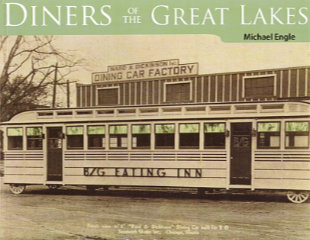 My original notion of what’s inside Diners of the Great Lakes was not very accurate, but I’m not the least bit disappointed. For no particular reason, I more or less expected this book to be something akin to a directory of diners currently existing in the Great Lakes region along with a telling of their individual histories. There is a certain amount of that, but it comes late in the book after Engle has delivered not just the history of diner operation in the region but of the manufacture of diners there along with their development as something distinct from what occurred nearer the Atlantic.