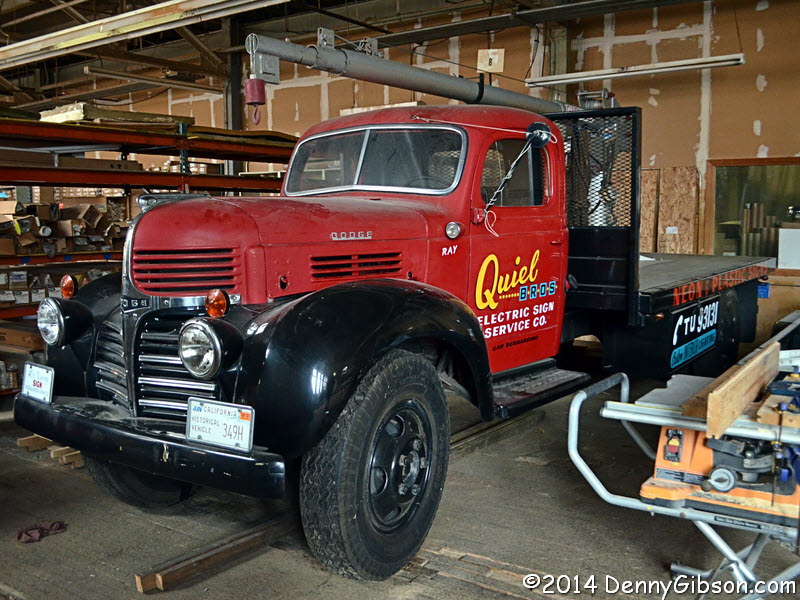
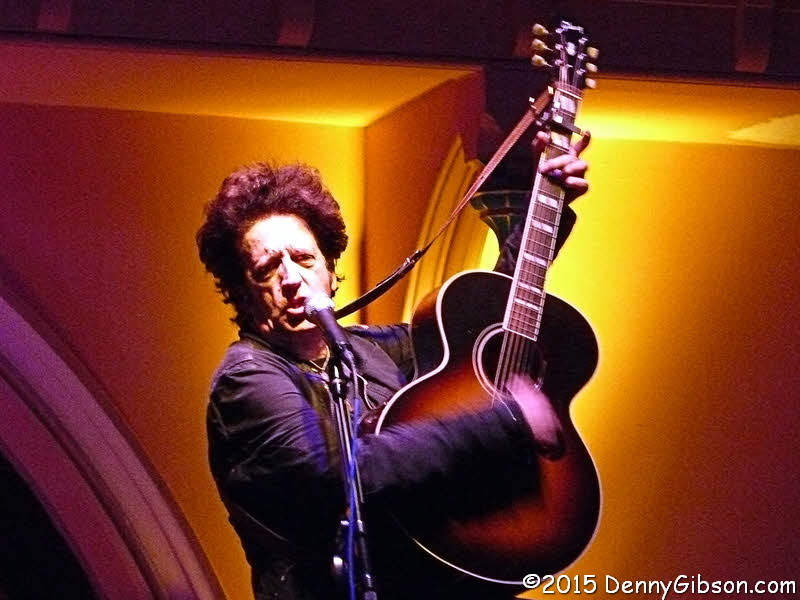
 It’s been a pretty full week. It included several things that could have been turned into blog posts if I felt the urge but none for which the urge was felt. I was about to schedule a Trip Peek to fulfill my Sunday morning commitment when I decided to just list the week’s activities and include a few pictures from my favorite.
On Sunday I went to the afternoon performance of Ring of Fire: The Music of Johnny Cash at Playhouse in the Park. The play was over before the big football game started so I watched some of that, too, but I liked the play a whole lot more.
Monday was Groundhog Day and, although I didn’t didn’t actually travel to the home of any of the prognosticating rodents this year, I did make the quasi-traditional visit to Bob Evans for ground hog & eggs and I did follow the reports. There are three furry forecasters whose jurisdictions I think I might be in. One is Punxsutawney Phil who is the most famous and whose forecasts might, for all I know, apply to the whole world. The others are Buckeye Chuck, Ohio’s Official State Groundhog, who makes his predictions in Marion, and Rosie who lives and works in nearer-to-my-home Dayton. Phil and Rosie saw their shadows. Chuck did not. What now? There isn’t even a geographic pattern. I don’t know whether to hunker down for six more weeks of winter or get ready for it to be over in a month and a half.
Tuesday I did nothing but meet the gang for some Buzztime trivia. The temperature was in the 40s on Wednesday so I walked down to Flipdaddy’s for exercise then ate a Burger of the Month to nullify it.
A string of nights out began on Thursday with the Bare Boards Theater Company‘s performance of Rabbit Hole. This isn’t a trivial play but the BBTC nailed the first performance of their first production. I attended with my daughter and both of us were entertained and impressed.
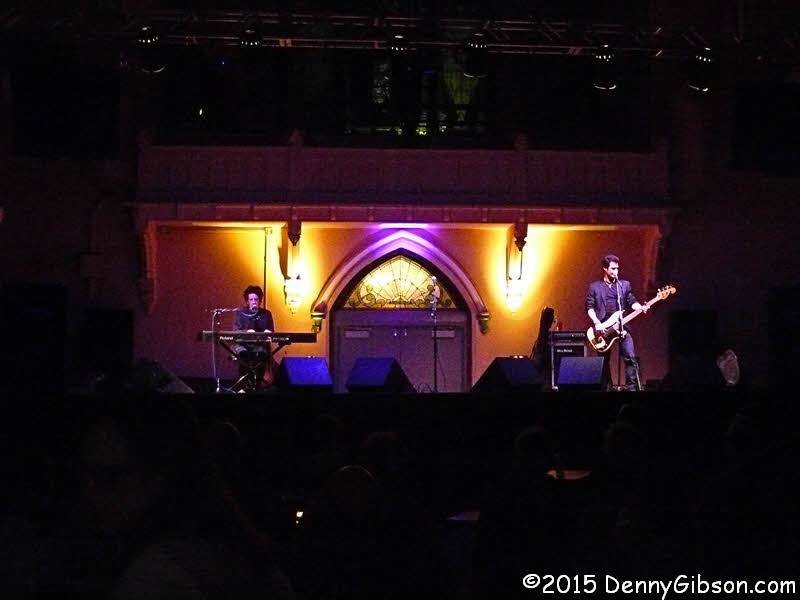
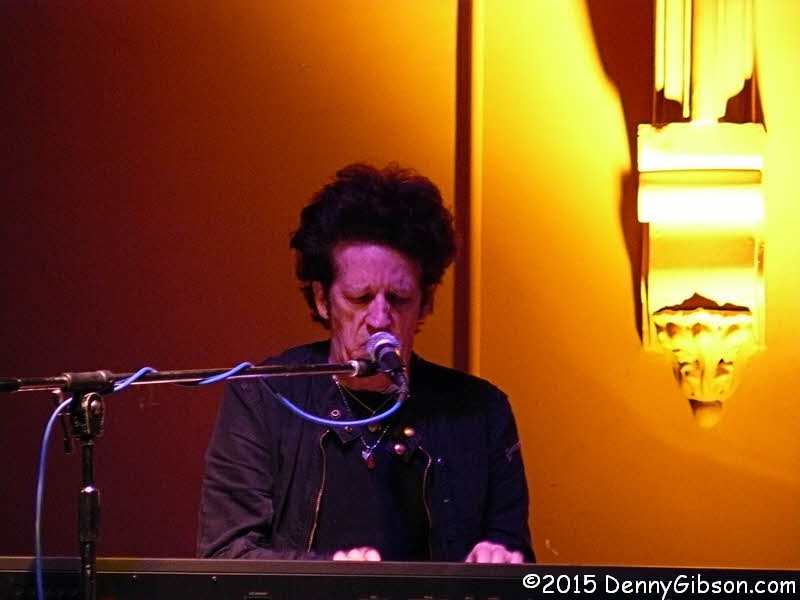
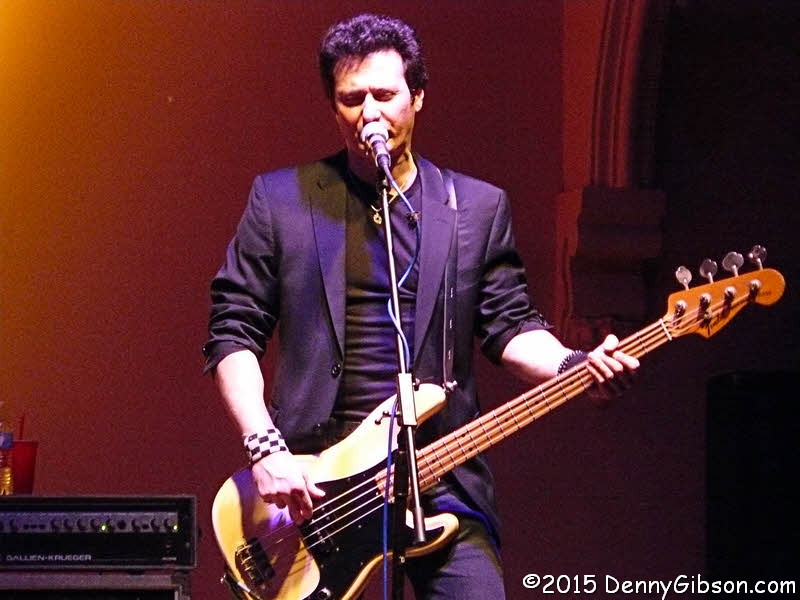 On Friday it was a Willie Nile concert at The Southgate House Revival. I became an overnight fan of Willie after seeing him for the first time last year and bought my ticket to this show as soon as I heard about it. I learned just a few days ago that, rather than the anticipated full band show, this would be a performance with just Willie and bassist Johnny Pisano. I thought things might get toned down and I’d be disappointed. No so and not so. I’ll admit to missing Matt Hogan’s guitar licks now and then but I got to focus on and appreciate Johnny’s outstanding bass work even more. Far from being disappointed, it was, as you can see, my favorite event of the week.
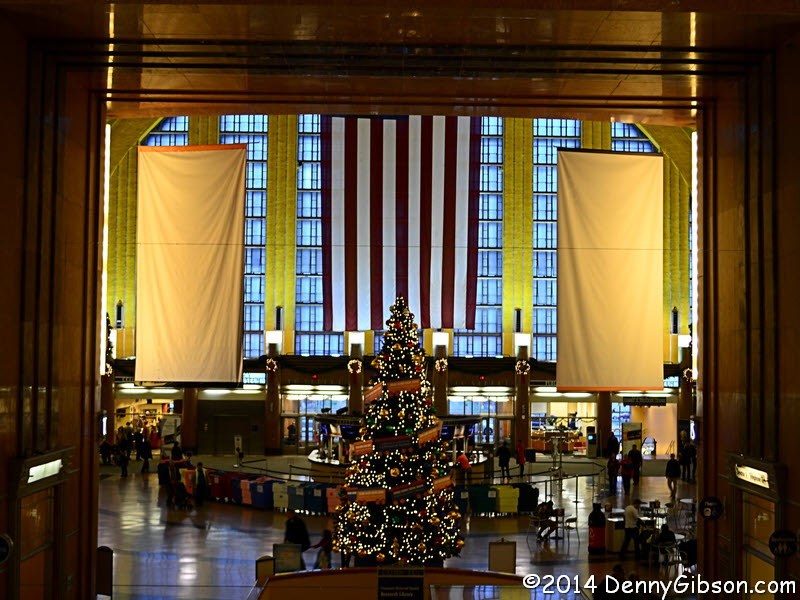
The Cincinnati Winter Blues Festival took place on Friday and Saturday. I wrapped up my week by going to the festival’s second night with a few friends. The night’s headliner was young guitar phenom Joanne Shaw Taylor and she did not disappoint. The festival was successful to the point of being uncomfortably crowded. Maybe I’m just getting too old for this sort of thing even when it’s got chandeliers and marble staircases.
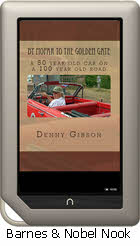
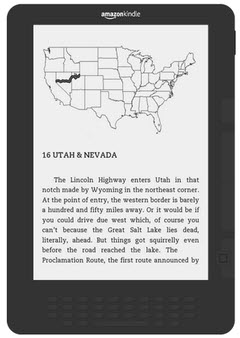 Sometimes hordes of fans demand an e-book version of a publication which prompts the publisher to pull out all the stops and produce one immediately. Sometimes one or two people casually ask about an e-book version and probably forget about it by the time one appears a year or so later. One of these sentences describes my situation perfectly.
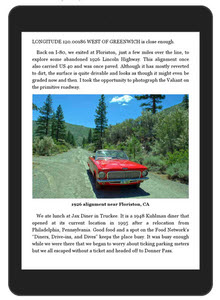 Other than correcting a couple of spelling errors, absolutely no text was changed in generating the e-book. The same pictures are in the e-book as in the paperback with essentially the same dimensions. I did utilize color versions so they ought to look a little prettier on some devices. To make things reflowable, I unhooked the pictures and their captions from fixed positions on the pages and placed them between paragraphs. If you think of the sizing and positioning of a book’s non-text elements within the text as design, then what I did was undesign the book. To be honest, there wasn’t very much “design” in it. I placed pictures where I thought they looked good and I chose sizes to spotlight those I particularly liked or to allow some to be grouped together. Design is too kind a word. At best what I did was layout. I arranged some block images so that they looked alright, appeared near any text that referenced them, and didn’t disrupt that text too much. But other books truly are designed and their designers agonize over scaling and placing elements so that a page — a physical page with fixed dimensions — looks good and works well. That sort of design is no better accommodated in the e-reader world than my clunky picture layouts.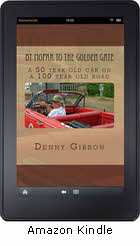
 When days on the road increase, an increase in pictures posted is sure to follow. Last year an additional twenty road days yielded an additional 557 road trip pictures. 35% more days resulted in 54% more photos. Blog pictures decreased slightly. In addition to the 52 regular weekly blog posts, there were 16 reviews, 7 road trip links, and 5 miscellaneous asynchronous posts. The number two and three blog posts from 2013 moved up to one and two. Last year’s most visited post stayed in the top five at number four leaving just two of the top five slots for new posts. The most popular item posted in 2014 was the review of an ebook.
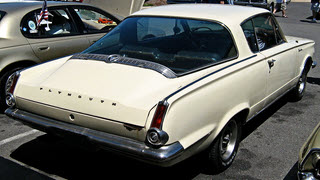 A white Plymouth Barracuda became mine after the