5K: The Ventures Way

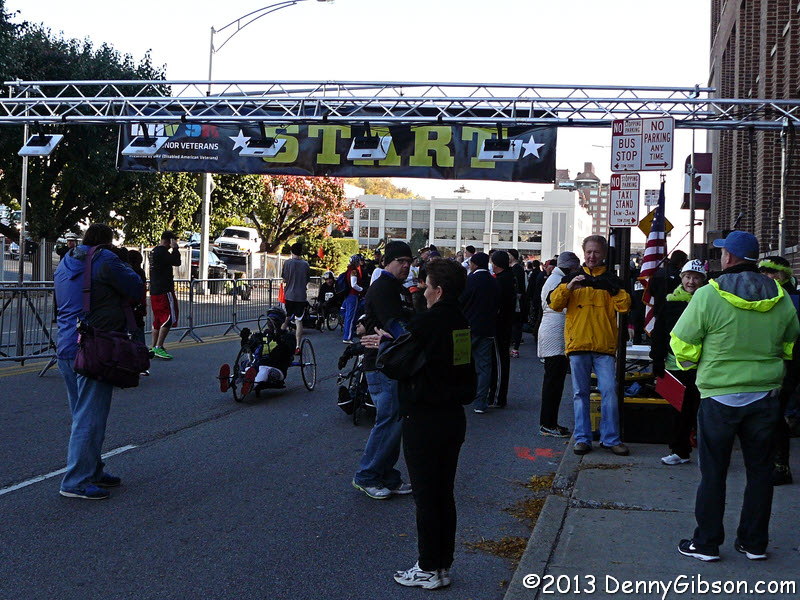
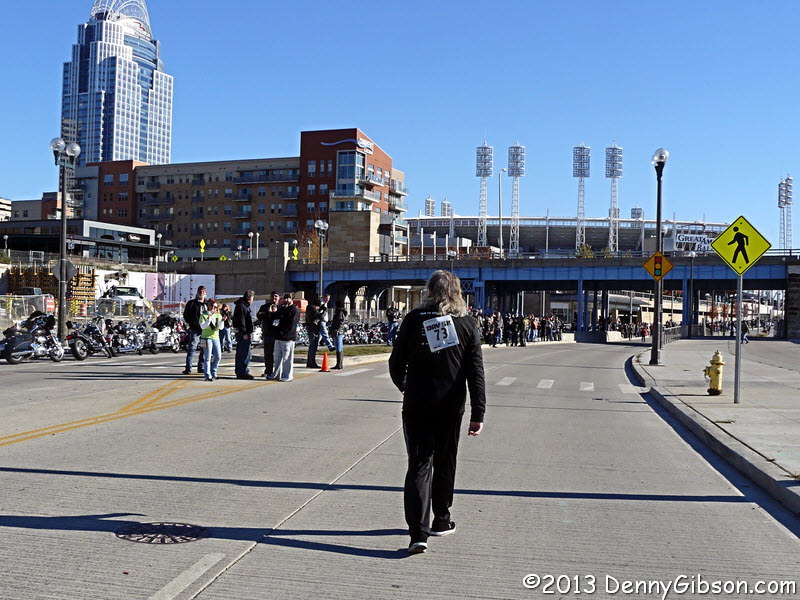
DAV 5K The Disabled American Veterans organization held a race Saturday. It was the inaugural running of what they called the National 5K Run/Walk/Roll/Ride. I first heard of it a few weeks ago when my friend, Dave, announced that he had signed up. Some people ran, some walked, some rolled on hand-cycles, and some rode motorcycles. Dave walked. So did I.

When the event came up in a conversation, Dave said something like “You ought to do it, too”. Then I said something like “Yeah, maybe” without really meaning it but the seed was planted. l’m a firm believer in the only-if-chased concept of running. There is absolutely no way I would ever consider running any farther than the last lane of a street crossing to avoid an approaching SUV on auto-pilot. But walking is a different story. I walk quite a bit. I’ve always done it on road trips where I will park the car and walk around a town or park or other attraction. This summer I’ve been doing more of it at home and even think I feel a little deprived on days when I don’t walk.

Five kilometers is about three miles; 3.106855961 to be be precise. I might walk that far a few times each week although there is usually a restaurant or bar somewhere near midpoint. I started to somewhat seriously consider doing the walk about the same time that another friend and I picked that day to take an underground Cincinnati tour we had been talking about for awhile. I assumed I couldn’t do both until a week or two later when I looked at the details. Start time for the “race” was 9:00; for the tour 1:00. That was plenty of time for even sluggish old me to finish the walk, which had awards scheduled for 10:45, and get to the tour.

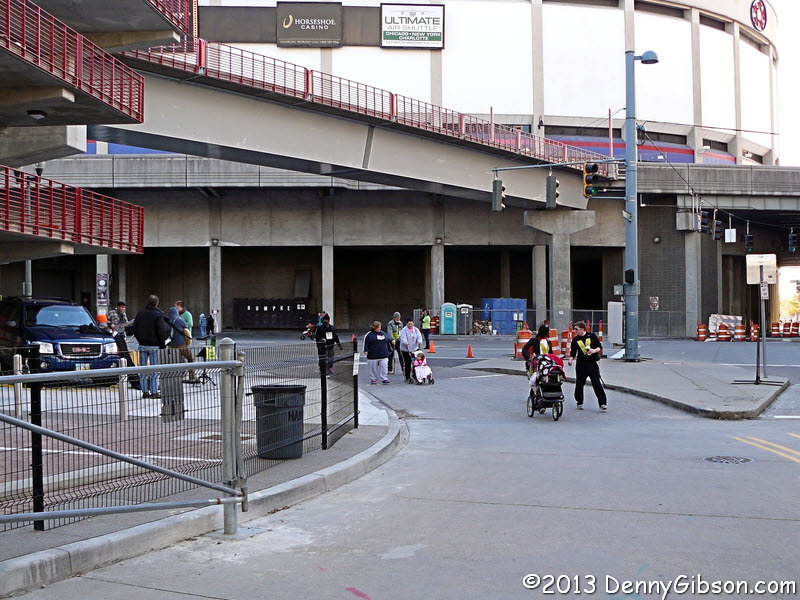
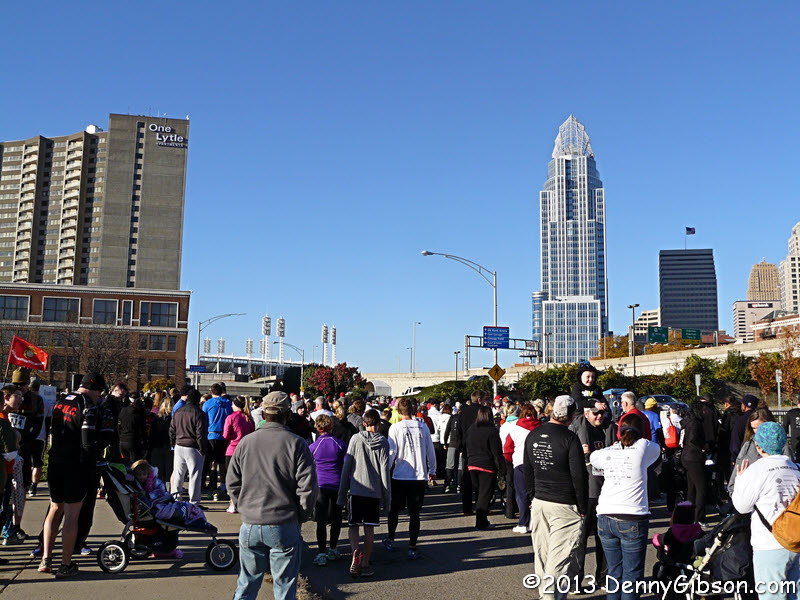
DAV 5KSo I signed on. Dave and I were a little surprised by the size of the crowd when we arrived about a half hour before the start time. We later learned that the event had more than two thousand entrants. I registered late and in person and had picked up my stuff when I did. Dave had registered very early on line and was picking up his stuff today. An entrant’s stuff consisted of a long sleeve shirt, a “bib”, and four safety pins. The pins were to attach the numbered “bib”, with its attached timing chip, to the shirt. Shirts were black for veterans and white for civilians. Dave’s a Navy vet. I’m a civilian.

DAV 5KDAV 5KWe did not have long to wait until the starting gun went off and, presumably, the serious runners up front went dashing away. Eventually the more casual crowd near us started moving and we were off. We started fairly close to the back and by the first turn had managed to work our way even closer.

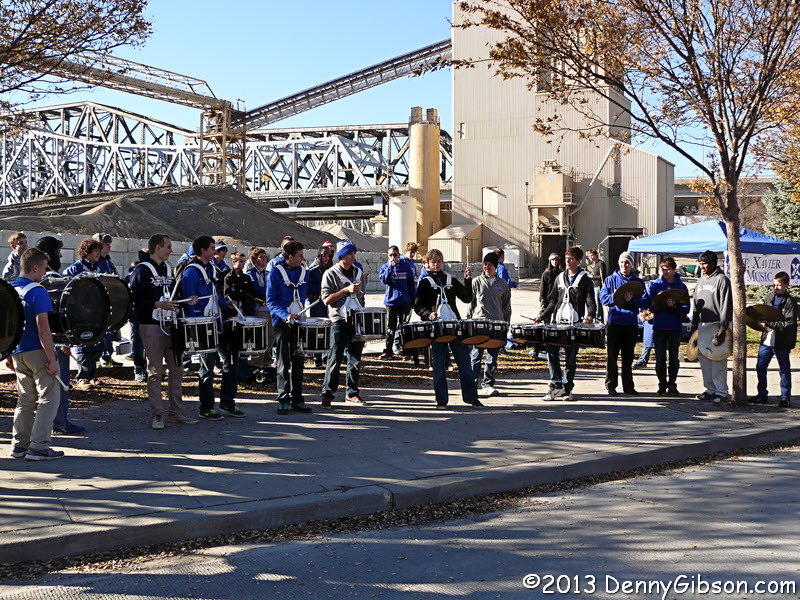
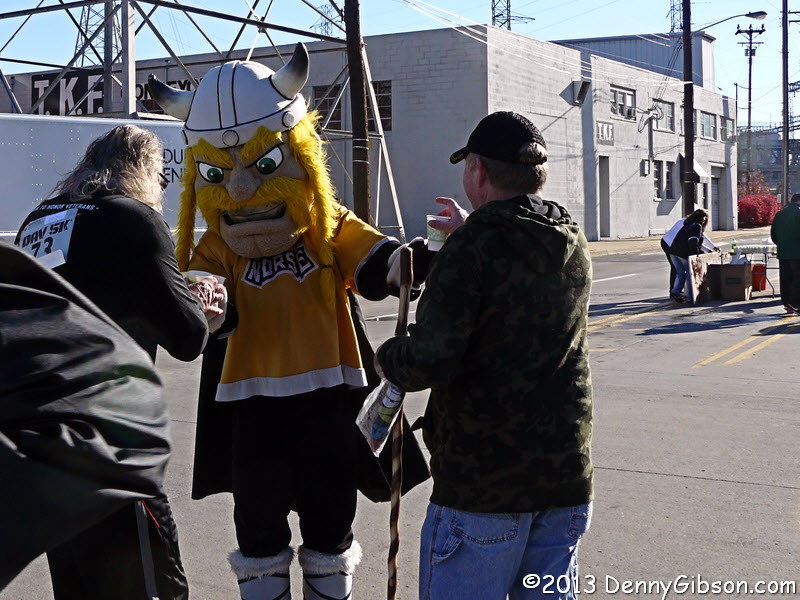
DAV 5KDAV 5KDAV 5KThere were several bands performing along the way and we were given water at strategic spots just like real runners. Near the end, we were even cheered and encouraged just like real runners. Dave was the target of extra cheering when some in the crowd recognized him as the model for a widely used street sign of which an example can be seen to his right.

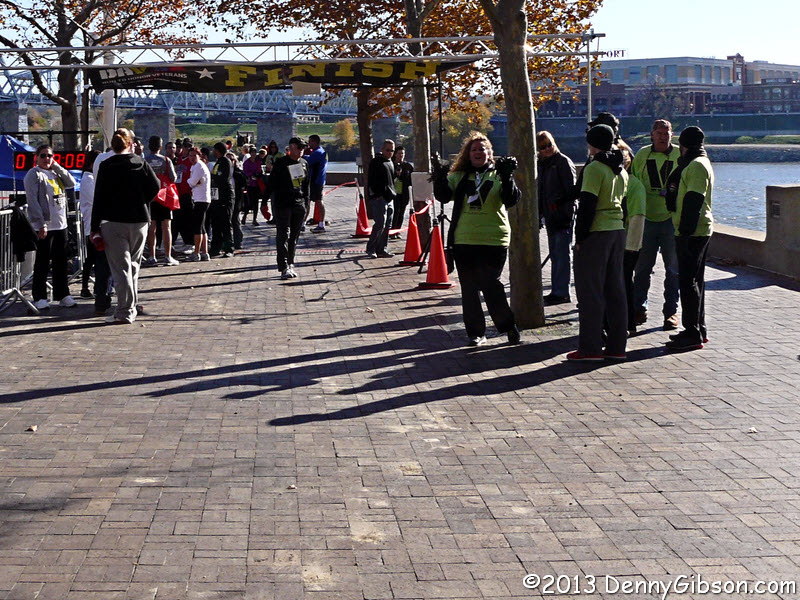
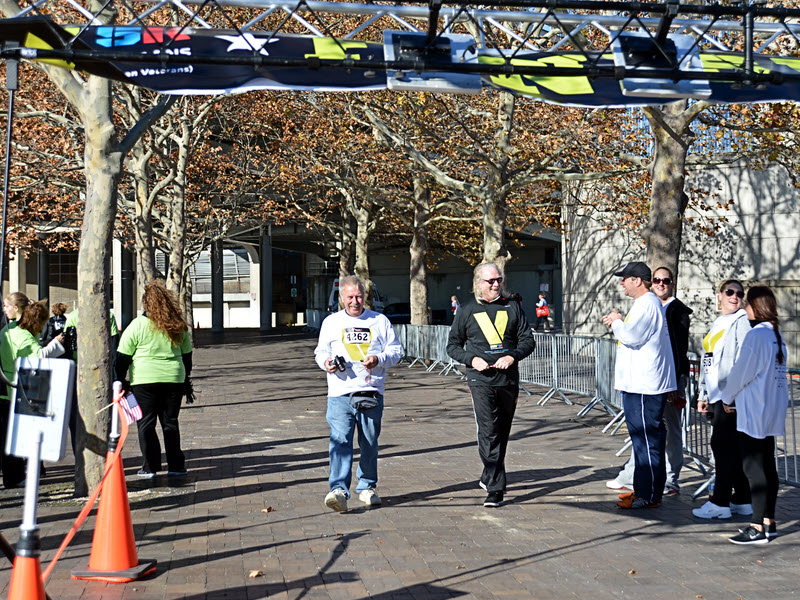
DAV 5KWe crossed the finish line to the sound of bells and cheers from an enthusiastic group who had probably come near to dozing off during the lull that preceded us. Two bicycles had been the first to cross the line with times of 14:44 and 15:07. The first place runner had a time of 16:26. Dave and I finished 2019th & 2020th in an hour and twelve minutes. There were 2033 finishers so we were denied last place but we were close. On the other hand, we were only about 56 minutes out of first.

The cheering and applause even for old guys finishing in the 99th percentile is intended to make you feel like you accomplished something and it did. Both Dave and I have walked 5 kilometers many times so neither of us felt any great affirmation but we did feel good and it sure was fun. In years past I’ve attended parades and concerts and other events associated with Veterans Day (I even remember Armistice Day.) but this is the first time since being in the high school band that I have participated. Maybe I really did accomplish something after all.

dav5k2013ddfADDENDUM 07-Nov-15: Here is a picture from the DAV website of Dave and I crossing the finish line.


The “Ventures Way” is, of course, walking rather than running. The Ventures first drummer had left the band and was on his way to becoming a veteran before Walk Don’t Run was released but did get to perform it with them again a few years later as captured here.


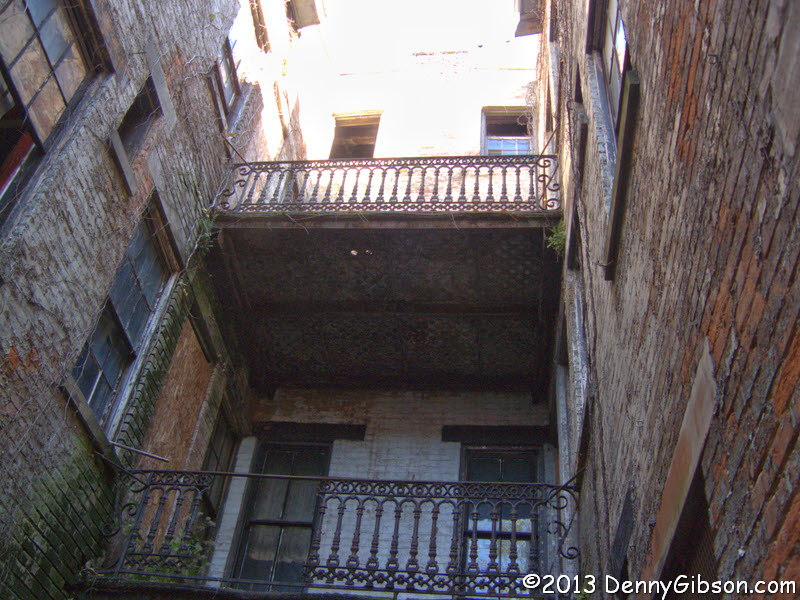
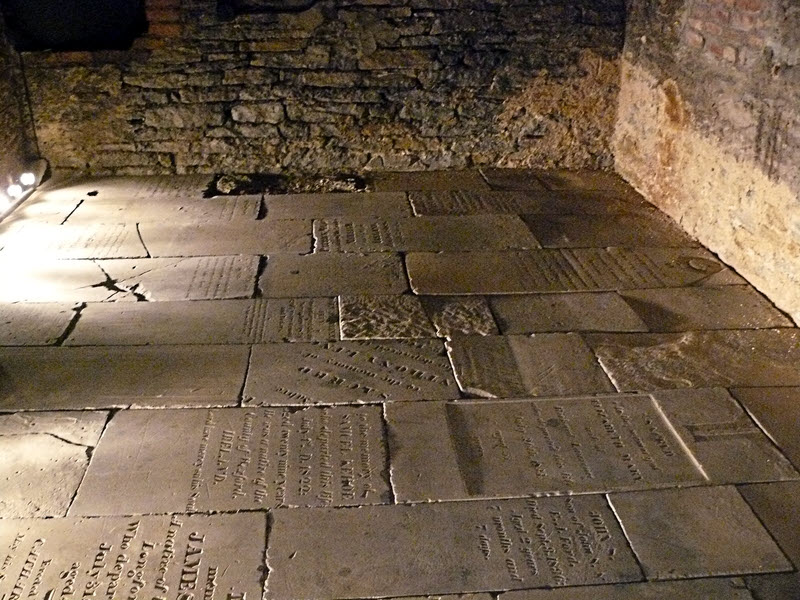
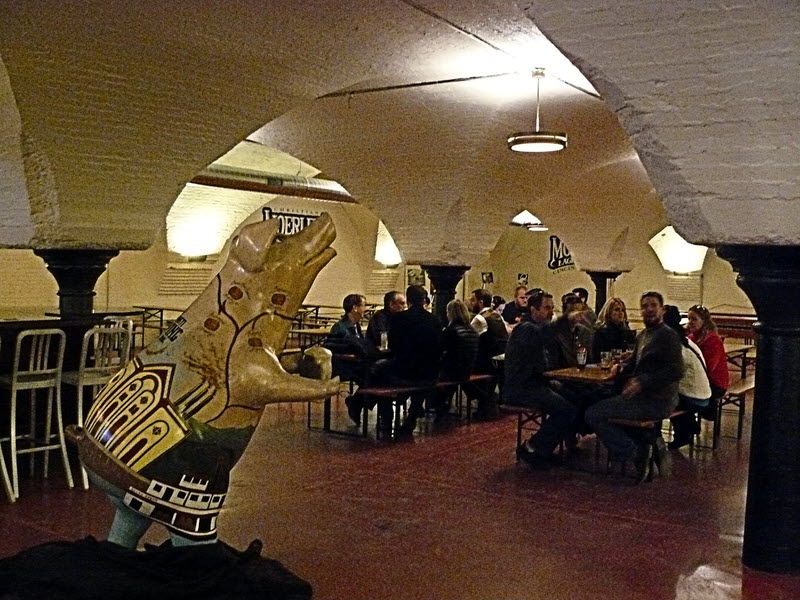
Queen City Underground TourQueen City Underground TourQueen City Underground TourI made it to the tour in plenty of time and I thoroughly enjoyed it. It was the “Queen City Underground Tour” from American Legacy Tours. Having done other tours of Cincinnati’s underground, I thought this might be something of a repeat but that was not so at all. Only the very last of the tour was familiar and by then we had been inside a 19th century tenement and an underground crypt and had been entertained and educated by a pair of knowledgeable guides. Plus, the familiar part led to the Christian Moerlein Tap Room which is hardly a bad thing.

Geeks in the ‘Hood

Cincinnati 2013 Road MeetI attended my third Road Meet on Saturday; This one in Cincinnati. The previous two were in Columbus and Dayton. I did a blog entry on the Dayton meet in which I tried to define “roadgeeks” and describe how they differ from “roadies”. That generated a little discussion on the blog post and more on a Facebook post pointing to it. The much condensed version is that I described “roadies” as liking old roads and “roadgeeks” as being attracted to new roads. The gist of the comments, mostly from those calling themselves “roadgeeks” was, “Hey, we like old roads, too.” And I know they do. As a result, I’ve been shying away from both names and mostly using “road fans” to describe folk who like roads and/or the stuff beside them. It remains true that members of Route 66 and Lincoln Highway groups often refer to themselves as “roadies” and that many of the Yahoo Roadgeek group postings concern new road construction but, as the discussion triggered on that earlier blog entry indicated, the old vs. new distinction really is just one of degree. On Saturday, a bunch of road fans, who are members of a group named Roadgeeks and who know a lot about the way roads are built and signed, met in Bellevue, Kentucky, just across the river from Cincinnati.

Cincinnati 2013 Road MeetThe Cincinnati meet had more of a mix of old and and new than the other meets in my limited experience. It started with drivebys of some old signs on a railroad overpass, which I did not photograph, and this embossed “END OF…” sign. We drove a bit further south before moving onto expressways to head back toward the river. That picture at the top of the article, taken in Devou Park, should have two more people in it. We lost them during on the expressway section and I am responsible for that.

The meet’s organizer, Jeremy Mose, was in my car so I was leading. Behind me, the other four cars shuffled a bit but I thought all were with me as we moved from I-275 onto I-75. But, when we left the interstate, I soon realized that a grey car I believed was part of our group was not. Before too long, I was feeling helpless as well as guilty. The lost couple were attending their first road meet. The first time any of the other attendees had met them was at the restaurant where the meet started. No one had a phone number for them. They had not been part of the group associated with the Facebook event entry for the meet which meant they had not received the cellphone number Jeremy had sent to everyone signing onto that event. They did have a set of driving instructions so it seemed a good possibility that they would find their way to Devou Park on their own but that did not happen during the hour or so we were there. There was only one car in the group which could be lost with no means of contact available and I did it.

EDIT 14-OCT-2013: I have just learned that the missing couple received a phone call from a son in need of a ride and, in their words “had to bolt the meet”. My guilt is gone but I will make more of an effort in the future to see that anyone following me can contact me.

Cincinnati 2013 Road MeetCincinnati 2013 Road MeetWe eventually headed across the river and through what Jeremy called the 6th Street viaduct project and which I, in my few encounters, thought of as a US 50 project. It apparently has an official name which is neither of those though, unless my memory surprises me by tucking away Valdvogel Viaduct, I may continue to use US 50 as the identifier. Valdvogel Viaduct is kind of fun to say so it could happen. We also got a view of part of the project and a lot of Cincinnati from Olden View Park near where the Price Hill Incline once terminated.

Cincinnati 2013 Road MeetThis is a view of the “Lockland Canyon” that I had never seen before. In fact, I don’t recall ever before hearing this section of southbound I-75 referred to by that name though it is apparently fairly common. The canyon aspect of the road comes largely from the fact that locks of the Miami & Erie Canal once occupied this space. Widening the “canyon” is part of a project planned for 2016. Although this was my first time at the “scenic overlook”, I have driven through here countless time. I have also ridden a motorcycle here and can attest to the buffeting that a semi-truck and those concrete walls can create.

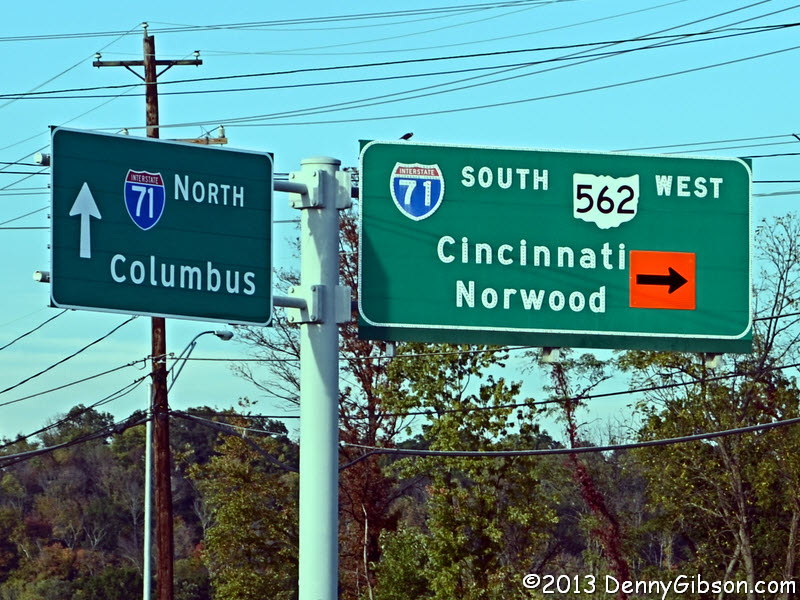
Cincinnati 2013 Road MeetOur last stop was near the Kennedy Connector project. I couldn’t get much of a picture of the project itself so here is a picture of a sign assembly associated with it. The photo illustrates two things. One is the odd mixes that can show up on roadside signs. The right hand panel contains button copy (reflective “buttons” on sign elements). Ohio was one of the last three states to use button copy (The last was Arizona in 2000.) so it is not as rare here as elsewhere but it is an old technology. The left hand panel contains Clearview Font which is sort of the leading edge of highway sign lettering. The second thing the photo illustrates is that roadgeeks notice these things — and the orange “detour arrow”, too.


1832 culvert, Richmond, IN1832 culvert, Richmond, INI had visited another construction project on Monday. A few days earlier, a Richmond, Indiana, newspaper published a story about a repair crew uncovering an 1832 stone culvert underneath US-40 (a.k.a., National Road). The uncovering was temporary and the culvert would again be hidden when the repairs were complete. I headed over for a look but it was already too late. Although the article had appeared just days before, the project it described had taken two months and was very near completion when I visited. The culvert was likely out of sight before the article was printed. Still, it’s nice to know it is intact even though it is out of sight and it is a wonderful thing that pictures were taken during the culvert’s brief appearance.

Now That’s Art

Joe Morgan WeekendCincinnati got a new statue Saturday. There was a big unveiling ceremony with an estimated 3,000 people in attendance. Most of those 3,000 people were standing directly in front of me. I’d heard of the planned unveiling some time ago and probably even considered attending some time ago. But it never really made it onto my agenda until Friday night.

The statue is of Joe Morgan, second baseman of the Big Red Machine. If you didn’t already know that, I’m not sure I even want you reading this but maybe you just forgot so here’s a little refresher. The Big Red Machine was the remarkable Cincinnati Reds team of the 1970s. Between 1970 and 1976 they won their division five times, their league four times, and the World Series twice. Those World Series wins were back to back in 1975 and 1976. In both of those years, Joe Morgan was the National League MVP. So seeing a statue of him unveiled would certainly be a cool thing but, on the other hand, I didn’t think it cool enough to fight a crowd to see something I could probably have all to myself on most afternoons in a month or so.

Then, on Friday, I’m out playing trivia with the Reds game on TV. It’s live trivia so the TV sound is off. It is the start of a Joe Morgan weekend and there is a pregame ceremony. I’m watching it out of the corner of my eye and eventually realize that, one by one,  Joe’s old teammates are trotting out on the field. Soon the entire Big Red Machine starting lineup is there. The most astonishing thing about this is that it includes Pete Rose who has been banned for life from participating in any aspect of Major League Baseball. He was being permitted on the field so that Joe’s celebration could be complete. Seeing the Great Eight, as that group was called, was cool enough to justify dealing with a crowd.

Joe Morgan WeekendJoe Morgan WeekendJoe Morgan WeekendSo I fought the crowd and the crowd won. My resolve to go wasn’t nearly as strong when I woke up as when I went to bed. I alternately talked myself into and out of going until it reached the now-or-never point. It once again sunk in that seeing the Great Eight together just might not ever happen again. I left home with just enough time to get there before the unveiling. The first picture is what I saw when I arrived. The second is what I saw after I had worked myself to the other side of the crowd. When things actually started, I realized that, not only were all those heads between me and the speakers, so was the tent. I had incorrectly assumed they would be in an open space to the left. I could, every once in a while, see one of the speakers under the tent covering and over the bobbing heads and I’ve included a picture of Joe to prove it.

Joe Morgan WeekendDrat! I had not actually seen the Great Eight. However, there would be another ceremony of some sort preceding the afternoon game with the Los Angeles Dodgers. The game was sold out but I got a ticket for a bad seat for a so so price from a scalper. I walked around the area and grabbed a sandwich. The crowd that initially hid the statue (shown at right) eventually thinned out so I could take the picture at the top of this article.

Joe Morgan Weekendjmwe07jmwe08I misjudged the time and the ceremony was already underway when I entered the stadium. I made it just in time to see Pete being introduced and Joe soon followed. The other six were already on the field. There was, of course, more to the Big Red Machine than these eight players but they were the heart of it. Of the 88 games that all of the Great Eight played in 1975 and 1976, they won 69 or nearly 80%.

Joe Morgan WeekendJoe Morgan WeekendThere were a few speeches and even the unveiling of a miniature of the life size statue outside the stadium. The ever classy Morgan talked much more about his teammates than about himself.

Joe Morgan WeekendJoe Morgan WeekendWhen it was time for the ceremonial first pitch, all eight players moved to their positions. The 69 year old Morgan had no trouble getting the ball to the plate and the 65 year old Johnny Bench had no trouble catching it. Then, as they walked toward each other, Bench flipped the ball back to Morgan who casually one-handed it. Then the Big Red Machine gathered for one more meeting by the pitcher’s mound.

Joe Morgan WeekendJoe Morgan WeekendAt the end of the day, when I looked through the pictures I had taken, I noticed that Bench’s star, in the line where the Great Eight had stood, was turned sideways. Had someone goofed when they laid them out? Had it been accidentally kicked around as the players waved to the crowd? Nope. A check of earlier photos revealed the truth. Bench had turned the star himself when the players moved to their chairs. Johnny is a joker.

Joe Morgan WeekendJoe Morgan WeekendThere is an awful lot of Cincinnati history in these two murals at Great American Ball Park. For one thing, the mosaics are reminiscent of those that once hung in Union Terminal and have since been moved to the airport. Sadly, those are once again in danger as the building they are in is slated for demolition. Secondly, there is the suspension bridge in the background. The bridge officially opened January 1, 1867. It’s still there and can be seen from the current ball park. One mural is of the 1869 Red Stockings, the world’s first fully professional baseball team. Note that the bridge is correctly shown without the steel trusses that were added in the 1890s. The other is of the Big Red Machine, the same eight men who were on the field today. The Red Stockings had a 65-0 record in 1969. In the seven seasons between 1970 and 1976, the Big Red Machine had a record of 683-443.

With the game tied 3-3, I left after eight innings. The Reds won in the tenth. That’s when the Reds latest speedster, Billy Hamilton, scored from second, which he had stolen, on a Todd Frazier single. Today was the thirty-ninth anniversary of another Reds win over the Dodgers. During the 1970s, the Reds-Dodgers rivalry was one of the biggest in baseball. Joe Morgan was playing with a sprained ankle on September 7, 1974 so wouldn’t be stealing any bases. Instead, he beat the Dodgers with a two-run eighth-inning homer.

1940s Flashback

Cincinnati Museum Center 1940 WeekendCincinnati Museum Center held its first “1940s Day” in 2011. It became “1940s Weekend” in 2012 and is again a two-day (Aug 10 & 11) event this year. The Museum Center occupies Union Terminal, which saw its heaviest use in the 1940s. It opened in 1933 with a capacity of 17,000 passengers per day; A number that not only seemed adequate but, with rail travel already on the decline, major overkill. It was World War II, of course, that changed that. The terminal became a hub for the movement of troops, and as many as 34,000 passengers, twice as many as it was designed for, passed through it daily.

Cincinnati Museum Center 1940 WeekendCincinnati Museum Center 1940 WeekendThough it doesn’t completely ignore them, “1940s Weekend” doesn’t focus on the horrors and hardships of the war years but on the bright spots they contained and the brighter years that followed. Music figured into many of the bright spots both then and now. The Jump ‘n’ Jive Show Band and several guest vocalists kept energetic attendees jumping, and the Sweet and Lows roamed the building with their wonderful harmonies. The picture shows an “on location” performance of The Trolley Song (a.k.a., Clang Clang Clang went the Trolley). The Sweet and Lows perform both days, but the Jump ‘n’ Jive Show Band gives way to the P & G Big Band on Sunday.

Cincinnati Museum Center 1940 WeekendCincinnati Museum Center 1940 WeekendCincinnati Museum Center 1940 WeekendThe rotunda was filled with vendors of, mostly, railroad memorabilia, and there were demonstrations of some of the grooming procedures of the day. The theater showed newsreels that were post-war or at least post-V-E Day. The picture I’ve posted is of General Eisenhower praising the rank and file members of every military branch for their war contributions. I also attended two live presentations in the theater.

Cincinnati Museum Center 1940 WeekendCincinnati Museum Center 1940 WeekendThe first was a recreation of an episode of the Seckatary Hawkins radio program. Seckatary Hawkins was the creation of Covington, Kentucky, native Robert Franc Schulkers. The mystery-solving character first appeared in 1918 in the Cincinnati Enquirer, then in novels and a radio program. Initially, the show was done in Cincinnati by Schulkers and friends and family, but it soon moved to Chicago, where professional actors filled the roles. Following the presentation of a little history, a volunteer cast was assembled and a fine performance delivered. The once huge Seckatary Hawkins Fair and Square club has been revived, and you can join for free. I did.

Cincinnati Museum Center 1940 WeekendThe second presentation stepped away from music and laughter. For the first time, each day of the weekend will feature a Holocaust survivor presenting their own story. Today’s speaker was Werner Coppel, who had been sent to Auschwitz-Buna as a teenager. He subsequently escaped during a death march. I have seen movies and read books and have had other personal Holocaust stories told to me directly, but none more insightful or delivered as articulately as what I heard today. Calling it a highlight may seem strange, but that’s what it was for me. There is a short video of a previous Werner Coppel talk here. Henry Fenichel will share his story on Sunday. He can be seen in a video here.

Book Review
The Lincoln Highway: Photos Through Time
Brian Butko

Lincoln Highway Pictures Through Time - coverI was hesitant to post a review of this book because some of those “Photos Through Time” are mine but I decided that it would be a bad thing only if I rave about how marvelous the book is. No harm in simply describing it, right? So here are the facts.

The Lincoln Highway: Photos Through Time was created for the Lincoln Highway Association as part of its centennial celebration. One of the most visible parts of that celebration was the pair of car tours traveling the Lincoln Highway from its two ends to a meeting in the middle. A copy of the book was part of the tour package and it is also available for sale exclusively through the Lincoln Highway Trading Post.

It’s a sampler. Its purpose is to give an overview of a century of Lincoln Highway. It is not a guide book or a scholarly history book. It does not contain pictures of every scenic spot along the road or every notable building or every key association member. It does, however, contain a whole bunch of each of those.

Lincoln Highway Pictures Through Time - sampleIt is organized neither geographically nor chronologically. The first section following the foreword is titled “History”. Here, among pictures of collectibles and artifacts, Butko gives a very brief history of the road’s birth and short life. It is enough to give someone who knows little or nothing about the Lincoln Highway a starting point and someone who knows everything a quick refresher on key dates and events. It is a stripped down but adequate introduction to the pictures that follow.

Lincoln Highway Pictures Through Time - sampleThose pictures are organized by their subjects. Butko identifies ten things that comprise the Lincoln Highway and gives each one a chapter. They are “People”, “Gas”, “Food”, “Lodging”, “Vehicles”, “Attractions”, “Signs”, “Markers”, “Bridges”, and “Roads”. The chapters are themselves samplers. Historic images from postcards and other sources are combined with modern photographs. Images of things along the road, which is every chapter other than “People”, are from locations spread over the road’s entire length.

The sources of the photos are pretty diverse, too. Butko lists more than fifty contributors. He supplied a large number of images himself and, at a presentation at the Centennial Celebration in Kearney, Nebraska, he singled out Russell Rein, Jeff Blair, and me as next in number of contributions. Many of the historic images came from Russell’s huge collection. Jeff and I are both amateurs who happened to be the the right place fairly often but our pictures get to appear alongside stuff from real pros like Michael Williamson, Drake Hokanson, Rick Pisio, Shellee Graham, and Jim Ross and Brian has made sure they all look as good as possible.

I described the “History” chapter of having value for two very different audiences. Maybe that’s true of the whole book. Most of its first recipients, members of those centennial tours, are probably somewhat familiar with almost everything in the book. For them and others like them, the book might be a memory booster or a chance to see an image of something they’ve only heard about. On the other hand, there is a large group of people who ask “What’s that?” when hearing of the Lincoln Highway. Flipping through the pages provides glimpses of what’s there today and some of what was there in times long past. Turn the pages slowly and read all the captions for an even better answer to the question.

The Lincoln Highway, Photos Through Time, Brian Butko, Lincoln Highway Association, 2013, paperback, 10 x 8 inches, 136 pages, ISBN 978-0989208000

Available at Lincoln Highway Trading Post.

The Annie Gathering

Greenville signsThere are big doings in Greenville, Ohio, this weekend. Some are associated with the Annie Oakley Festival and some are associated with the Gathering at Garst. The Festival includes a parade through downtown but essentially takes place at the Darke County Fairgrounds on the south side of town. The Gathering takes place on the grounds of the Garst Museum towards the north side of town. Since the museum houses something called the National Annie Oakley Center, you might think the Festival and the Gathering are just two aspects of a single event but that’s hardly the case.

Annie Oakley Days ParadeAnnie Oakley Days ParadeThe parade is completely the responsibility of the Annie Oakley Festival as is a shooting competition, using air rifles, whose winner earns the title Miss Annie Oakley. In the lingering drizzle, I failed to get a picture of this year’s winner, Courtney Osborne, but I did get a picture of the 1970 winner, Patty Nisonger Padula, who was this year’s Grand Marshall. I was watching the parade with my uncle in front of his store and he told me that Patty had been an employee when she won in 1970. He had been her driver in the parade in another black convertible, his 1962 Corvette. The parade included a couple of high school bands, several classic cars, many Shriner units, and much more. A most appropriate entry was the group of female horseback riders most of whom were riding on side saddles.

Gathering at GarstGathering at GarstThe rain had moved on and the sun was shining by the time I made it to the Gathering at Garst. The museum was surrounded by tents selling various craft items and small antiques and there were a number of food tents as well. A field across the street was filled with “living history”. It included some additional vendors and some big guns which were fired once in a while.

Annie Oakley FestivalAnnie Oakley FestivalI also stopped by the fairgrounds to check out the Annie Oakley Festival. There were vendors selling food and other items including some crafts. There was a small car show and bus tours, included in festival admission, depart from the fairgrounds to visit related sites such as Annie’s grave.

In the beginning (1963), the home of Annie Oakley Days, as the festival is commonly called, was the museum and its grounds. That lasted for thirty-some years until the festival moved to the fairgrounds for a number of reasons including more space and access to electricity. It had the last weekend in July all to itself until the first Gathering was held in 2011. A Bob Robinson article, written shortly after that inaugural Gathering, indicates that, while both were calling themselves successful, neither was completely comfortable with the other.

The Gathering is free but parking is $4. There is a fair amount of parking available on nearby streets so some (like me) avoid the charge by walking a bit. Parking is free at the Festival but admission is $3. Advance $2 passes were available from some area merchants. Both events offer various forms of entertainment including concerts.

I’m guessing that both can call themselves successful again this year. However, as someone who attended the first Gathering and several Festivals, I have little doubt that the Gathering is getting bigger and better attended while the Festival is shrinking along with its crowd. Only time will tell whether both can survive. I hope so. I like that living history stuff but I like even more the parade and the Miss Annie Oakley contest. Is “The Annie Oakley Gathering at the Garst and Darke County Fairgrounds” too long to fit on a tee-shirt?


Annie Oakley's BootsAnnie Oakley's BootsEven with its $8 admission fee, the museum gets a lot of traffic during the Gathering and Festival. I’m a member but had not been inside for awhile. In fact, it seems that I’d not been in the museum proper since sometime prior to attending an Annie Leibovitz exhibit in October. That exhibit included a photograph Annie L had taken of a pair of boots at the Garst Museum. I resolved to look at the boots, made for Annie O around 1915, a little closer on my next visit. I expected it to be sooner than this but doing it in the midst of the Gathering/Festival is more than alright. Taking a photo of Annie L’s photo was not permitted but I will admit it’s a wee bit better than mine. Hers was helped by getting the boots out from behind the glass but I think there might be a little more to it than that.

A Tale of Two “Cities”

Cozad, NECozaddale OhioI live a little over eight miles from Cozaddale, Ohio, and have driven through it numerous times. The most recent was June 9 when I took the first picture at right. I live a little over eight hundred miles from Cozad, Nebraska, and have driven through it exactly twice. The most recent was Friday when I took the second picture at right. As you might suspect from the names, there is more to connect these two towns than my visits. Both were named for, or more accurately by, the same man.

John Jackson Cozad was born in 1830 near Allensville, Ohio, but he didn’t stick around long. He ran away at the age of twelve and before long found his way onto riverboats plying the Mississippi and Ohio Rivers. He also found his way into a successful career as a faro dealer. I’ve found no indication that his success came from anything other than a carefully developed ability to read the faces of opponents, but I did find a claim that this ability led to him being barred from riverboats and other gambling operations.

Although he never completely gave up cards, Cozad moved into real estate speculation/development around 1870. He laid out an eight street village on land he owned along the Marietta and Cincinnati Railroad and formed a building association. Things began well enough and a few buildings were completed in this place he called Cozaddale before some “trouble” (of which I’ve found no details) brought about the end of the association and Cozad’s development of his first town.

Horace Greeley may or may not have said “go west, young man” a few years earlier but John J Cozad probably didn’t need any such encouragement anyway. Nebraska had become a state in 1867 and, apparently while still postmaster of Cozaddale, Cozad went to look it over in 1872. The way railroad section boss John Cusack tells the story, he was checking track on a handcar headed west when he spotted Cozad, in top hat and tails, walking east. The Ohioan had been on a westbound train when he spotted a 100th meridian sign and left the train at the next stop. Inspired by the sign, Cozad developed an almost instant vision for a town that he described to Cusack. After hitching a ride on the handcar, Cozad returned to Ohio, bought 40,000 acres of Nebraska, then came back with about thirty others to build a namesake town at the 100th meridian.

Cozad, the town, grew and Cozad, the man, became a “hay tycoon”. As a big time farmer in cattle country, Cozad, the man, had his share of conflicts with ranchers. One such conflict was with an Alfred Pearson. Some reports say Pearson pulled a knife and some reports say Cozad thought Pearson reached for a knife. All reports say that Cozad pulled a gun and fired. Pearson died of his wounds a couple of months later and Cozad the man left Cozad the town almost immediately. Teresa Cozad, John’s wife, stayed around long enough to dispose of the family’s holdings then, with their two sons, she too vamoosed.

To most people, the Cozad clan seemed to have simply disappeared then, in the 1950s, a descendant revealed some of the missing bits of the story. Using the name Richard Henry Lee, John Cozad opened a place called Lee’s Pier on the boardwalk of Atlantic City, New Jersey. Son Johnny posed as a brother-in-law using the name Frank Southern and son Robert posed as a nephew or foster son named Robert Henry. Perhaps not surprisingly, Richard Lee managed to stir up things in Atlantic City, too. In a conflict with the city over selling his property, Lee/Cozad built a barricade across the boardwalk that earned his place the name “Fort Lee”. He eventually lost but it took the state legislature to beat him.

John J Cozad by Robert HenriJohn A. Cozad, a.k.a. Frank Southern, eventually went back to his real first name and became, as Dr. John Southern, a well respected physician in Philadelphia. Robert Henry Cozad retained a slightly modified version of his Atlantic City alias and went on to great fame as an artist. His childhood home in the second town his dad founded is now the Robert Henri Museum. At left is a portrait that Robert Henri painted of his father, John J. Cozad, in 1903.


This is obviously one of those pre-written pieces but, unlike most of the My Gear and My Wheels sorts of things, this one is tied ever so slightly to real-time. I suppose it was sometime after I drove through Cozad, Nebraska, in 2009 that I discovered the connection between there and Cozaddale, Ohio. When I realized that I would be passing through Cozad again this year, I thought it might be cute to get a picture of the Cozaddale limits sign and do something with it in my journal entry when I again reached Cozad. I did a couple of searches hoping to find something interesting to say and the wild stories just kept tumbling out of the internet. It was soon apparent that it would take much more than a journal panel to do the John Cozad story anything near justice. Knowing I would be using several canned entries during the Lincoln Highway drive, I decided that this, with a single new picture, would be one of them. It was primarily constructed with information from here, here (via WayBackMachine), and here. Those three sources don’t agree on everything and there are other, slightly different, versions out there, too. That certainly doesn’t surprise me. I’ve a feeling that John J himself couldn’t get his life story completely right even if he was trying to be entirely honest and I also have a feeling that being entirely honest wouldn’t come easy to him.

Ye Olde Flex-Master
A My Gear Extra

Flex-Master cameraI am not someone who delights in using old film cameras. I can appreciate that others do and I can appreciate the phenomenal engineering and manufacturing accomplishments embodied in high-end film cameras. But I like the convenience and economy of digital photography far too much to spend my own time and money on anything else — with one exception.

That exception is the camera at right. It’s certainly old and it uses film but it is about as far from high-end as you can get. The exact same camera was sold under a variety of names with prices around three or four dollars. An uncle won this one by investing a quarter in a punch-board in 1940. I never knew him. He went off to war and never came home. My Mom, his sister, ended up with the camera. I remember it being our family camera in the early 1950s.

Flex-Master cameraFlex-Master cameraThere’s not much to it. It’s called a pseudo-TLR. TLR stands for twin lens reflex which means one lens for the photo and an identical twin for the viewfinder. I’m not sure that what feeds the viewfinder on this camera can properly be called a lens at all. It does somehow produce a dim right-side-up but reversed left-to-right image on an upward facing screen. There’s no focus or aperture control and not exactly any shutter speed control. There is a shutter release and a little lever that selects “INST.” or “TIME”. The length of an “instant” isn’t specified but I’m guessing it’s somewhere between 1/50 and 1/100 second. As you’d expect, “TIME” holds the shutter open as long as the the release is held down. The back is held in place by a thumbscrew. Remove it to thread the paper backed film onto the relocated empty spool from the previous roll then close it up tight. Turn the knob on the side to move a frame number into first one then the other red window.

Picture from Flex-Master cameraPicture from Flex-Master cameraI believe both of these pictures were taken with the Flex-Master. The first one is known to be from the winter of 1950. The other is probably from the next spring. It’s one I frequently use as an “on the road” Facebook profile picture.

I said I appreciate folks who work with film cameras and I know some, too. One in particular, Jim Grey, lives close enough that I’ve passed a few junk classic cameras his way. Jim not only gets a lot of pleasure from his cameras, he gets some very nice pictures from them, too. I recently asked Jim about the Flex-Master and he told me where I could buy film for the camera and also where to get it developed. There aren’t many choices. It’s tough enough finding processing for film from a still-in-production Canon or Nikon let alone something out of a seventy-three year old punch-board prize. Nor is it cheap. With postage, two rolls of 127 black & white film came within pennies of twenty-eight dollars. Processing, with postage but without prints (you get jpgs), is $16.50 a roll.

Picture from Flex-Master cameraPicture from Flex-Master cameraOne of the first places I tried the camera was in front of the 1886 Hayesville Opera House after Cece Otto’s American Songline concert. I managed to totally botch two of the three pictures I took of Cece by doing double exposures (Now, there’s something you don’t hear of much in the digital world, Chauncey.) and the one that did kind of turn out has a building that looks like a reflection in a fun-house mirror. I’m guessing that the film wasn’t held flat but I don’t know why. The picture of the Roebling Bridge with Cincinnati in the background doesn’t seen so distorted so maybe the film got pulled tighter later in the roll… or something. Both pictures have a pair of vertical scratches that I think line up with rails molded into the camera back which I’m guessing are there to press the film flat. Matching scratches can be seen in some of the pictures taken with the camera in the ’50s. Just remember that “far from high-end” statement near the beginning  of this article. 

If the first roll had been a complete disaster, I’d have given the other one to a friendly Hoosier camera collector and saved my self $16.50 in processing. Since the disaster was less than complete, I’m going to take the “seventy-three year old punch-board prize” along on my upcoming ride in a fifty year old car on a one hundred year old highway and see what develops.


Picture from Flex-Master cameraDoyle Bankson, that camera winning uncle, is buried at Colleville-sur-Mer in France. His parents (my grandparents) placed his name between theirs on this tombstone in Ohio. Part of me felt really silly using the camera he won as a teenager to take a picture of a stone more than four-thousand miles from his grave. Part of me didn’t.


https://dennygibson.com/blog//////wp-content/uploads/2013/06/doyle.jpgThis article is being posted on Father’s Day. That’s somewhat, but not entirely, a coincidence. Dad took quite a few pictures with the Flex-Master. He was in some, too. Here’s a picture of Dad, my sister, and me that was taken with a twelve year old punch-board prize.

Dayton Remembers

Great 1913 Flood Exhibit at Carillon Historical ParkAt right is a very old light bulb with some very old water inside. The bulb was in a Dayton, Ohio, high school during the 1913 flood, and a microscopic hole allowed water to get inside. The worst natural disaster in Ohio’s history struck on March 25, 1913. On March 23, 2013, a permanent display devoted to the flood opened at Carillon Historical Park. I saw the exhibit for the first time yesterday.

Great 1913 Flood Exhibit at Carillon Historical ParkGreat 1913 Flood Exhibit at Carillon Historical ParkAn existing building was greatly enlarged to house the display though it’s almost impossible to tell the new from the old. The original building was nearly filled by the Rubicon fireless steam engine. The NCR (National Cash Register) owned engine had been a big help in the flood recovery so adding the display to its home seems appropriate.

Great 1913 Flood Exhibit at Carillon Historical ParkGreat 1913 Flood Exhibit at Carillon Historical ParkThe 1913 flood wasn’t the first for Dayton. The city stands at the convergence of three rivers and a creek so flowing water is ever present. Some actual photographs of the 1866 flood are on display with a larger image of from the 1898 flood as background. There were also major floods in 1828 and 1847. The TV screen with modern style reporting of 1913 weather may look a little corny but it is an effective way of describing the wind, rain, and temperatures that gave rise to the flood.

Great 1913 Flood Exhibit at Carillon Historical ParkGreat 1913 Flood Exhibit at Carillon Historical ParkMany personal stories and artifacts help make up the exhibit. Katherine Kennedy Brown’s diary, with a large “The Flood” headlining the record of her experiences, is one. Another is the dress Grace Hall had made for her wedding. Trapped by the flood, Grace was rescued by her fiancé, but the dress was left behind. Read the placard here. The three-dimensional map beyond the dress was made by NCR in 1914 to show the extent of the flood. About fourteen square miles of the city were under water at the flood’s peak.

Great 1913 Flood Exhibit at Carillon Historical ParkAttics often figure prominently in floods, and they certainly did in this one. “Remember the promises you made in the attic” became something of a rallying cry after the flood. A recreated attic is part of the exhibit, but I didn’t expect much when I stepped into it. The moving light patterns on the solid floor looked about as corny as the derby-wearing weatherman. Maybe so, but it is also just as effective. As I stood in the small space listening to the sounds of water coming from the dark hole that led the lower parts of the house and the creaking of the structure as water pressed against it, that concrete floor became a lot less solid and I had just a tiny sense of what it was like fearing that one of those creaks would change to a crack.

dayflood9The exhibit loops back to the Rubicon, where the story of the birth of the Miami Conservancy District is presented. Many also consider this the birth of modern flood control. Under reminders of those “promises made in the attic”, Daytonians organized and financed a project that has succeeded in keeping Dayton dry to this day. It’s impossible to say just what this hotbed of invention would have become without the flood but it’s fairly easy to guess what it would have become without the MCD.

Carillon Historical ParkCarillon Historical ParkCarillon Historical ParkAlthough the carousel and 4-D theater were here when I visited last year, I didn’t actually see them. The carousel is filled with Dayton icons such as the Wright brothers’ dog and a Huffy bicycle. The animatrons in the theater tell of Dayton history with the help of some seat shaking, wind blowing, and a few dashes of water. The Wright brothers are there along with John Patterson, Charles Kettering, and Colonel Deeds. One of the reasons I’ll be coming back next year is shown in the third picture. Work has just begun on the Carillon Brewing Company, which should open by the end of 2013. The brewery will produce and sell beer using historic tools and methods.

The flood was also the subject of an earlier blog entry, a guest post from HistoricNaturalDisasters.com.

Roadhouse Down

Twenty Mile House demolitionYes, this post is a bit unusual. It’s not a regularly scheduled Sunday post and, although it is a Wednesday, it’s not one of the reviews that are often posted on that day. Nor is it the “real-time” announcement of the start of a road trip. This post concerns the Tuesday destruction of the 191-year-old Twenty Mile House that was also the subject of a post in early 2012.

Twenty Mile House demolitionTwenty Mile House demolitionThe first of the two pictures at left was actually taken Monday evening. In recent days, there had been reports from Friends of 20 Mile House that demolition was imminent. It was reported on Monday that fence was being erected around the building and I drove by at the end of the day fearing that the tear down had already started. It hadn’t. When I read of the arrival of men and equipment on Tuesday morning, I once again headed toward the old landmark expecting to see mayhem in progress. I arrived with the building still intact but it wouldn’t be for long. The picture at the top of the article was taken at 9:05.

Twenty Mile House demolitionTwenty Mile House demolitionThe demolition proceeded rapidly and, despite the unhappy circumstances, it was impossible not to admire the skill of the operator as he worked his machine through the building. The additions of various ages went down first and, even though I certainly knew better, I kept hoping that something would happen to spare the 1822 heart of the building.

Twenty Mile House demolitionTwenty Mile House demolitionTwenty Mile House demolitionThen, in what looked to be as much accidental as planned, a corner fell away when an attached piece of a newer section was removed. One end of the old stagecoach stop was open and my foolish hopes were gone when the workers broke for lunch.

Twenty Mile House demolitionTwenty Mile House demolitionTwenty Mile House demolitionNot long after the men returned, there was an almost ceremonial toppling of one of the old chimneys and destruction of the original section began in earnest.

Twenty Mile House demolitionTwenty Mile House demolitionA second excavator had been brought in and it played the role of buttress as the oldest parts were brought down. At last there was just one section of wall standing with enough height to warrant attention. It was quickly leveled with a simple shove from the second machine.

Twenty Mile House demolitionRoughly six hours had passed since the first blow; A one hour lunch and five hours of destruction. A little less than two hours were spent leveling the section that had stood for a little less than two centuries. A Big Mike’s Gas N Go is to replace the rubble and I’ve no doubt that it will be constructed with the same level of efficiency as that with which the rubble was created. No one I know has any intention of ever spending a cent there but those people weren’t enough to save the Twenty Mile House and they probably won’t be enough to even get Big Mike’s attention in any significant way. There are more than enough people who don’t know or don’t appreciate history to make Mike some money. Big Mike’s will likely be profitable. It will never be loved.

UPDATE: 20-Jan-2018 — A short time ago, I realized that this post was getting many more visits than is to be expected for a five-year-old post. I eventually determined that the source was a link from a discussion of a picture of the Twenty Mile House in a Facebook group (Old Photos of Cincinnati). This is the second of three posts about the historic building. An update to the first one contains a pointer to here, and the third one contains pointers to both of the preceding posts. This one, however, links to neither of the others. I am correcting that now and intend to also update the first post to link to the third. The first post (Twenty Mile’s Last Stand) was posted while the building was still standing, and there was some hope of saving it. The third (Twenty Mile Stand Two Years On) was written two years after the demolition and takes a look at how the new structures relate to what was destroyed.