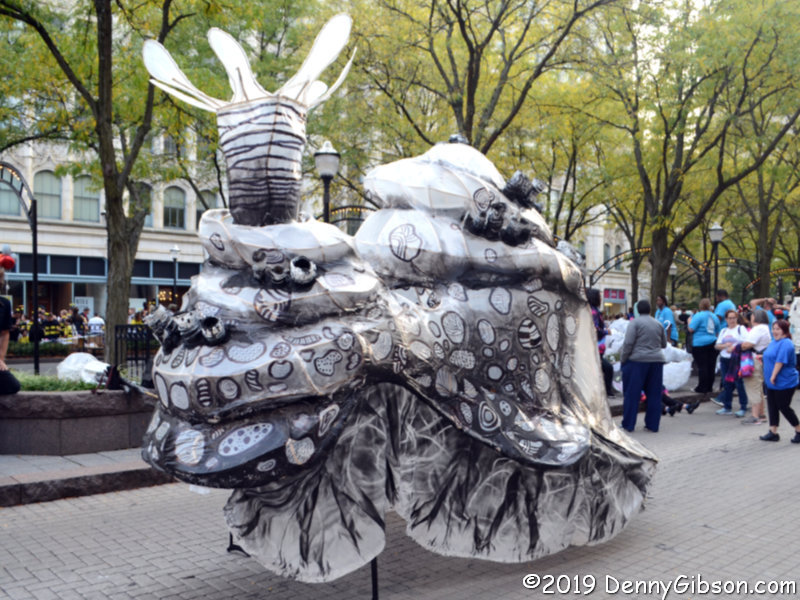
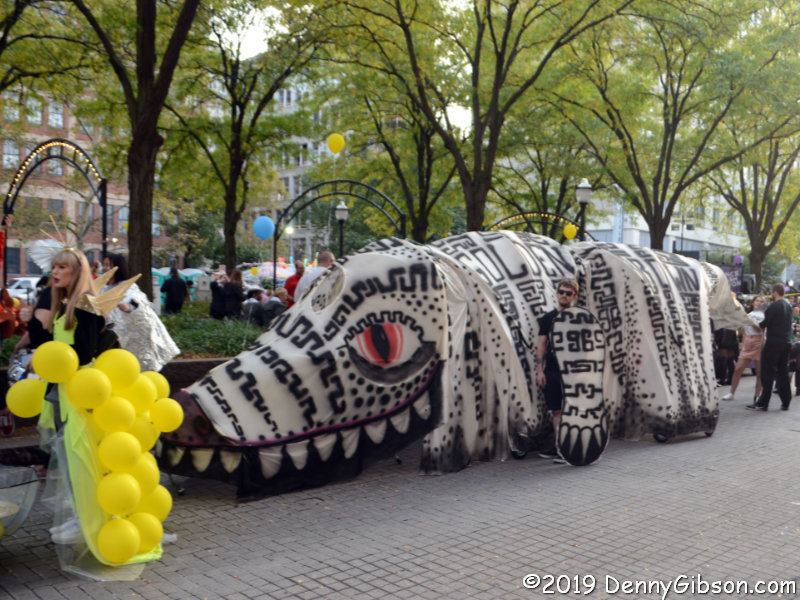
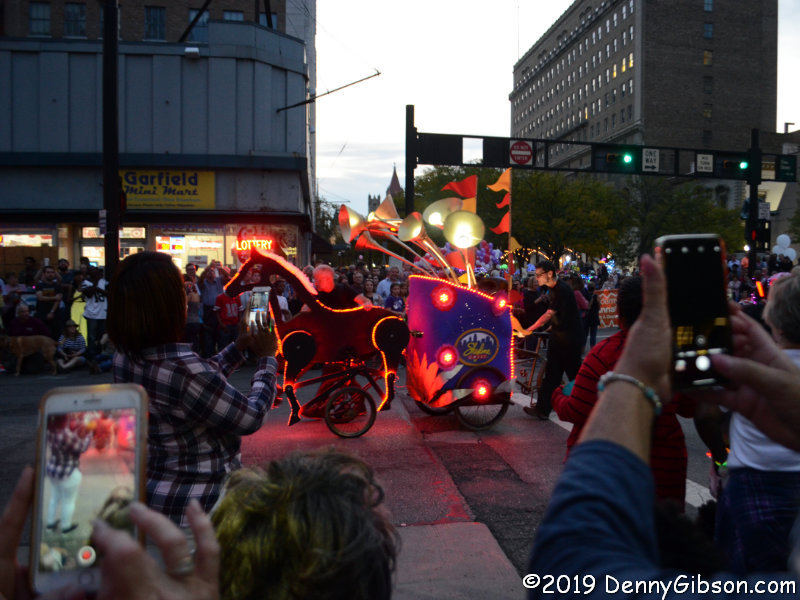
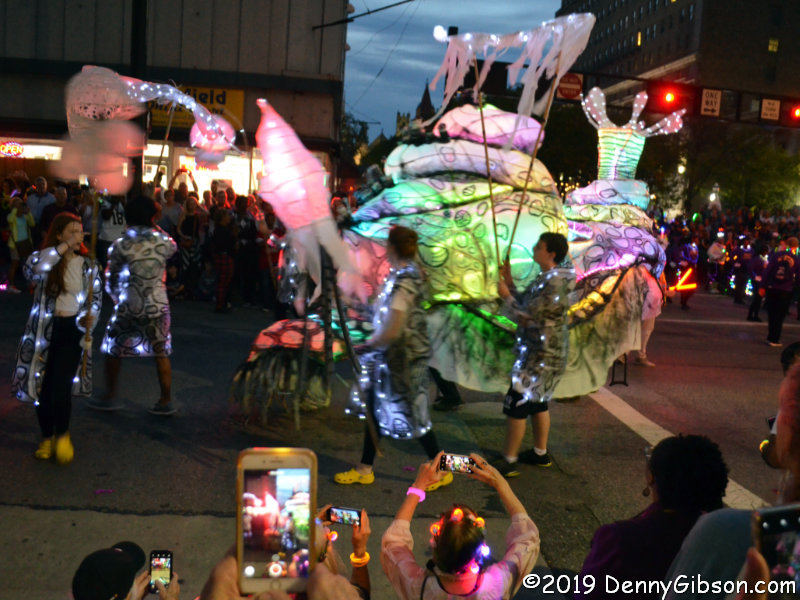
 This is the second coming of BLINK. The first was in 2017 when I underestimated the crowd, arrived too late, and missed the parade entirely. That story is here. This year I arrived in plenty of time, again underestimated the crowd, and missed the parade mostly. Reinforcing the claim that I arrived in plenty of time are pictures, like the one at right, of parade entries in the staging area. I could have taken up a spot in the front row of spectators but chose to roam around rather than stand still for an extra hour or so.
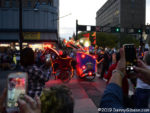
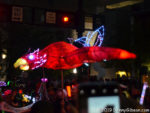
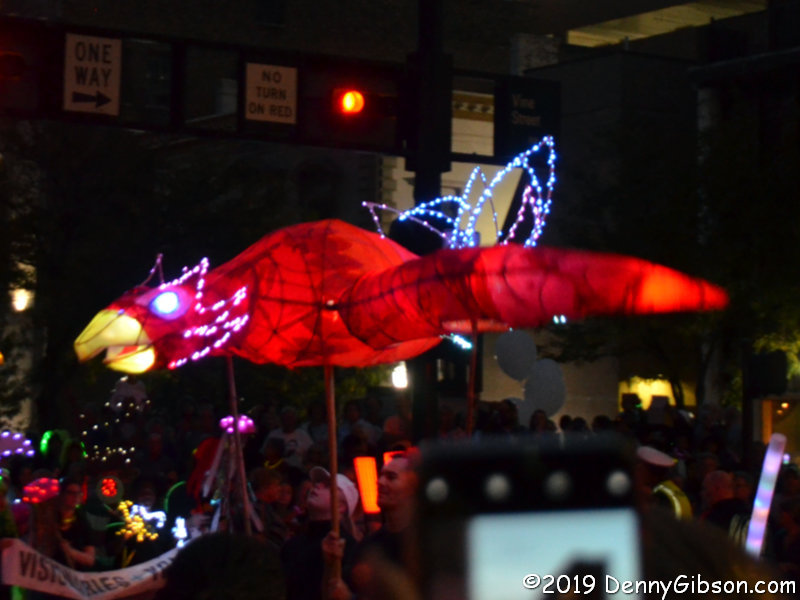
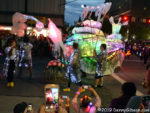 When I did decide to settle down, I thought I’d found a spot near the start behind a single row of spectators that I could see over. That turned out to be something of an illusion, however. There was a row of cell phone wielders seated on the curb and a steady wall of passers-by who tended to pause for extended periods until “encouraged” to move by the folks whose view they were blocking. Even so, I managed a few only slightly blurry pictures, including one of a glowing snail I had caught unlit in the staging area, before my phone rang.
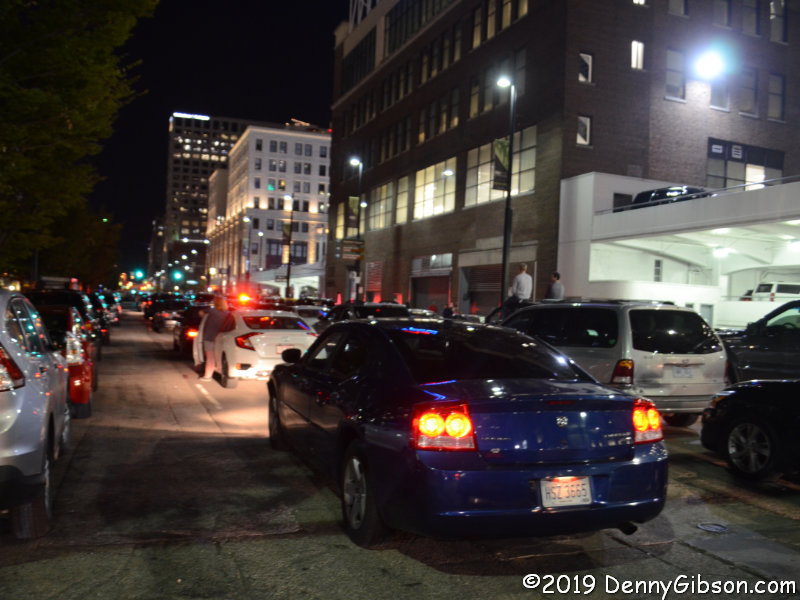
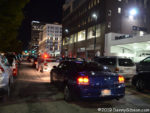 For something more than a day, I had been expecting (or at least hoping for) an important phone call. My fears that it would arrive at the worst possible moment were justified. The parade started moving around 7:20; The call came at 7:32. I simultaneously accepted the call (it really was important) and the fact that I would see no more of the parade. I paralleled the parade route one block away but the route itself was lined by a more or less impenetrable wall of spectators about six deep. The picture is of 3rd Street. Despite being crossed by the parade, plans called for the westbound 3rd and eastbound 2nd to be kept open. That was clearly easier said than done. The cars at the left of the picture are in curbside parking spaces; The rest are not. The car in the foreground is running with its lights on; The rest are not. They are effectively parked in the street with many drivers and passengers beside or on top of their vehicles.
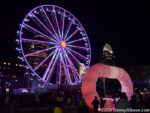
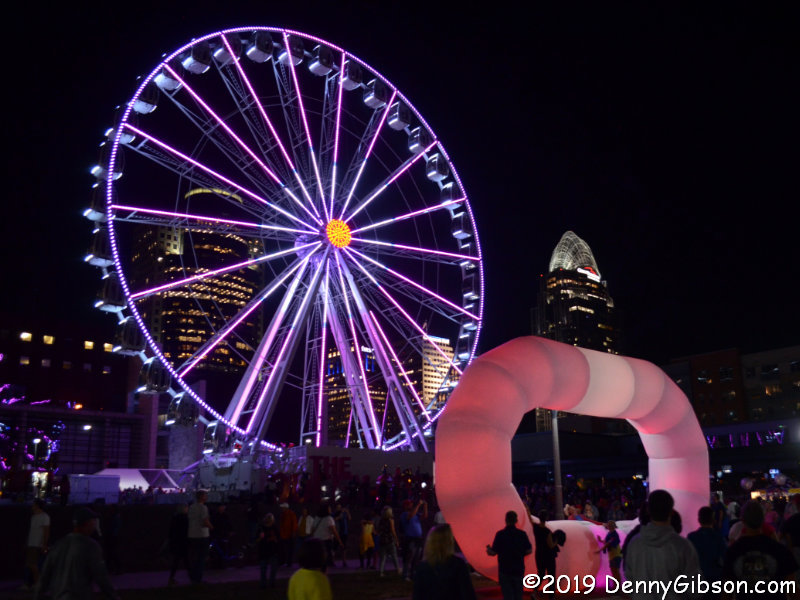
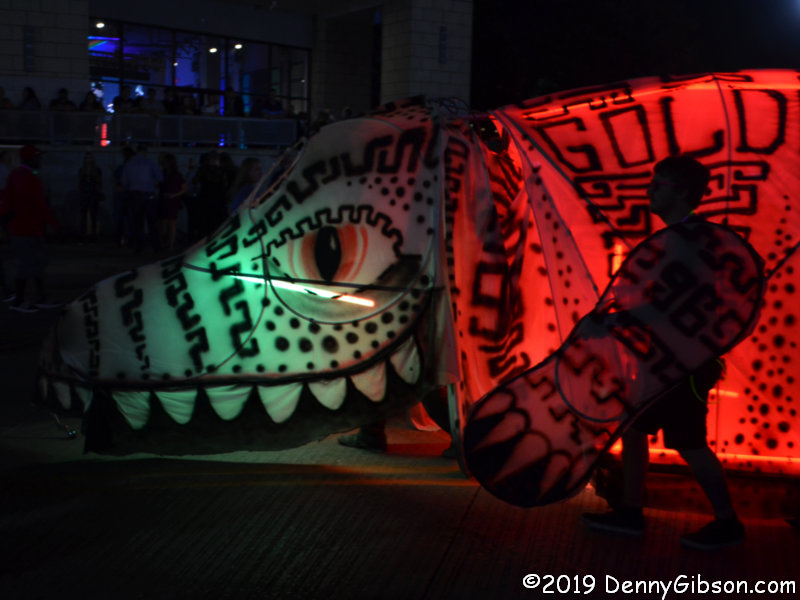
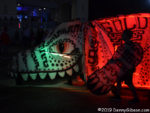 I believe the giant ‘O’ is the one I could see above the parade route people wall. The big wheel is a permanent fixture on Cincinnati’s riverfront. I snapped the picture of the big dog as it headed off to a garage at the end of the parade. It’s another entry that I’d caught in an unlit state. I never did see the dragon in the opening photo in motion.
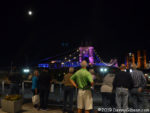
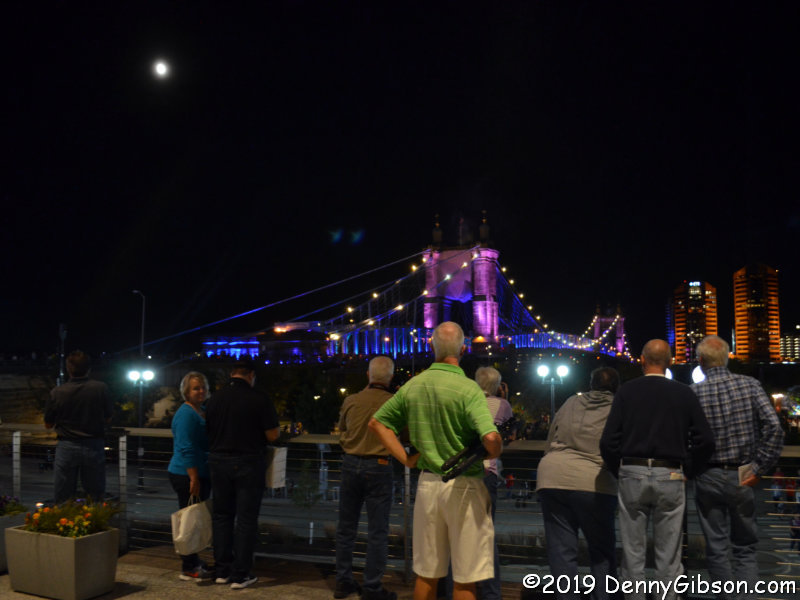
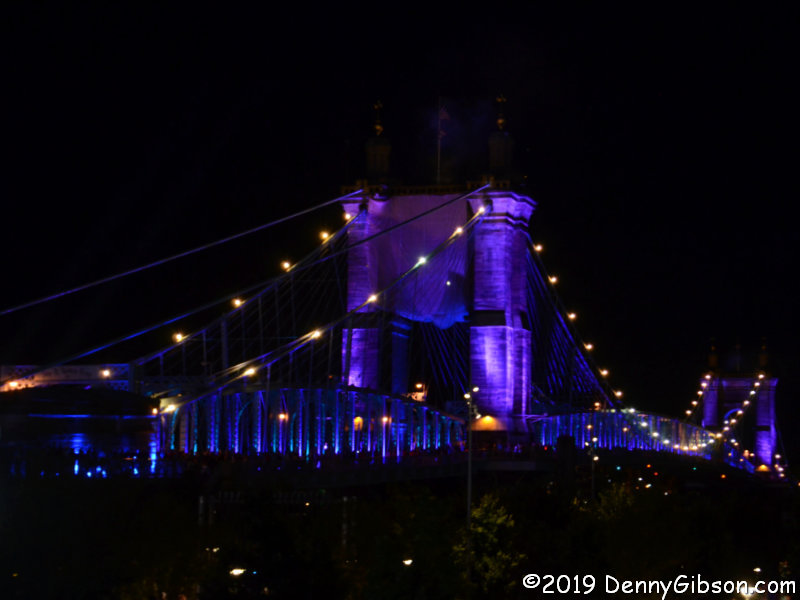
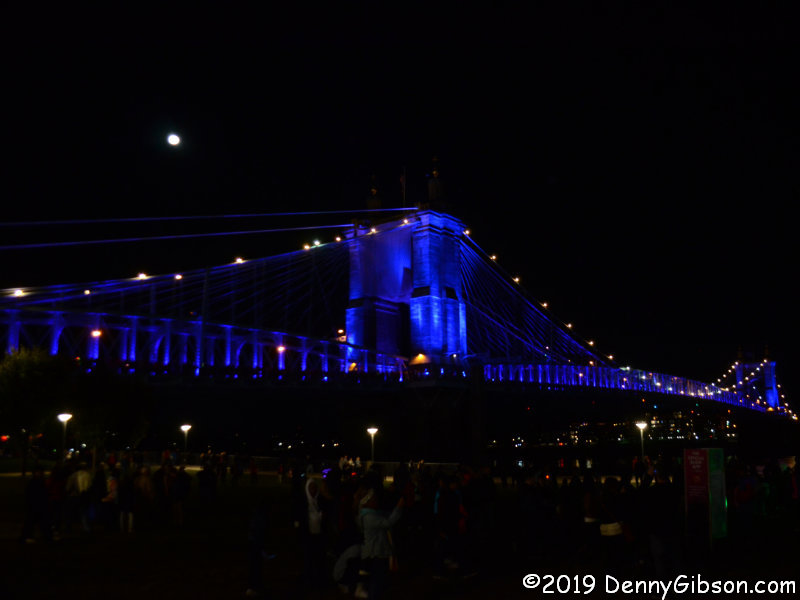
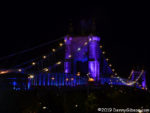 Even though I couldn’t actually see that parade, I went ahead with my plans to reach its endpoint because I wanted to see the nearby Roebling Bridge. It had been the subject of a lot of BLINK promotion but I wasn’t nearly as impressed as I thought I’d be.
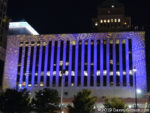
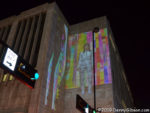
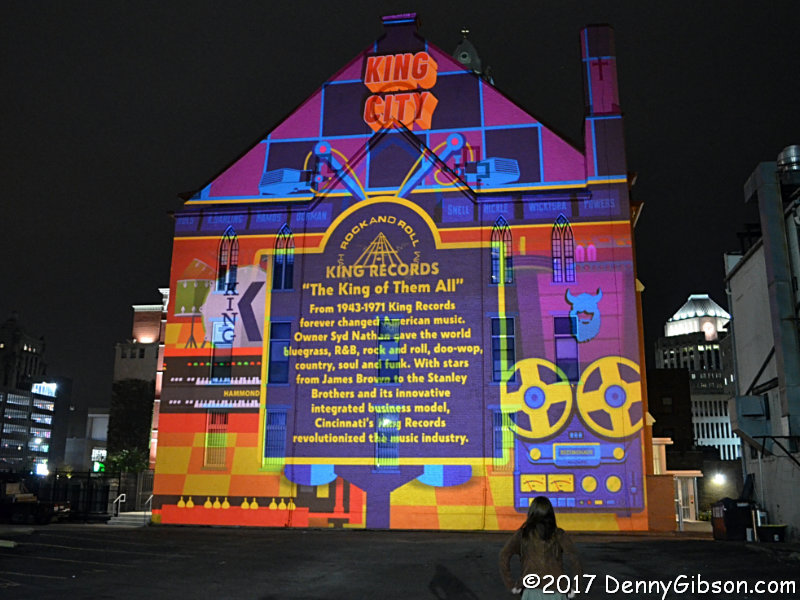
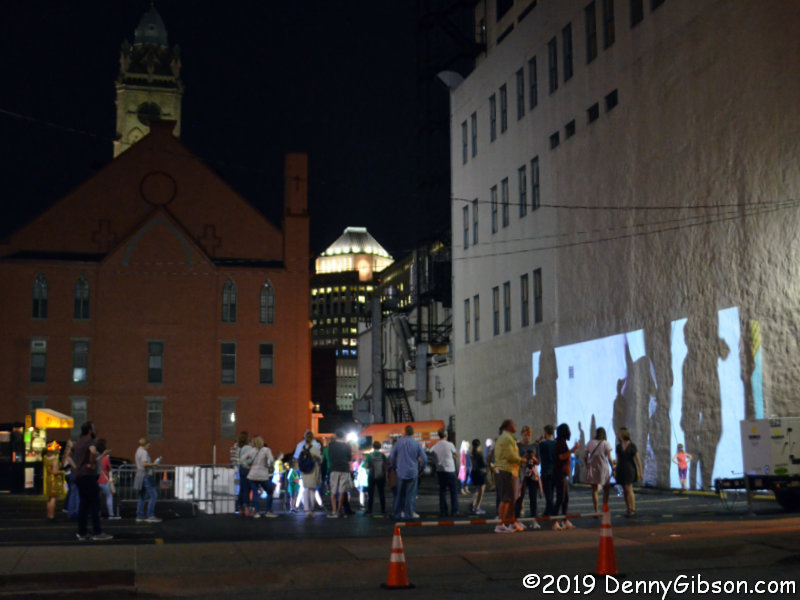
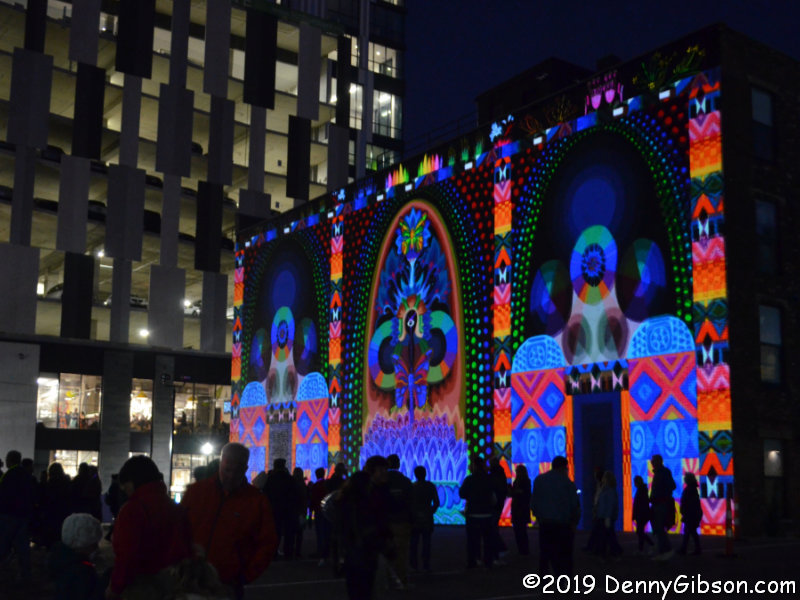
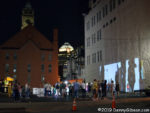 I’d read the advice about picking your targets at BLINK, but I ignored it. I’d done no planning in 2017 and stumbled into something impressive every block or two. I expected to do the same as I headed back north from the riverfront. It didn’t happen. I wondered if my sense of awe was dulled by having seen the technology before. Or maybe my disappointment at missing out on the parade was spilling over into other areas. Both of those are probably at play but I decided there was more to it when I reached the lot in the third photo. In 2017, one of my favorite projections had been here. The brick wall had been the target of a King Records themed projection. This year the lot held the light source for shadow puppets.
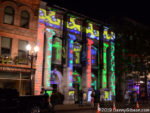
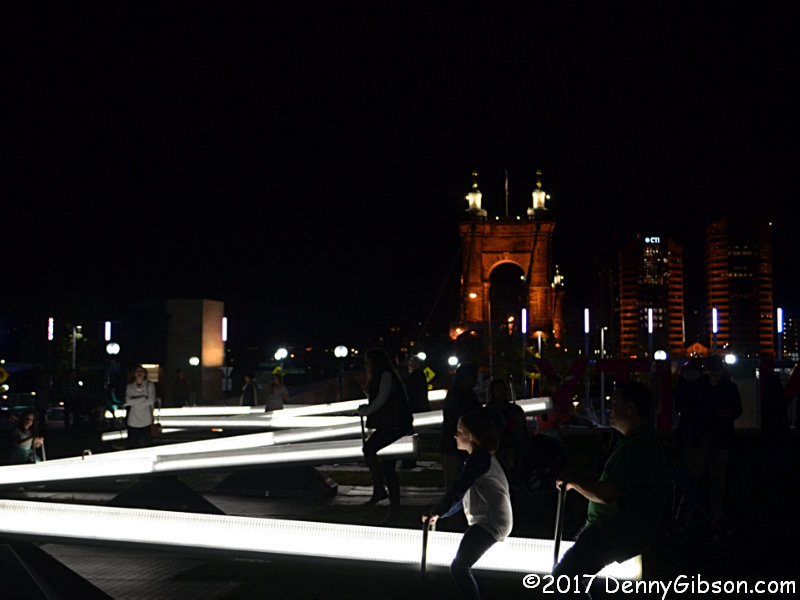
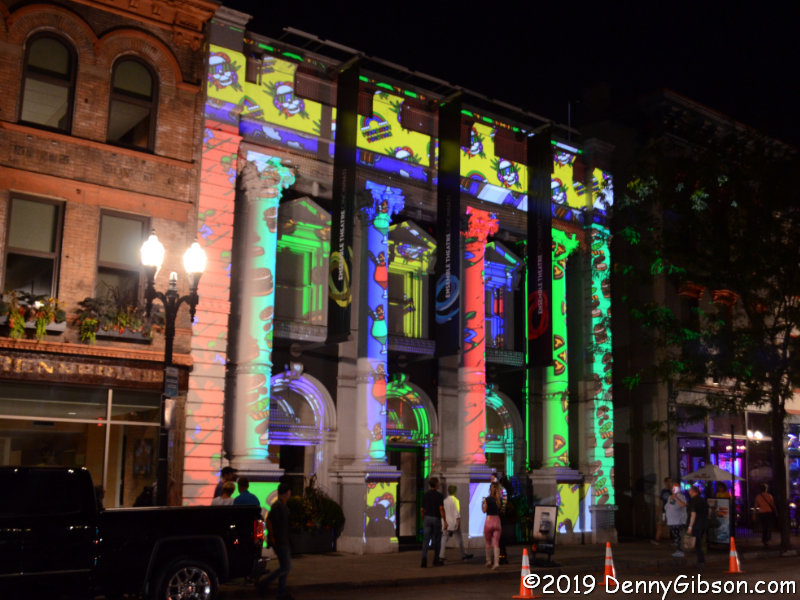
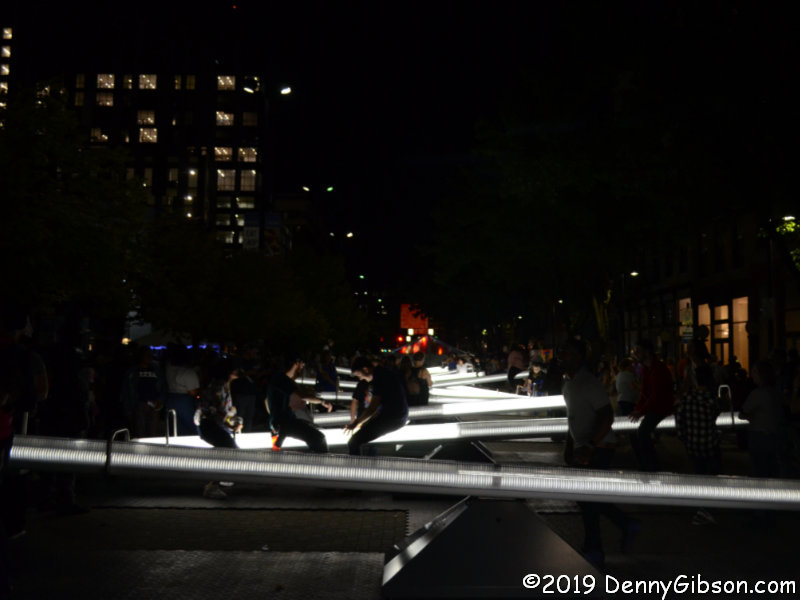
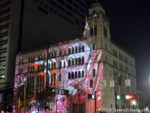 I crossed the street and ducked into the Bay Horse Cafe for a Hudy and contemplation. I developed no insight but enjoyed the beer and stepped out with my attitude slightly adjusted and ready to enjoy whatever I encountered. A rather nice projection (Purpose and Play) at 8th and Walnut was followed by the lighted seesaws on Court Street. The seesaws were down by the river in 2017. I think they looked better in that location, but folks were definitely having a good time with them here. My favorite projection of the few I actually saw was Razzle Dazzle at the Ensemble Theater.
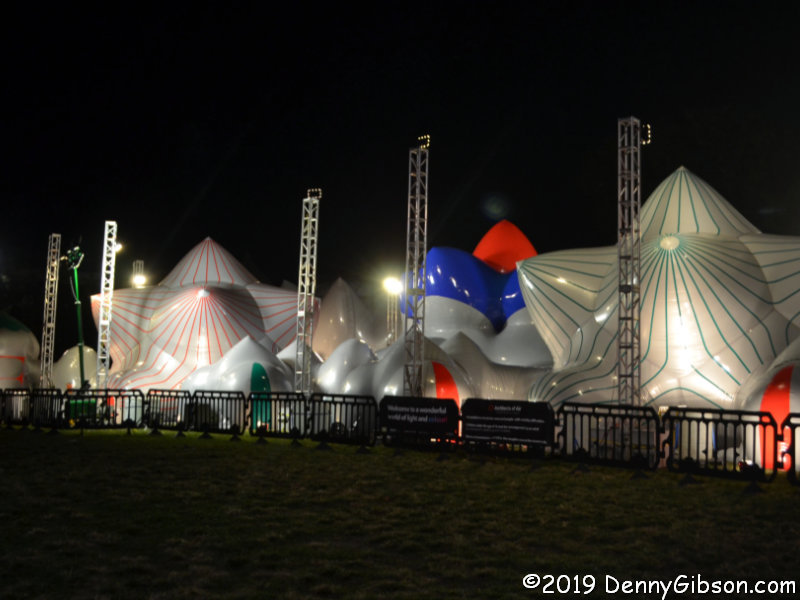
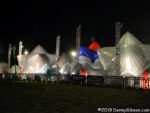 In Washington Park, I captured the giant bouncy house that is Dodecalis. It’s one of the few BLINK installations with an entry fee and the only one (AFAIK) that requires shoes to be removed. My car was nearby and I headed there undecided if my sense of being underwhelmed was justified but too exhausted from walking to really care.
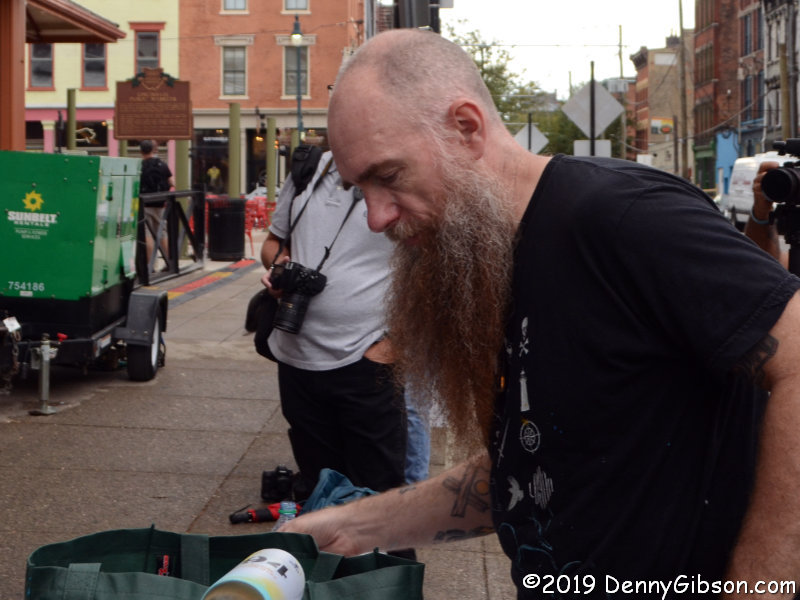
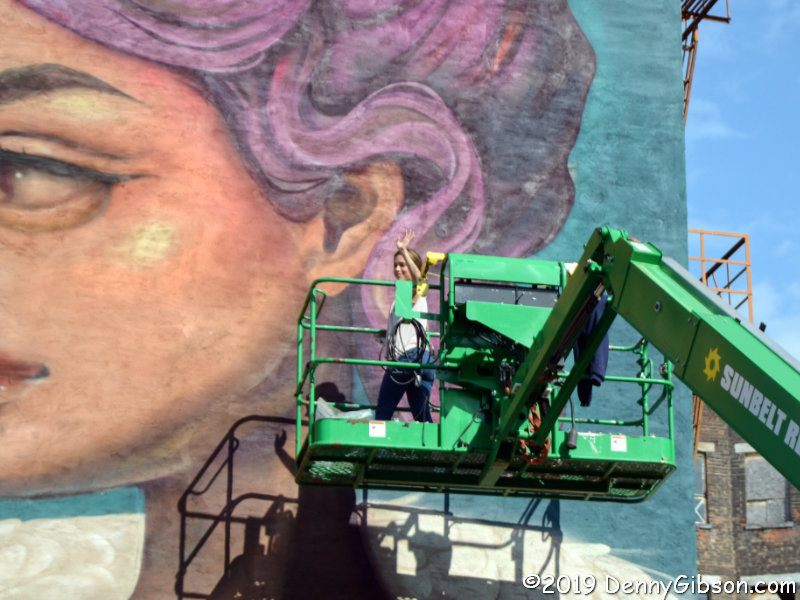
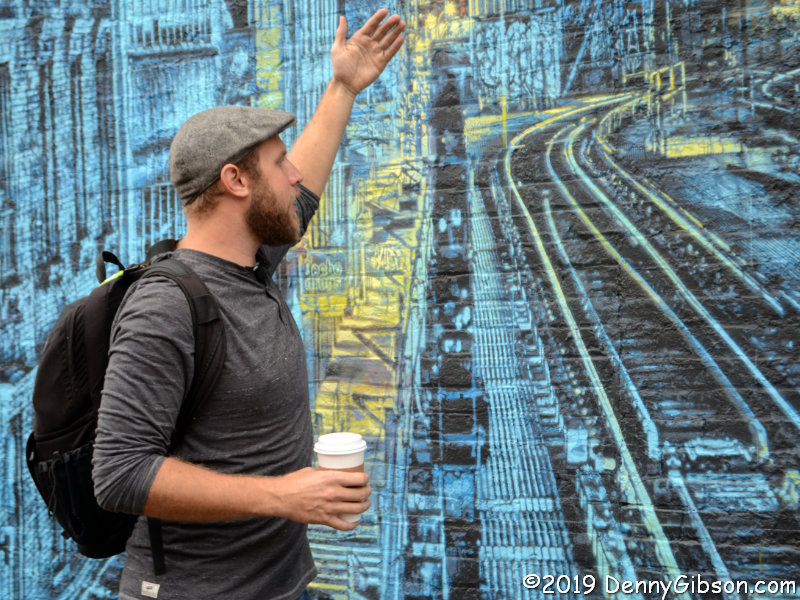
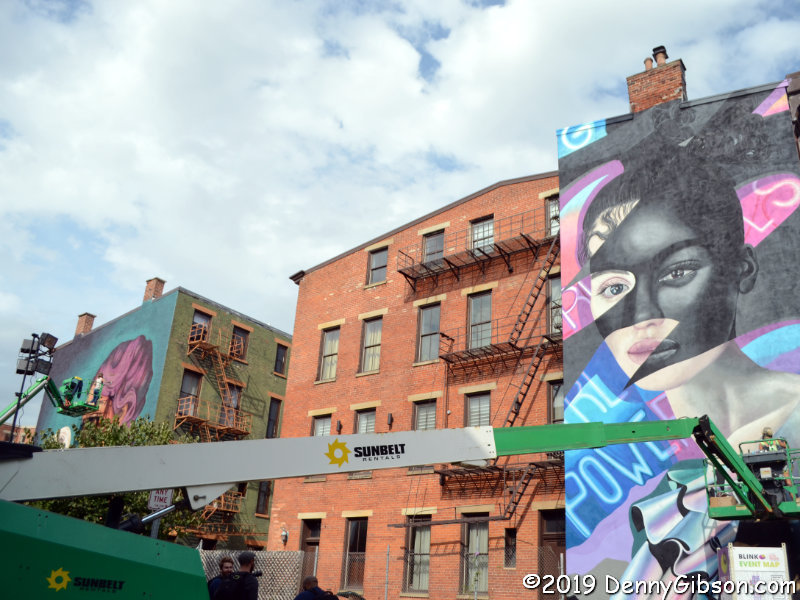
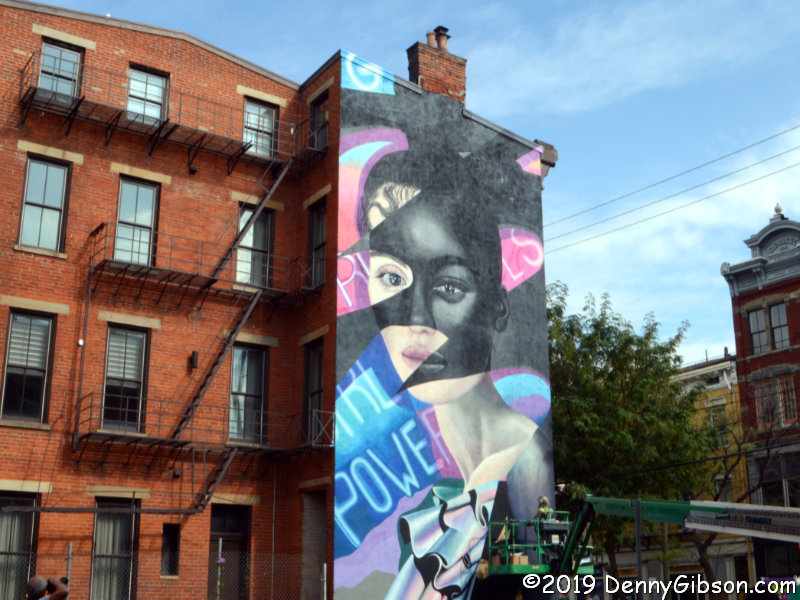
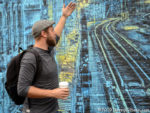 On Friday, I was back. B & H Photo Video, where I’ve spent a little money over the years, sponsored several BLINK related walks led by professional photographers. I took advantage of one in the Findlay Market area led by Derek Hackett of ChopEmDown Films. That’s Derek at our first stop, a mural literally just completed by Logan Hicks.
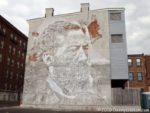
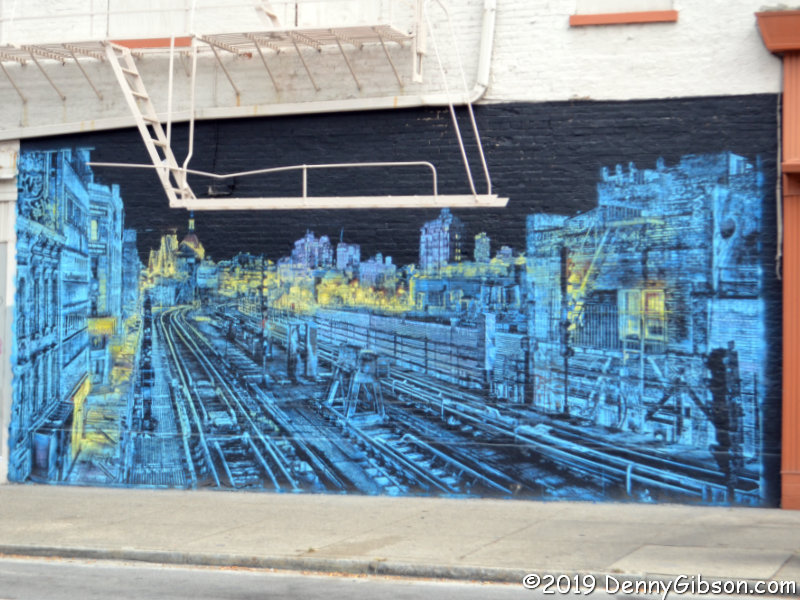
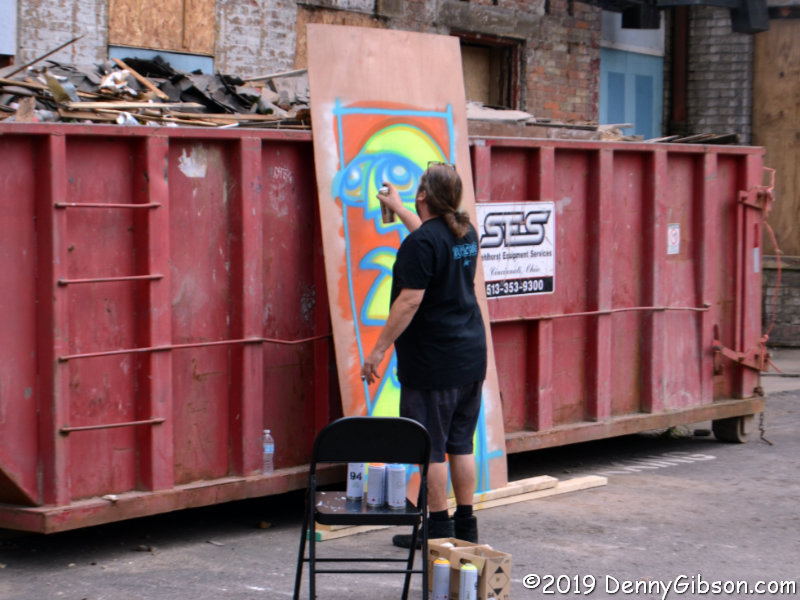
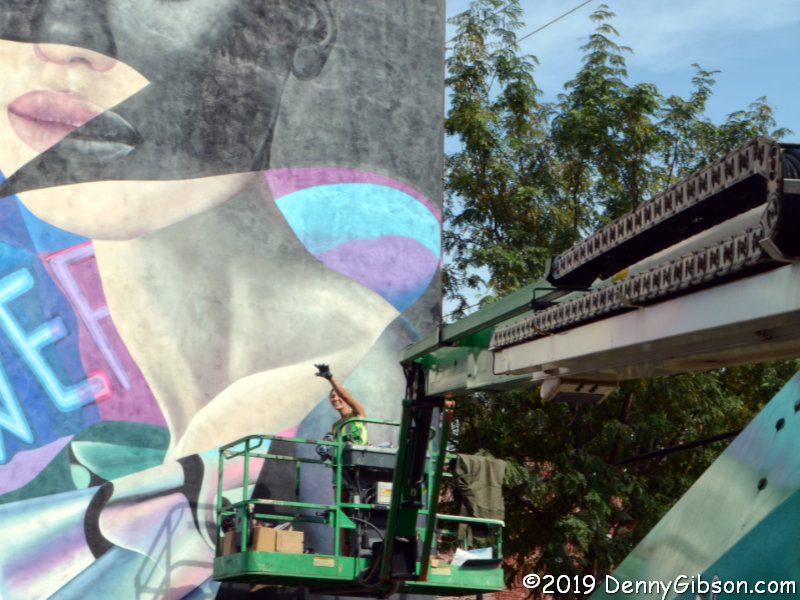
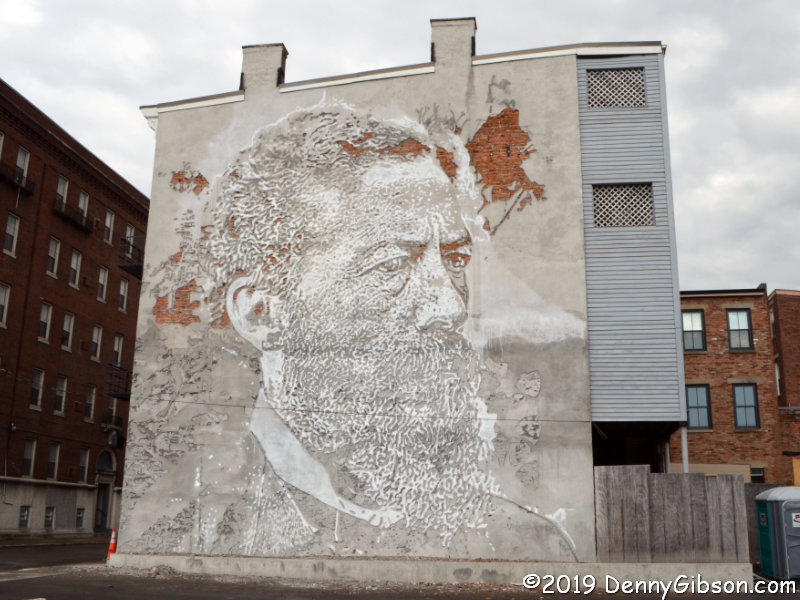
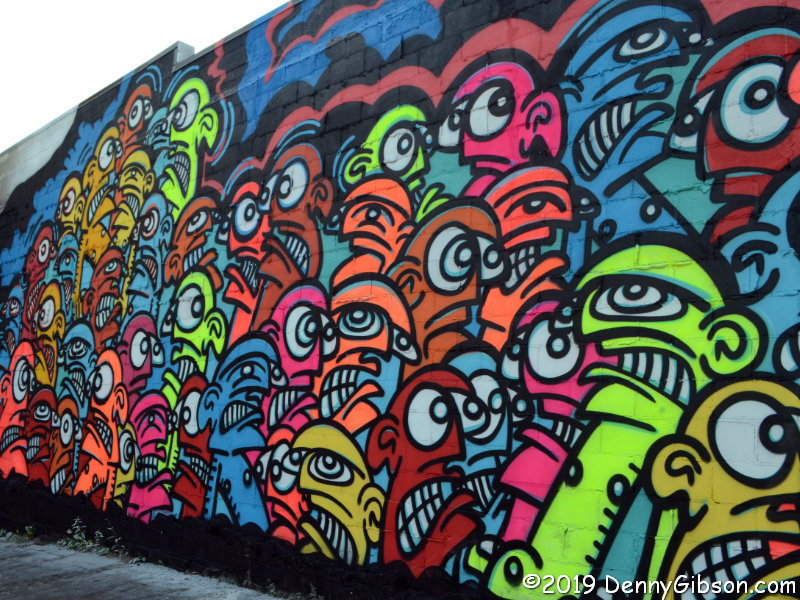
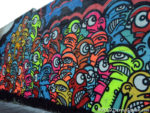 I found the face-on-the-wall extra interesting because it is carved into the surface. It is the work of a Portuguese artist using the name Vhils. The many eyes and bright colors of the second mural make quite a contrast to the photo-like monochrome carving. A bit further on, we encountered Galo, the artist who did it, working on a standalone piece.
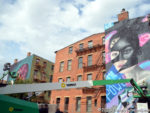
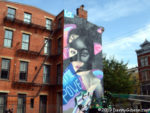
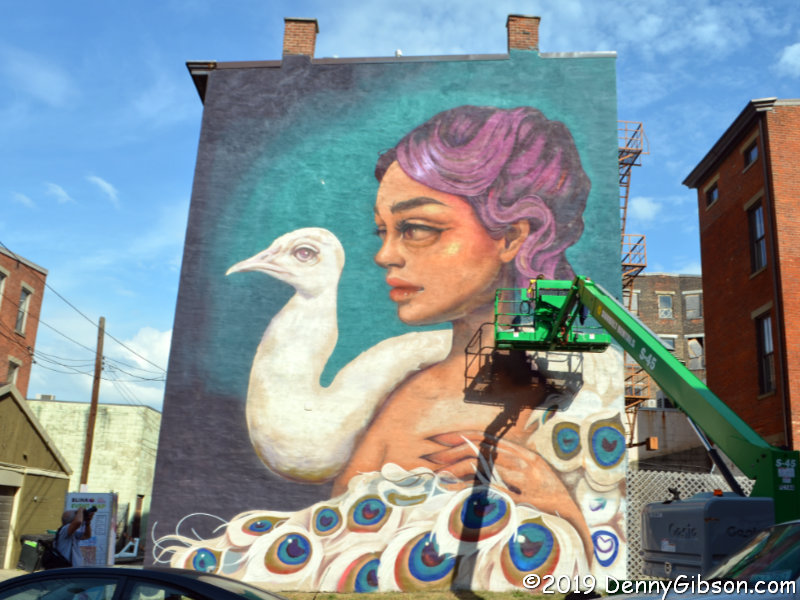
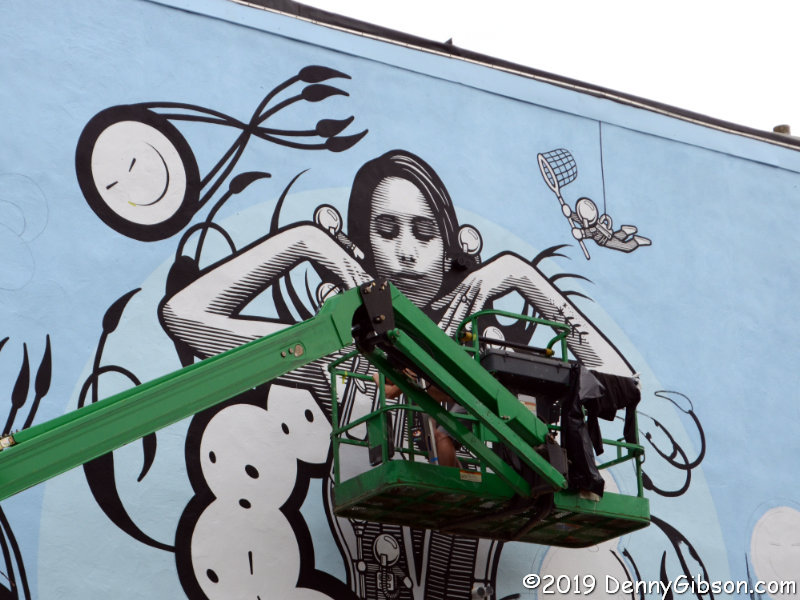
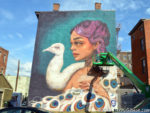 Even though BLINK officially opened Thursday, Galo wasn’t the only artist at work on Friday. Two of them were finishing projects almost side by side, and both Tatiana Suarez and Elle waved to members of our group as we watched them at work. It was immediately obvious that, in addition to having fantastic artistic talent and the ability to work on a very large scale, these people must be able to operate that lift with controls mounted on the platform.
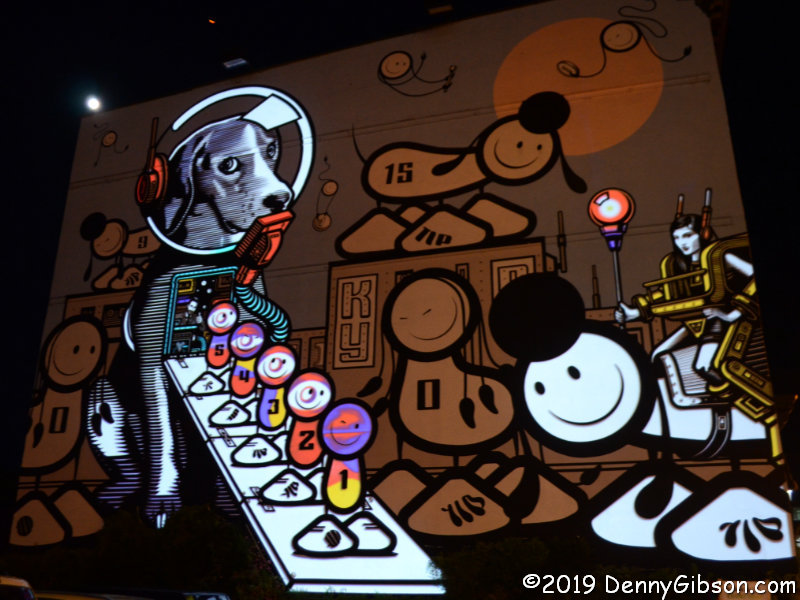
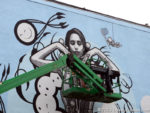 We visited several more murals and I took bunches of pictures but I’m only going to include one more from Friday’s walk. It’s another work in process. It is the work of a group calling themselves the London Police and I found it extra interesting because of the subject. The face in the center of the mural belongs to Tatiana Suarez who we just saw painting the mural of the lady and the swan.
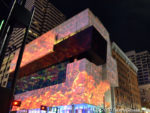
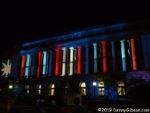
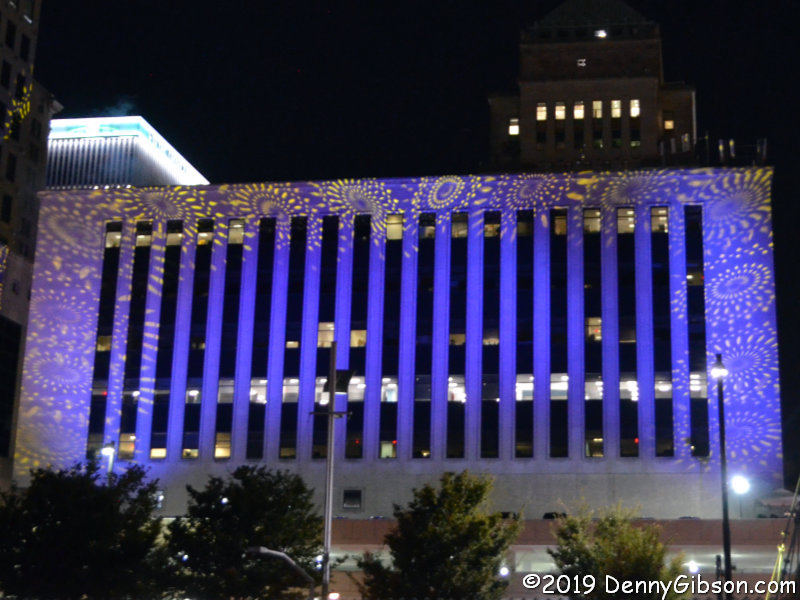
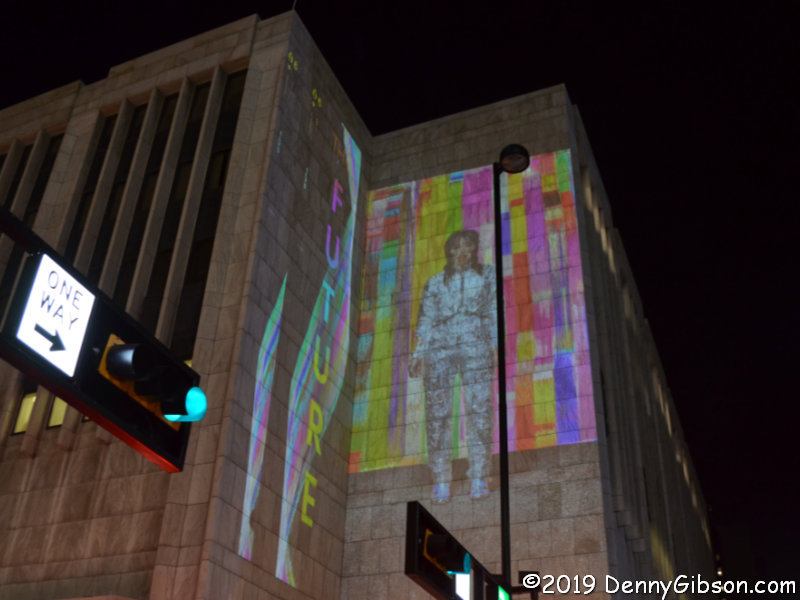
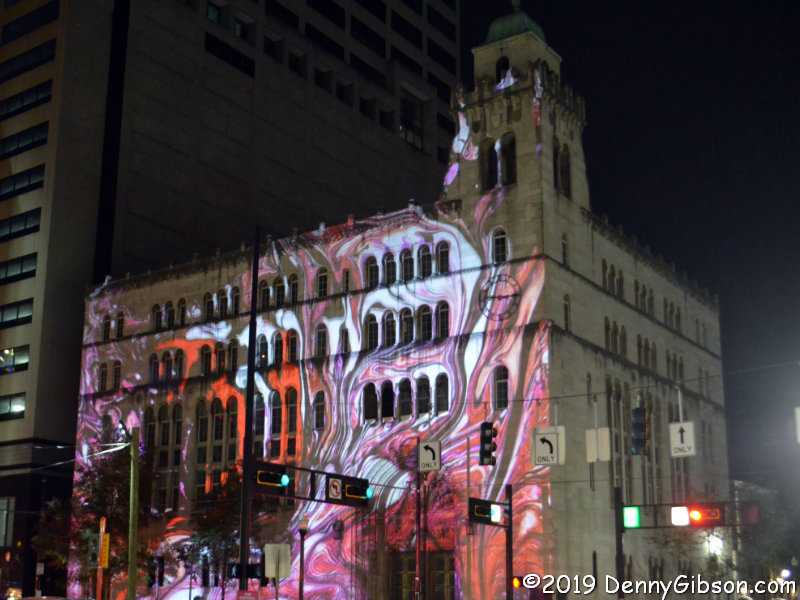
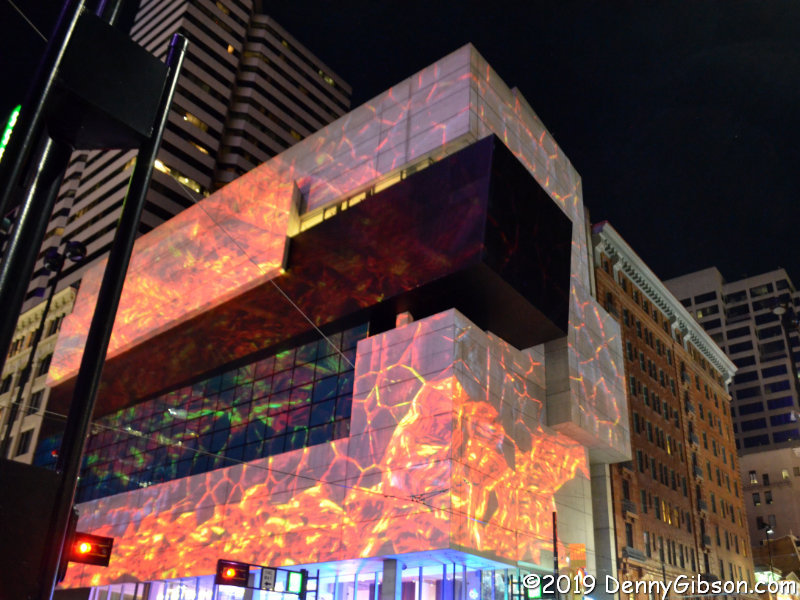
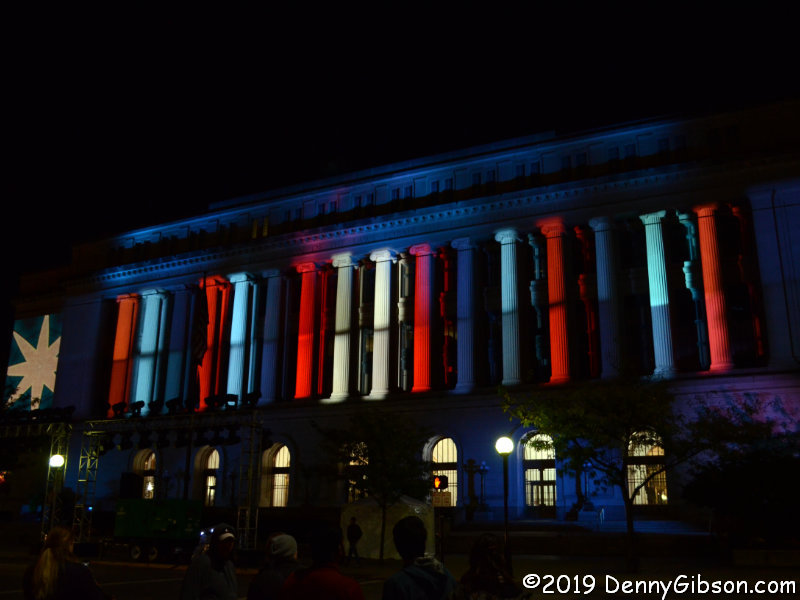
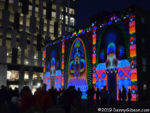 I returned to BLINK yet a third time on Saturday. There are installations on both sides of the river this year and my original plan had been to attend two nights so I could check out the displays in Kentucky. After Thursday’s mild disappointment, I wasn’t quite sure I wanted to go back, but Friday’s experience and seeing photos posted by others convinced me that I’d been the victim of bad luck, my own attitude, and a lack of planning. Saturday’s experience was more in line with my expectations. I parked in Covington, walked across the Roebling Bridge into Cincinnati, and checked out a few specific installations. They included an untitled work from Saya Woolfalk and the projections at the courthouse and the Contemporary Art Center.
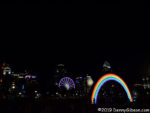
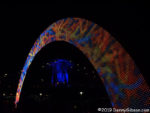
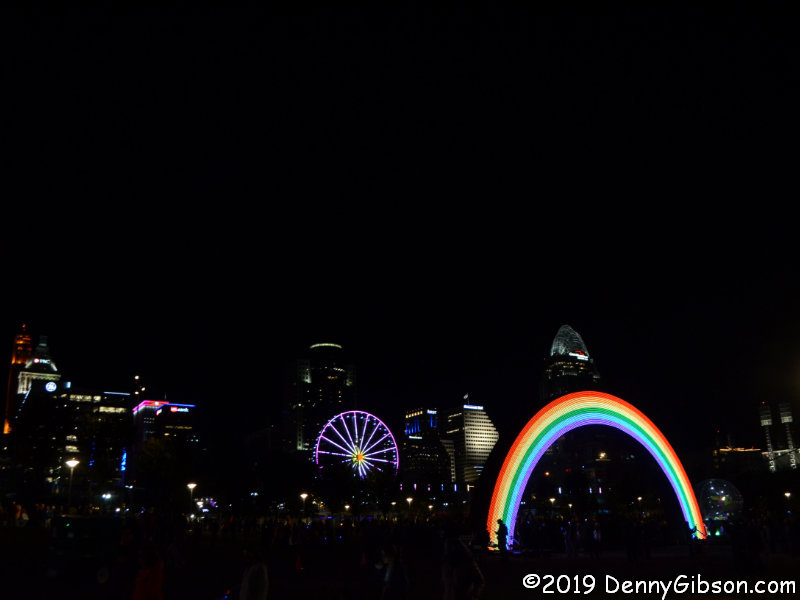
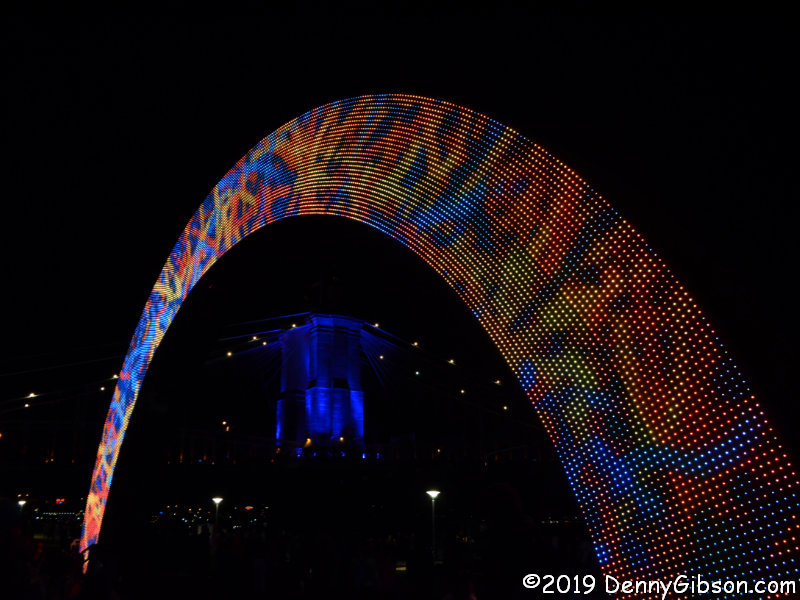
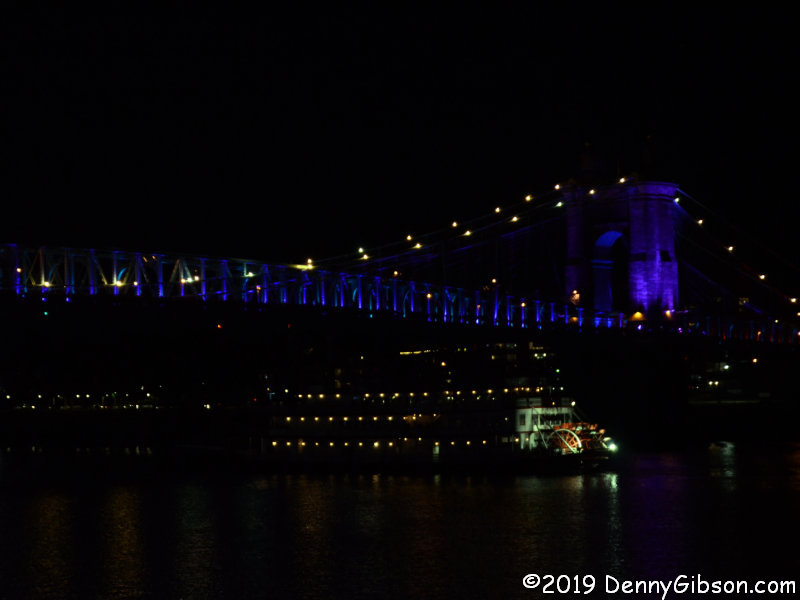
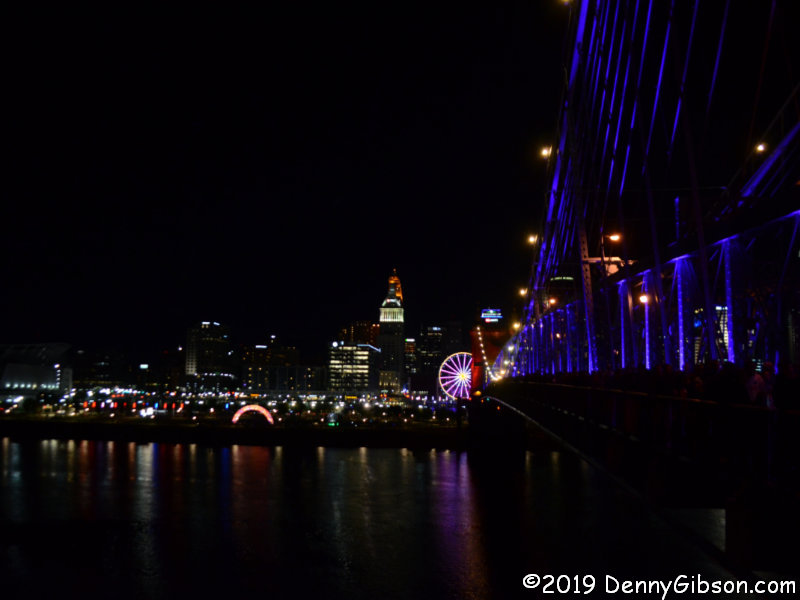
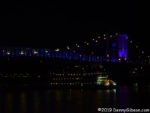 Then I headed to the riverside and the giant rainbow that first appeared at Burning Man. The constantly changing LEDs make the thirty-foot arch much more than a rainbow. In the second photo, it frames one tower of the Roebling Bridge which I appreciated much more this time than I had on Thursday. The bridge is sometimes called the “singing bridge” because of the sounds made by tires on its grated deck. Recordings of some of the bridge’s sounds have been used to produce some slightly eerie but overall very pleasant music that is played through speakers in the park. My improved appreciation was no doubt aided by that music and the view of the bridge from water level.
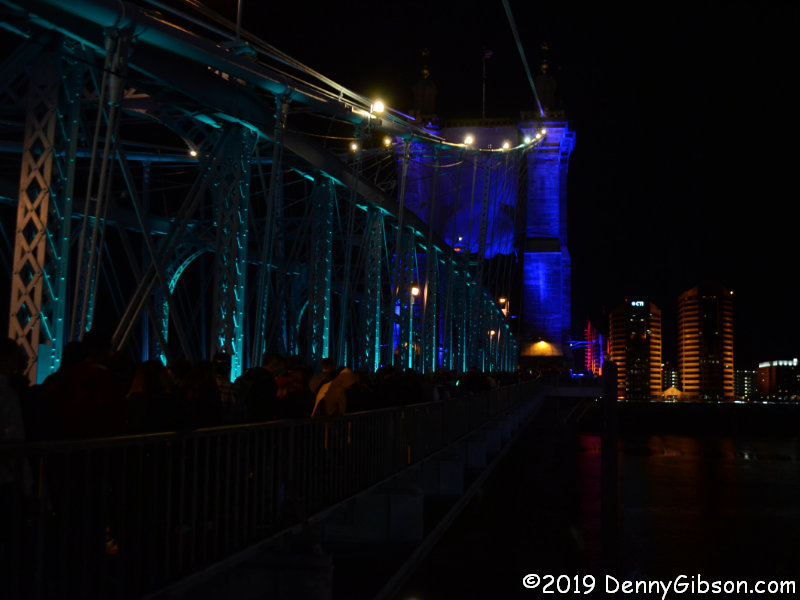
 There had been very few people on the bridge when I came north. It was now packed. It is closed to vehicles during the festival but both pedestrian walkways are open and filled. It had taken me several minutes to reach the point on the bridge where steps lead to the park. It took right at half an hour to reach the Kentucky shore from those steps. I probably spent a total of forty-five minutes shuffling over the bridge and overheard claims of an hour didn’t now seem as preposterous as they had when I first heard them on the Ohio side.
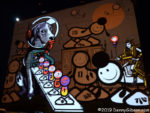
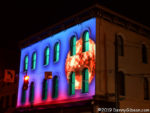
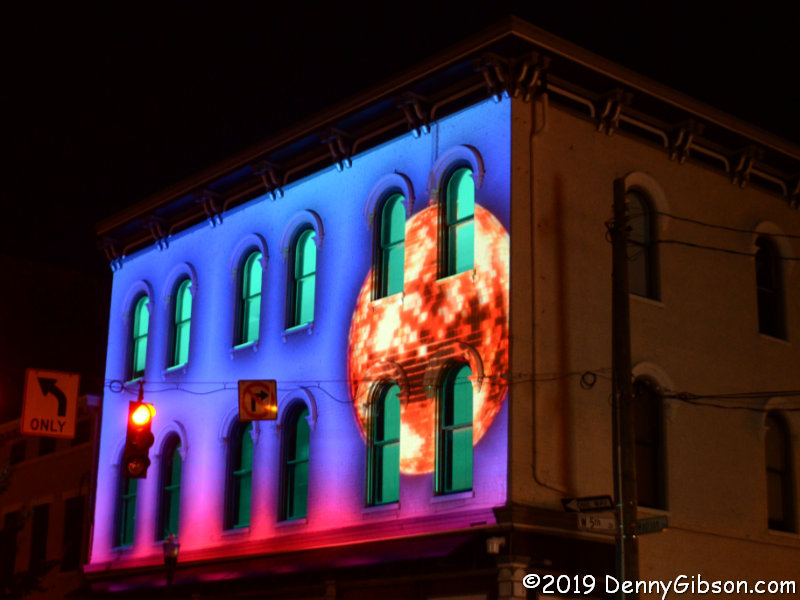
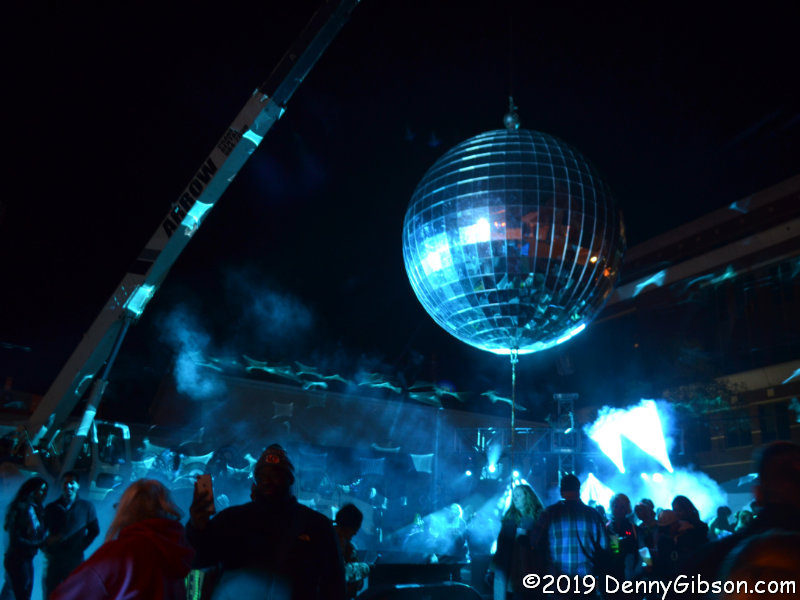
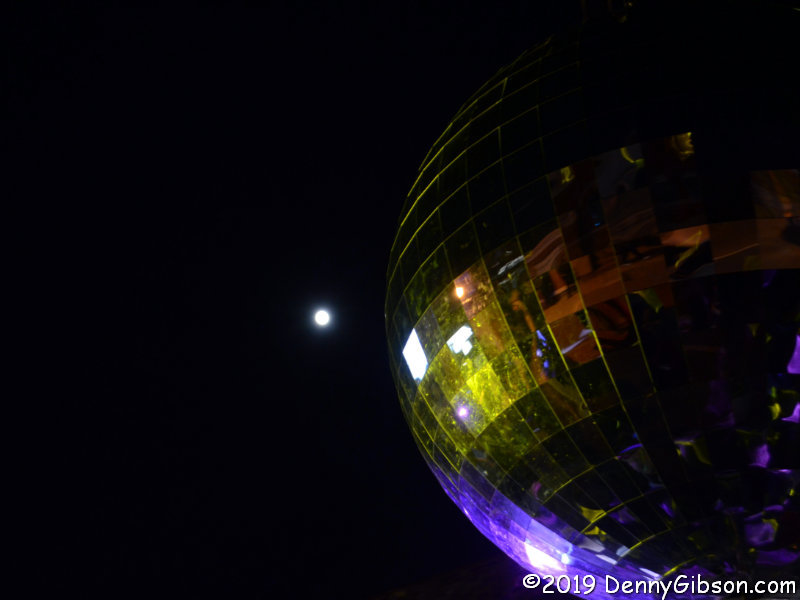
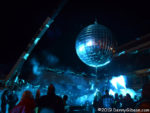 In Covington, a London Police mural is the base for an animated projection. I can’t help wondering who the model for the female figure was. Could it be mural artist Elle? I’m fairly confident that the model for the projection in the second picture is the world’s largest disco ball which people are dancing beneath just half a block away.
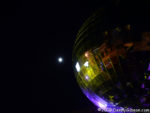 There is one day of BLINK remaining but I don’t anticipate another visit. It could happen though. Tonight that moon will be completely full.
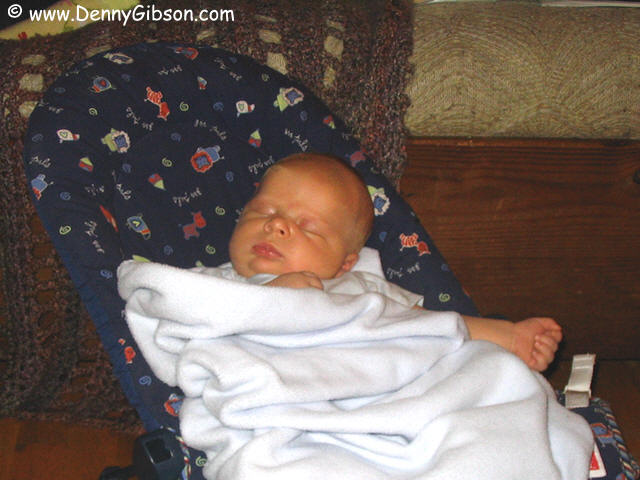 This picture is from my 2005 trip to see The New Kid. This was a working trip that I extended with some vacation time and a weekend. I also extended the journal backward a little bit by including a few pictures from working days. The new kid was grandson Noah who had been born barely a month previous to my sailor son who was stationed in Norfolk, Virginia, at the time. Most of the drive home was on US-60 with stops at Colonial Williamsburg and in Richmond to visit friends. I even got in a few miles of Blue Ridge Parkway.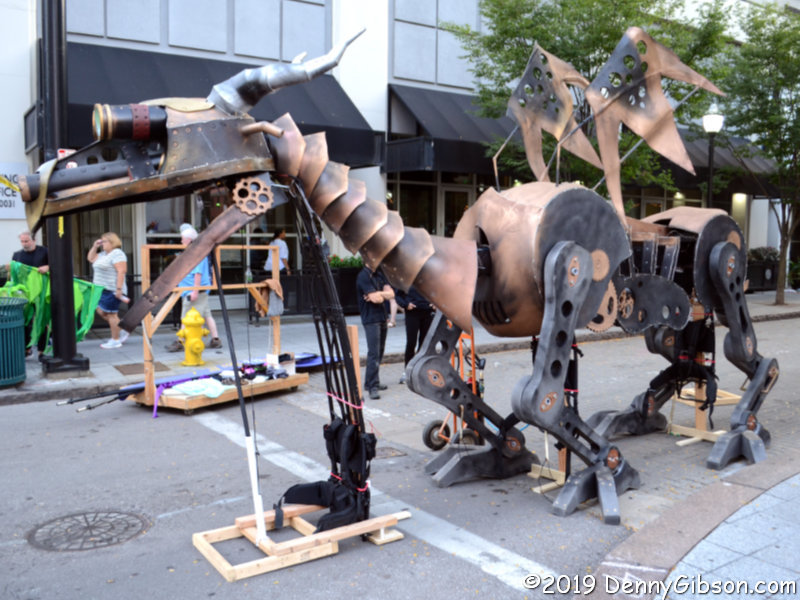
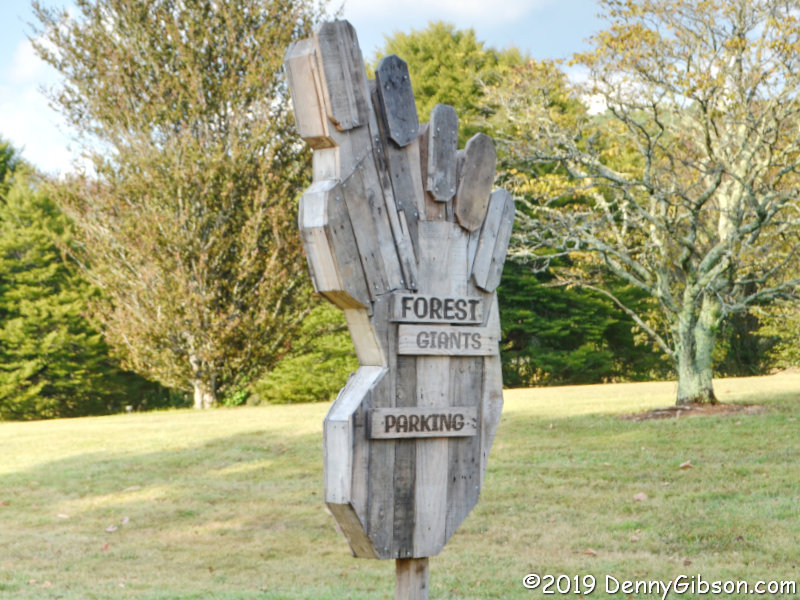
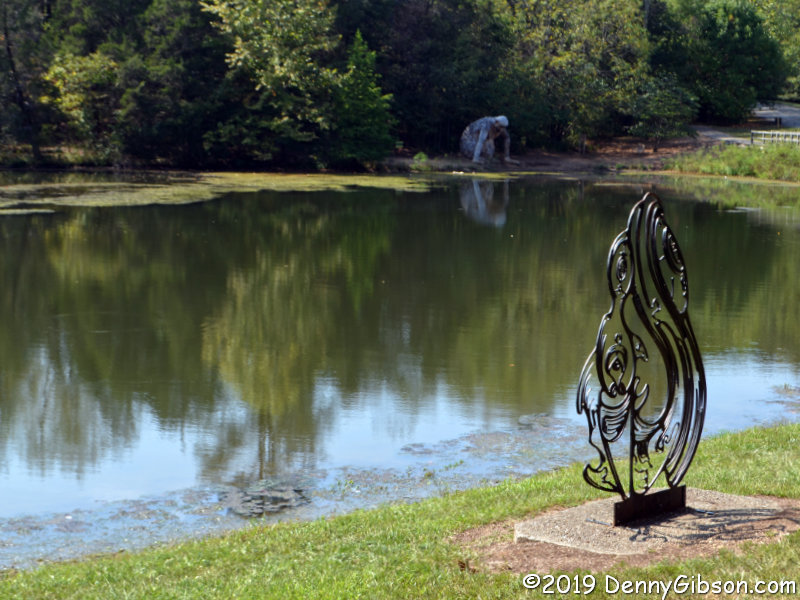
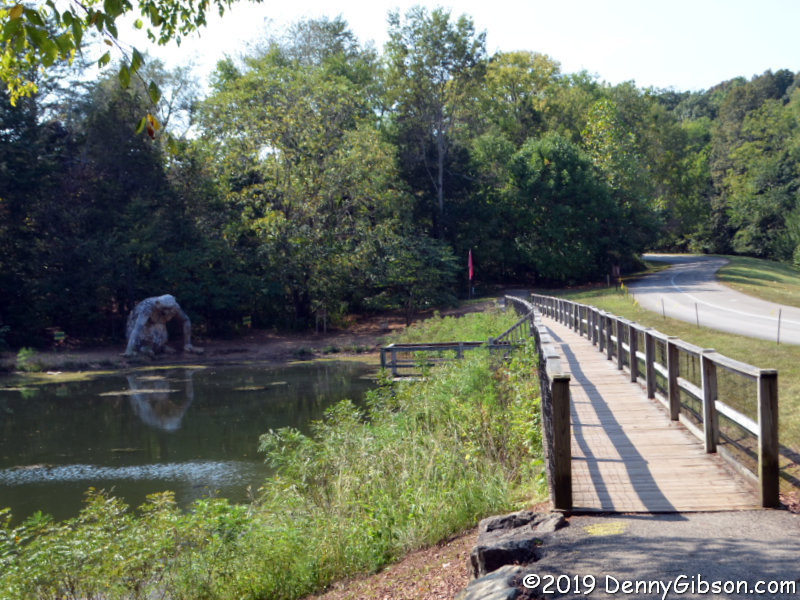
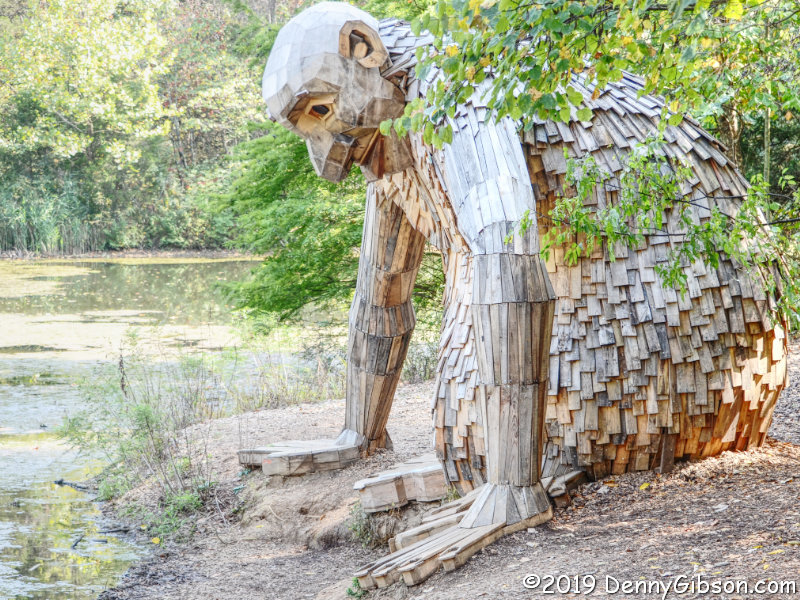
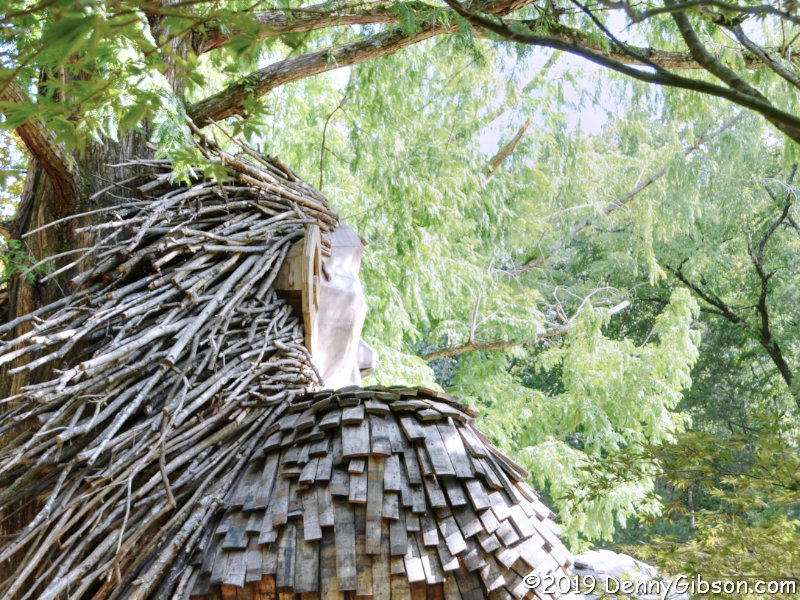
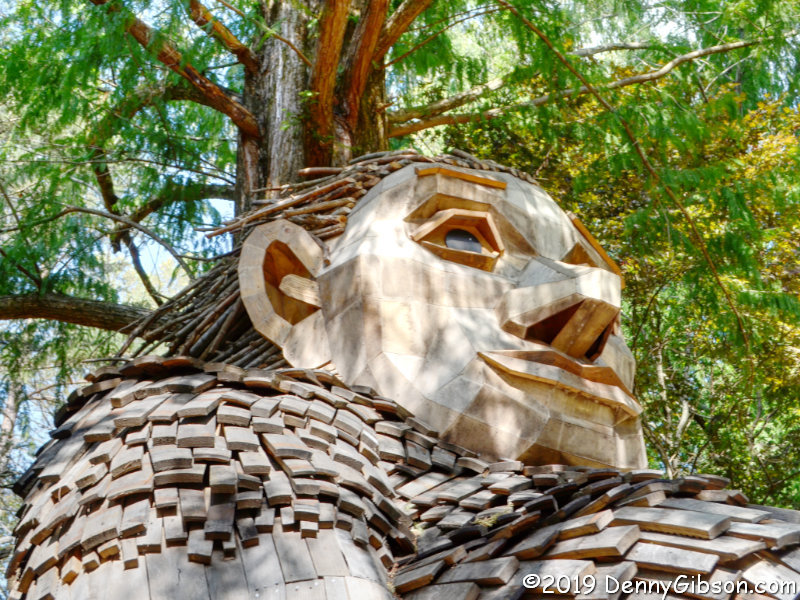
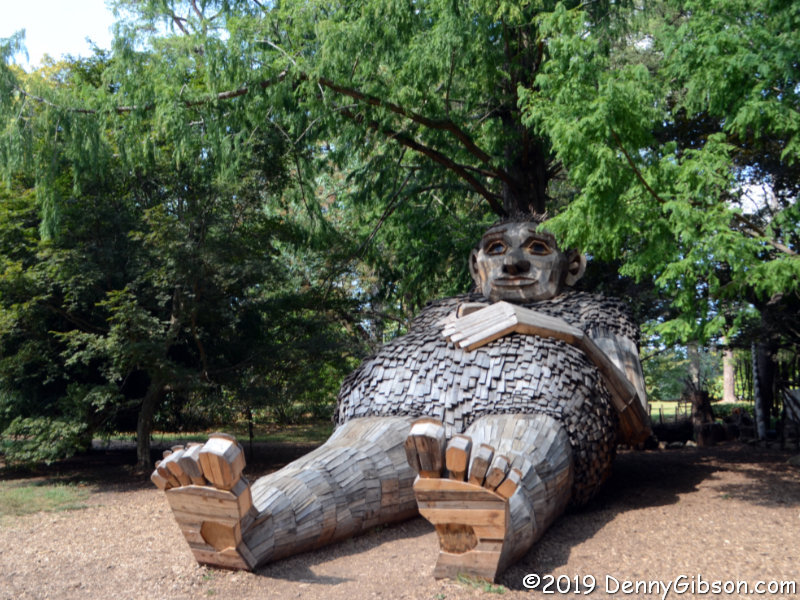
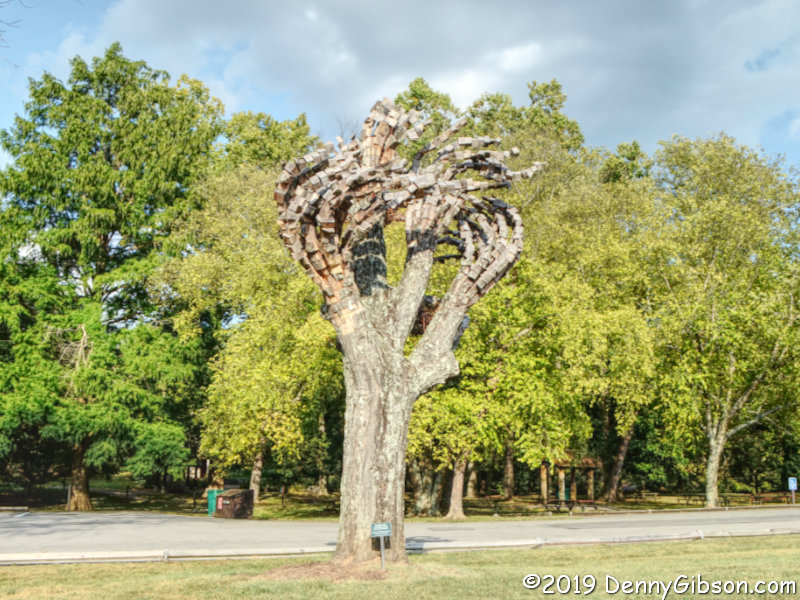
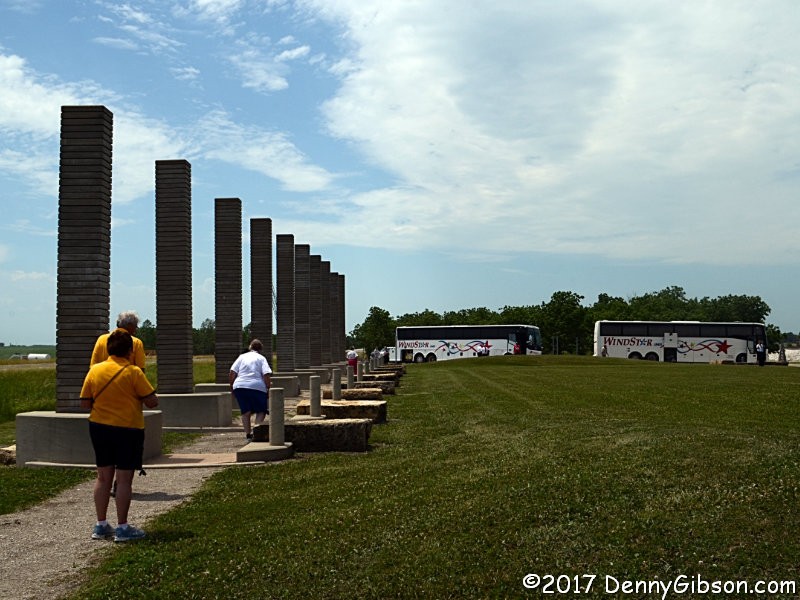
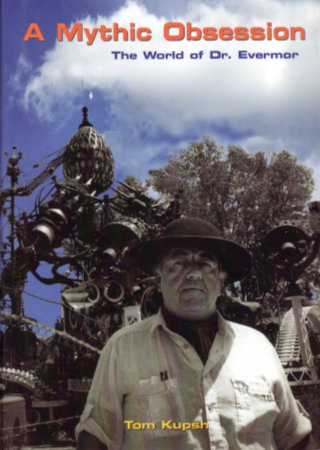 Sometimes I astound my friends with my knowledge, admittedly quite useless, of unusual and obscure roadside attractions. Othertimes I astound myself with my complete ignorance of a major and fairly well-known piece of public art.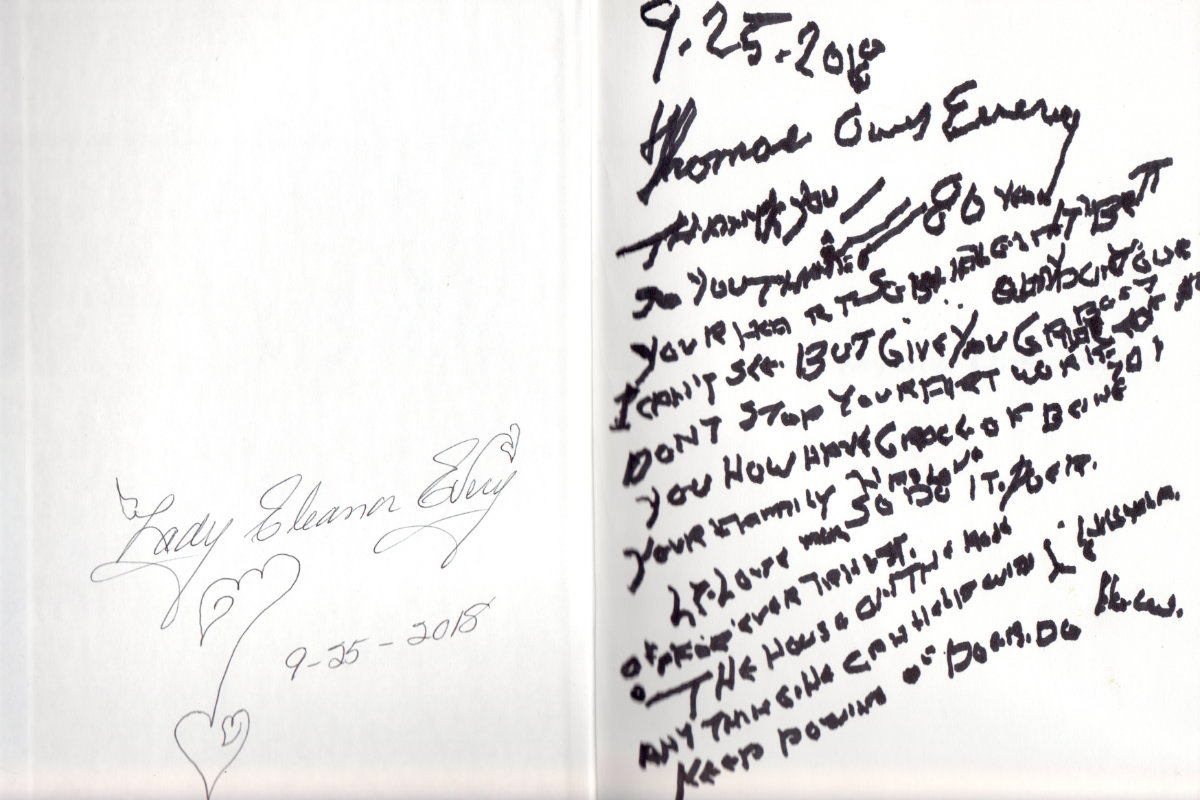



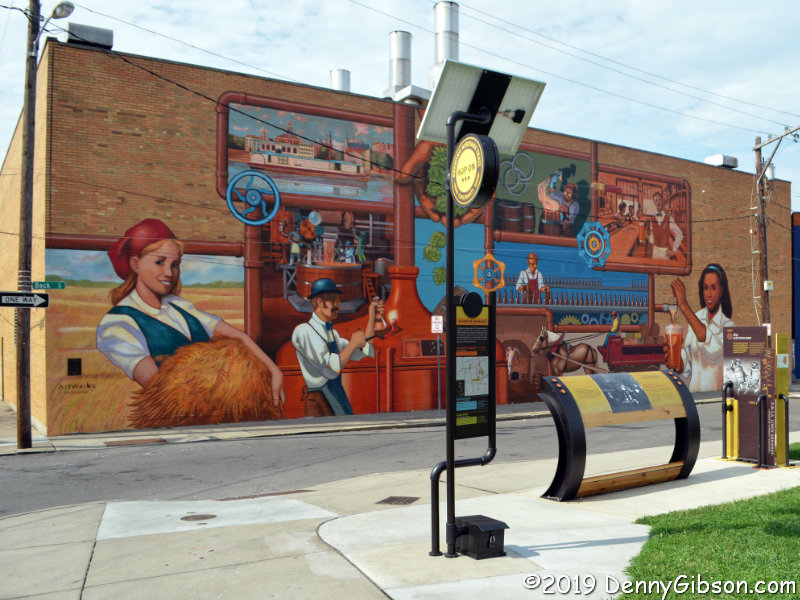
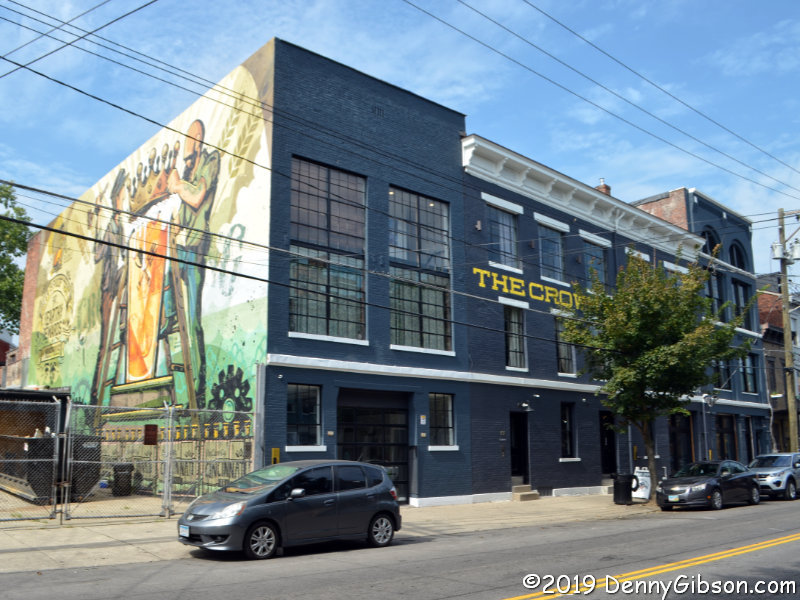
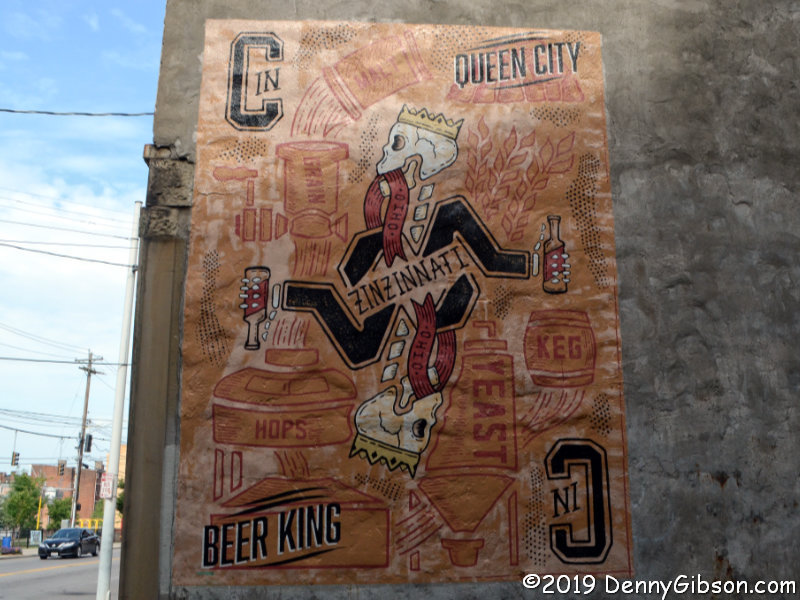
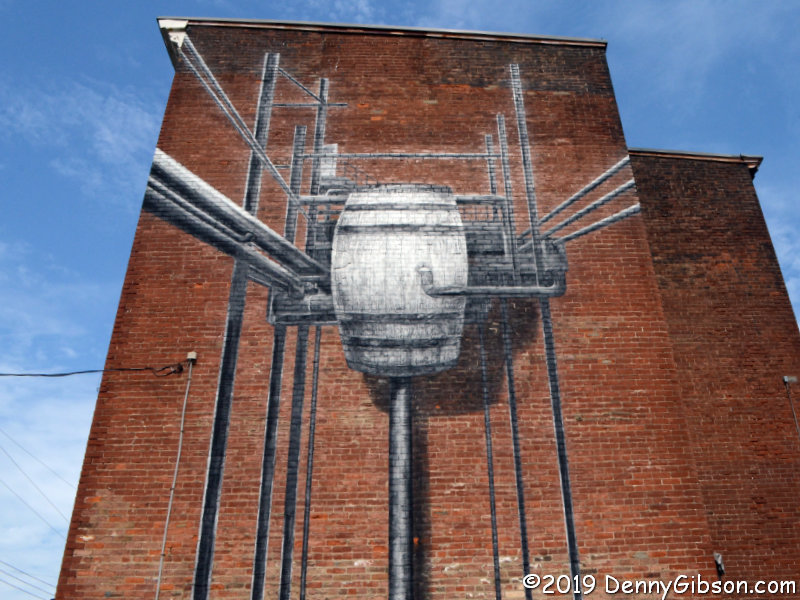

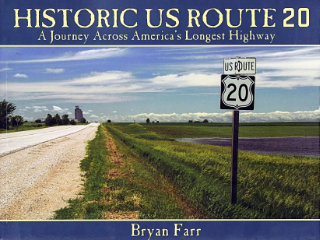 This book didn’t put US-20 on my to‑drive list, that happened long ago, but it did move it up quite a bit. At 3365 miles, Route 20 is currently the longest of the U.S. Numbered Highways so it’s quite naturally a road I’ve thought about driving. I have driven bits of it, of course, and crossed over it many times. It would be pretty hard to completely avoid a road that crosses the entire country as this one does. In Historic US Route 20: A Journey Across America’s Longest Highway, Bryan Farr documents an east to west drive over the entire length of the highway and the entire breadth of the nation with a couple hundred great color photos. There is something I’d like to see in just about every one of those photos.