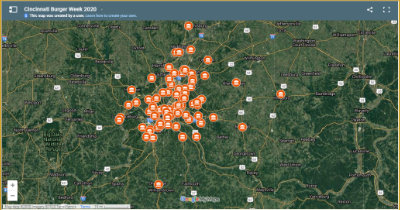
 Cincinnati Burger Week number six is almost over. Today is the final day of an event that is now part of a statewide Ohio Burger Week. Maybe it has been in the past although I always thought it was local. For 2020, special hamburger deals were/are to be found in five cities — Cincinnati, Cleveland, Columbus, Dayton, and Toledo — from August 17 through August 23. I’d seen claims of fiftyish participants but that turns out to be rather low. Nearly seventy restaurants are now listed on the Cincinnati Burger Week website. With this blog in mind, I picked six to try on the six days preceding publication. The number six also fit in with the sixth year for the event and the six dollar (up from $5) burger price. I picked places based on location, the availability of outside seating, and how strongly a specific offering appealed to me. One of the goals of Burger Week is to try something new so half of the places I picked were places I’d never been to before.
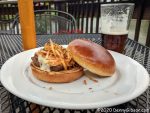
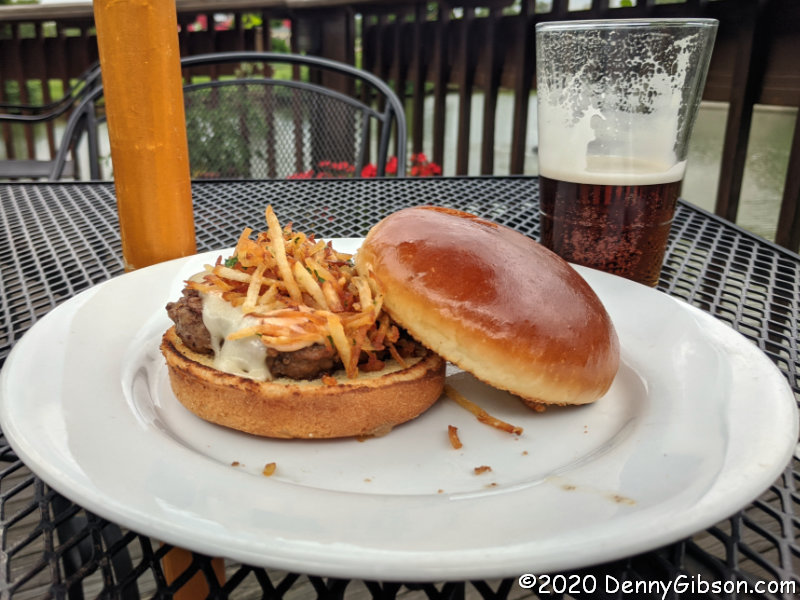
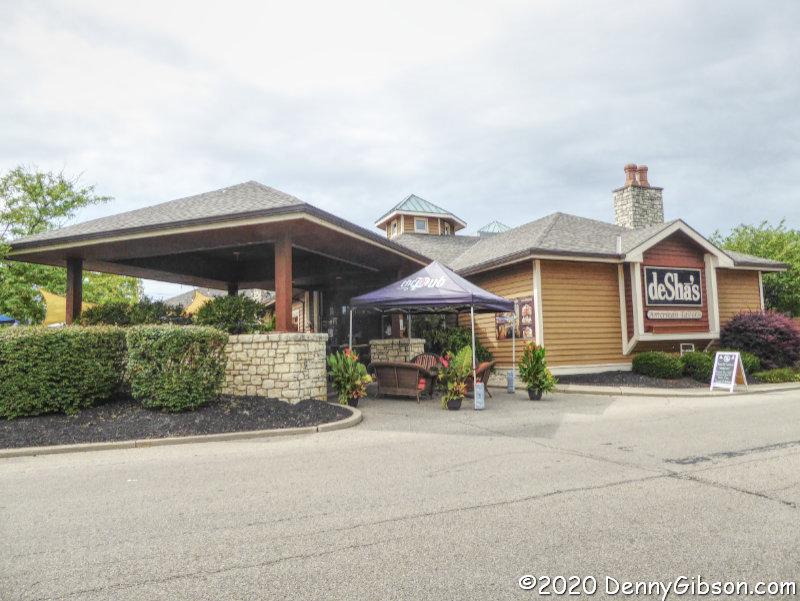
 The first day went swimmingly and that included perfect weather. Two of my selections were within walking distance but one is closed on Mondays. I headed to the other. At deSha’s American Tavern I enjoyed a Ducking Good Burger at one of the well-spaced tables on the waterside deck. A Ducking Good Burger is described as ground beef, fontina cheese, roasted tomato-garlic aioli, topped with shredded potatoes tossed in duck fat, served on a brioche bun. The only thing keeping this from being the perfect Burger Week experience is that I’m quite familiar with deSha’s (and Belhaven Scottish Ale) so the sandwich itself was the only thing new to me.
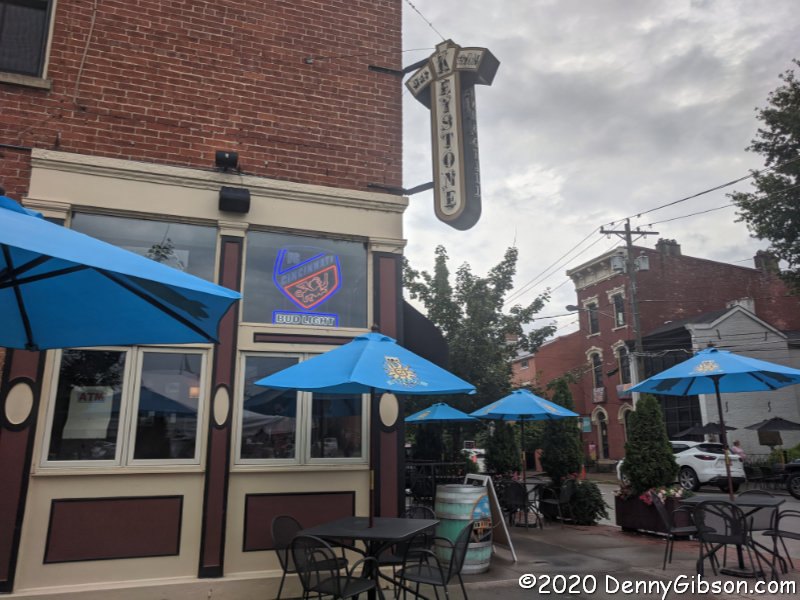
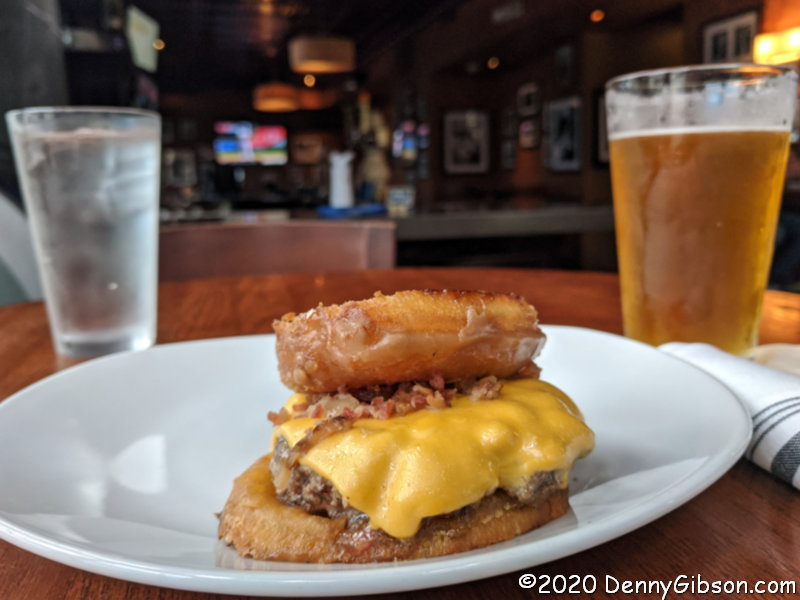
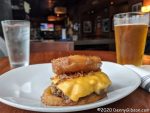 The second day was hardly perfect, but it ended well. I decided to head to the farthest away of my selections trying to target a point where the rain that filled most of the day would let up. Not only did I mistime the rain, I really blew it with the ‘burger. I’d made myself aware of the days each restaurant would be closed but not of the time. I arrived at 4:15; They closed at 3:00. But I knew of another nearby Burger Week participant so headed over to Keystone Bar & Grill. The rain had more or less stopped but the outside tables were not yet being used. I sat near the door at a properly distanced table. It turned out that a choice of two hamburgers was offered. When asked, my waitress told me, “I think you should try the donut.” I was well aware that people have been making sandwiches out of donuts but considered them to be totally over the top and had so far managed to avoid them. I tried again today but the waitress and my own curiosity won out. In my defense, this wasn’t just any donut but a Holtman’s donut. I haven’t found a detailed description of the Maple Bacon Donut Burger, but it was delicious even though the touch of sweetness from the donut glaze was a little strange. The new-to-me Three Floyds Gumballhead was pretty good, too. When I went looking for that detailed description at the end of the day, I discovered an apology tacked to the front of the Keystone website. It was an apology for some slow service on the first day of Burger Week that was at least partly due to overwhelming demand for donuts. Henceforth, it said the donut ‘burger would be available for dine-in only.
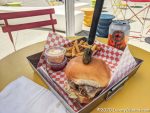
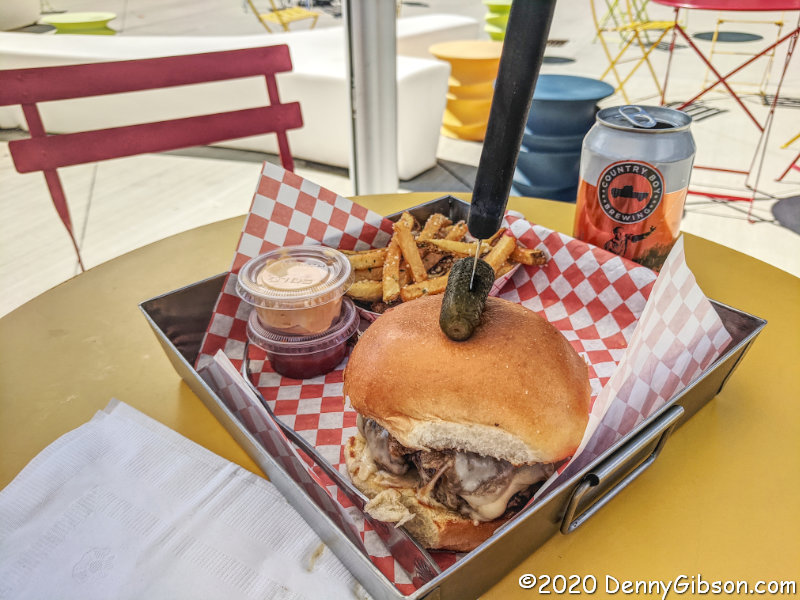
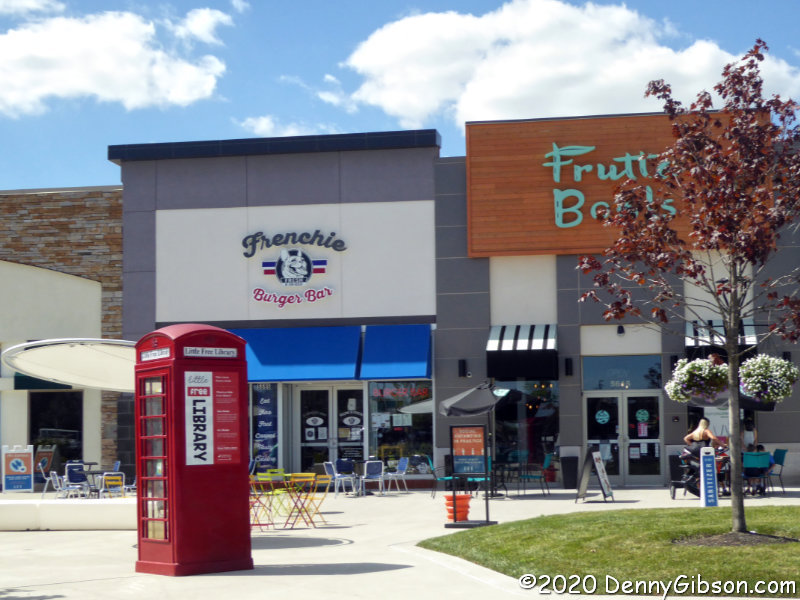
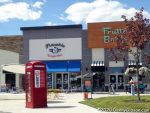 Great weather returned on Wednesday making it a good day to head to the closest restaurant on my Burger Week list. I placed my order inside Frenchie Fresh Burger Bar then took a seat outside, near the Little Free Library in a phone booth, to await its arrival. Inside seating is available. Burger Week ‘burgers are usually enough to fill me so I tend to skip the extras but I decided to give “Frenchie Fries” with parmesan and truffle dust a try. Good but not necessary. As expected, Le Alpine ‘burger (swiss cheese, caramelized onions, & mushroom demi-glaze) would have been enough. As I ate, I noticed a familiar name in the storefront signage that I had not noticed when checking out things online. Beneath the sketch of a French Bulldog is the phrase “by Jean-Robert”. Jean-Robert de Cavel is a Cincinnati celebrity chef who gained fame at the Maisonette, Pigall’s, and his own fine dining establishments. Apparently, Frenchie Fresh Burger Bar is his move into more casual dining. The beer is Country Boy Brewing’s Cougar Bait which (fortunately, I think) doesn’t seem to work for a guy in his seventies even if he is eating truffle dust.
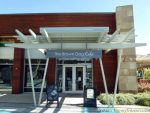
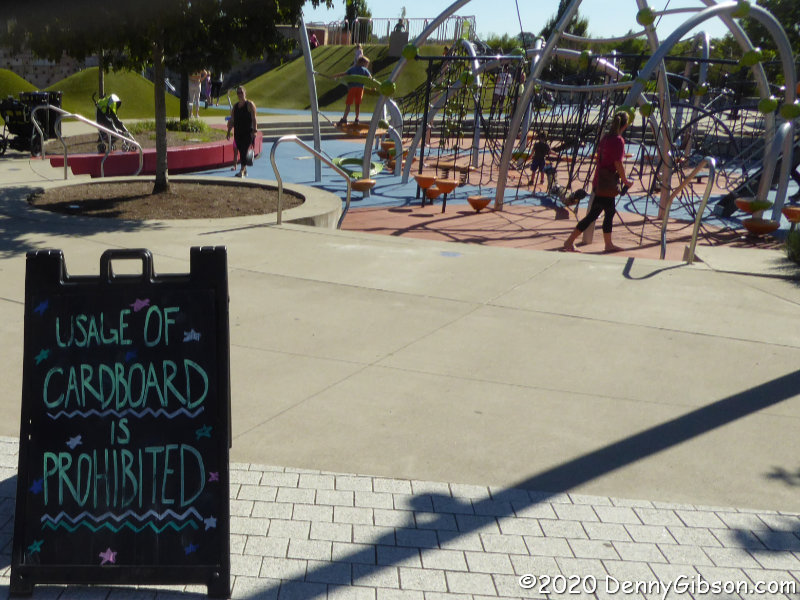
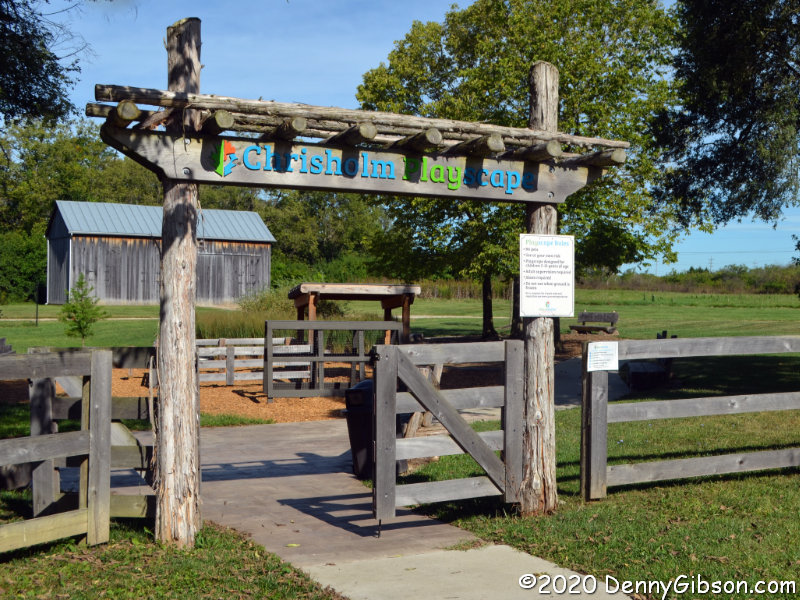
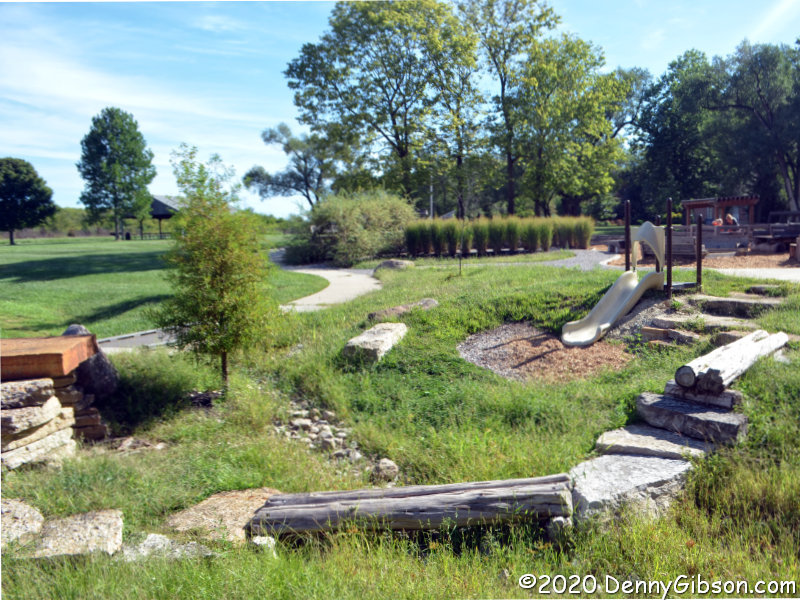
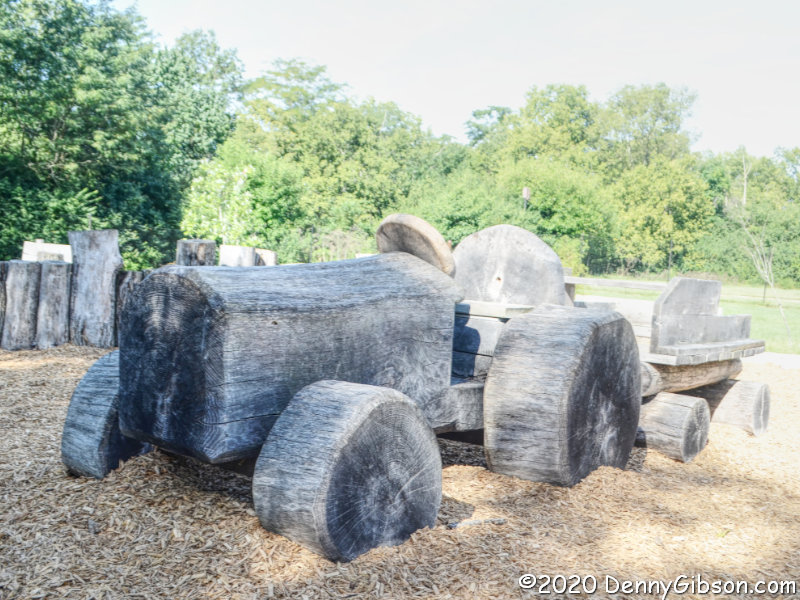
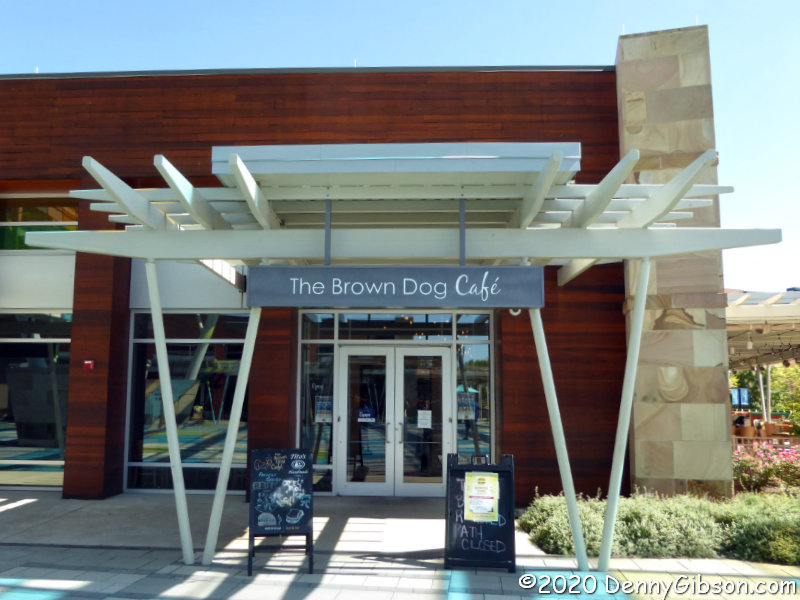
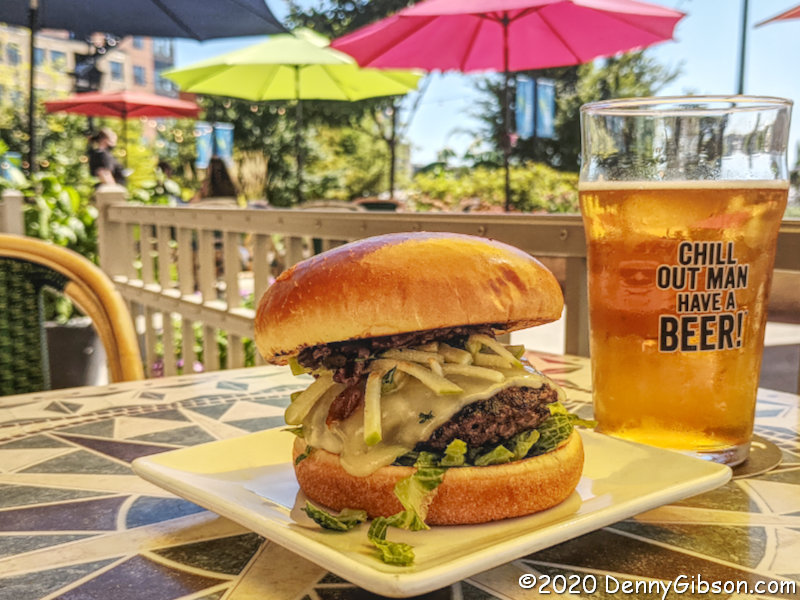
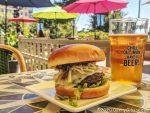 After starting the week with two places where I’ve eaten many times, I moved on to a pair of new-to-me restaurants. Wednesday was the first I’d been to Frenchie Fresh, and Thursday was my first visit to Brown Dog Cafe. It is one of several restaurants inside Summit Park on the former site of Blue Ash Airport. Both indoor and outdoor seating is available but I didn’t even consider eating inside on such a glorious day. I washed down my fontina cheese, bacon jam, and apple slaw topped ‘burger with Grainworks’ Blue Skies Hero Brew in a Fathead’s Brewery glass. Summit Park really is a park with an observation tower I need to come back and check out. On my way out today, I strolled by a playground I could see in the distance from my table. All distancing and mask protocols were carefully observed by the Brown Dog staff but that was not the case with all the kids playing on the equipment and sliding down hillsides on sheets of cardboard.
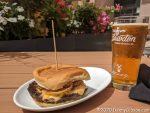
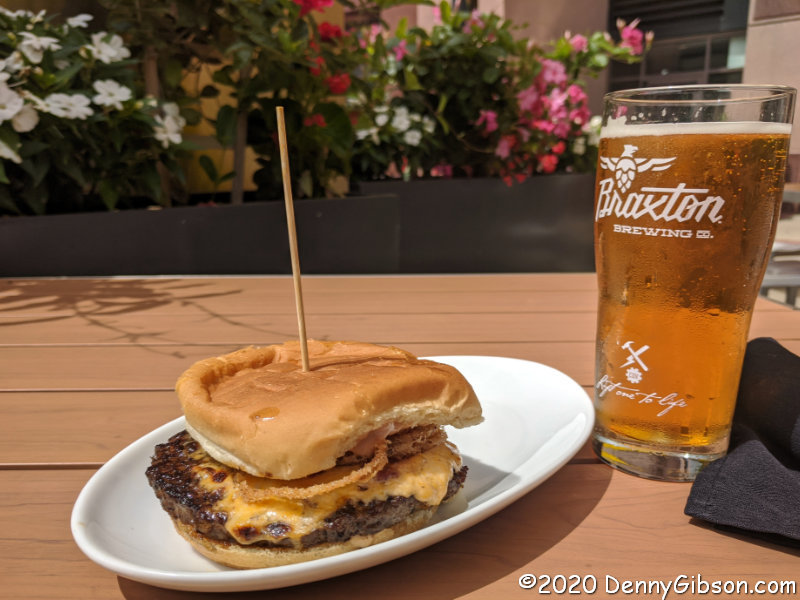
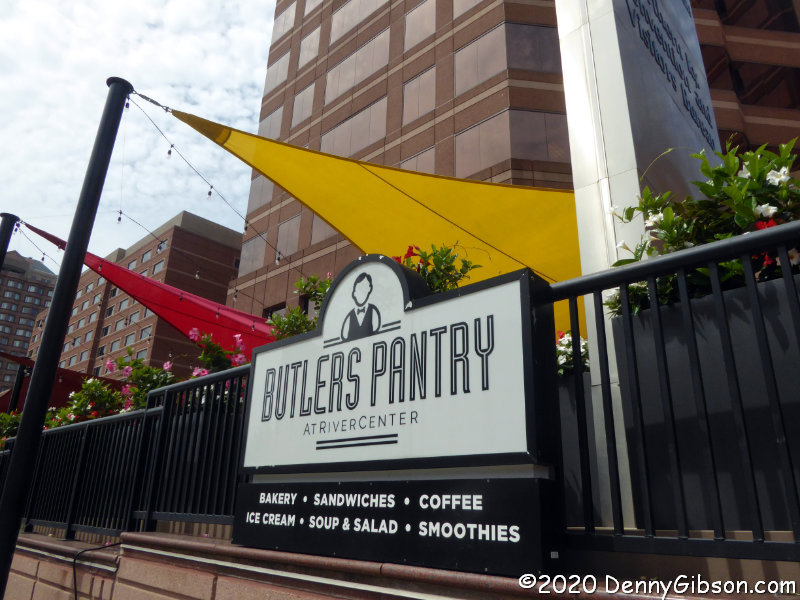
 On Friday, I made it three new-to-me restaurants in a row by returning to the place where I’d arrived too late on Tuesday. Butler’s Pantry is on the inland side of a building on the south banks of the Ohio River. All COVID precautions are in place and there seemed to be plenty of outside seating. The tasty ‘burger was topped with pimento cheese, red onion, bacon, onion straws, and root beer bbq mayo although I gotta admit I didn’t pick up much root beer flavor. Maybe the real beer (Braxton Storm, brewed less than half a mile to the south) washed it away. Free parking across the street with validation at the Pantry.
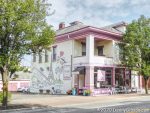
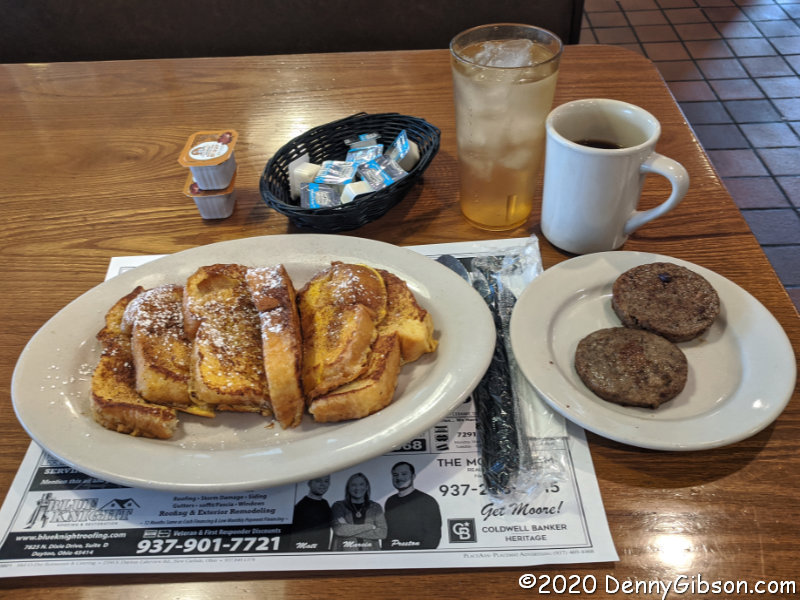
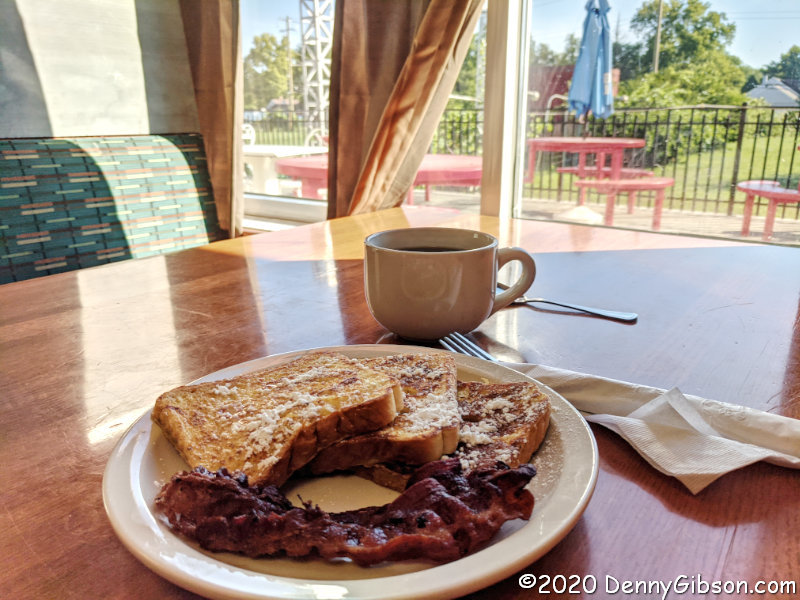
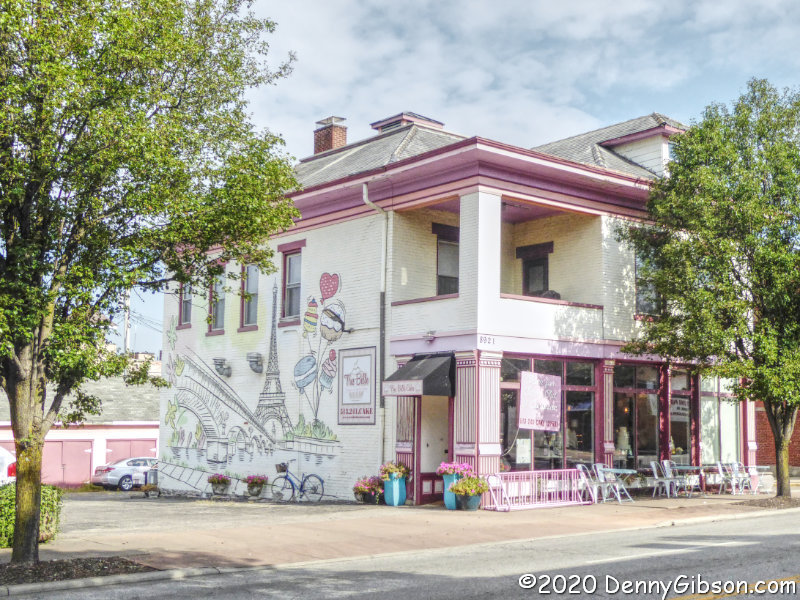
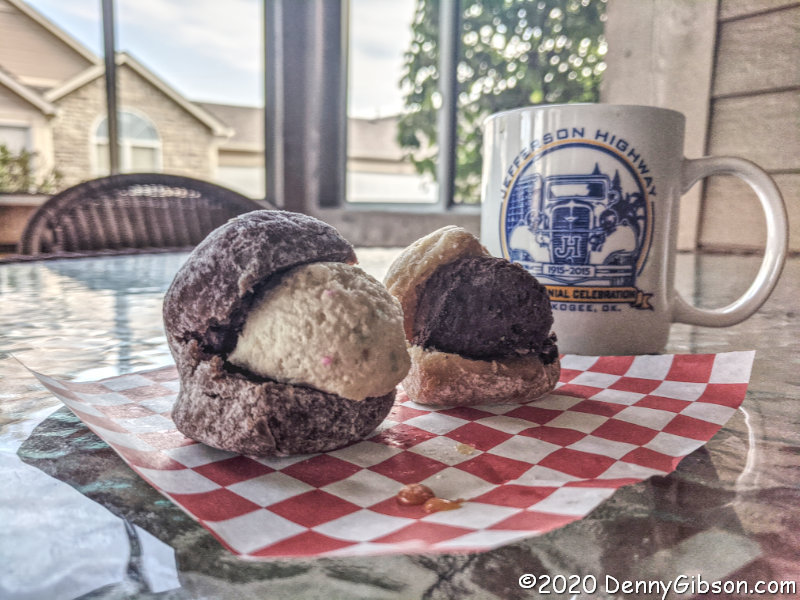
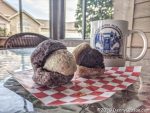 Even though there were still candidates on my list, by Saturday I decided I’d consumed enough hamburgers for the week. I had penciled in the lone non-beef Burger Week participant for a possible dessert someday but used it to fill the last slot in my six-day moving feast. I learned that my impression that only carryout was available was wrong when I arrived and saw the tables out front. I carried my purchase back home as planned, but in hindsight, wish I’d ordered a cup of coffee and nibbled on my beignet sliders at one of those tables along the one time Dixie Highway (now US 42) in Reading. Très Belle‘s Burger Week page describes one of these treats as a berry-filled beignet bun with edible rainbow sugar cookie dough patty and the other as Nutella filled with edible chocolate brownie cookie dough. They only call one decadent but that doesn’t seem entirely honest in my opinion. Maybe advertising double-barreled decadence is against somebody’s rules.
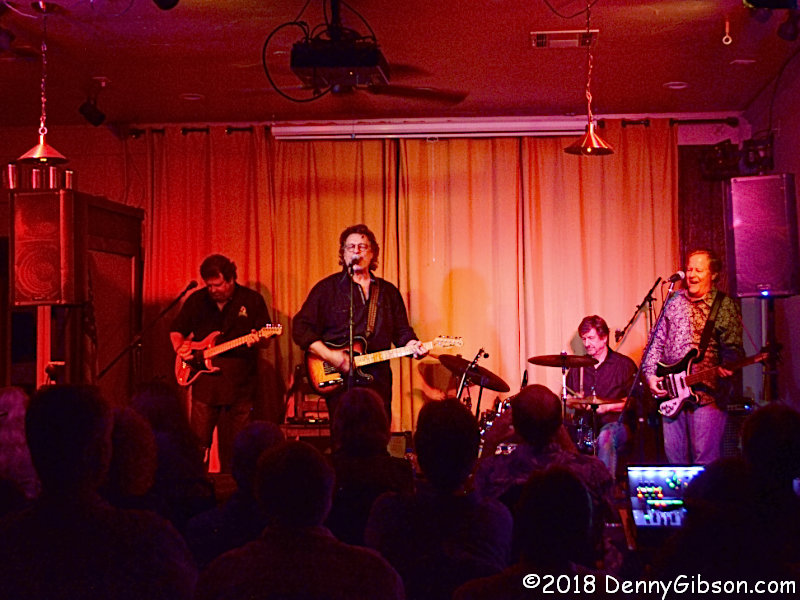 This picture is from the 2018 trip I called Dirk and Lincoln. The purpose of the trip was to see Dirk Hamilton performing at a venue he played at frequently in the 1980s with the musicians he played with there. That was all I needed to justify the trip, but the venue was in California and there was no reason not to hang around a few days. That’s where the Lincoln part comes in. I flew to Sacramento then drove to Stockton for the show. I drove down to the bizarre Winchester Mystery House the next morning and picked up some Lincoln Highway on the way back. The rest of the trip was spent following a sort of Lincoln Highway loop to the east through Carson City, Reno, and Donner Pass then back to Sacramento for a night that included a visit to the Delta King.
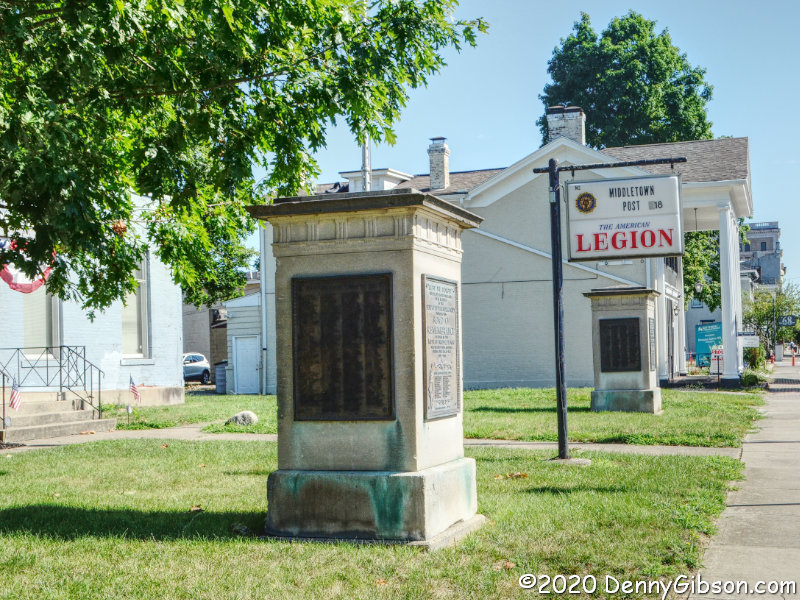
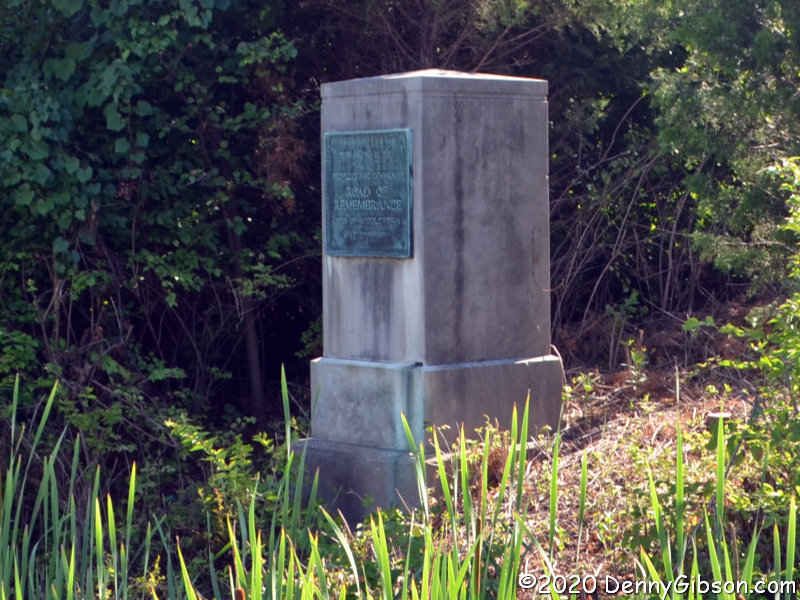
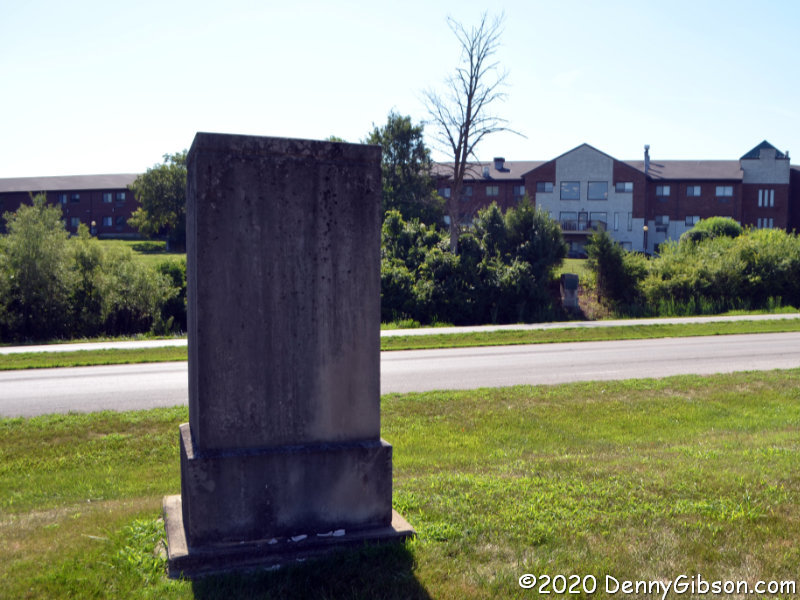
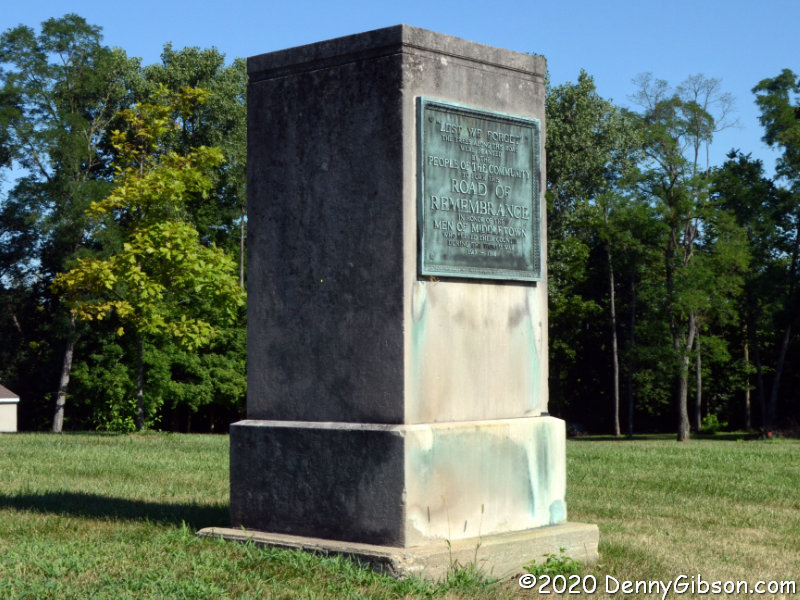
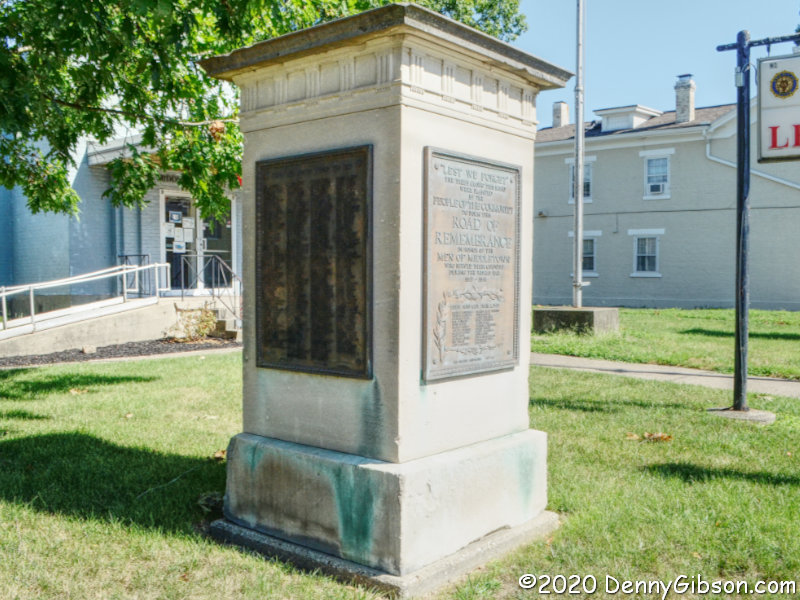

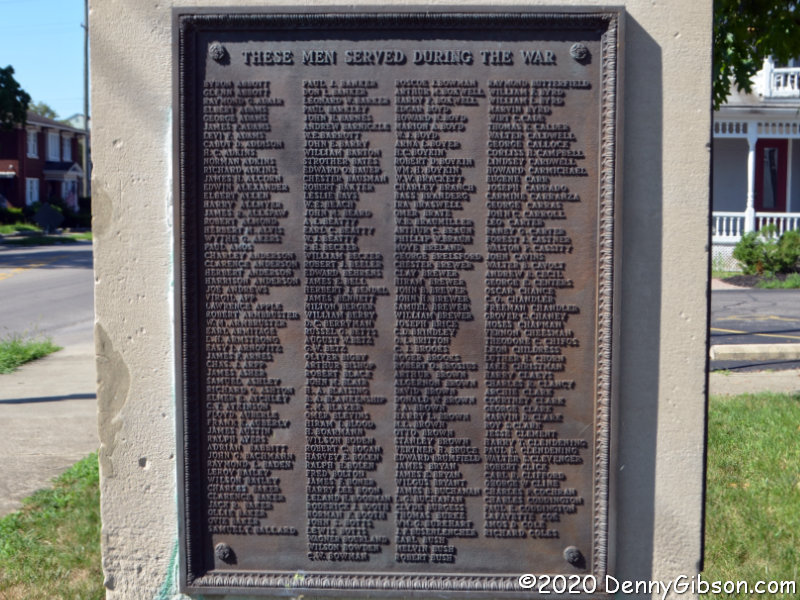
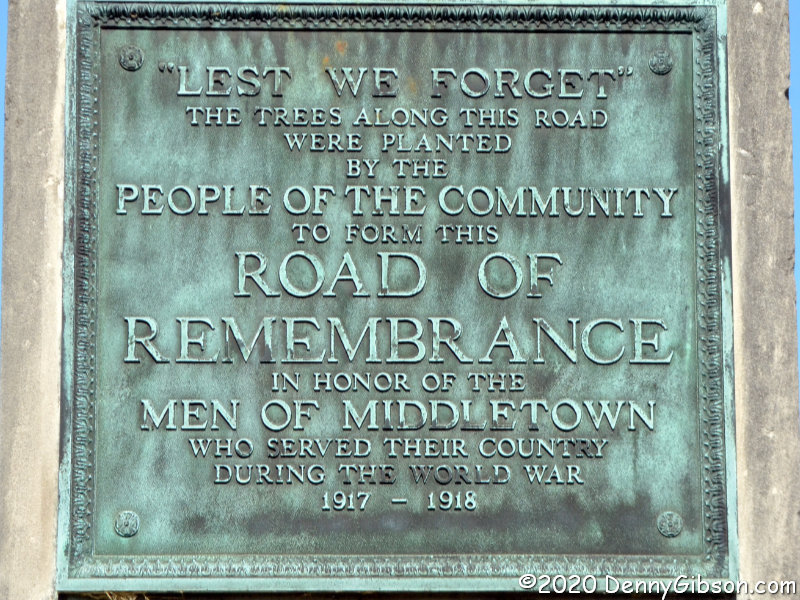
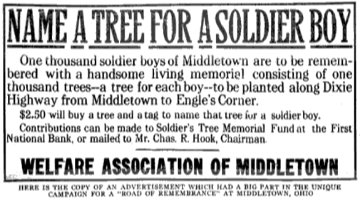 References to the Middletown Road of Remembrance often mention a thousand trees lining a mile of roadway. Both seem to have been considerably exceeded. The markers that now stand at the Legion, originally stood at 14th and Main. The southern markers originally stood about a mile and a half away at Oxford and Main. Plans to construct arches over the road where the markers stood were mentioned, but I’ve seen nothing to indicate that ever happened. Middletown’s Road of Remembrance was dedicated on Labor Day, September 6, 1920, and there are possibly legitimate claims that this was the nation’s first Road of Remembrance to be completed. The ad image is from