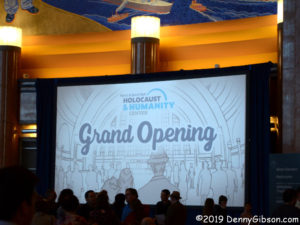
 The Cincinnati Holocaust and Humanity Center reopened in its new location last Sunday on the 74th anniversary of the liberation of Auschwitz. I had seen the space it moved into on a “hardhat tour” during the Cincinnati Museum Center’s members’ preview in November. At the time, I noted my failure to visit the center in its current location, despite it being on my list and relatively near my home. I once again resolved to get there “before they start carrying stuff out” but I failed. I tried after about a week had passed, but it was already too late. The move had already begun and the operation at Rockwern Academy in Kenwood had already closed.
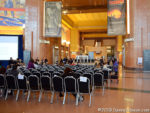
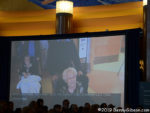
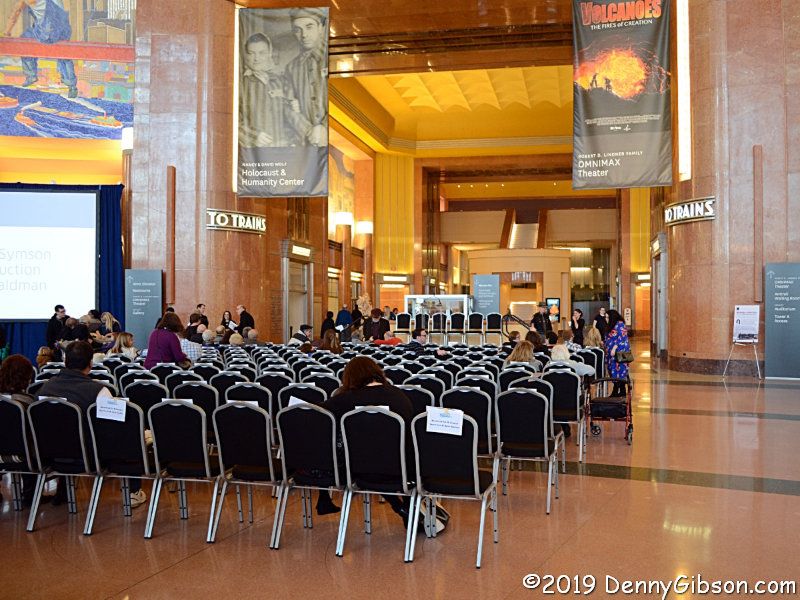
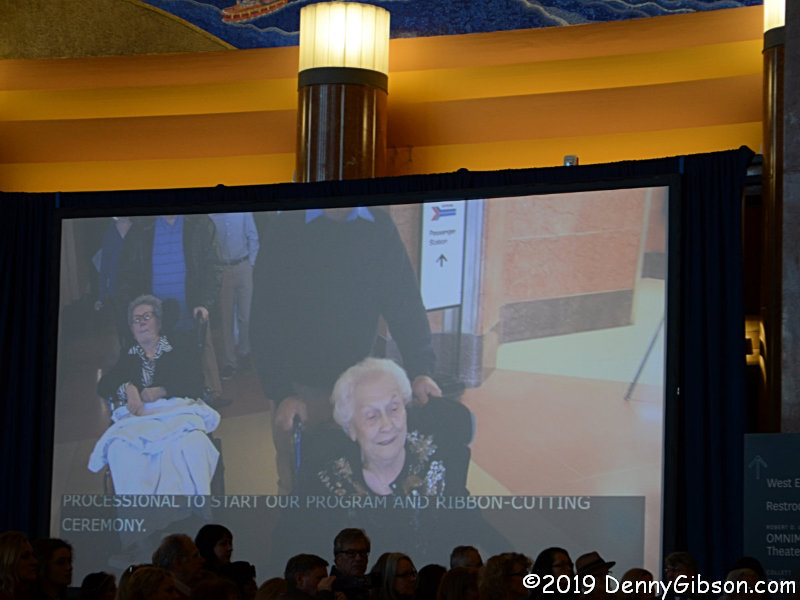
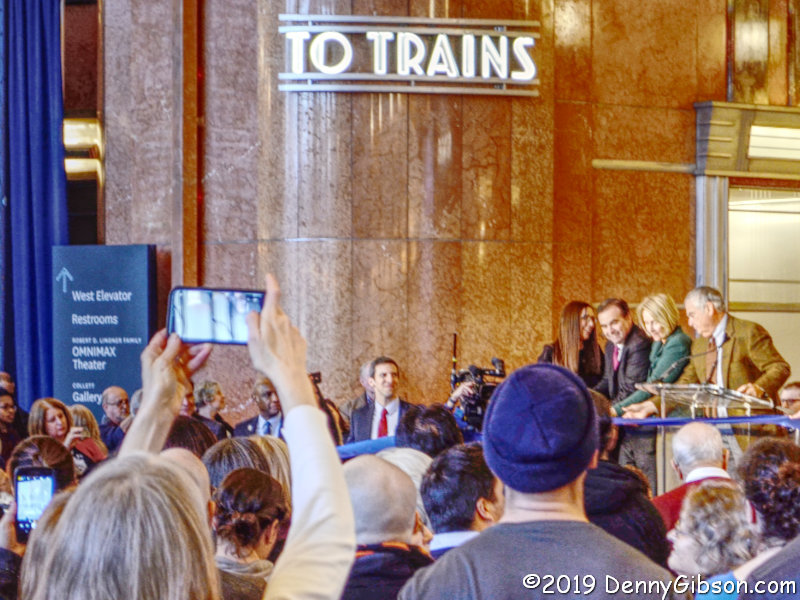
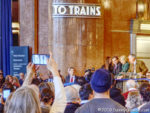 I would not get inside the Center today, either, but it wasn’t because I was too late. I arrived about half an hour before the 1:00 opening ceremony, when the space around chairs provided for holocaust survivors and family members was wide open. I could have staked out a spot right next to them but didn’t. By the time the procession of survivors and descendants began, my best view was via the giant screens at either side of the stage. The processional was quite moving, not only for those participating or watching familiar faces enter the rotunda, but for folks like me who recognized no one. Some in the procession may have been experiencing memories of when they first saw Union Terminal. This was where many people escaping Europe or recently freed from Nazi concentration camps arrived in the 1940s to begin a new life in Cincinnati. The last picture shows the center’s Executive Director, Sarah Weiss, cutting the ceremonial ribbon along with Cincinnati Mayor John Cranley and Nancy and David Wolf, for whom the center is named.
Entry to the Holocaust and Humanity Center was free on Sunday via time stamped tickets. I doubt that people were actually being forced out of the center after fifteen minutes, which was the interval on the tickets, but it was pretty obvious that this was not the day for a leisurely stroll through the exhibits. I thought it absolutely wonderful that the opening had attracted so many people, but quickly decided to take advantage of one of the perks of being retired and come back sometime during the week.
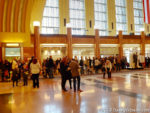 Incidentally, the HHC opening wasn’t the only thing bringing people to the museum center on Sunday. The picture at right, taken long before the crowd appeared for the opening ceremony, shows a line of people stretched across the front of the rotunda waiting to get museum and movie tickets. There probably wasn’t a lot of overlap with the HHC crowd; Most of the groups in line included young children. I noted in my post about the theater reopening that families with school-age children were flocking to the renovated Union Terminal during the holiday break, and it looks like that flocking continues on weekends. I bet it’s the dinosaurs.
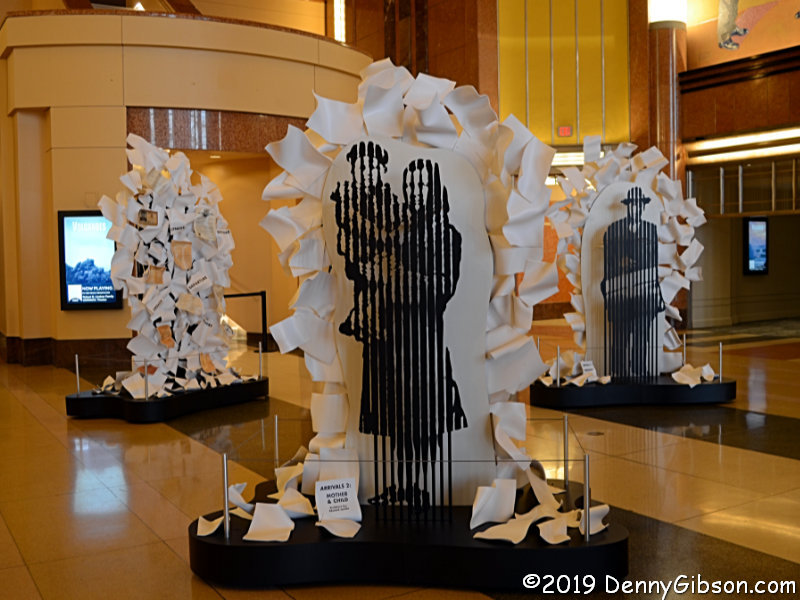
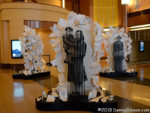 I made it back on Tuesday. Entry to the Holocaust and Heritage Center is not included in Cincinnati Museum Center membership, but tickets are sold through the CMC kiosk in the rotunda and there is a discount for CMC members. These sculptures were at the front of the rotunda and usually surrounded by people on Sunday. At present, they are near the stairs leading down to the HHC. The HHC is right next to where the Cincinnati History Library and Archives were and will be. The library closed in 2016 along with the CMC and has not yet reopened.
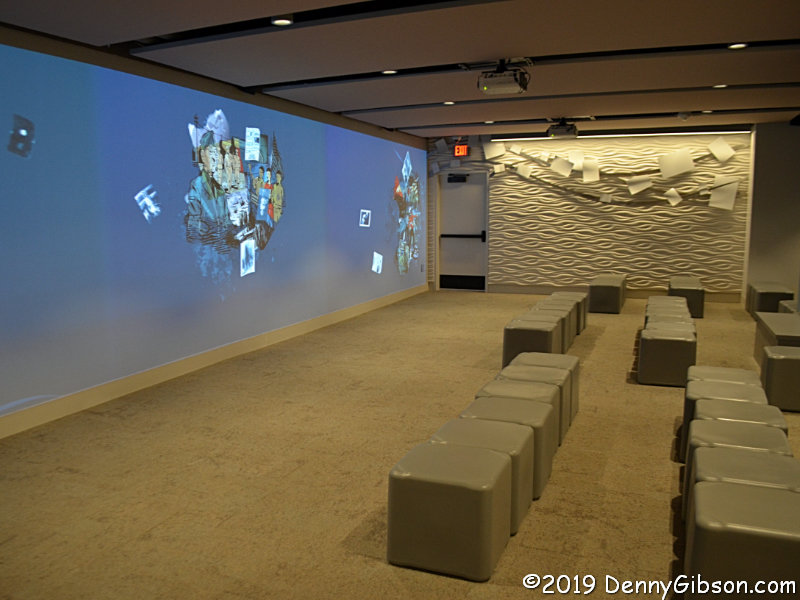
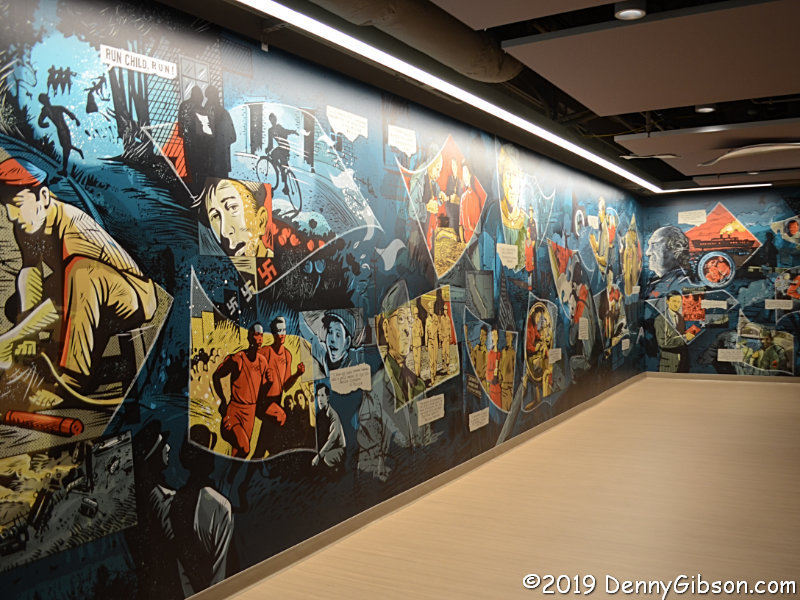
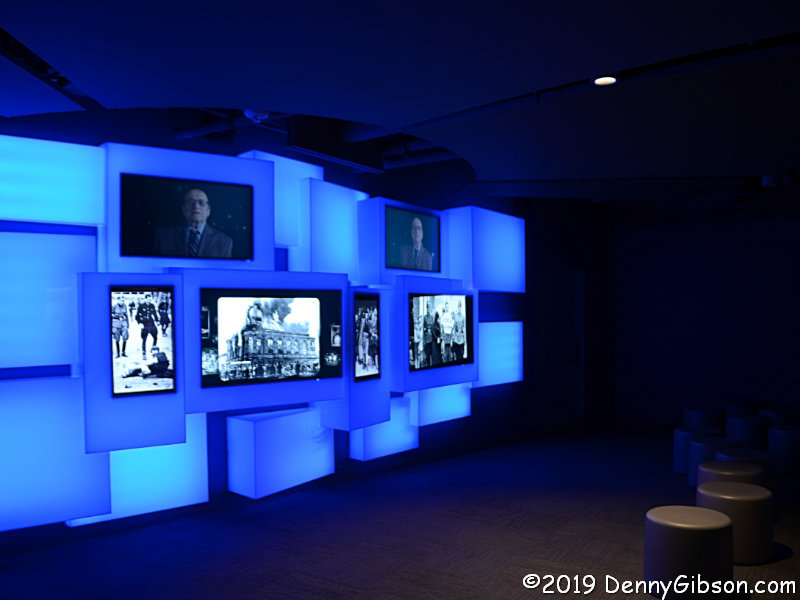
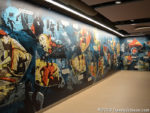 We were given a peek at a small portion of this mural on that November “hardhat tour”, and I had been looking forward to seeing the whole thing. It didn’t disappoint. The 63-foot mural covers more than one wall of the center’s lobby area. I had some time to look it over as I waited to enter the “Winds of Change” theater that separates the lobby from the museum galleries, but know I have some more looking to do. I believe all of the mural’s twenty-six scenes come from stories that are told, at least partially, inside the museum. Inside the theater, holocaust survivors now living in Cincinnati tell pieces of their stories in a video. The local connection appears throughout the museum in the display of artifacts and quotations from local survivors.
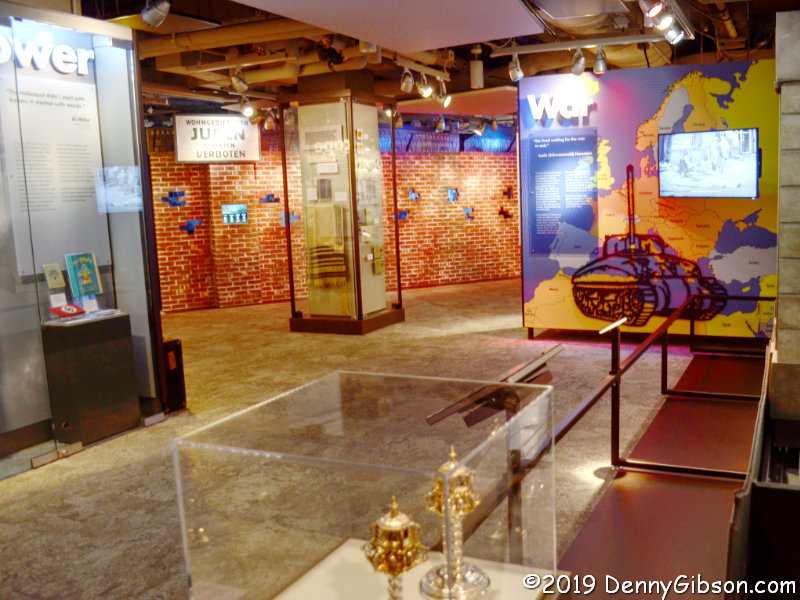
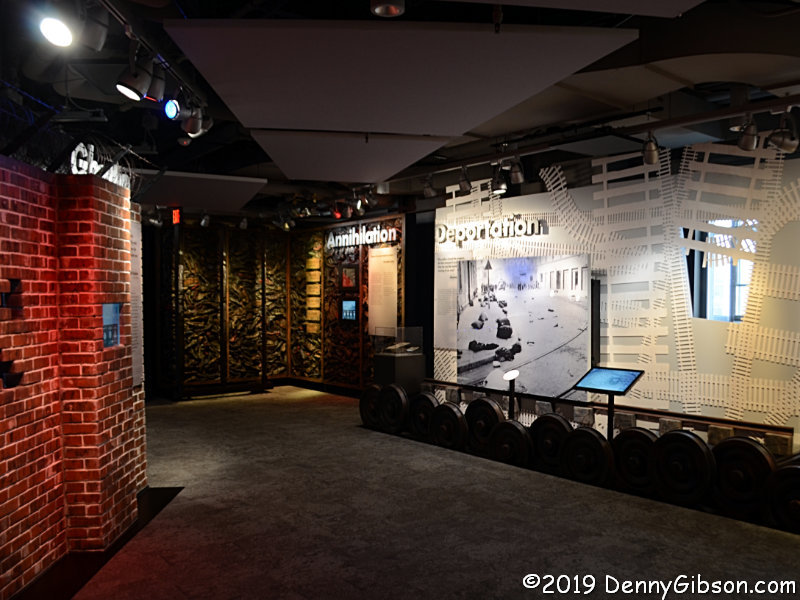
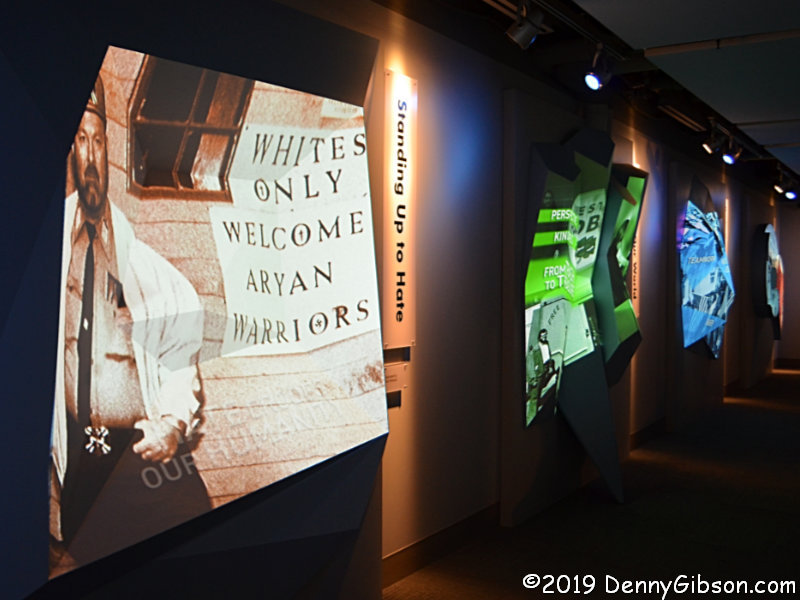
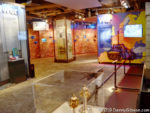 The first gallery beyond the “Winds of Change” theater begins with the story of the rise of Nazism. It’s a story of relatively small steps that go from Jews being valued members of their communities to their extermination being seen as a solution to something. The HHC utilizes two types of interactive exhibits. One uses touch screens to allow selection from a small set of recorded first-person accounts related to the display they are part of. The second uses sliding panels operated by push-buttons. This not only provides more surface area for images and text but also involves visitors ever so slightly. At first, I thought this was a little hokey, but I quickly became a fan. If you don’t press the button, you will miss out on something, and when you do press it, you’re kind of committed to studying what is revealed.
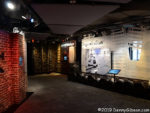
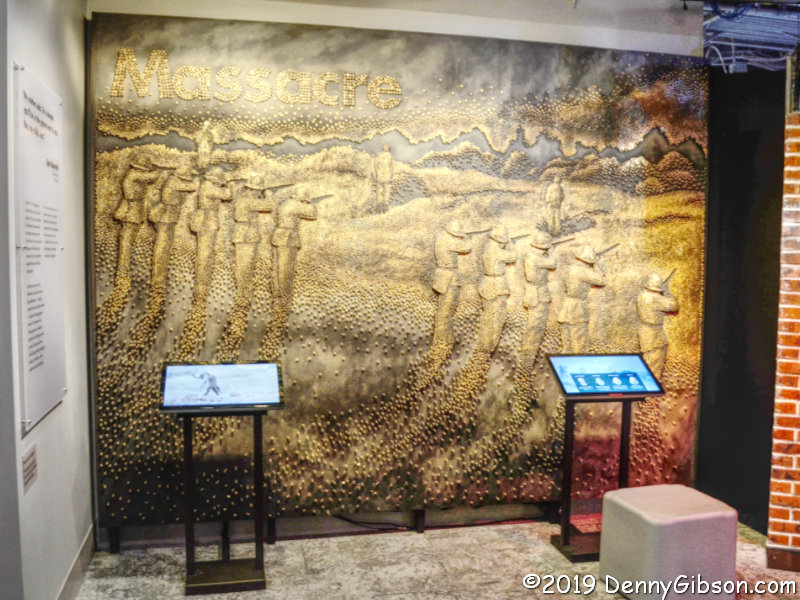
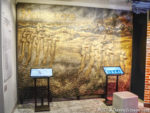 In addition to the big mural, I believe that every description of the center I have seen mentions the bullet picture and the train window. The bullet picture is an image, reproduced with empty shell casings, of Jews being gunned down in a burial pit they had been forced to dig themselves. The train window is simply a window in the museum wall that opens onto the active tracks behind the building. Only a tiny bit of passenger traffic trickles through Union Terminal but freight traffic passing through the yard is quite significant. Visualizing human beings stuffed into box cars isn’t difficult.
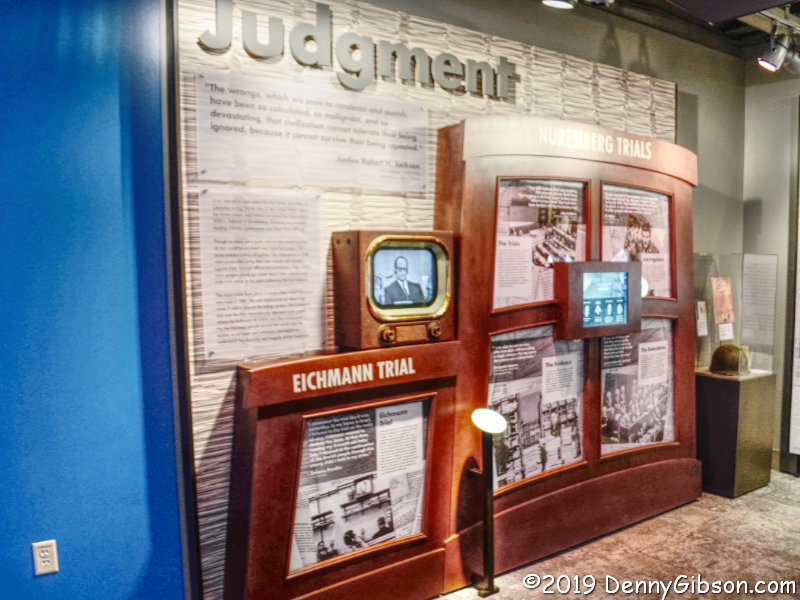
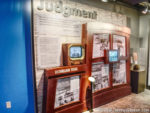 The aftermath of the holocaust is also examined. I was on the leading edge of the Baby Boomer generation. The war was over and the death camps liberated before I was born. Some of the war crimes trials occurred in my lifetime, but I certainly don’t remember them. However, I do remember seeing the movie Judgment at Nuremberg in a theater during its first run and same-day TV coverage of the Eichmann trial. This was in 1961, when the events they dealt with were less than twenty years in the past. The holocaust was just outside of my own memory, but was quite fresh in the memories of the adults in my world.
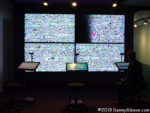
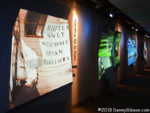
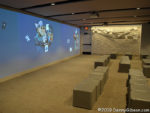
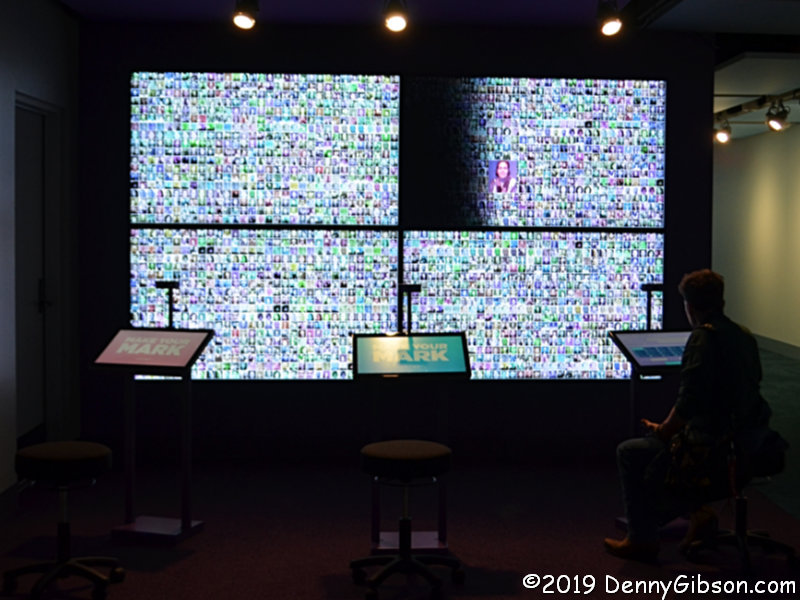
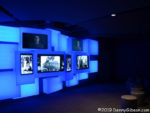 The “Points of Light” theater marks the end of the Holocaust Gallery and the beginning of the Humanity Gallery. From here on out, the exhibits deal more with today’s world. People called “upstanders” are identified, and their stories of resisting hate or doing something else to improve their part of the world are told. The last picture is of the “Make Your Mark Wall”. Visitors can leave their thoughts and impressions via the touch screens and add their selfie to the wall if desired. On the day I was there, a portion of one of the large screens was blacked out, but I’m guessing that was just from someone leaving their coffee in front of a projector or something similar.
The Nancy & David Wolf Holocaust & Humanities Center is an impressive and welcome addition to the Cincinnati Museum Center. I entered the “Winds of Change” theater by myself, but took my time going through the galleries, and found myself in the presence of several other visitors by the time I exited the museum. Even so, I know I need to go back. It is really impossible not to see similarities between the increasing hatred seen in some corners today and some of the events described in the center. The centers’ creators were certainly aware of these similarities, and I don’t doubt helped make them more apparent here and there. That sure doesn’t seem like a bad thing to me.
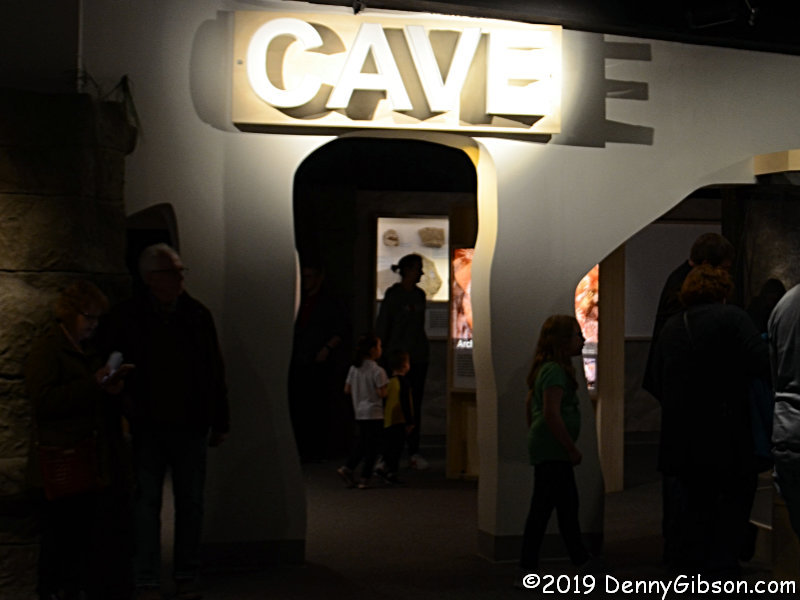 I’m sure there was at least one occasion when Ooola pulled Alley Oop into a major cave cleaning project. Among all the other repairs and additions, something very much like that must have occurred with the popular cave attraction at the Cincinnati Museum Center. The artificial limestone cave has been touched up and cleaned while retaining the appropriate level of dim damp caveiness.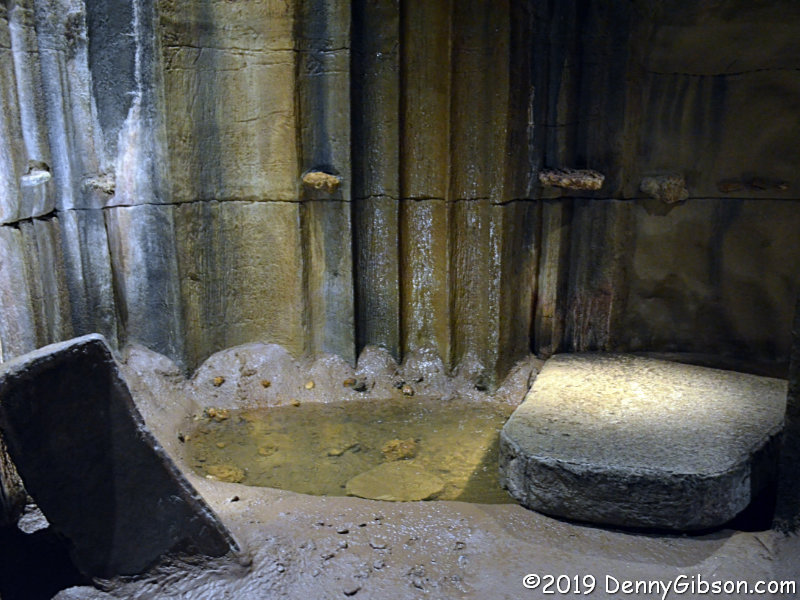
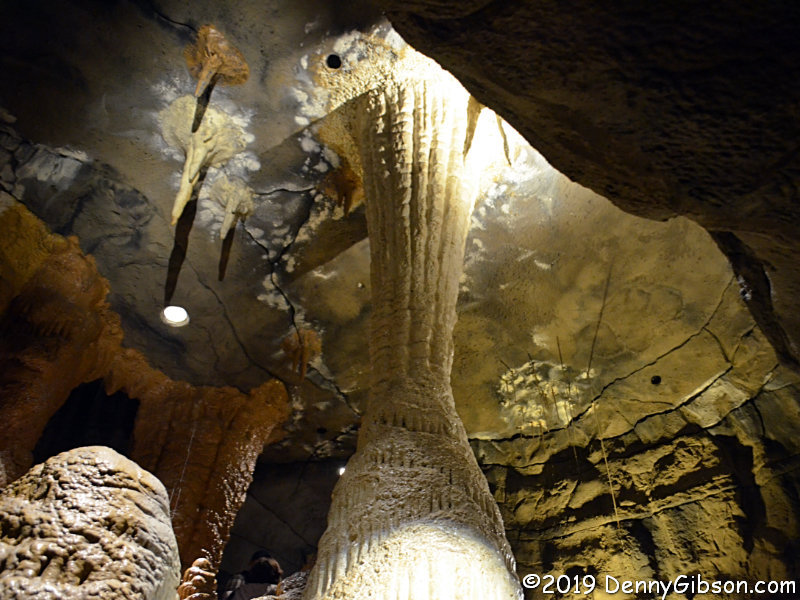
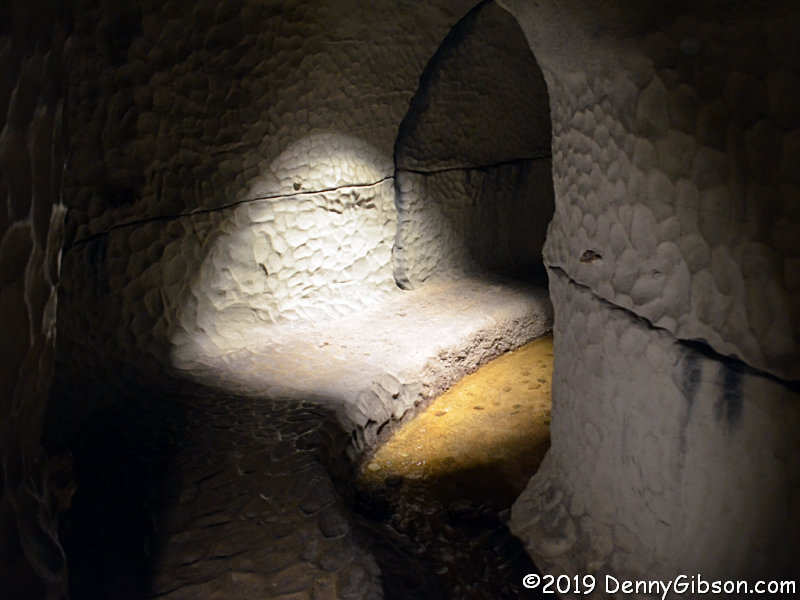 I remember when the Natural History Museum moved to Union Terminal from Gilbert Avenue and the cave went missing for a while. My memory may be in error, there is no doubt that it’s foggy, but my recollection is that the cave was different after the move. Bigger, perhaps. Improved, maybe. I believe that the cave I saw Friday was pretty much the same cave I saw before the 2016 closing. The subtle wear and tear of twenty-five years of traffic have been dealt with but the pools, stalagmites, and narrow passages visitors have become familiar with over the years are all right there. They are simply a little cleaner and fresher.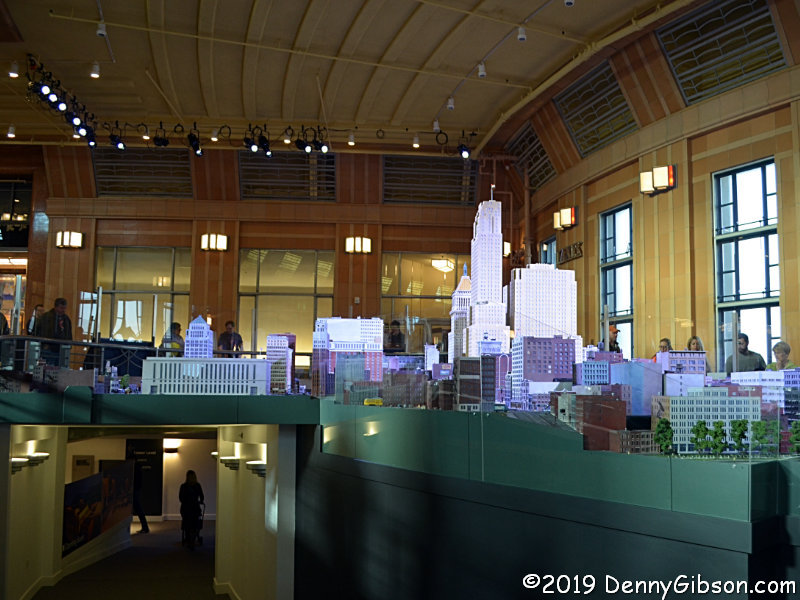
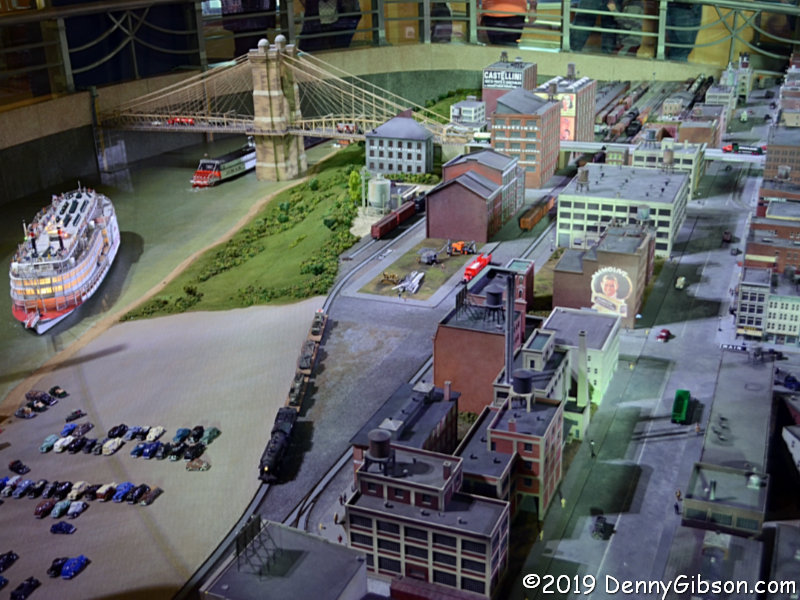
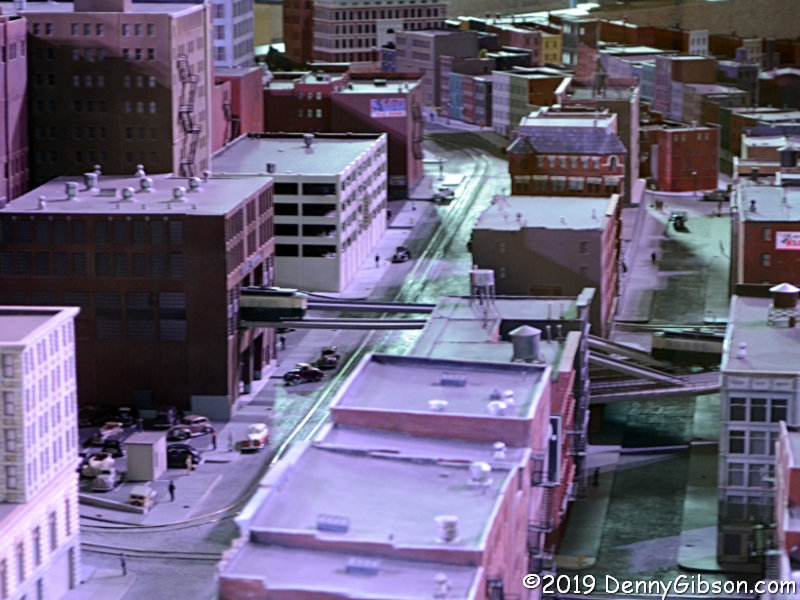
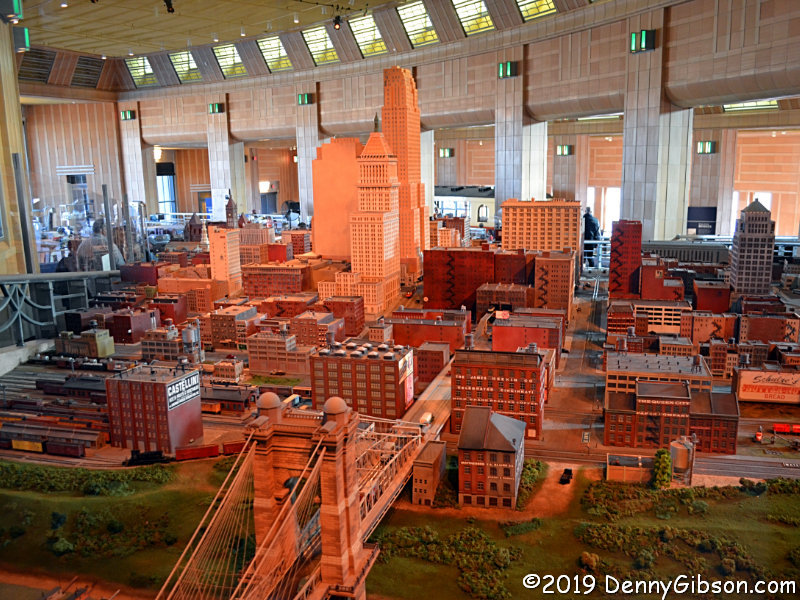 In addition to the reopened cave, Friday’s members only “preview” saw the return of Cincinnati in Motion, another museum favorite. This 1/64 scale model of the Queen City presents different sections in different decades from the 1900s to the 1940s. Both of the first two pictures contain the Roebling Bridge and those who look close enough might see street cars entering the Dixie Terminal Building after crossing the bridge. There’s a closer look here.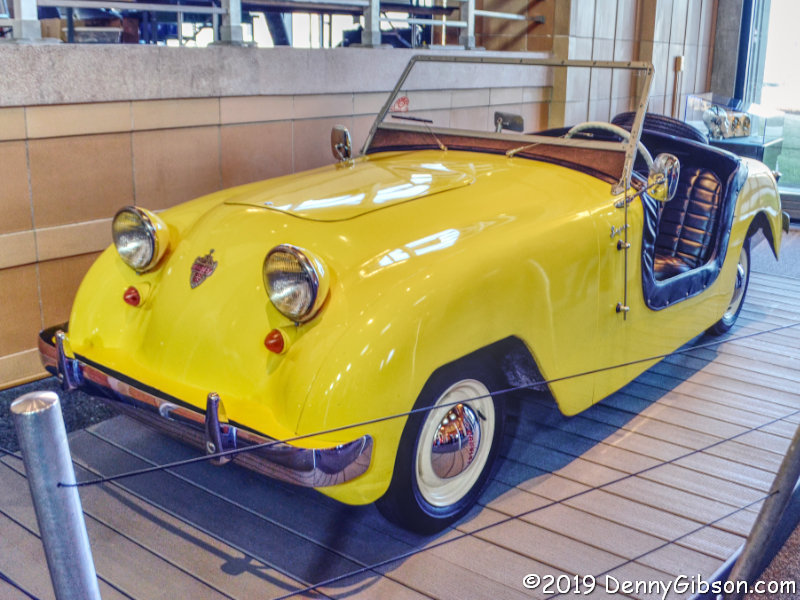
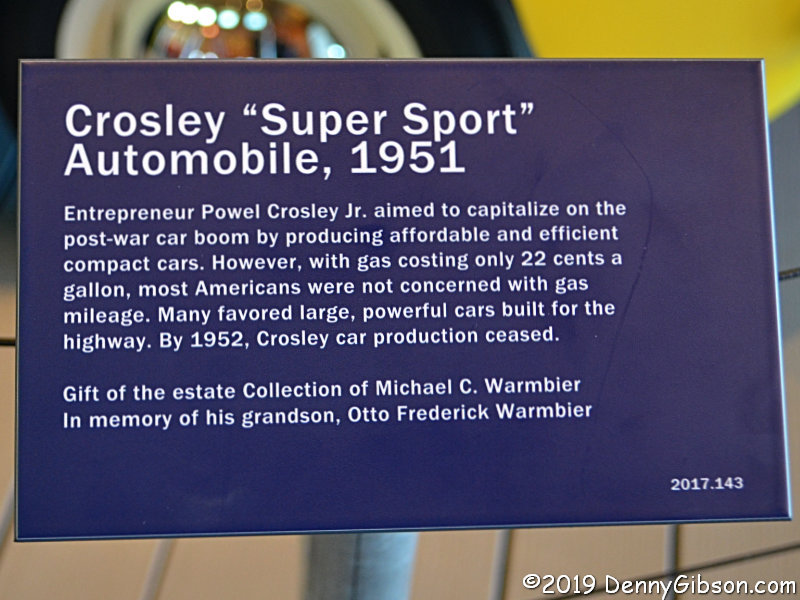
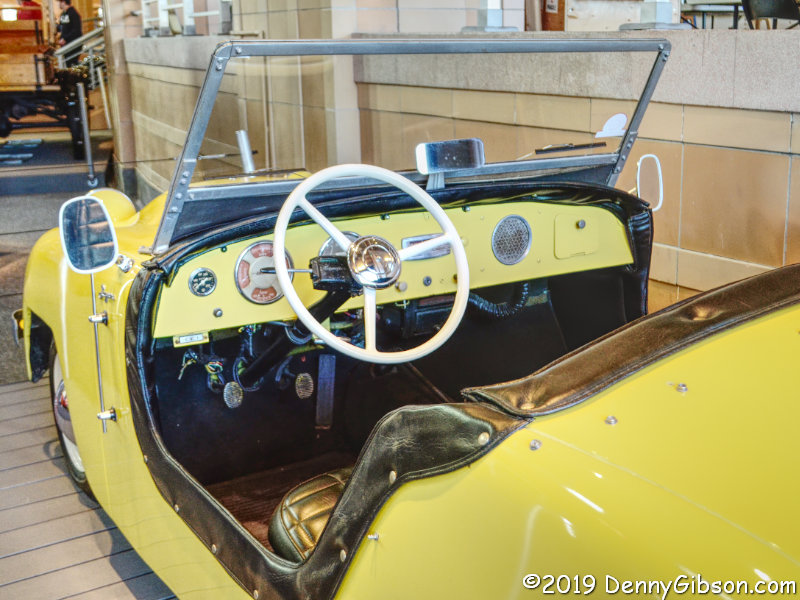 Cincinnati in Motion once again welcomes visitors to the history museum but there’s not yet a lot beyond it. There is a possibly temporary display of Cincinnati related vehicles called Engines of Growth with a literal bright spot in this 1951 Crosley Super Sport. As noted on a nearby plaque, the car was a gift from Michael C. Warmbier in memory of his grandson Otto Frederick Warmbeir. Otto Warmbeir was the college student who died in 2017 shortly after being released from a North Korean prison. It’s a very nice car and a very sad story. The phrase “in memory of his grandson” is heartbreaking in any context.


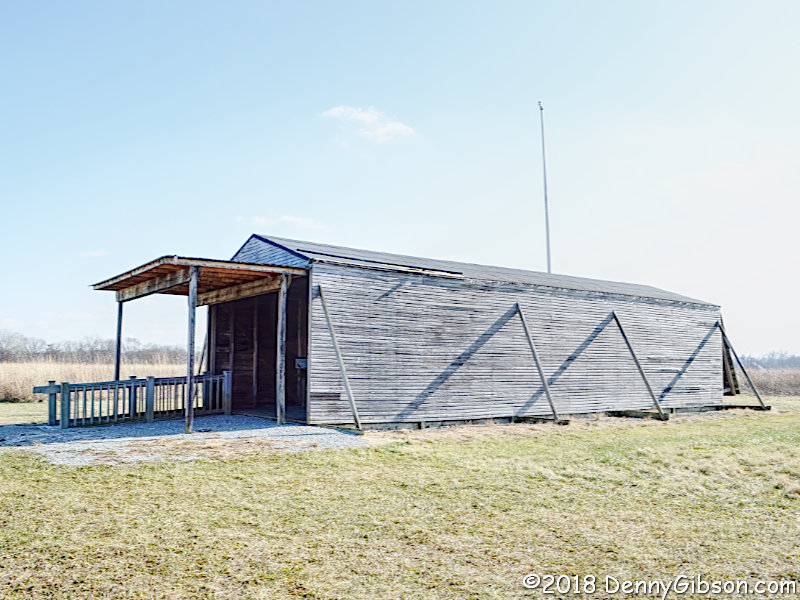
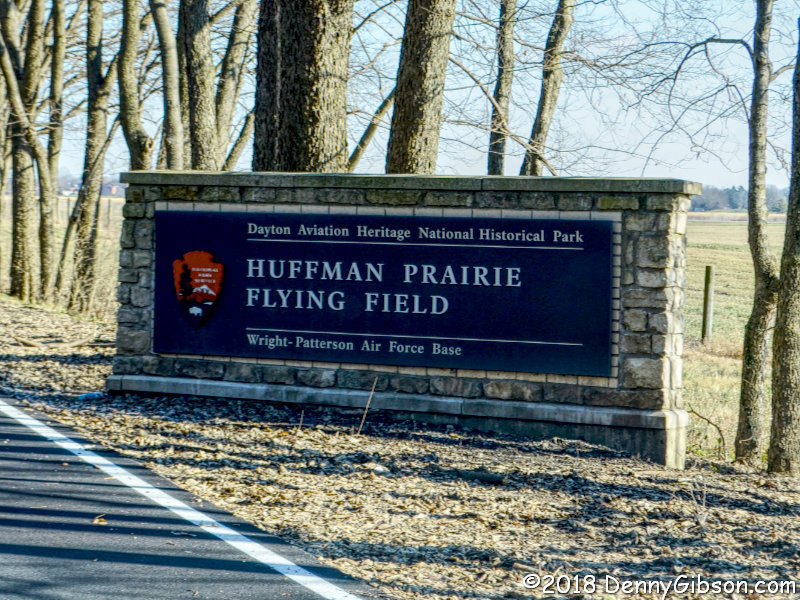
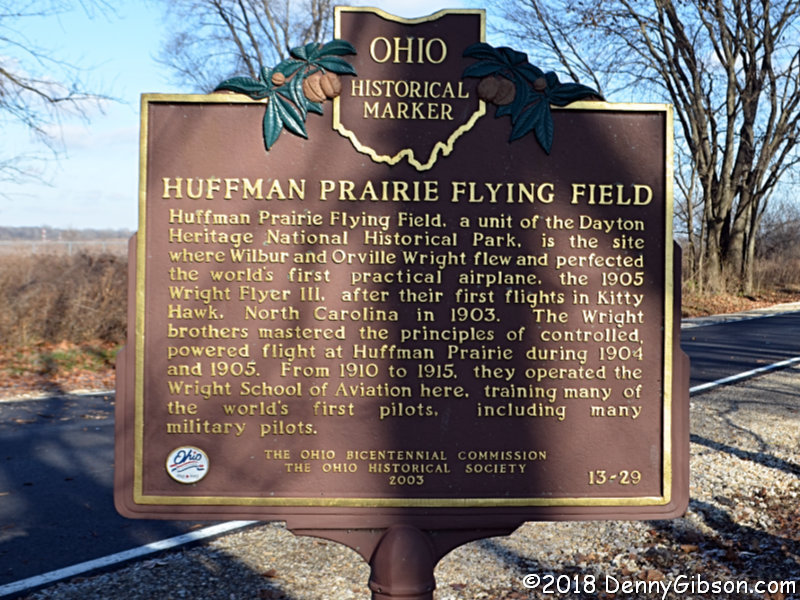
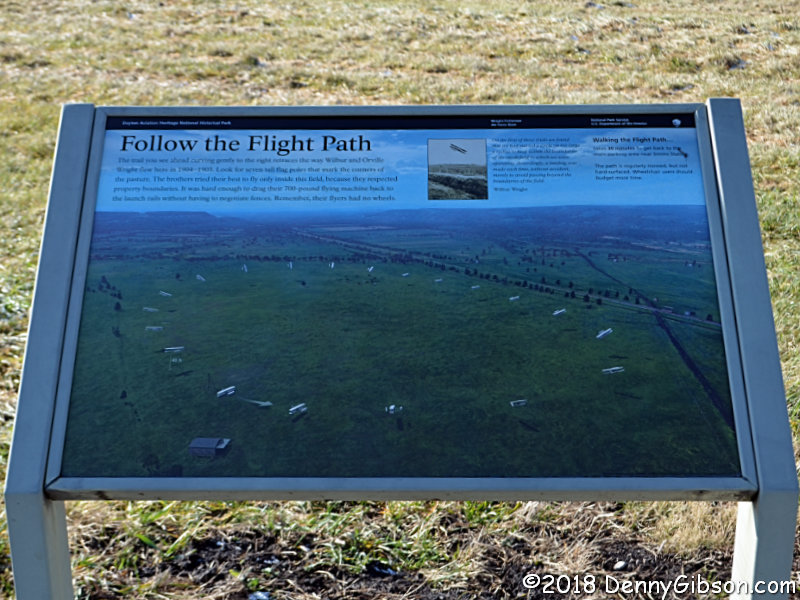
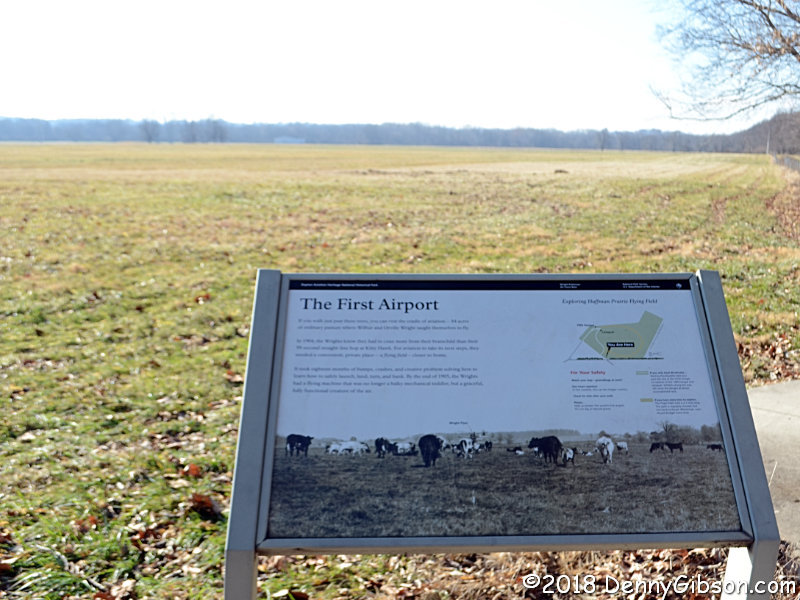
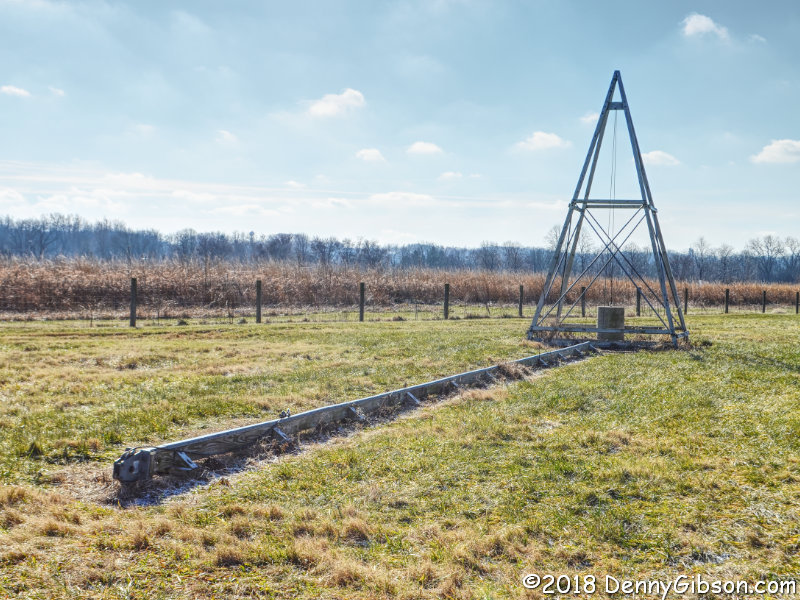
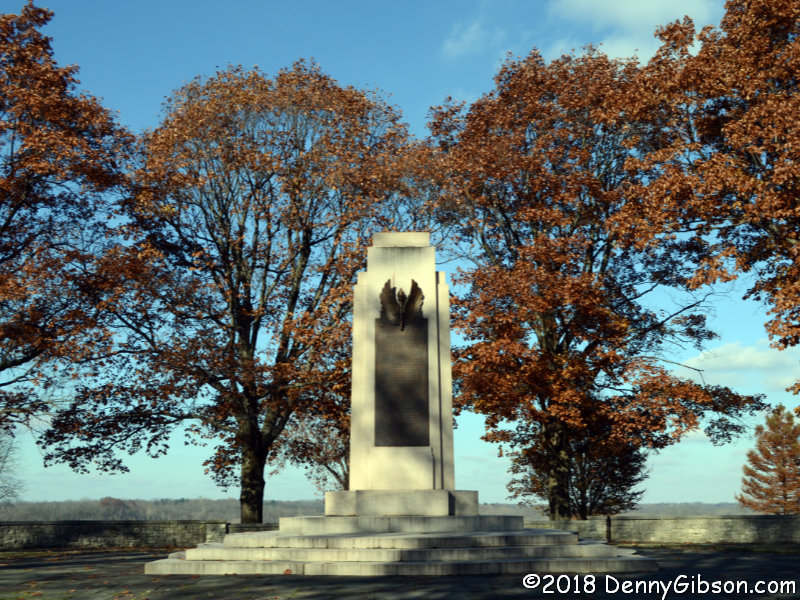
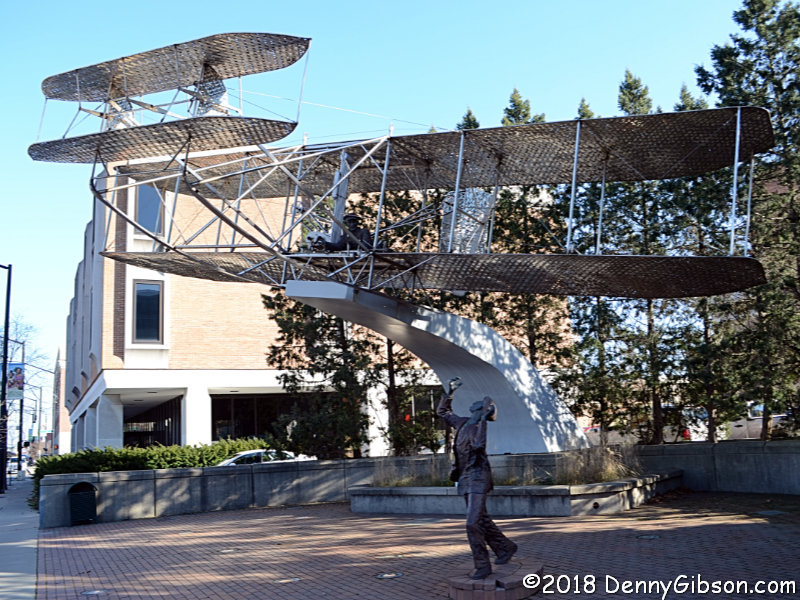
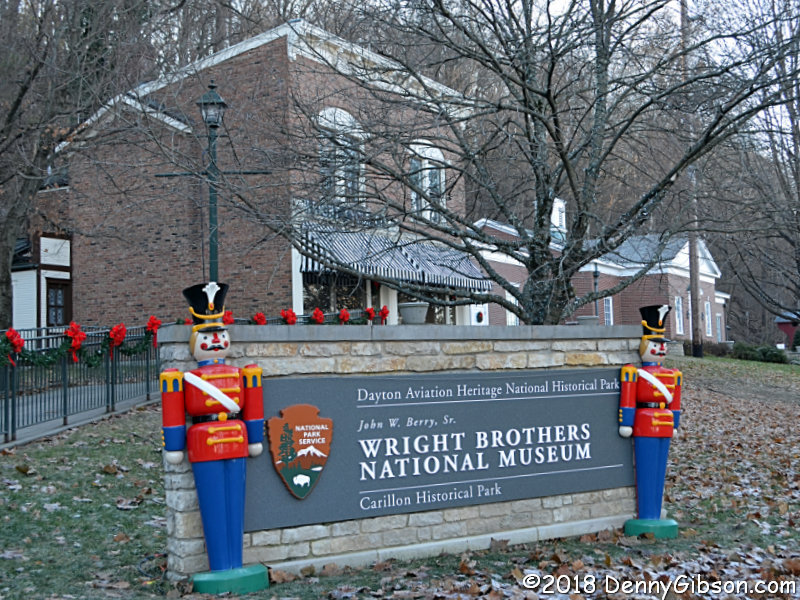
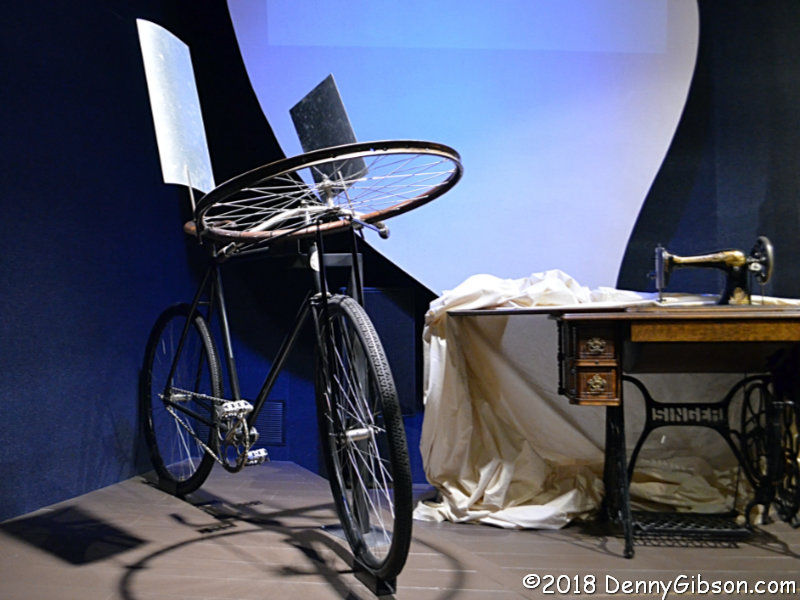
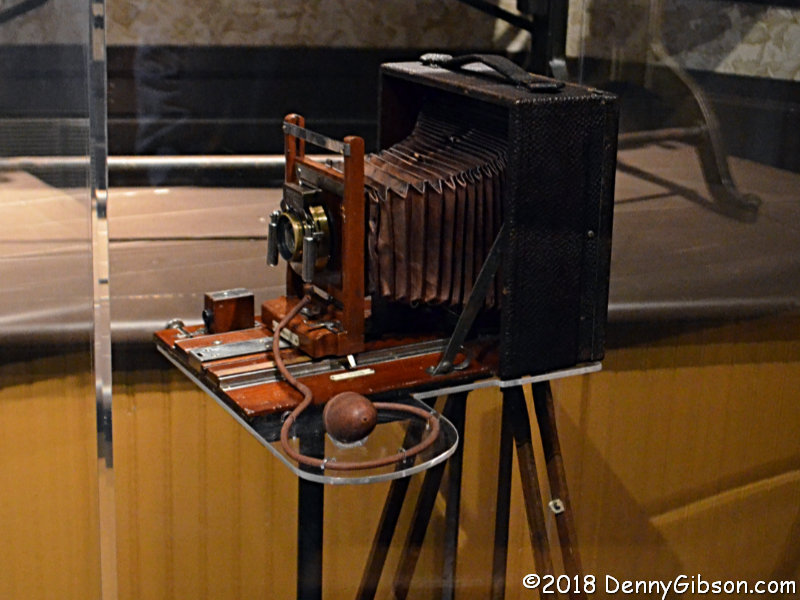
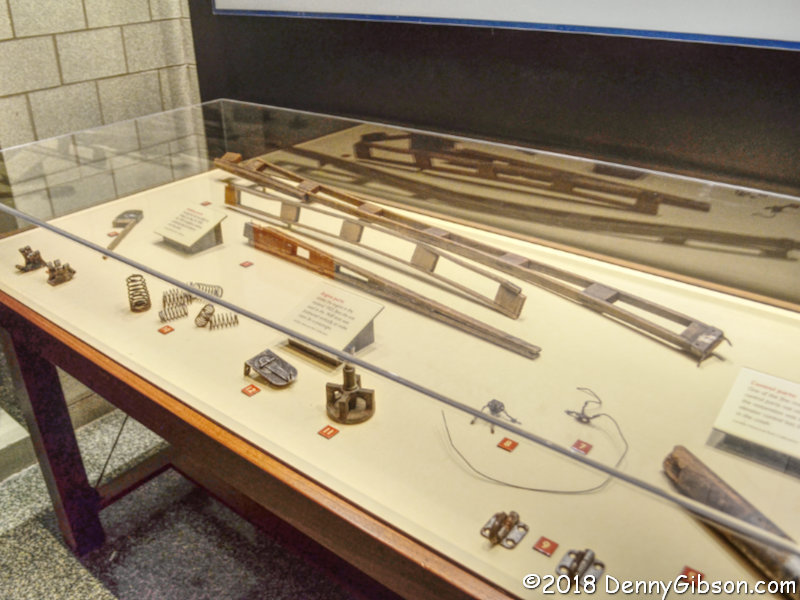
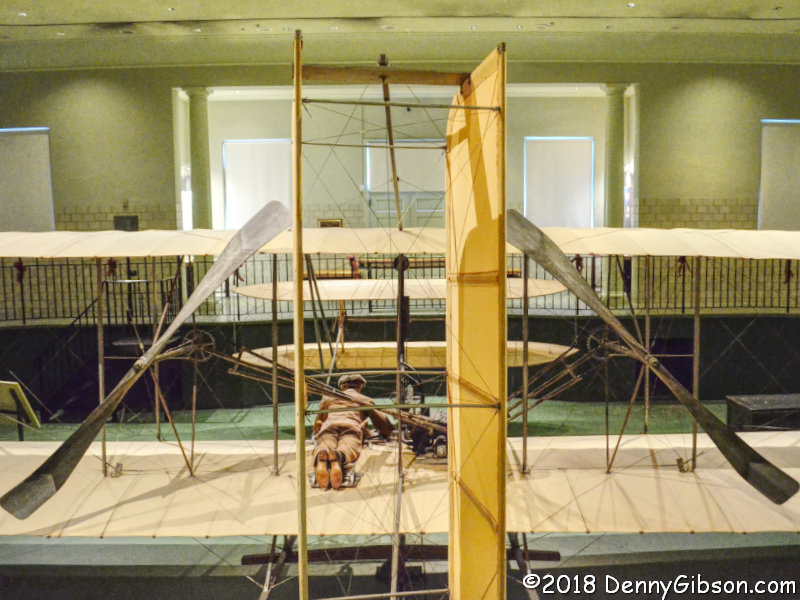
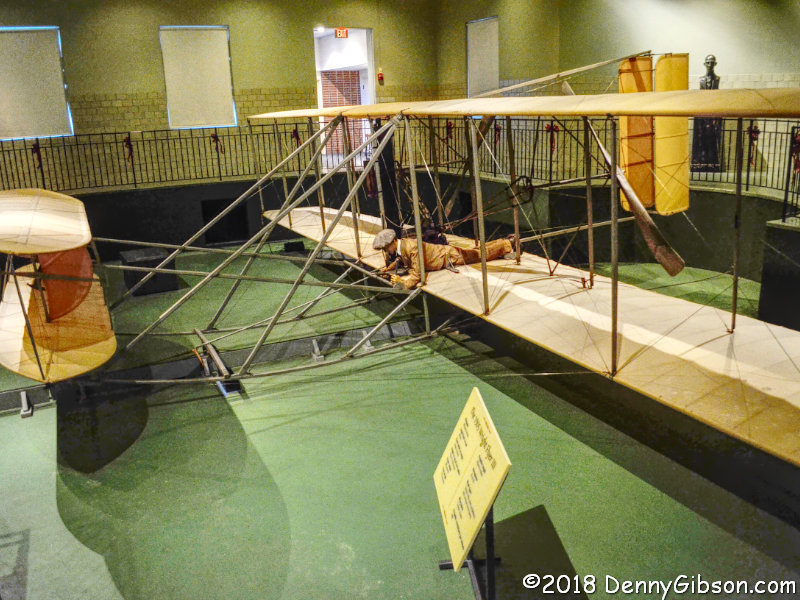
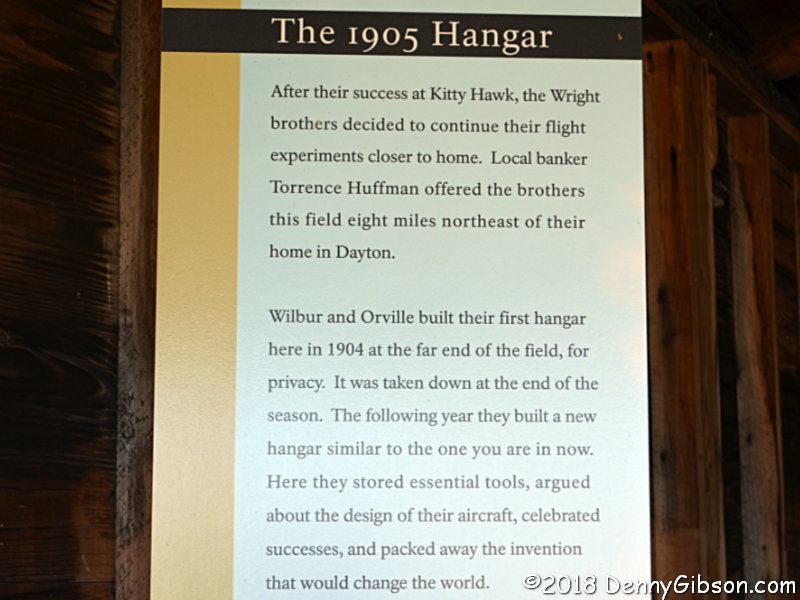
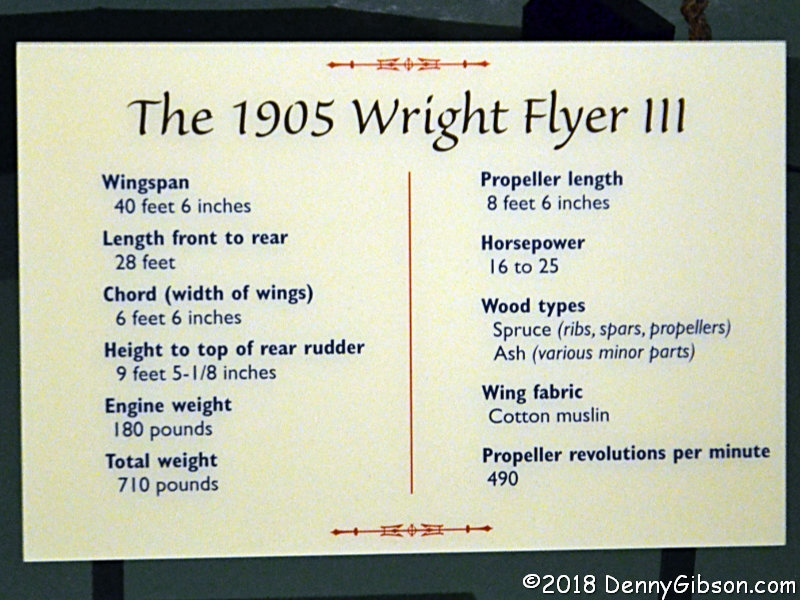
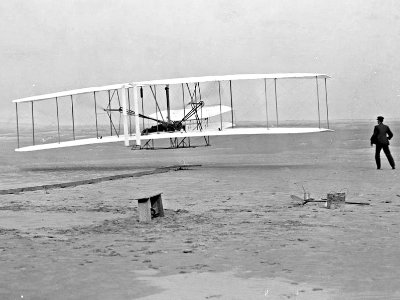 The Outer Banks and the Wright Brothers’ first flight are firmly joined in my mind. Although I’ve no problem remembering the year (1903), the month and date weren’t as easily recalled. I quickly looked it up the instant I first started thinking of the Outer Banks as a target for this year’s Christmas Escape and was very happy to learn it was December 17; Barely a week before Christmas Day, four days before the Winter Soltice, and five days before a full moon.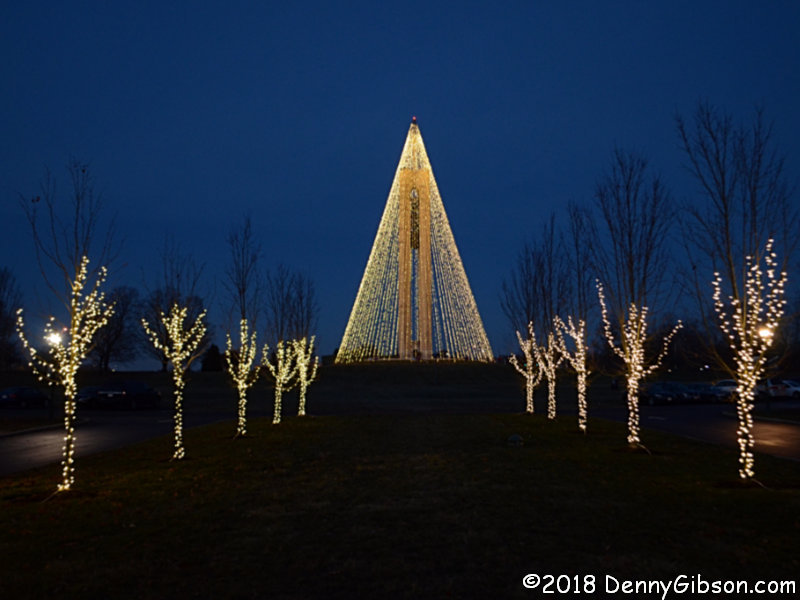
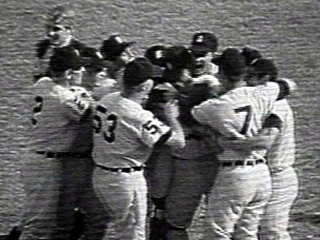 In 1968, it took a full seven games to determine a MLB World Series champion. The seventh game, which saw the Tigers top the Cardinals, was played on October 10.
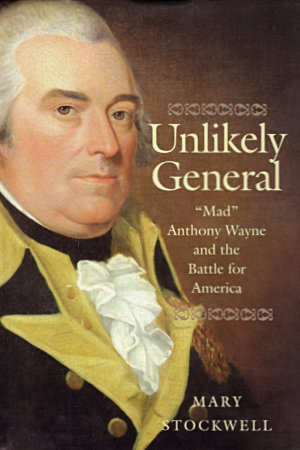 Anthony Wayne gave Fort Greene Ville and Fort Recovery their names. They were significant in both his life and mine although the level of significance is severely tilted toward Wayne. Fort Recovery is where the army led by Arthur St. Clair was nearly annihilated in 1791. It got its name when soldiers under Wayne’s command built a small fort there in 1793. Also built in 1793, Fort Greene Ville stood twenty some miles to the south and was Wayne’s home base during the Northwest Indian War. The treaty ending that war was signed there in 1795. The town that developed on the site of the abandoned fort adopted the shortened name Greenville. I grew up near the midpoint between Greenville and Fort Recovery and adopted Anthony Wayne as a hero at a very early age. I eventually figured out that much of the initial attraction was due the the cool bicorne hat he was commonly shown in, but the fact remains that I’ve known of General “Mad” Anthony Wayne nearly all of my life.
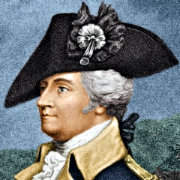 It was probably about sixty-five years ago that I was hooked by that super groovy hat and decided that the dude under it was my hero. It was only a few years later that I saw a painting of a hat-less Wayne and was shocked to learn it was the same person. That painting might even be the same one that appears on the cover of this book. It was at least similar. I recognized that there was more to a man than his hat and Wayne survived as a childhood hero. Inside Unlikely General, Mary Stockwell reveals a lot more than a high forehead. Anthony Wayne was not, as some have interpreted his nickname, insane, but he was a long way from perfect. Perhaps the fact that I’m much older now explains why I was less shocked at learning of the imperfections than I had been at my first sight of Wayne bare-headed.