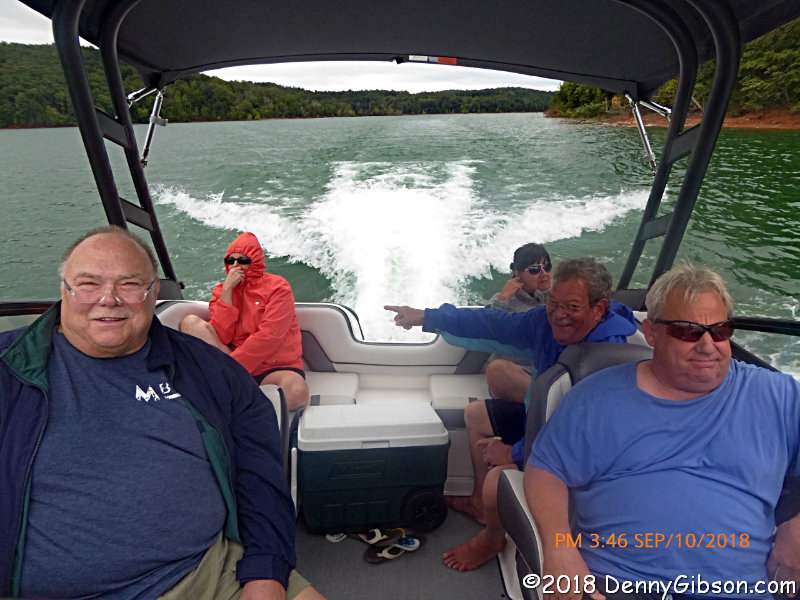
 Just about the time that last week’s post was being automatically published, I set out to join some friends at a floating house on Norris Lake in Tennessee. I hit rain shortly after leaving home and it pretty much stayed with me through the first half of the drive. It was dry when I reached the lake although a large portion of the sky was cloud covered. The clouds would be present for almost all of the two days I was there. No so the dry.
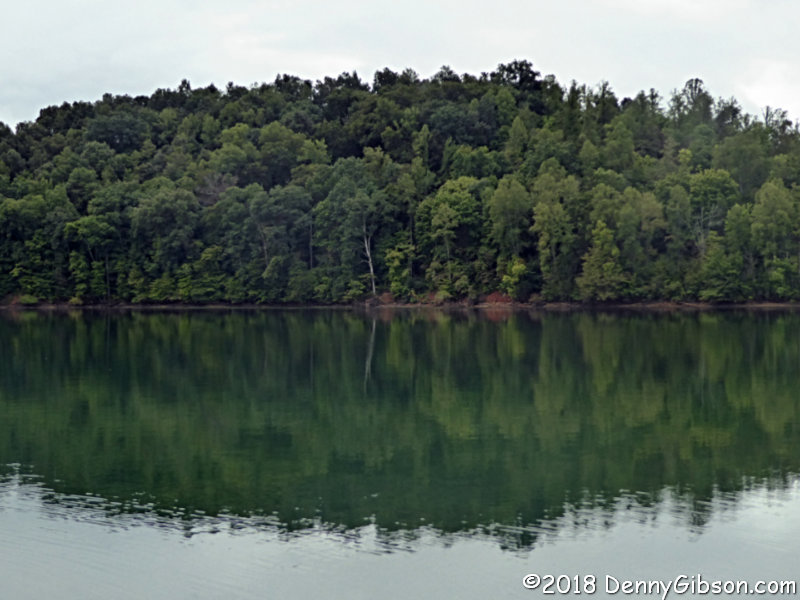
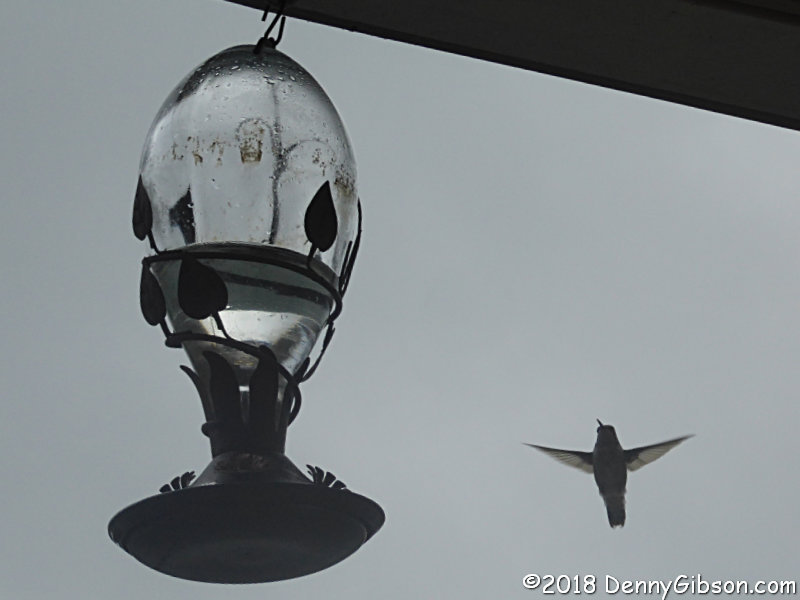
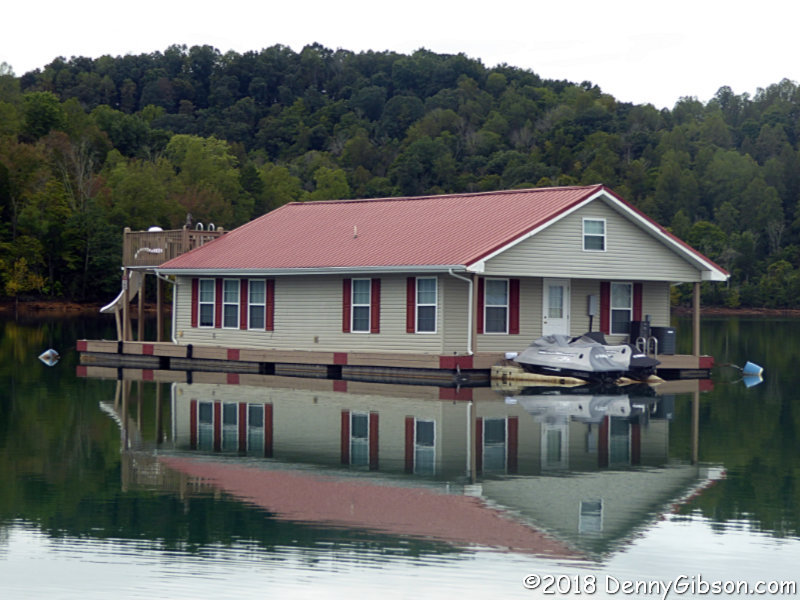 But, even though a dry sky was not a constant, neither was it completely absent and we did get in a couple of waterbourne cruises. And we got in plenty of relaxation and scenery study with very pleasant temperatures.
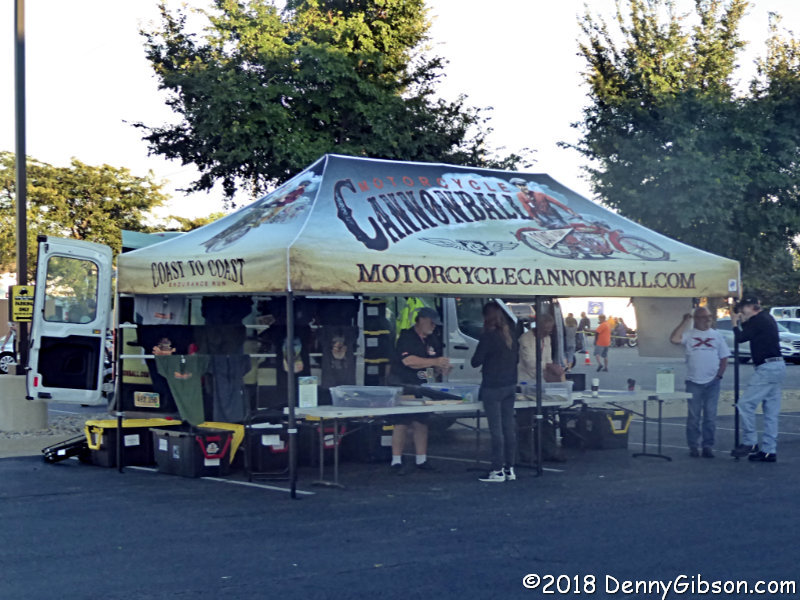 On Tuesday, I left ahead of the others and headed to Bowling Green, Ohio. When the first Motorcycle Cannonball passed through Tennessee in 2010, I was there as vintage bikes carried their riders over the Cherohala Skyway and on to an overnight in Chattanooga. The 2012 and 2014 events eluded me completely, but I did get a look at the 2016 group during its scheduled lunch stop at a Harley Davidson dealership near my home. My drive to Bowling Green was to connect with this year’s group. Timing was tight, but I was on pace to get there during the evening display period — until I hit Cincinnati. Traffic slowed, slowed some more, crept along fitfully, and finally came to a halt. Men appeared about three cars in front of me and began placing cones across I-75 while directing traffic onto Ronald Reagan Cross County Highway. Cars just a few yards ahead of me were trapped on the other side of those cones. I later learned that the closure was triggered by an overturned truck. Heavy traffic and surface street construction didn’t help one bit, but I did eventually make it back to the expressway about four miles and an hour and a half later. I considered simply heading home but didn’t. Of course, none of the Cannonball motorcycles were on display when I reached Bowling Green and even the vendor and organizer tents were being emptied. I found a cheap motel to roost in for the night.
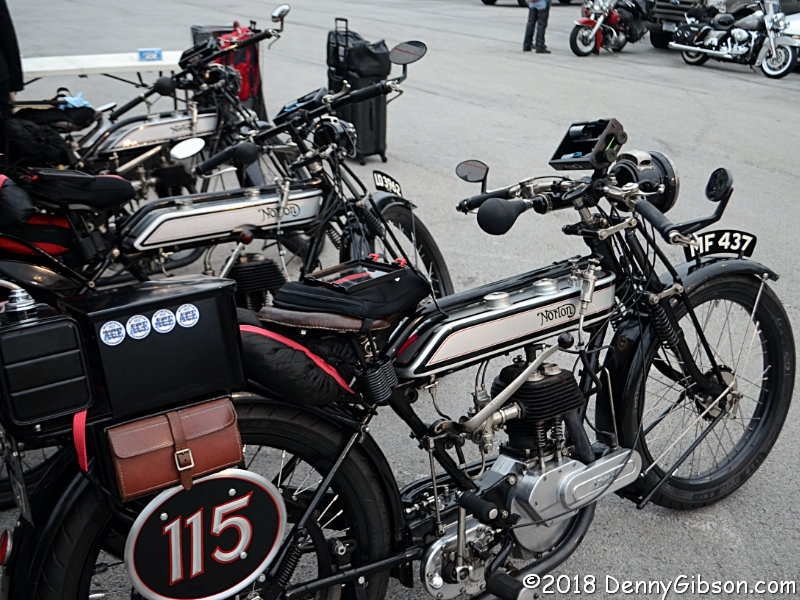
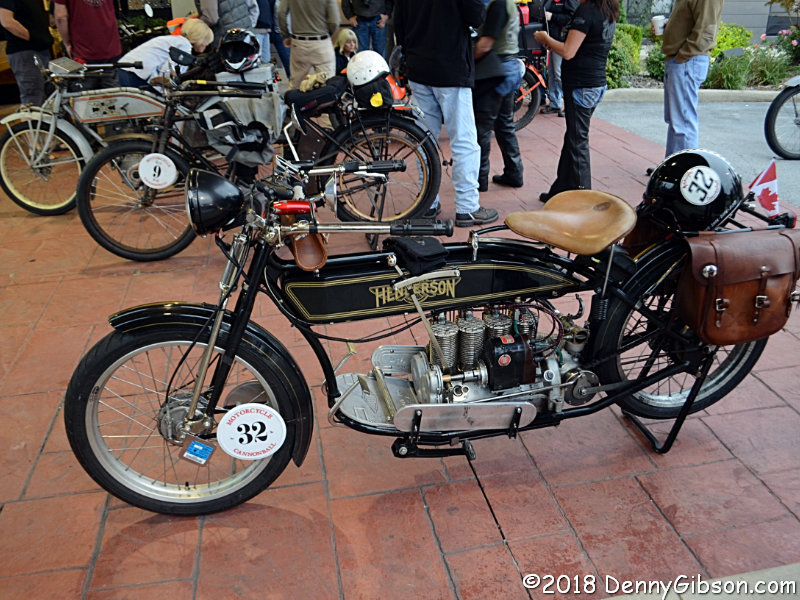
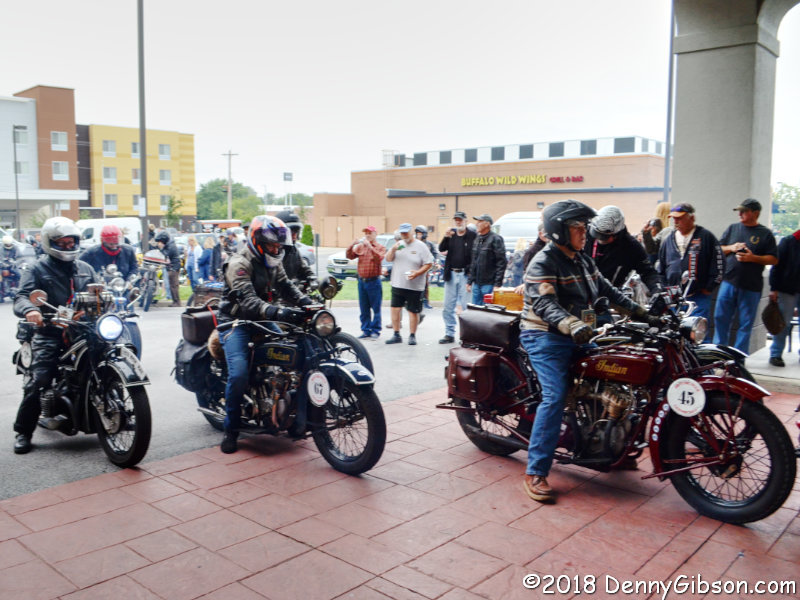 It was an entirely different scene when I returned for the morning launch. The Cannonball website lists 123 entrants and it looked like almost all were ready or getting ready to roll. Only motorcycles built before 1929 were permitted in this year’s event. The trio of Nortons consists of a 1915 model sandwiched between a 1923 (#115) and 1925. The website lists #32 as an Indian but that’s obviously a Henderson in the second picture. Beyond it are two 1911 Excelsiors. The third picture shows 1928 and 1927 Indians followed by a 1928 BMW.
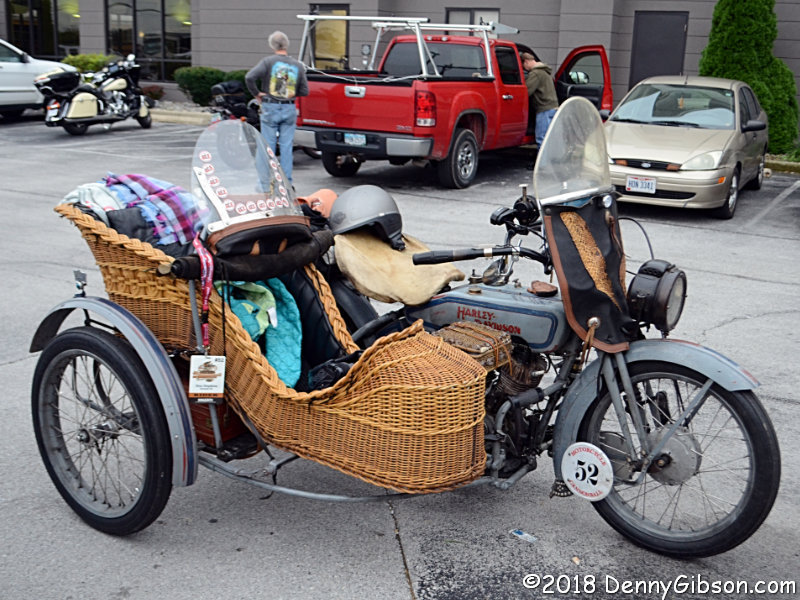
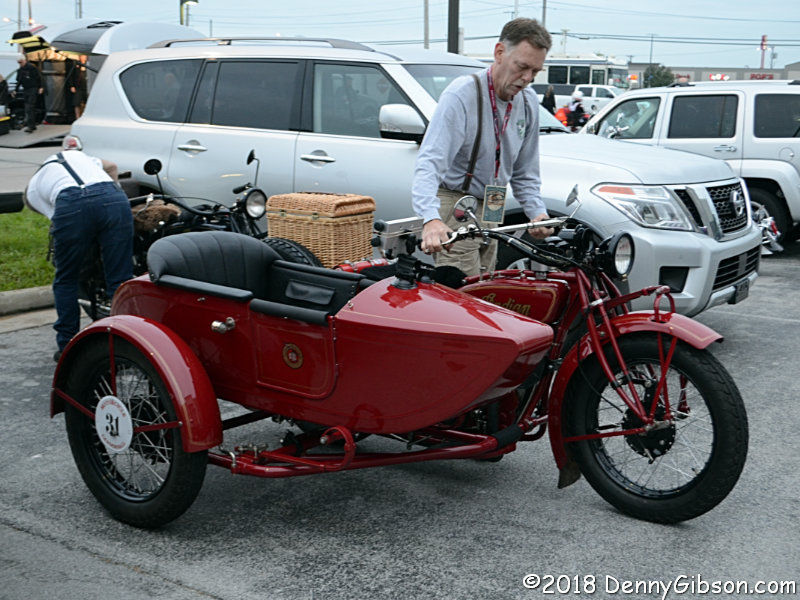 And of course they made sidecars before 1929. Here we have Gene Harper with his 1924 Indian Chief and Doc Hopkins’ 1916 Harley Davidson. You just can’t get much cooler than traveling coast to coast in a wicker basket.
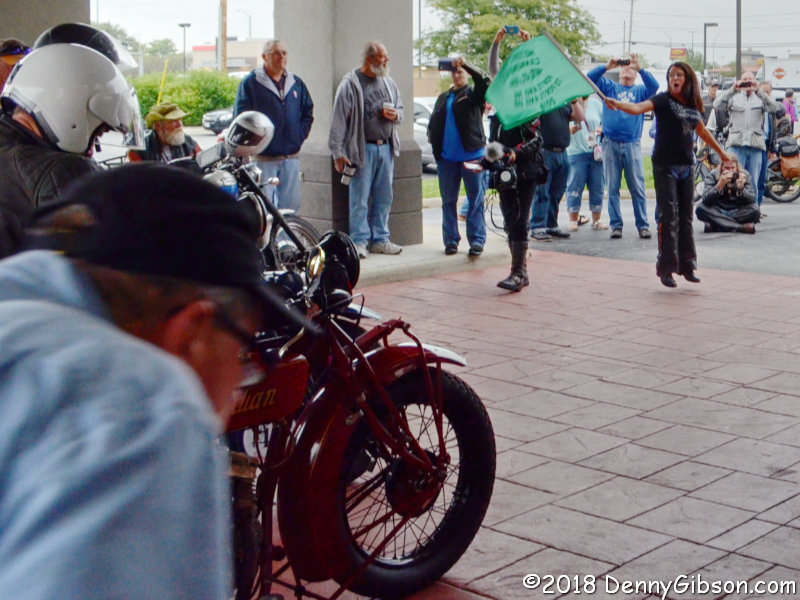
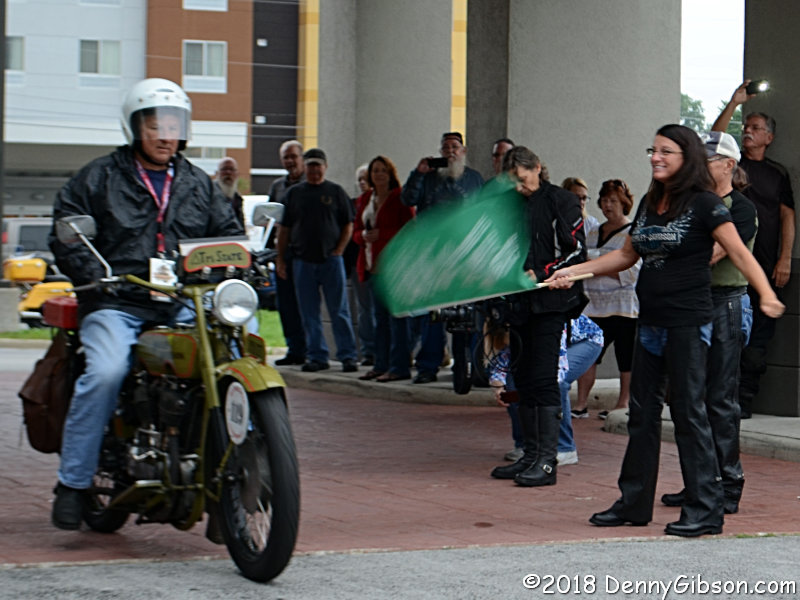 I don’t know who this gal is but I do know that the event simply could not function without her. She jumped in the air, waved the starting flag, and shouted encouragement as each bike departed. This was the beginning of Stage #5 which ends in Bourbonnais, Illinois. The ride will end in Portland, Oregon, on the 23rd.
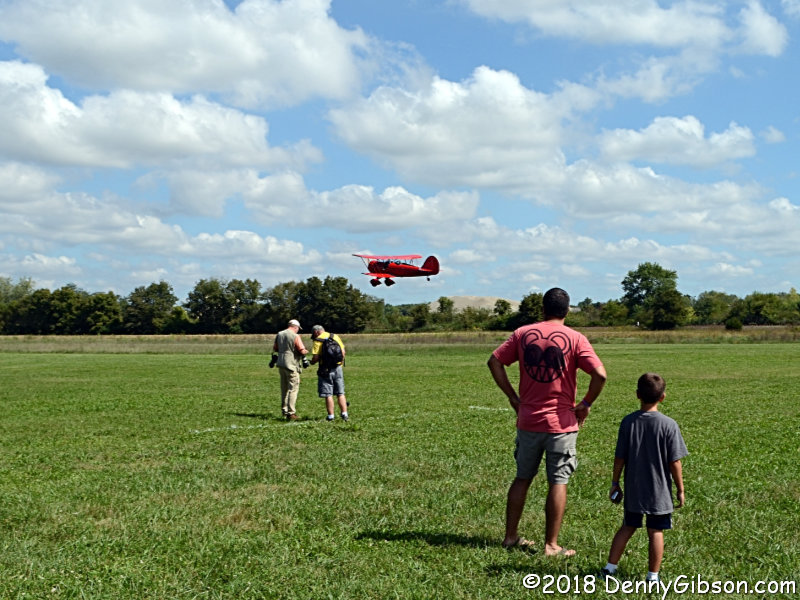
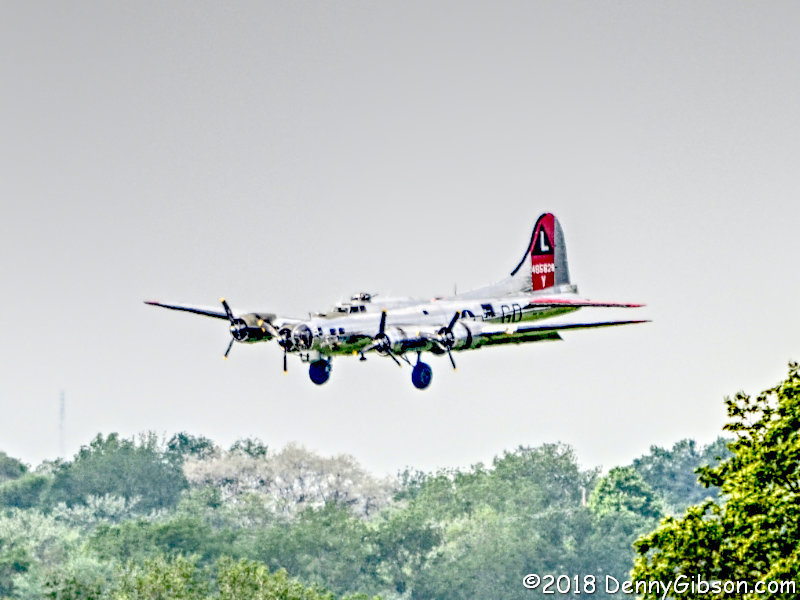
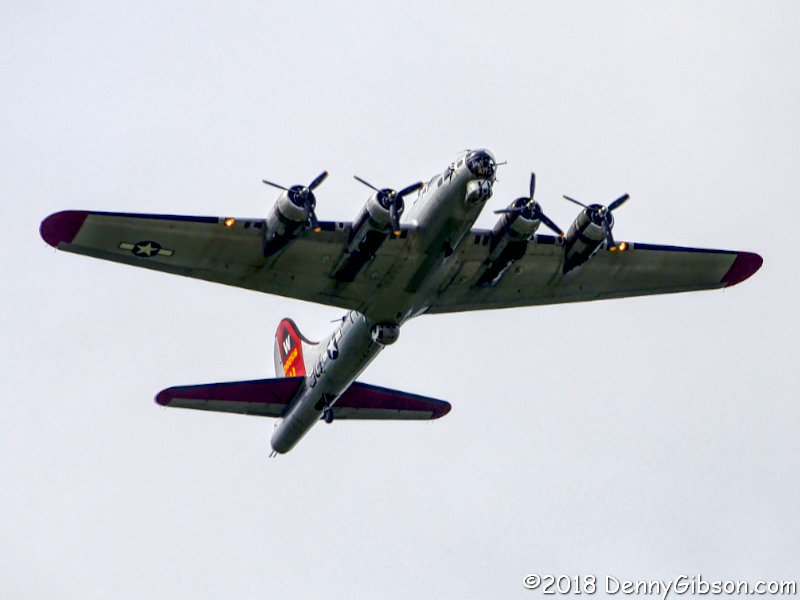
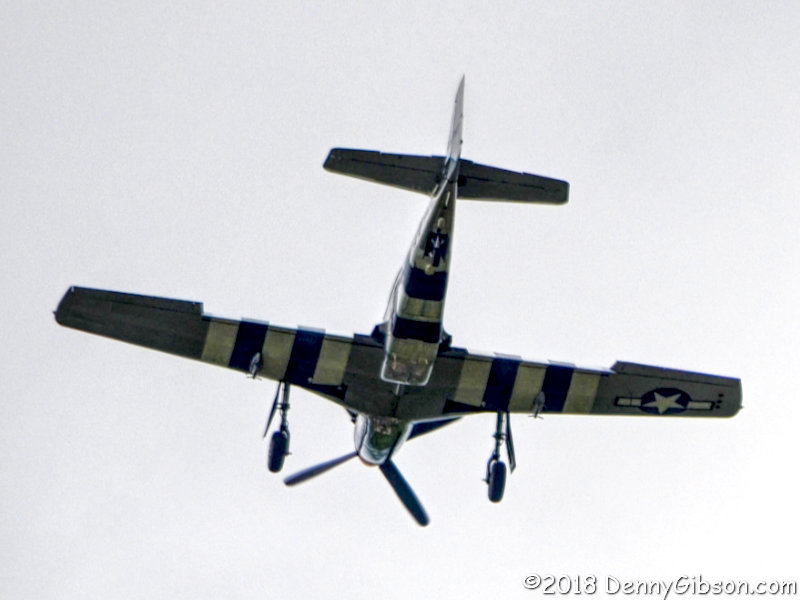
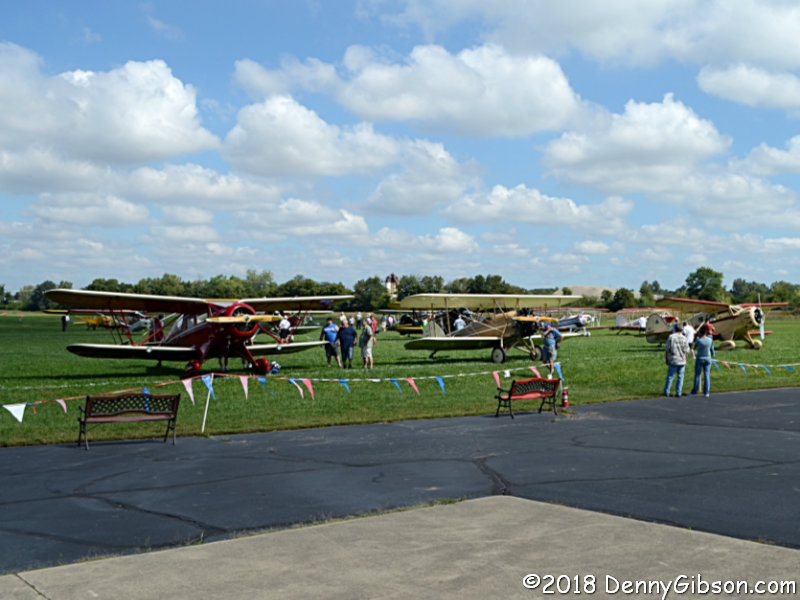 On Saturday I made it up to the WACO Fly-In in Troy, Ohio. WACO airplanes were manufactured in Troy between 1920 and 1947. My first time attending was in 2006. I also documented a 2014 visit and I made a couple of undocumented stops between 2006 and ’14. Both my memory and notes support the idea that there were more WACO airplanes there on my first visit than at any of the others. My memory, without any notes to support it, thinks there might have been more non-WACO airplanes there this year than on previous visits.
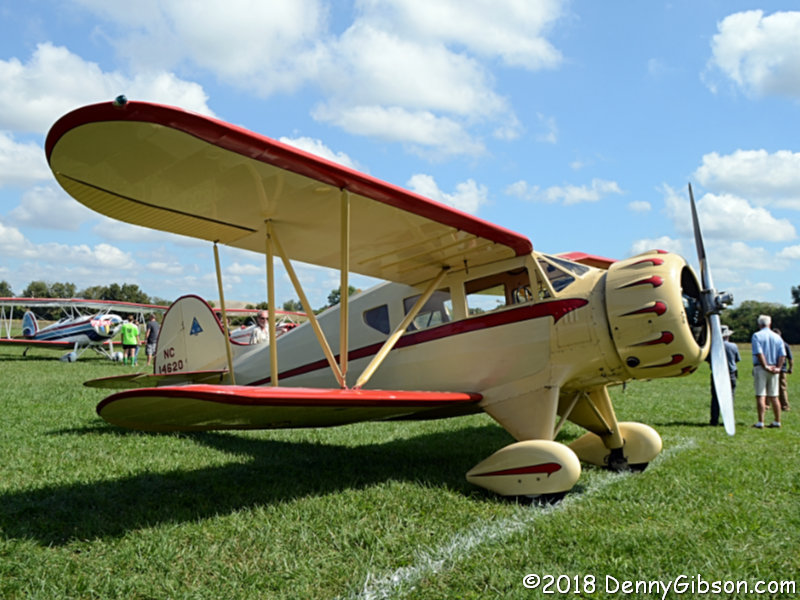
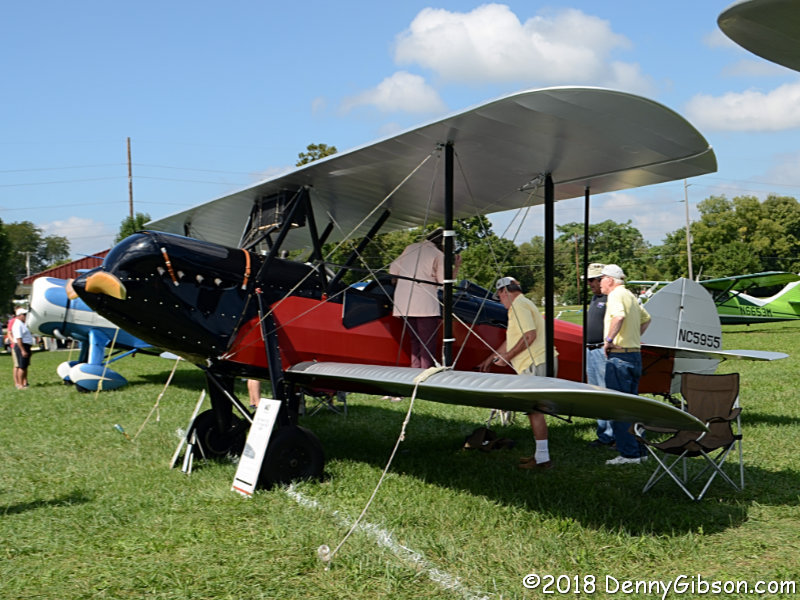
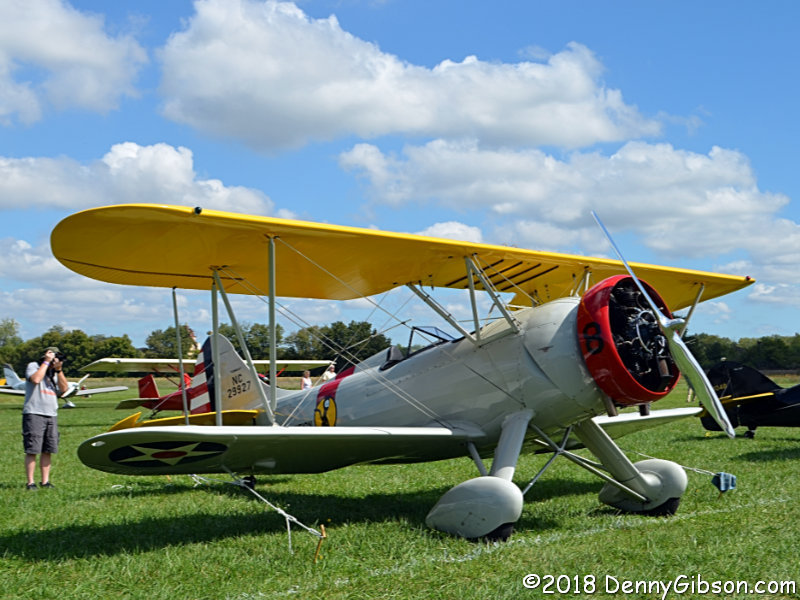 But regardless of numbers, seeing these beautiful airplanes up close and watching them fly overhead is always a thrill and the day’s perfect weather made it even better.
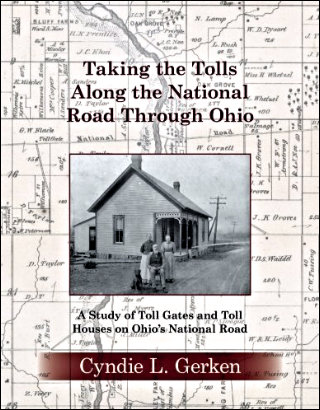 The question was never if there would be another book, just when and what. The answers are “now” (actually February) and “toll gates”. In my review of Cyndie L. Gerken’s first book, Marking the Miles Along the National Road Through Ohio, I noted that the huge amount of information presented in that book was only a portion of what Gerken has collected and that we would probably someday see “a Gerken penned treatise on bridges or taverns or toll houses or something else” which shows that taking three or four guesses really improves one’s chances of being right. Nailed it!
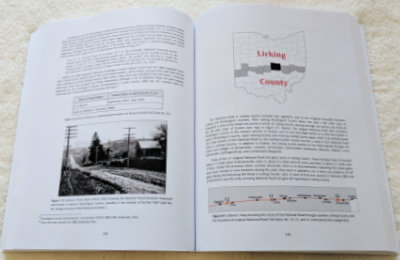 As she did with her first book, Gerken details her subject in a chapter per county moving east to west. However, before that happens, there is an introduction filled with information about the road and toll gates in general, then chapters on vehicles, toll house architecture, and bridges. Each of these, and the county chapters too, contain numerous photos and stories that color in the detailed information and keep things from becoming boring.
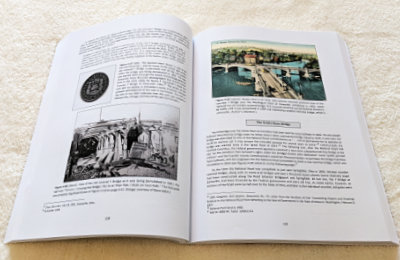 Pictures of gate houses and gate keepers are to be expected, but they are not the only photo subjects presented. This might be the only book available with pictures of the world’s longest bar, grave robbers, a two-headed calf, a Spanish dime, Hopalong Cassidy, and the author’s mother riding in a goat cart. And every one of them belongs.
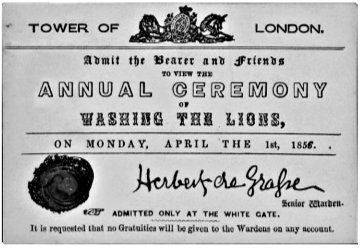 Fool me once, shame on you. Fool me annually, it’s a holiday. This year, Easter and April Fools Day coincide making things like Easter Snipe Hunts something to be on the lookout for. I always post on Sunday and, although the reasons are somewhat different, Easter always happens on Sunday. That means there have been several Easter anchored posts in the past. Despite them all being pretty shallow, I’ll post links at the end of this article.