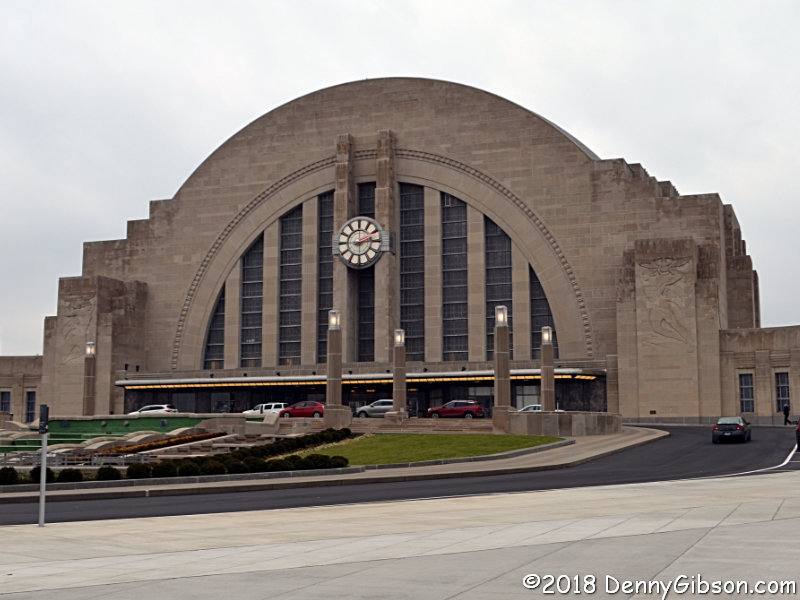
 Back in July of 2016 much of the Cincinnati Museum Center at Union Terminal shut down for a major renovation of the 85 year old building. On the building’s lower level, the Children’s Museum stayed open through most — but not all — of the work and some traveling exhibits were presented, but the rest of the building was essentially closed while $228 million in renovations took place. That ended yesterday when the building officially opened to the public. In the days preceding the grand opening, some special receptions and other sneak peeks occurred. A biggie was Friday’s Members Only Preview which is when these photos were taken.
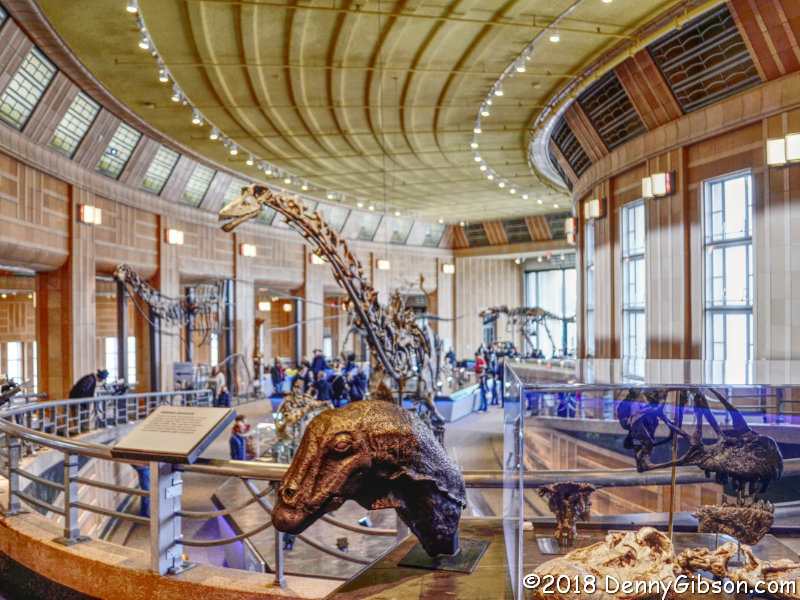
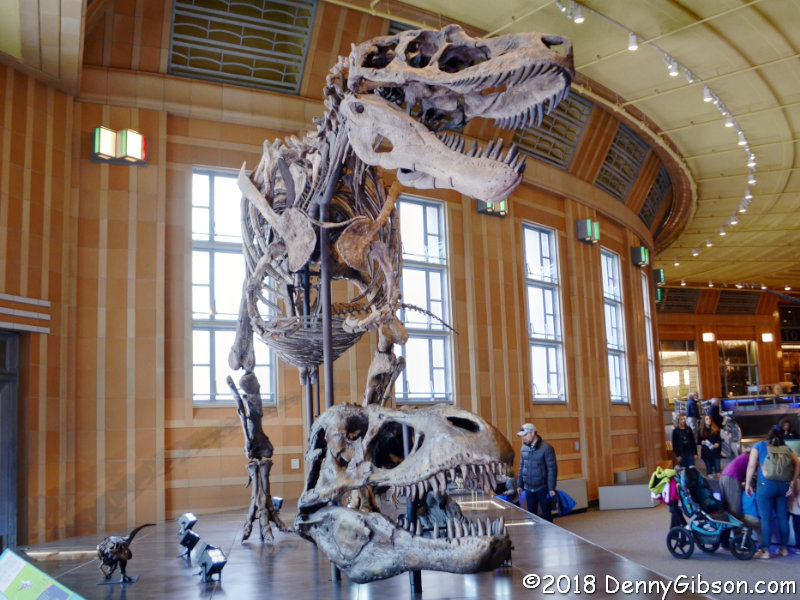 The renovation of the building is more or less complete but reestablishing the museum displays and other features is still in progress. The technically open Natural History Museum is just a skeleton of what it once was and will eventually be again. But it’s a really nice skeleton! Dinosaur Hall, the main display in the museum space currently, is brand new which is one reason it gets a jump on the return of some older exhibits. A crowd favorite, the artificial limestone cave, is scheduled to return in the spring.
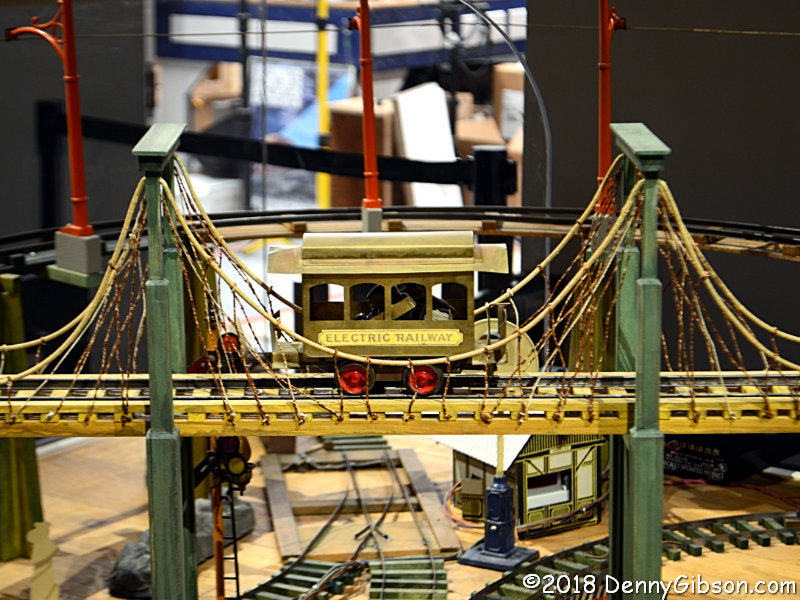
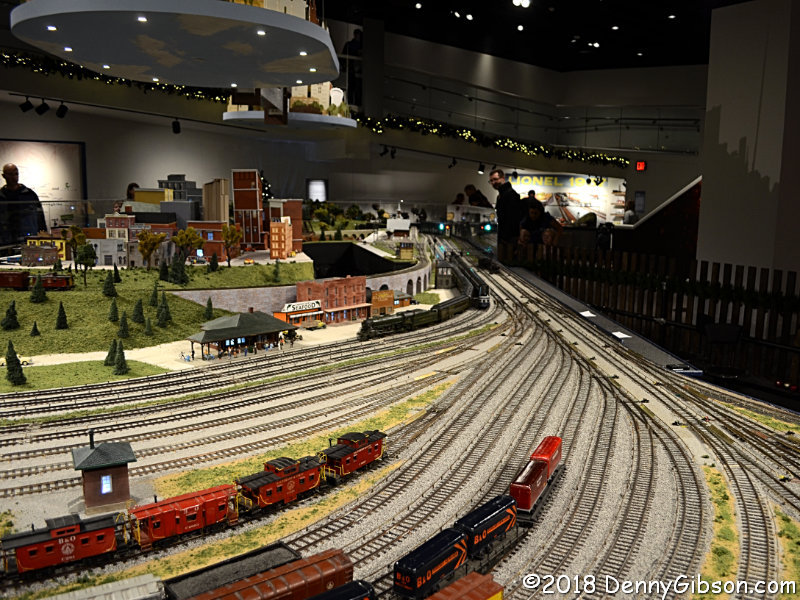
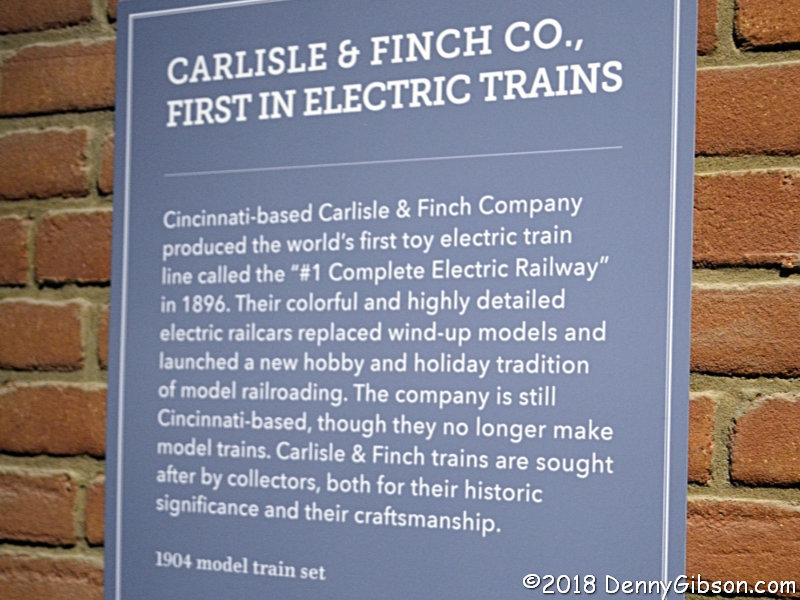
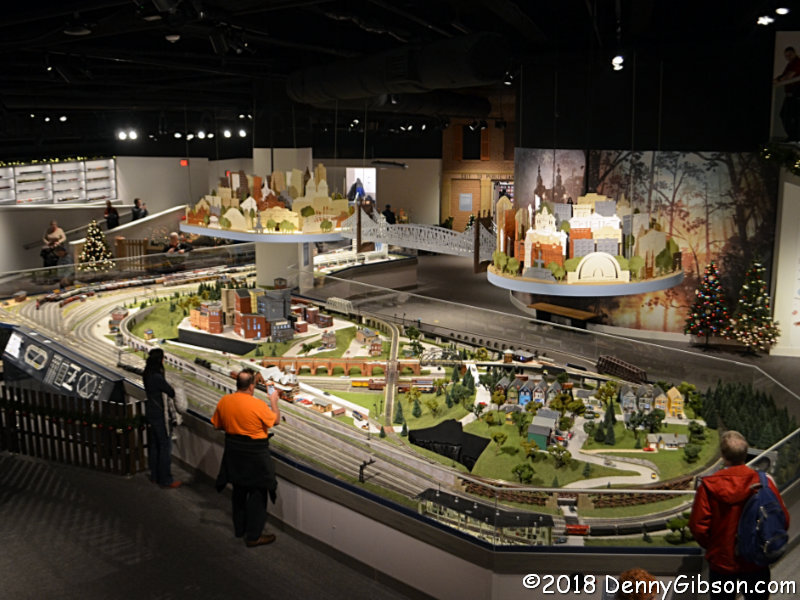 Next stop was Holiday Junction where the Duke Energy Holiday Trains are in operation. The last photo is of a 1904 Carlisle & Fitch street car. The Cincinnati company introduced toy electric trains to the world in 1896.
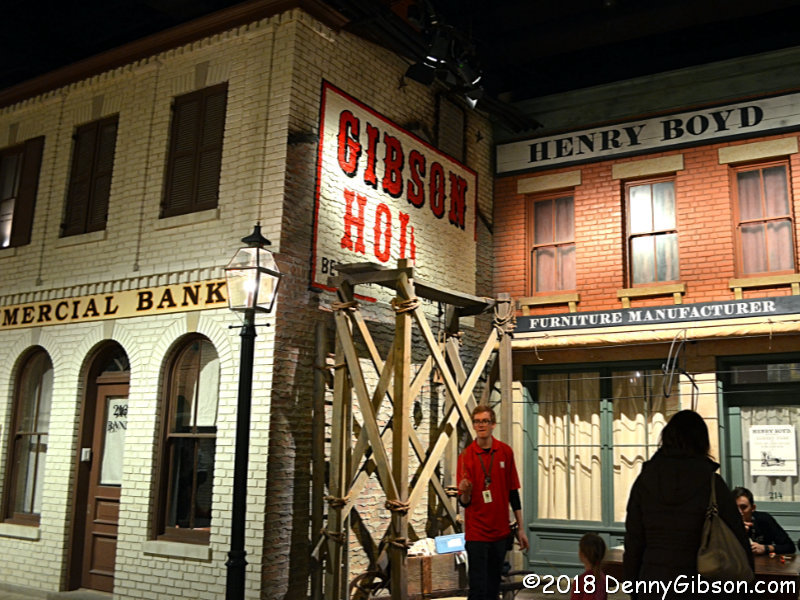
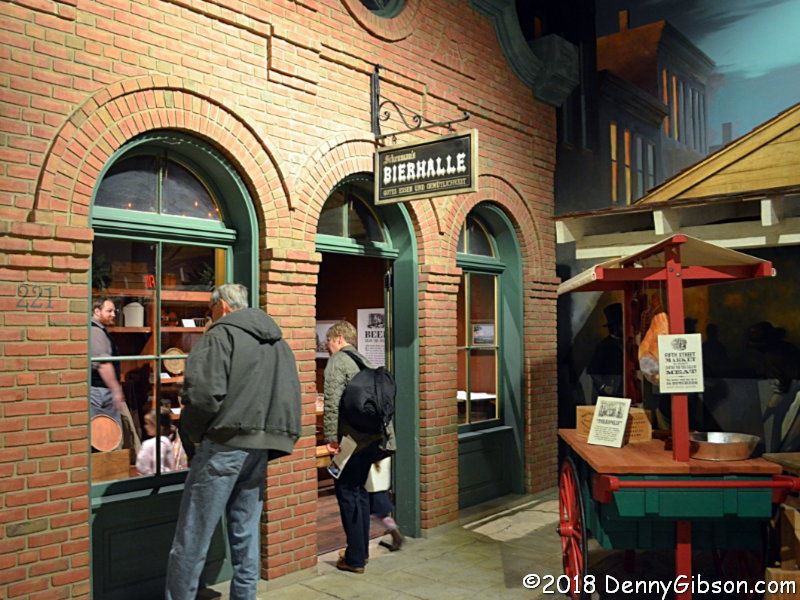 Although the Cincinnati History Museum will not actually be open until April, there is a connection to its Public Landing area from Holiday Junction. Before the closing, a painter sat on top of that scaffolding perpetually engaged in completing the sign for my hotel. He’s apparently been given some time off during the renovation but I expect him to be back at work when the museum officially opens. Scheuman’s Bierhalle is a new addition that recognizes Cincinnati’s big time brewing history and fits in with the current resurgence of brewing in the city and across the nation.
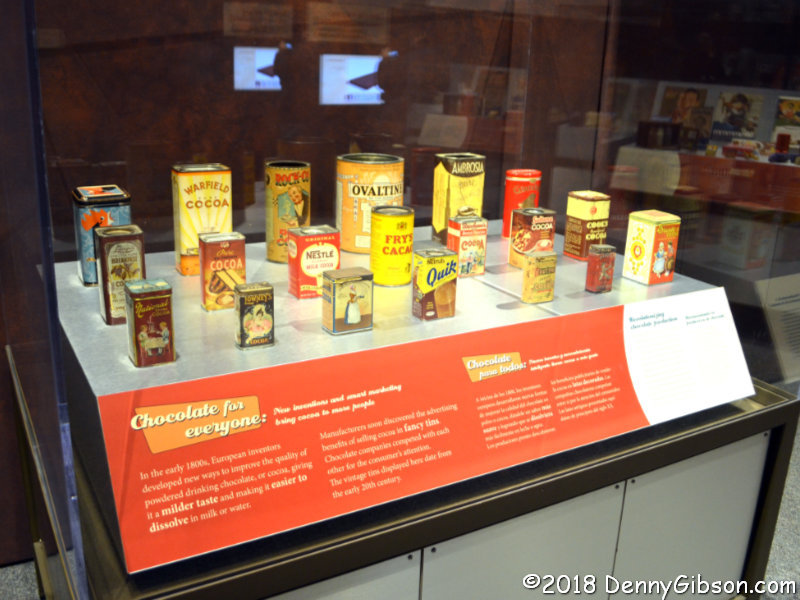
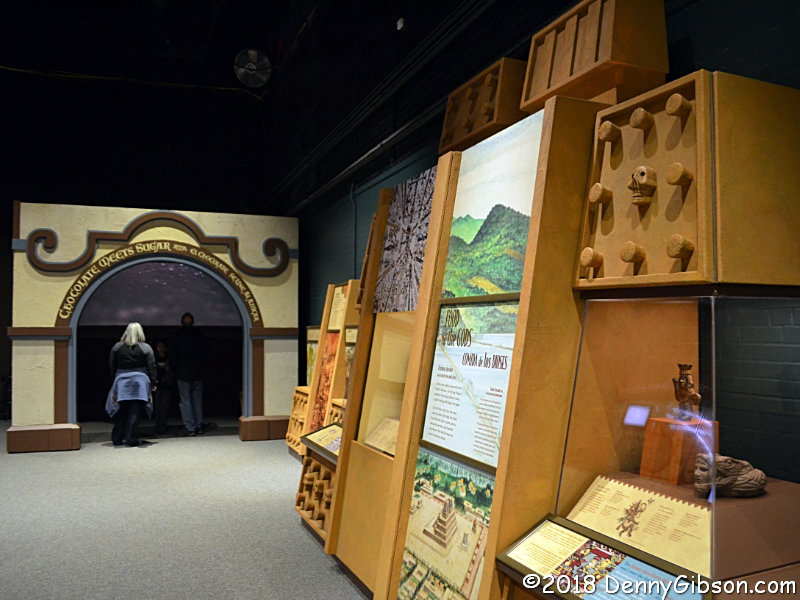
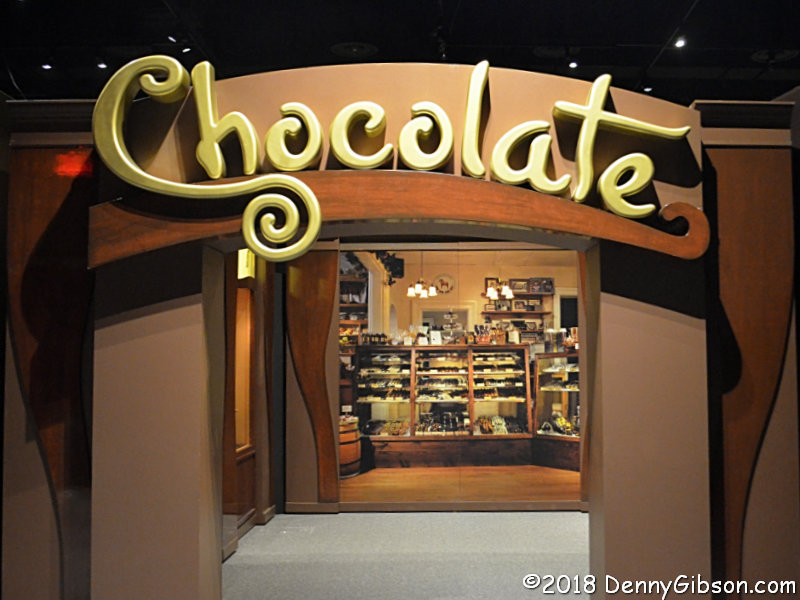 Two traveling exhibits are currently active at the museum center and I was presented with a 2-for-1 offer when I registered for the preview. One I was rather anxious to see but the other hadn’t really stoked my interest. This, Chocolate, is “the other”. I guess I expected a bunch of frilly boxes and bonbon praising placards. What I got was the interesting history of this product of the cacao tree as it spread from Central America to the world and went from being the drink of kings to an affordable, though sometimes guilty, pleasure for everyone. I was pleasantly surprised though I should have realized that you never know what you’re gonna get with a room of chocolate.
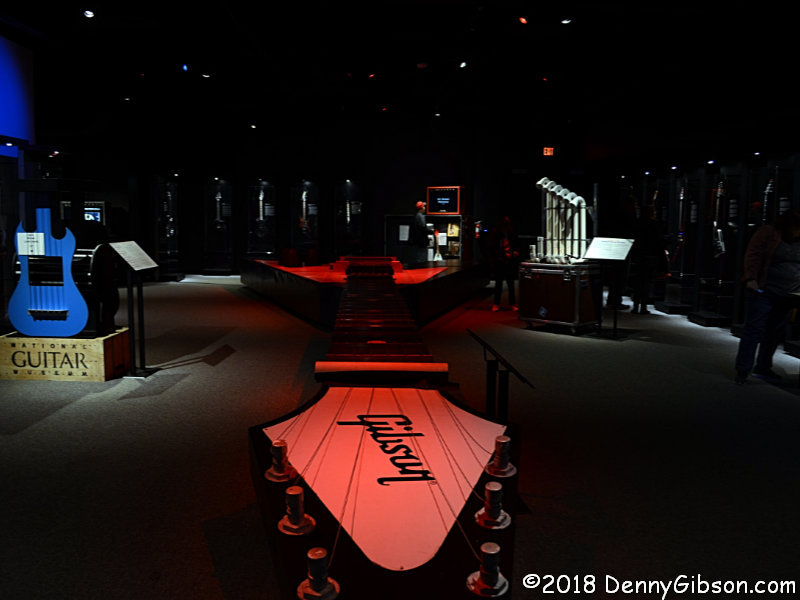
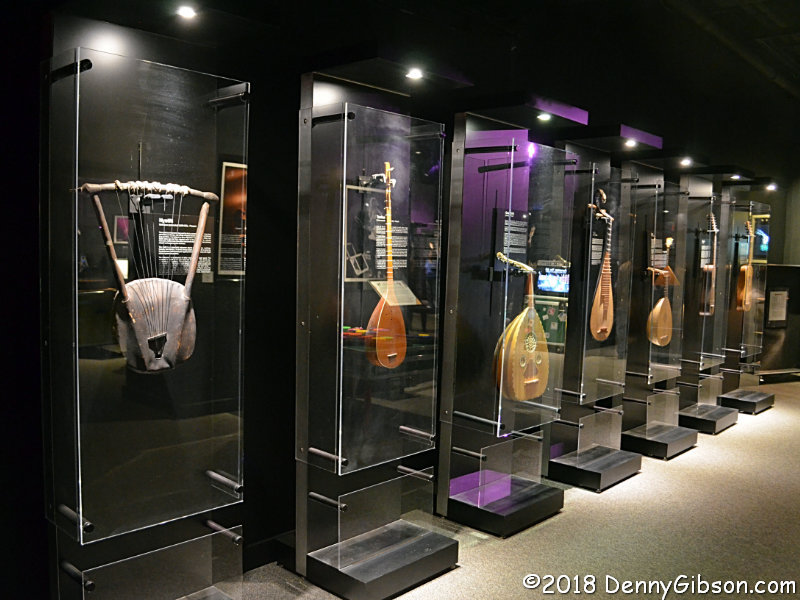
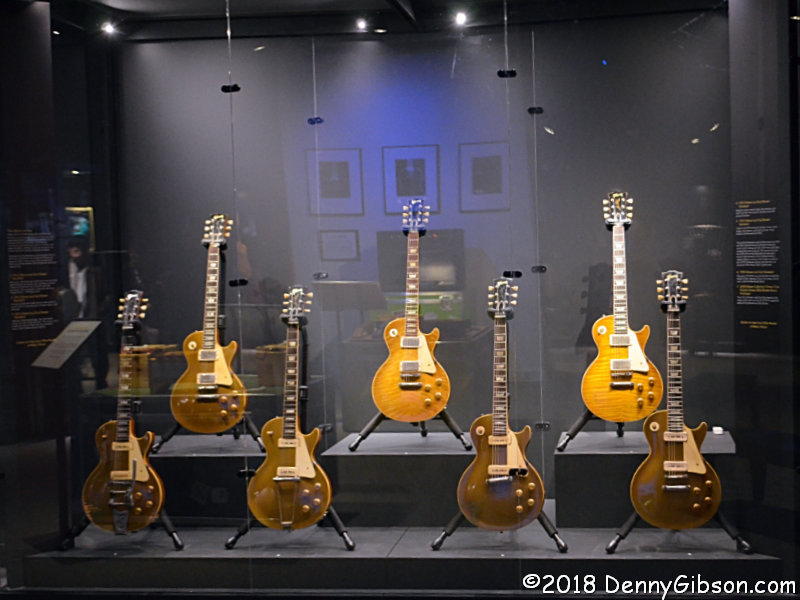
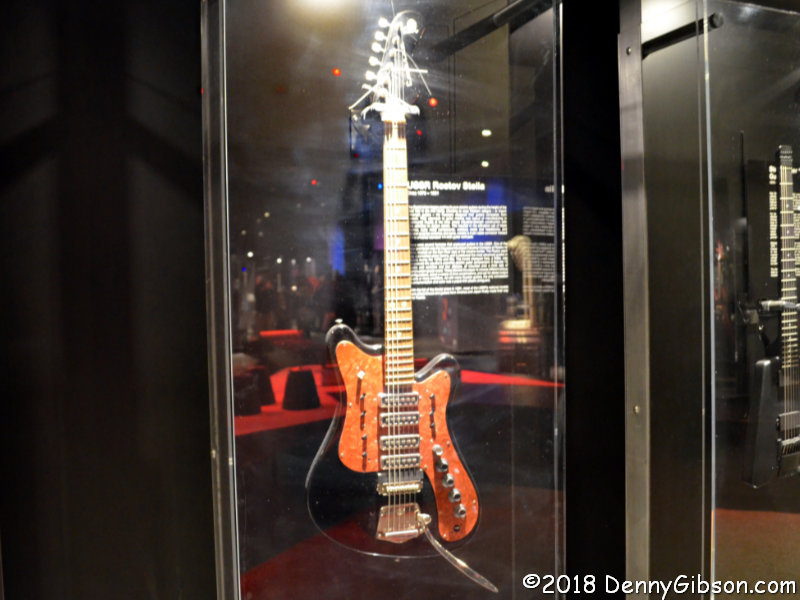
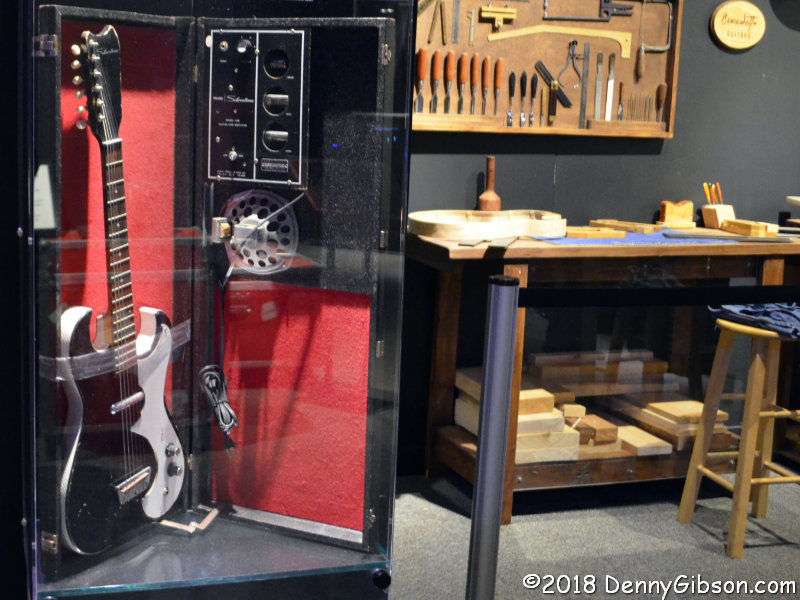
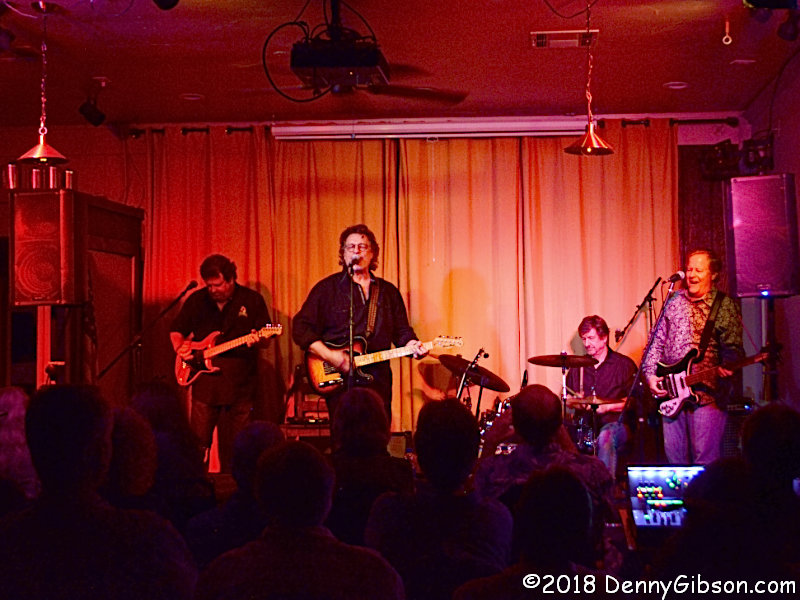
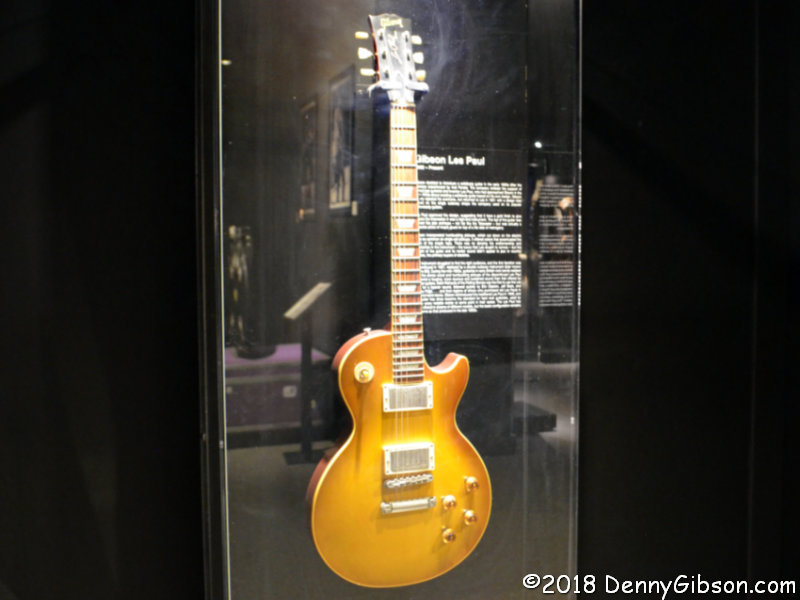 I had rather high expectations for the Guitar exhibit but I was pleasantly surprised again. The history of the instrument was presented and there were several interactive displays on some of its technical aspects. There were also plenty of examples of its current role as the face of rock and roll and a popular symbol of music in general. Of course, one such example is the first generation Les Paul in the third picture and it’s not alone. There’s more Les here. I could fill much more than one panel with pictures from this exhibit but I’ll stop with two more. One is this industrial grade Rostov Stella from the USSR that I’ve never seen before. The other is an all in one rock star kit that I (and just about every dreamer of a certain age) have seen plenty of. By the way, that 43 foot Flying V in the first picture is the Guinness certified largest playable guitar in the world.
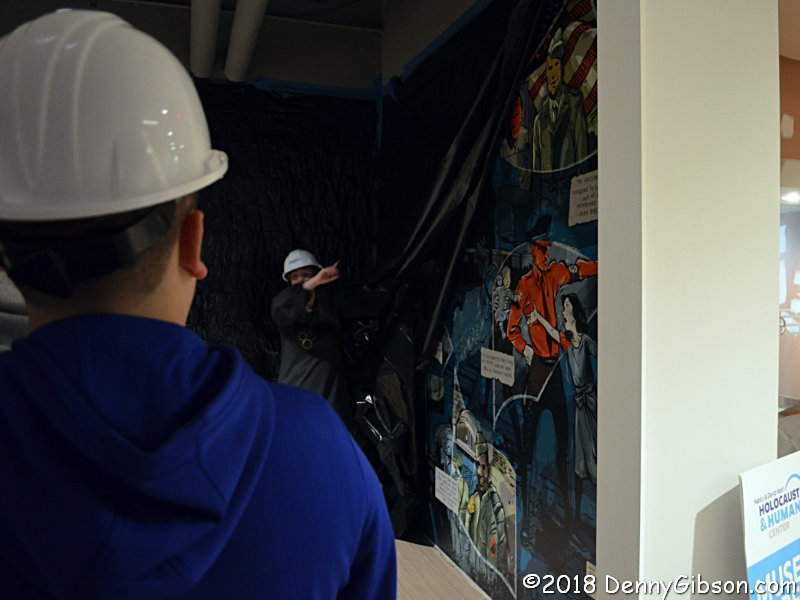
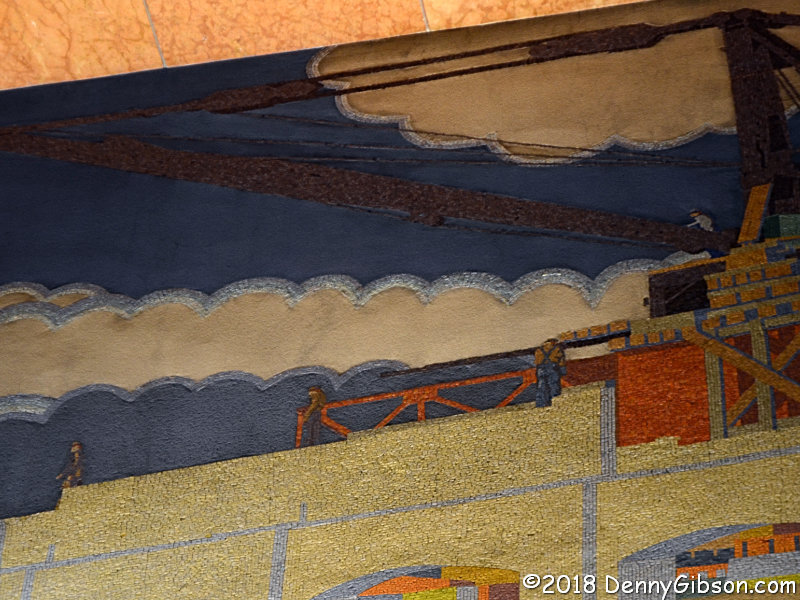
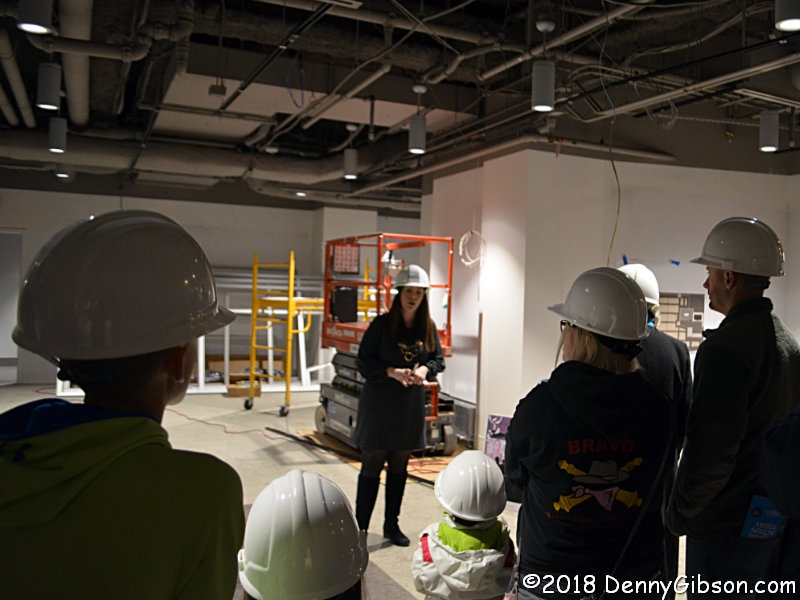 After the two traveling exhibits, I took part in two tours. The first was through the space where the Holocaust and Humanity Center will be moving in January. Despite its current location being only about five miles from my home and on my radar for some time, I’ve yet to visit the Center. Seems like something I ought to do before they start carrying stuff out. In the last picture, we’re getting a peek at a corner of a mural that wraps around the entire room and will be unveiled at the Center’s reopening on January 27, the 73rd anniversary of the liberation of Auschwitz.
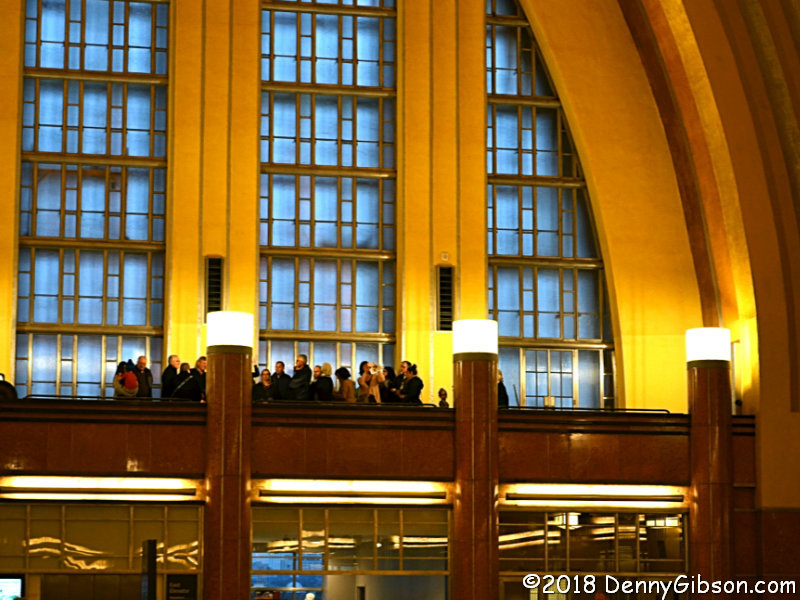
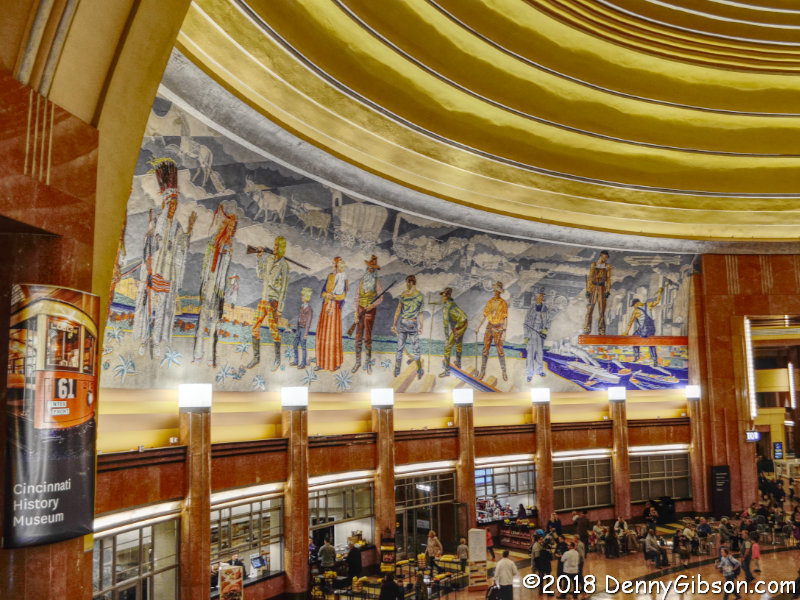
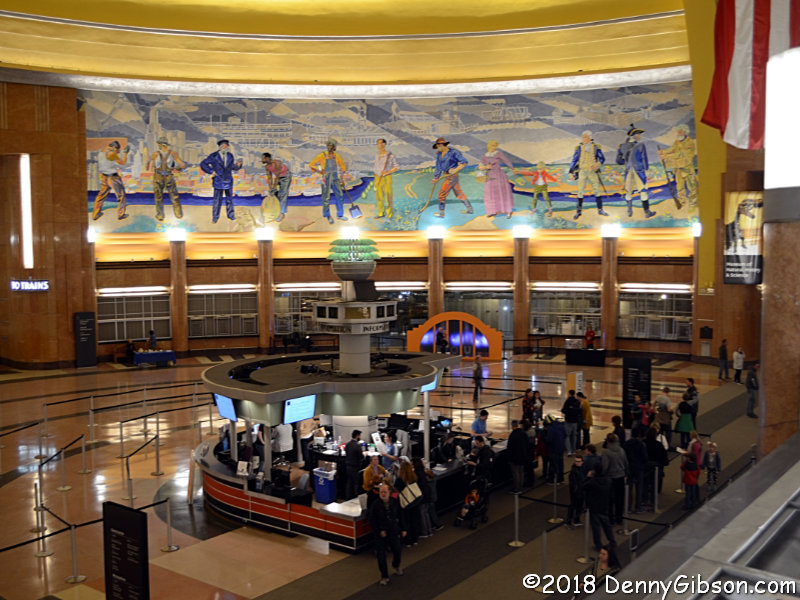 As I waited for my Rotunda Tour, I snapped a picture of another tour group as the crossed the walkway high above the floor. The pictures of the murals were taken from about where that group is standing. This tour was somewhat abbreviated from Rotunda Tours I’ve taken in the past since some areas, like the offices, are not quite ready. Those areas will eventually be added back into the tours but even without them the tour is certainly worthwhile for the views of cleaned and repaired features and inside information passed on by the guide.
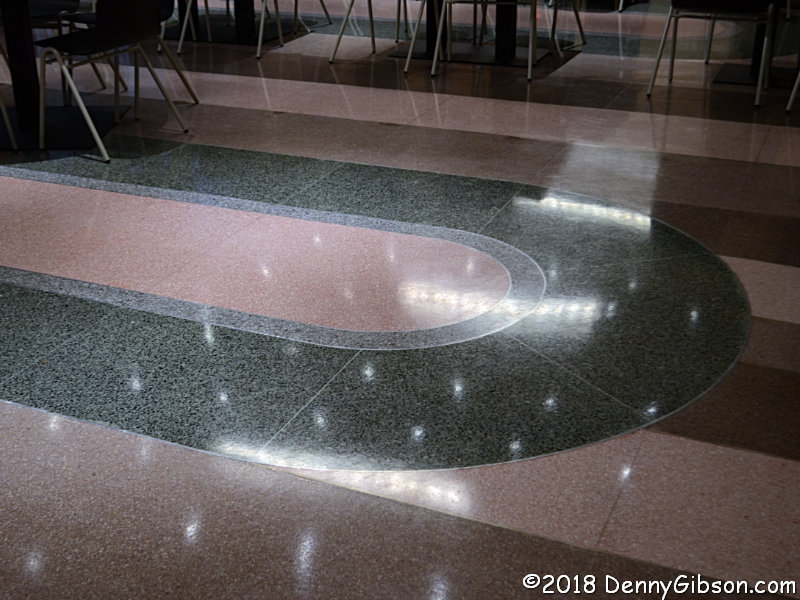
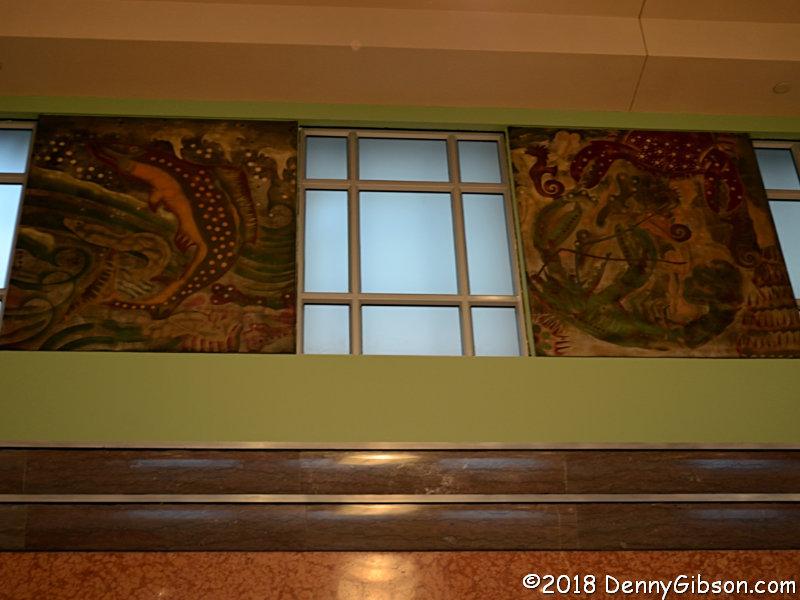
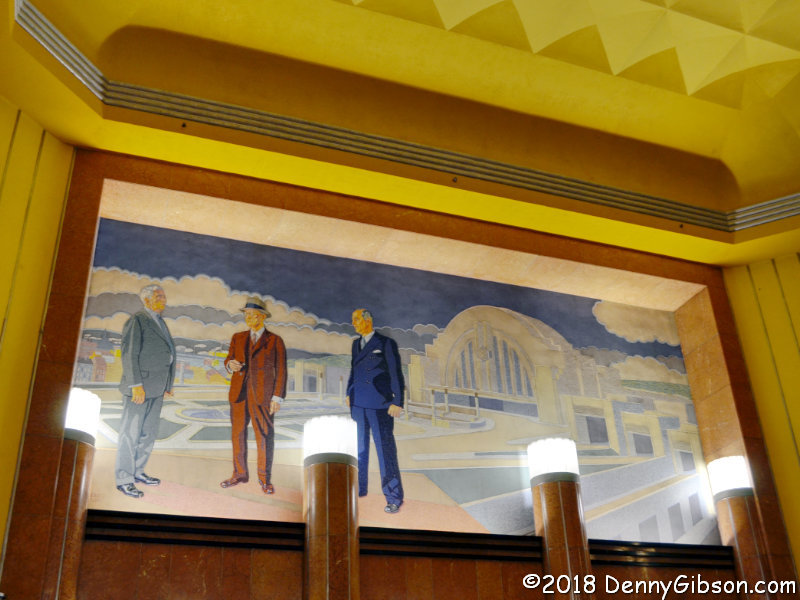 The Winold Reiss murals in the half dome had been cleaned at least once before; The two in the hallway behind it: never. Our guide mentioned that she always thought the brown suit in the mural on the south side was one of the most unattractive she’d ever seen. Now, all cleaned up, it looks pretty good. She then pointed out some small figures in the background of the mural on the other wall. I’d never noticed them at all before and I guess they were nearly impossible to see before the cleaning. I believe she said there were a total of seven. I had no trouble finding the four in this section. I’d also never seen the Pierre Bourdelle murals in the dining room before. The twenty-two canvas murals have been in storage since the late 1980s and have just been cleaned and restored. I guess I’ve probably never seen the actual floor of the dining room either. When this was an operating terminal, a serpentine counter filled the room. The counter was gone when the museums moved in and the area where it once stood was three inches lower than the room’s terrazzo floor. The depression was filled with concrete and the whole thing covered with carpet. Now green terrazzo marks where the counter once stood.
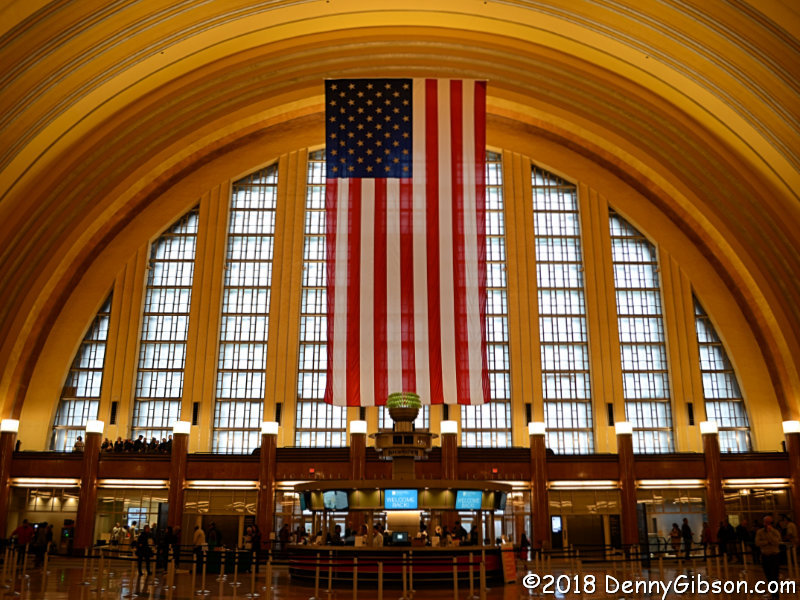 The terminal looks fantastic. This was no hurried patch job. Much of the building was more or less disassembled then put back together. Huge steel beams and other major components were replaced. The next several months, as the museums populate their areas, the Holocaust and Humanity Center moves in, the Historical Society Library returns, and the theater reopens with the latest digital technology, are going to be exciting. After the tours, I relaxed in the rotunda for a bit preparing myself for what I planned on being a cold but quick walk to the car. It wasn’t very quick.
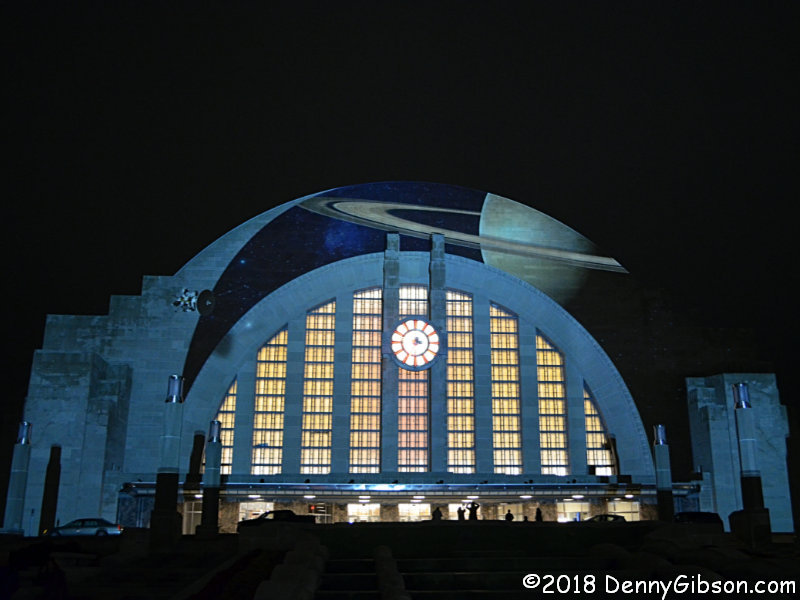
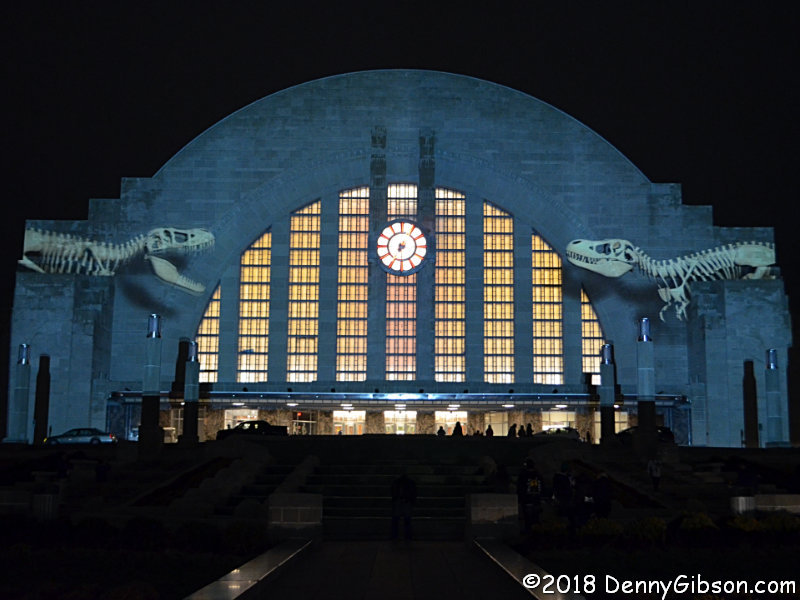
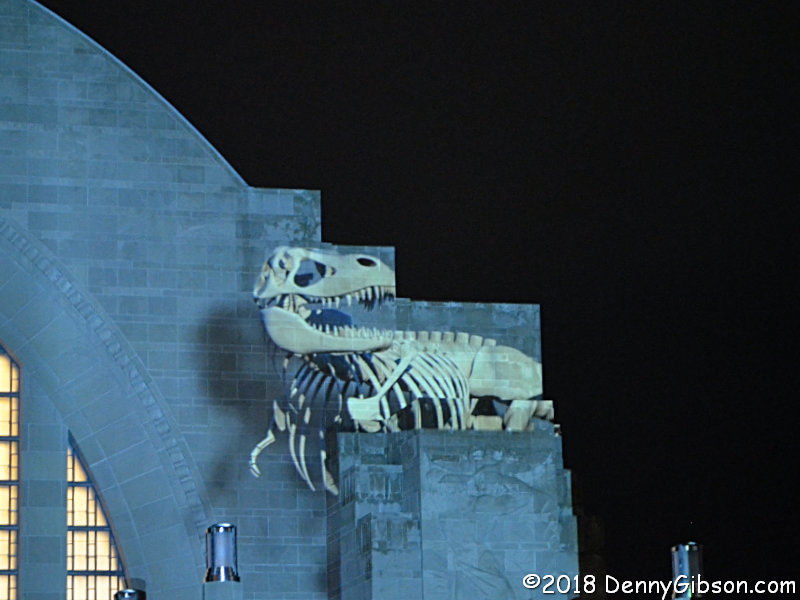
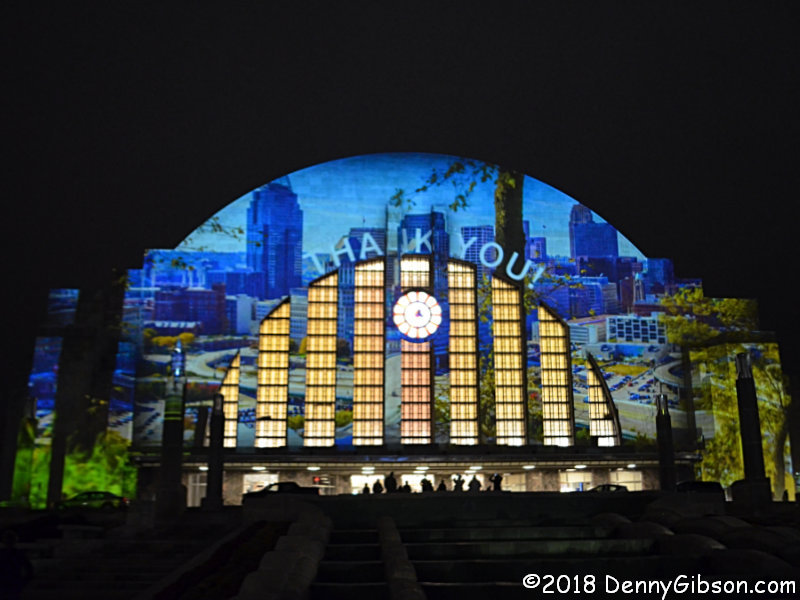 The biggest surprise of the day waited outside. I clearly had not been paying enough attention to plans for the reopening. A projection mapping display, the technology used in the city’s Lumenocity and Blink events, covered the front of the terminal. This was the sixth and final show leading up to Saturday’s official reopening. Each night featured a different theme in a fifteen minute loop. Tonight’s theme was “Thanks Cincy!” Every scene in the loop was incredible but I’ve held myself to the “Thank You” display and two of my favorites. I guess I was most impressed with the 3D aspects of the display. The perfect shadowing made the moving dinosaur skeletons appear to be several feet in front of the terminal. The moving satellite in the Saturn scene also appears to be some distance from the building. The walk to my car was about twenty minutes longer than I’d planned but I’ve got absolutely no complaints.
 We fought a war to get this country going then gave every land owning white male above the age of twenty-one the right to vote. A little more than four score years later, we fought a war with ourselves that cleared the way for non-whites to vote. Several decades of loud, disruptive, and sometimes dangerous behavior brought the granting of that same right to non-males a half-century later, and another half century saw the voting age lowered to eighteen after a decade or so of protests and demonstrations.
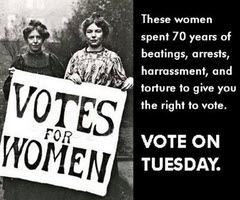 Of course, putting something in a constitution does not automatically make it a practice throughout the land and I am painfully aware that resistance followed each of those changes and that efforts to make voting extremely difficult for “the other side” are ongoing today. I don’t want to ignore partisan obstructions and system flaws but neither do I want to get hung up on them. I meant my first paragraph to be a reminder that a hell of a lot of effort, property, and lives have gone into providing an opportunity to vote to a hell of a lot of people. Far too many of those opportunities go unused.
 In the original title I claimed to not care how anyone votes. That was never entirely true, of course. I have my favorite candidates and issues. I’ll be disappointed in anyone who votes differently than I do but not nearly as disappointed as I’ll be in anyone who doesn’t vote at all. I’m reminded of parents working on getting their kids to clean their plates with lines like, “There are hungry children in China who would love to have your green beans.” I’m not sure what the demand for leftover beans is in Beijing these days but I’m pretty sure some folks there would like to have our access to ballots and voting booths.
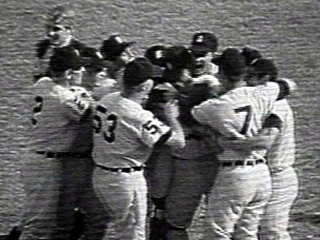 In 1968, it took a full seven games to determine a MLB World Series champion. The seventh game, which saw the Tigers top the Cardinals, was played on October 10.
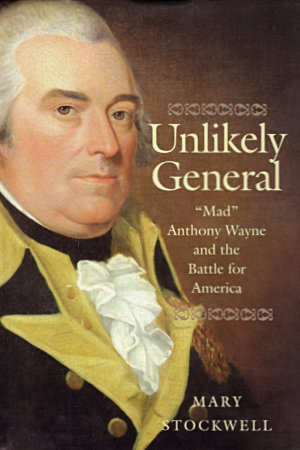 Anthony Wayne gave Fort Greene Ville and Fort Recovery their names. They were significant in both his life and mine although the level of significance is severely tilted toward Wayne. Fort Recovery is where the army led by Arthur St. Clair was nearly annihilated in 1791. It got its name when soldiers under Wayne’s command built a small fort there in 1793. Also built in 1793, Fort Greene Ville stood twenty some miles to the south and was Wayne’s home base during the Northwest Indian War. The treaty ending that war was signed there in 1795. The town that developed on the site of the abandoned fort adopted the shortened name Greenville. I grew up near the midpoint between Greenville and Fort Recovery and adopted Anthony Wayne as a hero at a very early age. I eventually figured out that much of the initial attraction was due the the cool bicorne hat he was commonly shown in, but the fact remains that I’ve known of General “Mad” Anthony Wayne nearly all of my life.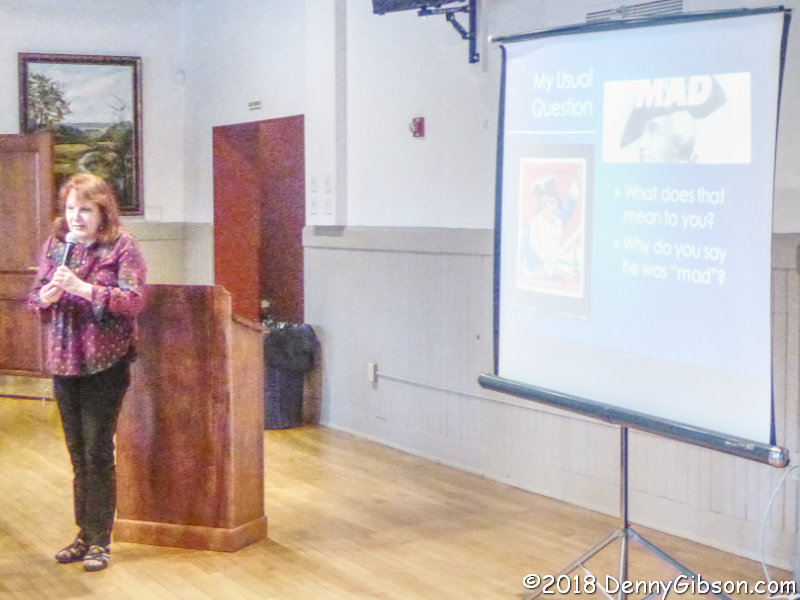
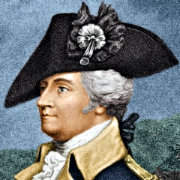 It was probably about sixty-five years ago that I was hooked by that super groovy hat and decided that the dude under it was my hero. It was only a few years later that I saw a painting of a hat-less Wayne and was shocked to learn it was the same person. That painting might even be the same one that appears on the cover of this book. It was at least similar. I recognized that there was more to a man than his hat and Wayne survived as a childhood hero. Inside Unlikely General, Mary Stockwell reveals a lot more than a high forehead. Anthony Wayne was not, as some have interpreted his nickname, insane, but he was a long way from perfect. Perhaps the fact that I’m much older now explains why I was less shocked at learning of the imperfections than I had been at my first sight of Wayne bare-headed.