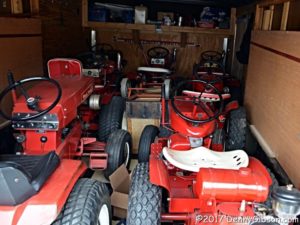
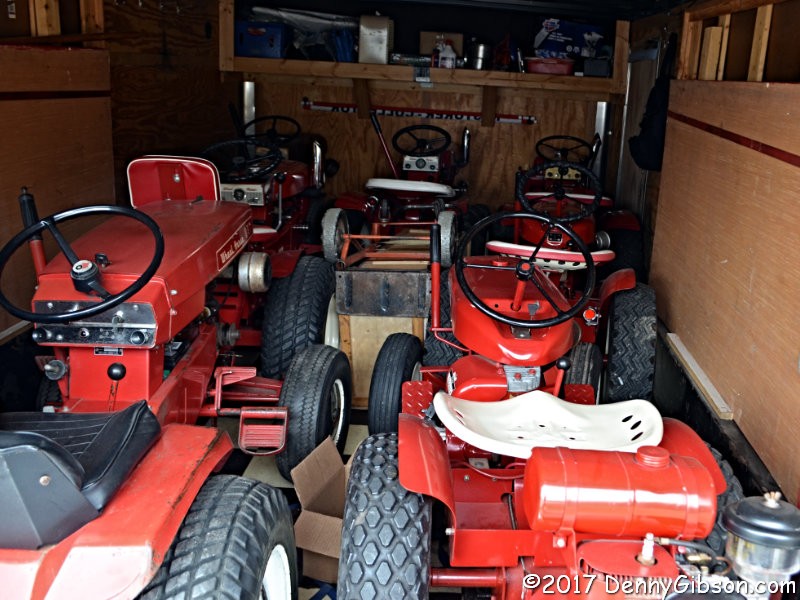
 When a guy with a couple dozen fifty-year old tractors connects with a guy who twice drove from Cincinnati to Los Angeles to get to Kentucky, anyone expecting completely sensible behavior is likely to be disappointed. The guy with an aversion to direct routes is me. The guy with the vintage tractors is Terry Wolfe who first appeared in this blog back in 2014. As mentioned then, Terry collects Wheel Horse tractors. The tractors appear in the Old, Strong, and Fast and A Pretty Fair Week blog posts. Terry exhibits regularly at shows in Portland, IN, Greenville, OH, Arendtsville, PA, and elsewhere. A big show in Florida has long been on his radar but that was a little too far away for regular travel companions including his wife. He suggested it, the dates fit my calendar, and on the morning of February 19 we headed south with a herd of seven Horses in tow.
Although I thought about it, I decided long before departure that I would not attempt a daily journal on this trip. I did Tweet a few photos and comments and hinted at the possibility of a summary blog post. I was far from certain that would happen but here it is: an eight day trip in a single blog post.


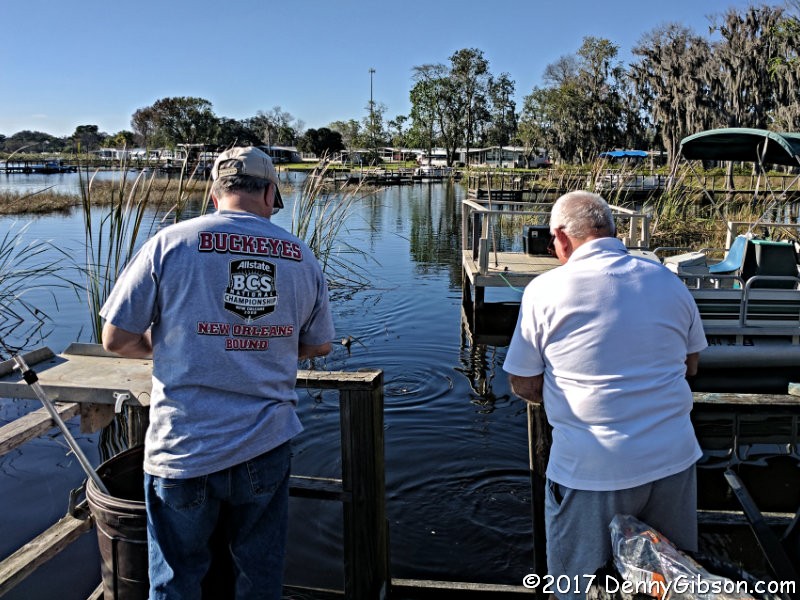
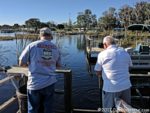 We spent Sunday night in a motel south of Atlanta. On Monday we reached my Uncle Eldon’s place near Lake Alfred, FL, and stayed there overnight. Stops here appeared in trip journals in 2012 (Bunkin’ with Unk) and 2014 (Christmas Escape 2014). That’s Terry and Uncle Eldon tossing bread to fish and birds in the last picture.
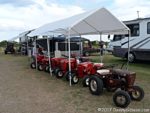
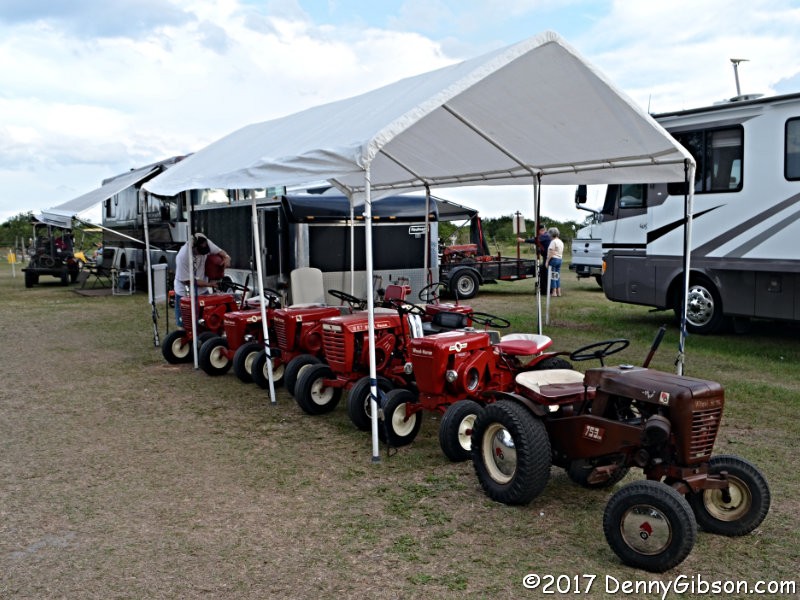
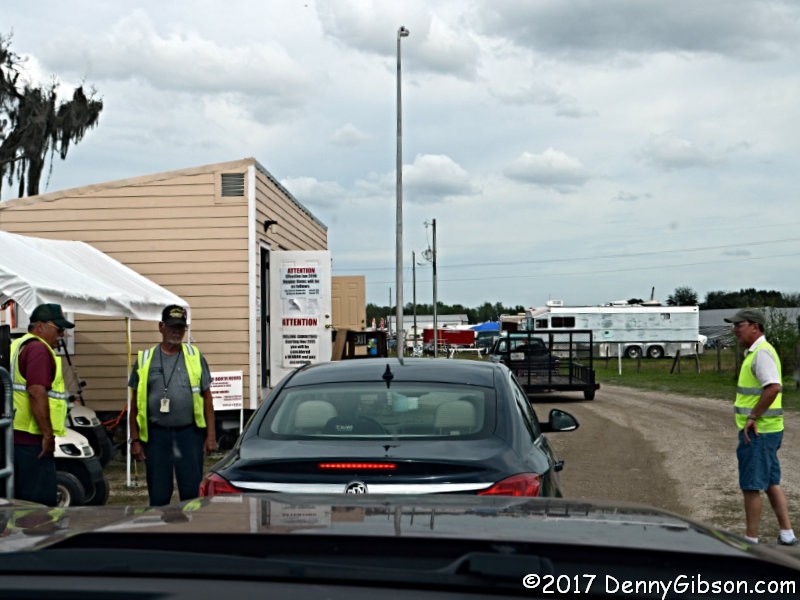
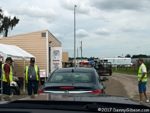 Our destination was about thirty miles further south at Flywheelers Park where the Florida Flywheelers Antique Engine Club holds several events each year. We drove the final leg on Tuesday and hit the right gate on the second try. The afternoon was spent unloading the tractors and erecting the canopy which was a welcome shelter from both sun and rain over the next few days.
 I knew that a high school friend spent a good chunk of each winter in the general area and sent a text during the ride down to see if she was nearby. Tammy and husband Vic weren’t just nearby, they already had their trailer set up in Flywheelers Park and would be part of the show’s flea market. They found us as we were unloading and extended an invitation to dinner which was a pretty cool way to step into an unfamiliar show. Then, a couple of days later, they took us along on a grocery shopping trip to Avon Park. The dinner, the chauffeuring, and the general advice were much appreciated.
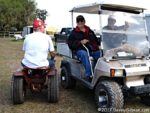
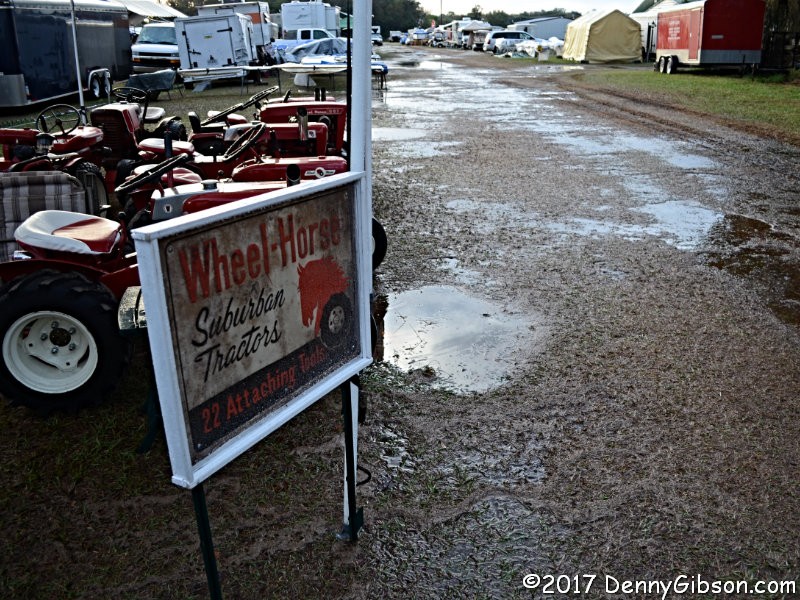
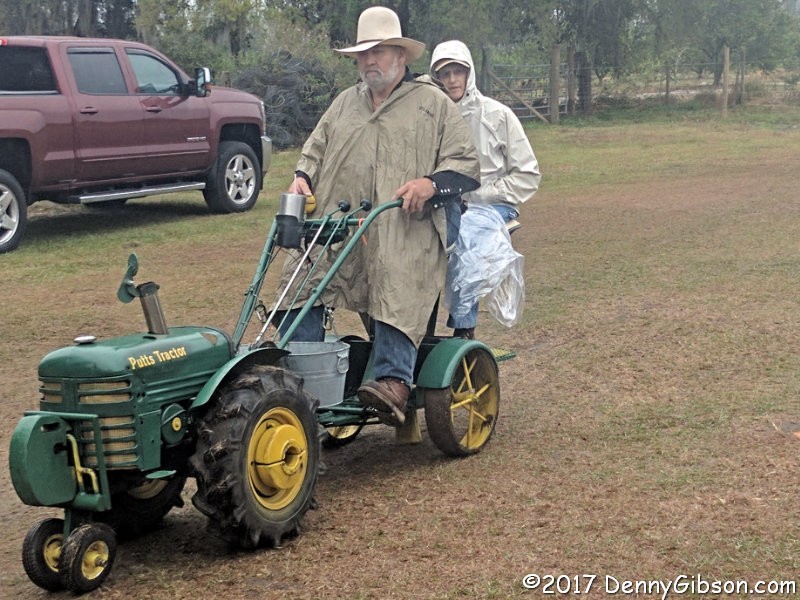
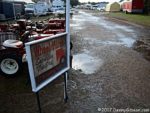 The show opened on Wednesday and so did the clouds. In fact the rain was quite heavy at times but the sandy Florida soil dried rather quickly between downpours. We managed to do some sightseeing during the rain-free periods. Terry had selected two of the Wheel Horses for on site transportation and we toured the grounds in style.
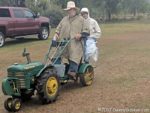
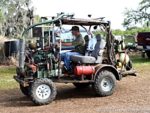
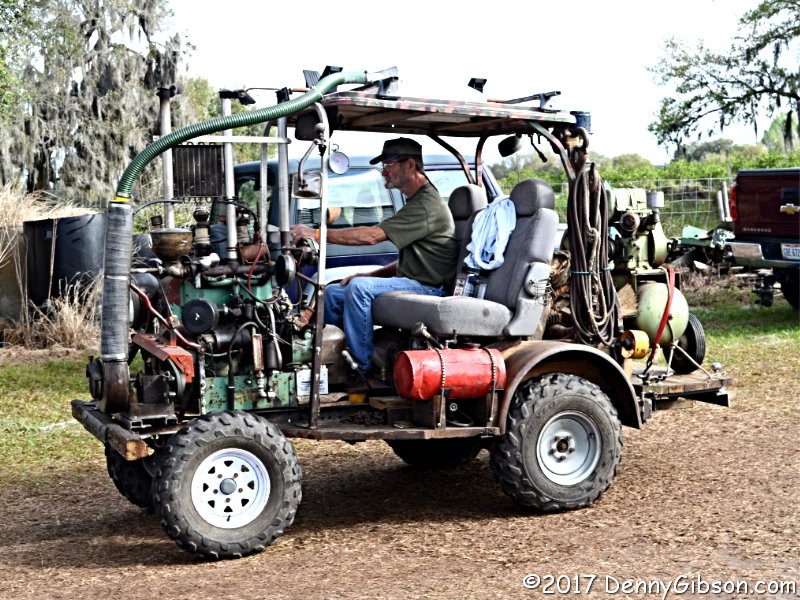
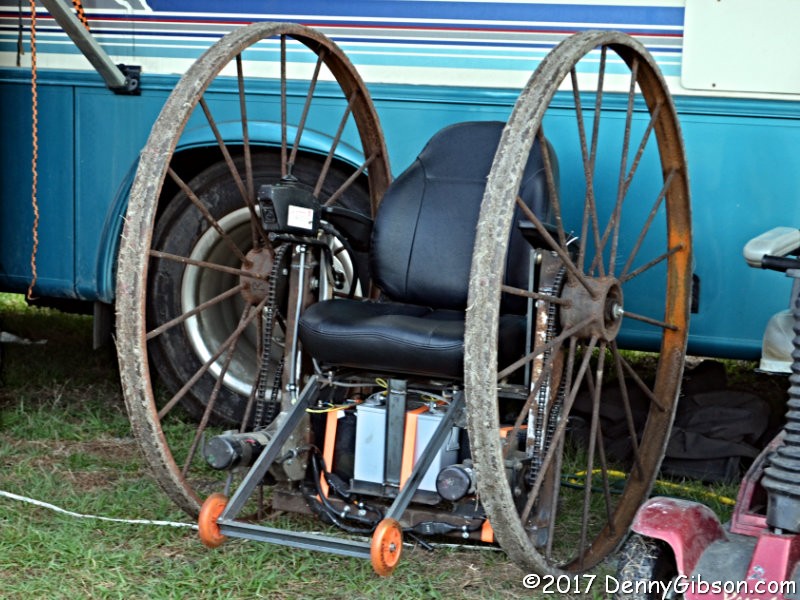
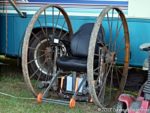 Literally hundreds of normal looking golf carts were pressed into service as shopping and sight-seeing vehicles but many of the people carriers were truly part of the show. I saw the single-axle machine occupied and in motion on several occasions but never when I was able to get a picture.
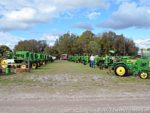
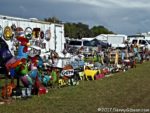
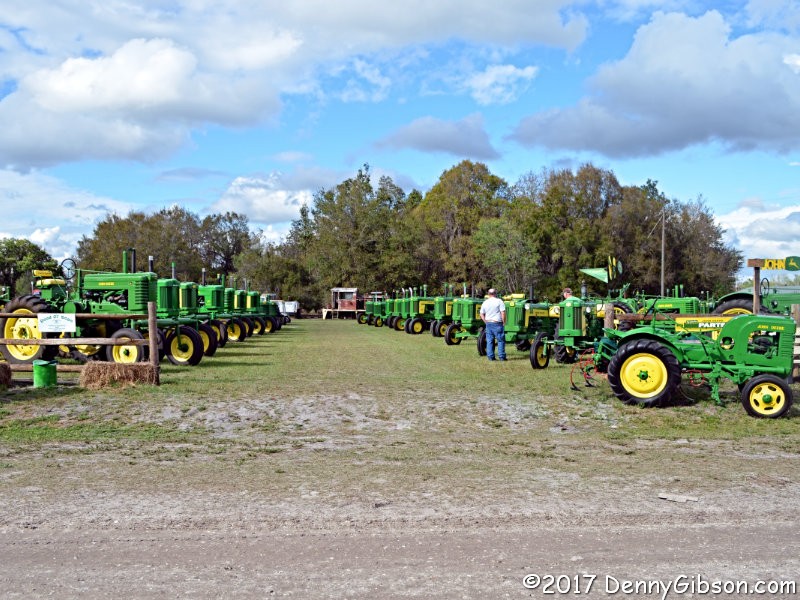
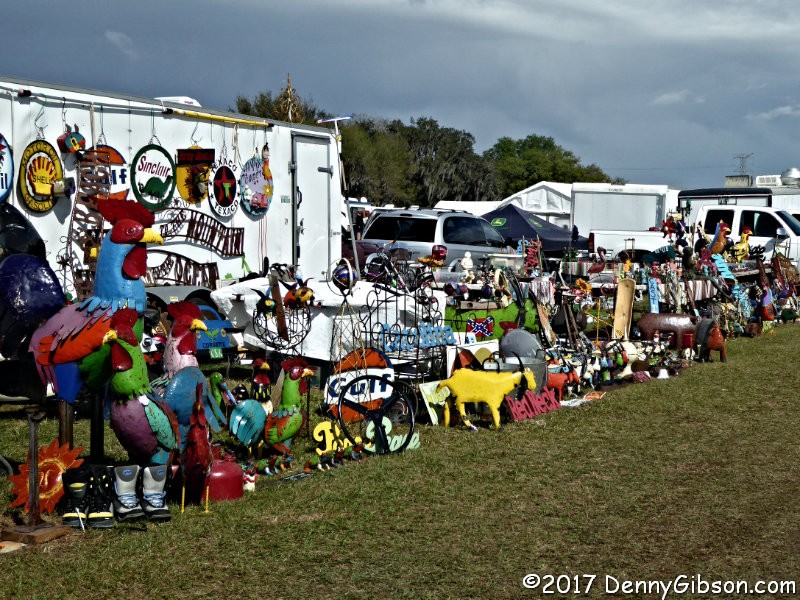
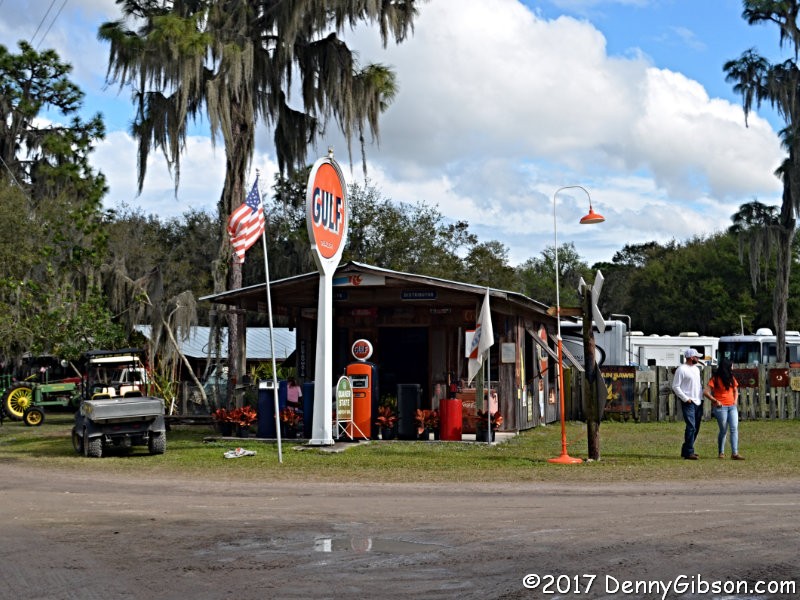
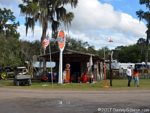 There are quite a few permanent buildings in the park. Many, particularly those in an area called The Village, are made to look like businesses of yesteryear. The show itself is huge with an extremely wide range of vendors and exhibitors. Despite Oliver being the featured brand this year, the largest array of a particular tractor I saw was this field of John Deeres.

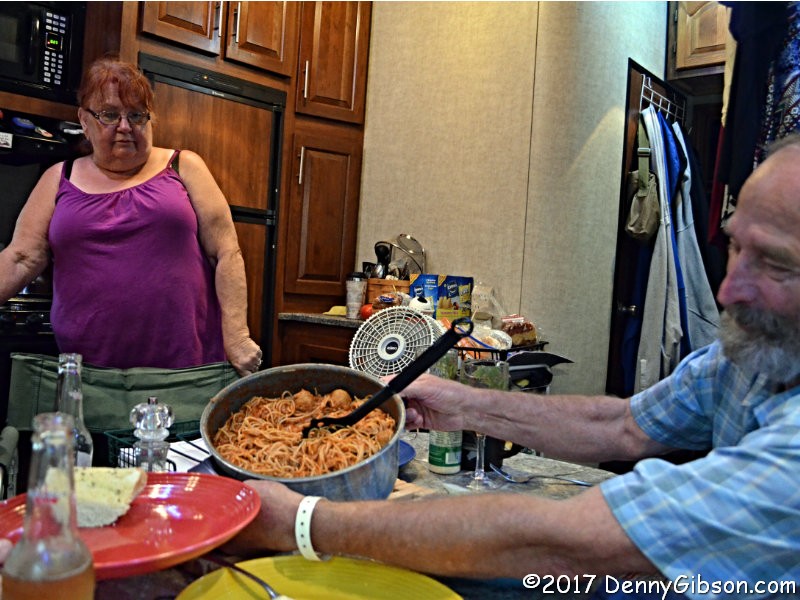
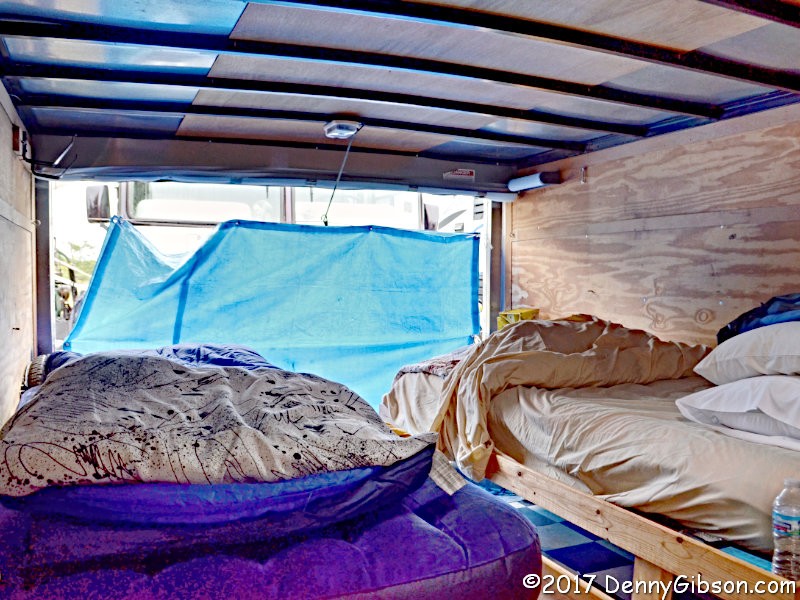
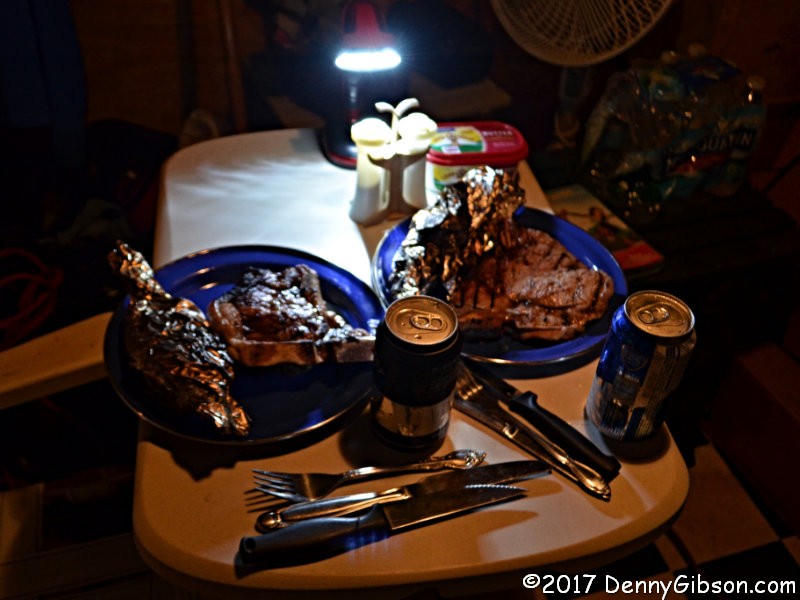
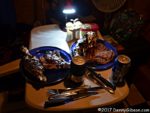 Anyone who has seen some of my TripAdvisor reviews may have noticed that I often mention convenience, cleanliness, and comfort in rating my accommodations. With the tractors outside, our bunks in the trailer were certainly convenient and, with some fairly thick air-mattresses, reasonably comfortable. Cleanliness not so much. Breakfast each day was bacon and eggs prepared over a Coleman with other meals usually coming from a grill. The pictured meal is Friday night’s steak dinner. While at first glance, the flashlight illumination might give the appearance of a romantic candle-light dinner, what really happened was that we fired up the generator and turned on a drop light so that two old farts could see to eat.
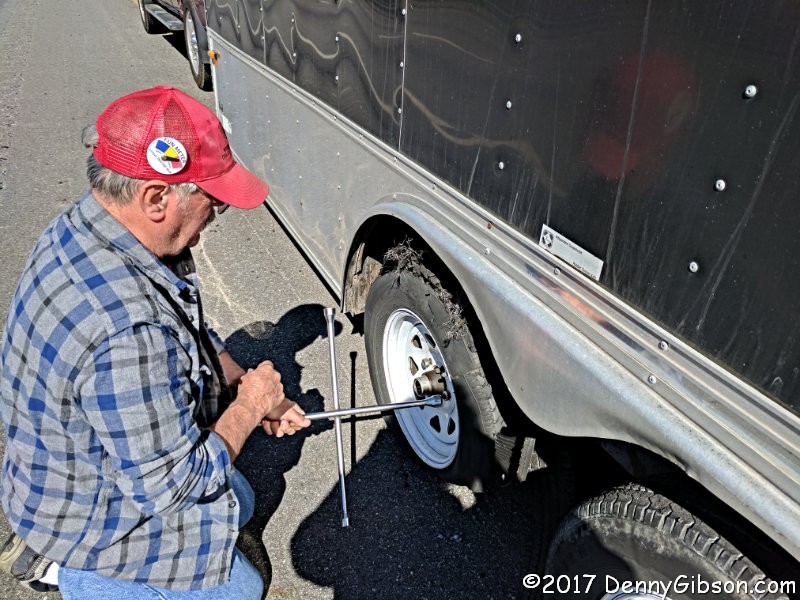
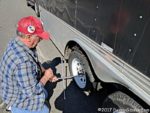 We cheated just a little on the tear down and were essentially ready to roll when official closing time arrived on Saturday. We made it across the Georgia line for the night and home at the end of a long Sunday. As you can see, there was an unplanned stop on the way but I helped speed things along by staying out of Terry’s way. The reason for the vibration that he had occasionally felt was no longer a mystery. So, yeah, this trip was notably different from most in my recent past but, except for the tractor herding bits, it wasn’t something totally new to me. I’ve done a fair number of destination oriented road trips and will undoubtedly do some more. There was even a period when I did a decent amount of tent camping and another with frequent van camping. My most recent tent camping was a couple of night in Rocky Mountain NP back in 2011. What we did last week was quite similar to my van camping. I enjoyed the differences between this and my typical trip and I don’t at all rule out doing it again. On the other hand, I make no promises or predictions.

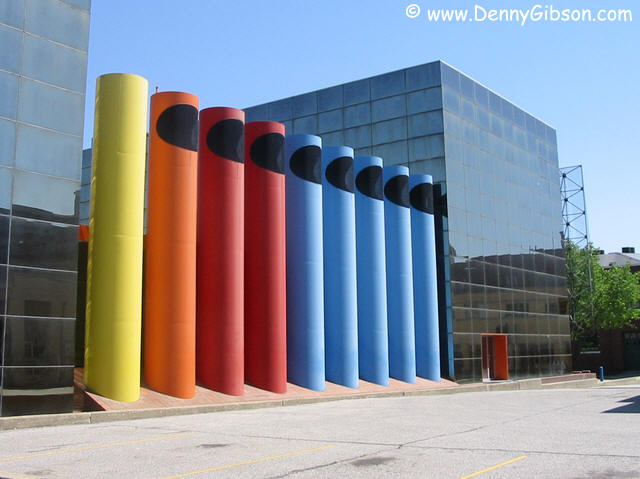 This picture is from my 2003 A Few Indiana Towns day trip. The picture is from Columbus, Indiana, which was the trip’s destination. The town is known for its architecture and painting these vents to look like a pipe organ is the kind of thing that makes the place interesting. Other Indiana towns visited along the way include New Trenton, Cedar Grove, Brookville, Metamora, Oldenburg, and Versailles.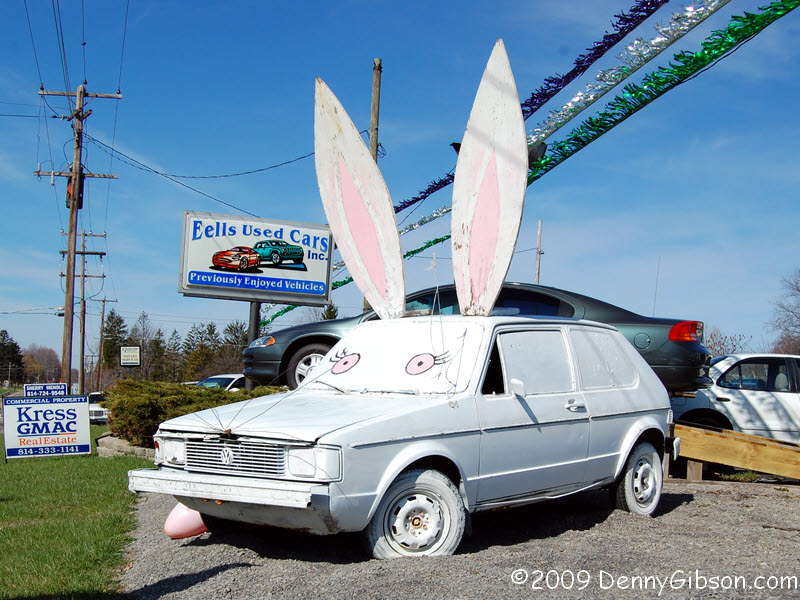
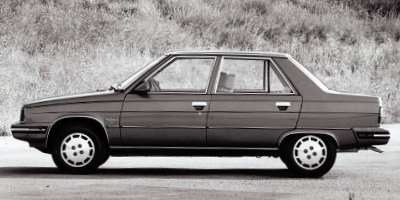 There was a time when I was truly smitten with this car. Others were too. It was Motor Trend‘s “Car of the Year” and it was included in Car and Driver‘s “10 Best”. Many were the automotive writers who praised the first offering from AMC under Renault ownership. That experts praised the little car certainly influenced my opinion but I recall that I sincerely hought it was physically attractive. Yeah, that’s the kind of smitten I’m talking about.
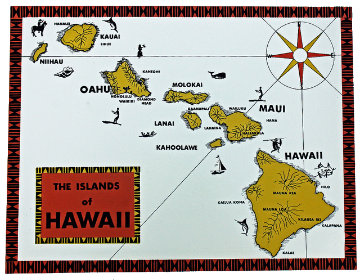 More often than not, I wait until the first day of a trip is past and the journal for that day posted before making an entry here. Not this time. One reason is that most of the first day will be spent flying so there may be little or nothing worth reporting. Even if there are things to post, I may not have the time or energy to do it in a timely manner. The fact that all that flying involves six time zones won’t help. There are certainly enough potential problems with the first day’s journal post to justify doing the blog post a little early but I must admit that the timing just might be affected by my own excitement.
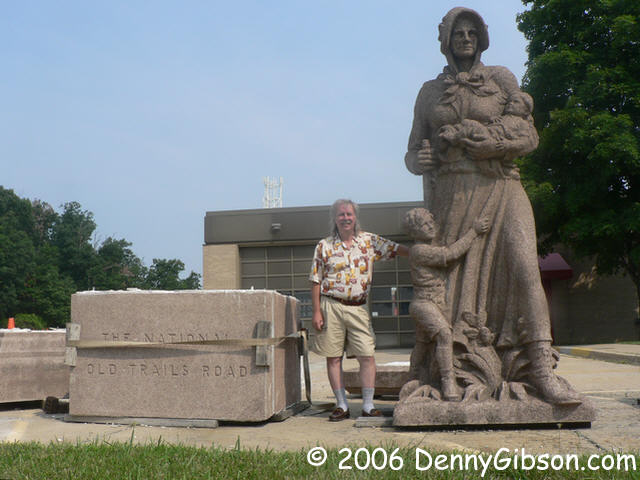


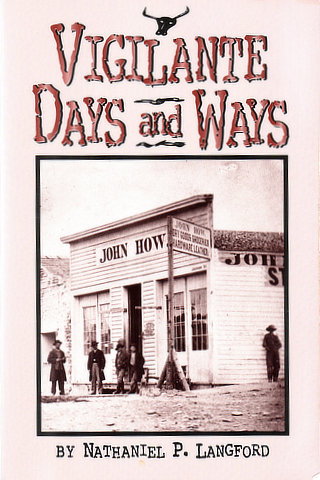 This book was first published in 1890. The link at the end of this article points to a version published barely a month ago. Despite it being well over a century old, some think it worth reading and someone considers it worth republishing. Why others consider the 127 year old writing worth reading I cannot say but I know why I enjoyed it. It’s filled with stories I’ve watched unfold on TV or in a movie theater or read as fiction. Those tales of frightened town folk, evil bullies, crooked sheriffs, and cowardly henchmen that thrilled me in my younger days were all legitimate. The basis of many plots played out in the numerous TV westerns of the 1950s and ’60s can be recognized in the real world events that Langford documents. This book is filled with characters very much like the assorted outlaws encountered by the horse riding heroes of my youth. Men similar to some of those heroes are also present although they don’t stand out quite as clearly. Few real world heroes wear a pair of pearl handled revolvers and a white hat.
 It looks like Garmin BaseCamp first appeared in 2008. I don’t recall when I first downloaded it but I do recall that it sucked. I use Garmin hardware and Garmin software is required to communicate with it. BaseCamp was the intended replacement for their MapSource program and, while I was hardly a fan of MapSource, at least it didn’t crash or hangup too often. Early BaseCamp did both somewhat regularly and its user interface was no more intuitive to me than MapSource’s. I put off switching as long as I could but the day came when I was forced to replace a program I didn’t like at all with one I disliked even more.