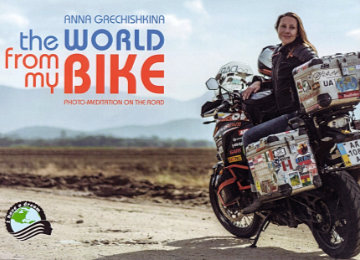
 Wow! This is one of the most captivating books I have ever held in my hands. It is the product of one of the most determined woman I have ever met on one of the most exciting adventures I can imagine. Claiming to have met Anna Grechishkina is actually something of a stretch. At the 2014 Route 66 Festival in Kingman, Arizona, she joined some festival attendees for dinner. Our “meeting” consisted of a second or so of eye contact and a group hello. But I learned of her dream and her plans to fulfill it and I have followed her journey from that point on.
That journey had started just over a year before when she left her home in Ukraine to travel the world on a motorcycle. In that time she had traveled east through Russia then south through Asia and Australia. From Kingman she would cover much of the US then turn south and ride along both coasts of South America before jumping across the Atlantic to Africa. I believe she was in Tanzania when The World from My Bike was completed. As I write this, Anna has just reached Sudan.
I confess to being surprised by the book even though I certainly should not have been. Pre-publication descriptions made it clear that the book was not organized either chronologically or geographically. I know I read that, and have to think I understood it, but it apparently didn’t really sink in. Until I actually opened it and started “reading”, I foolishly expected a standard model travelogue with dates and miles and maps and such. As Anna herself explained in those pre-pub descriptions, The World from My Bike is organized “…according to the emotions I felt at different stages of my journey.”
On the other hand, maybe I intentionally resisted that understanding. I must also confess that I might have turned away from a book I thought was nothing but personal emotions. But regardless of whether I accidentally or intentionally sidestepped the description, I’m sure glad I did. My silly preconceptions might otherwise have caused me to miss out on something wonderful.
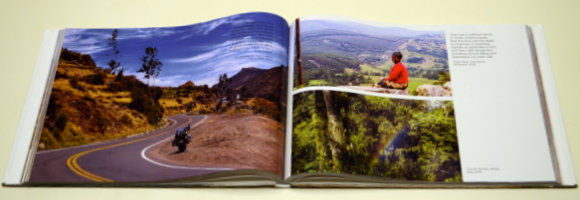
There are 365 photographs in the book. I didn’t count them. That number is given in the book’s preface. That three paragraph preface is just about the largest collection of words in the entire volume. It might be exceeded, but only slightly, by the five paragraphs that appear on the back cover. A date and location is given for every photo and most are accompanied by a bit of text. Sometimes the text relates to a specific picture.
The town was alive, rich and arrogant. But diamonds which were the main reason for the town’s existence started to deplete , and the town of Kolpanskop in Namibia eventually turned into a ghost town as its inhabits left all their possessions behind and rushed for another shaky hope. Little by little sand took over what was once the subject of admiration and luxury
But more often it expresses a thought that is augmented by the picture.
Everywhere I go I am a stranger. Well respected, welcomed and even admired, but a stranger. No matter how many interesting stories I tell, I am a passer-by and observer, and soon I will be gone. The most I can expect is to leave good memories behind me.
And sometimes it simply provides some practical real-world advice.
If you wait a few more minutes and don’t rush back home straight after the sun went down you’ll see kaleidoscope of colors and forms which might surpass even beauty of the sunset.
The photographs are beautiful by themselves. There are, of course, numerous images of stunning scenery, but there are also street scenes and photos of people including several riveting portraits. The word “exotic” popped into my American mind many times.
There are 150 pages in the book. Those I did count. They are not numbered. There are four sections — Happiness, Challenges, Lessons, and Fun — but there is no table of contents. It would be meaningless without page numbers. This is not unique. In fact, the organization is very similar to that of Hues of my Vision by Ara Gureghian, another motorcyclist. It no doubt registers more with me here largely because of my own faulty expectations of something linear. This organization is clearly the correct one. There are a few places where two or three pictures work together to complete a thought but, for the most part, the book can be opened anywhere and happily experienced without turning a page.
The book can be purchased at The World from My Bike and I absolutely encourage you to get one. It’s a dandy.

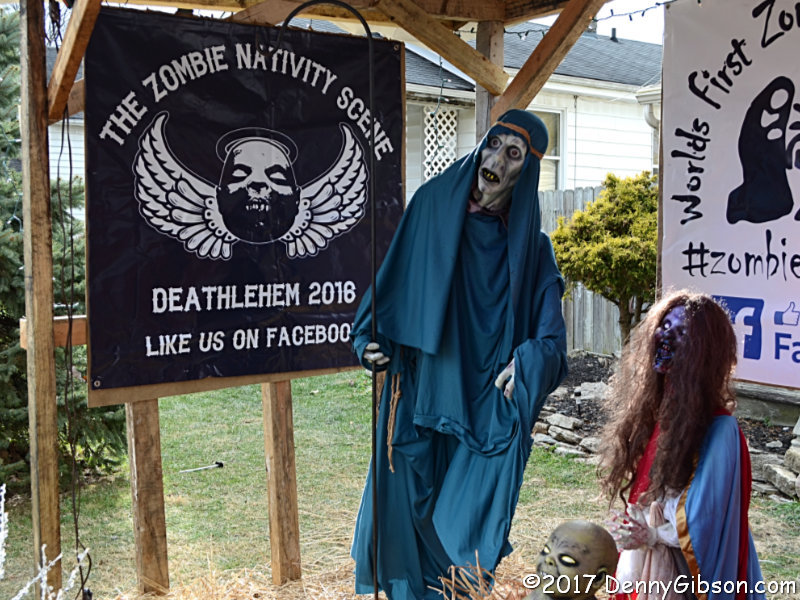
 It was fun while it lasted. Jasen Dixon set up The World’s First Zombie Nativity Scene in 2014. He says he almost didn’t bring it back this year and definitely won’t next year. The display faced legal challenges and a certain amount of outrage during its first two years but it seems things were fairly quiet last Christmas season. From the beginning, the display had at least as many fans as detractors, and, while the number of those in favor has increased, the number of those actively opposed has fallen dramatically. For some it was a practical matter. After 27 misdemeanor charges and $13,500 in fines were dropped early last year, Sycamore Township officials decided “It’s not worth the expense…”.
 In 2015 I included a couple of daytime pictures of the Zombie Nativity in some comments tacked onto a Christmas time blog post. This year I snapped both day and night shots. I ended my 2015 comments with the observation that I thought “…a new local Christmas tradition has been established.” Whether or not you think that was right depends on whether or not you think the word “tradition” has any business being associated with something something that lasts just four years.
 The title for this post comes from a 1968 hit song from the band The Zombies. I listened to a lot of stuff from them back in the day but I’d been smitten by zombie music long before. I remember singing along to this Kingston Trio recording from an older cousin’s collection as a pre-teenager. In searching for that 1959 performance I discovered a really cool one by Rockapella and another by the great Harry Belafonte.








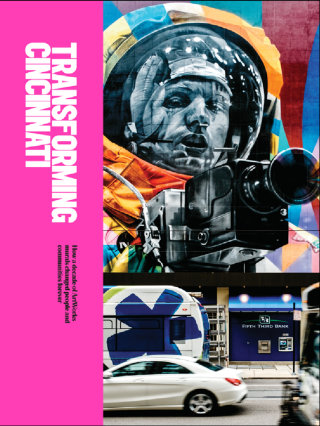 It would be nearly impossible to spend any time at all around Cincinnati and not notice that its mural population has been increasing. I’ve noticed but I didn’t understand. I didn’t understand that ArtWorks Cincinnati, a name I sometimes noticed being associated with a new mural, wasn’t just a company hired to paint some pictures on some walls. I started to understand that aspect of Cincinnati’s murals just a little when ads for Transforming Cincinnati started to appear that included pieces of the back story. At that point I thought I understood the book’s title but, as I learned when I attended the big premier nearly two weeks ago, that was probably what I understood the least. The official launch took place on November 18 at a “Book Premier & Artist Signing” hosted by Joseph-Beth Booksellers. I attended with the idea of getting a copy with a few autographs in it. I got so much more.

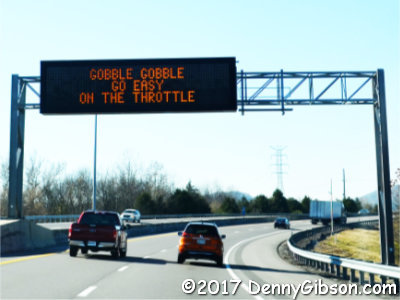 I’m spending a couple of days, including Thanksgiving, at Natchez Trace State Park west of Nashville, Tennessee. This entry is to let folks who subscribe only to the blog know about it as well as provide a place for comments. The journal is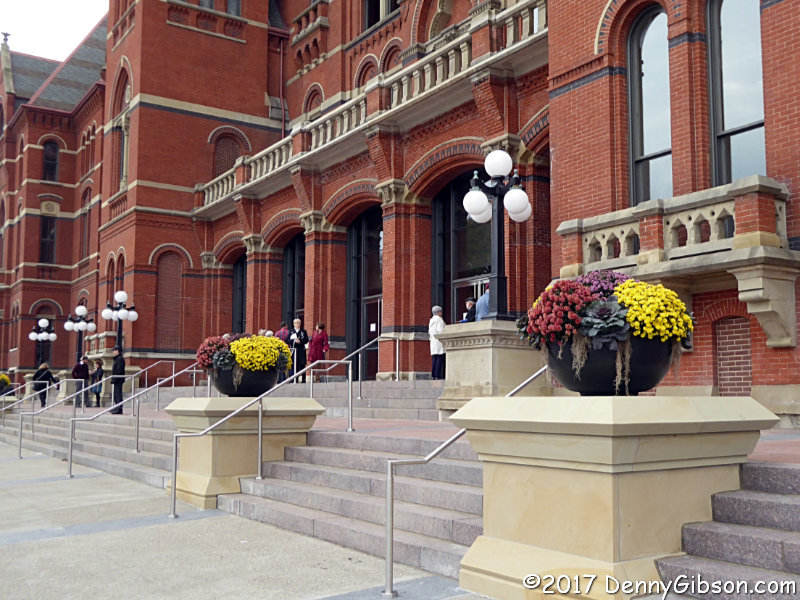




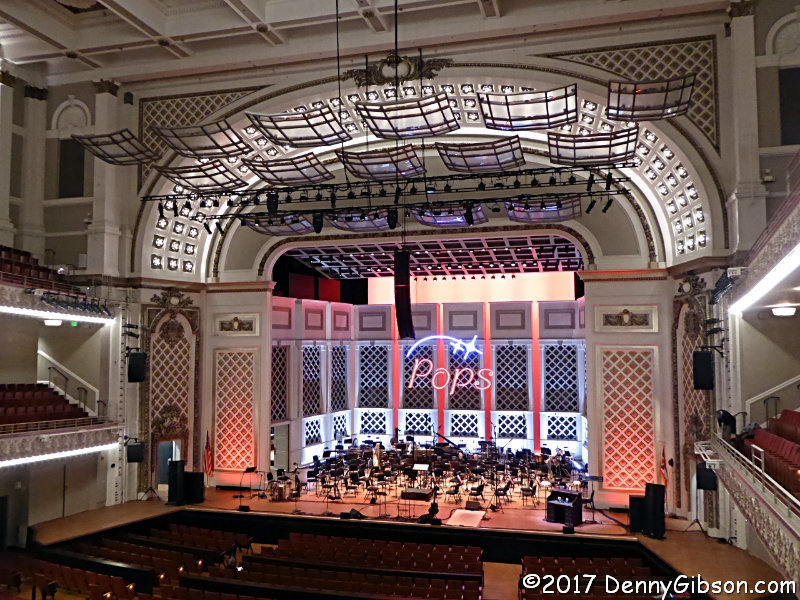


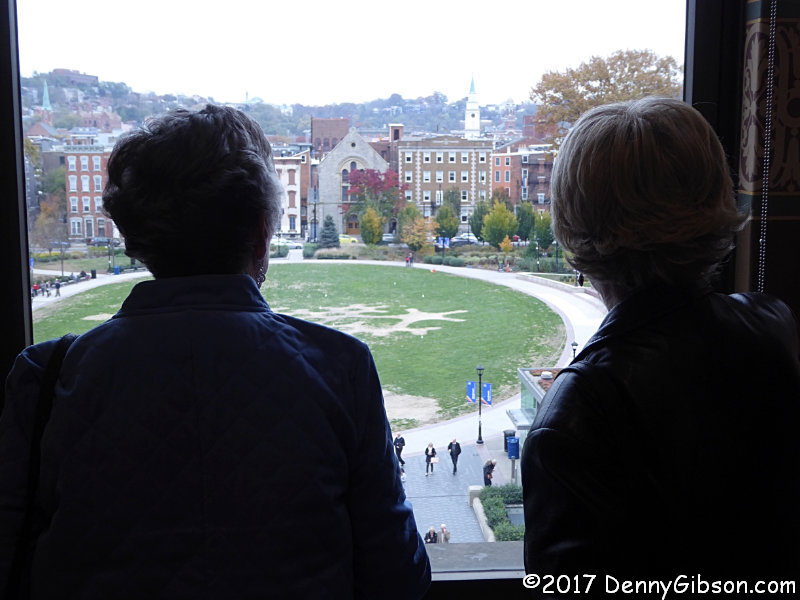





 This could be the charm associated with third attempts, or it could be the out associated with third strikes. Seriously, though, I doubt it is either. Neither of my first two books,
  I’ve walked in a